



He once dreamed of an incredibly long and strong thread. Upon waking, a fellow prisoner from the labor camp said to him: “Wiktor, hold on—because a long and happy life still awaits you.”
Wiktor Żyzdryń came from the area around Lida, in territories that are now part of Belarus. He graduated from the State Technical School in Vilnius and became a surveyor. During World War II, he served as a soldier in the Home Army. Two months before the end of the war, he was captured by the Soviets. He was quickly tried and sentenced to death for his pro-independence activities; the sentence was later commuted to twenty years in labor camps. Wiktor Żyzdryń spent nearly eleven years there. He was released under an amnesty following Stalin’s death. Thanks to the efforts of his family—especially his sister, Anna Grygielewicz—he was able to return to Poland in January 1957.
Reading accounts of people who endured such extreme experiences, we often wonder how they managed to cope and how they were able to return to “normal life.”
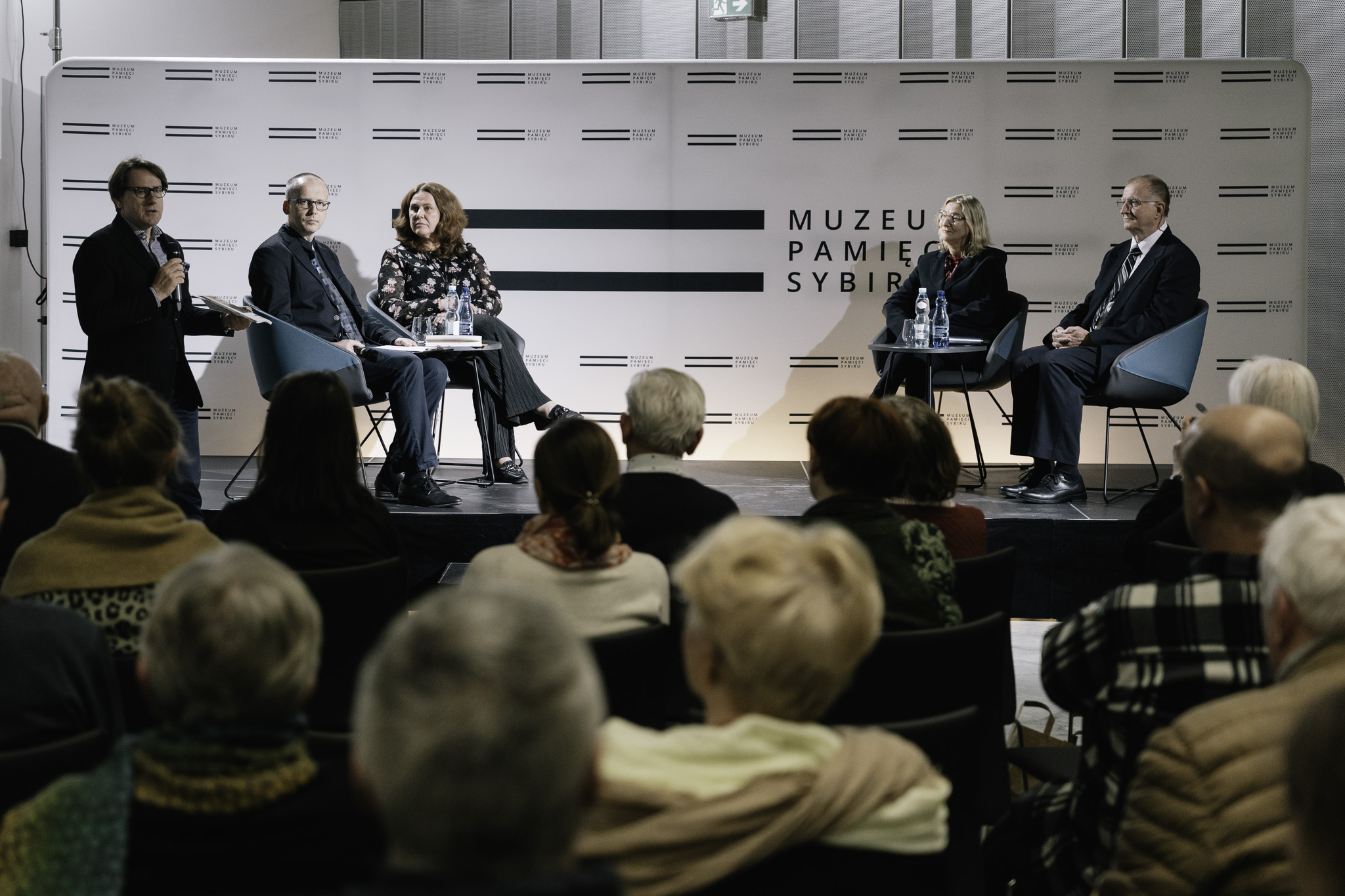
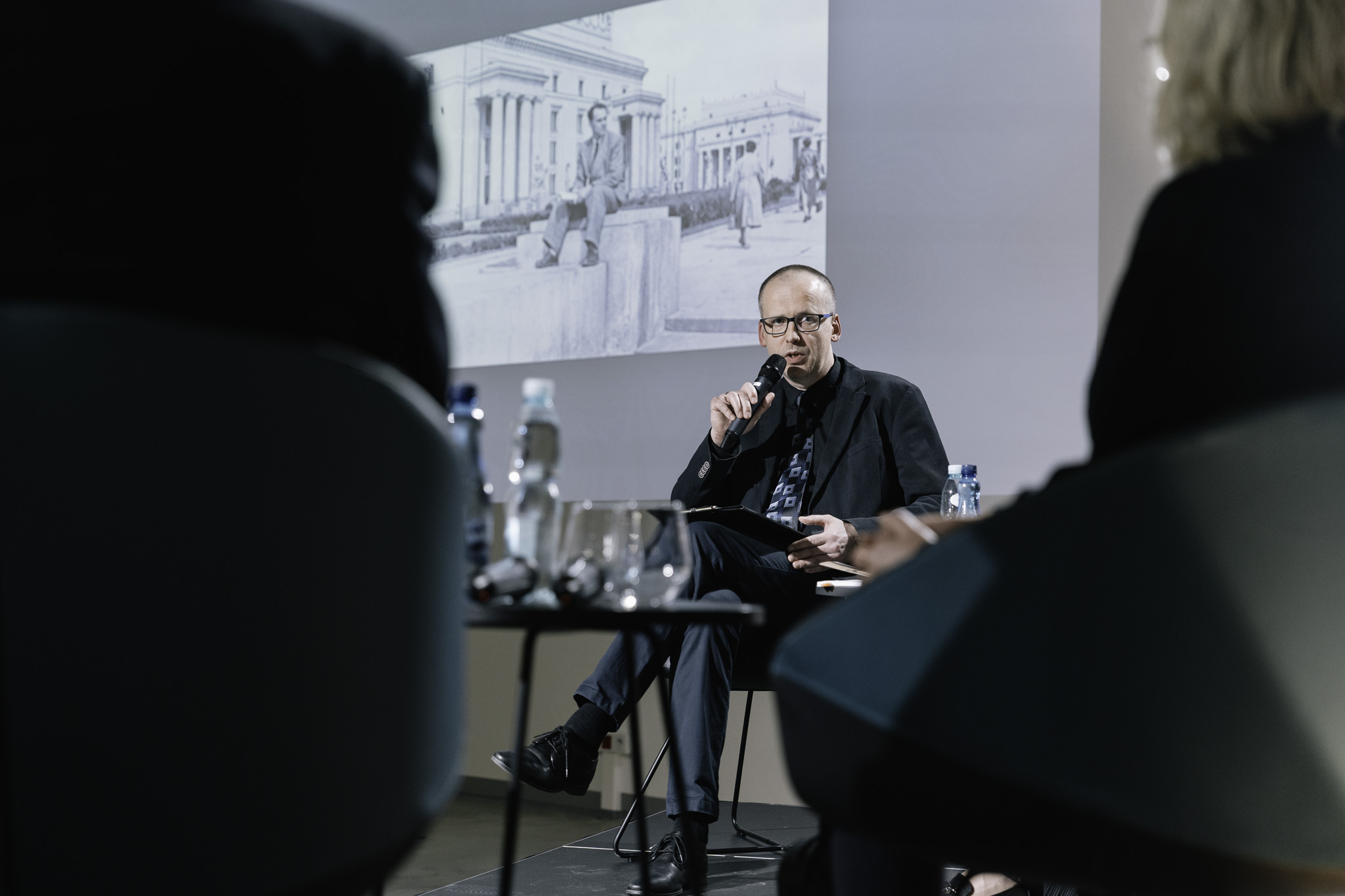
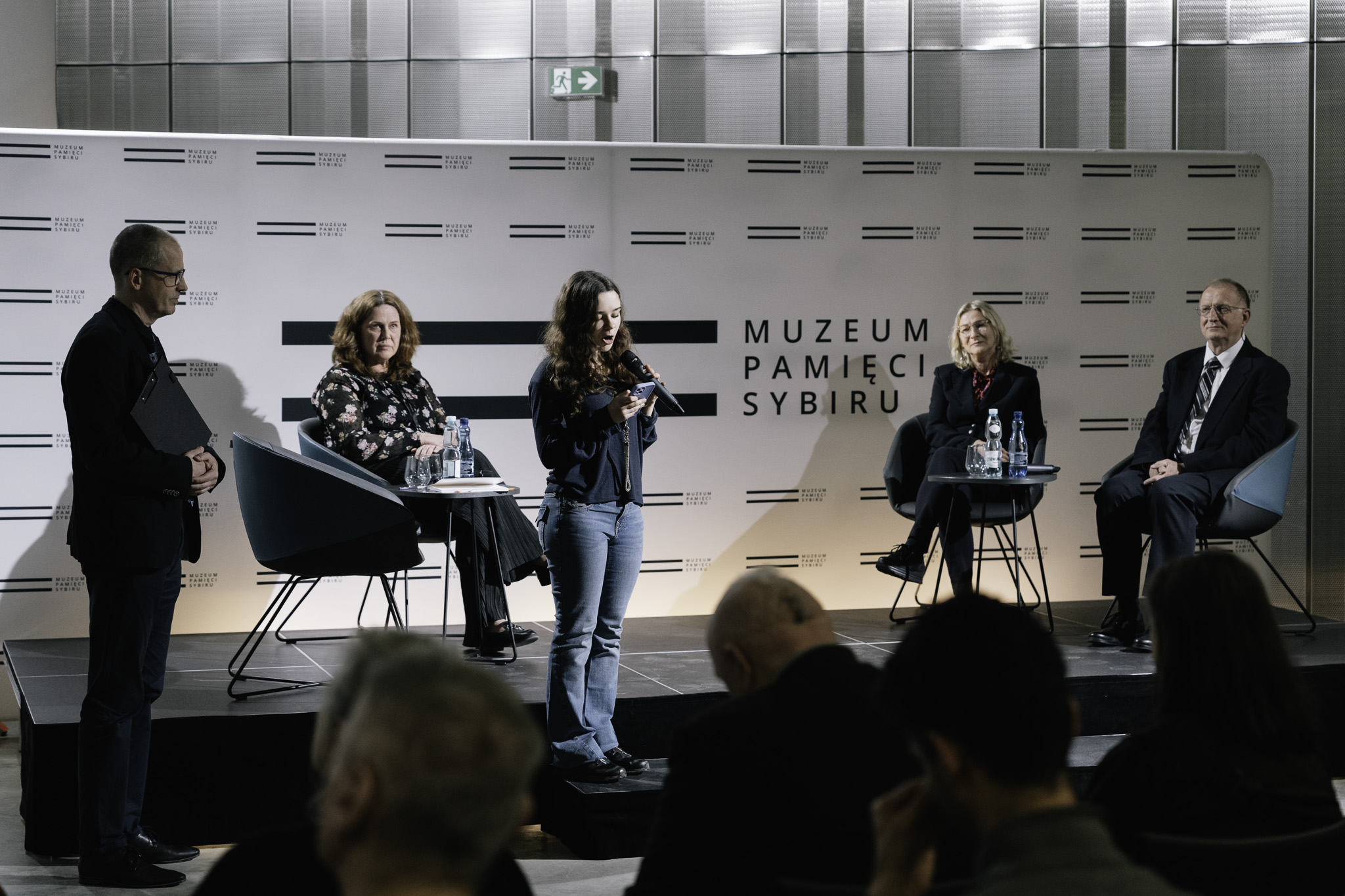
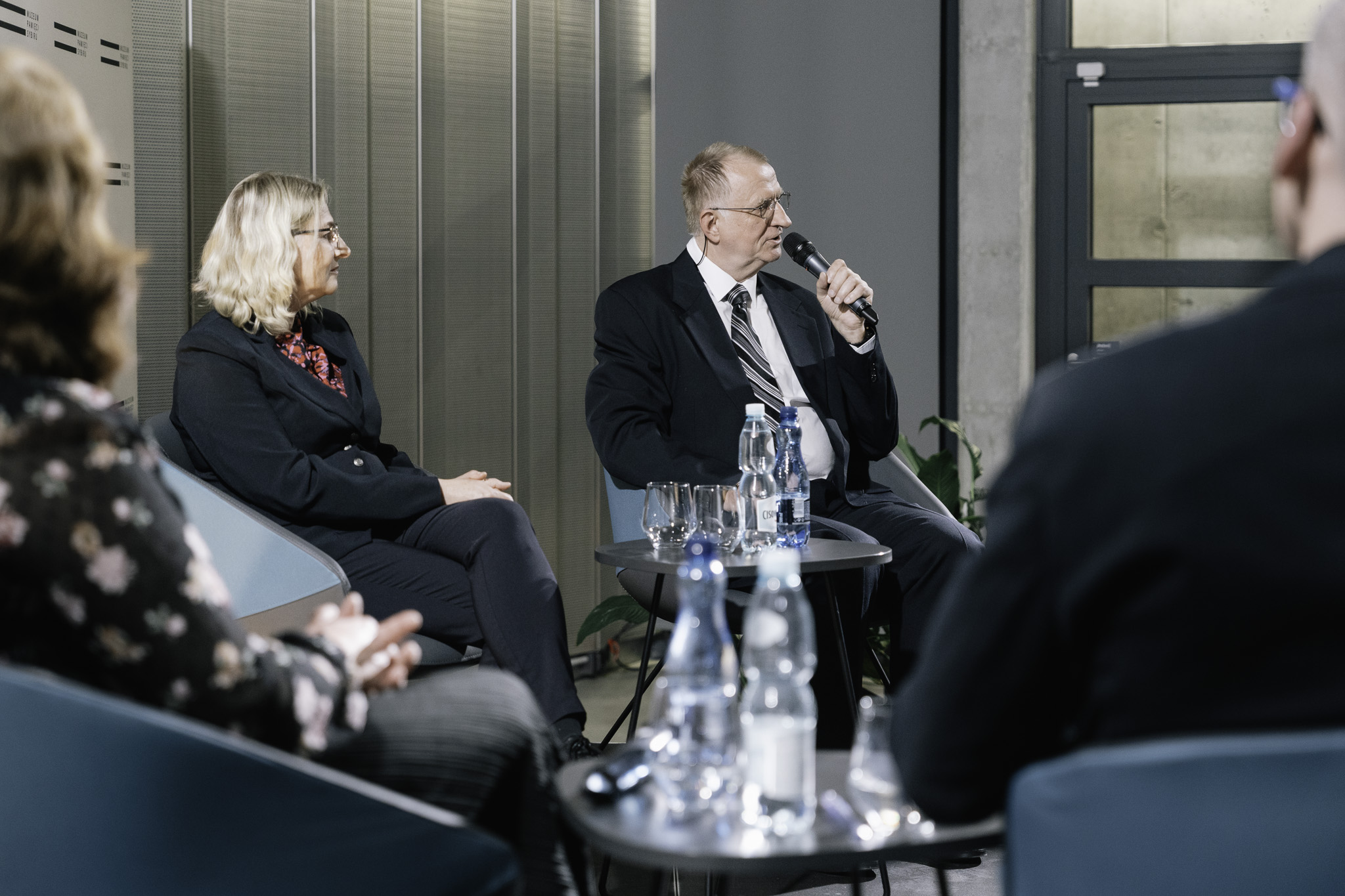
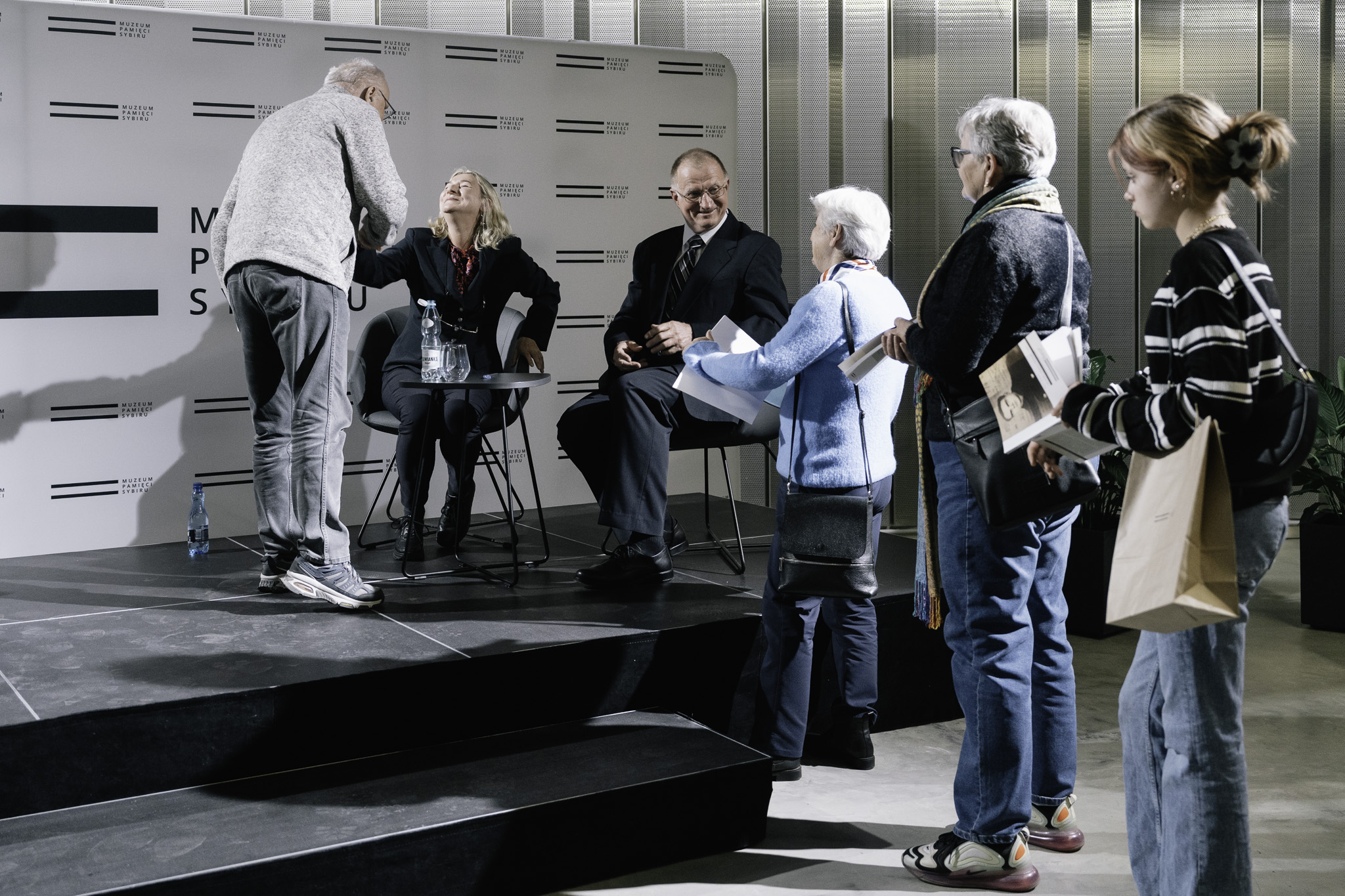
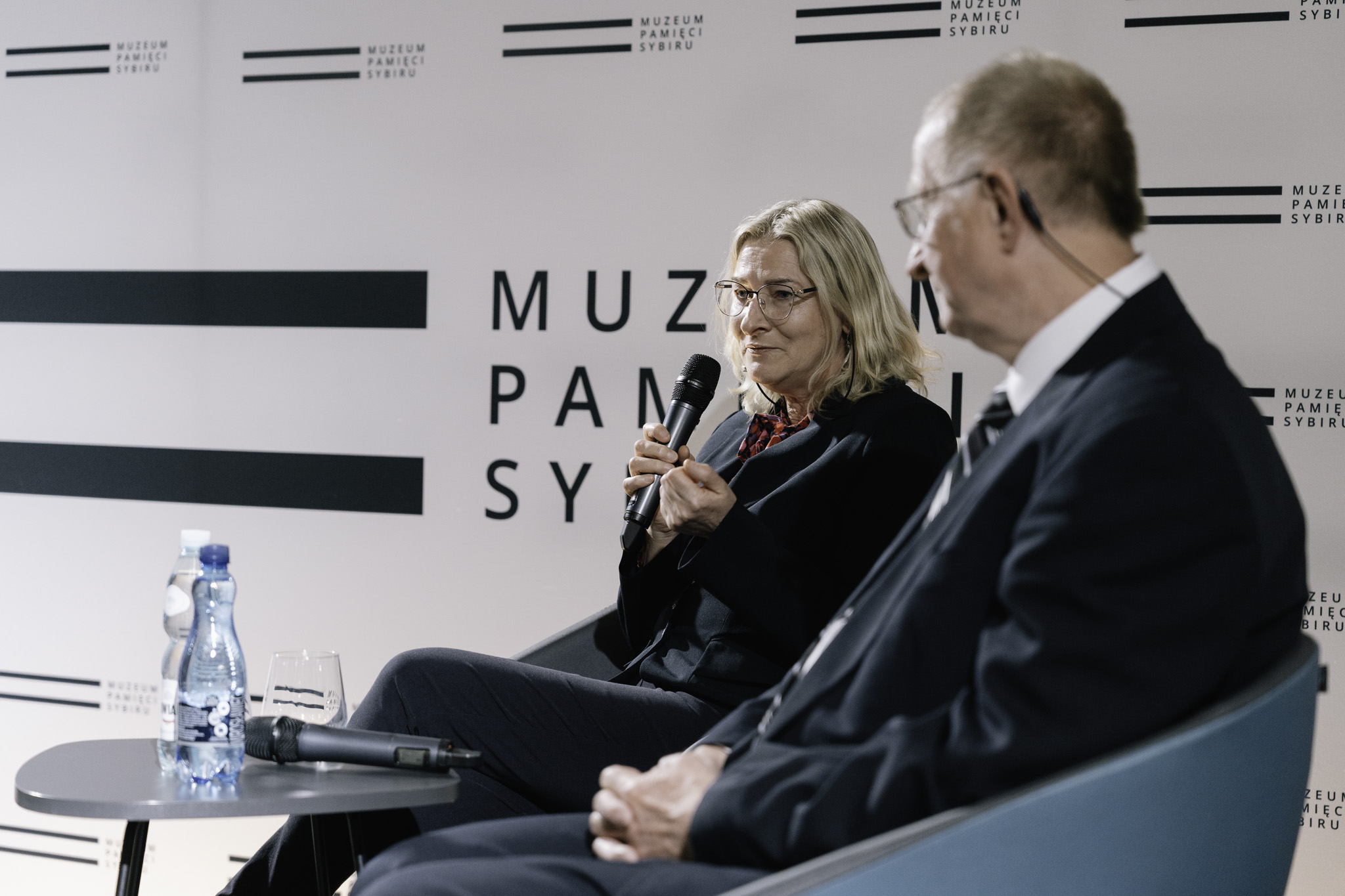
“What kind of man and what kind of father was Wiktor Żyzdryń?” asked Marcin Zwolski, PhD, head of the Research Department, during a conversation with the author’s children.
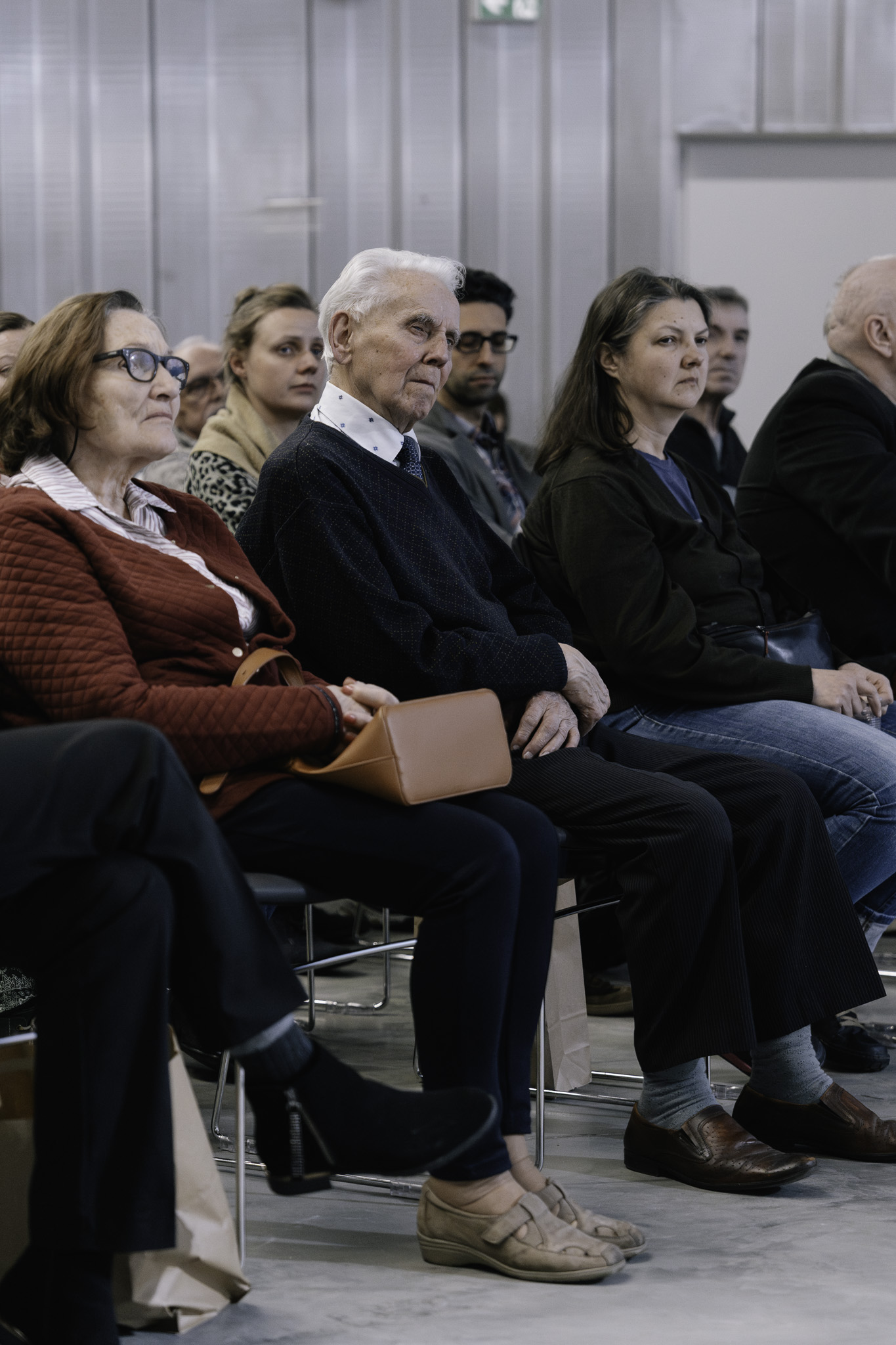
“For my father, family was sacred. He returned to Poland at the age of 45. After such experiences, what were the chances of starting a family and having children? What sustained him was hope—that a miracle would happen, that he would return to Poland, start a family, get married, and have children. He dreamed of raising them, seeing them grow up, and watching how they would manage in life. He had immense gratitude within him. He used to say that in Vorkuta, it was his faith in God and the belief that he would endure everything that kept him going. He remained constantly grateful to God for all that he had been given, despite everything he had gone through,” recalled Wiktor’s son, Grzegorz Żyzdryń.
“Dad always saw what he received as a gift. He was simply grateful. He didn’t dwell on what he had lost or relive it; instead, he gave thanks for what he had—and that is what he taught us: to be optimistic. He was very kind and trusting toward others. Perhaps these qualities are why he lived a long life, with inner peace and a deep sense of joy,” added his daughter, Beata Dygulska.
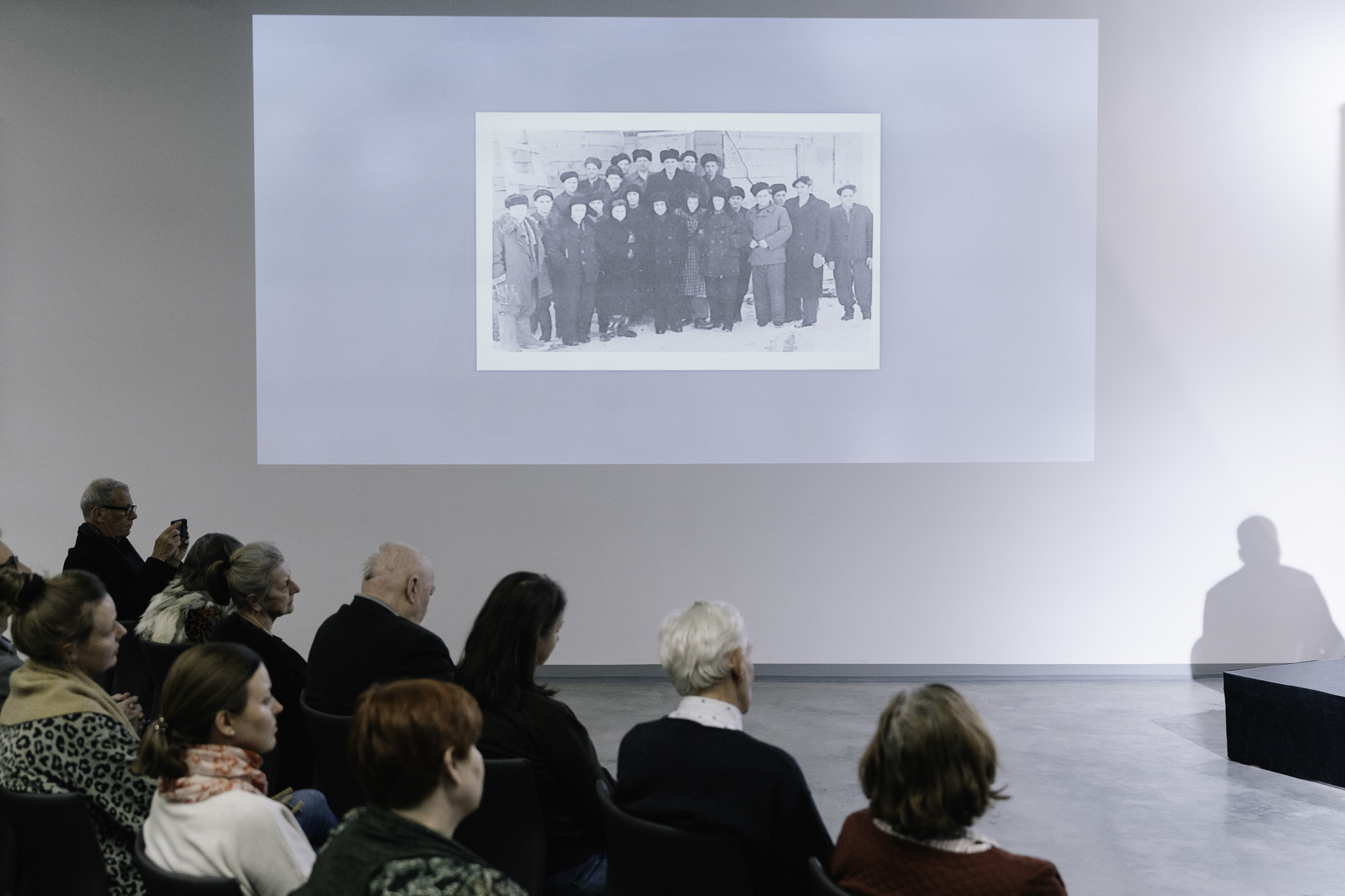
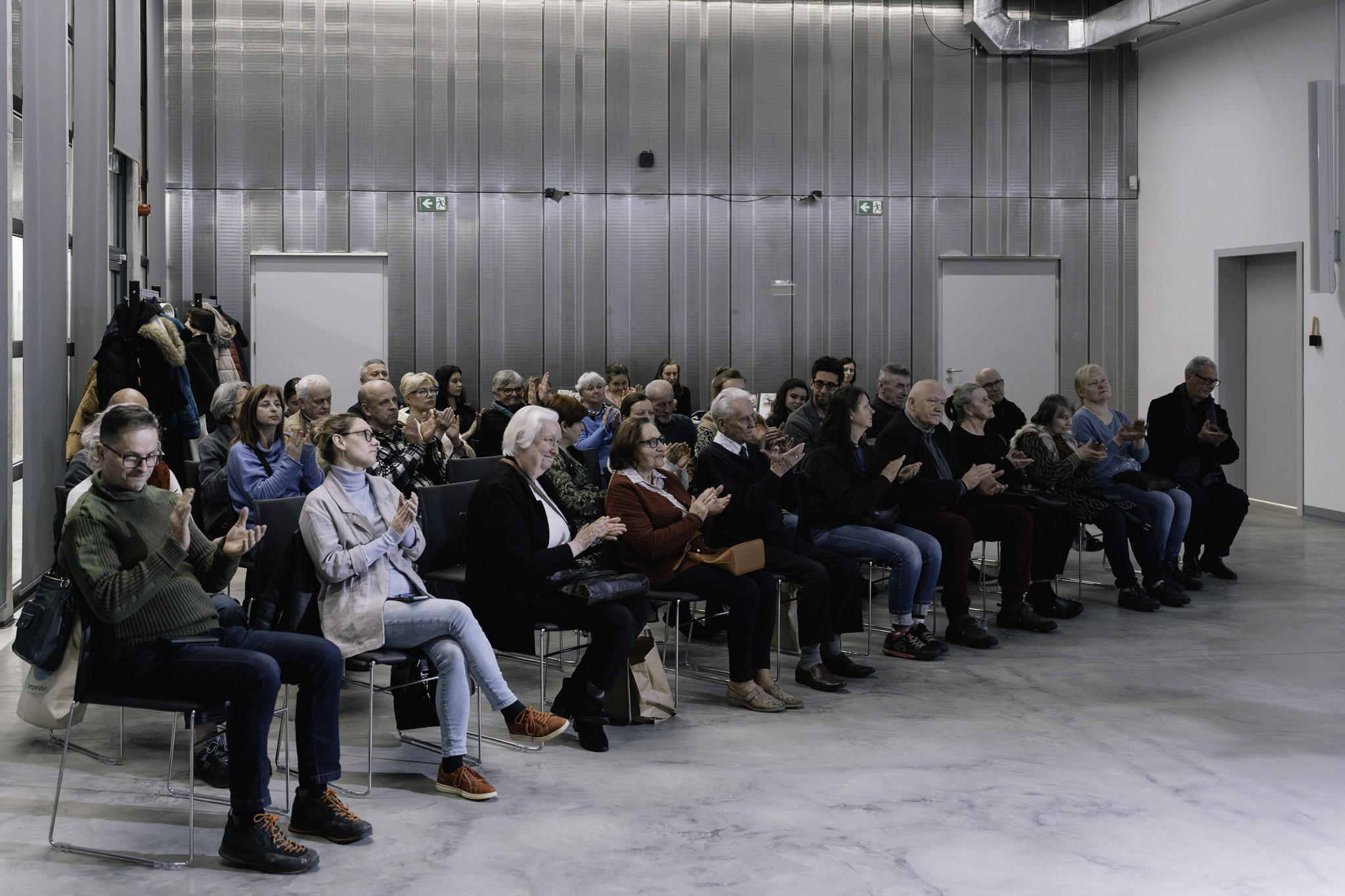
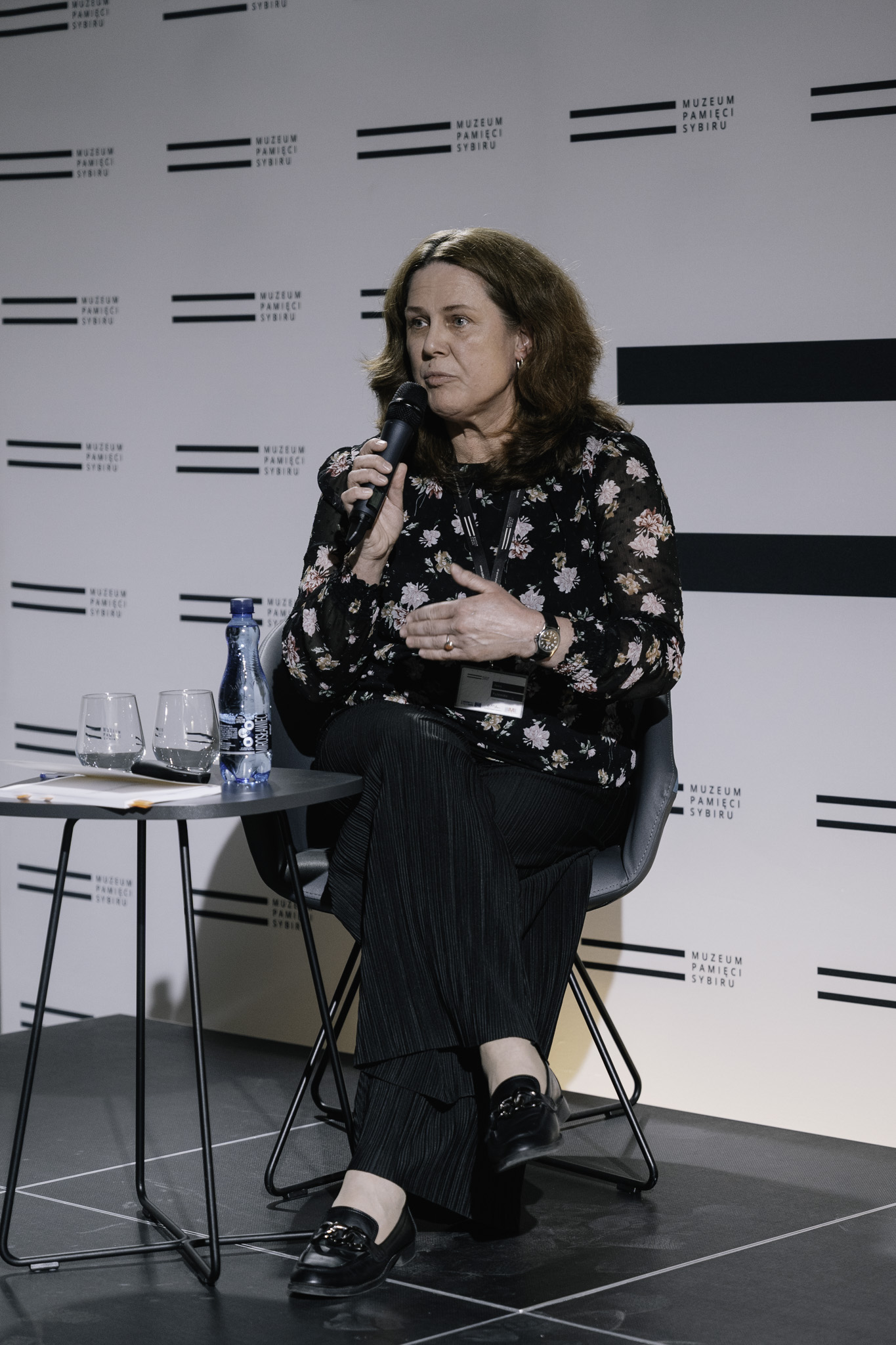
Wiktor Żyzdryń’s faith and trust also shine through the pages of his memoirs:
“Trying to take my eyes off the walls and my thoughts away from the grim reality, after every meal I would kneel or squat on the cement and pray fervently. I recited all the prayers I could remember, and at the end I improvised in my own words. Carried away in prayer, I felt great relief in my soul and heart—so much so that it seemed to me as if I were at the Gate of Dawn in Vilnius at that very moment.”
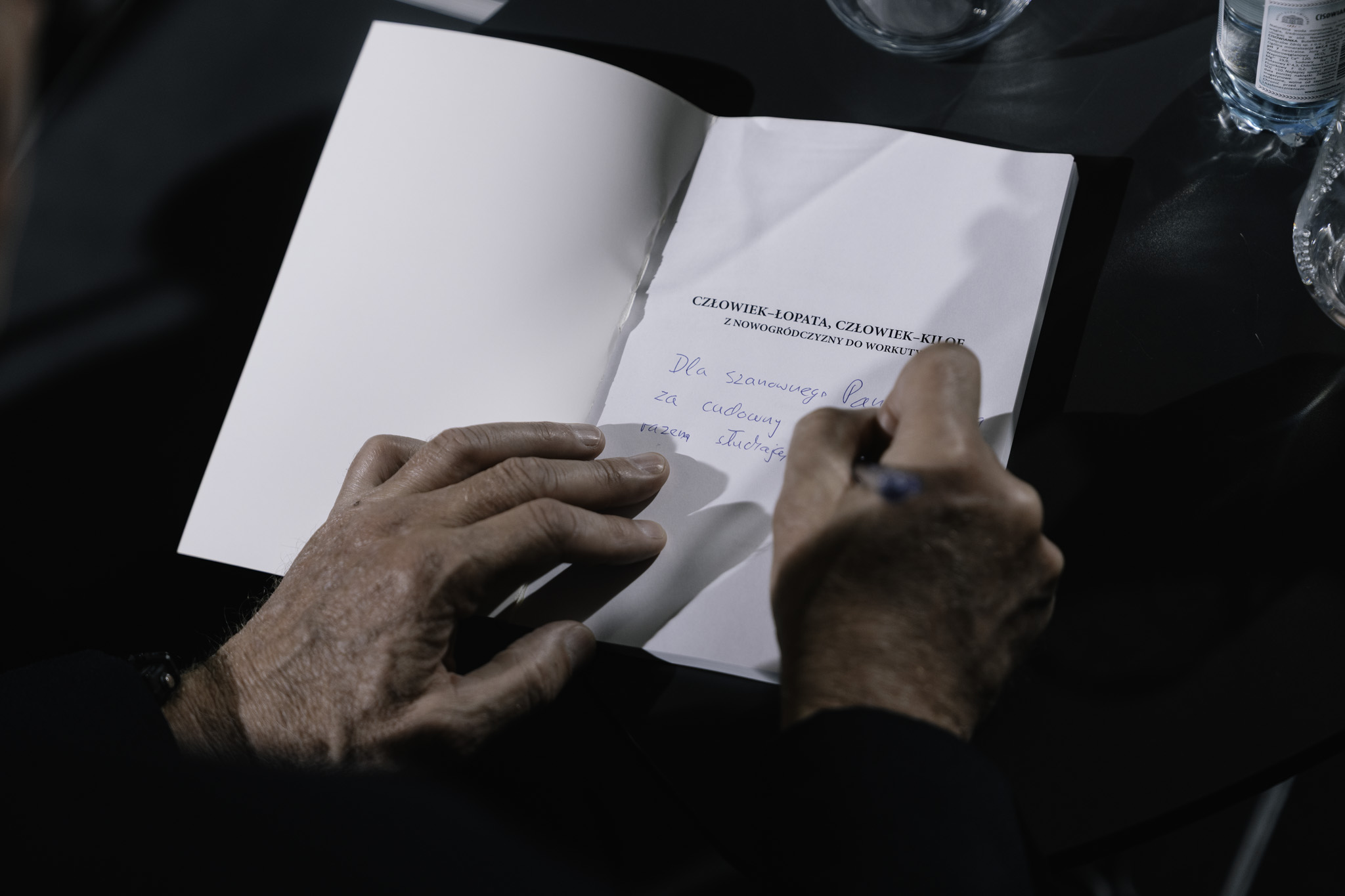
Wiktor Żyzdryń began writing his memoirs after retiring. The notes circulated among his closest family members until, years later, they were transcribed and edited by his daughter, Beata Dygulska. One of the typescripts found its way into the hands of Małgorzata Perigot-Grygielewicz. Her grandmother Anna and Wiktor were siblings—it was Anna who fought tirelessly for his release, ensuring that his story survived within the family for generations. Thanks to Małgorzata Perigot-Grygielewicz, the memoirs were eventually donated to the Sybir Memorial Museum.
“After reading them, we came to the conclusion that they were ready to be published as a book,” said Anna Pyżewska from the Research Department, the editor of the text.
The memoirs were published under the title Man – Shovel, Man – Pickaxe. In this way, Wiktor Żyzdryń continues to tell his story, passing it on to future generations.