



Cycling Through History
Join the 10th anniversary edition of Memorial Peloton 2026!
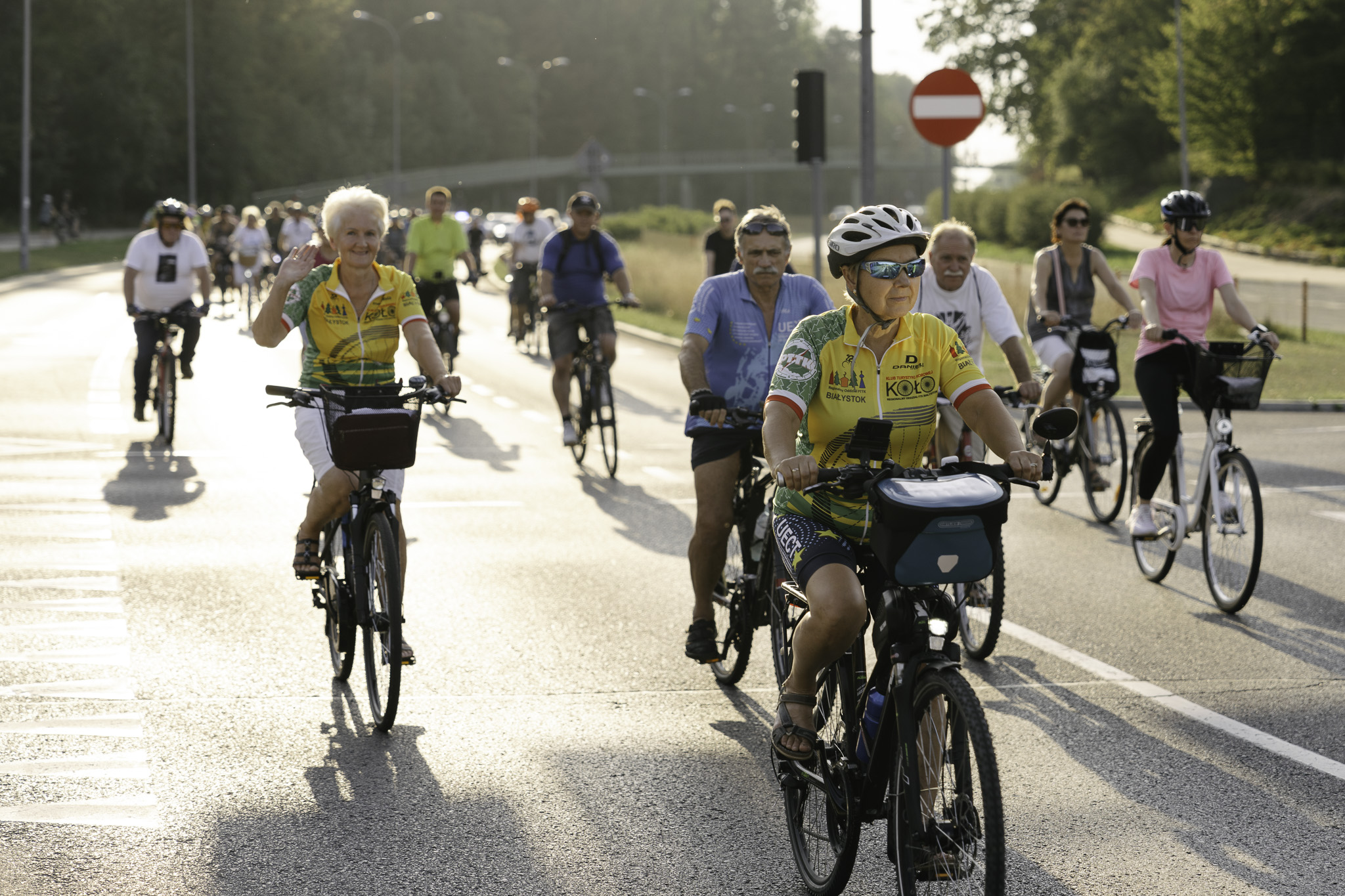
Organised for several years now by the Sybir Memorial Museum, the Memorial Peloton cycling event brings together residents of Białystok, residents from the region, and visitors from across Poland and abroad. It offers an opportunity to explore the places and events that have shaped the history of Białystok.
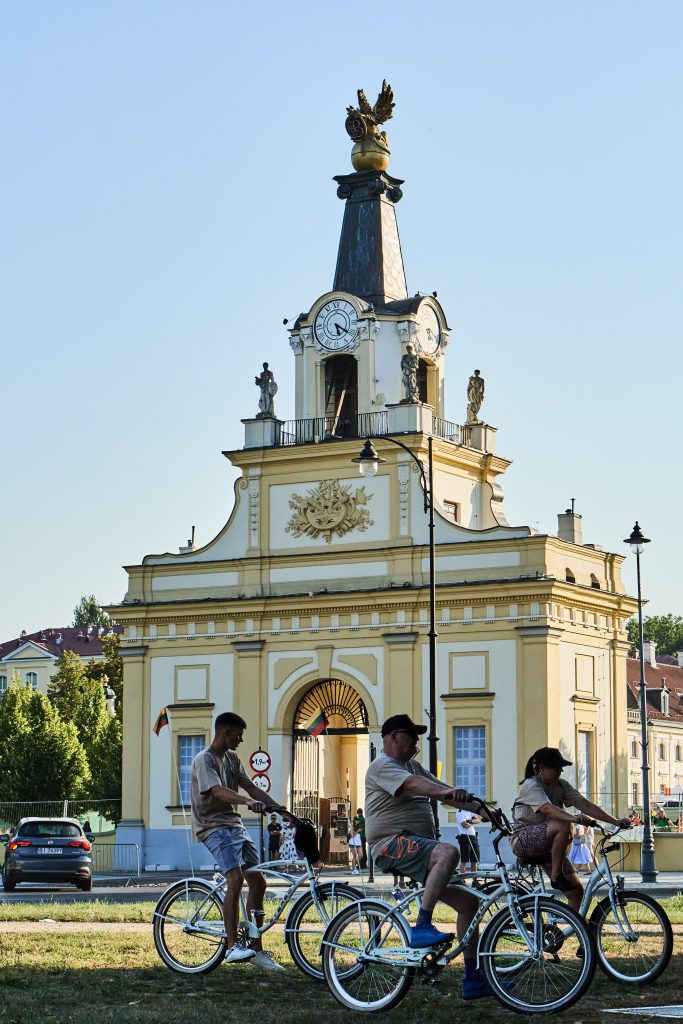
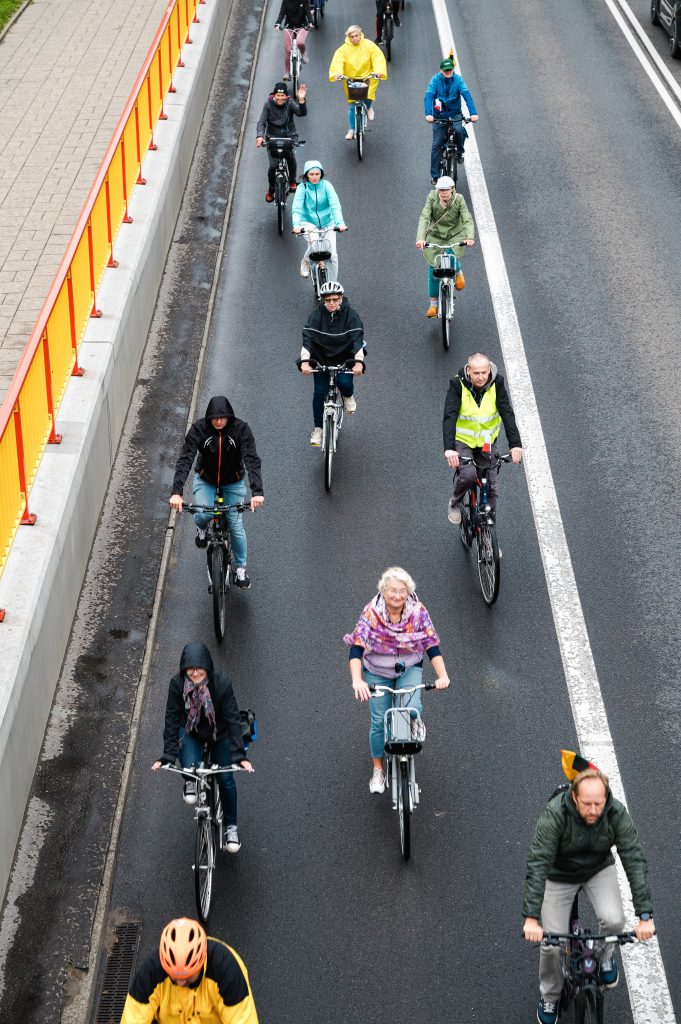
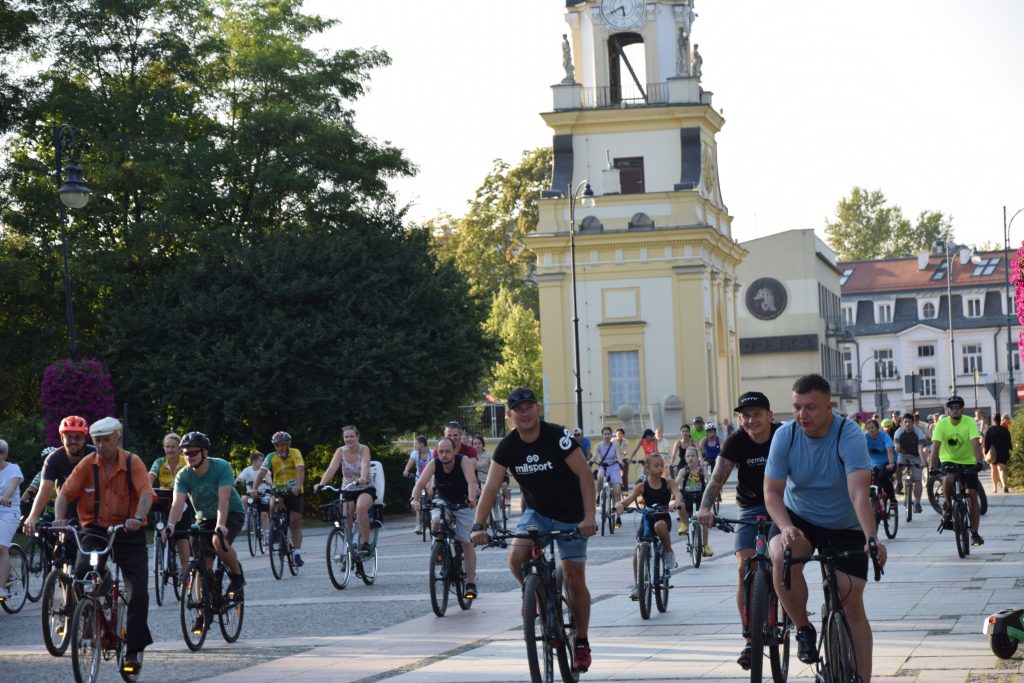
The idea behind the Memorial Peloton is to combine recreation with historical education. Participants follow a cycling route through different parts of Białystok, discovering the city’s heritage along the way. The event is open to everyone – both experienced cyclists and those who are just beginning their journey with active recreation.
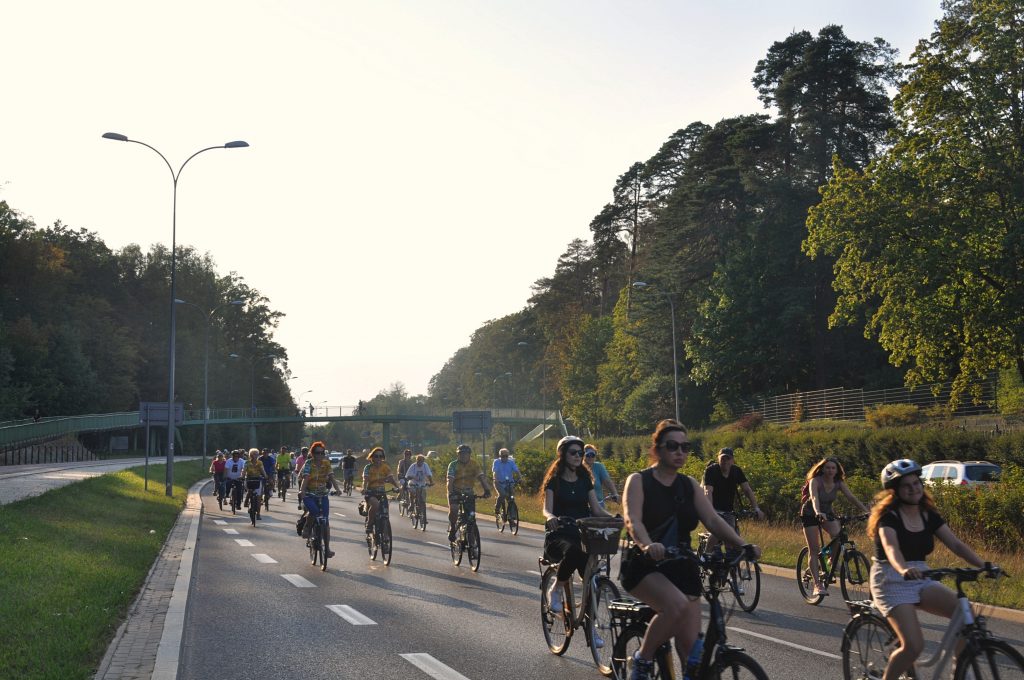
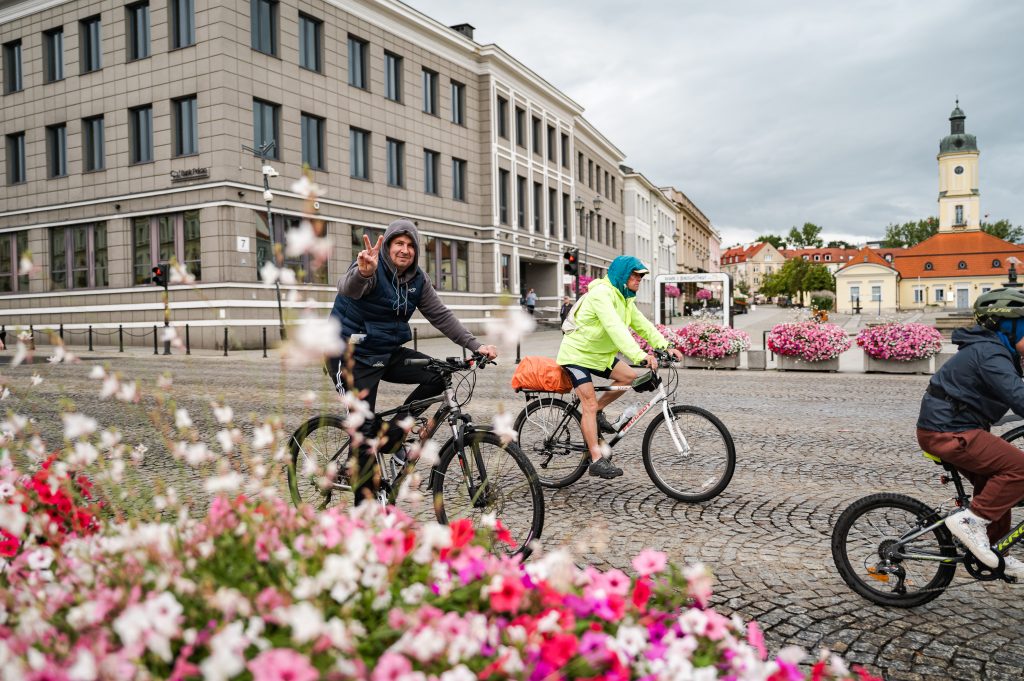
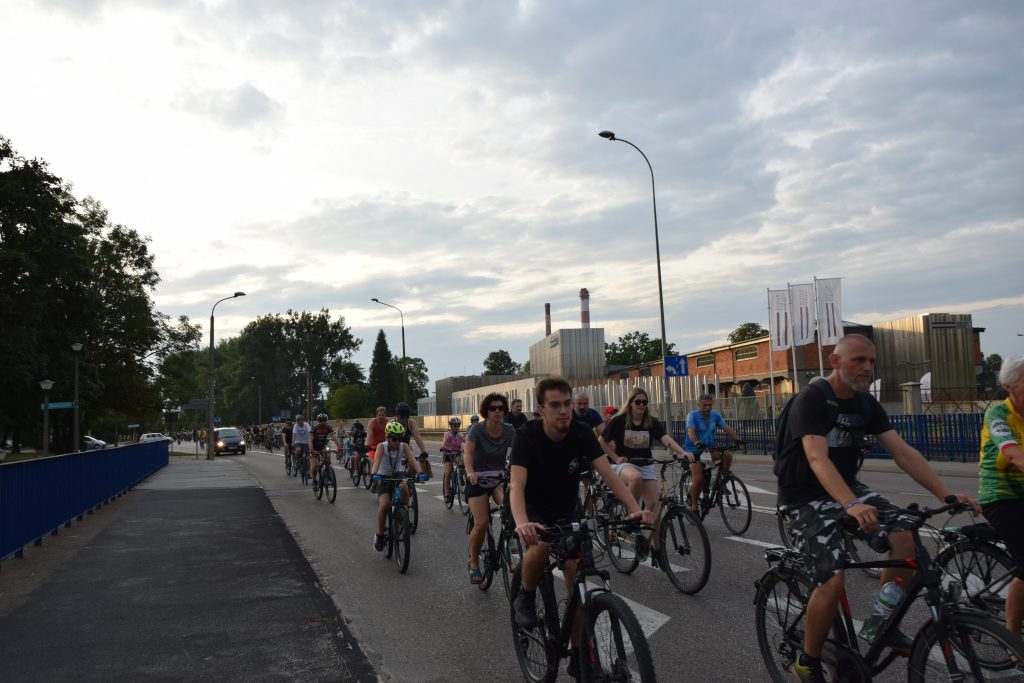
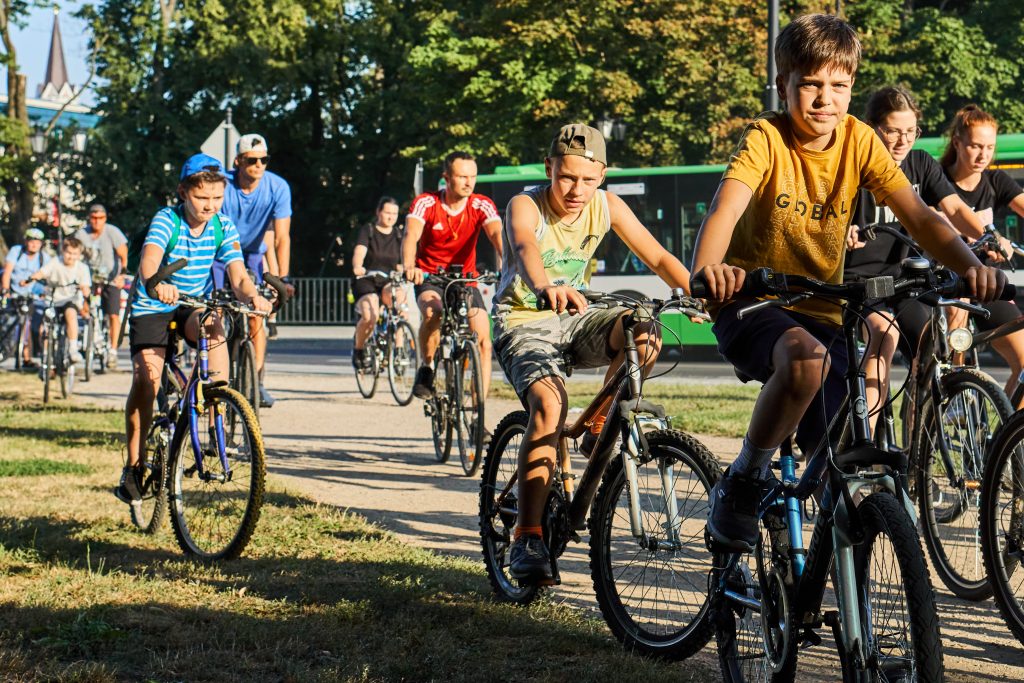
The key element of the Memorial Peloton is the series of “historical” stops located along the route. At selected locations, which change each year, participants listen to stories told by historians and guides, watch re-enactments inspired by events from the past, and meet historical re-enactment groups that bring the realities of bygone eras to life. This allows them to see familiar places from a completely new perspective and discover stories that often remain unknown even to local residents.
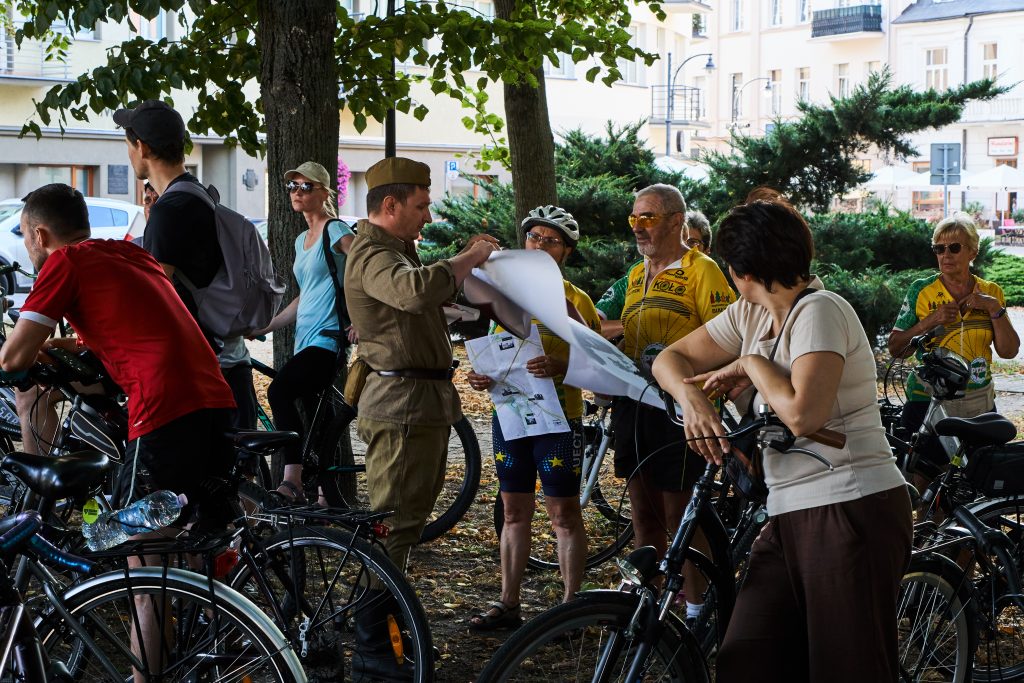
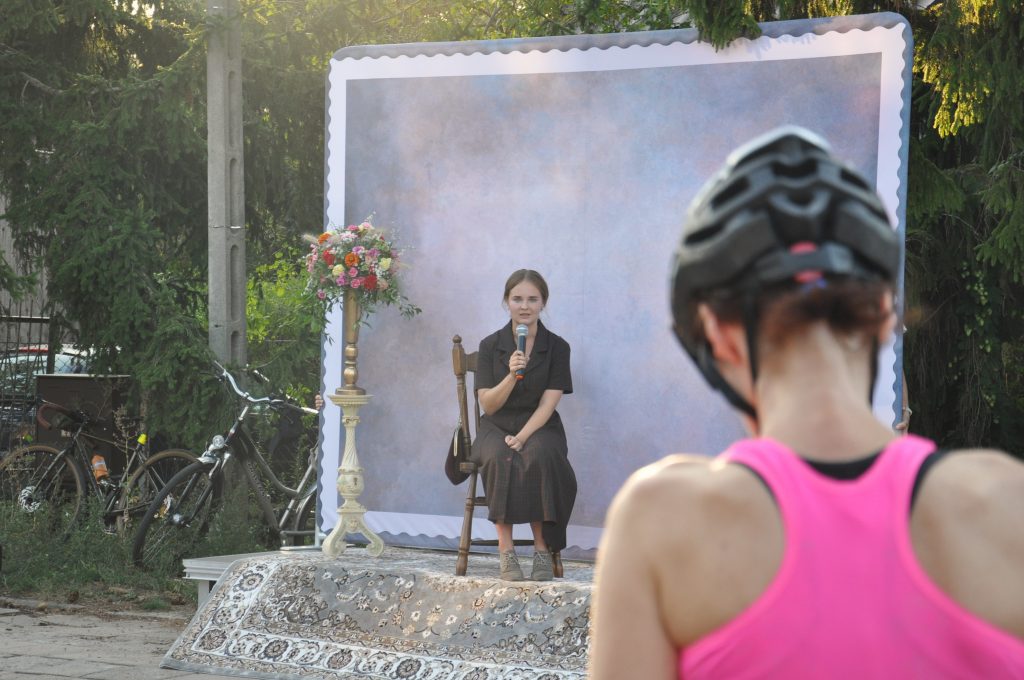
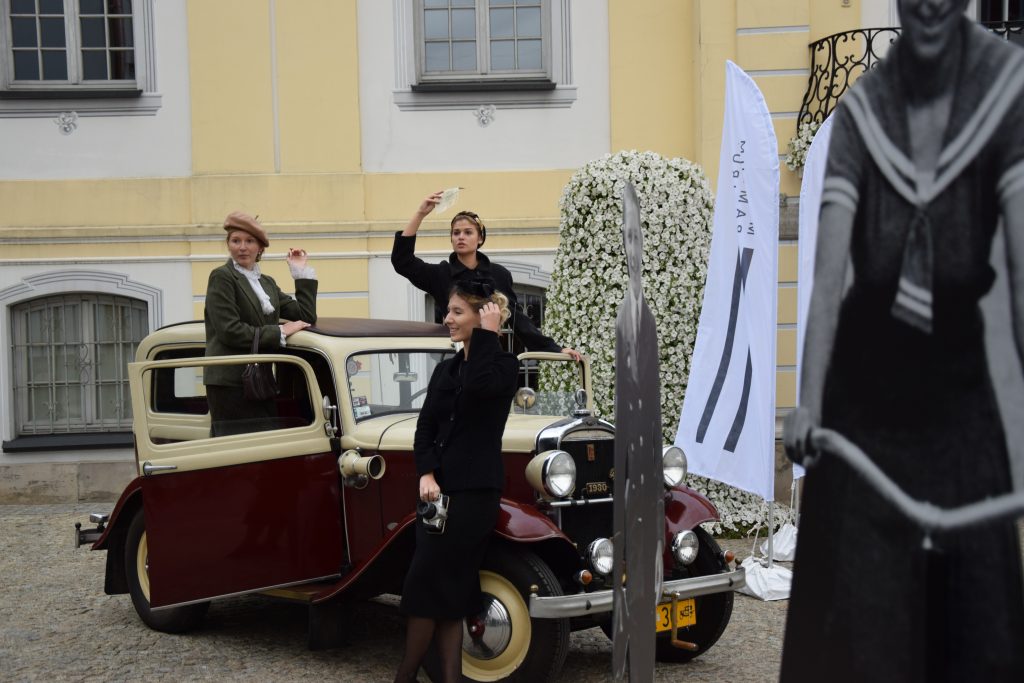
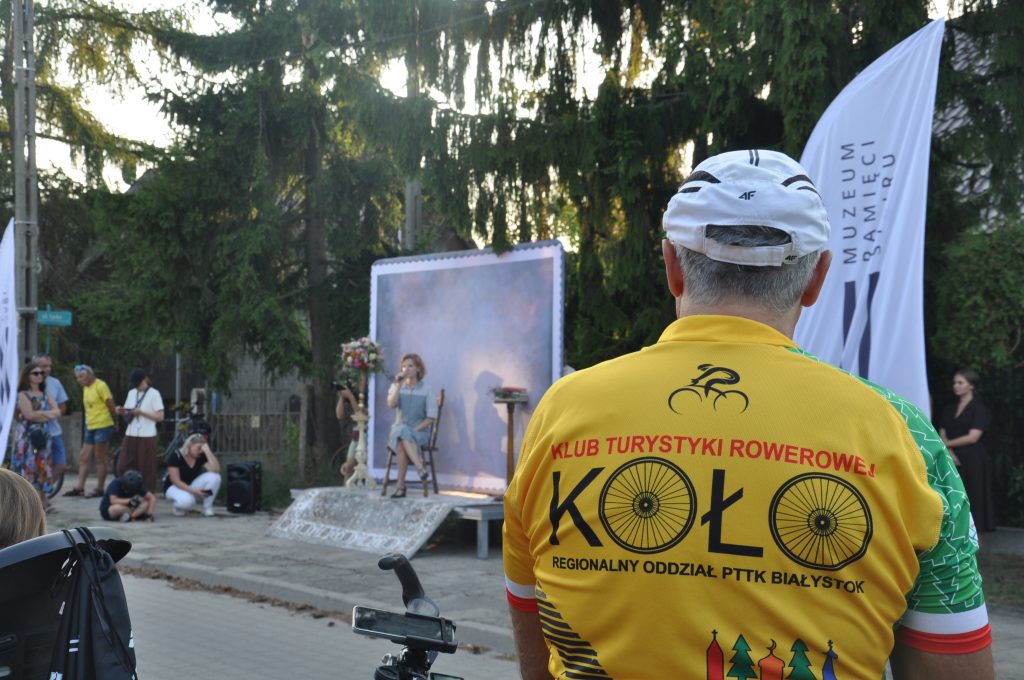
The Memorial Peloton is an international initiative that attracts an increasing number of participants from outside Poland every year. Historical cycle rides and walks are also organised in Tallinn, Riga, Vilnius and Chișinău. We hope that Kyiv will join this group in the near future. Together, we can preserve the memory and heritage of the nations of Central and Eastern Europe.
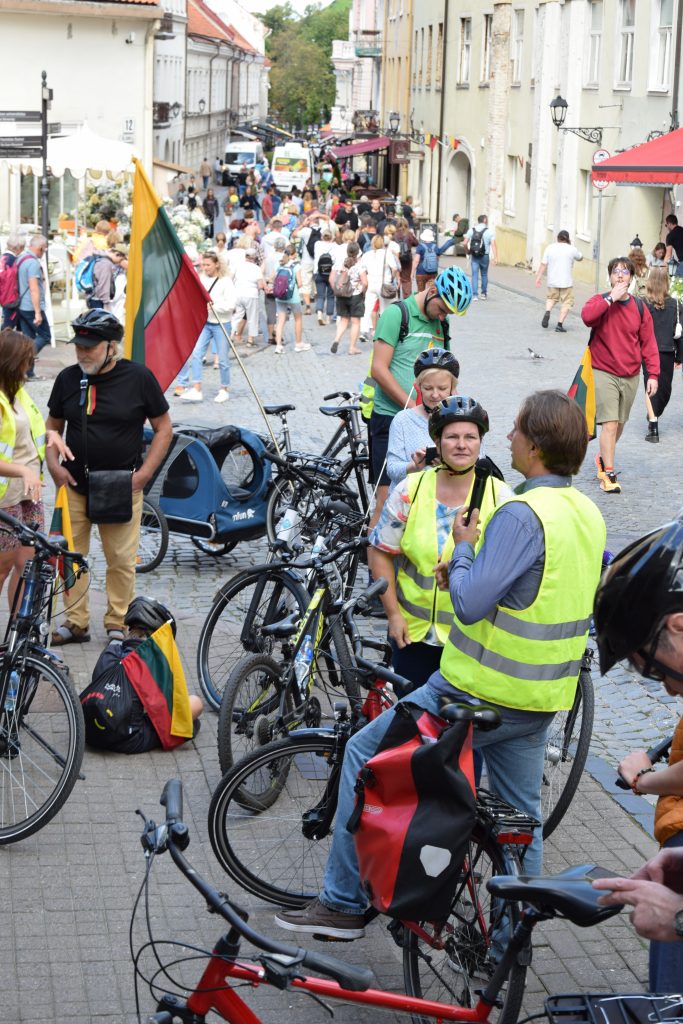
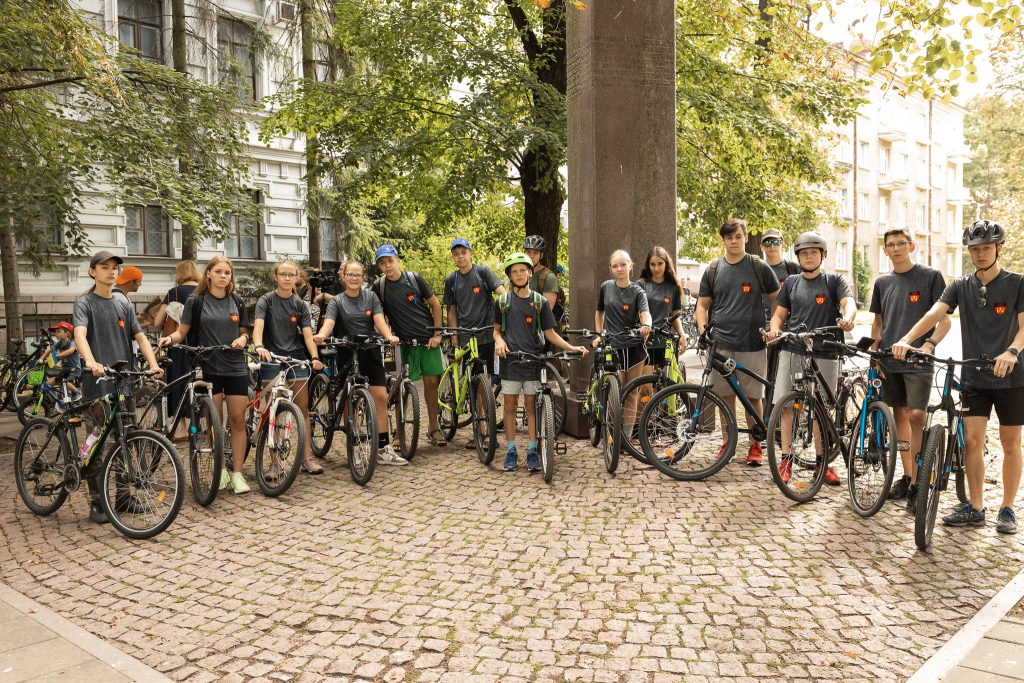
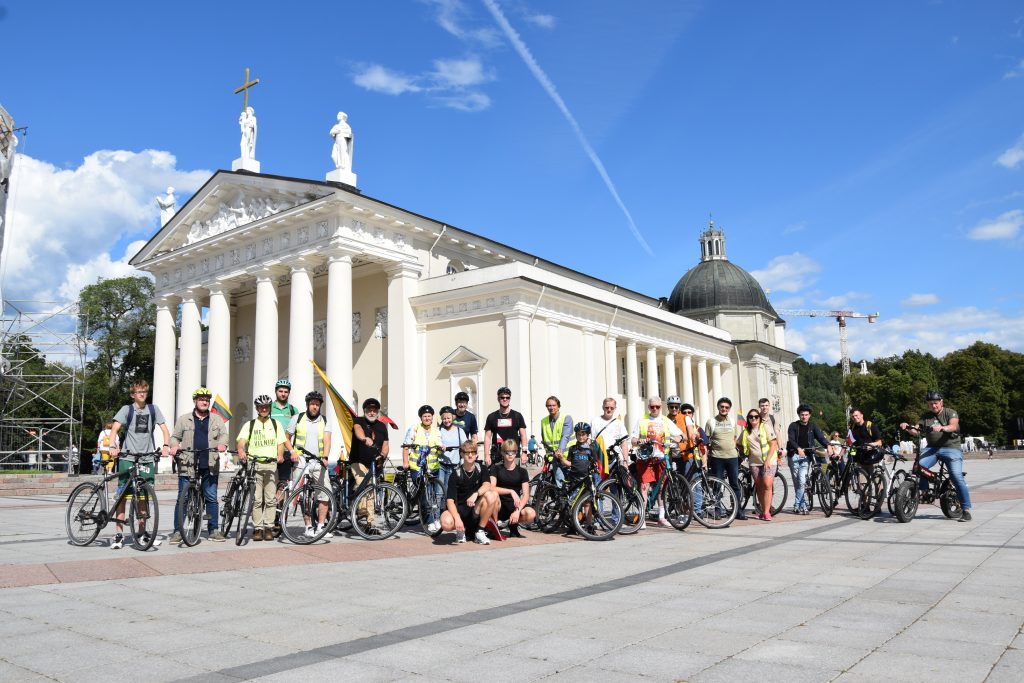
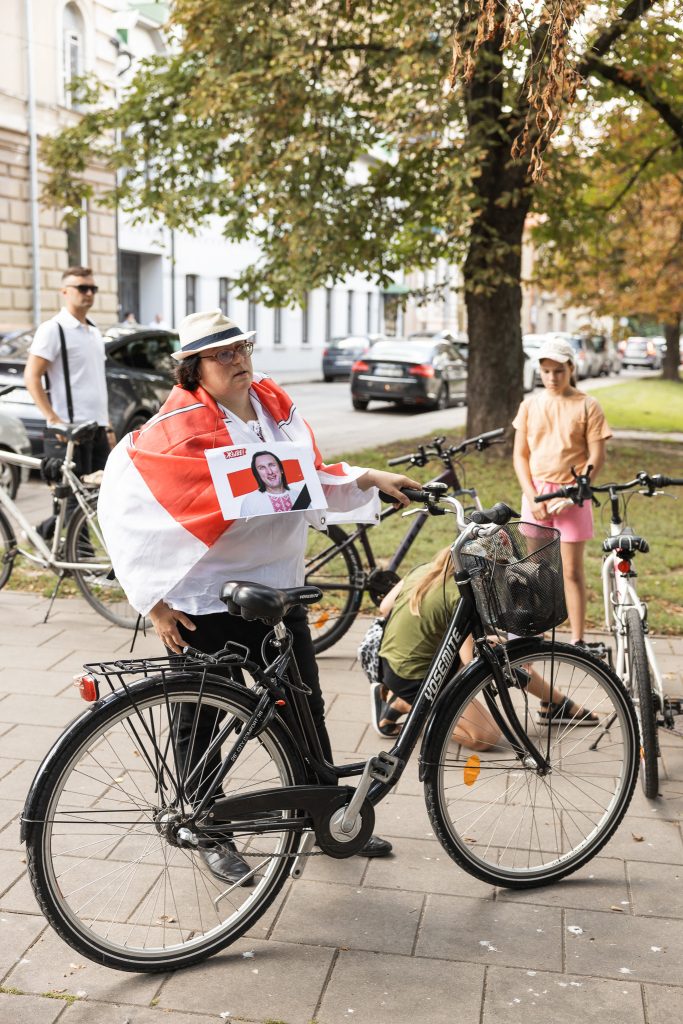
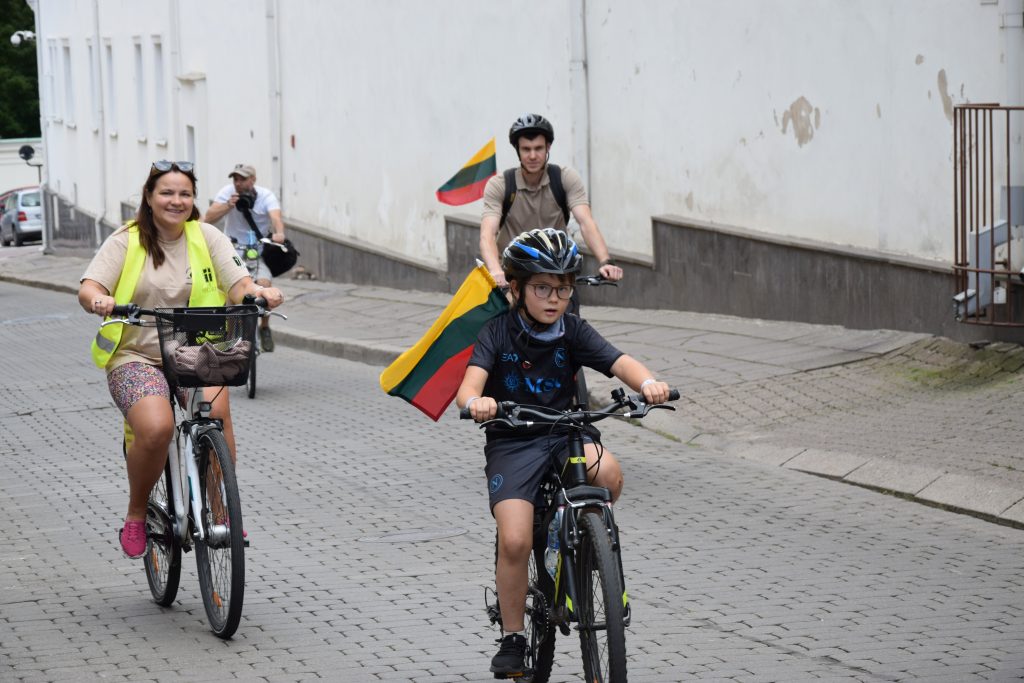
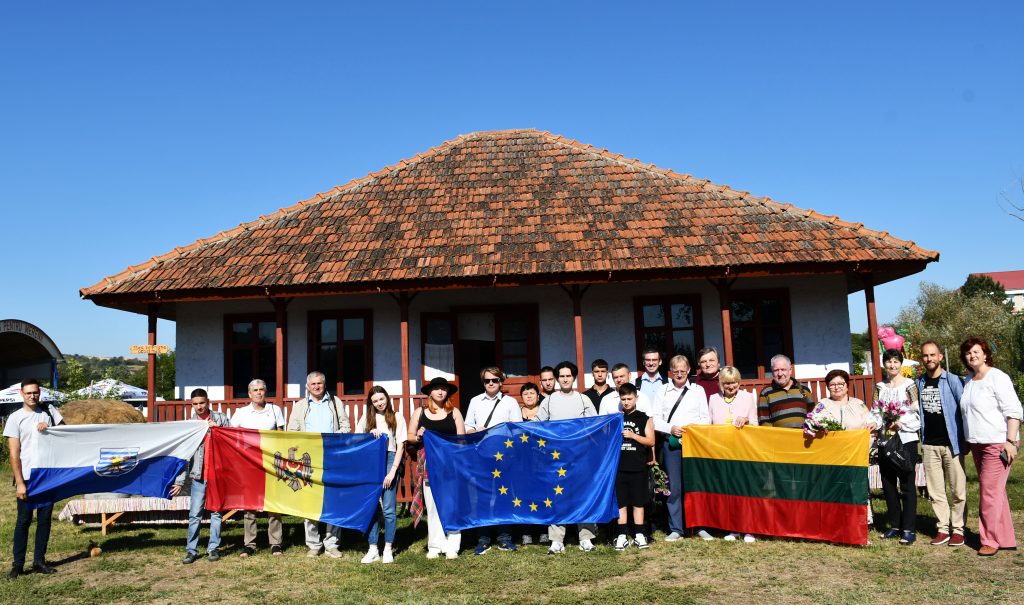
The international dimension of the event is also visible during the Białystok edition of the Memorial Peloton. Participants include guests from Lithuania, Latvia, Estonia and Moldova. Cooperation and dialogue based on historical memory are of particular importance to us. This shared activity brings together people with similar historical experiences and a common commitment to preserving the memory of the past.
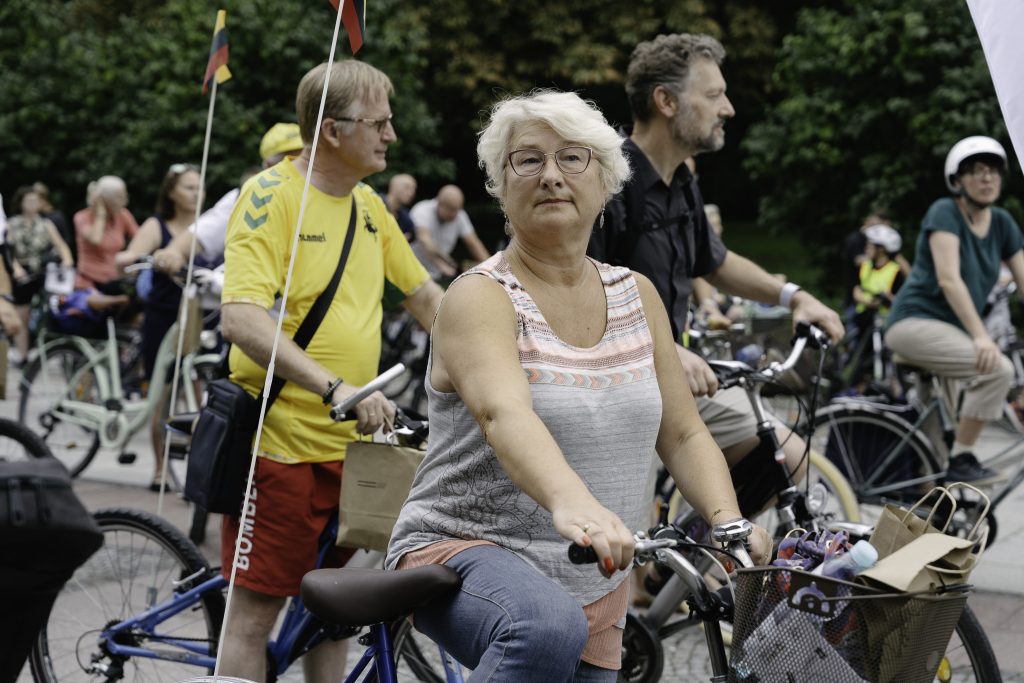
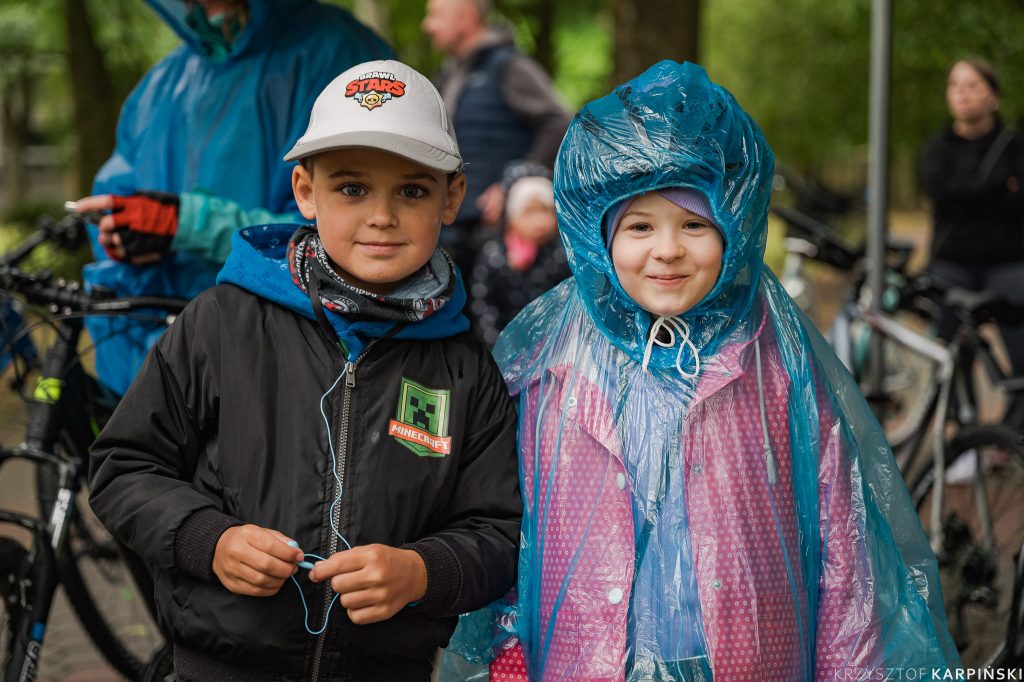
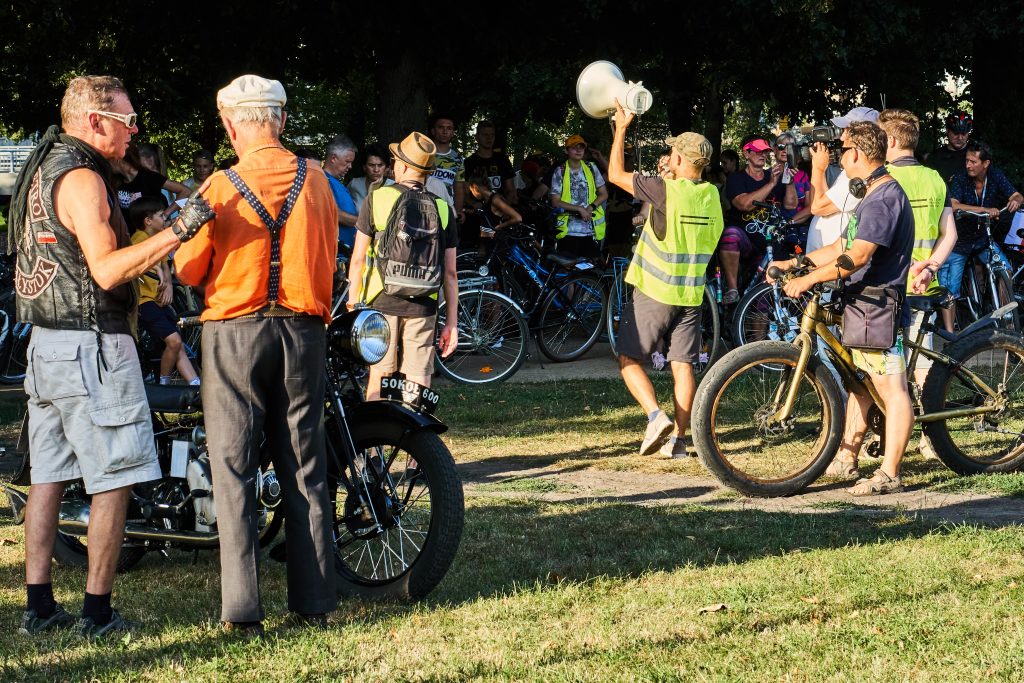
The Memorial Peloton shows that history does not have to remain confined to textbooks or museum displays. It can become part of an active way of spending time, inspire people to explore local heritage and build connections across borders.
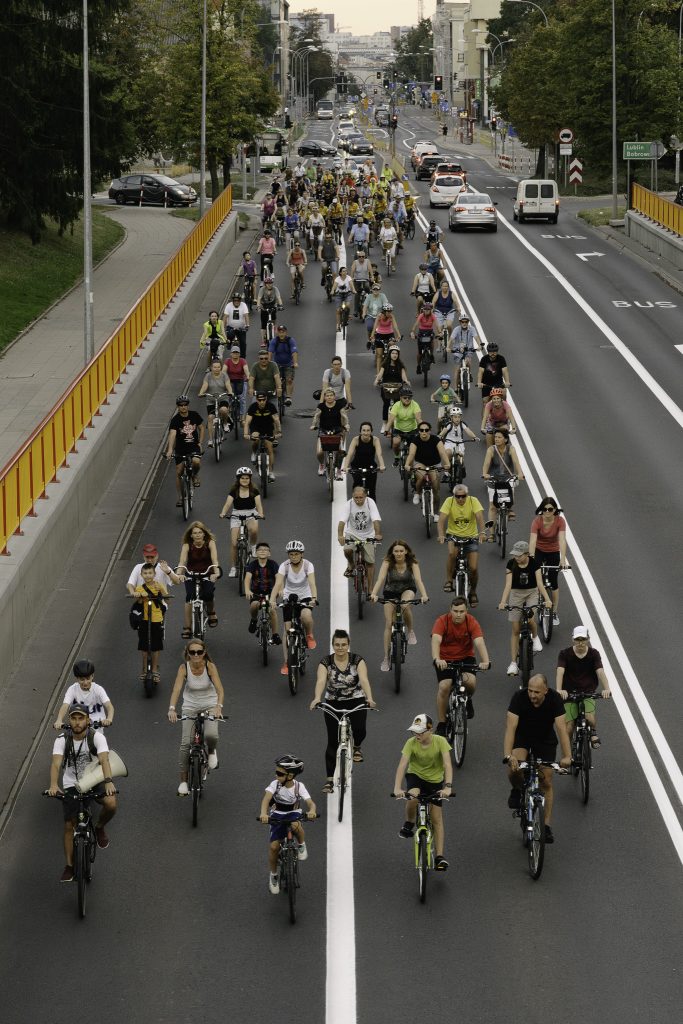
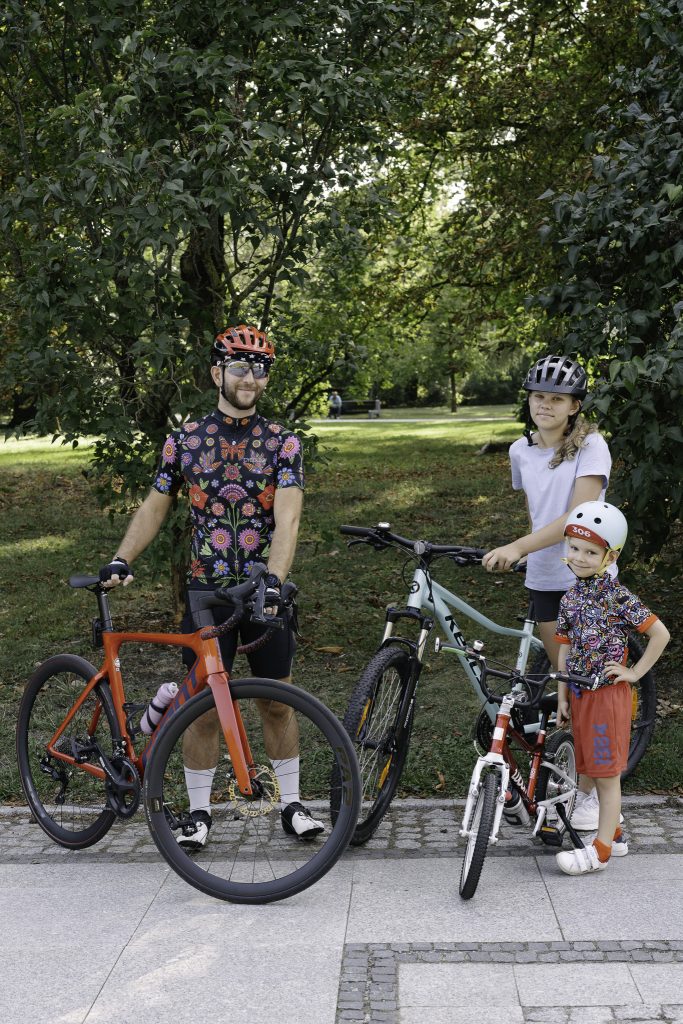
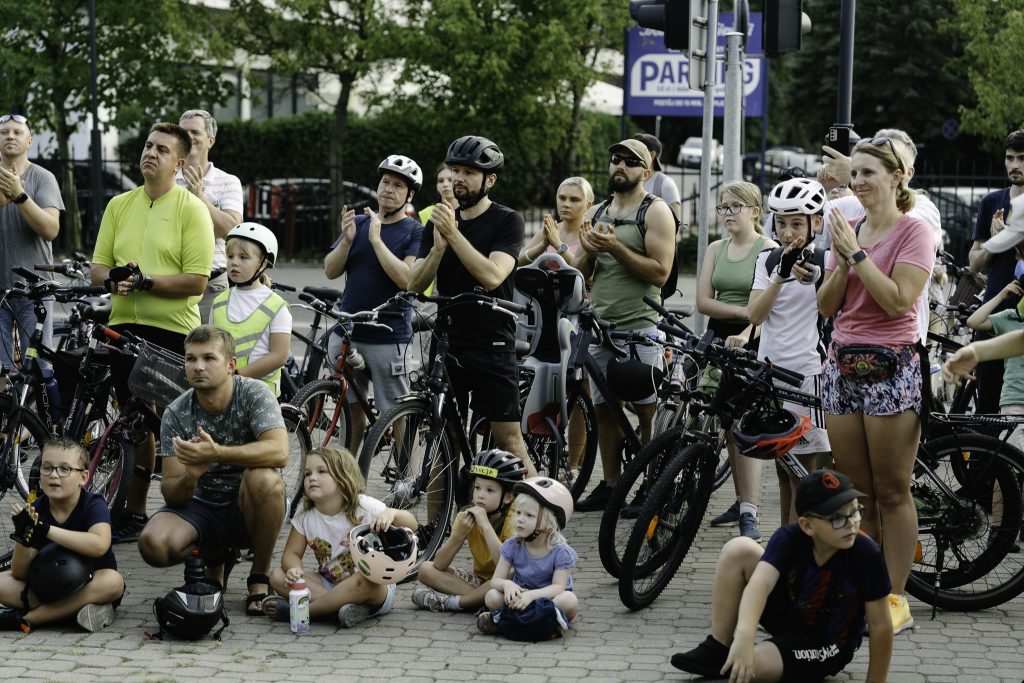
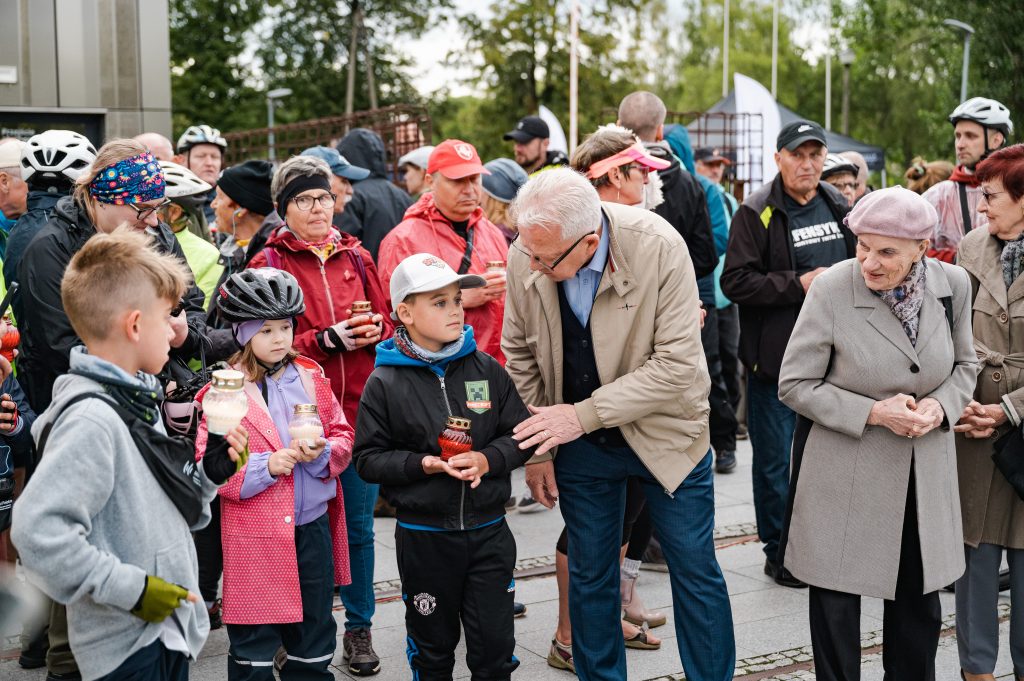
WHAT DID IT LOOK LIKE IN PREVIOUS YEARS?
Memorial Peloton 2024
Memorial Peloton 2023
Memorial Peloton 2022
Memorial Peloton 2021