



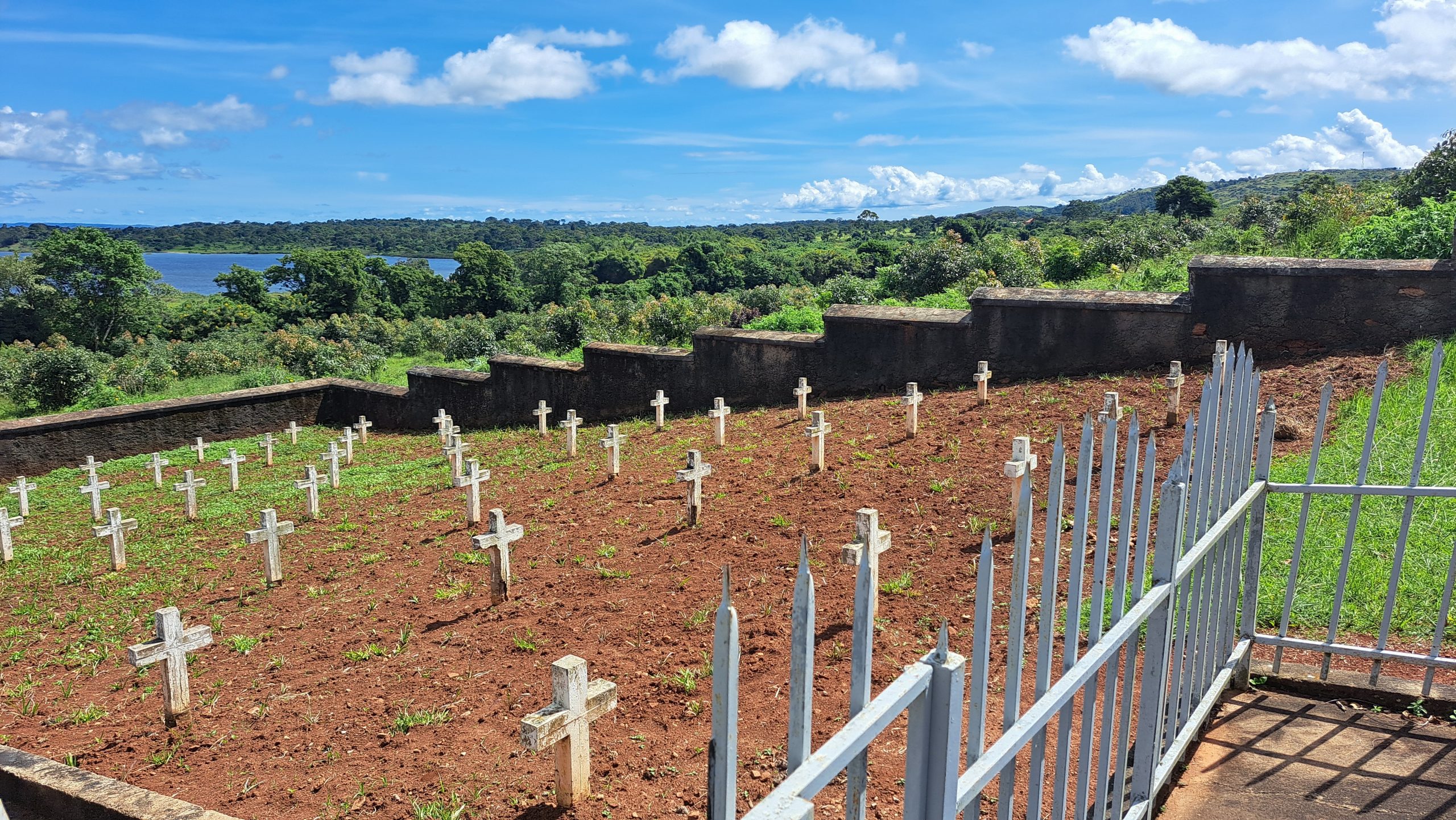
Hardly anyone knows that during World War II thousands of Polish Sybiraks found shelter in Uganda, in East Africa. They were provided with care and an opportunity to rebuild their everyday lives after surviving Soviet deportations and escaping the “Siberian hell” alongside Anders’ Army.
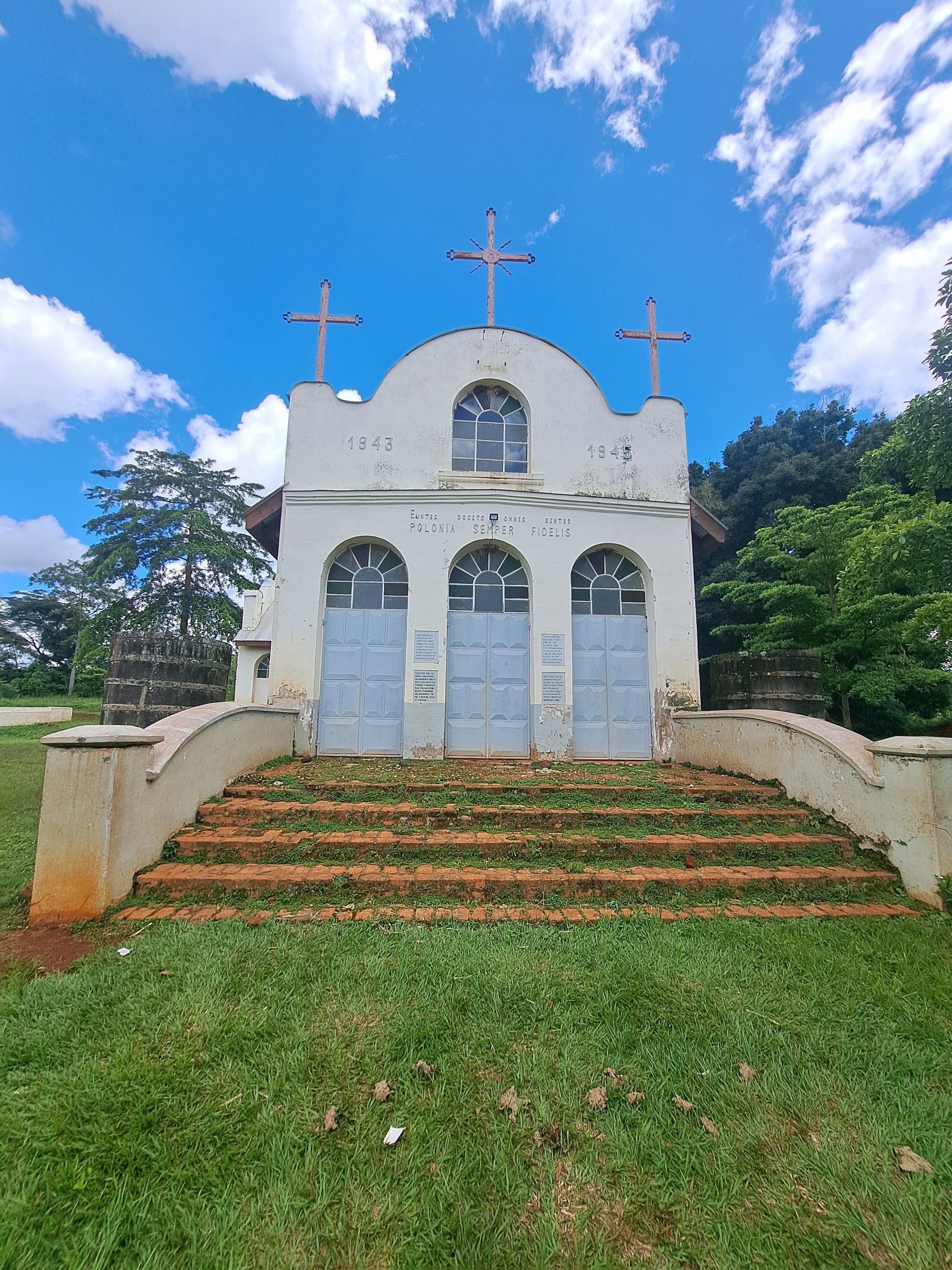
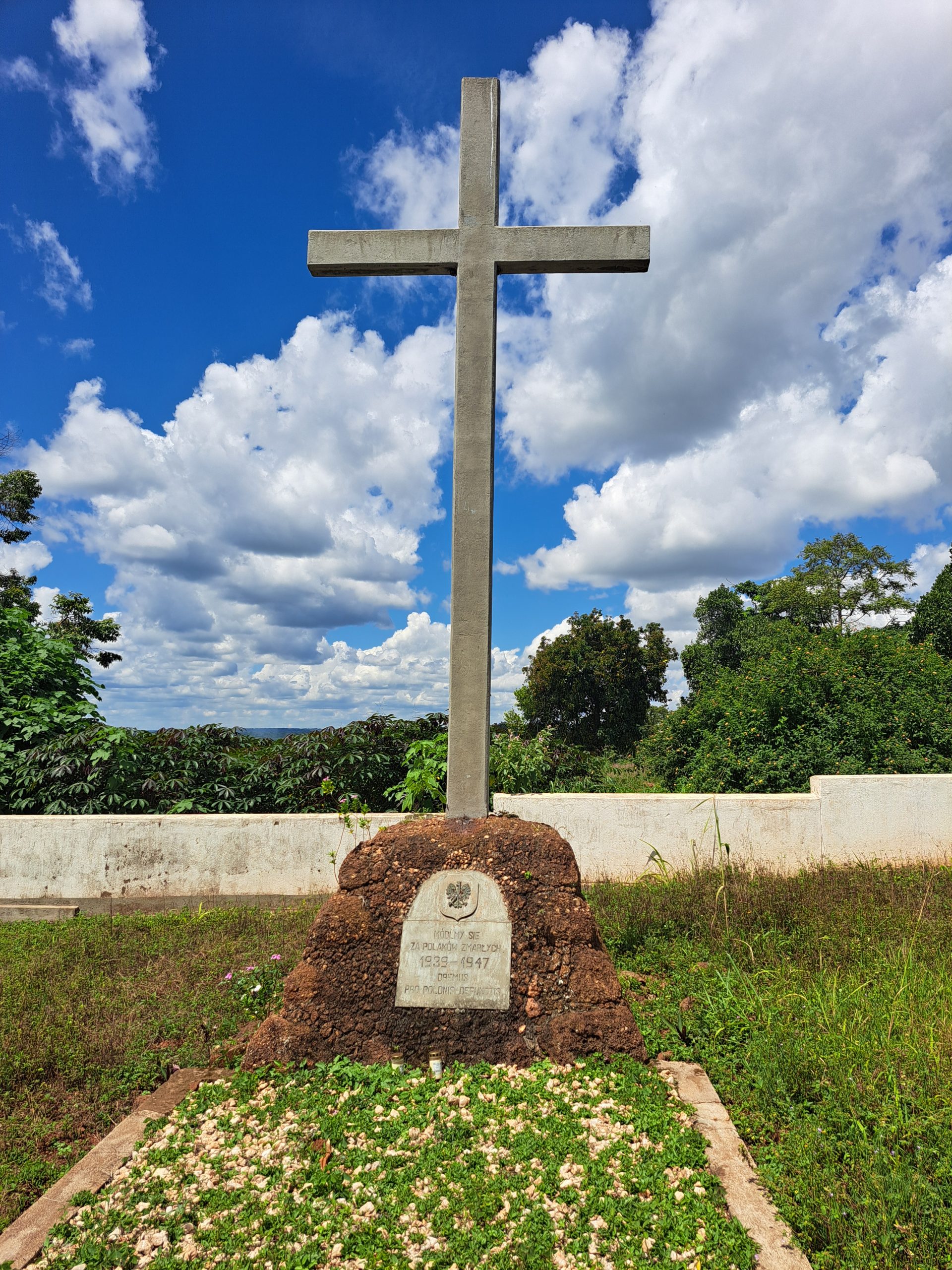
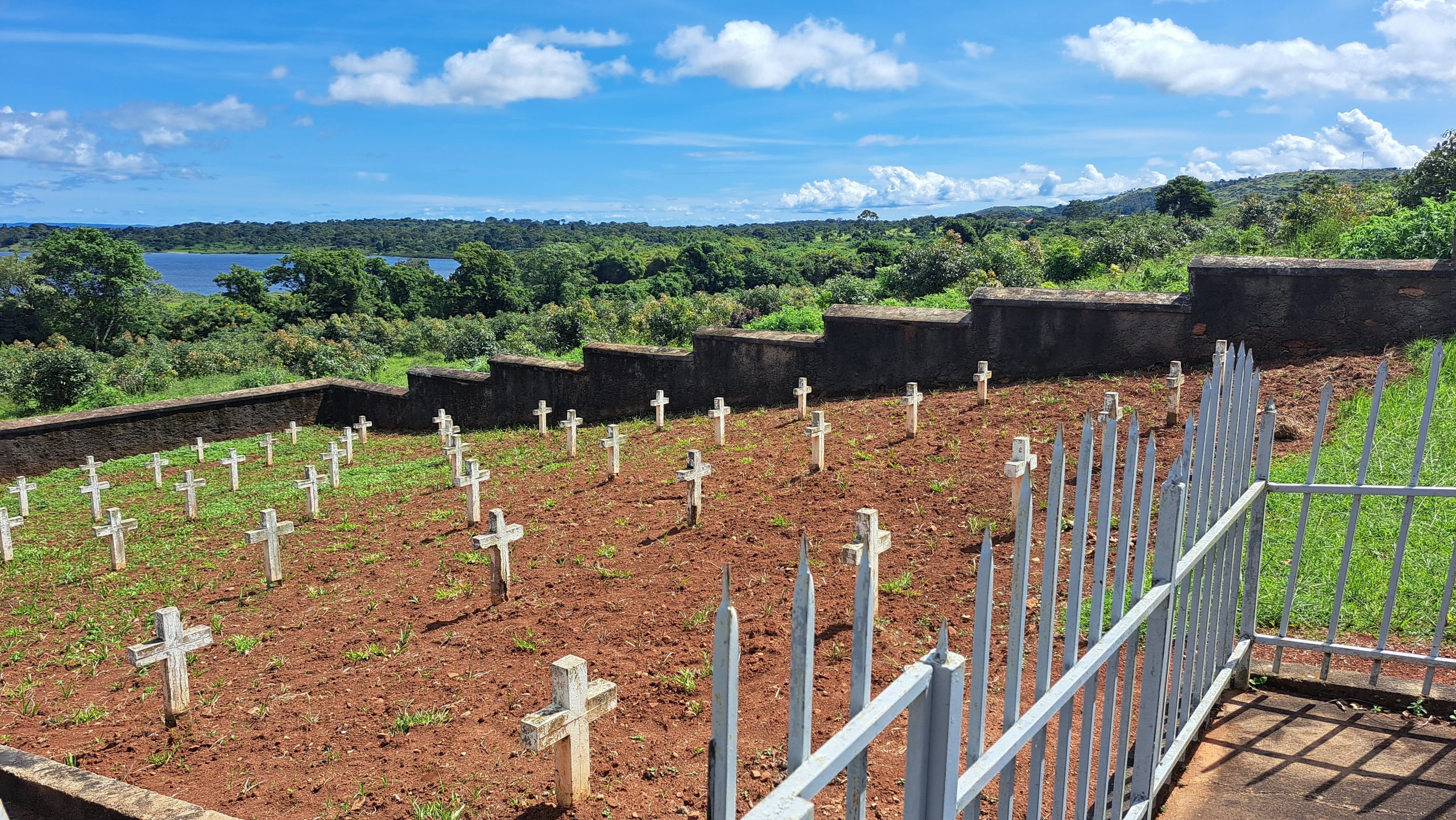
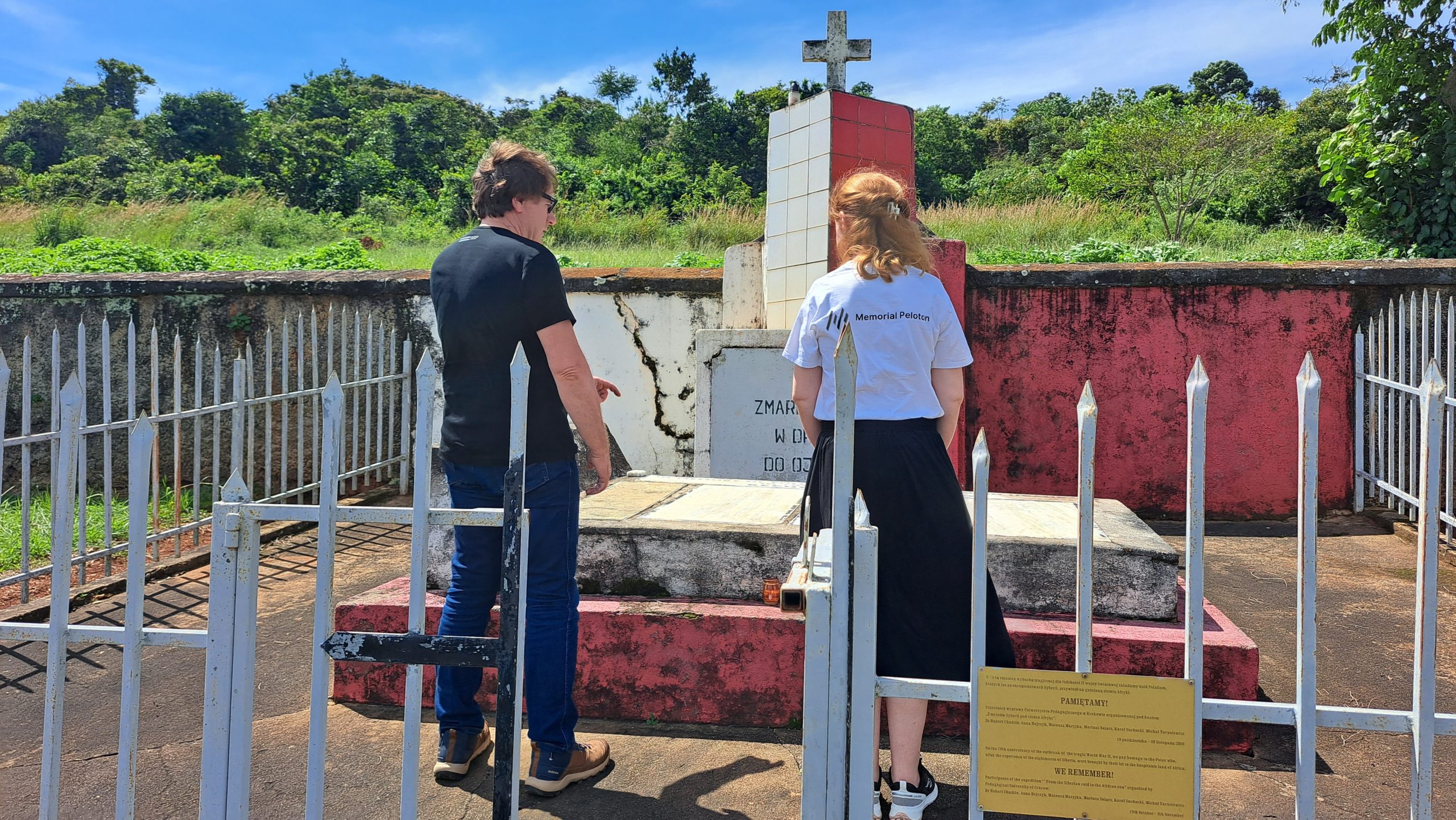
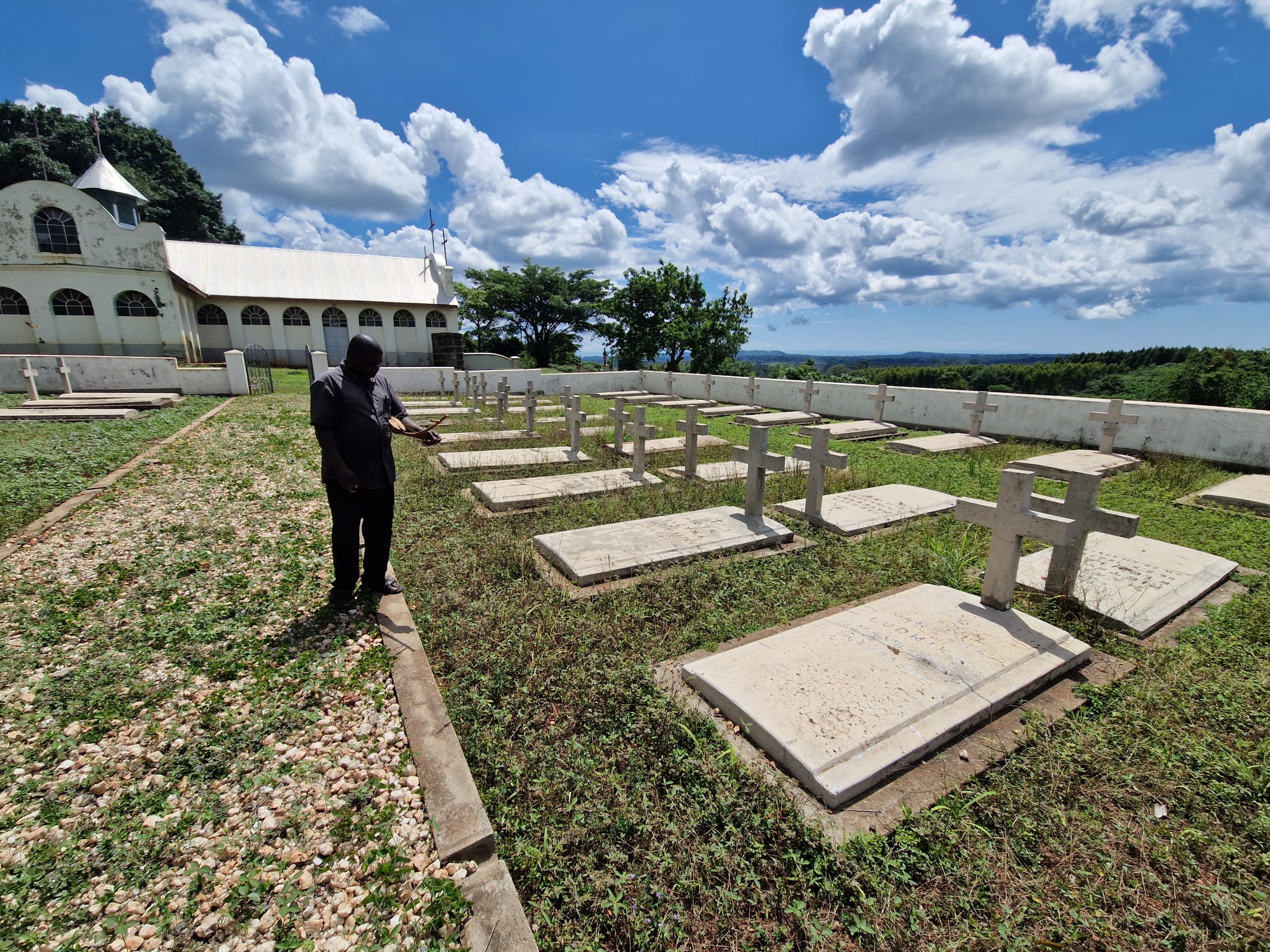
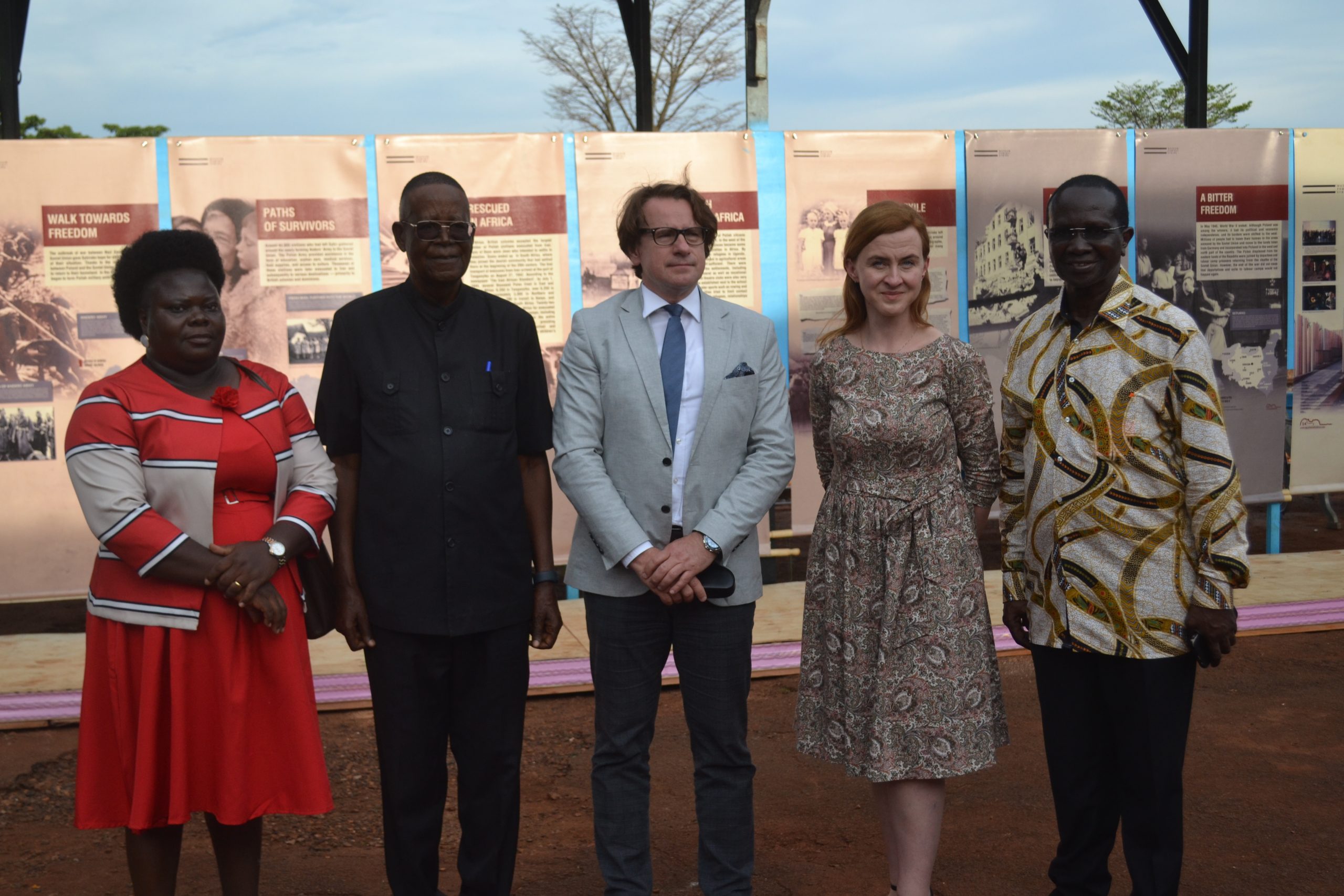
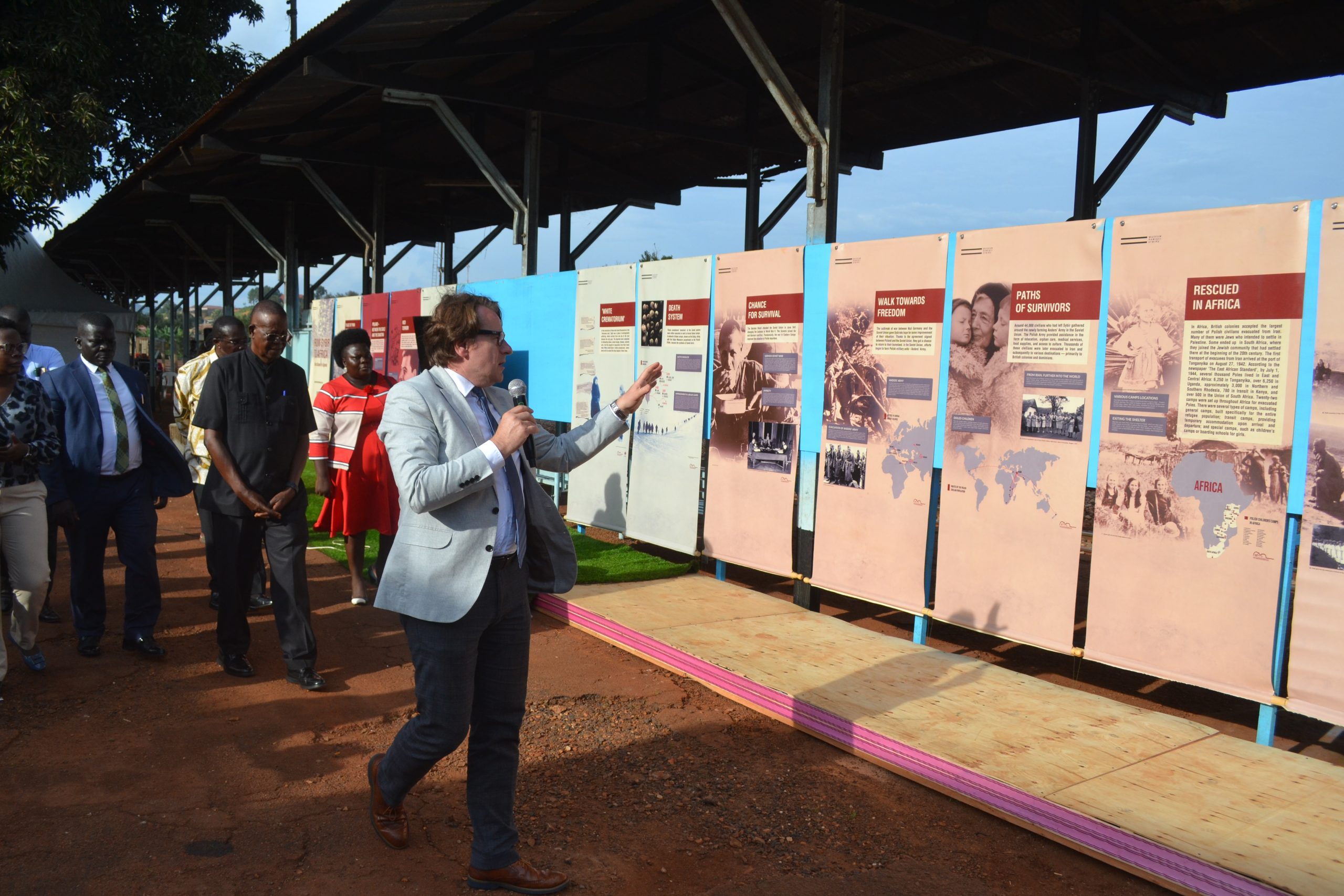
The exhibition From Sybir to Africa: Polish citizens in Uganda, prepared by the Sybir Memorial Museum and presented at the Uganda Railway Museum in Jinja, is devoted to this history. Through unique photographs and original texts written by museum staff, the exhibition presents forced deportations, the operation of the Soviet system of repression, and the long journey of Polish exiles toward freedom. The exhibition was officially opened on the eve of African World Heritage Day. The opening ceremony, held on 4 May 2026, was attended by the director of the Sybir Memorial Museum, Prof. Wojciech Śleszyński, and development specialist Julita Waś. During their visit, the delegation also visited cemeteries in Masindi and Koja.
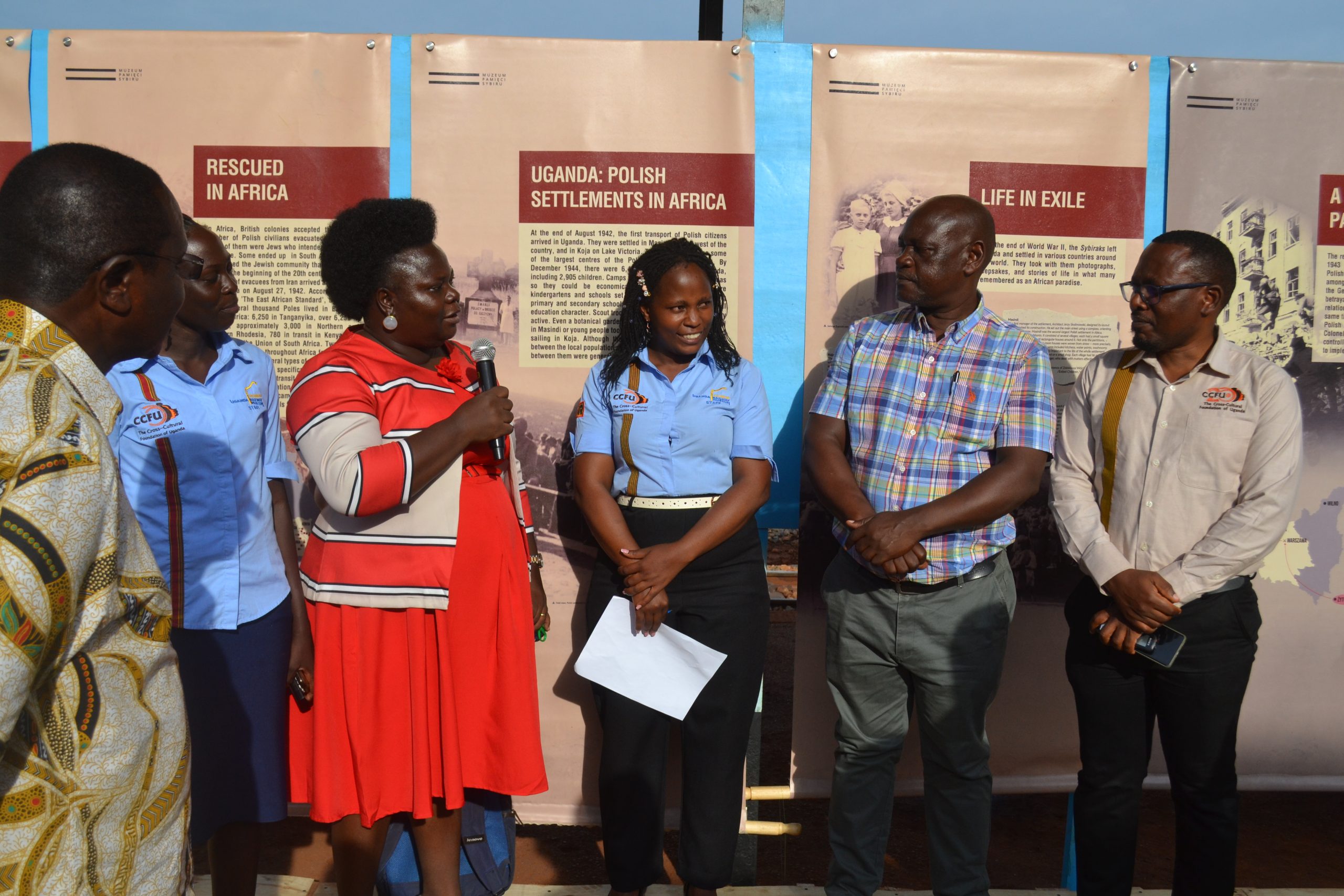
The first transport of Polish citizens arrived in Uganda at the end of August 1942. Refugees were settled in Masindi in western Uganda and near Koja on the shores of Lake Victoria. Over time, these settlements became some of the largest Polish communities in Africa. In December 1944, a total of 6,435 Polish refugees lived there, including 2,905 children and young people. The settlements were established on agricultural land to ensure a degree of self-sufficiency. They included kindergartens, primary and secondary schools, scout troops, theatre groups, and vibrant community centres. In Masindi, the school maintained a botanical garden, while in Koja young people took part in water sports such as rowing and sailing. Although the authorities initially sought to limit contact with the local population, relations between Ugandans and Polish refugees were generally positive.
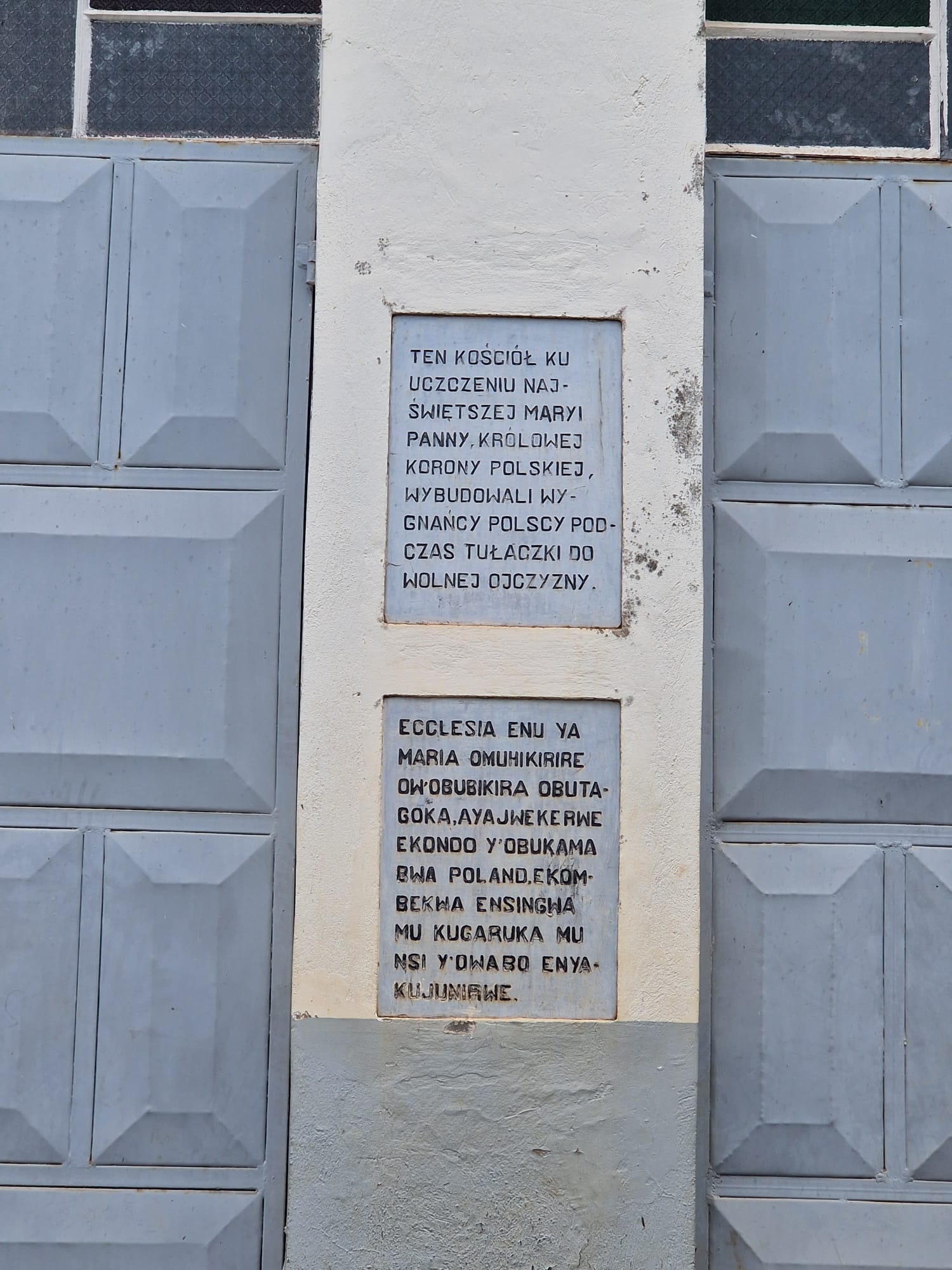
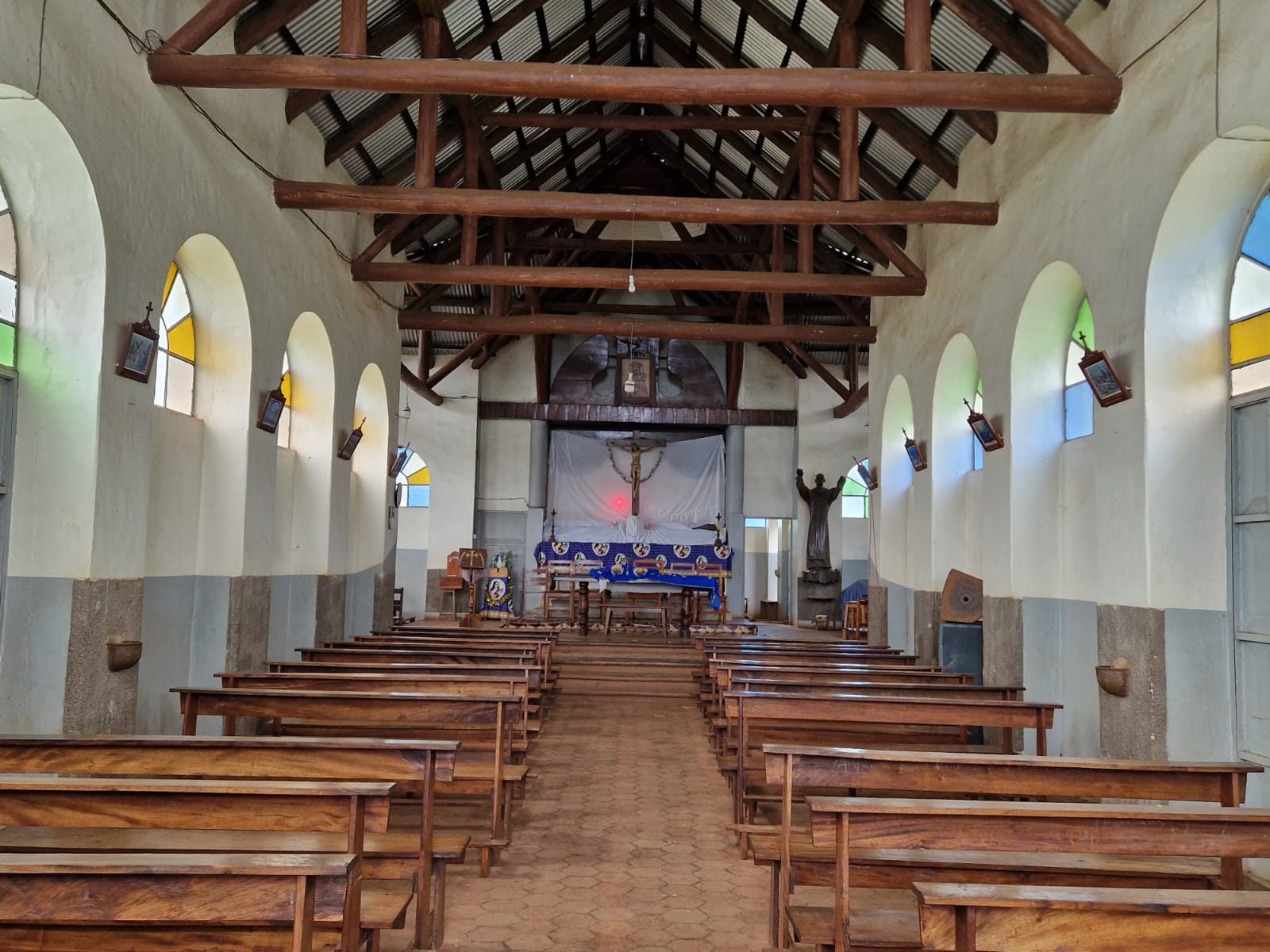
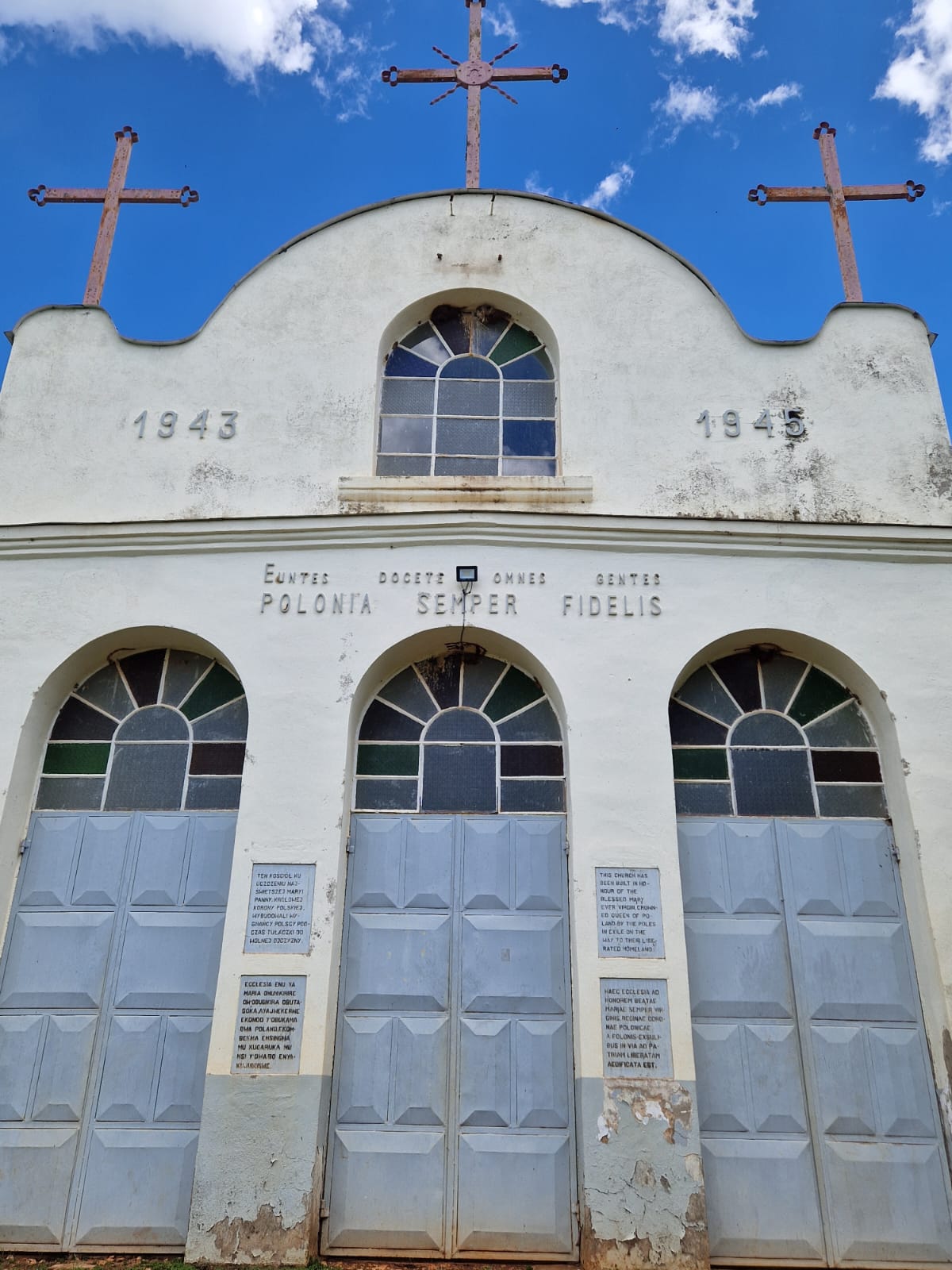
One of the residents of the Koja settlement was Karolina Mariampolska, who, together with her family, was deported by the Soviets to the Komi Republic in February 1940. Like many deported families, the Mariampolskis regained their freedom following the Sikorski–Mayski Agreement of 1941. Karolina travelled via Persia to Uganda, where she lived in Koja until 1948. She later moved to Great Britain, completed her studies, and worked for many years as a teacher. She also became involved in Polish scouting, through which she met Ryszard Kaczorowski from Białystok, whom she married in 1952. In 1989–1990, alongside her husband, who was then President of the Republic of Poland in Exile, she fulfilled the duties of First Lady with great dedication. She died on August 21, 2021.
The Polish settlements in Uganda were gradually closed. In 1945, most children from the orphanage in Masindi, as well as some from Koja, were transferred to the Rongai settlement in Kenya. Masindi was closed in 1947, and Koja in August 1952. Poles later emigrated to countries including the United Kingdom, Australia, Canada, and France, while some returned to Poland. From Africa, they carried photographs, personal belongings, and memories of places that had been their home during the war.
Such memorabilia are preserved in the collections of the Sybir Memorial Museum, including documents, photographs, and objects related to the African chapter of Polish exile history, such as a suitcase labelled “Koja Settlement – Africa”.
After its presentation in Jinja, the exhibition will travel to the Masindi Hotel — the oldest hotel in Uganda and a place closely linked to the history of Polish refugees and deportees.