


Exhibition Opening
Date: July 10, 2026
Time: 6:00 p.m.
Venue: The Sybir Memorial Museum
Free admission
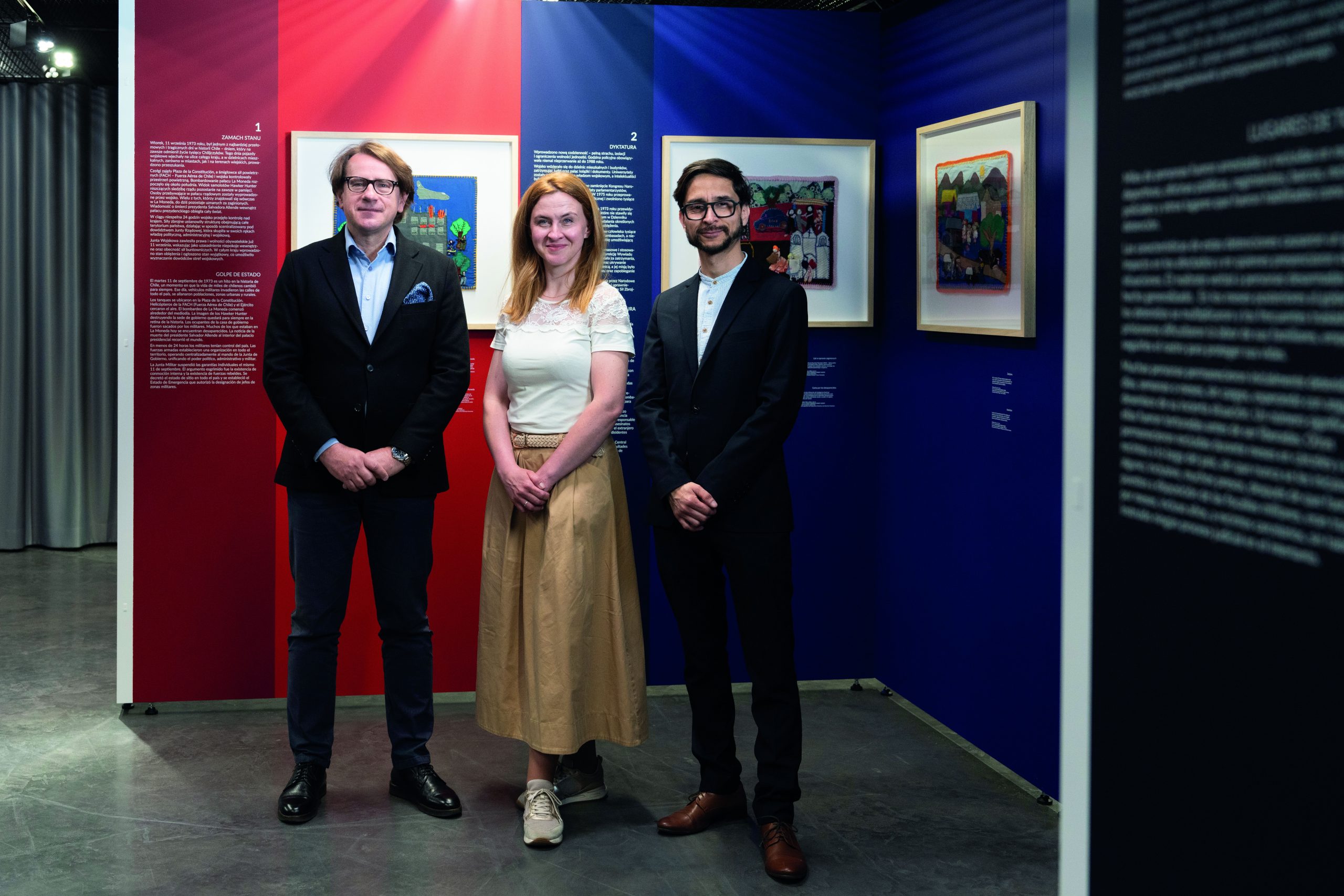
Exhibition Curators: Prof. Wojciech Śleszyński, Julita Waś, Andrés Mauricio Rojas Rojas
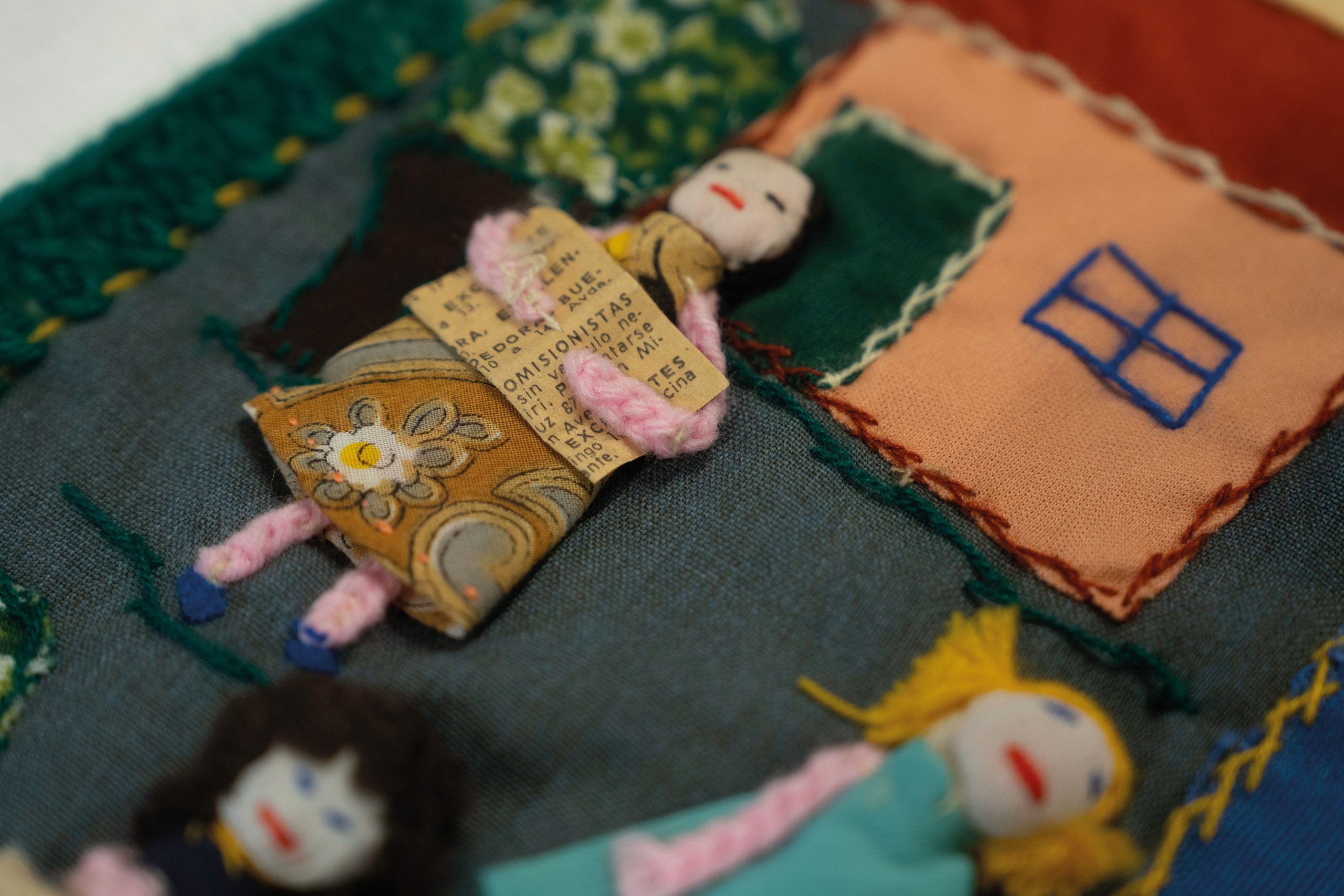
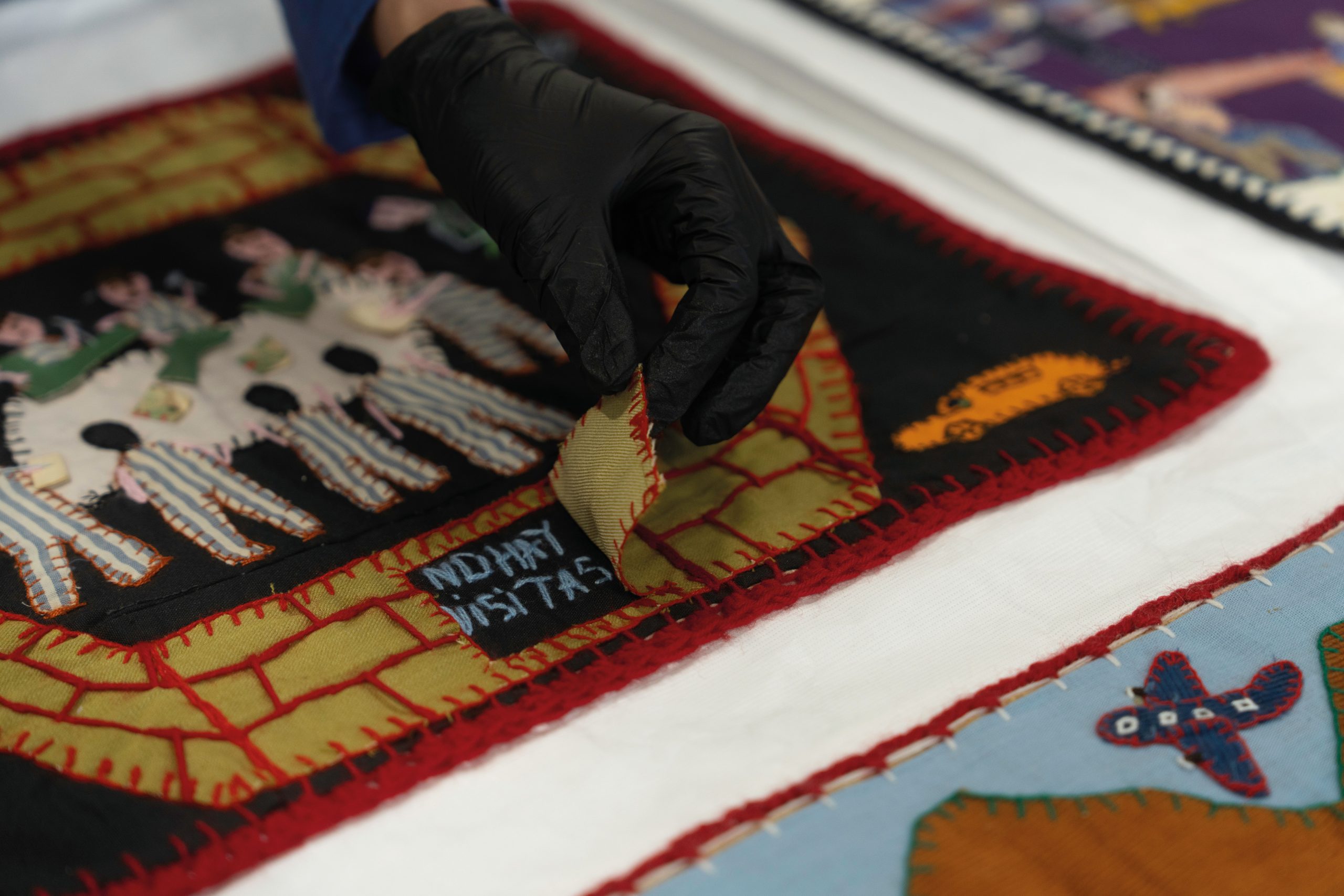
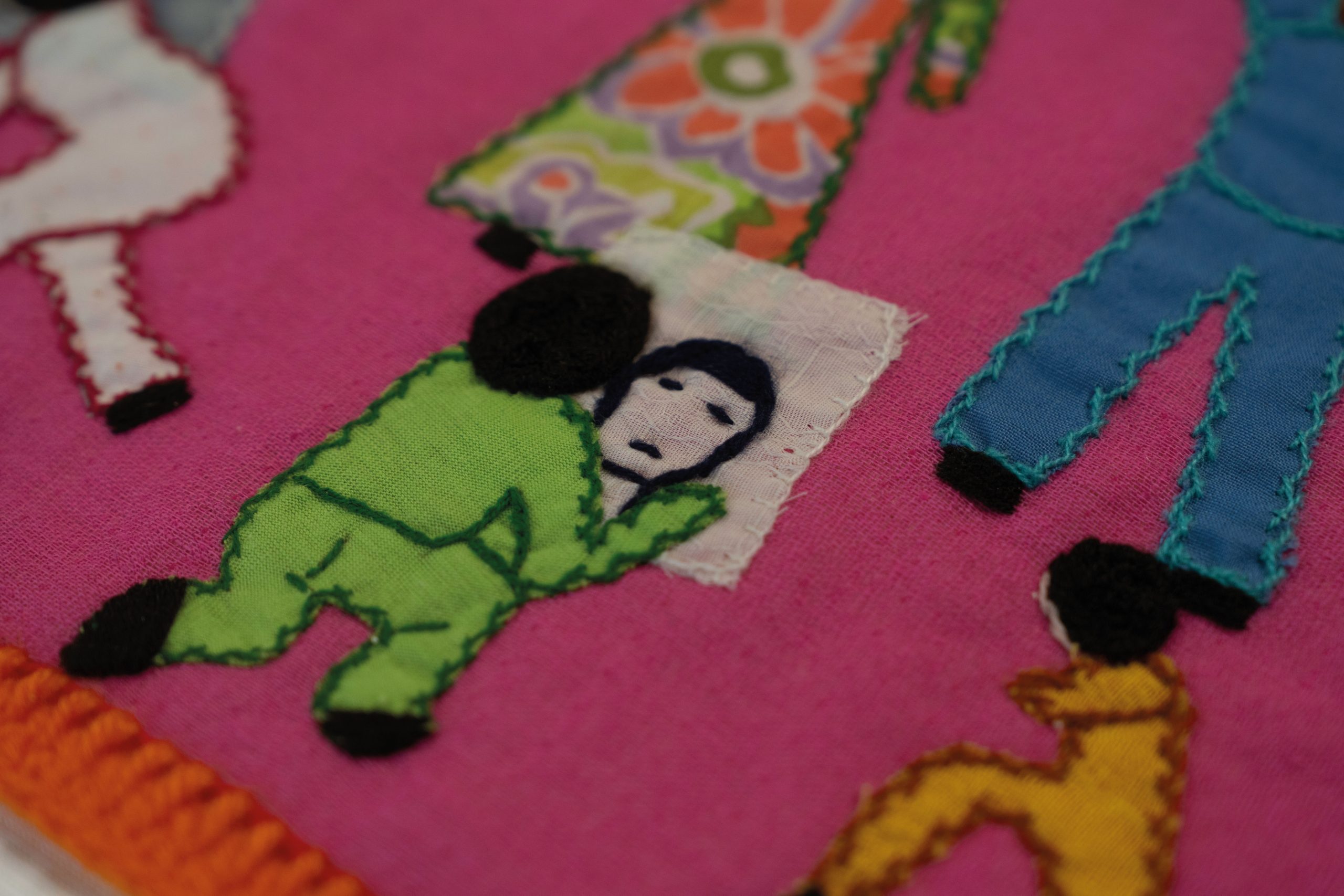
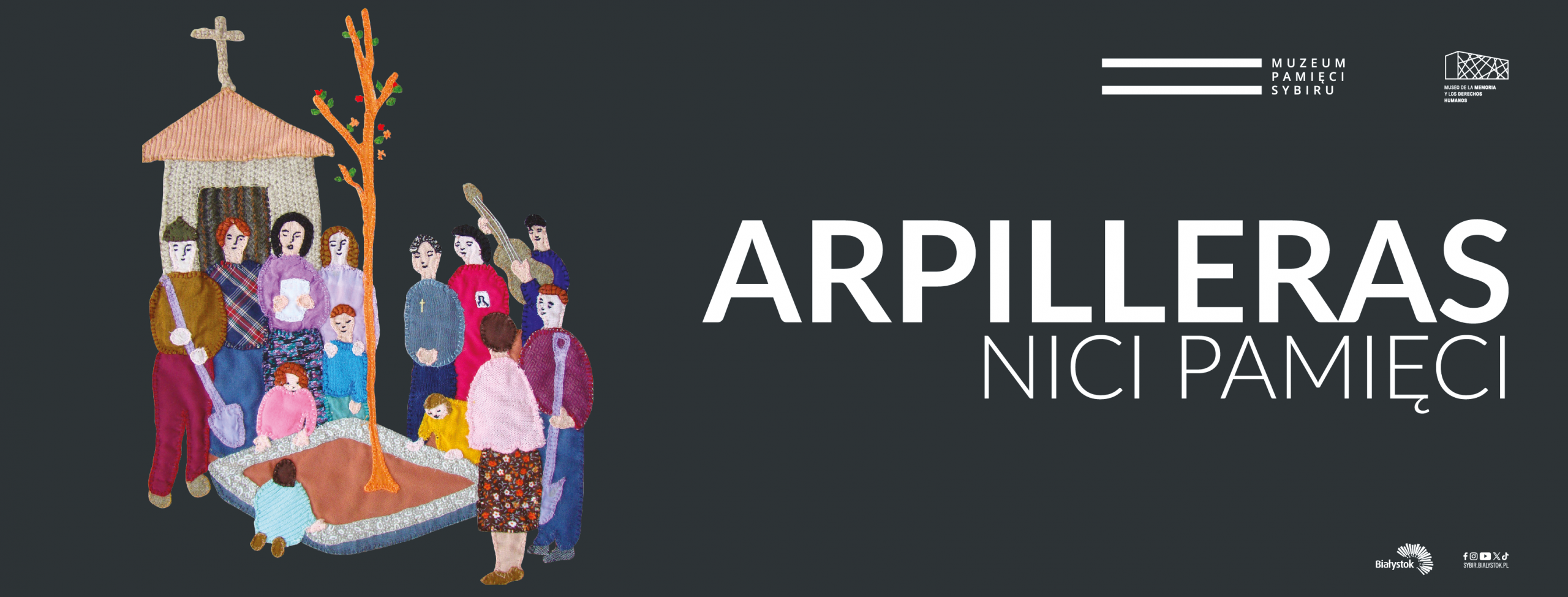
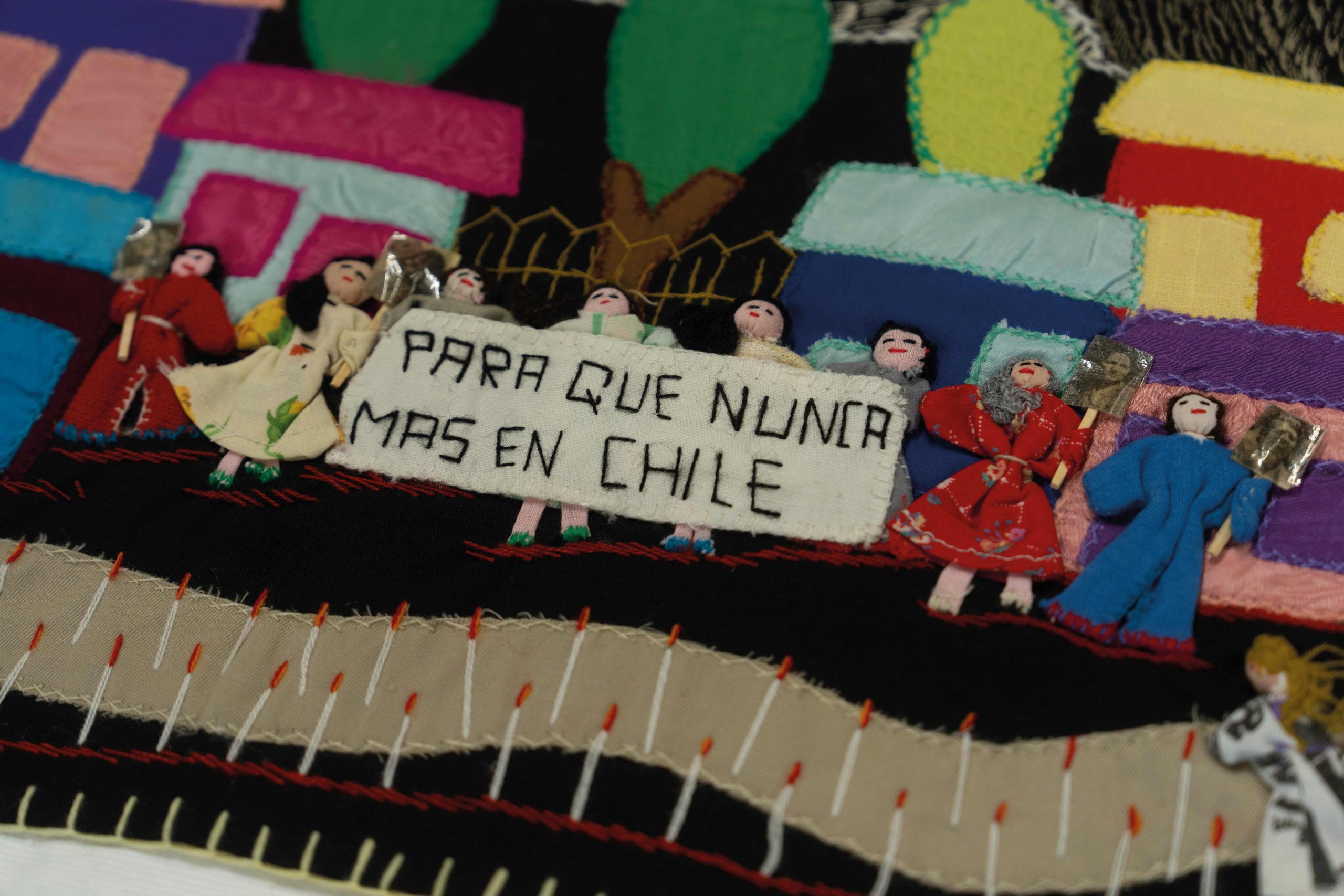
Arpilleras are textile artworks created in Chile following the military coup of 1973. They became a powerful symbol of resistance during Augusto Pinochet’s military dictatorship. These moving works bear witness to the experiences of Chilean women who used thread and scraps of fabric to tell stories of loss, solidarity, and the search for truth about their disappeared loved ones.
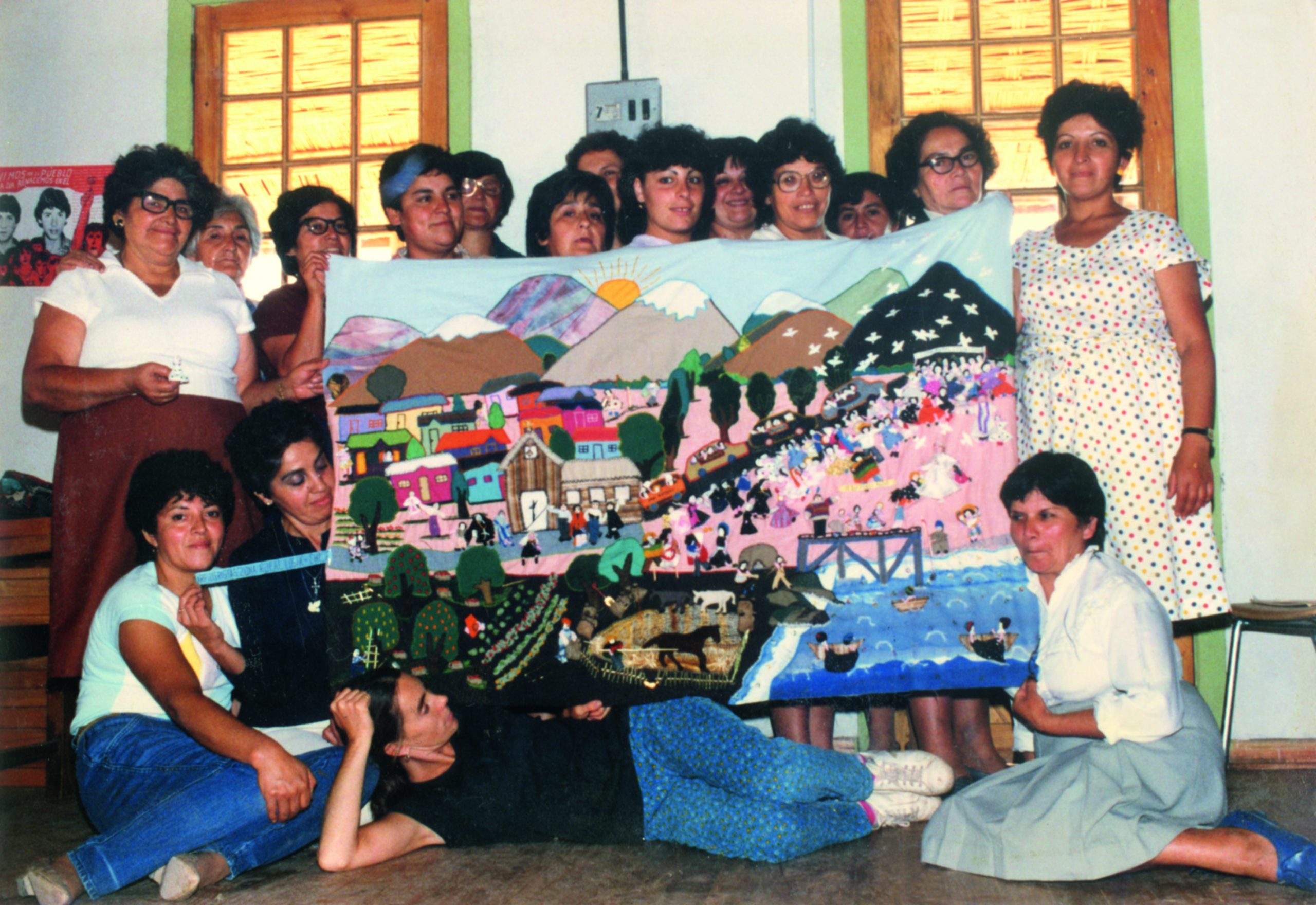
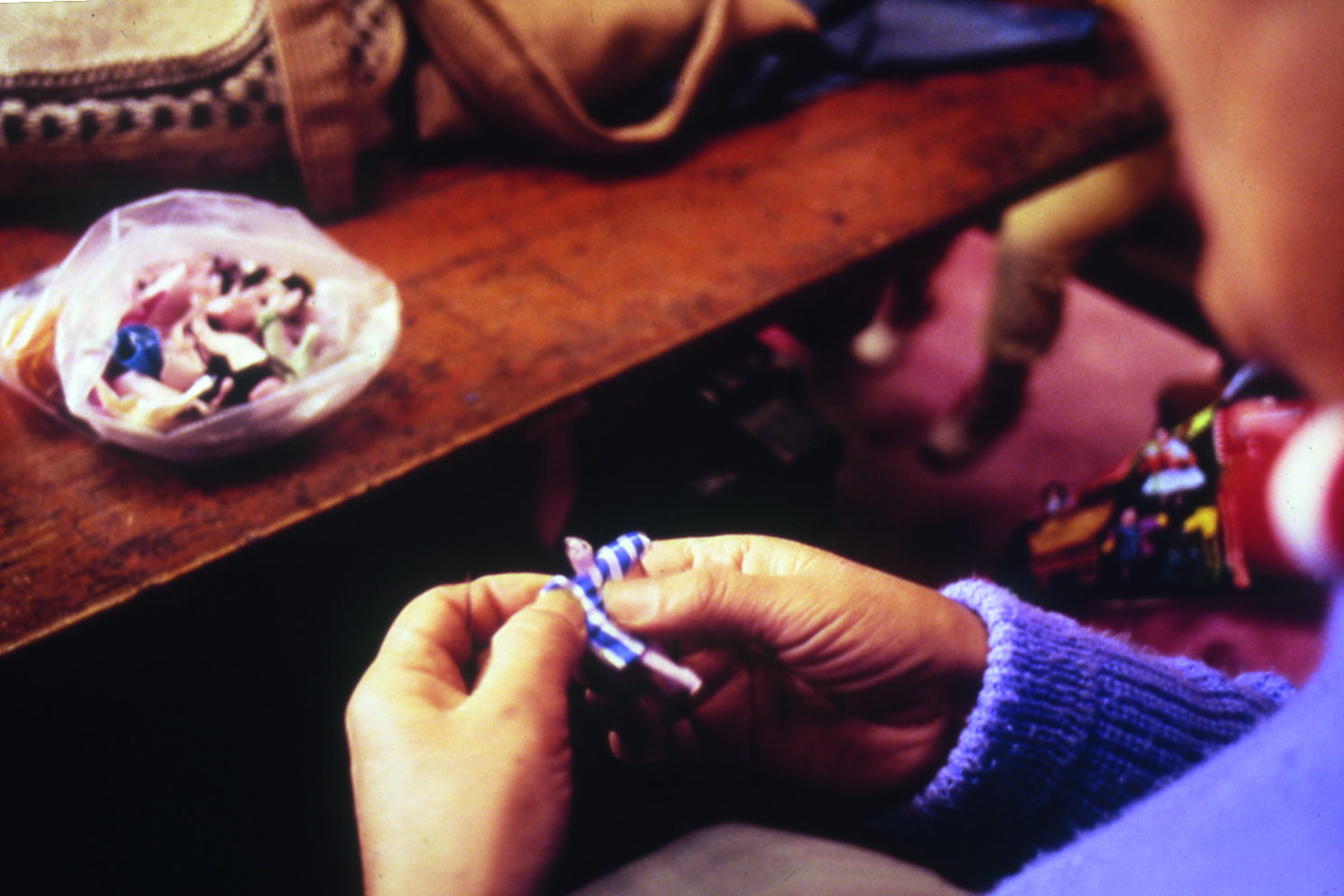
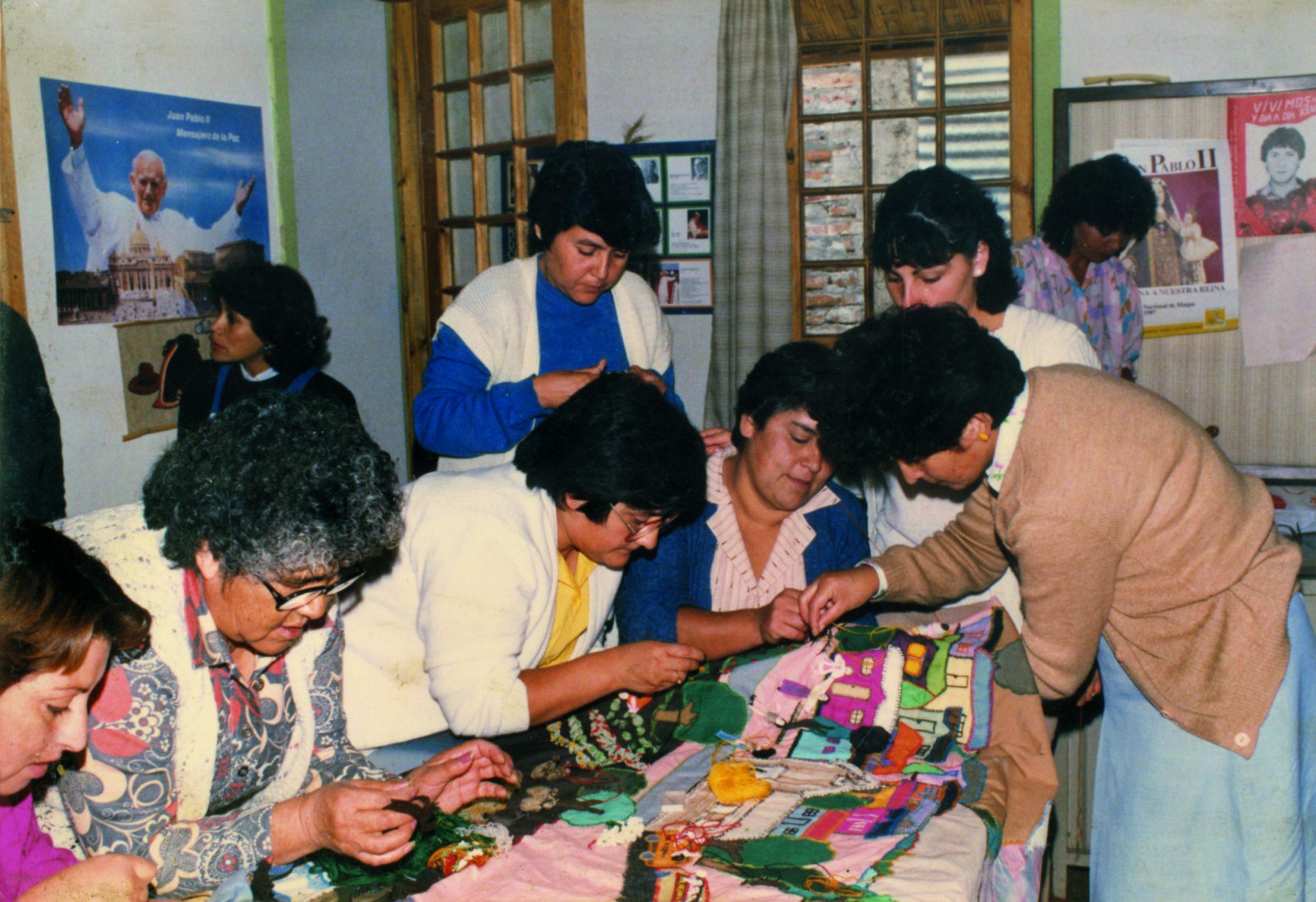
At first glance, the experiences of Sybir deportees—victims of Stalinist repression—and Chileans who suffered under Pinochet’s dictatorship seem to have little in common. Yet in both cases, art became a universal language—a thread connecting two distant systems of oppression. For many, it offered a way of coping with unimaginable suffering.
Many Sybir deportees who returned from exile never wrote down their memories. Instead, they turned to artistic expression, creating sculptures, drawings, and small handmade objects—tangible traces of memory that embody trauma, longing, and the search for meaning in suffering. Chilean women, in turn, reached for the simplest materials: scraps of fabric, thread, and wool. With these, they stitched stories of loved ones whose return they continued to await.
The exhibition Arpilleras – Threads of Memory, created in cooperation between the Sybir Memorial Museum and the Museum of Memory and Human Rights in Santiago, Chile, tells the story of Chile’s dictatorship through works of art created out of the need to remember, bear witness, and preserve human dignity.
The Chilean Coup d’État
On 11 September 1973, after months of political tension and social unrest, Chile’s democratically elected government was overthrown in a military coup. That day marked not only the death of President Salvador Allende but also the end of democracy in Chile. Power passed into the hands of a military junta led by Augusto Pinochet, ushering in a period of widespread violence. During the first days after the coup, thousands of people were arrested. Political opponents were abducted, tortured, and killed.
Shortly after the coup, women began gathering in Santiago to create arpilleras. They met not only to sew but also to support one another, share their experiences, and take collective action. Their colourful, richly detailed textiles depicted scenes of violence, fear, and resistance: abductions, prisons, torture centres, protests, hunger strikes, exile, and hopes for the restoration of democracy. In a society silenced by censorship, these works gave voice to what was meant to remain hidden. Today, they stand among the most compelling testimonies to historical truth and have become enduring symbols of resistance to Chile’s military dictatorship.
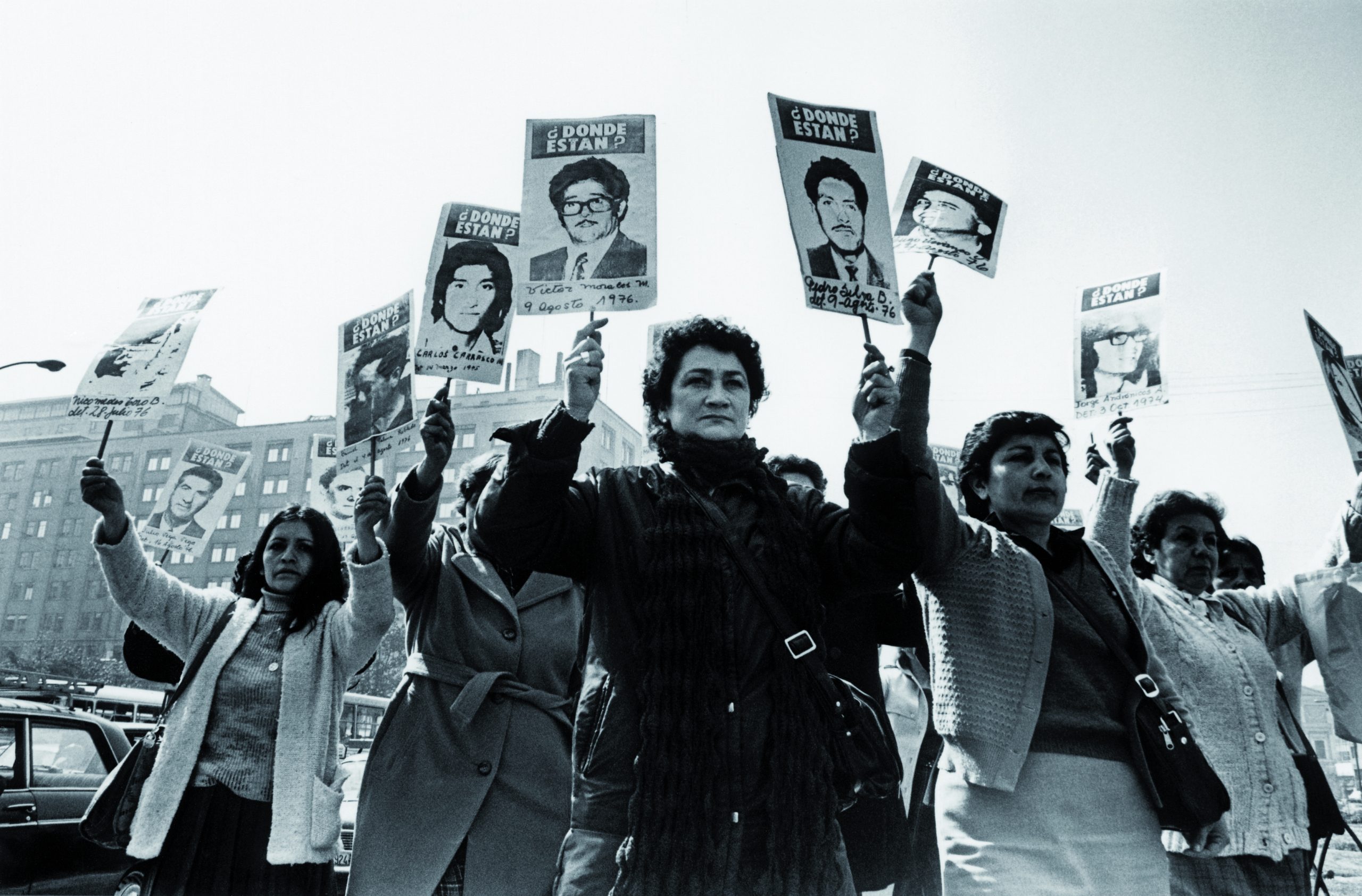
The works created by both Chilean women and Sybiraks, which will soon be presented at the Sybir Memorial Museum, do not seek to compare historical events or political systems. Instead, they reveal a shared experience: art as a form of testimony, remembrance, and healing—a universal language spoken by people who have endured state violence, regardless of place, time, ideology, or culture.
Preparations for the exhibition are underway. We warmly invite you to the exhibition opening on 10 July at 6:00 p.m. at the Sybir Memorial Museum, 1 Węglowa Street, Białystok. The exhibition will be on display until 16 October 2026.