


“Father was taken prisoner. He was in Ostashkov, in Katyn – and there he died…” recalled Regina Kowerko.
“When we were being deported, my mother was seriously ill. I was the oldest child in the family, so I had to take care of my younger siblings […]. We were loaded into a truck; they carried my mother out because she was unconscious and threw her into the truck – and then we went to the railway station. The house was left open, everything. Only the cat ran after our vehicle for a very long time, until it disappeared from sight…”.
On April 13, 1940, the Soviets loaded the wives and children of those they were murdering in Katyń, Smolensk, Kharkiv, and other places into cattle cars. These incomplete families, consisting mostly of women and children, experienced a double tragedy during deportation – both during the long journey and during their stay in Soviet collective and state farms in Kazakhstan. They lacked male assistance in physical work, as well as care and emotional support from husbands and fathers, whose return they constantly awaited. Above all, however, they lacked closeness, tenderness, and love…
They learned about the Katyn Massacre many years later, often only after returning to Poland.
Exactly three years later, on April 13, 1943, the Germans announced to the world the truth about the Katyń Massacre. Fifty years later, on April 13, 1990, the Soviet Union admitted responsibility for the crime, and Mikhail Gorbachev handed over the first documents concerning it to Poland.

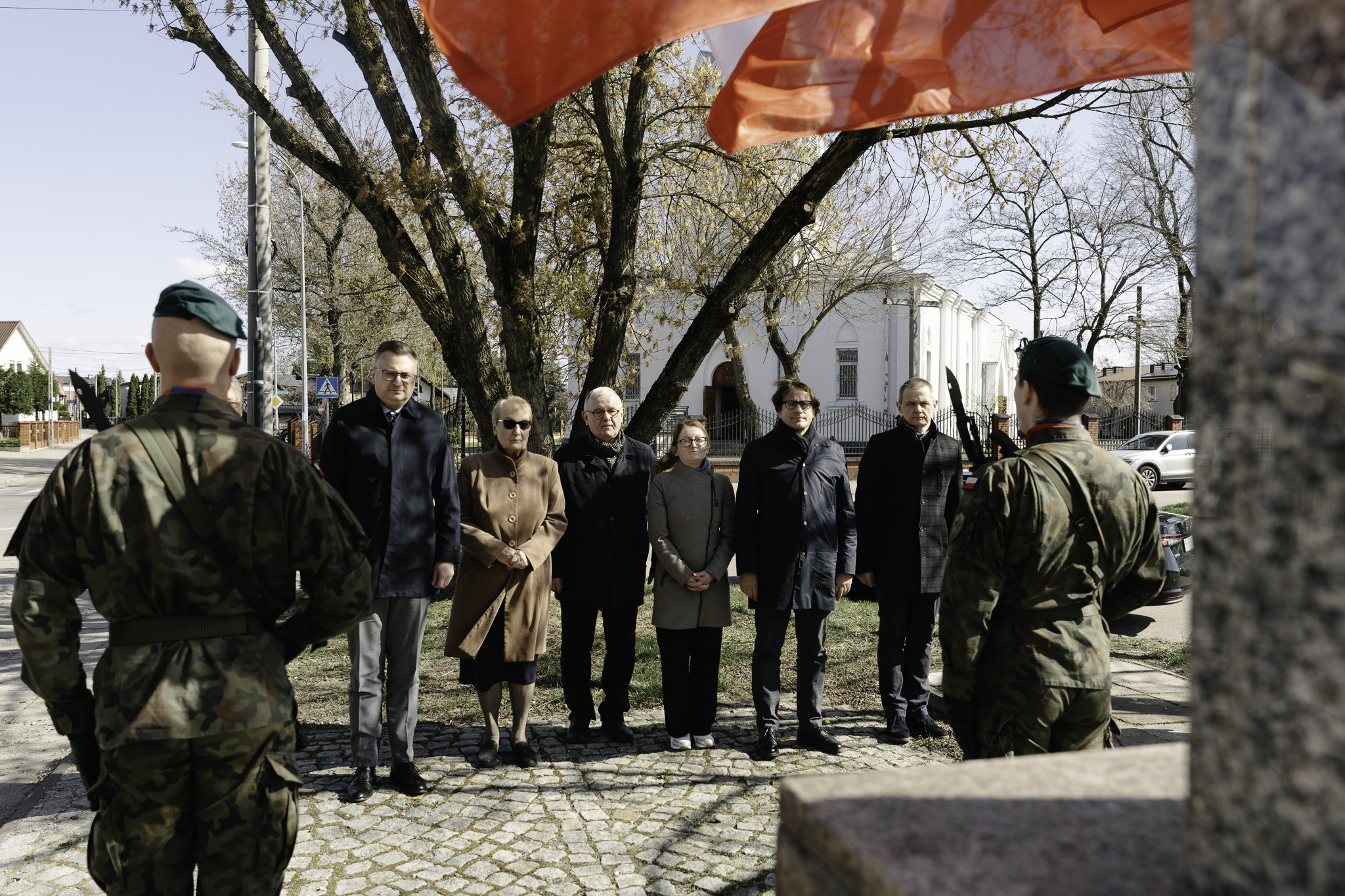
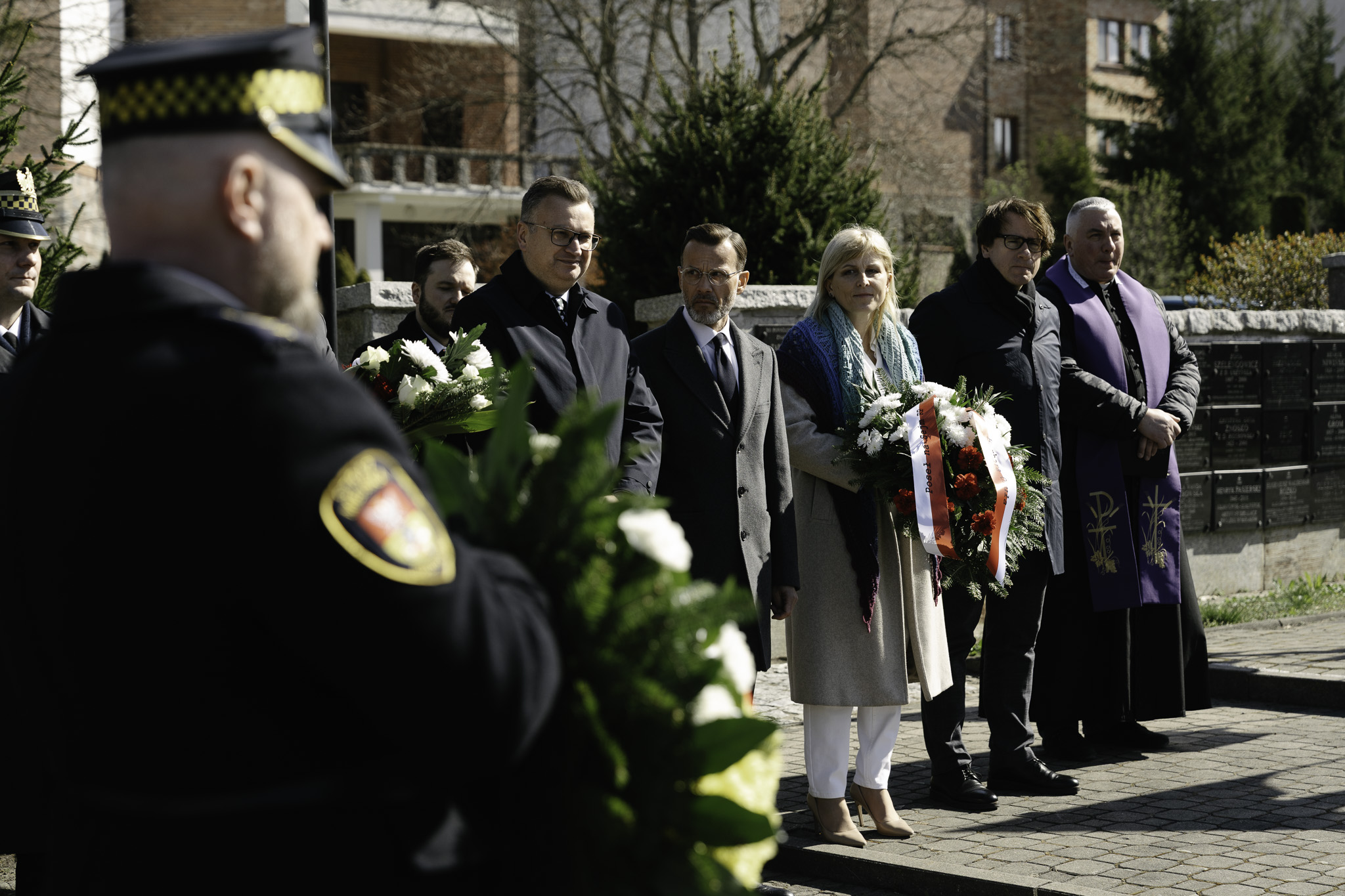
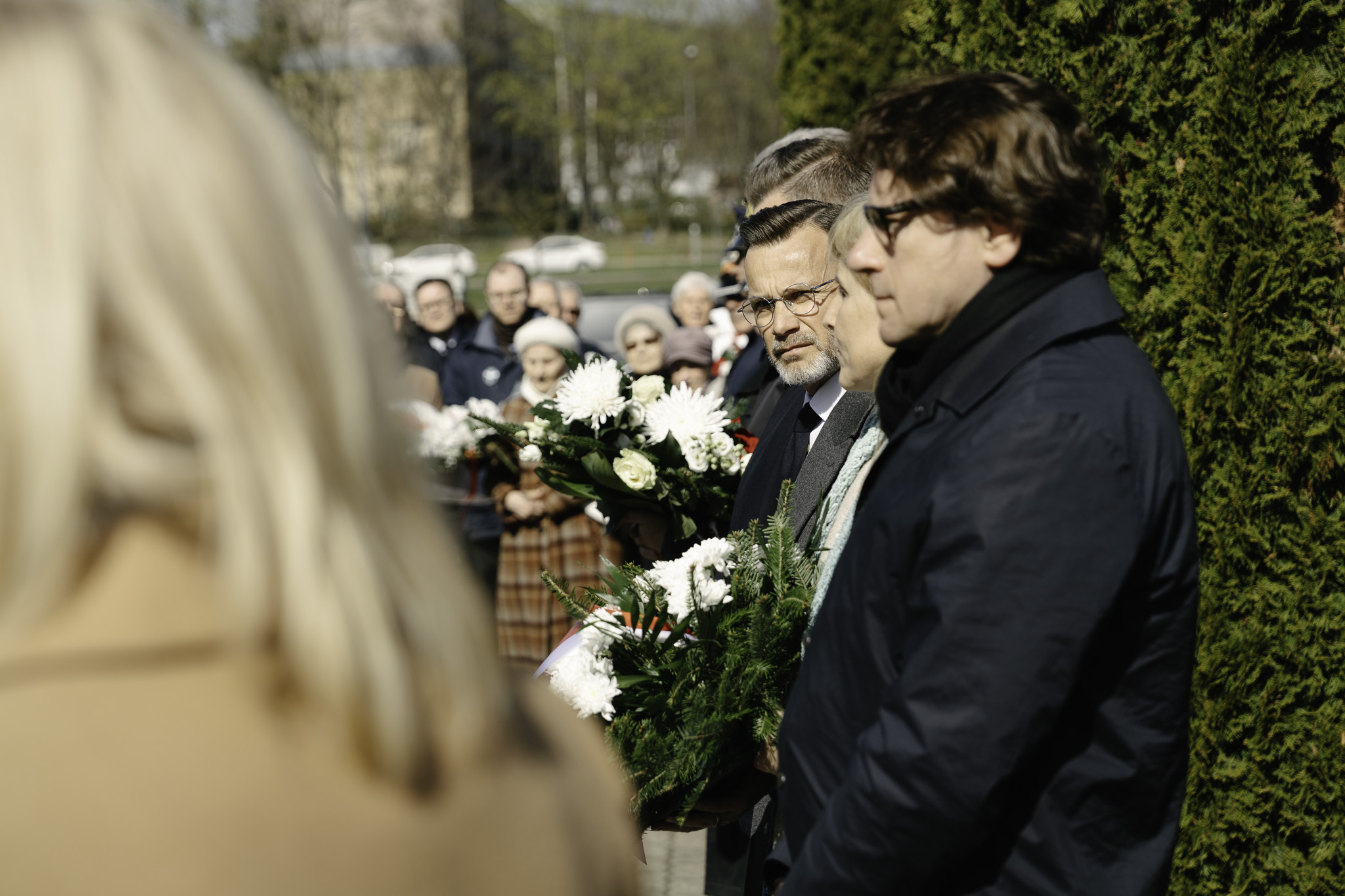
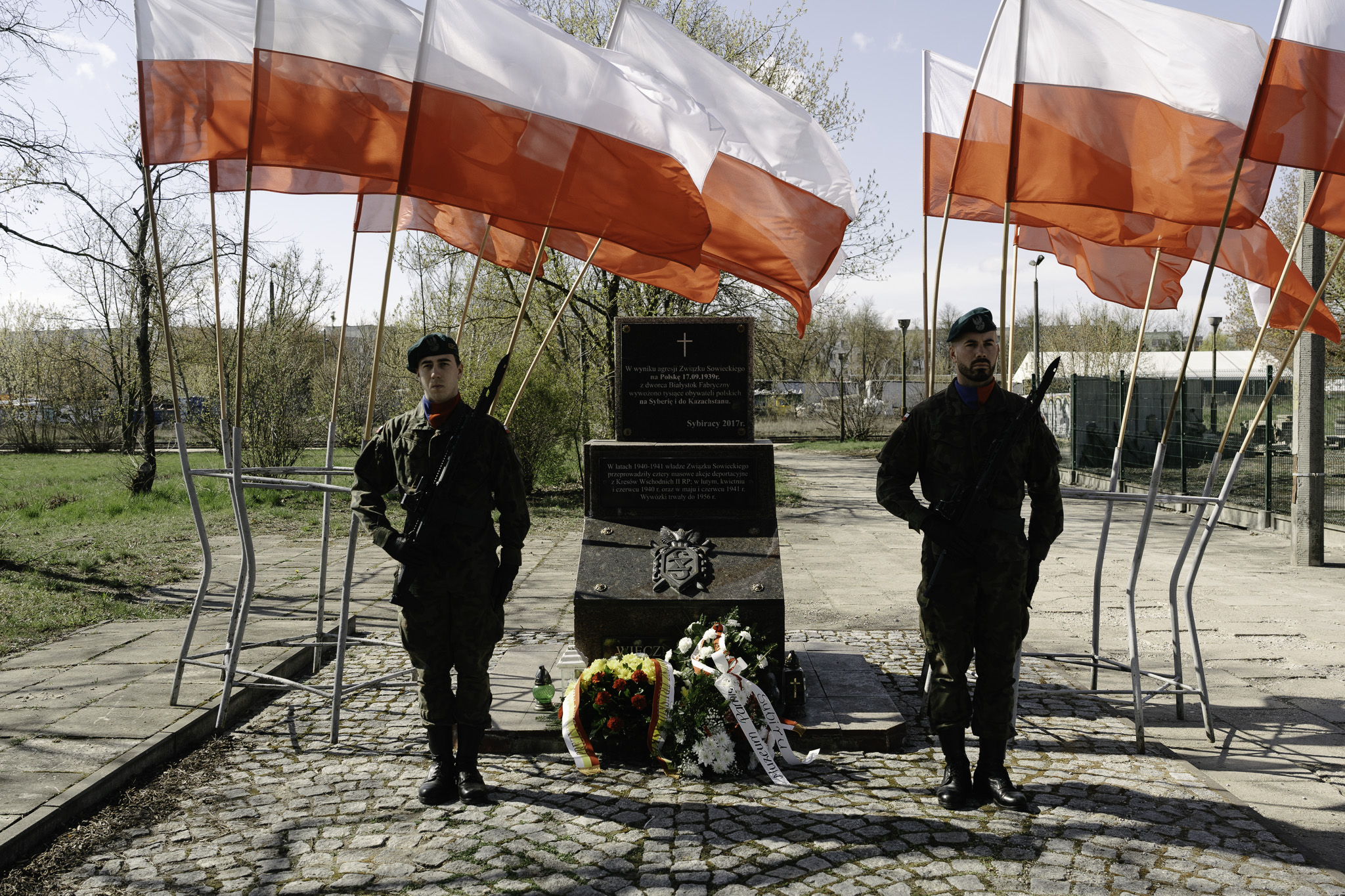
April 13 is observed as the Day of Remembrance of the Victims of the Katyn Massacre, as well as the anniversary of the deportation of the families of these victims from Poland’s eastern territories to Kazakhstan.
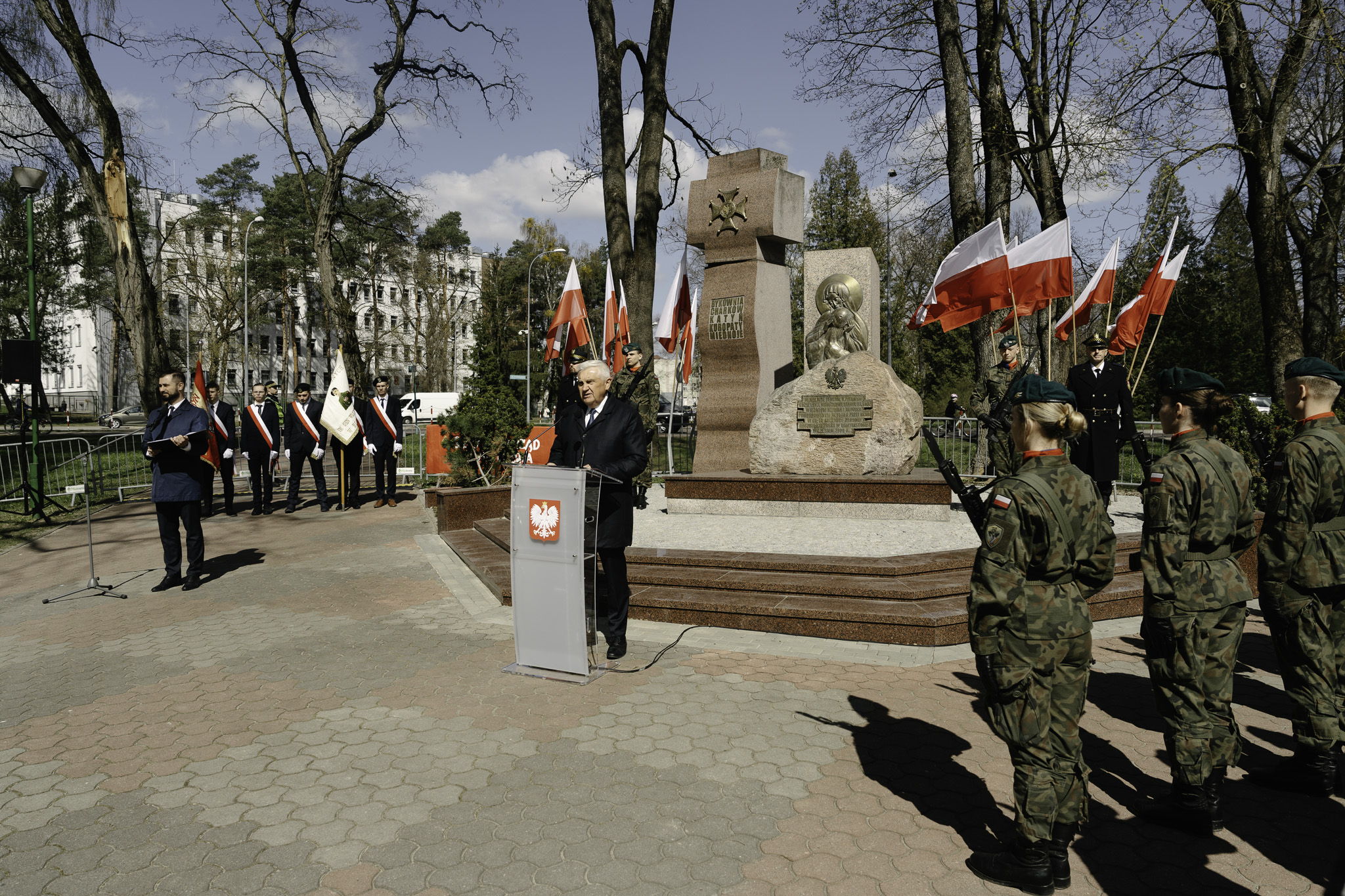
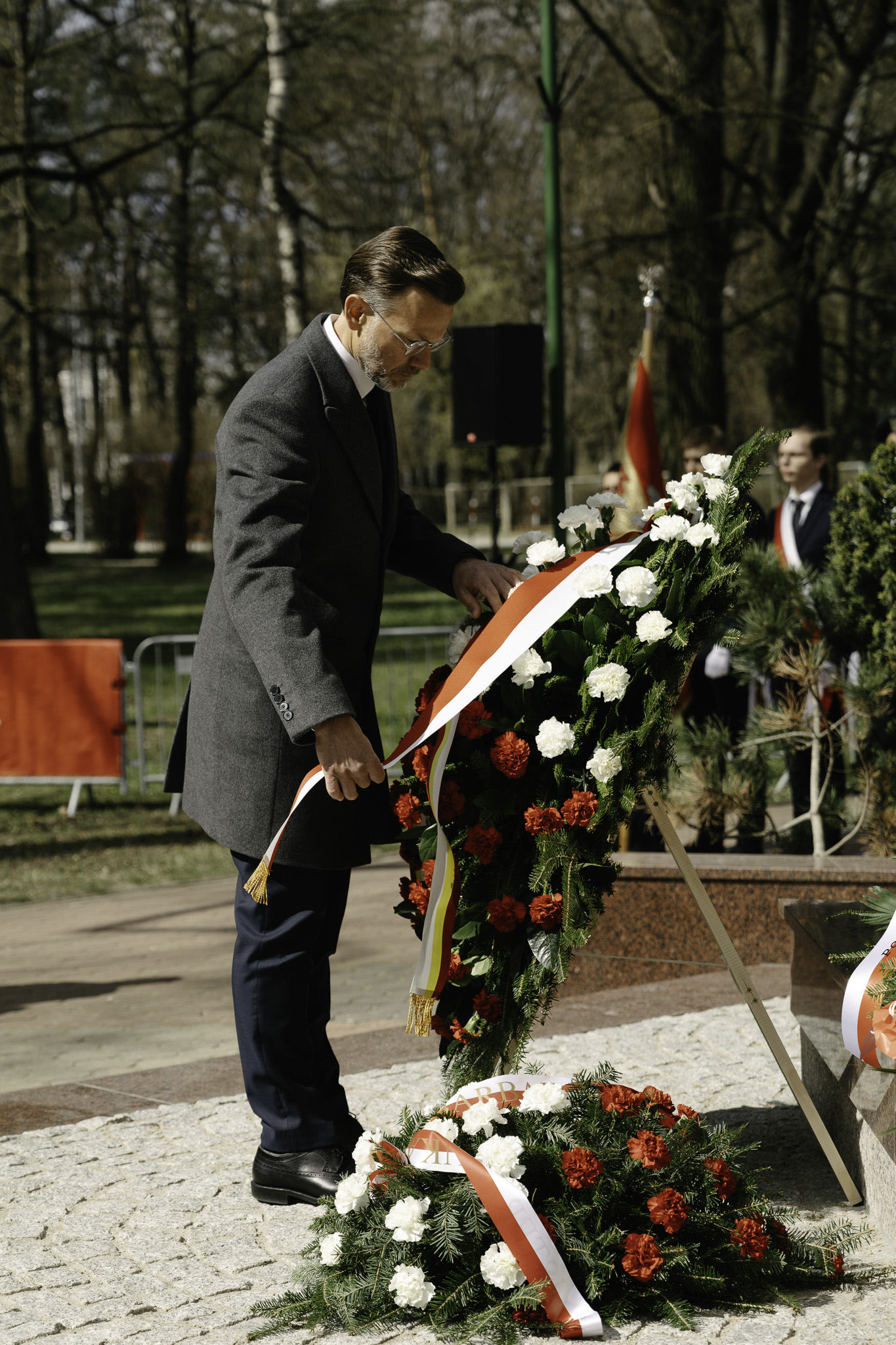
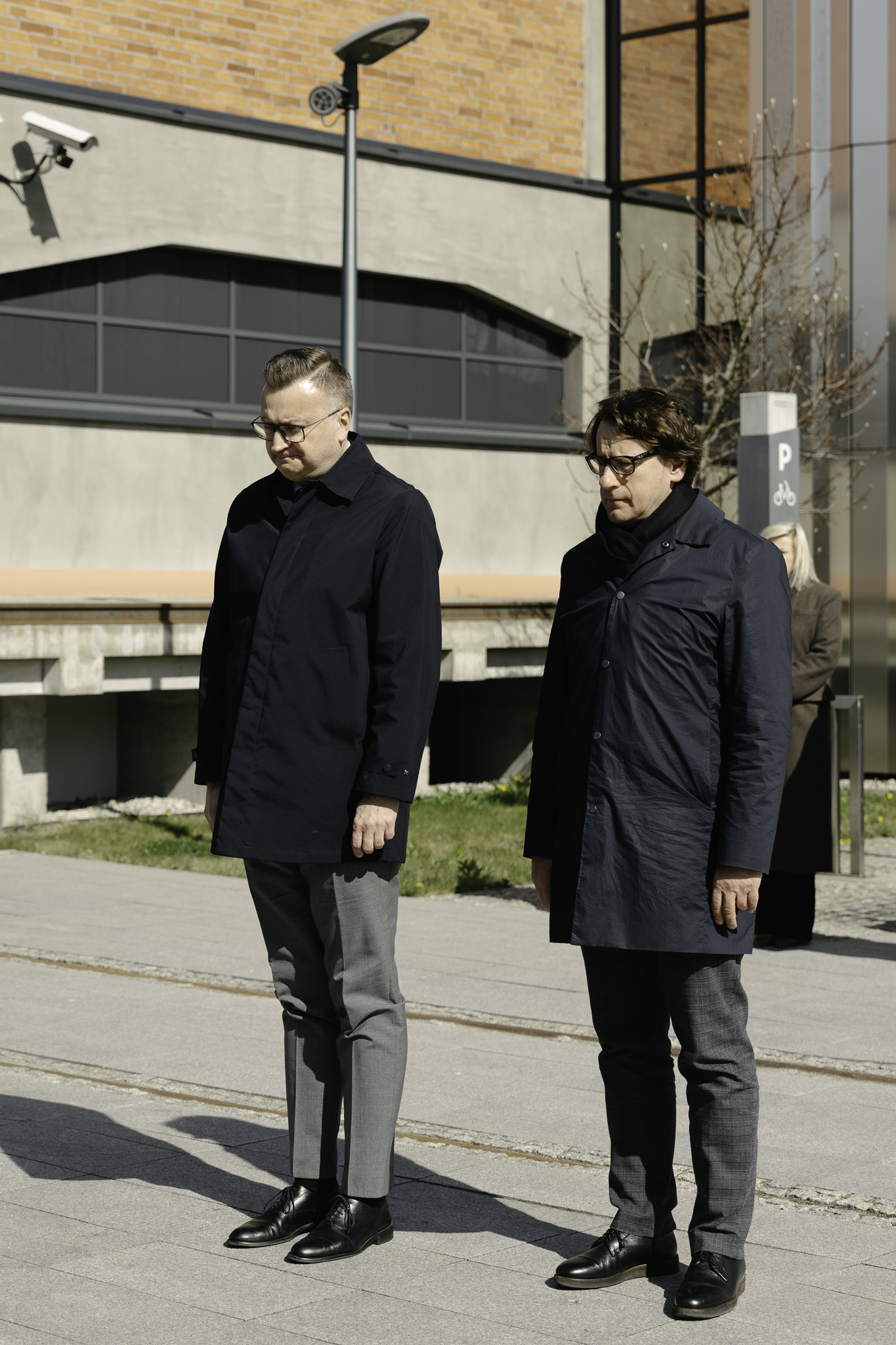
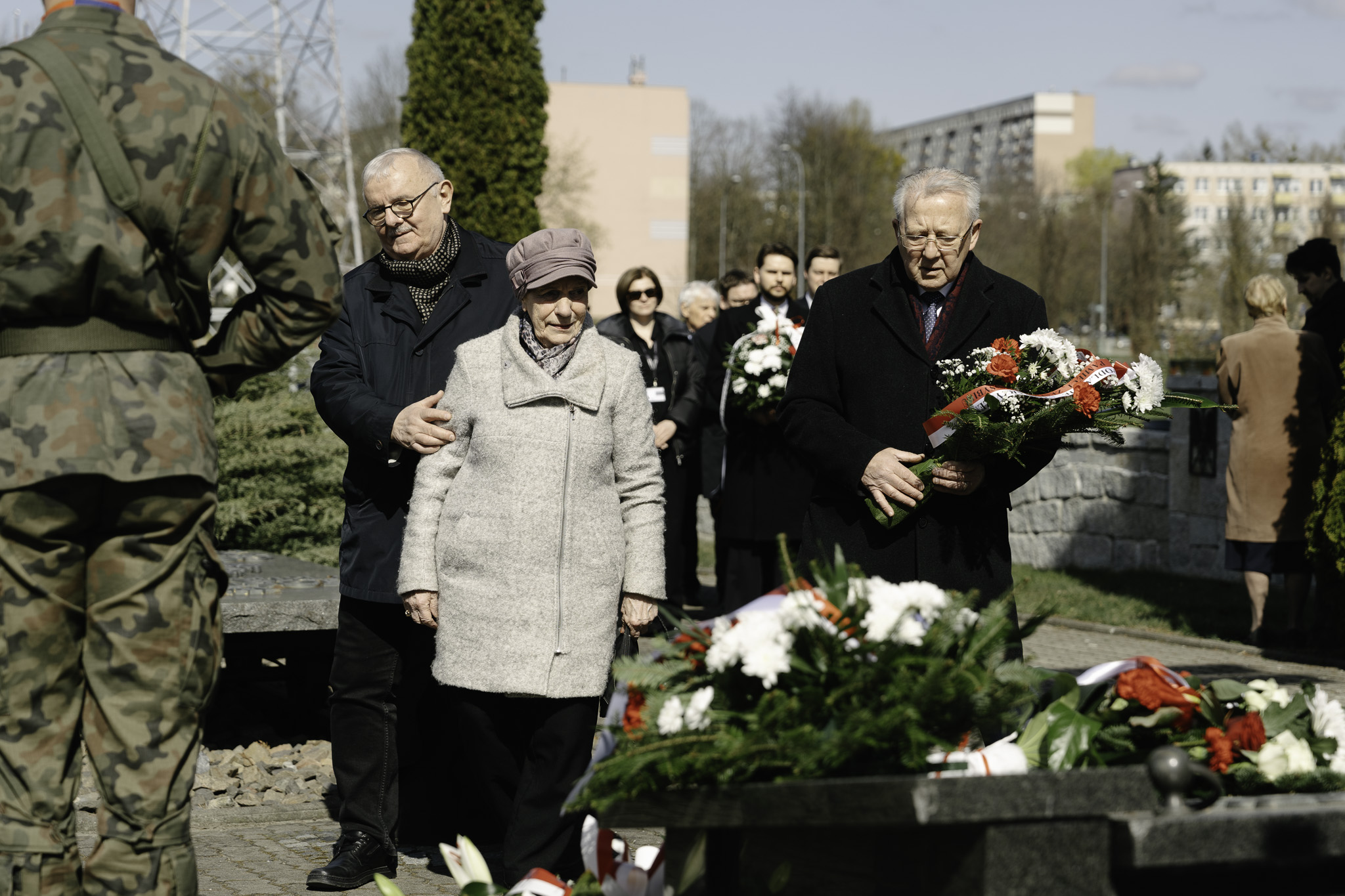
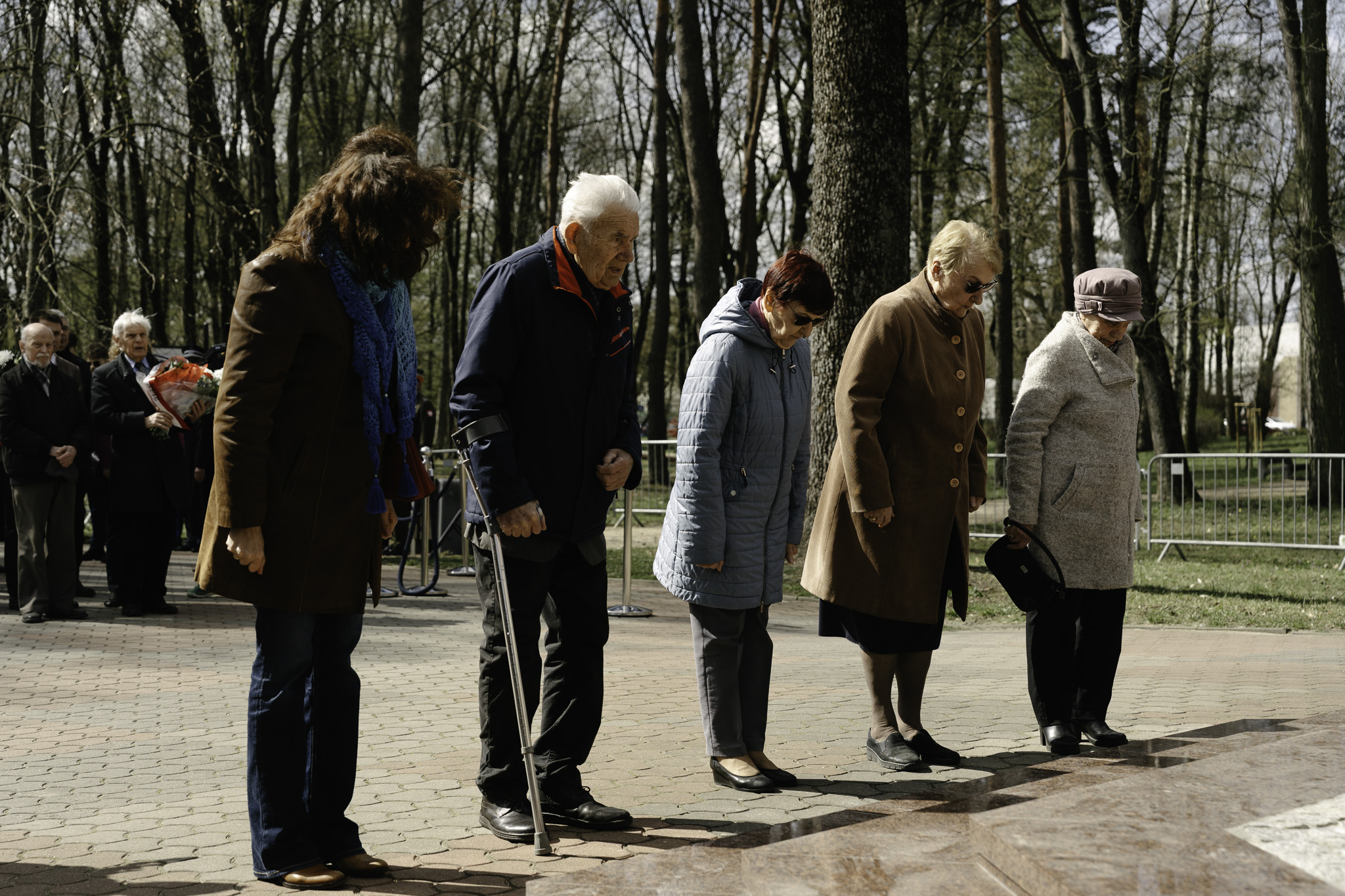
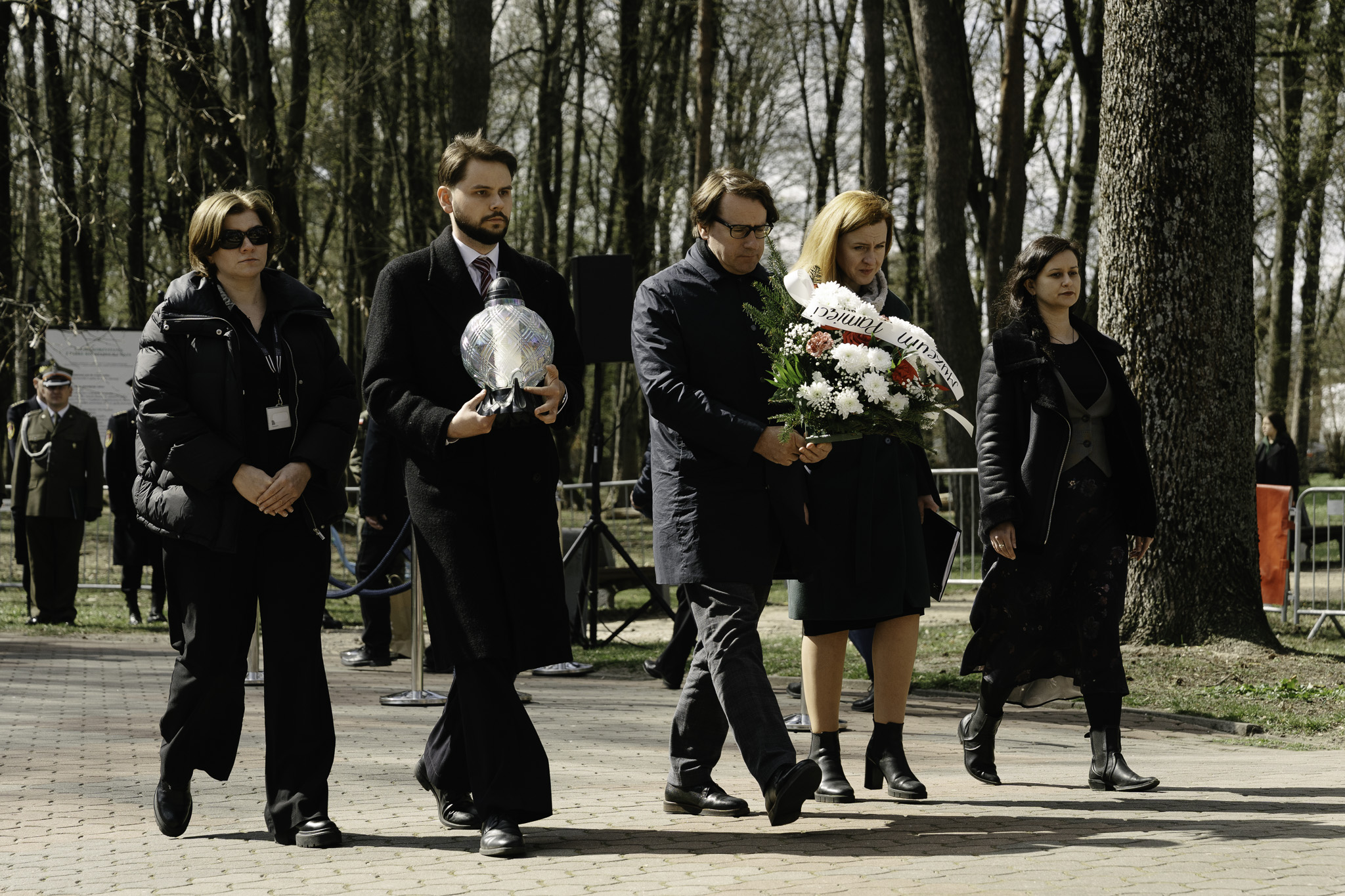
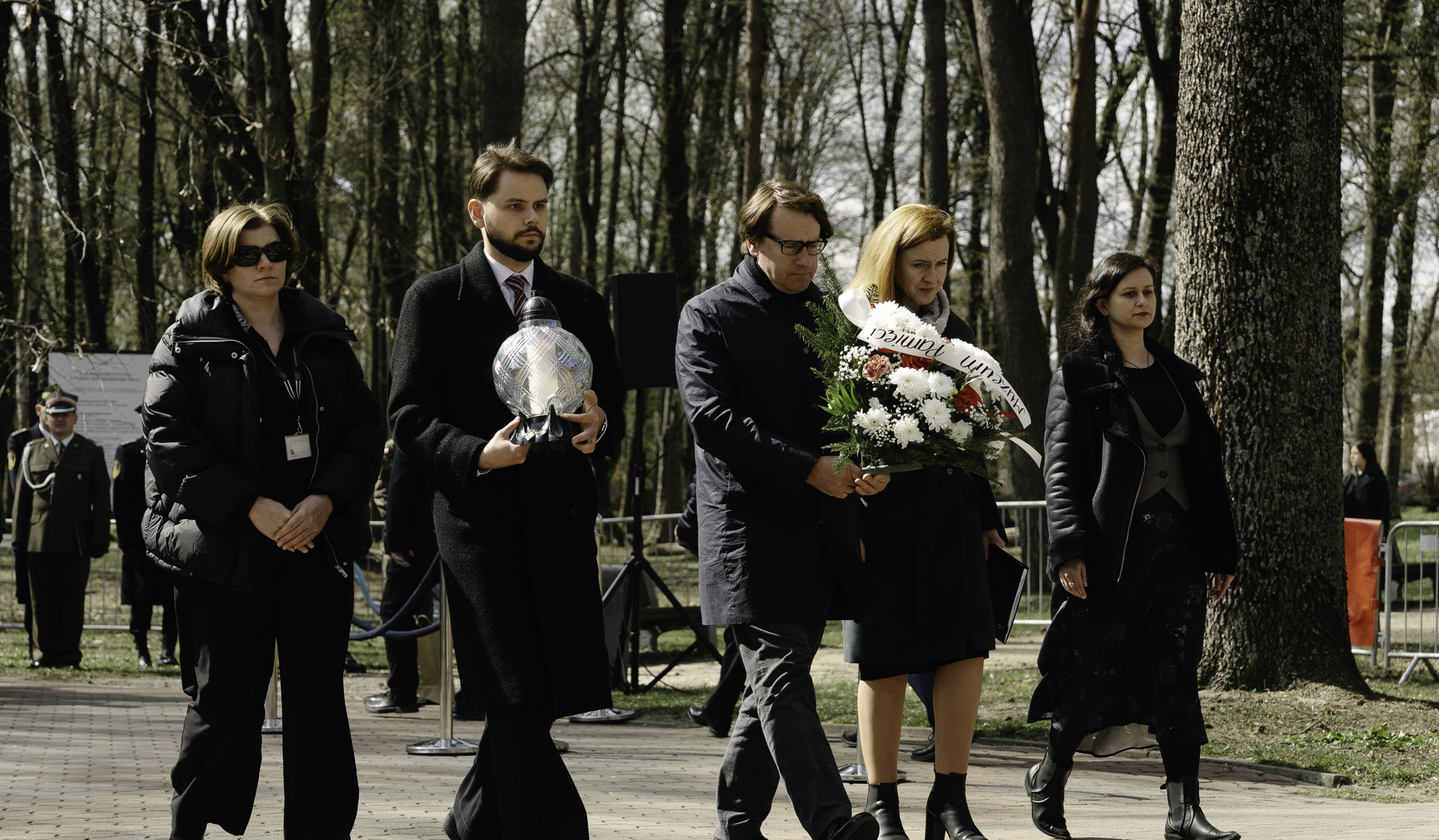
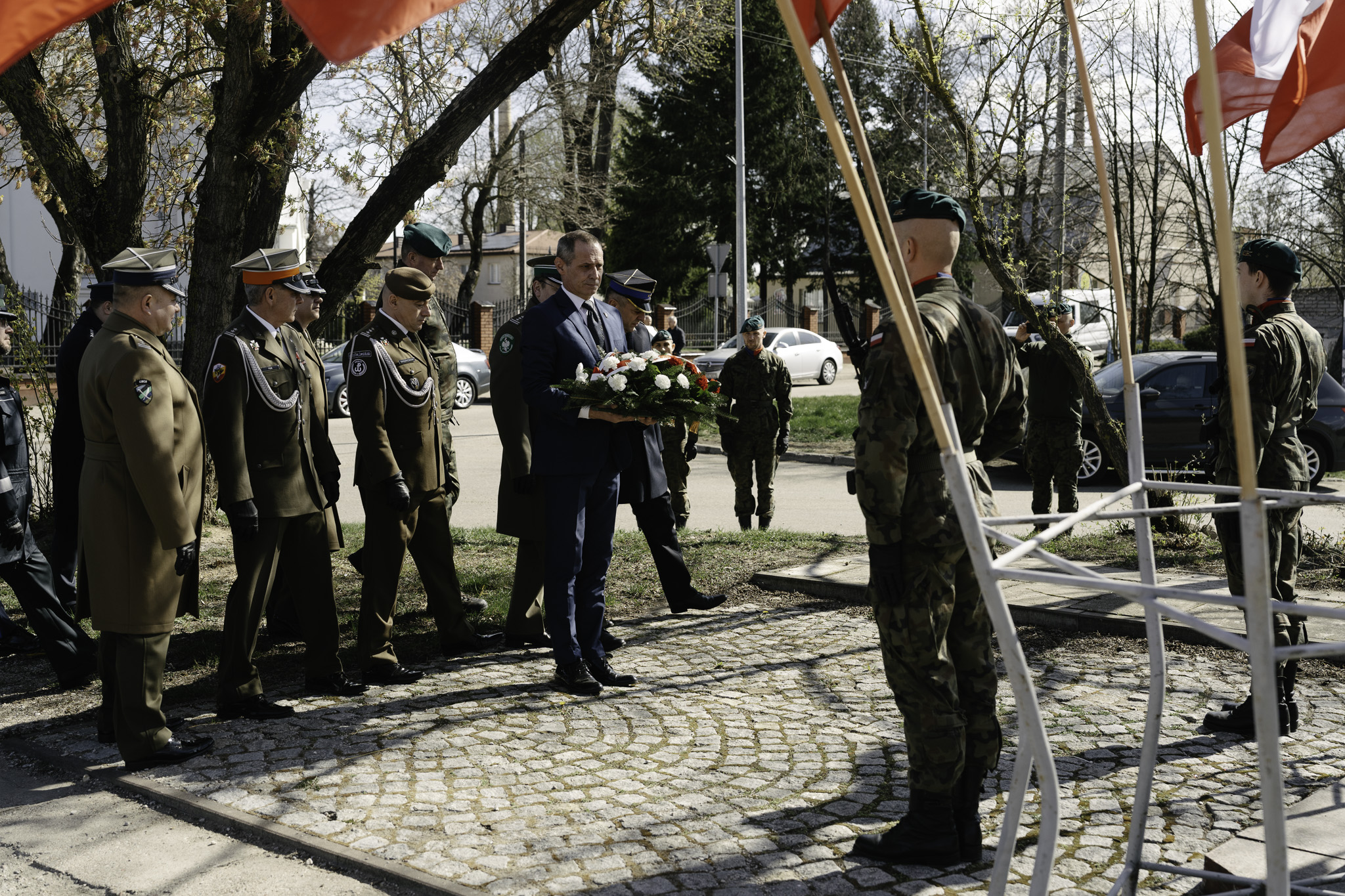
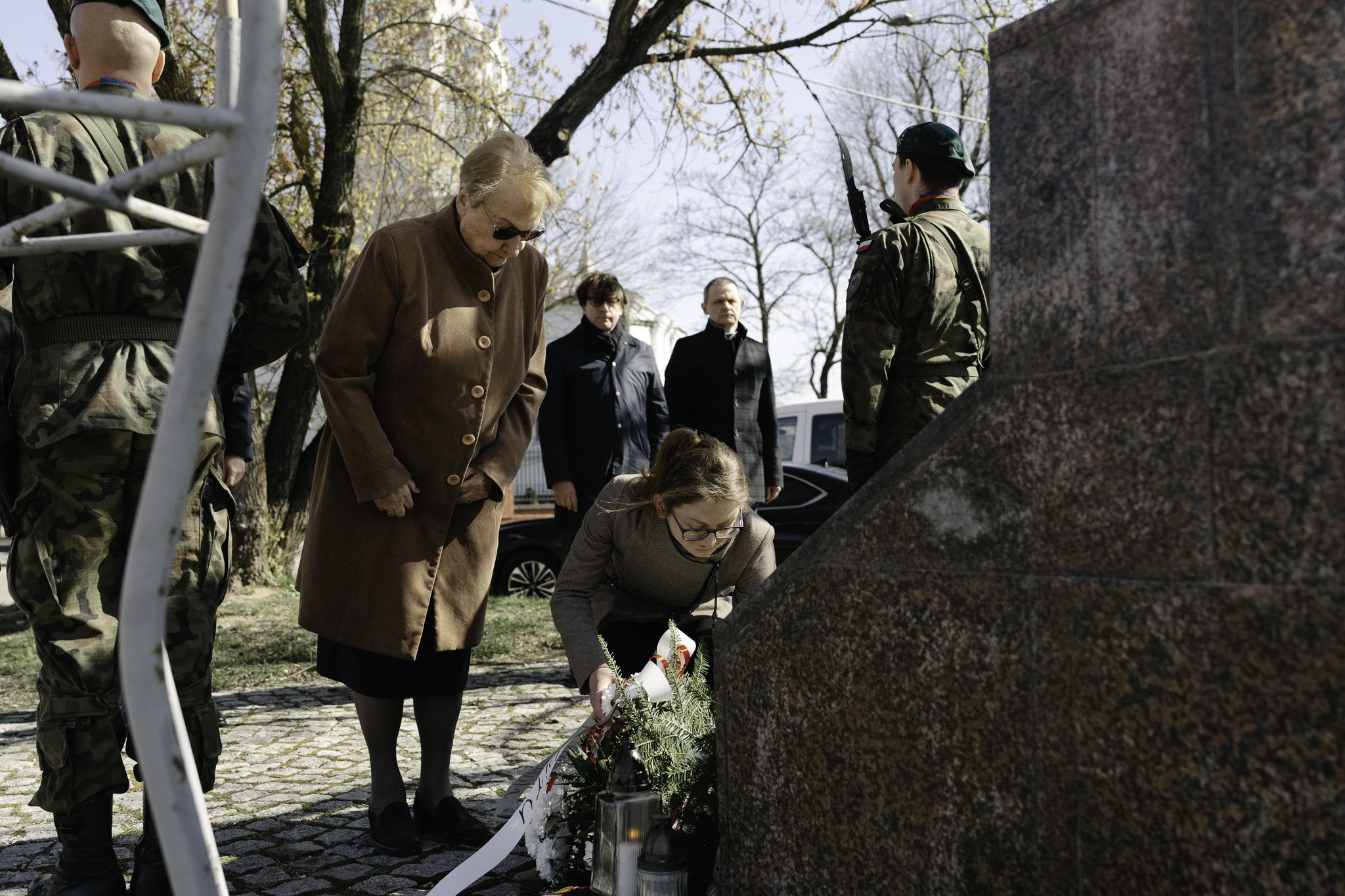
A delegation from the Sybir Memorial Museum, led by Director Prof. Wojciech Śleszyński, paid tribute to the victims by laying flowers at memorial sites in Białystok: in front of the Katyń Massacre Monument, the Tomb-Monument of the Unknown Sybirak, and the Monument dedicated to the Heroic Mothers of Sybiraks.
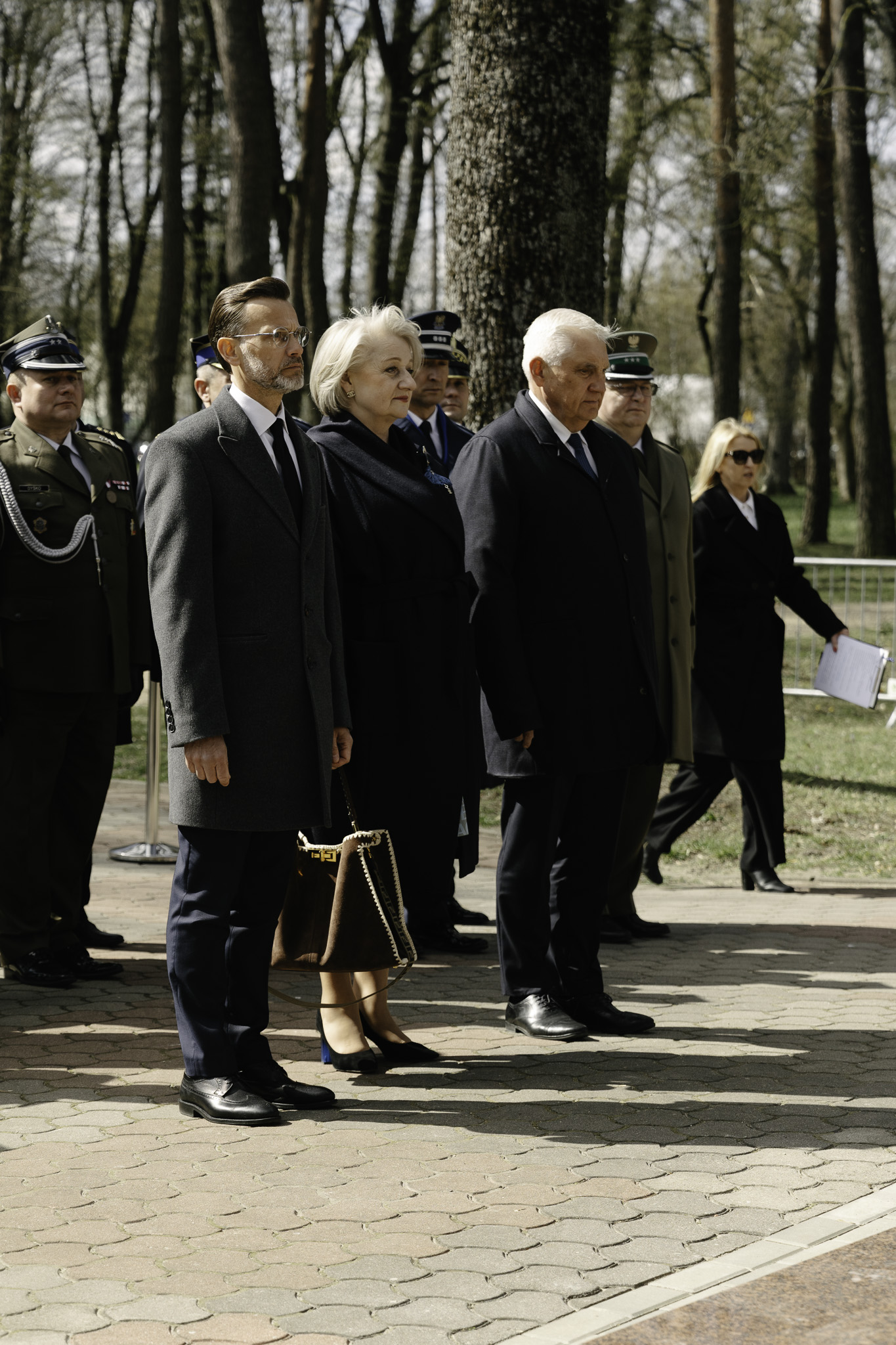
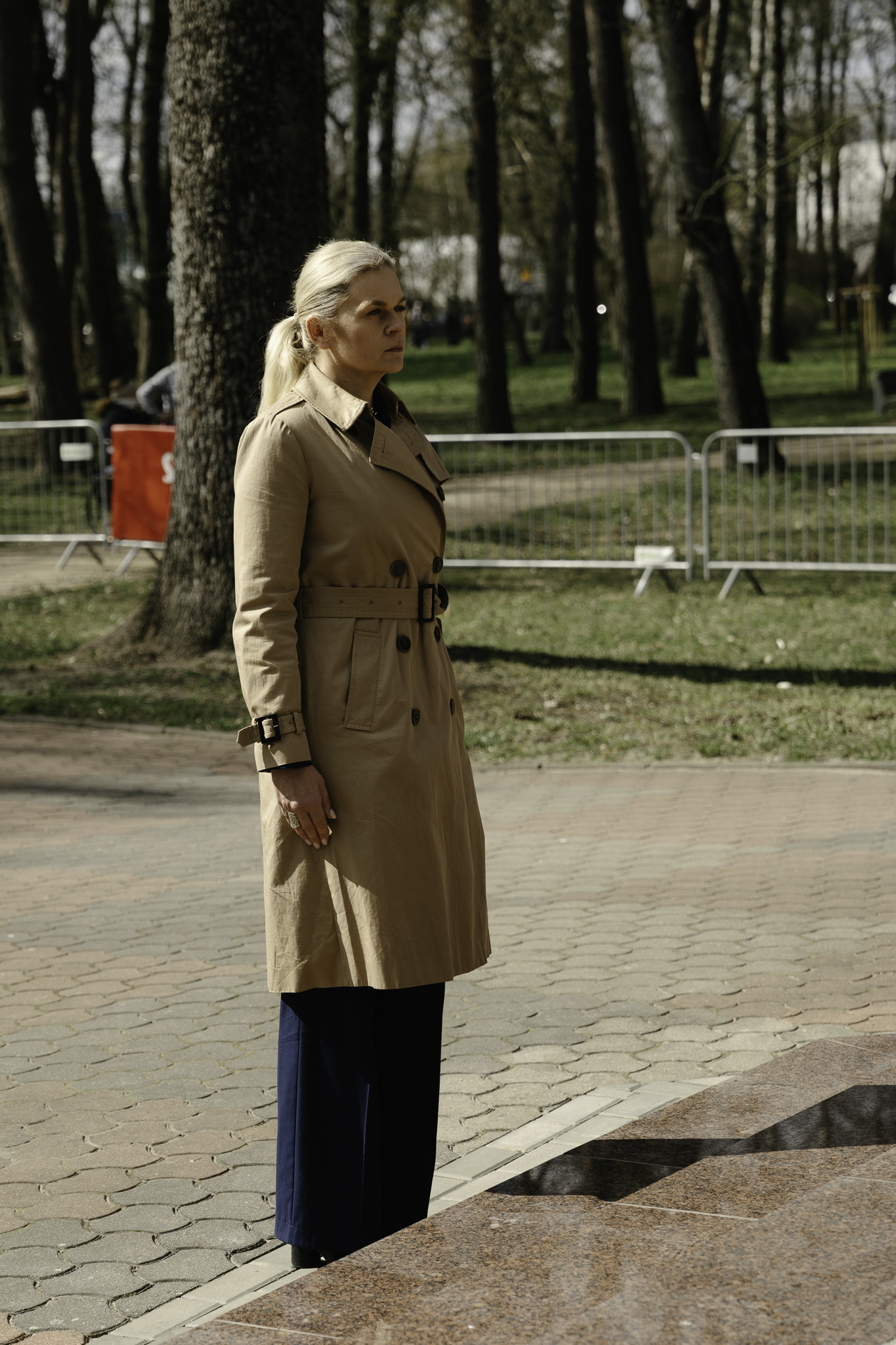
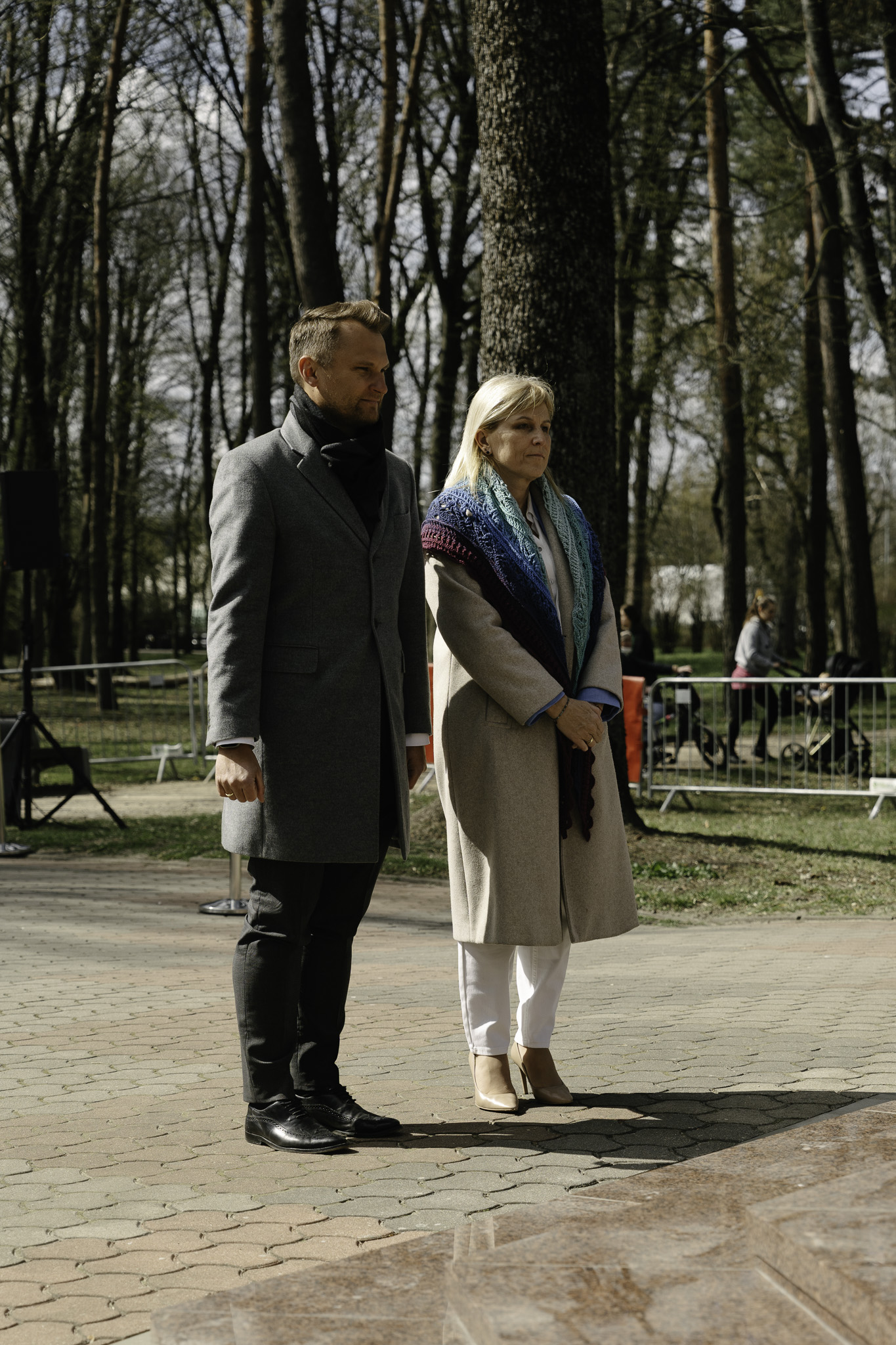
Today’s ceremonies were also attended by the Minister of National Education, Barbara Nowacka; MPs Krzysztof Truskolaski and Barbara Okuła; Podlaskie Voivode Jacek Brzozowski; Deputy Voivode Michał Gąsowski; Mayor of Białystok Tadeusz Truskolaski; Deputy Mayor Rafał Rudnicki; Deputy Marshal of the Podlaskie Voivodeship Wiesława Burnos; and Chairwoman of the Białystok City Council Katarzyna Jamróz, along with councilors. Representatives of uniformed services and Siberian associations were also present.