


A Place for Discussion – Through Dialogue Towards Shared Understanding
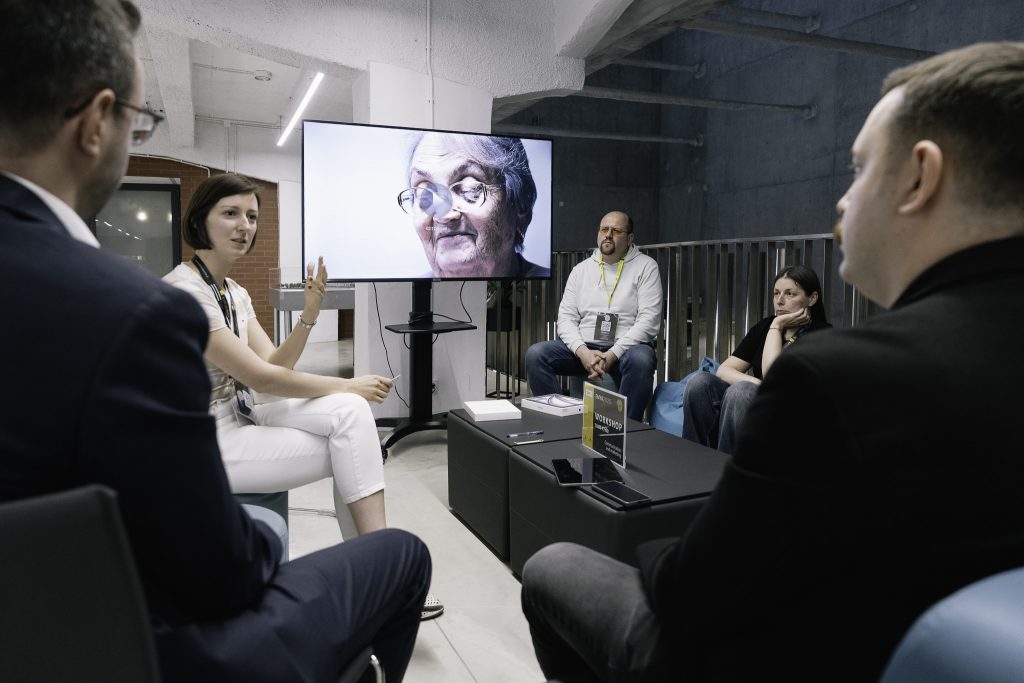
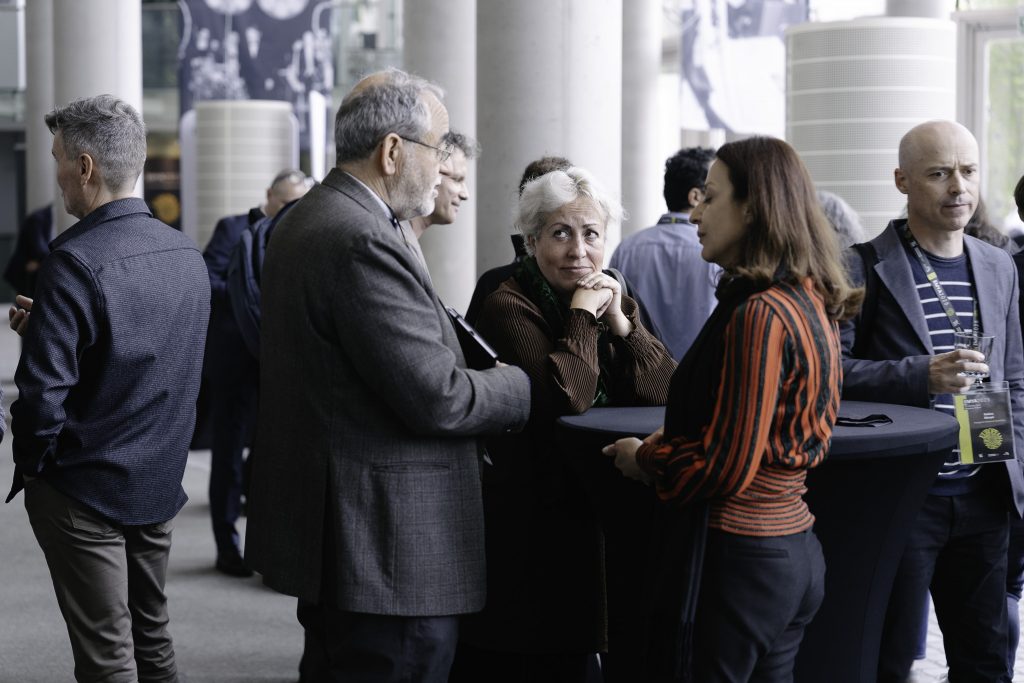
Given the broad international scope of the research undertaken by the Sybir Memorial Museum, inter-institutional and international cooperation is essential. Within just a few years of operation, the Museum has become a place for meetings, collaboration and the exchange of knowledge and experience among researchers and history enthusiasts.
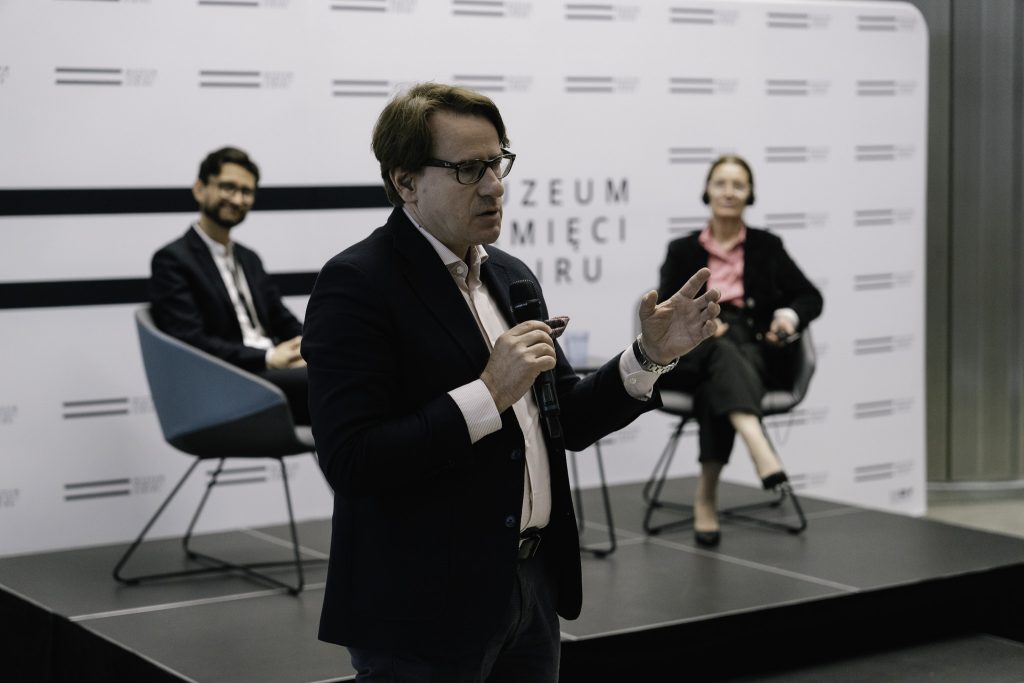
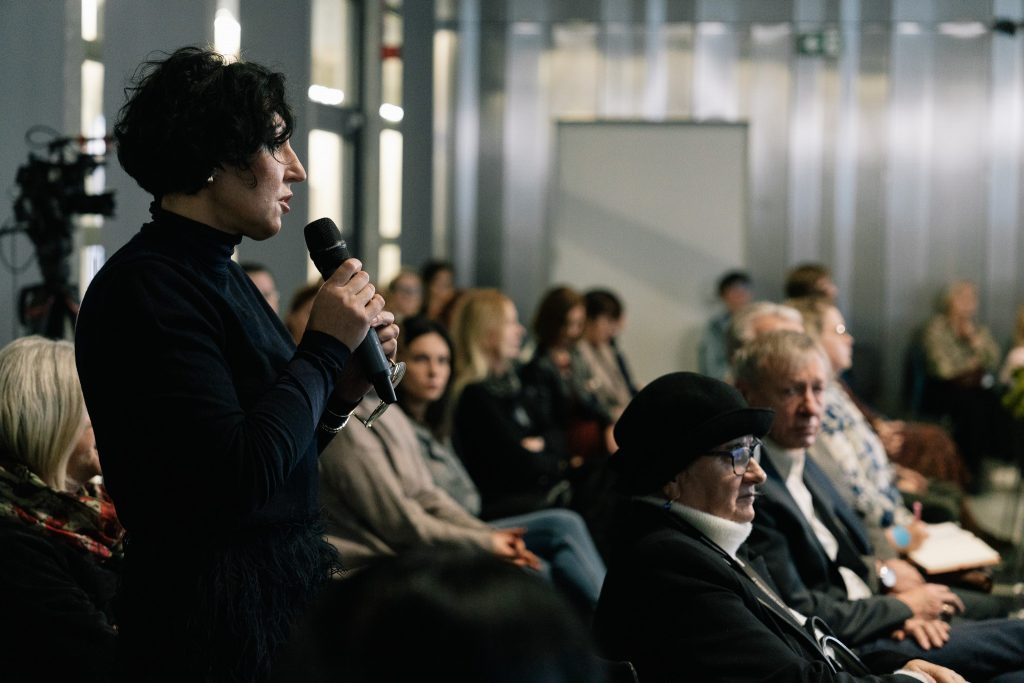
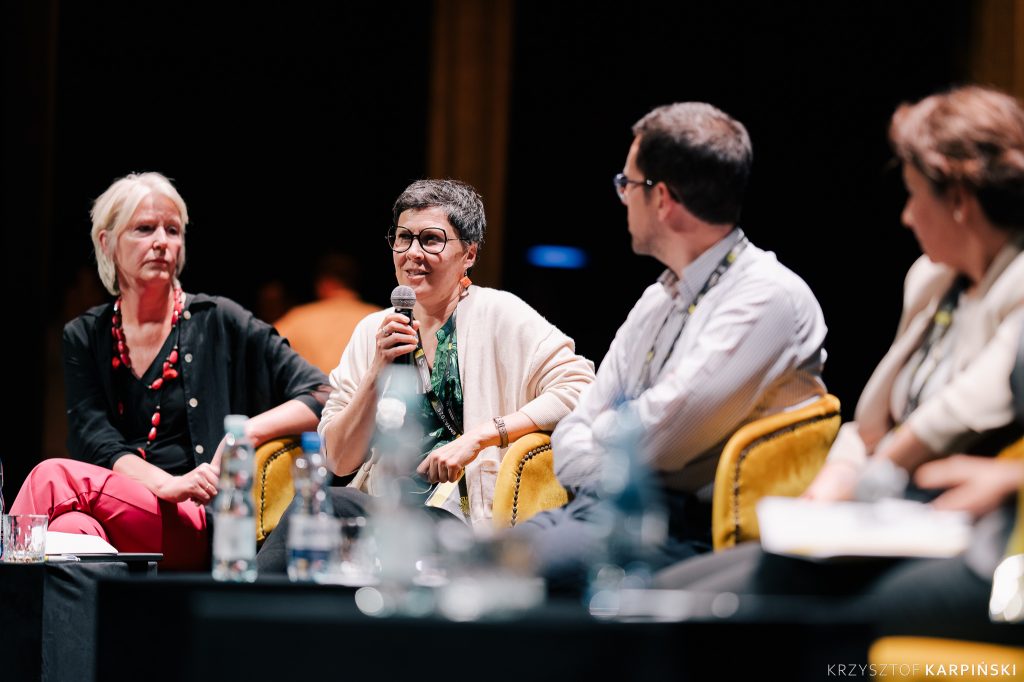
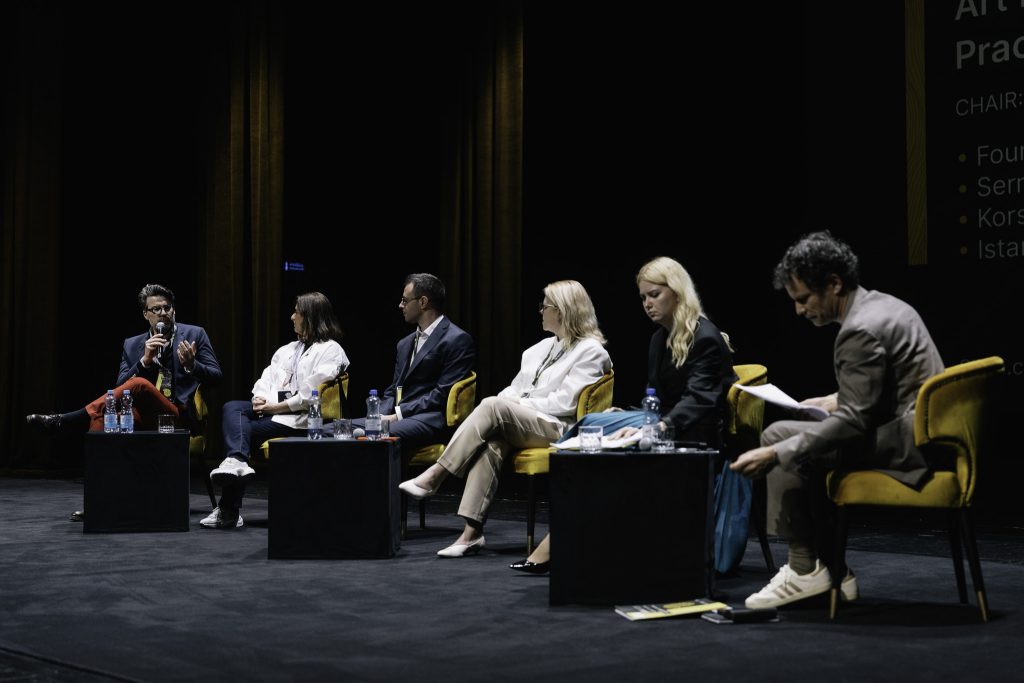
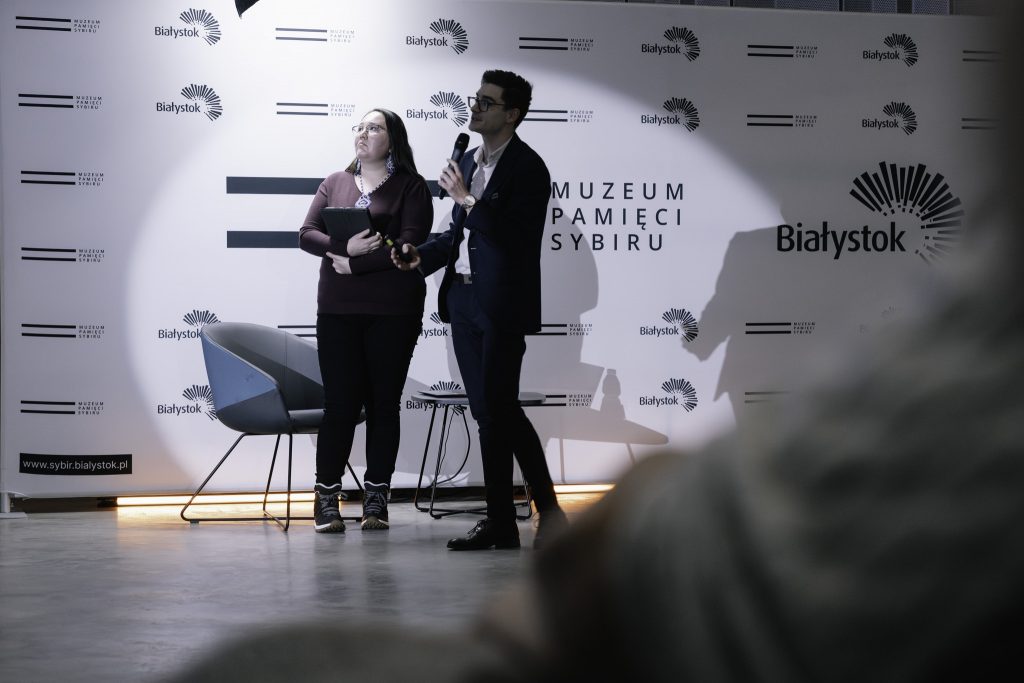
The conferences organised by the Sybir Memorial Museum address a wide range of subjects – from regional and national issues to international topics. Each event brings together leading specialists in a given field. The themes explored during previous meetings have included, among others, the fate of Poles from the cities of Poland’s former eastern borderlands, the history of Białystok’s Jewish community, Polish perspectives on Siberian exile, and philosophical reflections on trauma in museums. Further important topics are planned for the future.
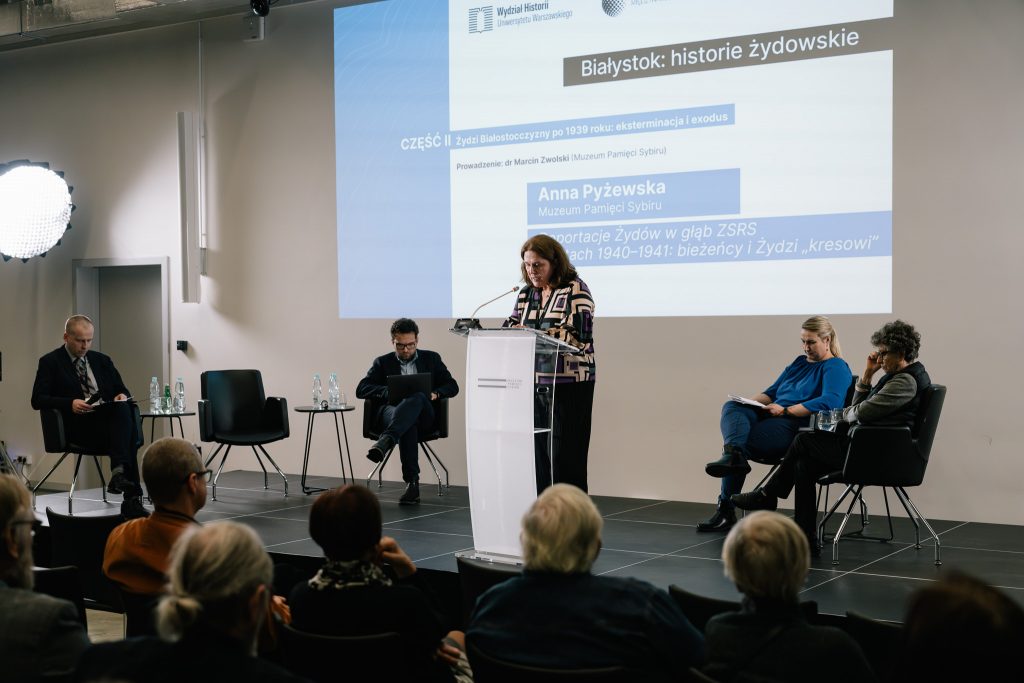
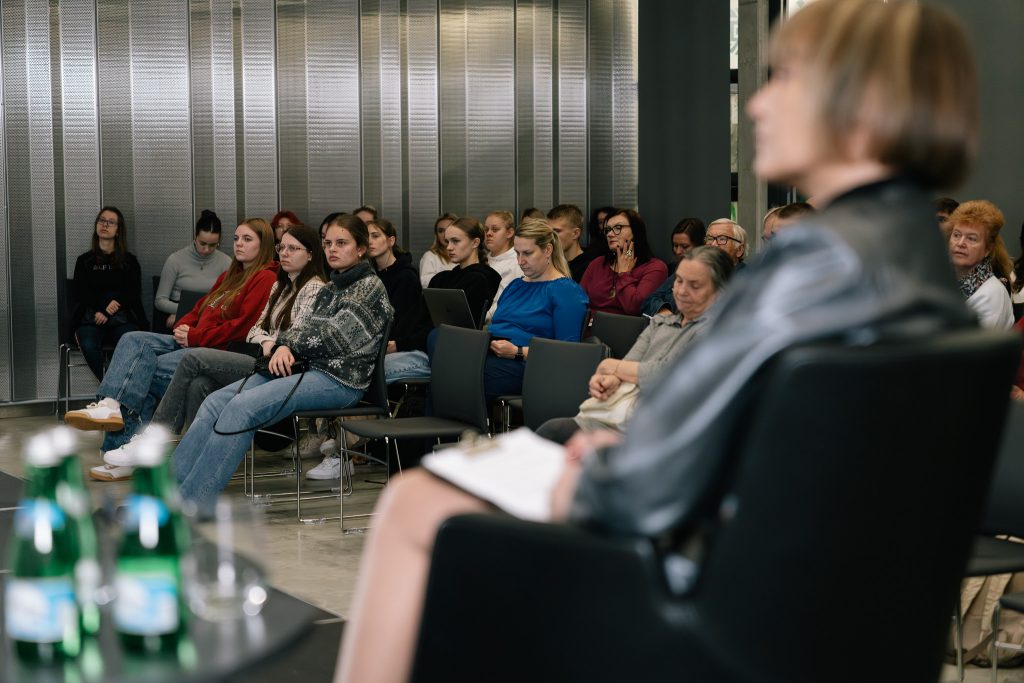
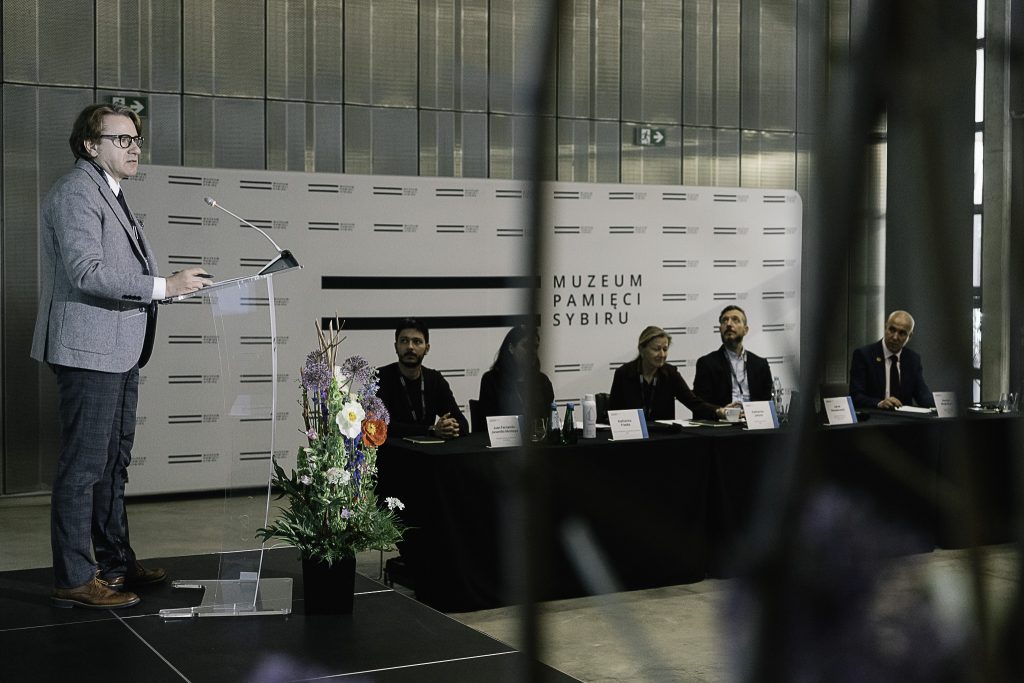
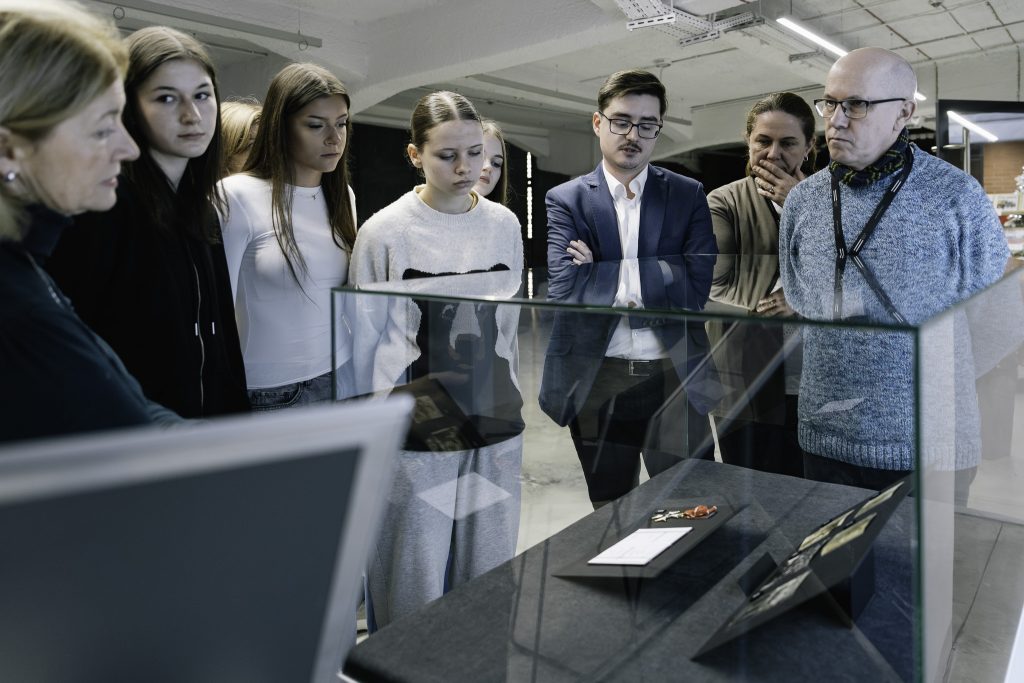
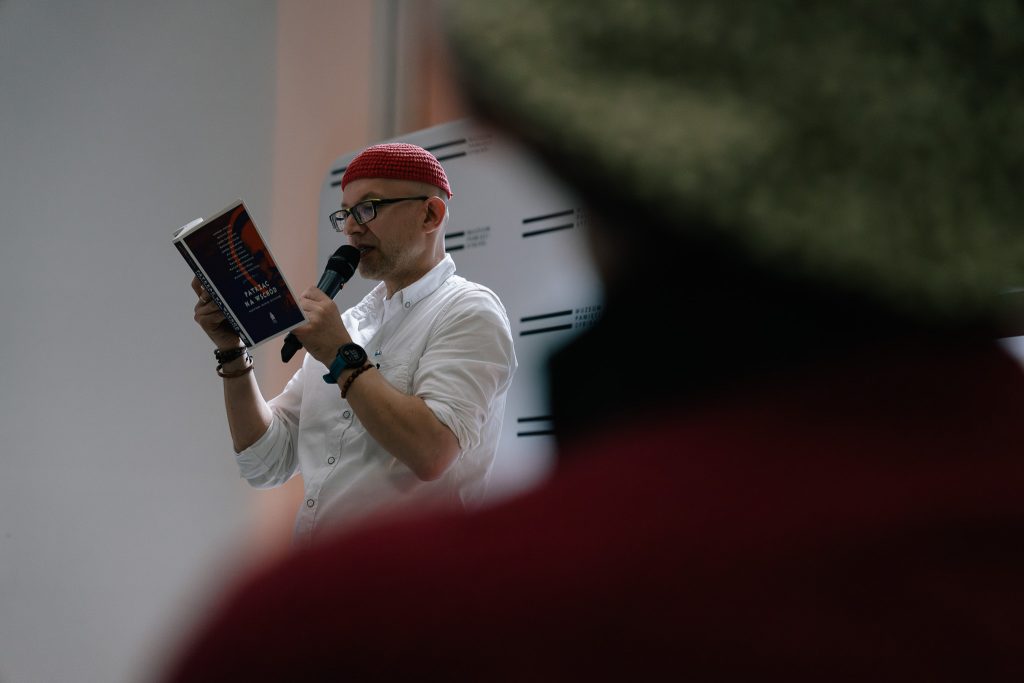
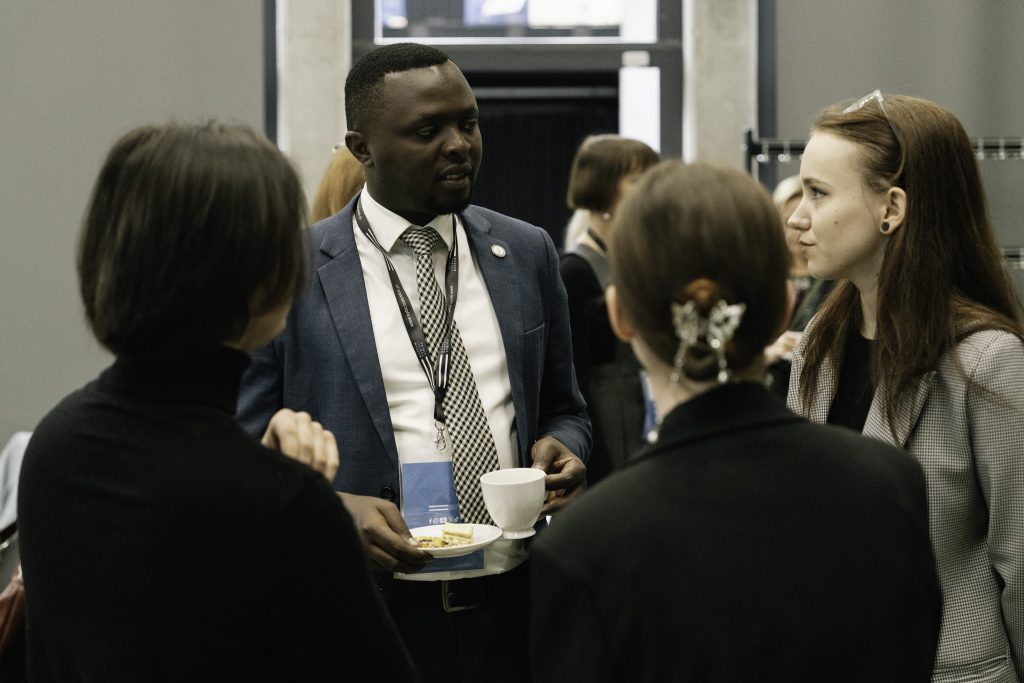
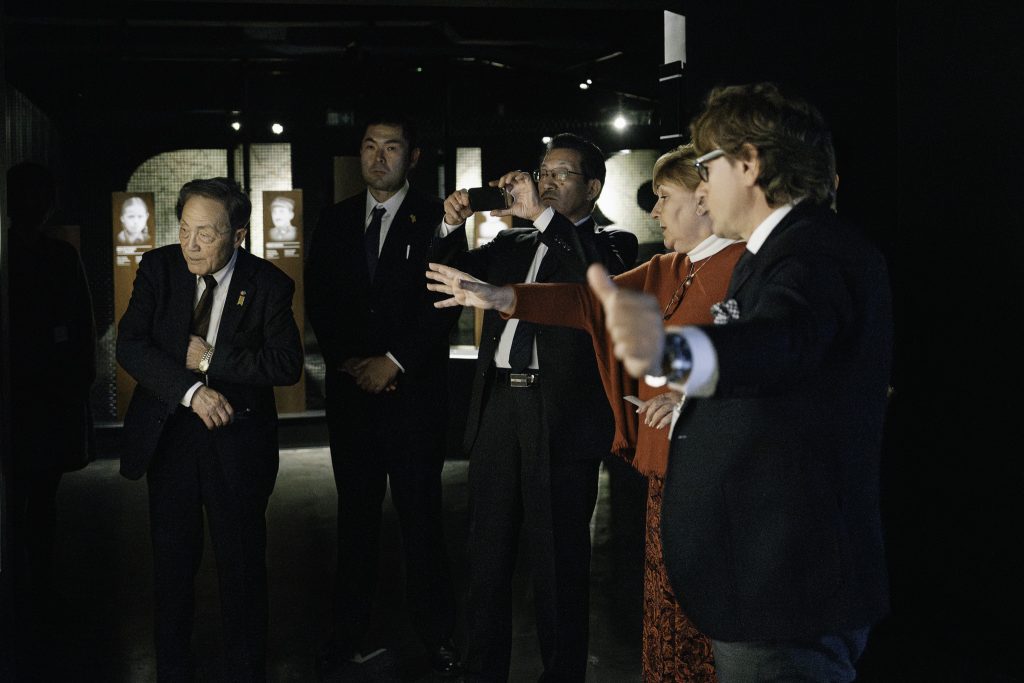
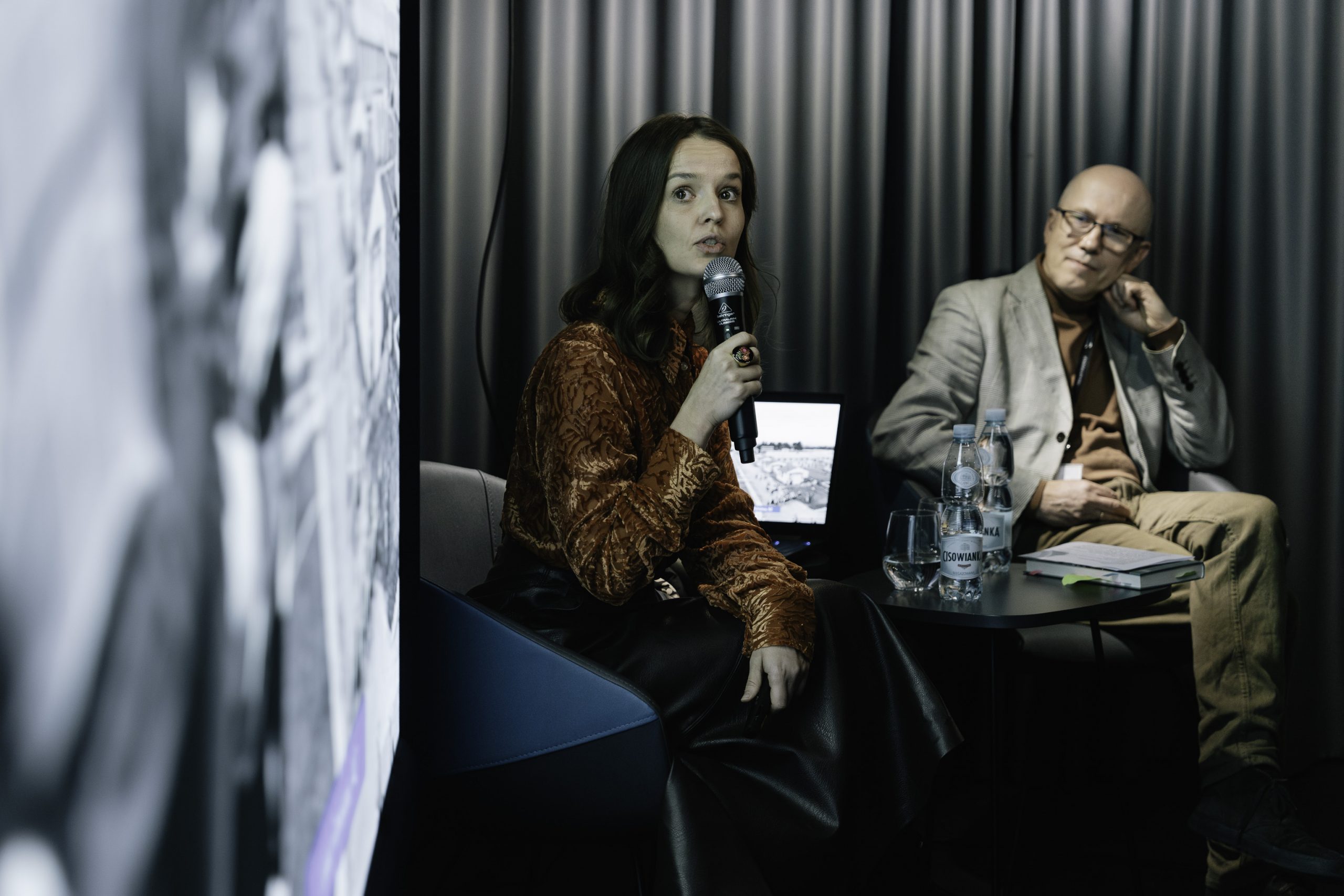
The debates and panel discussions organised by the Sybir Memorial Museum bring together guests from around the world. In recent years, participants have included members of the organisation Historias Desobedientes from Argentina, journalists and museum professionals from Kenya and Uganda, as well as members of the Association of Residents of the Chishima and Habomai Islands from Japan. Lectures and discussions are delivered by historians, experts in source studies, and representatives of other fields, including writers.
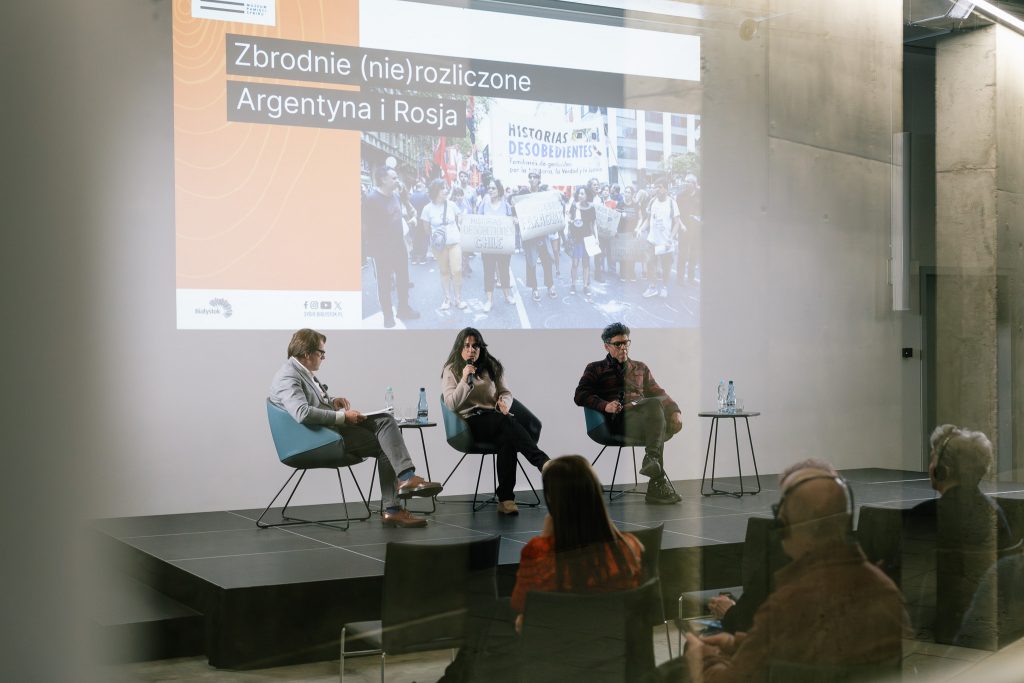
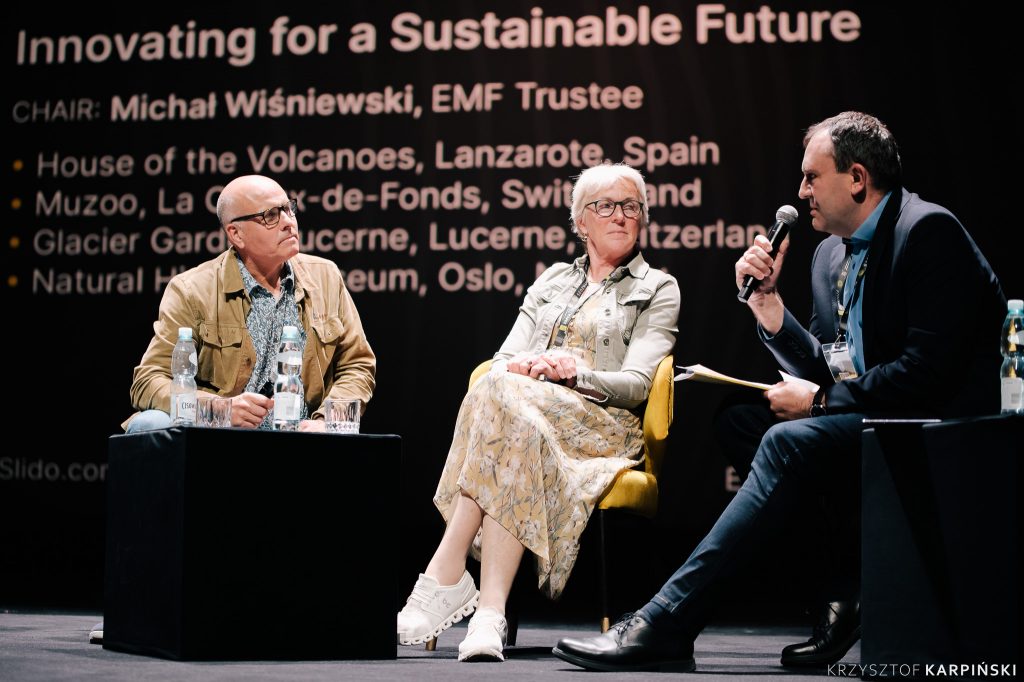
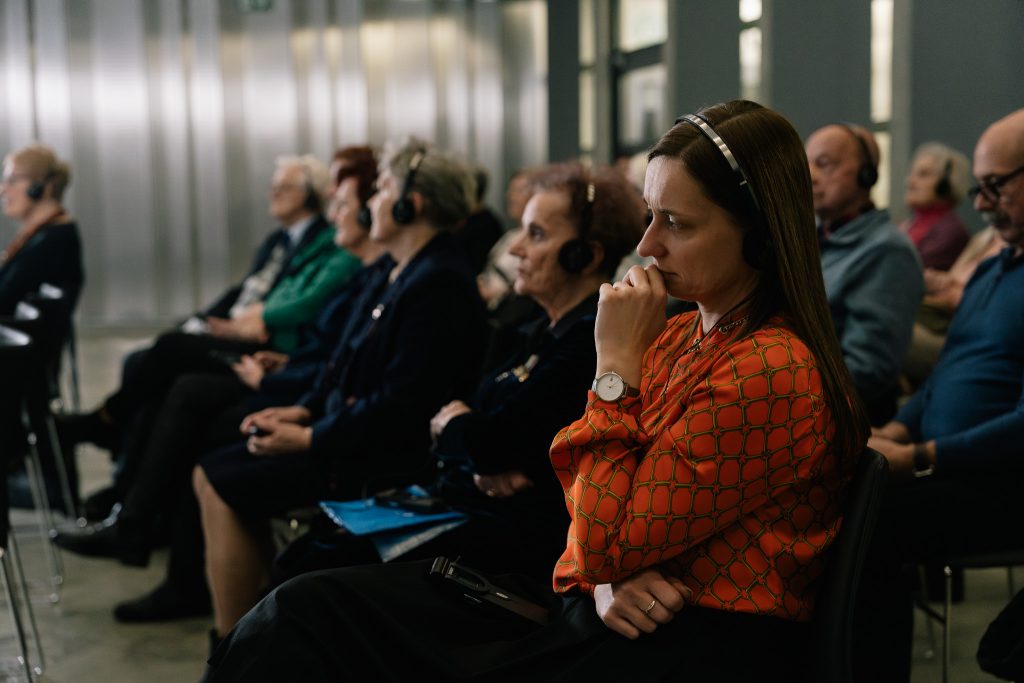
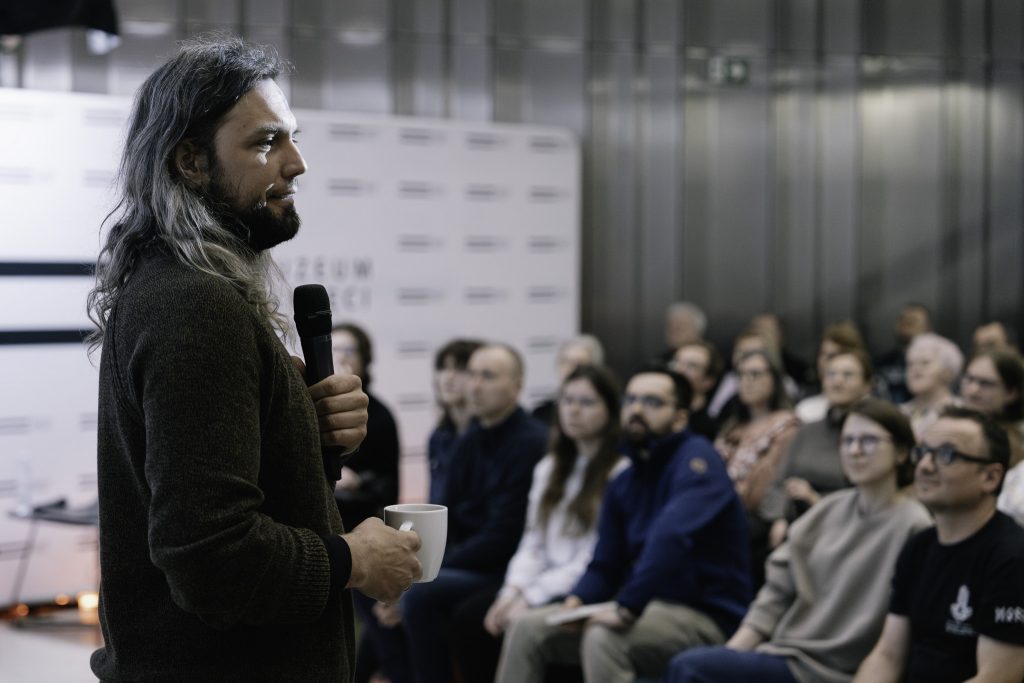
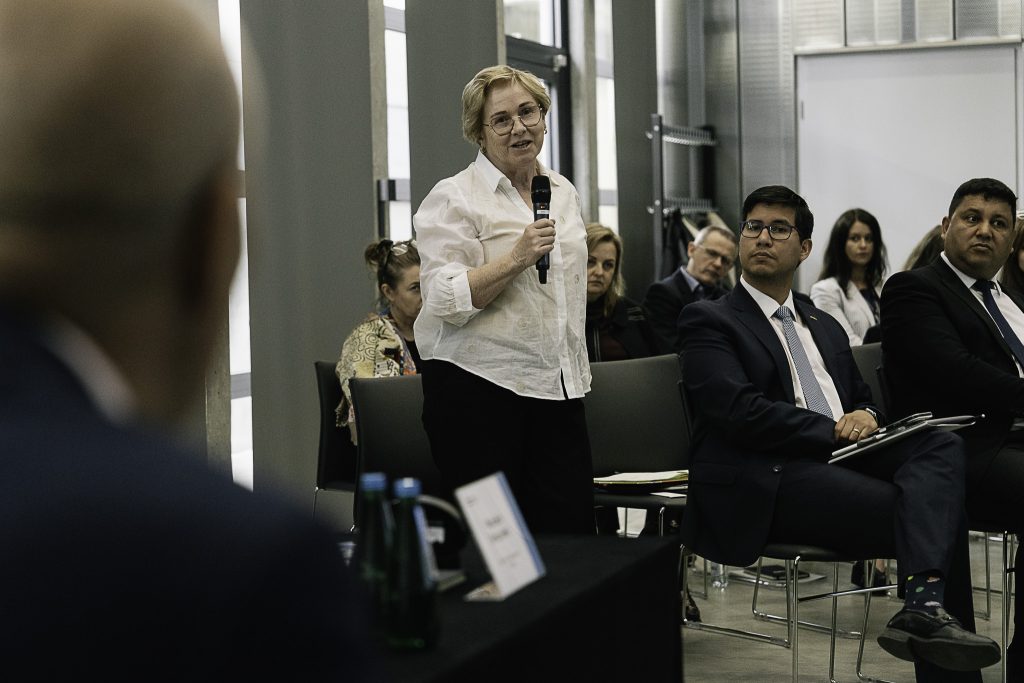
Each participant brings their own perspective to the subjects explored by the Museum, which is of great value. Russian and Soviet repression affected – to varying degrees and not always directly – almost every part of the world; however, this is not the only focus of these meetings. It is often valuable to examine the histories of different communities, geographically and culturally distant from one another, and to compare their experiences. This may reveal that human history is shaped by similar patterns, recurring across different regions of the world and in different historical periods. In this way, we can gain a deeper understanding of both ourselves and the world around us.