


The Intergenerational Memory of Siberia project, launched on 26 June 2025, aims to establish and develop long-term cooperation with surviving Sybiraks and their descendants. It focuses on supporting integration, education and well-being through the organisation of a variety of meetings and workshops.
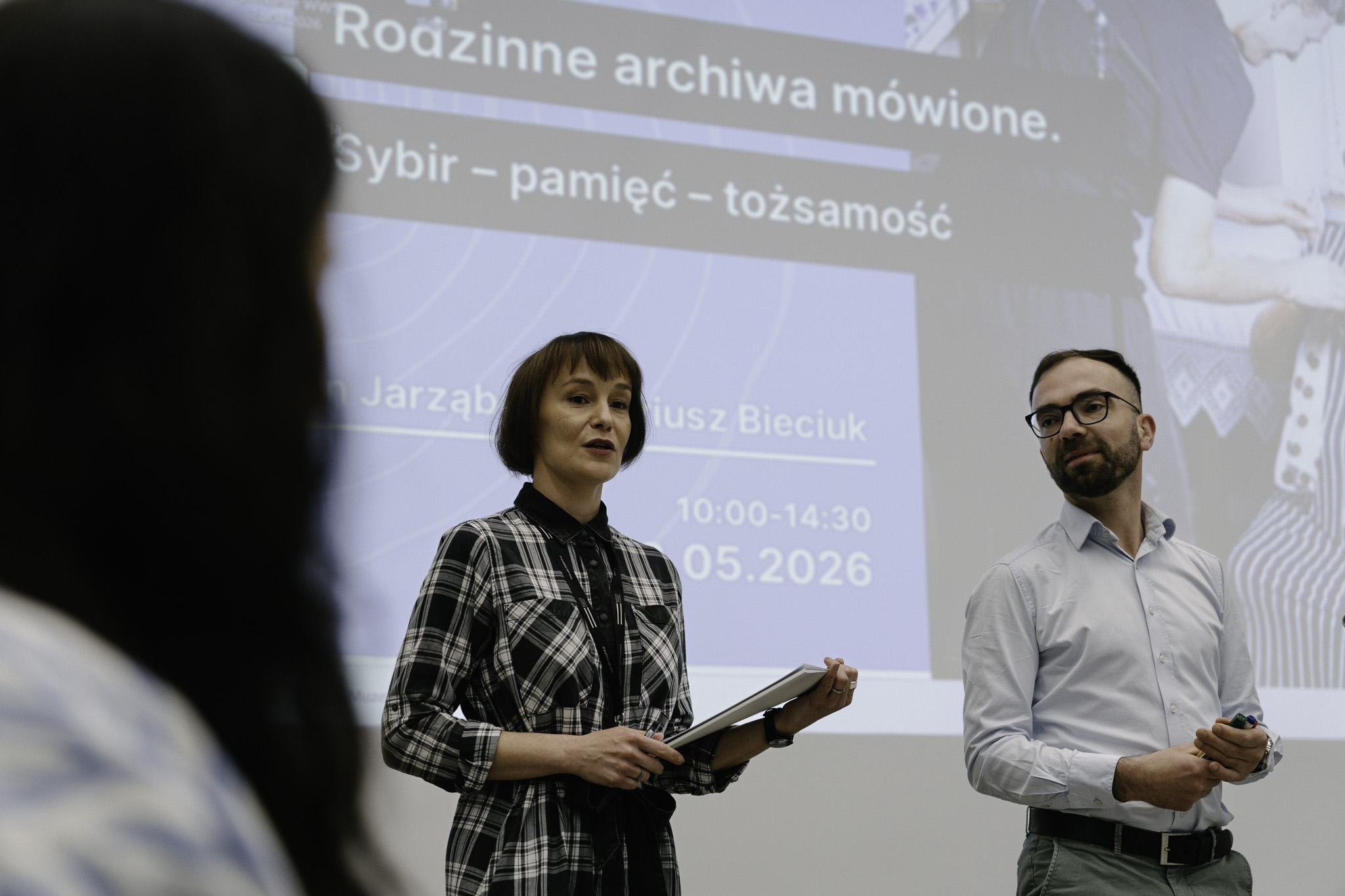
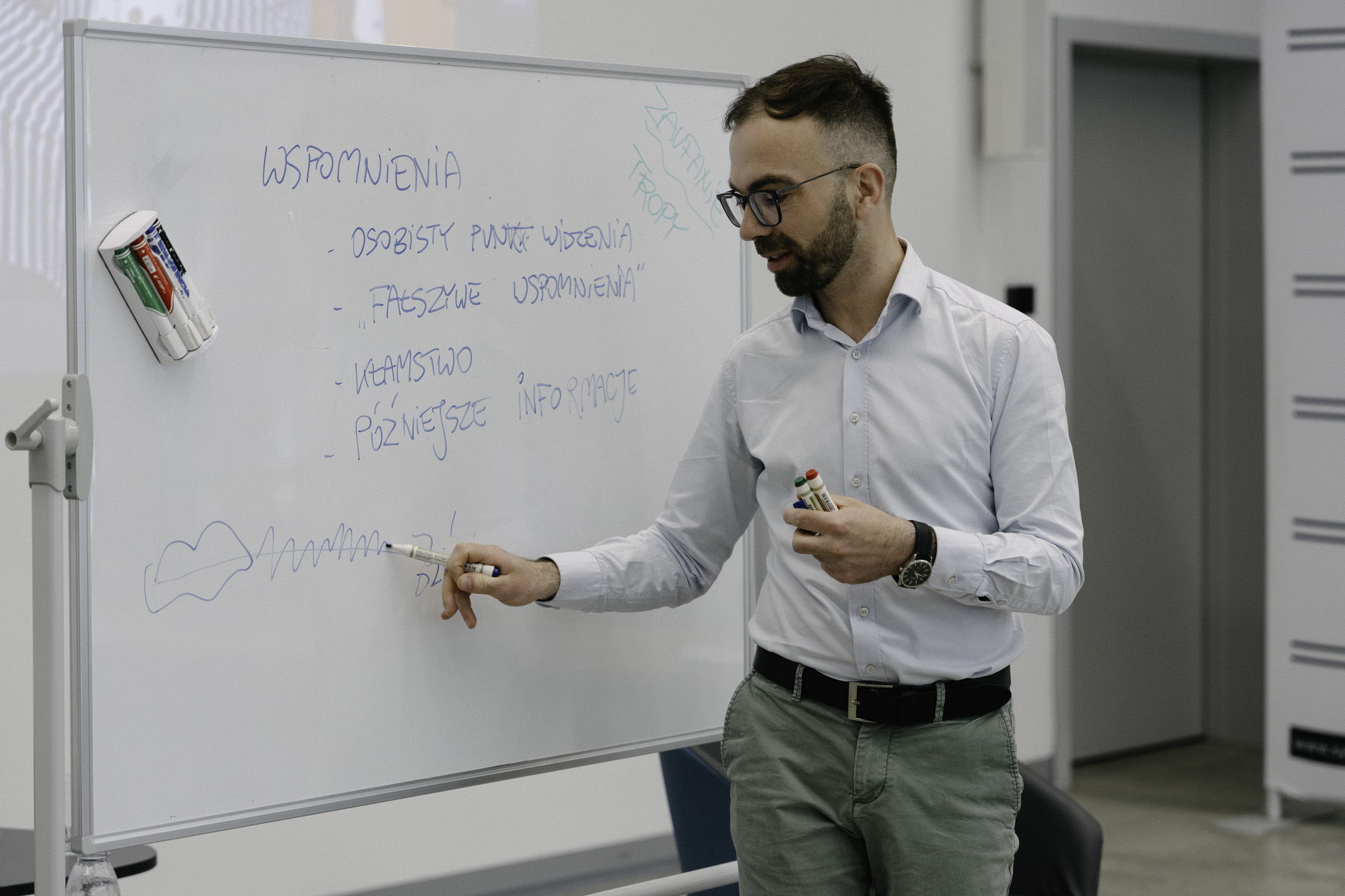
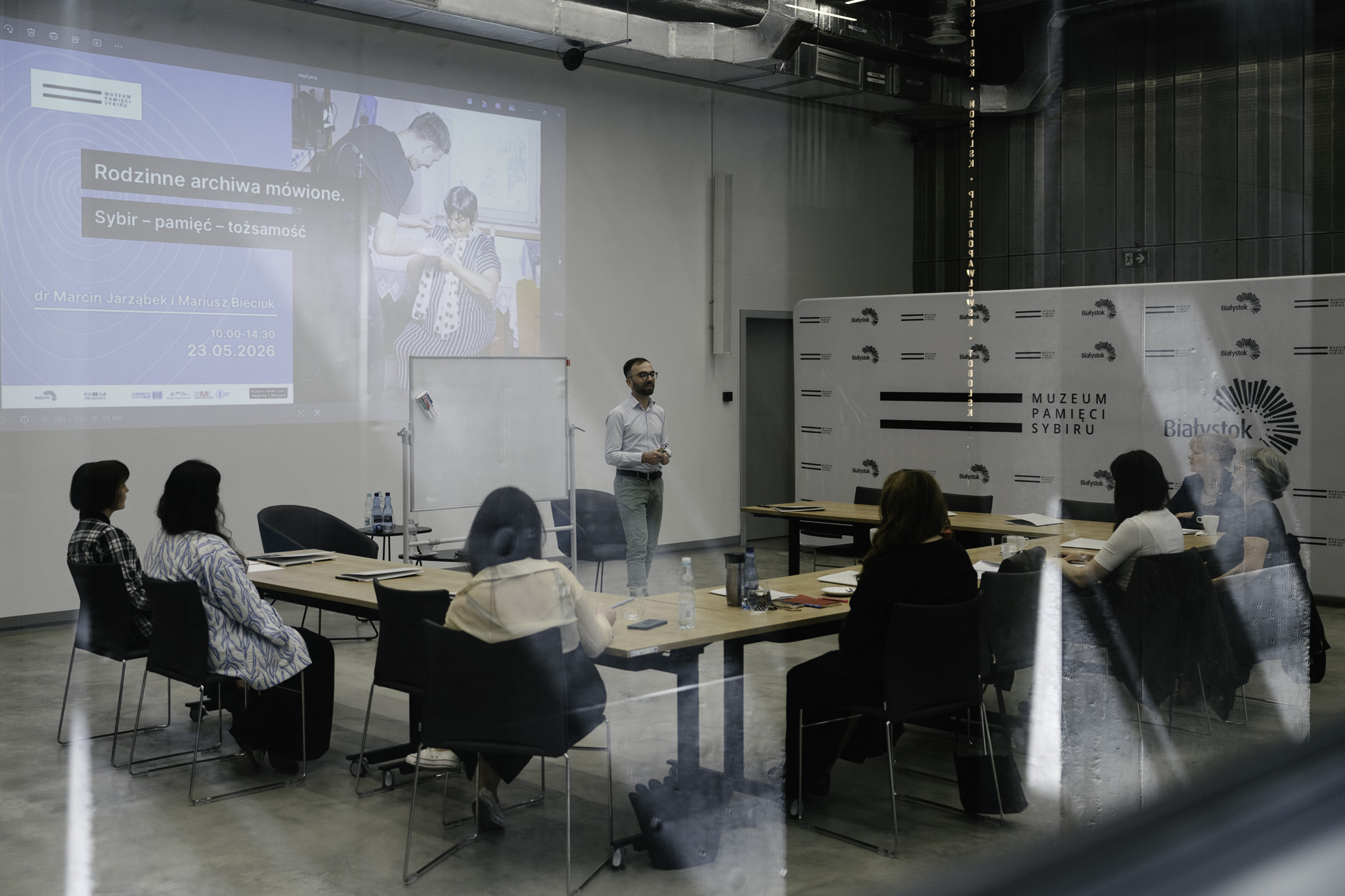
The workshop Family Oral Archives: Siberia – Memory – Identity was led by Marcin Jarząbek, PhD, a specialist in social archiving from the Polish Oral History Association and author of The Oral History Handbook.
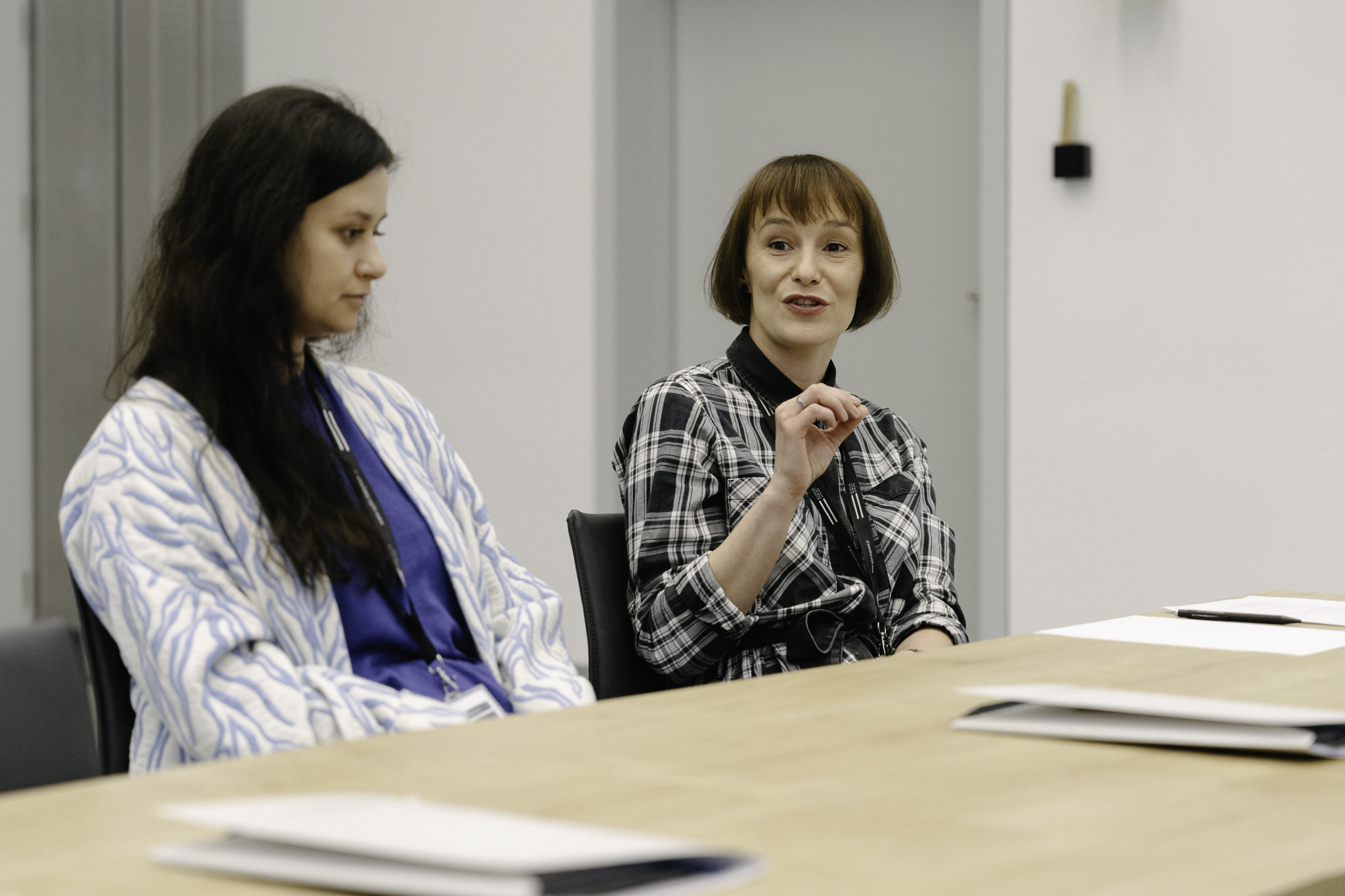
During the session, participants learned the fundamentals of oral history work – from preparing a biographical interview to creating and archiving family recordings. The workshop was intended for descendants of Sybiraks as well as anyone interested in the history of their own families and local communities.
Participants came with a variety of needs, but they were united by a shared desire to preserve the stories of their loved ones. Marcin Jarząbek, PhD, introduced them to the technical aspects and methodology of oral history, as well as the possibilities of making family archives publicly accessible. Most importantly, however, he showed them how to truly listen to and engage with another person’s story.

Oral History at the Sybir Memorial Museum
Oral history is one of the cornerstones of the Sybir Memorial Museum’s work. It enables the Museum not only to document facts and preserve the memories of Sybiraks and their descendants, but also to capture emotions and personal perspectives.
Through research trips abroad, museum staff also engage with Polish communities around the world, learning about their experiences and histories. As a result, the Museum’s activities extend far beyond its walls and take on an international dimension. The recordings are ultimately published on the Relacje z Sybiru (“Voices from Sybir”) online portal, where witnesses to history and their descendants share their unique stories.
These testimonies also serve as valuable sources for academic research. They are used in articles, conference papers, and popular science publications, and they form an important part of the Sybir Memorial Museum’s permanent exhibition. The voices of Sybiraks guide visitors through the difficult history of deportations, enrich the narrative, provide additional context, and lend it a deeply personal and emotional dimension.