



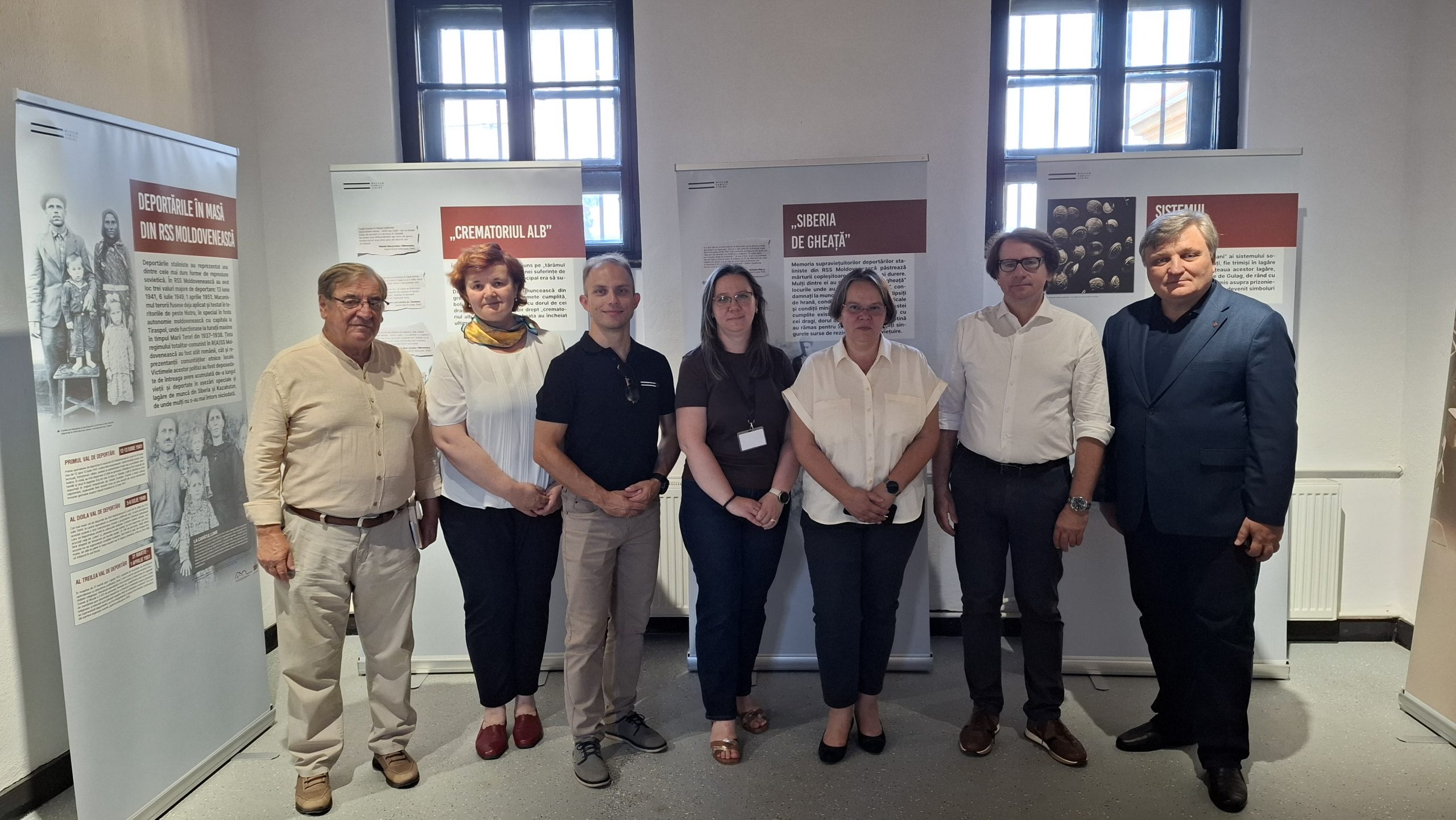
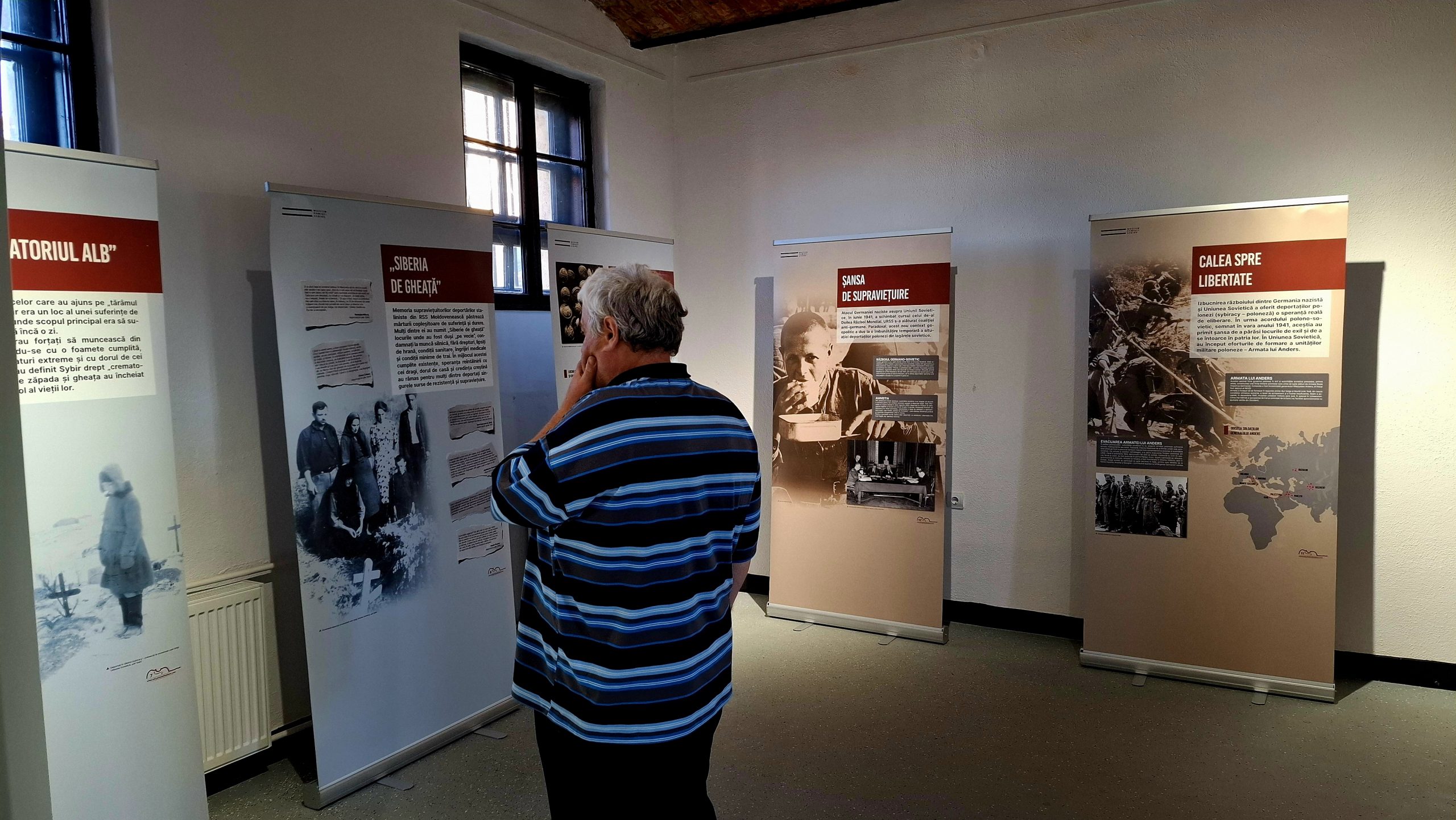
On 2 September 2026, we opened the “Sybir – Prison of Nations” exhibition in the building of a former Stalinist political prison. The exhibition is on display at the Memorial of the Victims of Communism and of the Resistance in Sighetu Marmației, Romania.
“People in Romania, Moldova and other countries of Central and Eastern Europe, including Poland, share a common history of Soviet repression. We must speak with one voice so that Western Europe, too, can hear about the difficult histories of our nations,” said Prof. Wojciech Śleszyński, Director of the Sybir Memorial Museum, during the opening of the exhibition. “We established contact with the Romanian memorial through the National Museum of History of Moldova. This is another step in building international cooperation and connecting the Polish experience of deportation with the histories of other nations,” he added.
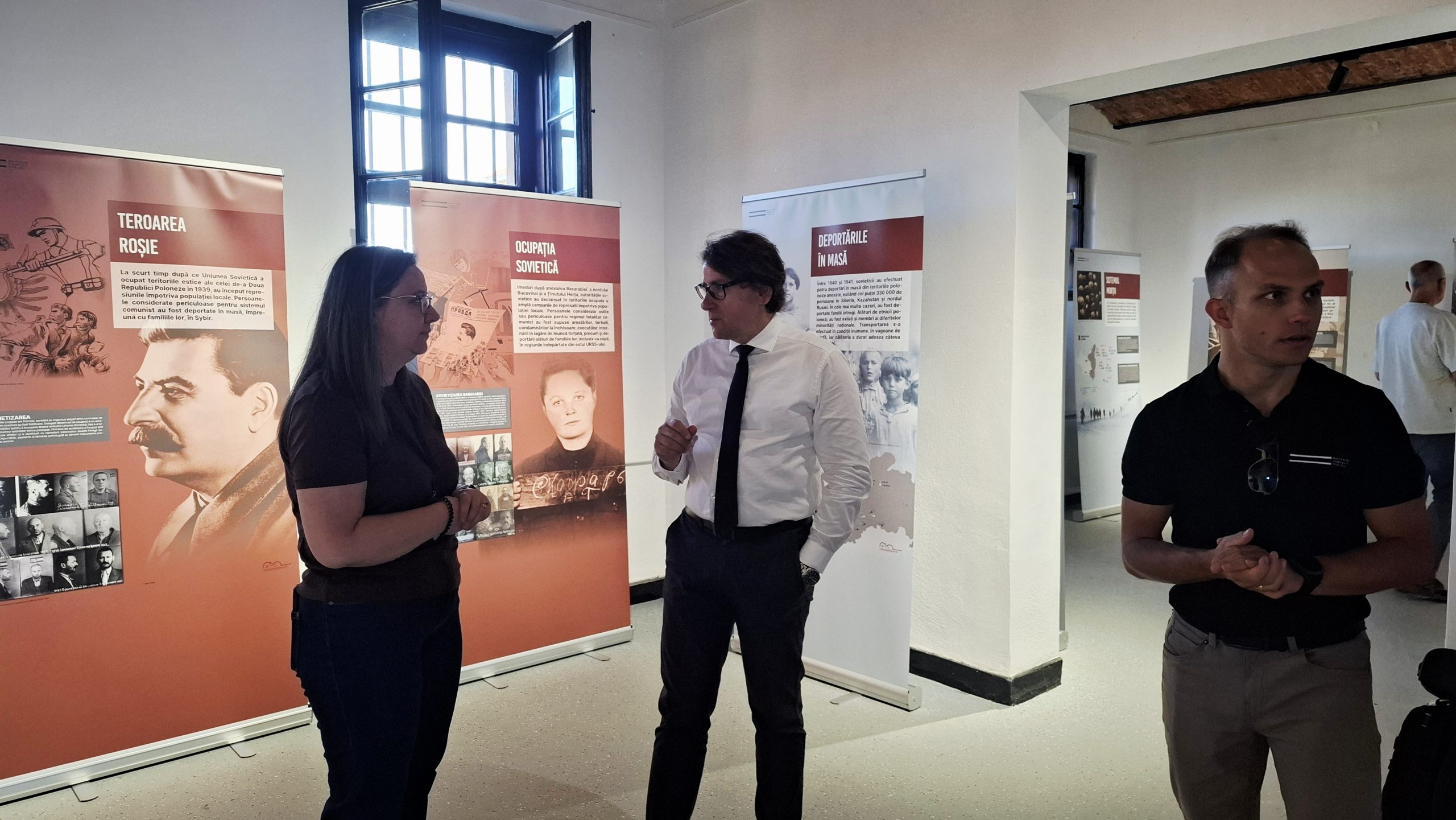
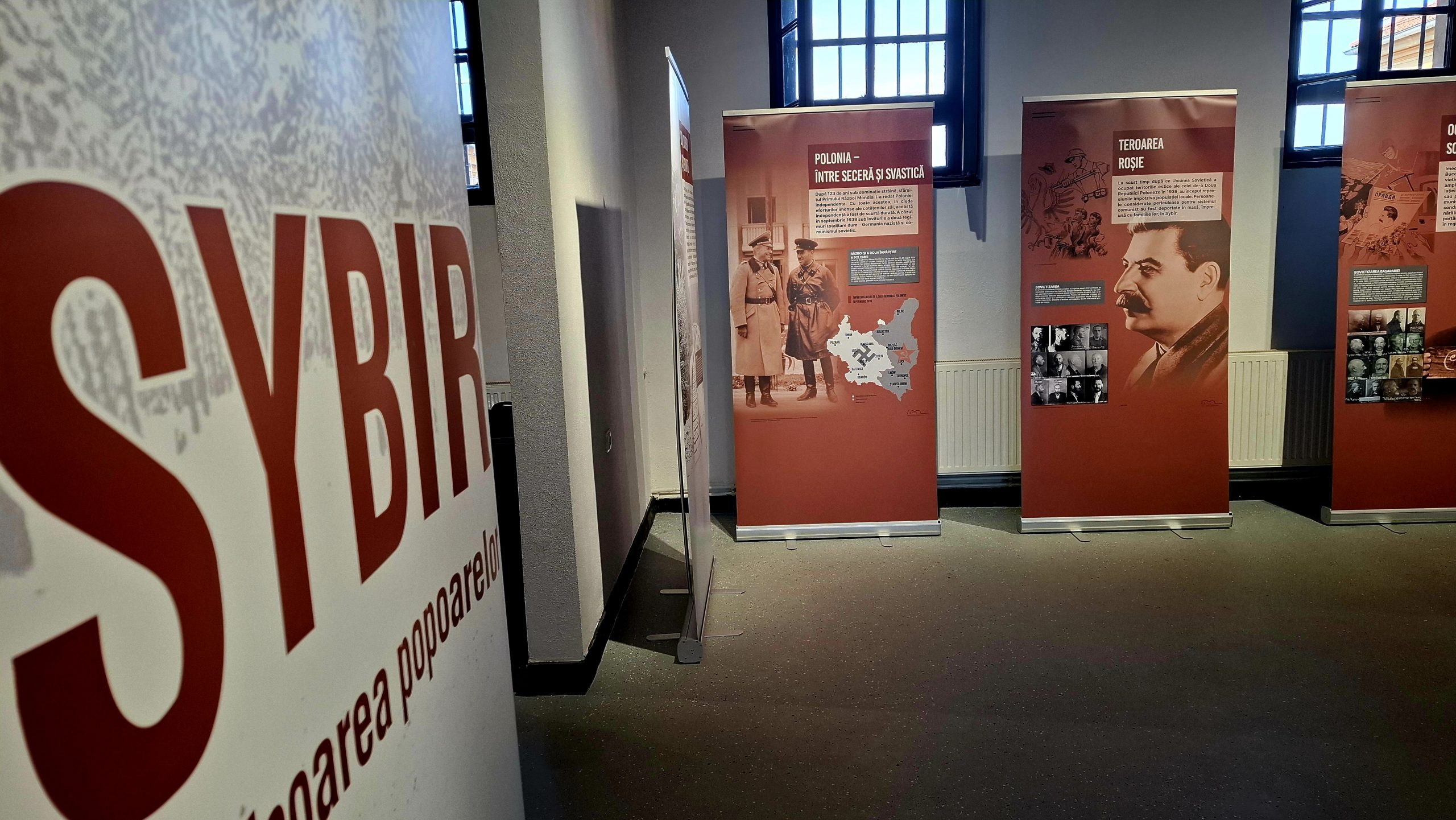
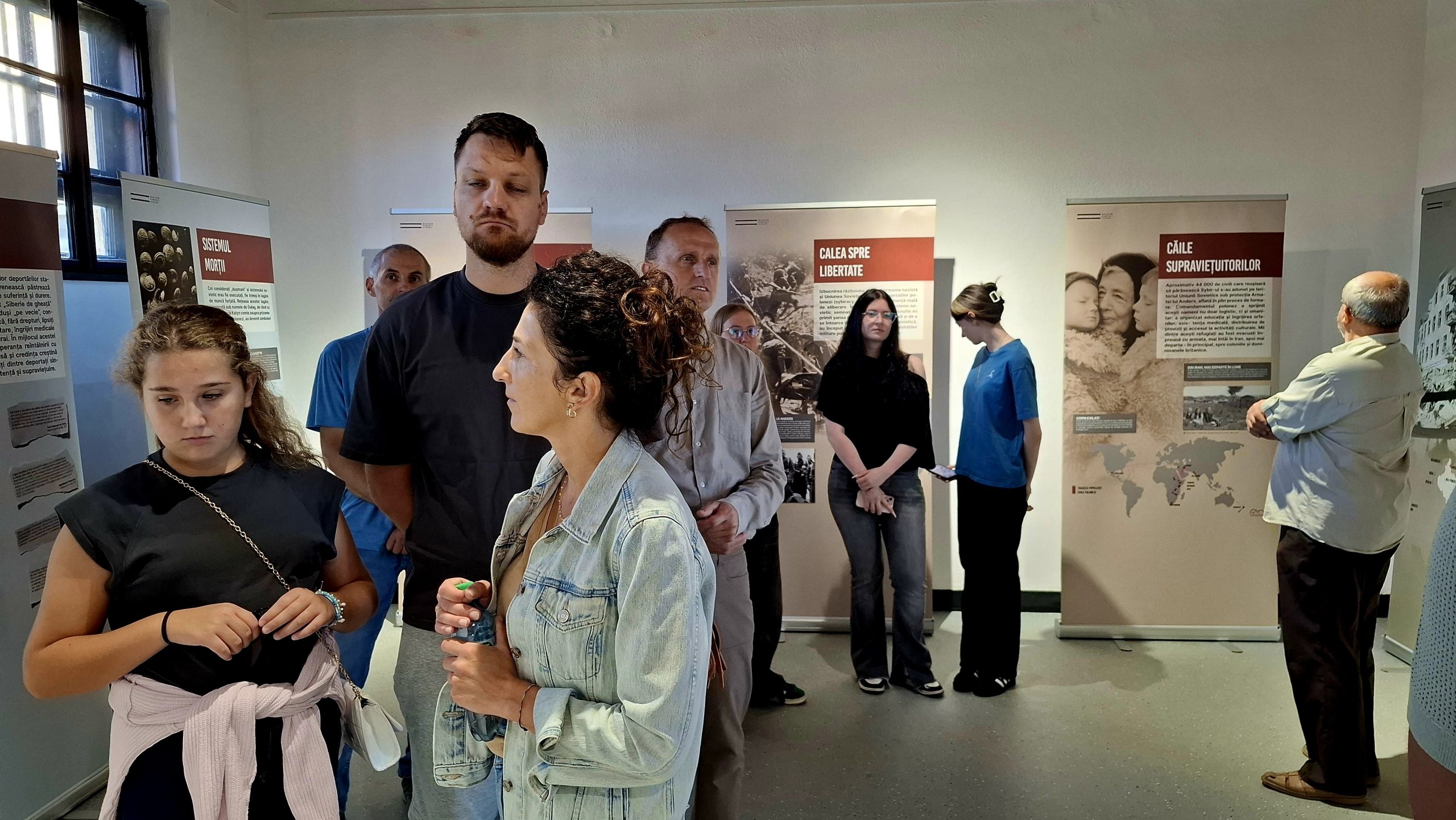
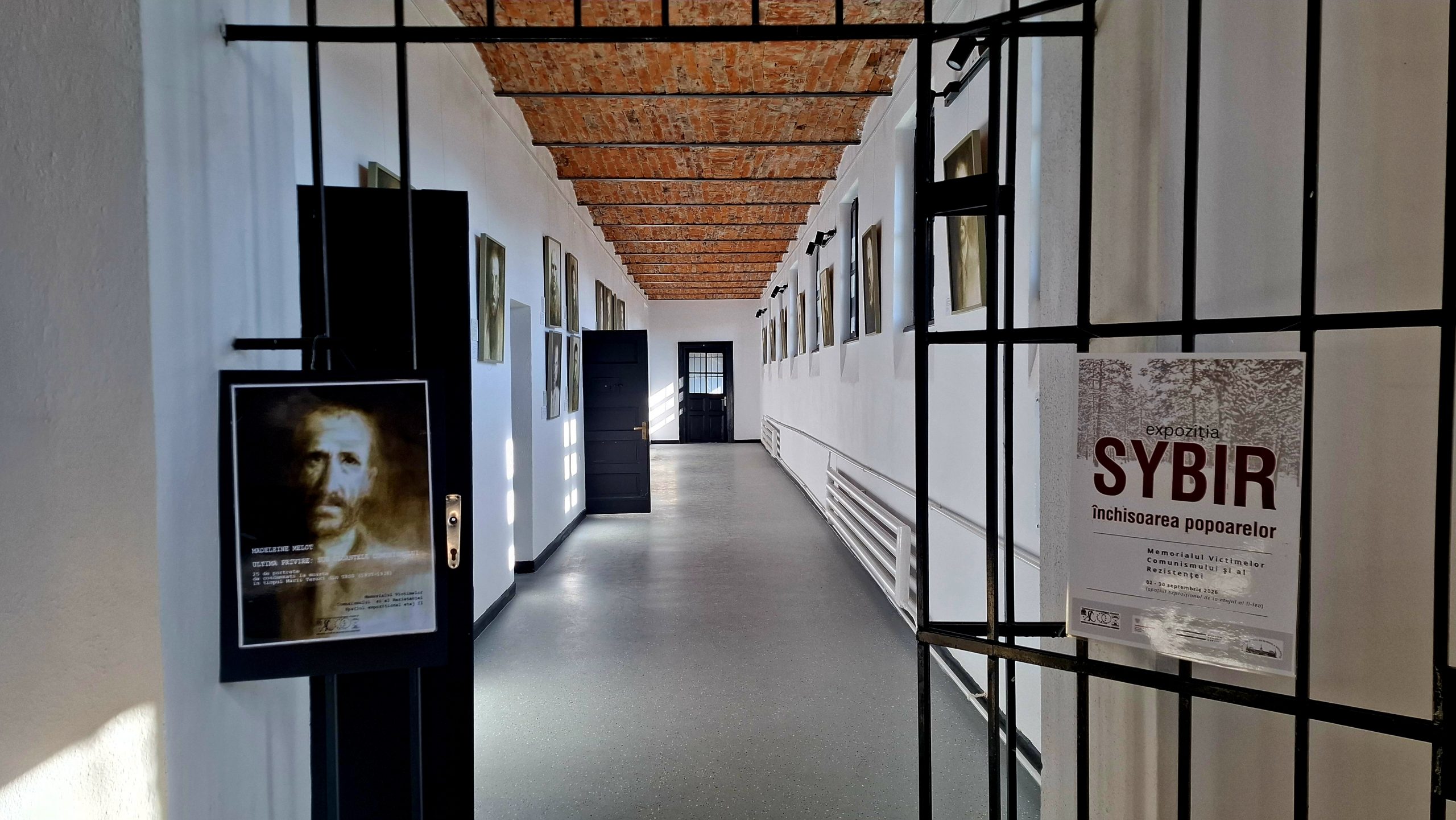
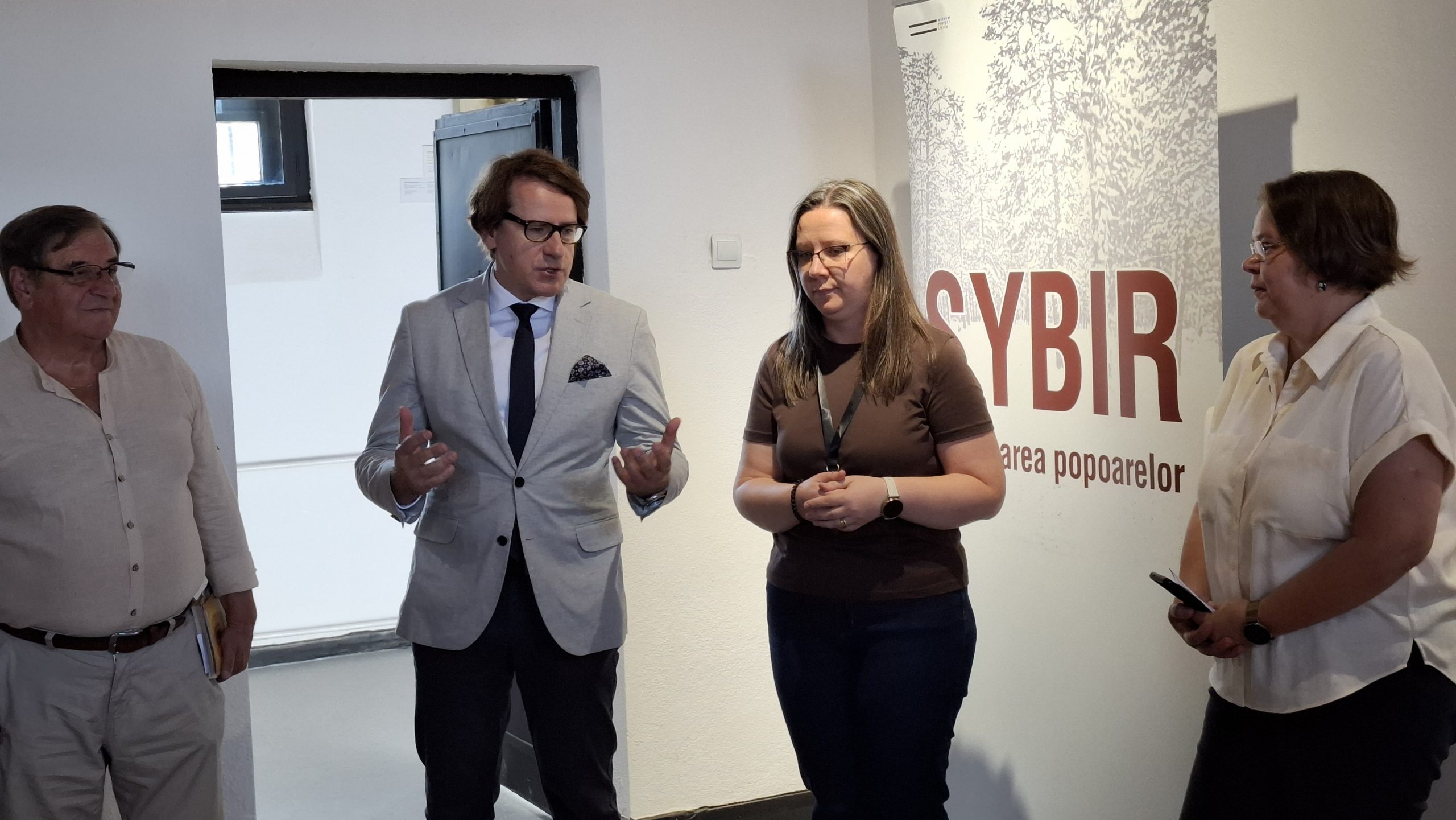
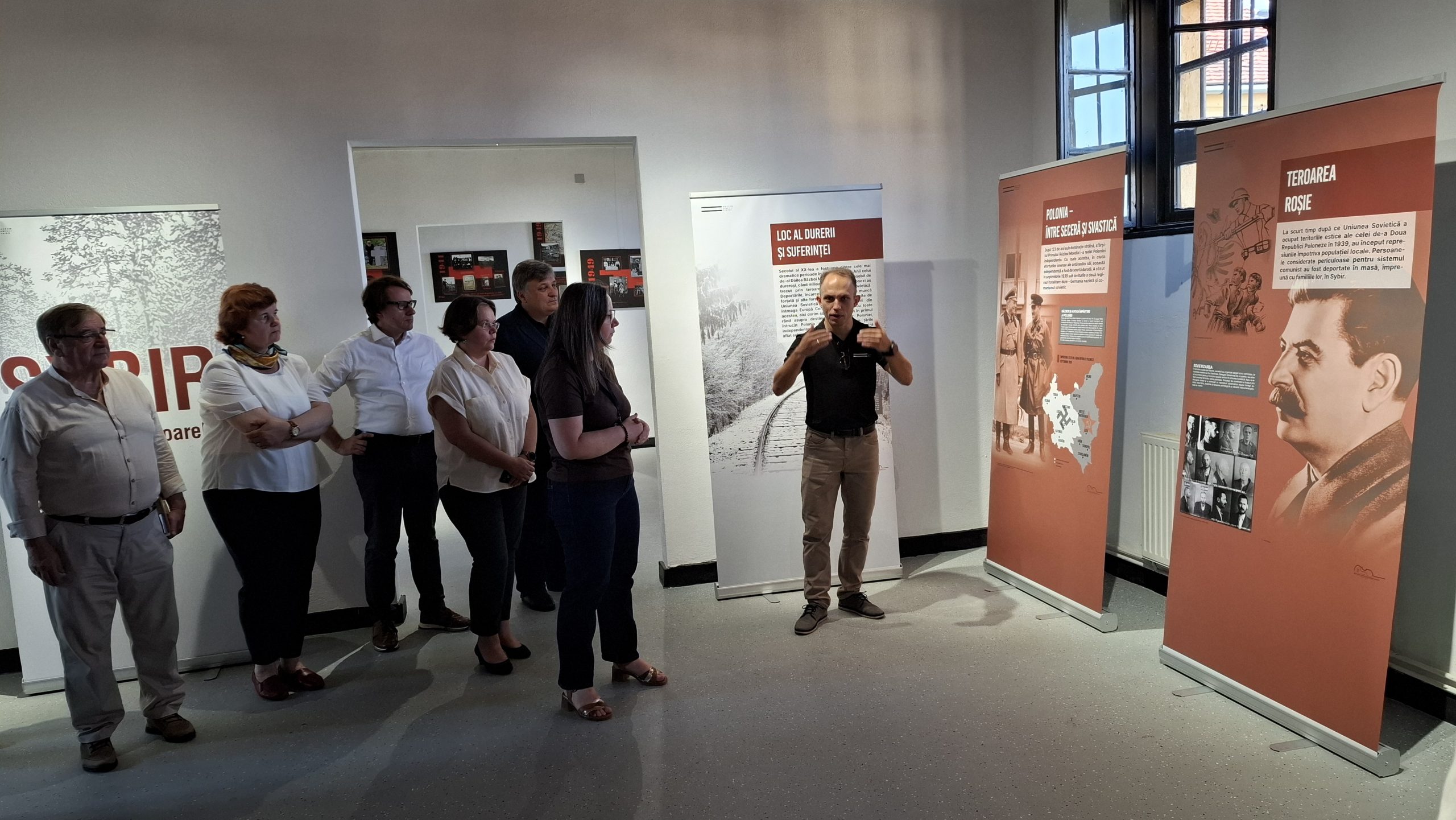
The “Sybir – Prison of Nations” exhibition has become part of the history of the place where it is being presented. It tells the stories of people sent into exile, deportees and prisoners of the Russian and Soviet systems of repression. It shows that Sybir is not merely a part of Polish history, but a shared experience of numerous societies and cultures. Through its universal and emotionally engaging narrative, the Sybir Memorial Museum is continuing to build an international network of cooperation. Its aim is to demonstrate that the memory of deportations, Gulag camps and political prisons extends beyond the borders of any single country.
“The exhibition has been designed and arranged in such a way that the stories of Poles and Moldovans presented here highlight the shared nature of this history,” emphasised Piotr Popławski, PhD, Head of the Cultural and Educational Projects Department at the Sybir Memorial Museum. “The exhibition has been supplemented with materials relating to deportations from Moldovan territory and translated into Romanian,” he added.
The former prison is now home to a museum dedicated to Soviet repression in Romania and other countries of Central and Eastern Europe. Political opponents—including schoolchildren, students, journalists, members of the clergy and peasants involved in the resistance movement—were imprisoned there. In the 1990s, the building was transformed into a memorial site, with the former prison cells converted into museum galleries.
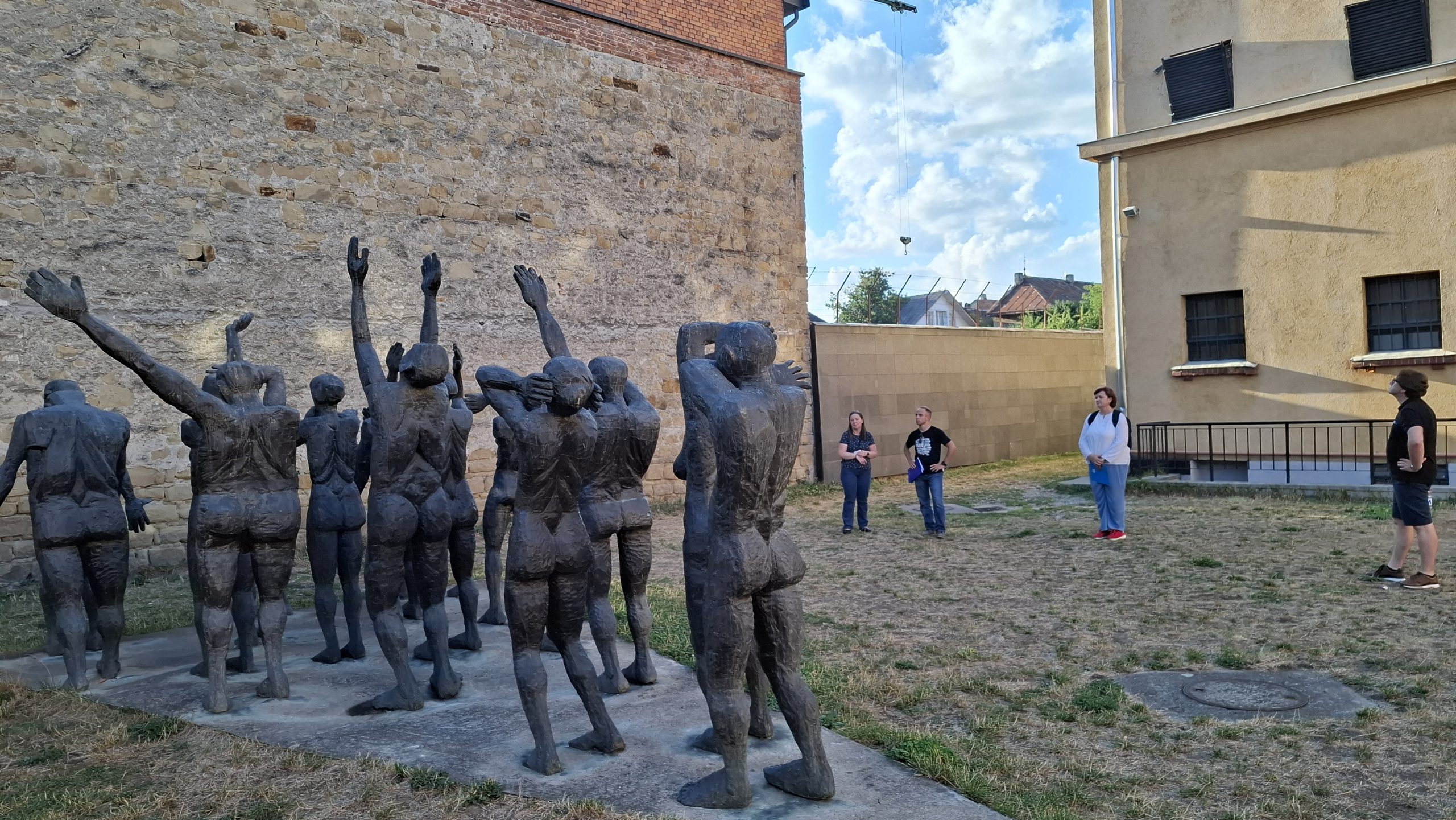
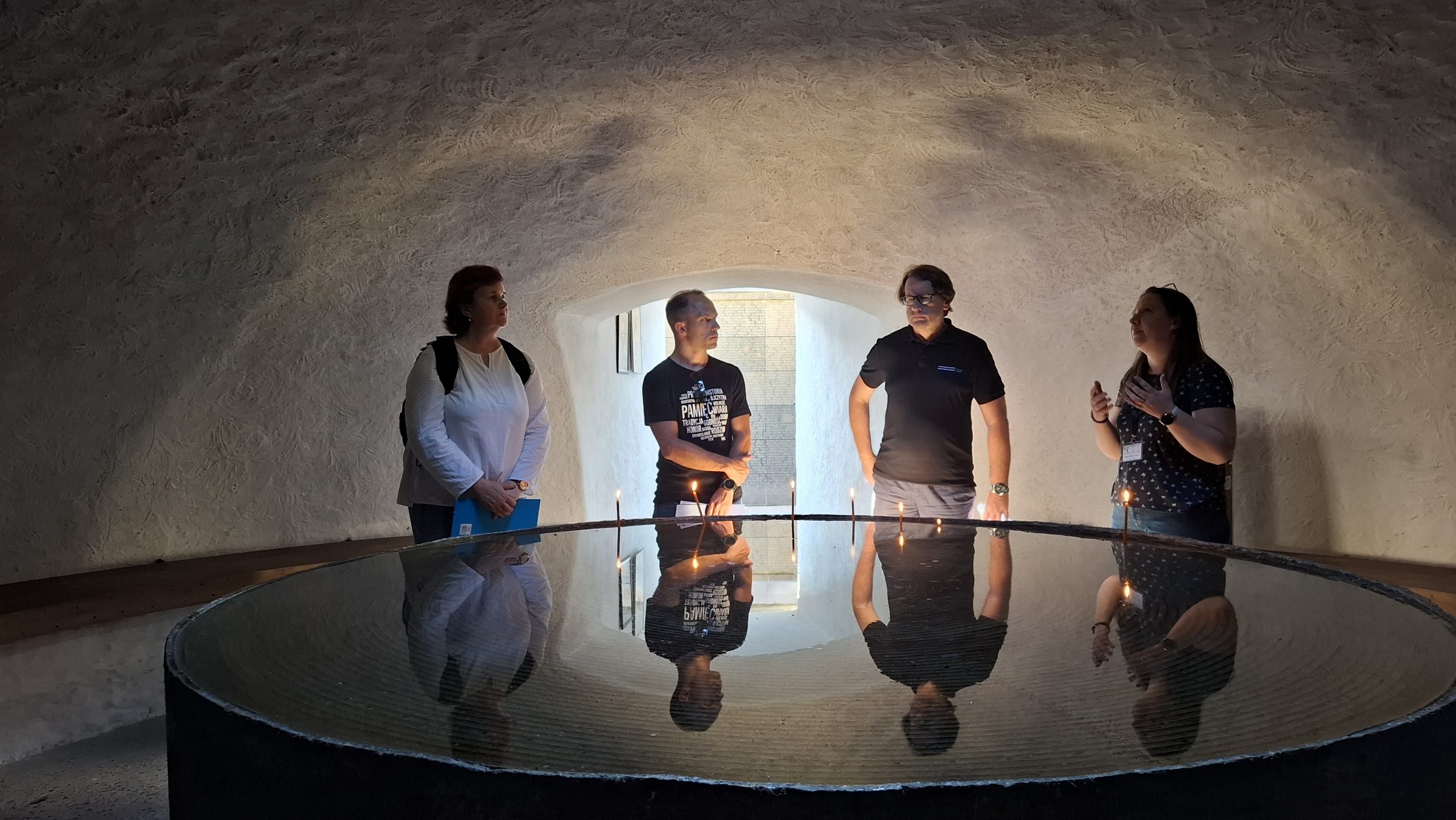
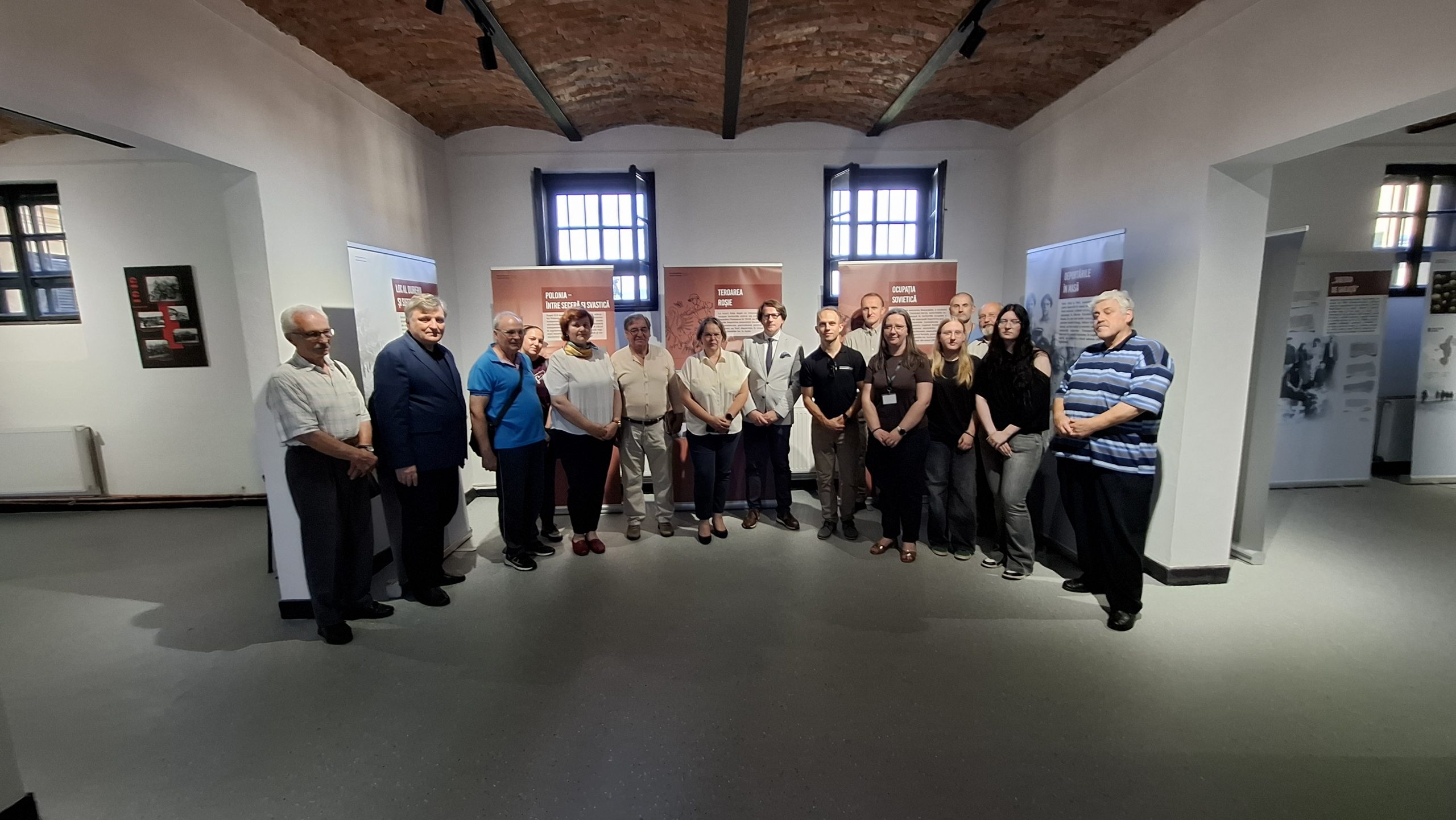
The opening of the exhibition was also attended by Andrea Dobeș, PhD, and Gheorghe Mihai Bârlea, PhD, from the Memorial of the Victims of Communism and of the Resistance, and Ludmiła Cojocaru, PhD, from the National Museum of History of Moldova. Tomasz Kobzdej, Ambassador of the Republic of Poland to Moldova, supported the preparation of this version of the exhibition.