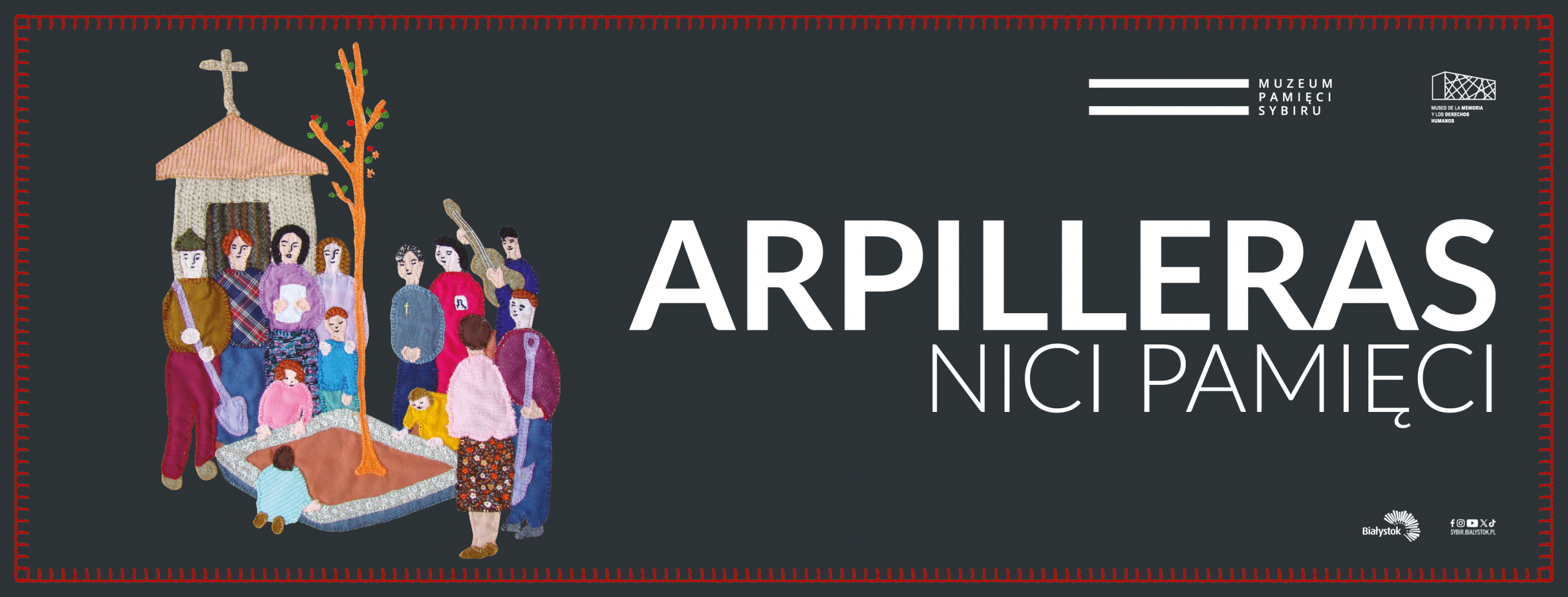



Can a thread, a scrap of fabric and a needle tell a story of violence, memory and hope?
An arpillera is a coarse fabric traditionally used to make sacks for storing and transporting grain. The textile artworks on display take their name from this material. They were made by women – mothers, wives and sisters of those who were detained or disappeared during Chile’s military dictatorship.
Using thread, wool and scraps of clothing, they created powerful stories of loss, solidarity and the search for their loved ones.
“Arpilleras – Threads of Memory” is another international exhibition presented by the Sybir Memorial Museum. As part of its international outreach, the Museum seeks to build relationships with second- and third-generation descendants of Sybiraks around the world, as well as with museums and institutions dedicated to the history of dictatorships, genocides, armed conflicts and occupations.
“The main aim of international cooperation is to exchange experiences and identify common points of reference. In the case of this exhibition, that common language is art. It is art that enables us to draw parallels between the experience of deportation to Siberia and that of Chile’s military dictatorship,” said Professor Wojciech Śleszyński, Director of the Sybir Memorial Museum and curator of the exhibition.
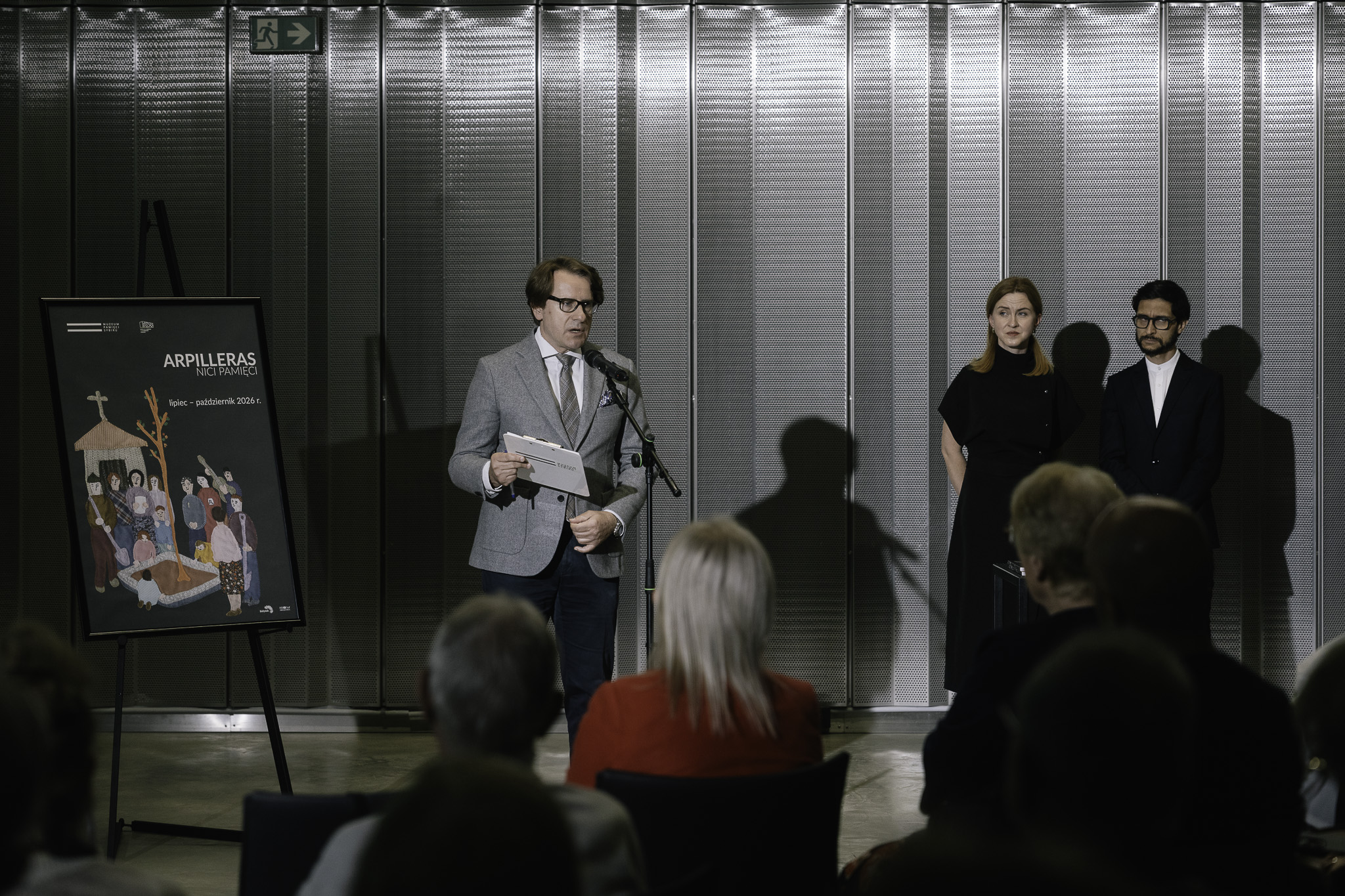
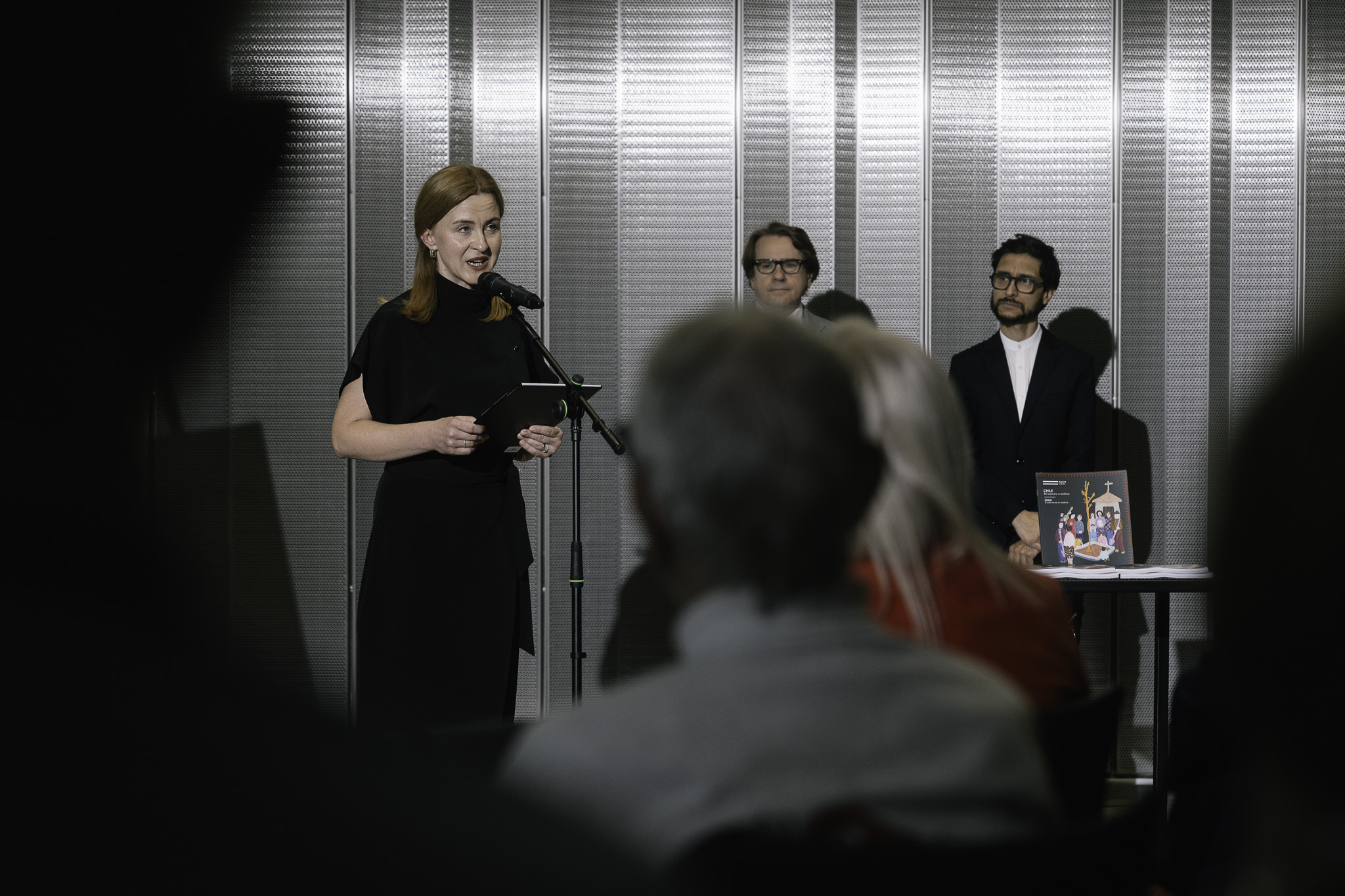
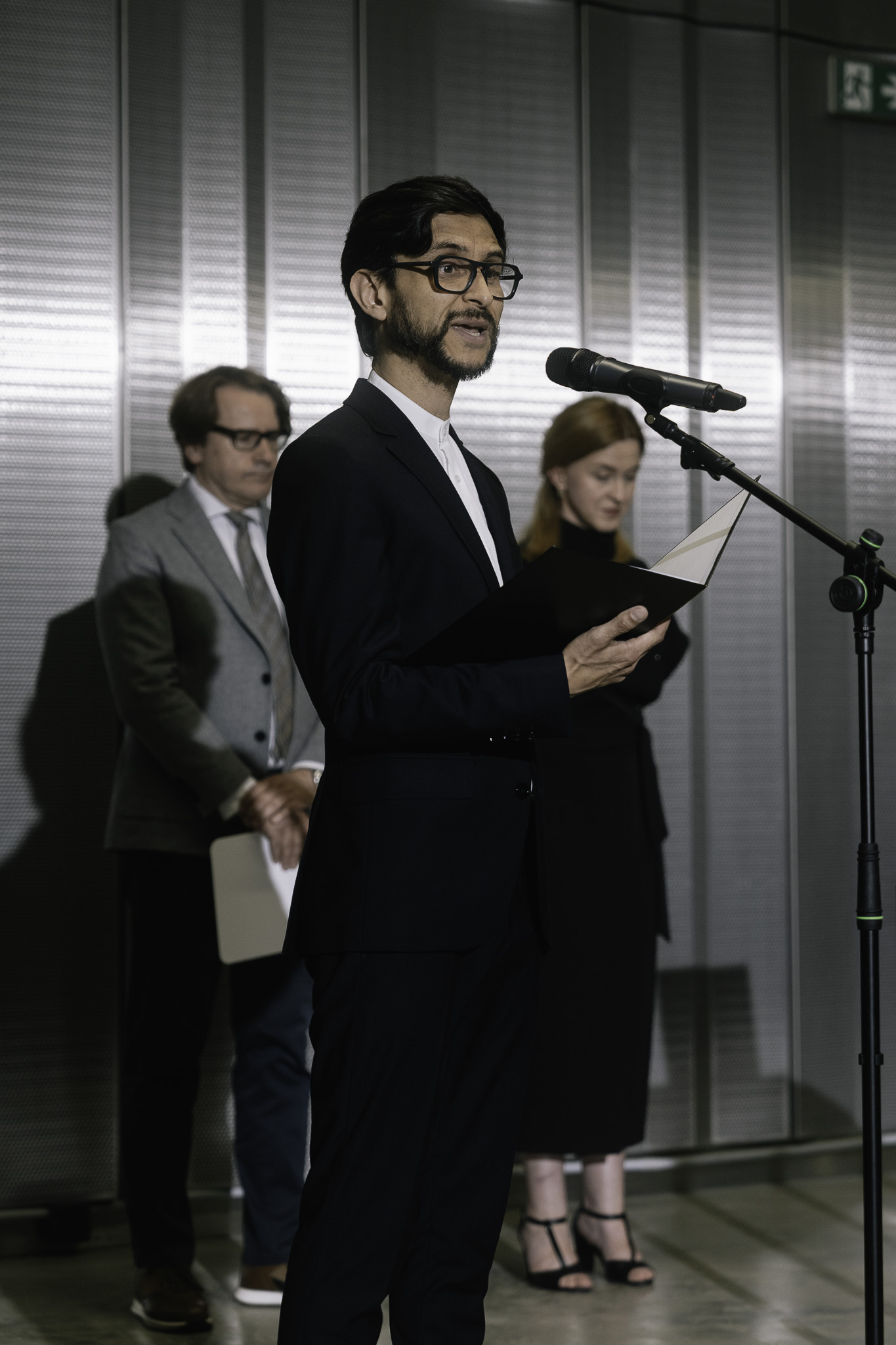
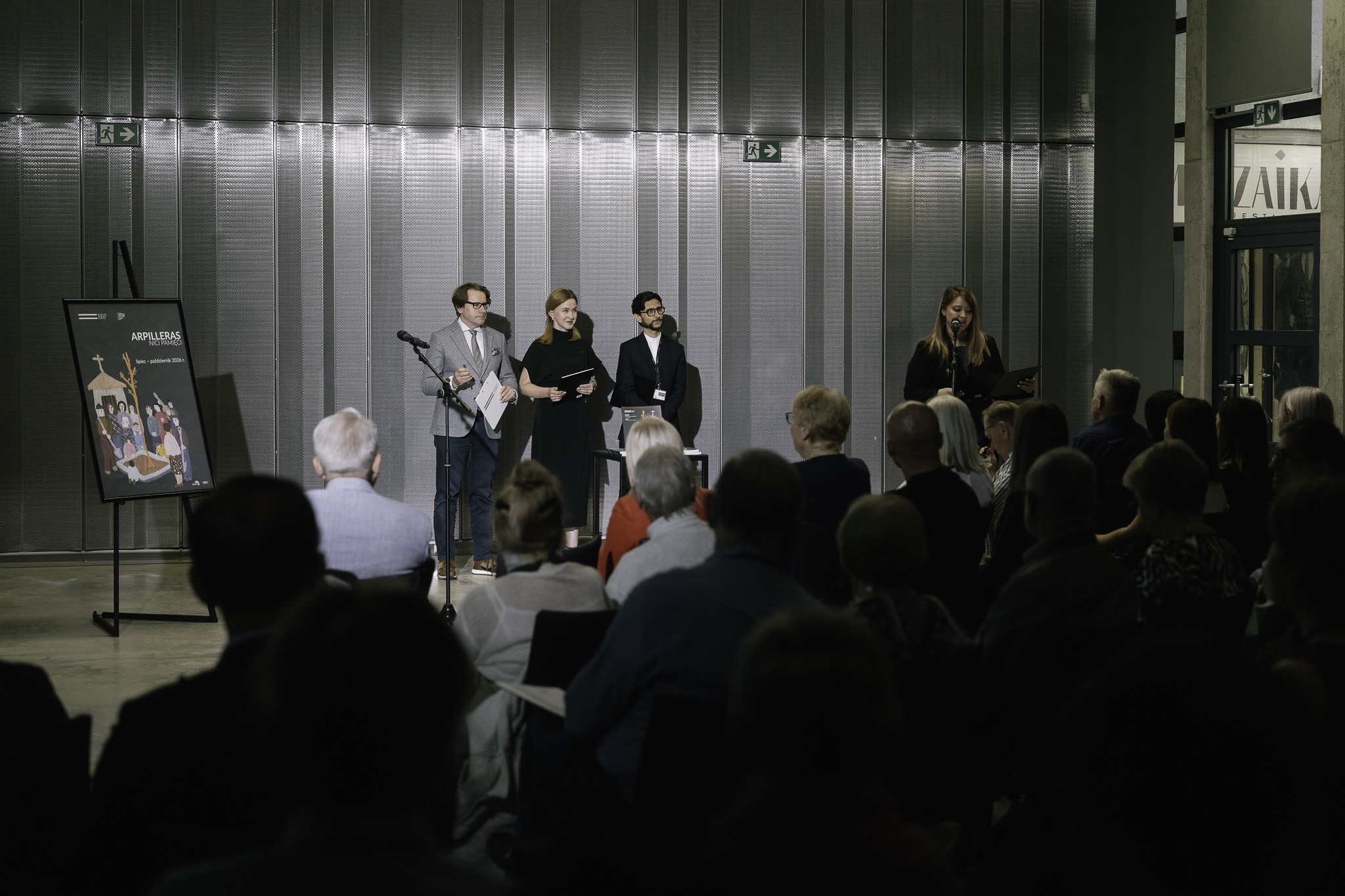
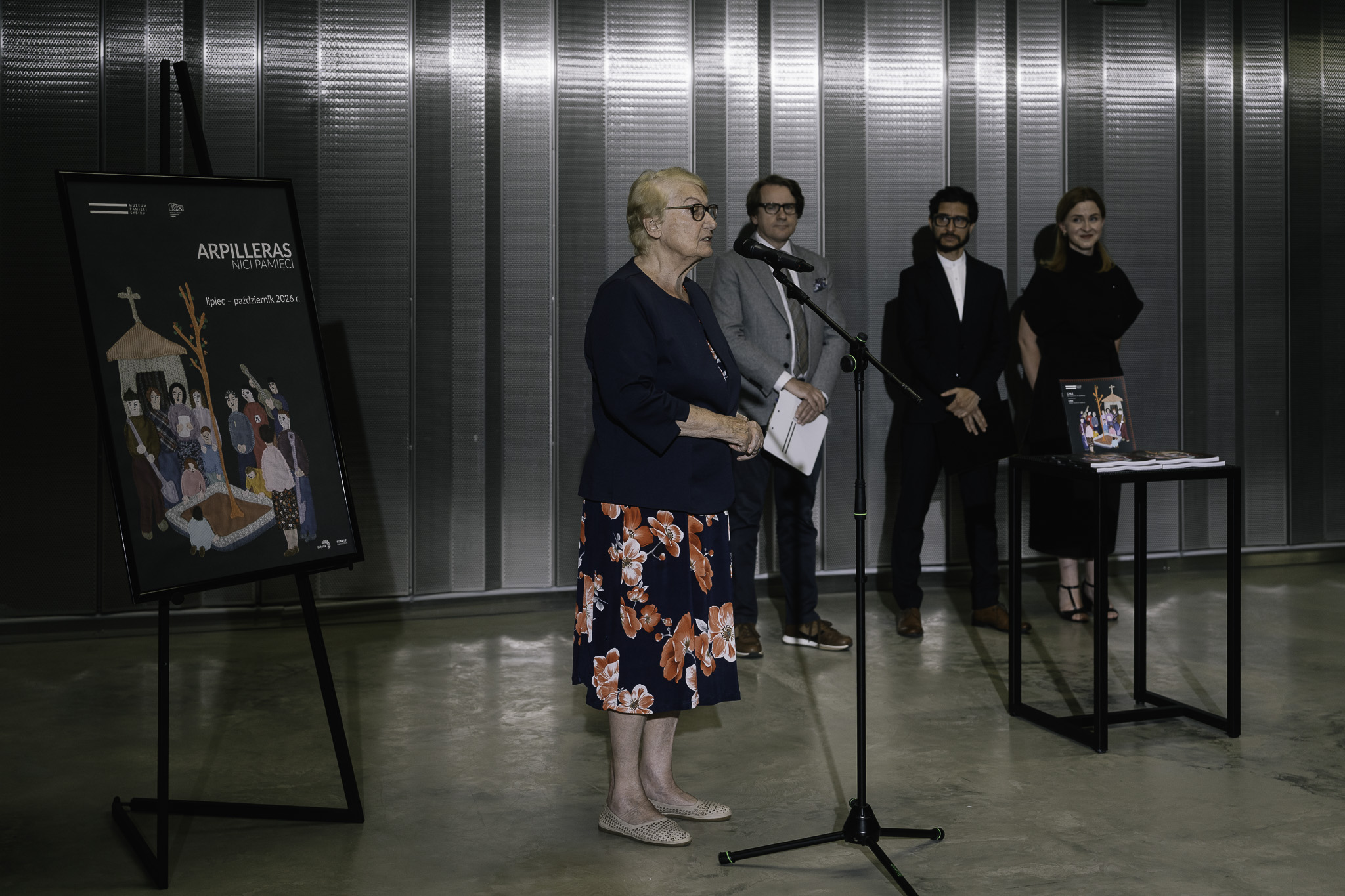
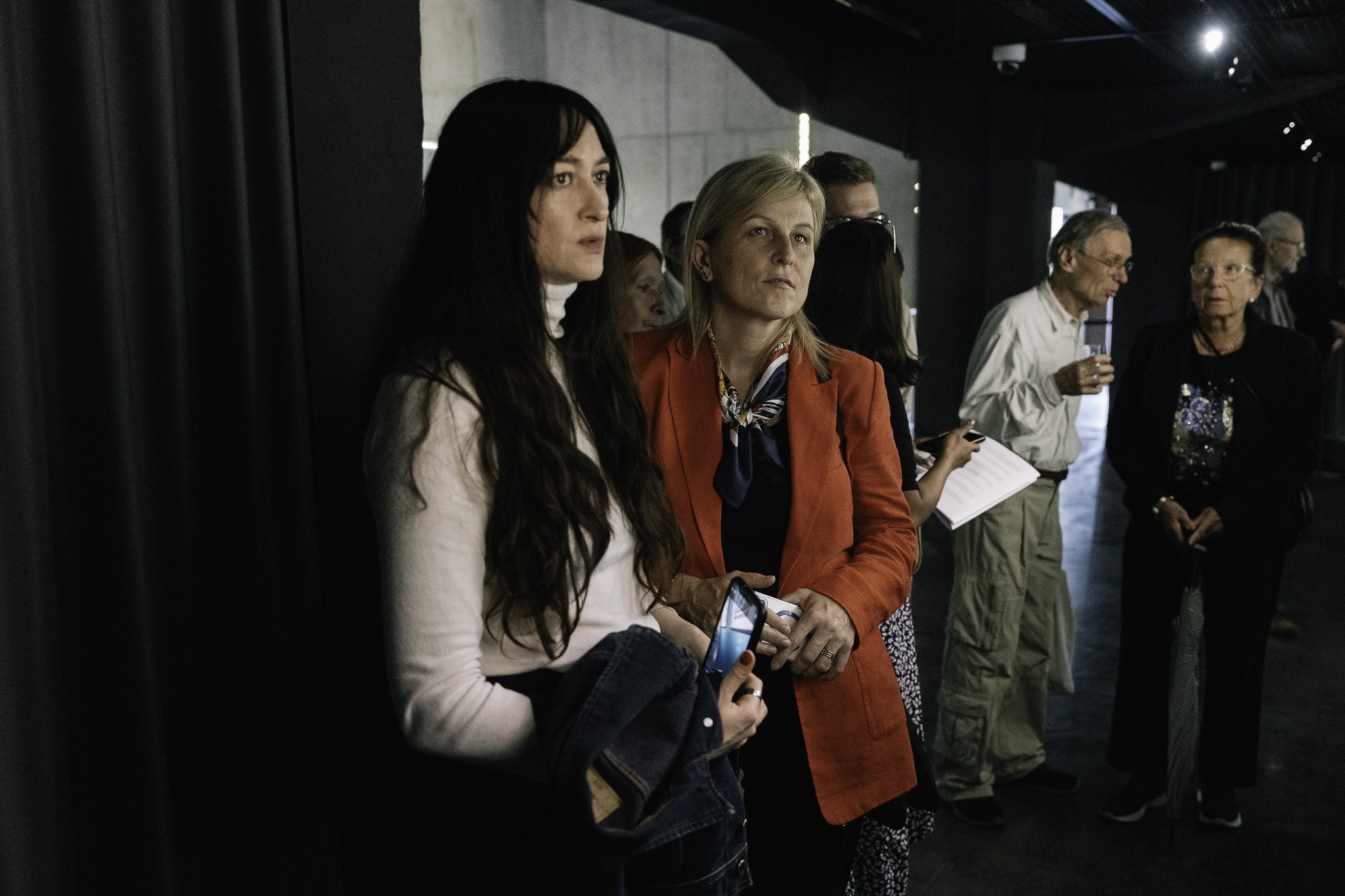
More than one hundred guests attended the opening, including Barbara Okuła, Member of the Polish Sejm, and Marek Tyszkiewicz, Deputy Chair of the Białystok City Council. Art enthusiasts, residents of Białystok and Sybiraks were also among those present.
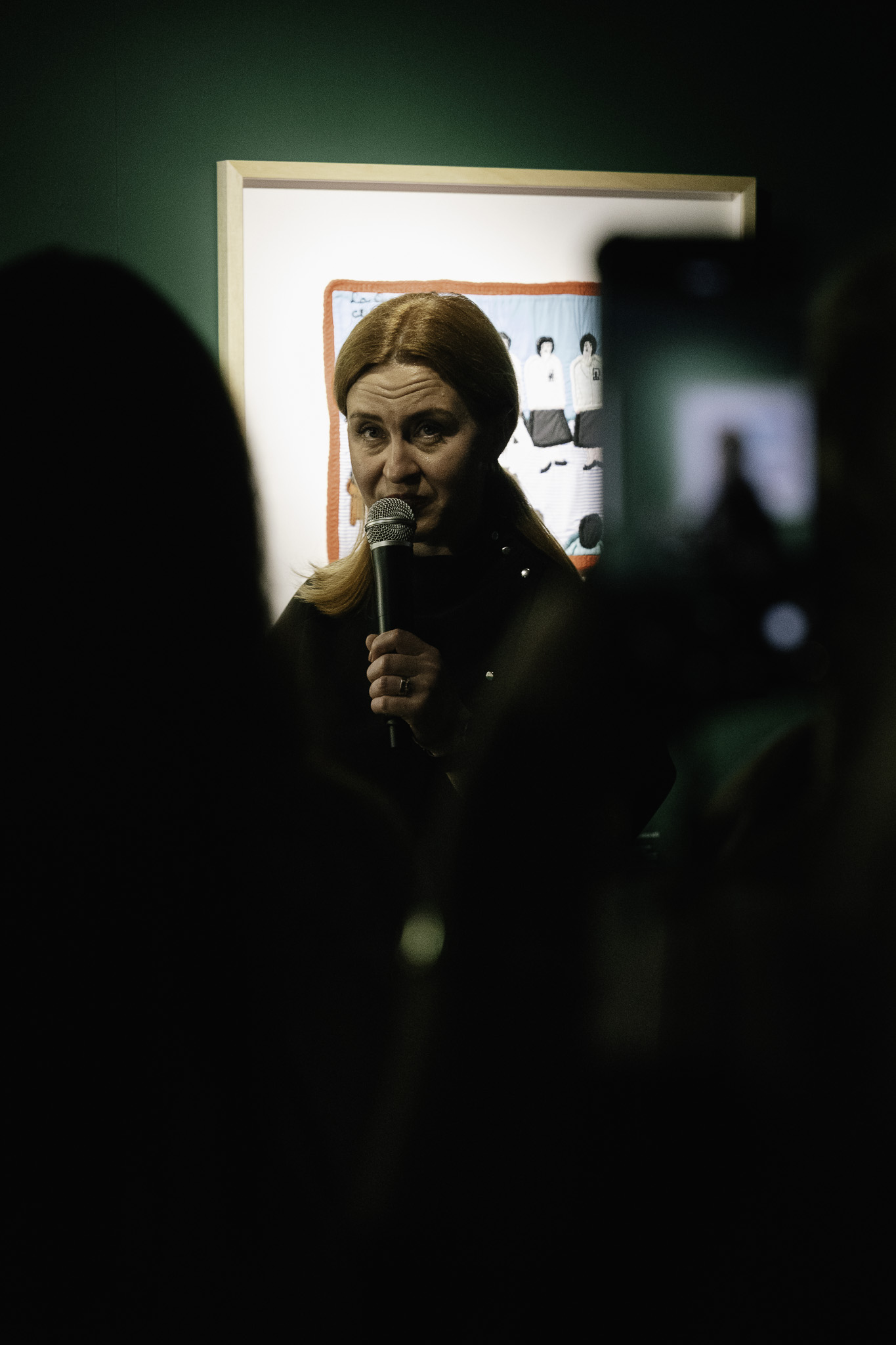
Speaking about the exhibition and its artistic dimension, Andrés Mauricio Rojas Rojas, International Relations Specialist and curator of the exhibition, said:
“In preparing this exhibition, we wanted to highlight its cultural context. We usually associate mourning, remembrance and respect with subdued colours. Here, however, visitors will see an exhibition full of vibrant colours that express, above all, hope, strength, determination and the memory of those who disappeared.”
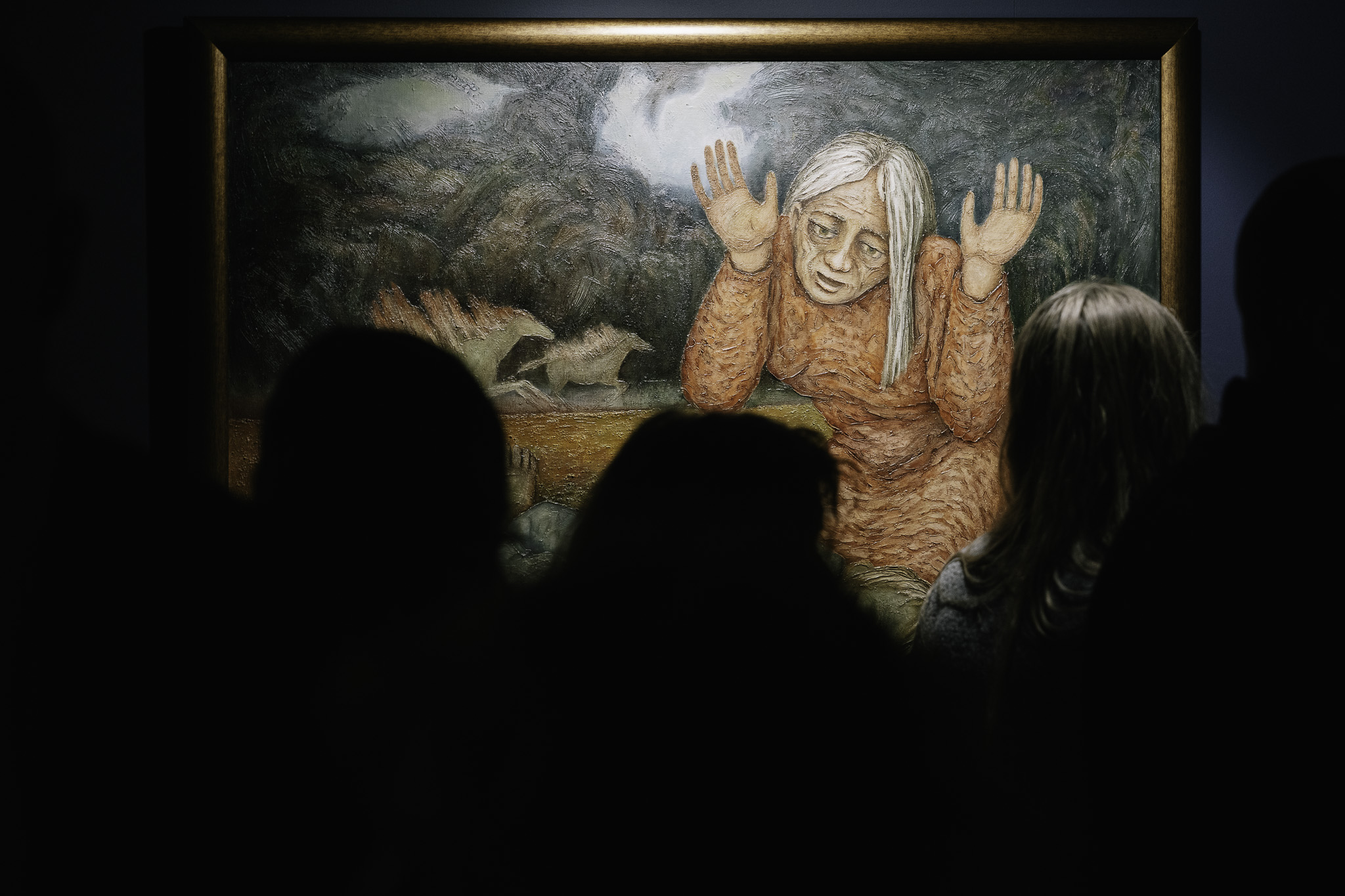
“Our exhibition also includes an extremely important section devoted to the artistic work of people deported to Siberia. The art created by both Chileans and Sybiraks is a form of resistance and a way of coping with trauma,” added Julita Waś, Development Specialist and curator of the exhibition.
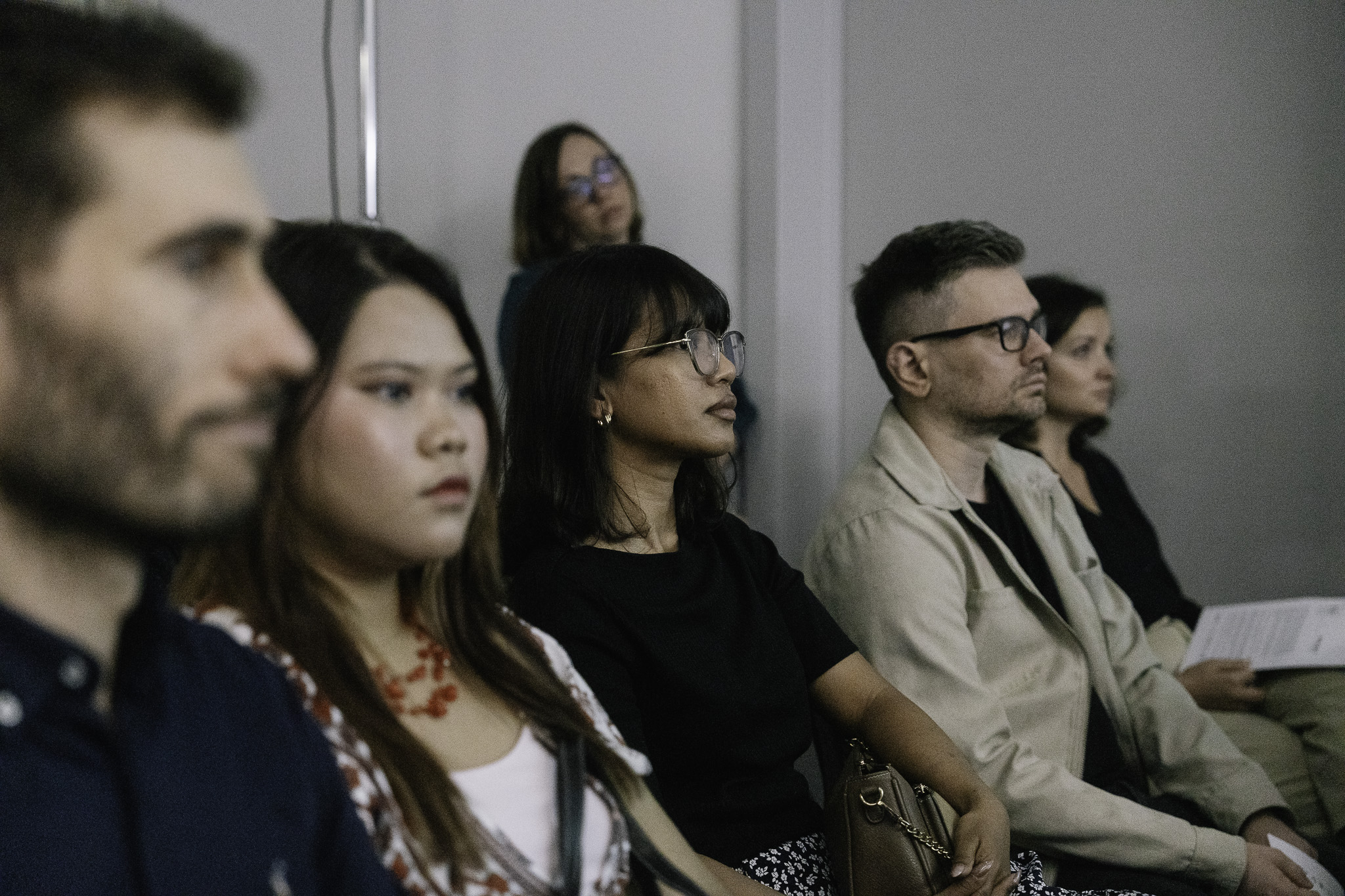
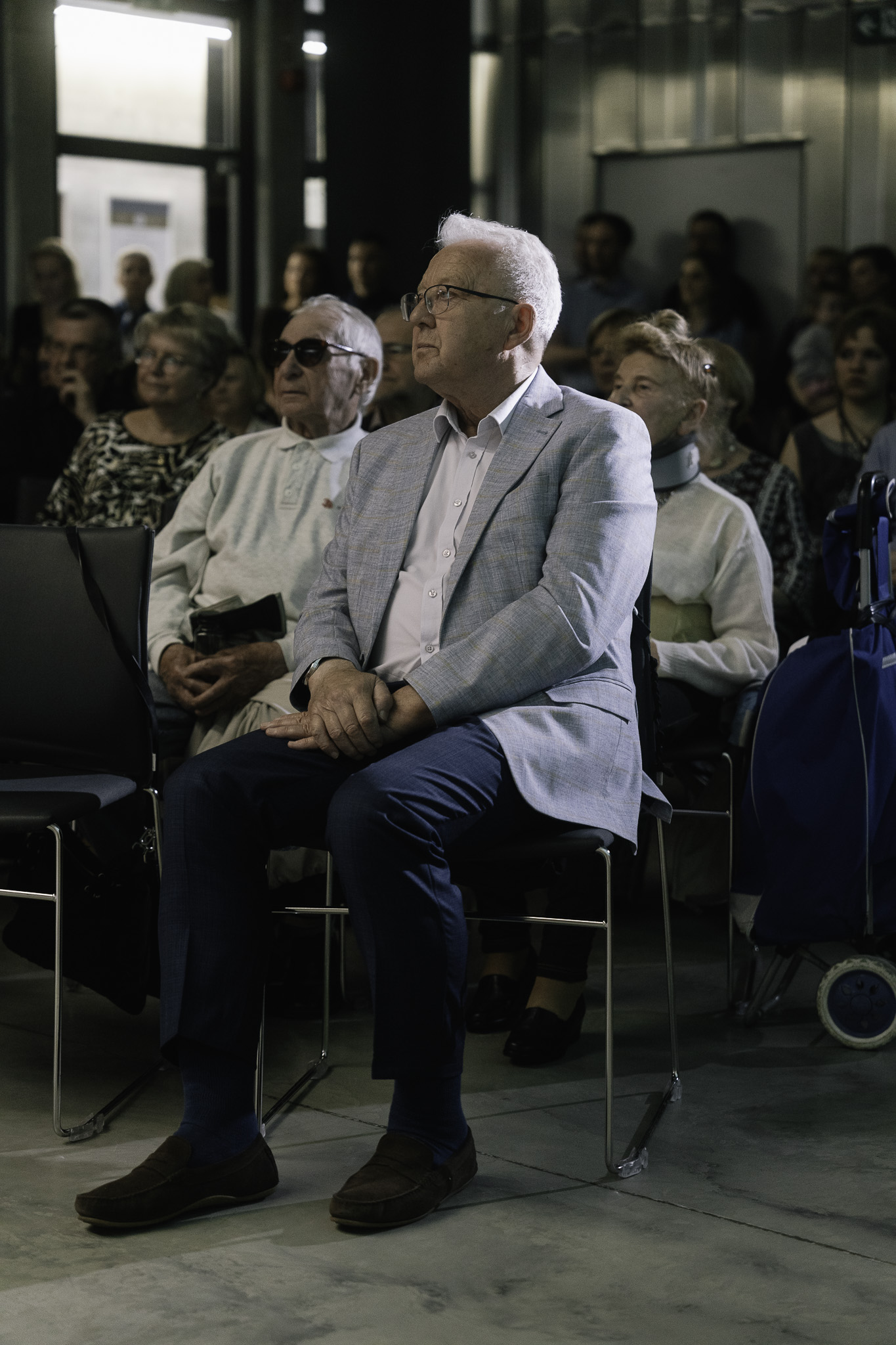
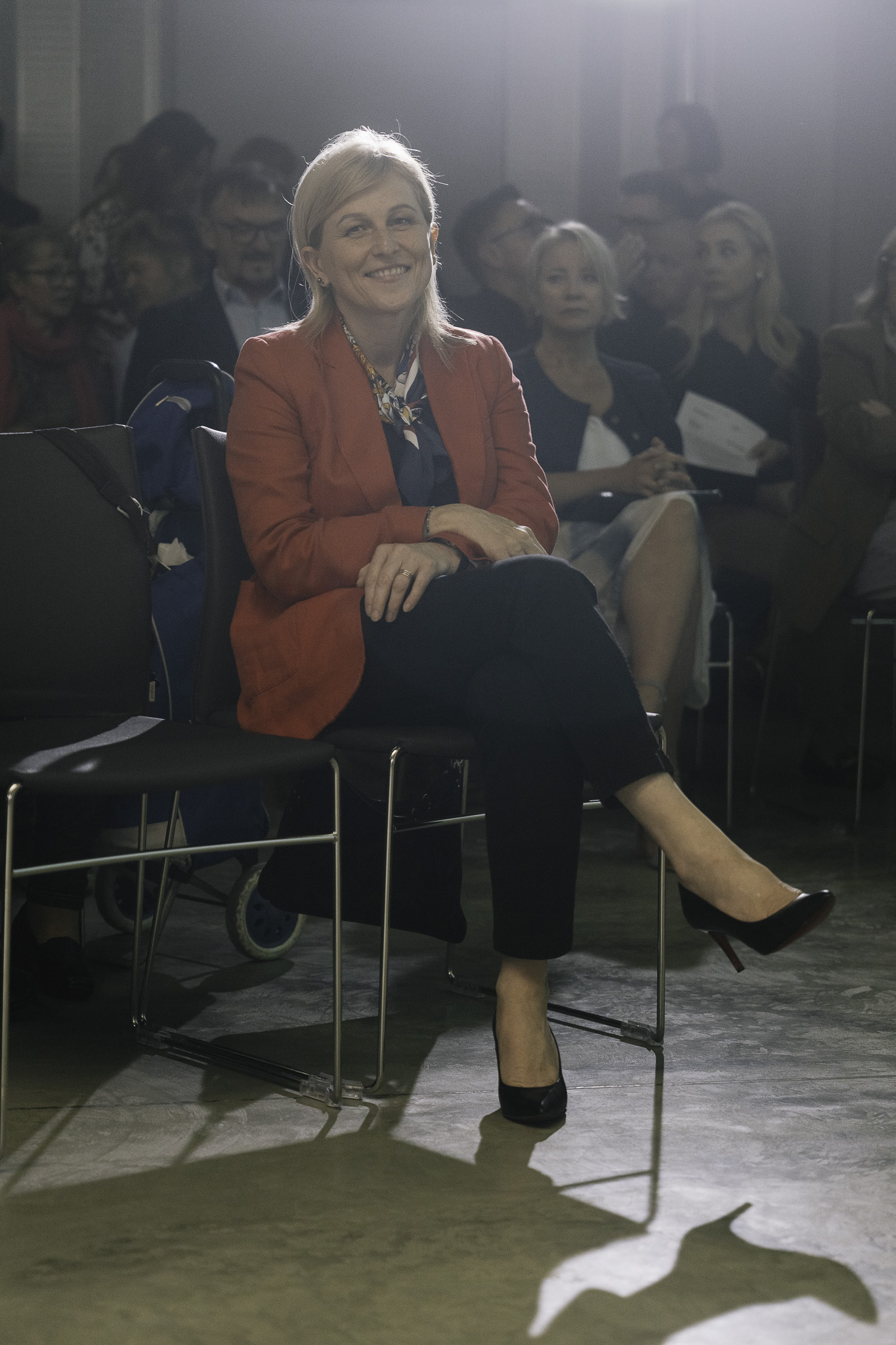

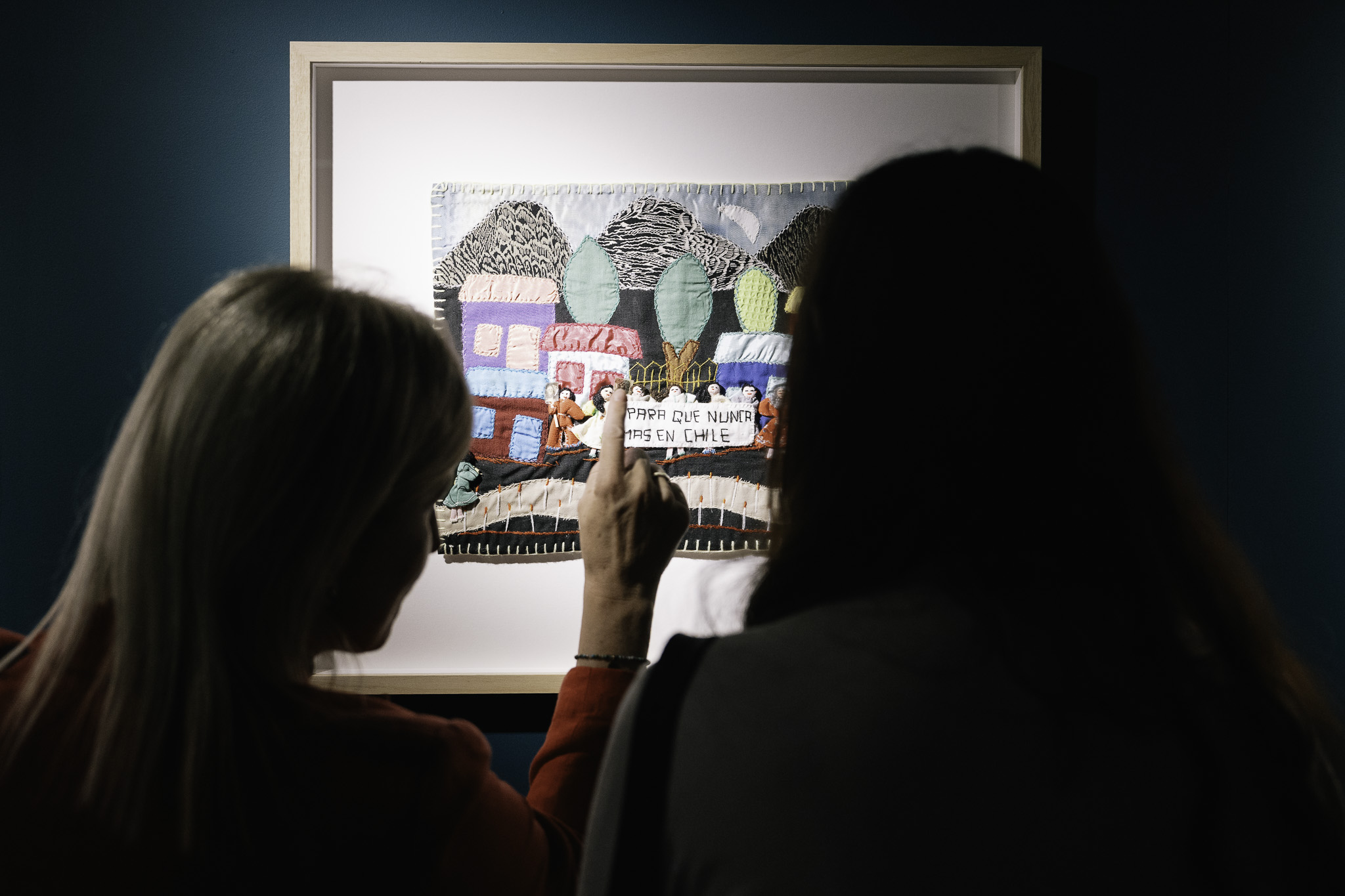
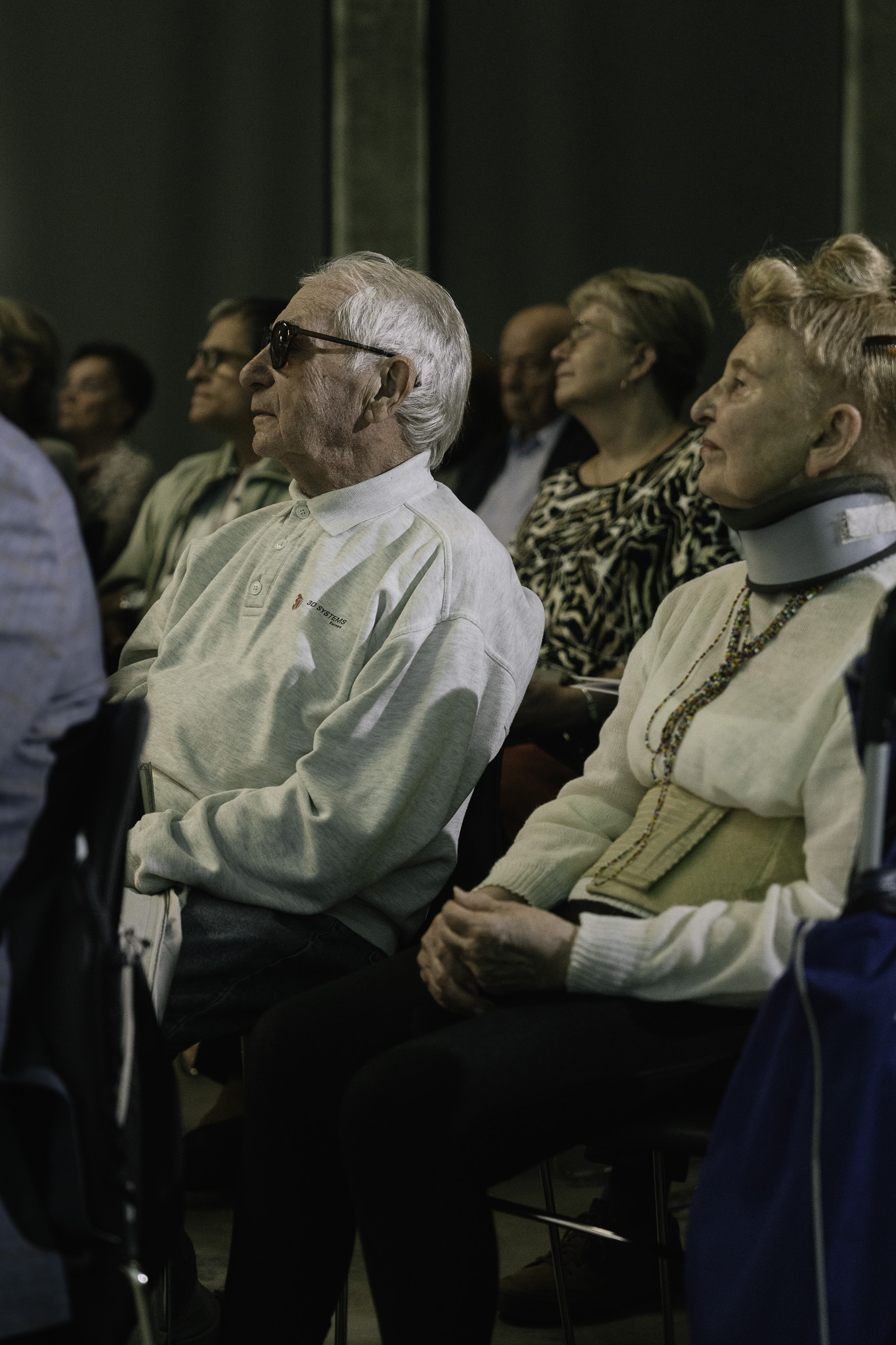
The exhibition demonstrates that art can bear witness where words fail. Here, the stories of Chilean women intersect with the experiences of Sybiraks, who also preserved the memory of violence, longing and the loss of loved ones through their art.
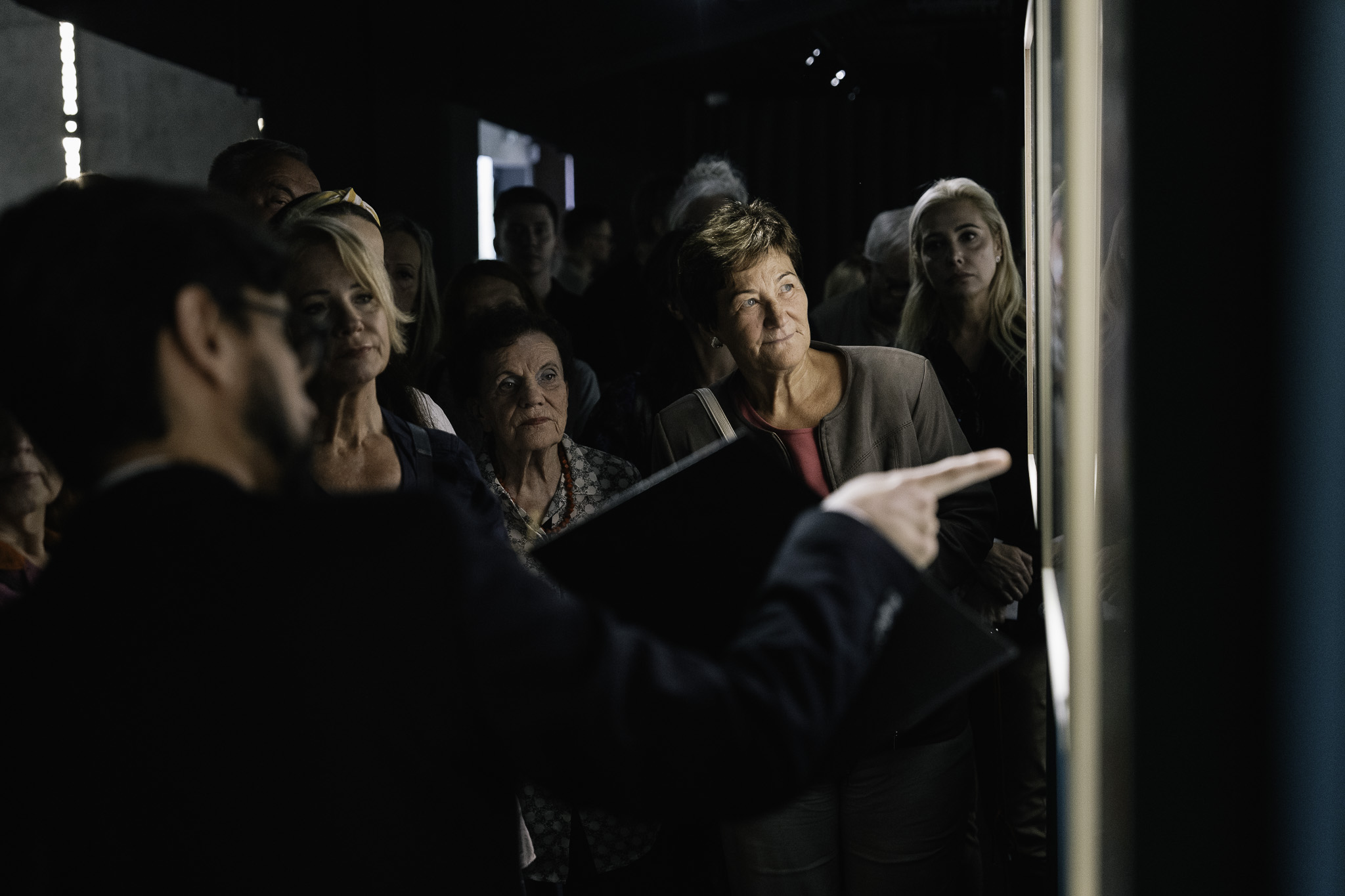
Guests also took part in a curator-led tour, after which many were keen to share their impressions.
“A beautiful exhibition. The colours are striking. It’s remarkable how the same emotions can be expressed in such different ways. The works created by Sybiraks and Chilean women are completely different, yet what unites our stories is memory,” said one of the visitors.
The exhibition will remain open to visitors free of charge until 16 October 2026.
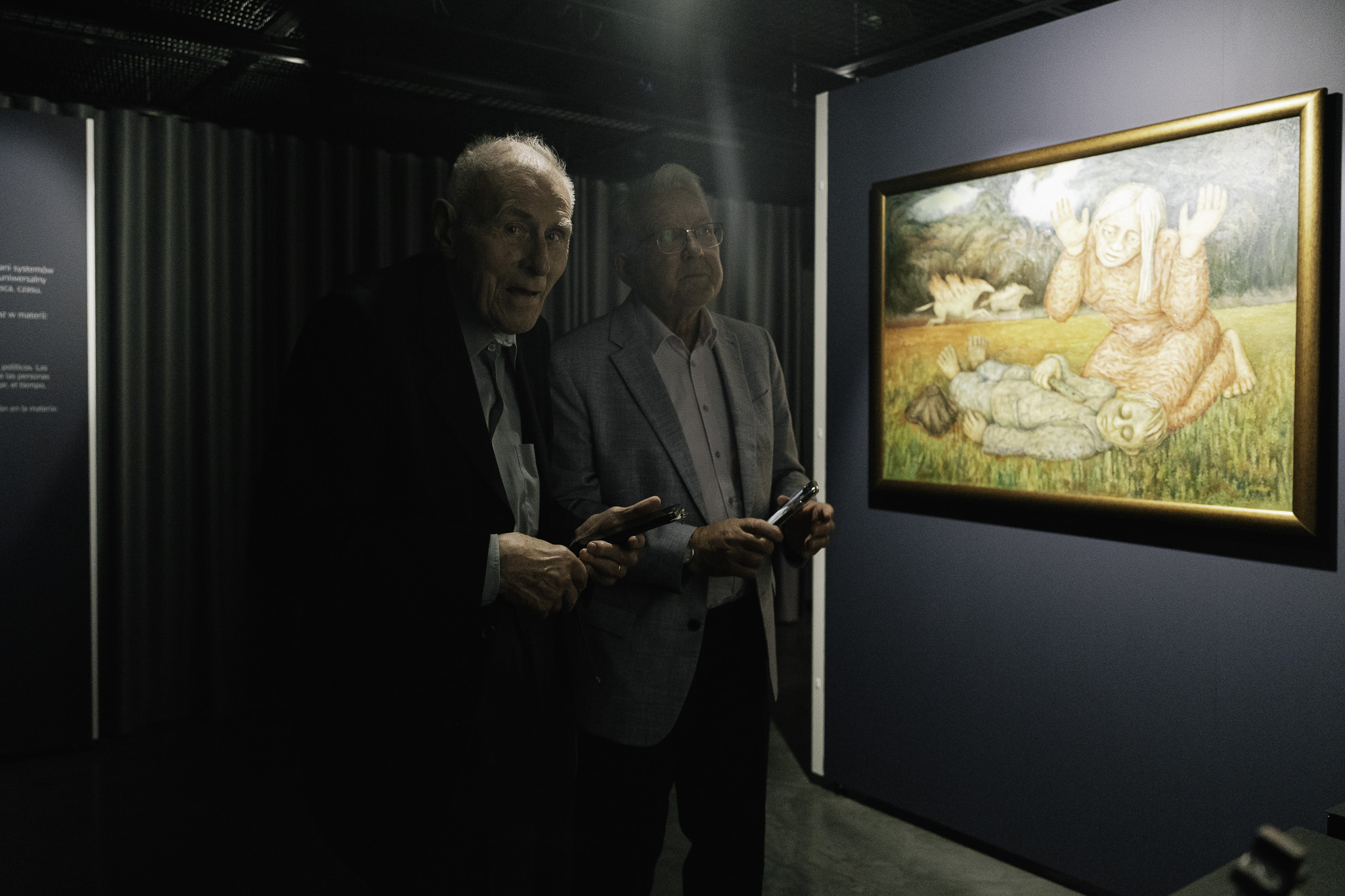
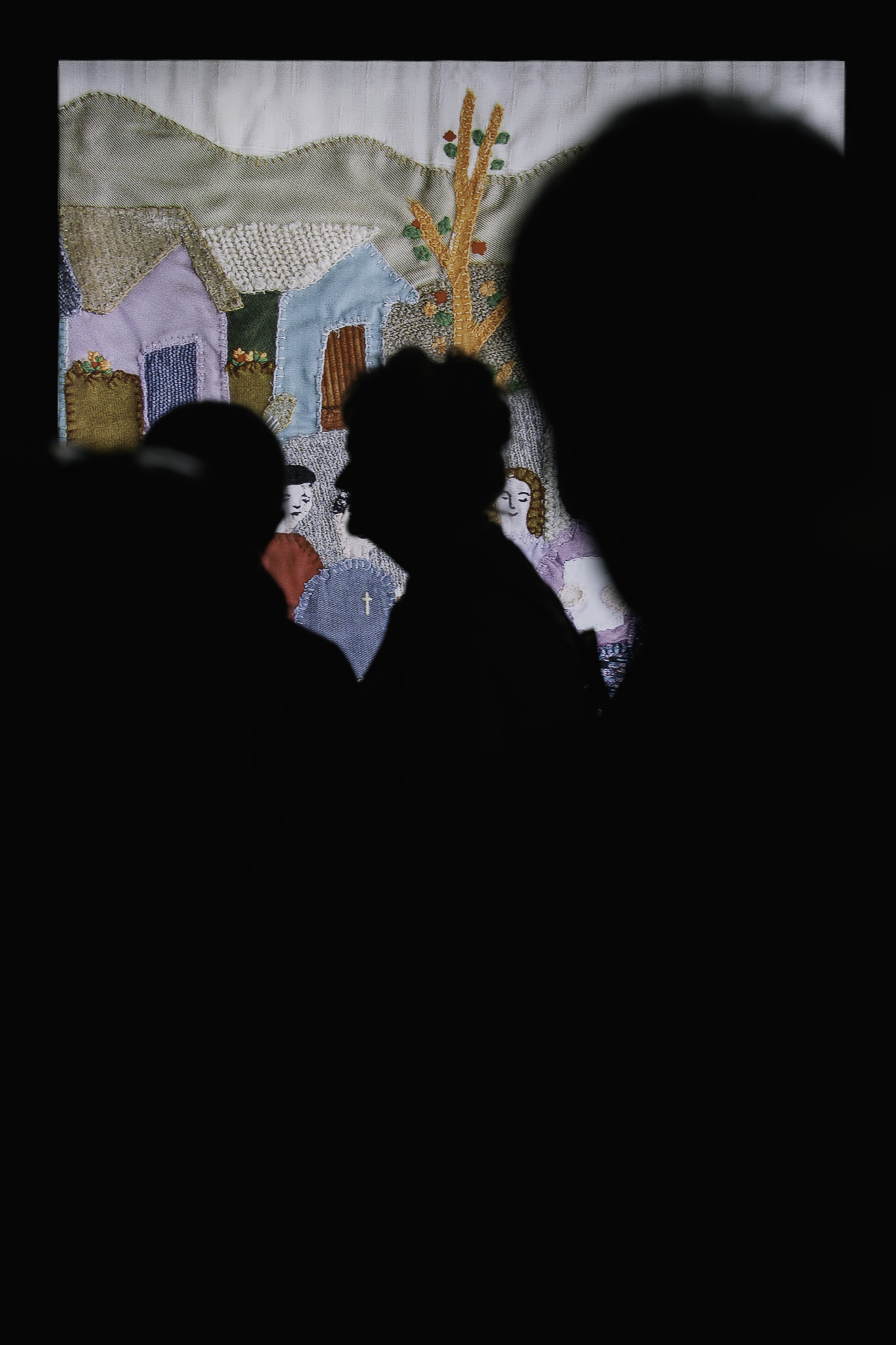
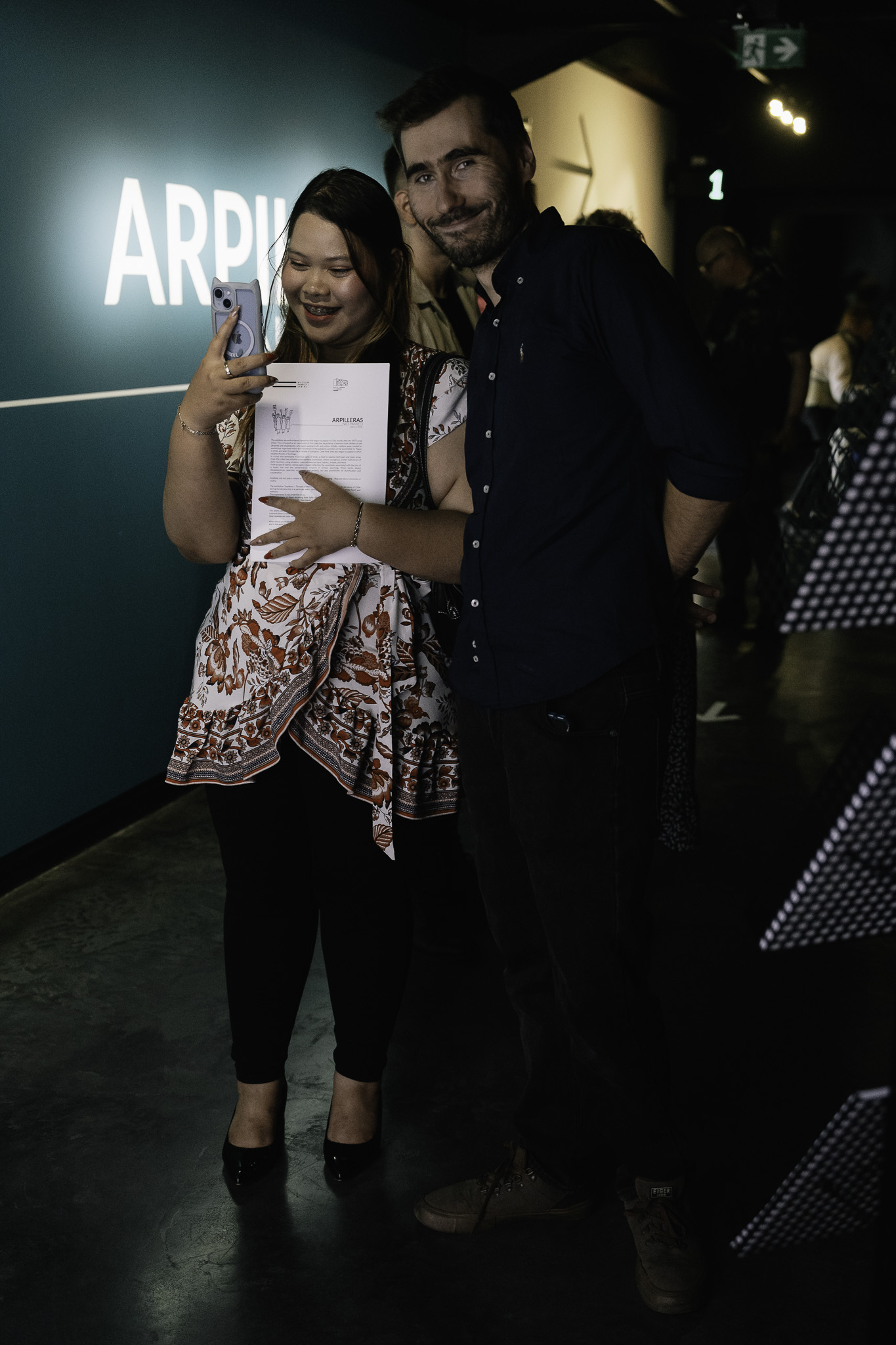

The exhibition “Arpilleras – Threads of Memory” was organised in collaboration with the Museum of Memory and Human Rights in Santiago, Chile.