


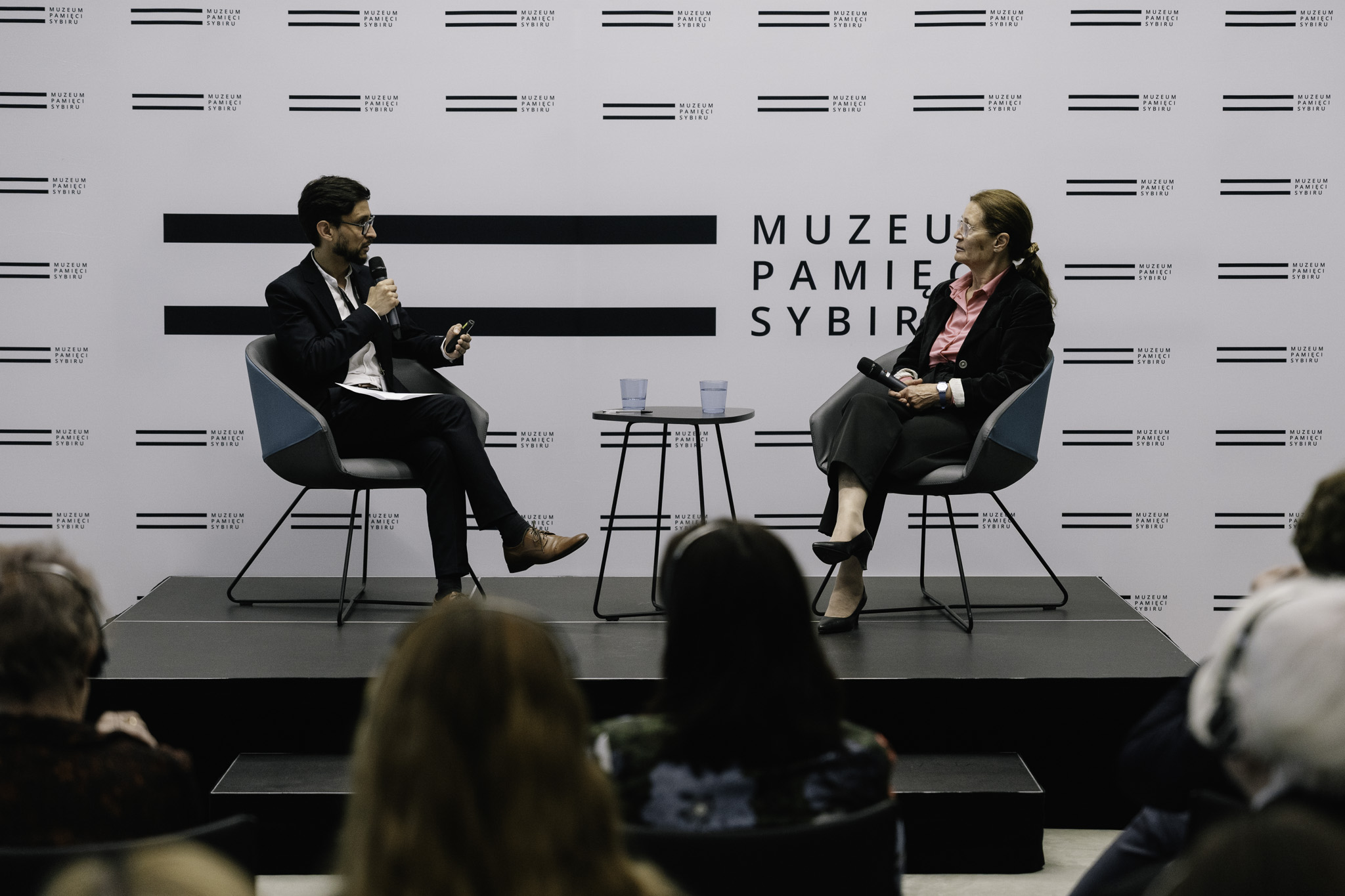
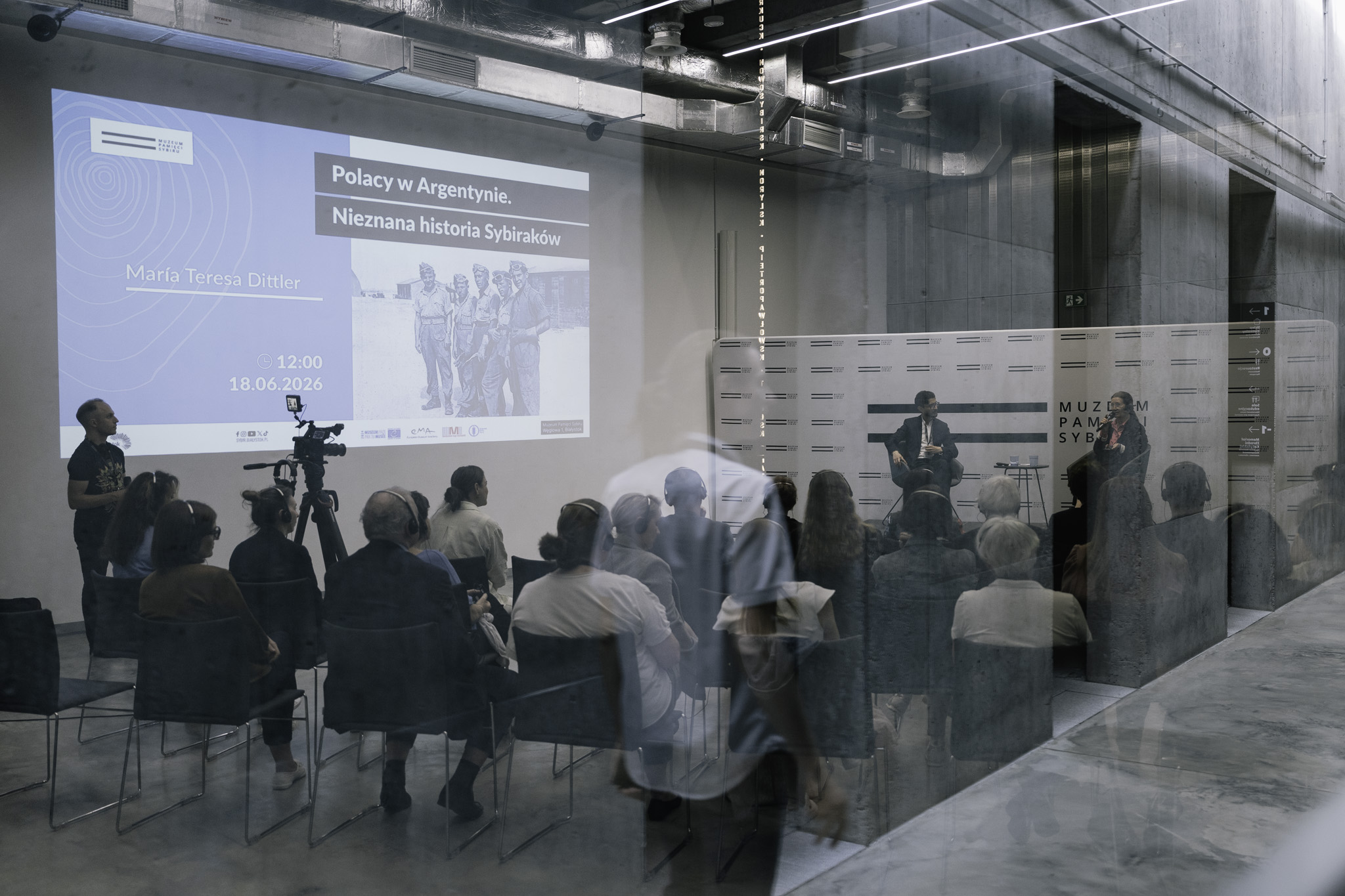
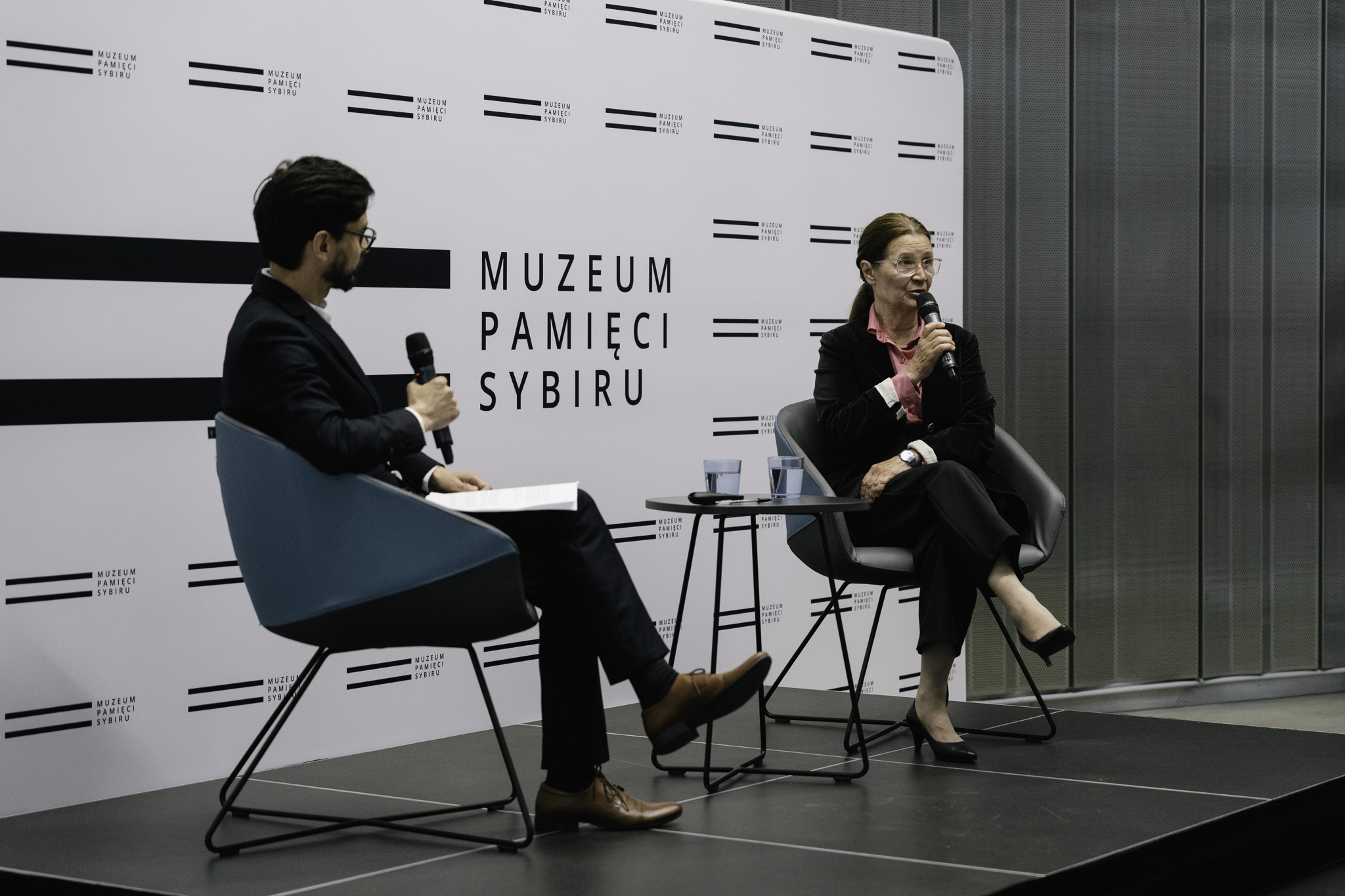
“We are our memory. Documents can be destroyed, but what remains in memory cannot be erased,” said Maria Teresa Dittler during the meeting. The author of From Dawn to Dusk: Polish Immigrants in Patagonia and Red Poppies: Post-War Polish Immigrants spoke at the Sybir Memorial Museum about the history of Sybiraks whose fate ultimately brought them to Argentina.
A graduate of the School of Nursing at the British Hospital in Buenos Aires, Maria Teresa Dittler spent many years working on medical affairs at an Argentine company. As she recalled: “There were many older employees there who were preparing for retirement and would come to me with various administrative questions. They would sit down and tell their stories. There were people from Italy, from Spain, and there were also Poles. At the time, I knew nothing about the history of Poland, and I found it fascinating to listen to what they had to say.”
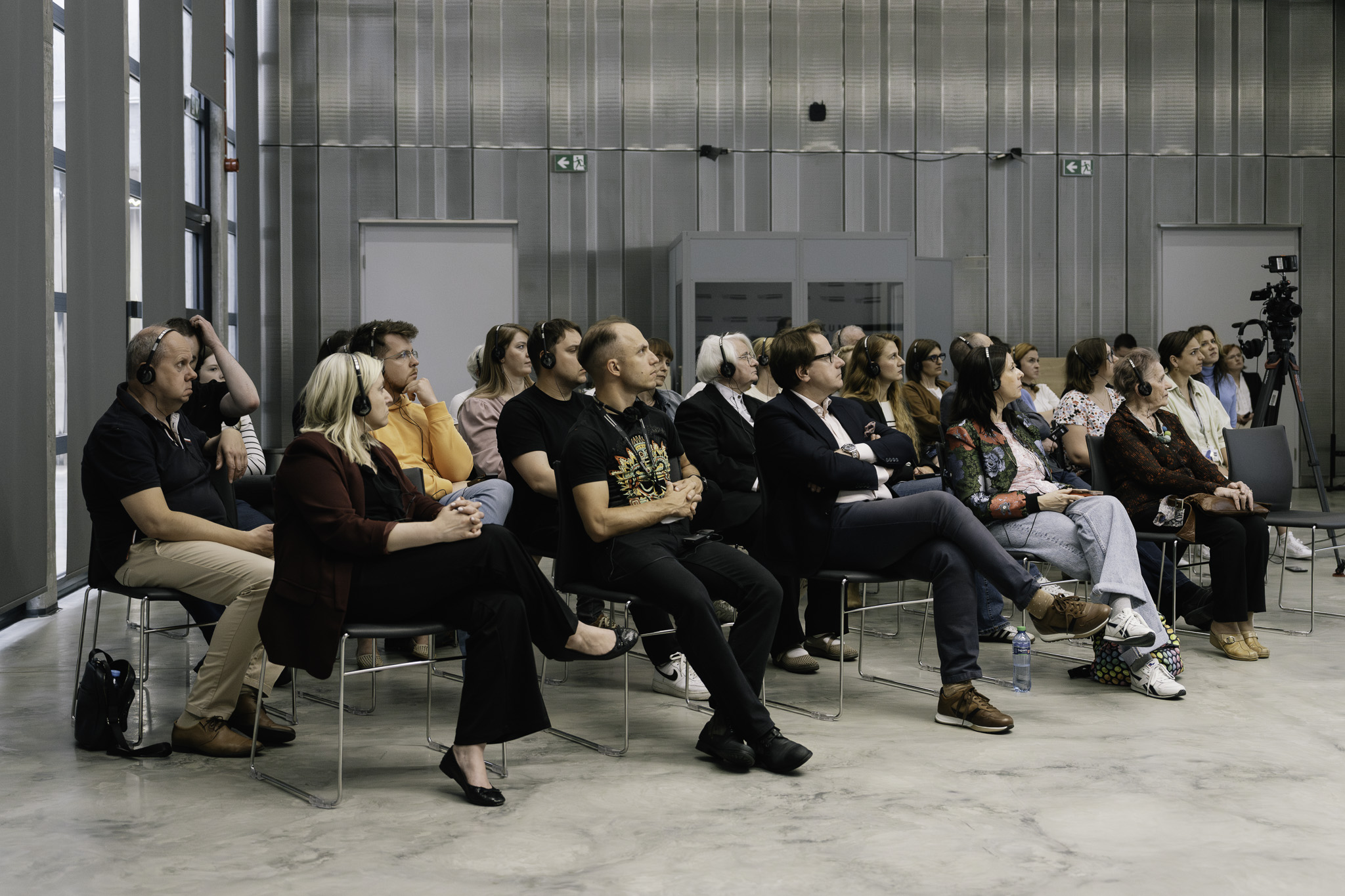
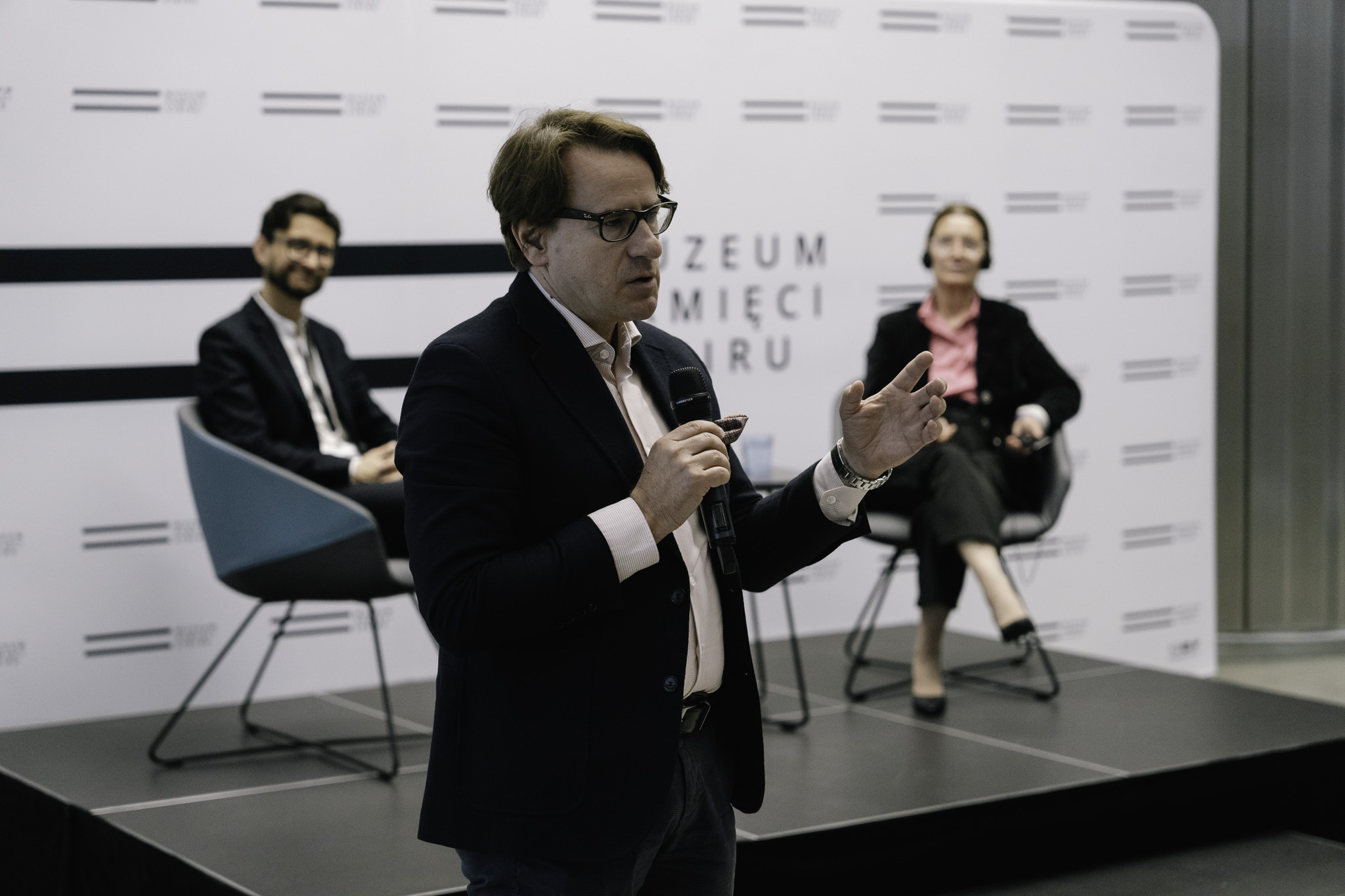
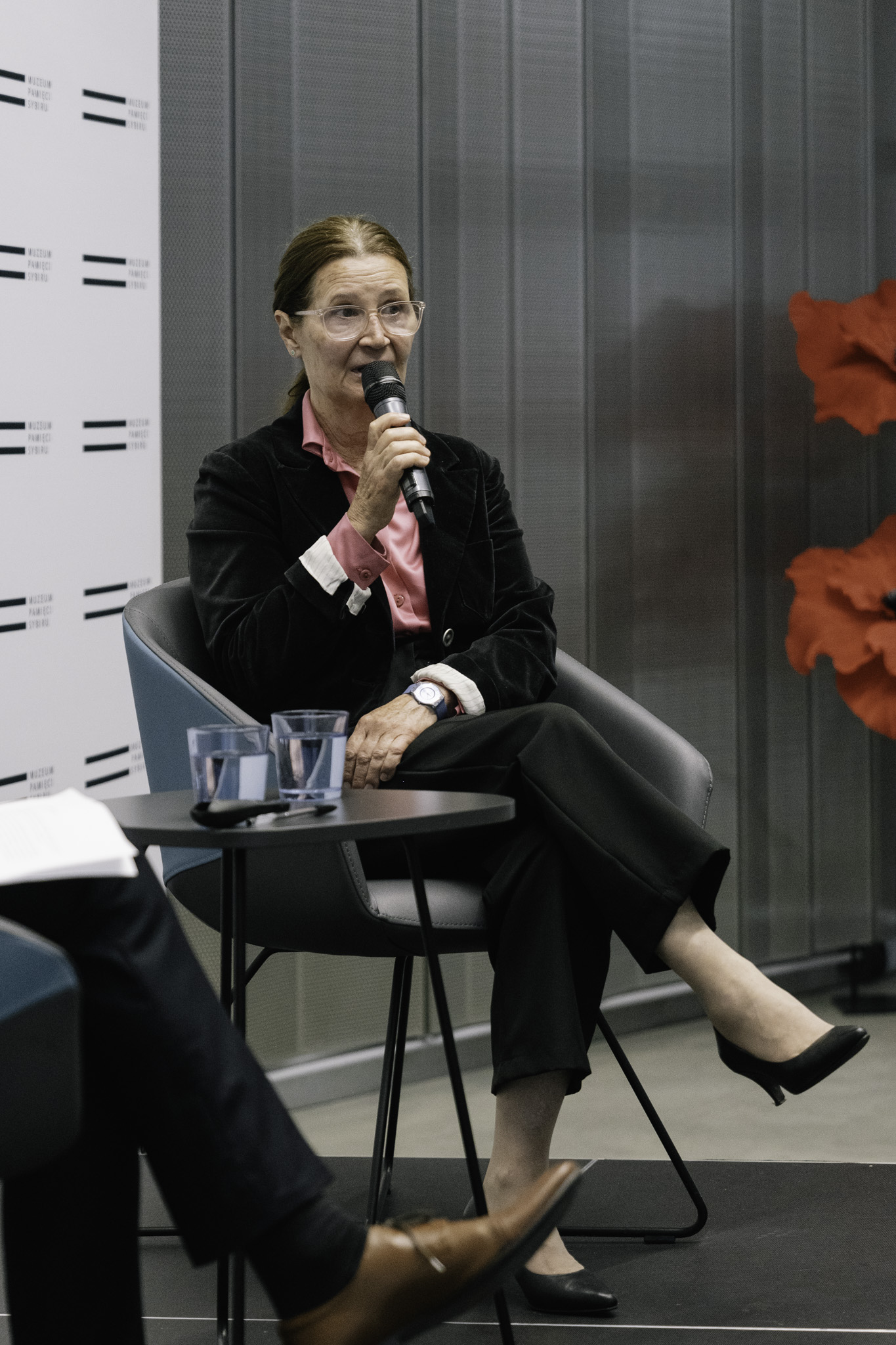
The stories she heard by chance became the beginning of a much larger journey. Maria Teresa Dittler began exploring the history of deportations to Siberia and meeting more Poles living in Argentina.
“These conversations lasted for hours. I visited one Pole, who sent me to another, and that person introduced me to yet another. Each one had a story that was completely new to me,” she said.
Thanks to her sensitivity, curiosity, and attentiveness, she ultimately succeeded in preserving the stories of many Poles. In her books, she helped preserve the memory of post-war Polish emigrants who arrived in Argentina between 1946 and 1948, mainly from England, France, and Italy, in search of a welcoming country and a favourable climate—a place where they could rebuild their lives.
Her interviewees spoke about their experiences in the Soviet Union and their long journey through the Middle East. They recalled military training in Iraq, Egypt, and Palestine, their arrival in Italy, and participation in the battles of Monte Cassino and Ancona. They also described their transfer to England after the war and their eventual arrival in Argentina. It was there that they established families and became actively involved in Polish diaspora organizations, contributing to the development of science, industry, and culture.
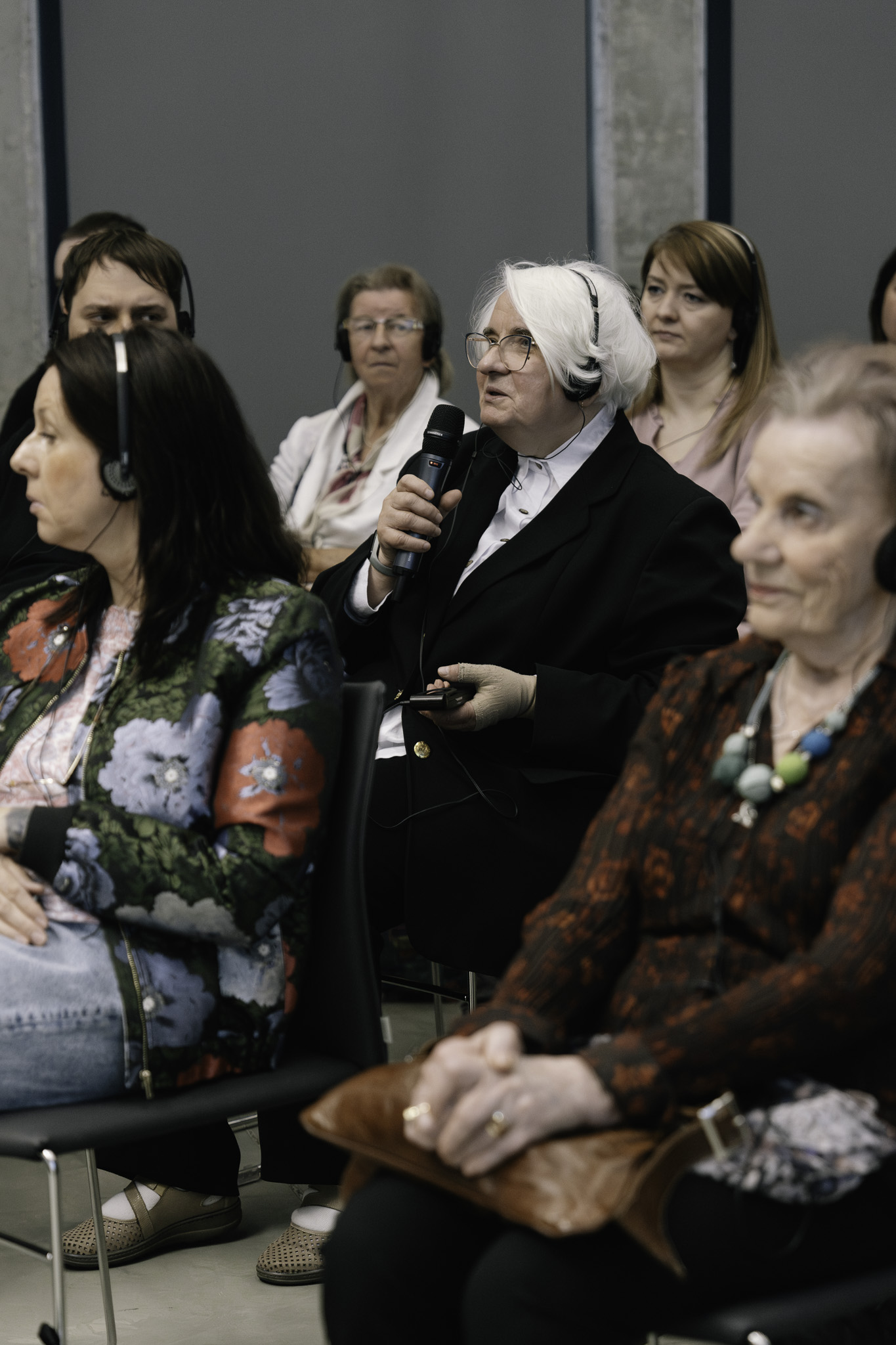
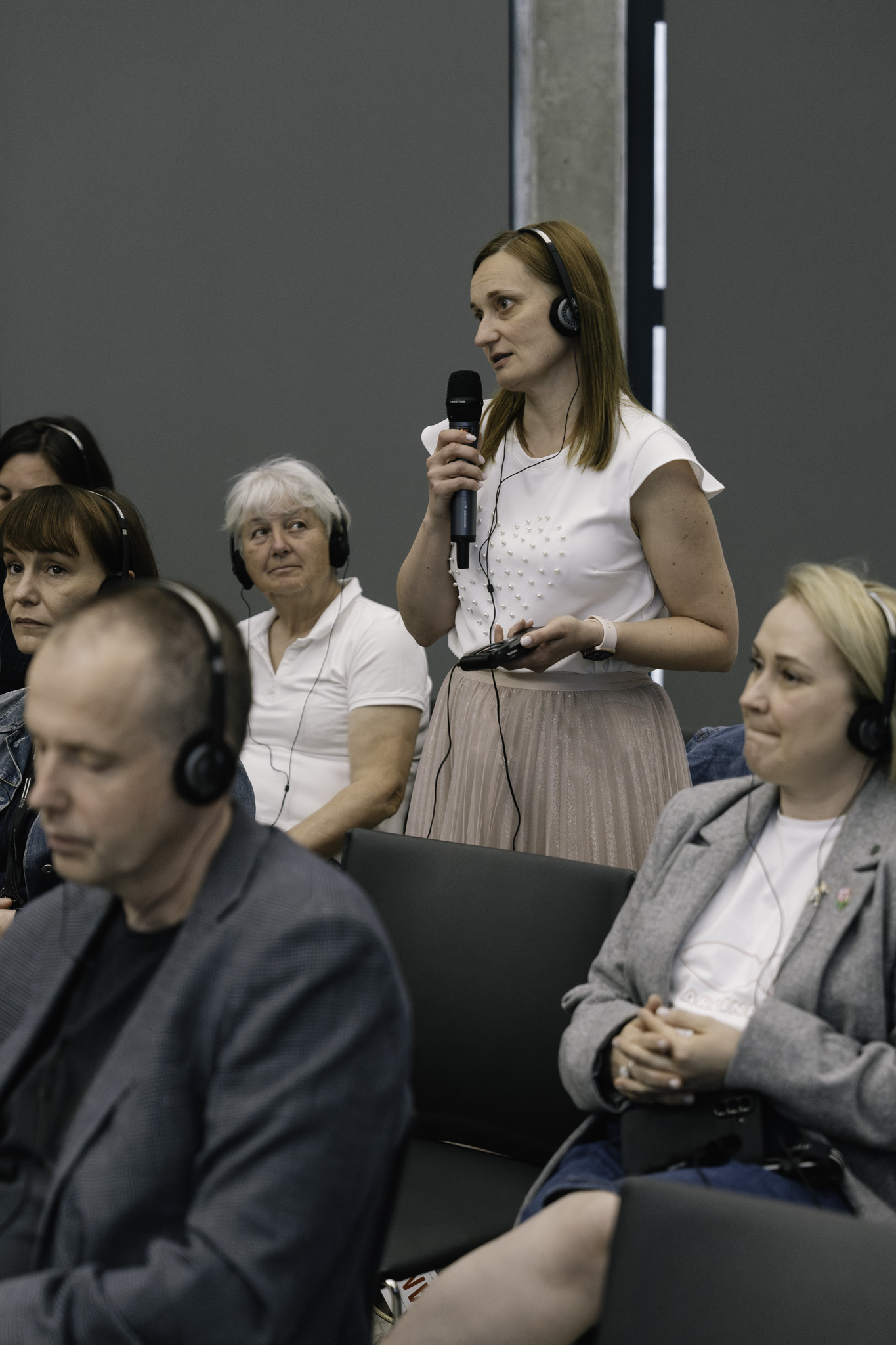
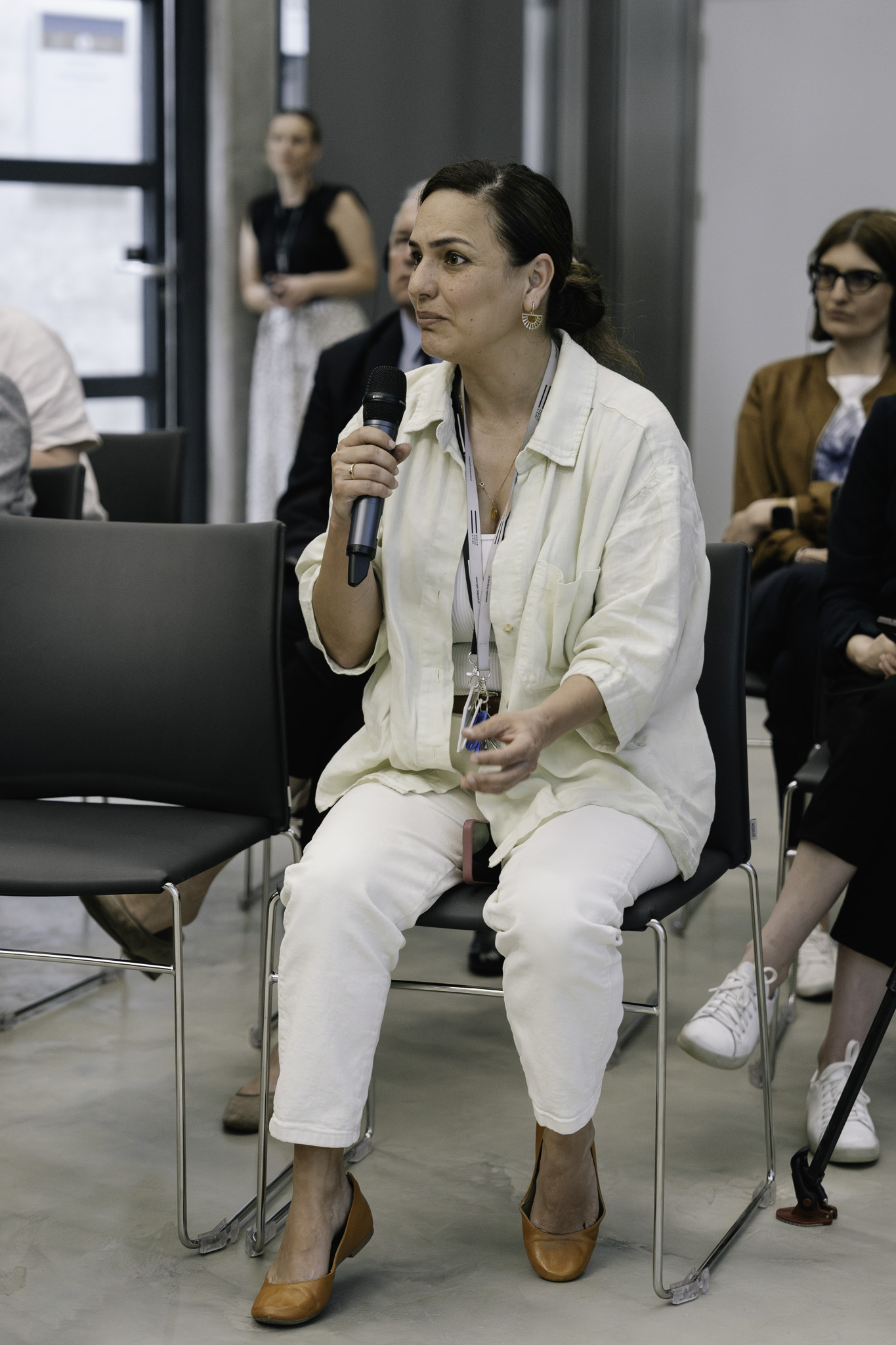
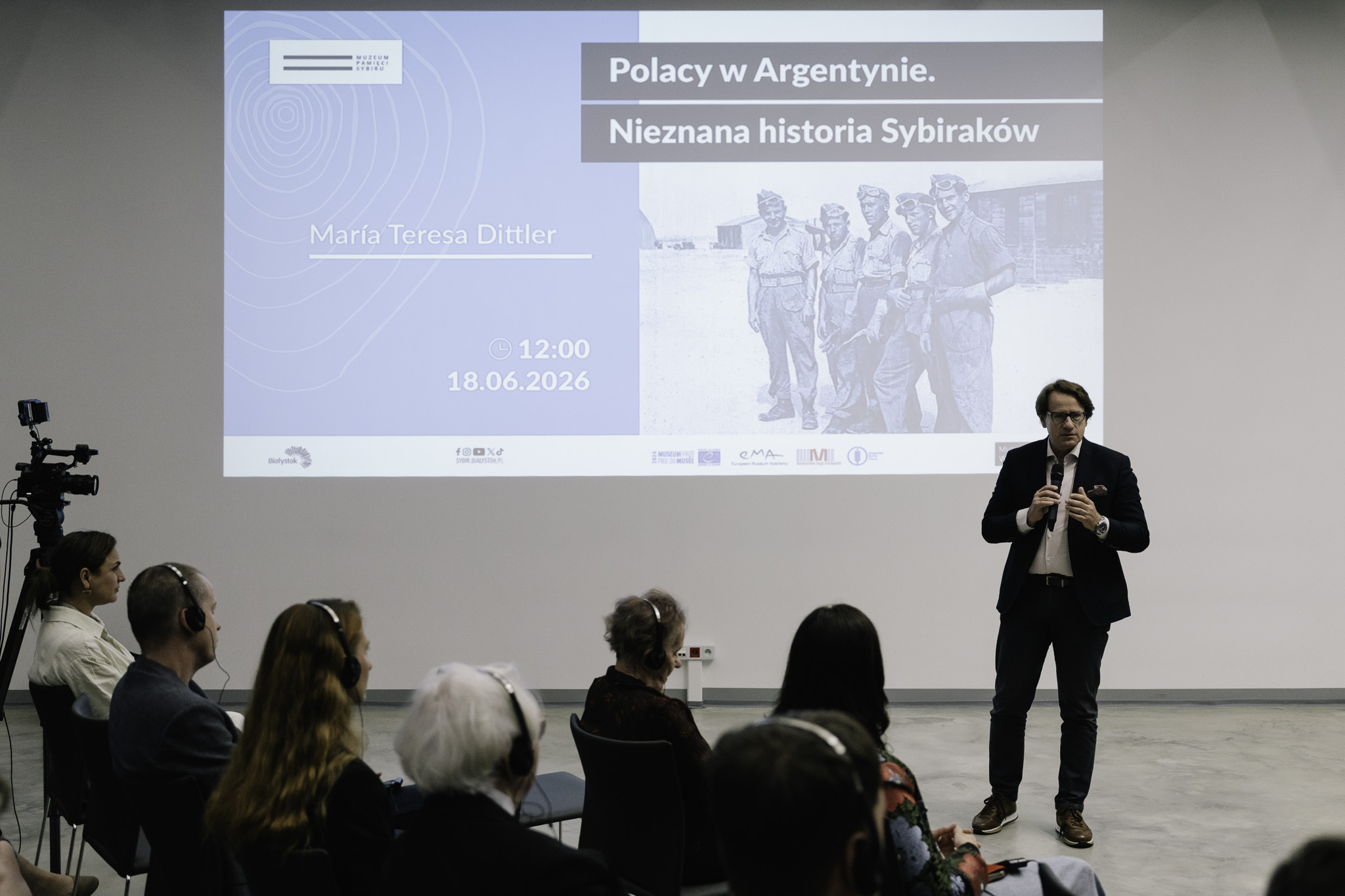
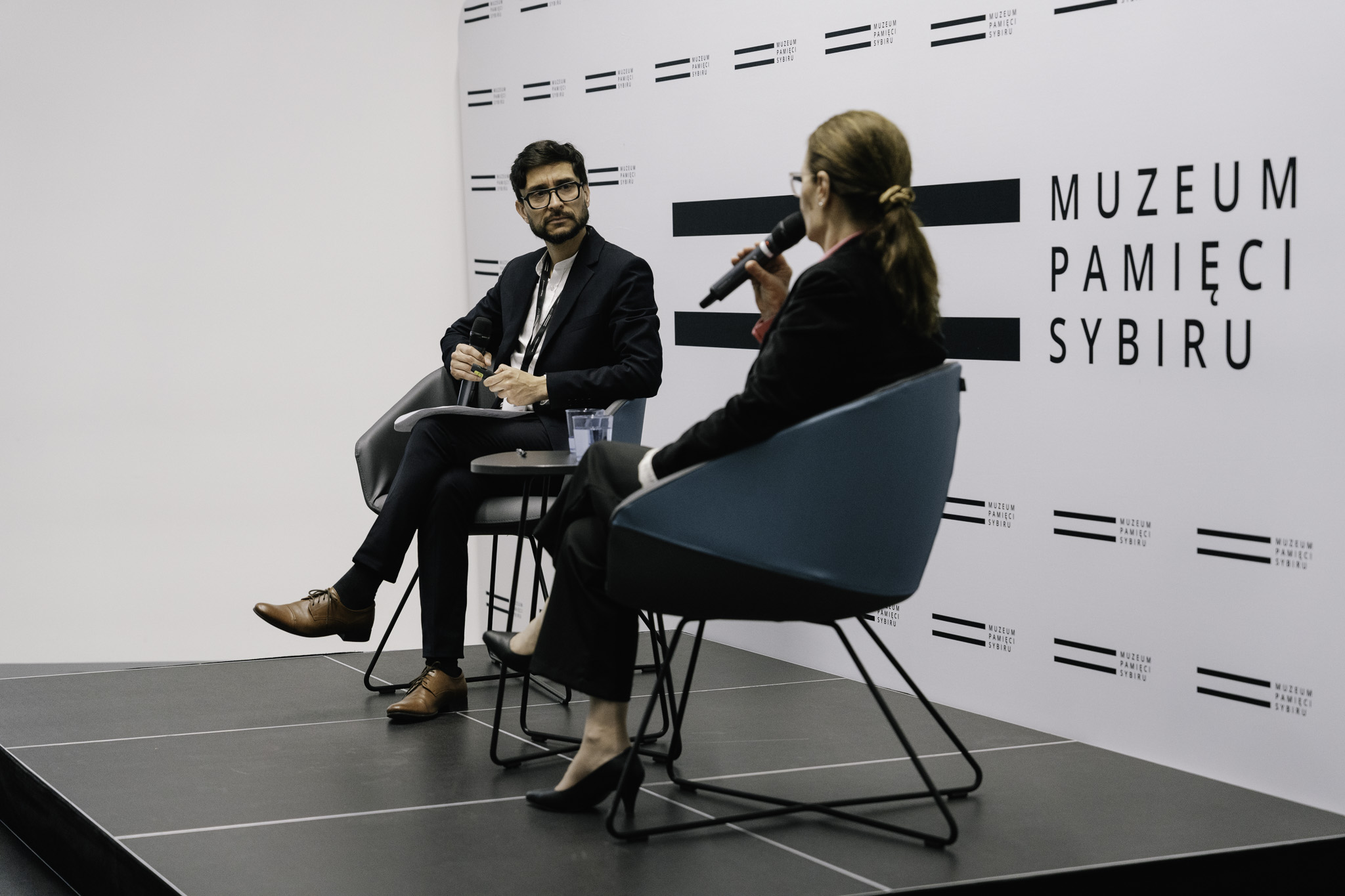
“When I listened to all these stories, I felt immense admiration for these people,” said Maria Teresa Dittler.
The meeting with Maria Teresa Dittler, moderated by Andrés Mauricio Rojas Rojas, International Relations Specialist at the Sybir Memorial Museum, forms part of the Museum’s international cooperation strategy. Its aim is to identify, collect, and promote testimonies, personal accounts, and research concerning Polish citizens who were forcibly deported to Siberia and later emigrated to various parts of the world.