



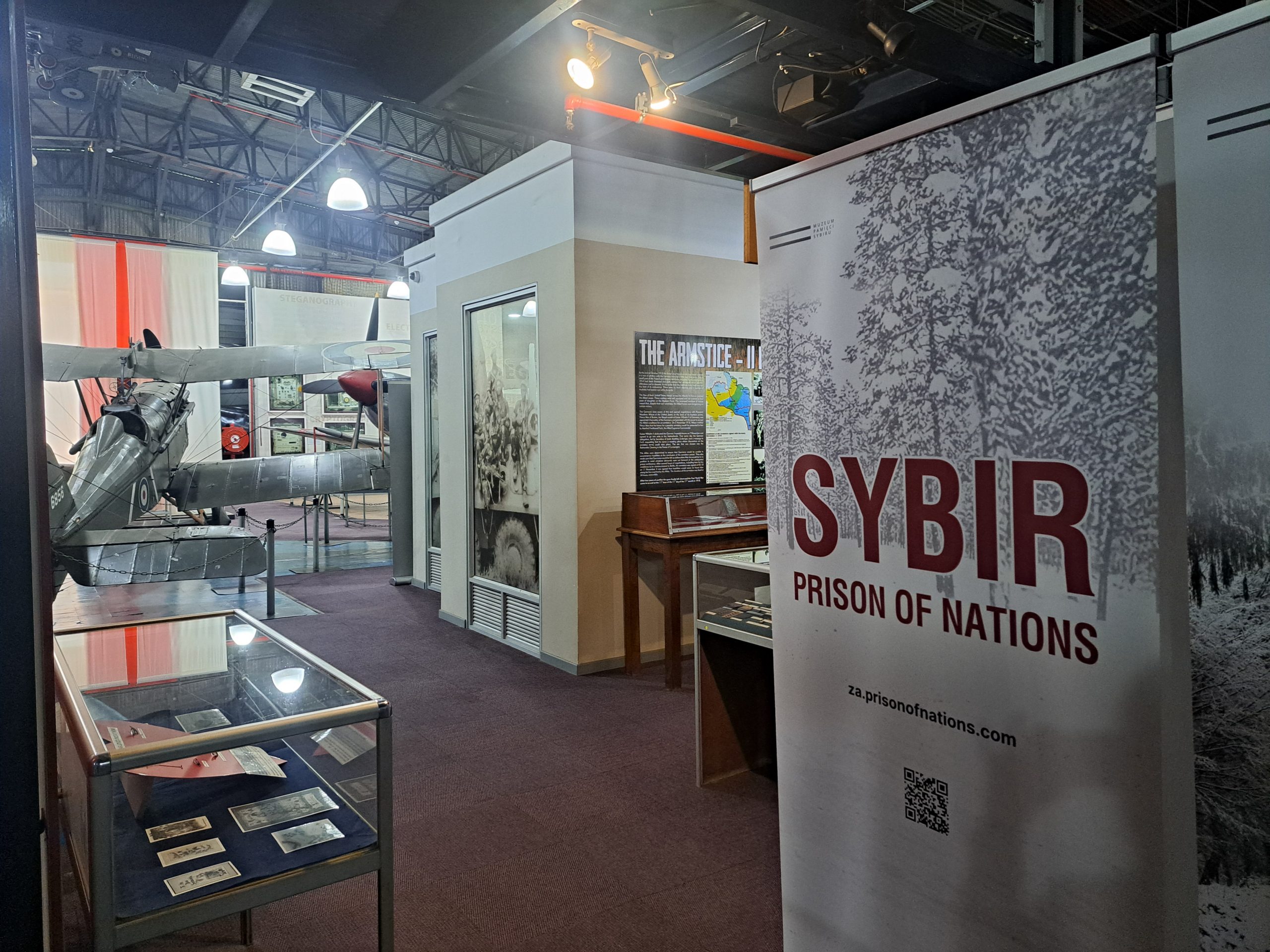
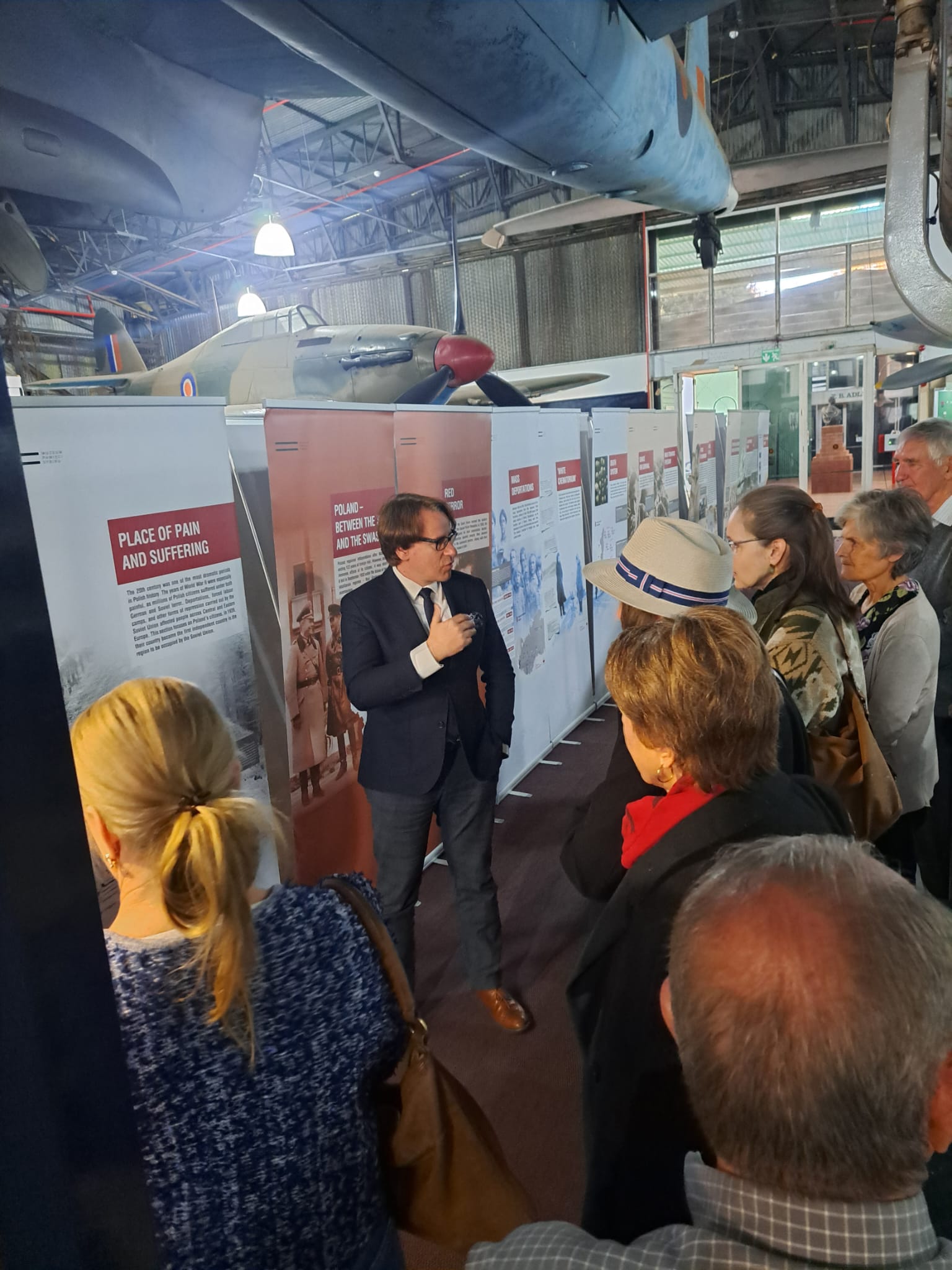
The African route of Polish Siberian deportees did not lead only to Uganda. The Republic of South Africa is another important place of remembrance where Polish children and their guardians found shelter during World War II. This chapter of history is commemorated through a specially prepared edition of the exhibition “Sybir – Prison of Nations”, opened in Johannesburg with the participation of representatives of the Sybir Memorial Museum.
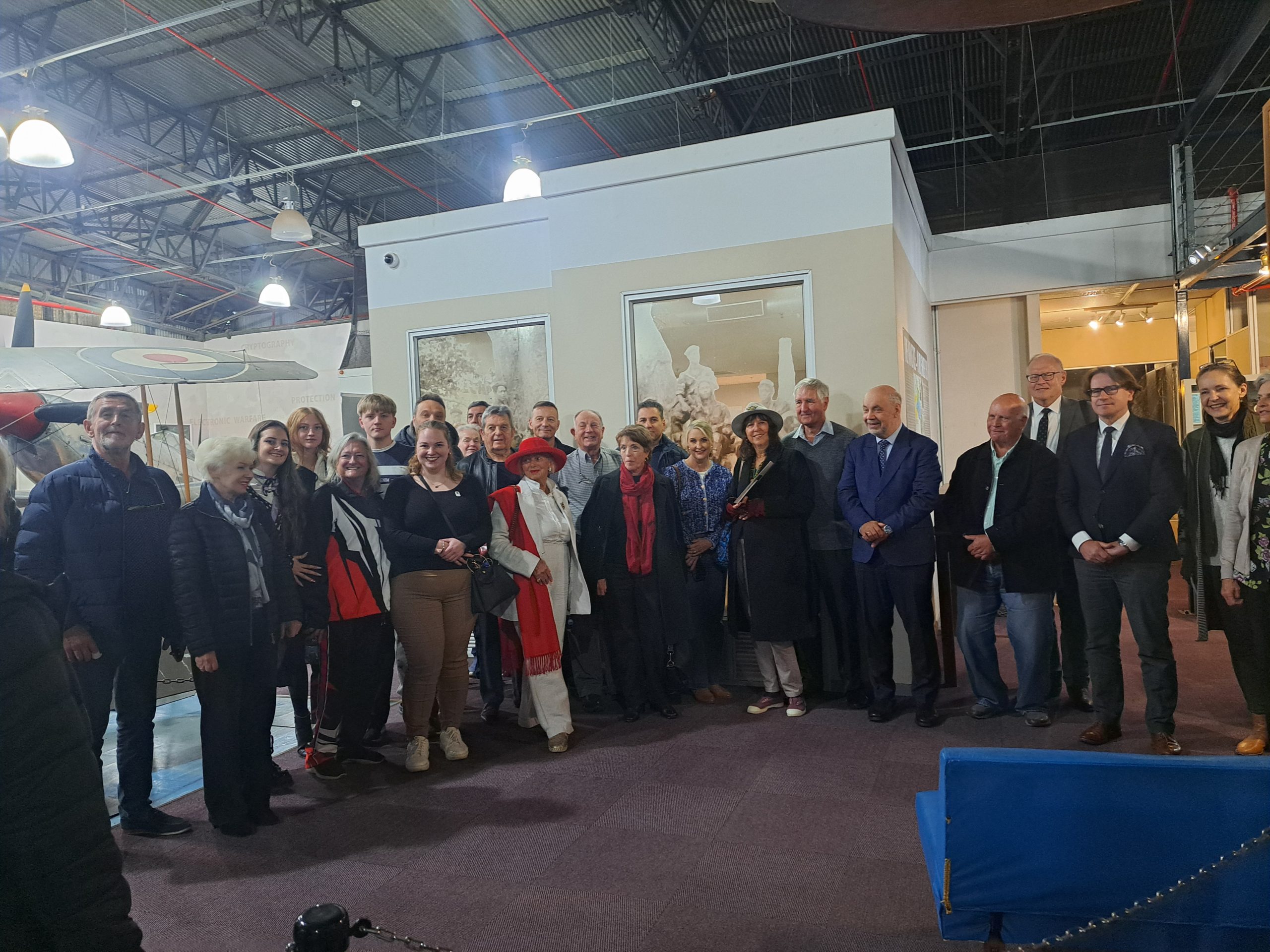
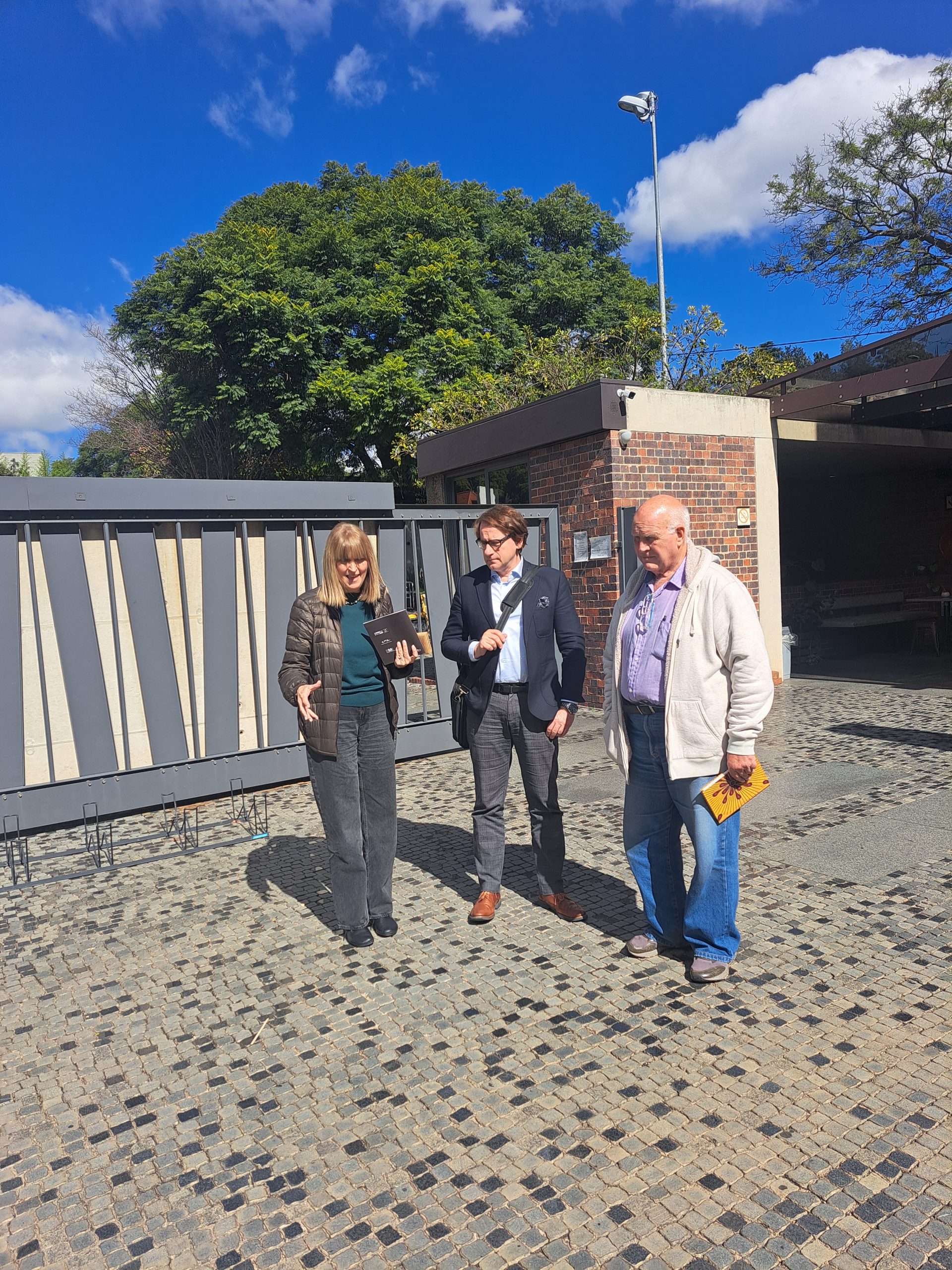
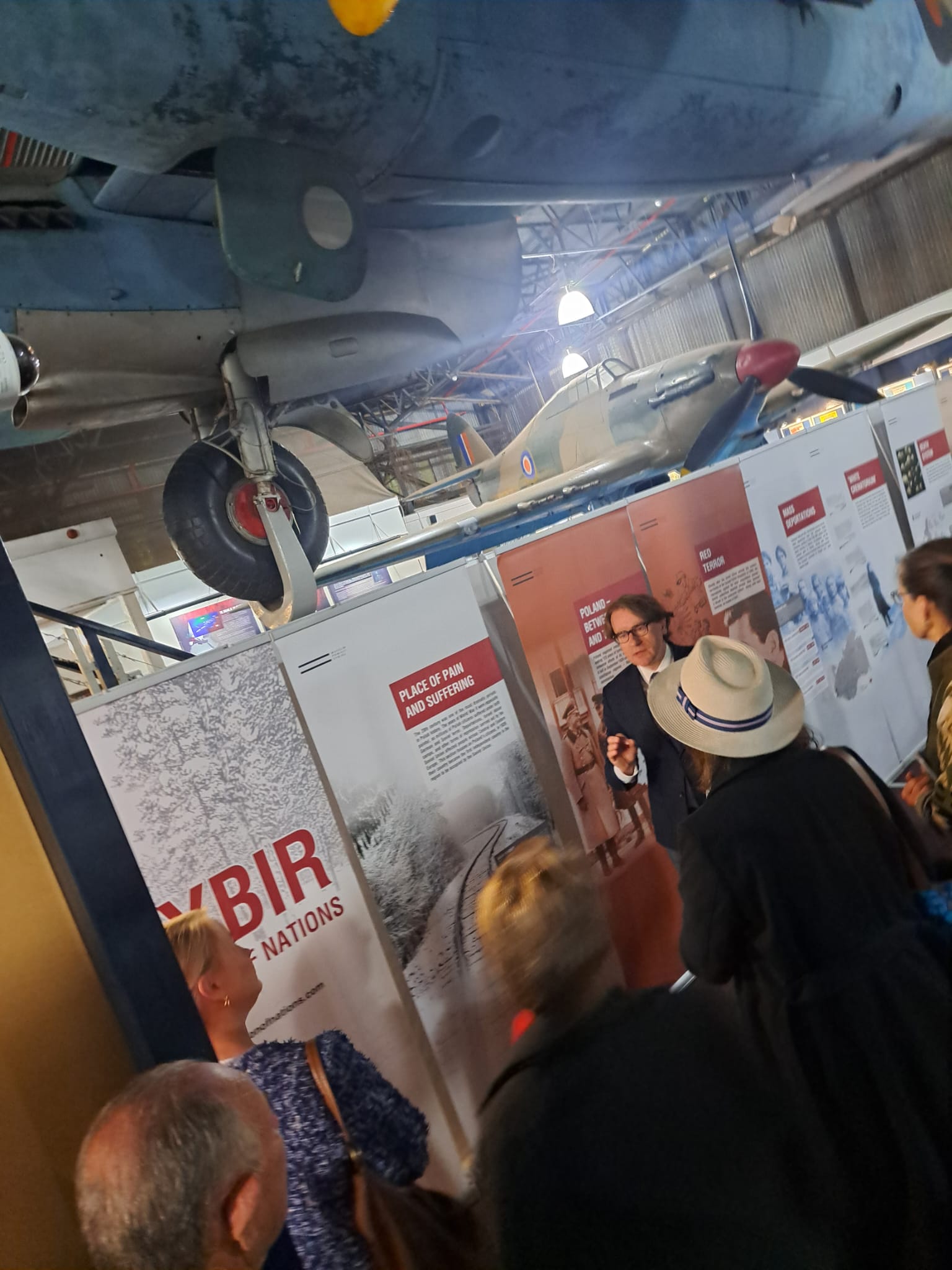
The exhibition was opened on May 9, 2026, at the South African National Museum of Military History in the presence of Prof. Wojciech Śleszyński, Director of the Sybir Memorial Museum, and Julita Waś, Museum Development Specialist.
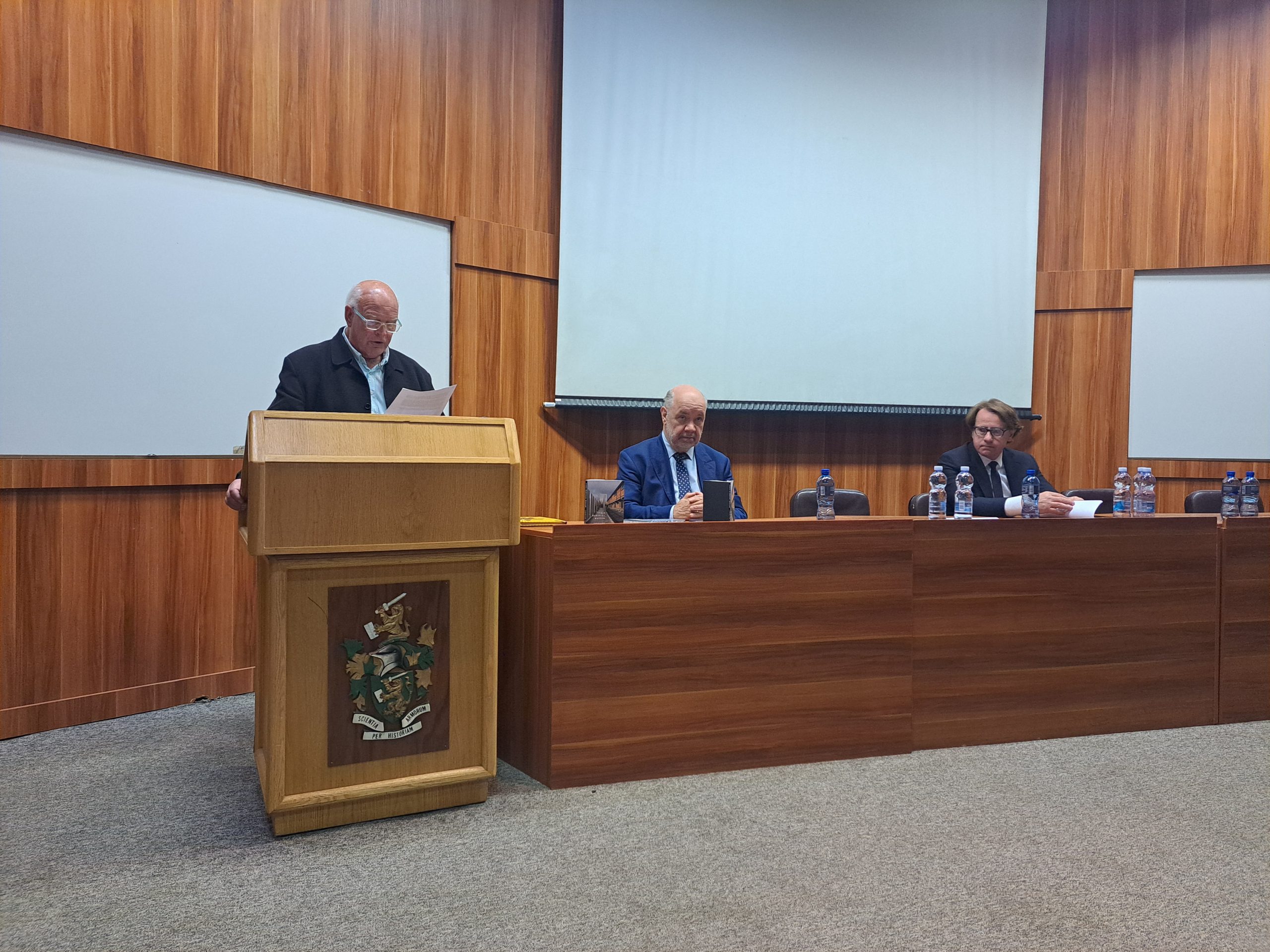
The event was accompanied by a public meeting led by Stefan Szewczuk. The first speaker was Jacek Chodorowicz. Prof. Wojciech Śleszyński then delivered a lecture devoted to Soviet deportations, the fate of deportees, and the history and activities of the Sybir Memorial Museum. Julita Waś spoke about the idea behind the exhibition and the Museum’s efforts to preserve and promote the memory of Sybir beyond Poland’s borders. The meeting concluded with Stefan Szewczuk presenting the story of Polish children and their guardians in Oudtshoorn.
In 1942–1943, British colonies in Africa received thousands of Polish civilians evacuated from the depths of the Soviet Union to Iran. Across the continent, 22 refugee camps were established, including the Polish Children’s Home “Southern Cross” in Oudtshoorn. On April 10, 1943, a group of 500 Polish children and teenagers arrived there, most of them orphans or half-orphans previously evacuated from the USSR together with Anders’ Army. The center included schools, a library, a choir, an orchestra, and a scouting organization. Education, the Polish language, and maintaining ties with Polish culture played a crucial role for many young refugees who could no longer return to their homeland.
After the center was closed in 1947, some residents remained in South Africa. They started families, built new homes, and contributed to the local Polish community. Today, the memory of their experiences forms part of the Polish Heritage Trail in Oudtshoorn, which includes a monument dedicated to Polish refugees unveiled on September 24, 2025, at the local CP Nel Museum.
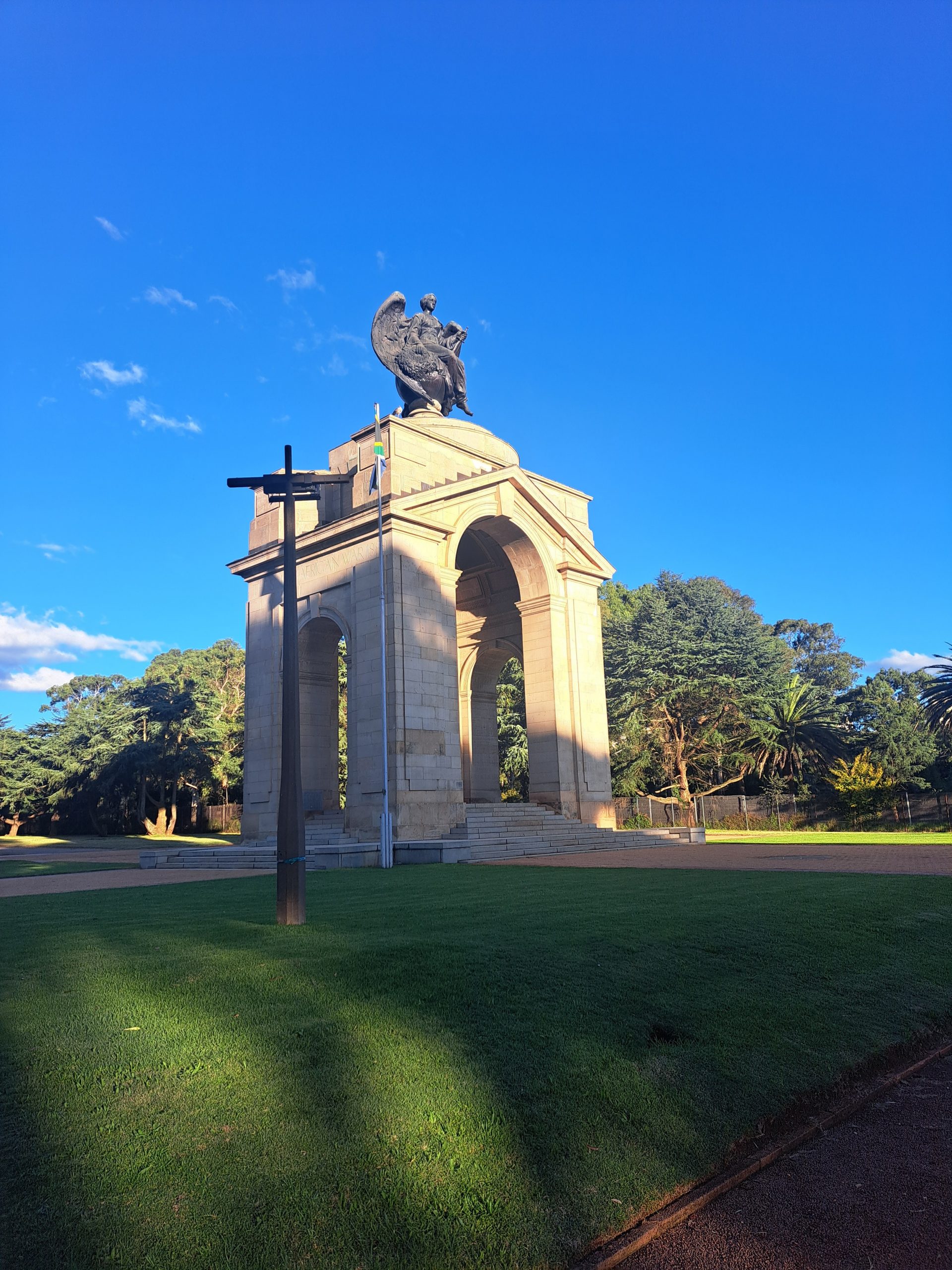
The visit to Johannesburg also had a commemorative dimension. The Museum delegation lit candles at the Katyn Memorial in James and Ethel Gray Park — the only such memorial site in Africa, unveiled in 1981 on the initiative of the local Polish community — and paid a study visit to the Johannesburg Holocaust and Genocide Centre.
After its presentation in Johannesburg, the exhibition “Sybir – Prison of Nations” will move to the CP Nel Museum in Oudtshoorn, where it will become part of the permanent exhibition and the Polish Heritage Trail in South Africa from September 2027.