



Kazimierz Pogorzelski was born on March 10, 1920, in the village of Kulbaki near Grodno. He spent his childhood and youth there—first attending a local school and later working on his parents’ farm. In 1939, the Grodno region fell under Soviet occupation, and less than two years later, in June 1941, it came under German occupation.
During the war, Kazimierz Pogorzelski joined the Home Army, where he served under the pseudonym “Komin.” He served as a courier and helped hide individuals sought by the Gestapo. In 1943, he married Jadwiga Krukowska. After the war, he began working on the railway.
On April 7, 1946, the NKVD arrested Kazimierz along with several other members of the underground. He was imprisoned in Grodno and, after two weeks, transferred to Minsk. There, he was sentenced to 10 years in labor camps and 5 years of deprivation of civil rights. This marked the beginning of a long ordeal and a struggle for survival. He spent the first six months in a camp in Minsk before being transferred to Uglich and Rybinsk. He was then sent to northern Russia, and later to Tallinn. In 1954, he was moved to Omsk, and a year later to the village of Vdovino in the Novosibirsk region. Conditions in the camps were extremely harsh—hunger, exhaustion, and the daily fight for survival defined the reality of camp prisoners.
Exactly ten years later, on April 7, 1956, Kazimierz Pogorzelski was released from exile. He returned to his wife and their two children. A year later, the family repatriated to Poland and settled in Brzeg, in Silesia, where Kazimierz worked as a carpenter. In later years, in recognition of his service in the Home Army, he was promoted to the rank of sergeant. He died in 2002.
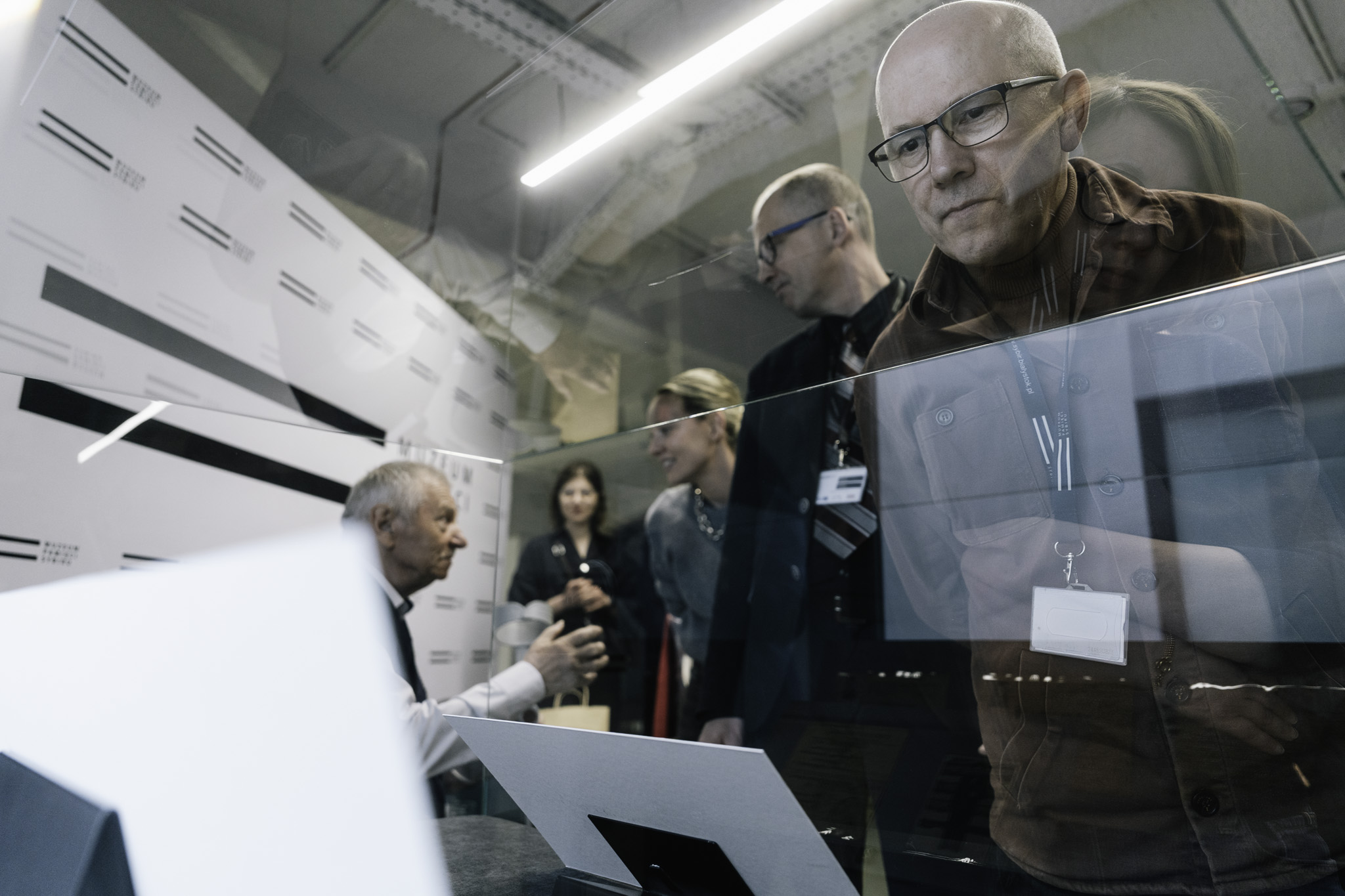
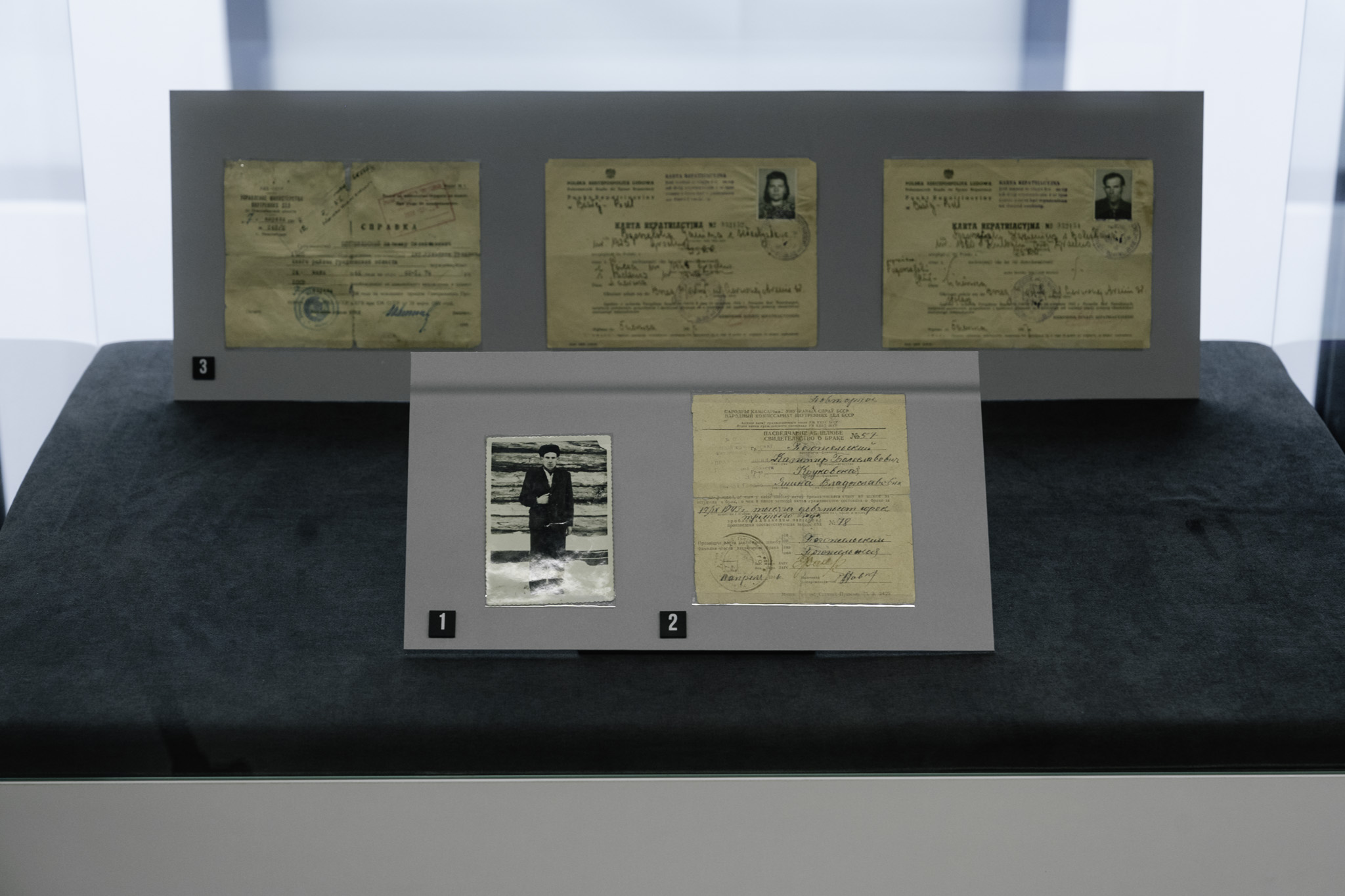
The exhibits presented at the Sybir Memorial Museum include, among others, a photograph of Kazimierz Pogorzelski taken in Omsk in 1955, the marriage certificate of Jadwiga Krukowska and Kazimierz Pogorzelski, a document confirming his release from imprisonment, and the repatriation cards of Jadwiga and Kazimierz Pogorzelski.
Each of these documents is not only a testimony to an individual’s fate, but also a tangible trace of a system of repression. The original documents brought from the Soviet Union are of particular value, and preserving them involved enormous risk. As Kazimierz Pogorzelski’s grandson emphasized during the meeting:
“Grandfather brought these documents back, especially the first one—the original document issued by the NKVD—which made it possible for him to return to Poland after 10 years of exile. The Russians forbade Poles from bringing the original documents; they were meant to remain in Russia. However, my grandfather, risking his own life, cleverly hid them in a suitcase and brought them to Poland. Bringing these documents could have resulted in the death penalty.”
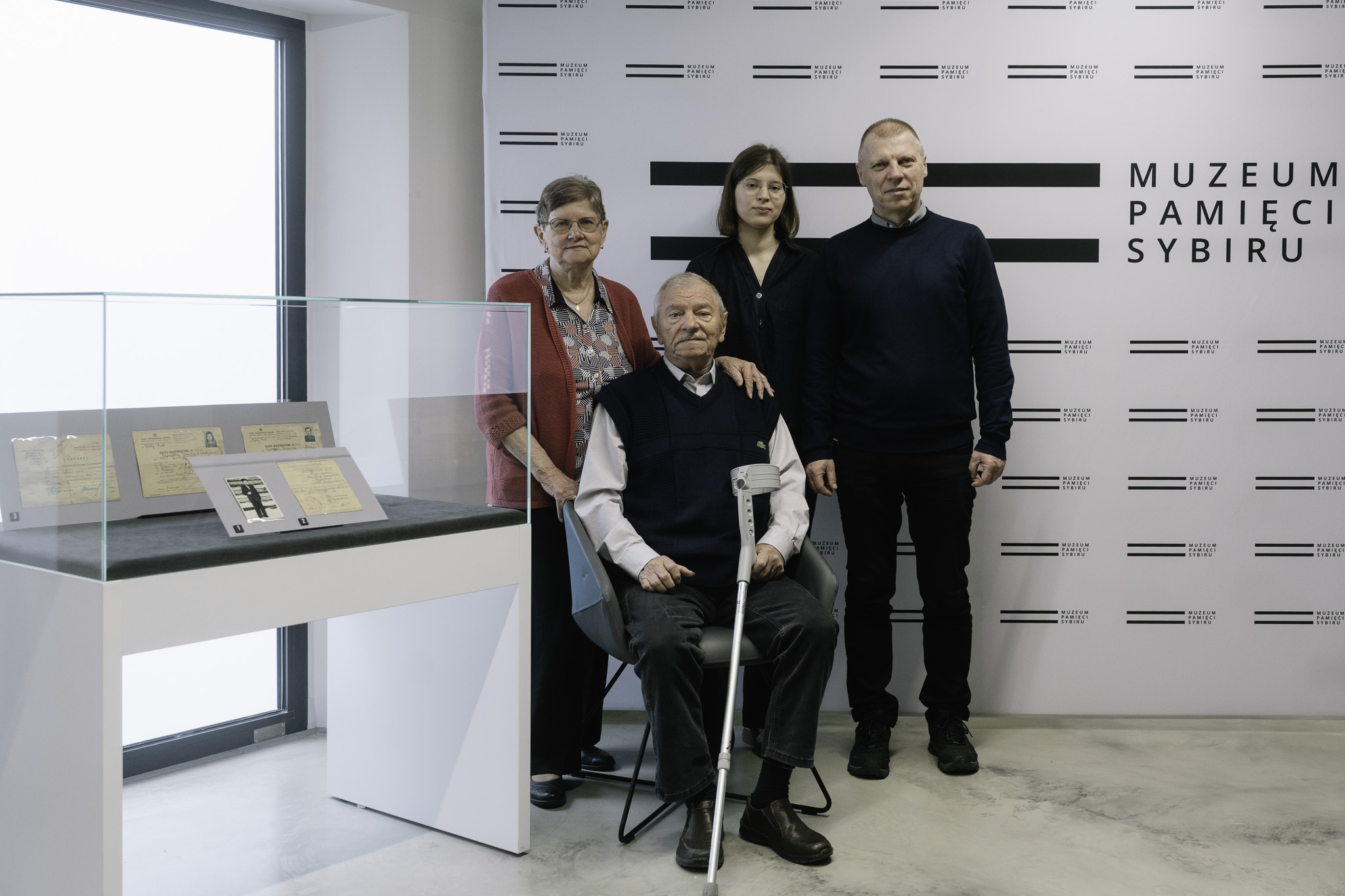
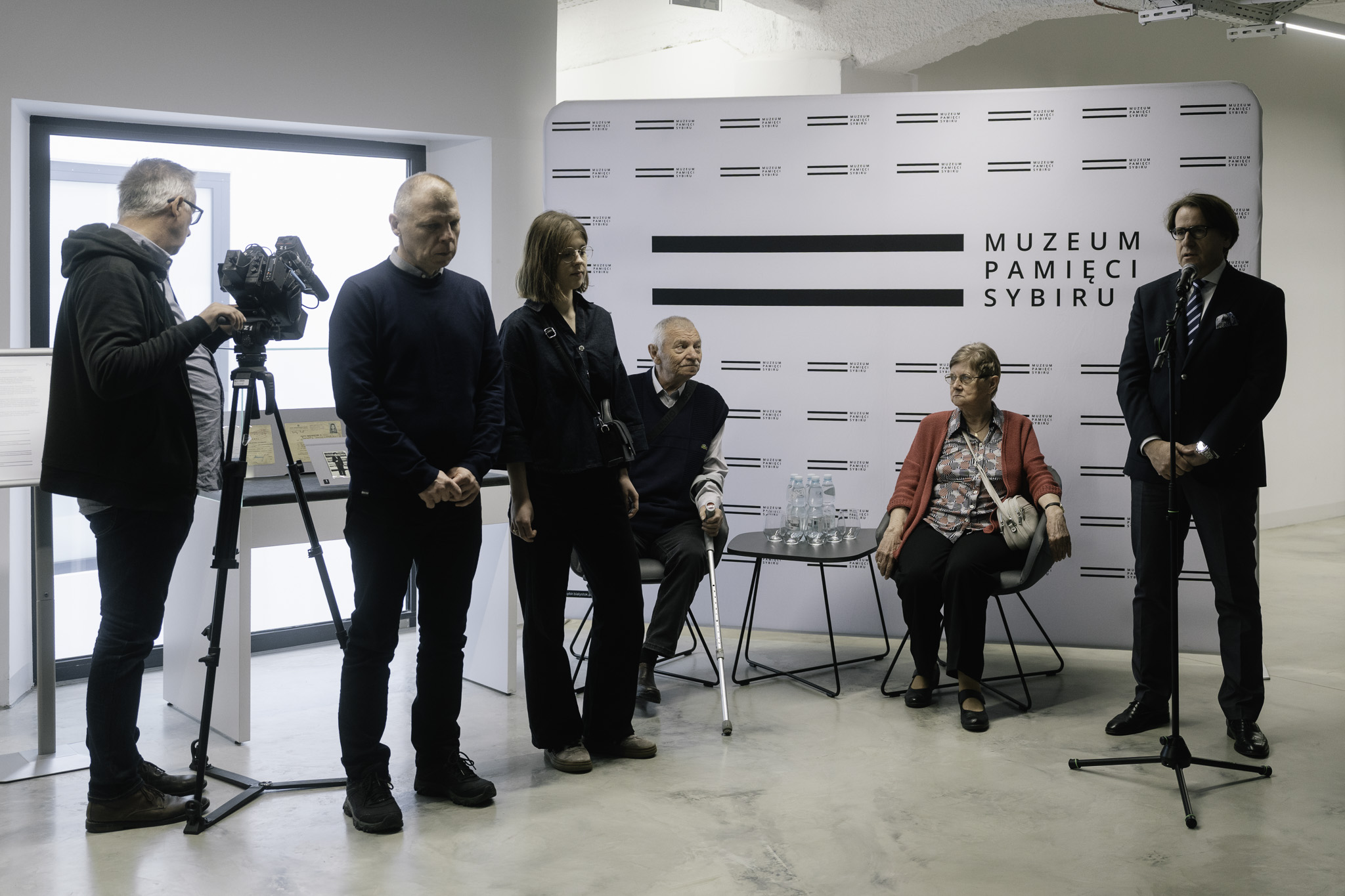
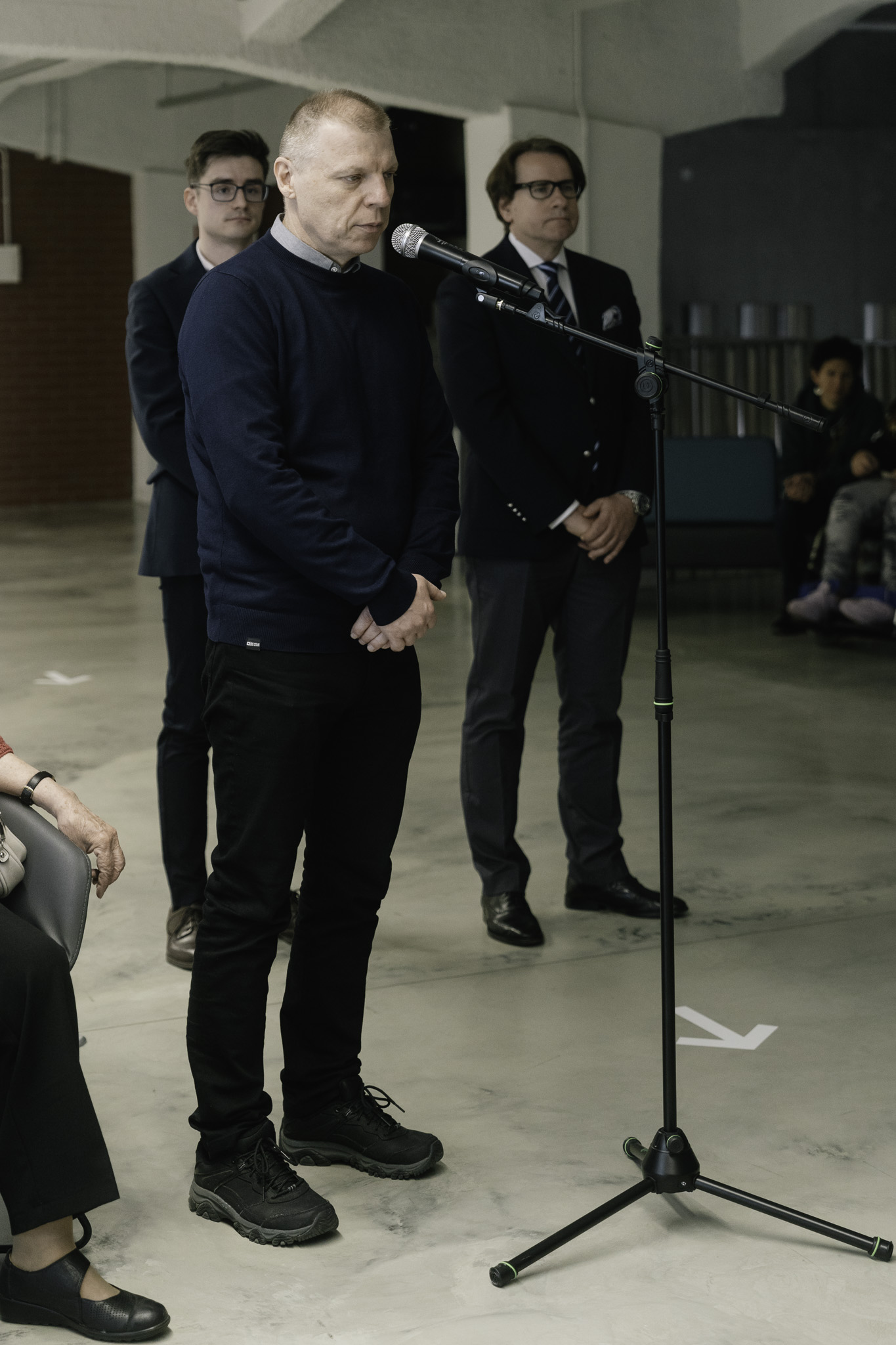
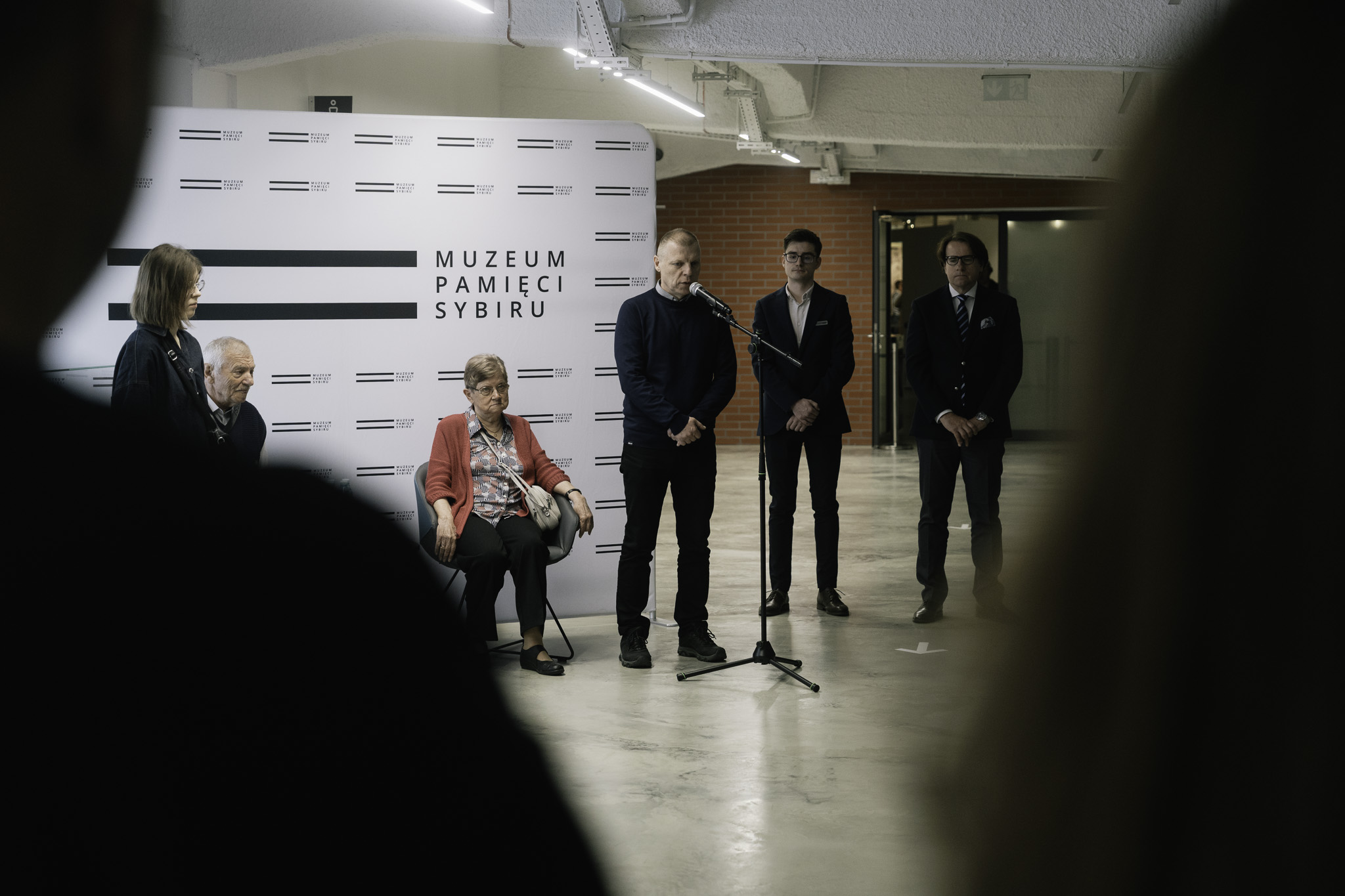
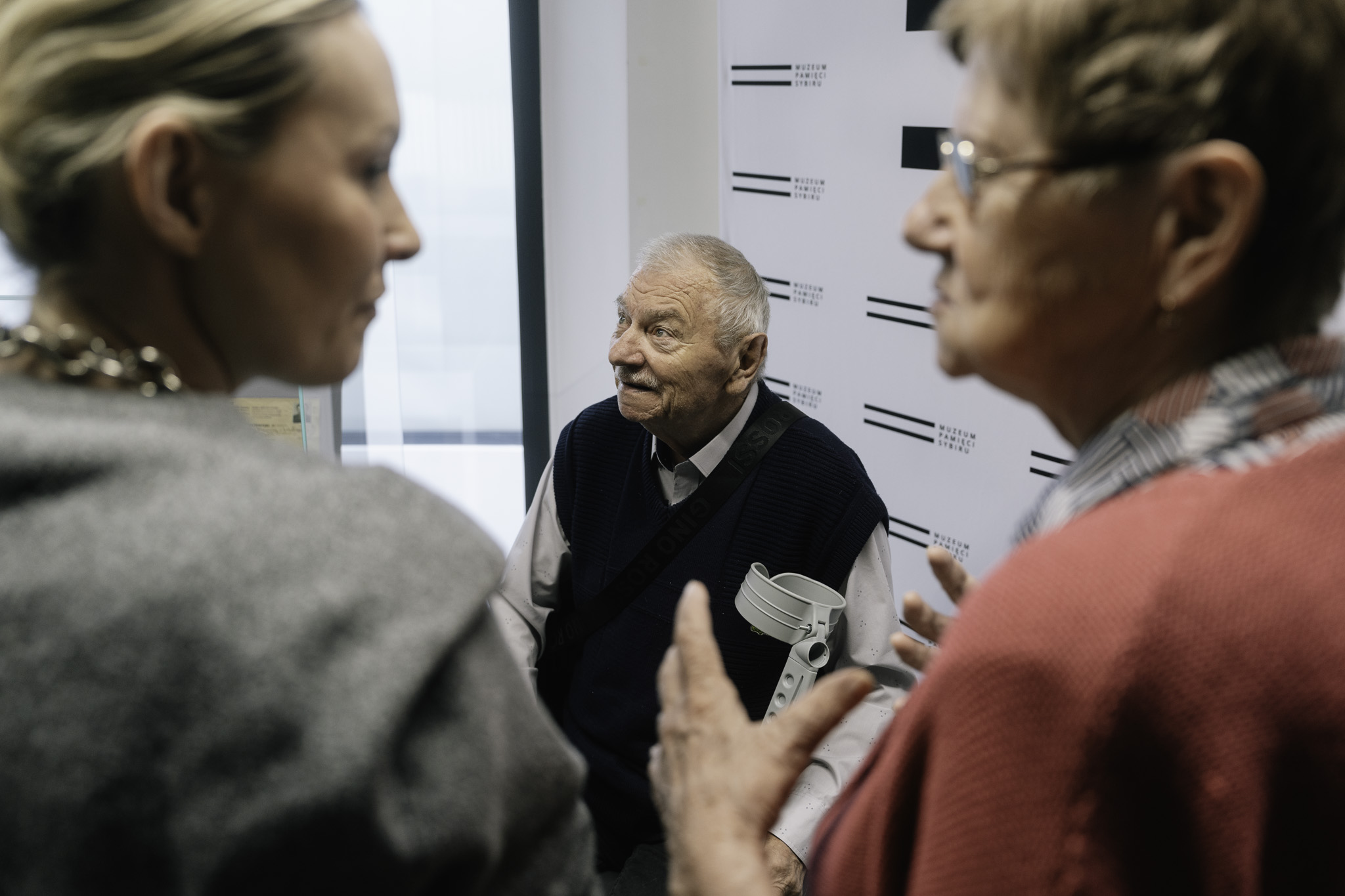
The meeting had a special character, with three generations of the Pogorzelski family in attendance. As Prof. Wojciech Śleszyński, director of the Sybir Memorial Museum, noted:
“Today’s meeting is exceptional because it brings together three generations of the family. It is the best example of how memory is passed down from generation to generation. An institution such as the Sybir Memorial Museum has a duty to preserve it, but the most important work always begins at home.”
The presence of family members emphasized that the story of Kazimierz Pogorzelski is not merely an archival record, but a living memory—passed down and nurtured among loved ones. For them, participation in the event held special significance. As a representative of the Pogorzelski family stated:
“This is certainly a great family celebration for us. The memory of our grandfather is always in our hearts, and it can never be forgotten.”
The story of Kazimierz Pogorzelski serves as a reminder of how long Soviet repression continued after the end of the war and how deeply it affected entire families. For his relatives, the preserved mementos form part of their family identity; for the Sybir Memorial Museum, they are a valuable testimony to the experiences of Poles who, after World War II, continued to face terror, arrests, sentences, and exile.
The Exhibit of the Month can be viewed at the Sybir Memorial Museum over the coming weeks.