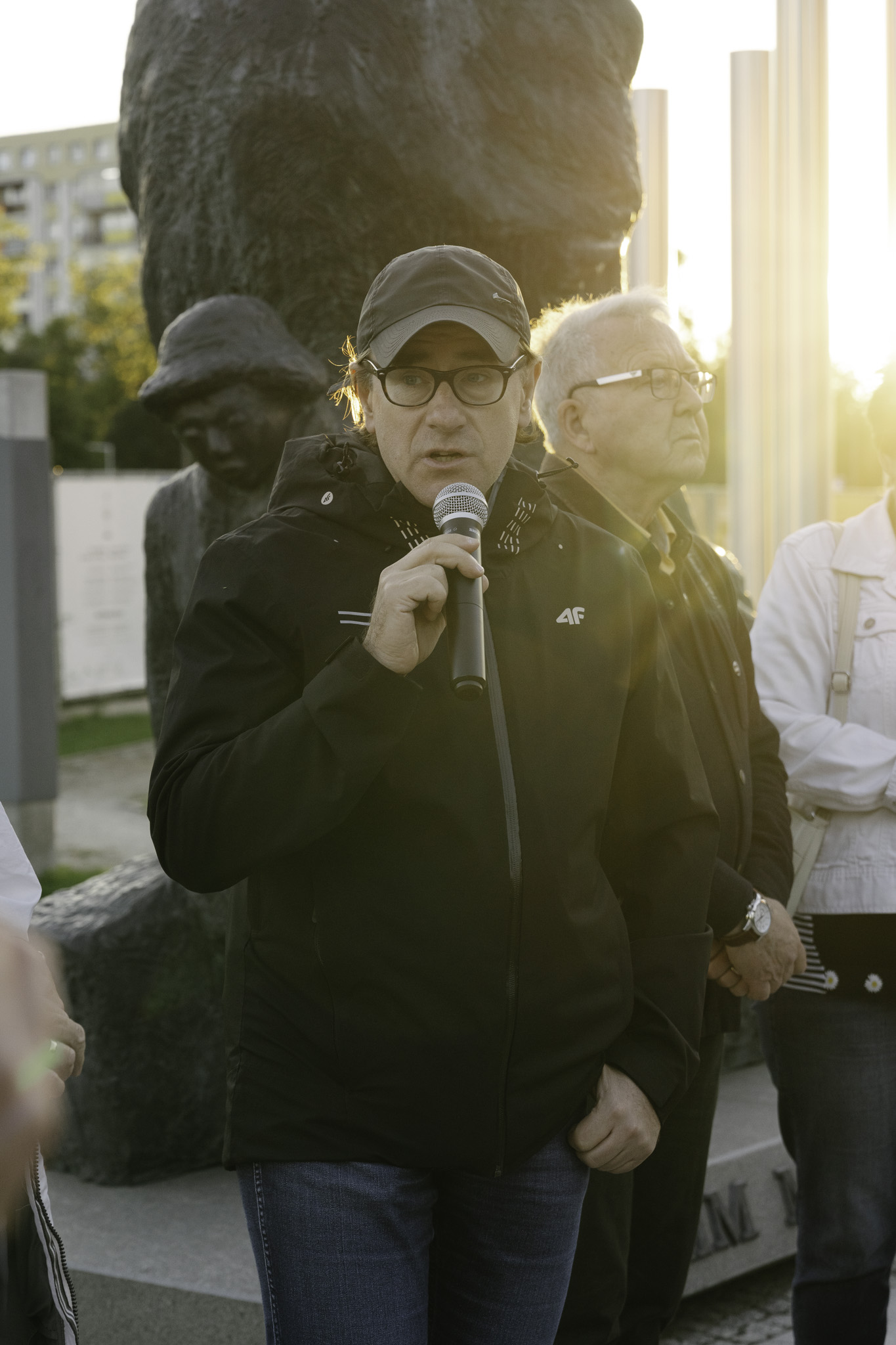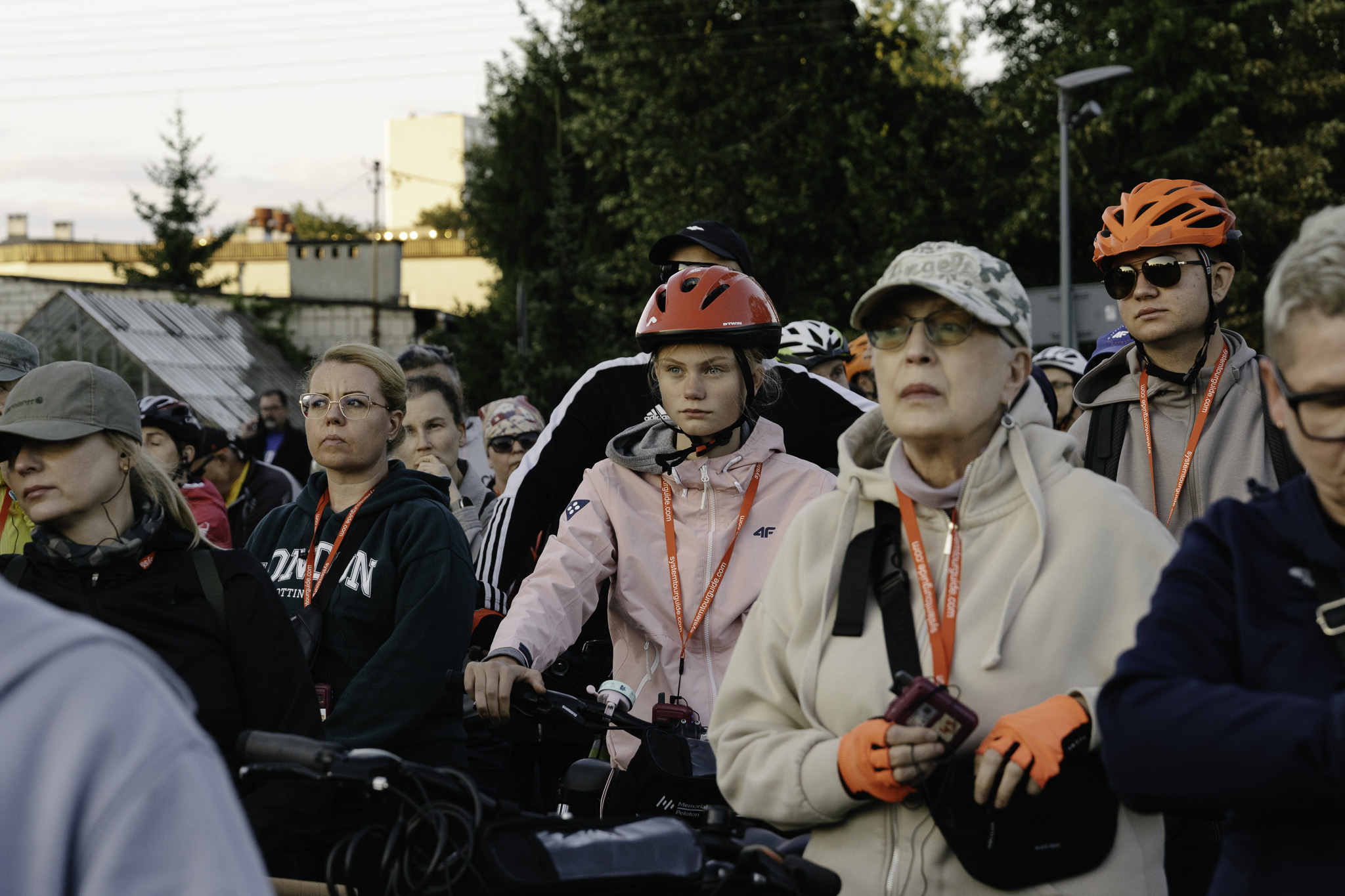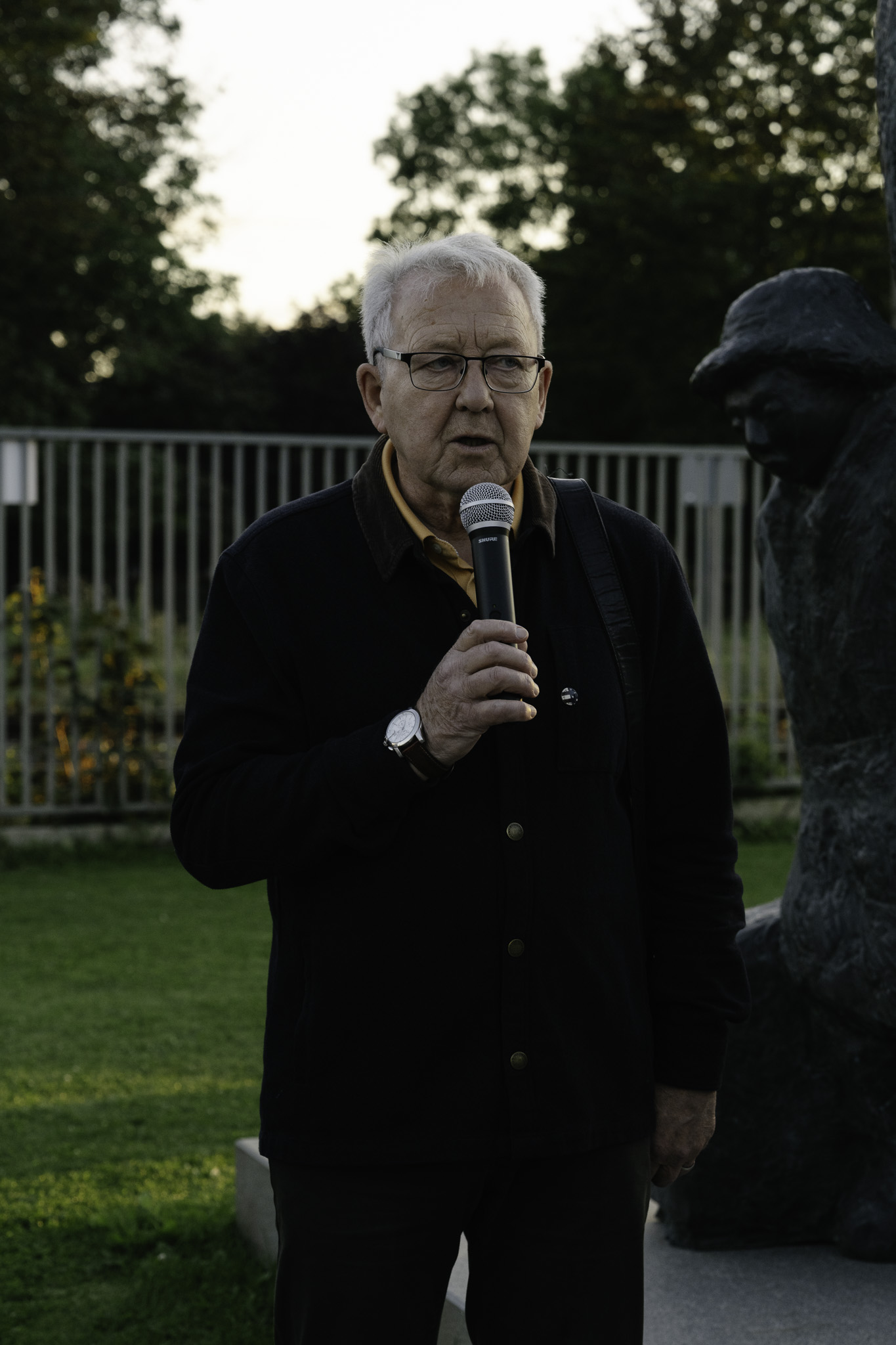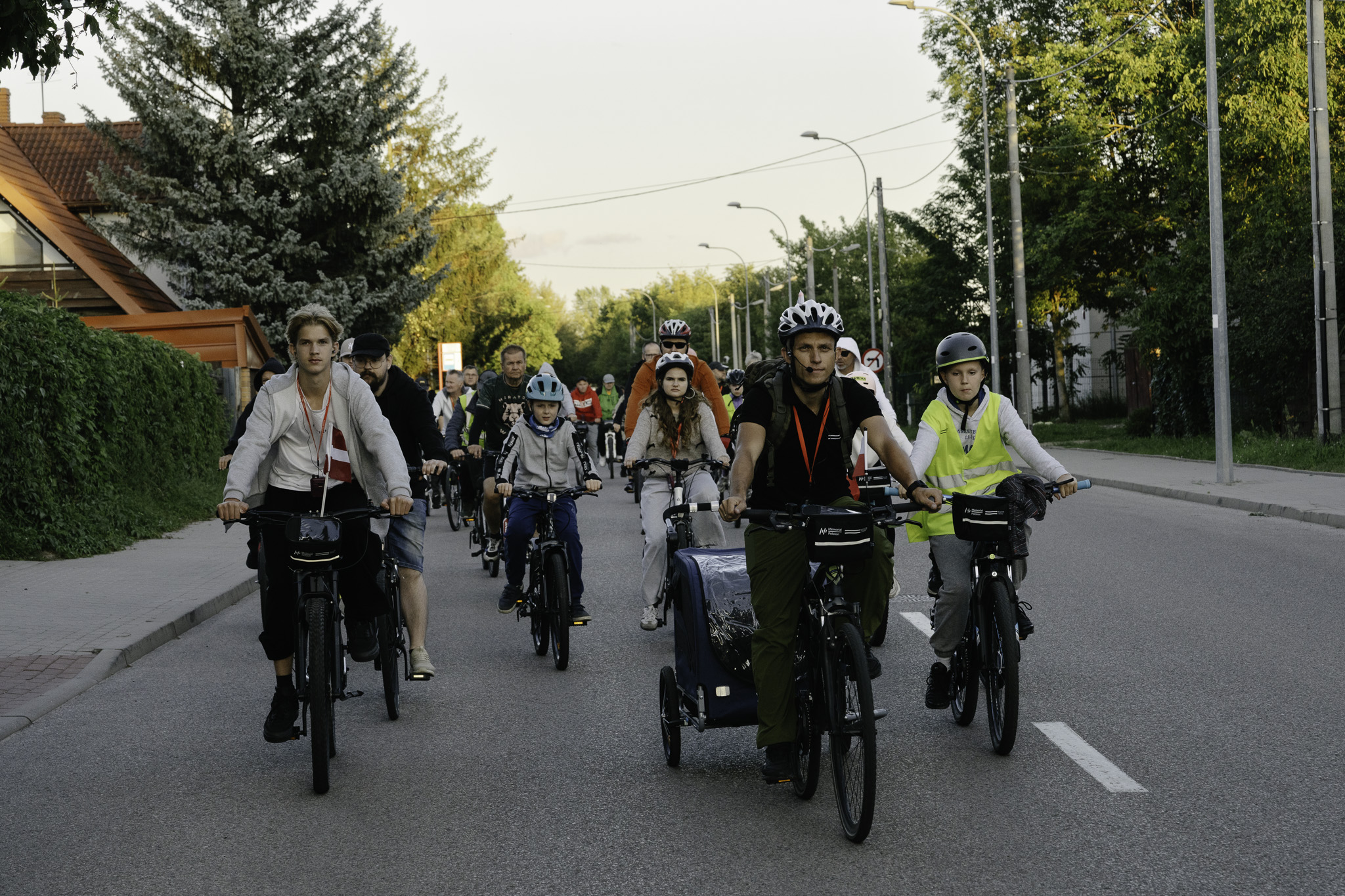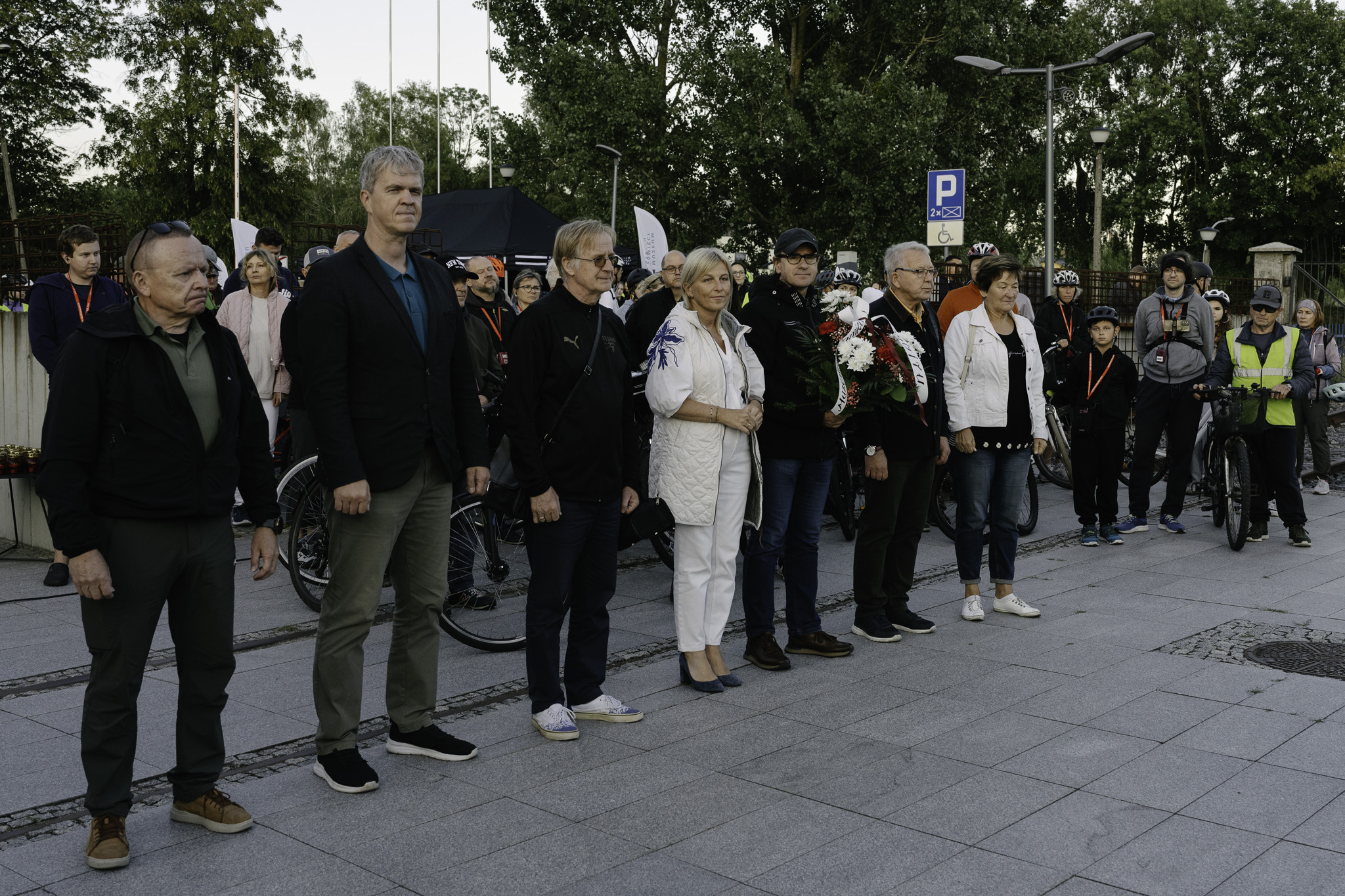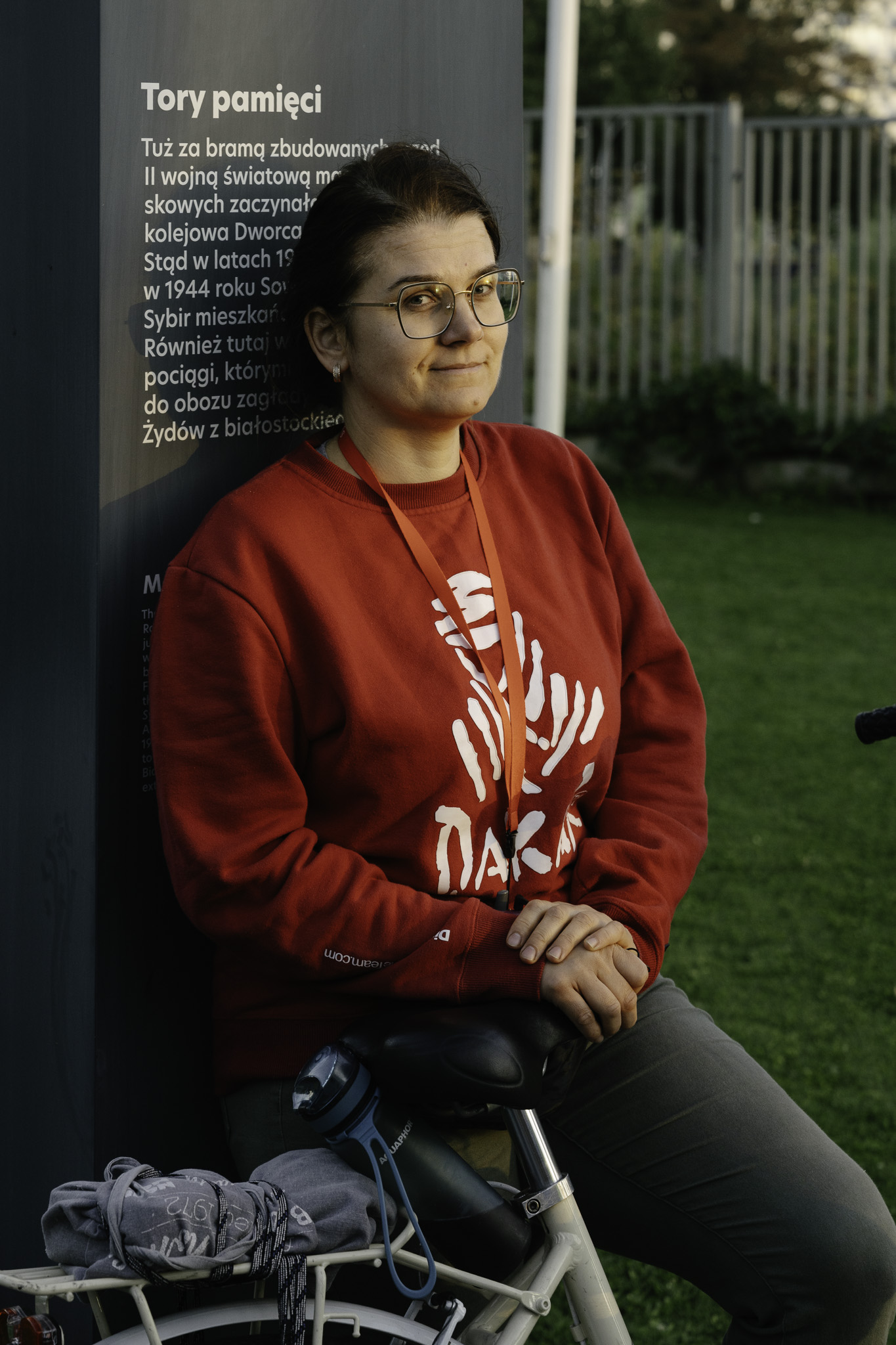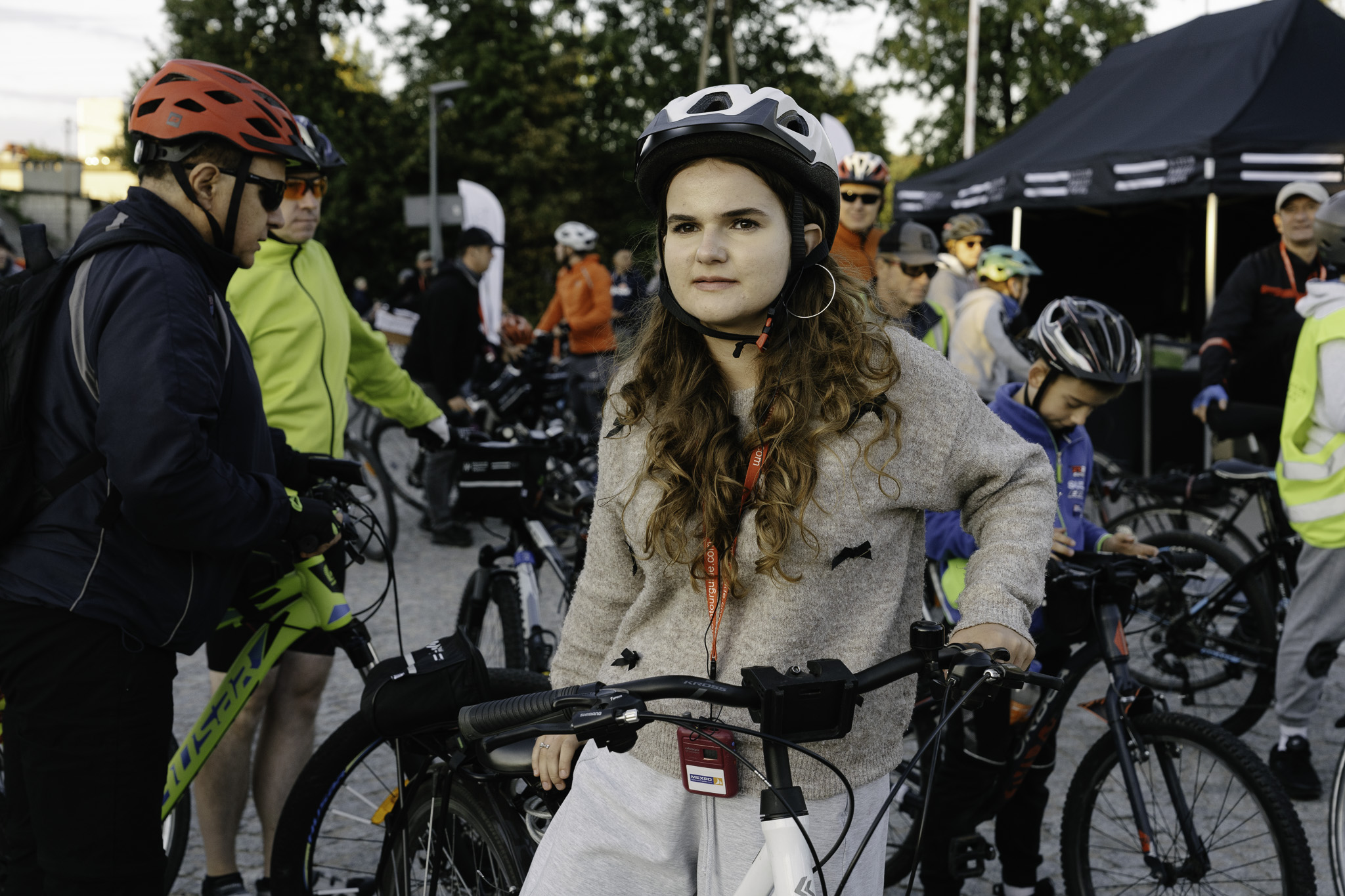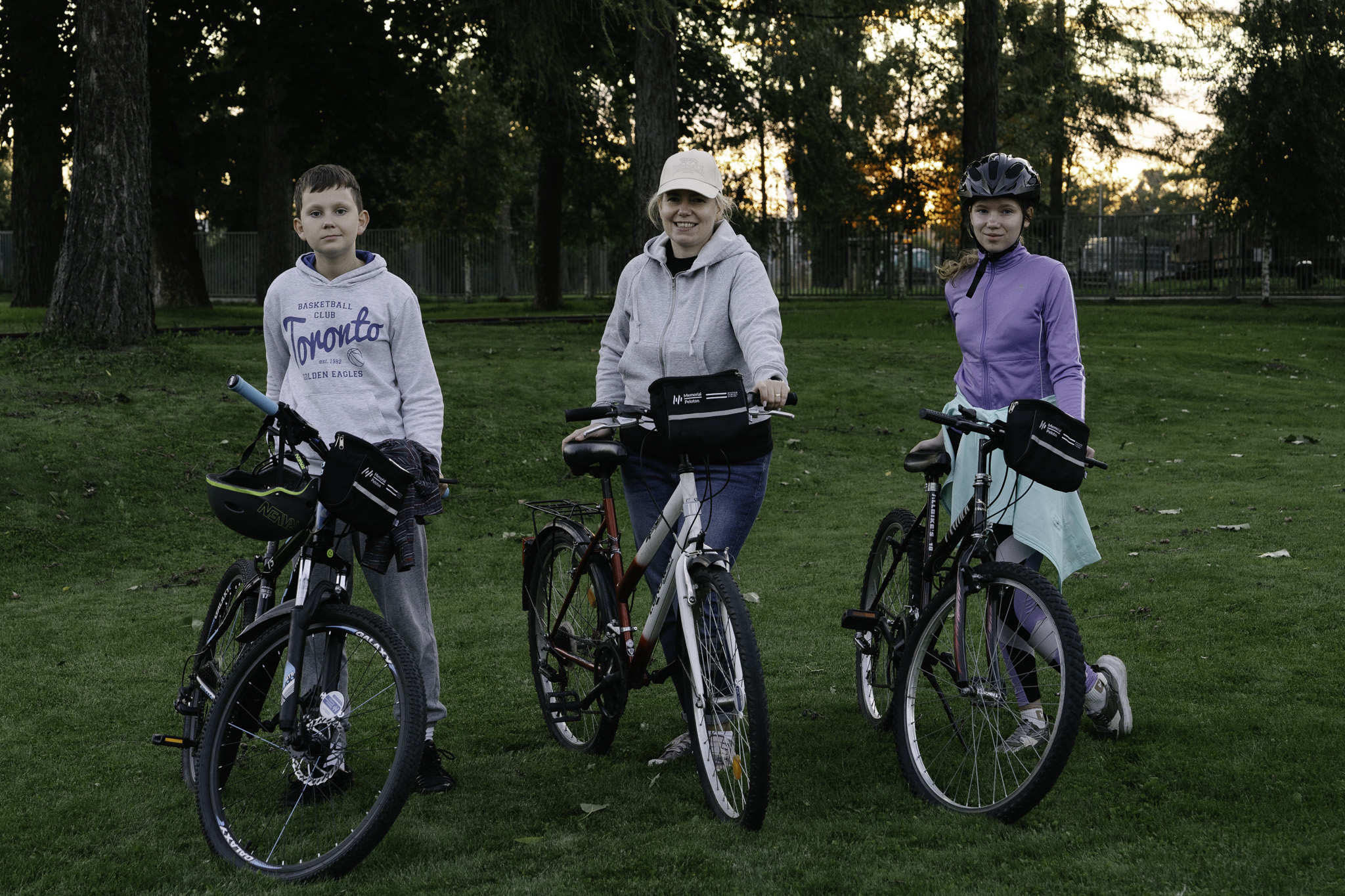



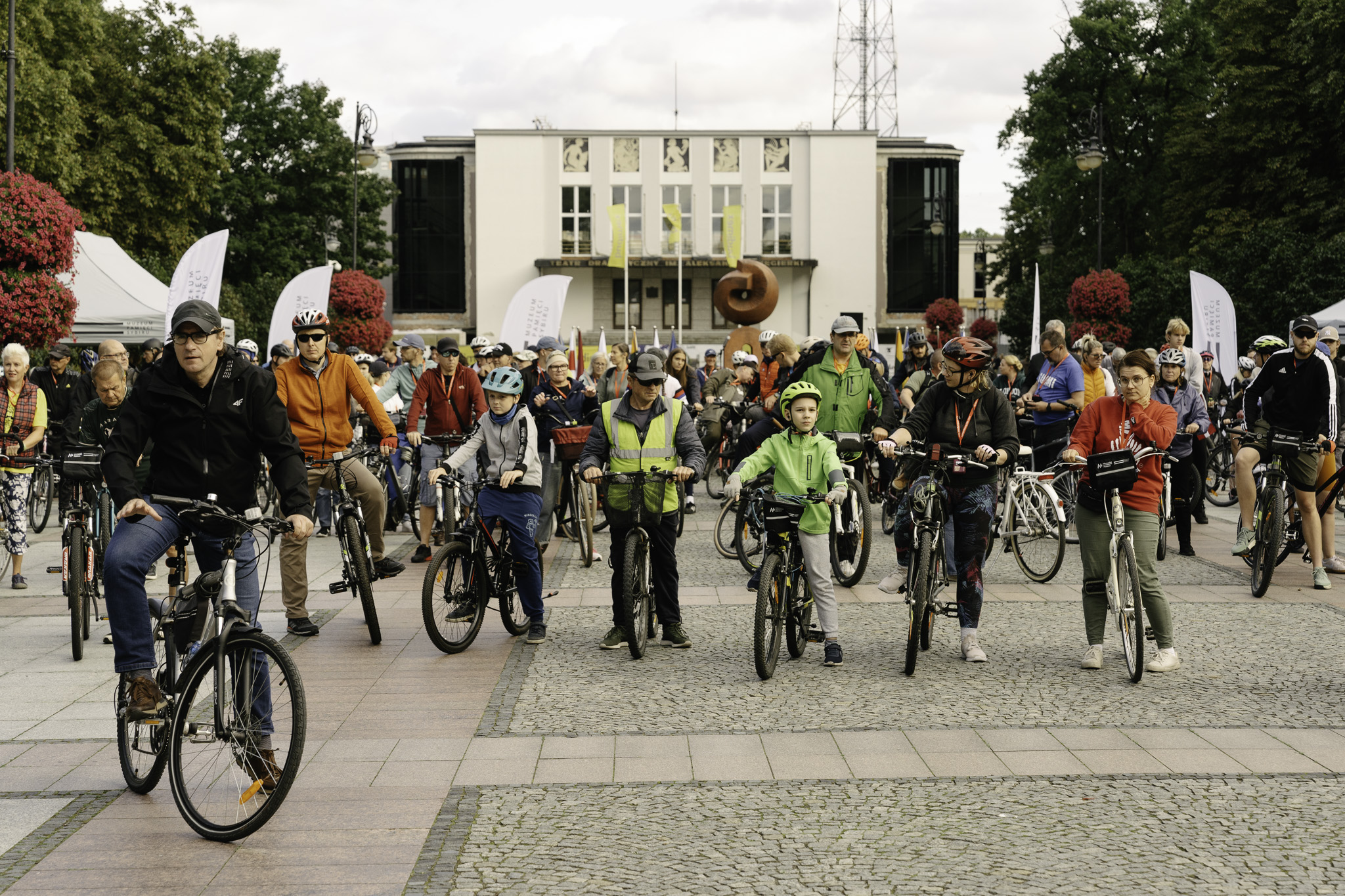
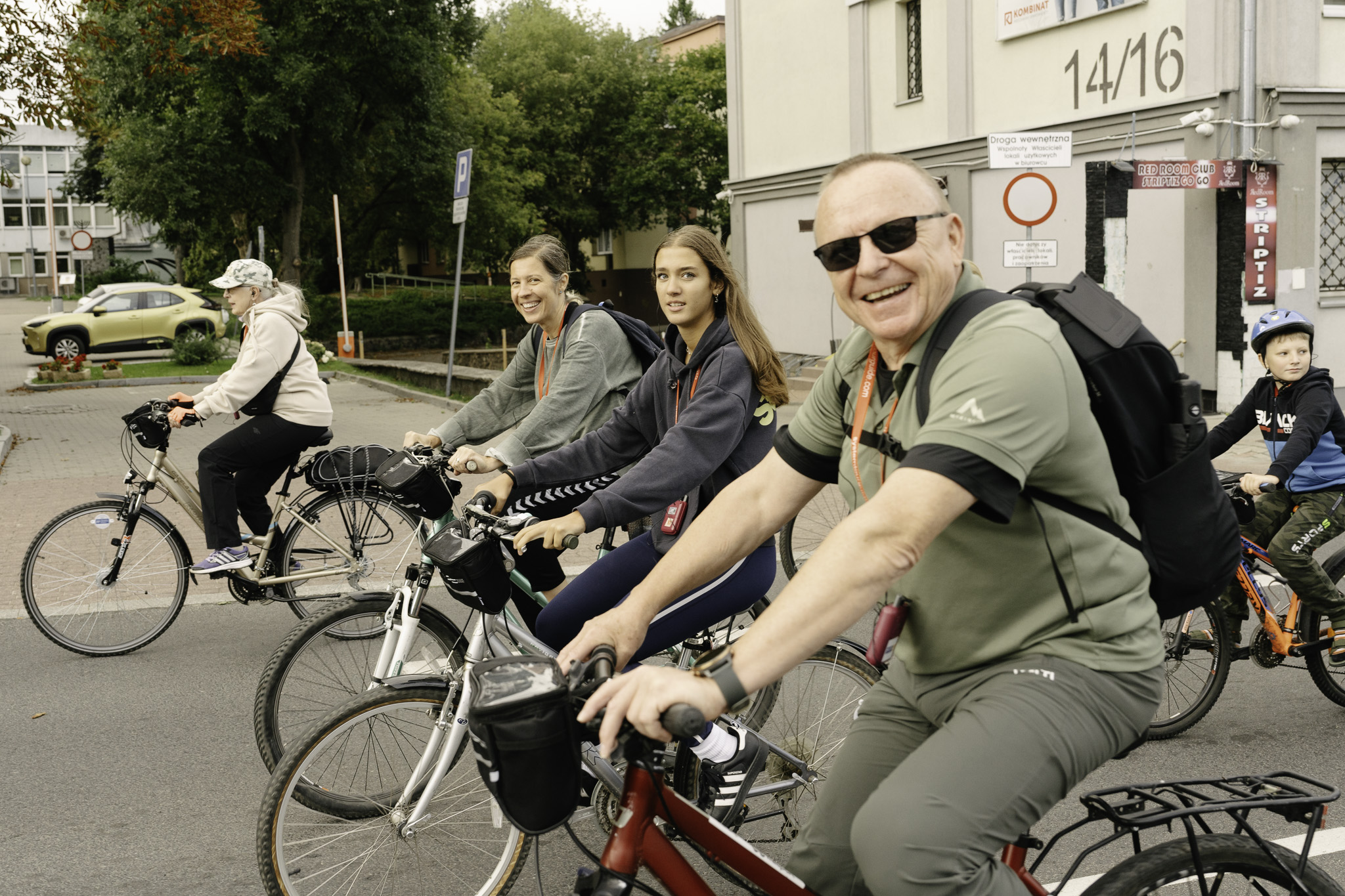
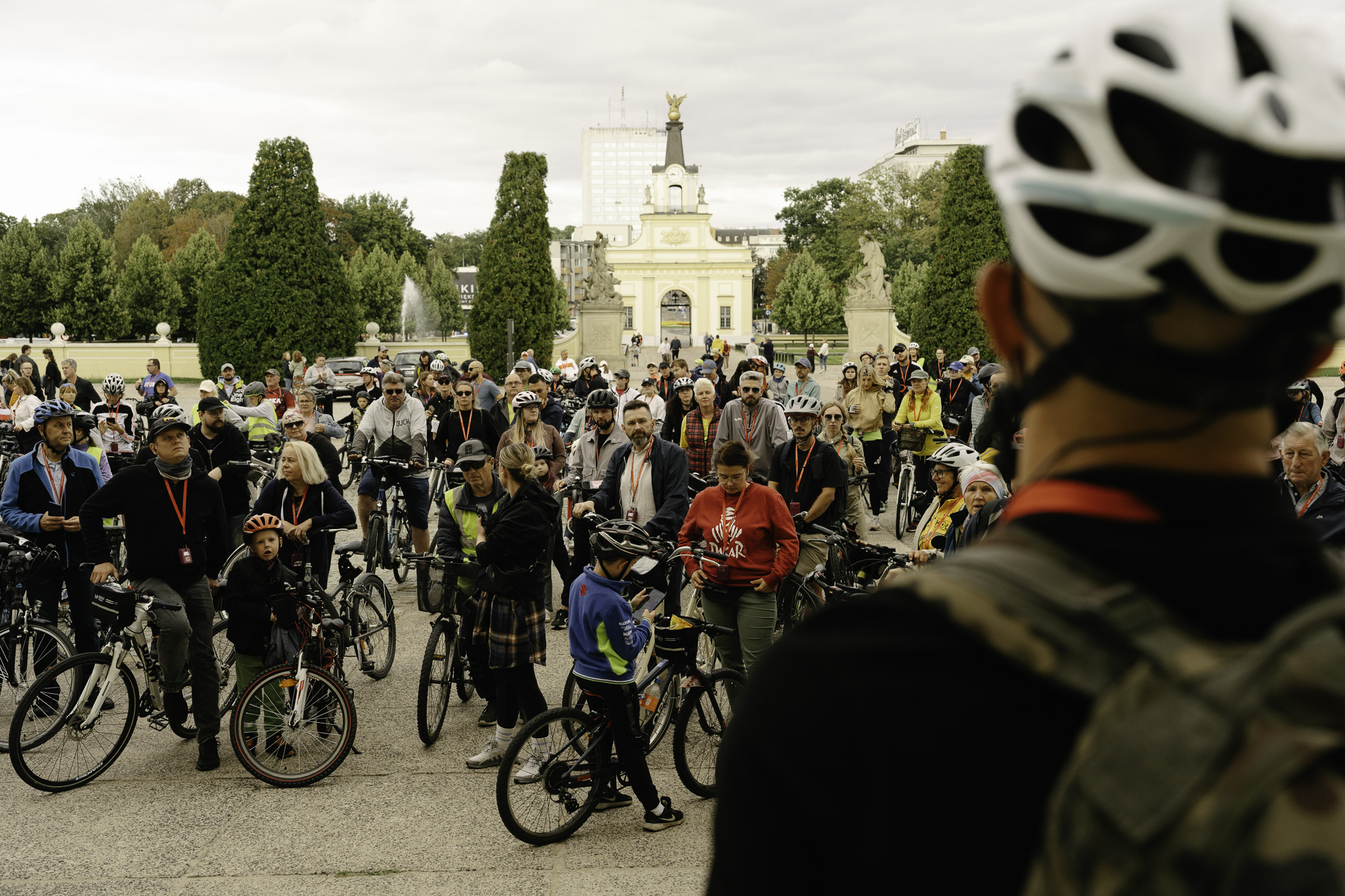
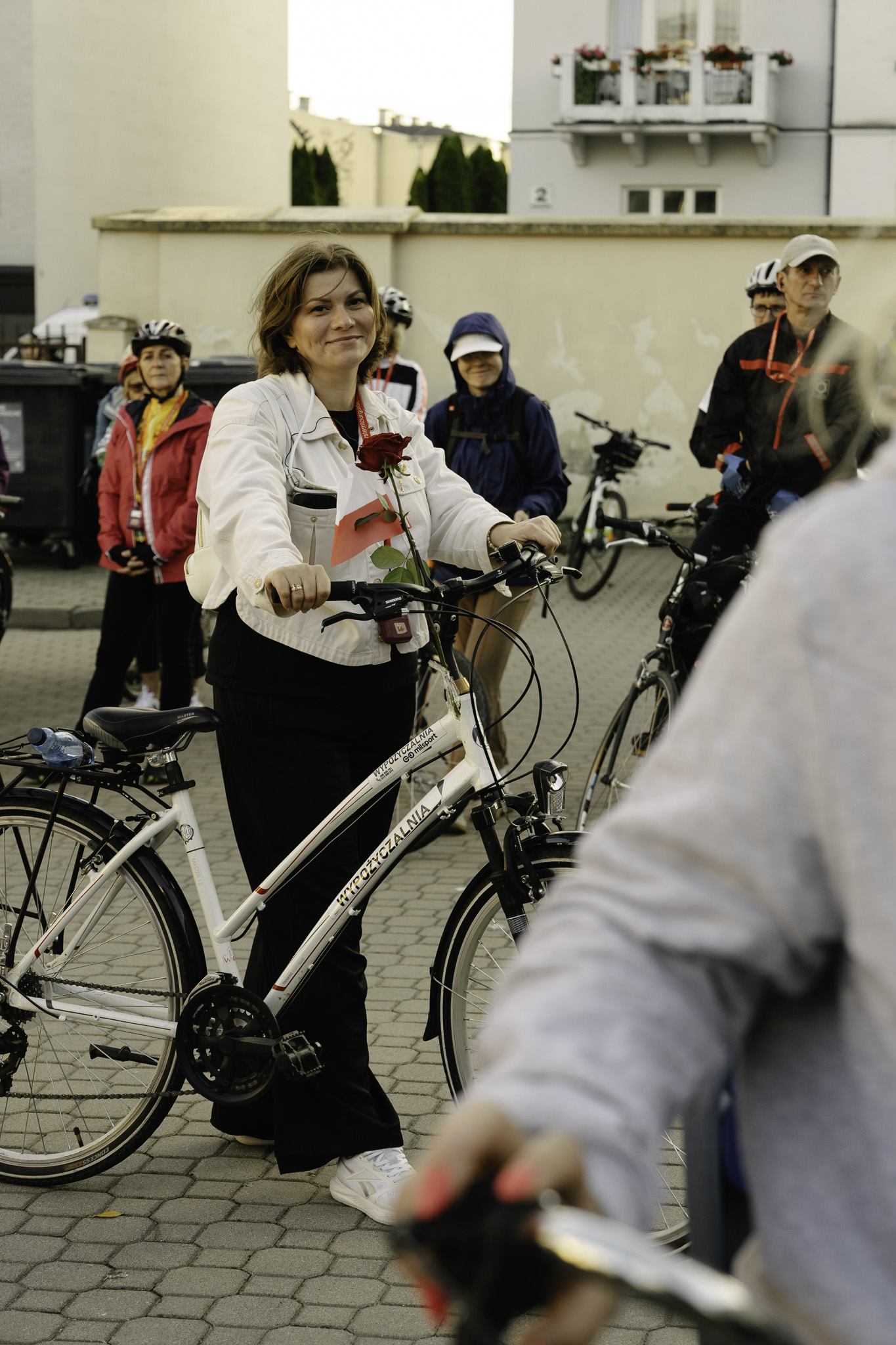
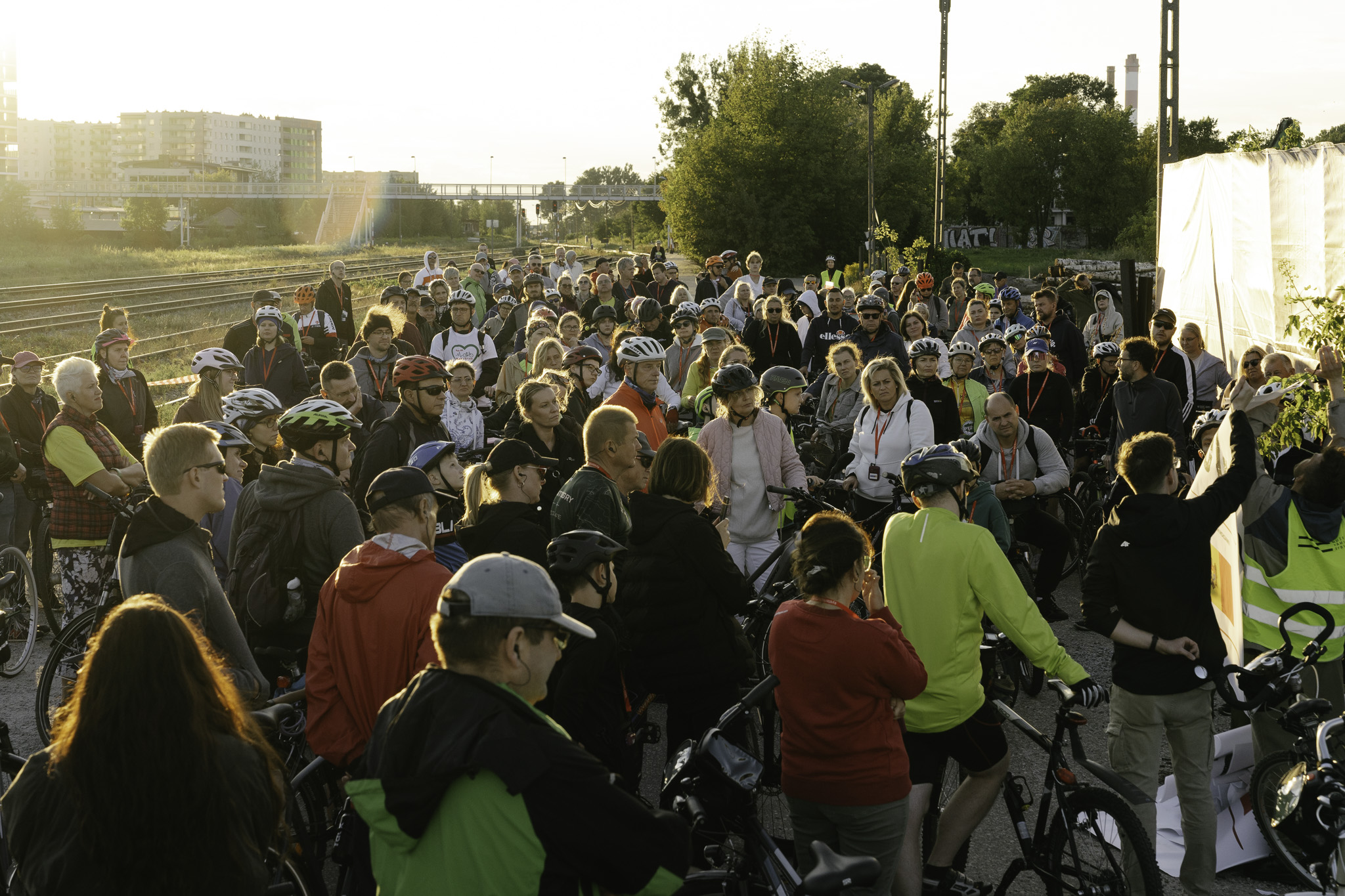
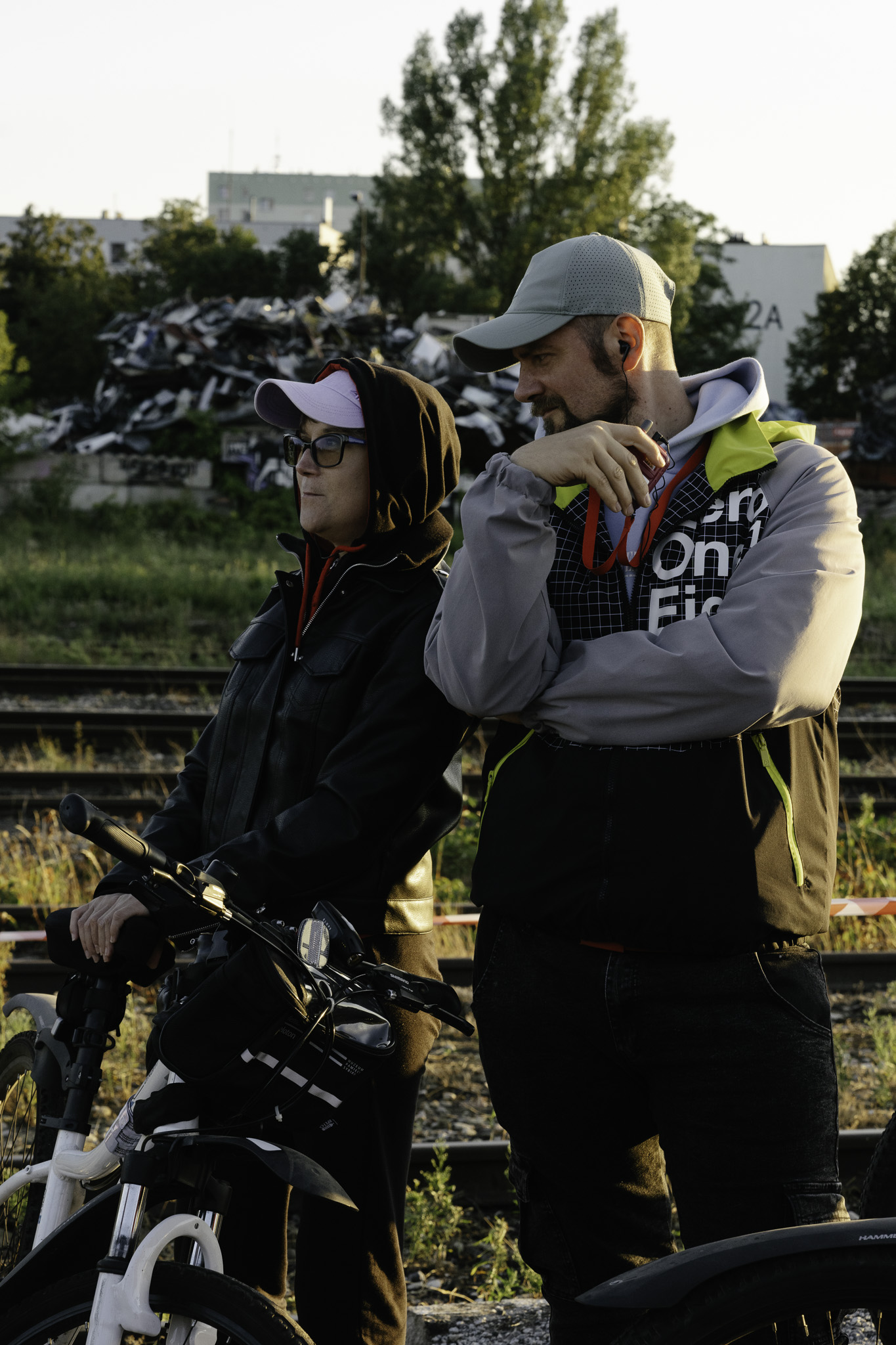
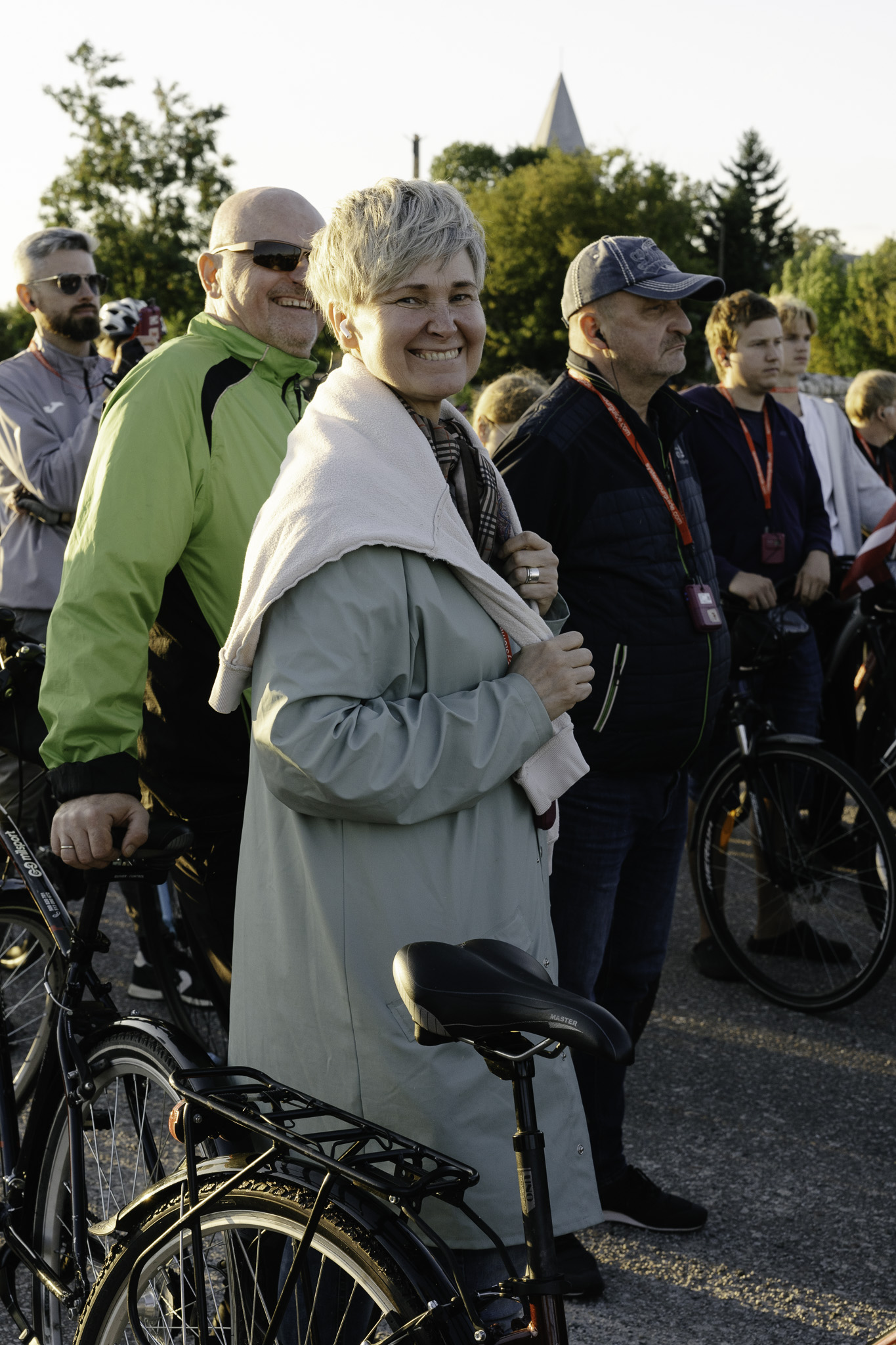
The Memorial Peloton is a unique history lesson that we have been organising for 10 years. It commemorates the Molotov–Ribbentrop Pact signed by Germany and the Soviet Union. This year, the ride through the streets of Białystok was held on the exact anniversary of the events of 23 August 1939.
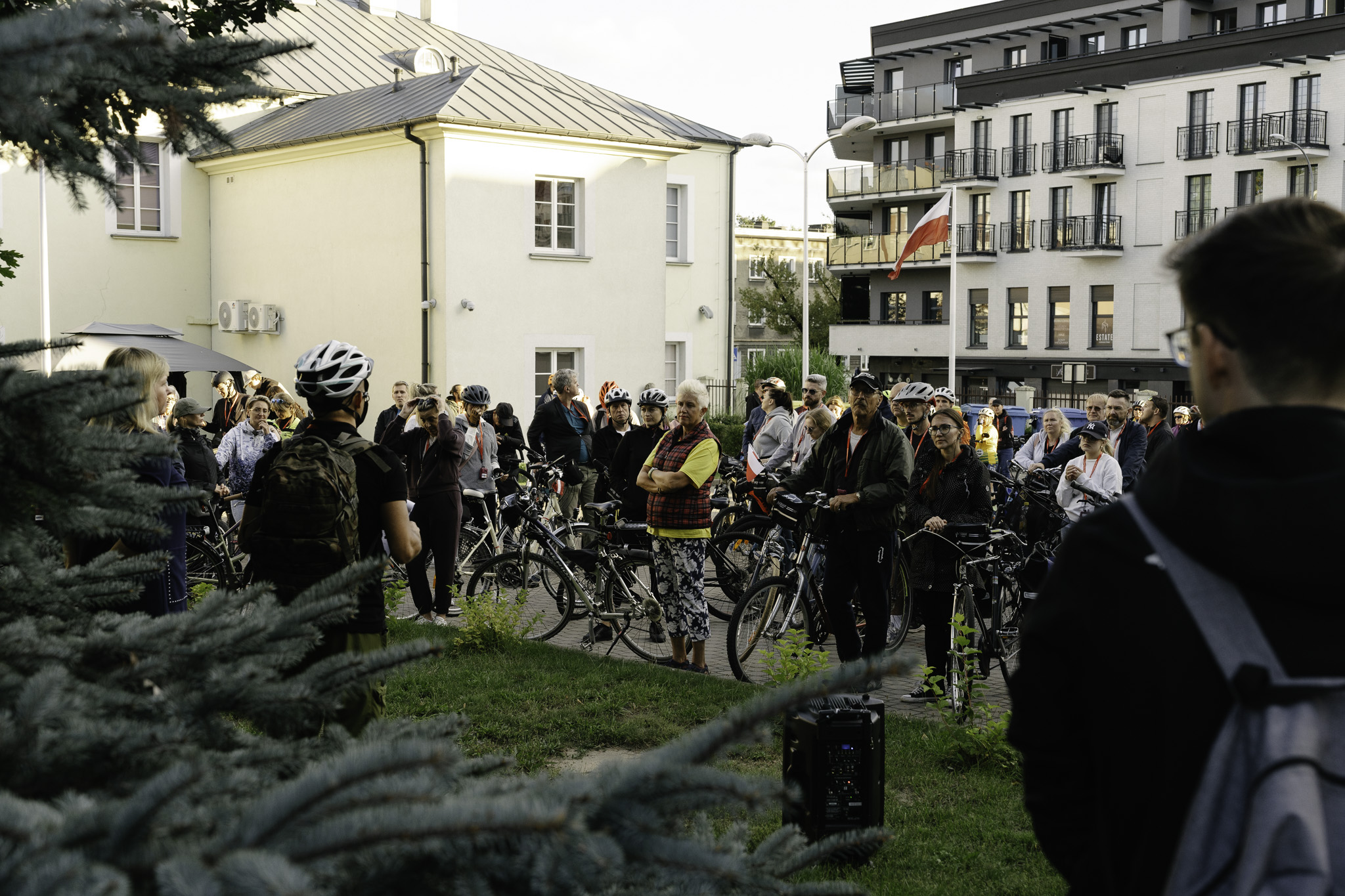
“The first Memorial Peloton was a local event. Today, 10 years on, we ride through all the countries that, like Poland, were affected by deportations and Soviet repression. Together with our colleagues from Lithuania, Latvia, Estonia and Moldova, we decided that we must speak with one voice. This is the history of our part of Europe,” emphasised Prof. Wojciech Śleszyński, Director of the Sybir Memorial Museum, shortly before the start.
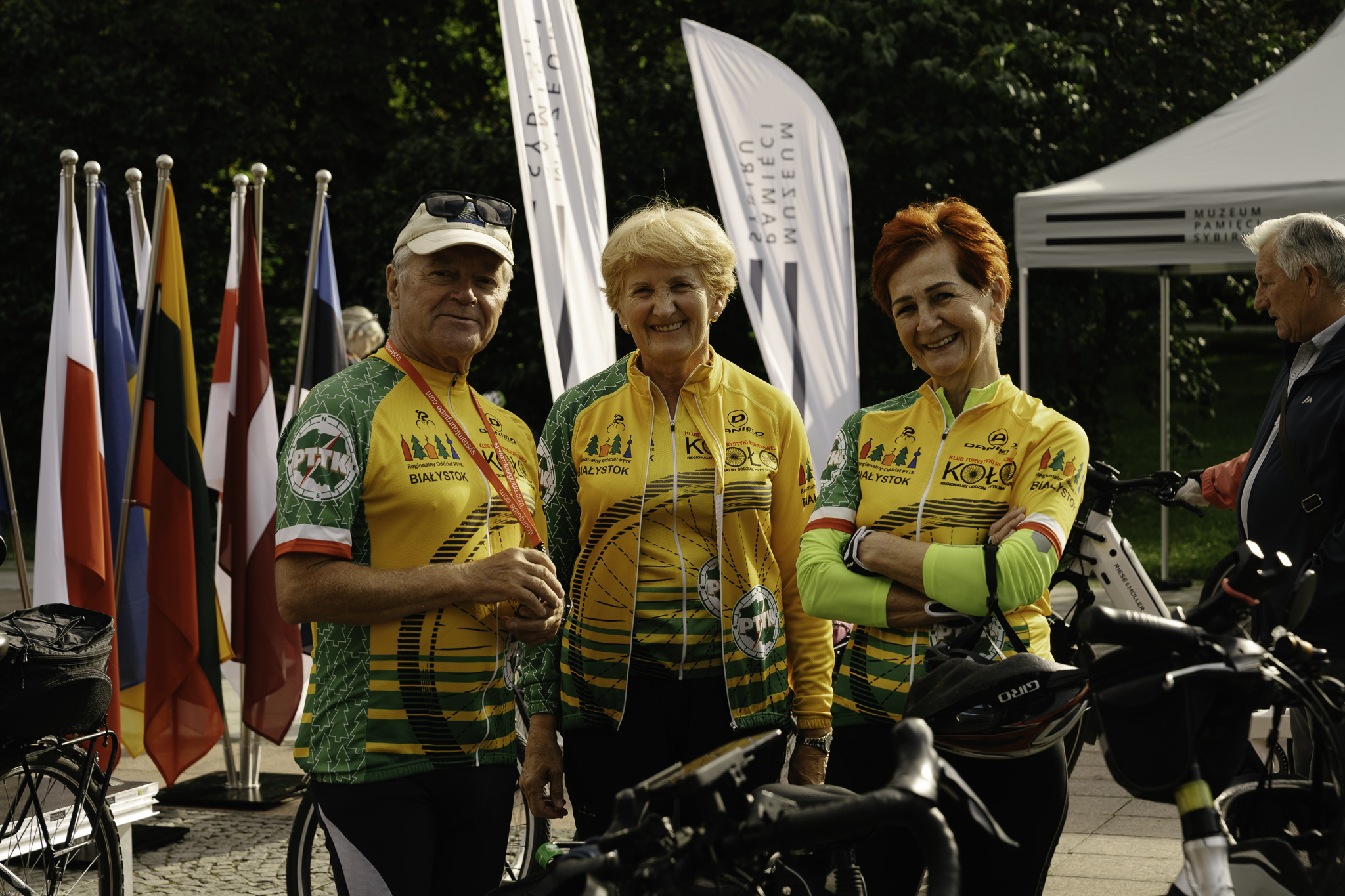
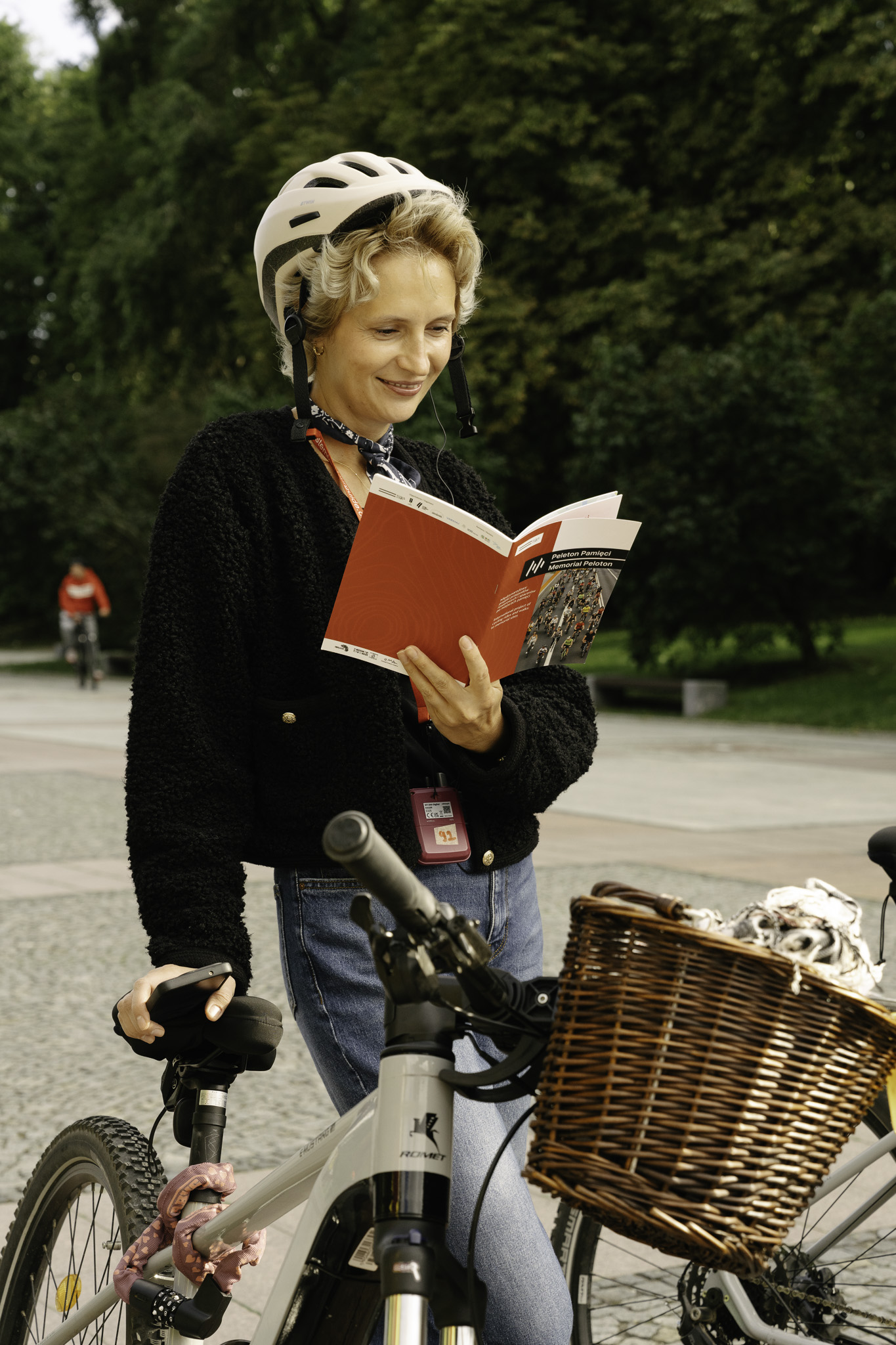
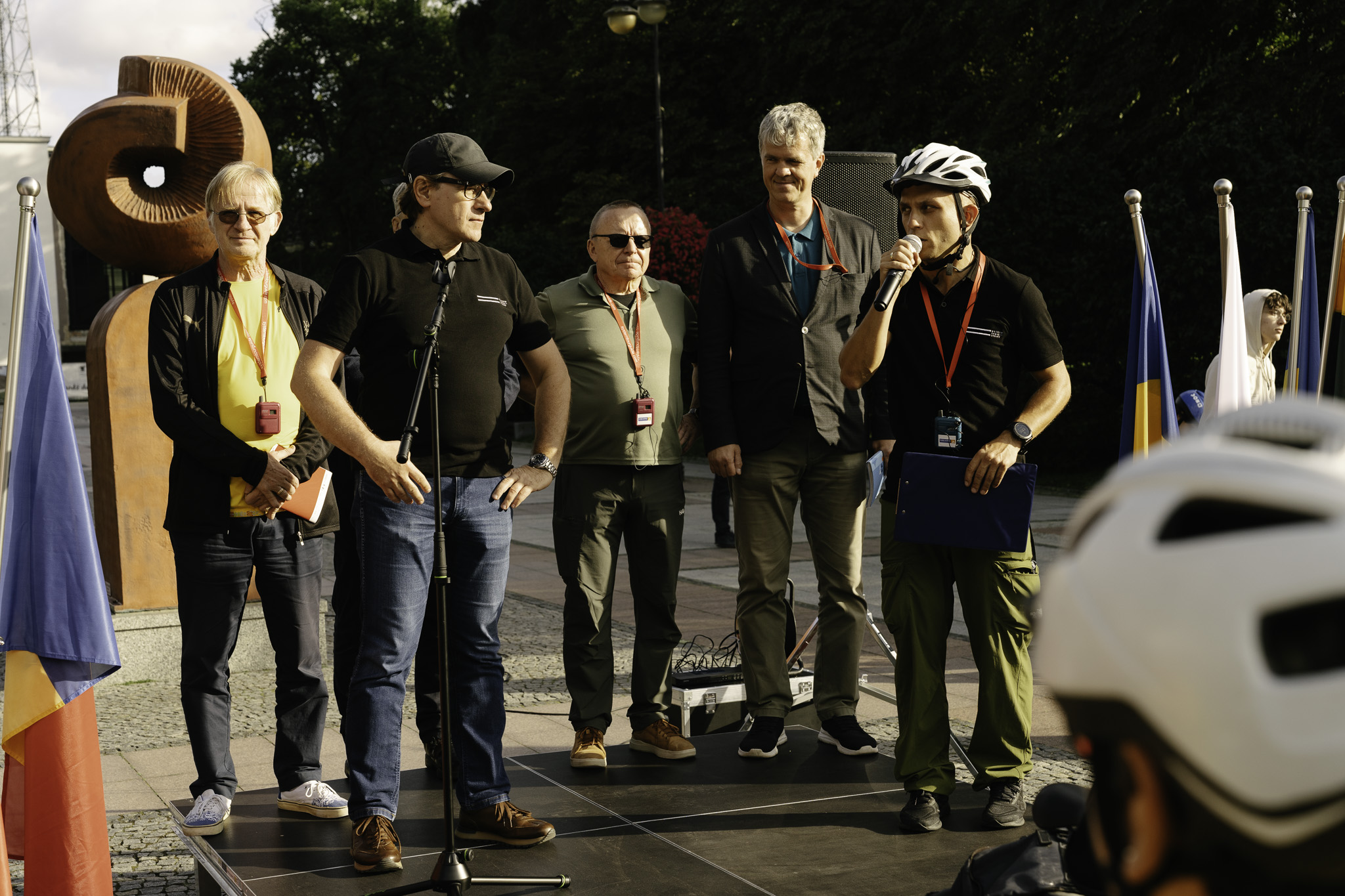
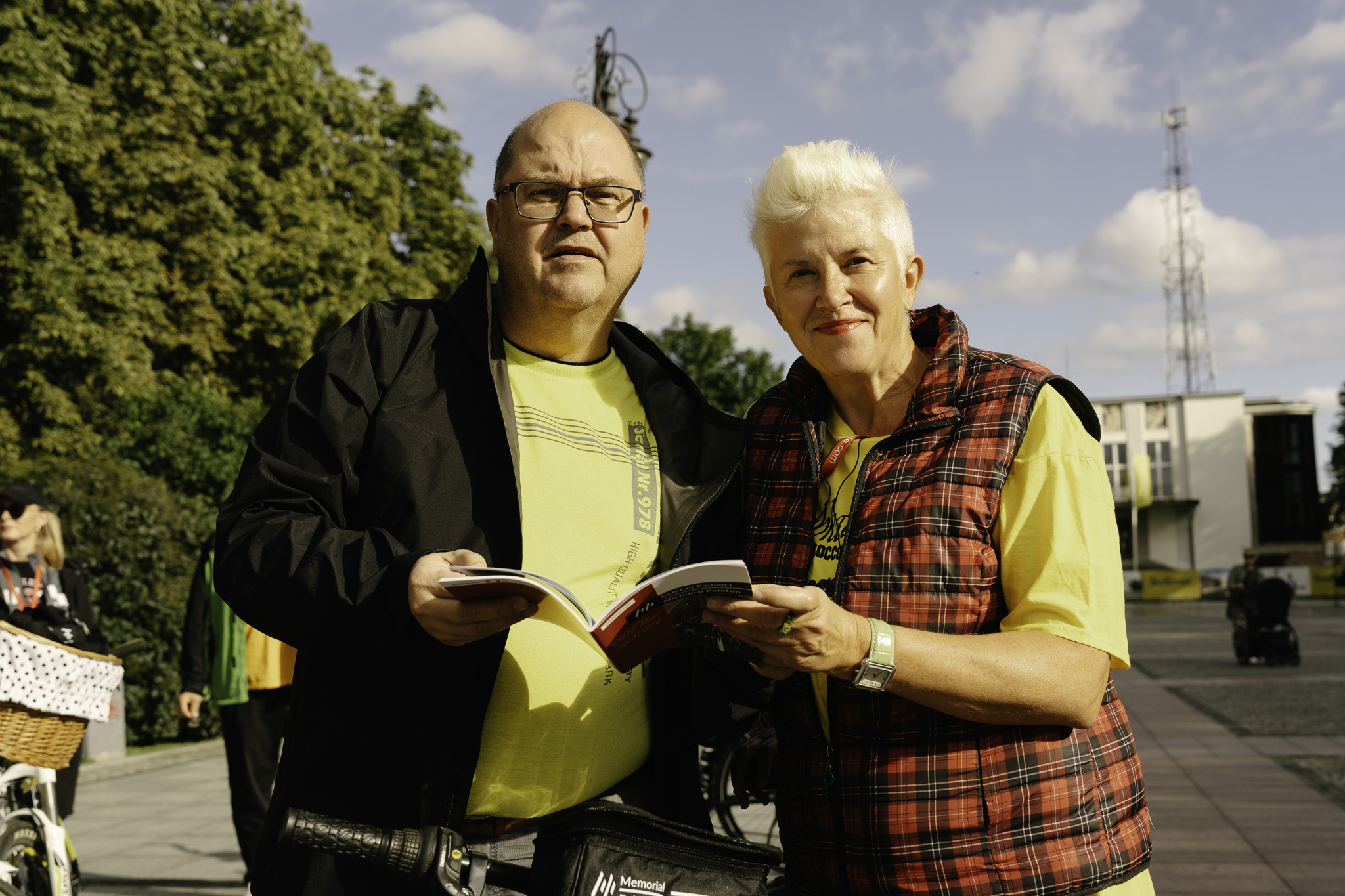
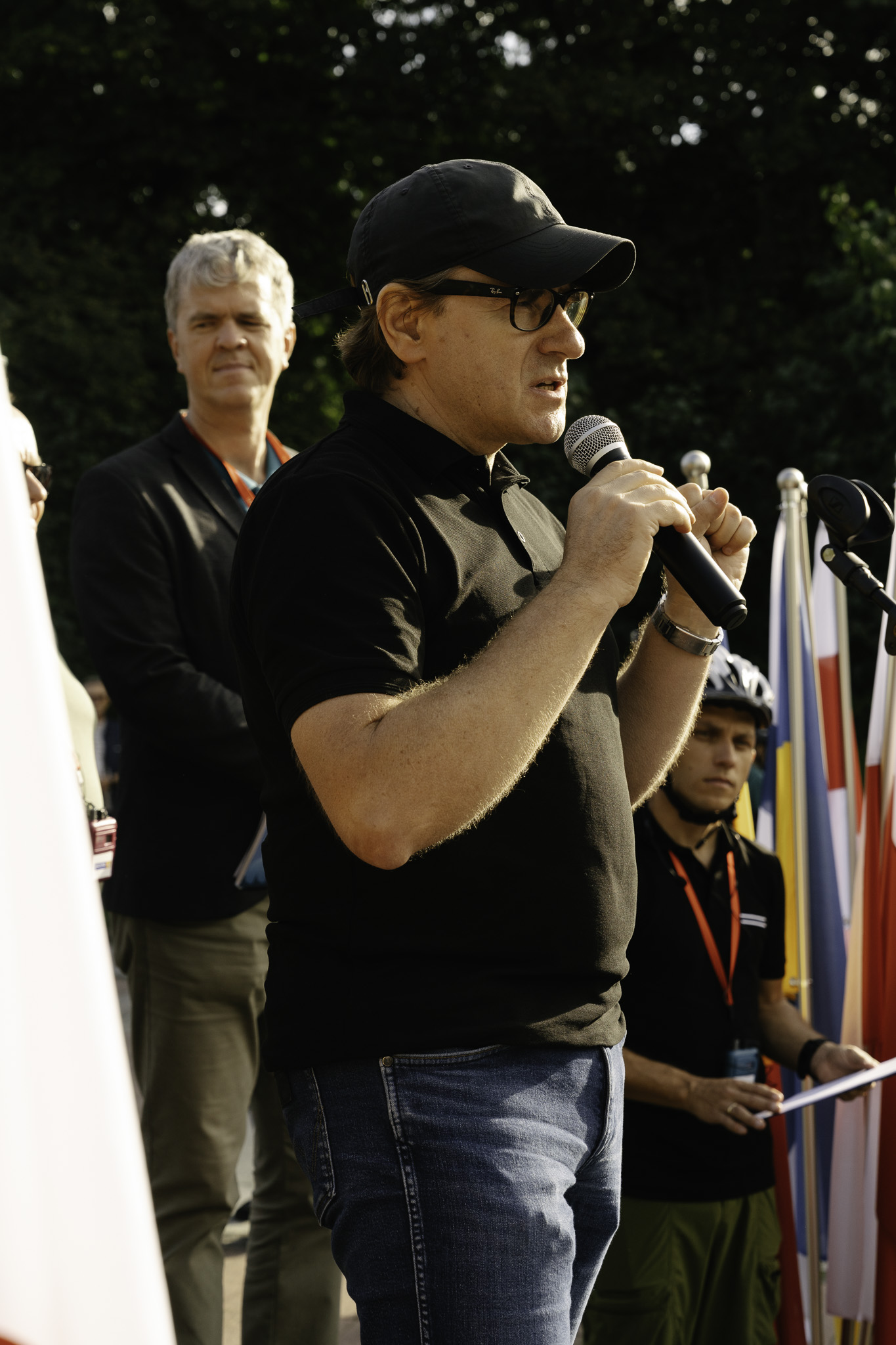
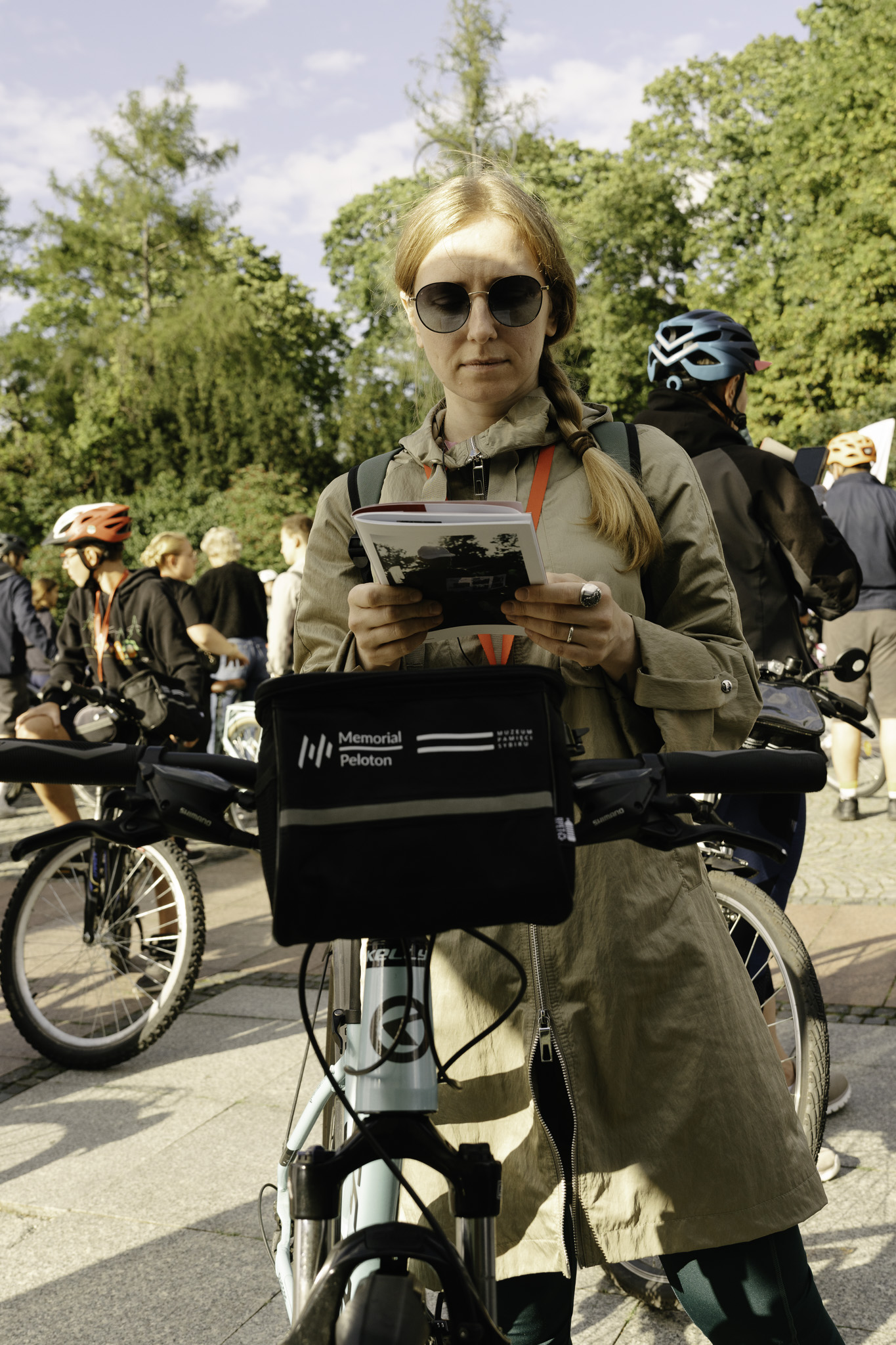
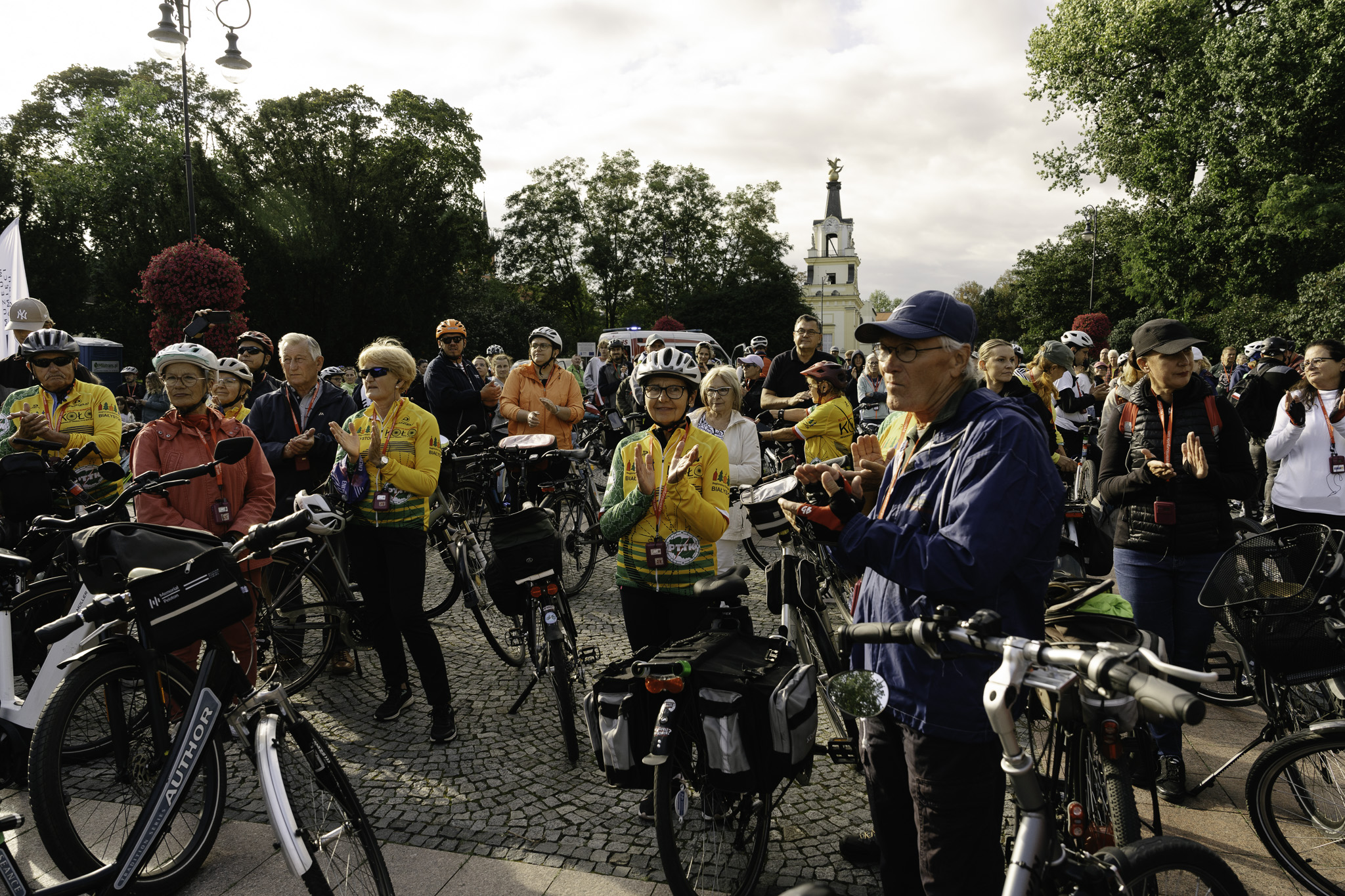
This year’s event was also attended by guests from Lithuania and Latvia: Arūnas Bubnys, PhD, Director of the Genocide and Resistance Research Centre of Lithuania; Edvins Evarts, a staff member at the Museum of the Occupation of Latvia; and Tomasz Kurciński, Honorary Consul of the Republic of Lithuania. For the first time, a representative from Finland, Lassi Piirainena, an organiser of remembrance trails in the municipality of Kuhmo, also joined the Memorial Peloton in Białystok.
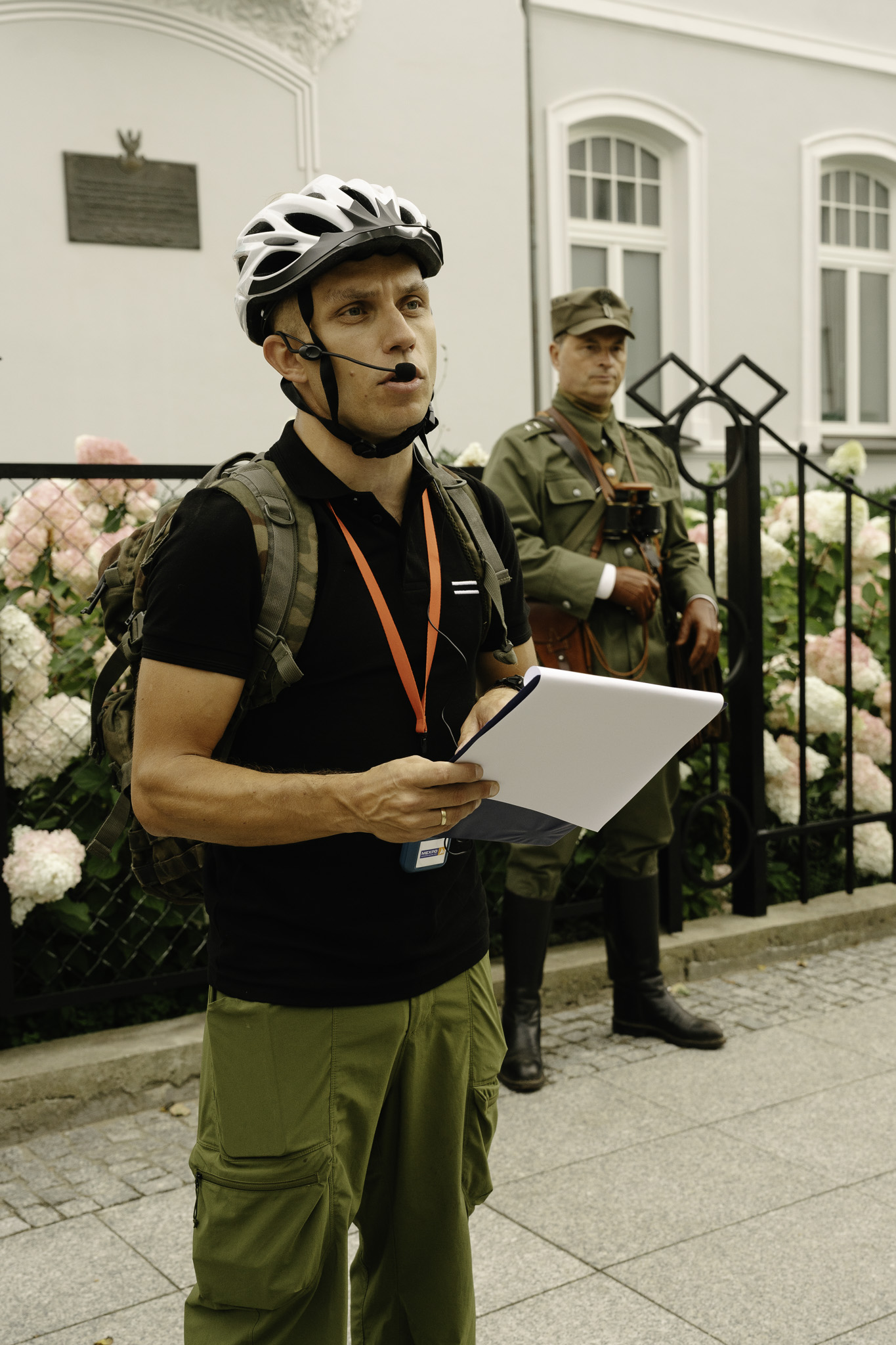
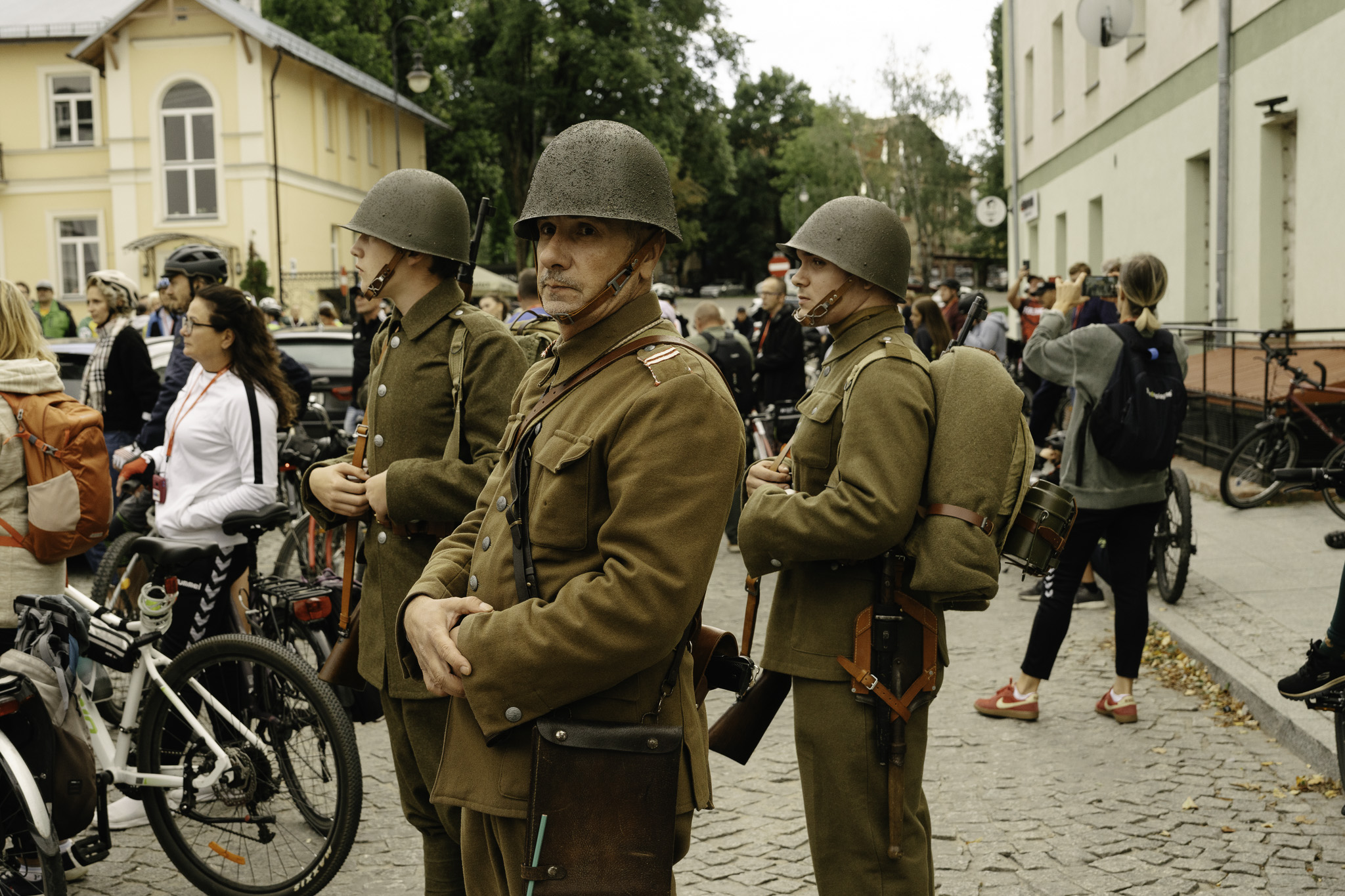
The Memorial Peloton set off from the square in front of the Drama Theatre. The first of the four stops was Nowik Palace, located at the corner of Lipowa and Szymborska Streets. In the face of the German invasion of Poland and the approaching front line, the residence became the headquarters of the Białystok defence command. Participants were able to see a re-enactment of the delivery of a report and the dispatch of a small group of soldiers to reinforce the defence of Białystok in 1939.
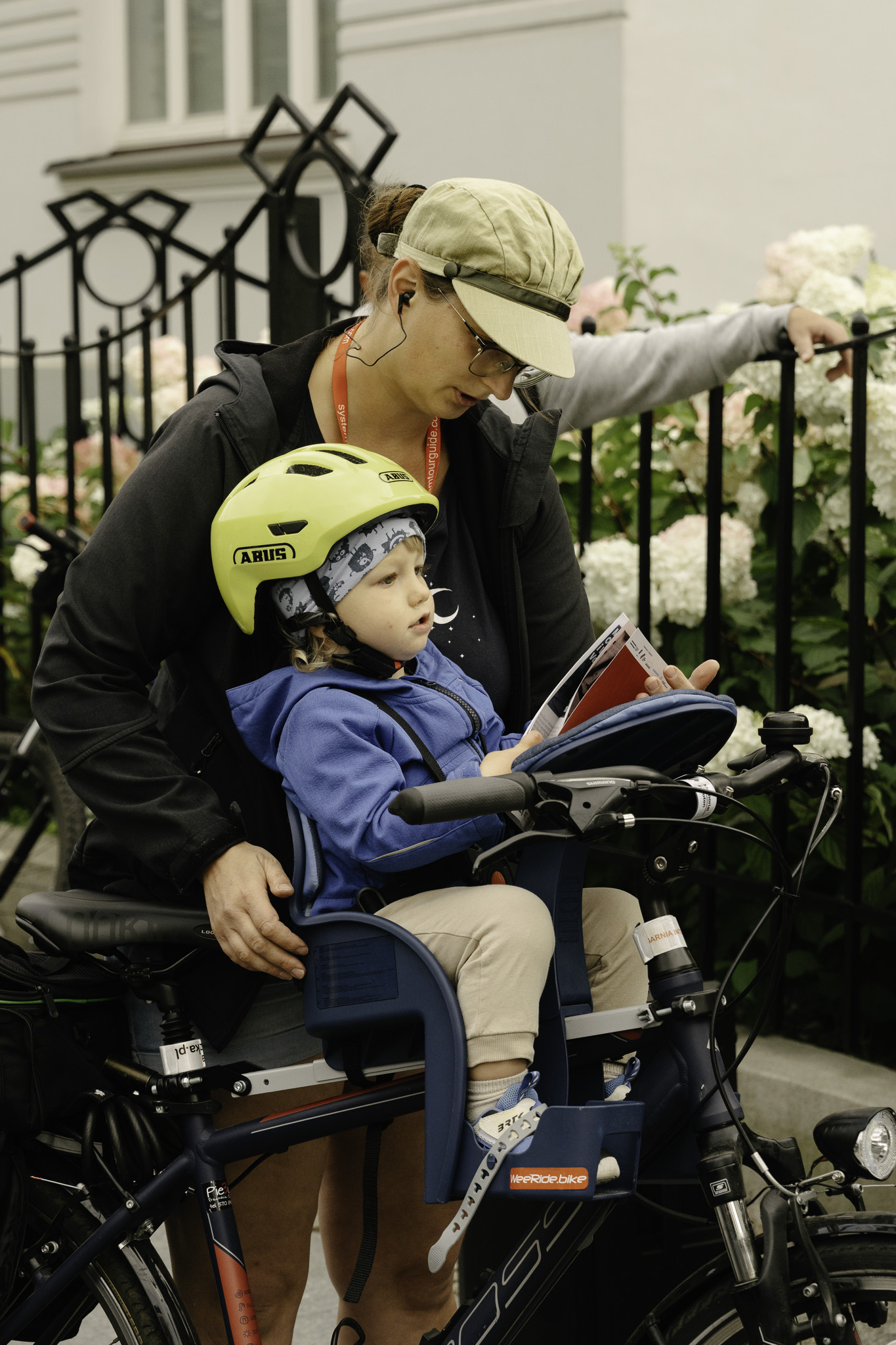
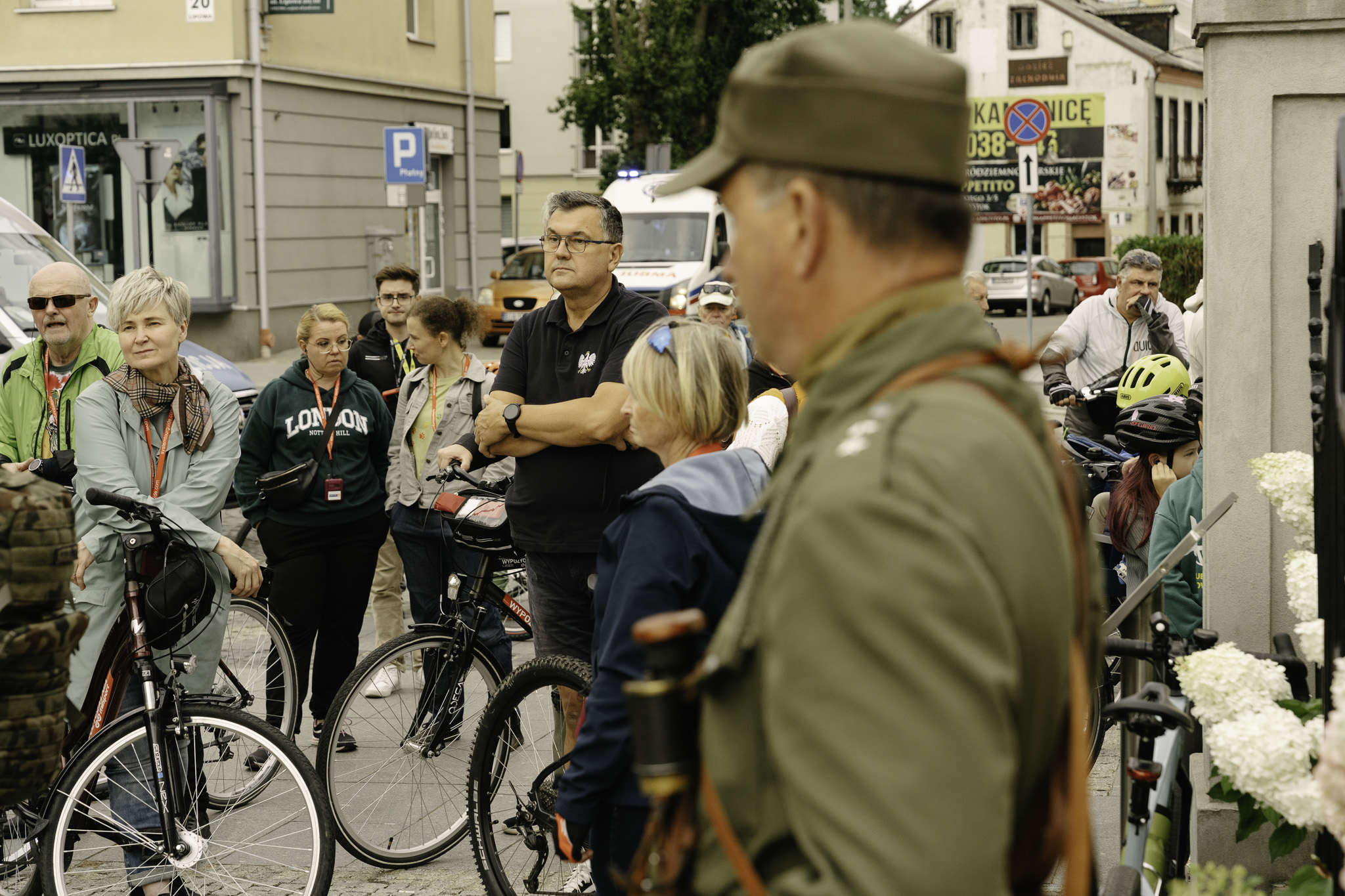
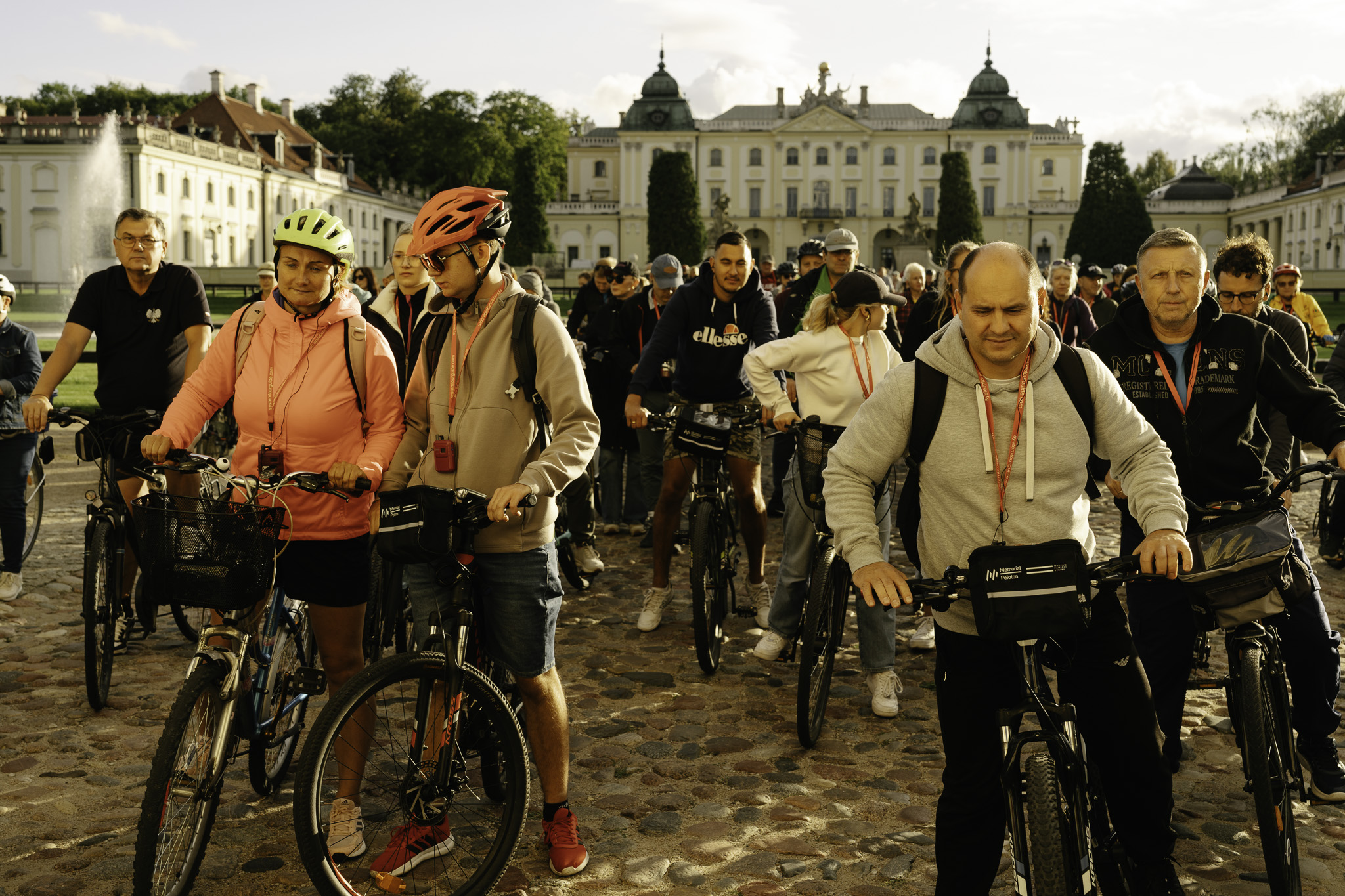
The second stop was Branicki Palace. It was here that German-Soviet talks took place in September 1939. An archival film showing an excerpt from the talks was screened there.
The next stop was the SMERSH headquarters, located at 2 Ogrodowa Street. The tenement building housed the Soviet military counterintelligence service SMERSH in 1944–1945. It was here that Jerzy Puciłowski was detained and interrogated. Participants listened to his account of his arrest, which took place on the night of 28–29 November 1944. Jerzy Puciłowski’s account forms part of the permanent exhibition at the Sybir Memorial Museum, while his personal belongings are currently on display as part of the August “Exhibit of the Month”.
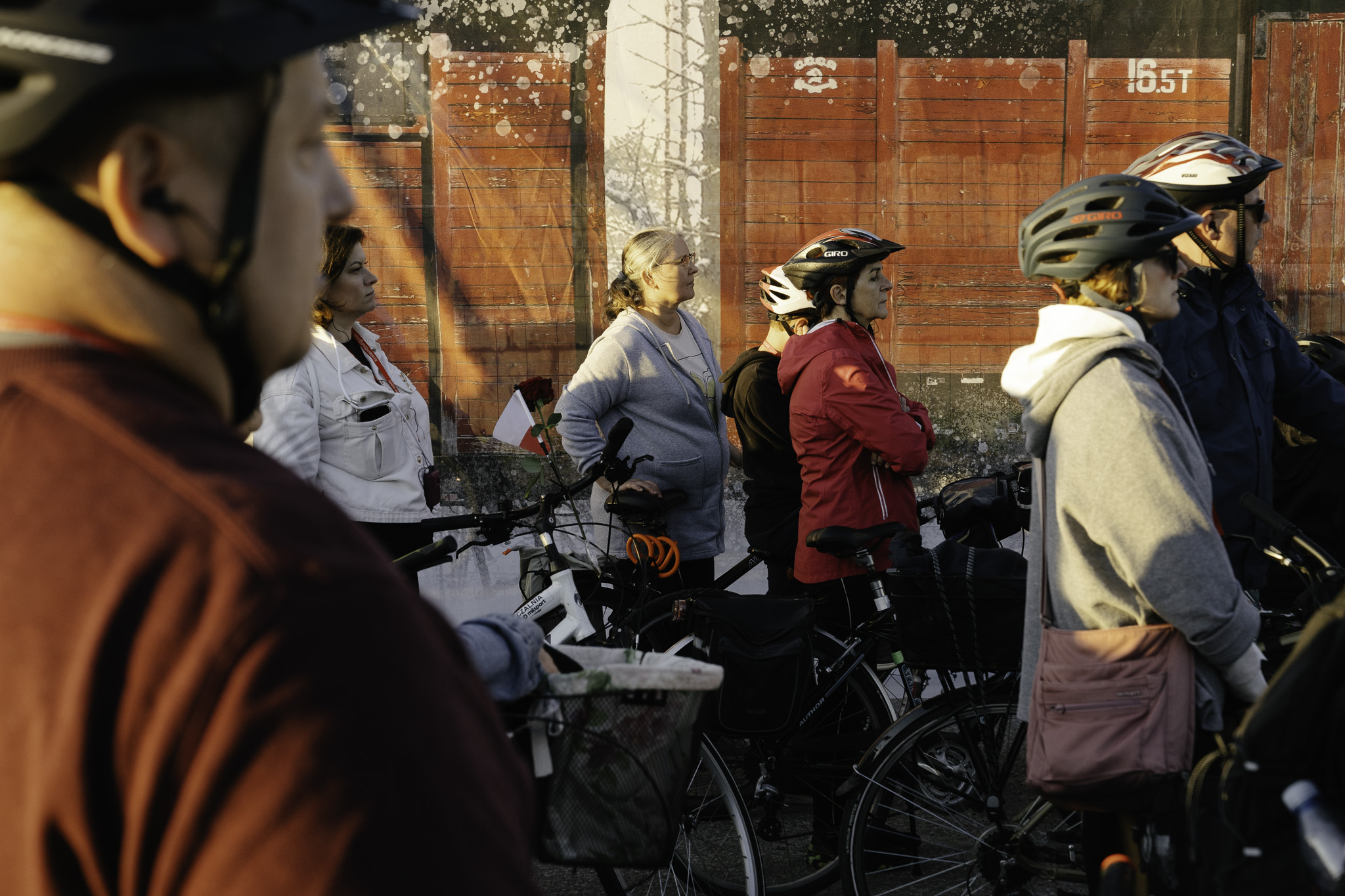
The final stop was Fabryczny Station, from which trains carrying deportees departed. On a wall featuring an image of a tieplushka – the type of railway carriage in which the Soviets transported victims of deportation – we displayed calendar pages bearing the dates and countries of successive deportations.

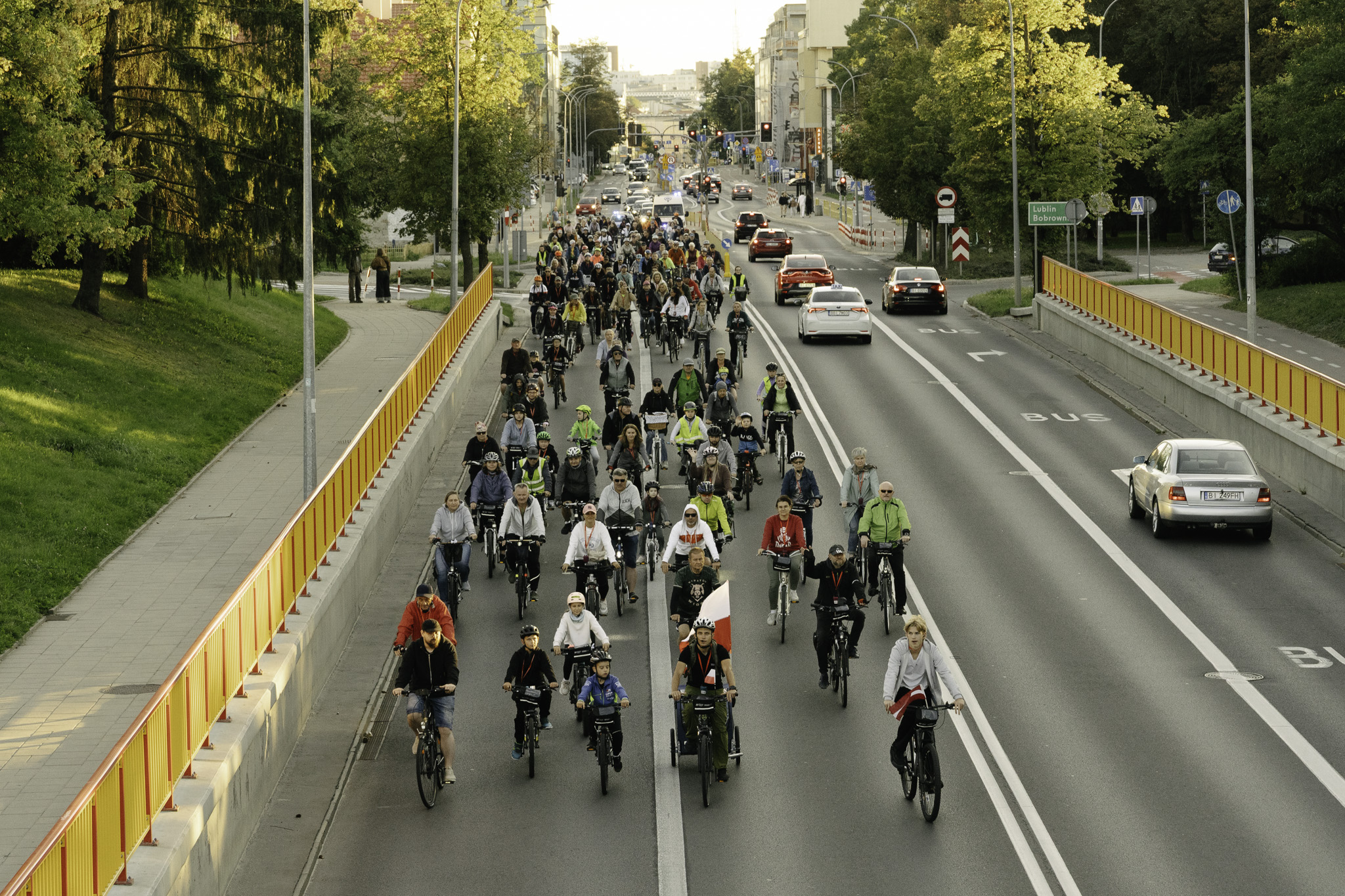

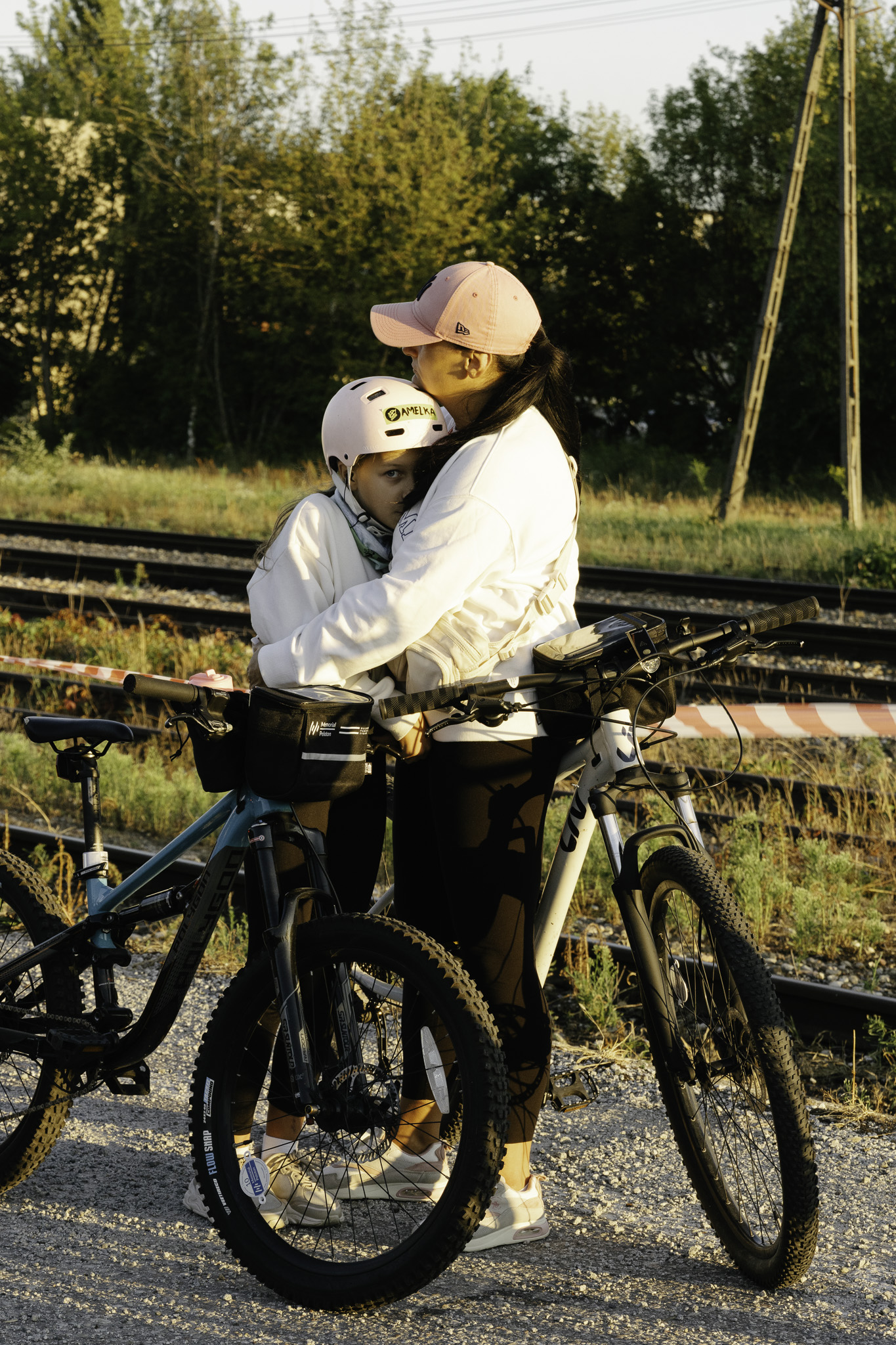
The Memorial Peloton arrived at the Sybir Memorial Museum, where the Museum’s Director and representatives of the Sybirak community thanked the participants for taking part in this important history lesson.
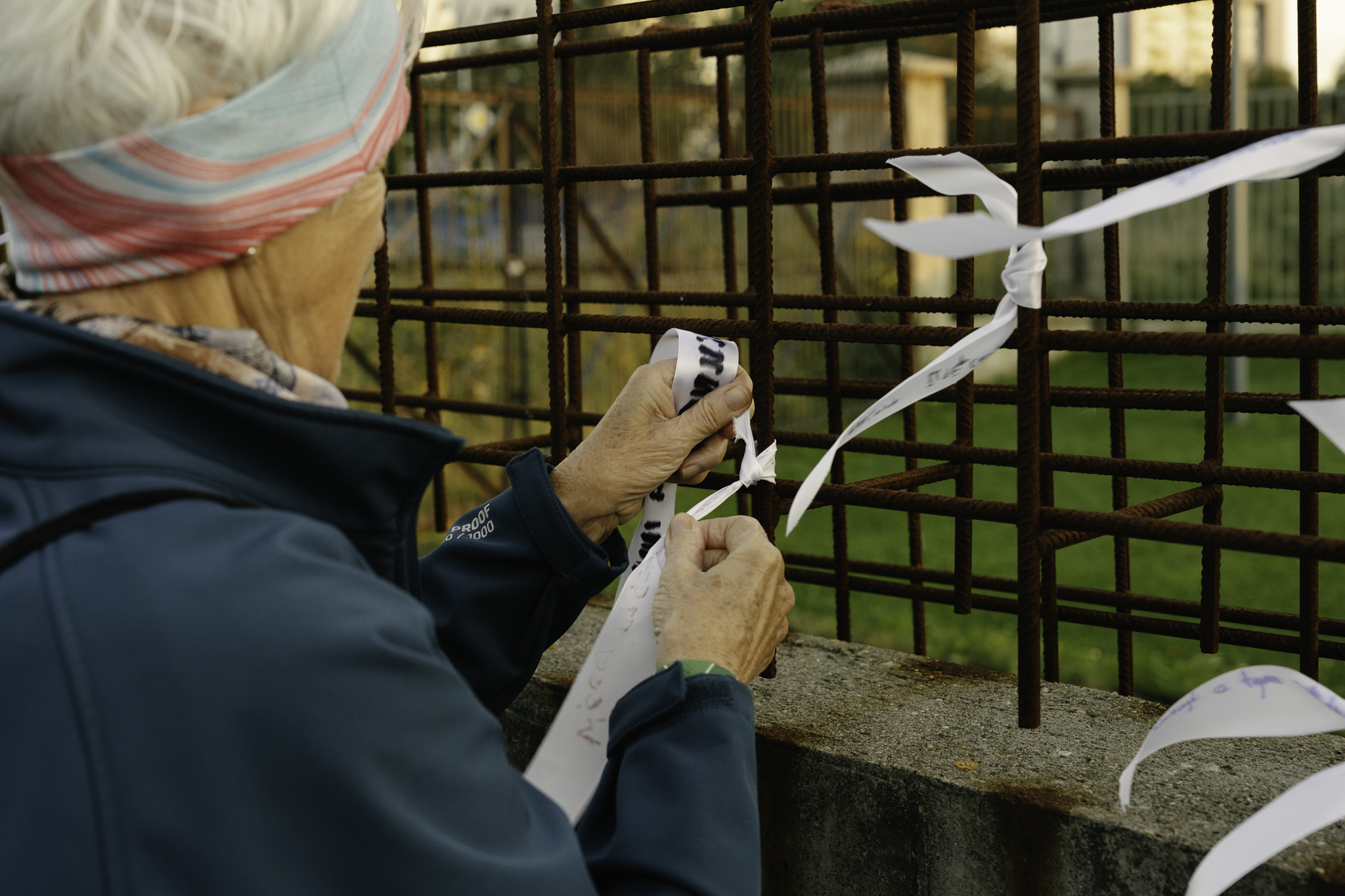
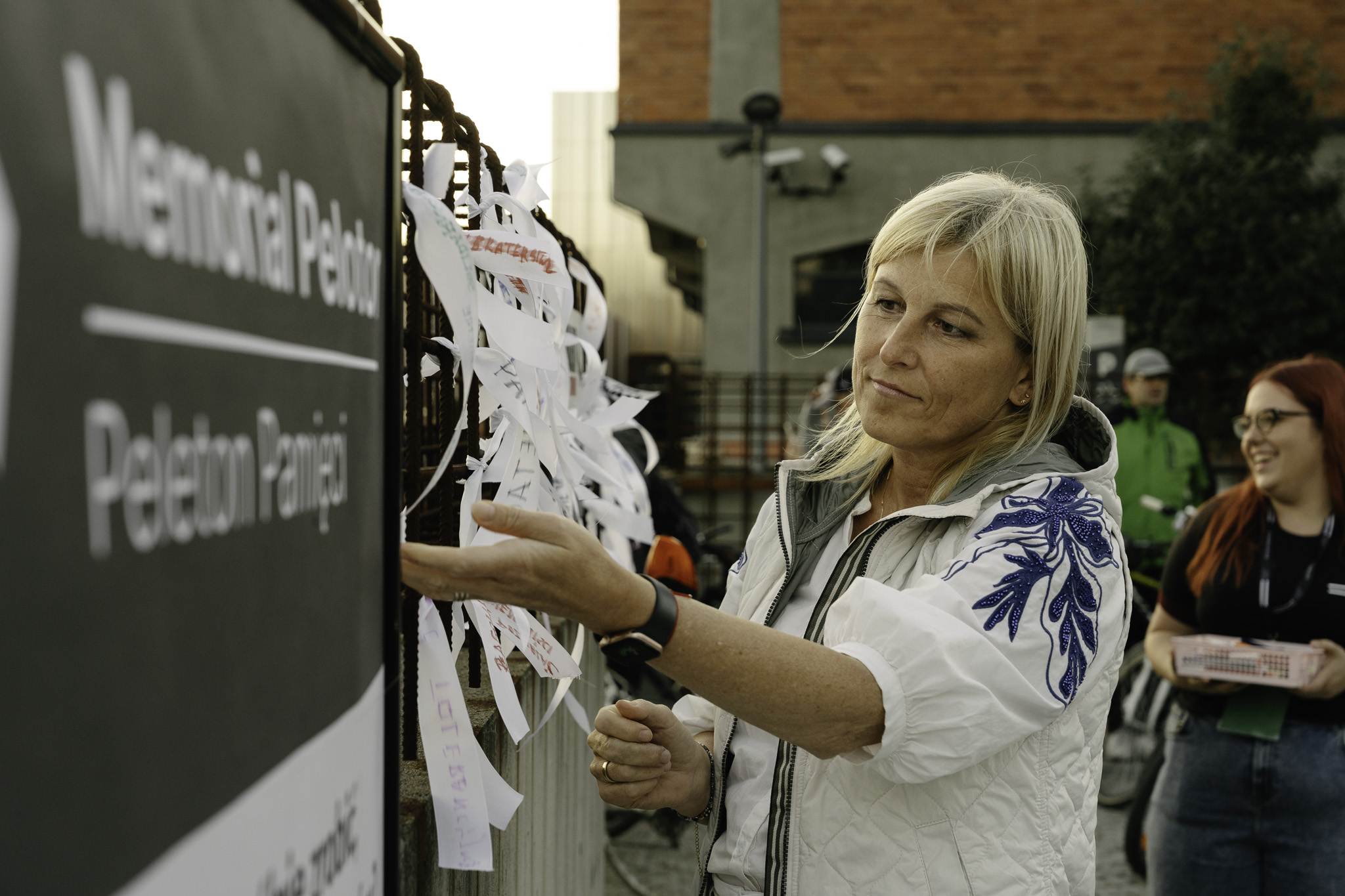
Finally, participants had the opportunity to light candles at the monument dedicated to the Heroic Mothers of the Sybiraks and to write messages on white ribbons in response to the question: What can we do to ensure that this history is never repeated?