


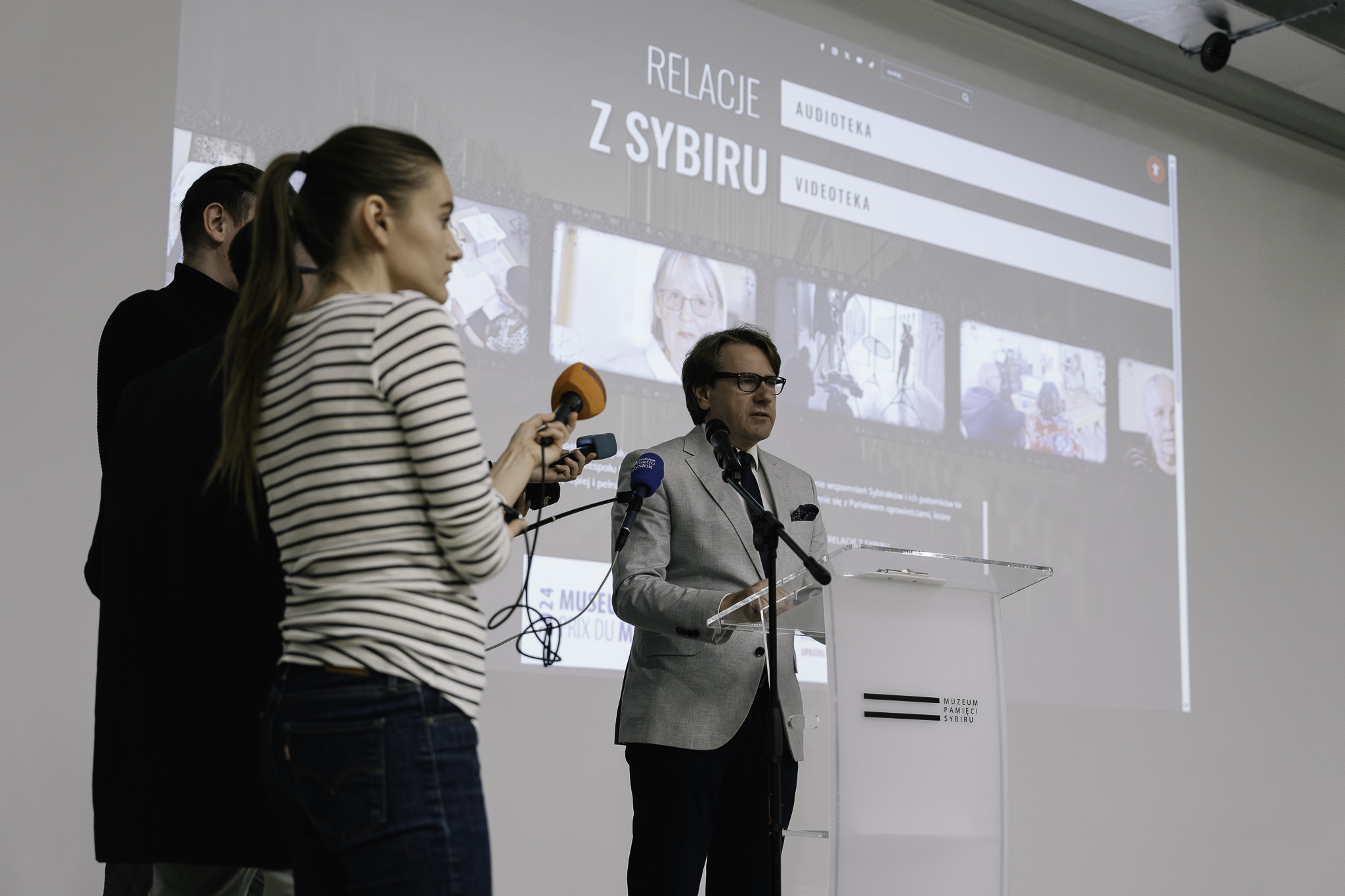
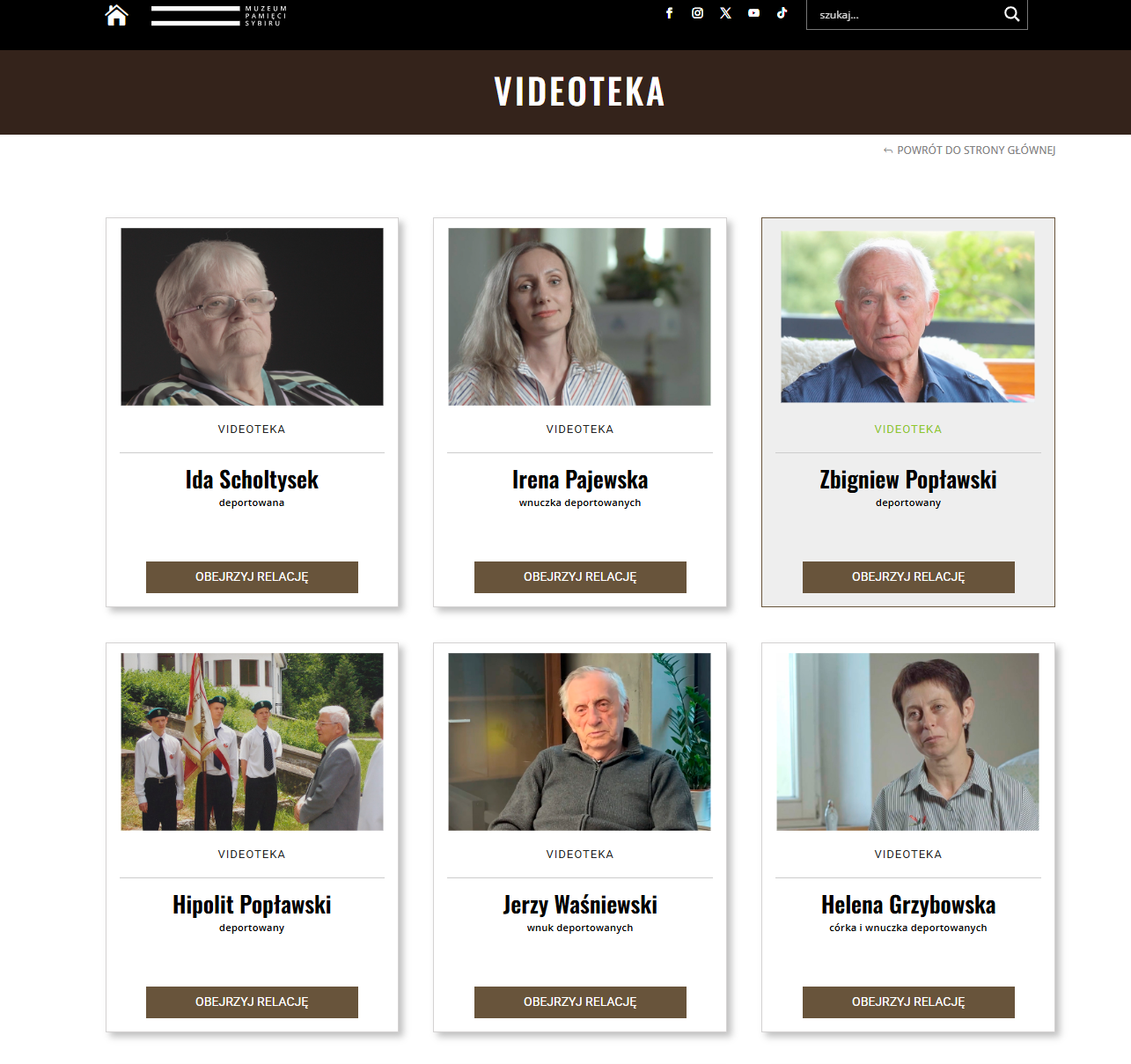
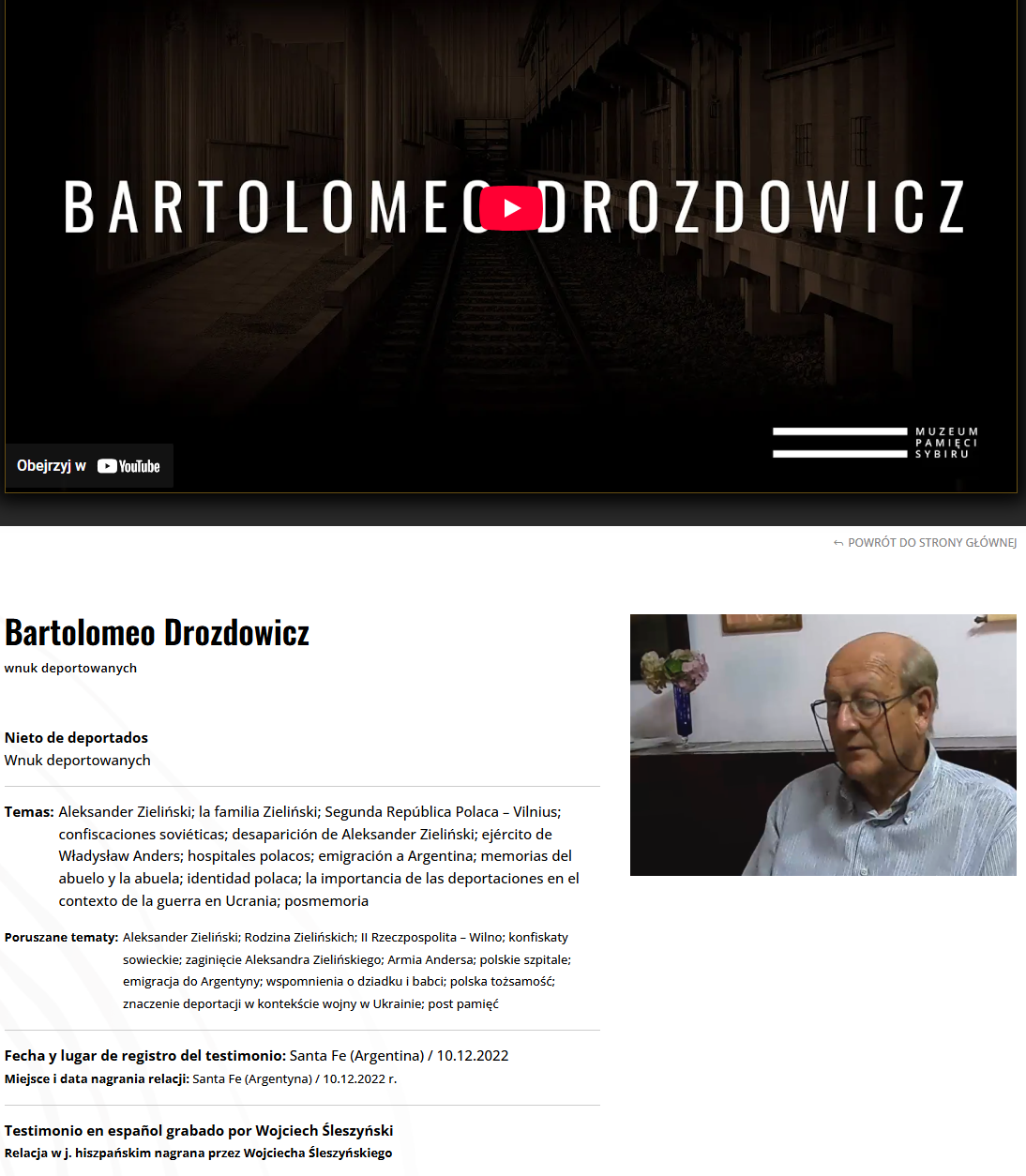
“Voices from Sybir” is a new web portal launched by the Sybir Memorial Museum, featuring testimonies of Sybiraks – survivors of Siberian deportations – as well as their children and grandchildren, collected from across the globe. The portal is freely accessible to all, with no registration required.
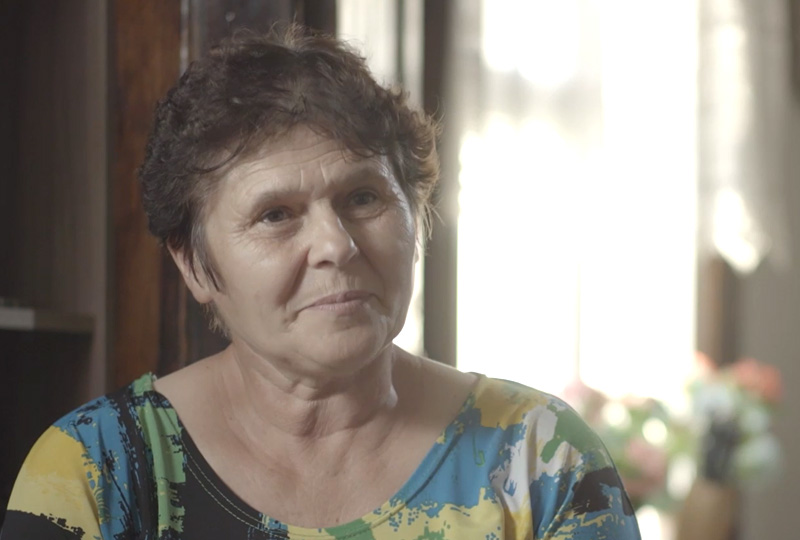
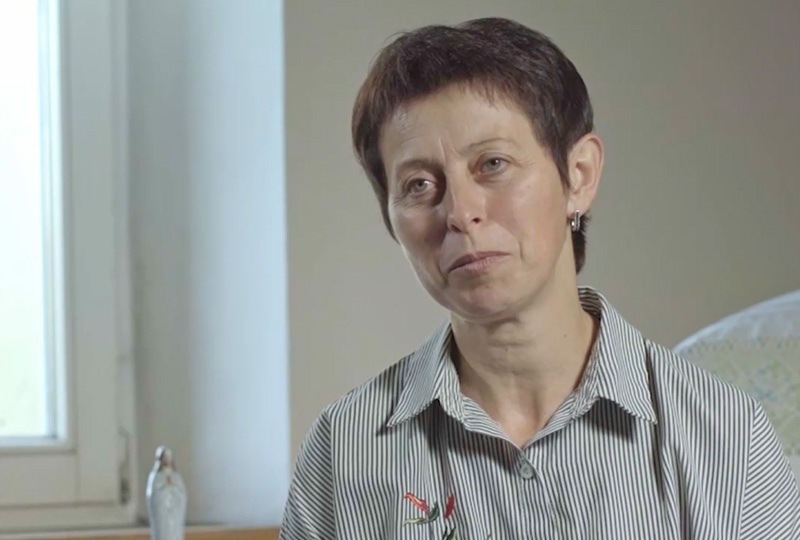
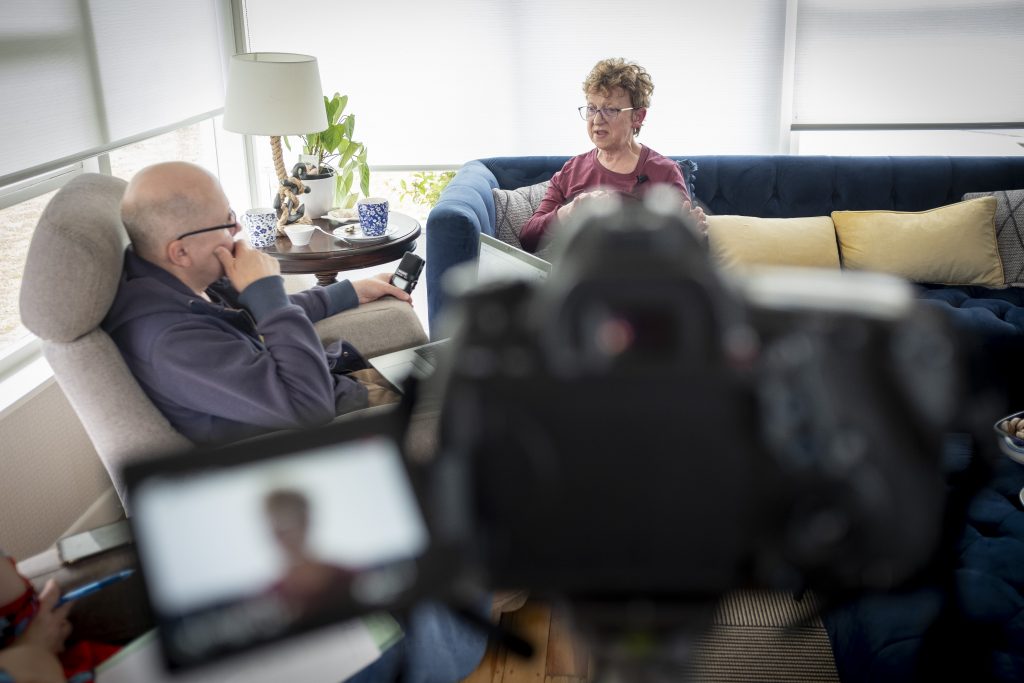
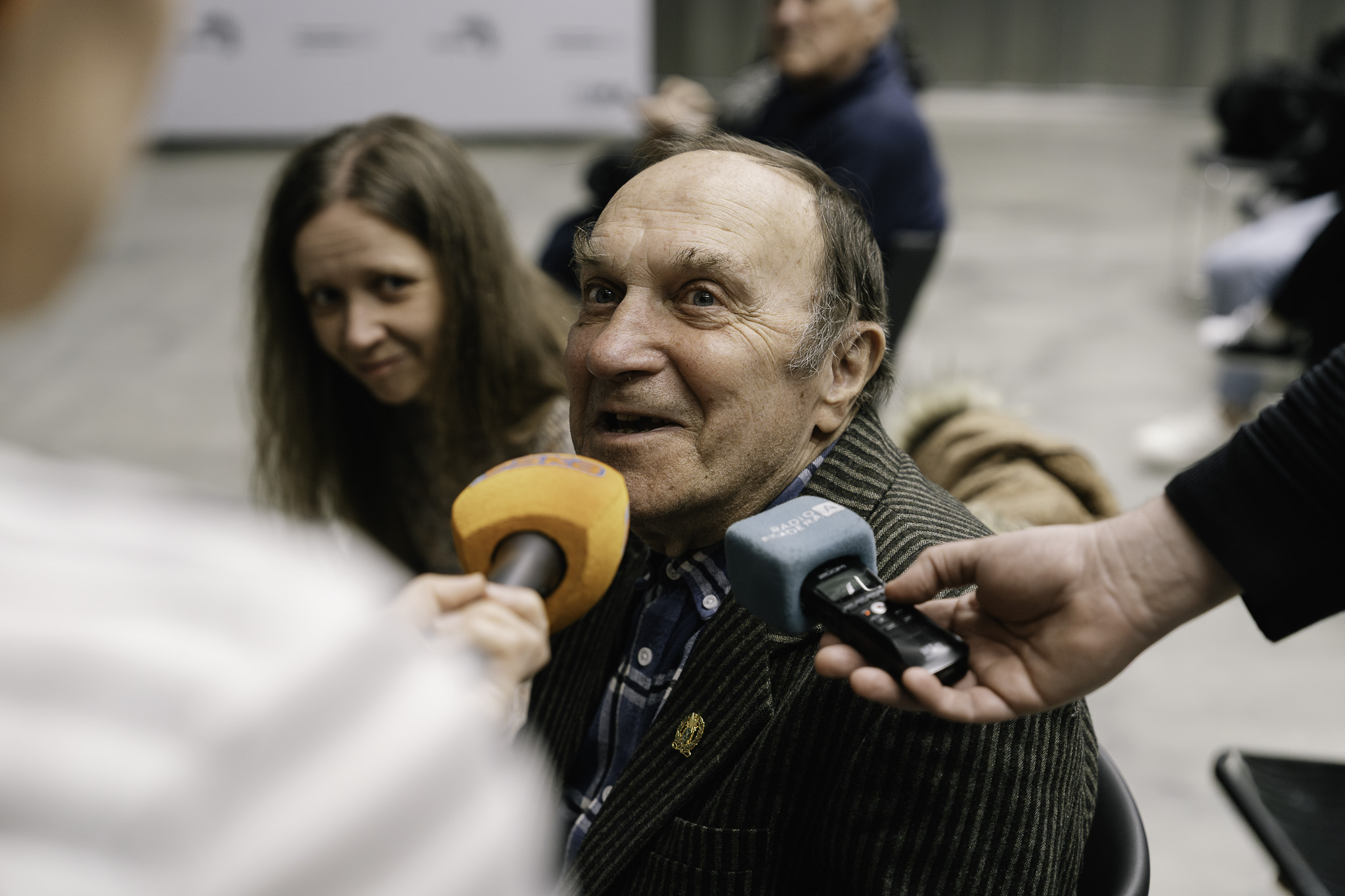
The portal features both archival recordings held in the Museum’s collection and interviews currently being recorded by the Museum’s staff, both in Poland and abroad. This is a fascinating and invaluable material that broadens our understanding of Siberia, trauma, and memory. These are recordings, both in audio and video formats, that allow audiences to better grasp the complexity of the subject of Siberia. Their collection and sharing affirm the exceptionally responsible role of the Sybir Memorial Museum as a ‘keeper of memory,’ as well as an institution that, based on best practices, asserts its role in the transmission of historical memory both nationally and internationally. Through archiving of recordings of Sybiraks and their descendants, the Museum contributes to building a collective identity based on post-memory, which strengthens intergenerational bonds.
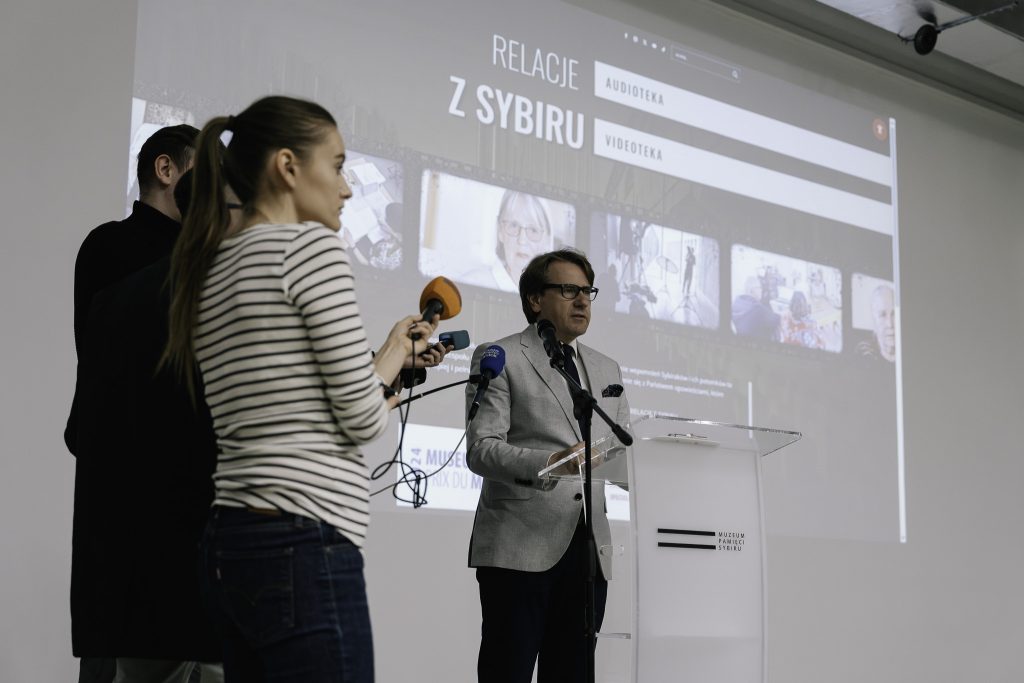
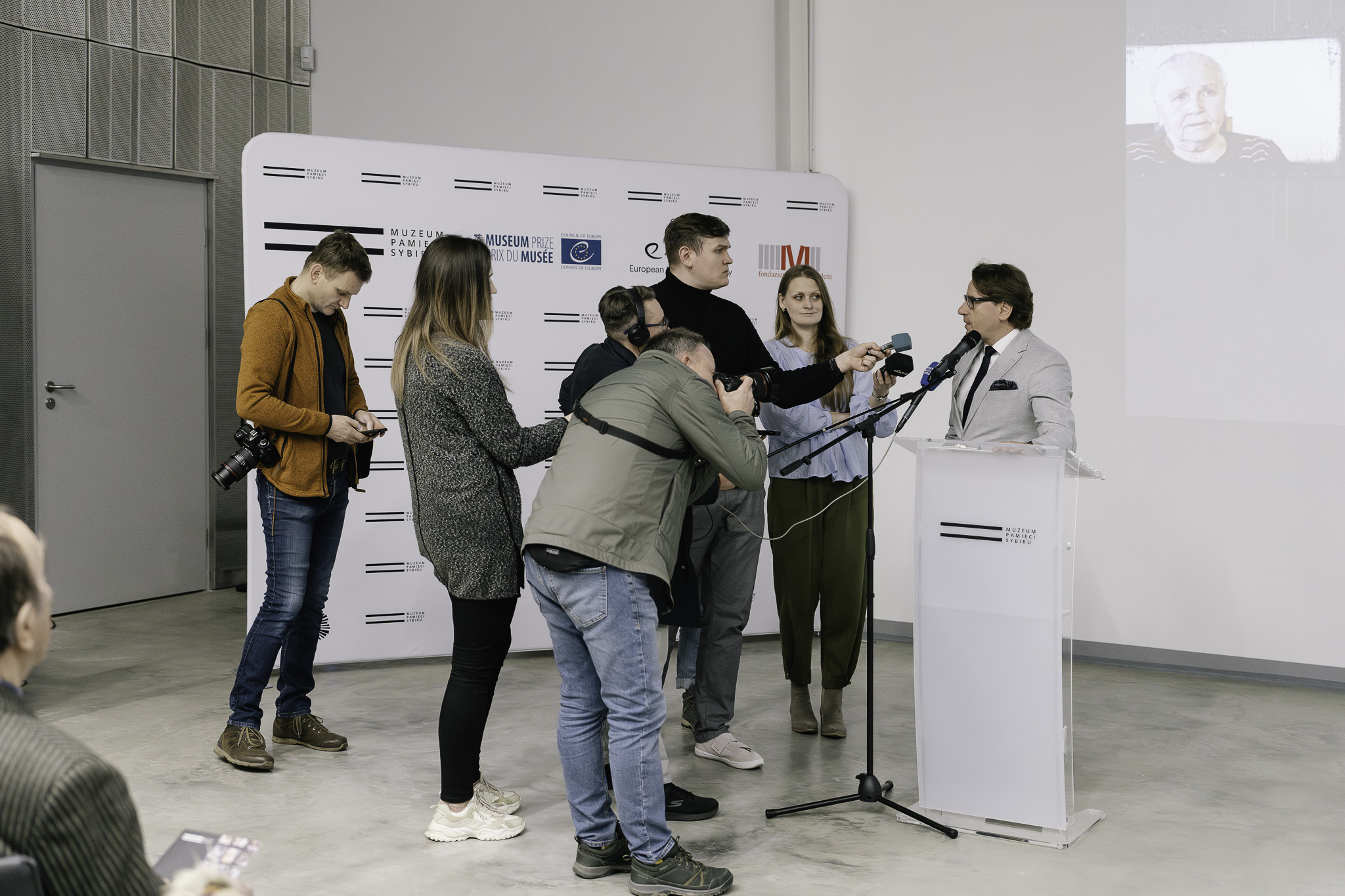
As noted by Professor Wojciech Śleszyński, Director of the Sybir Memorial Museum:
“The interviews published on the platform do not just explore themes of history. Thanks to these direct conversations, the recordings are a record of personal experiences of people traumatised by Siberia. They also serve as a powerful means of preserving the memory of these events for future generations. Oral history – recording, preservation, and interpretation of historical information based on the personal experiences of Sybiraks, as well as those of the second and third generations scattered around the world – is today more important than ever. It is an integral part in gaining a fuller understanding of the issues related to Siberia: understanding the collective experience and trauma of Sybir. And this is what our Museum deals with.”
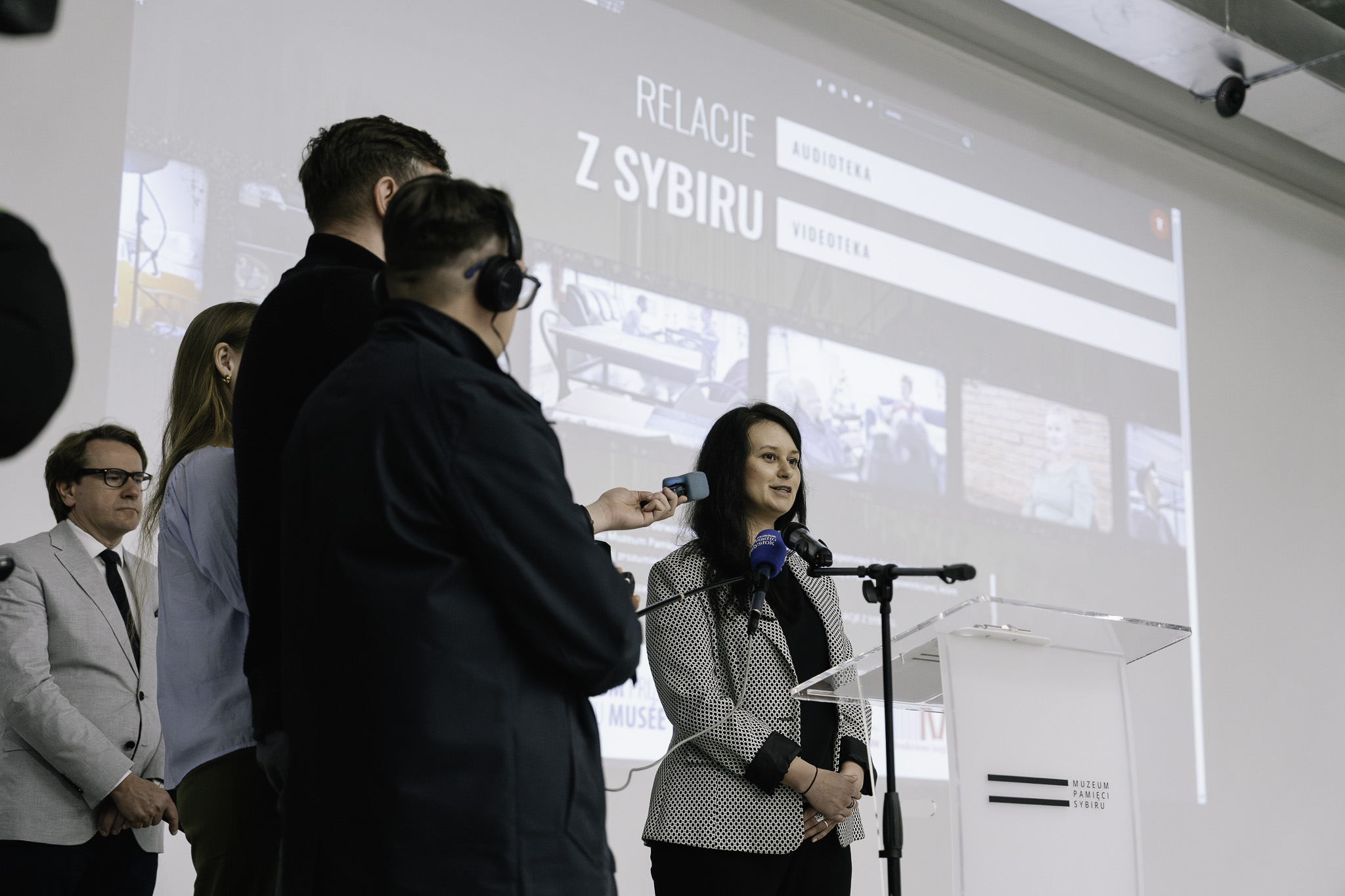
The creation of the platform was made possible thanks to the contributions of Sylwia Szarejko, PhD, editor-in-chief of the portal; Katarzyna Remża, responsible for collecting testimonies and their scholarly interpretation; Mikołaj Wyszyński, in charge of academic development; and Kamil Kreczko, who was responsible for building the website.
Sylwia Szarejko, PhD, shared her reflections on the creation of the platform:
“It was an incredibly moving and enriching journey for us, and above all, one that gave us a profound sense of fulfilling the mission of the Sybir Memorial Museum – to share knowledge and preserve the history of Sybiraks. We believe that the portal ‘Voices from Sybir’ will open the world to their stories and reveal what post-memory is, and how it functions within socjety,” she said.
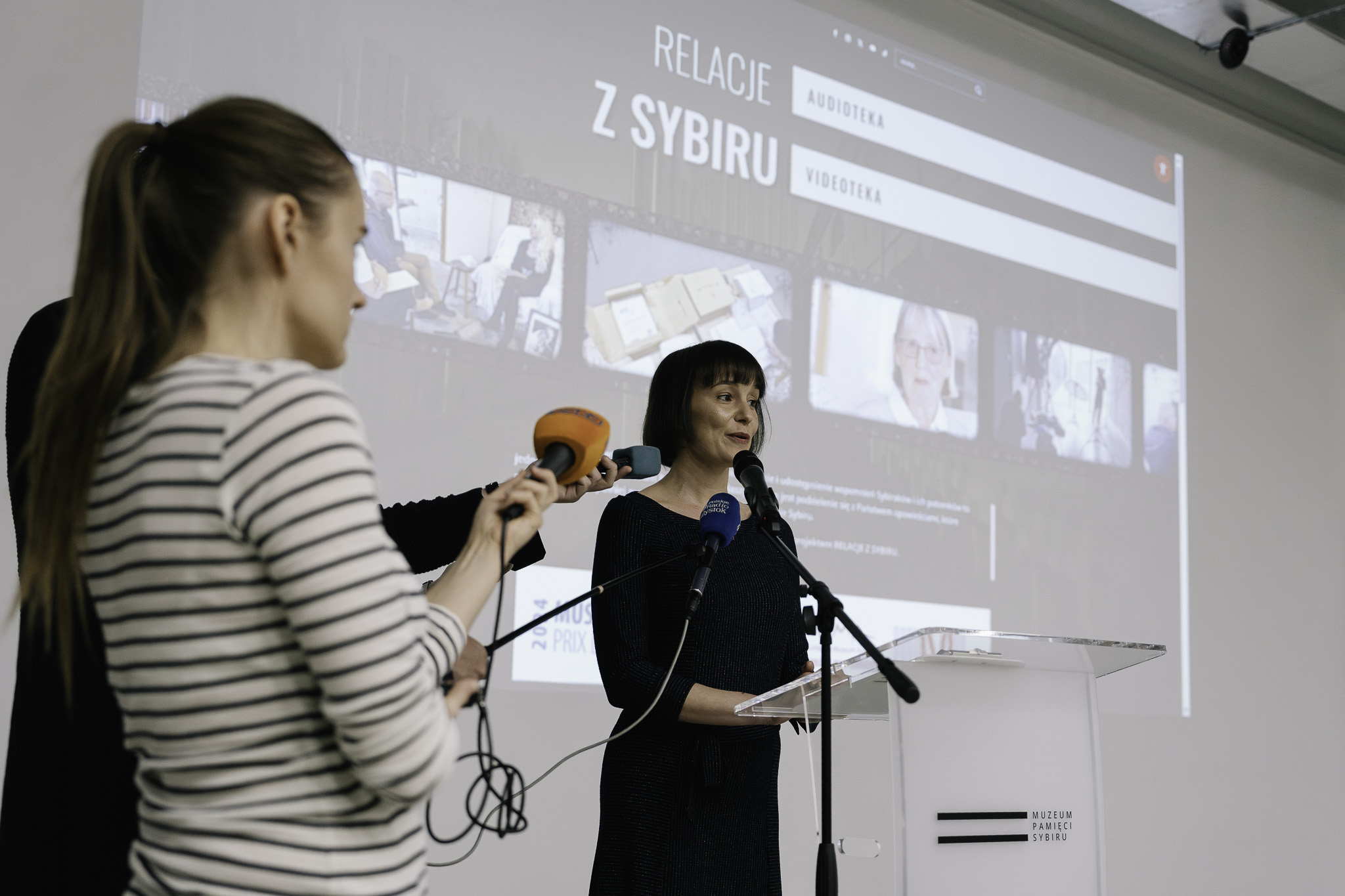
Katarzyna Remża also spoke about her role in the project:
“I was given a truly meaningful role in this project – the opportunity to speak directly with Sybiraks. The testimonies featured on our platform were recorded by many staff members in various parts of the world. Memory and post-memory are profoundly important, and this project was made possible thanks to your courage and willingness to share your stories with us,” she said.
Thanks to modern technological capabilities, the interviews featured on the platform will be made available in multiple languages, helping to further disseminate the Museum’s mission and expand its presence in the digital space.
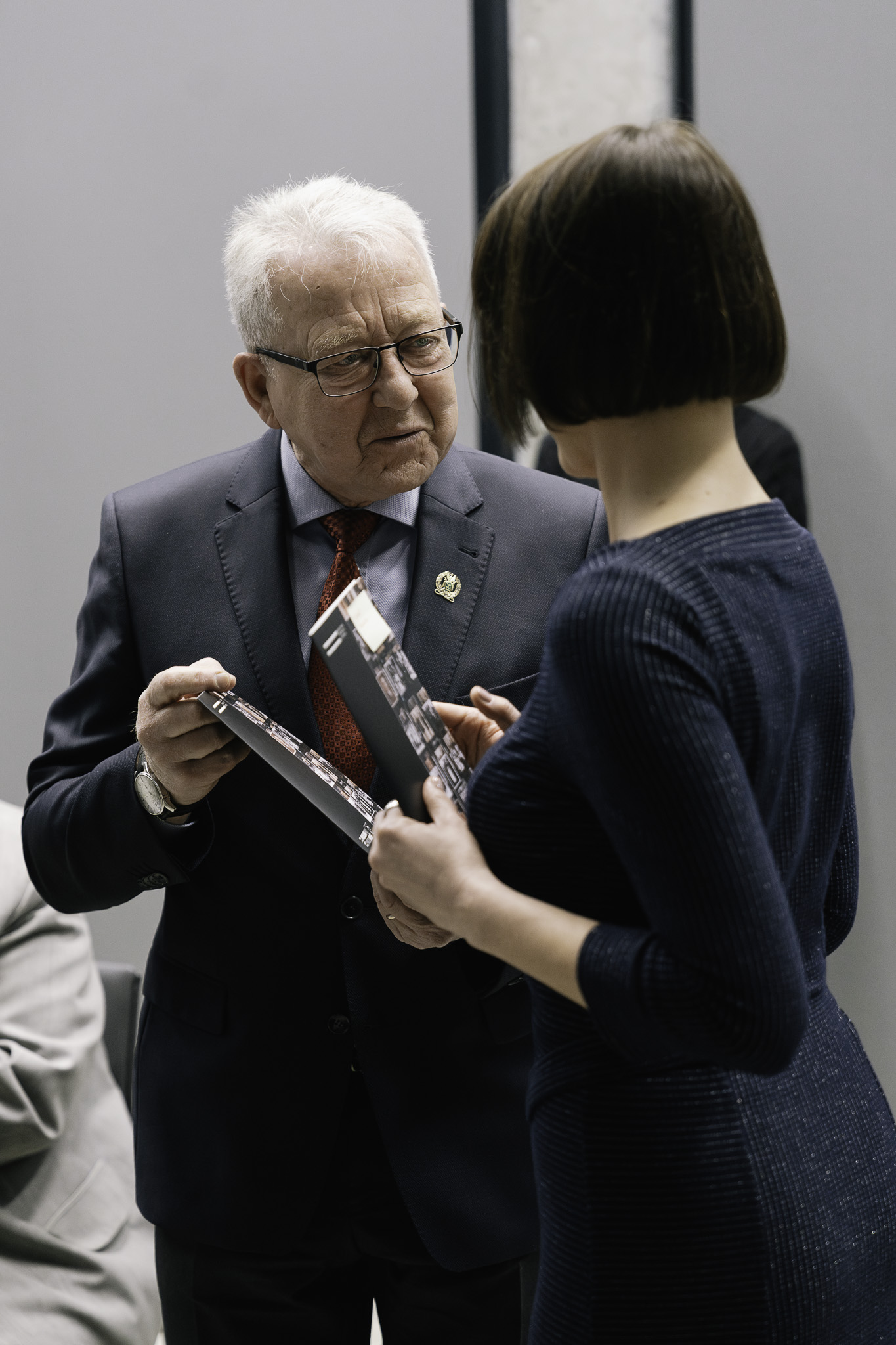
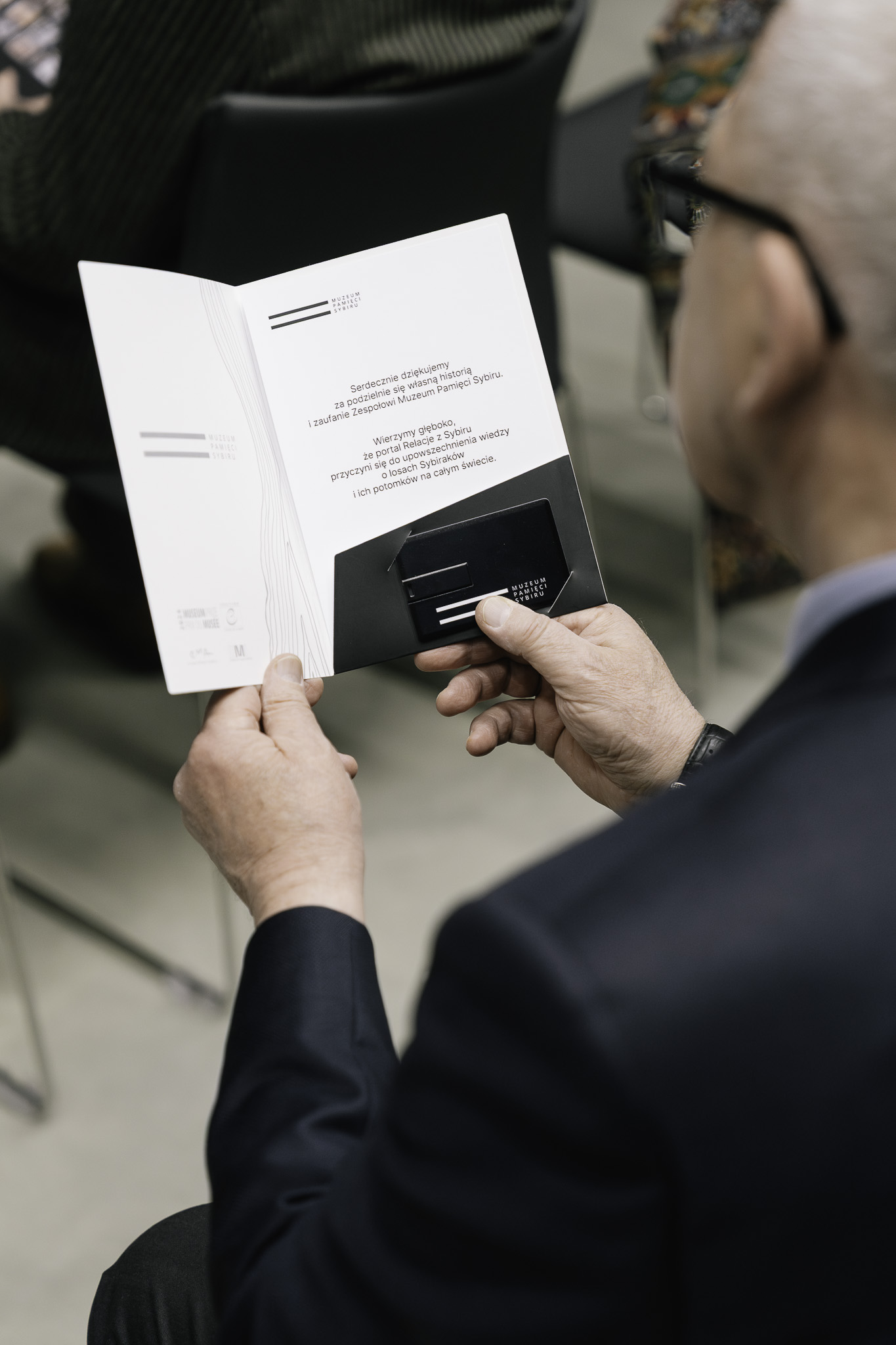
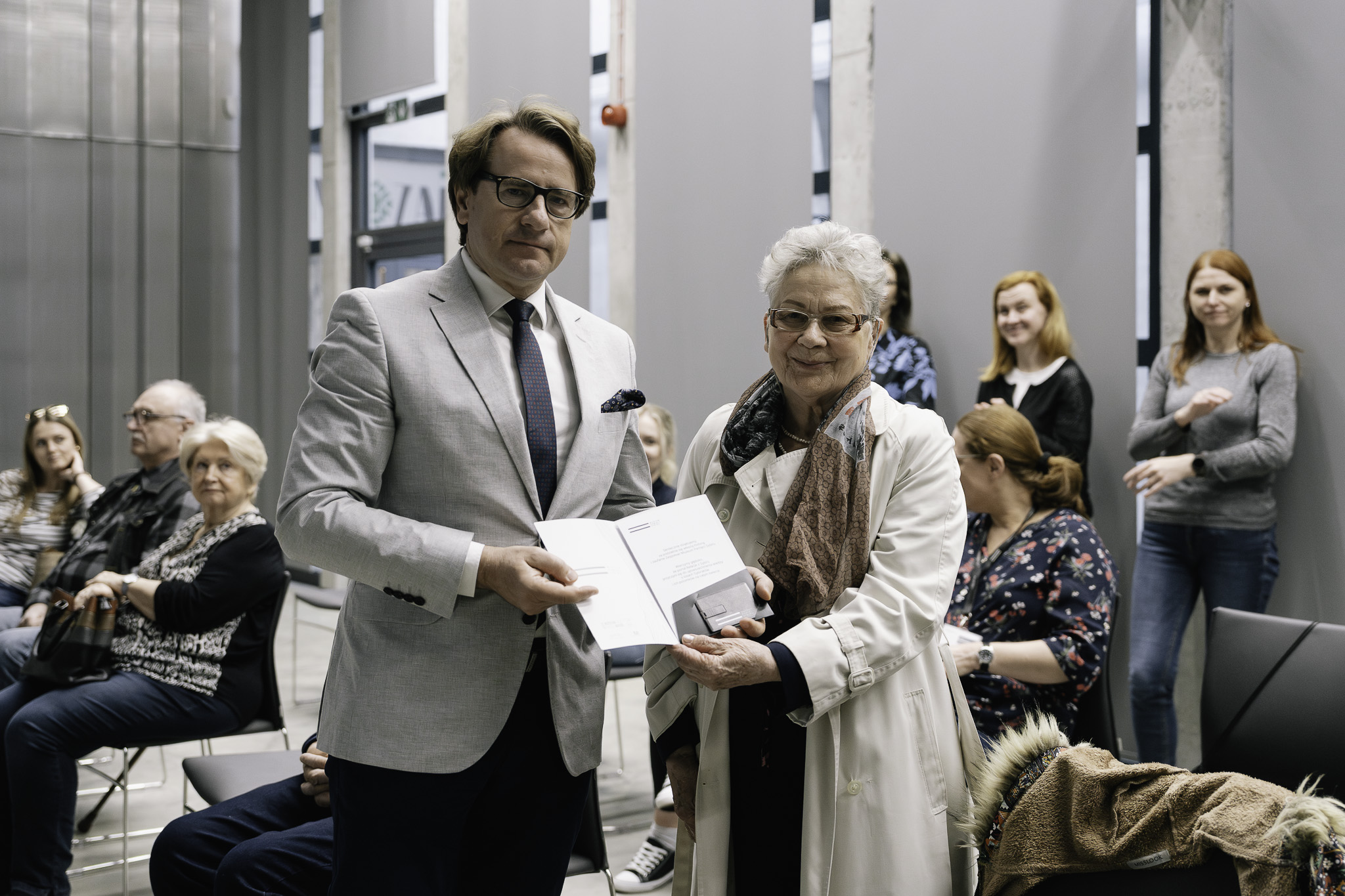
“We thank everyone who was willing to share their stories with us. These accounts come from all over the world. This was possible because our Museum has a remarkable team of people who speak two or even three foreign languages. It allows us to connect with the second and third generations of Siberian deportees, who, living in places like New Zealand, Australia, Mexico, or Kazakhstan, often no longer speak Polish. We are launching this portal because Białystok – and the Sybir Memorial Museum – extends its care to Sybiraks and their descendants scattered around the world. The memory of Siberia, the memory of the Siberian experience, is naturally becoming a part of our city’s identity. This is extremely important to us and brings with it a great responsibility,” added Director Wojciech Śleszyński.