


Ordinary – yet extraordinary – items preserved by the Dudź family for years have found a new home at the Sybir Memorial Museum. Our guests included Janina Śliżewska, one of the deported sisters, and Krystyna Grenczel, the granddaughter of Maria and Aleksander, who came with their family to share stories not only about the donated items but also about their family’s history.
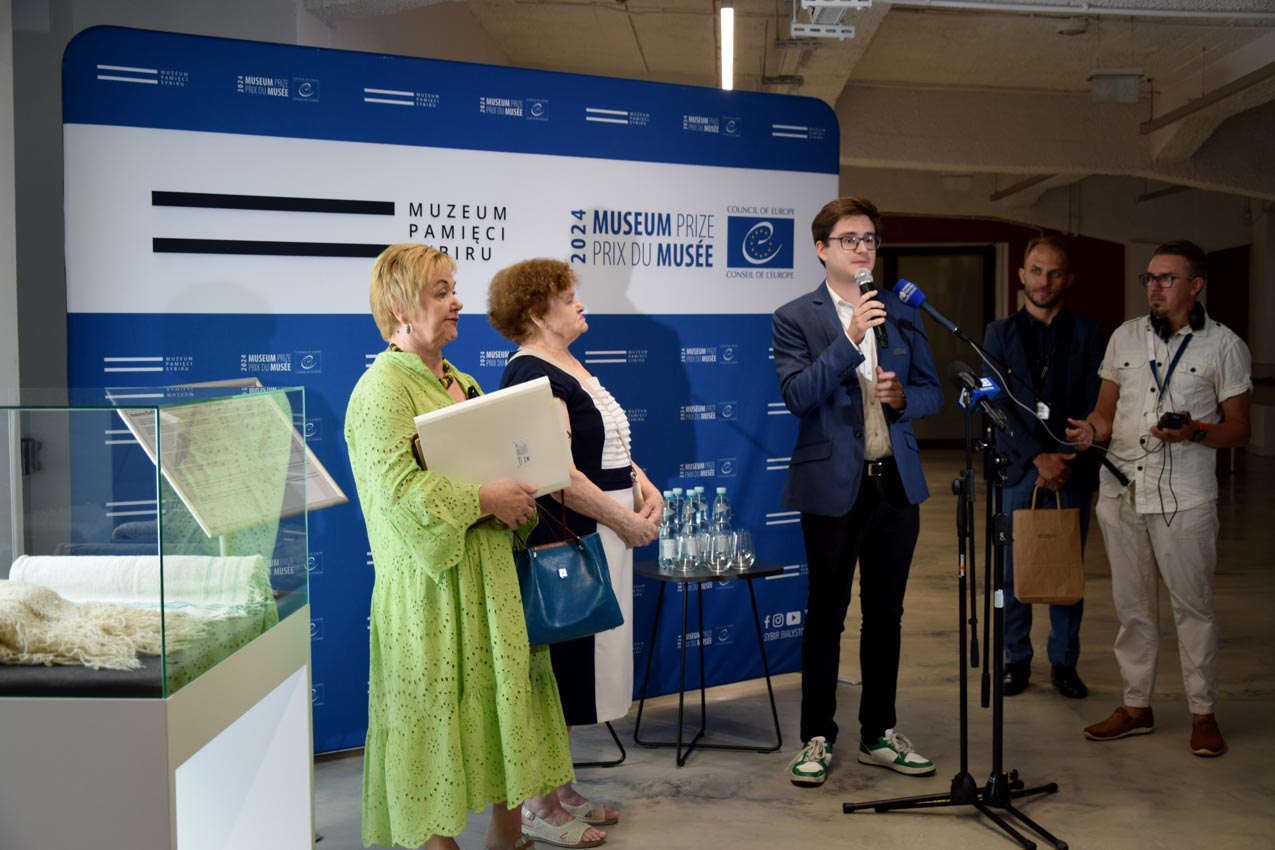
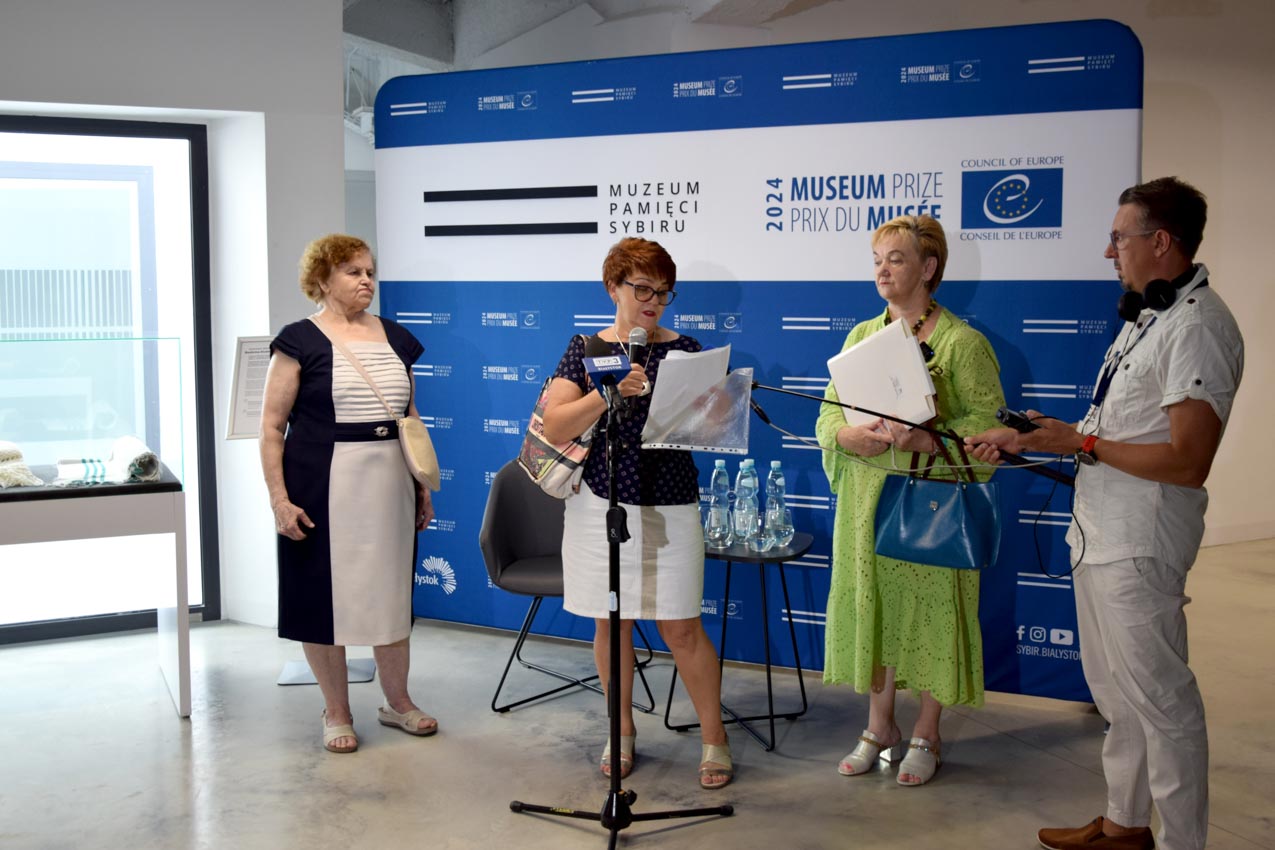
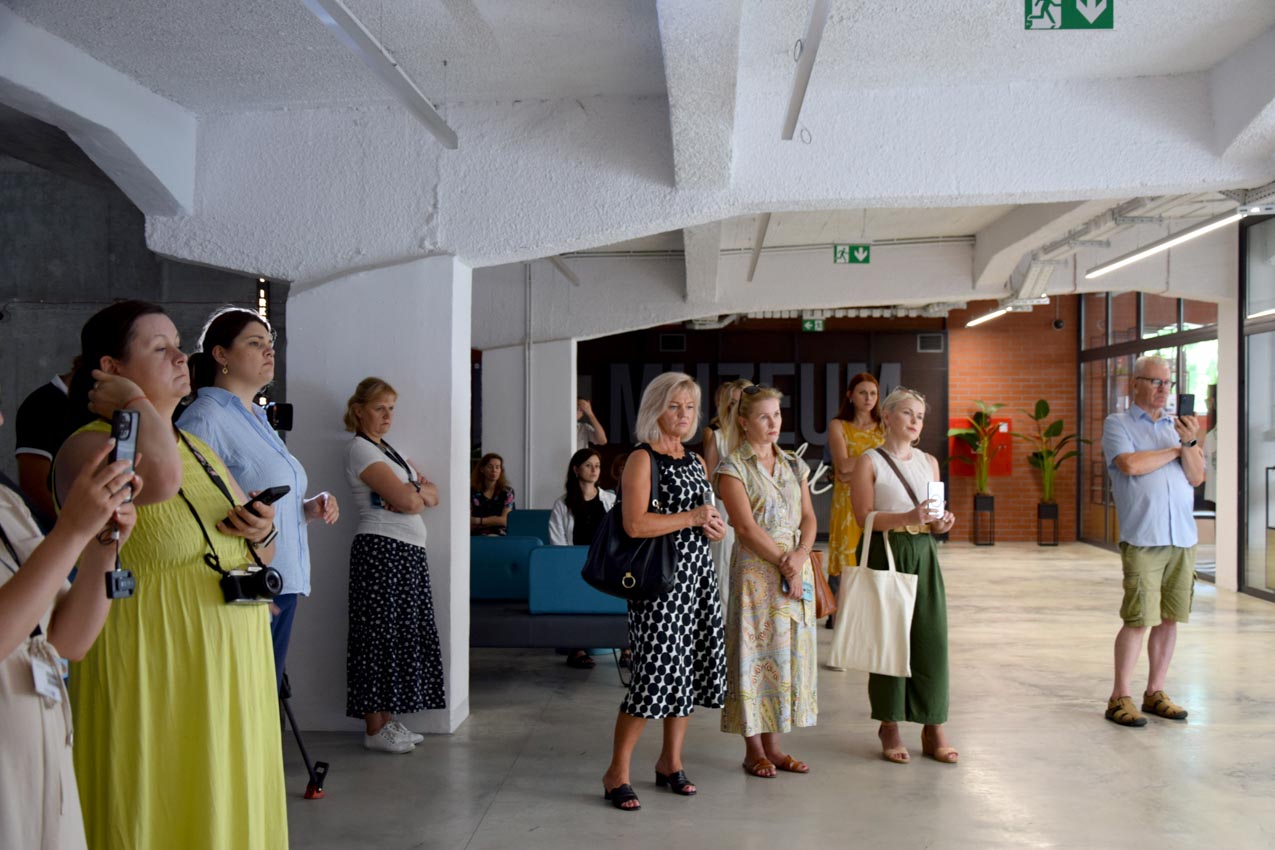
“This month marks the second anniversary of the Exhibit of the Month series,” said Piotr Bosko from the Department of Educational and Cultural Projects. “I am very pleased that on this anniversary, after two years, these exhibits and this story are being presented in our museum. It is an extraordinary story, from our perspective, an exceptionally unusual one, which shows that Africa and Siberia are very closely linked. At one point in this family’s history, Africa and Siberia became one. They became part of the journey halfway around the world.”
What is the story behind the family heirlooms?
Before the outbreak of World War II, the Dudź family lived in Sokolany, in the former Białystok Voivodeship (Sokółka County). During the Soviet occupation, the father of the family, Aleksander Dudź, was involved in underground activities and hid from the Soviet authorities to avoid arrest. It turned out that the Soviets indeed decided to get rid of Aleksander, along with his entire family. In June 1941, during the fourth mass deportation, his wife Maria and their three daughters, Alfreda, Władysława, and Janina, were sent to Siberia. Aleksander himself was not deported because the Soviets couldn’t find him. His sister Marianna and his 75-year-old father Jan shared the fate of Maria and the daughters.
Fortunately, on July 30, 1941, a little over a month after the invasion of the Soviet Union by Nazi Germany, an agreement restoring the broken off (after September 17, 1939) diplomatic relations between Poland and the Soviet Union (the so-called Sikorski-Mayski Agreement) was signed. Its result was the announcement of amnesty whereby Polish citizens in the Soviet Union were to regain their freedom. Among the thousands of individuals released from slavery were also members of the Dudź family. They headed towards one of the places where the Polish army commanded by General Władysław Anders had been formed and in 1942 they evacuated with the Polish army to the Middle East.
Then, the Dudź family ended up in a camp for Polish refugees in Tengeru (now Tanzania). They returned to Poland in 1947, where, after years of separation, they were reunited with Aleksander. Unfortunately, not everyone survived the second journey — Maria’s father-in-law, Jan, died in Tehran in 1942.

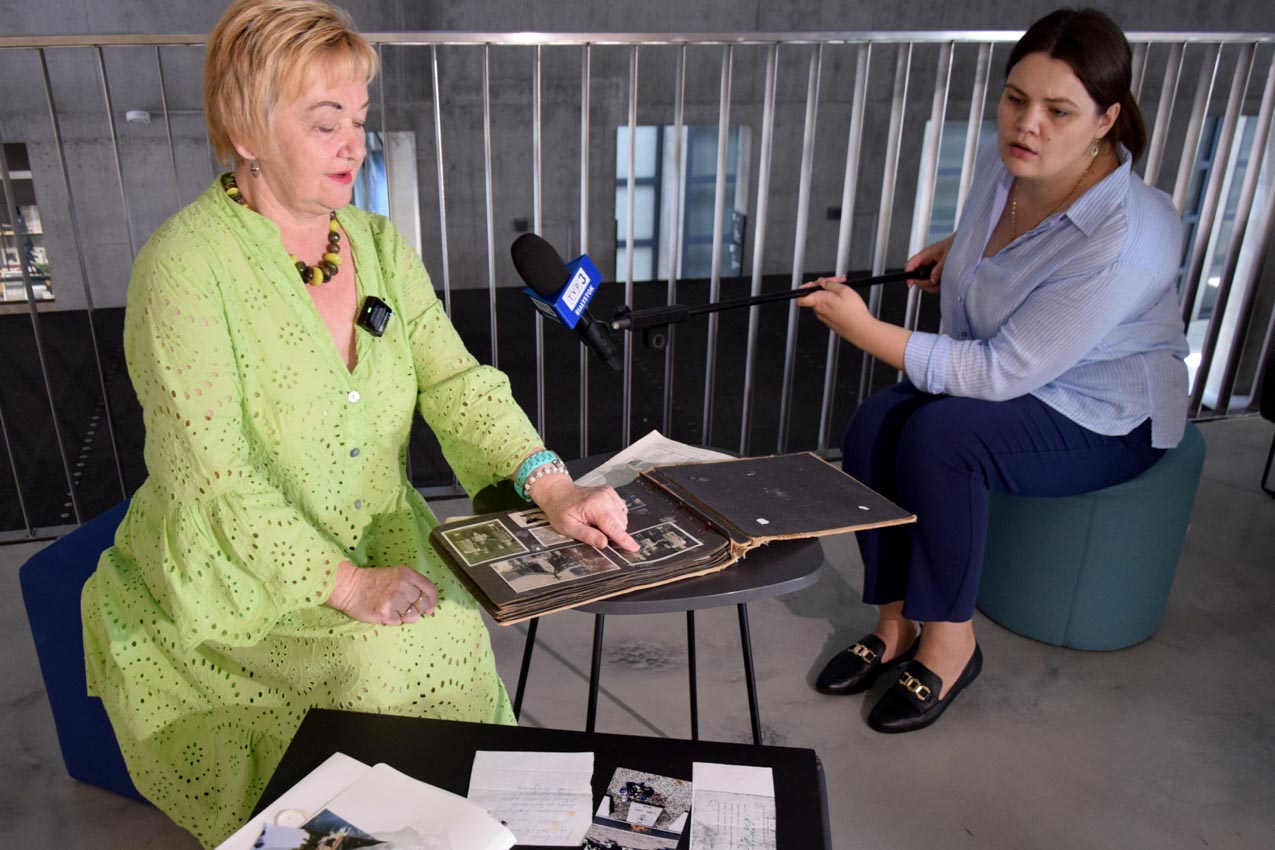
“Now I wish I’d listened more to their stories about deportations,” recalled Anna Sańko, daughter of Alfreda Dudź. “When you’re young, you’re not interested in such things. And when you finally become interested, it’s definitely too late.”
Fortunately, she managed to write some family memoirs and keep the memorabilia, that now can be seen in the Museum. Mrs. Krystyna Grenczel, Alfreda’s daughter, Maria and Aleksander’s granddaughter told more about the items donated to the collection of the Sybir Memorial Museum.
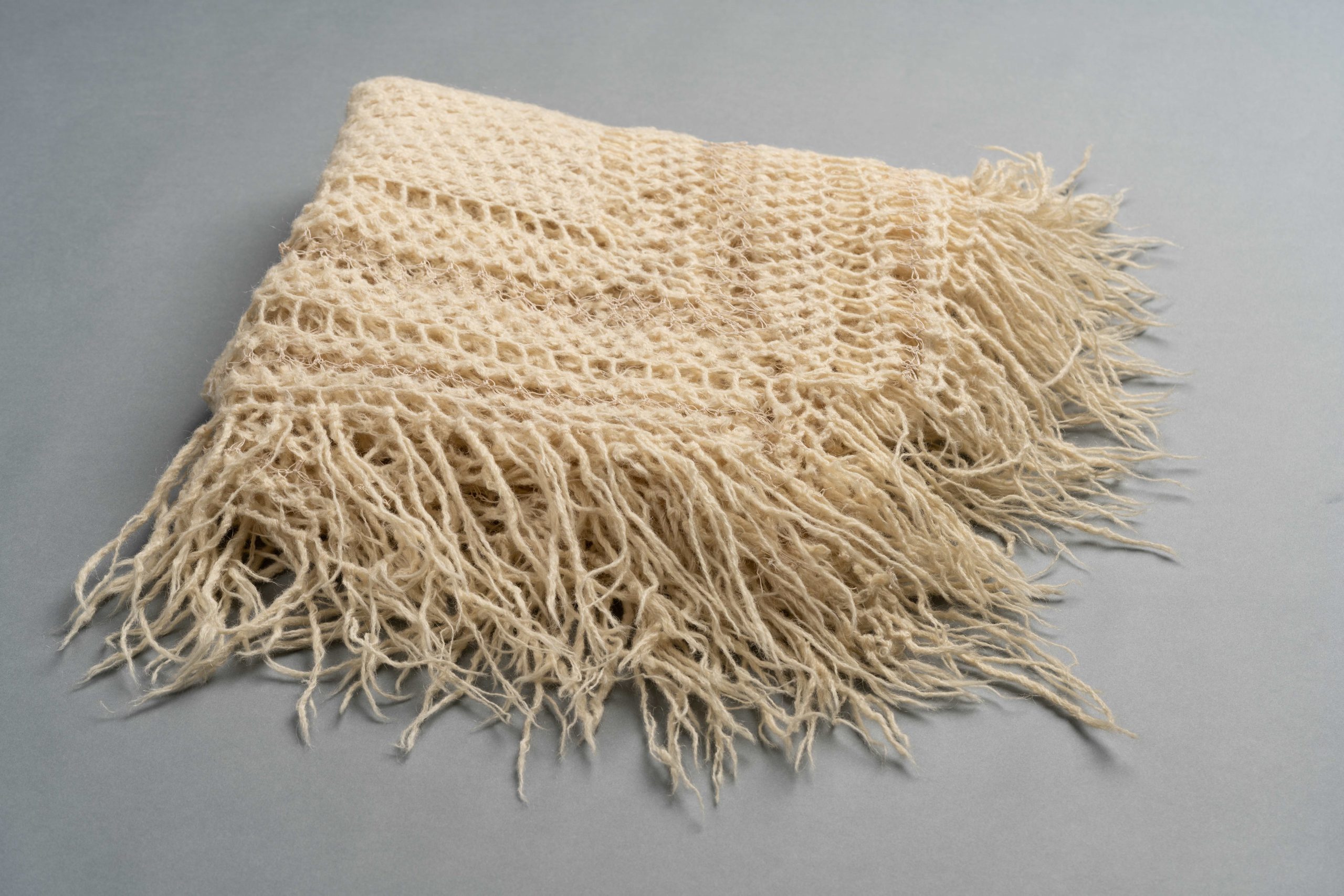
“The towel was brought from Africa, […] it was only used on special occasions, hung up, because back then it was hung as a decoration. And my grandmother always said that this was a towel from Africa. I never used it, and now I have donated it to the museum as a keepsake,” said Krystyna Grenczel.
The scarf, on the other hand, was used by Mrs. Krystyna’s grandmother to cover herself when it was cold. But the scarf was made in Poland, from sheep’s wool. During the meeting, a valuable family album was also presented.
The display case presenting our Exhibit of the Month can be found in the upper hall of the Sybir Memorial Museum. The Dudź family memorabilia can be seen until the end of the summer.