

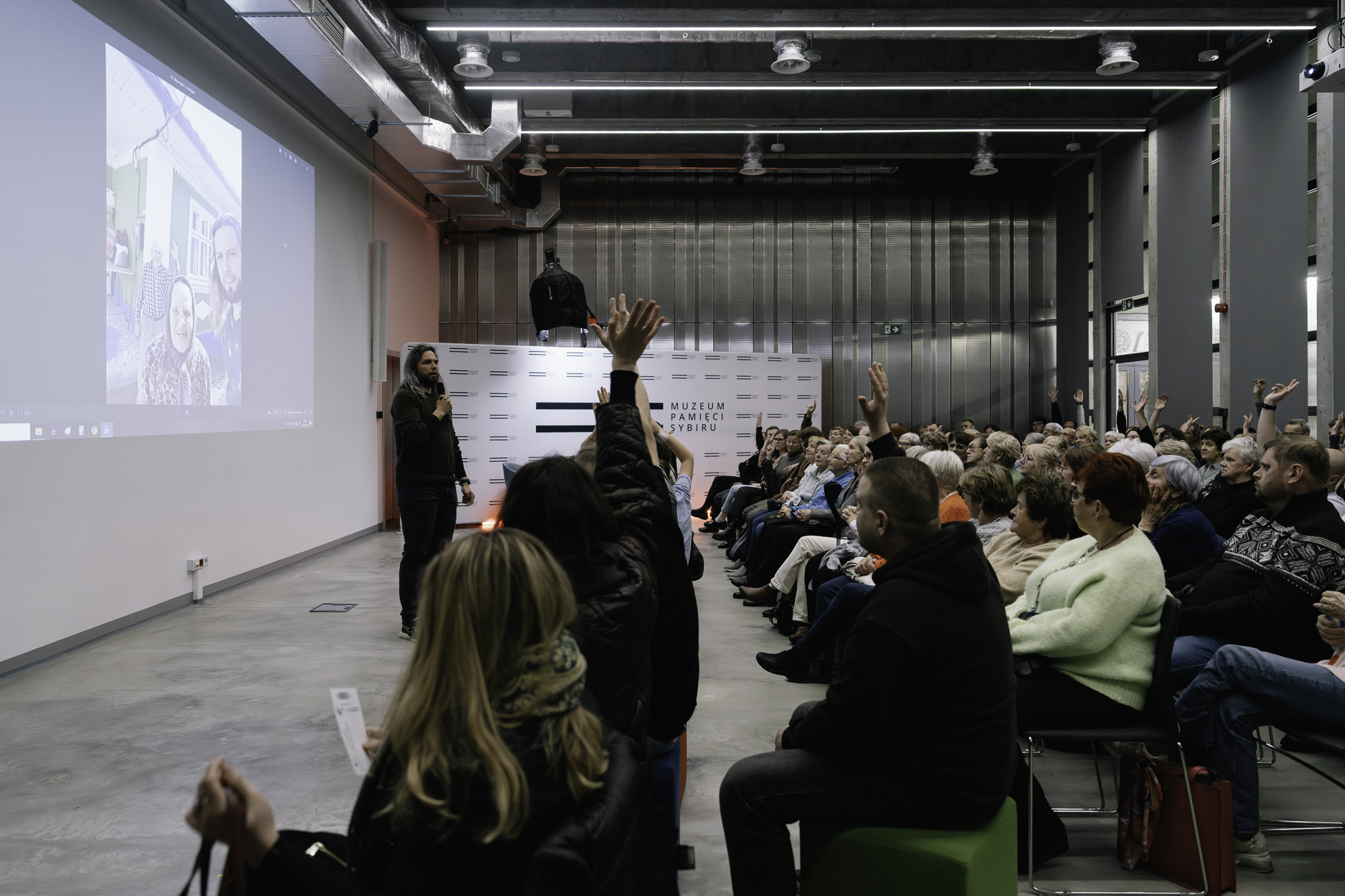
The multimedia room was filled to capacity this evening. Many people attended, including a large group of his podcast fans. The author of Who Will Turn Out the Light? (Kto zgasi światło?), with his vivid, engaging, and conversational style, provided the audience with a concise overview of Moldova’s history, from its beginnings to the present day.
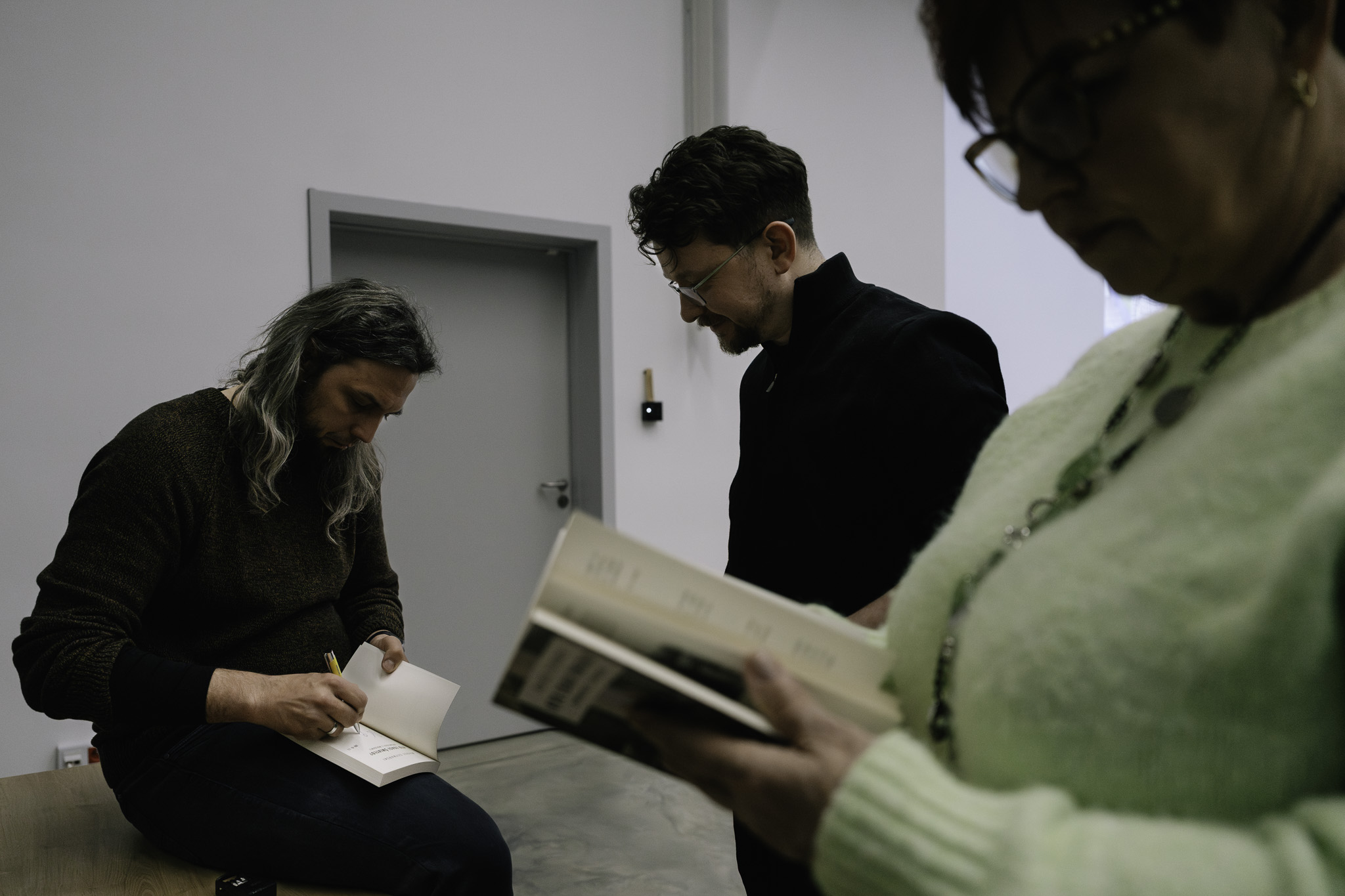

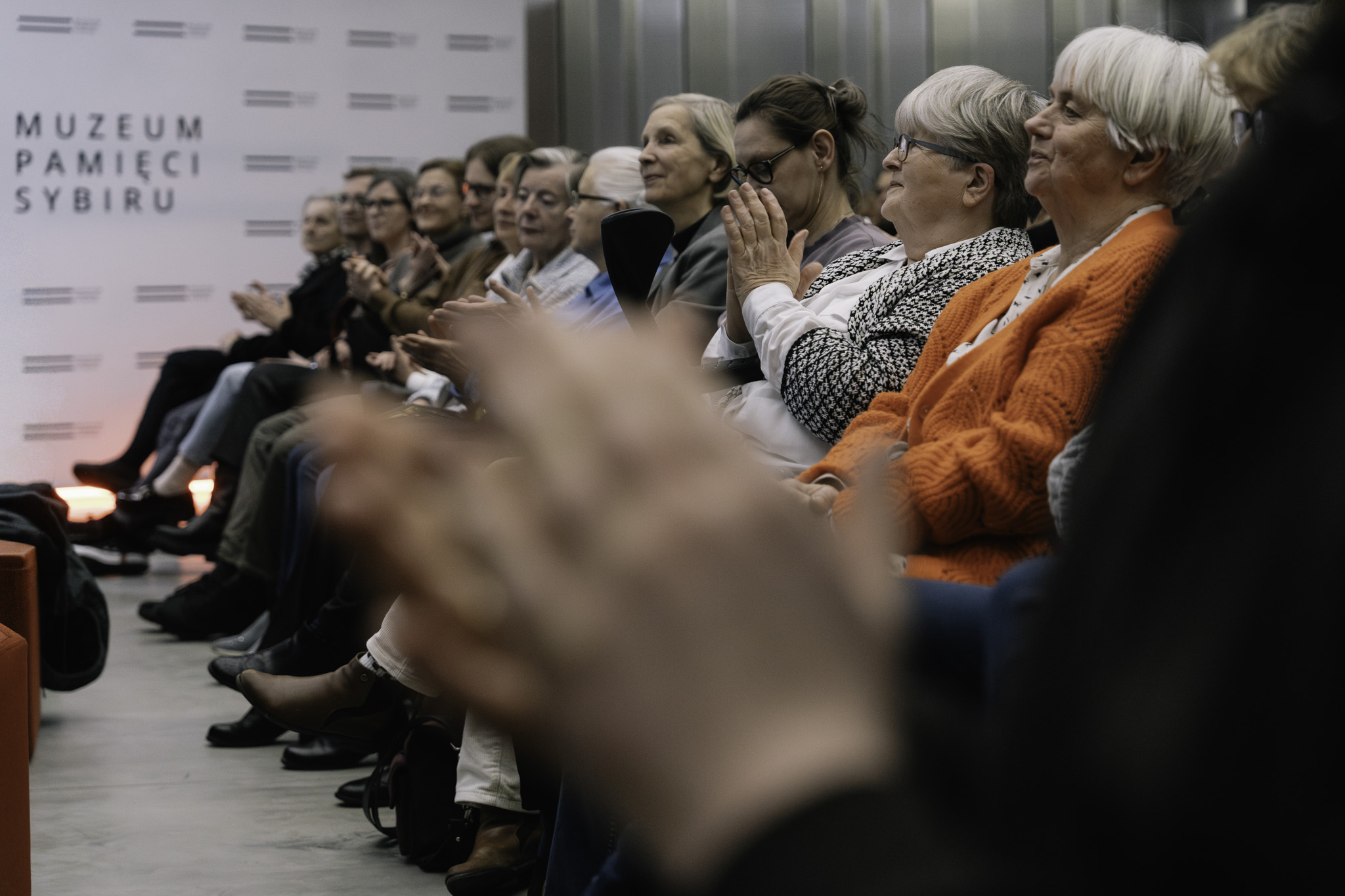

Miłosz Szymański emphasized that Moldovans also experienced deportations to Siberia.
“In 1940, the first wave of repression in Moldova began. Who was targeted? Imagine the same groups that were targeted in Poland — foresters, railway workers, officials, scientists, intellectuals, and people with higher education,” he said.
Repressions against Moldovans continued long after the war ended.
“Between 1946 and 1947, Moldova suffered widespread famine. Unfortunately, we do not know how many people died, as there are no precise records,” he noted.
So how are Soviet repressions remembered in modern-day Moldova?
The study of repression in Moldova has always been highly controversial. First came the famine imposed by the Soviet authorities, followed by deportations to Siberia, and later the settlement of Moldova by Slavic populations, primarily Ukrainians and Russians. As a result, in 1989, during the last census conducted in the Soviet Union, 65% of the population were Moldovans, while 35% were minorities, mostly Russian-speaking. This meant that even in independent Moldova, the state did not fund this type of research or actively seek answers or identify victims. Discussing the crimes of the Soviet Union was often perceived as an attack on Russia, he explained.
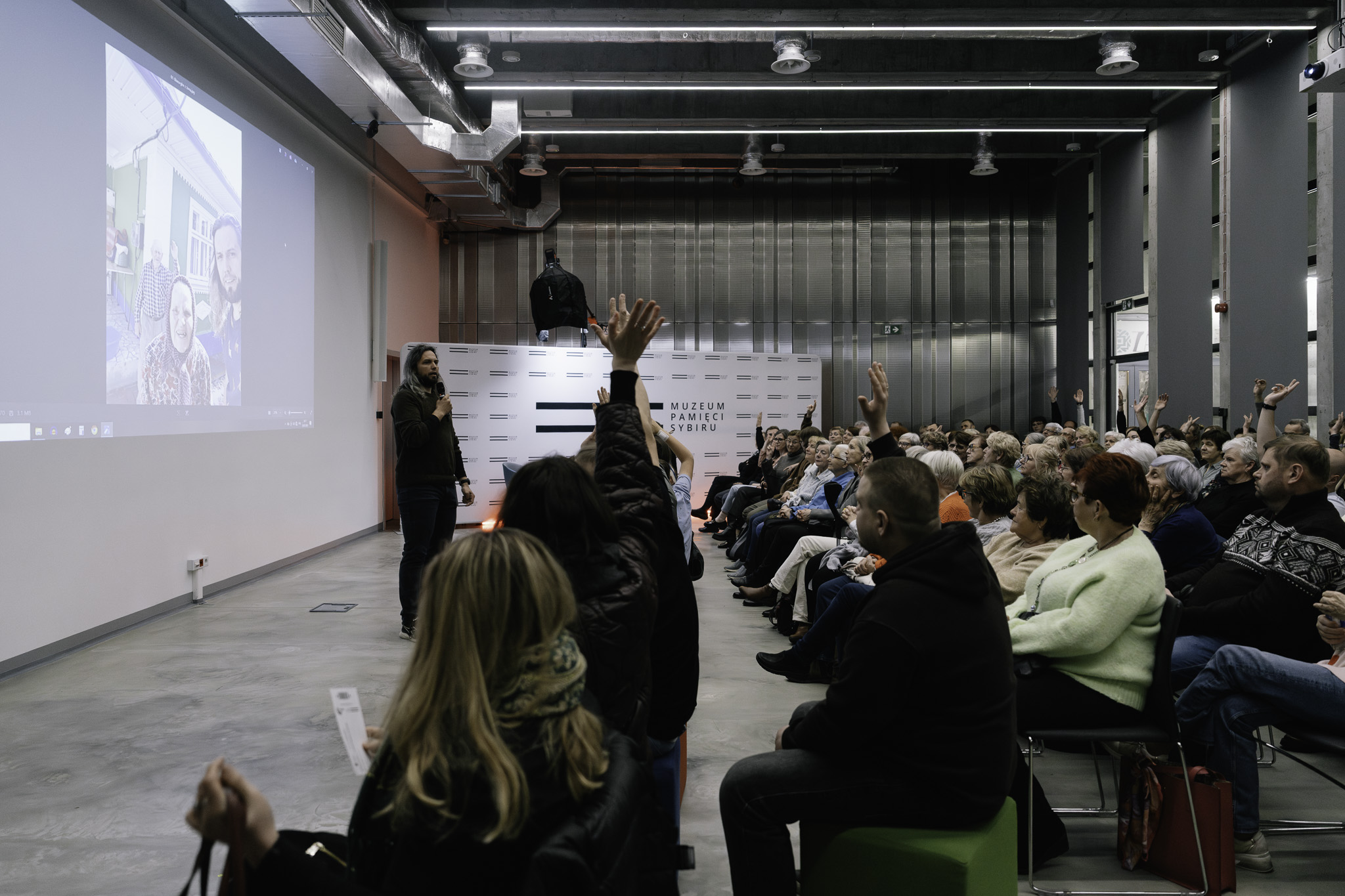

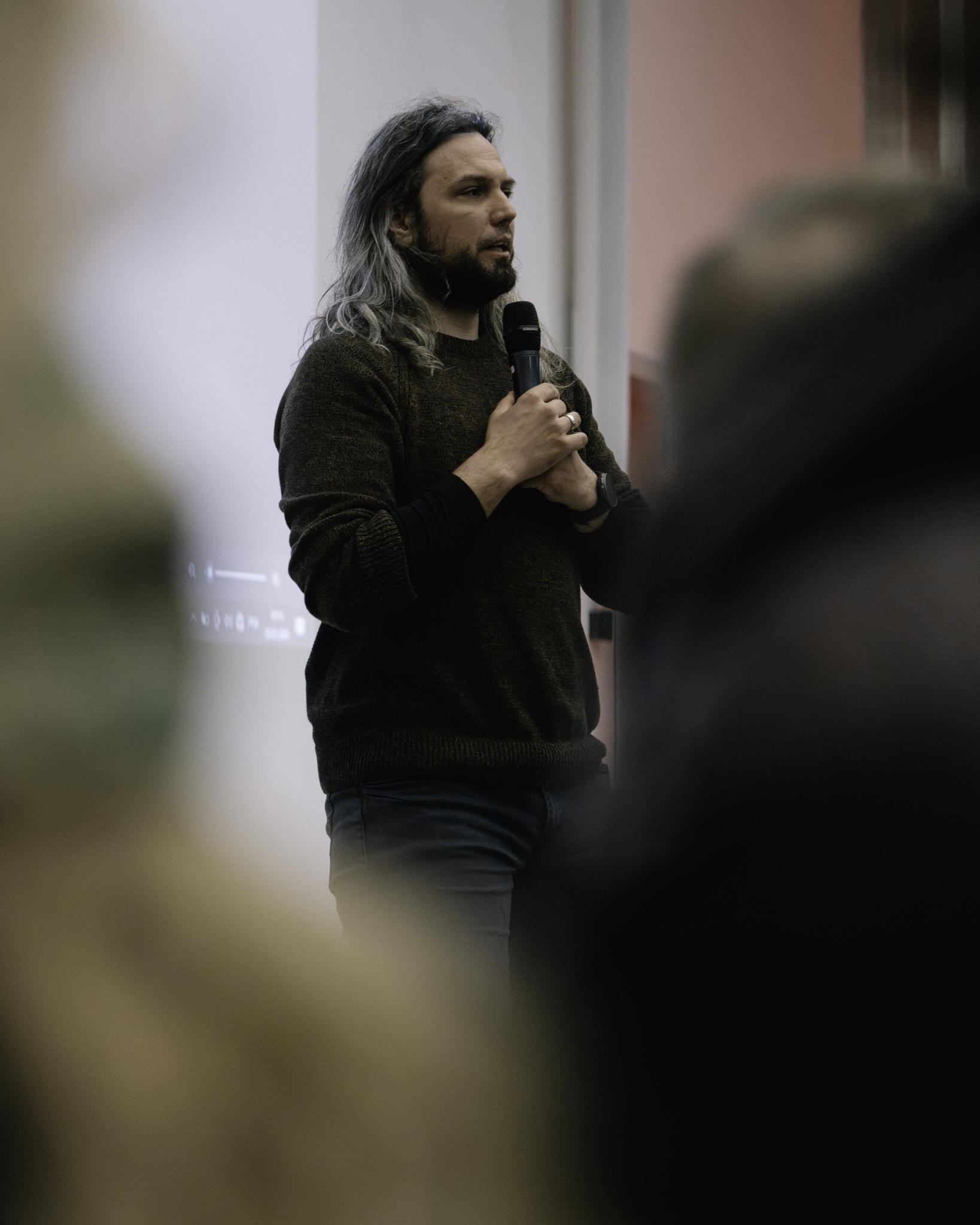
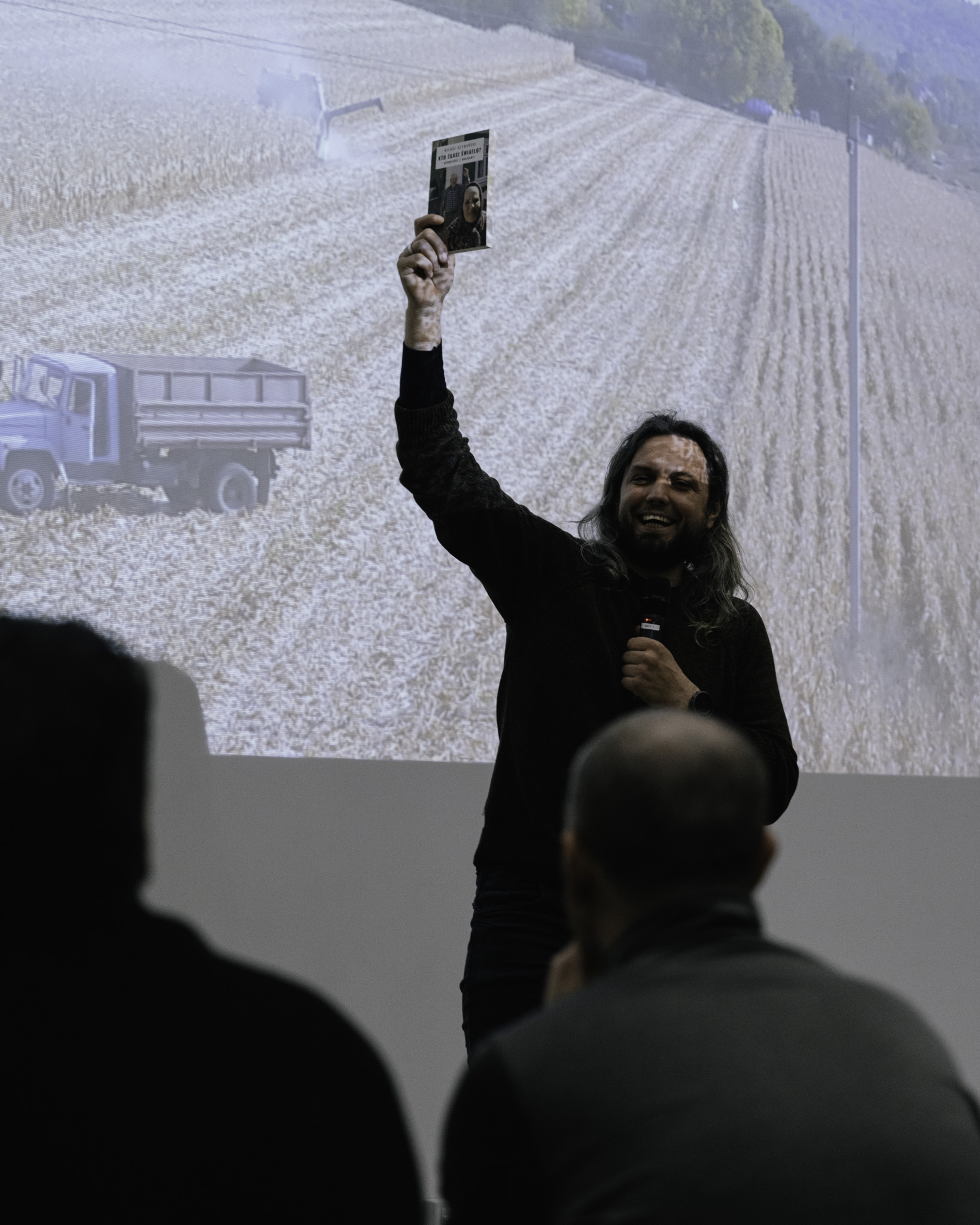
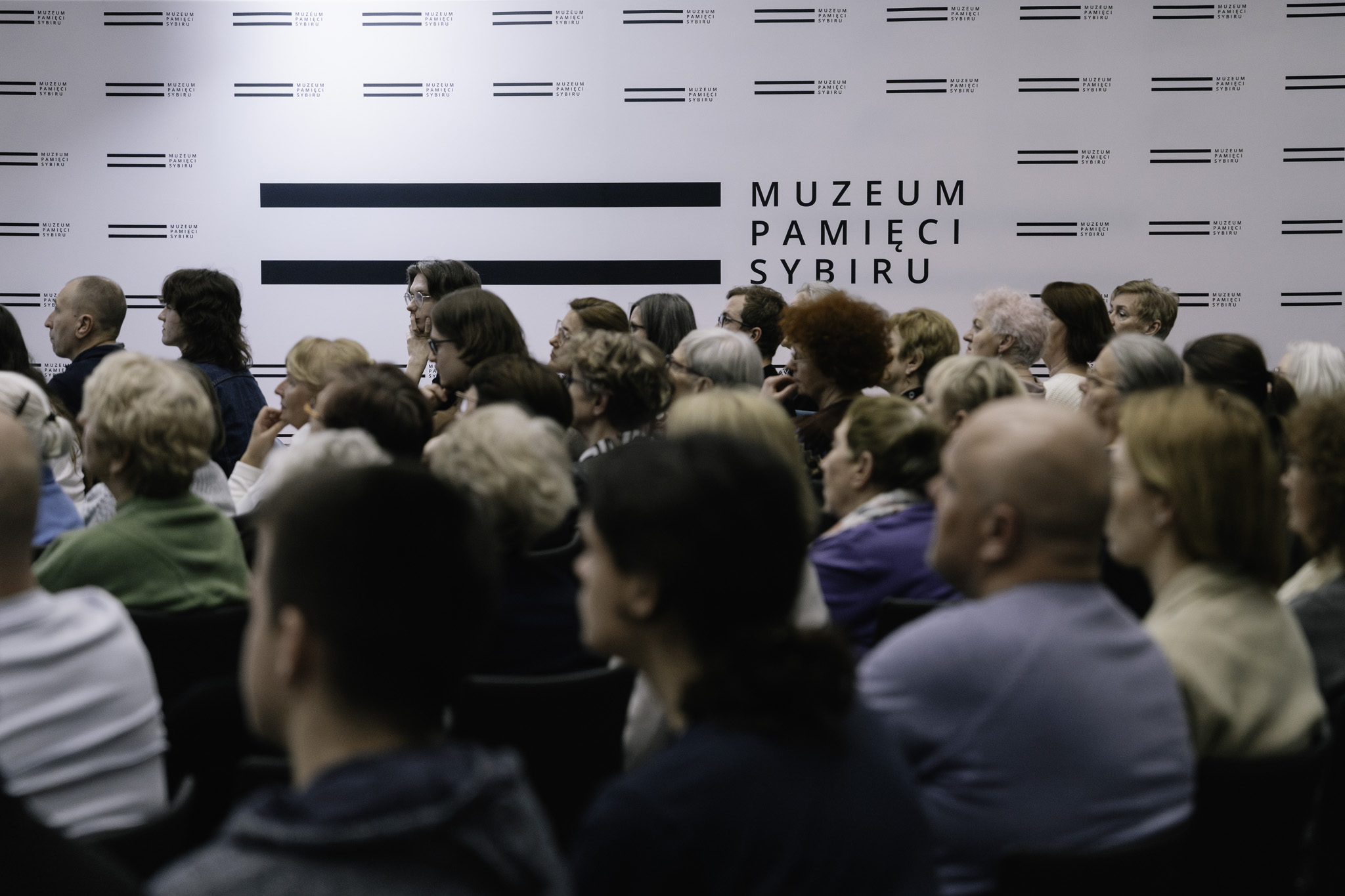
The meeting with Miłosz Szymański provided an opportunity to learn more about the history of this part of Europe and to realize that, although we experienced similar repression, memories of those events can take very different forms.