



“Siberia, I have always been in love with Siberia. The world of Siberia was revealed to me by Jack London. His descriptions were, in my eyes, so close to this trans-Ural land that even as a child I knew that I would not reach Alaska, but I could reach Siberia. This has become the reason for great interest in reaching this dream land,” that’s how Jacek Pałkiewicz began his story.
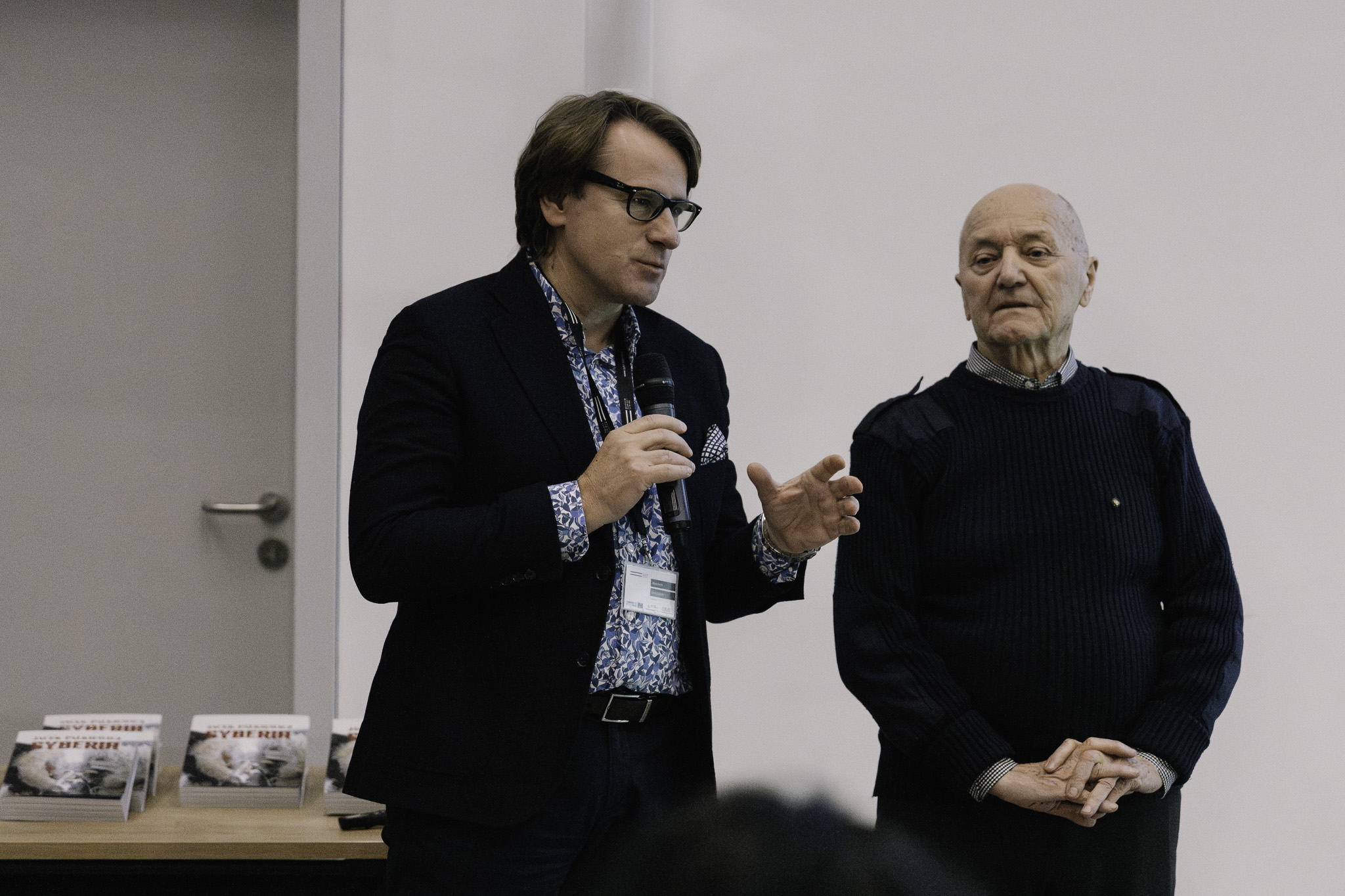
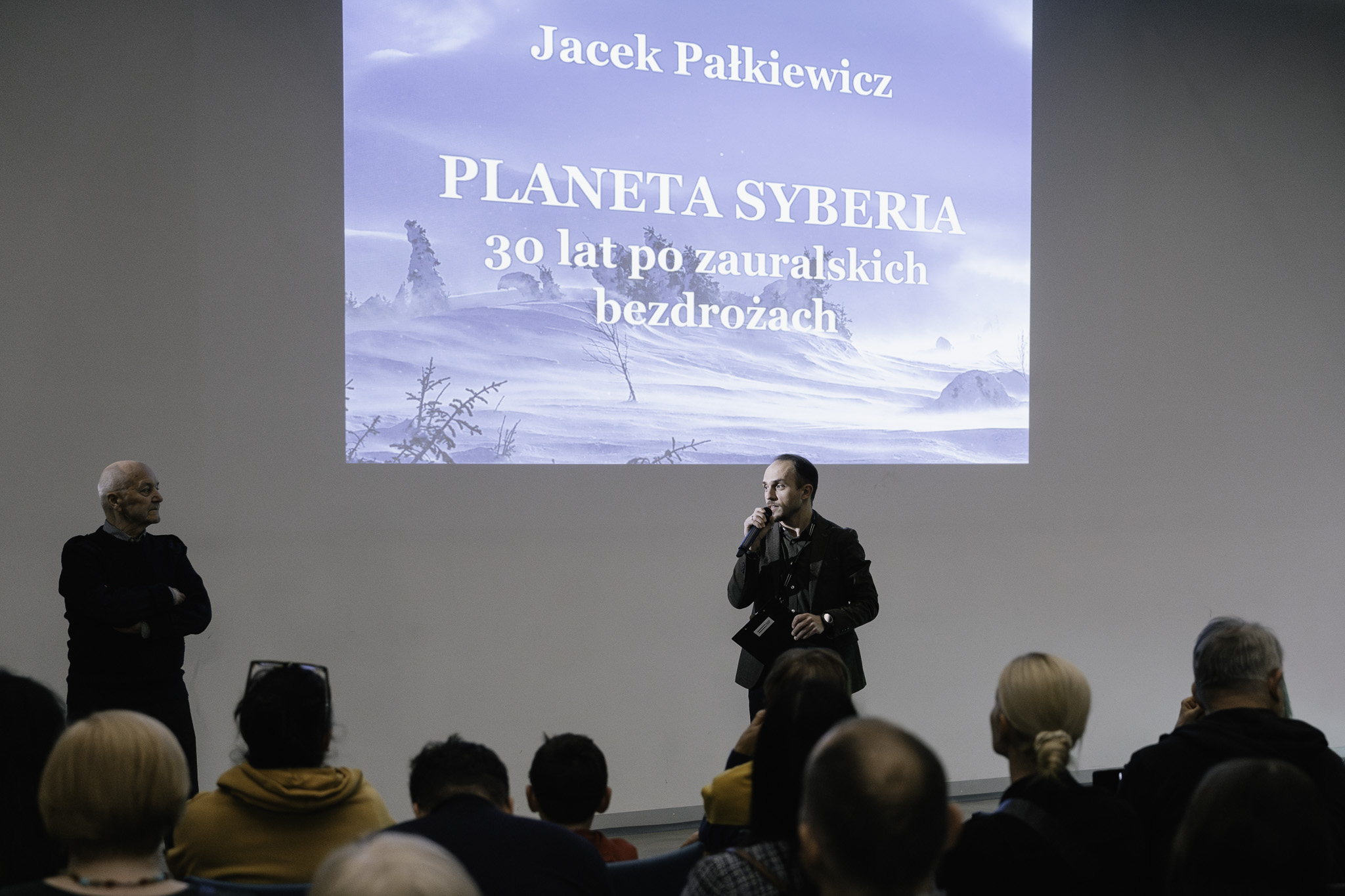
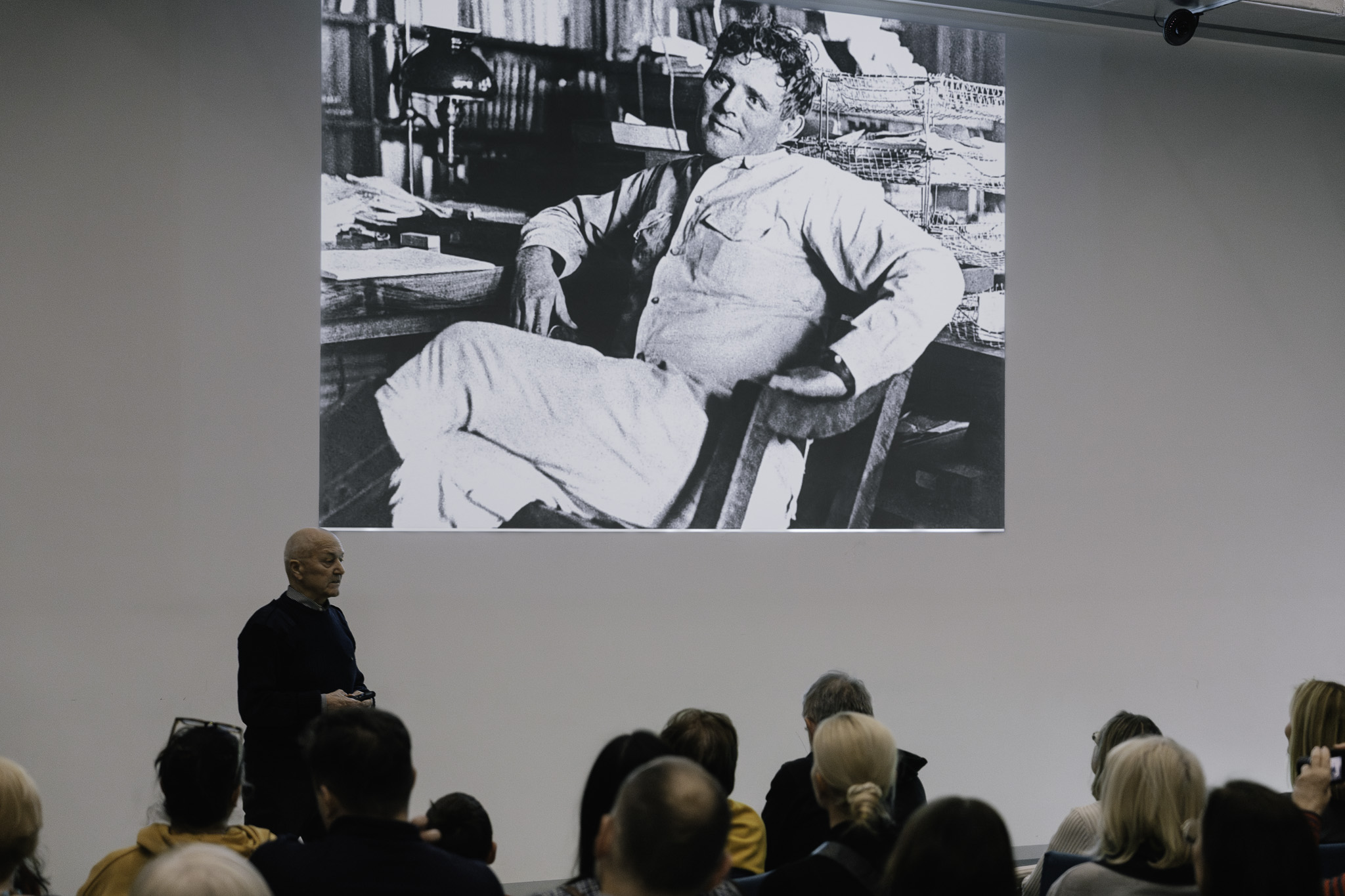
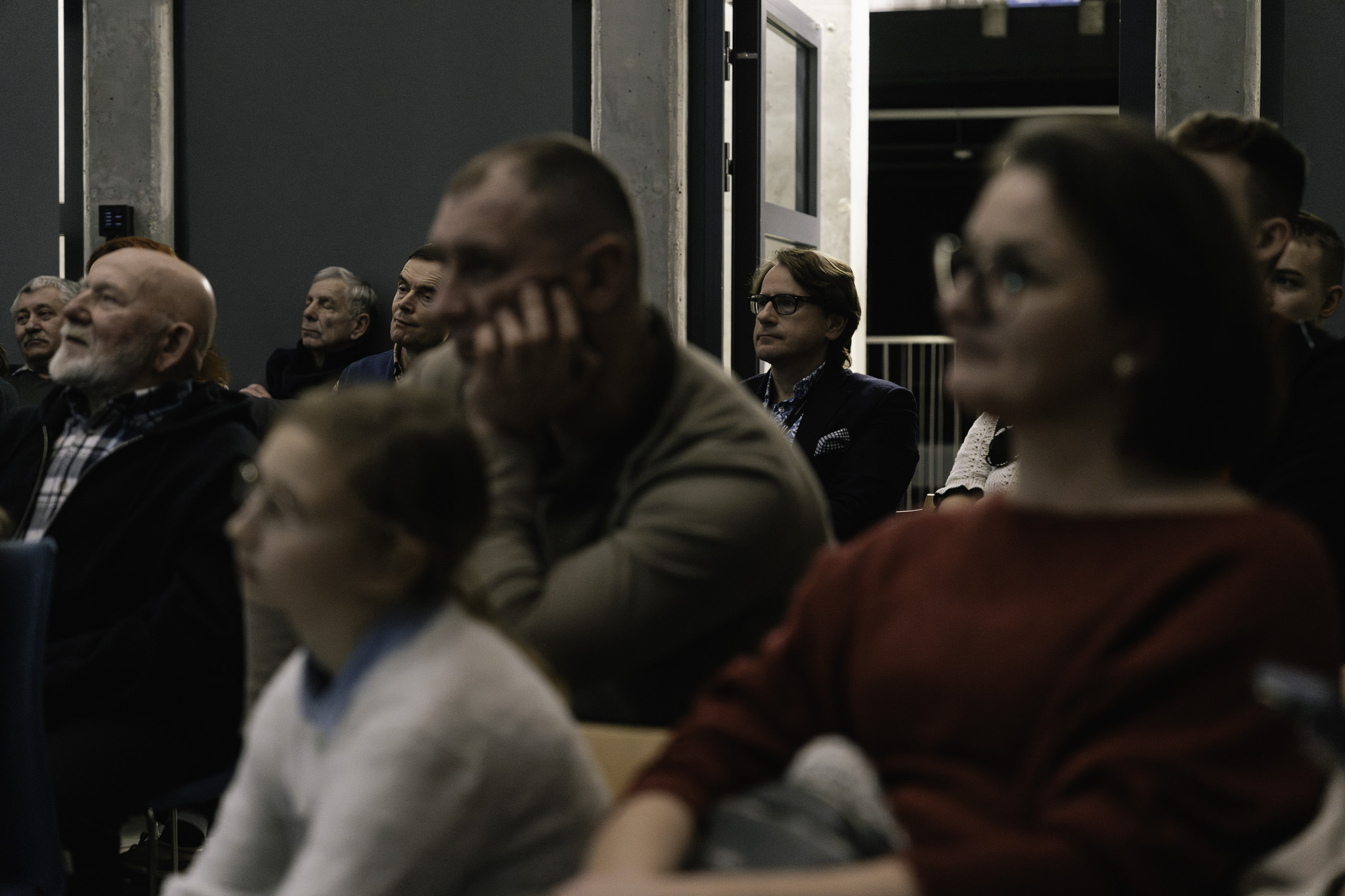
Within thirty years, he counted, he spent a total of one year traveling around Siberia. From Yakutia, the Kuril Islands, Kamchatka to the Bering Strait, Irkutsk and Lake Baikal. Listeners had the opportunity to learn how expeditions to Russia were organized, about the people who helped organize the trip and those he met on the spot. During his lecture, Jacek Pałkiewicz talked about the challenges and difficulties he encountered in this harsh but fascinating part of the world. His stories were full of anecdotes that introduced listeners not only to the geography but also to the culture and customs of the inhabitants of Siberia.
“This is a typical dish in Yakutsk, stroganina. Fish, although sometimes meat, is cut into thin slices, with salt and pepper. The locals say that you also need vodka for this. But we didn’t have any,” he said with a smile. After a while he added:
“No wait! We did! At a press conference in Yakutsk, the head of the party of the entire region handed me one litre of spirits. It was a period of stagnation under Gorbachev, when many factories were closed and there was a deficit of alcohol. Journalists said: ‘Jacek, it’s like you got a kilogram of gold’!”
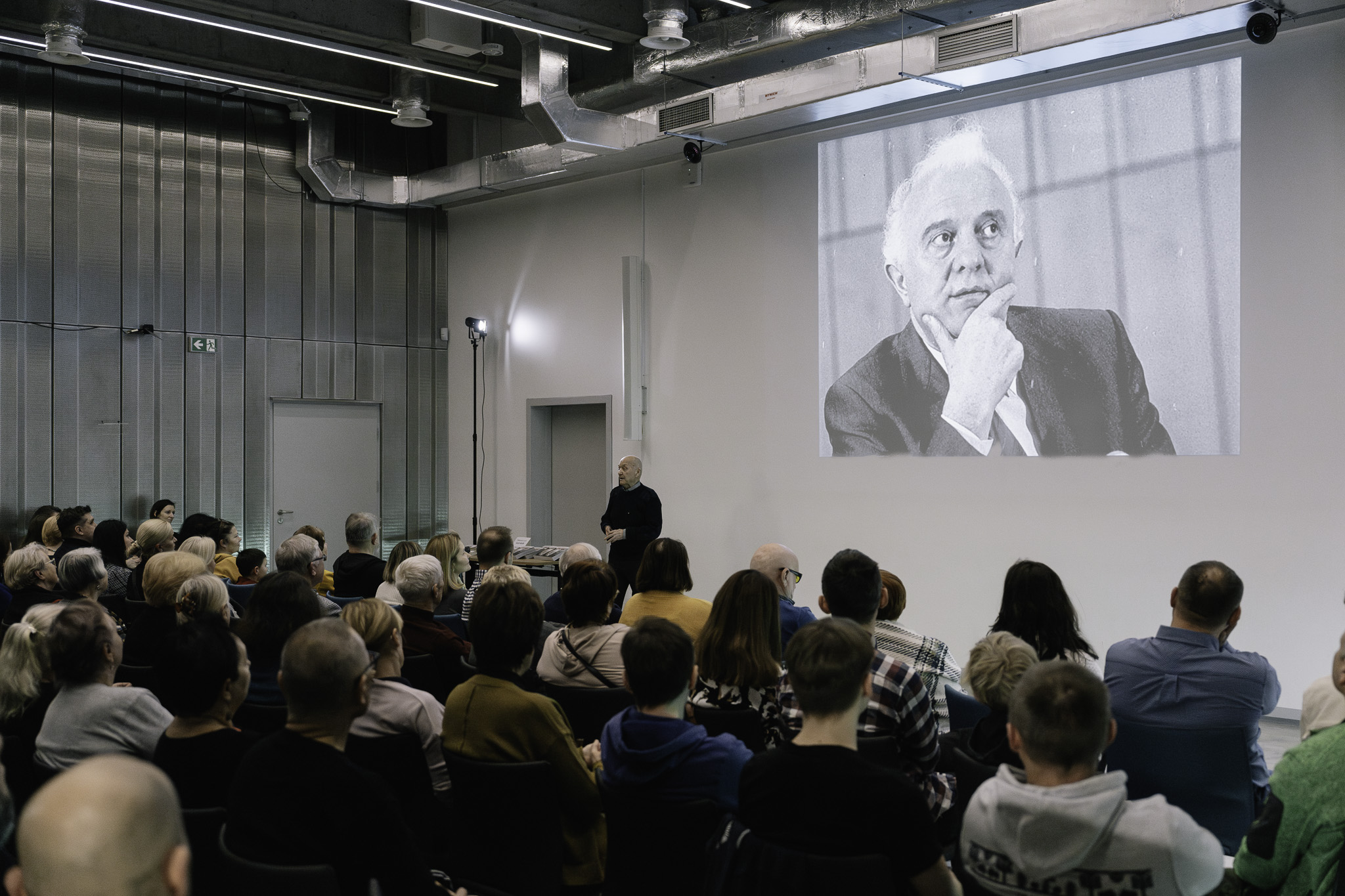
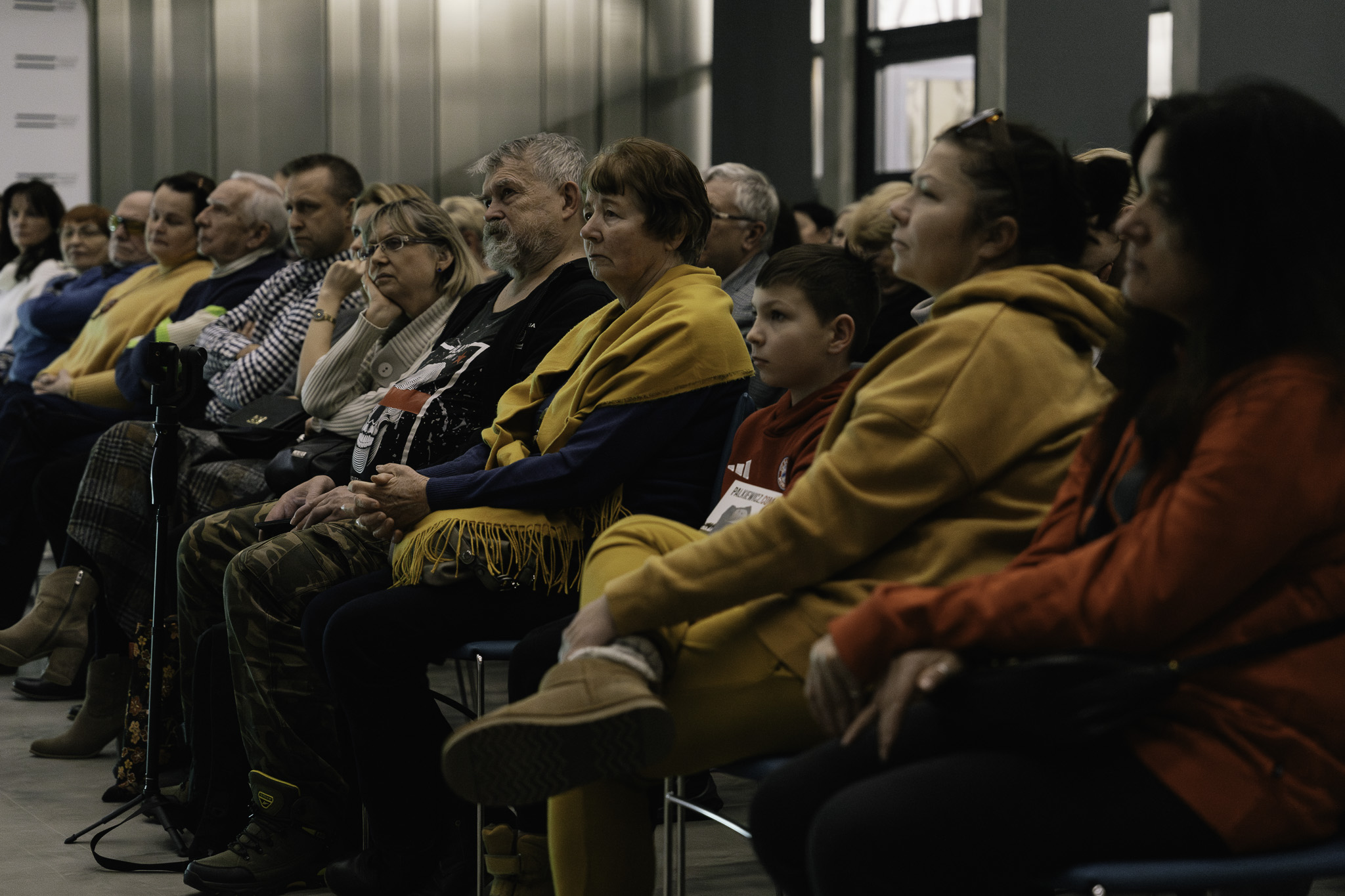
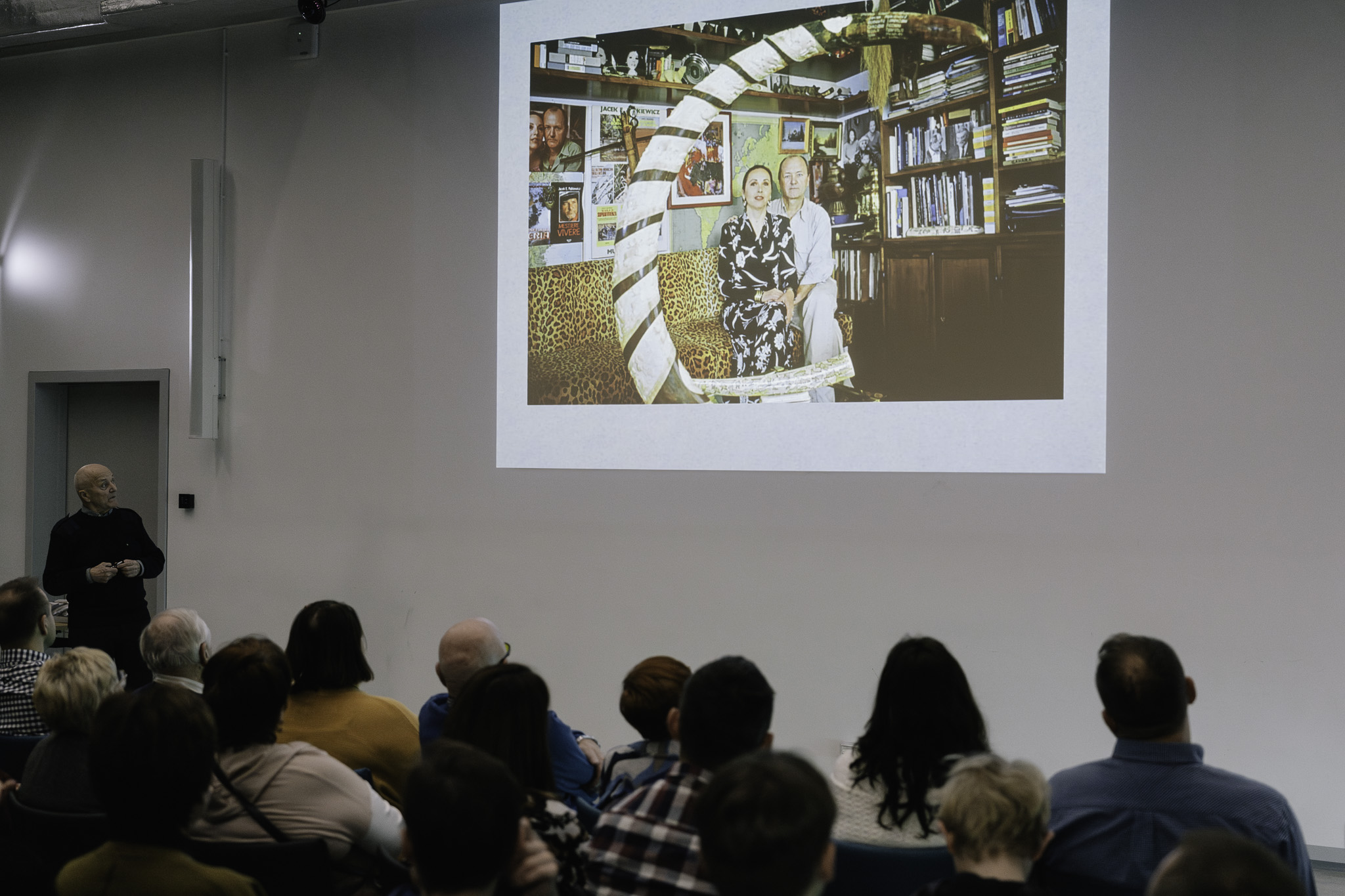
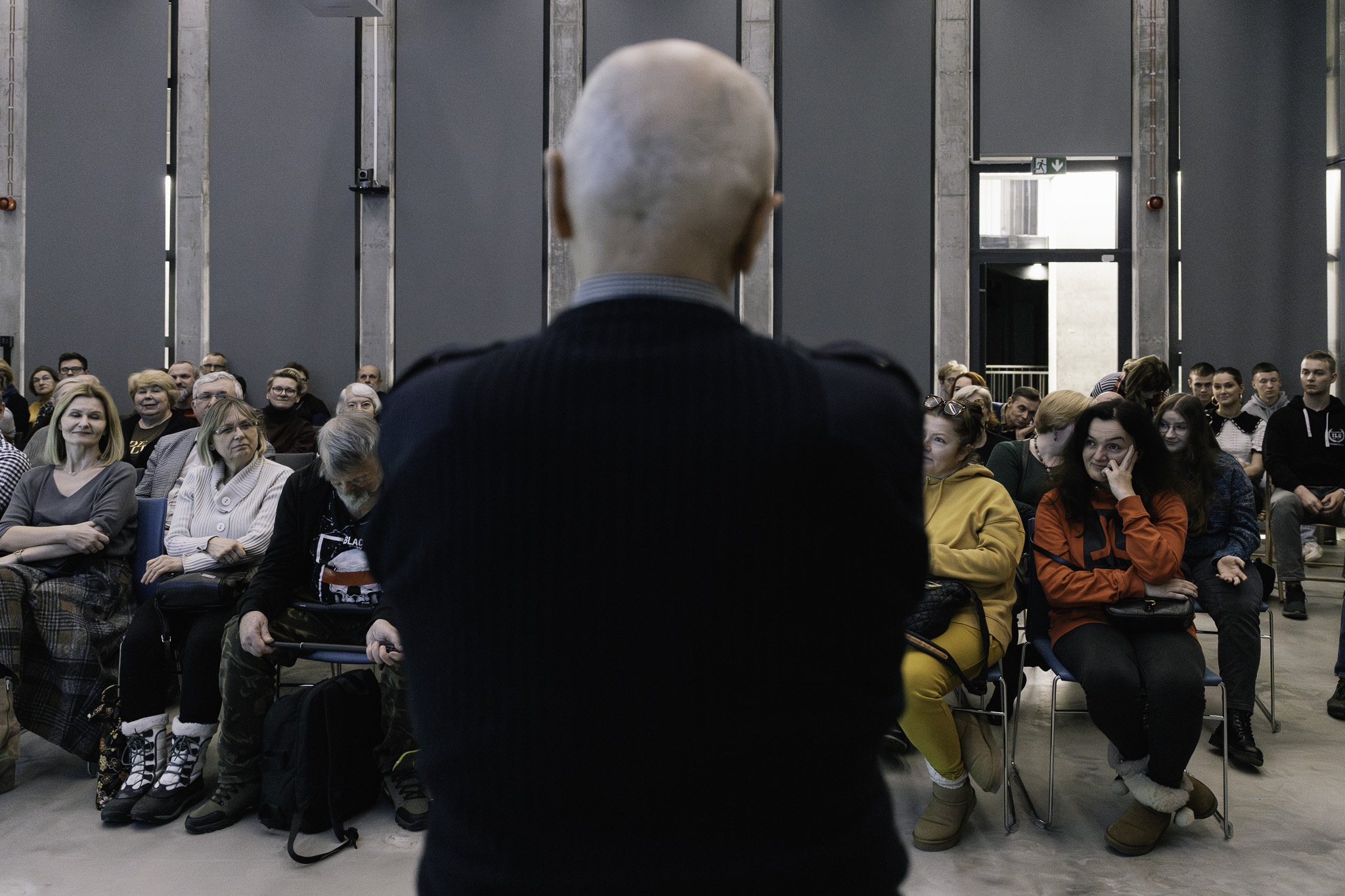
The stories of the writer and traveler were very vivid and stimulating the imagination. Thanks to his narrative talent, listeners could almost feel the harshness of the Siberian landscapes and experience the emotions accompanying his expeditions.
“We left Yakutsk in a convoy consisting of a dozen sleighs. We covered almost 2,000 kilometers, temperatures of minus 45, minus 55, day and night for four weeks. People often ask me: “What does minus 50 degrees mean? How does a man survive that?” It’s hard to describe because it’s like telling a blind person about colours. Until you feel on yourself this frost, this stinging sensation on your face, it is difficult to describe what it is like,” he said.
The stories were interspersed with numerous practical tips for survival in such extreme conditions.
“Before setting up the evening bivouac, we cut blocks of ice in the river, from which we then made water or soup. In Yakutsk, before the trip, I was warned many times: ‘Jacek, watch out for the naled. If the ice breaks, you’ll be swimming in the water.’ I asked how this was possible when it was minus 50 degrees and the rivers were shallow. Only later I found that the pressure of the underground water is so strong that in some places it can break up and crack this great ice crust, and then the groundwater flows to the surface. Until it freezes, it can be a death trap. At such a moment you can fall into the water and be one step away from death.”
The meeting was enriched with numerous photos illustrating subsequent expeditions and showing the beauty and dangers of Siberia. After the lecture, participants had the chance to ask questions, which many took advantage of. At the end there was an opportunity to purchase the author’s books. Everyone could exchange a word with the author and get an autograph on their copies of the books.
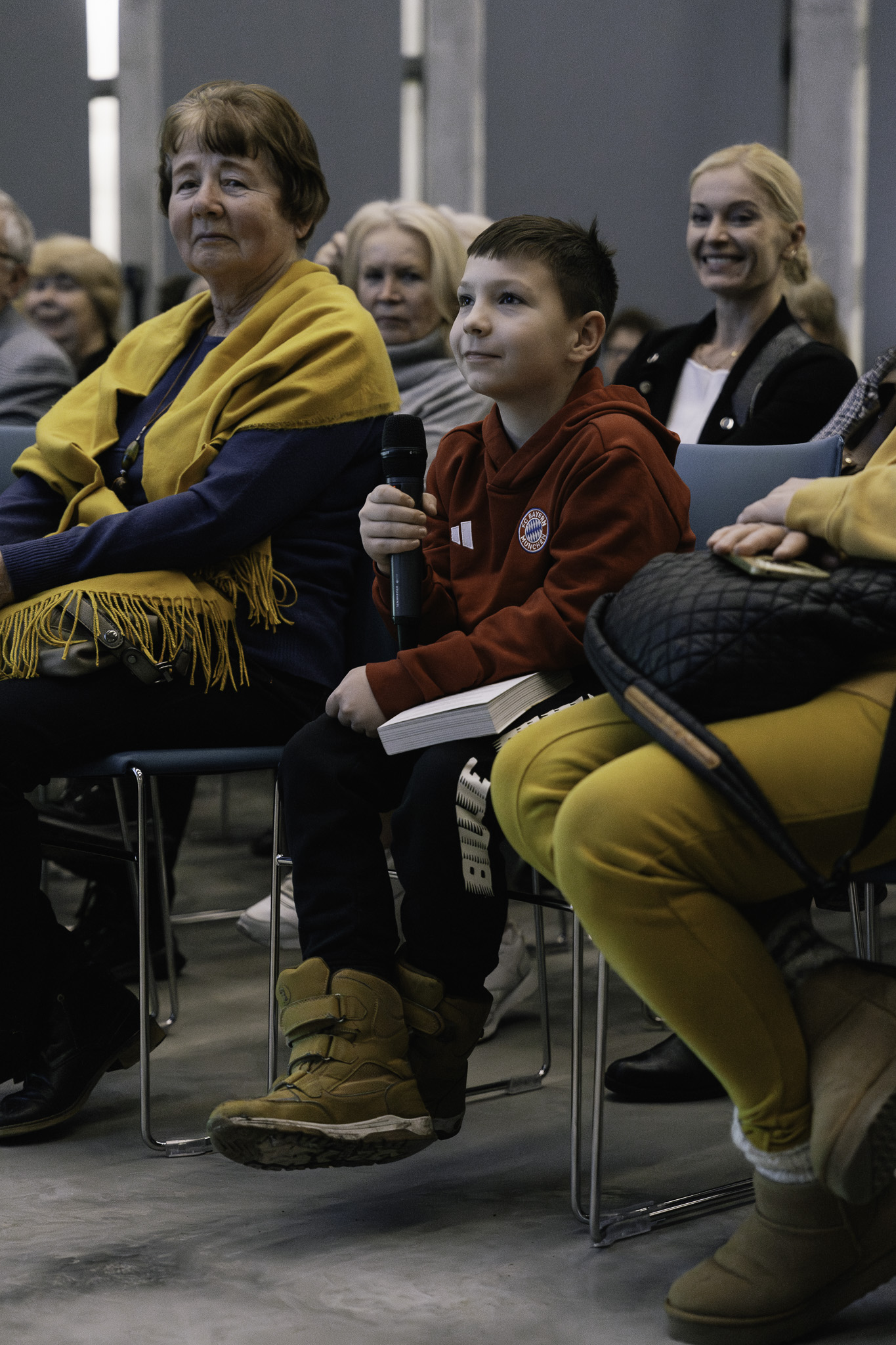

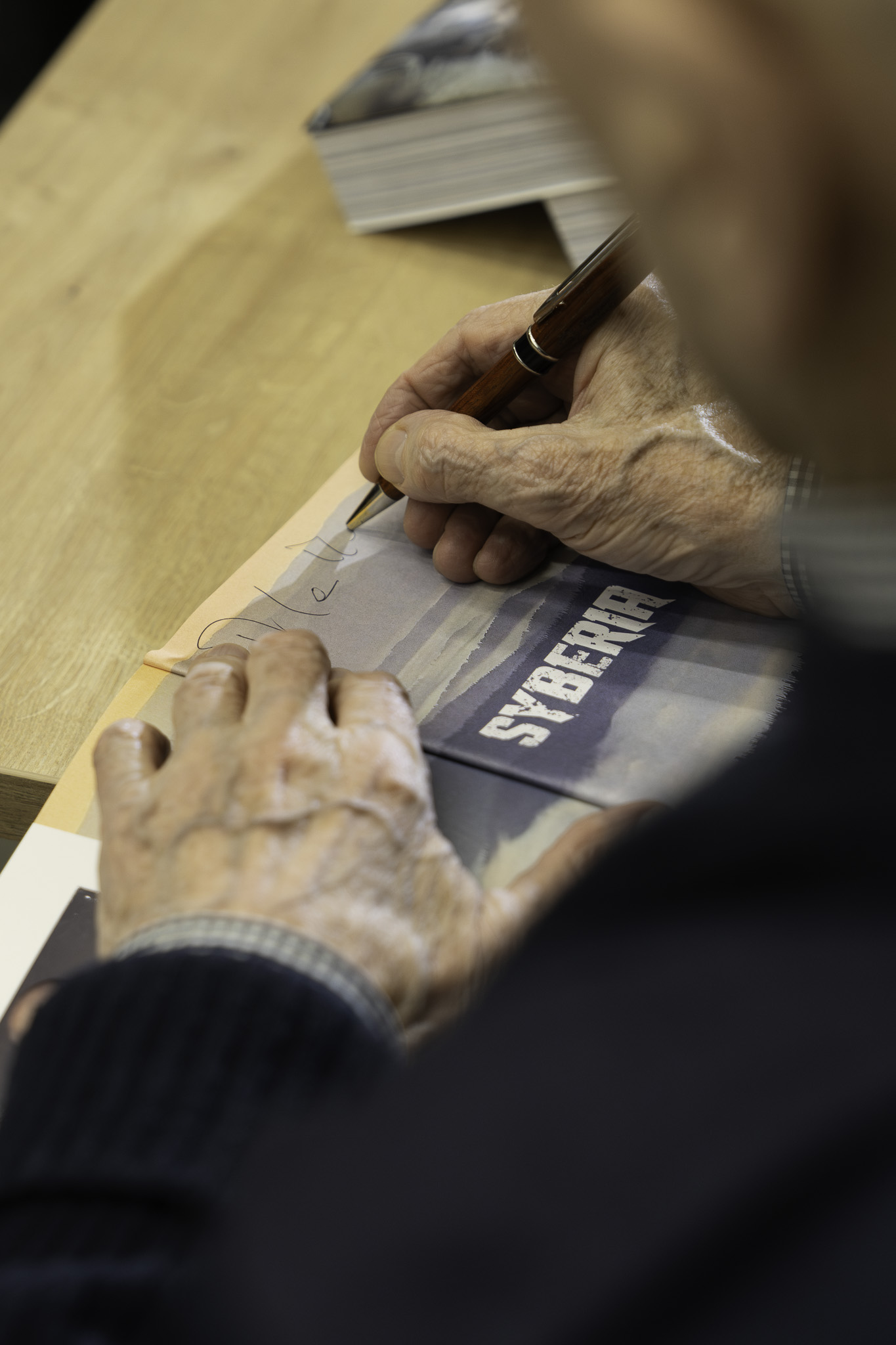
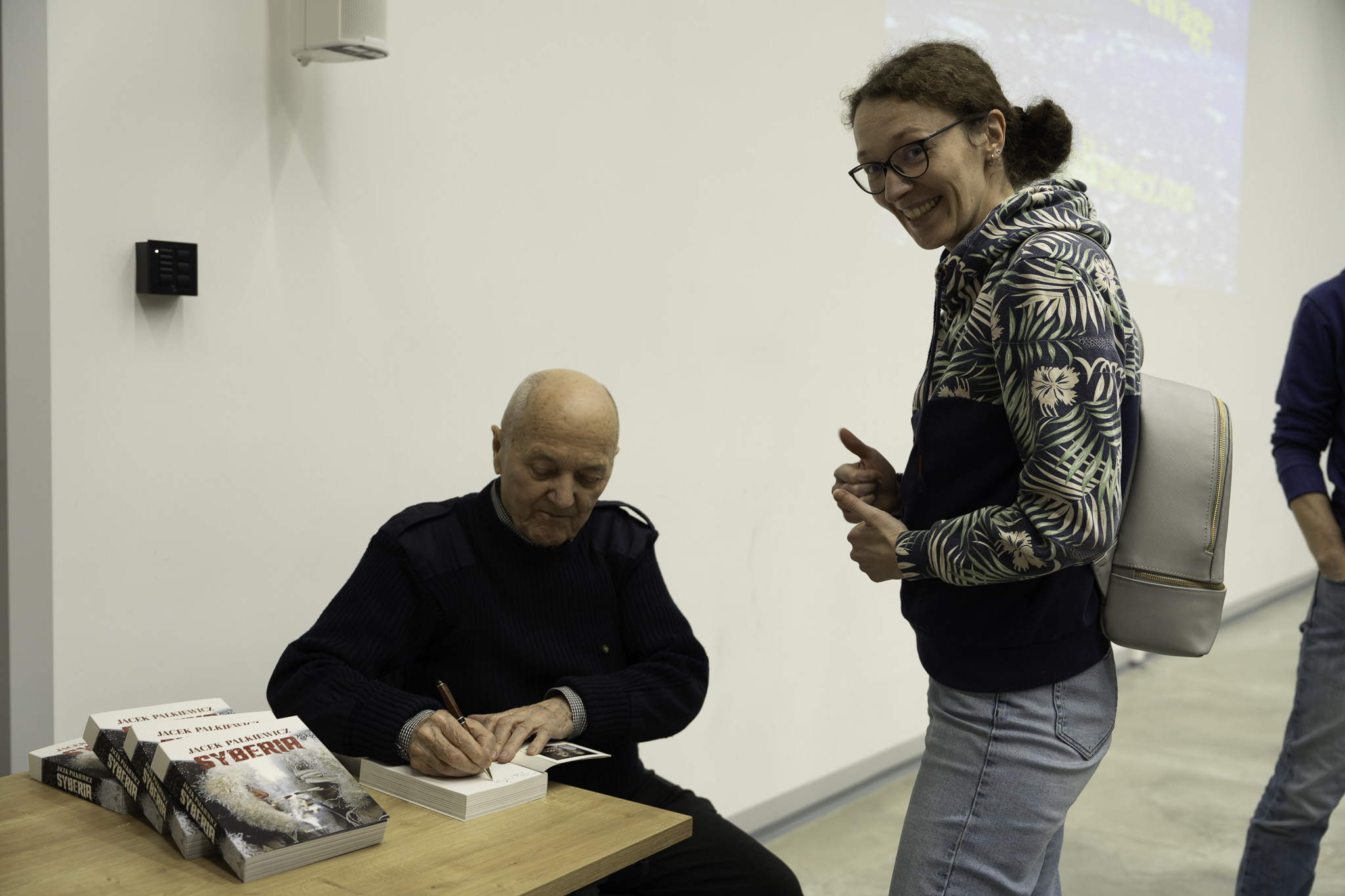
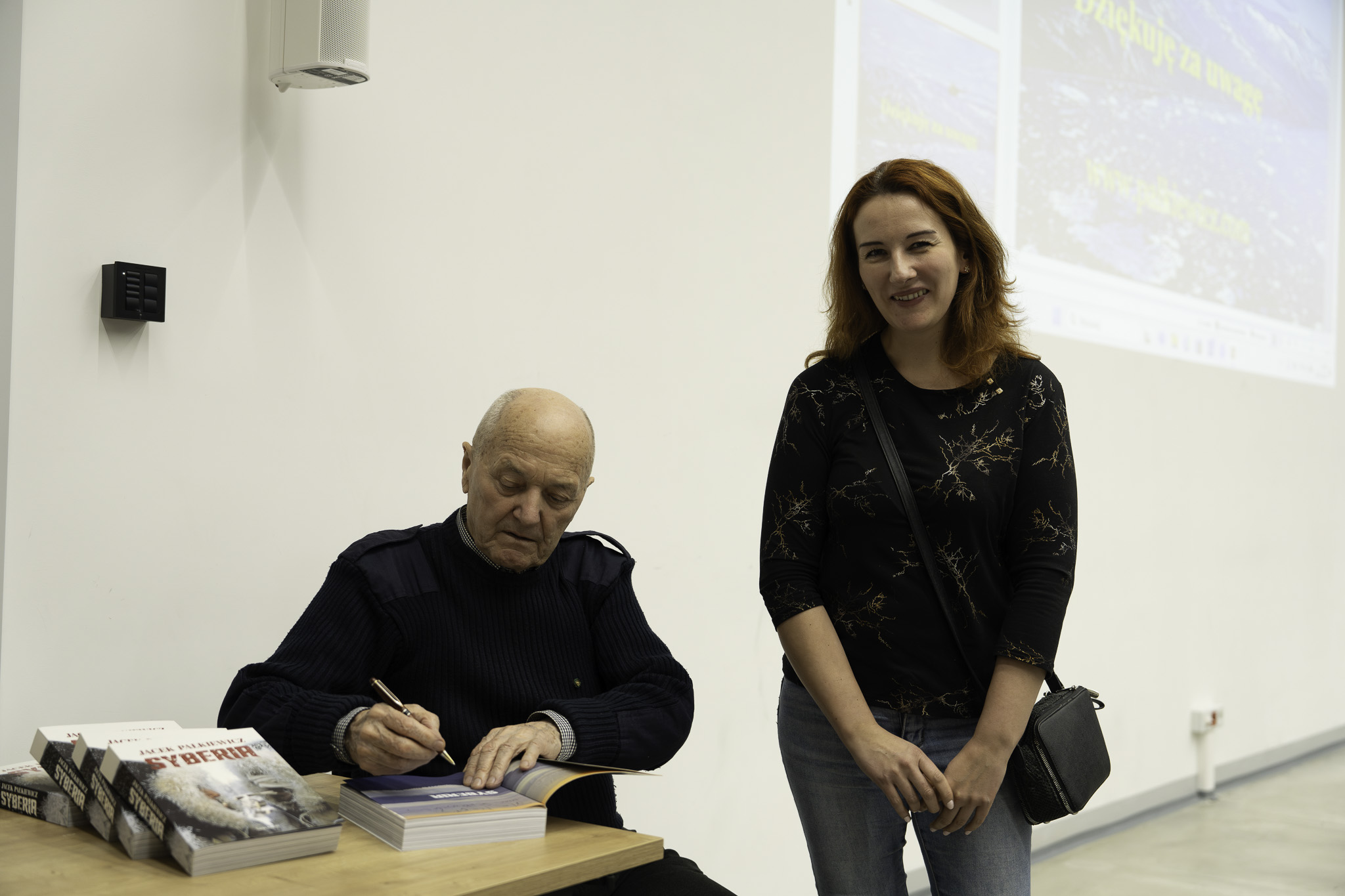
The meeting with Jacek Pałkiewicz was not only an opportunity to broaden knowledge of distant Siberia, but also an inspiration to fulfill dreams of travel.