



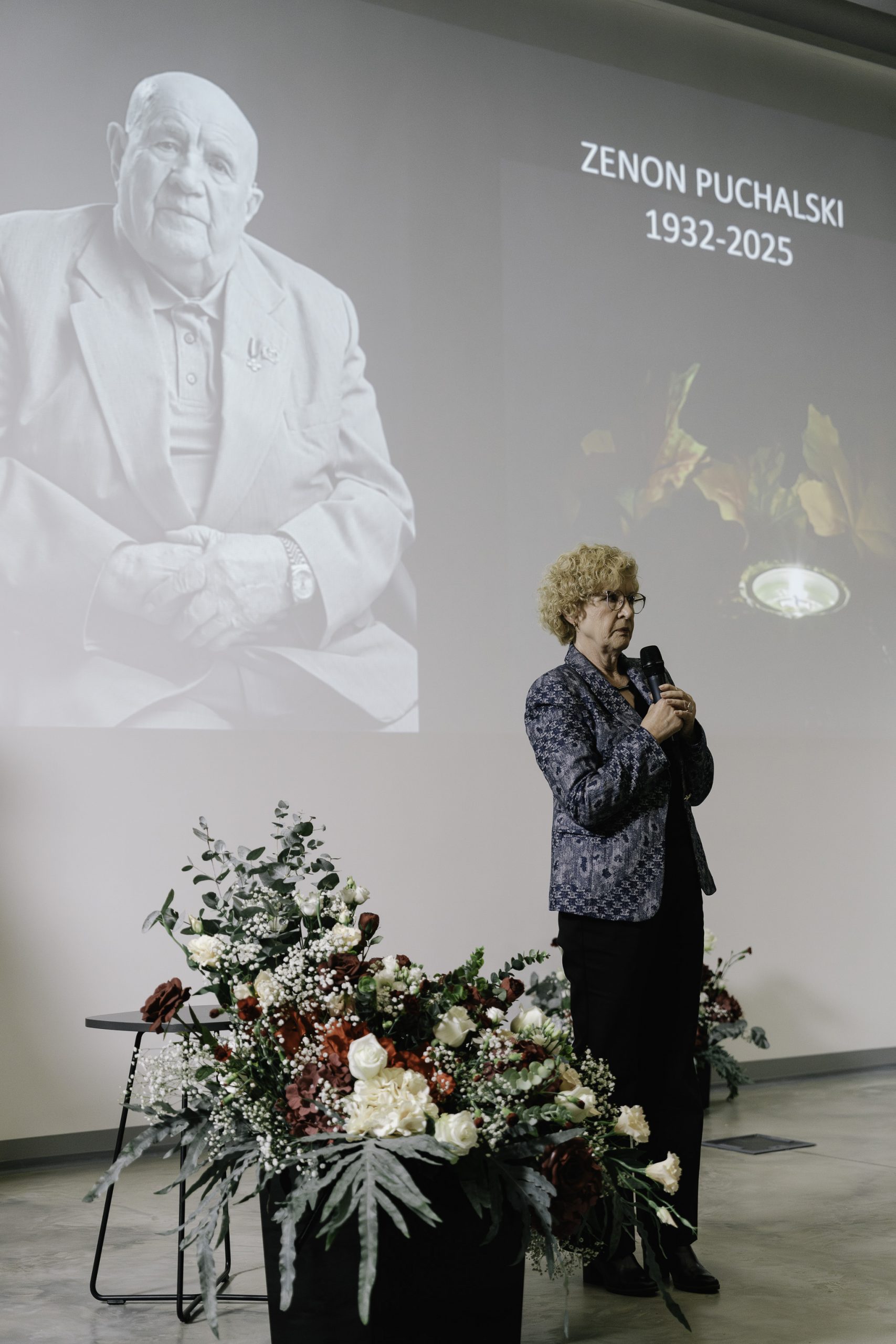
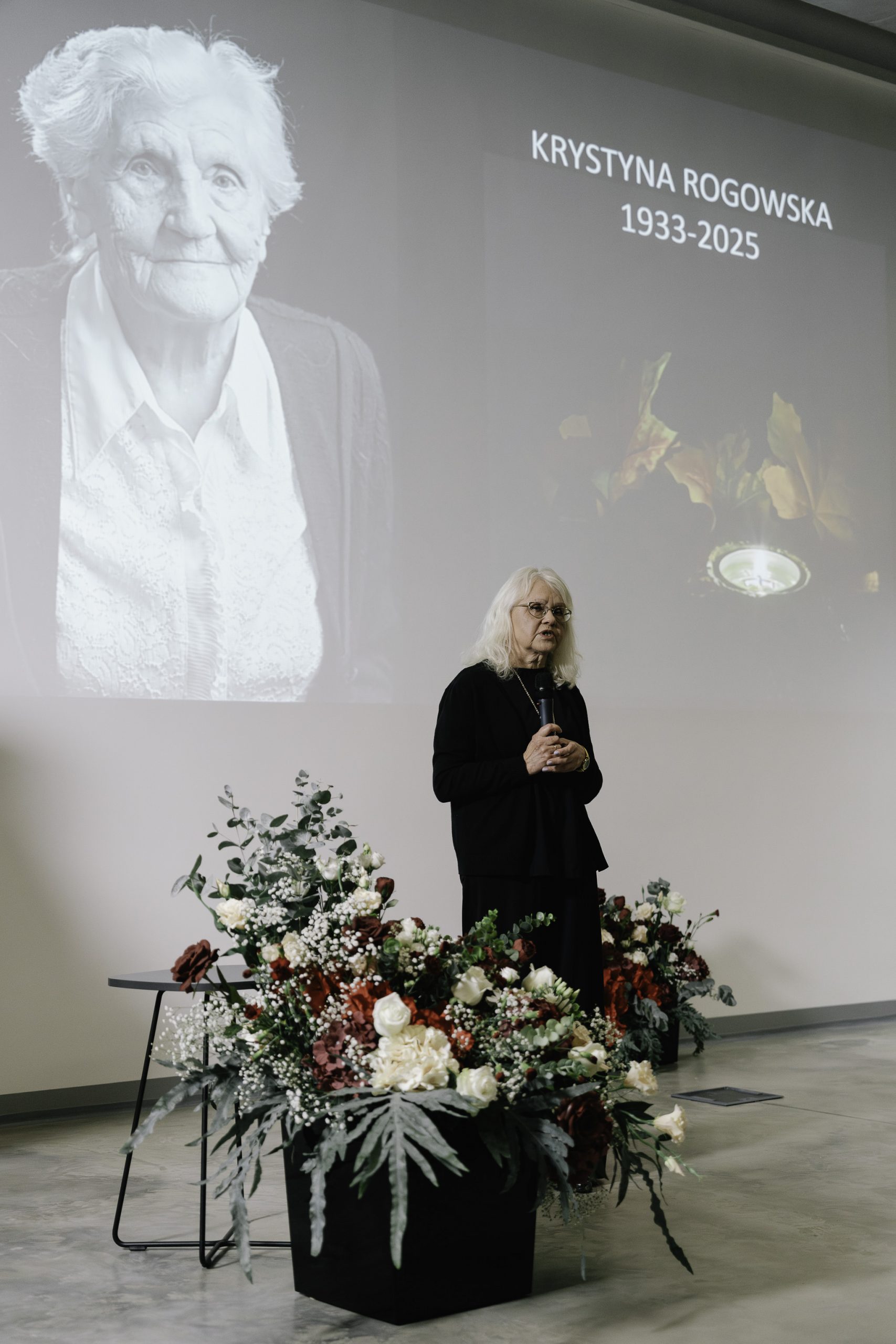
Siberian All Souls’ Day has been held annually at the Sybir Memorial Museum since 2021. Each year, we welcome the families and friends of those who have passed away over the previous twelve months. In the soft glow of candlelight and to the gentle sound of the harp, we remembered the lives of Wacław Bejtman, Halina Czaja, Janusz Dąbrowski, Kazimierz Horba, Józef Kołodziej, Janina Kozłowska, Jan Jerzy Milewski, Roberto Molle, Maria Owłasiuk, Henryka Pagniello, Zenon Puchalski, Krystyna Rogowska, Jolanta Sarajew, Marian Stecyk, Jan Wojciechowski (John Roy), Eugeniusz Zagórski, Maria Gryczan, Michalina Jodełko, and Eufemia Zajączkowska. The biographical notes of the deceased, presented by the event hosts, were complemented by personal stories shared by their children, grandchildren, and friends.
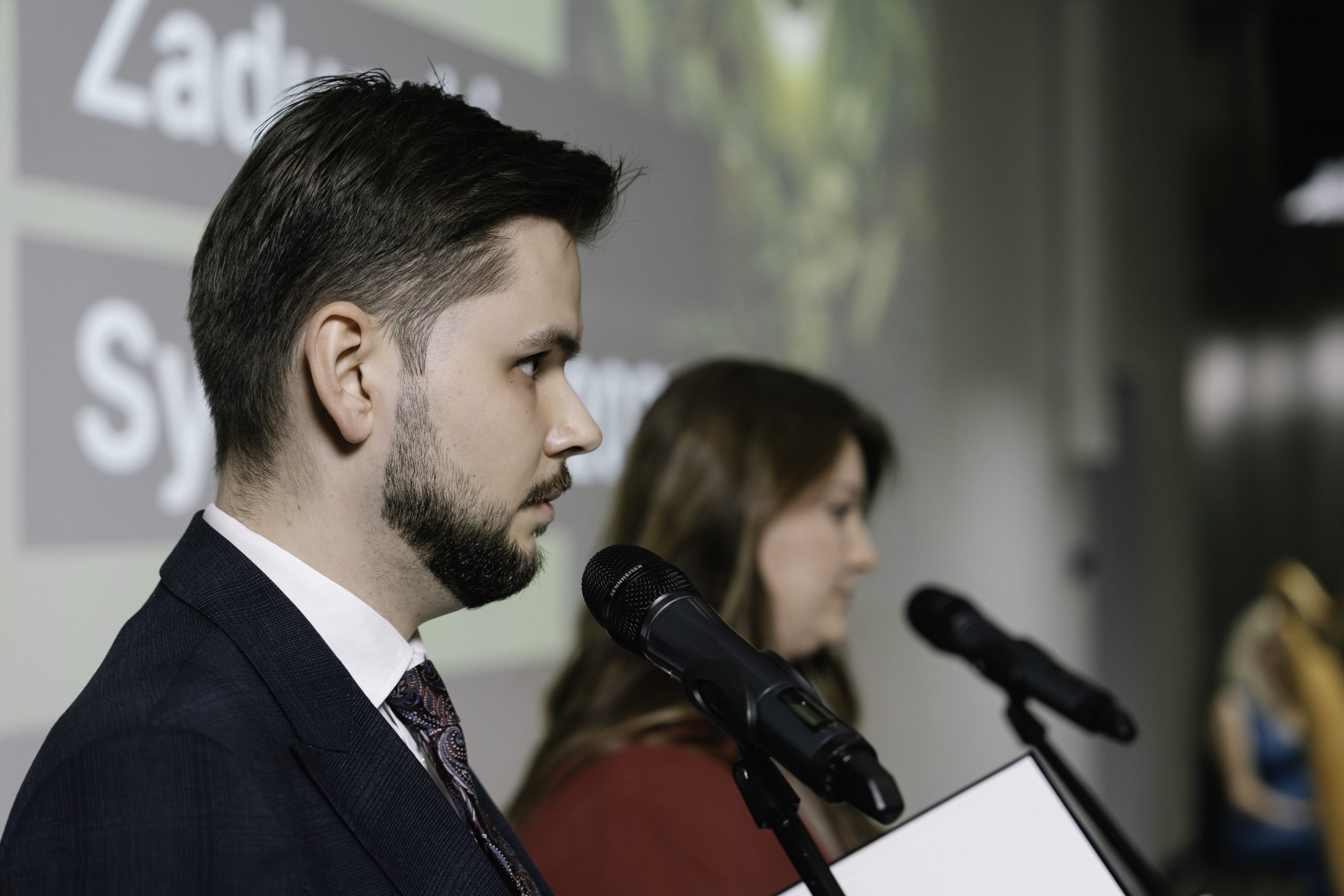
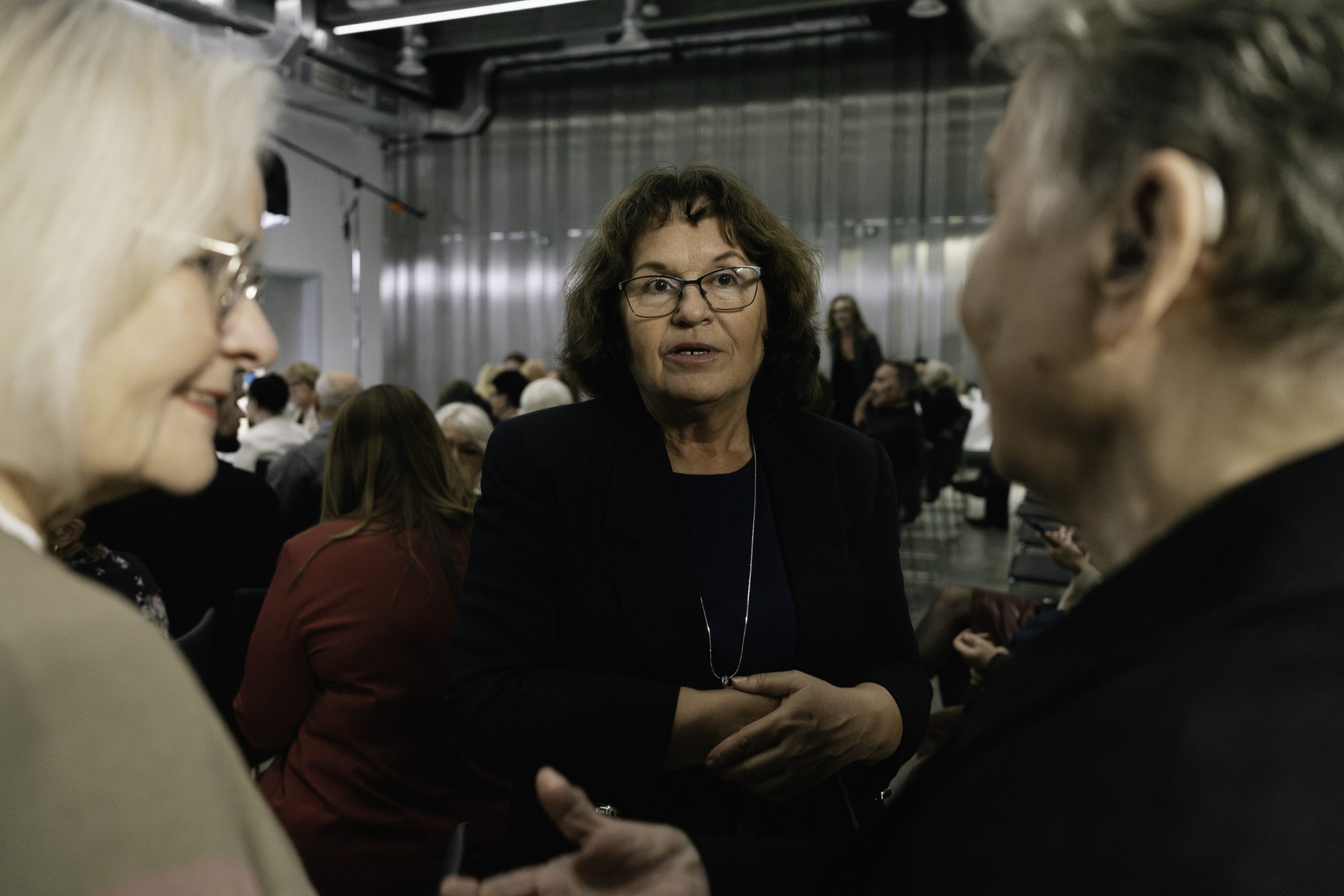
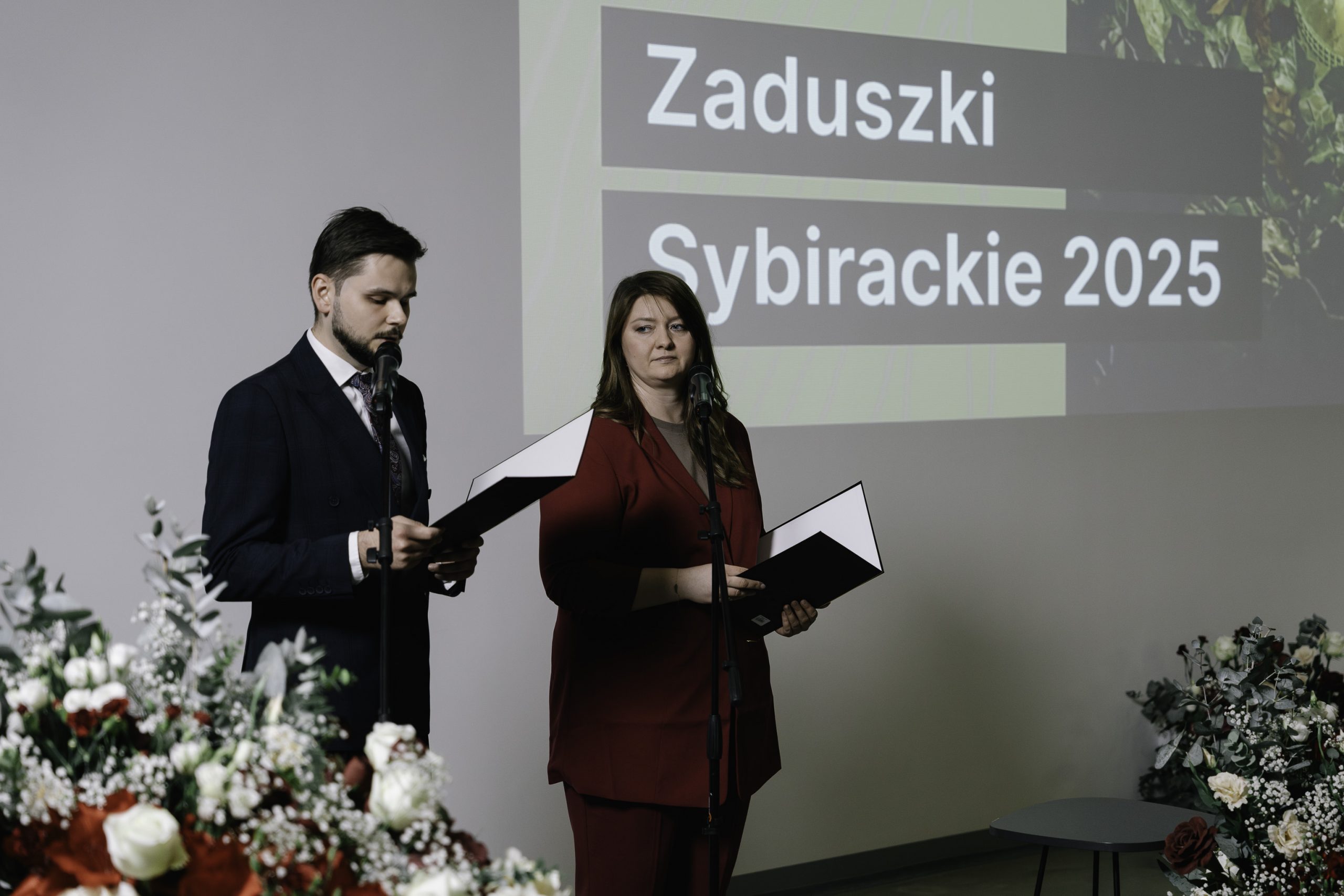
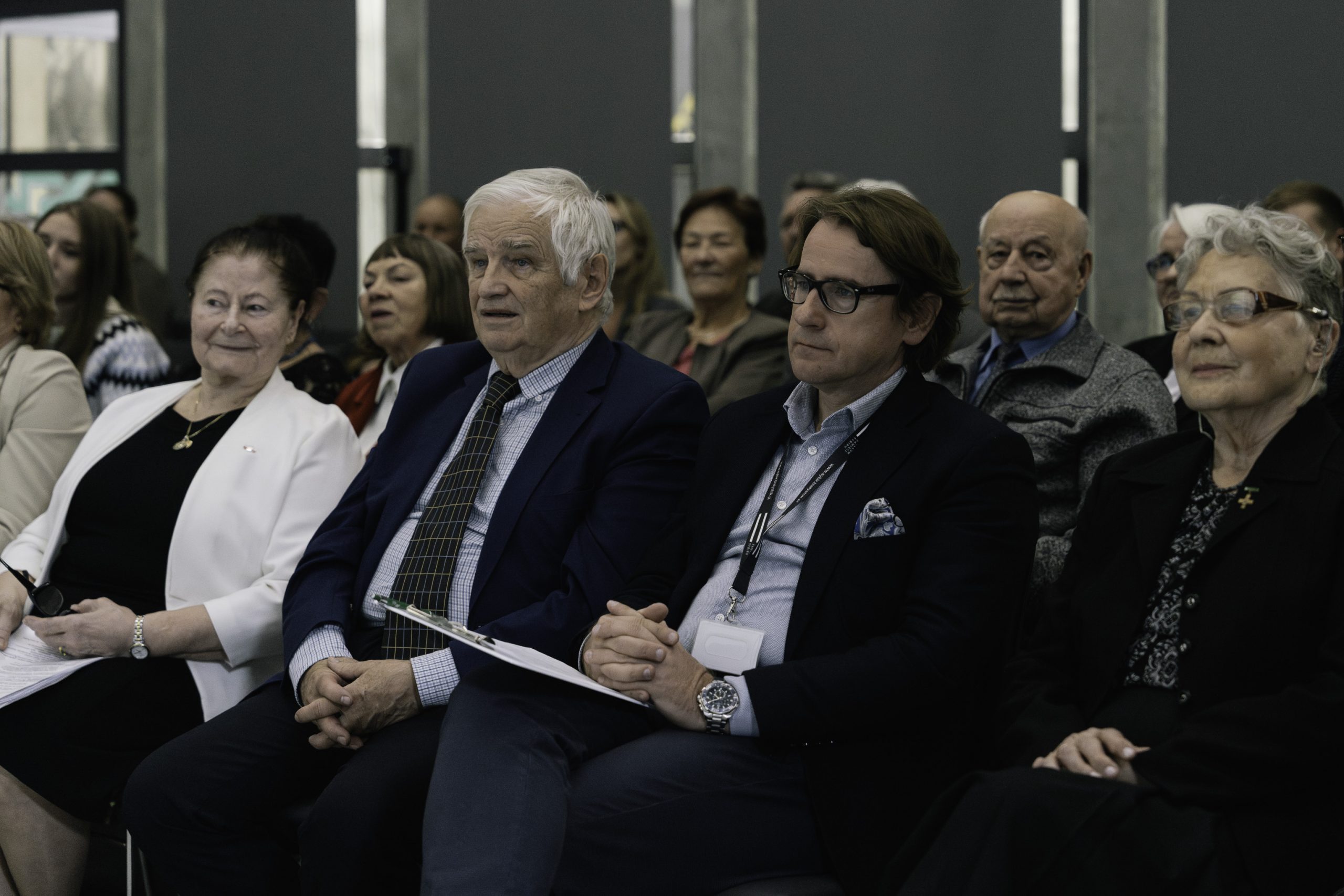
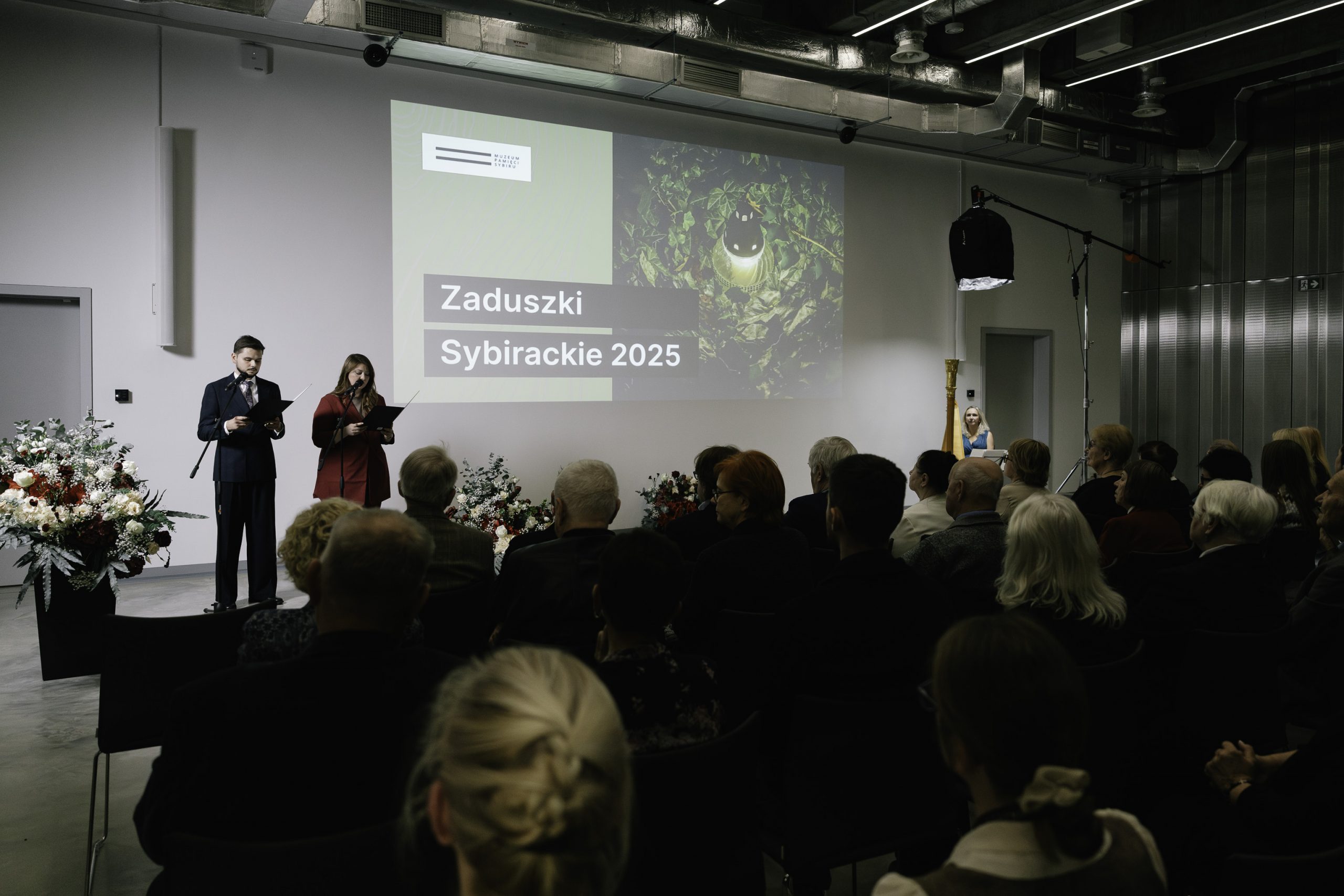
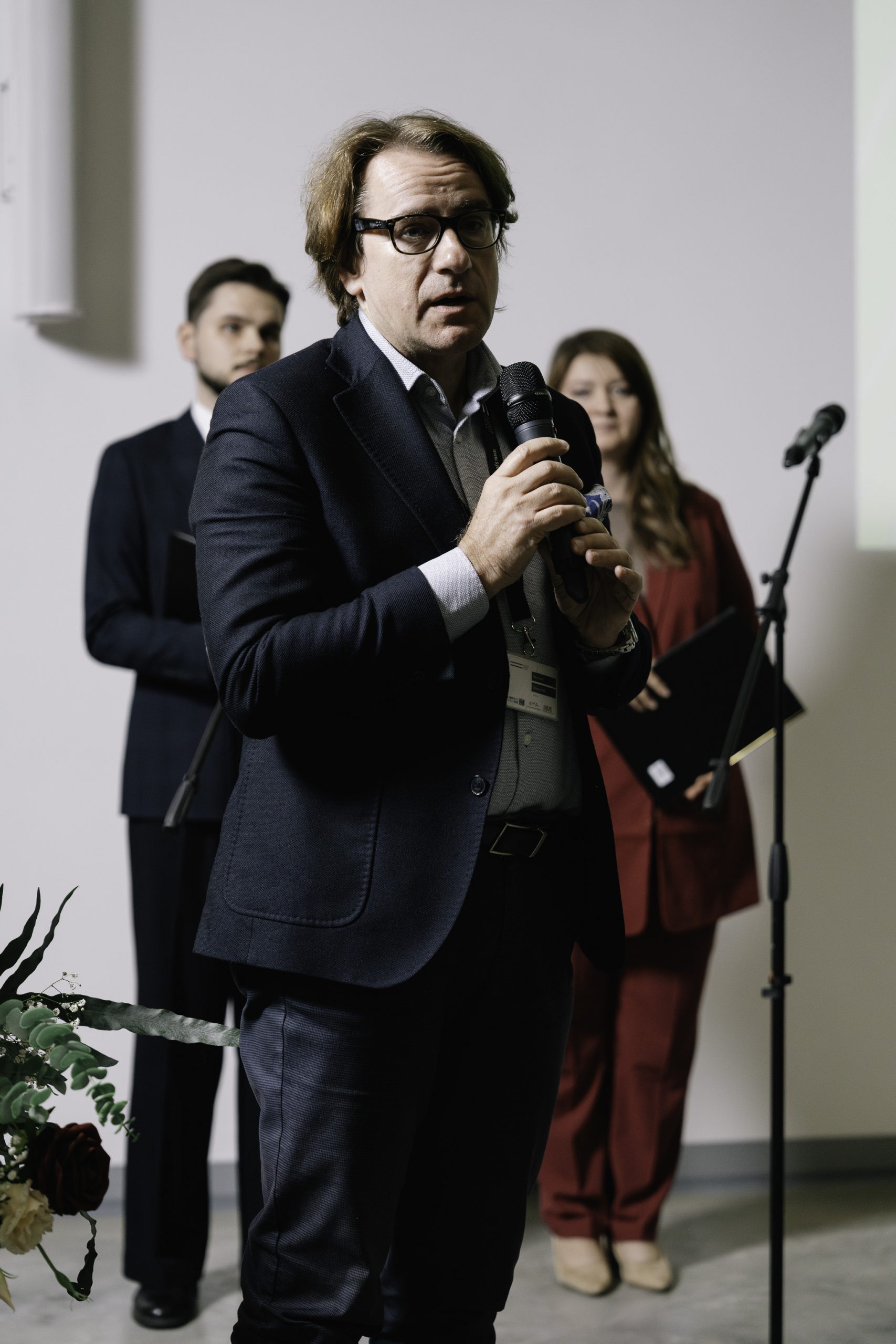
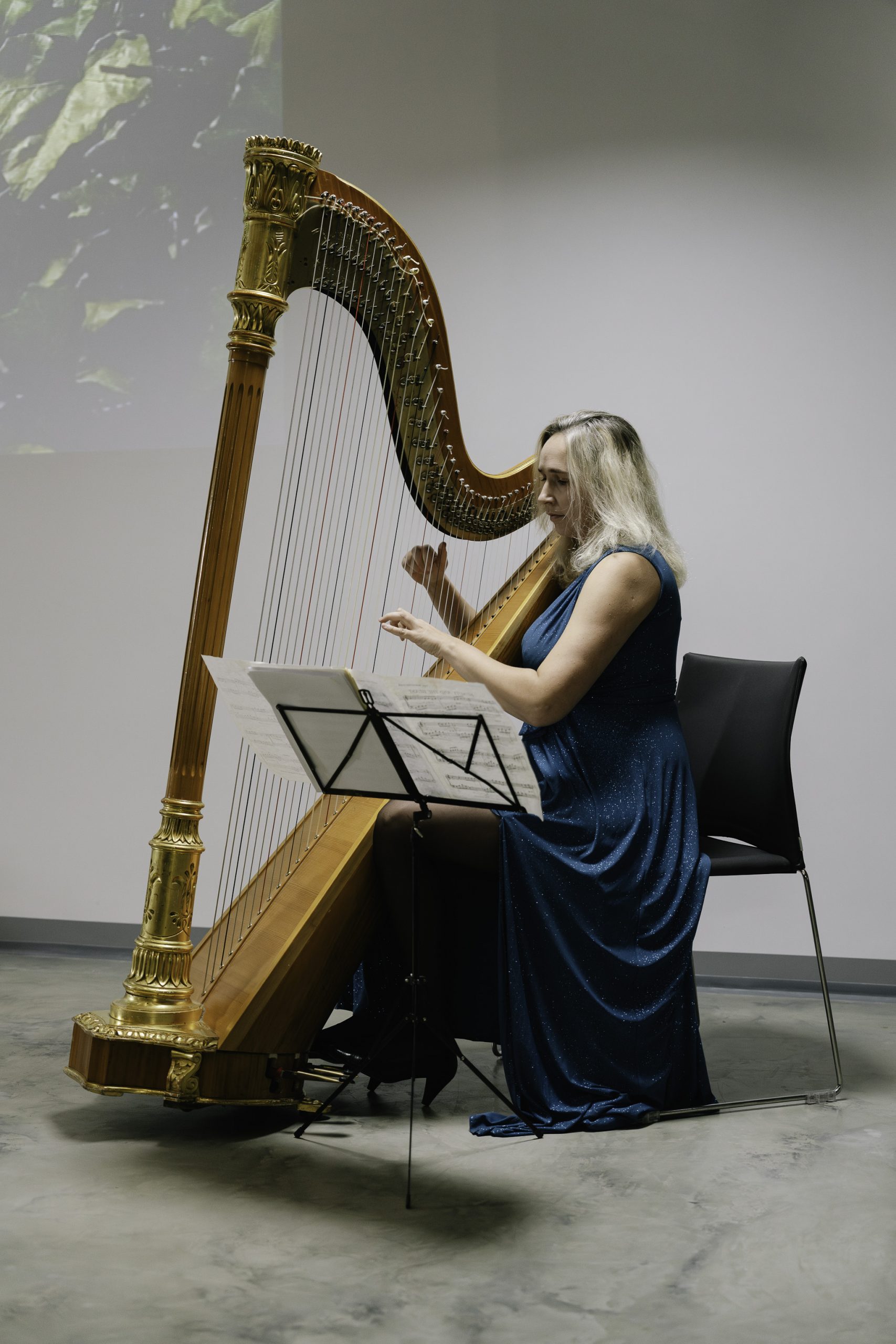
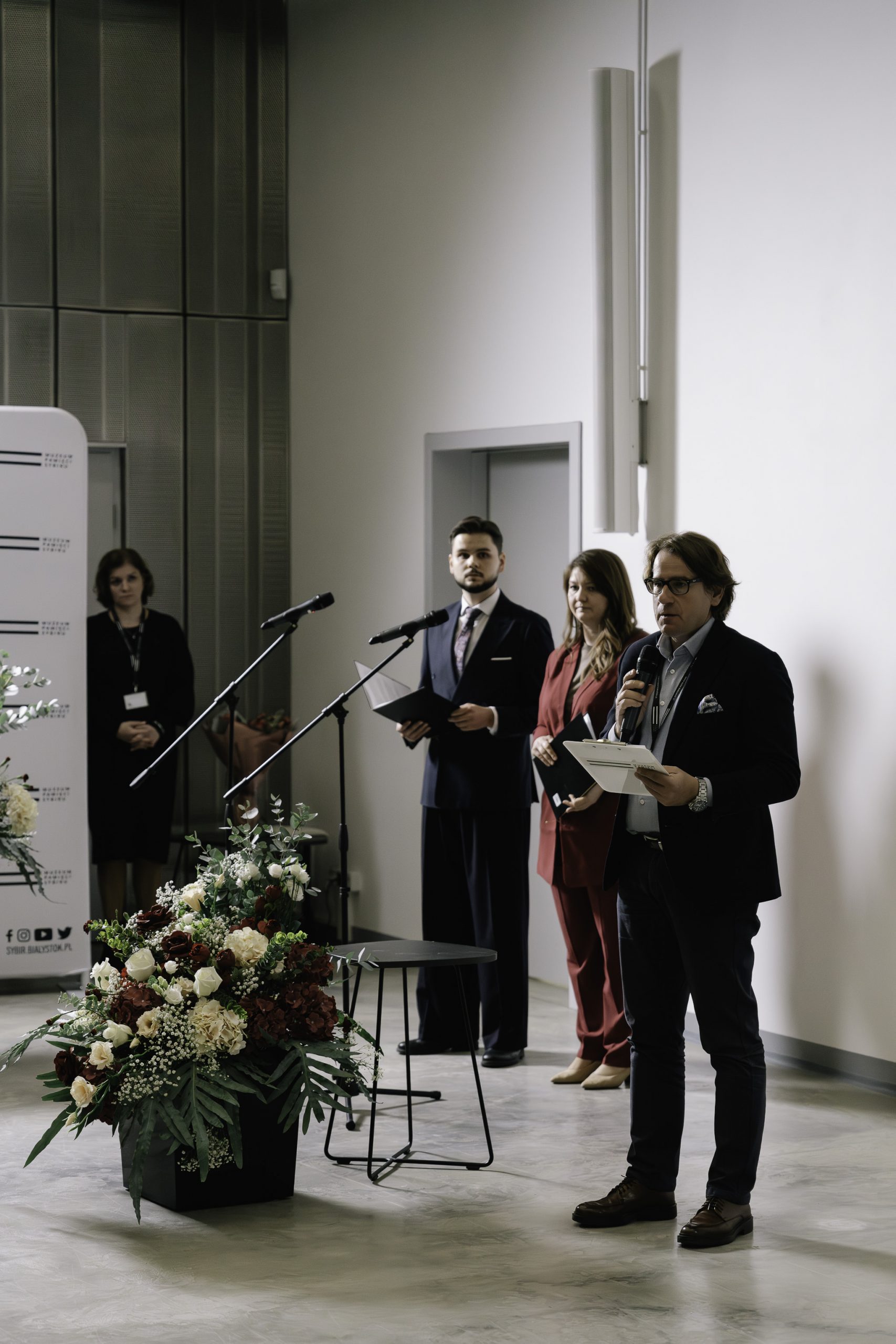
Professor Wojciech Śleszyński, Director of the Sybir Memorial Museum, opened the evening with these words:
“Every year on this special day, here at the Sybir Memorial Museum, we remember those who were with us not so long ago. We are here to keep their memory alive. It is our duty — and that of future generations — to carry this shared remembrance forward. Let us keep this duty in mind as we reflect on those who left us this past year,” – he said.
The first person commemorated was Marian Stecyk, who had close ties with the Museum. Born in 1930 in the Tarnopol region, at the age of ten he was deported with his parents, sister, and brother to the Krasnoyarsk Krai. There, he worked and attended a Soviet school. After returning to Poland in 1946, he became involved in anti-communist activities, for which he spent several years in prison.
Director Śleszyński remembered him with these words:
“He was a friend, a witness to history, and a great benefactor of our Museum. He left behind mementos, documents, and memoirs that enriched our collection. It was his wish that the funds he donated would continue to ‘work’ — to help tell this story to future generations of Poles. After the hardships of the war and postwar years, he decided to write down his memories, which were later published by the Museum. His memoir ‘By the Rivers of Siberia: A Boy’s Diary from 1940–1946’ we decided to publish in several languages, so that it could reach the descendants of Siberian exiles scattered around the world. Although he is no longer physically with us, through his passion and his words he will remain with us for many years to come.”
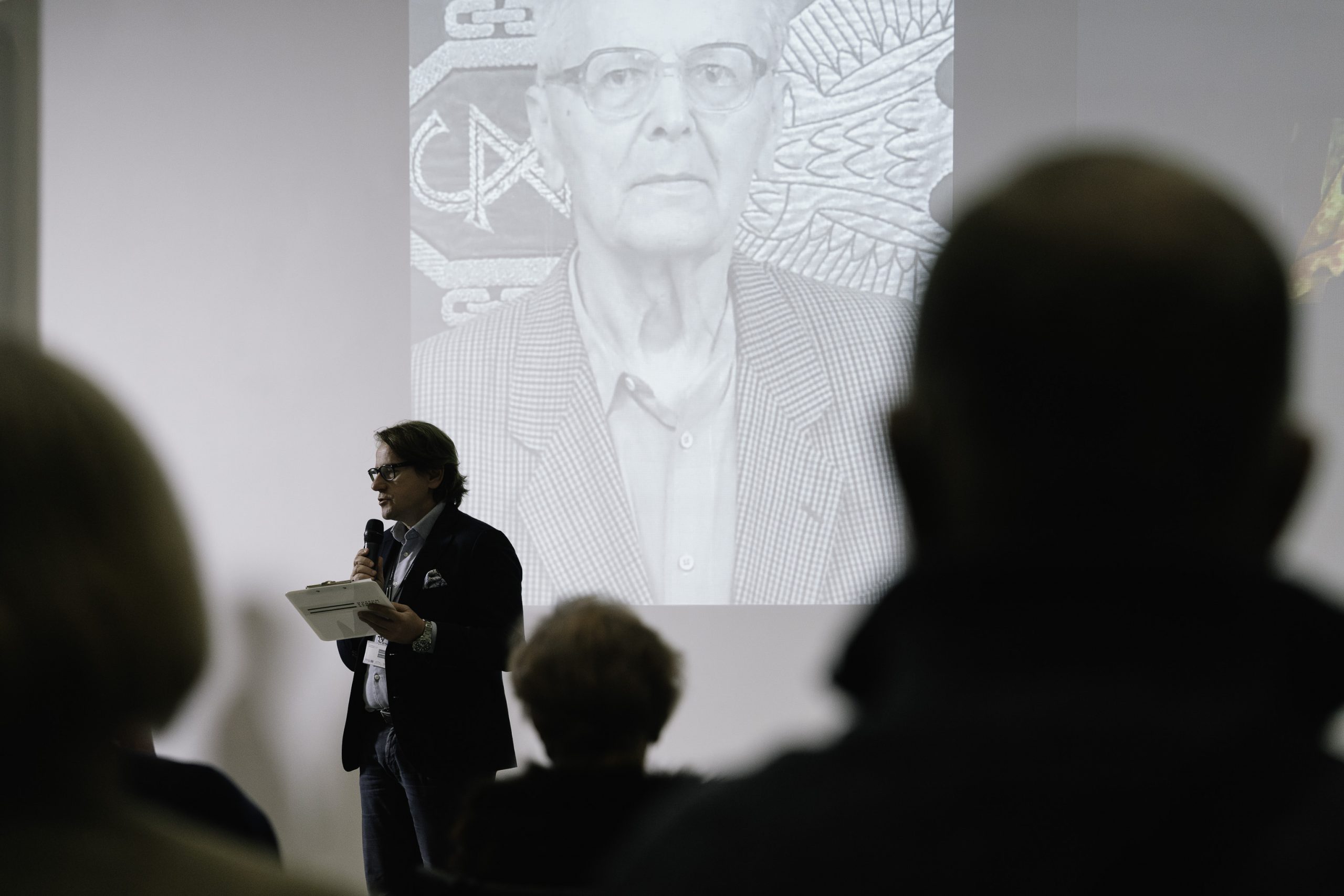
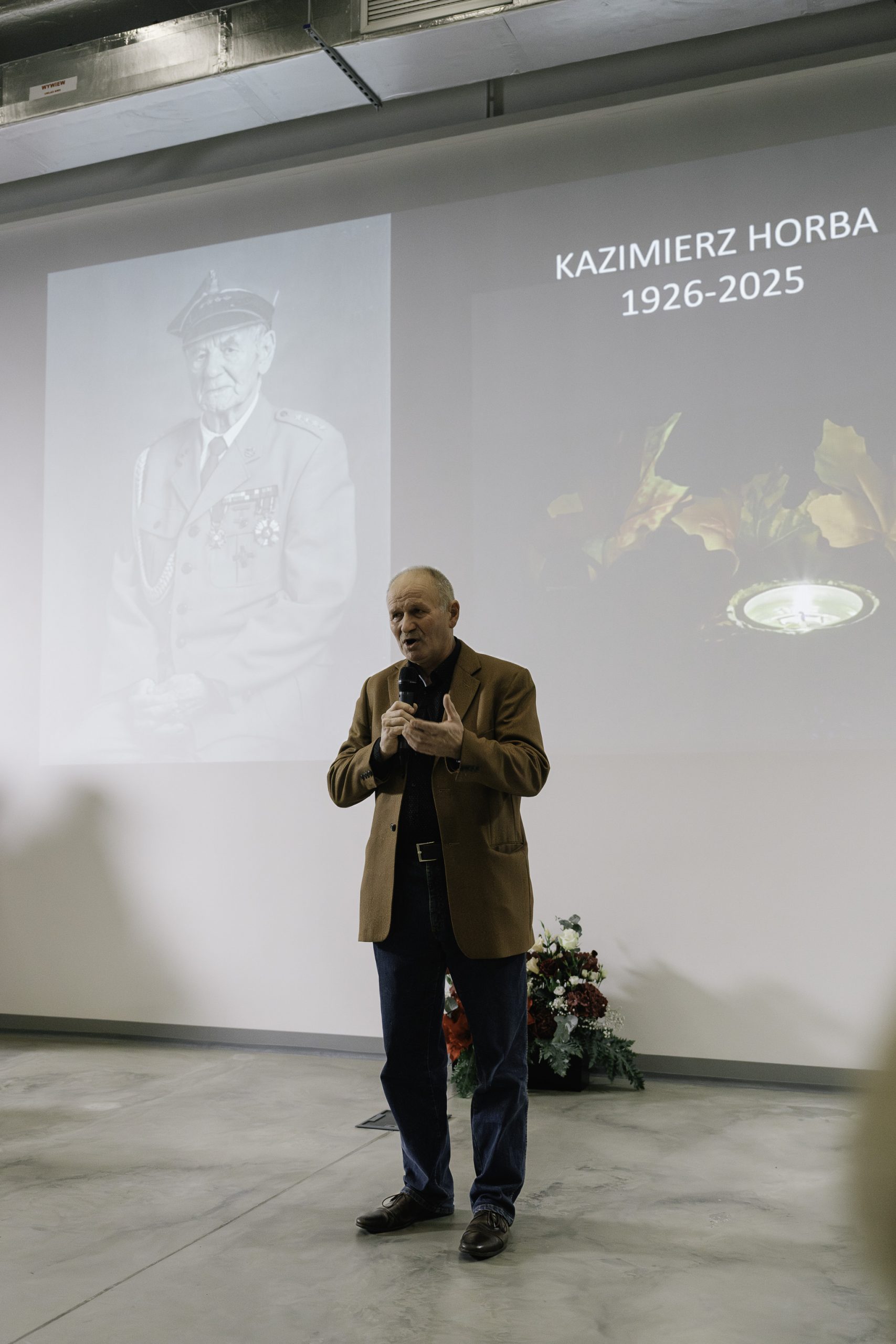
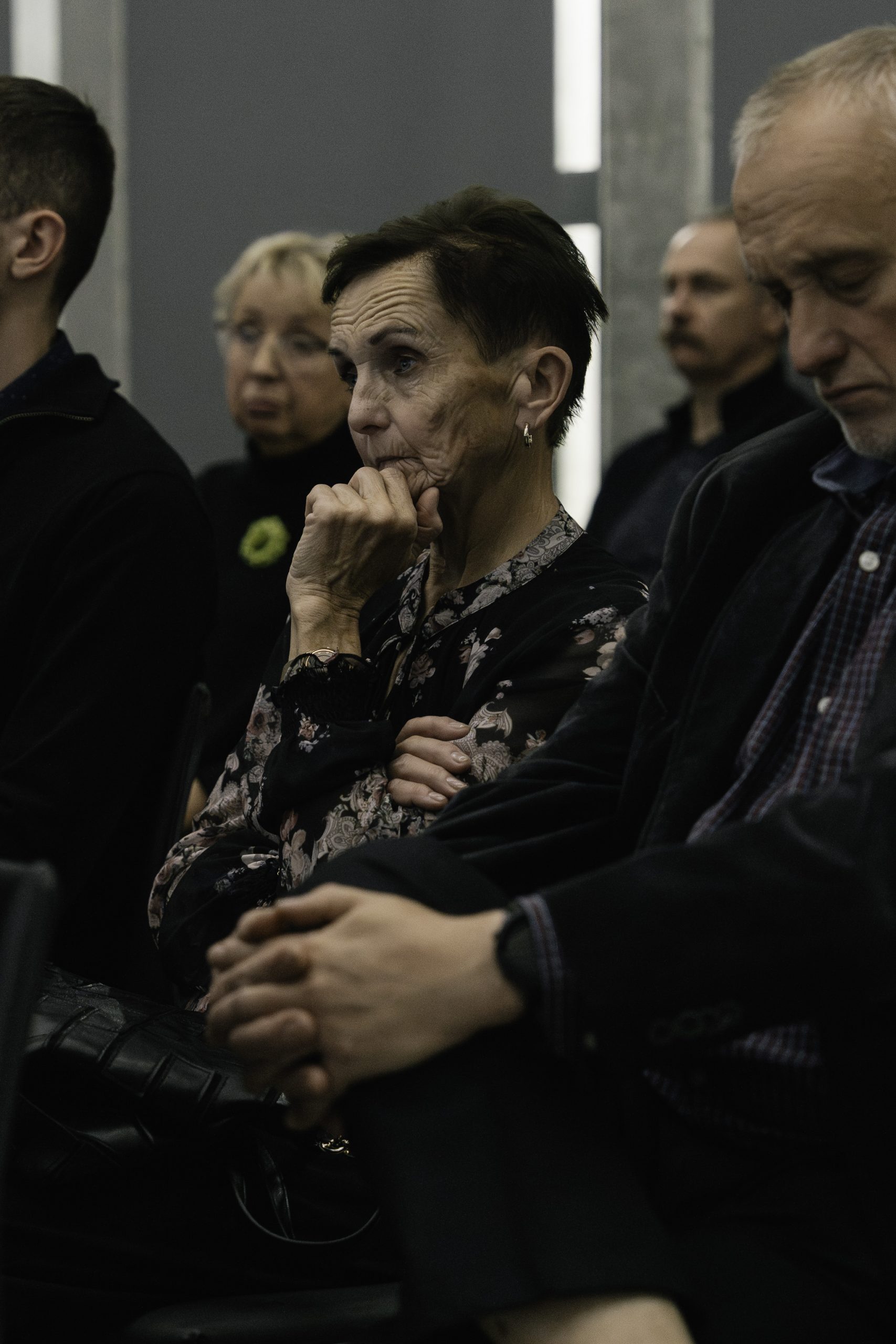
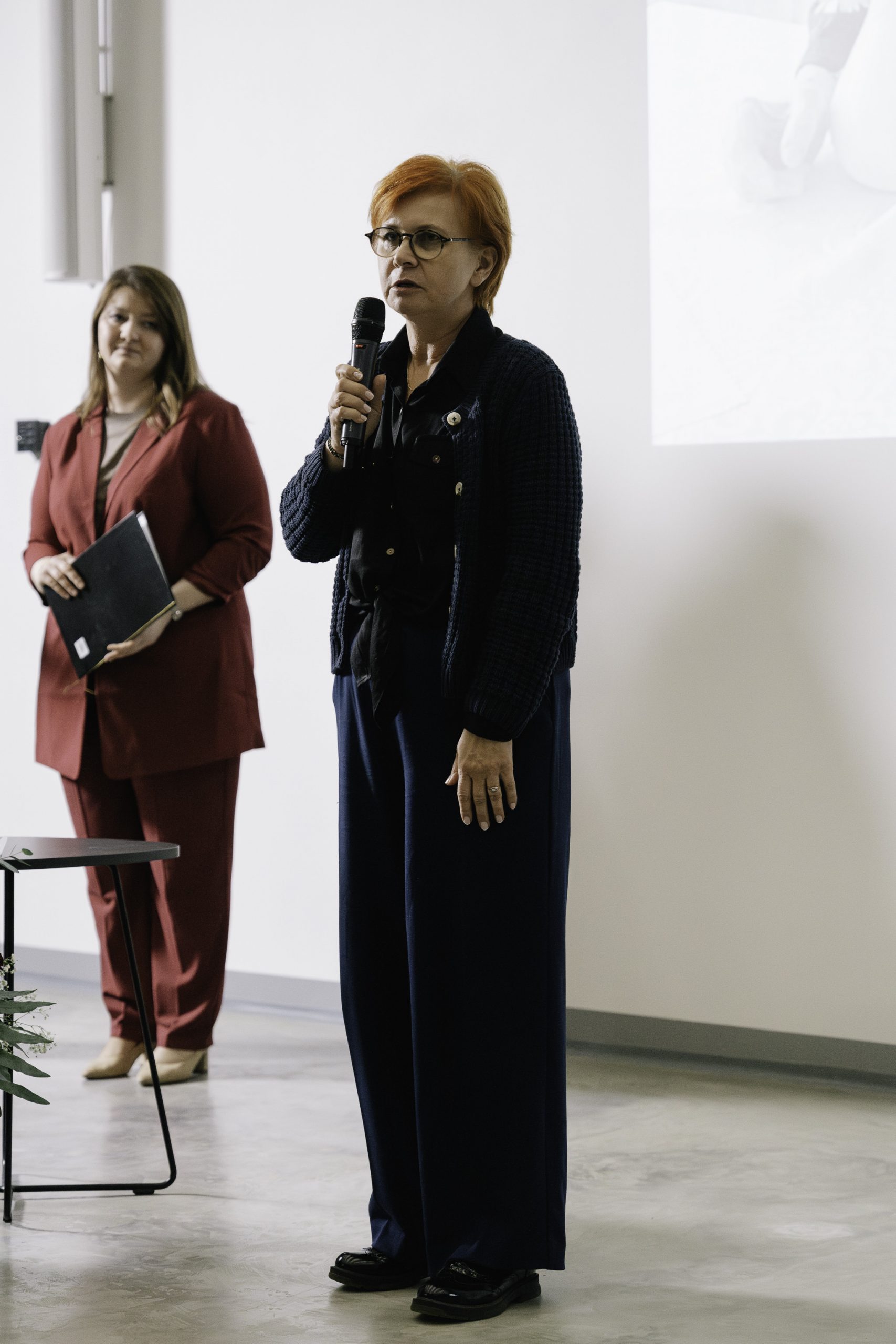
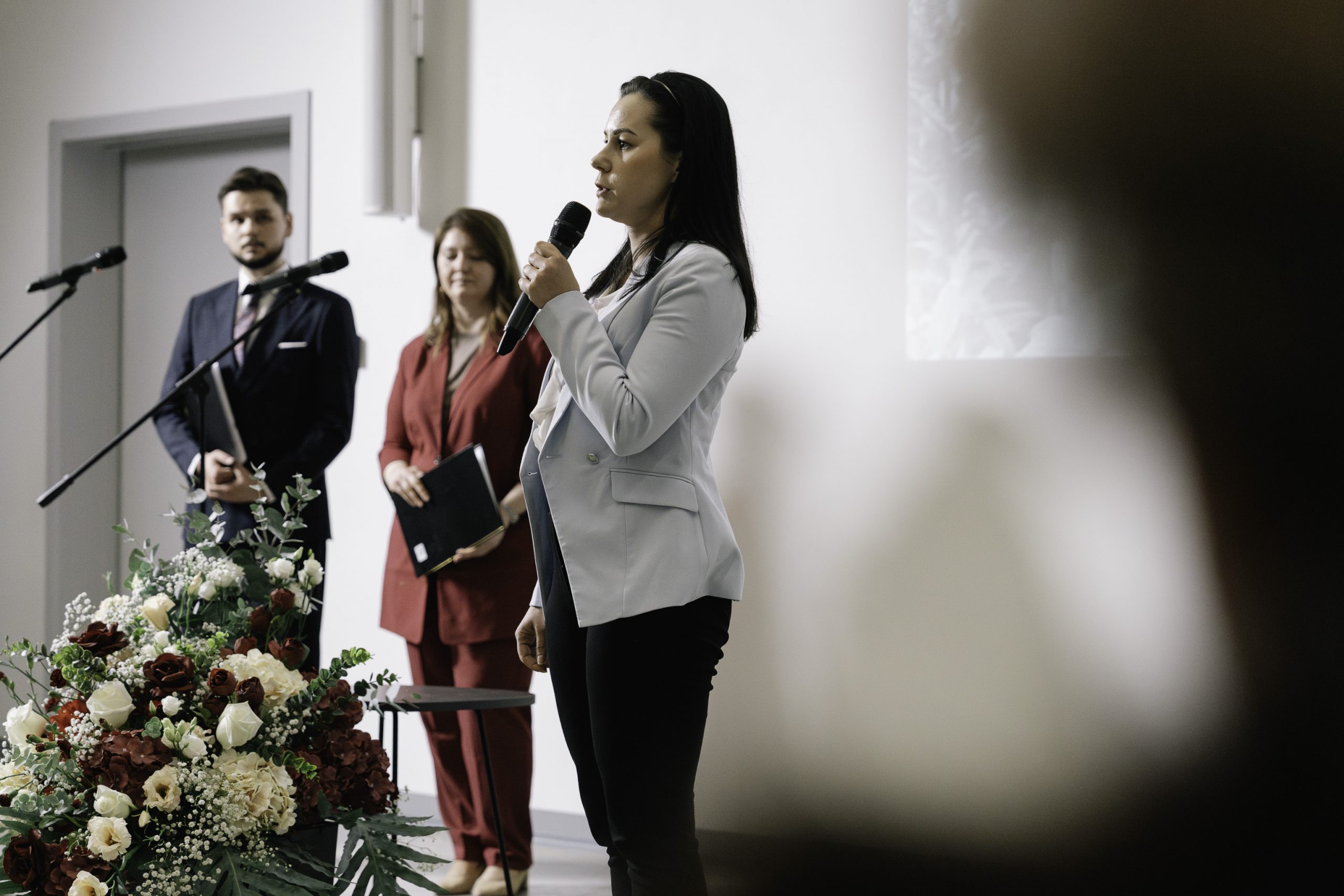
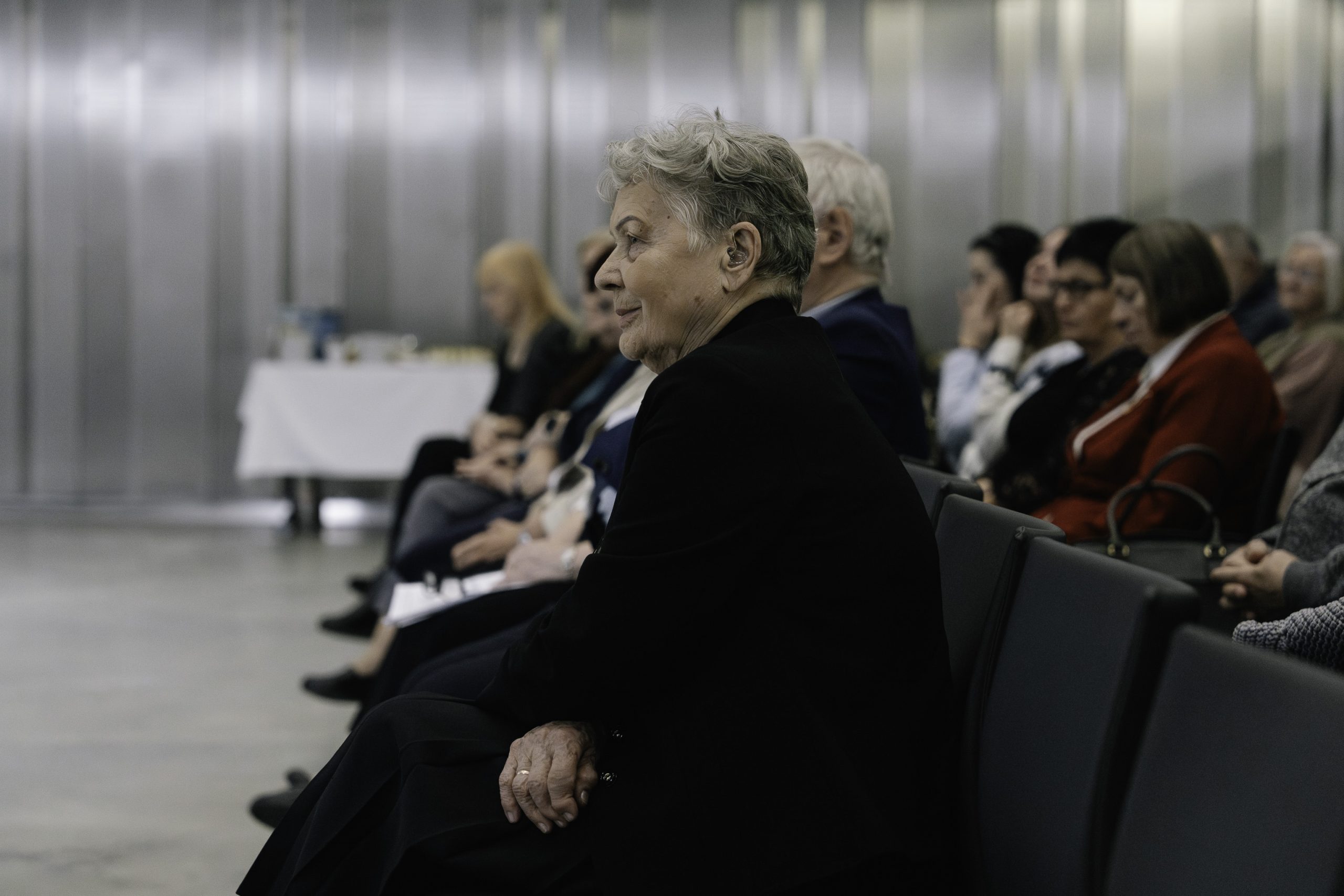
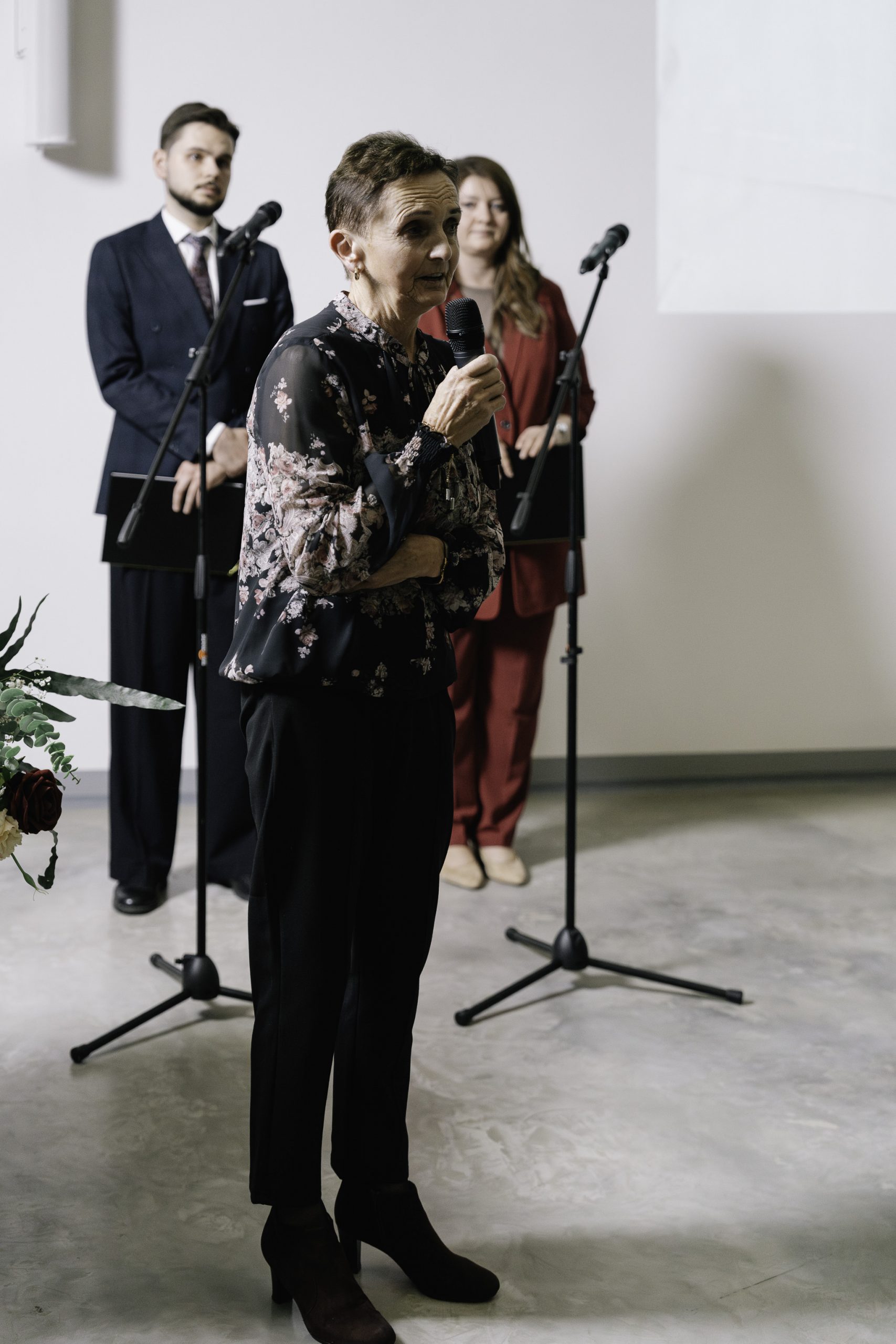
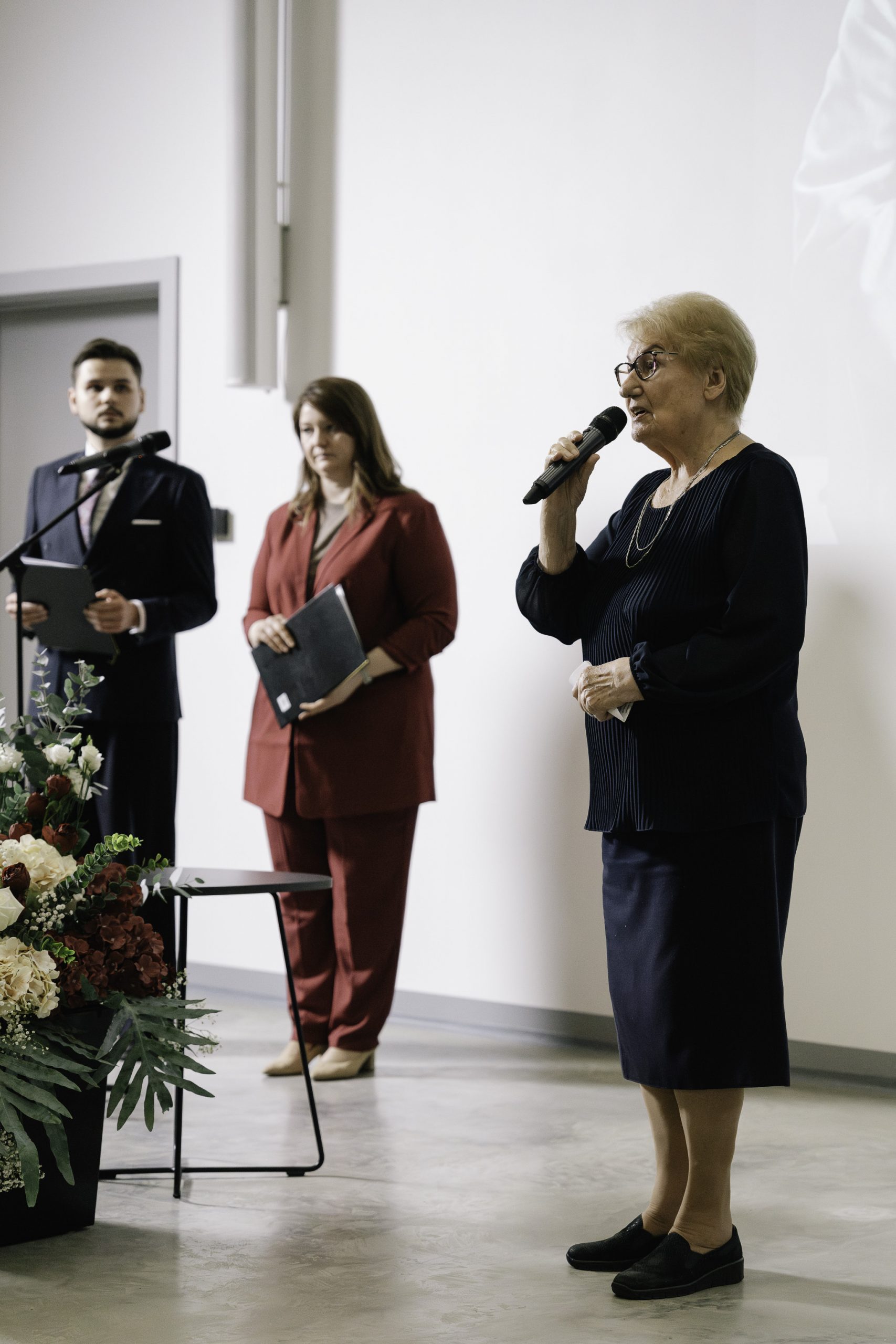
The families of those who passed away in 2025 spoke about their loved ones. Their words were filled with emotion and affection.
“When I think of my father, I can’t help but cry. He was a wonderful man! He taught me patriotism, faith, and love for our homeland. He never lost hope, never lost faith, never complained. You see, I’m crying, but these are tears of love and longing for this man…” — said Adam, son of Kazimierz Horba.
In the recollections of the children and grandchildren, many spoke not only about the hardships their loved ones endured during exile in Siberia, but also about their extraordinary strength and optimism.
Anna, daughter of Janina Kozłowska, who was deported to Siberia with her father, said:
“My mother was a very modest, unassuming person. She was only 145 centimeters tall — a tiny woman — but, like other Sybiraks, she had tremendous inner strength. I think the values most important to her, which she tried to instill in us, were hard work, honesty, and respect for others. We remember her as someone who demanded a lot from herself and from us, but who always taught us gratitude and kindness,” – she summed up.
Natalia, granddaughter of Maria Owłasiuk, deported at the age of eleven to the Altai Krai, shared:
“Today I stand here deeply moved, remembering my grandmother, Maria Owłasiuk, who was a source of strength, wisdom, and warmth for our entire family. She passed away at the age of 90, but she remains alive in our hearts. Grandma was not only a witness to history but also a teacher of life. She showed us that we must remember history not to reopen wounds, but to appreciate that we have peace, family, and freedom.”
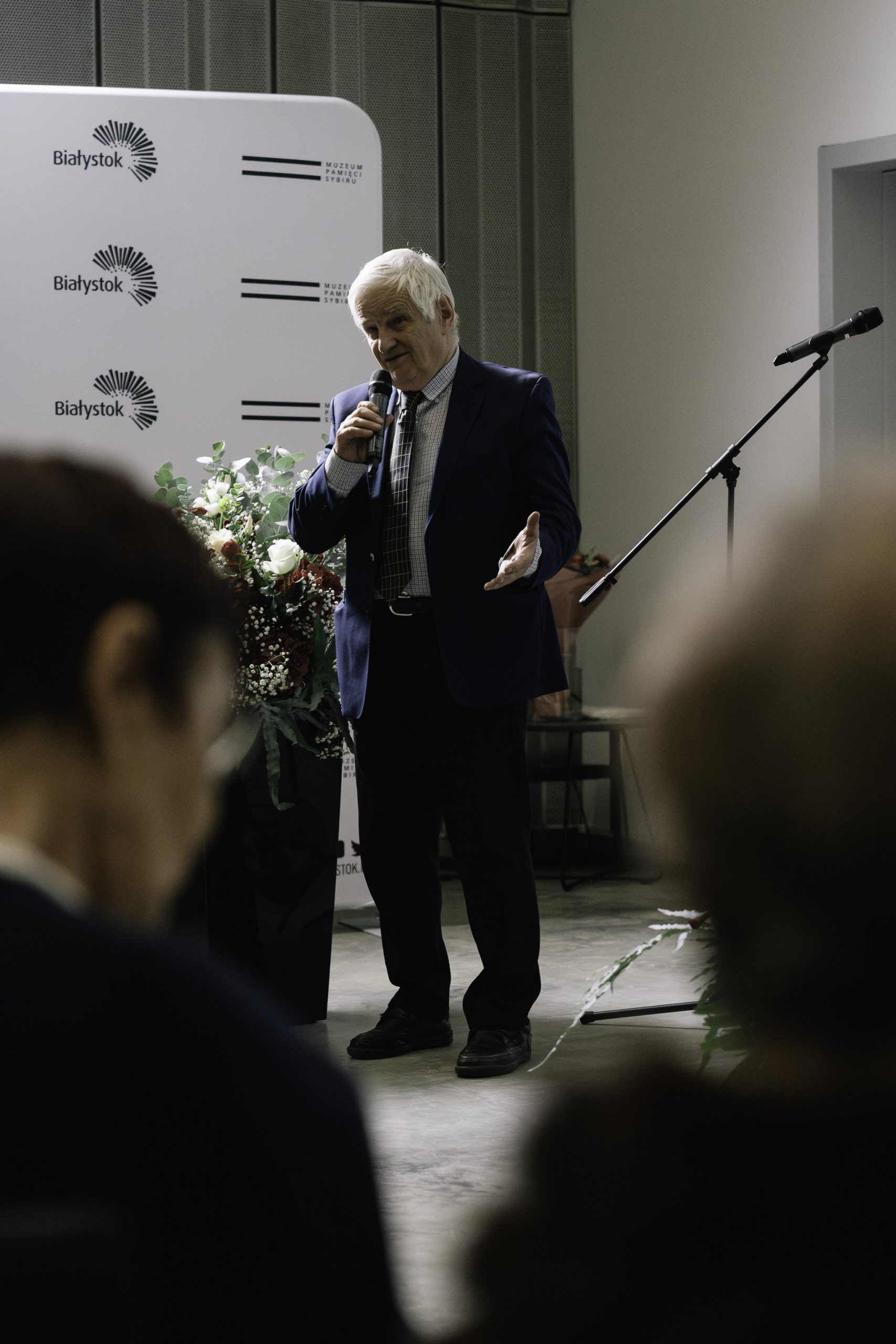
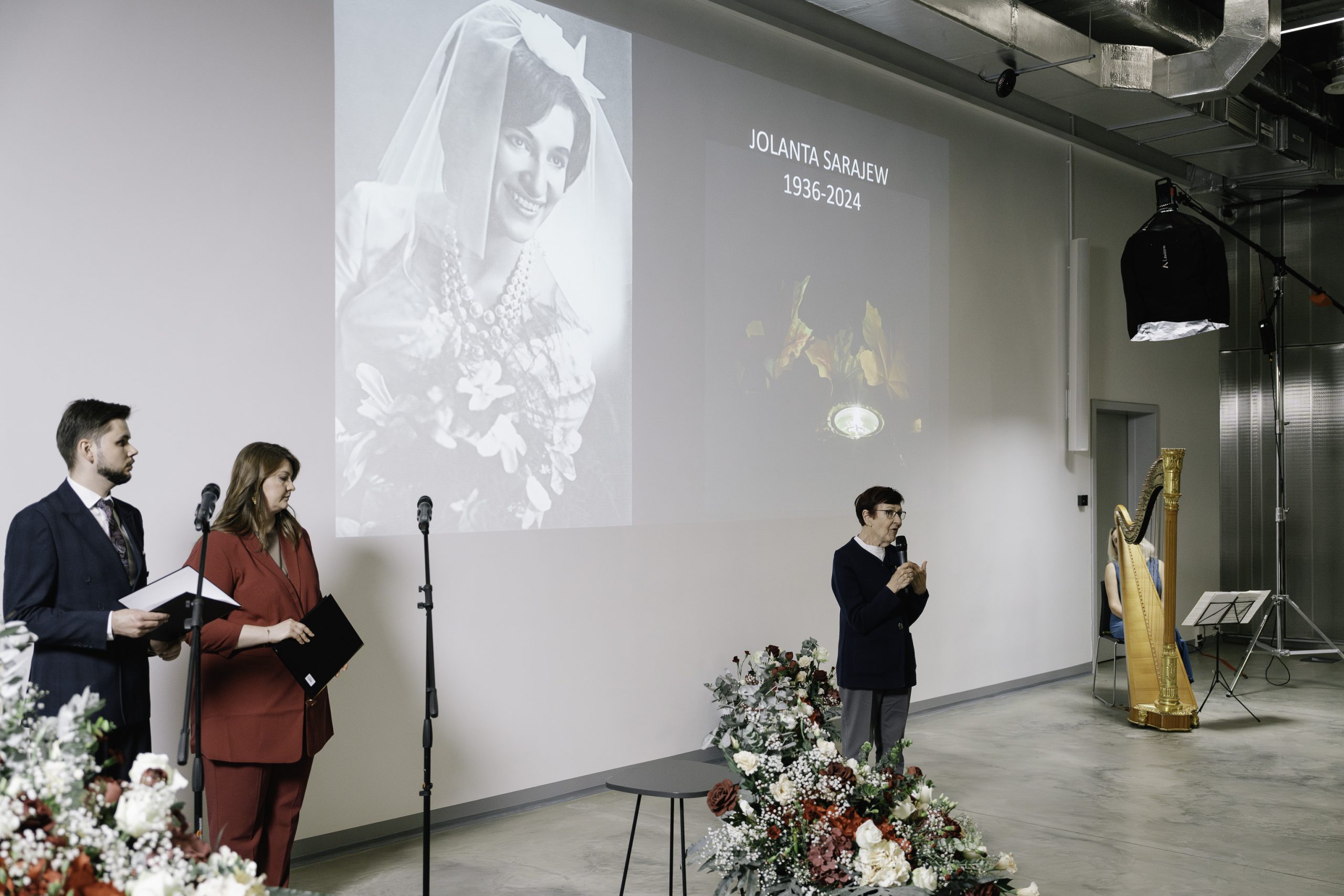
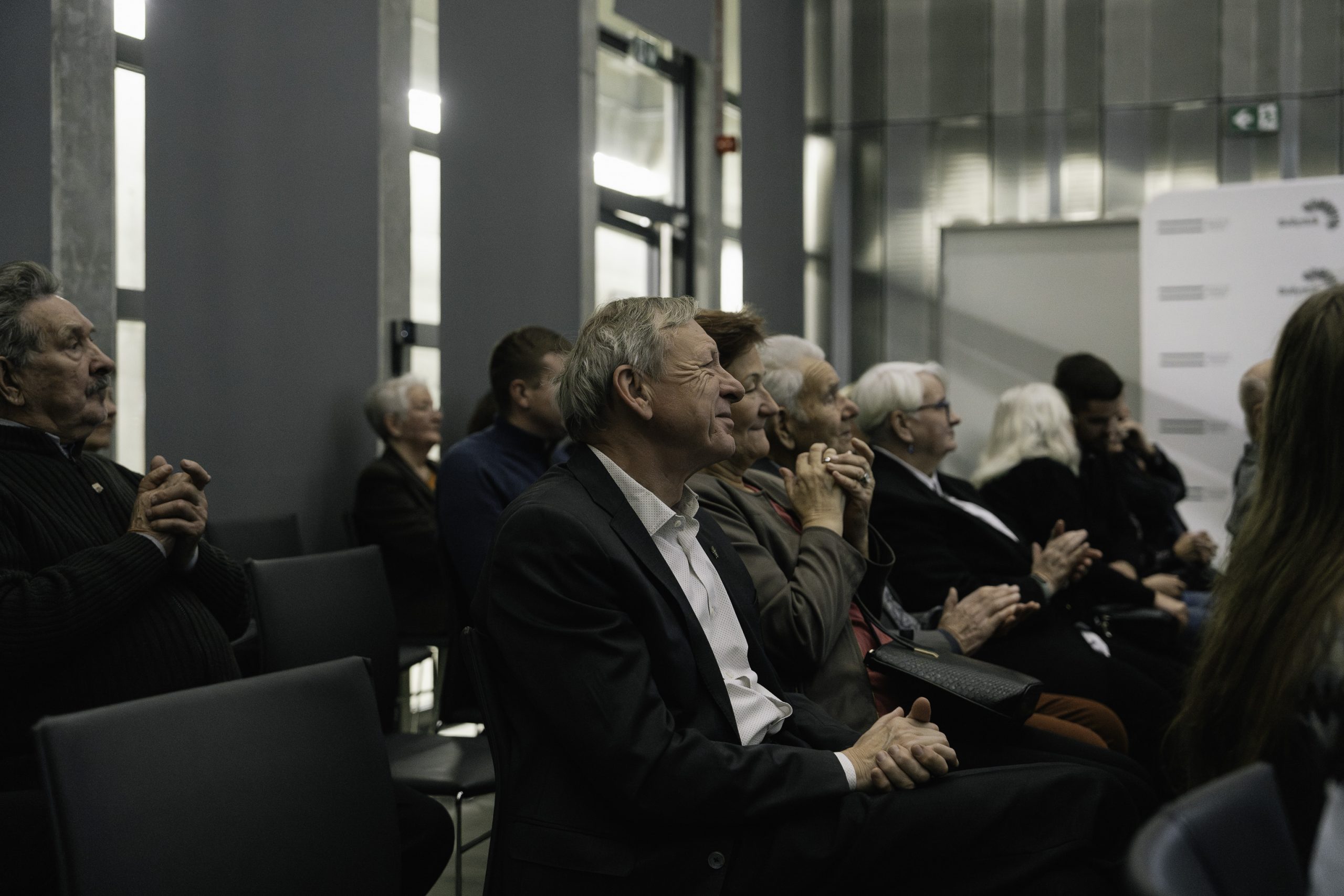
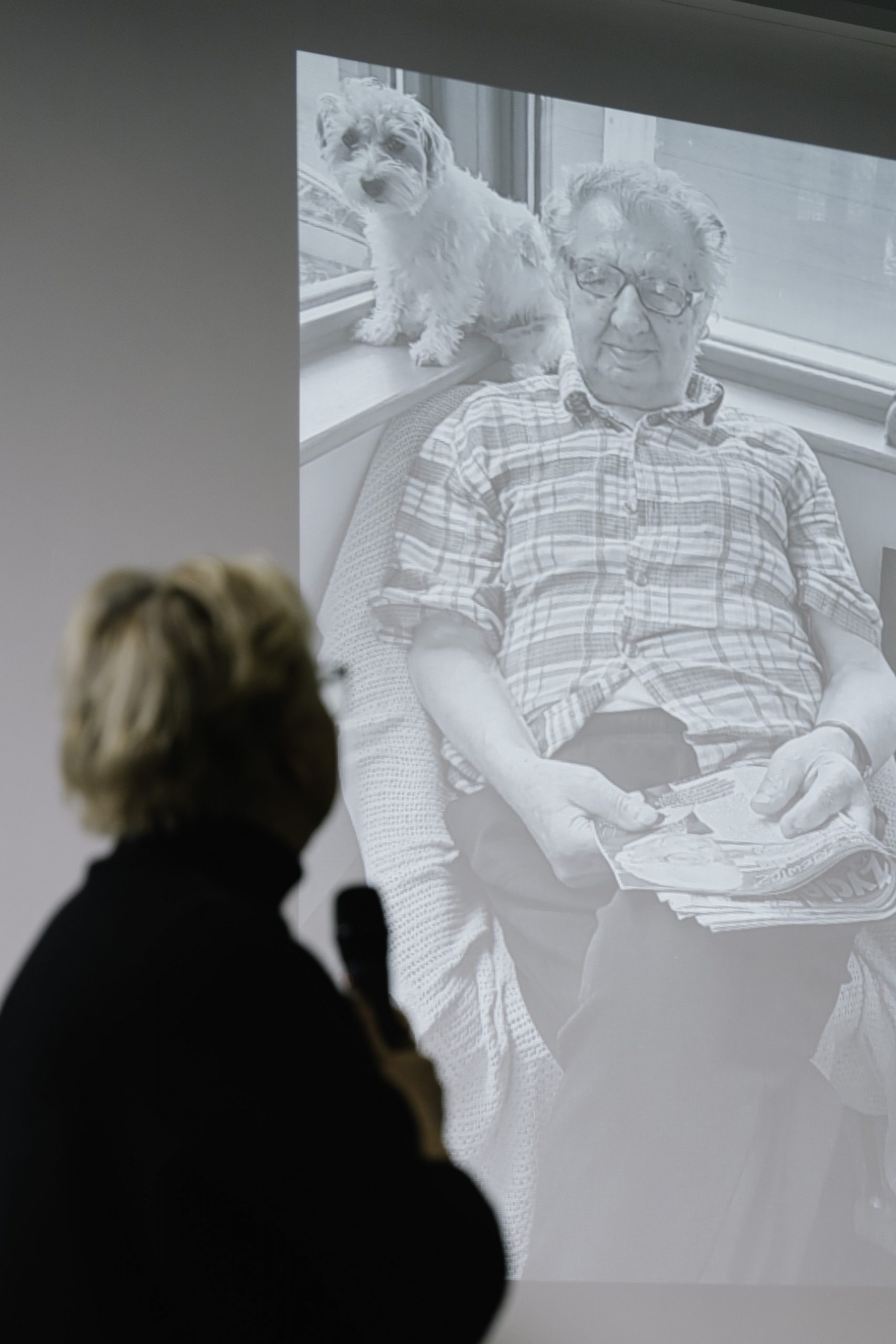
The evening — filled with warm thoughts and love for those who are gone — gave everyone the chance to reflect together on the lives of the Siberian deportees. Their life stories revealed their resilience, hope, gratitude, and joy in everyday life. Alicja, daughter of Eugeniusz Zagórski, concluded by recalling her father’s words: “You see, everything in life is relative. If not for all those twists of fate and hardships, I wouldn’t have had you. I wish for all of you to find such an optimistic thought in your lives — one that helps you see that even the hardest experiences can have meaning and, in the end, bring about something good.”