


“The book ‘Patrząc na Wschód. Przestrzeń, człowiek, mistycyzm’ came from the need to search for my roots and, in a sense, identity,” Piotr Brysacz, a graduate of Polish studies, journalist, and organizer of literary festivals, who in 2018, together with his wife, Maja Witecka-Brysacz, founded the Paśny Buriat publishing house — said during the meeting at the Sybir Memorial Museum.
The meeting began with the story about what ties Piotr to Podlasie and how it happened that after 17 years of living in Kielce, he returned to Podlasie and moved to Suwałki.
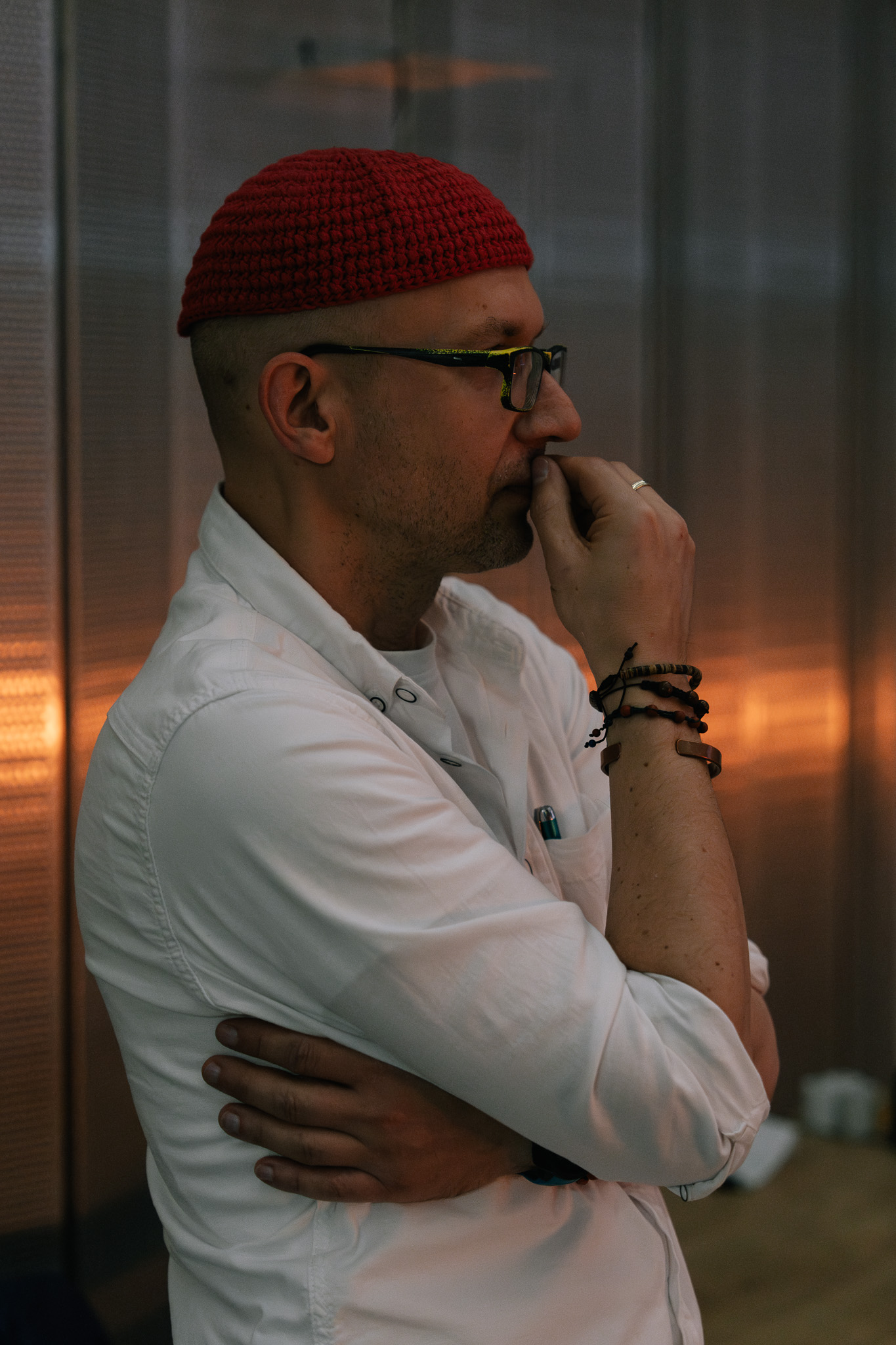
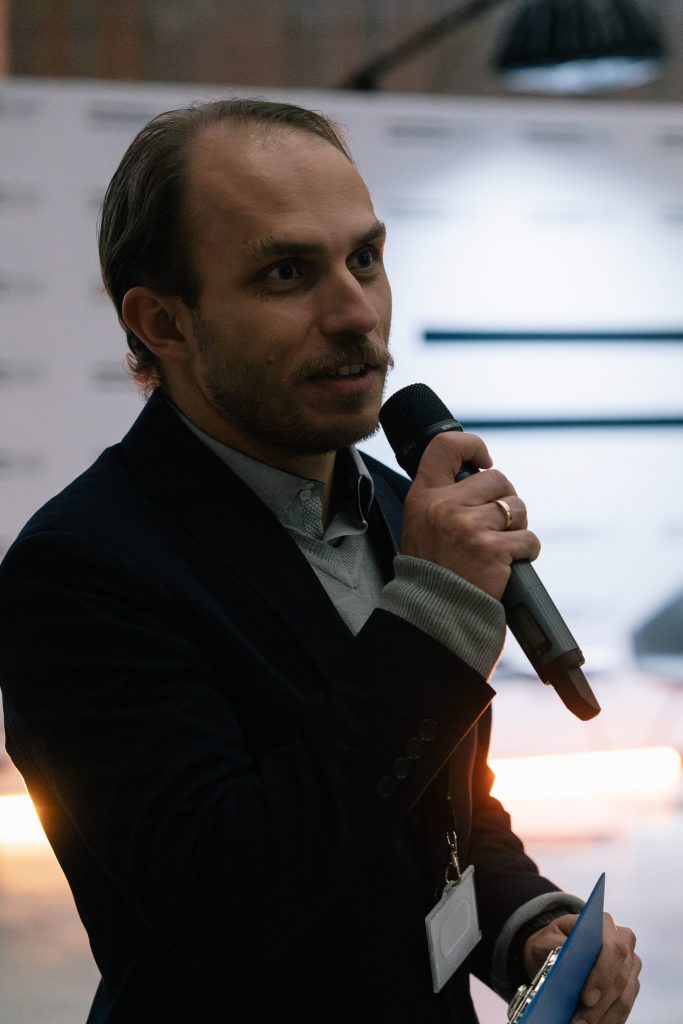
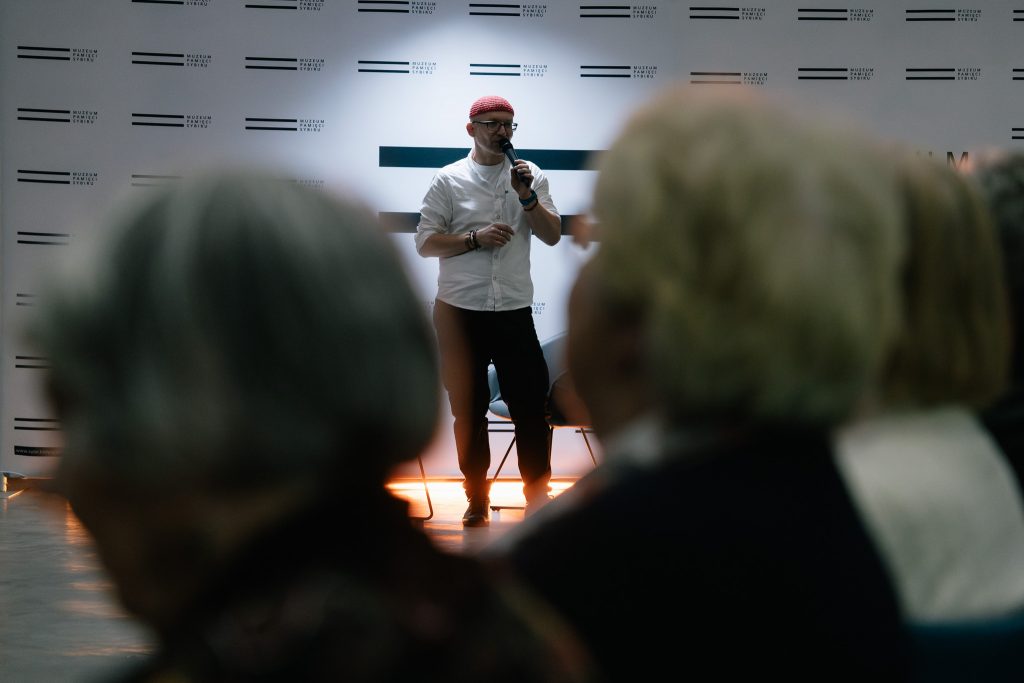
“At heart, I only temporarily lived in Kielce for 17 years, and I have always emphasized that in conversations every time. This temporariness was very important to me. And I got back. When I left Białystok 17 years ago, the Sybir Memorial Museum was not talked about at all. Probably the museum wasn’t even planned yet. For me, walking around Białystok today is a bit like archaeologists walking around ancient Pompeii, except in the opposite direction, because it’s not about searching for those fragments and finding what has been preserved; I am amazed by new things,” Brysacz said.
According to the guest of the Sybir Memorial Museum, Białystok has changed out of all recognition over all these years. New buildings have appeared in the city fabric, but a lot has also ceased to exist.
“Every visit to Białystok has always been a kind of important nostalgic journey for me. People around here never let me leave. I always had some matters to attend to. That East has simply stayed with me,” said our guest.
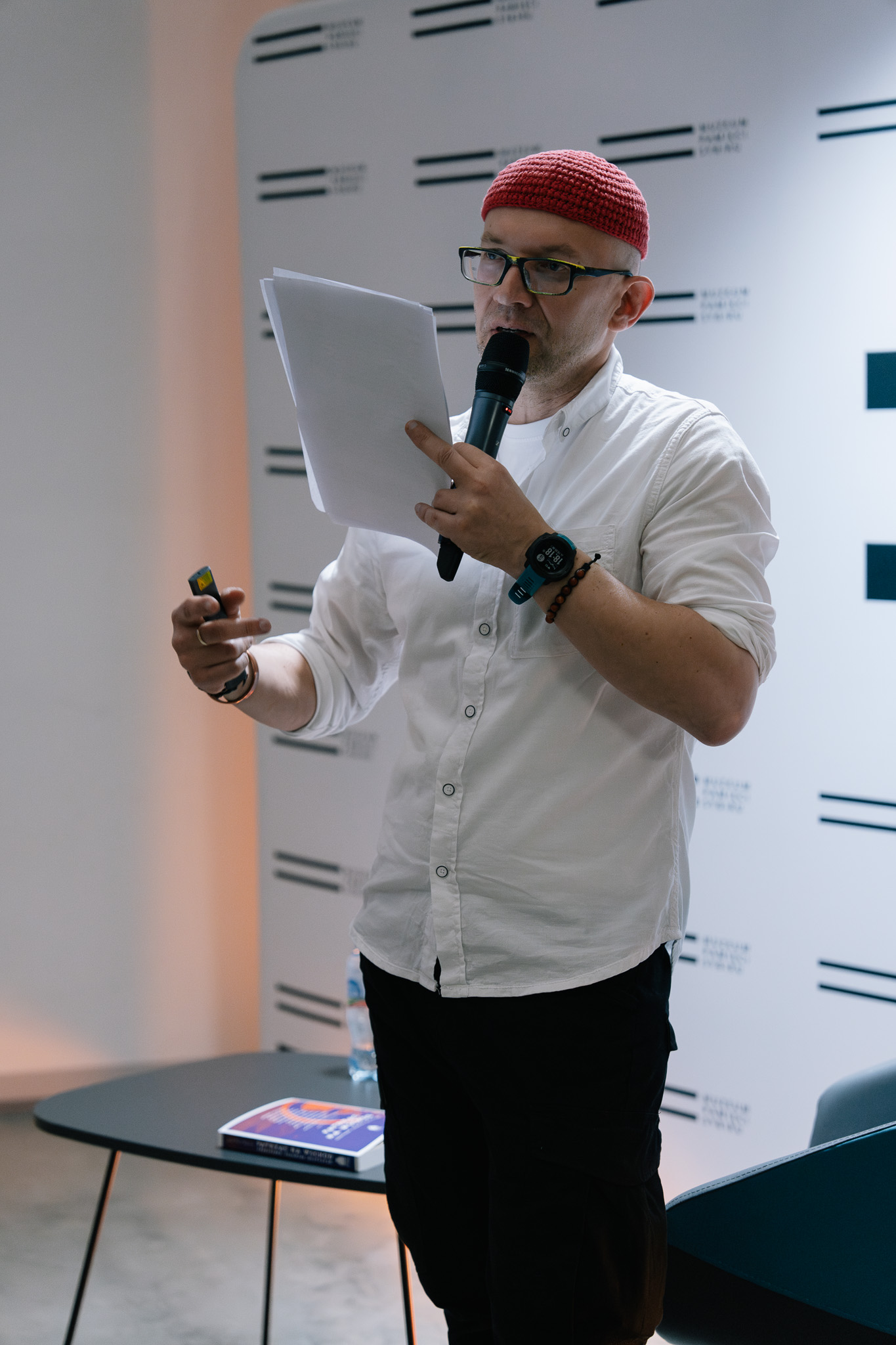
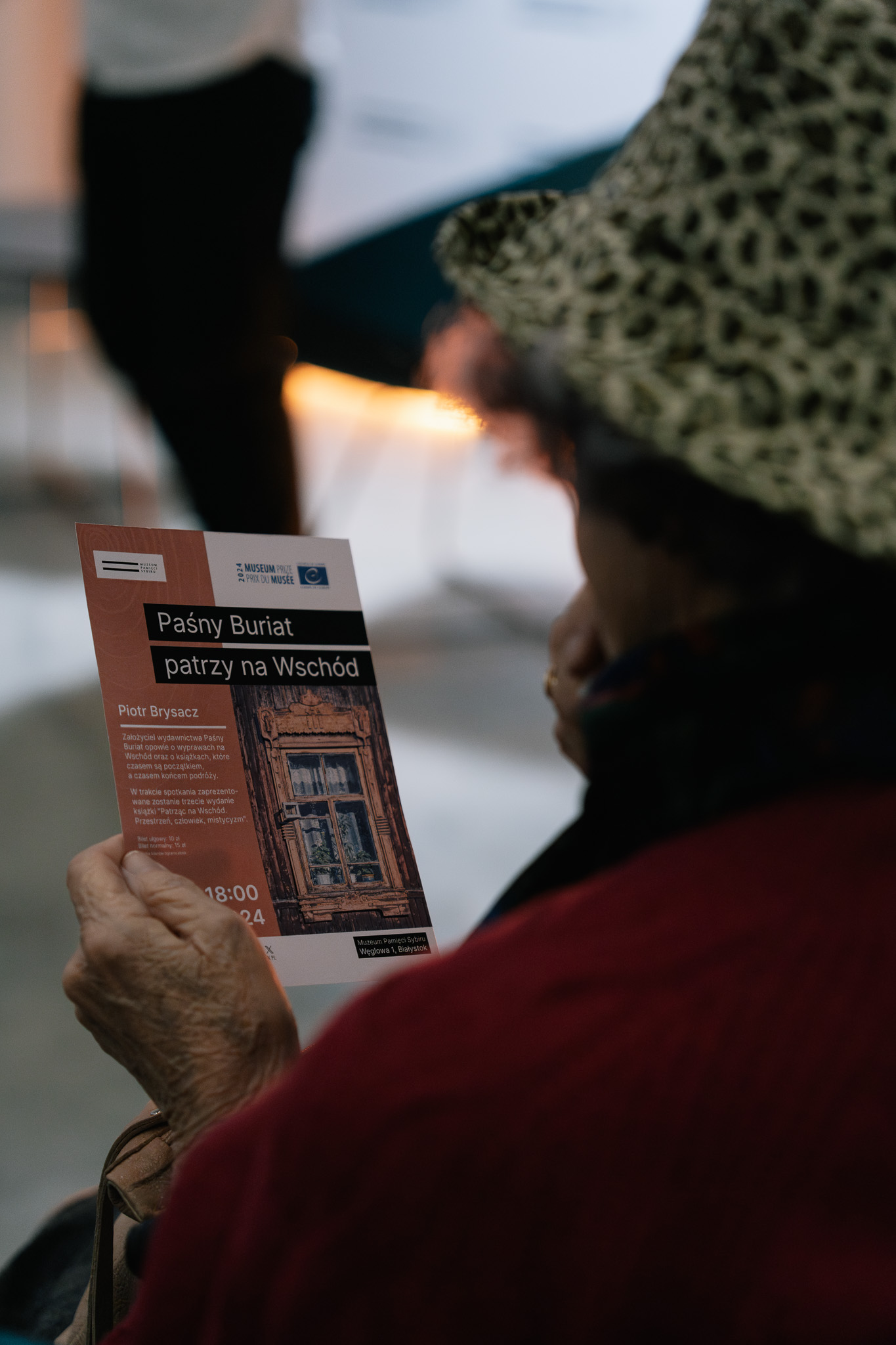
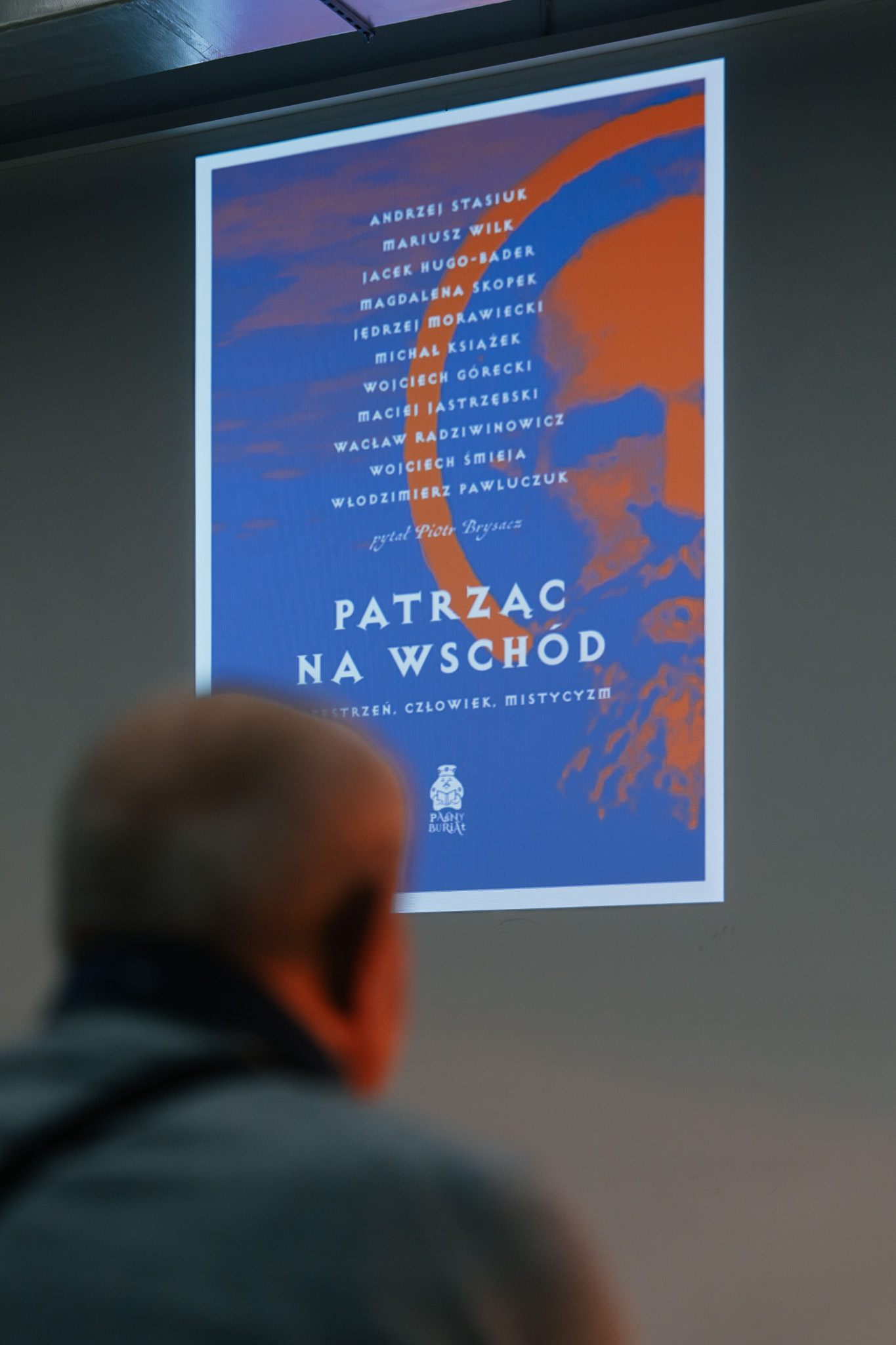
The sentimental journey and the story of Podlasie and Białystok seen through Brysacz’s eyes were one of the excuses for the meeting. The second, much broader excuse was the book “Patrząc na Wschód. Przestrzeń, człowiek, mistycyzm”, which is a polyphony about the East.
Piotr Brysacz asked journalists, travelers, reporters, and writers what the East means to them, what draws them there, and what constantly makes them return. Among the interlocutors were Andrzej Stasiuk, Mariusz Wilk, Jacek Hugo-Bader, Magdalena Skopek, Jędrzej Morawiecki, Michał Książek, Wojciech Górecki, Maciej Jastrzębski, Wacław Radziwinowicz, Wojciech Śmieja, and Włodzimierz Pawluczuk.
“This book is actually an invitation to a journey. I invited many people to talk about the East, and they agreed. Interestingly, the first edition of this book was published over 10 years ago, and this book is still alive. I still receive signals from people who are interested in it after so many years, referring to it in their research, writing master’s theses. I think it’s because when you put your heart into something and tell the truth about yourself, it will always defend itself and endure,” Piotr said.
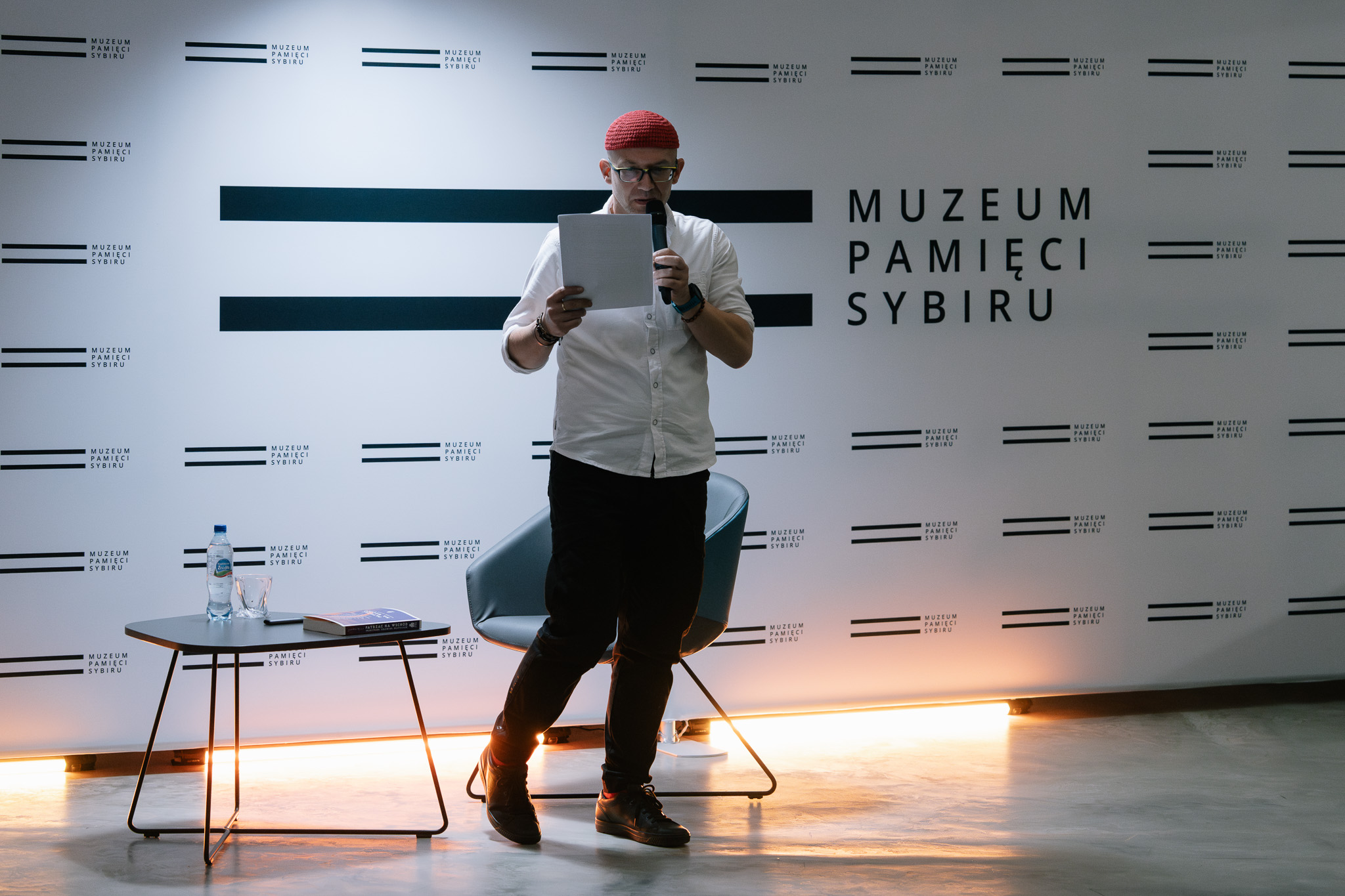
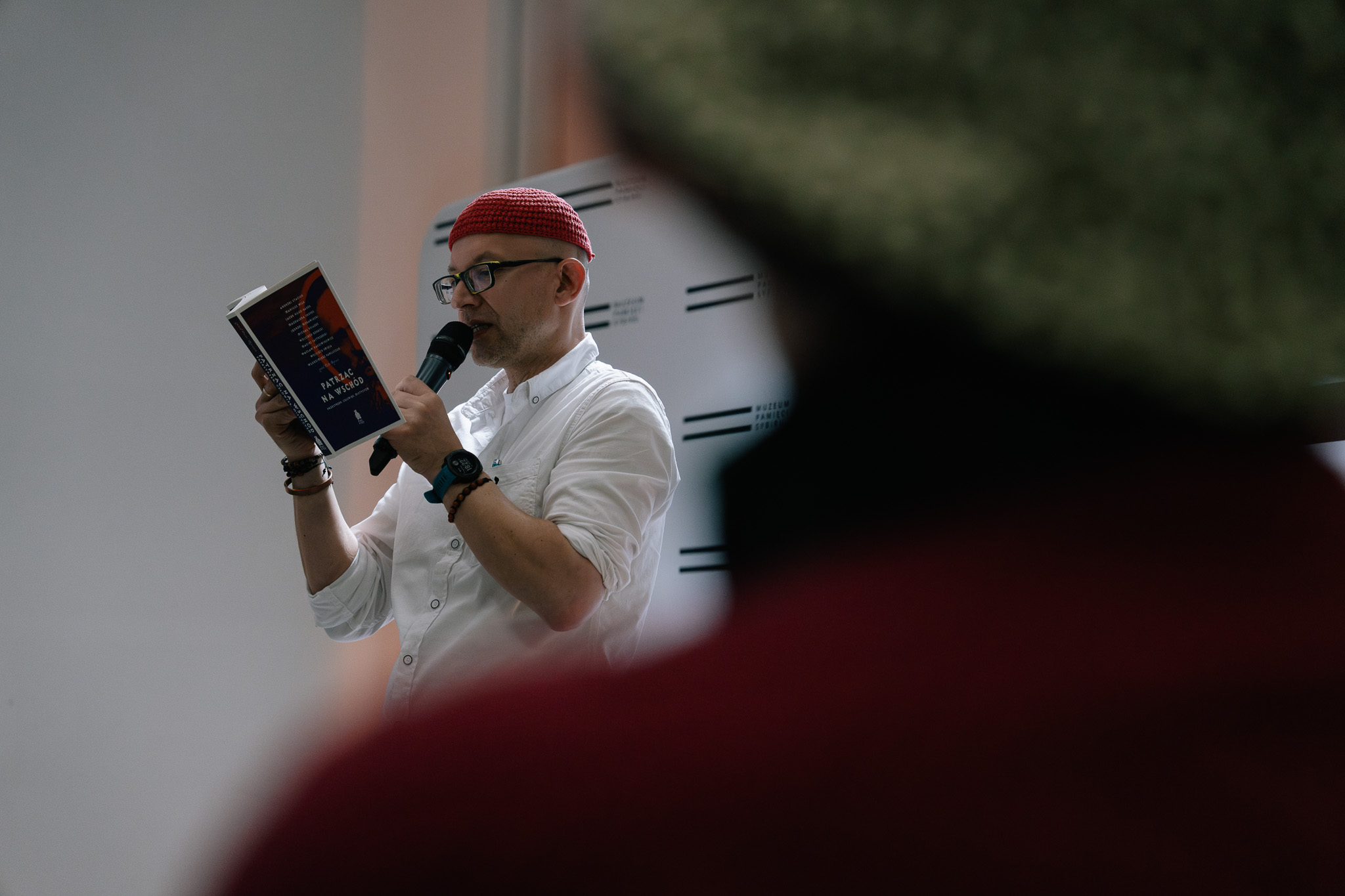

The book “Patrząc na Wschód. Przestrzeń, człowiek, mistycyzm” tells a story stretched across Yamal, Yakutia, Moscow, the Krasnoyarsk Territory, the Caucasus, Karelia, and Grzybowszczyzna in Podlasie. Interestingly, Piotr Brysacz has never been to most of these places. He only knows them from the stories of his interlocutors.
“During meetings, some accused me of writing an untrue book because I have never actually visited those places, so I don’t know what I’m talking about. I have talked to people who go there, but I never went there myself. Yes, I never walked the Lake Baikal, like my friend Piotr Malczewski. The farthest I ever was in the East was in Crimea, in the South in Greece and Albania, in the North on the North Sea in Friesland, and in the West in Prague. And that’s it, I won’t go further. All along, I didn’t hide that this book was born out of ignorance. I applied an old journalistic method: if you don’t know, ask those who do. In this sense, this book is true to me. It came from the need to search for my roots and, in a sense, identity,” Piotr Brysacz said.
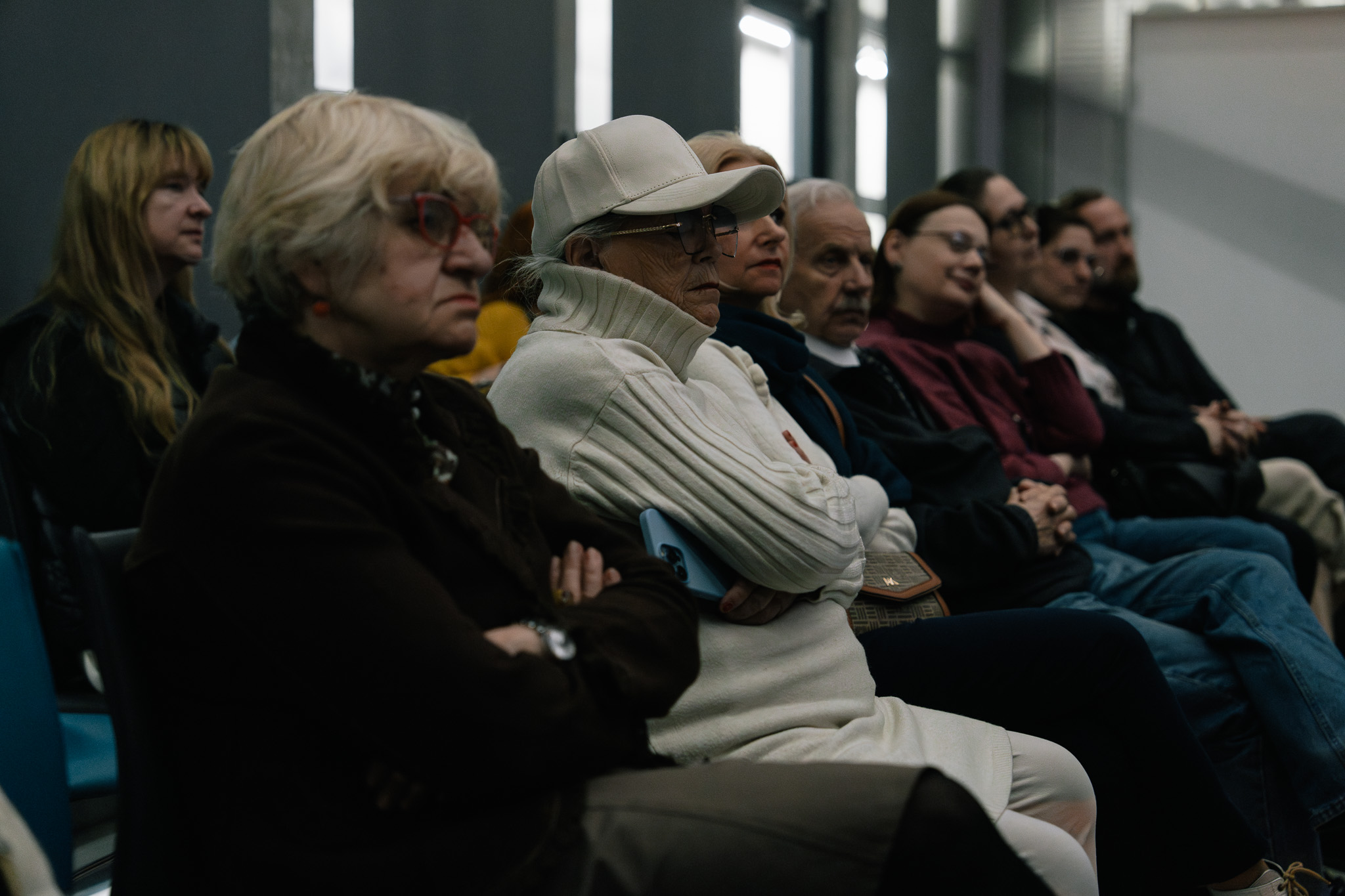

According to Piotr Brysacz, every journey, both literal, understood as a trip, and into yourself, always has its start somewhere. There is always something that makes us decide, that this is it.
“There is always some impulse that pushes a person to learn something. There are two schools of knowing the world: the Falenicka School and the Otwock School. The Falenicka School says that you should pack your backpack, pack the necessary things, and go to be able to see and touch the world. In turn, the Otwock School is a journey into the depths of literature and the search for knowledge about others. I am the second type of traveler, and I don’t have to touch the ice of Lake Baikal to believe Piotr Malczewski that he walked on the ice on Lake Baikal with sleds. For me, the impulse to start this metaphorical backpack was a book by the German traveler and reporter Wolfgang Büscher — “Berlin – Moscow. Journey on foot.”
The work of Wolfgang Büscher has made an essential impact on Piotr Brysacz that two fragments of texts not only became an impulse for his journey but also the motto of the book “Patrząc na Wschód. Przestrzeń, człowiek, mistycyzm”.
“Where did the breakthrough occur and your journey begin mentally?
In the area of Białystok.
What happened?
(…) Only in the eastern part of Poland I felt I was somewhere else.”
Wolfgang Büscher in an interview with Katarzyna Surmiak Domańska
“The East is something that nobody wants. Everyone brushes it off as if a bird just pooped on their sleeve. The label of the East is passed on – to the east.”
Wolfgang Büscher
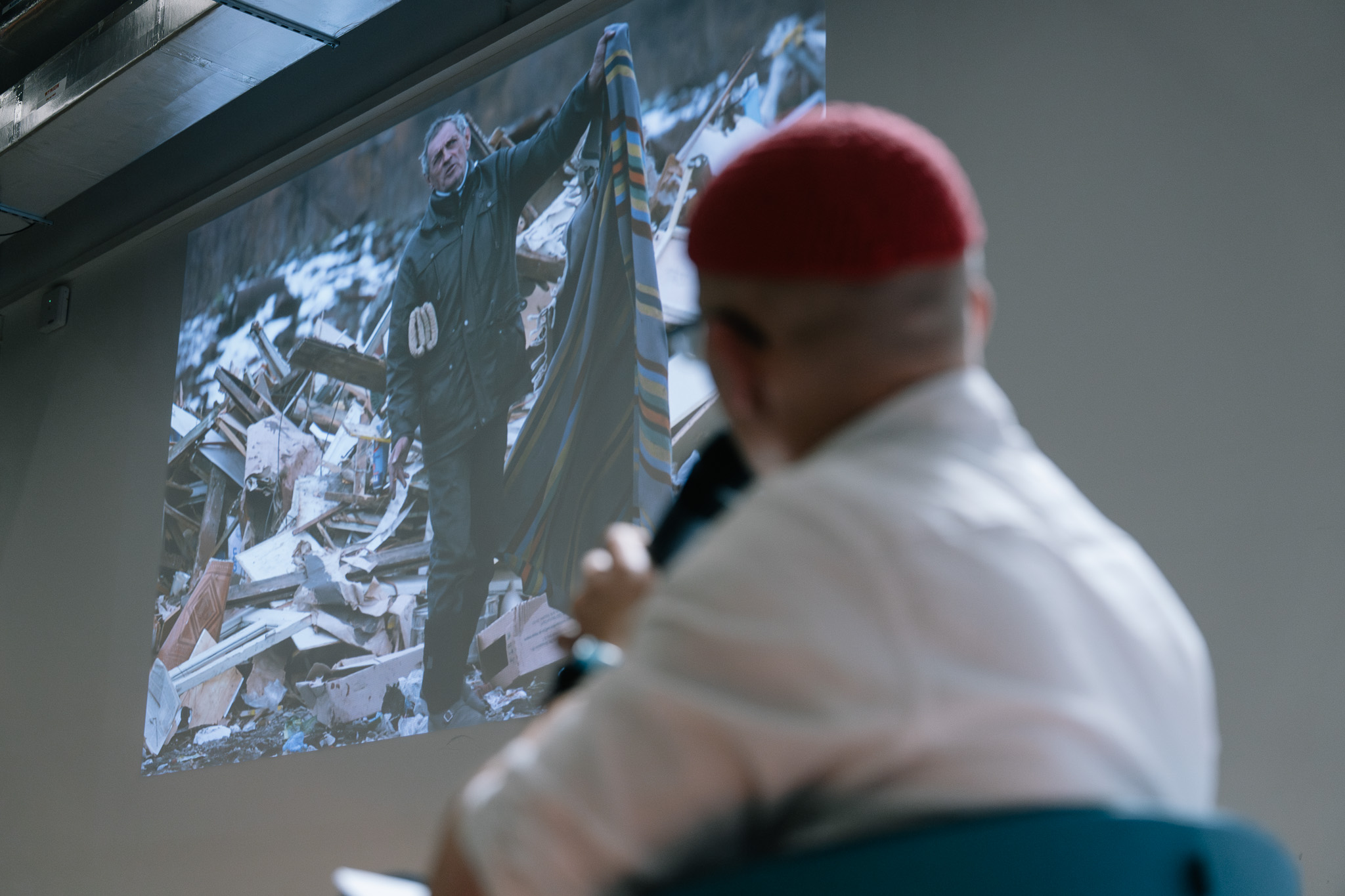
During the meeting, the participants, apart from listening to the stories about the book and the stories contained in it, also had the opportunity to see beautiful photographs by, among others, Jacek Hugo-Bader, Mariusz Wilk, Magdalena Skopek, Michał Książek, Wojciech Śmieja, Wojciech Górecki, Marek Dolecki, and Piotr Jaxa.
The next meeting will be held in May. The Museum’s guests will be participants of the JednoŚladami Andersa excursion.
Welcome!