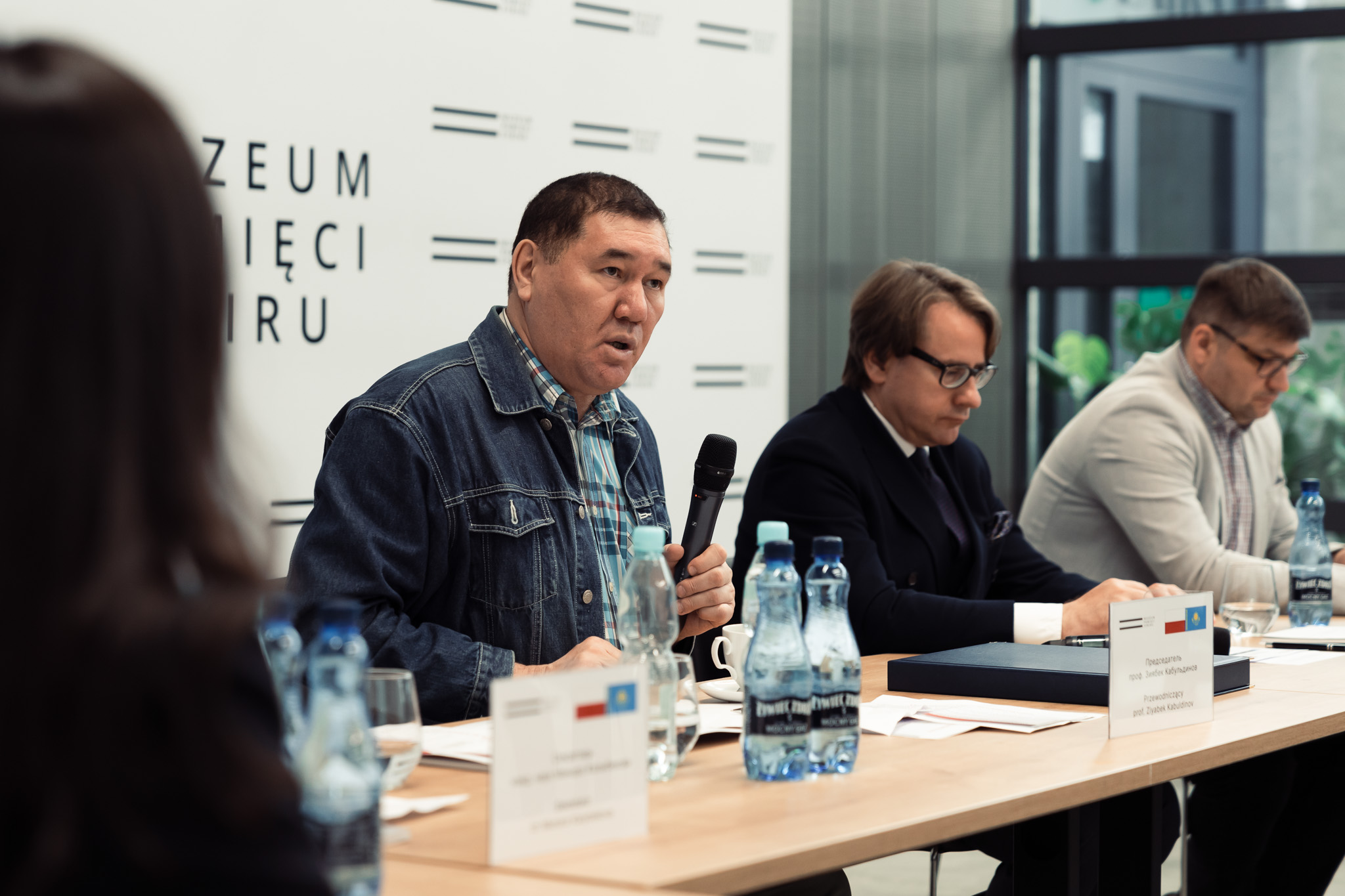


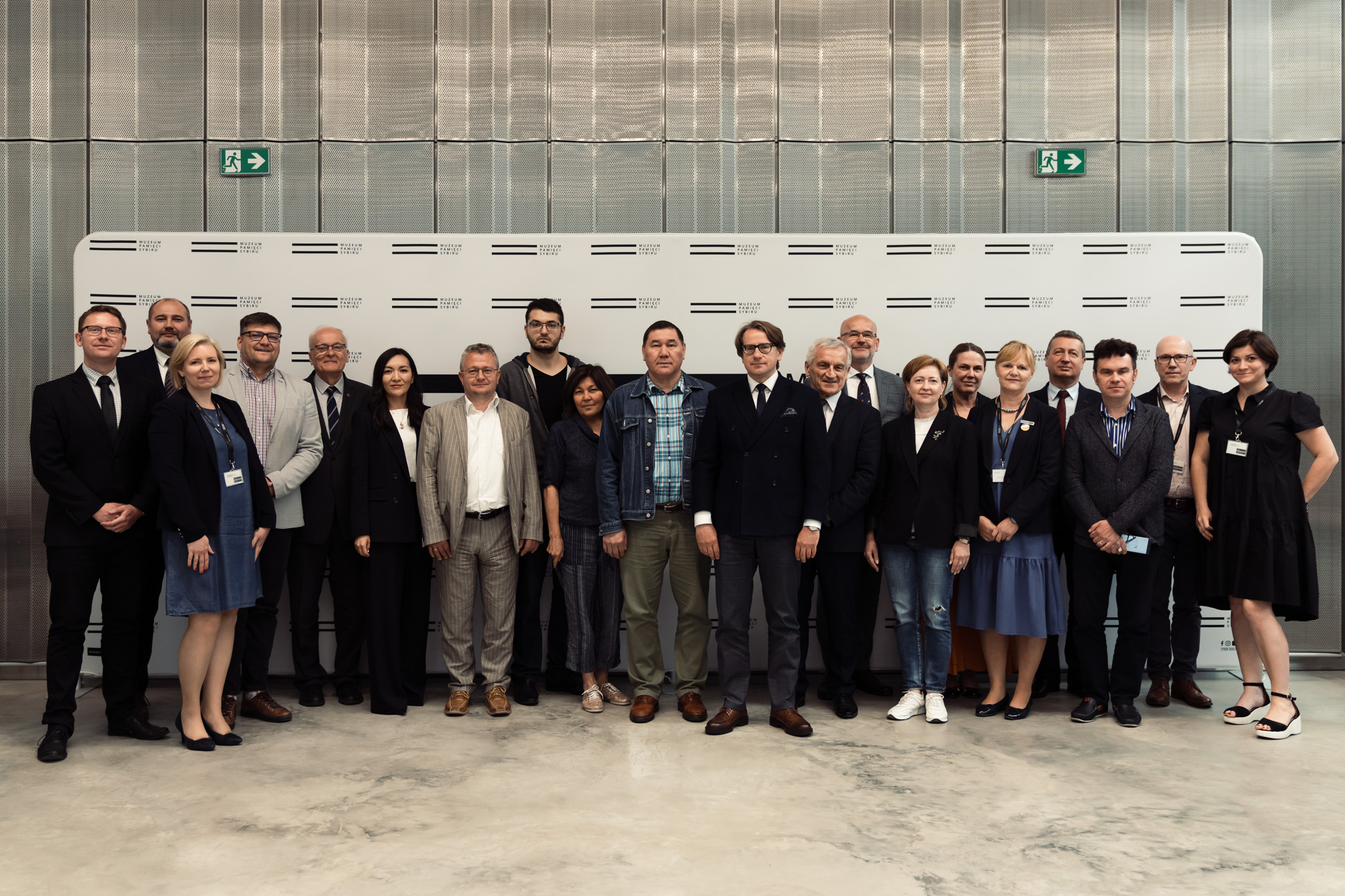
The founding act of the Commission was formally signed on 6 June at the Sybir Memorial Museum. The chairman representing the Polish side is Prof. Wojciech Śleszyński, Director of the Sybir Memorial Museum. On the Kazakh side, the document was signed by Prof. Ziyabek Kabuldinov, Director of the Institute of History and Ethnology at the Committee of Science of the Ministry of Education and Science of the Republic of Kazakhstan in Almaty. The secretaries are Manara Kalybekova, PhD from the same Institute and Dmitry Panto, PhD from the Museum of the Second World War in Gdańsk.

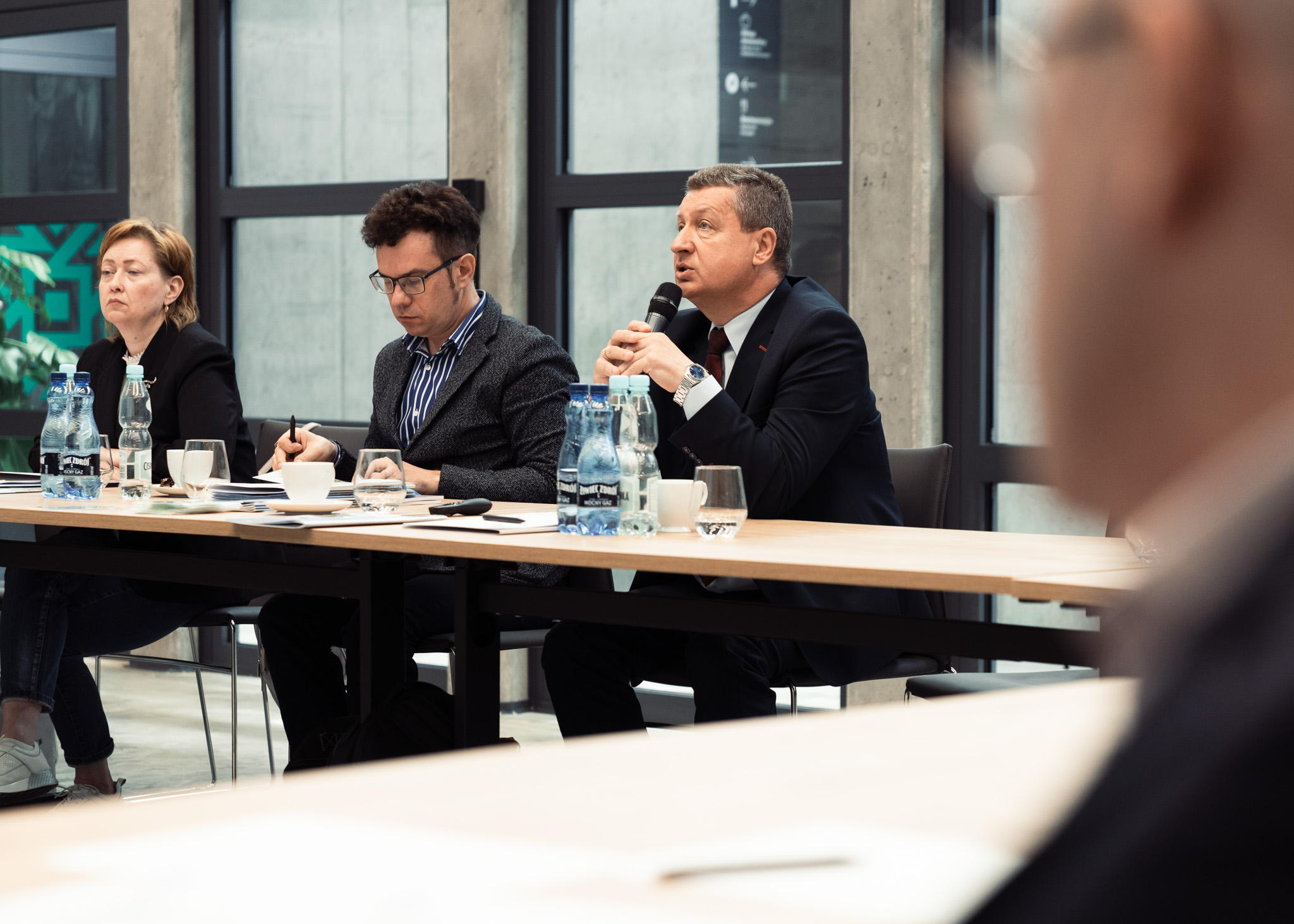


Research into the history of Soviet repression against Polish citizens has long faced numerous obstacles from the authorities of the Russian Federation. Recently, due to the political situation, access to Russian archives has become virtually impossible. However, this does not mark the end of the work of historians studying the fate of Poles in the East.
Of the at least 330,000 Poles deported deep into the USSR during the four major deportations of 1940–1941, a large proportion were sent to Kazakhstan. Thanks to cooperation between the Sybir Memorial Museum and Kazakh institutions, new opportunities are opening up for Polish researchers. As a result, the Sybir Memorial Museum will become a leading institution in further research on the history of Poles in Kazakhstan.
Among the guests at the ceremony, in addition to the historians mentioned above, was Nadezhda Kubik from the State Archives of the Pavlodar Oblast. This is the oblast where a large number of Polish families deported by the Soviets in 1940–1941 were sent. According to Prof. Kabuldinov, Kazakh archival documents will make it possible not only to expand our general knowledge about the deportees, but also to reconstruct the histories of individual families.
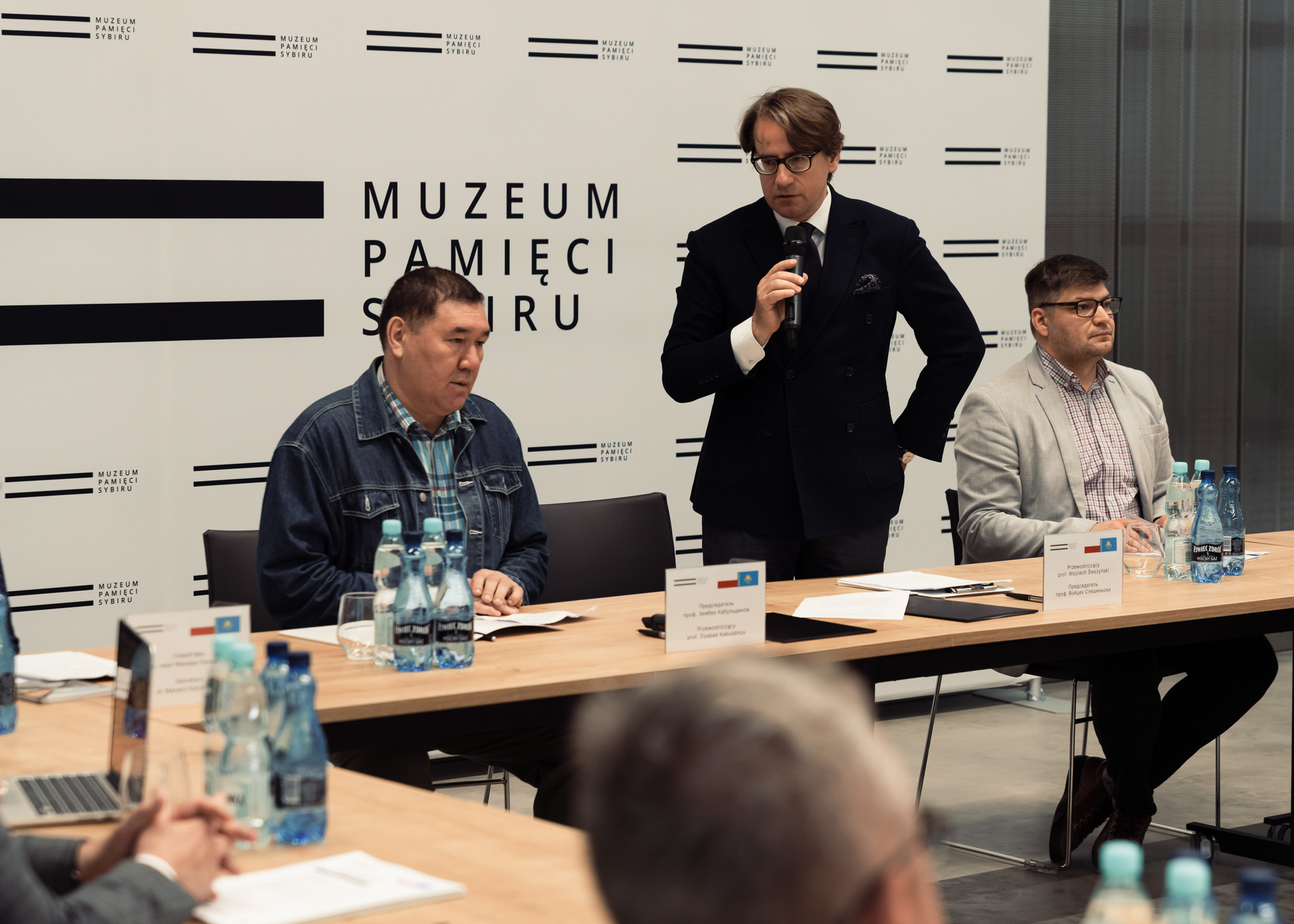


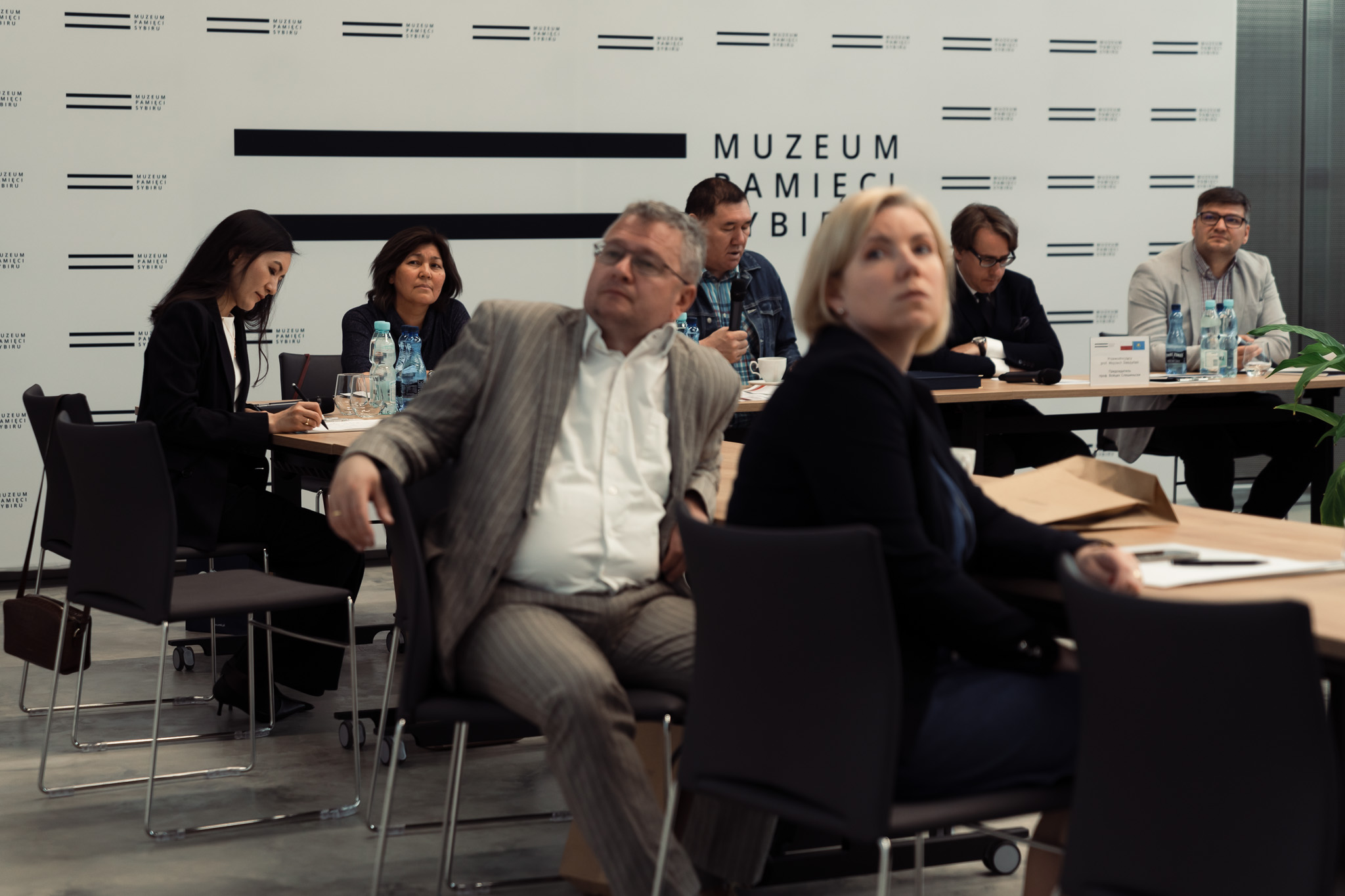

“Cooperation within the Polish-Kazakh Commission will allow us to establish detailed lists of people deported to Kazakhstan, together with information about their locations in specific regions,” announced Prof. Wojciech Śleszyński.
The cooperation inaugurated in Białystok will also cover other issues directly related to the Polish presence in the East, ranging from 18th- and 19th-century exiles to the fate of the large Polish diaspora that still lives in Kazakhstan today. It is estimated that approximately 29,000 Poles currently live in Kazakhstan. Including those who were registered as Ukrainians during the Soviet era, there may be as many as 100,000 descendants of deported Polish families living in Kazakhstan.