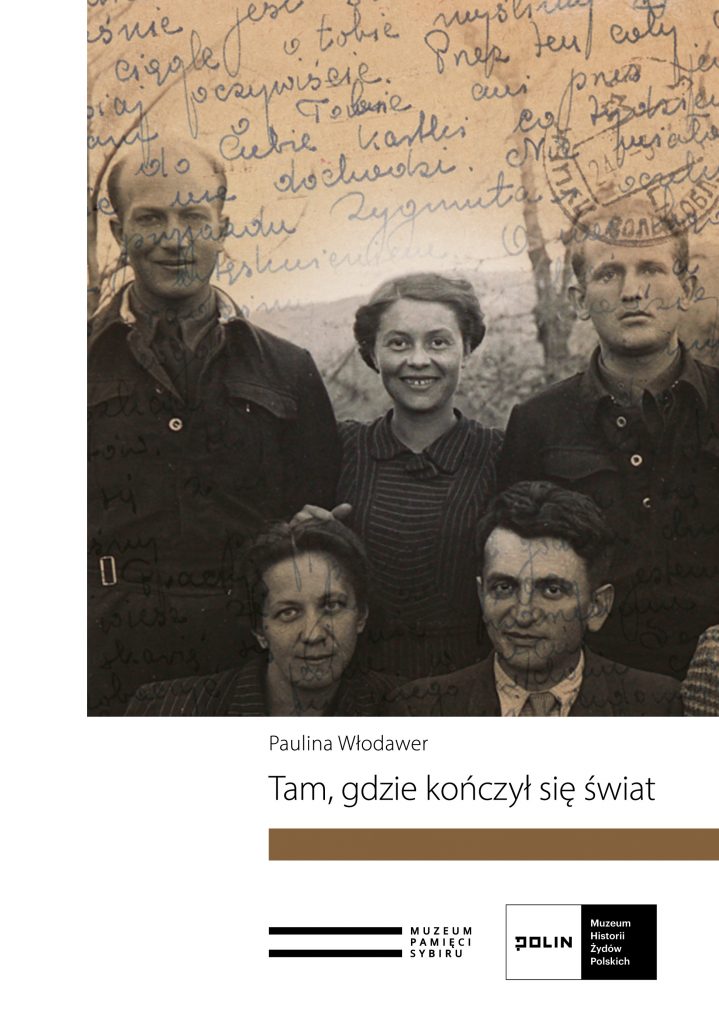



“Łazienki Park is just as distant for me as it is for you,” wrote Regina Justman from the Warsaw Ghetto in a letter to her sister, Paulina Włodawer, who had been deported to Siberia. The parallel fates of Jews who perished in the Holocaust and those who endured Soviet deportations formed the leitmotif of the event, dedicated to Włodawer’s memoirs — recently published by the Sybir Memorial Museum in partnership with the POLIN Museum of the History of Polish Jews.
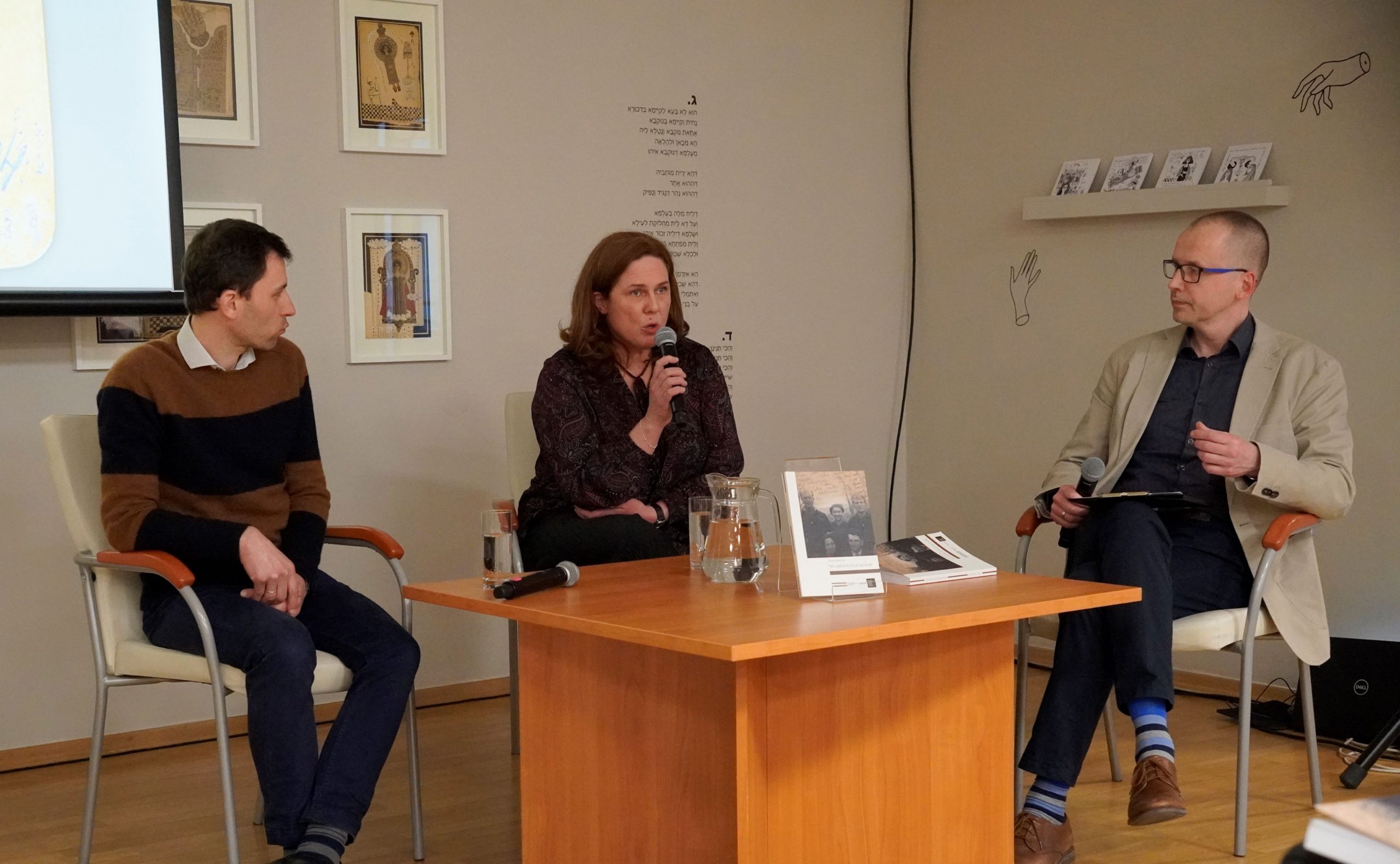
On Friday evening, a small but notable group gathered at the Ludwik Zamenhof Centre of the Białystok Cultural Centre to reflect on Włodawer’s writings. A scientist and biologist from Warsaw, Paulina was deported with her husband Artur deep into the USSR during the third wave of Soviet deportations in June 1940. They were sent to a so-called “special settlement” in Asino, Siberia. The Włodawers returned to Poland in the late spring of 1946.
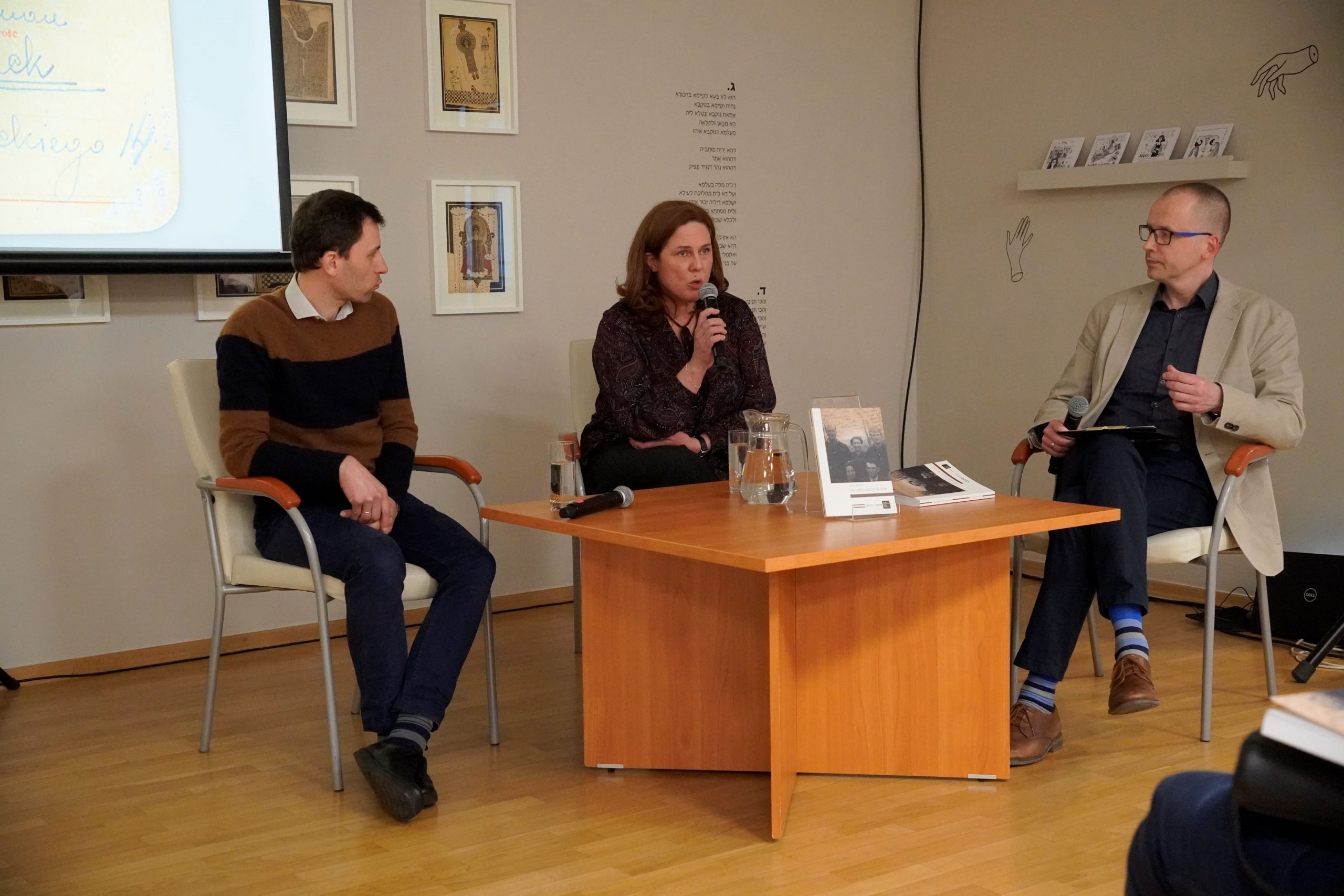
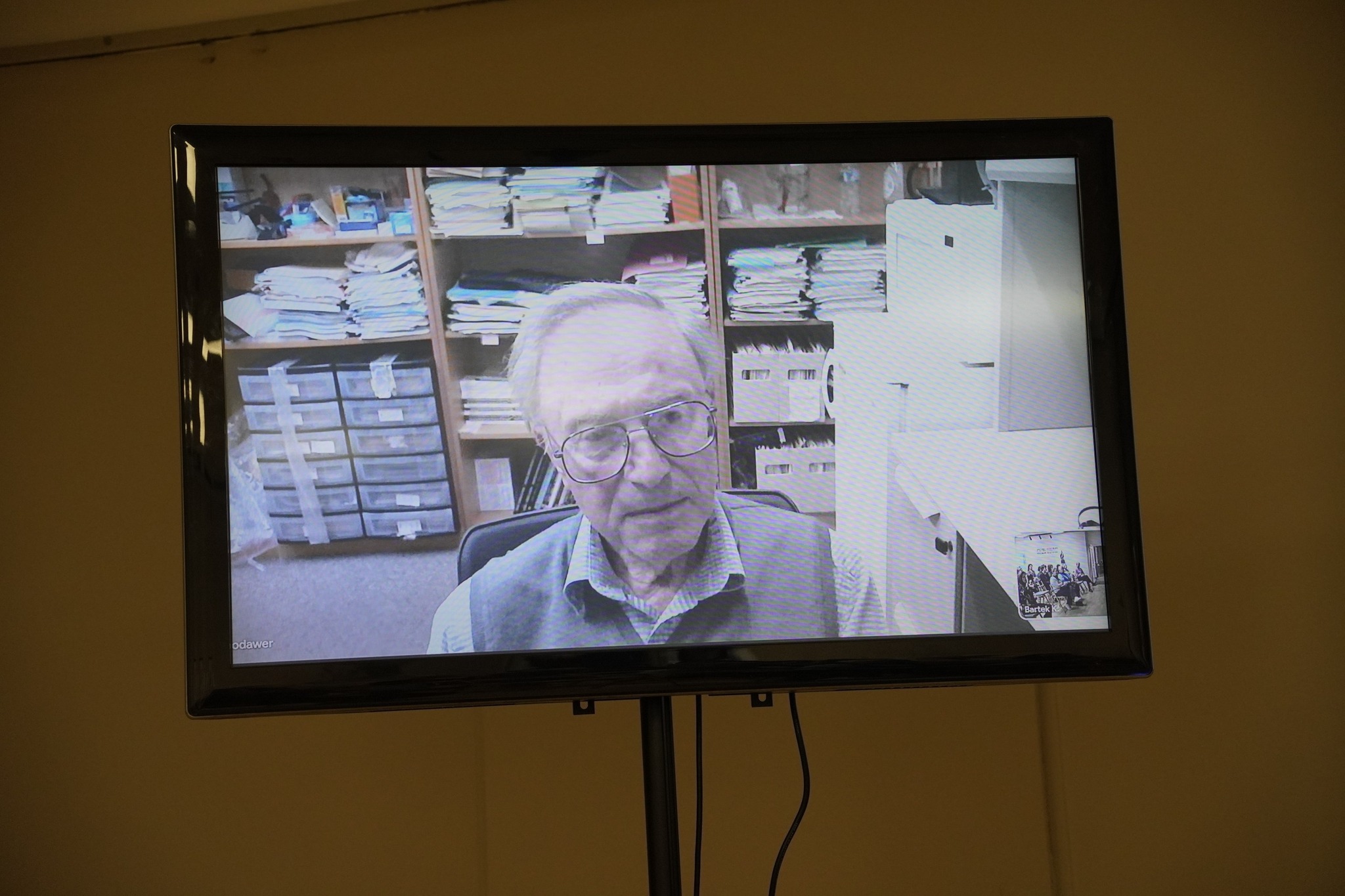
Professor Alexander Włodawer, the couple’s son, now residing in the United States, joined the event online. The book was discussed by Przemysław Kaniecki, PhD, of the POLIN Museum (which holds the original manuscript), and Anna Pyżewska, the memoir’s editor, from the Scientific Department of the Seweryn Nowakowski Institute at the Sybir Memorial Museum. The event’s significance was emphasized by the presence of Martyna Faustyna Zaniewska, Director of the Białystok Cultural Centre, and Professor Wojciech Śleszyński, Director of the Sybir Memorial Museum.
Professor Włodawer shared that his mother began recording her memories only after retiring in the early 1980s. She collaborated with her husband, who, though less experienced in writing, had an extraordinary memory. Together, they created a vivid, dramatic, and at times humorous portrayal of Jewish experiences — so similar, yet also distinct from those of Poles deported to the East.
“By noon, a few important men from the administration came and ordered us to gather in the barrack’s common room. Then they announced the outbreak of war with Germany,” Paulina recalled of June 1941. “The news was truly shocking! Yesterday’s ally, today’s enemy! The reaction was unexpected — spontaneously, someone began singing Poland Is Not Yet Lost. We all sang with emotion, with tears in our eyes. I dare say I have never sung that anthem more truthfully — if I ever sang it at all, which seems very unlikely.”
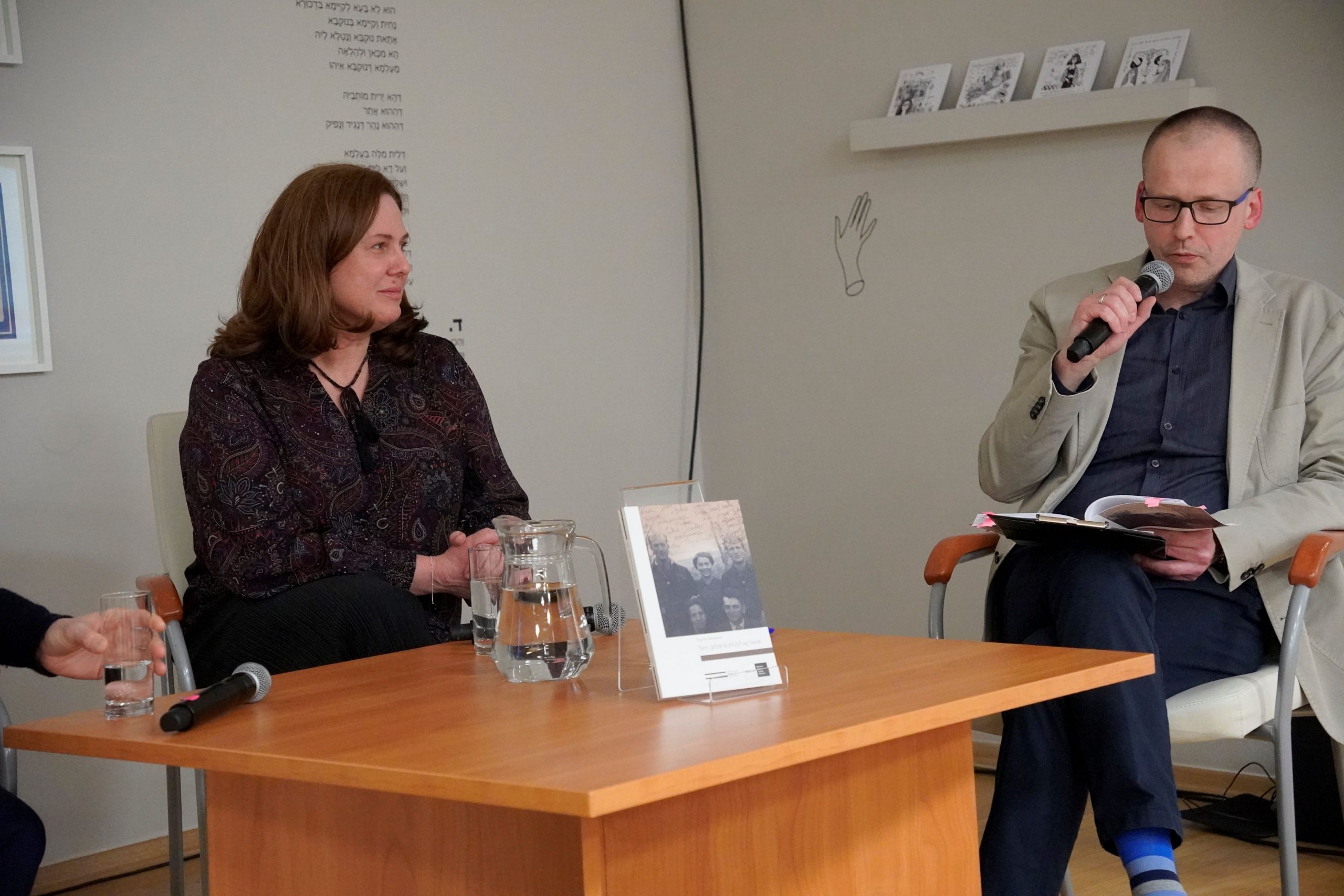
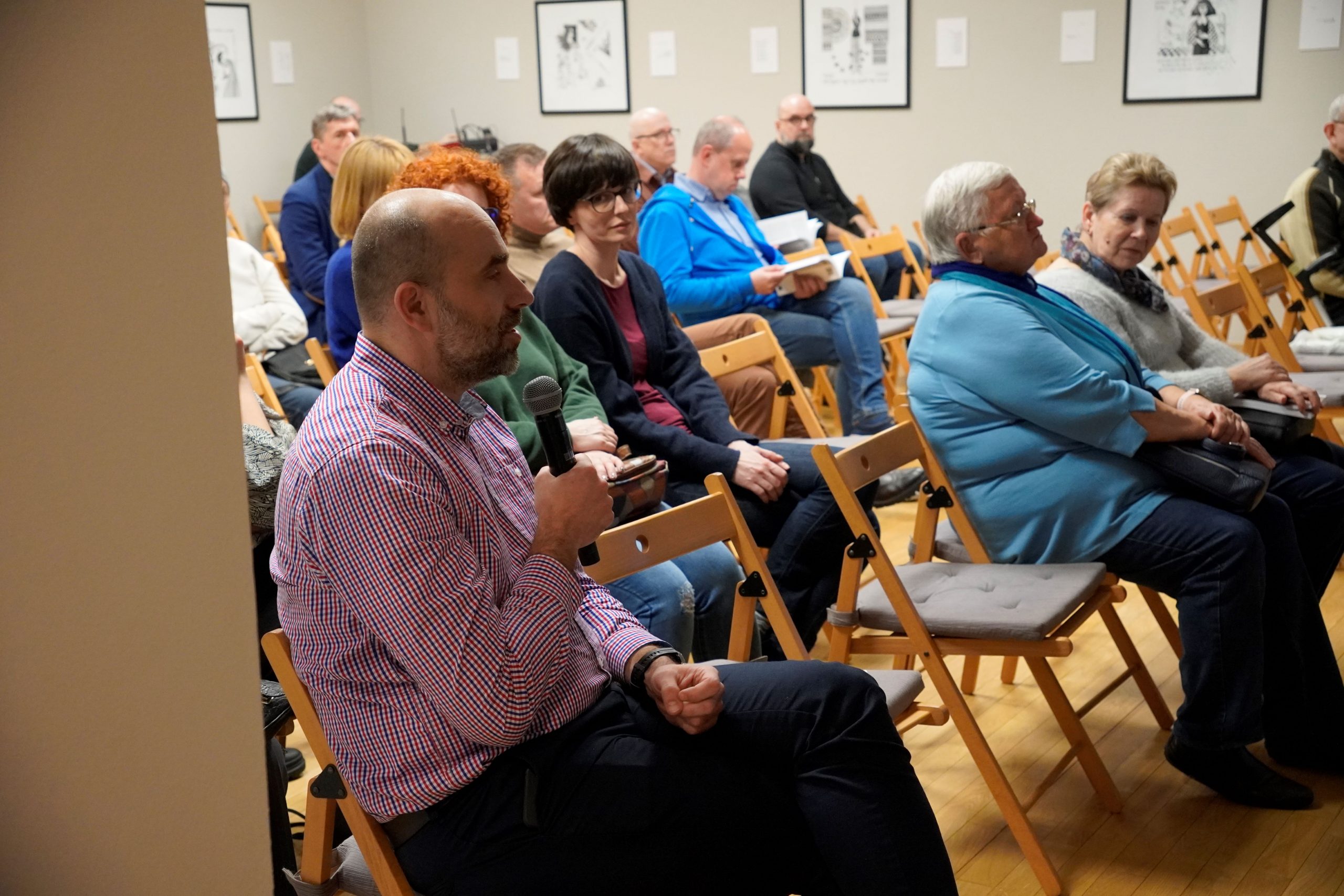
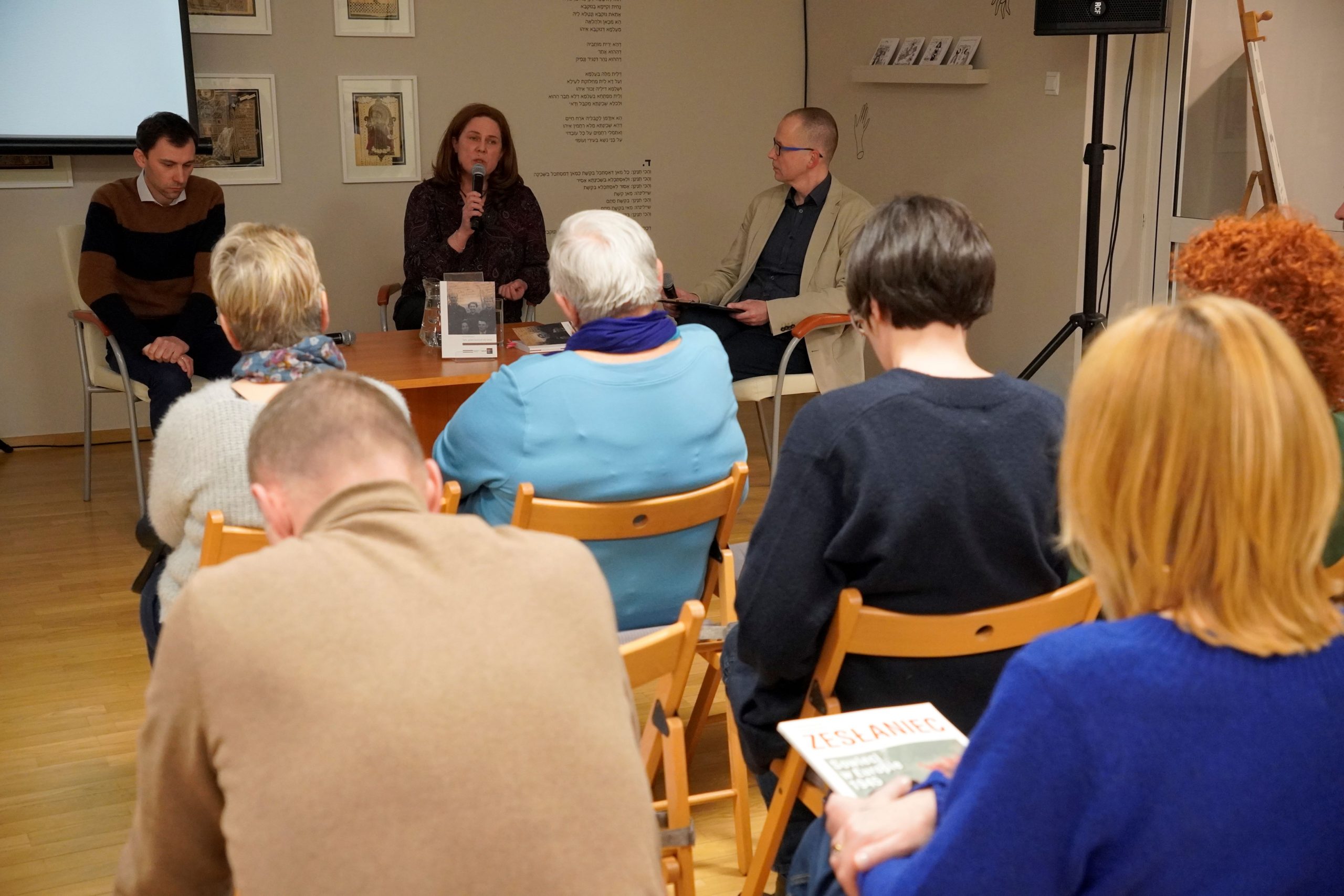
Marcin Zwolski, PhD of the Sybir Memorial Museum, who moderated the event, emphasized that the Włodawer family’s story sheds light on a little-known chapter of history. In public perception, the victims of the mass Soviet deportations of 1940–1941 are often assumed to have been exclusively ethnic Poles. Few are aware that the second-largest group of deportees were Polish Jews, many of whom had lived in central and western Poland before the war. Their experiences in the depths of the Soviet Union were, in most respects, virtually identical to those of their Polish compatriots.
Reflecting on her editorial work, Anna Pyżewska emphasized the tragedy of families torn apart by war: Jews dying of starvation in ghettos, pleading for help from relatives who were themselves starving in Siberia.
Kaniecki, PhD, noted that the Włodawer family’s memoirs and correspondence — now part of the POLIN Museum’s collection — were among its first major acquisitions. He also praised Paulina’s exceptional literary skill.
Professor Włodawer also shared memories of his family’s postwar life, including his own birth in a military-guarded hospital in Ząbkowice Śląskie — just two days before the Kielce pogrom — and their emigration during the antisemitic purges of 1968. When asked whether he would consider writing his own memoirs, he said he had prepared notes for his children but has not agreed to publish them.
Where the World Ended by Paulina Włodawer is available at the Sybir Memorial Museum shop and online: