


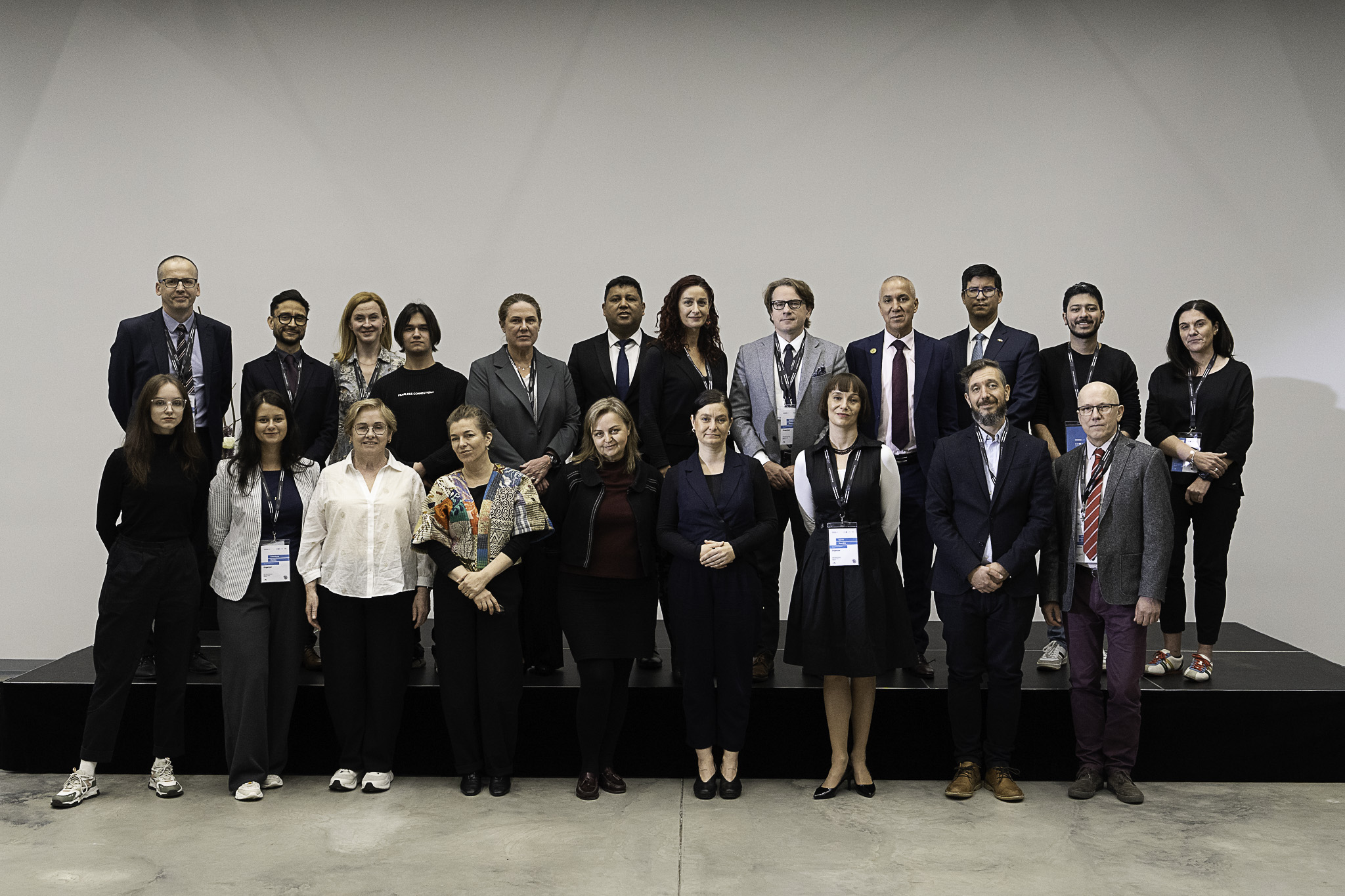
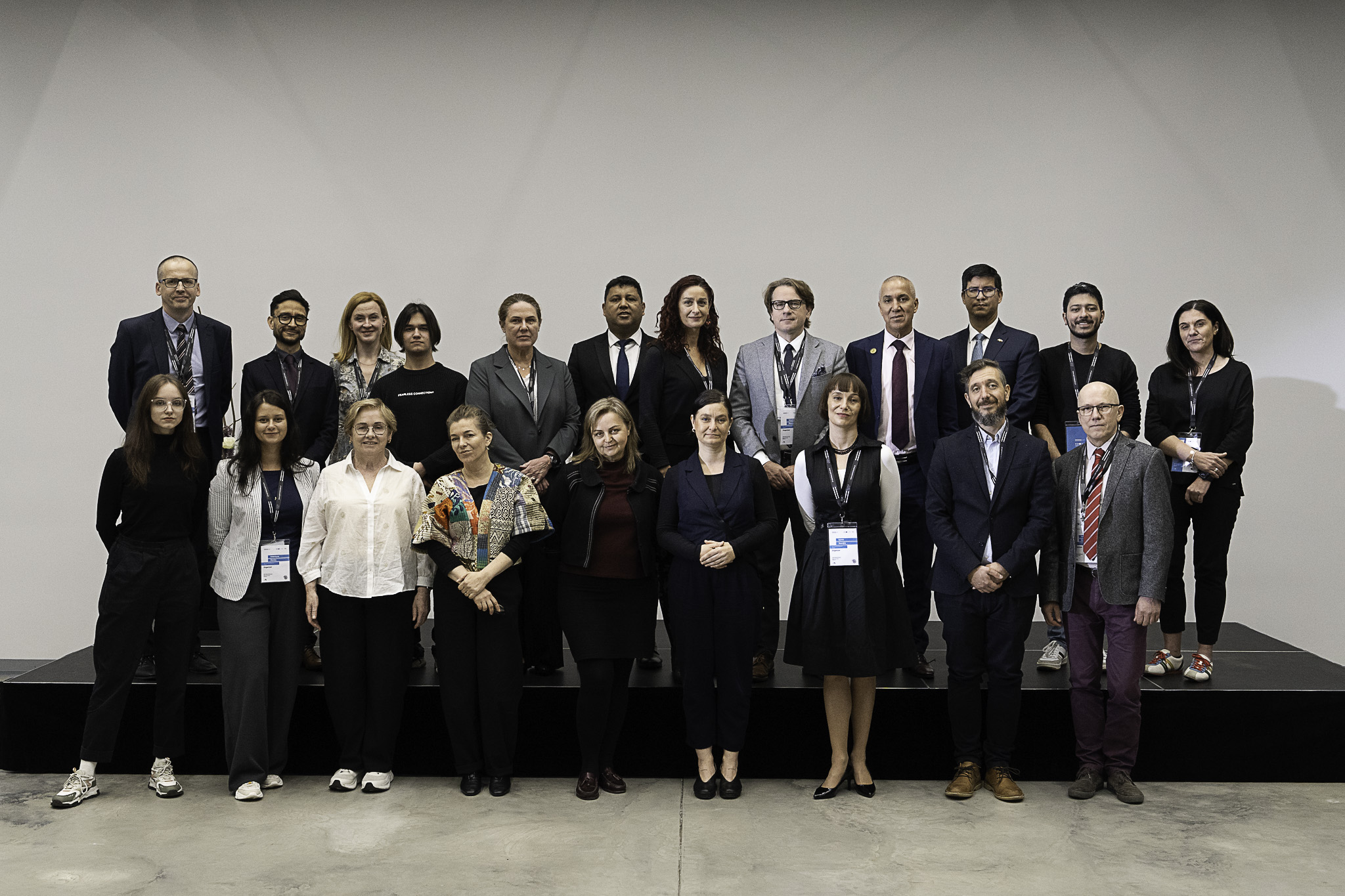
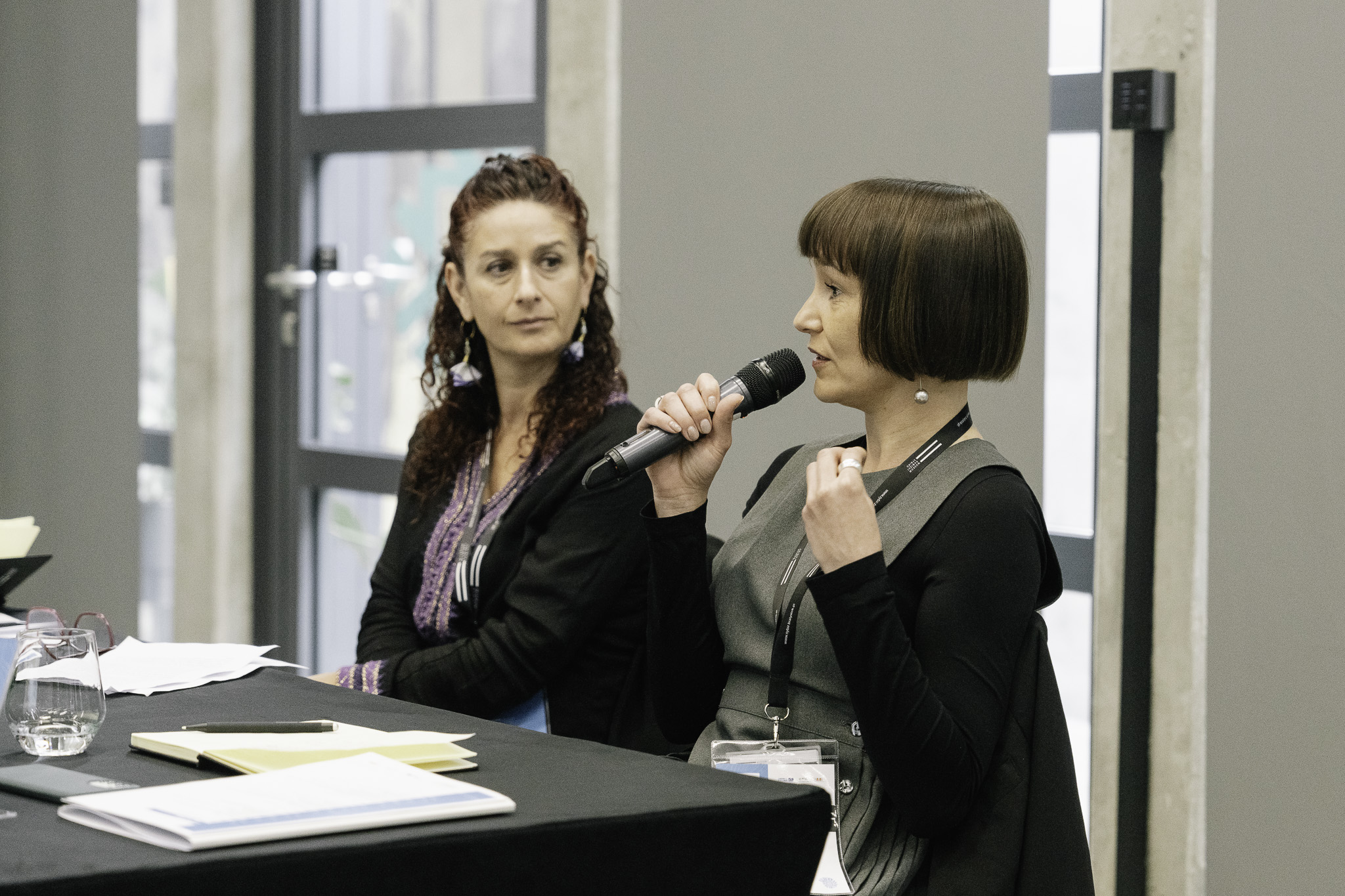
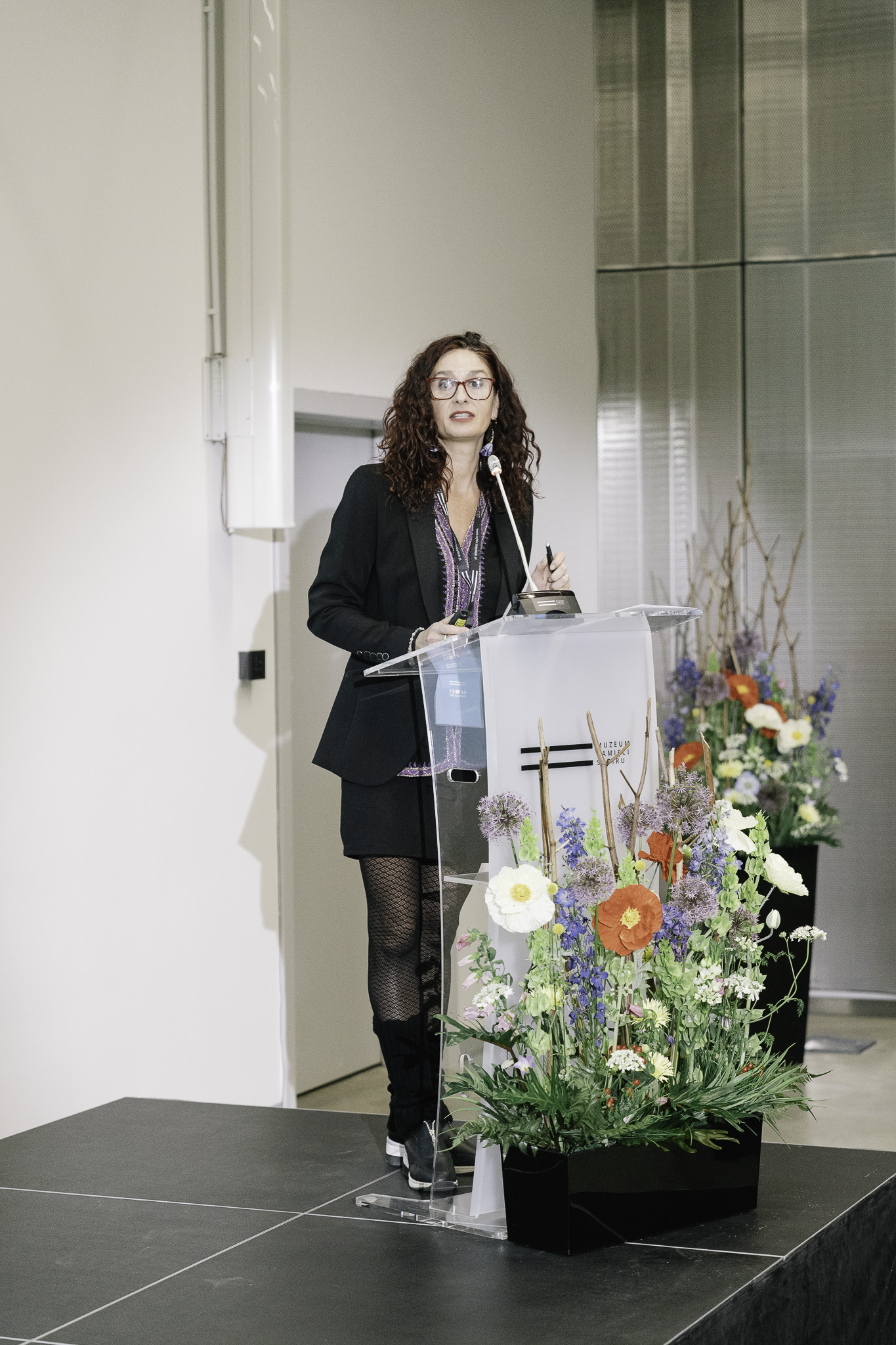
How and why should we pass on the history of humanity’s darkest moments to future generations? Are museums safe spaces for discussing the most drastic aspects of human nature? Topics such as displacement, genocide, and other forms of repression used by totalitarian regimes — often against their own societies — were the focus of discussion over two days (May 19–20) at the Sybir Memorial Museum during the event titled “Museum and Trauma – Museums as a Safe Space to Deal with the Dark Side of Humanity.” The gathering preceded the EMYA2025 Conference and Awards Ceremony — an event honoring the best European museum institution — held in Białystok on May 21–25, 2025.
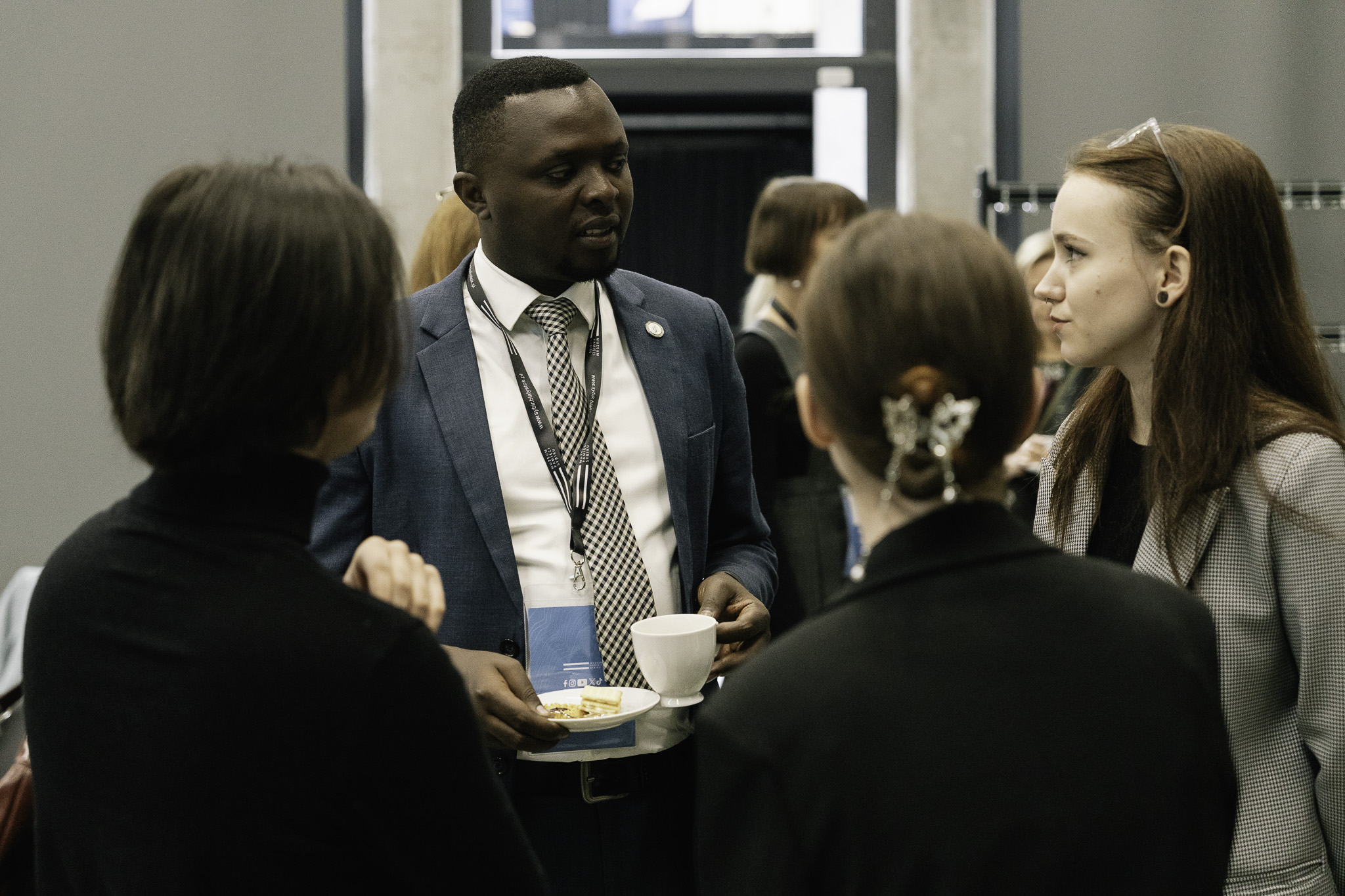
Participants included representatives from museums, memorial centers, and universities from several countries around the world, including the USA, South Africa, Chile, and Rwanda. Special guests of the conference included diplomats: H.E. Rodrigo Ruiz Ortiz, Ambassador of the Republic of Chile to Republic of Poland; Juan Sebastián Bayona Díaz, Deputy Chief of Mission of the Embassy of Colombia in Poland; and Mohammed Boukerch, Counsellor of the Embassy of Algeria.
“The dramatic history of the Polish people, presented at the Sybir Memorial Museum — people who for centuries were under the brutal pressure of our eastern neighbor — has unexpectedly intertwined with the grim reality of Russia’s aggression against Ukraine. This has made our institution a natural center for discussions on authoritarian regimes and the repressions governments use against their societies, culminating in the crimes of genocide,” said Professor Wojciech Śleszyński, Director of the Sybir Memorial Museum, in his welcome address. “The intergenerational traumas left behind by these explosions of evil must be studied, described, and gradually mitigated. Museums should be safe spaces not only for discussion but also for the healing of such traumas. That’s why we gather on the eve of the international EMYA2025 award ceremony — to highlight the universal nature of tragedies that can happen anywhere, at any time, in any culture.”
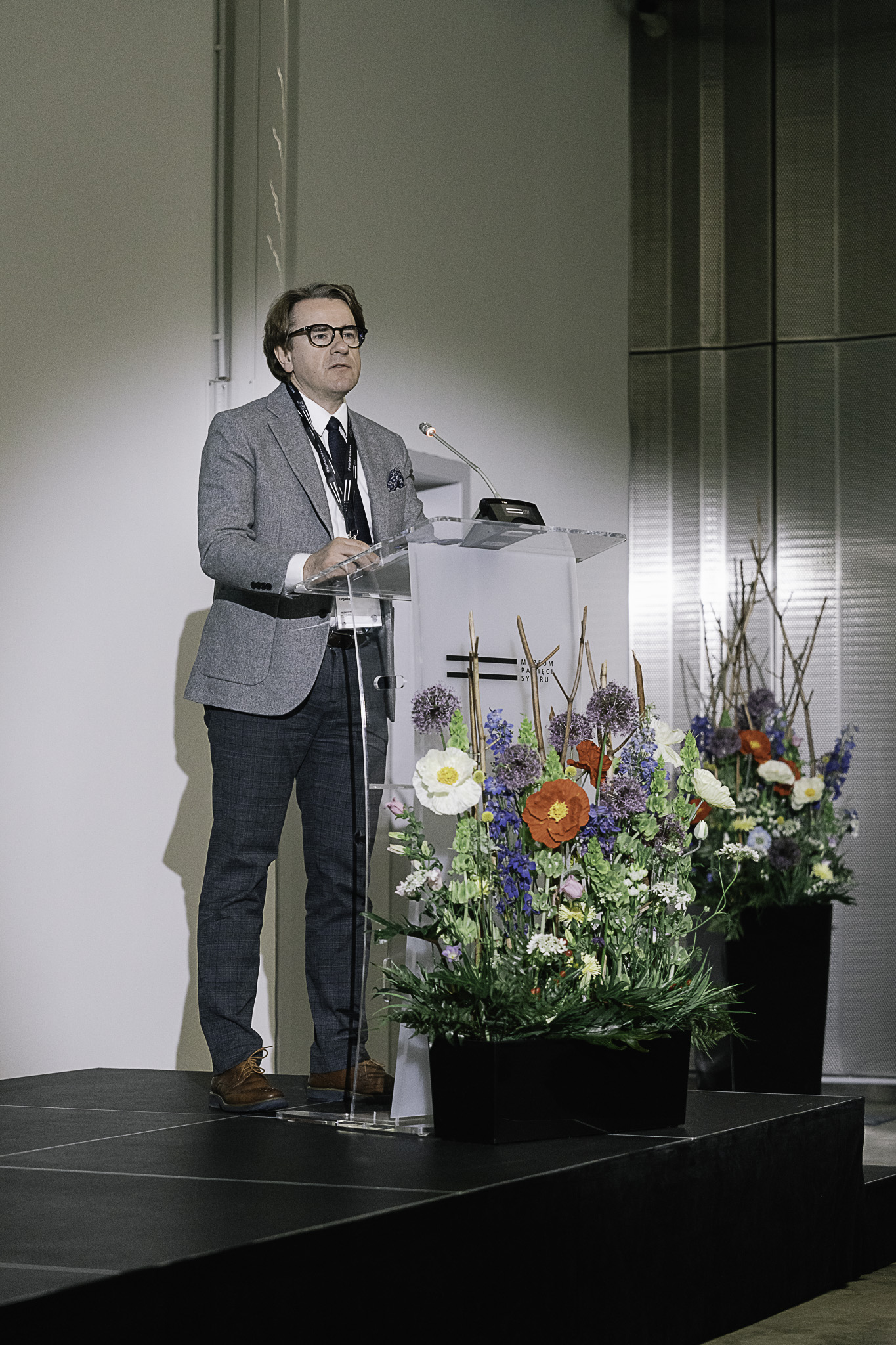
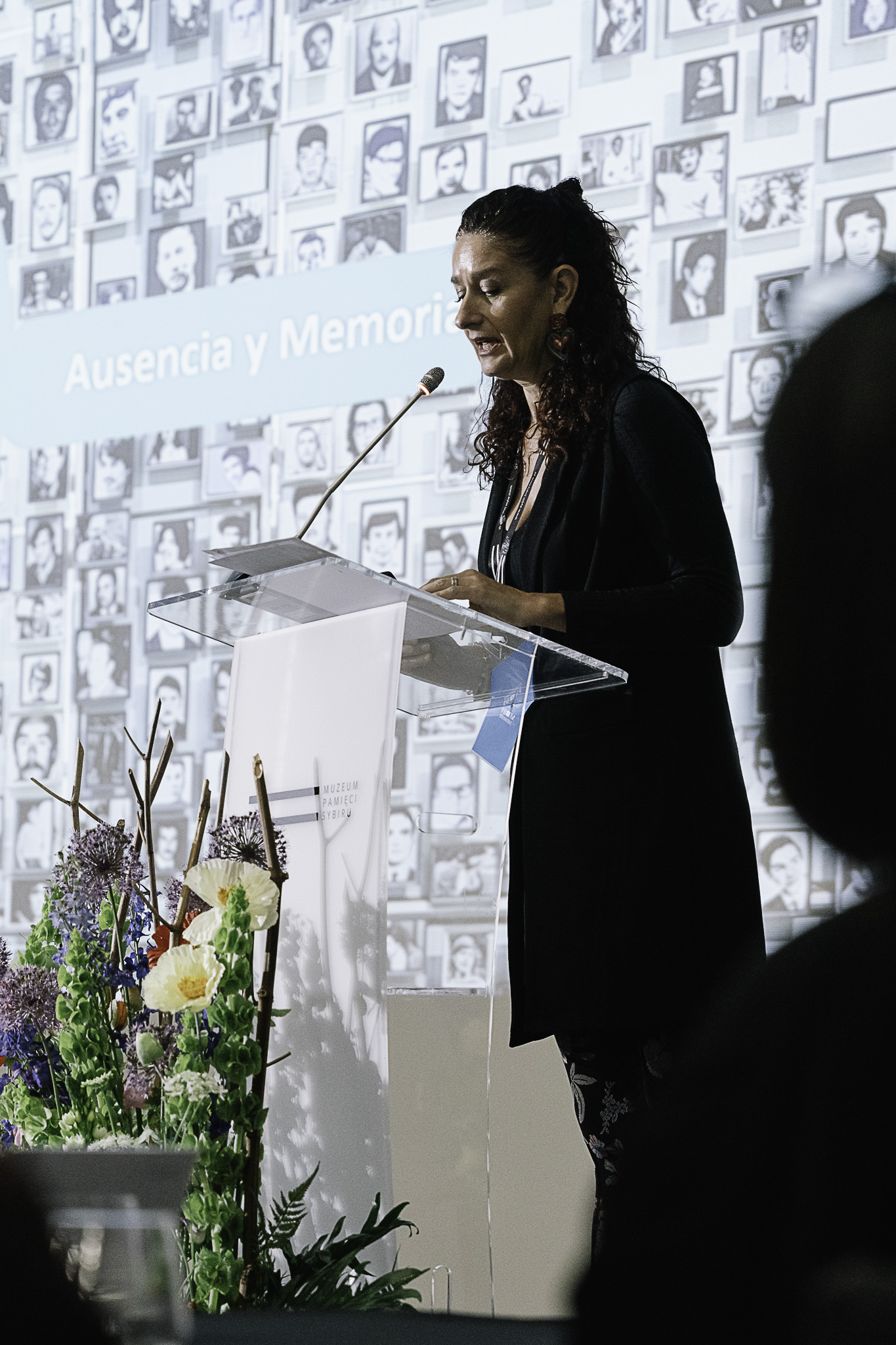
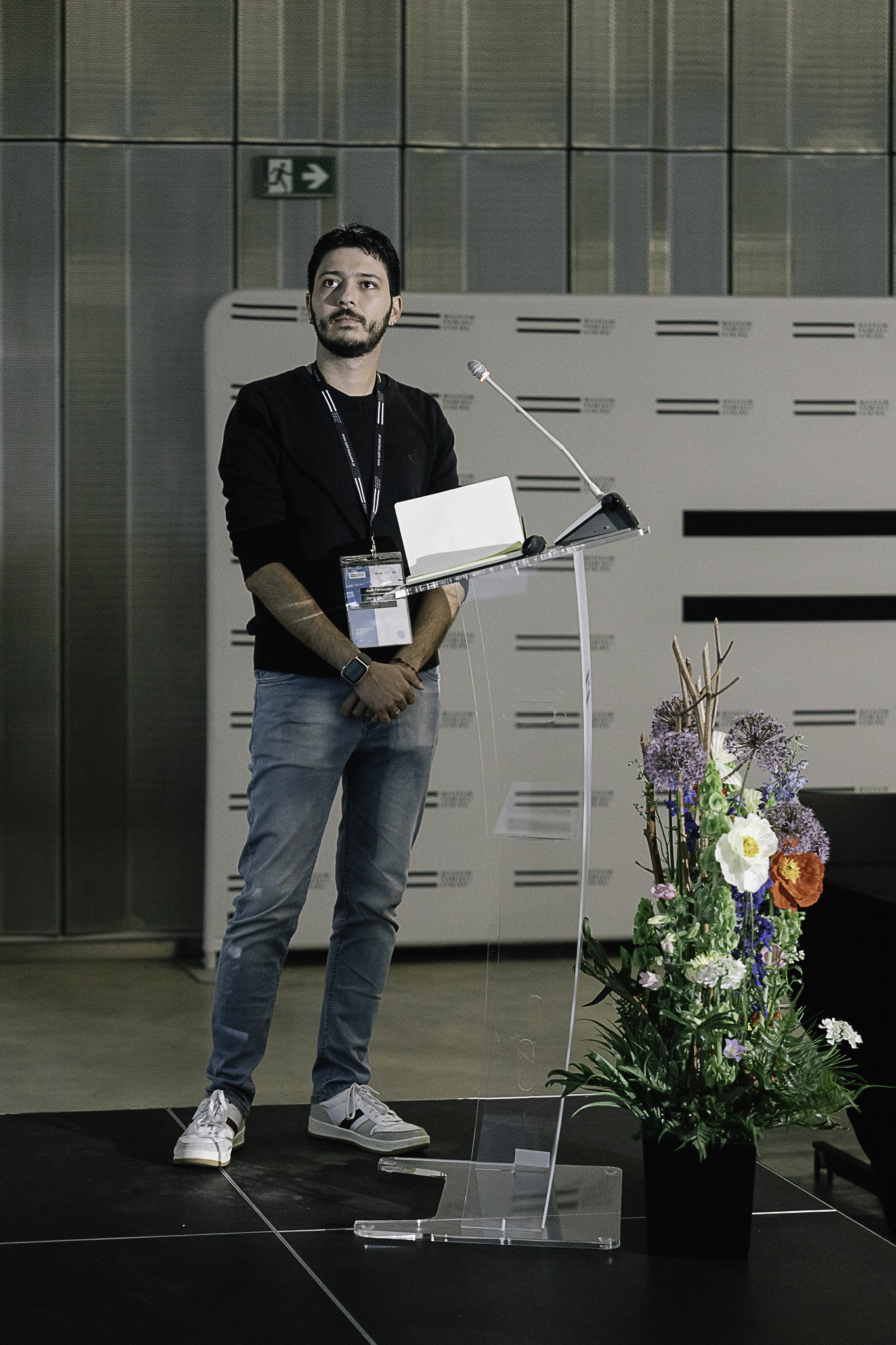
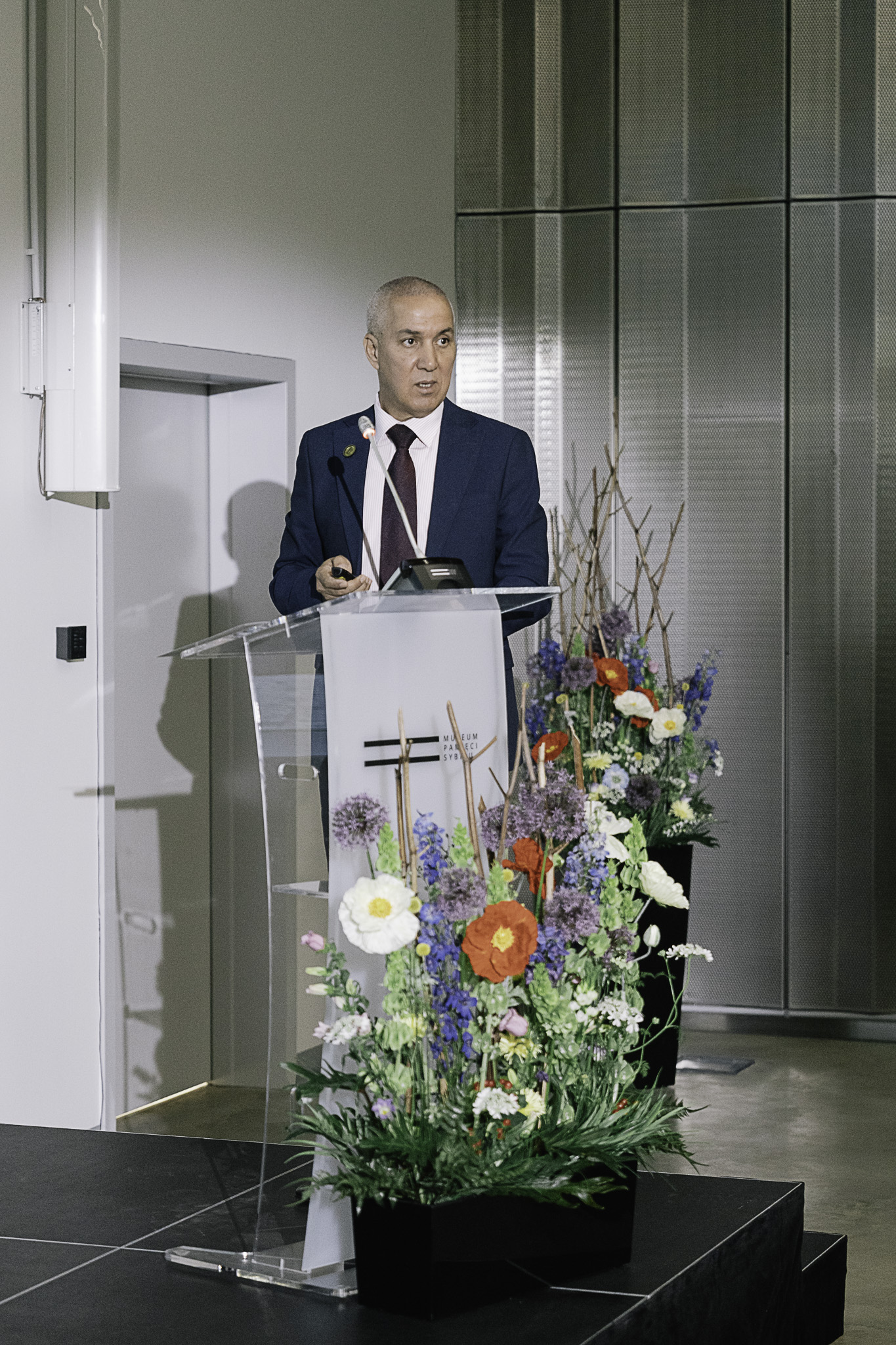
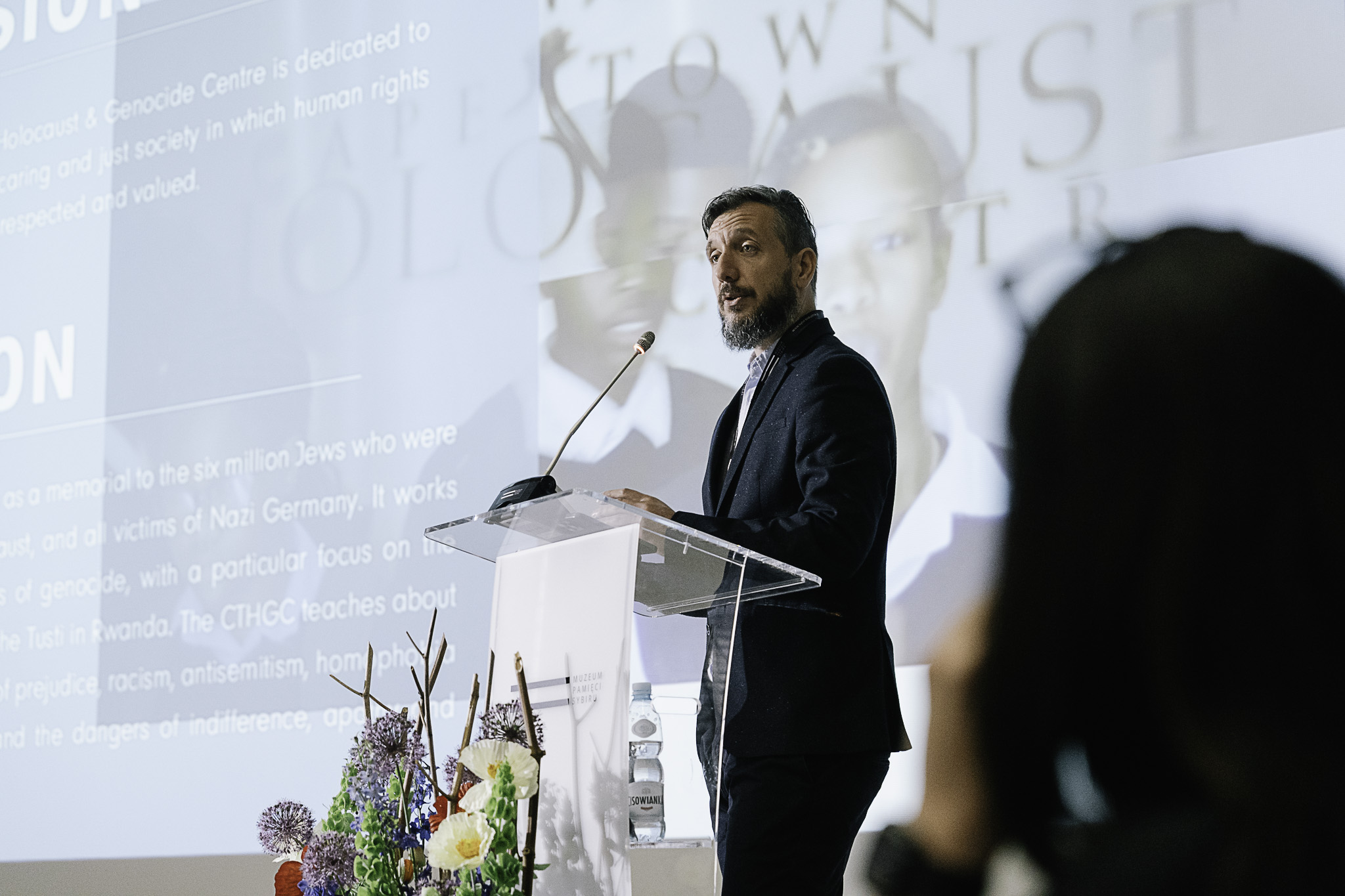
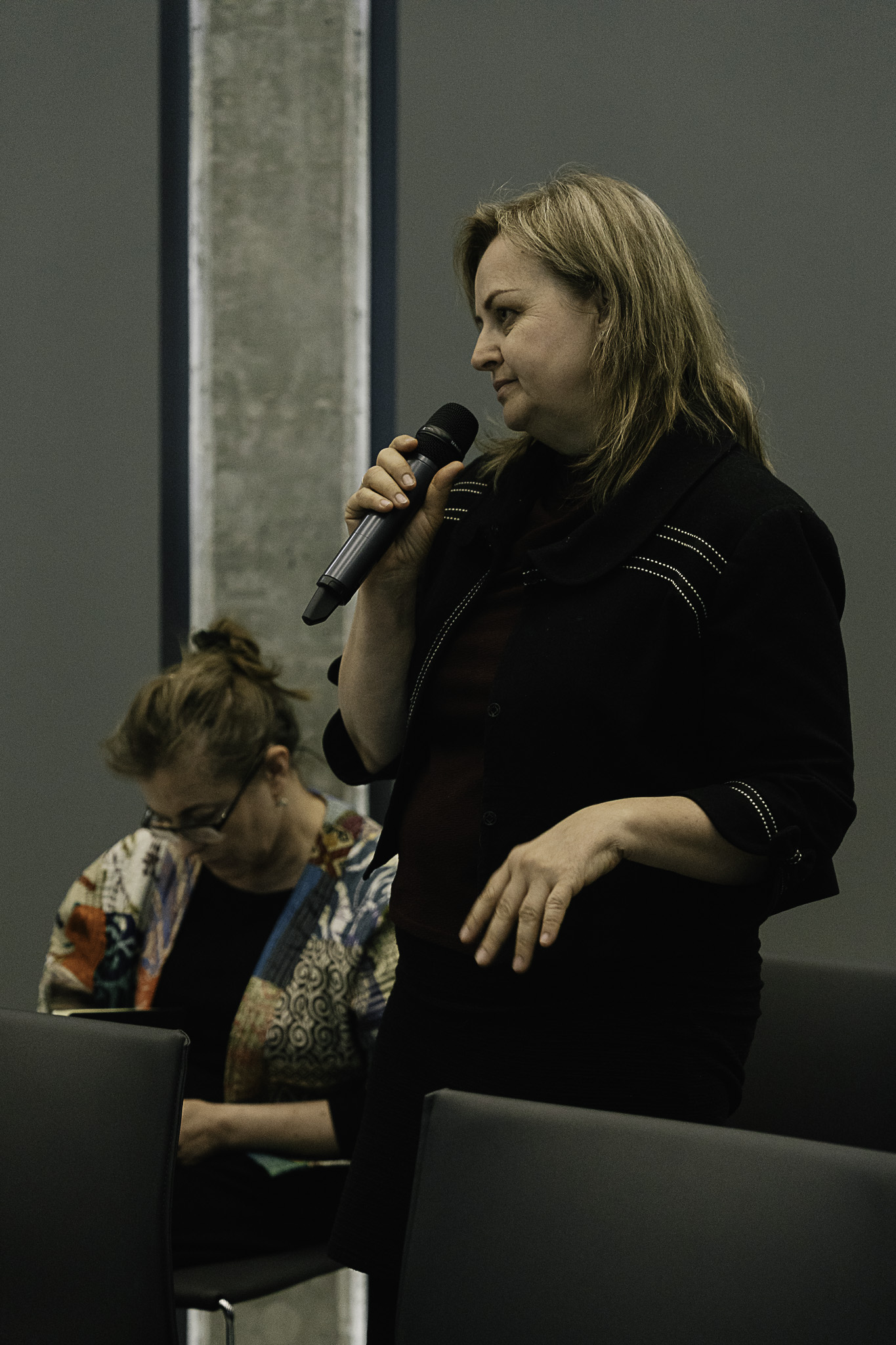
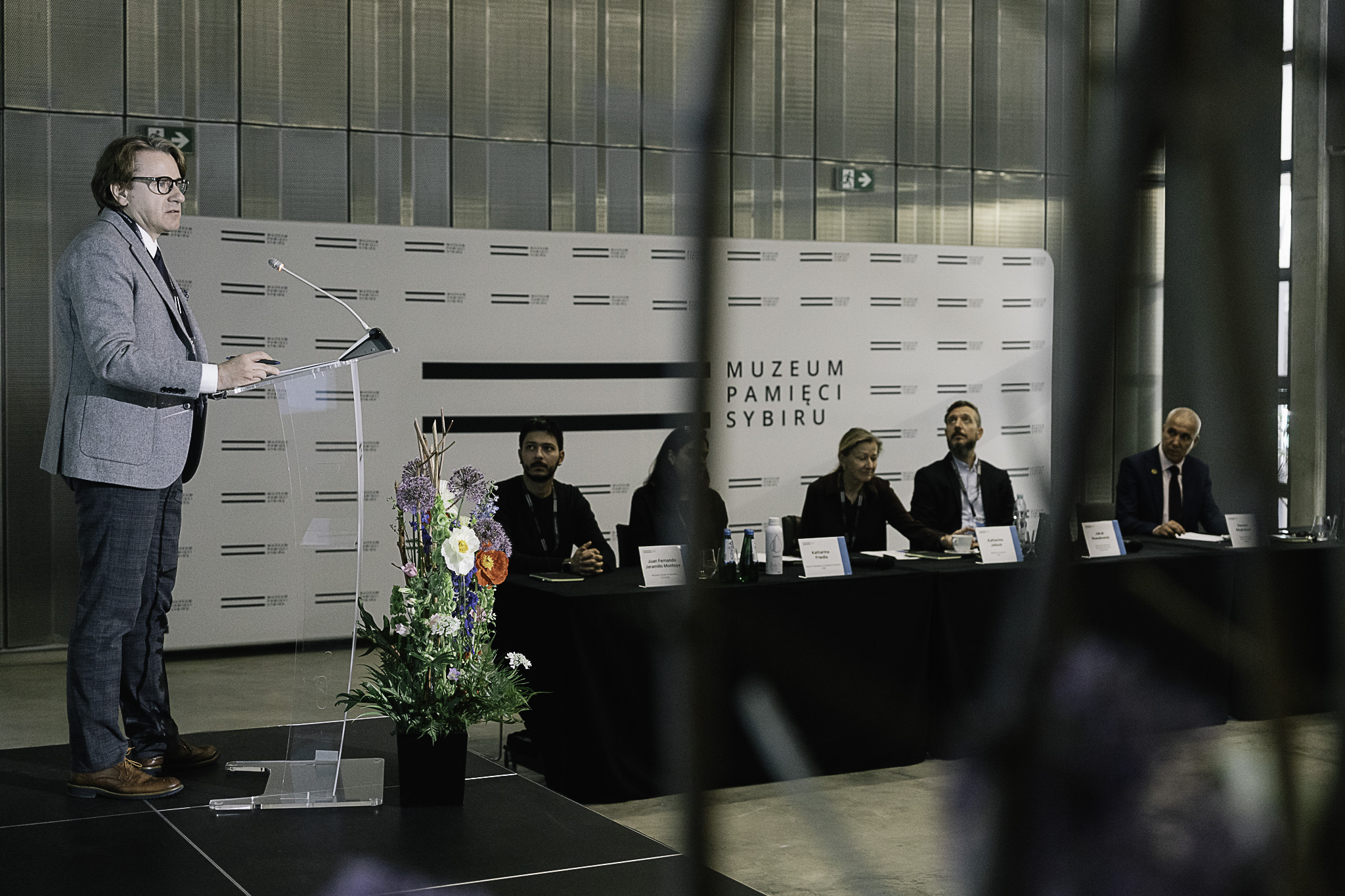
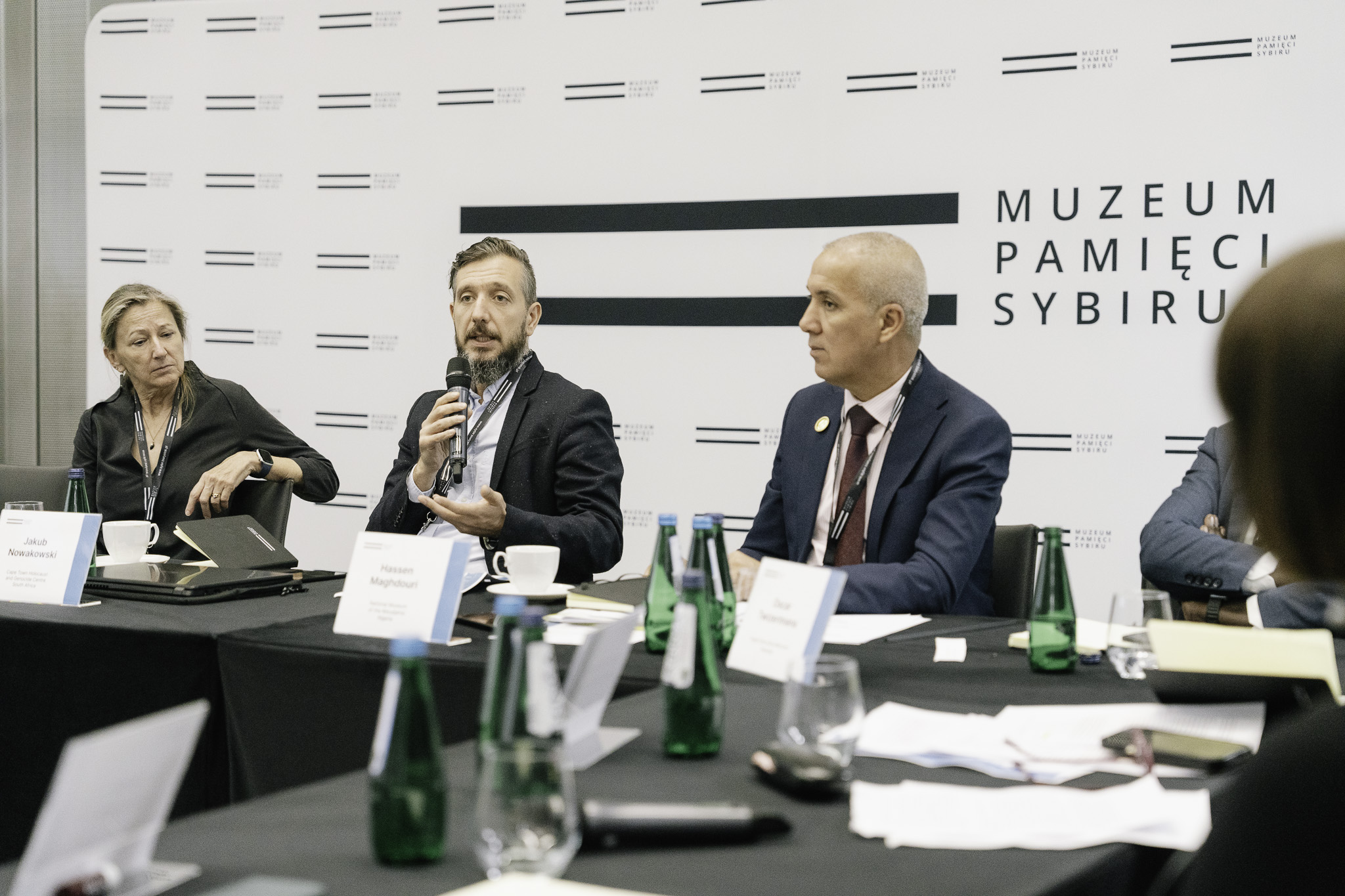
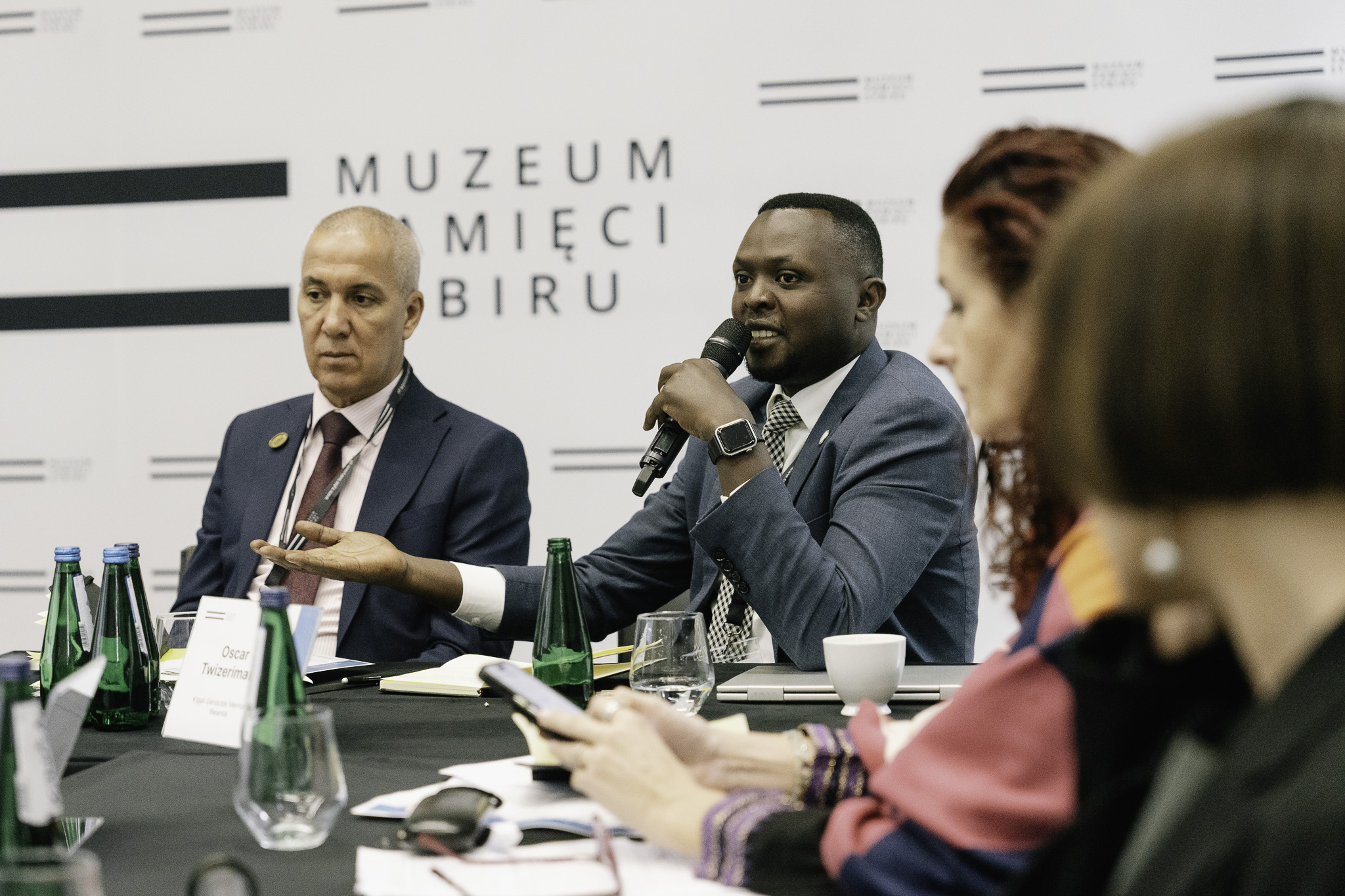
During the conference, Oscar Twizerimana from the Kigali Genocide Memorial discussed the intergenerational and intercultural transmission of trauma using the example of Tutsi survivors of the 1994 massacres by the Hutu tribe in Rwanda. This genocide, the largest in the second half of the 20th century, claimed approximately one million lives in just 100 days and left a profound impact on Rwandans — an impact still felt today. Societal coping strategies enabling a slow return to stability rely on traditional rituals such as the Gacaca courts (‘short grass’), originally used for resolving local disputes and later employed to restore interpersonal reconciliation after the genocide.
Jakub Nowakowski, director of the Cape Town Holocaust and Genocide Centre (South Africa), presented striking parallels between the Holocaust and crimes associated with racial segregation in South Africa, and how these histories can help in healing societal trauma caused by racial discrimination. His presentation examined education policies, public discourse, media narratives, and political debates to expose the dangers of instrumentalizing history for current socio-political purposes. He called for a return to the Holocaust’s educational mission: to foster understanding, tolerance, and critical reflection.
Maria Fernanda García Iribarren of the Museum of Memory and Human Rights in Santiago, Chile, based her talk on the functioning of the Chilean authoritarian regime between 1973 and 1990. Her institution uses the country’s dark past to explore solutions for safeguarding so-called “new generation” human rights, such as women’s rights, gender equality, and the right to climate protection.
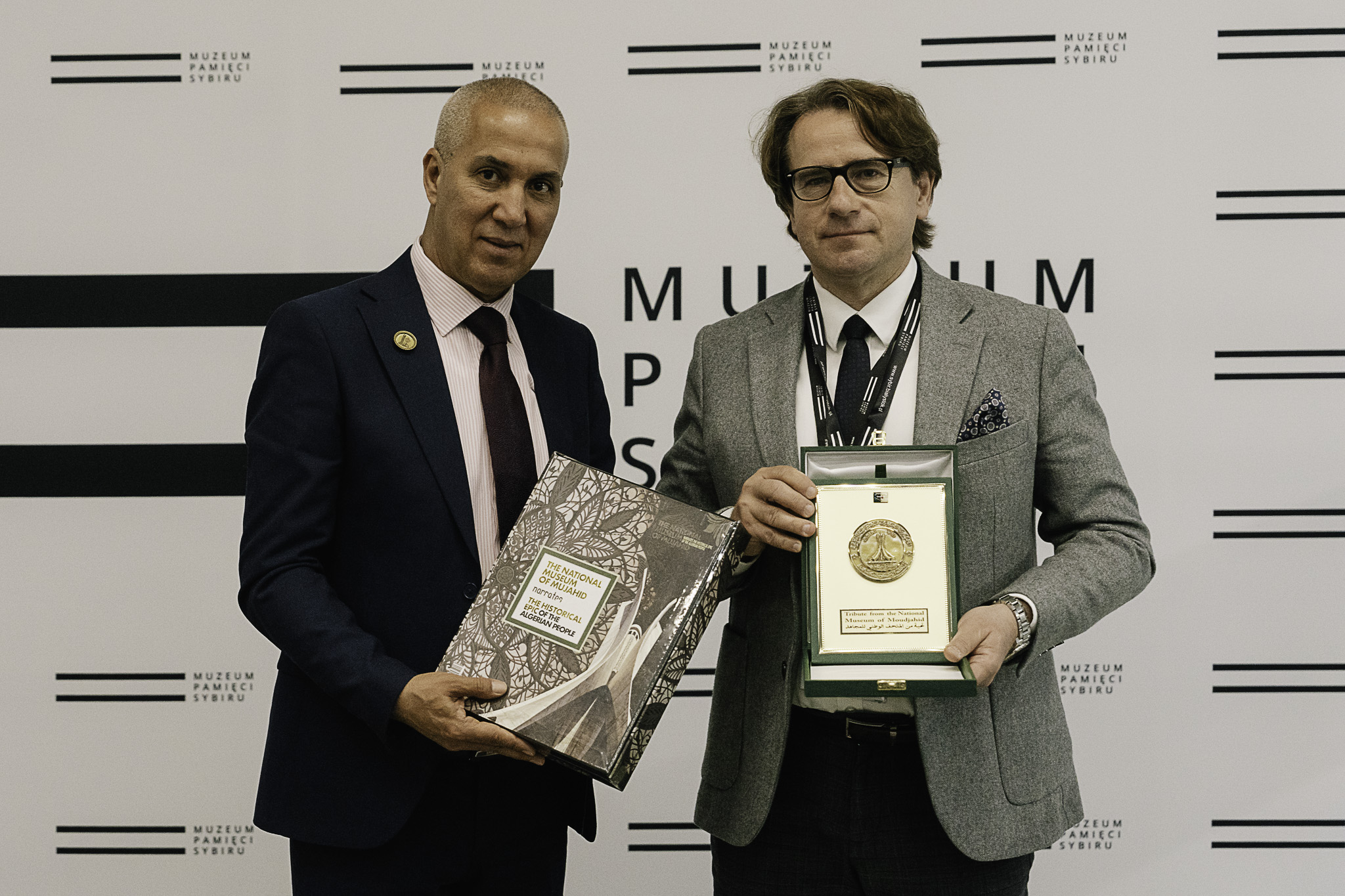
Hassen Maghdouri from National Museum of the Mujahid (Algeria) offered a different perspective: postcolonial trauma. The museum, dedicated to the anti-French revolution of the 1950s and 60s, not only commemorates historical events symbolically but also aims to fulfill therapeutic social functions — rebuilding Algeria’s social fabric and national identity around the values of solidarity, justice, and reconciliation.
In contrast, Colombia’s internal, often bloody, social conflict may seem distant from the Polish context. However, as Juan Fernando Jaramillo Montoya from Museo Casa de la Memoria demonstrated, even in the midst of ongoing conflict, a museum can be a relatively safe space for collecting fear-free narratives. This is achieved by creating a safe atmosphere, using sensitivity when documenting traumatic events, and employing artistic means of expression.
Two lectures on the second day of the conference directly related to the themes presented by the Sybir Memorial Museum. Katherine R. Jolluck from Stanford University spoke about the silenced aspects of women’s experiences during forced deportations into the Soviet Union during WWII. She pointed out that the two dominant narratives — women as innocent victims forced into hard labor, and as patriotic mothers — though factual, do not cover the full picture. What is often repressed from the memory of the deported and, thus, from historical discourse, are issues like sexual violence, prostitution driven by circumstances, and the harrowing act of giving children up to orphanages due to unbearable living conditions.
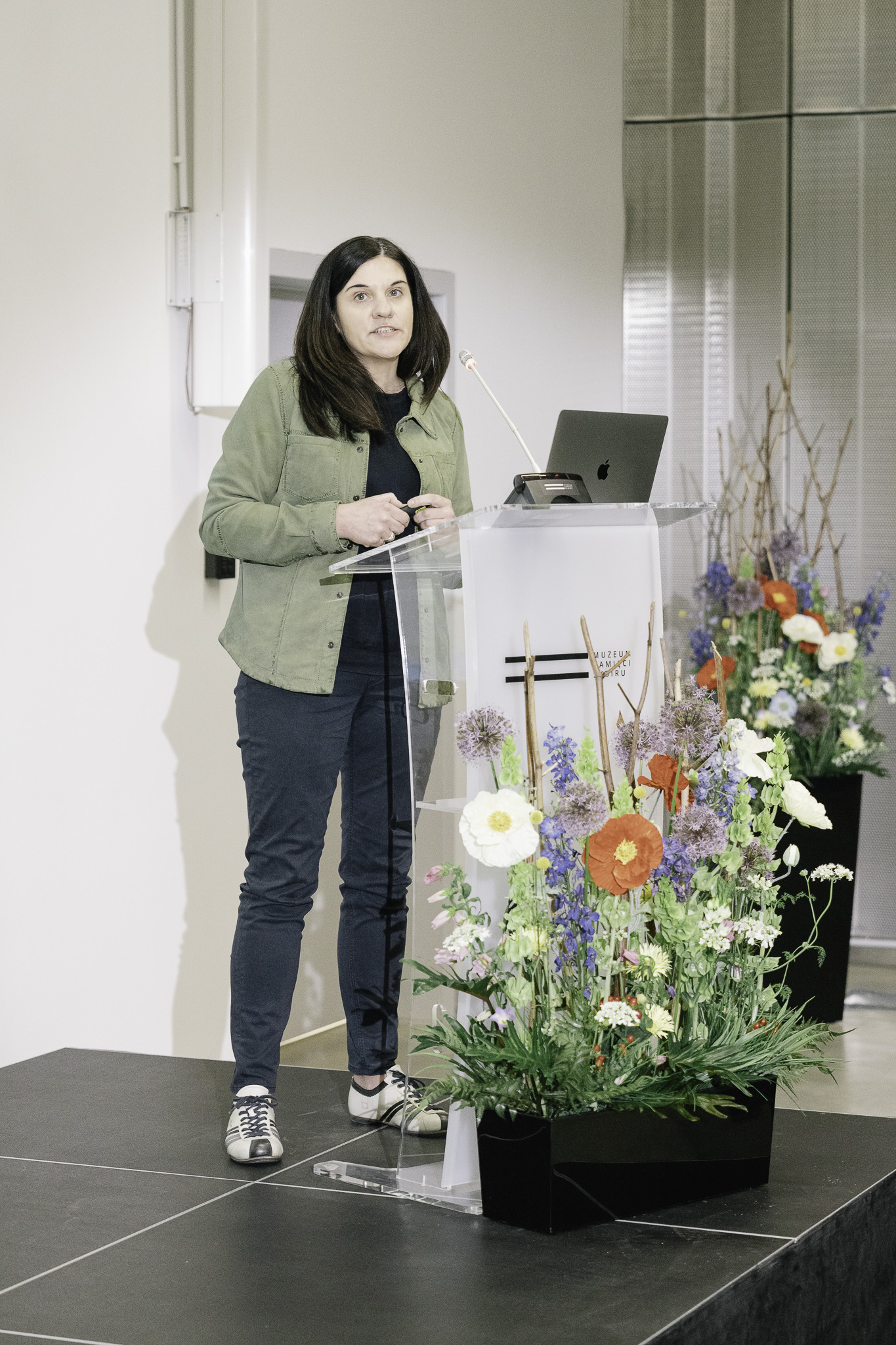
The second paper, by Katherina Friedla of the Hoover Institution, looked at current issues of forced migration, displacement, and refugee crises through the lens of history. Her analysis was based on testimonies of Polish-Jewish children deported deep into the USSR during the latter stages of WWII, who managed to escape and — along with General Władysław Anders’ army — ended up in the Middle East, remaining outside the “Soviet World.”
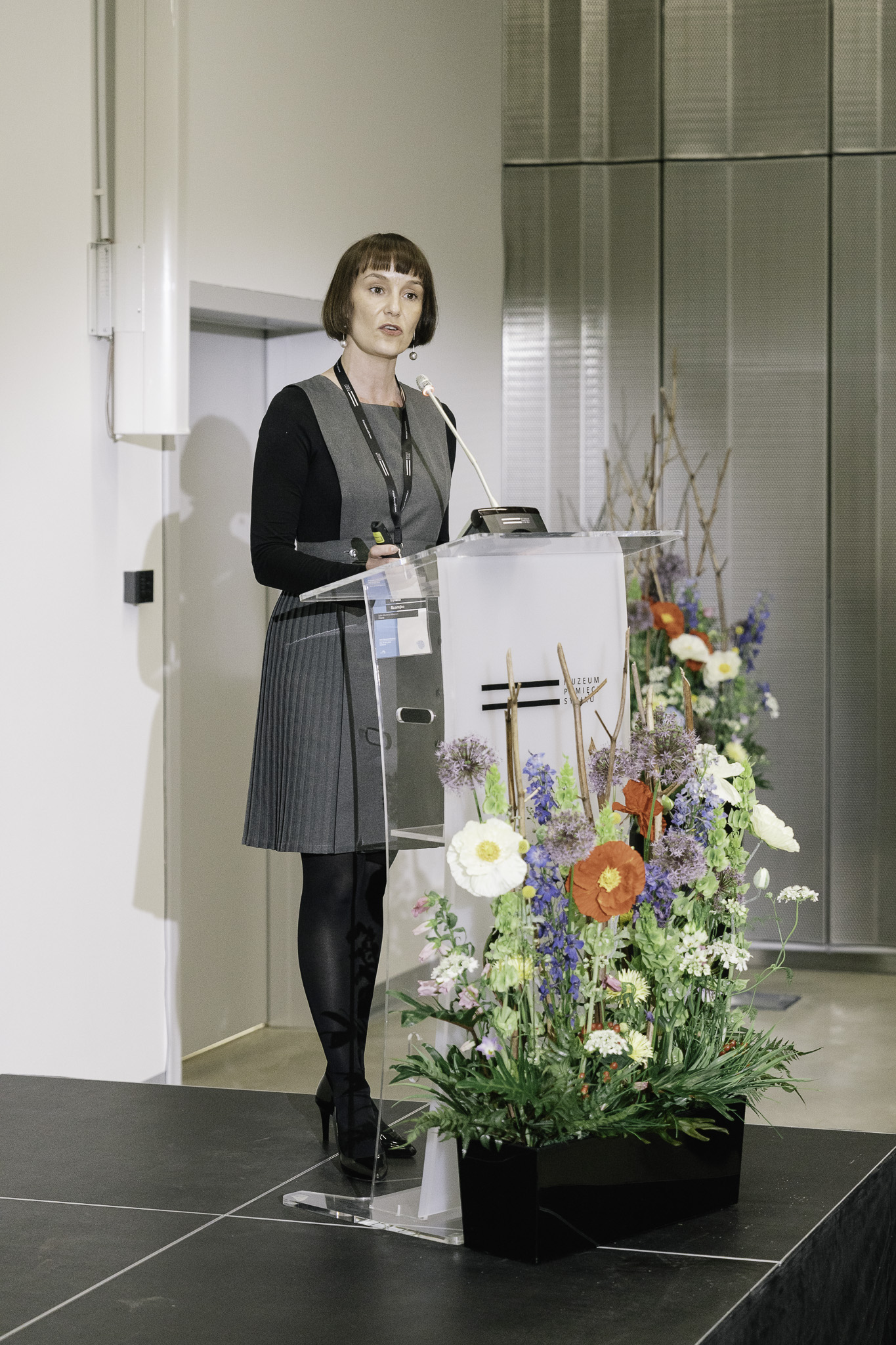
The Sybir Memorial Museum was represented by Sylwia Szarejko, who presented one of the institution’s latest initiatives: the online portal „Relacje z Sybiru” (”Voices from Sybir”). This platform shares the accounts of Sybiraks, their children, and grandchildren from around the world. By collecting and making these stories accessible, the Museum fulfills its role as a “guardian of memory” and contributes to building a collective identity grounded in postmemory.
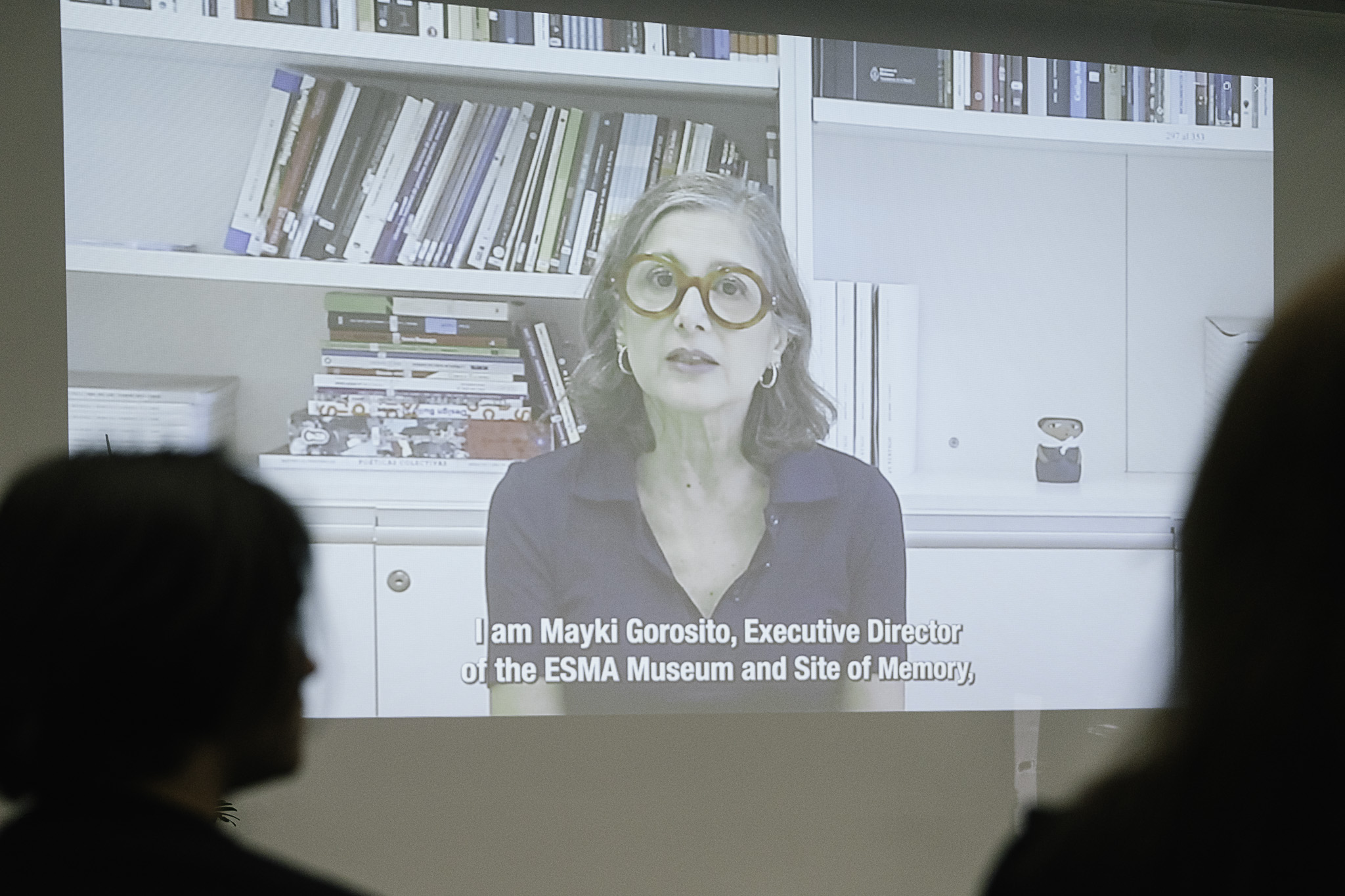
During the conference, a film prepared by the ESMA Museum and Site of Memory was also presented. ESMA is the former Clandestine Center for Detention, Torture, and Extermination of the Argentine Republic. In the film, ESMA Director Mayki Gorosito highlighted the vital role of preserving museums and sites of memory, which serve as instruments for strengthening democracy and fostering peace. They support the development of a world in which the values of Memory, Truth, and Justice gain increasing significance.
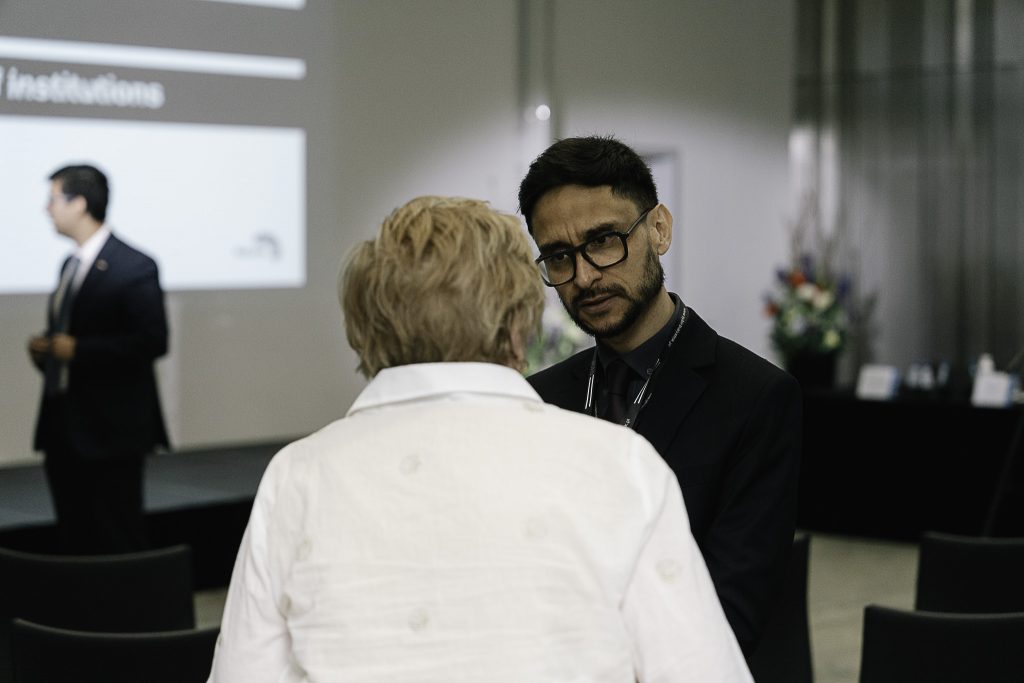
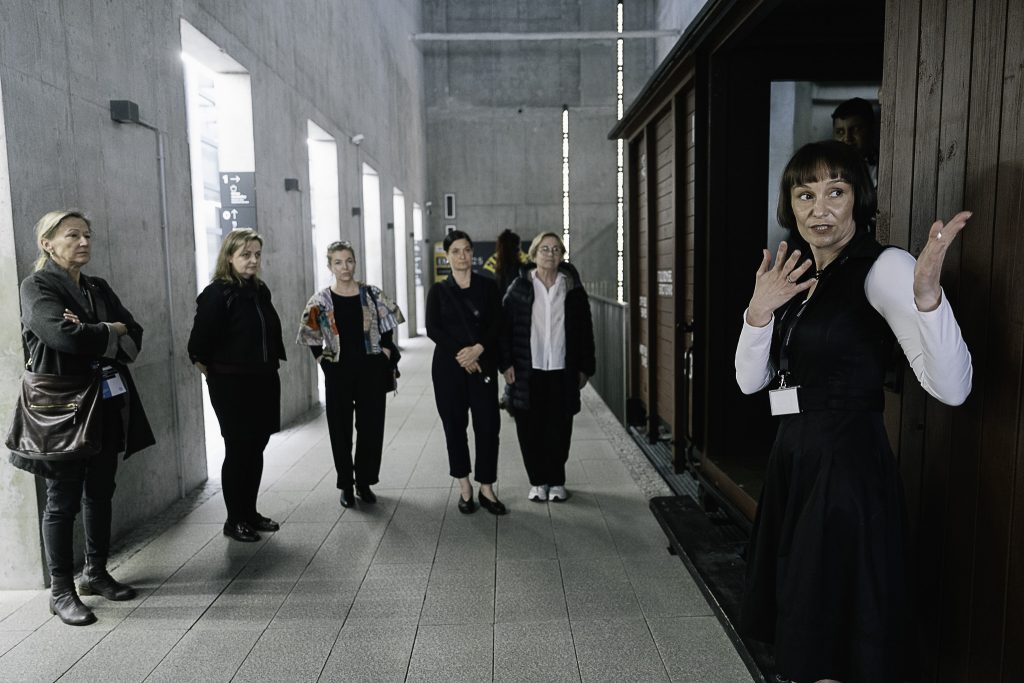
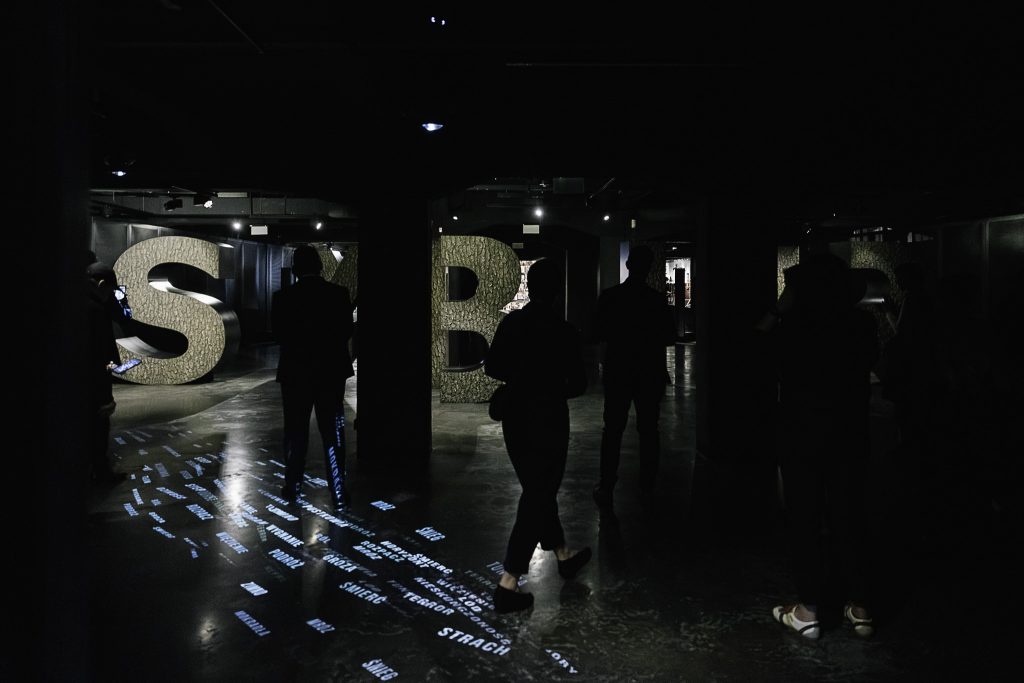
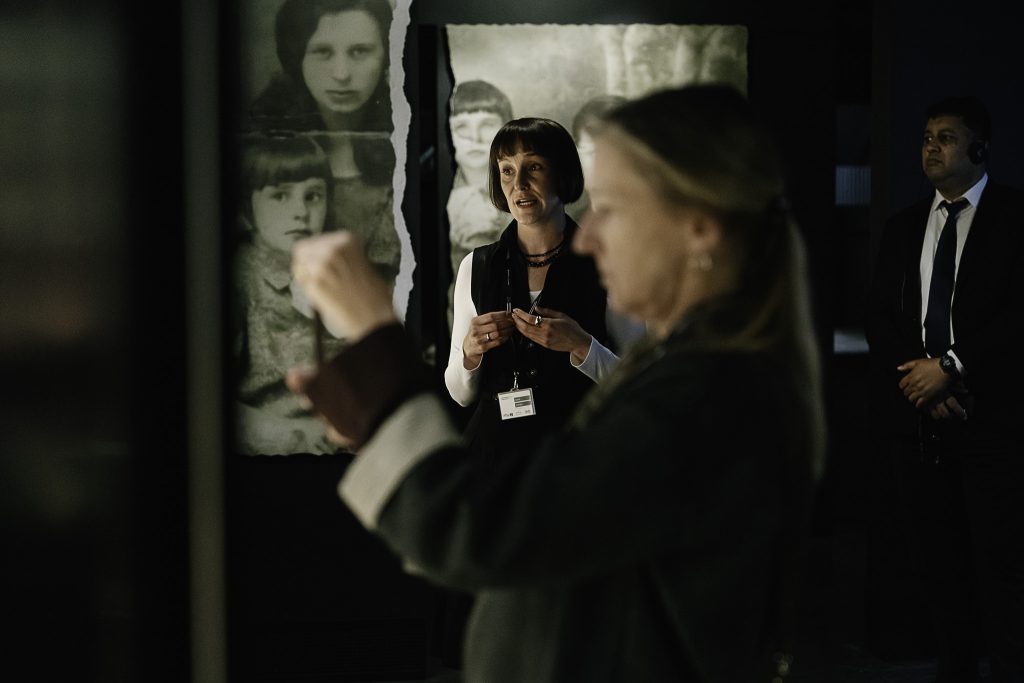
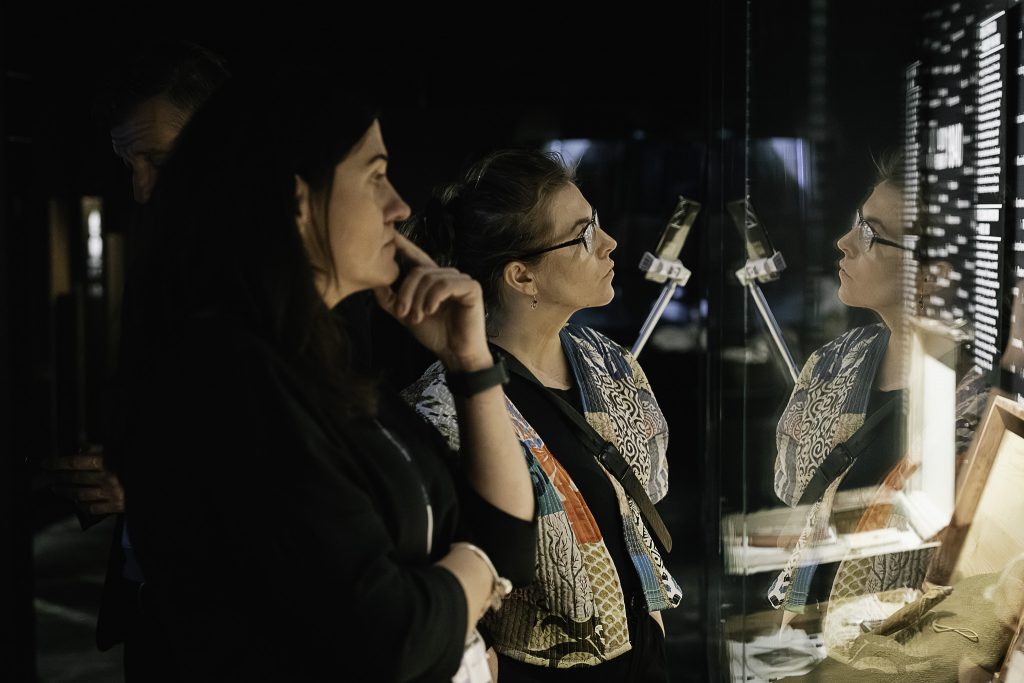
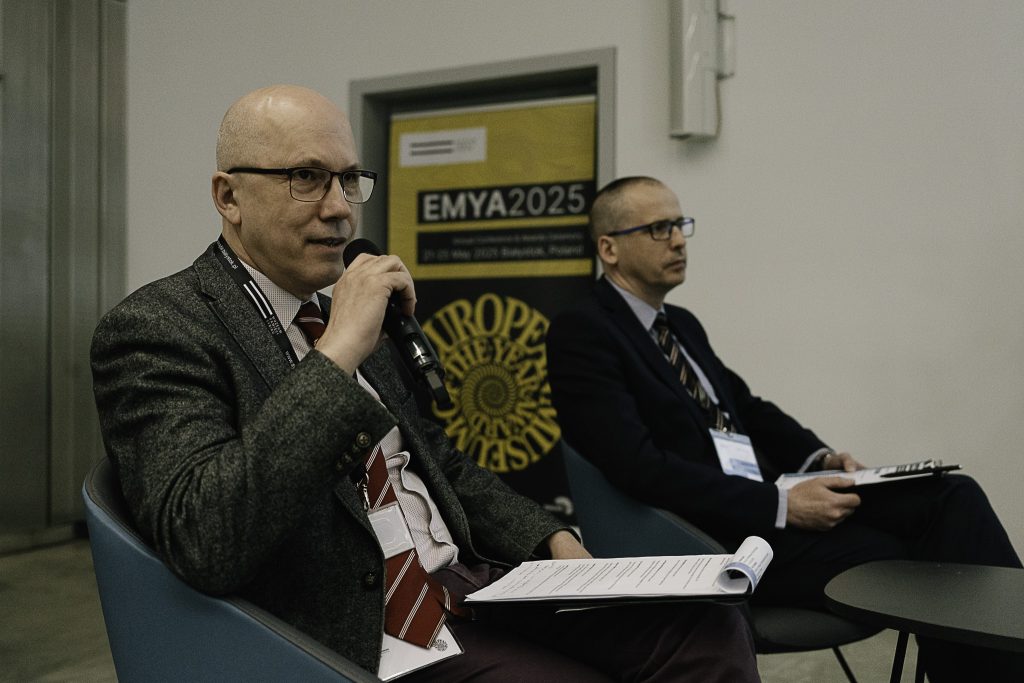
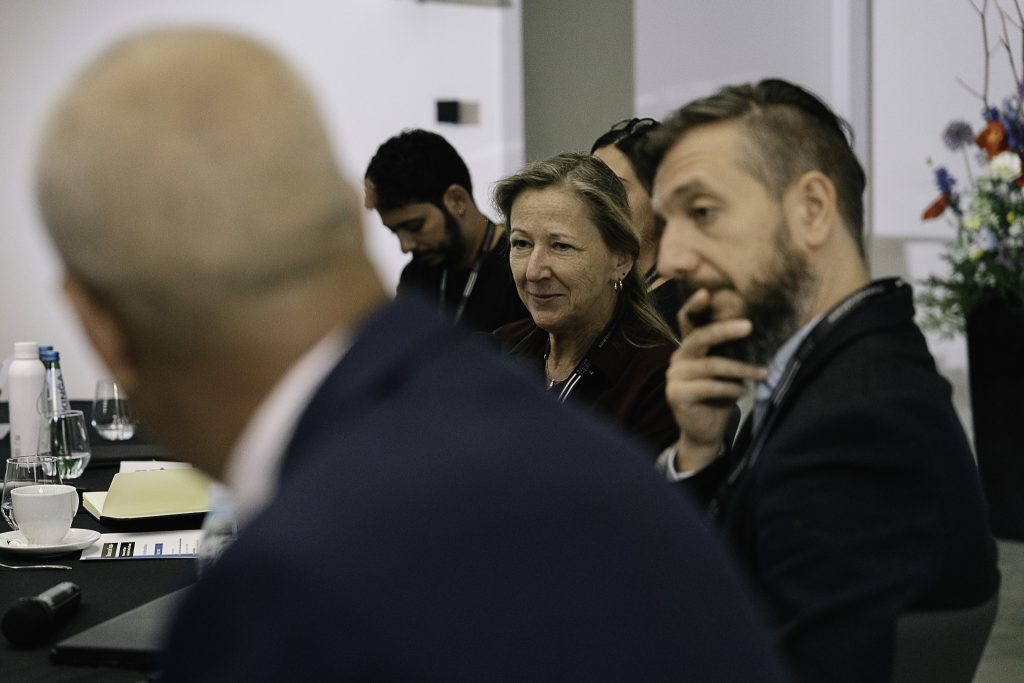
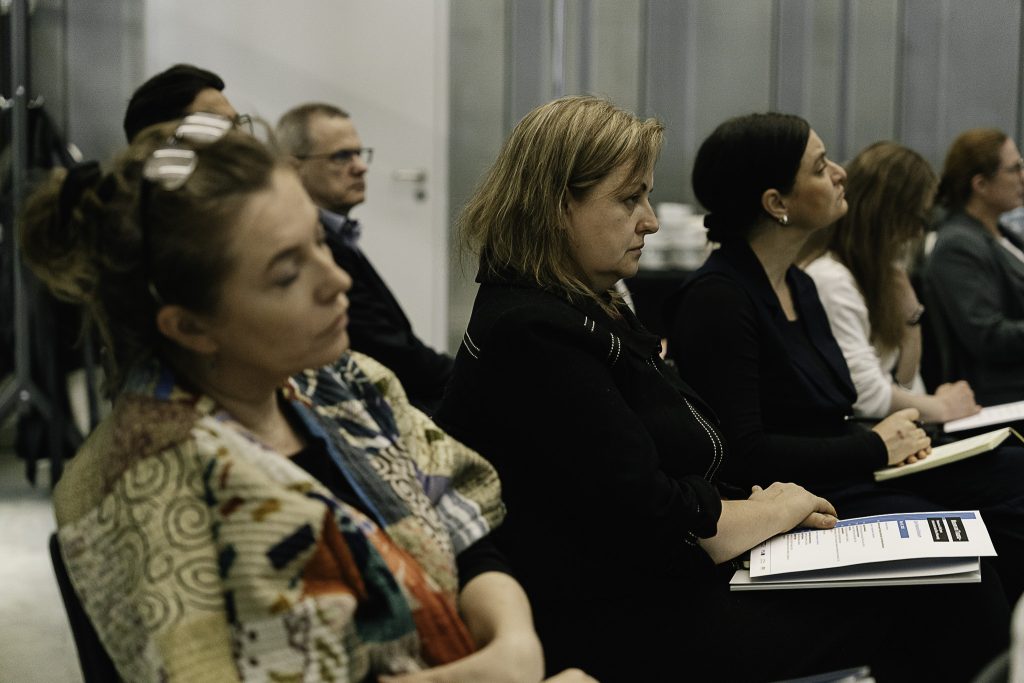
The discussions held during the sessions and informal exchanges confirmed the idea that museums can serve as safe spaces for conveying difficult truths, fostering peace, preventing conflict, and healing intergenerational trauma.
During the conference interviews with participants were conducted. The interviews are available HERE.