


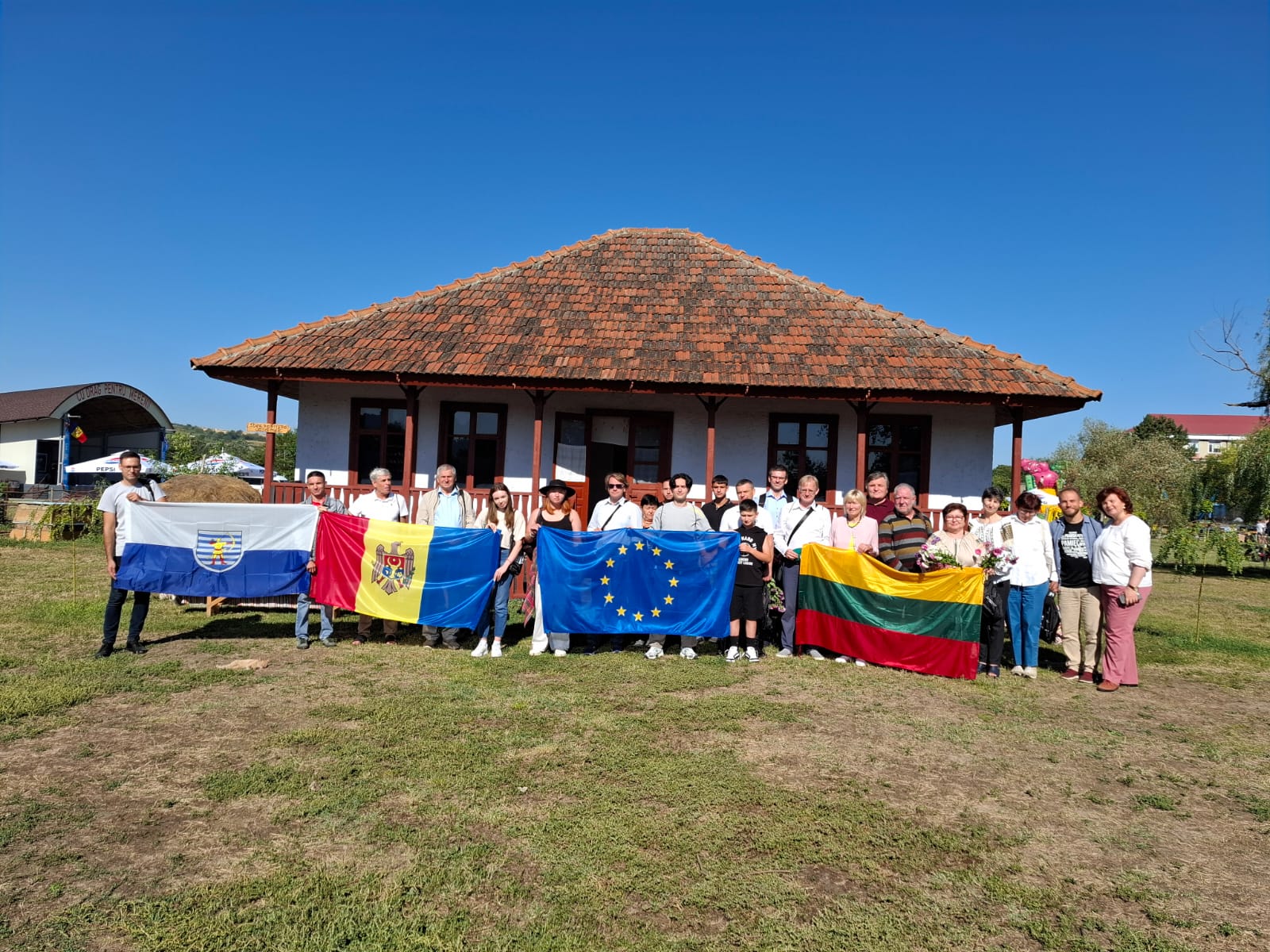
On September 8 at 10 am, about 30 participants of the event met in a park, in the central part of the town of Mereni. The place was not accidental, as in this park there is a monument – a railroad carriage like the one used by the Soviets to deport the residents of this town to Siberia.
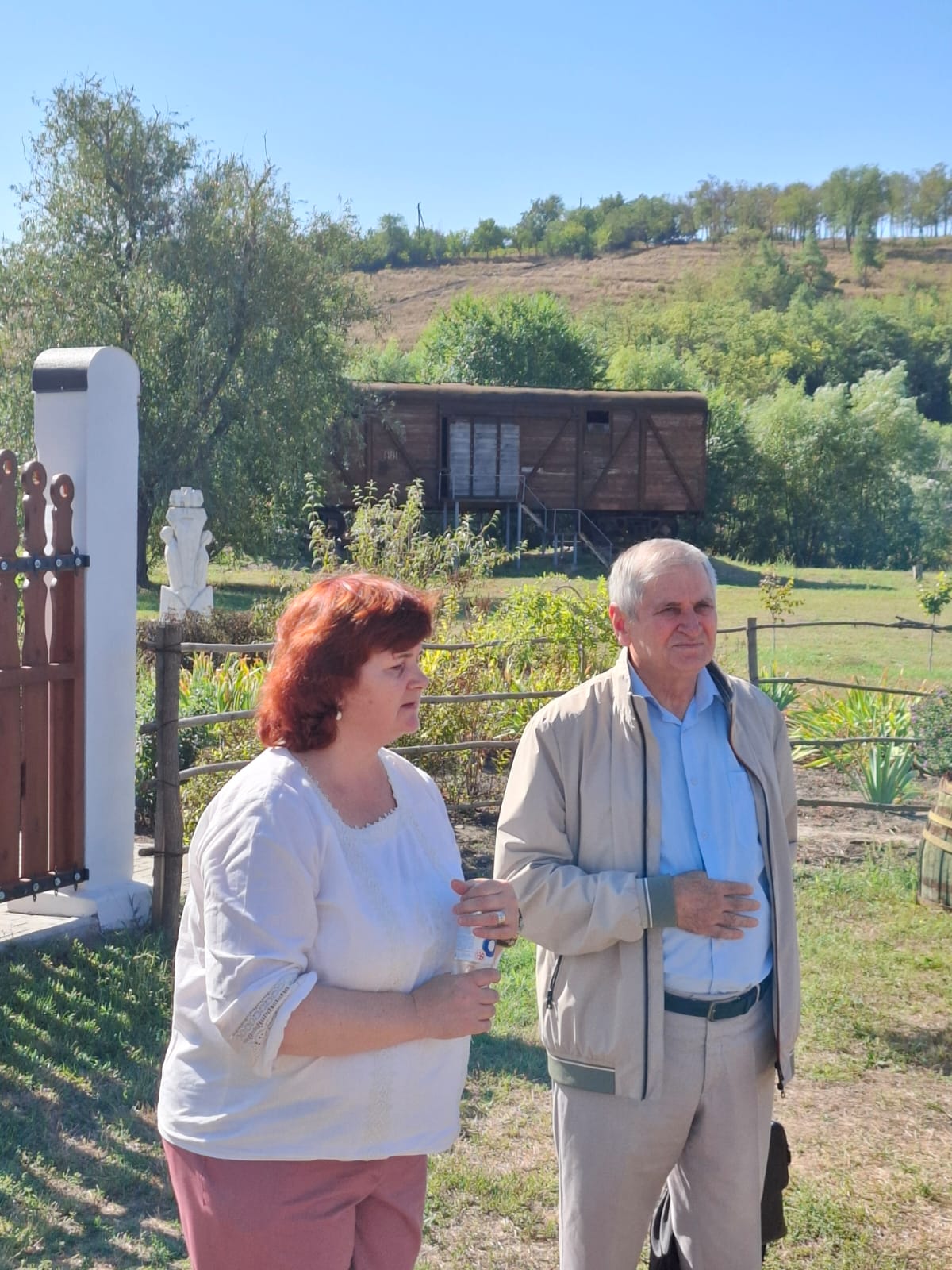
At the monument, the wagon, the guests were welcomed by Ludmila Cojocaru, coordinator of the Moldovan edition of the Peleton. She thanked the Sybir Memorial Museum, which prepared and shared the idea of the Memorial Peloton with the people of Moldova. She was followed by Piotr Poplawski, PhD, the initiator of the Memorial Peloton, who thanked for the invitation.
“Seven years ago, when the Peleton started in Białystok, we did not imagine that one of the next editions would take place in four Central European countries and among them would be Moldova. That we would be able to meet in very interesting and completely, to us Poles, unknown places, so as to familiarize ourselves with the history of Moldovans, but also to invite the residents of Moldova, Lithuania, Latvia and other countries to Białystok and other cities where the Memorial Pelotons take place, in order to learn about our common history, which unites the residents of Central European countries,” he added.
Aleksandru Postică, chairman of the Moldovan Association of Victims of Soviet Repression, spoke last. He thanked or preparing the event and for commemorating the victims. He added that he himself is a representative of one such family.
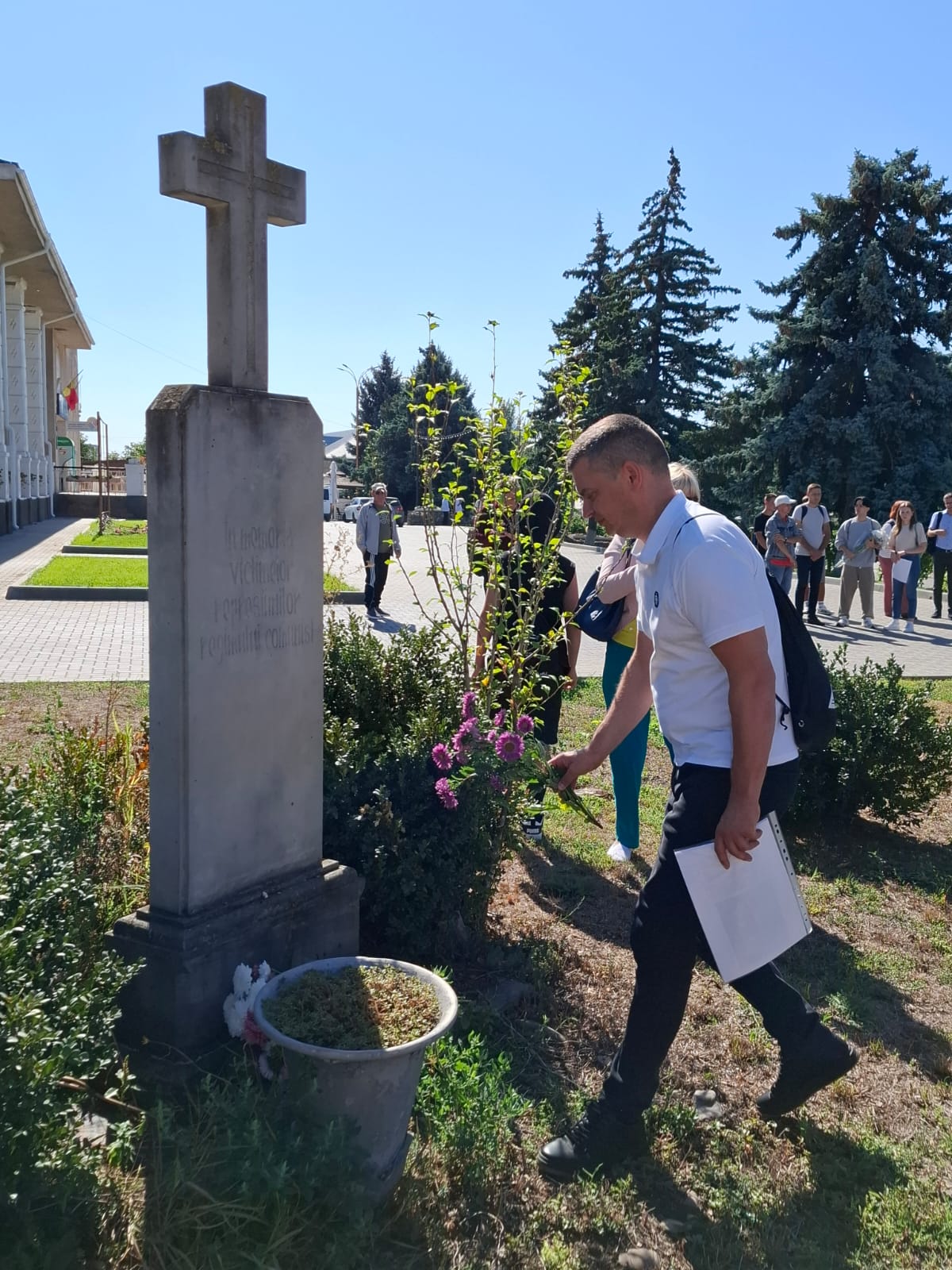
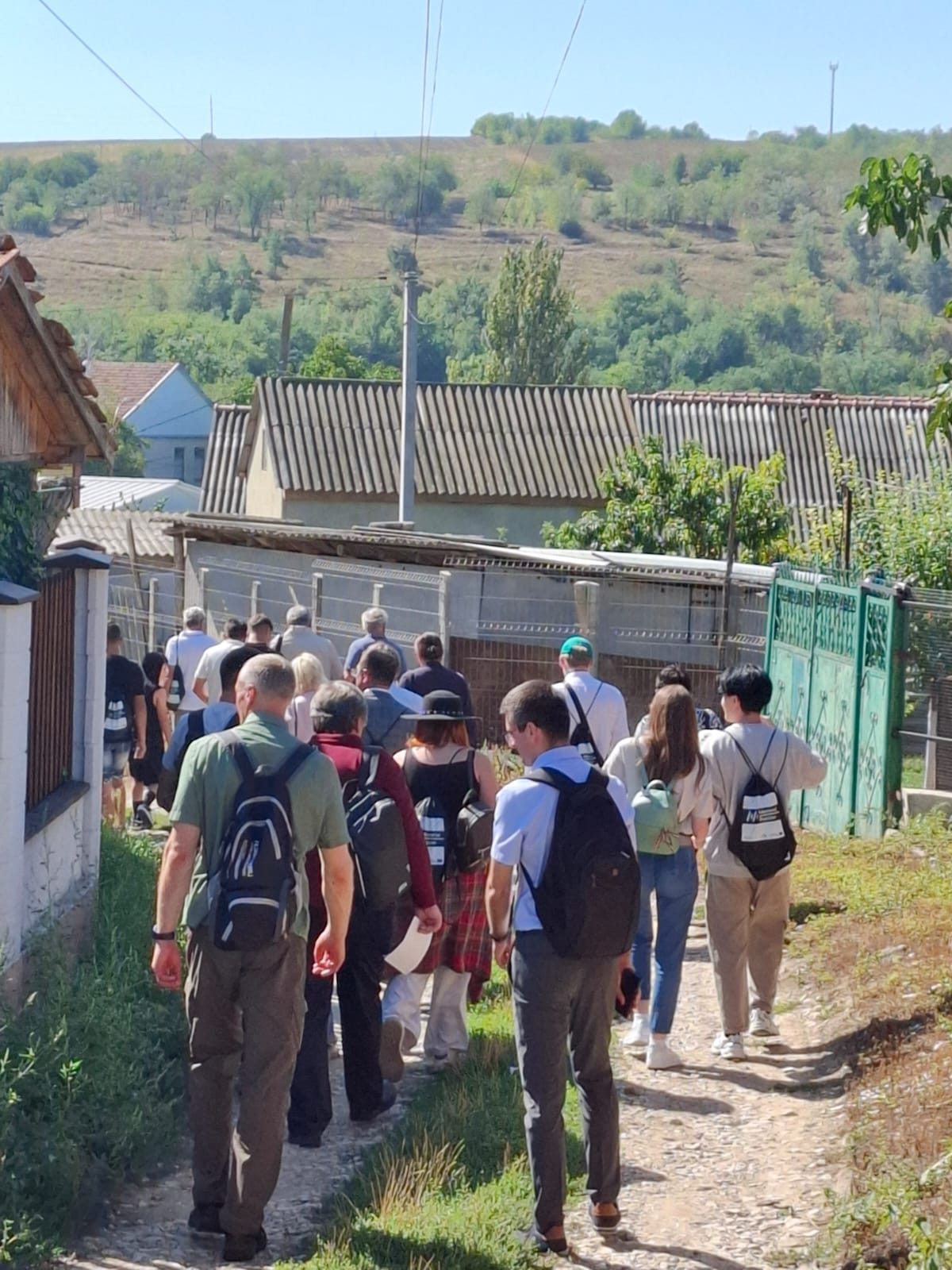
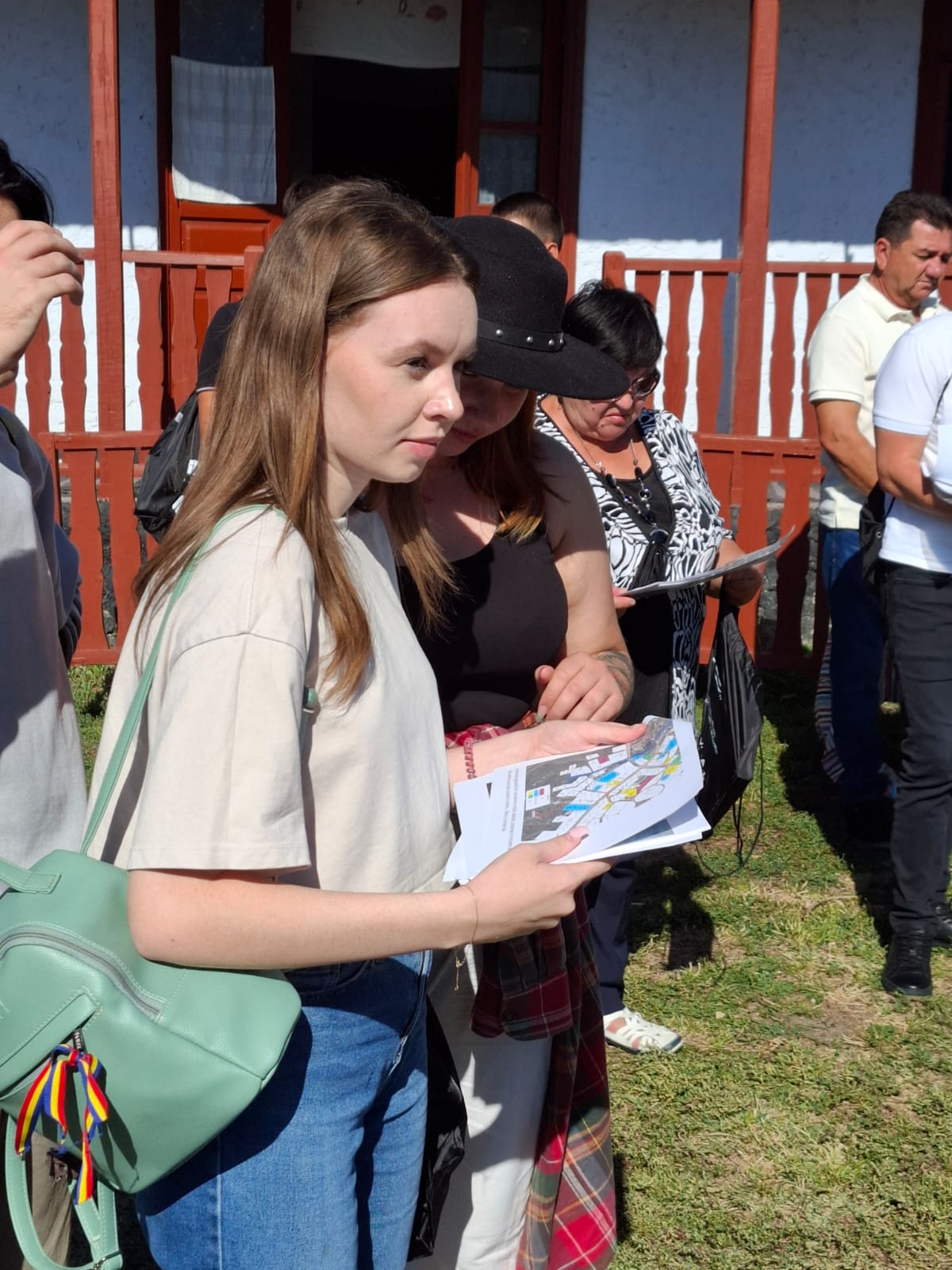
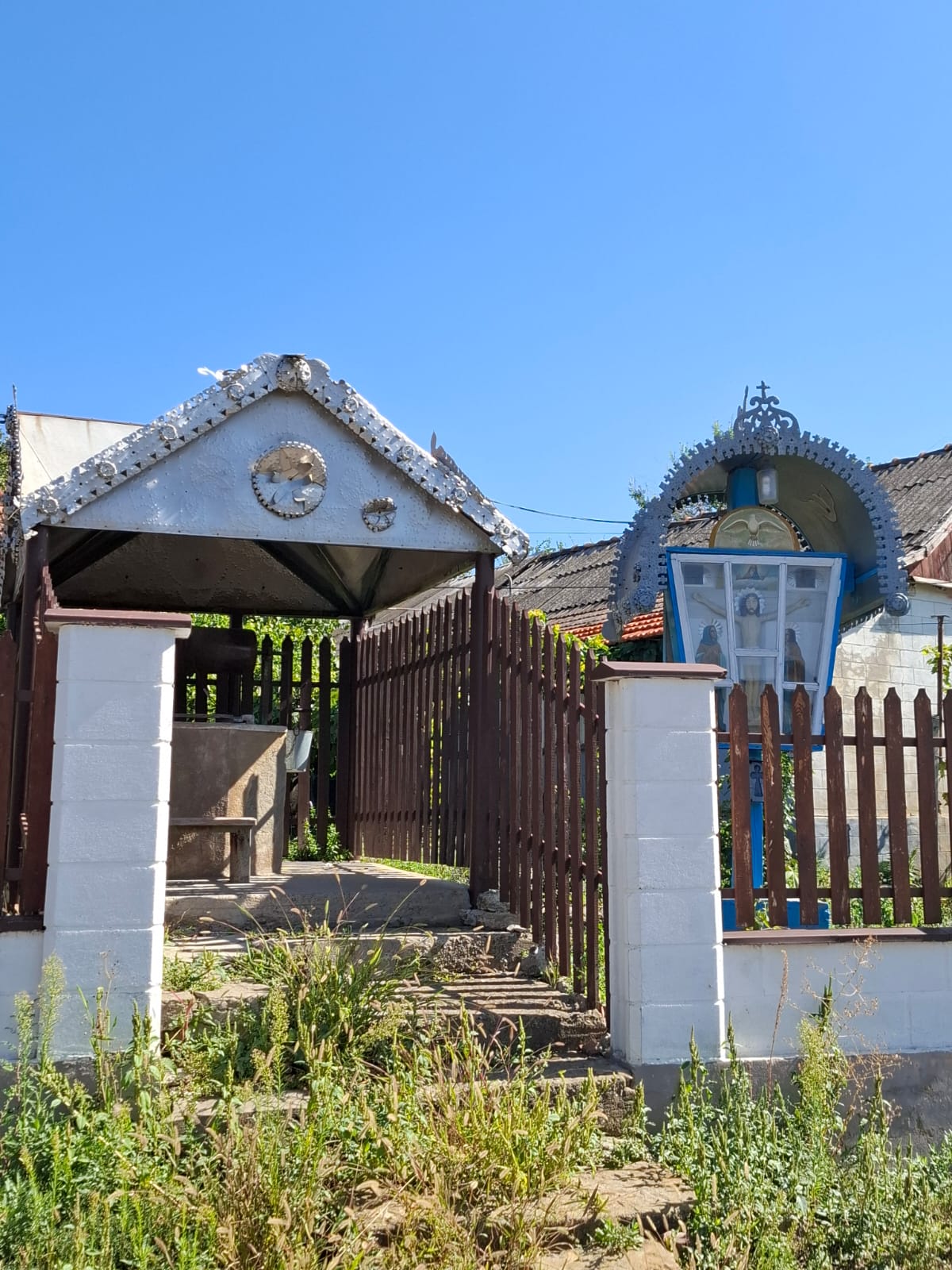
In Mereni, the deportations occurred similarly to those in Polish lands, as a result of the Molotov-Ribbentrop Pact, which divided Central and Eastern Europe. The territories, before the war part of the Kingdom of Romania, were seized by the Soviets in 1940 and the population living there was then subjected to brutal repression. The first deportation took place in 1941 and was the first of five waves. The next ones took place after the war, as the area fell directly into the Soviet Union, within the Moldavian Soviet Socialist Republic. For the residents of Mereni, the Molotov-Ribbentrop Pact initiated a series of Soviet repressions that lasted until 1957.
The route of the Peleton was developed by our partners from the National Museum of Moldovan History. The participants of the Peleton visited, in addition to the starting point, four more places. These were the homes of the deportees or the places where these homes stood, as not all of them have survived to this day.
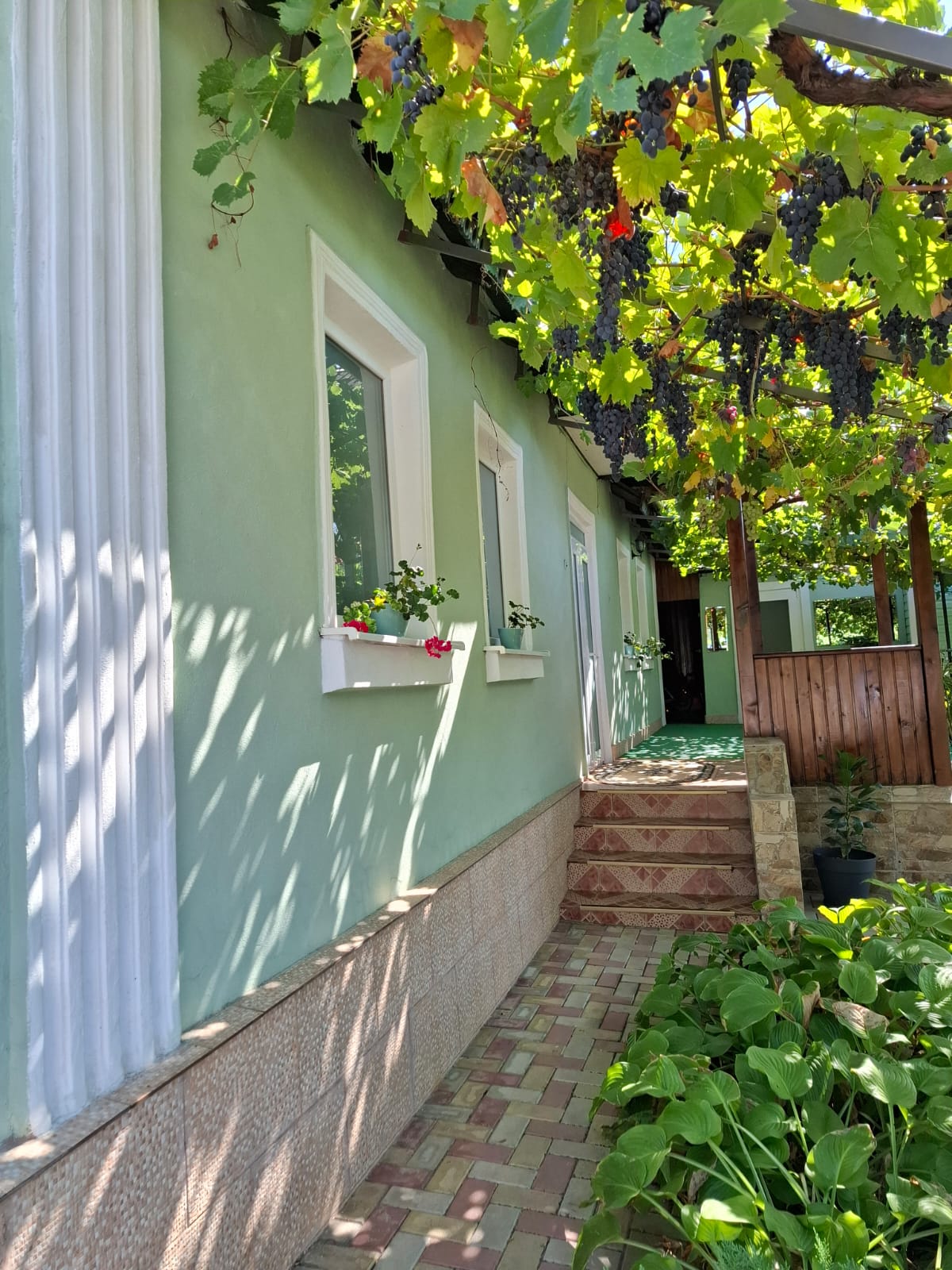
A very nice touch of this year’s Peleton was the invitation of the participants of the walk by the Baciu family, descendants of the deportees to Siberia. They hosted everyone in their home with a traditional Moldovan dish, plăcinta. They also told the story of their ancestors who were deported from that place. The family, after various vicissitudes, returned to their home and today lead a happy life there.
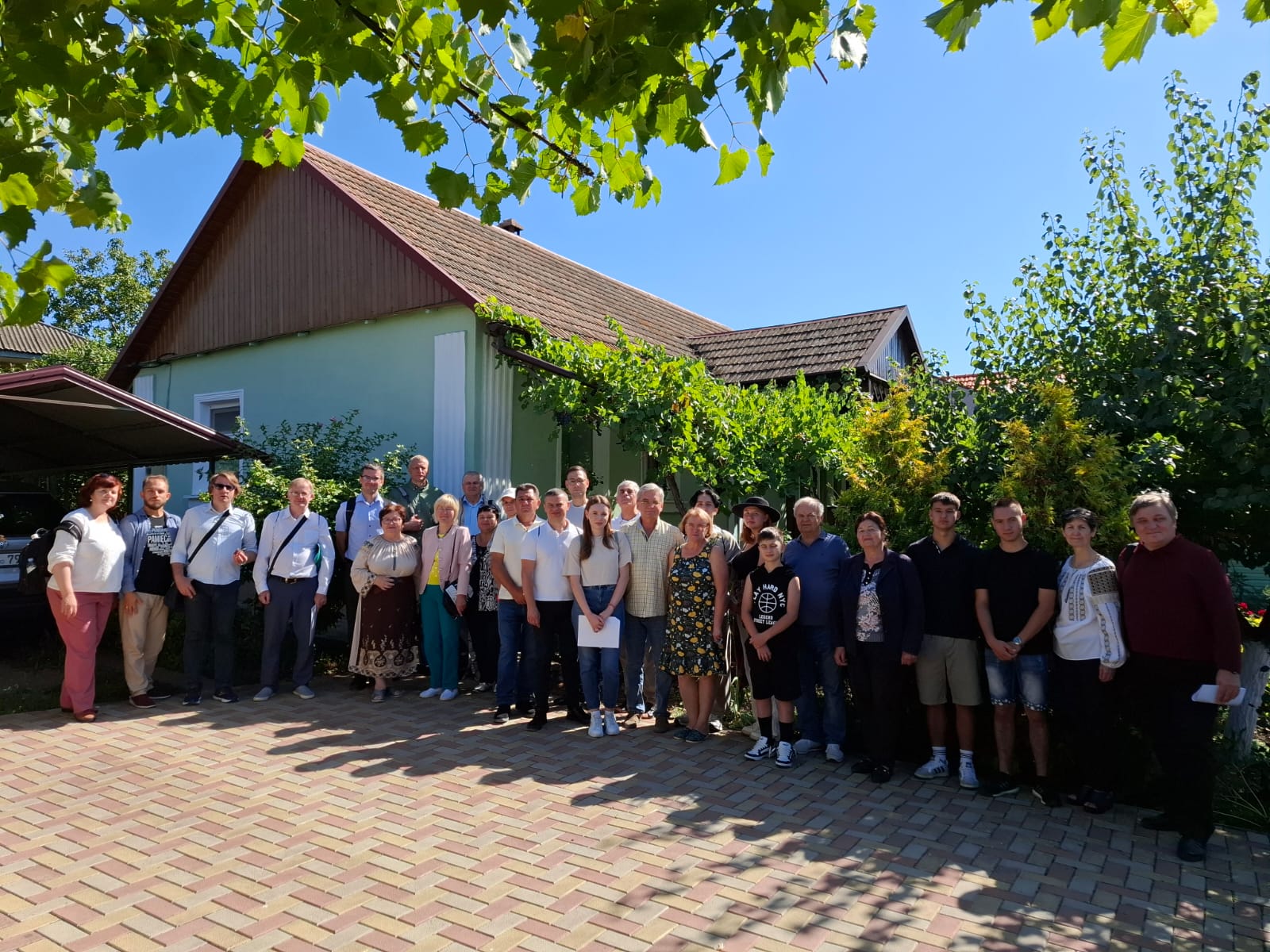
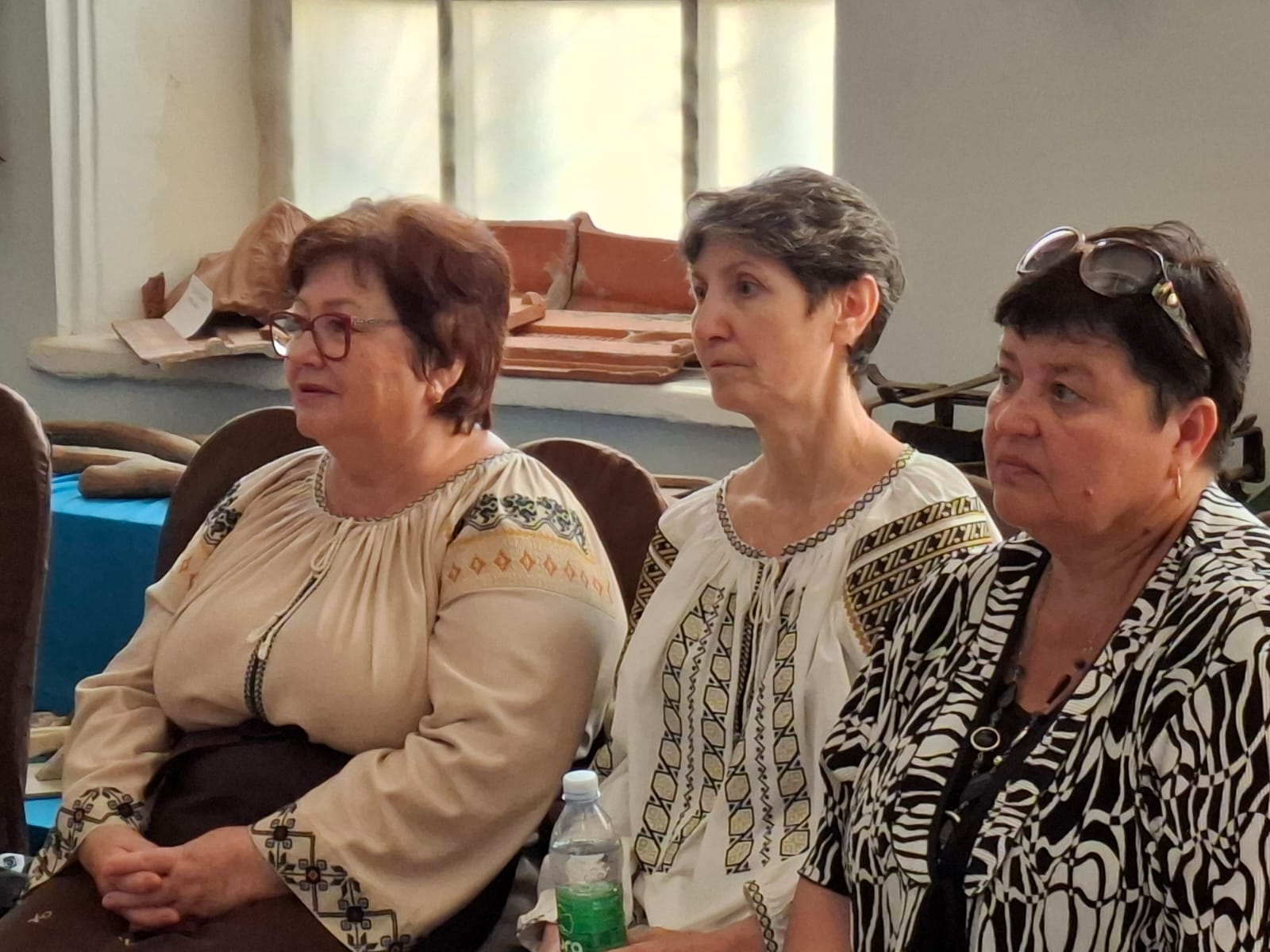
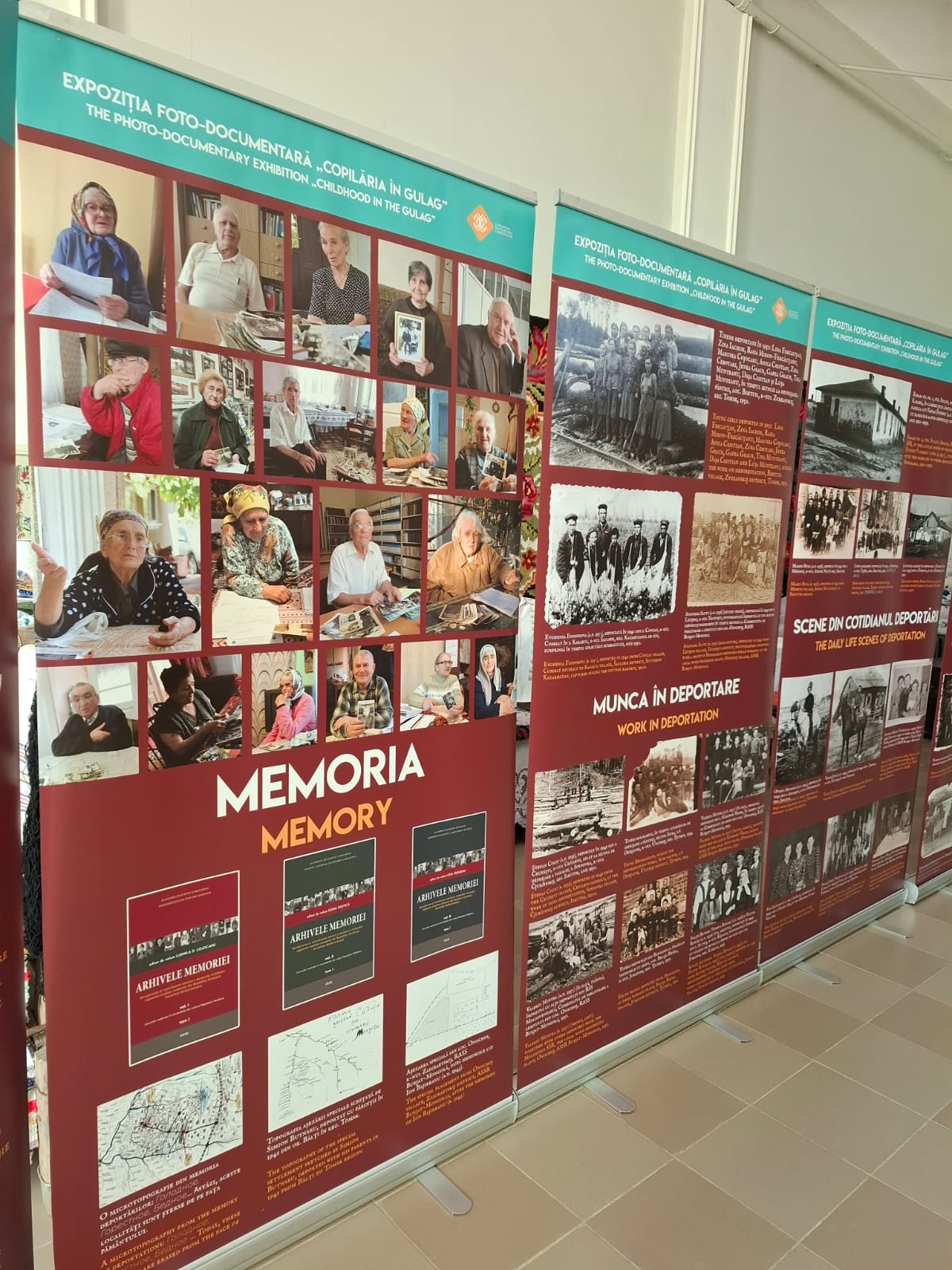
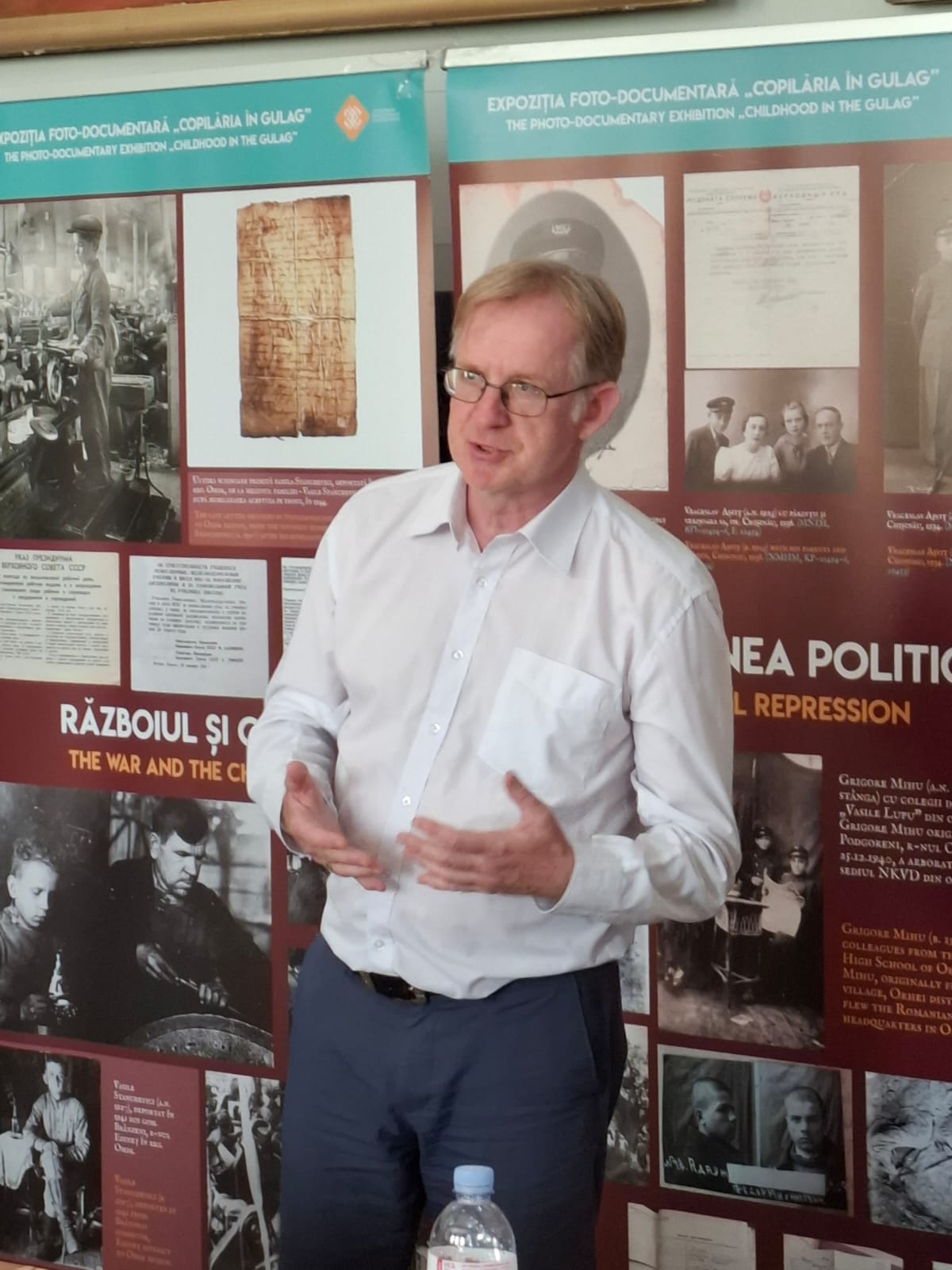
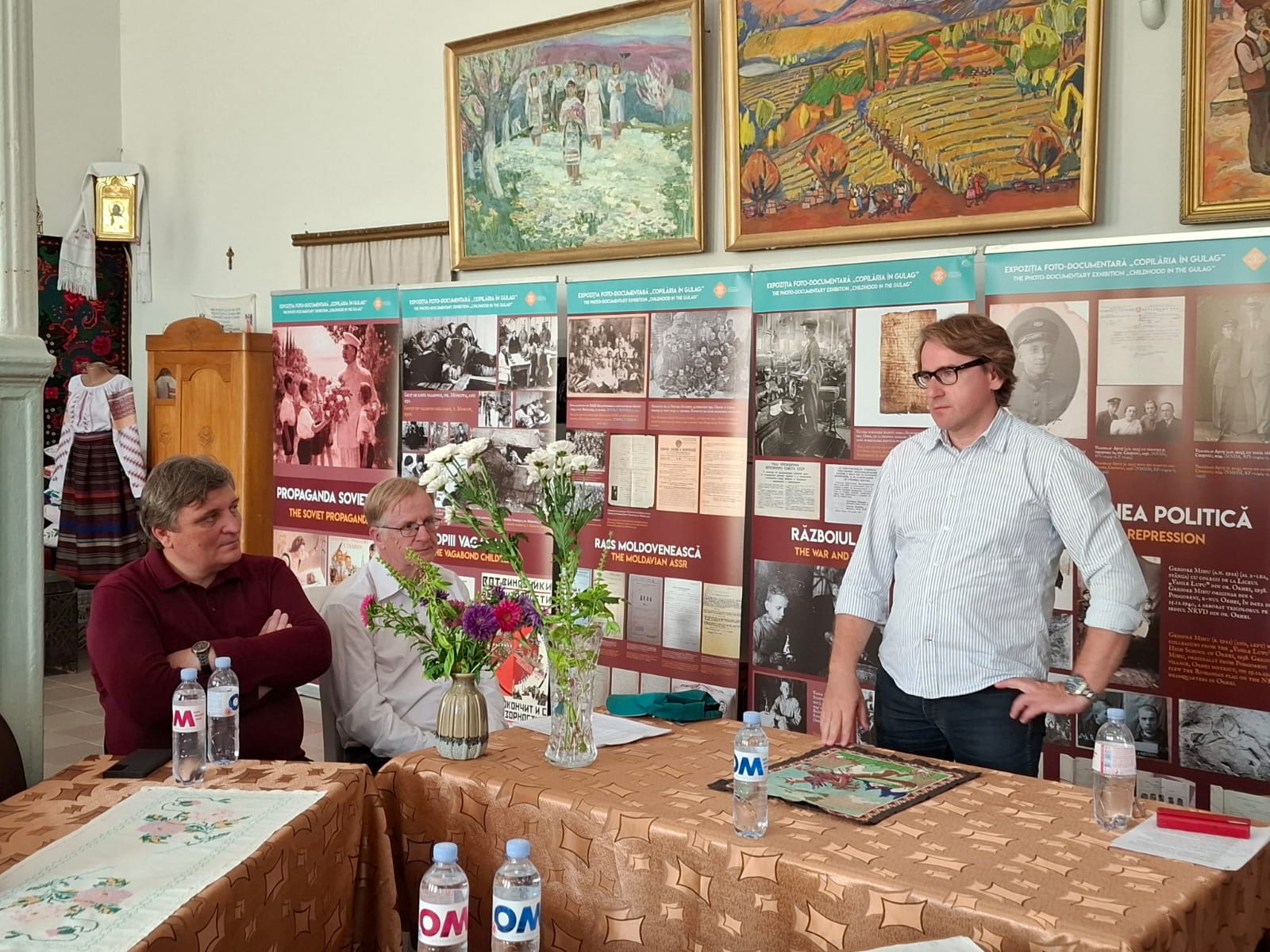
Finally, the participants went to the local museum, where they could see an exhibition of the National Museum of Moldovan History on the childhood of Moldovan children at the deportation sites. There were speeches by Eugen Sava – director of the National Museum of Moldovan History, Arunas Bubnys – director of the Genocide and Resistance Research Center of Residents of Lithuania and Prof. Wojciech Śleszyński, director of the Sybir Memorial Museum. They all thanked for the organization of the event.
“In view of the ongoing war in Ukraine, it is very important for us to speak with a common voice about our past, about Soviet repression, which is the source of today’s Russian policy,” emphasized Prof. Wojciech Śleszyński, Director of the Sybir Memorial Museum.
We would like to thank the director of the National Museum of Moldovan History, Eugen Sava, as well as the main organizers Virgiliu Bîrlădeanu, Ludmila Cojocaru and Gheorghemi Postică for their great support, commitment and help in realizing the Moldovan edition of the Memorial Peloton.
Each Peloton means new people and new stories. By talking about our history together we save it from oblivion. Thank you and see you next year!