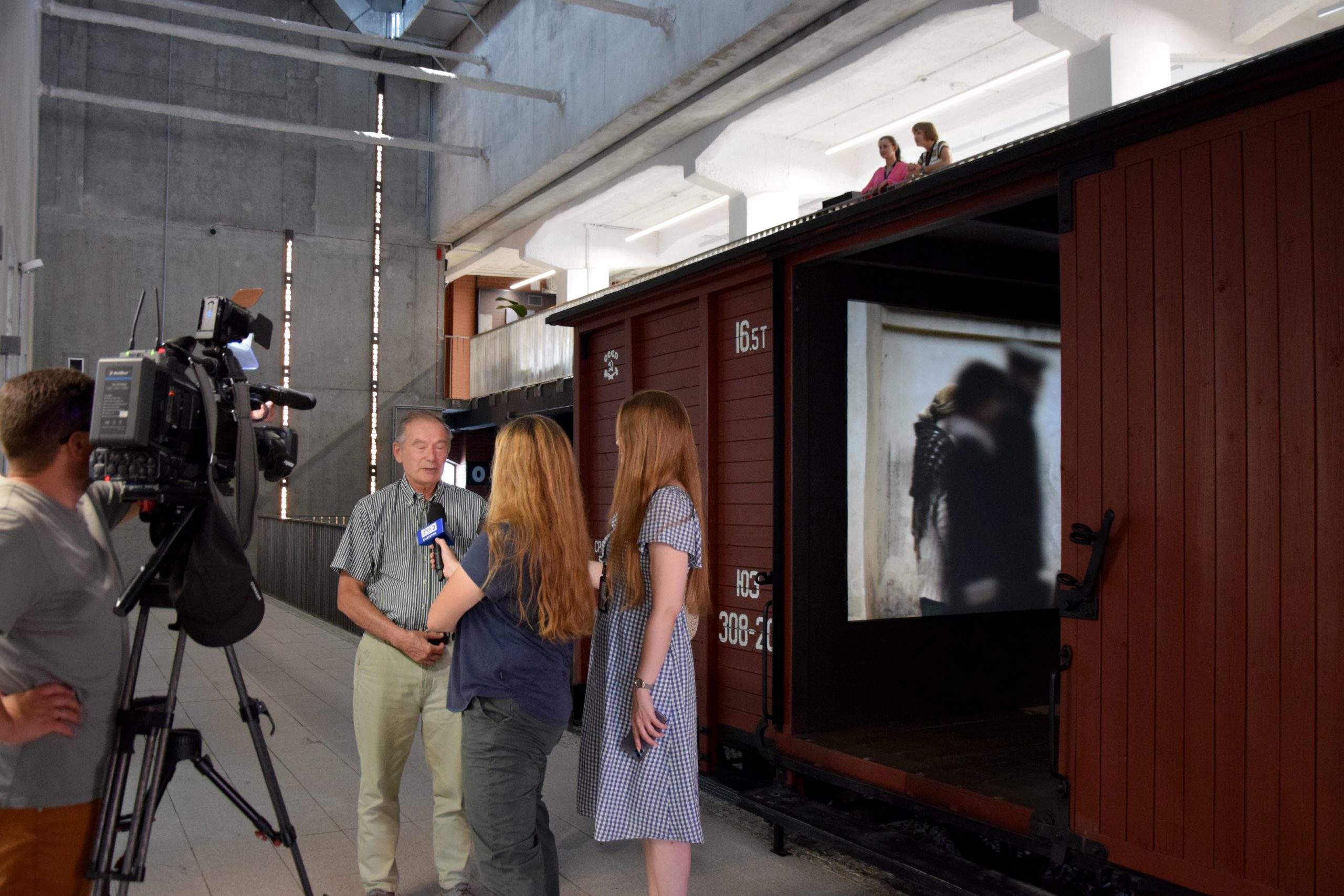



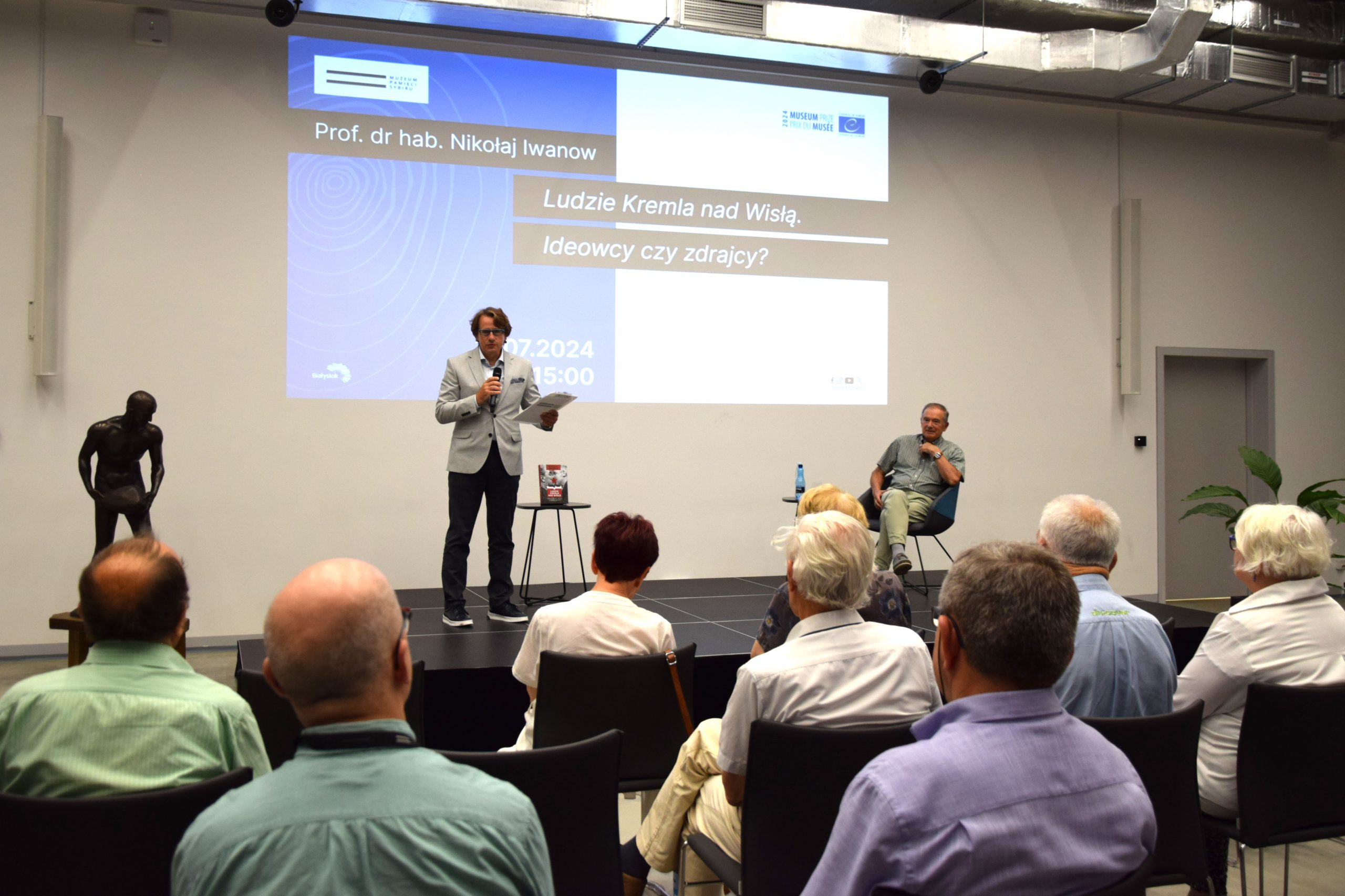
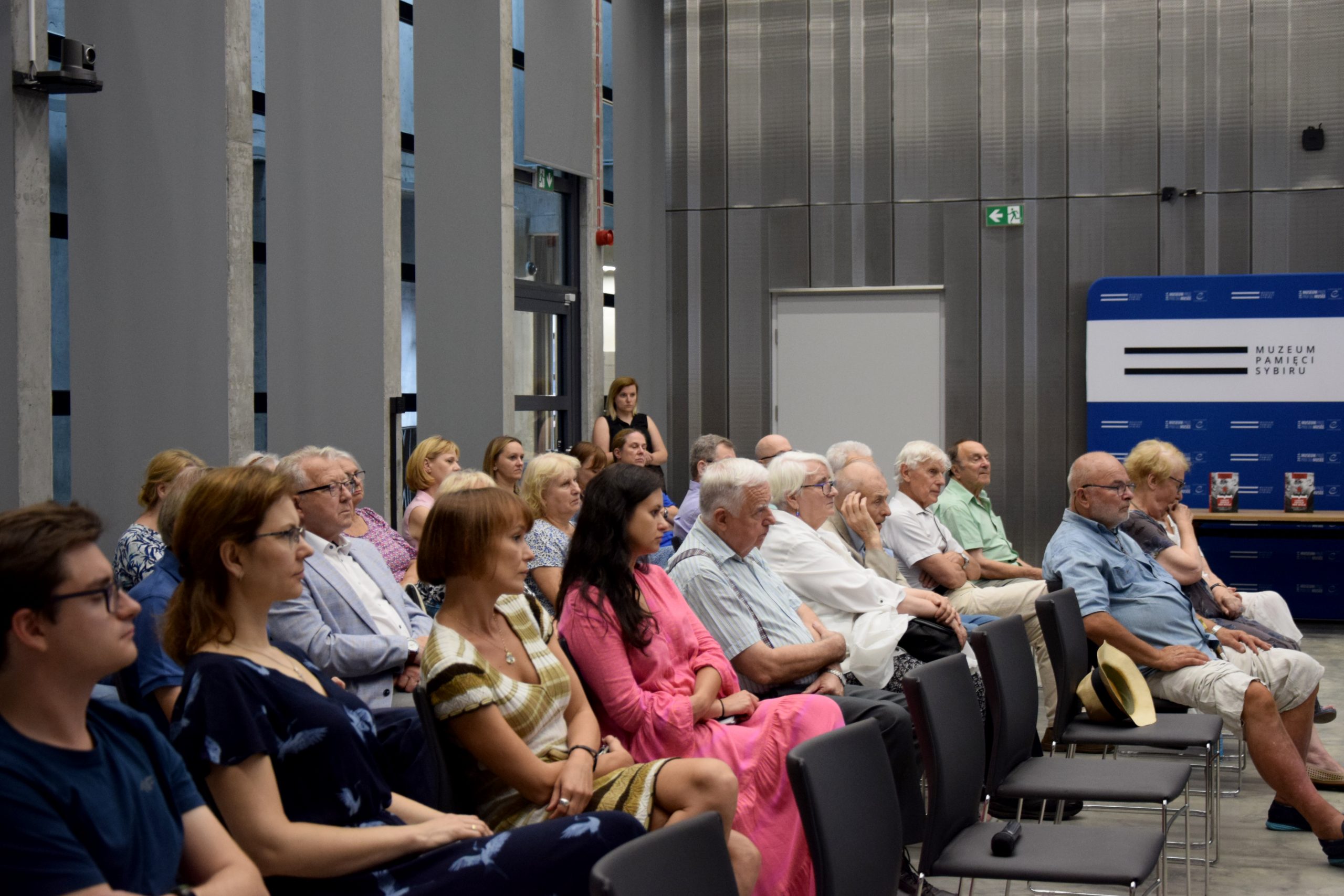
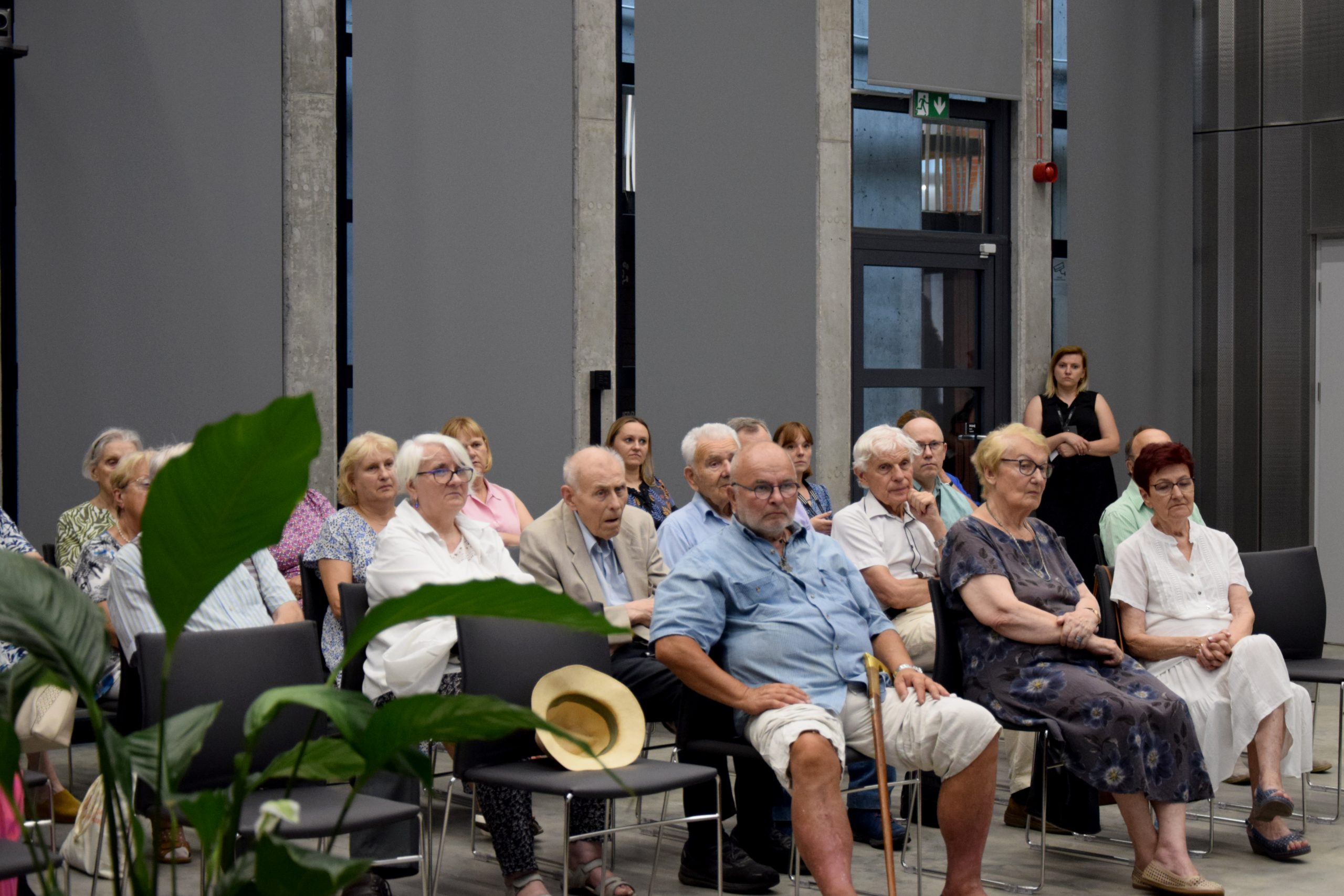
On Thursday afternoon, a unique meeting took place promoting the book by Professor Nikolai Ivanov, entitled ,,Ludzie Kremla nad Wisłą. Ideowcy czy zdrajcy?”. The event attracted a wide audience, including Sybiraks and many distinguished guests of various sacademic and cultural institutions. Guests included: Jolanta Hryniewicka, President of the Bialystok Branch of the Association of Siberian Deportees, Teresa Borowska, Vice President of the Bialystok Branch of the Association of Siberian Deprotees, as well as Jerzy Bołtuć, Chairman of the Podlasie Association of Memory of Siberian Exiles and Provincial Governor for War Veterans and Victims of Oppression.
Opening the meeting, the Director of the Sybir Memorial Museum, Professor Wojciech Śleszyński, Director of the Sybir Memorial Museum introduced Professor Ivanov.
“He is one of my closest friends when it comes to scientific research but, above all, a distinguished scientist,” said Director Śleszyński.
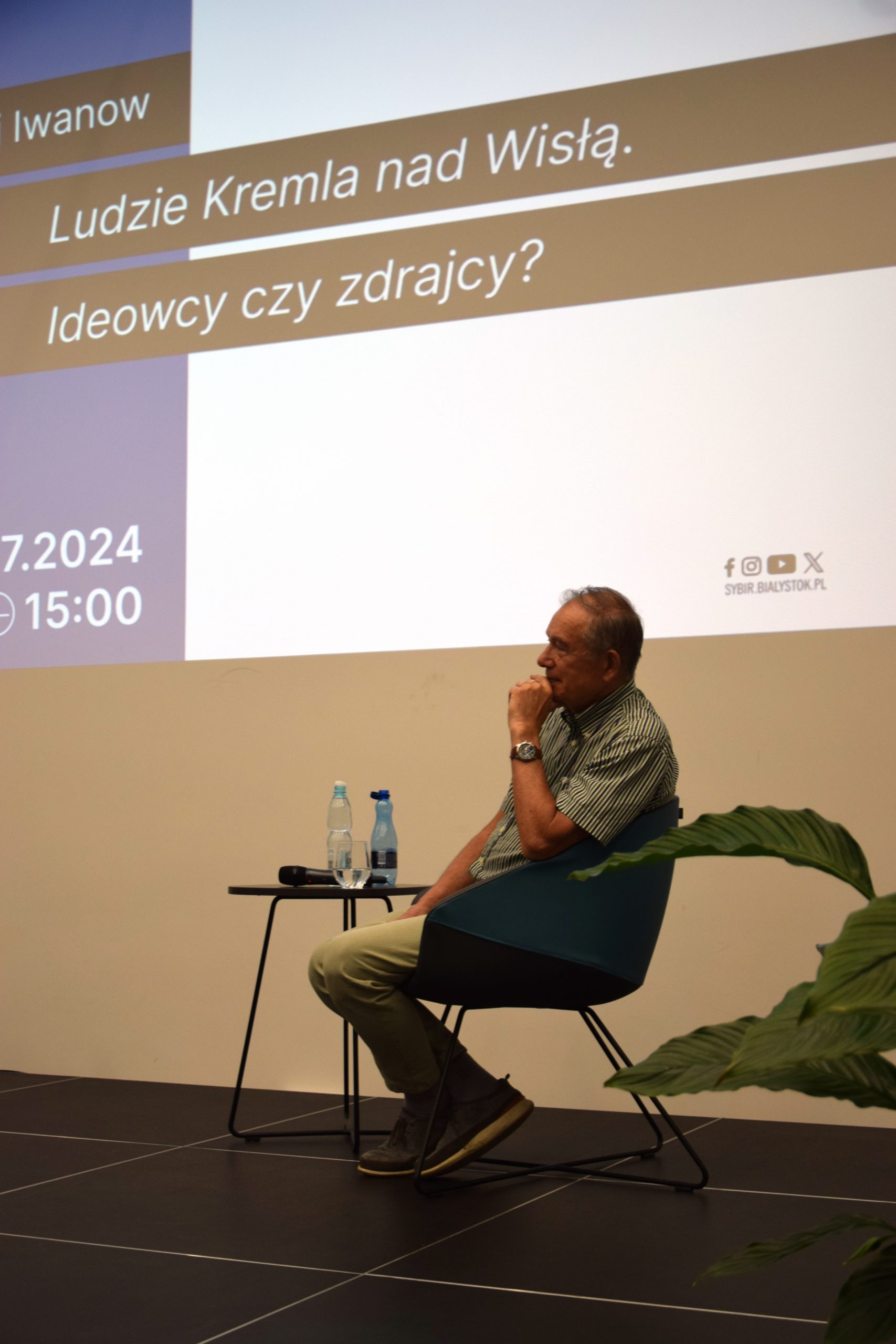
In the further part of his speech, the Director presented the biography and impressive achievements of the guest. Nikolai Ivanov is a professor at the University of Opole, specializing in the history of the Polish minority in the Soviet Union, with particular emphasis on the Stalinist period. In the 1970s, he was associated with the opposition movement in Moscow, distributing independent publications. At the turn of 1979 and 1980, he was a member of a dissident group. He is the author of ,Odezwa Komitetu Założycielskiego Wolnych Związków Zawodowych w ZSSR” at the 1st Congress of „Solidarity” – a text that led to the creation of the famous document, so „Posłanie do ludzi pracy Europy Wschodniej”. From 1989 to 2004, he was an editor at Radio Free Europe — Radio Liberty in Munich and Prague, working in the Belarusian and North Caucasian editorial offices. His scientific output includes over a hundred scientific papers and hundreds of publications released in many countries, including Poland, Russia, Belarus, the United Kingdom, the United States, Germany, Finland, Israel, and Ukraine. His book „Pierwszy naród ukarany: Polacy w Związku Radzieckim w latach 1921–1939, Warszawa–Wrocław 1991” has won numerous Polish and international awards, including the ‘Polityka’ Award and the Edward Raczyński Award.
“Our today’s guest has delivered lectures and given readings at prestigious universities such as Stanford University, Sorbonne, University of London, and Hebrew University of Jerusalem. His contribution to historiography and efforts to commemorate the martyrdom of Poles in the East is invaluable. In 1990, he founded and for many years chaired the social organization „Straż Mogił Polskich na Wschodzie” (“Guardians of Polish Graves in the East”), that documents and commemorates places of martyrdom of Poles and other Polish citizens in the East,” said Director Śleszyński.
He also emphasized that Professor Ivanov has been awarded the Cross of Fighting Solidarity and the Order of Merit of the Republic of Poland, which testifies to his extraordinary commitment and merits in the fight for historical truth. He added that the professor is a member of the Council of the Sybir Memorial Museum, which further emphasizes his involvement in studying and commemorating the difficult fates of Poles.
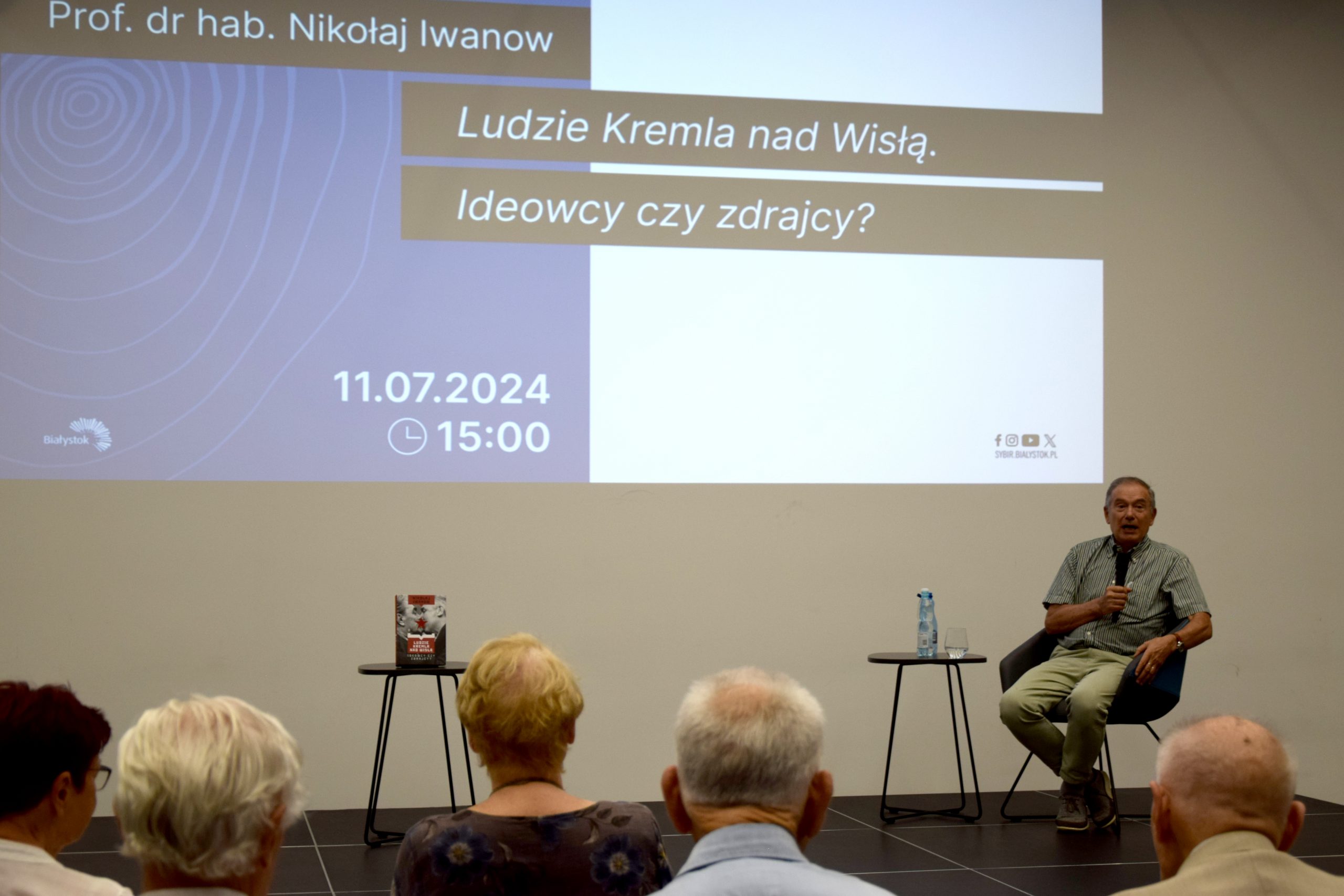
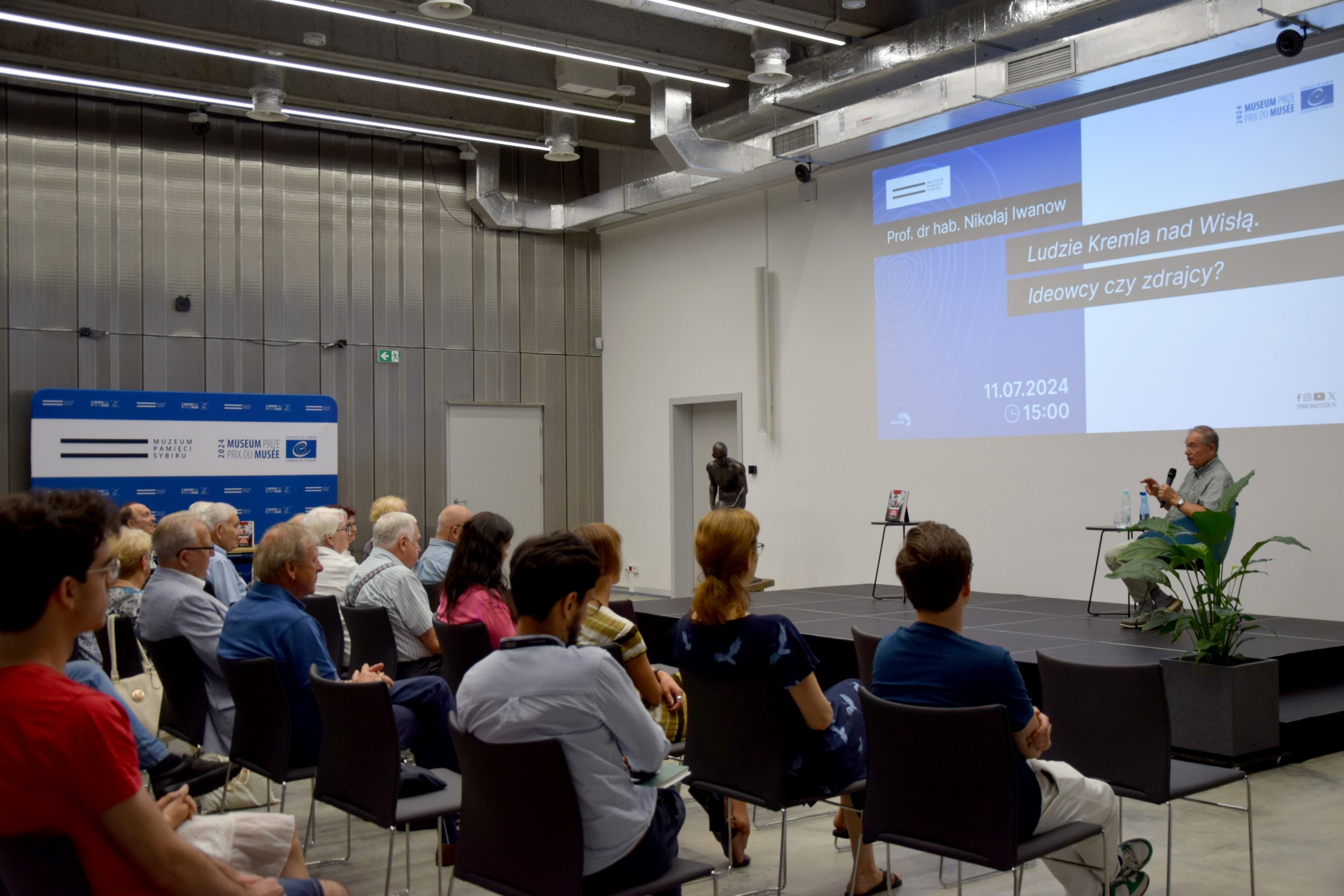
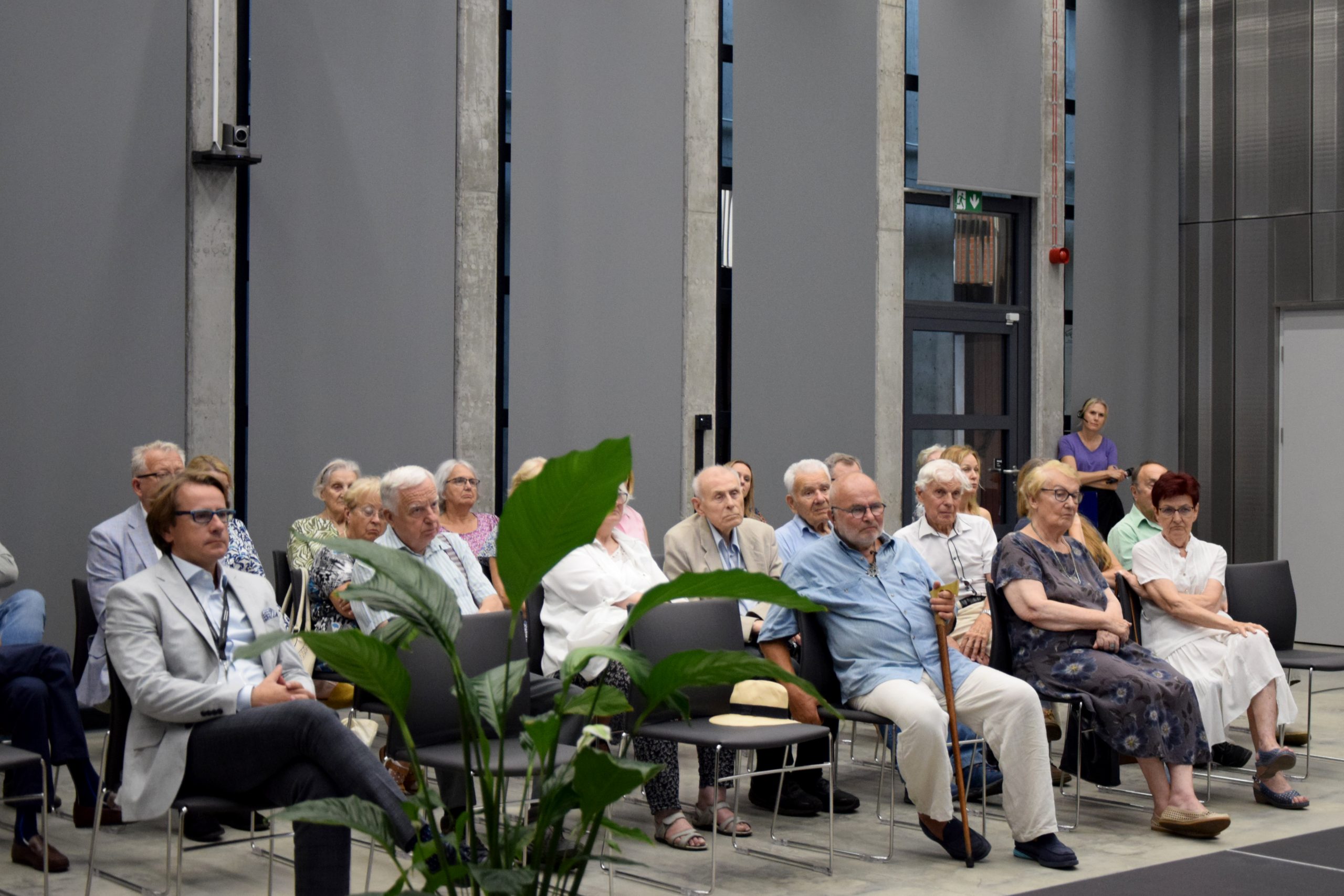
At the beginning, the guest spoke about his origin, childhood, and youth. Professor Ivanov spent many years in Belarus, born near Brest, where his grandparents spoke the so-called Polesian dialect. In 1979, he came to Poland, where he lives to this day.
“In Brest, it was hard to find a family that did not have relatives in Poland. In addition, Poland was a way to improve one’s material standard of living. People came there to buy and sell something. And when you went to Poland once a year, for the entire next year, you could live better from the money earned here and think a bit differently than the native Russians from the depths of the Soviet Union,” Ivanov recalled.
Relations with Poland were for the residents of Brest, ‘a specific severe infection with a foreign ideology’ which allowed them to experience the spirit of freedom, unattainable beyond the Bug River. Professor Ivanov also talked about his beginnings in Poland and the differences between Poland and soviet Belarus.
At the time, being a young scientist, he began to think about Polish communism and its phenomenon. He studied how communism had been implanted in Poland and who the first CPP members were, that established the first party committees in Poland.
“There is no doubt that communism was imposed in Poland. Polish communists truly constituted a margin of the Polish nation. Even Stalin understood this,” he said while talking to Mikołajczyk, Prime Minister of the Polish Government-in-Exile: “I know that communism is suitable for Poland like a saddle is suitable for a cow’. Always in the world, the image of Poles had been shaped as a Catholic nation, devoted to Polish national traditions. And that communism on Polish soil is something completely alien. I have studied the phenomenon of Polish communism,” said Ivanov.
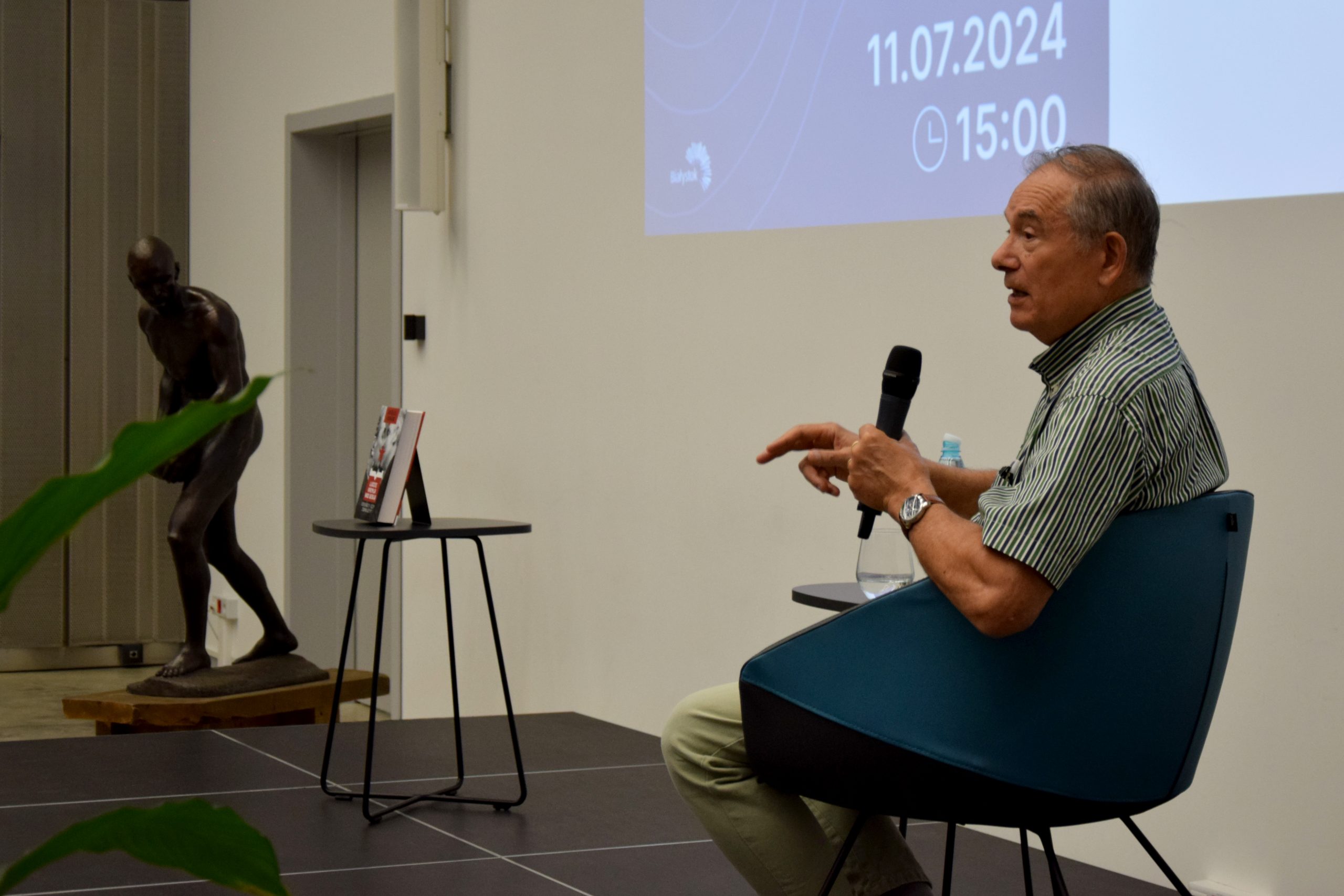
In the further part of the meeting, the professor presented the main themes of his book. As he noticed, ‘People of the Kremlin by the Vistula’ is a collective portrait of Polish communists who supported the Stalinist regime, both in the Soviet Union and post-war Poland with fanatism and determination. The author in his publication considers what drove these people and whether all of them deserve the title of ‘traitors’ and ‘lackeys of Moscow’. The publication is an attempt to answer the question about the identity of Poles involved in building the communist authority. During his speech, Professor Ivanov emphasized that understanding the motivation of these people is essential for a complete picture of history.
“We cannot unequivocally judge the past without trying to understand the context and dilemmas these people had to face,” said Professor Nikolai Ivanov.
The meeting ended up with intense discussion, in which Sybiraks and other guests took part. The participants asked questions regarding not only the book itself, but also wider aspects of the history of communism in Poland. The event ended up with signing books by the author, which gave participants a great opportunity to talk to the profesor and exchange of ideas directly.