



The author of “Religions that Survived”, who is a journalist and traveller, has conducted dozens of interviews with people of different religious traditions who resisted the Soviet policy of atheisation in small communities. Since the late 1980s and early 1990s, Krzysztof Renik has explored the subject of religious revival in the East. Between 1991 and 1995, he made numerous study trips across the territory of the former Soviet Union – from Lithuania, Latvia, Belarus and Ukraine, through Kazakhstan and Tajikistan to Siberia – conducting talks and interviews with adherents of Catholicism, Orthodoxy, Buddhism and Islam. These encounters formed the basis for a book published in 1996.
“My adventure with ‘Religions That Survived’ began in 1991. In May, I learned that a landmark event was about to take place in northern Kazakhstan – the consecration of the first Catholic bishop in Central Asia. For decades, Catholics had to hide their faith, and suddenly it became possible to hold Mass in the open air. That prompted me to take a broader look at the revival of religious life in the East. I realized I shouldn’t limit myself to Catholics alone,” said Krzysztof Renik.
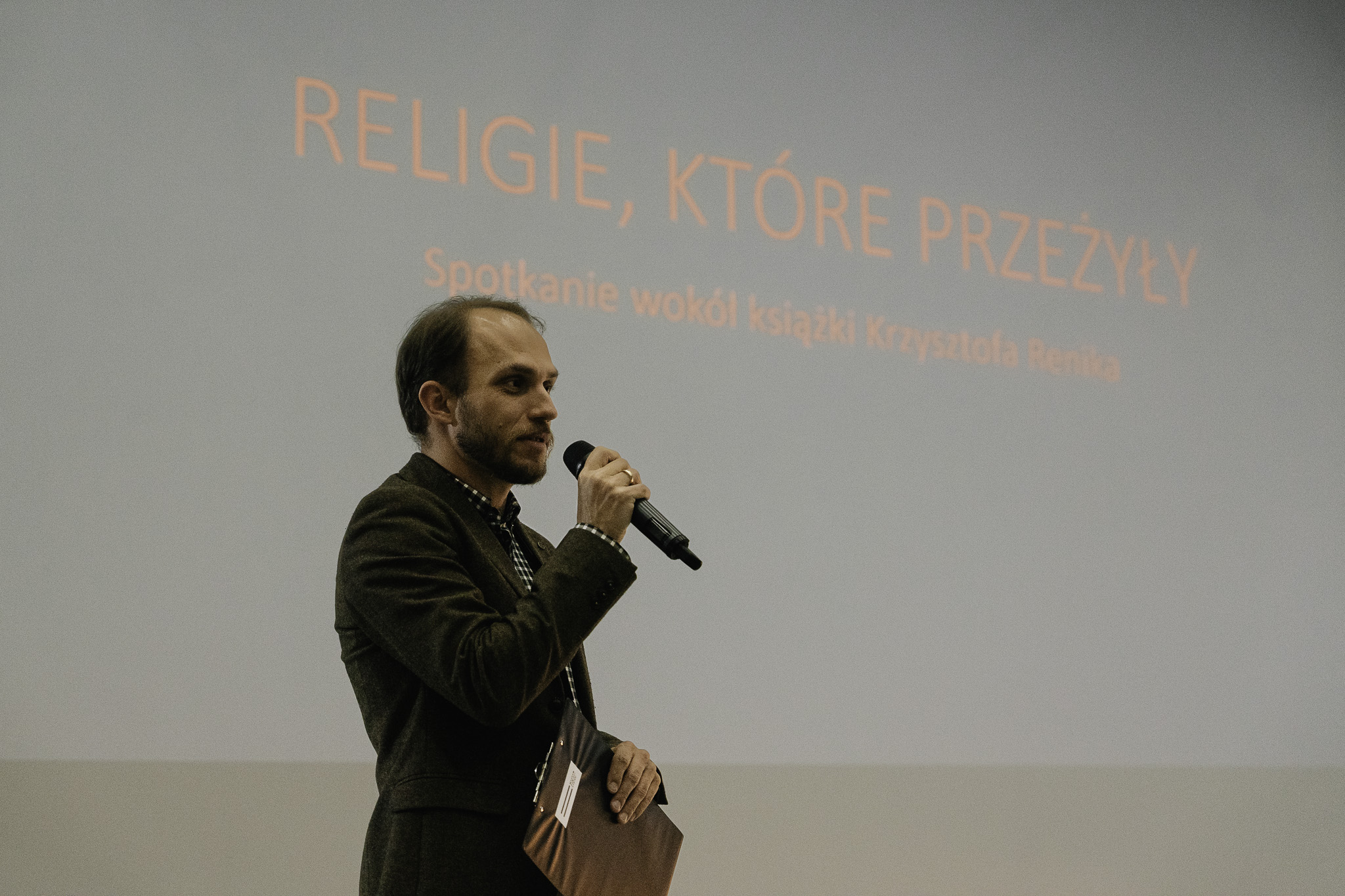
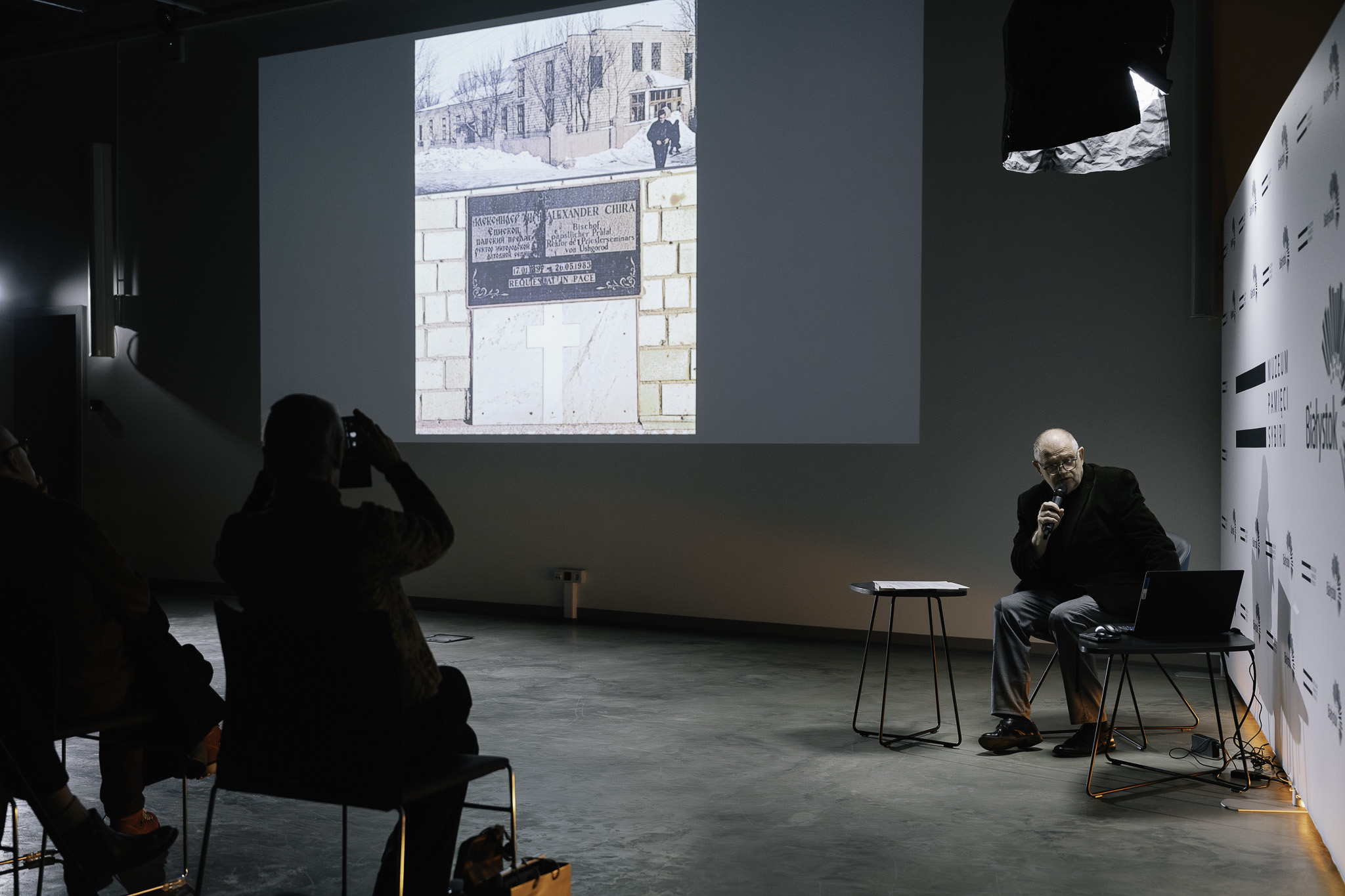
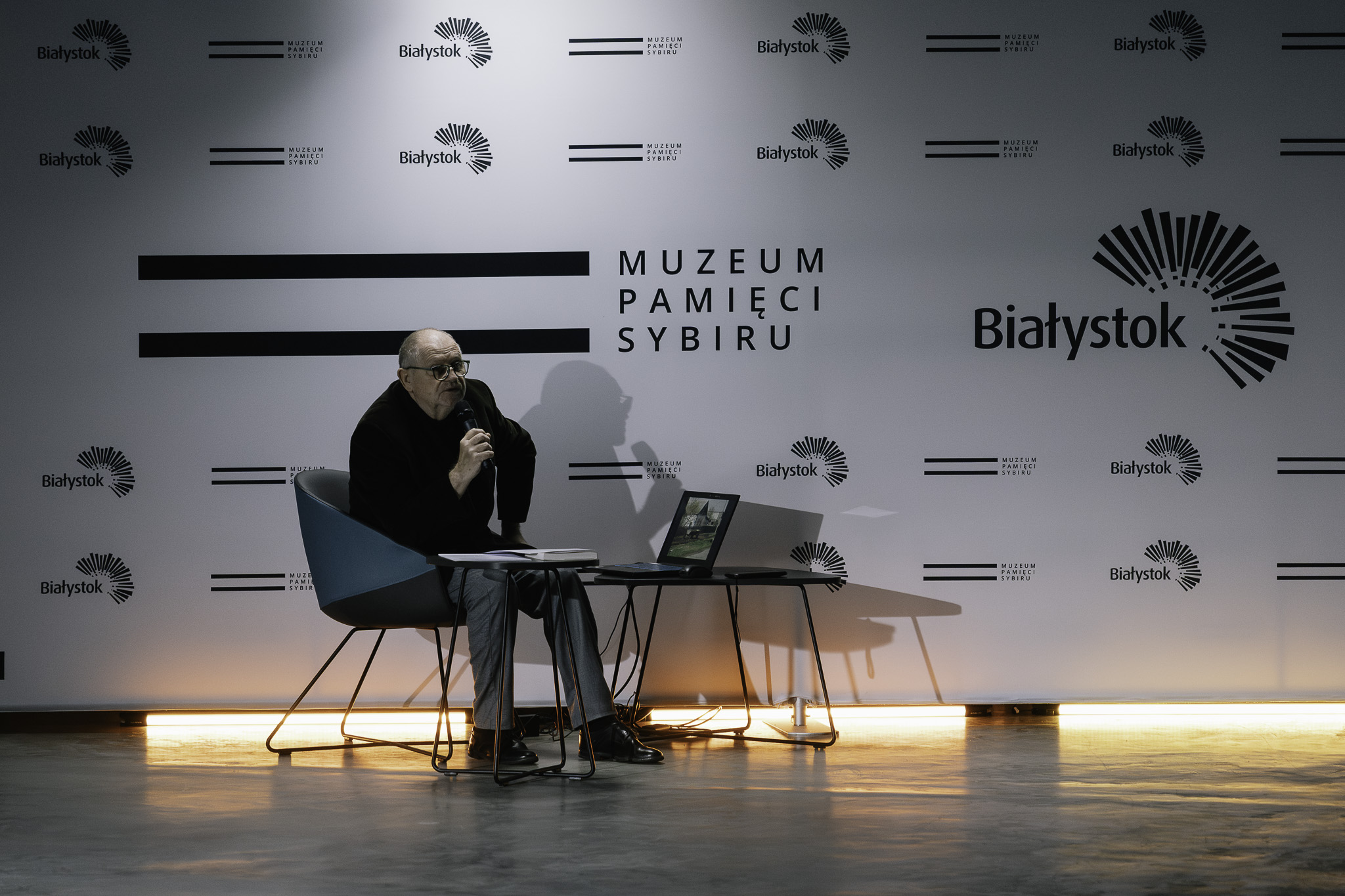
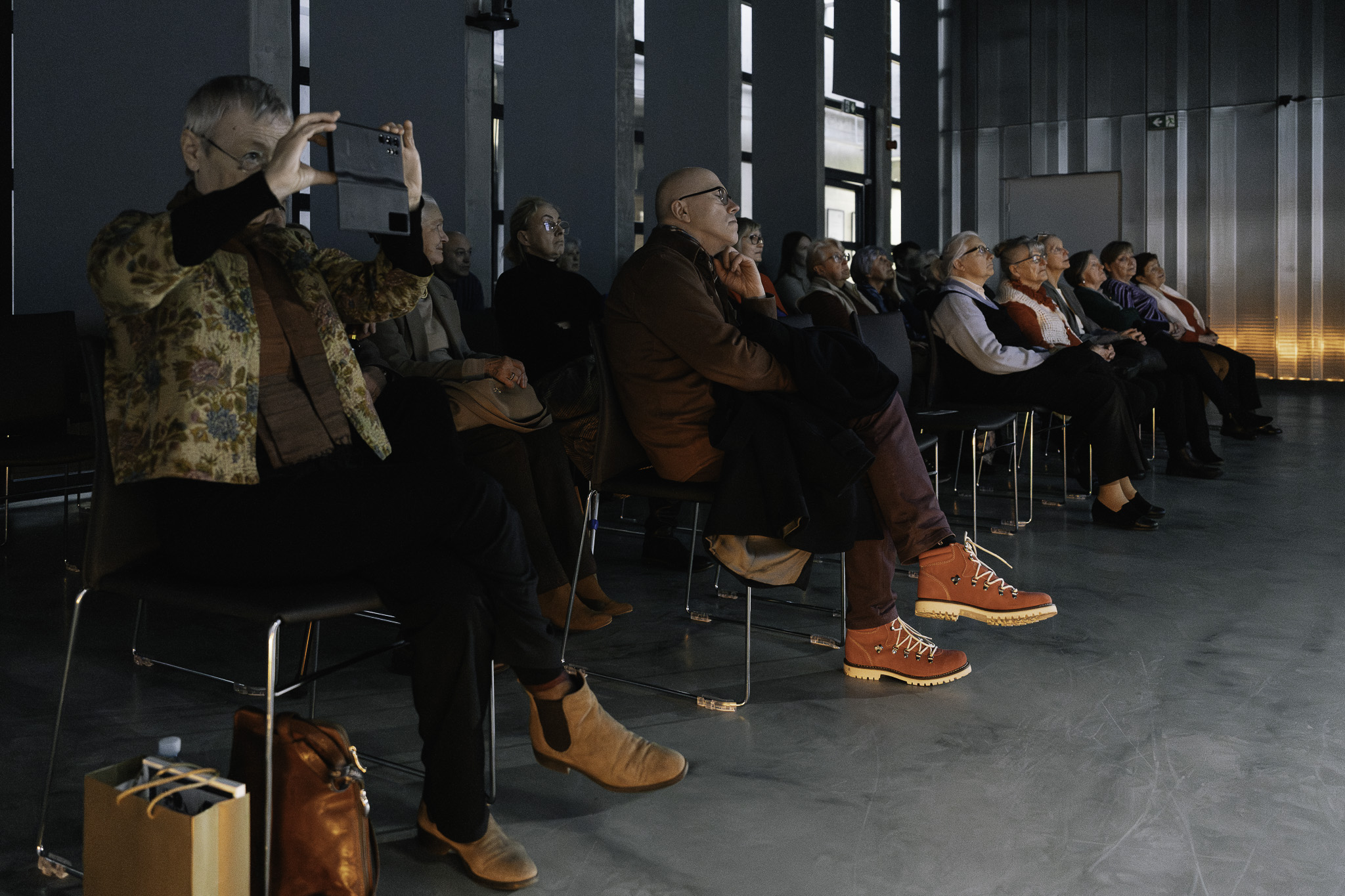
During the meeting, the writer quoted the words of his interviewees who’d spoken about the times of concealing their faith. In Tajikistan, in the years 1992–1993, a representative of Islam told him:
“There were more than 2,700 mosques on Tajikistan’s territory, with at least one clergyman at each. These figures were updated until 1937, when the already limited religious freedom came to an end. At that point, all mosques were closed and clerics were shot or exiled to Siberia – hundreds of them never returned”. The interviewee also referred to his contemporary situation:
“Our Islamic revival, that we are now seeing, did not emerge in a completely empty space. Already in the 1970s, the old ulama began secretly preparing their successors. They met in the dead of night, frequently changed meeting locations, moving from one town to another so the Committee for State Security wouldn’t detect these secret gatherings,” he continued.
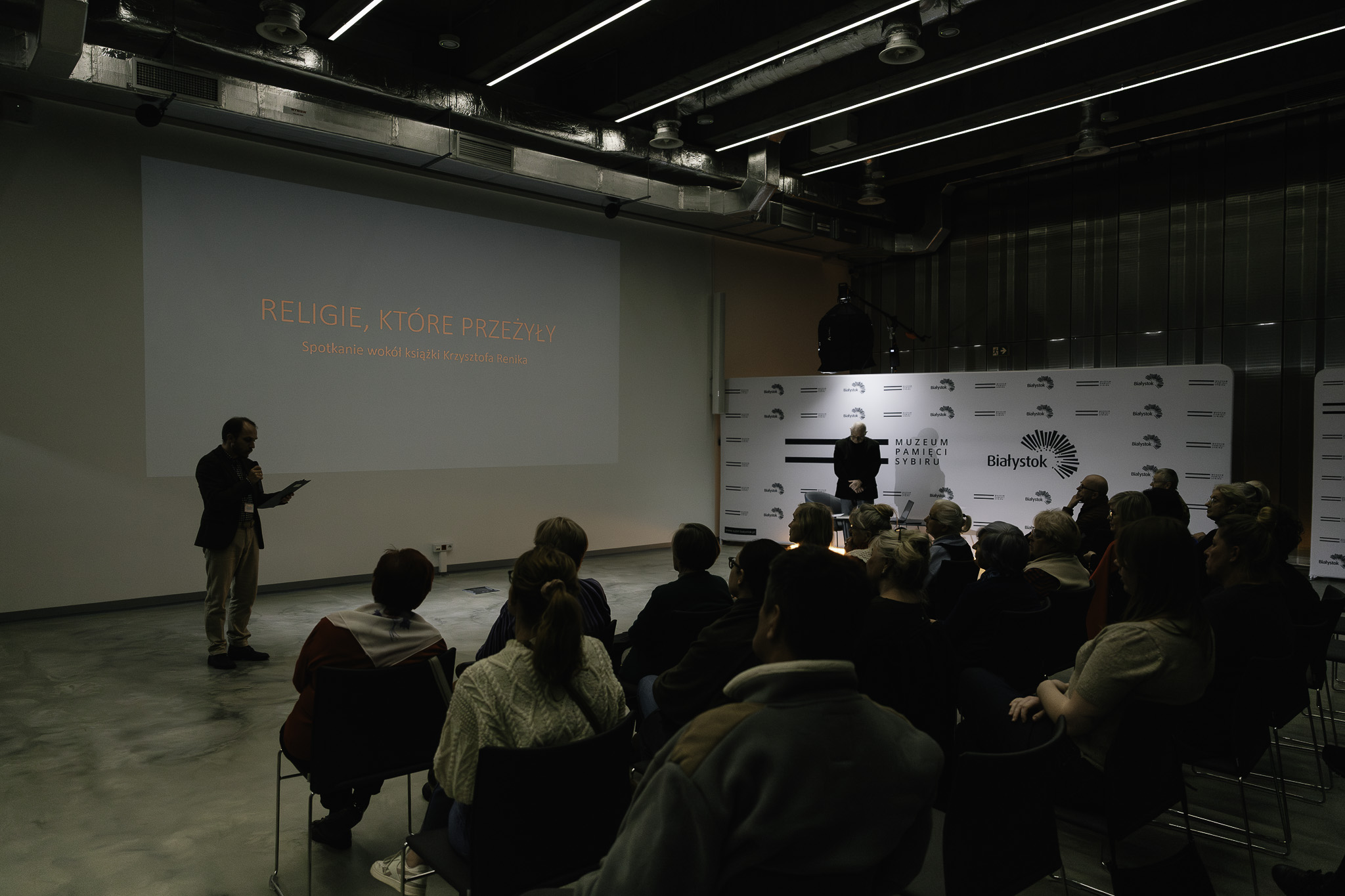
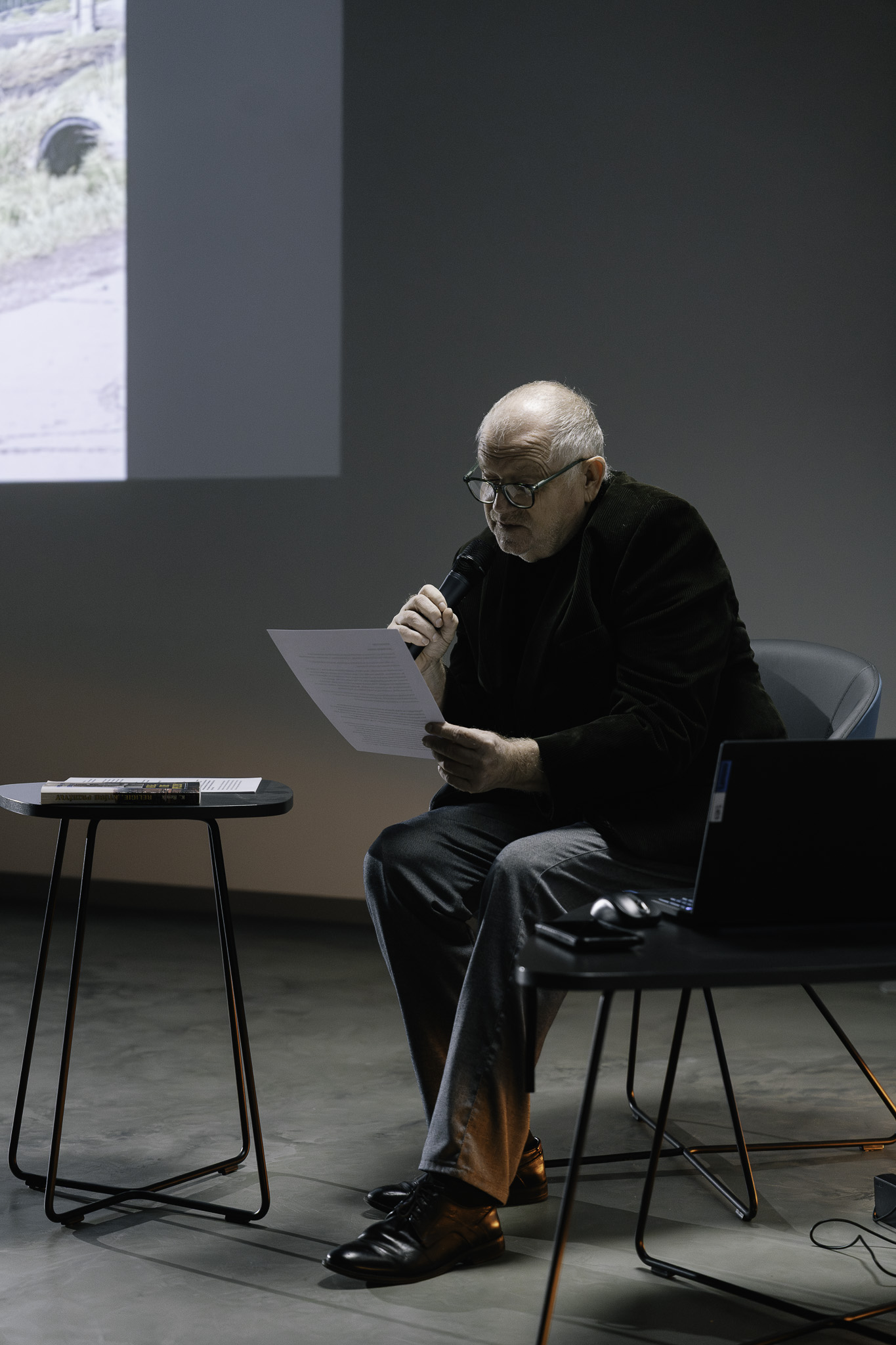
Krzysztof Renik’s stories, accompanied by numerous photos, audio recordings, and interview quotes, allowed the audience to momentarily travel to distant regions of Asia, both in time and space. Referring to the book’s title, one can see that religions survived mainly thanks to small communities that took care to preserve their traditions. It was a very interesting and thought-provoking meeting.
Thank you all for your presence and we invite you to the next event: “Trails in the Taiga. About the Animals of Siberia” – coming up on May 8!