


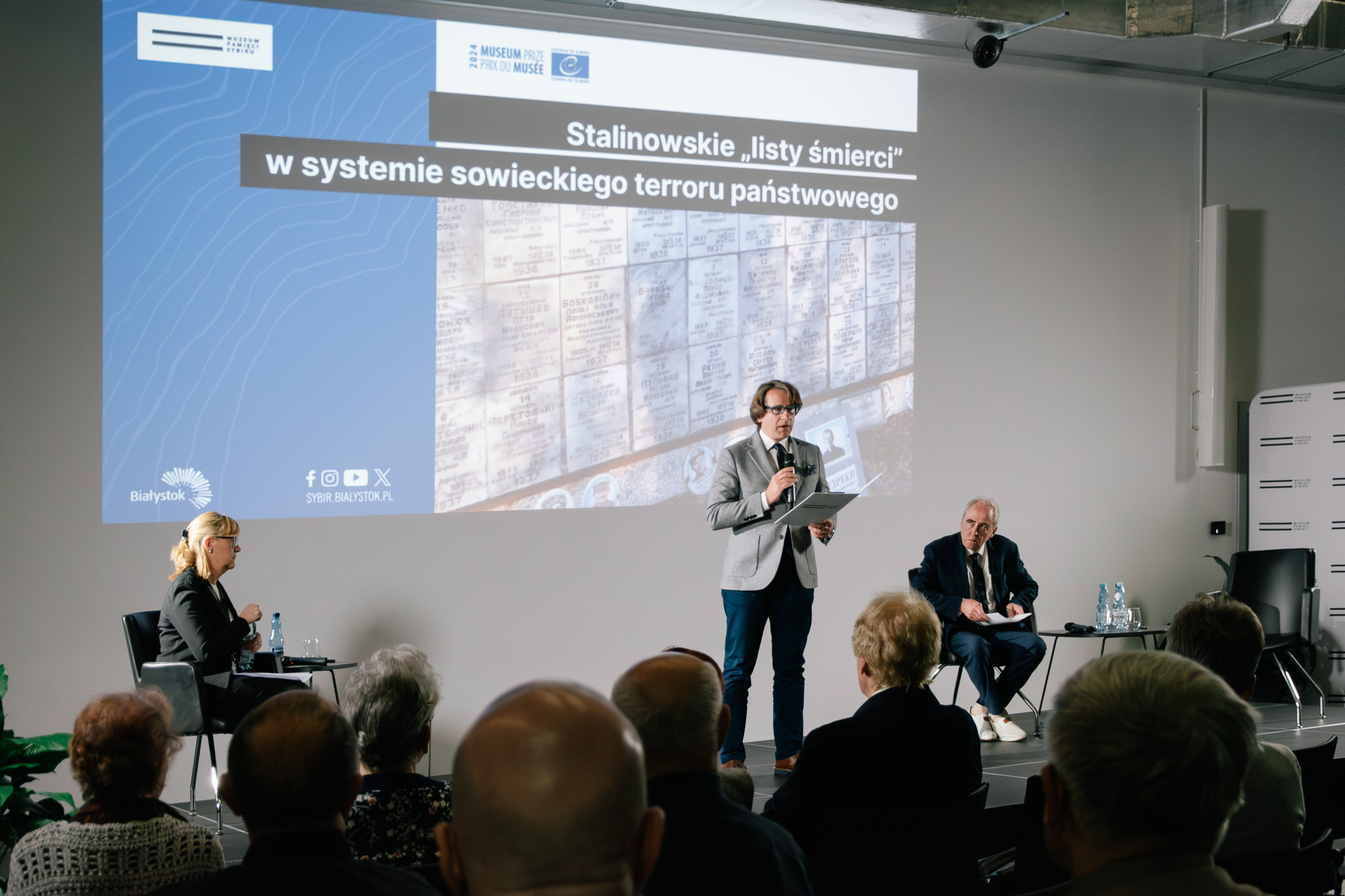
The meeting was chaired by Professor Wojciech Śleszyński, Director of the Sybir Memorial Museum:
“We are participating in a unique event – it is rare to have the opportunity to meet Nobel Prize laureates in Białystok,” he said.
Jan Raczyński is a person with an extremely rich life. A mathematician-programmer by education, he initiated the creation of the only electronic book of remembrance of the victims of political repression. In the 1990s, he actively participated in social missions in war-affected areas such as Artsakh and Transnistria.
In 2022, he received the Nobel Peace Prize awarded to Memorial (along with Belarusian oppositionist Ales Bialiatski and the Ukrainian Center for Civil Liberties) by the Nobel Committee in Stockholm. This occurred despite the Russian authorities’ order to reject the prize.
“There is no other such institution in Poland or the world that has contributed such important contribution to understanding the era of Soviet crimes. Without Memorial’s work, we would be in a completely different place,” emphasized Professor Wojciech Śleszyński during the meeting.
Memorial is an organization especially contributed to Poland as well. Memorial activist and Chairman of its Polish Commission – Aleksander Gurjanov, described the process of deportations, being a co-editor and co-author of a series of several dozen volumes of the Index of the Repressed, containing thousands of names of people deported and imprisoned in labor camps. Nikita Petrov wrote biographies of Stalinist executioners, including the perpetrators of the Katyn Massacre and those responsible for the Polish Operation of the NKVD. Thanks to his work, we know more details about the Augustów Roundup. No other institution has made a number of findings on the subject of Stalinist crimes.
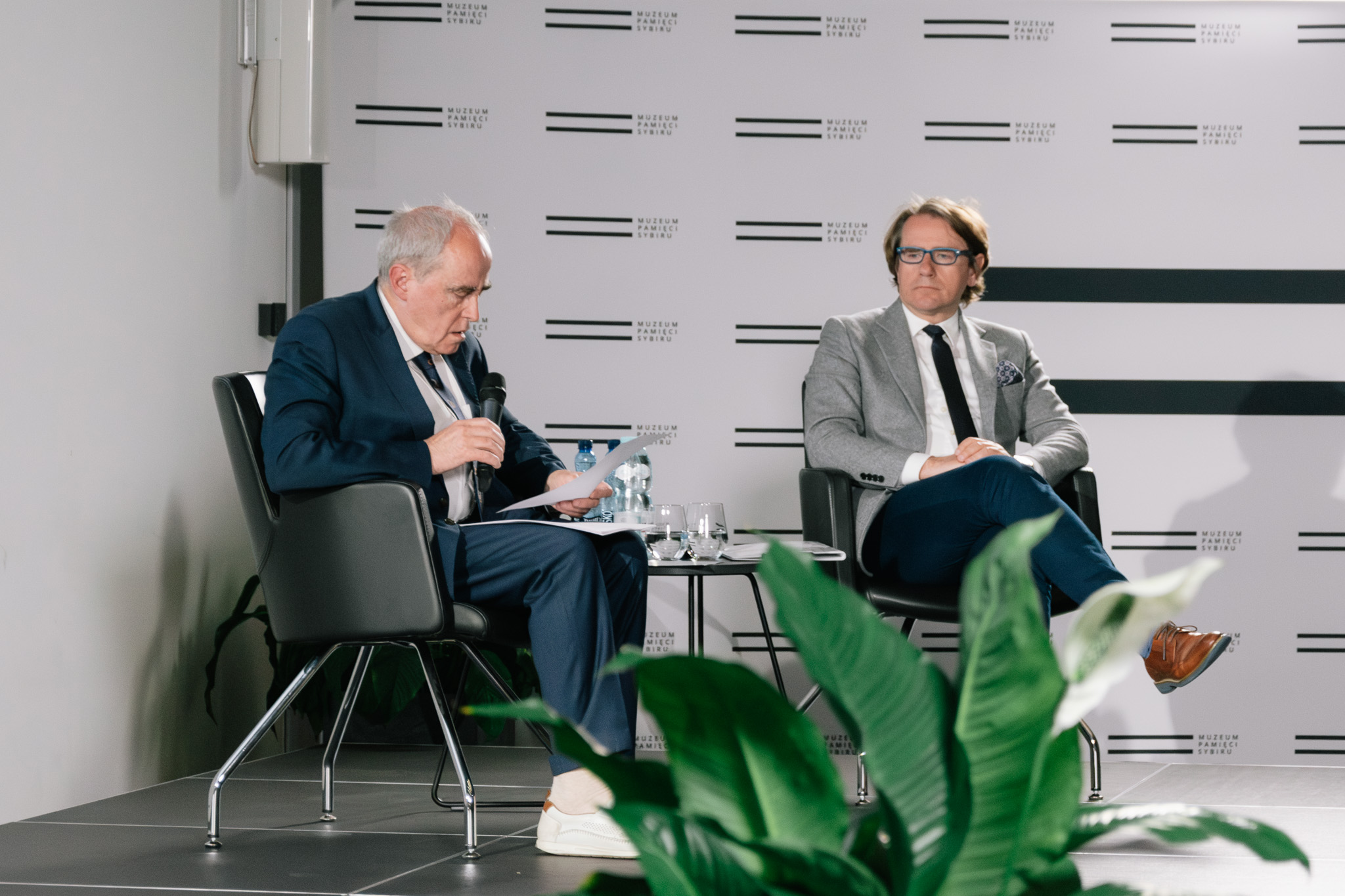
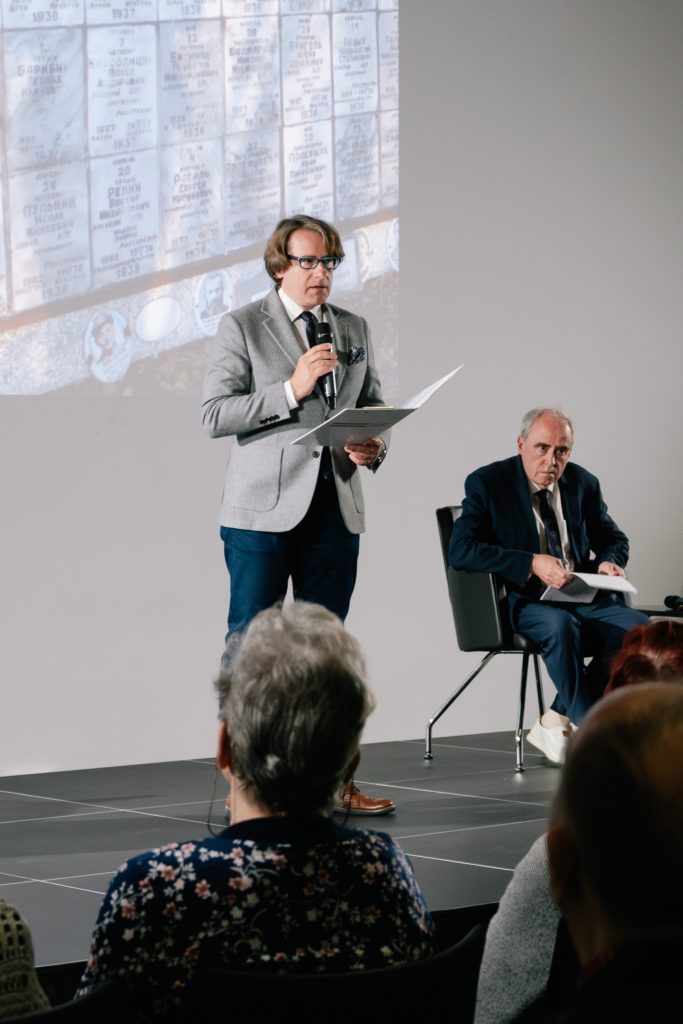
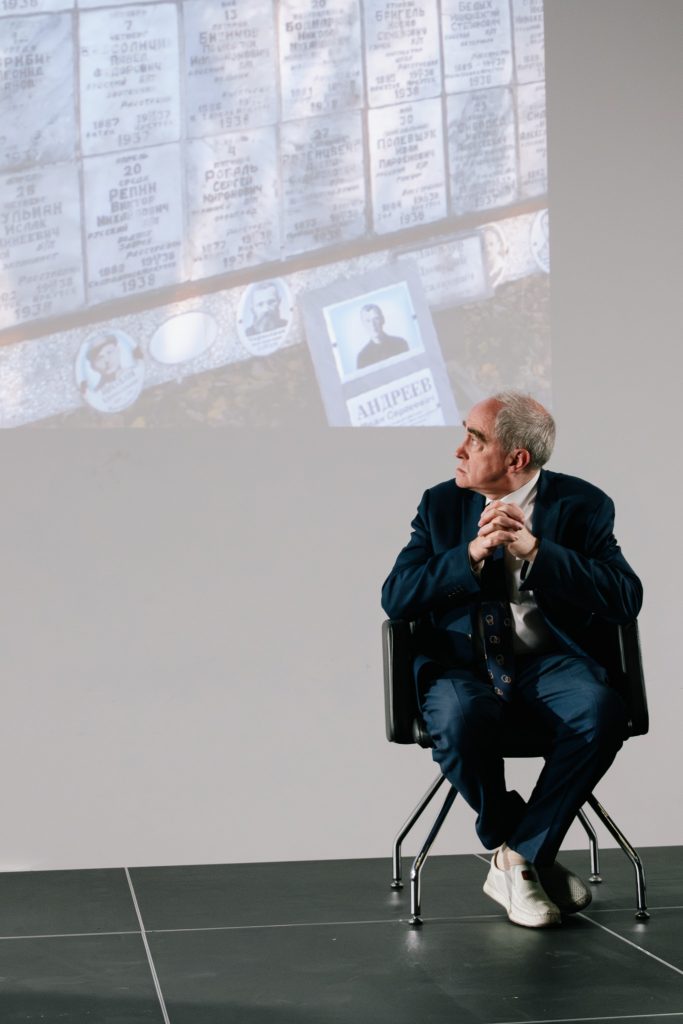
The Chairman of Memorial, Jan Raczyński, delivered a lecture titled “Stalinist ‘Death Lists’ in the Soviet State Terror System.” He talked about the lists of names of people sentenced to death during the Great Terror in the Soviet Union even before formal court hearings took place.
The guest began his lecture by recalling Khrushchev’s speech in 1956 at the 20th Congress of the Communist Party, in which Stalinist death lists were publicly mentioned for the first time. In 1937–1938, Stalin received 383 lists containing the names of thousands of people designated for execution. The lists were drawn up by central and regional structures of the NKVD. The lists contained the names of people who were to be sentenced to death — by shooting or long-term imprisonment. Decisions to place individuals on the lists were often based on false accusations of anti-state activities, belonging to fictitious anti-Soviet organizations, or even having relatives abroad. Raczyński emphasized that behind Khrushchev, who was delivering the speech, sat people who not only knew about the lists but also signed them alongside Stalin. The highest party authorities, including Vyacheslav Molotov, Lazar Kaganovich, Kliment Voroshilov, Andrey Zhdanov, and Anastas Mikoyan, were involved in creating and approving the lists. Stalin personally approved the lists and added his signatures which proves the direct involvement of the highest authorities in repression.
Khrushchev’s speech remained a top secret for a very long time, and the lists were mentioned only twice during subsequent intra-party struggles. It was not until 1988 that the lists stored in the Presidential Archive were declassified, which allowed it to be studied.
In 2002, Memorial, together with the Presidential Archive, published the lists on a CD, and then made them available on the Internet at stalin.memo.ru. Although the names from the lists have become known, many documents necessary for researchers, related to their preparation and execution mechanisms remain unavailable to this day. Despite this, much has been achieved.
In his speech, Raczyński also presented the procedure for creating the lists and who was included in them. He pointed out that among the figureheads of Stalinist lists there were at least 750 Poles, which is a significant number in the context of the general population of the USSR and which emphasizes the particular severity of Stalinist repressions against national minorities. The speaker mentioned that 47 people from Białystok and the Białystok district were on the “death lists”. The lecture ended with a reminder that although many of the names on the lists have become known, many documents necessary for researchers remain unavailable to this day.
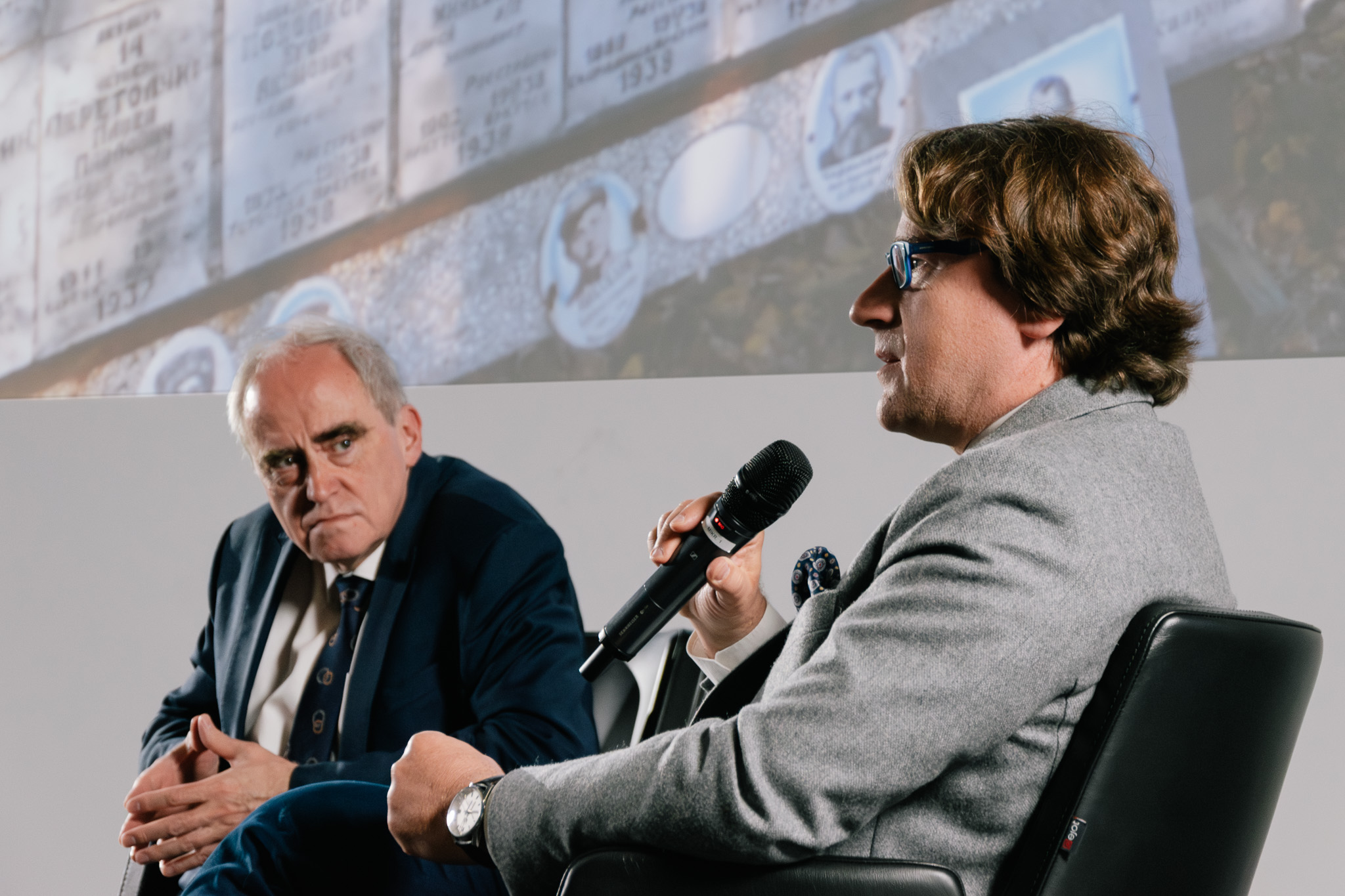
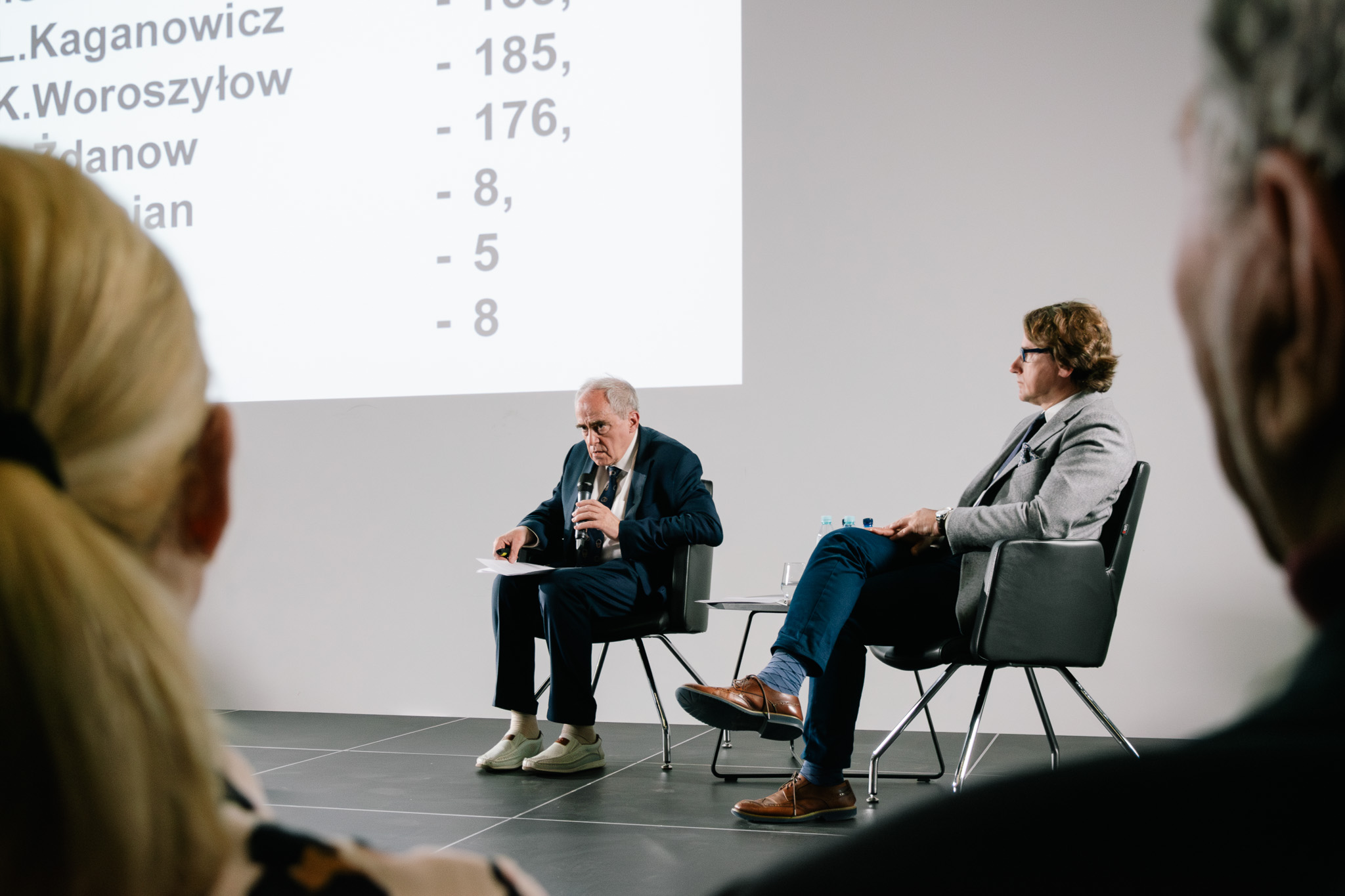
The meeting at the Sybir Memorial Museum was unique and aroused many emotions. Participants had the opportunity to listen to a person who not only witnesses history, but also actively fights for truth and justice. Jan Raczyński and his work in the Memorial Association are an example of tenacity in striving to discover and commemorate historical truth, which is extremely important both for Poland and the whole world.
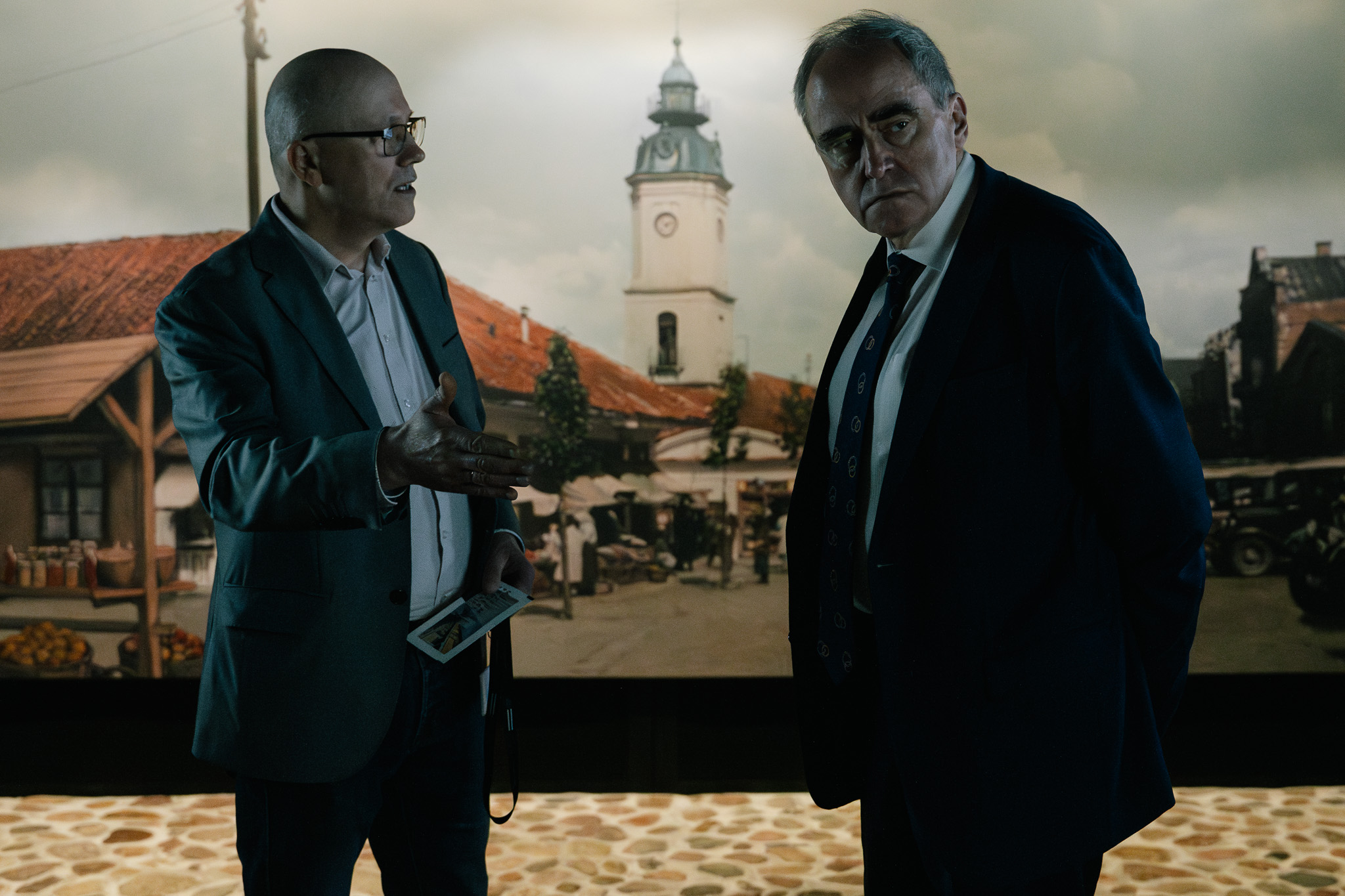
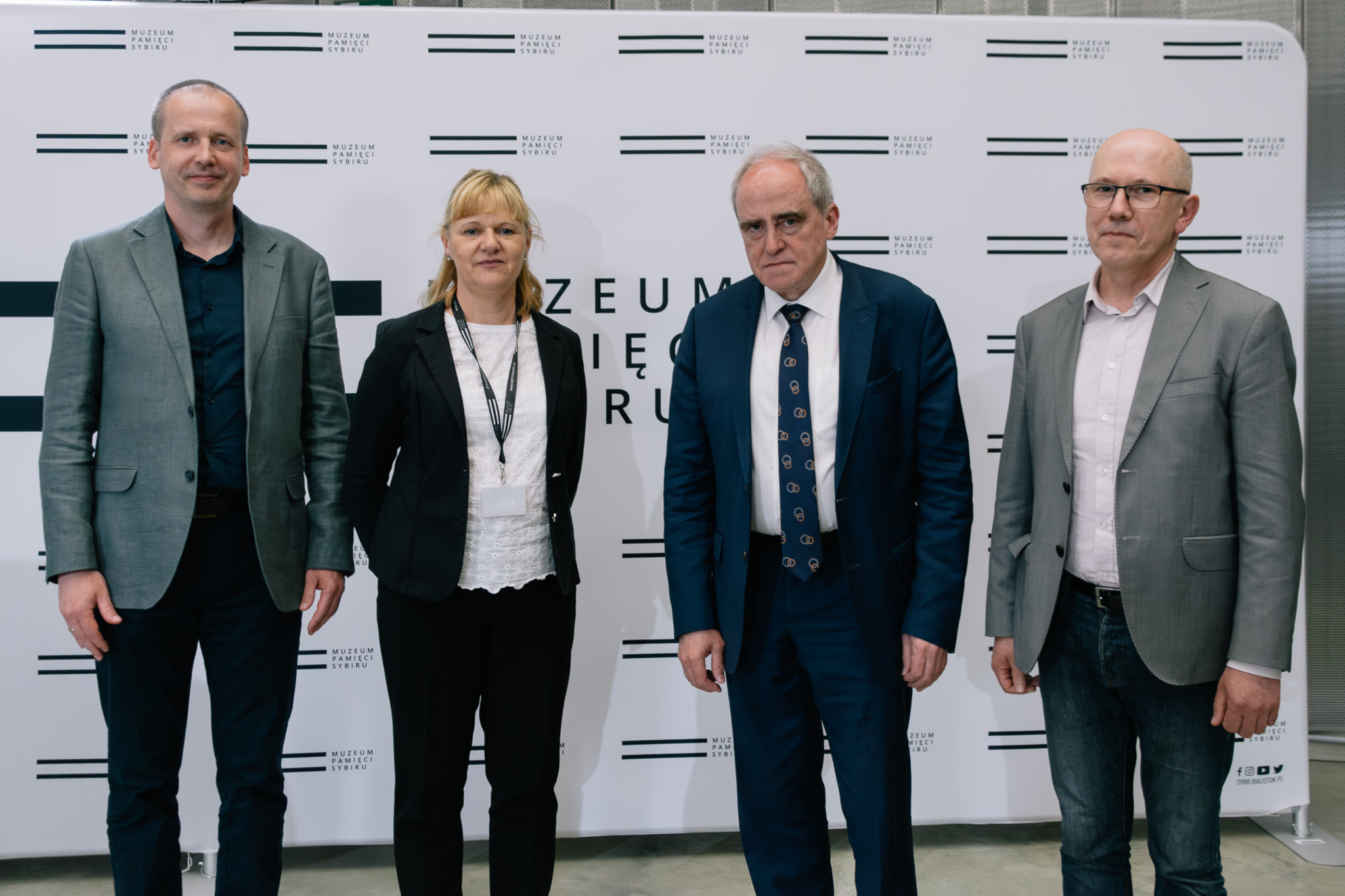
The evening meeting at the Sybir Memorial Museum was attended by, among others: Jolanta Hryniewicka Jolanta Hryniewicka – President of the Białystok Branch of the Association of Siberian Deportees, Professor Jolanta Muszyńska – Vice-Rector for Student Affairs at the University of Białystok, Anna Pieciul – Head of the Culture Department of the Białystok City Hall, Jerzy Bołtuć – Chairman of the Podlasie Association of Memory of Siberian Exiles and Provincial Governor for War Veterans and Victims of Oppression and Tadeusz Mosiek – Representative of the Białystok Board of Education.