



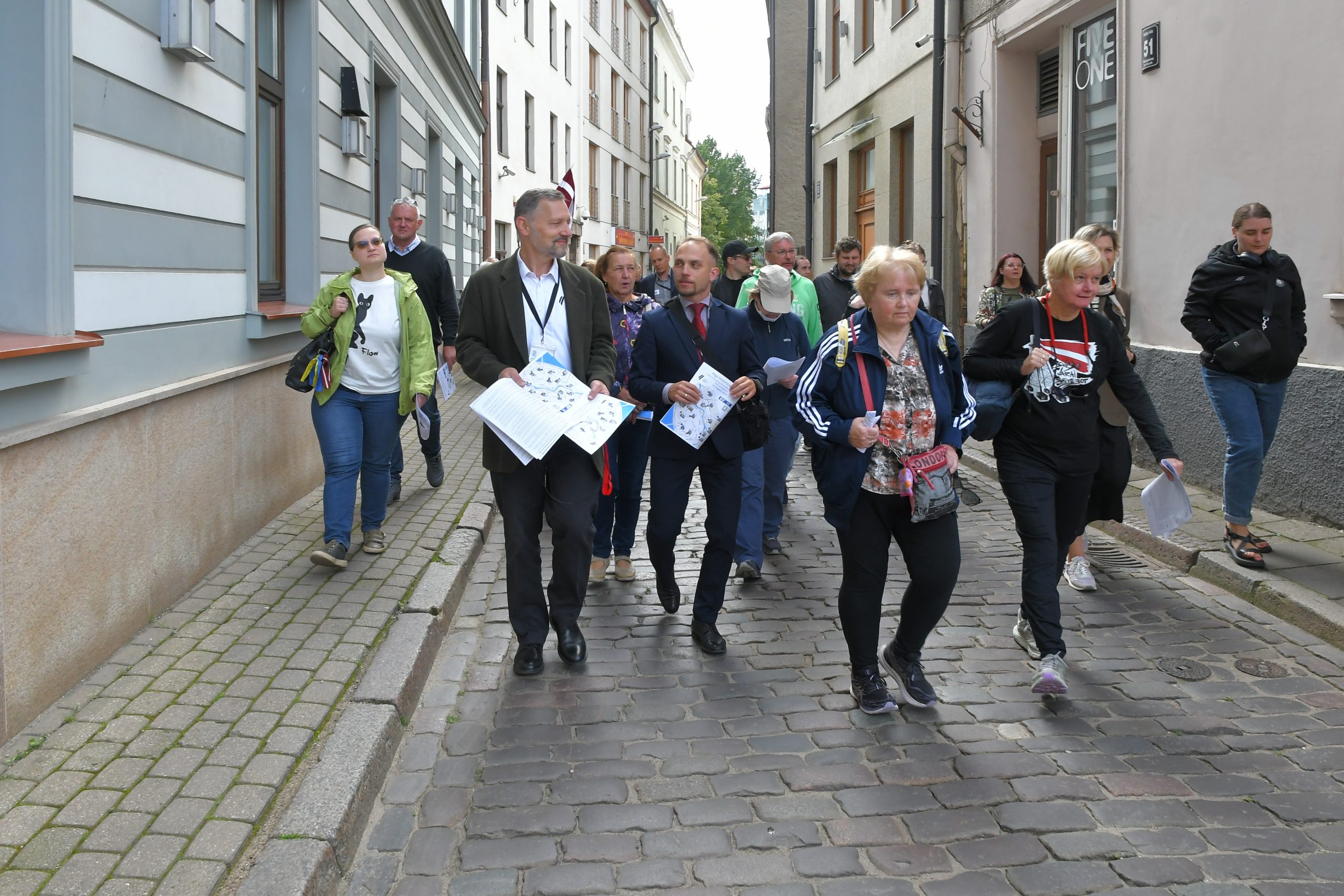
This year’s Memorial Peloton is being held in four countries across Central and Eastern Europe. The first event took place in Riga on August 21, 2025. The date is symbolic—exactly 34 years earlier, in 1991, Latvians declared the restoration of their independence after more than four decades of Soviet occupation.
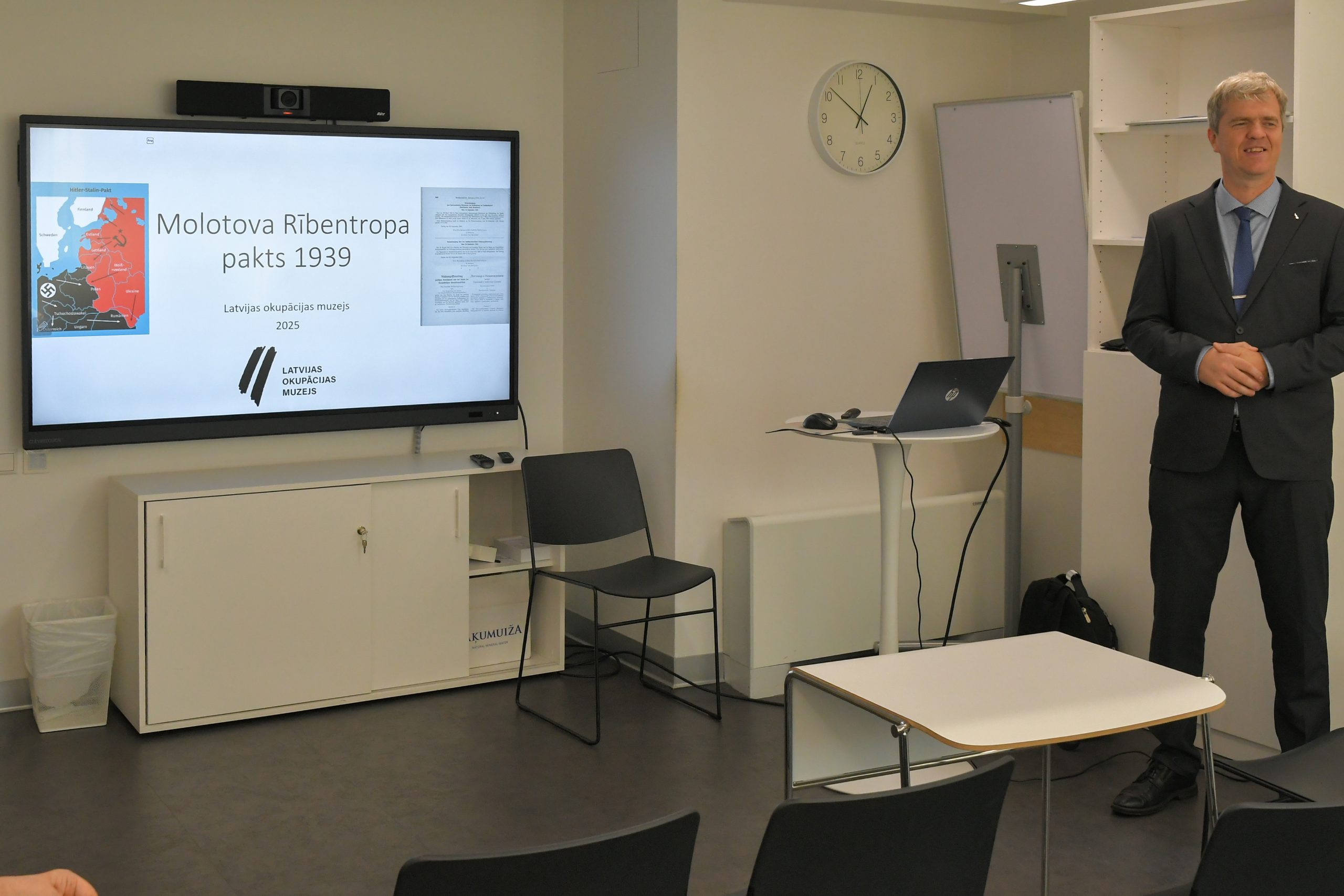
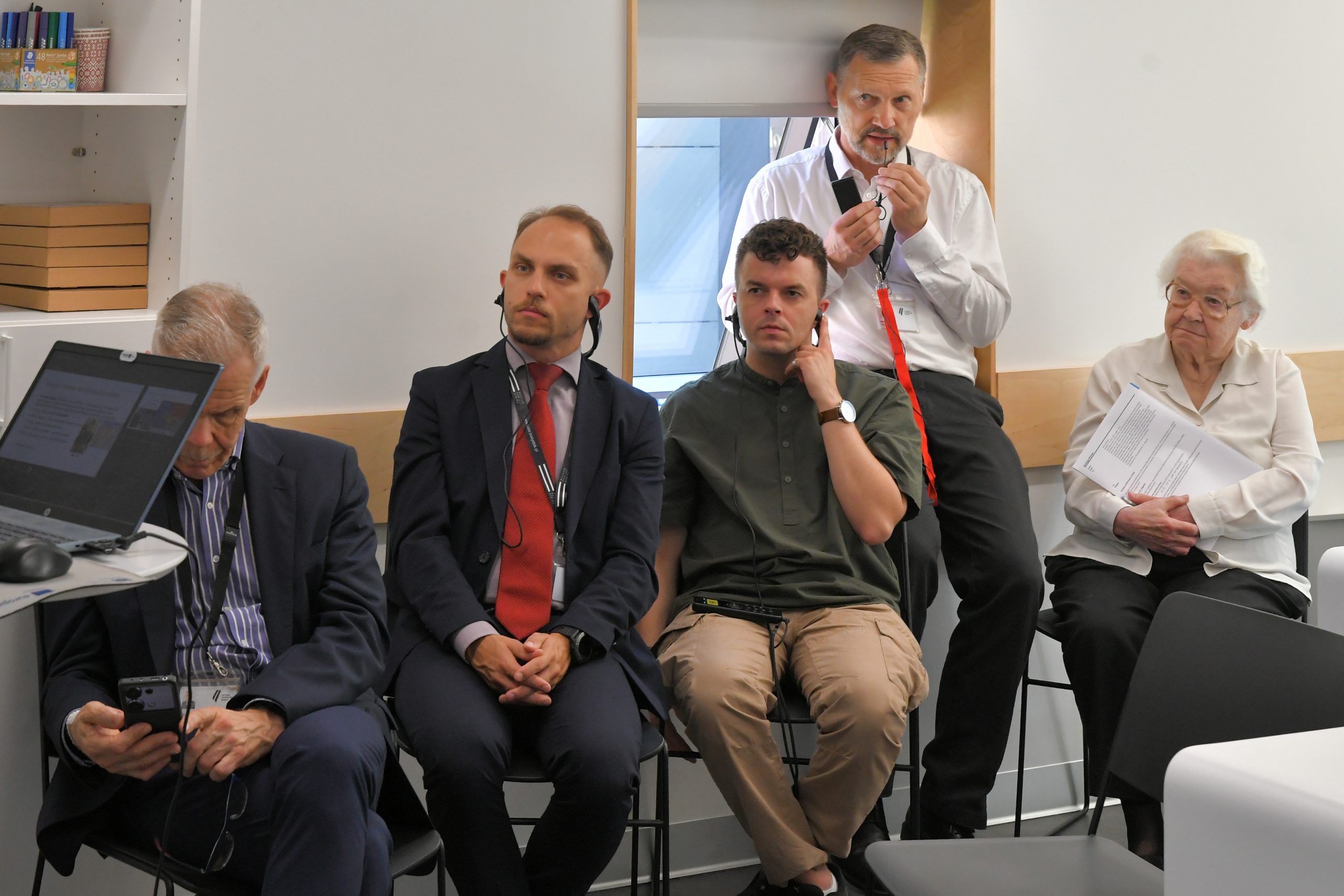
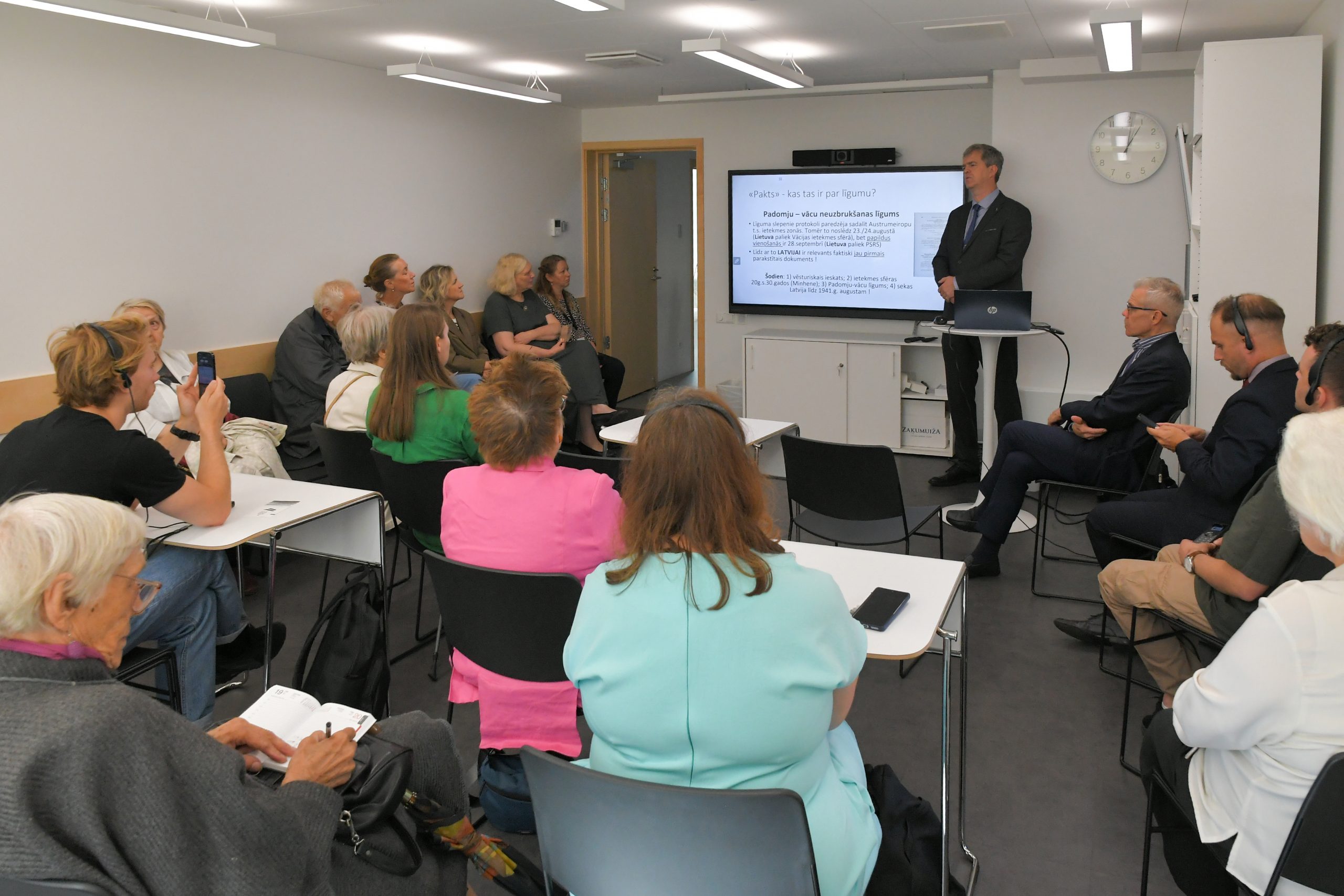
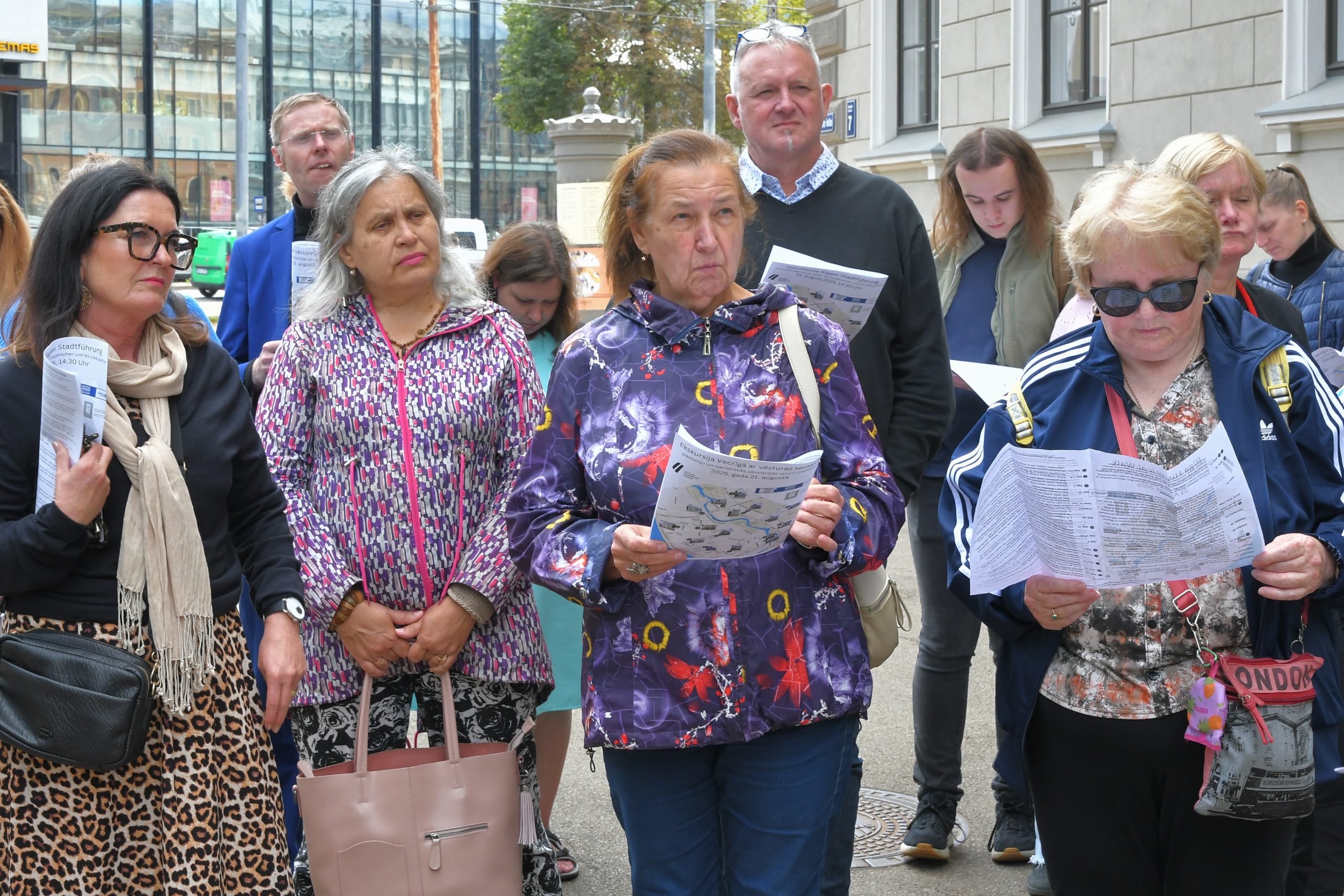
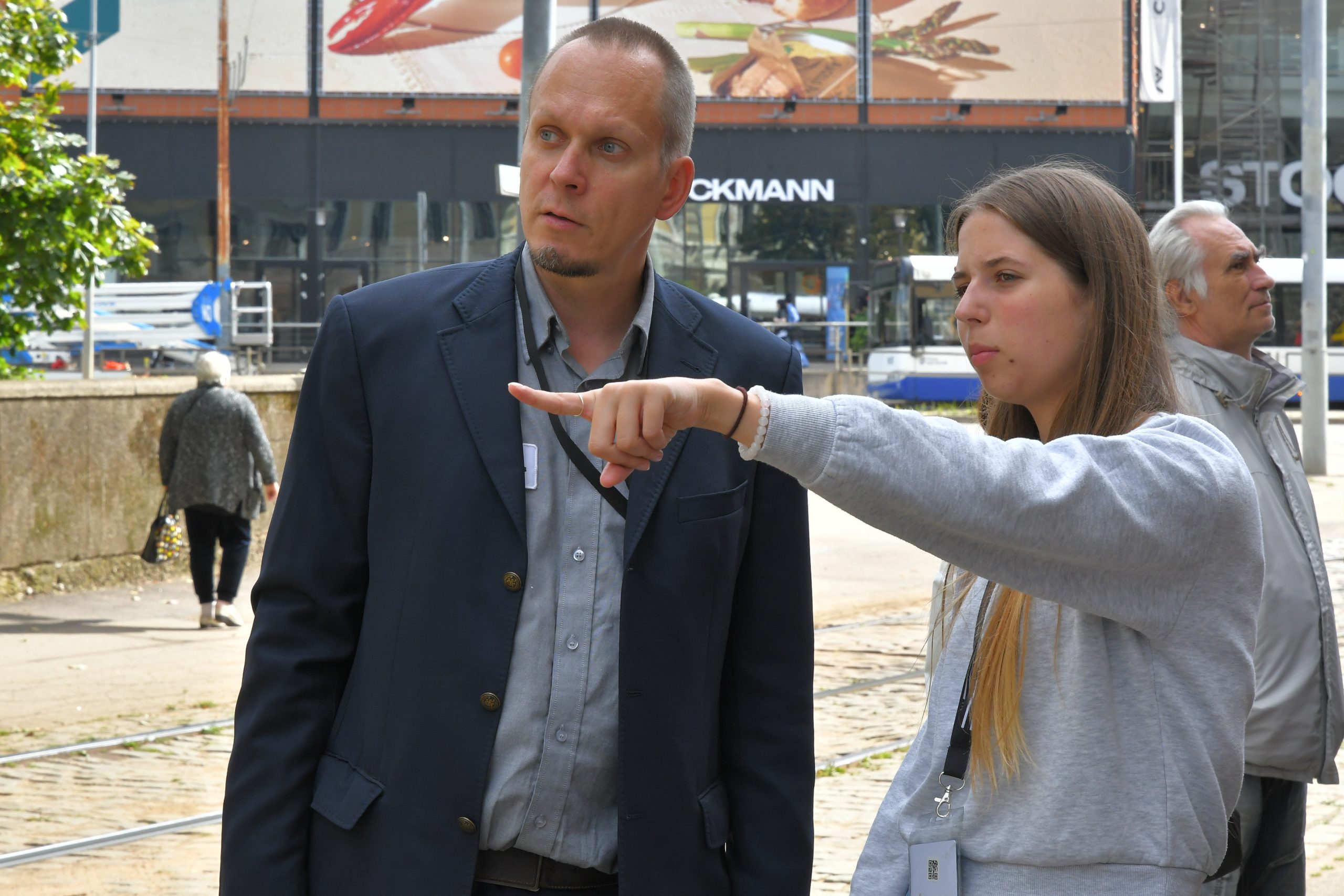
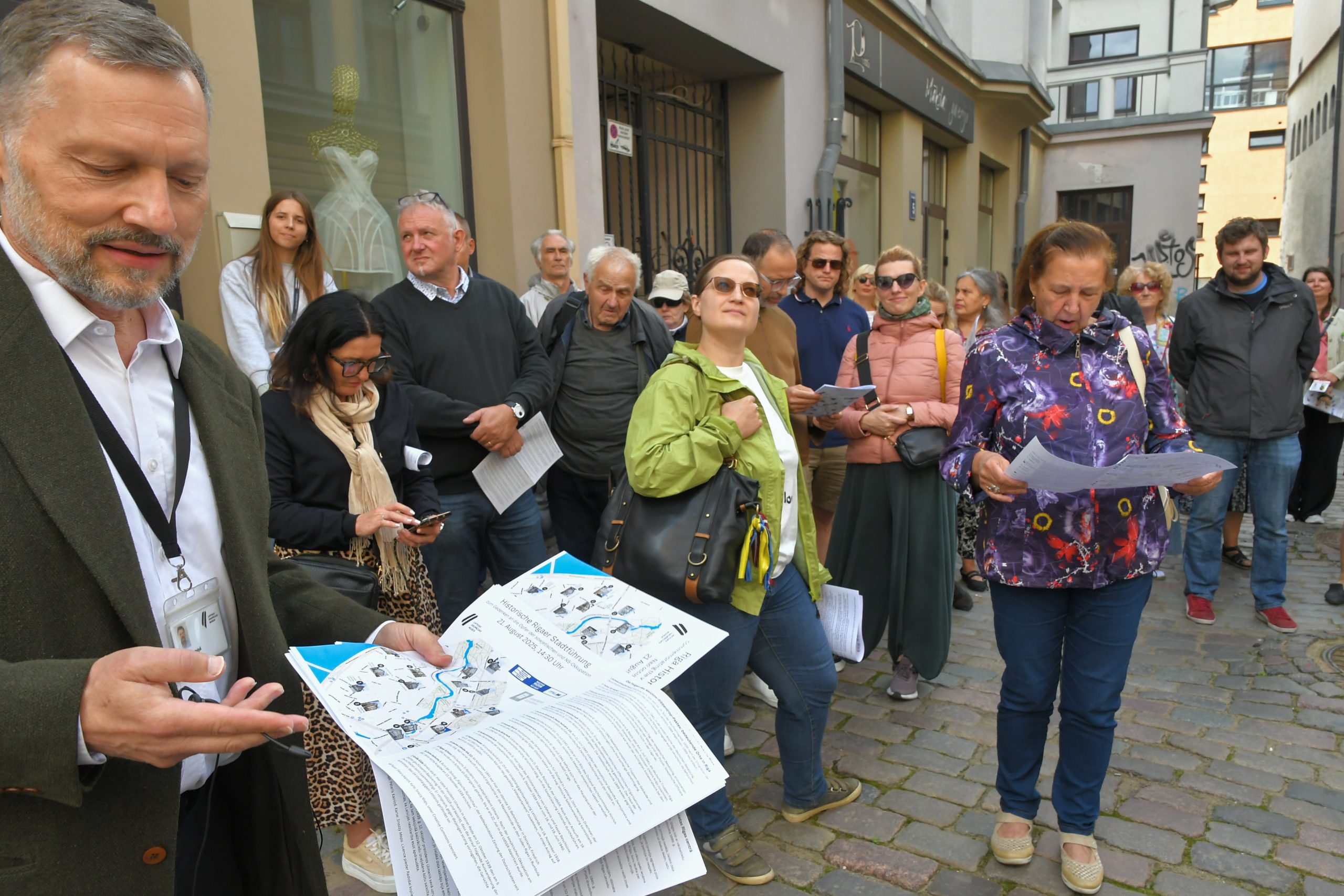
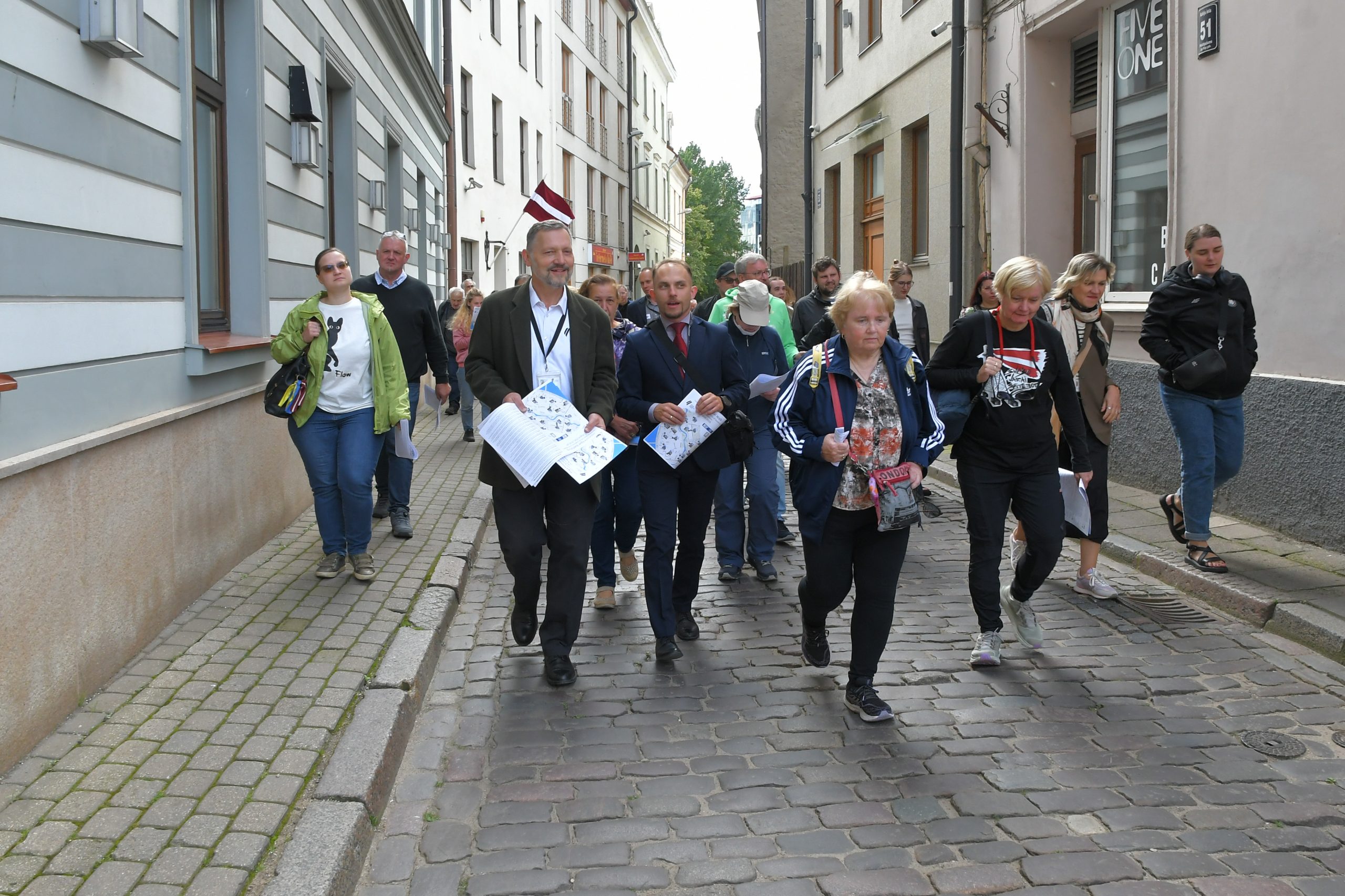
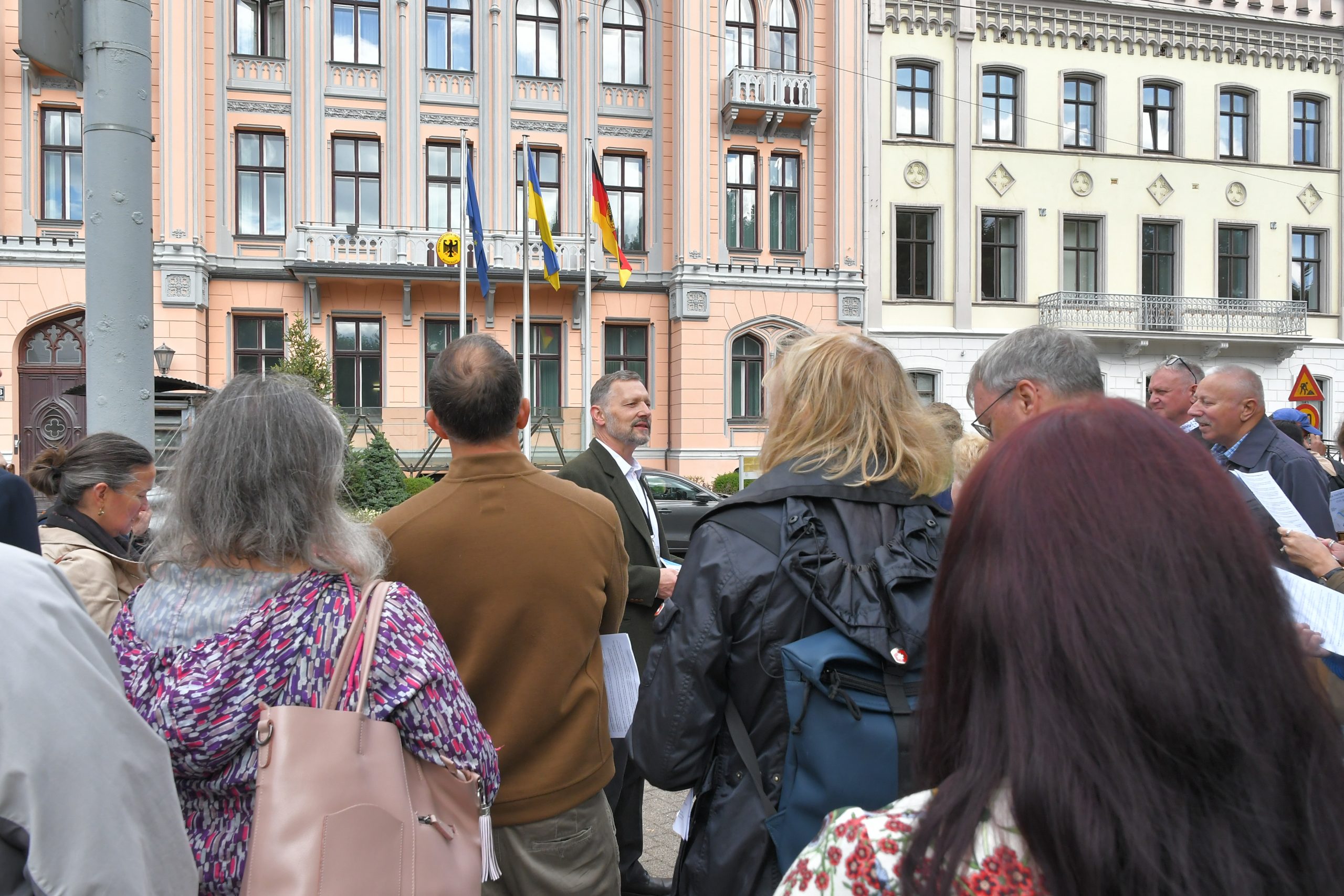
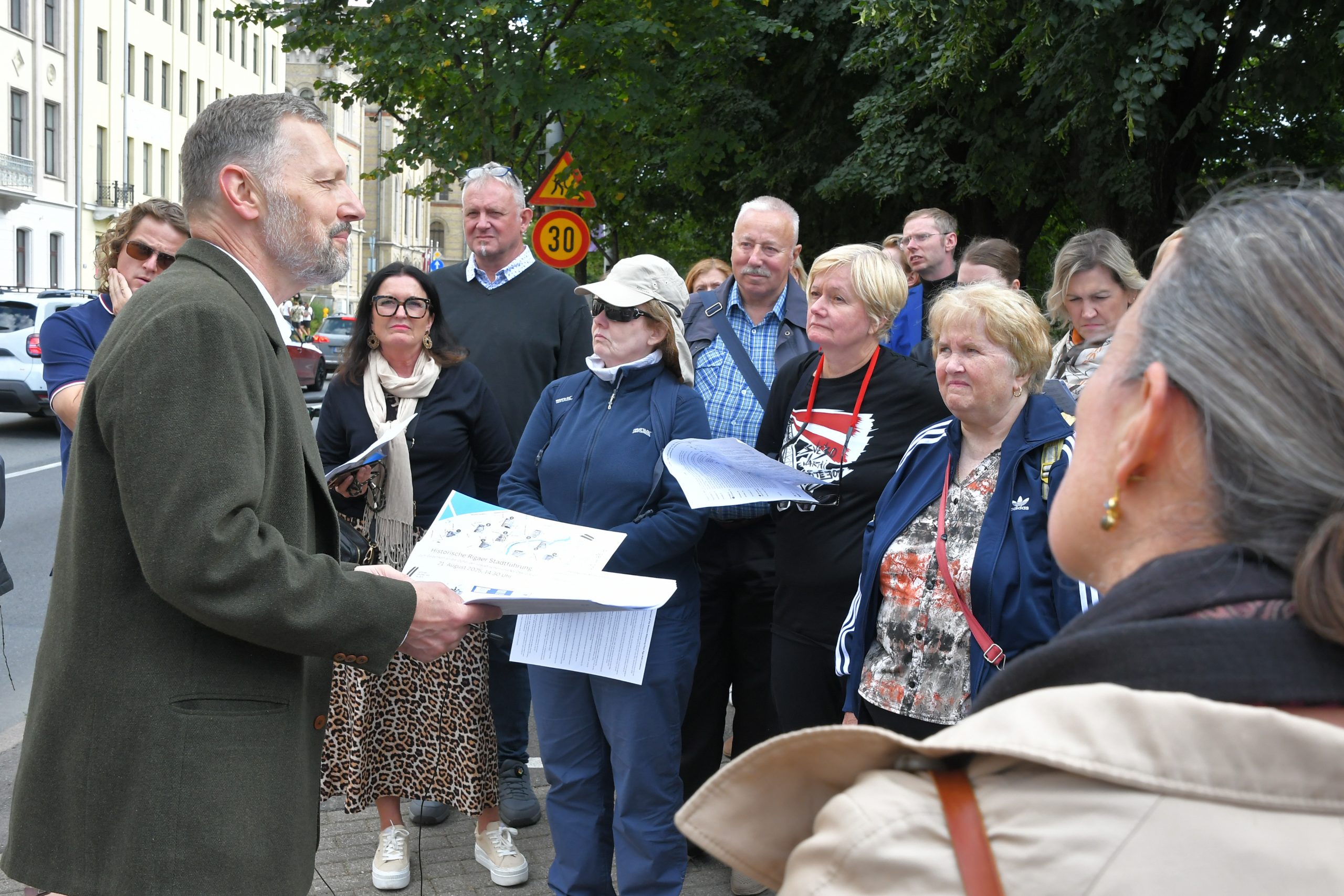
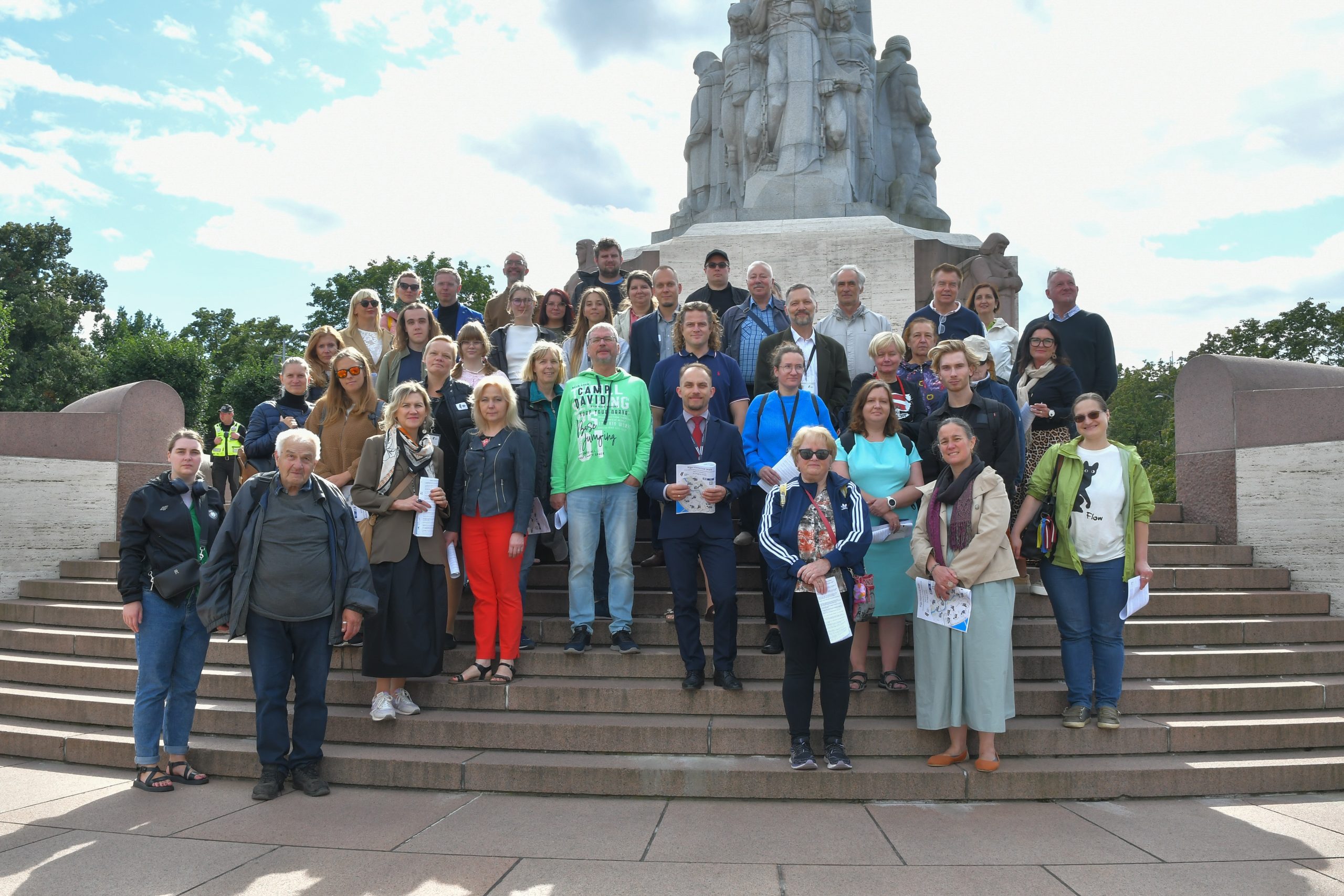
For the third time, the Sybir Memorial Museum and the Museum of the Occupation of Latvia jointly organized a historical walk through Riga’s Old Town. Nearly 50 participants first listened to short lectures by two historians, Gints Apals, PhD and Edvīns Evarts, PhD, who presented Latvia’s fate in the context of European history in the 1930s and 1940s, as well as the post-war period under Soviet occupation.
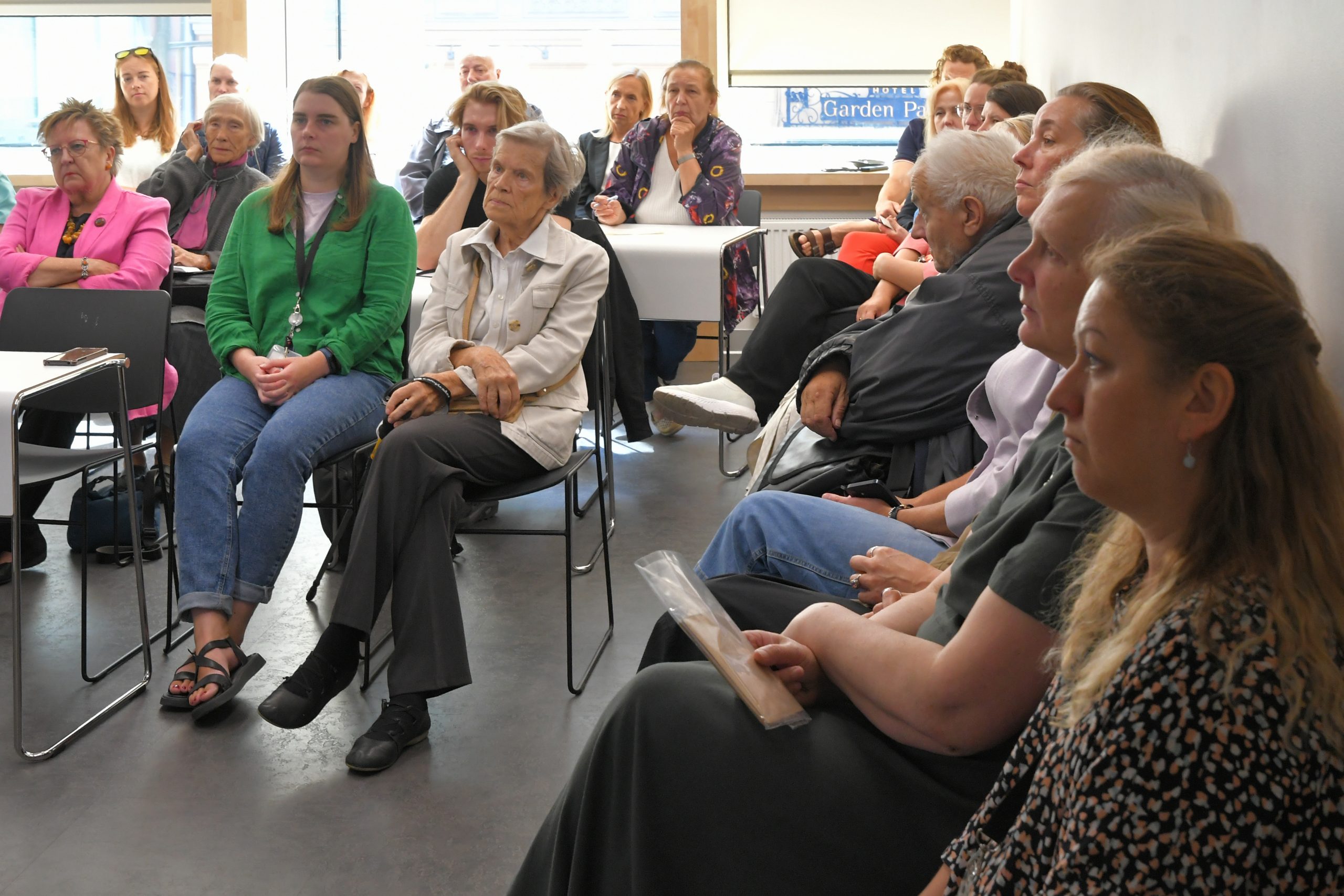
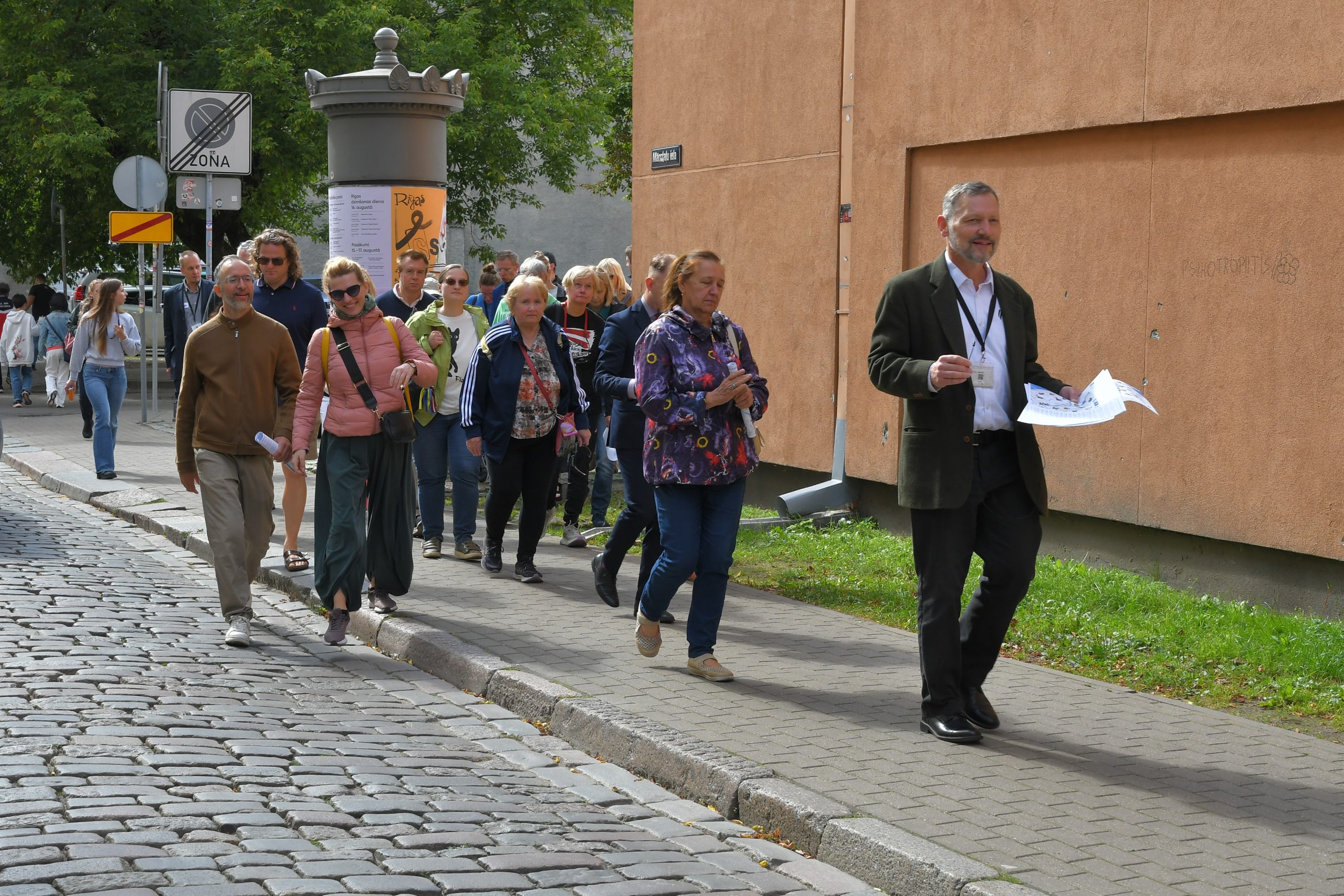
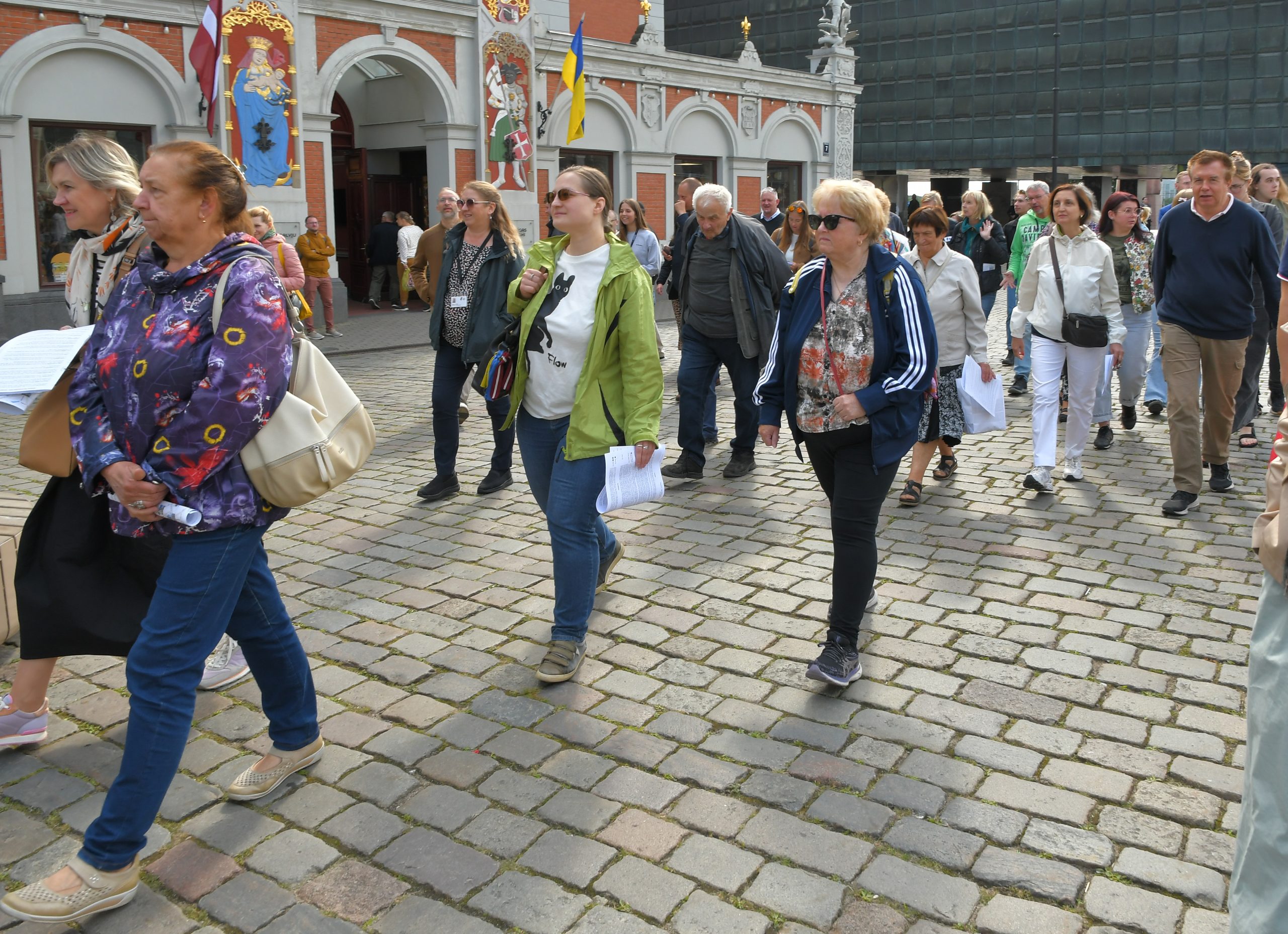
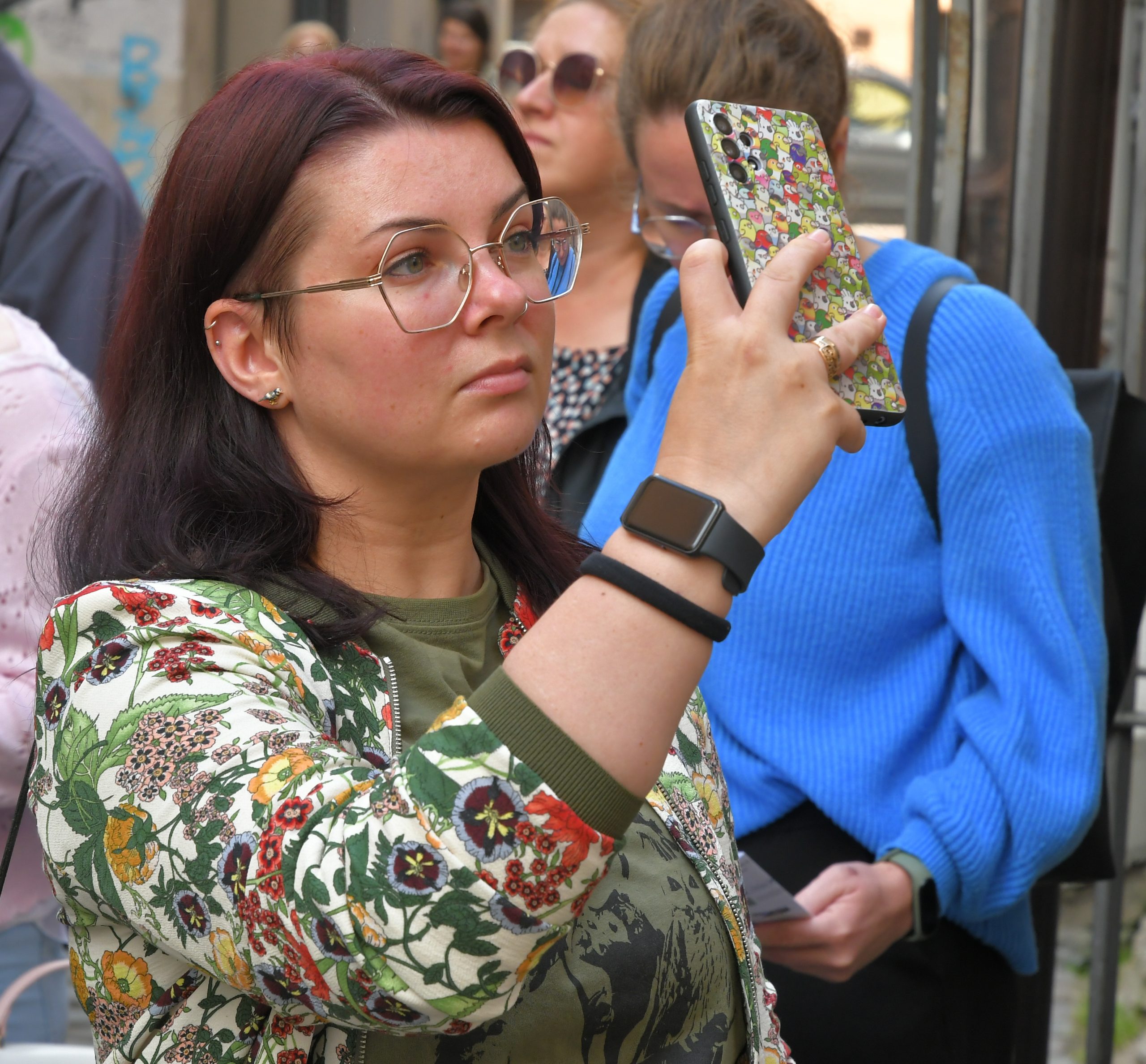
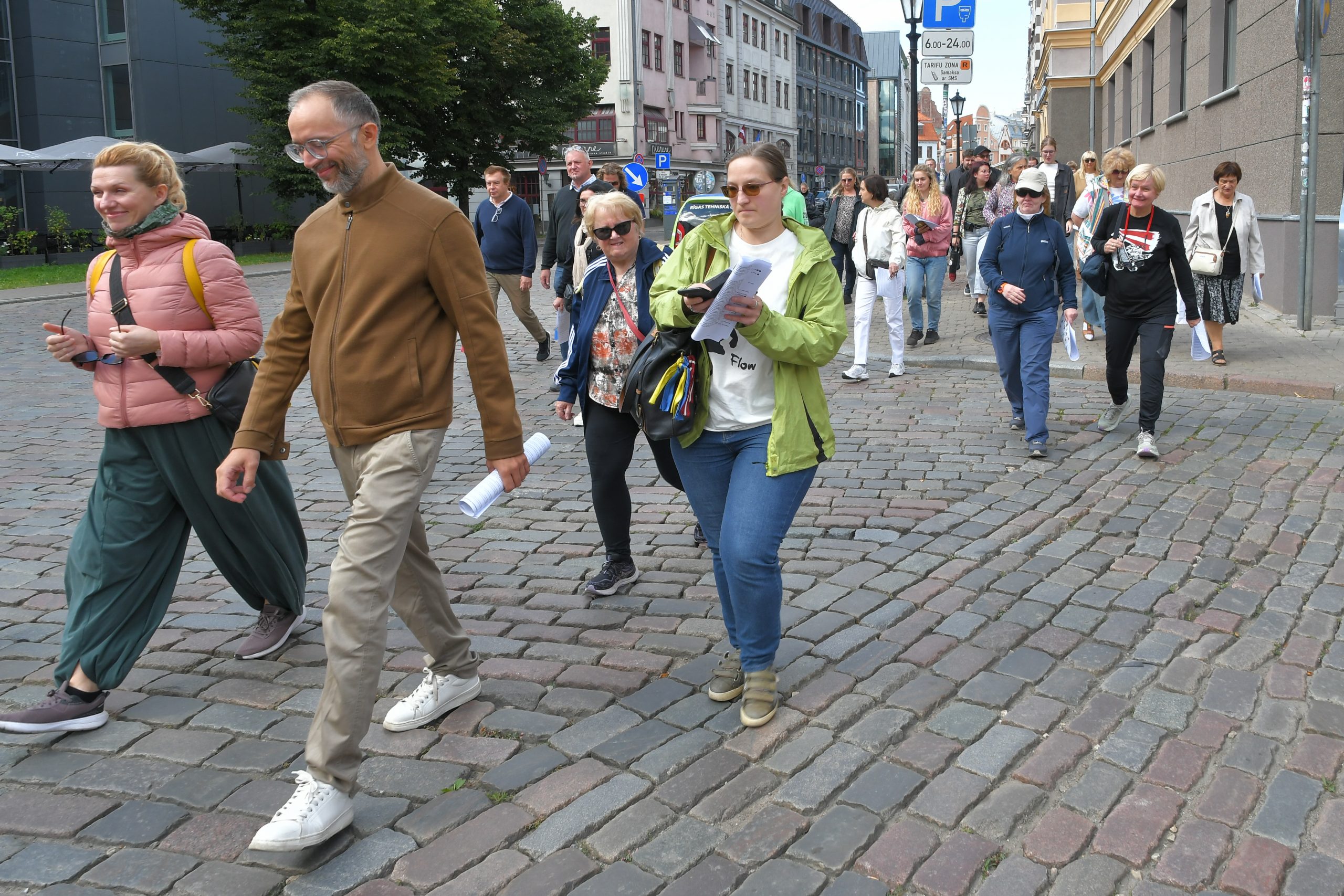
Afterward, the participants set out on a 17-point route, beginning at the Museum of the Occupation of Latvia on the Latvian Riflemen’s Square. The route led through sites connected to Soviet and German occupation. One of them was Riga’s railway station, where on June 17, 1940, the Soviets organized worker riots to demonstrate the alleged incompetence of the Latvian police and to justify the presence of the Red Army to quell the unrest. Other stops included the National Theatre building, where on July 21, 1940, the so-called People’s Seimas met, with pro-Soviet deputies calling for Latvia’s incorporation into the Soviet Union. The walk concluded at the building of Riga’s Great Guild. Participants received commemorative kits and spoke cards for this year’s Memorial Peloton.
The idea of the International Memorial Peloton, dedicated to the victims of Soviet aggression, was created to honor all inhabitants of territories seized by the Soviet Union who suffered deeply under repression. The Sybir Memorial Museum organized the first Memorial Peloton in Białystok in 2017. Since then, partners from across Central and Eastern Europe have joined the initiative, giving it an international dimension.
The next Memorial Peloton will take place today in Vilnius, Lithuania, followed by Białystok on Sunday, August 24, and finally Chișinău, Moldova, on August 30.
Photo: Museum of the Occupation of Latvia