



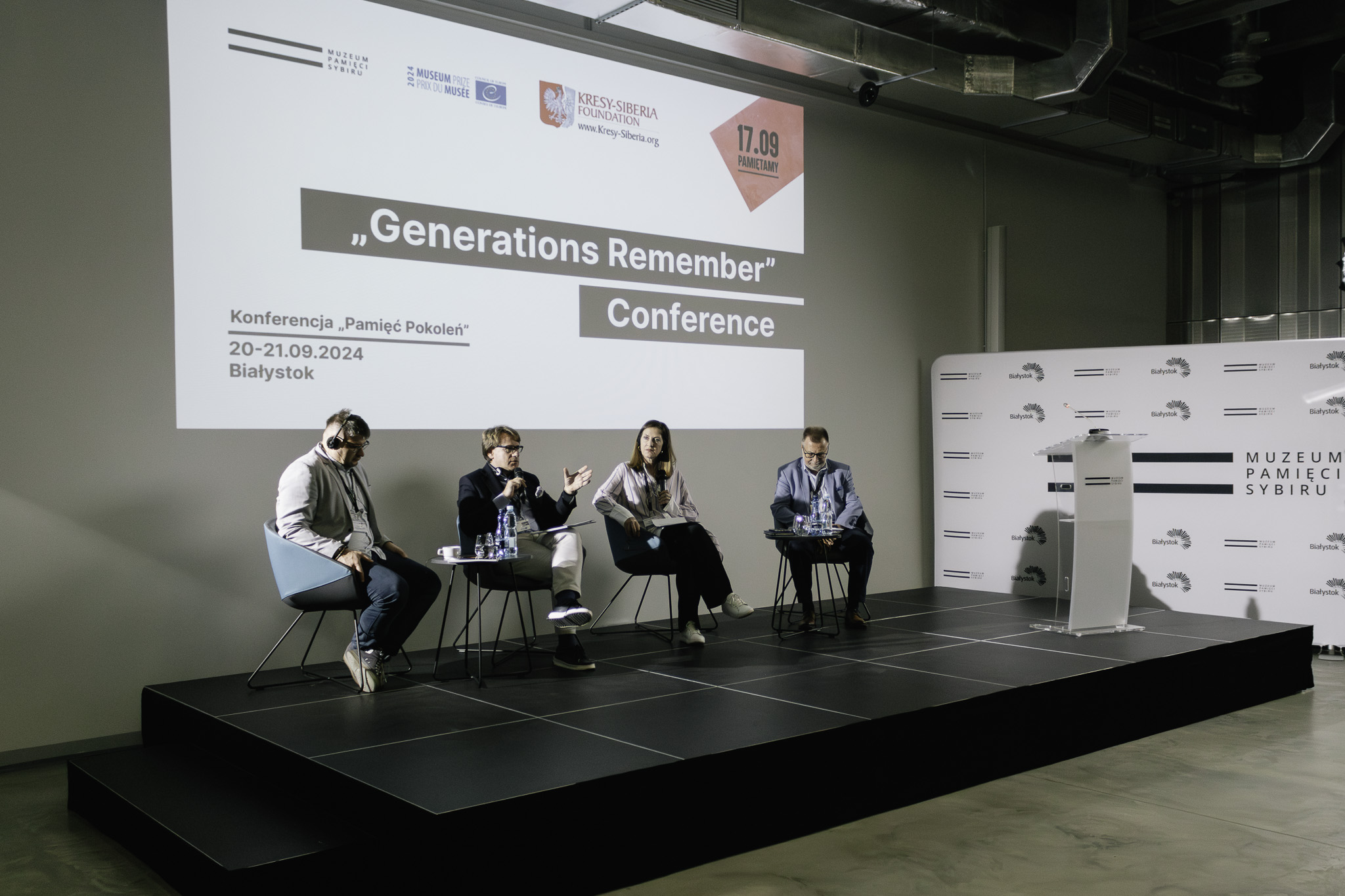
The two-day “Generations Remember” conference ends celebration of the 85th anniversary of the Soviet invasion of Poland and the World Day of the Siberians. The Kresy-Siberia Foundation decided for the second time in a row to organize the event in cooperation with the Sybir Memorial Museum. Among the invited guests and speakers were people from different parts of the world, including the United States, Canada and Australia.
The Kresy-Siberia Foundation was established in Warsaw in 2008, uniting Sybiraks, their children and grandchildren. Its activity focueses on raising awareness about the experiences of the victims of the Soviet repression and deportation. The Foundation runs the Kresy Siberia Virtual Museum, whose collections are a documentation of the fate of Polish citizens both in the occupied areas during World War II and after the end of the war, outside the country. The conference is an opportunity to meet the descendants of Kresowians and Sybiraks from all over the world.
“My husband, Stefan Wisniowski, as the second-generation, realized that people needed to know their ancestors’ stories. That’s when he decided to establish the Foundation and the Virtual Museum. Visiting such a museum people can learn about their families history. Twenty, even ten years ago, there was no museum dedicated to Siberia or Katyn. This history was untold not only in Poland but also in the West. We created the Kresy-Siberia foundation to uncover our families’ pasts, and that’s why we are here today,” explained Anna Pacewicz, Foundation Executive Committee Chairperson, Kresy-Siberia Group Moderator and Kresy-Siberia Virtual Museum Administrator.
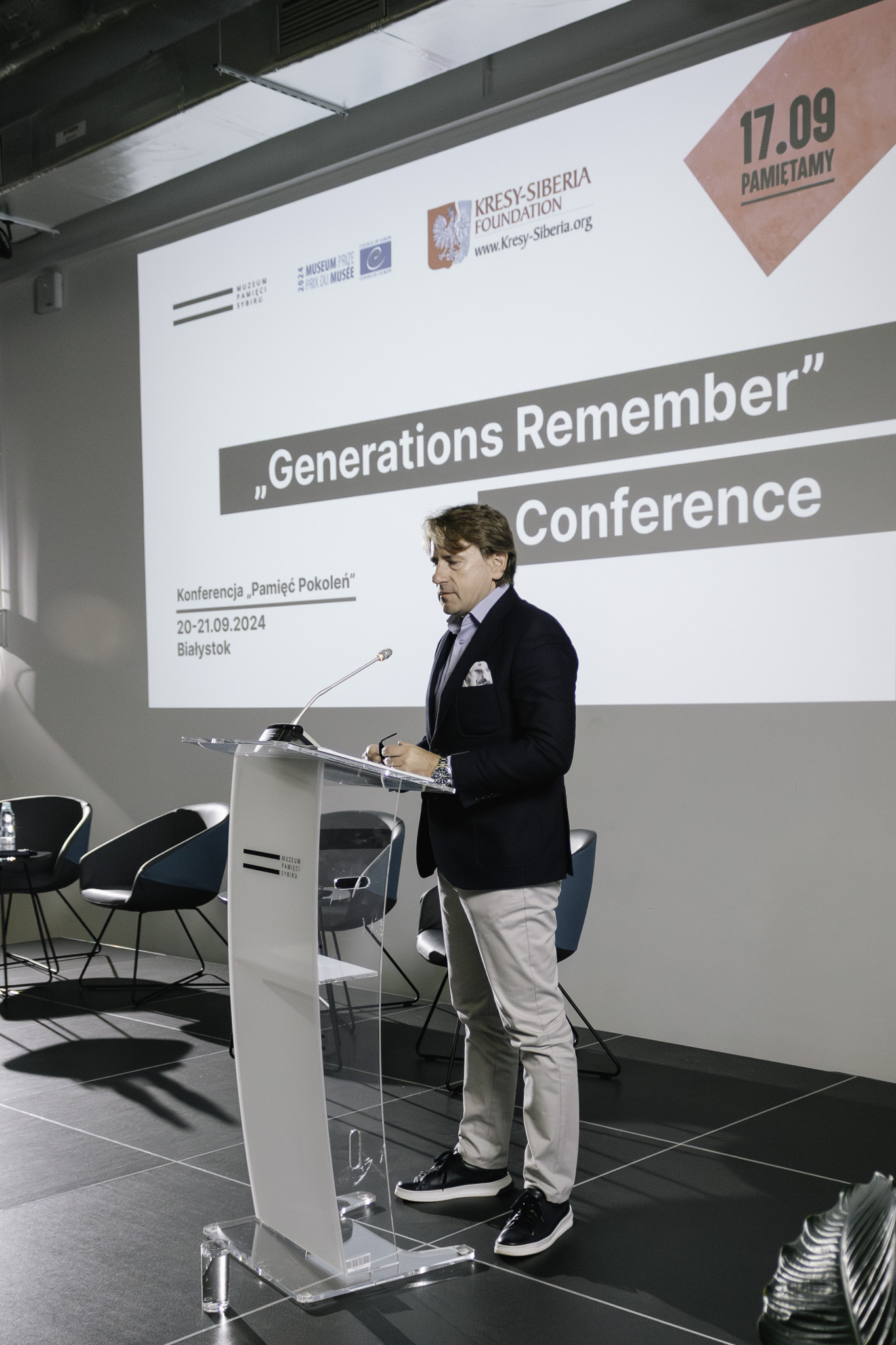
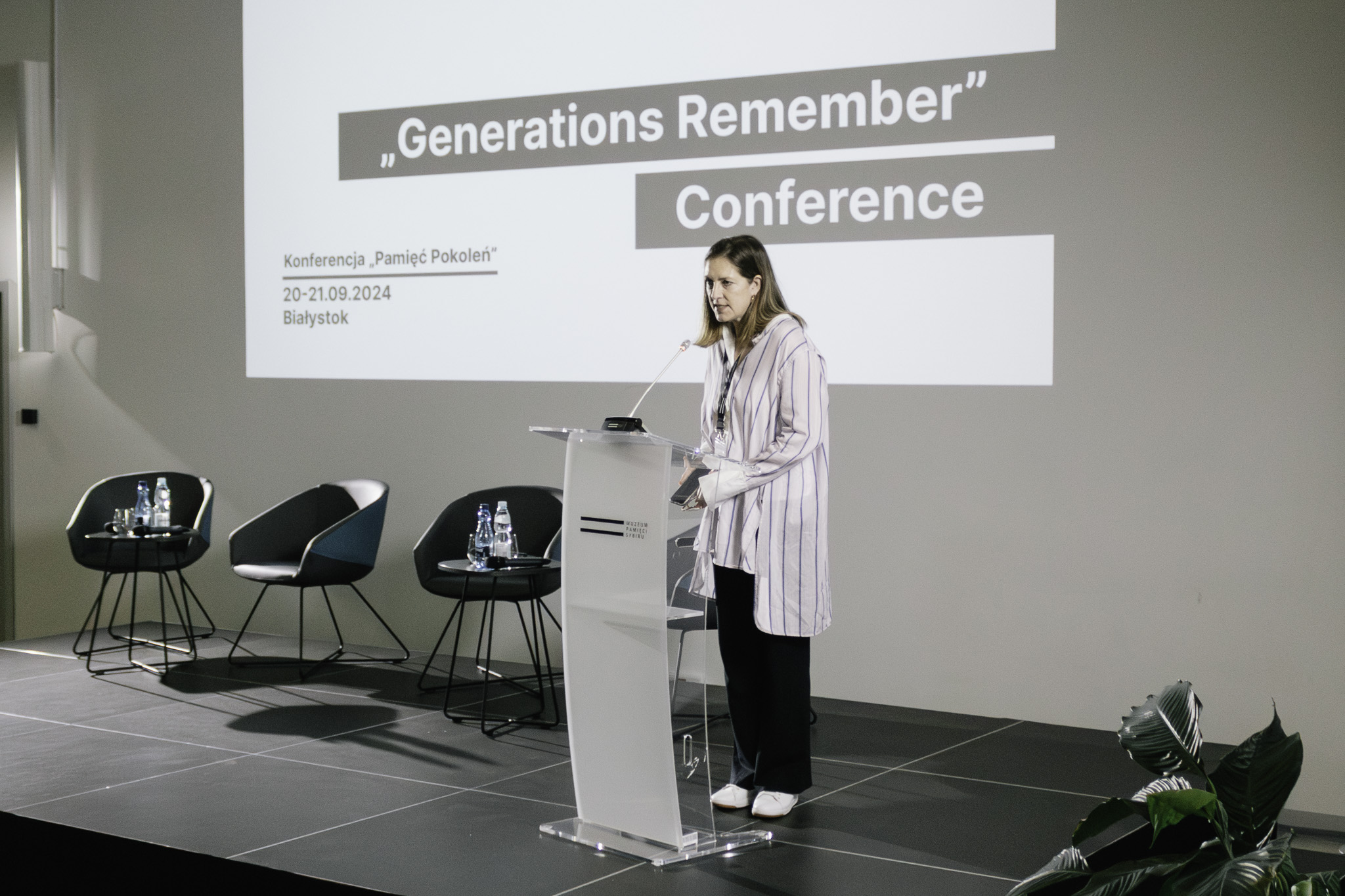
Director of the Sybir Memorial Museum, Professor Wojciech Śleszyński, spoke about the purpose of today’s conference:
“This year, September 17 marked the 85th anniversary of the Soviet invasion of Poland. We know that this attack initiated the Soviet occupation, starting the entire system of repressions, including the four mass deportations. As a result, hundreds of thousands of people were unable to return to their homes. Although some managed to escape with Anders’ Army, they could no longer return home. Their descendants now live in different parts of the world. Today, at the Sybir Memorial Museum, we meet with the second, third, and sometimes even fourth generation of those who were deported to Siberia or Kazakhstan in 1940-1941. The Sybir Memorial Museum is a place where they can come. The city of Białystok cares about the memory of Sybiraks and post-memory of the second, third, and even fourth generations. For two years now, the Sybir Memorial Museum has had a unique project of testimony collection. These are not Sybiraks’ testimonies, but these are testimonies of the next generation, telling us how, in various parts of the world, they and their families have preserved the memory of their ancestors, especially regarding the tragic experiences they faced in Siberia or Kazakhstan. At the moment we have around fifty accounts from places like Kazakhstan, Argentina, Mexico, and New Zealand. One of the meeting’s goals is that we will likely receive hundreds of unique testimonies collected by the Kresy-Siberia Foundation.”
The conference began at 9:00 a.m., and was opened by the Director of the Sybir Memorial Museum, Professor Wojciech Śleszyński. He welcomed the guests and briefly outlined the historical outline, highlighting the significance of establishing a museum dedicated to Sybiraks specifically in this region, city, and building. Professor Wojciech Śleszyński also mentioned the Museum Award of the Council of Europe won this year and new development plans and projects implemented and designed for all the descendants of Sybiraks currently living in various parts of the world.
The first day of the conference featured seven panel sessions in total. The first panel was led by Paul Wojdak, Kresy-Siberia Member and author (Canada). The topic of the presentation was “Siberian Children 1920, Discovering Memory.” Paul Wojdak told the story of children who were orphaned after being deported to Siberia. He spoke about their complicated fates and long journey through Siberia, China, Japan, the United States, and their return to Poland. Paul Wojdak became interested in the fates of Siberian children because of the story of his father, Paweł Wojdak, who lost both parents in Siberia when he was only 6 or 7 years old. He was born in 1912 or 1913 in Novonikolaevsk (now Novosibirsk) in western Siberia. Documents found by his son, Paul Wojdak, indicate that he was in an orphanage in Harbin, Manchuria, from where he made his way to the United States via Japan, along with other orphaned children, and finally to Poland. Father Paul Wojdak’s story became an inspiration for research into the fates of other Polish children orphaned in Siberia.
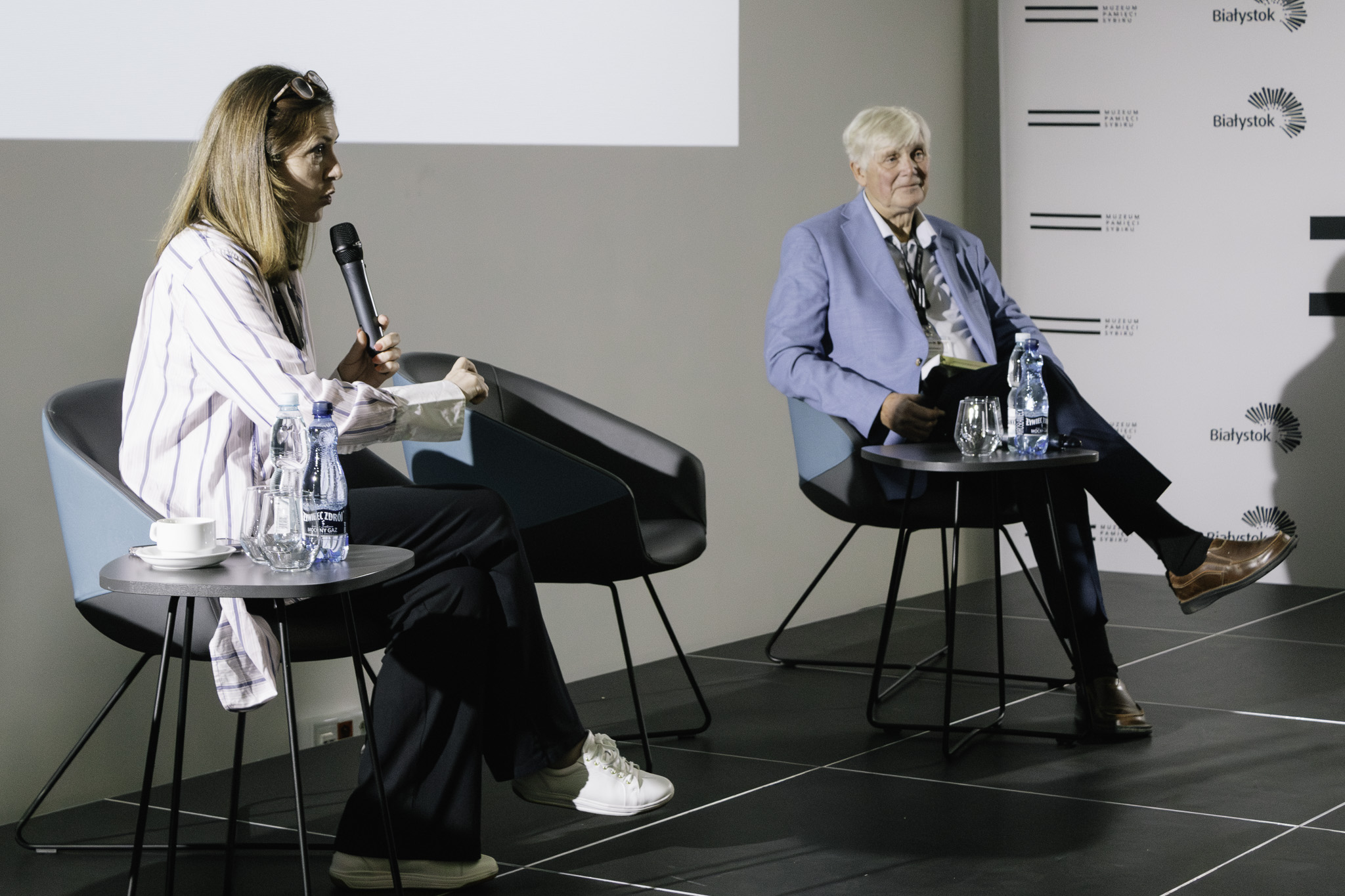
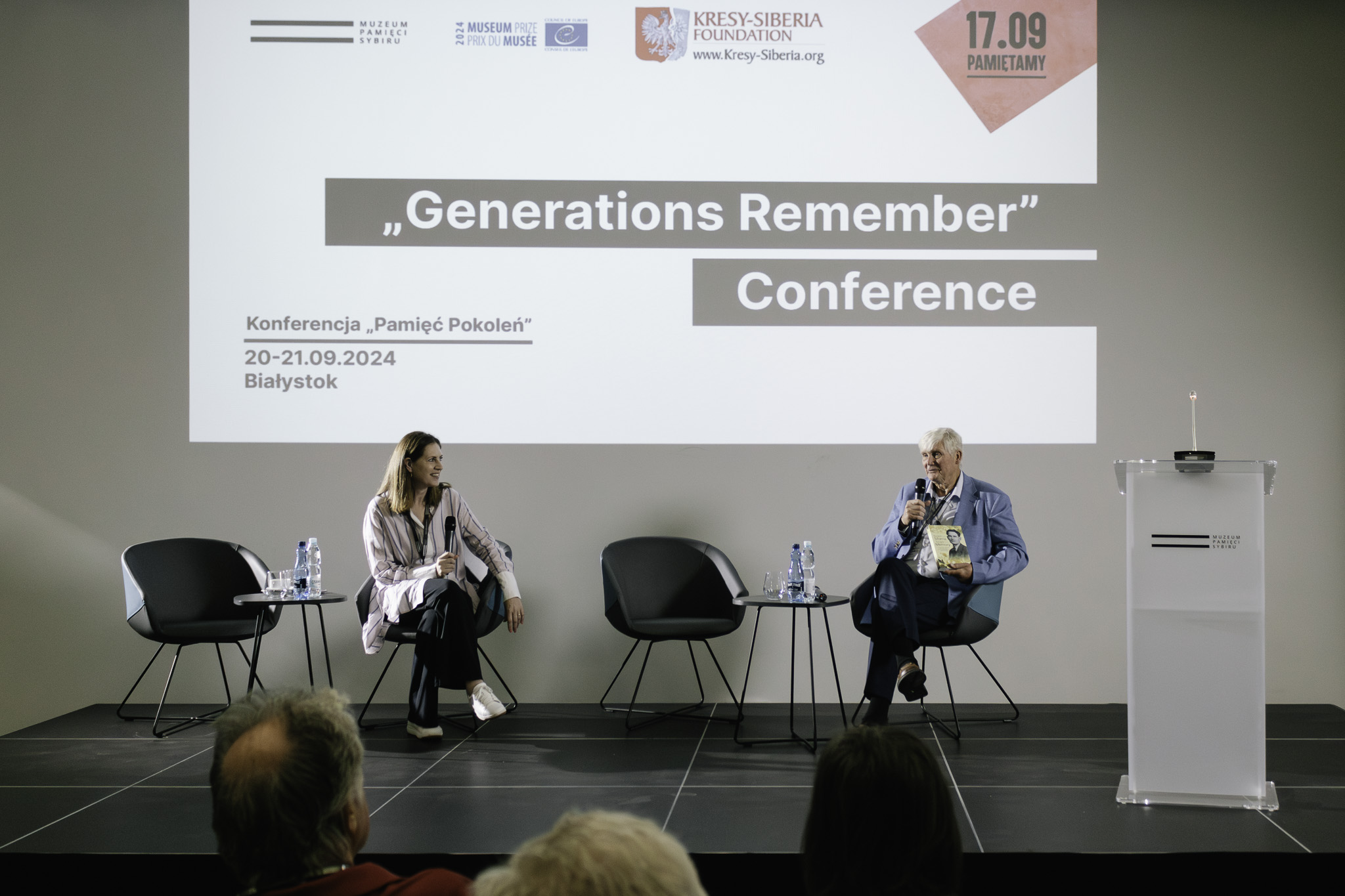
The second session covered the history of Stewart and Van Vliet Jr.’s letter encrypted with the MIS-X code sent from Oflag in 1943-44. Dave Sewart, son of Captain D. Stewart from the USA, spoke about these letters.
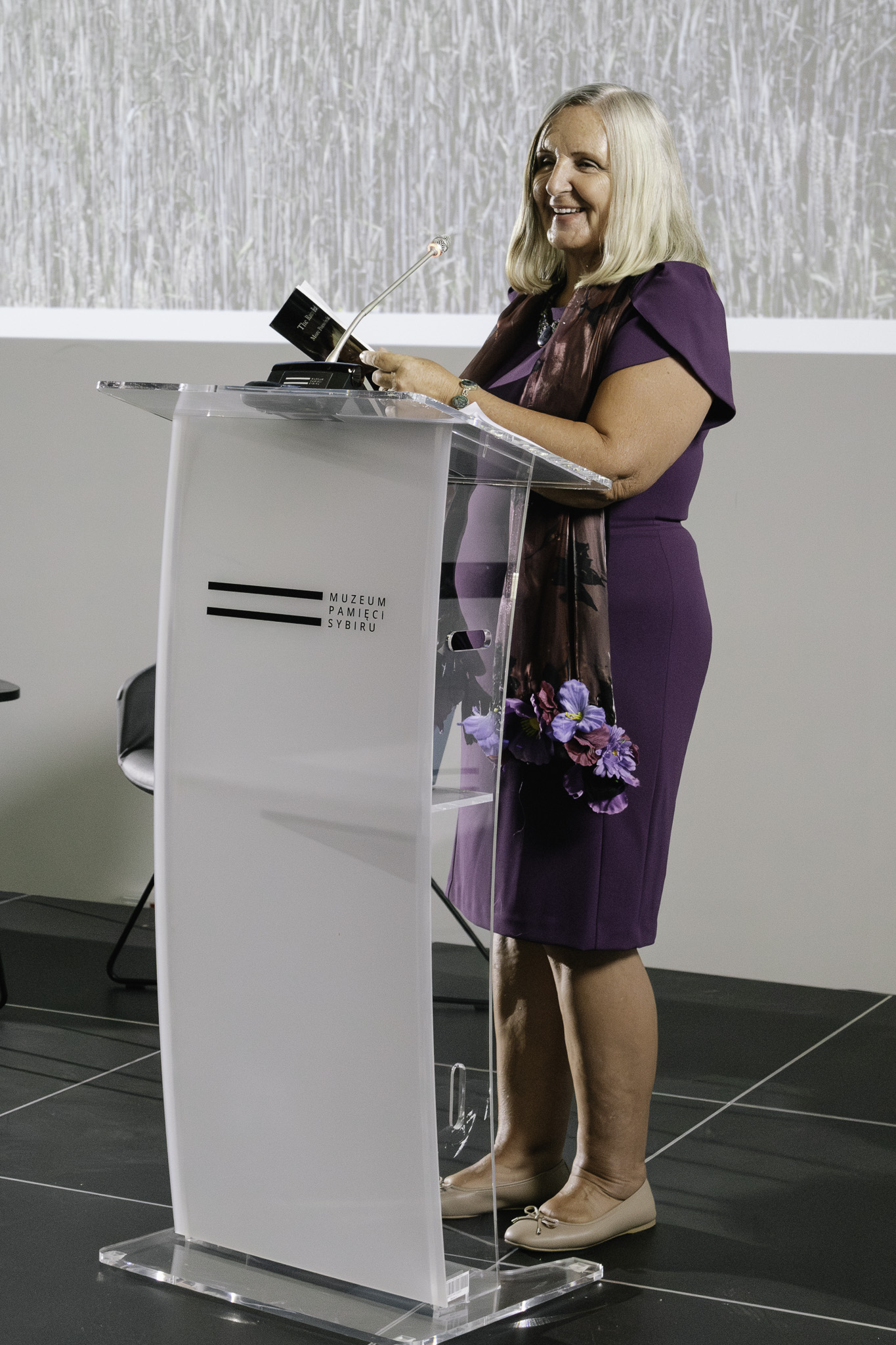
Another session titled “Poems from Exile” was led by Maja Trochimczyk, PhD from Moonrise Press, who is an American music historian, writer, and poet. She read some of her poems from the collection titled ‘Rainy Bread: Poems from Exile’. The poems describe the tragic fate of Poles during and after World War II, especially the fate of the poet’s family from the Eastern Borderlands. Some of the poems depicted trauma, but also extraordinary resilience and stories of survival of her loved ones. As the poet herself says, she did not want to focus solely on the tragedy but on the strength of will and character that ensured their survival.
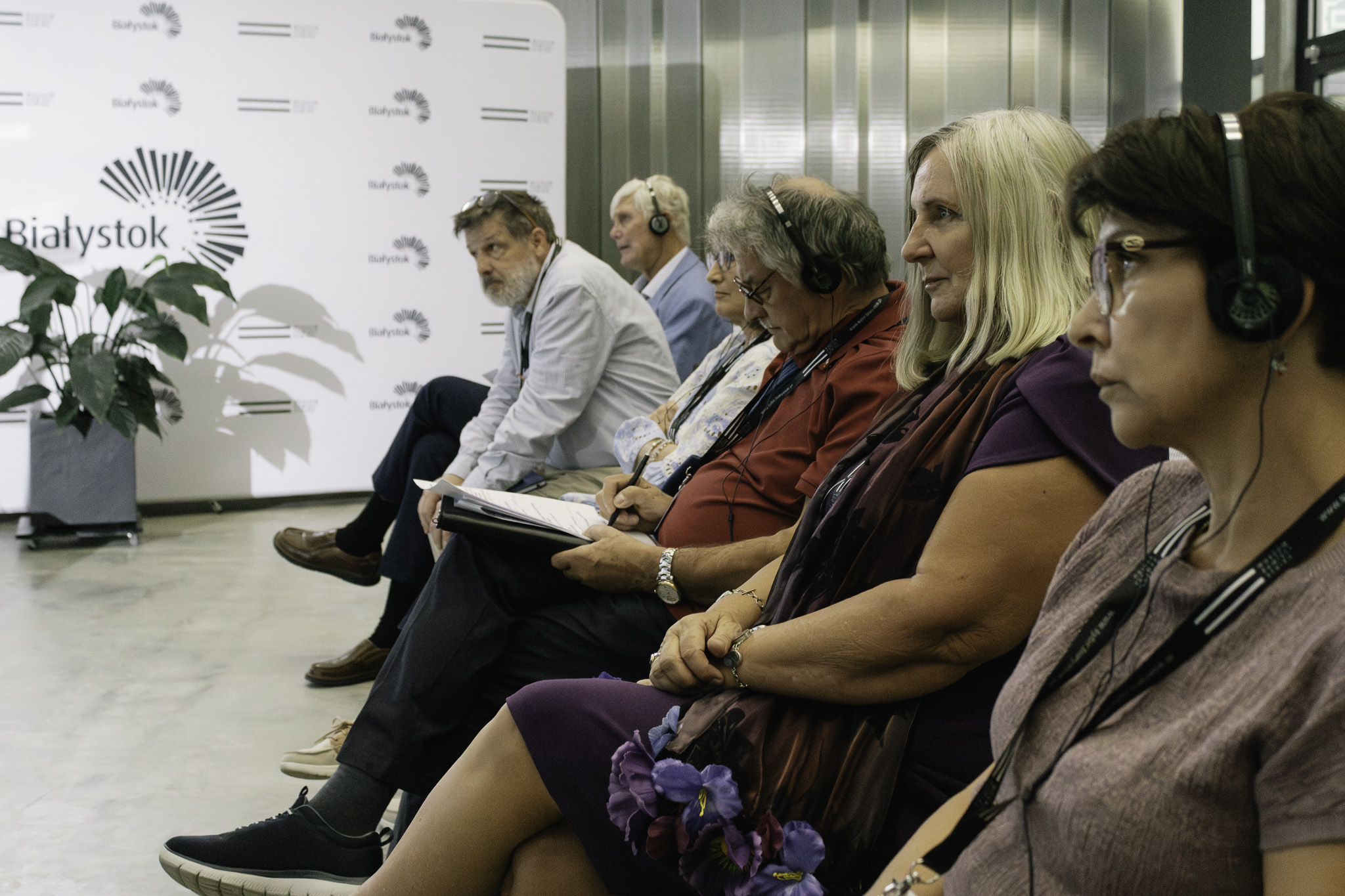
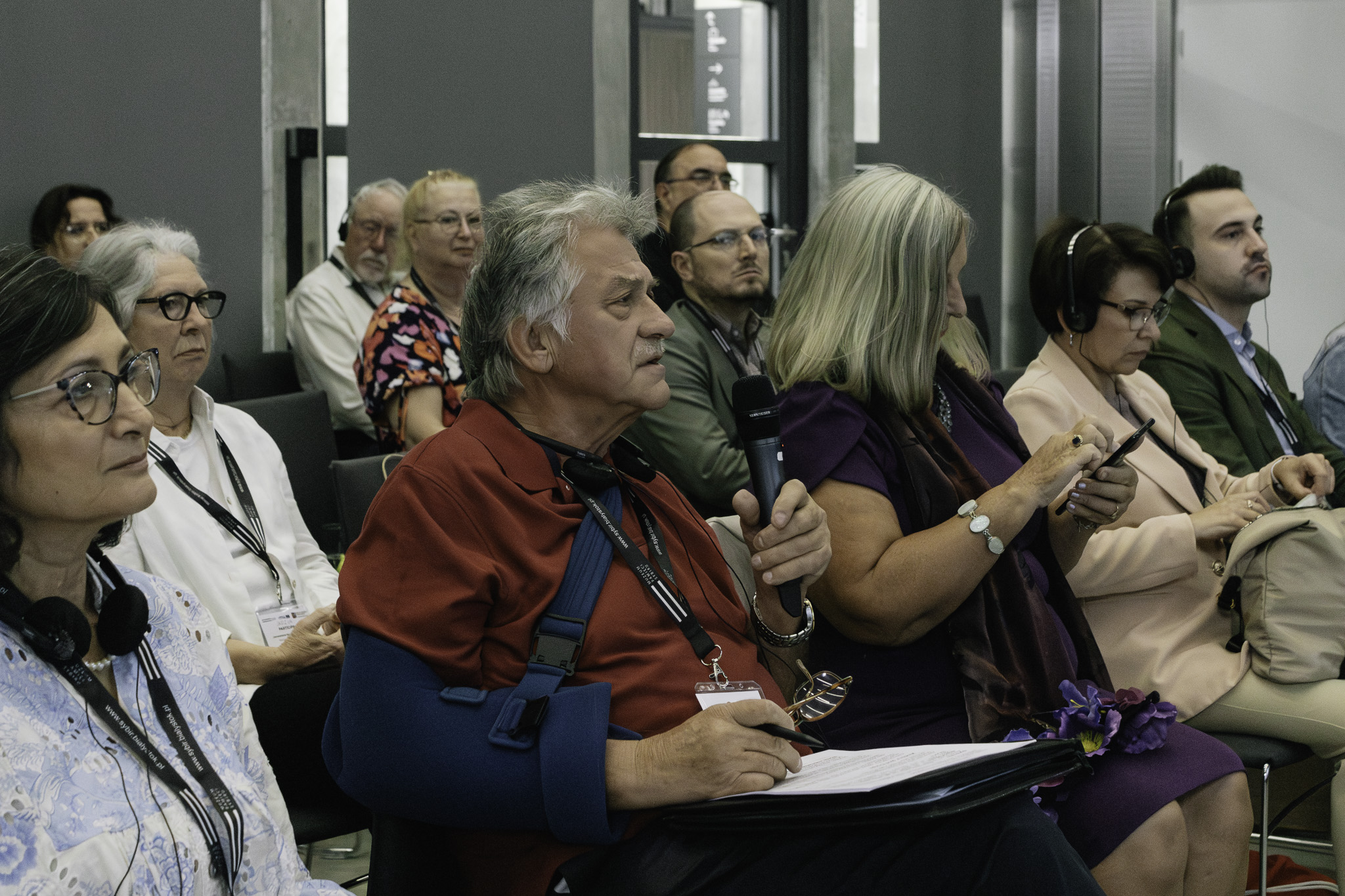
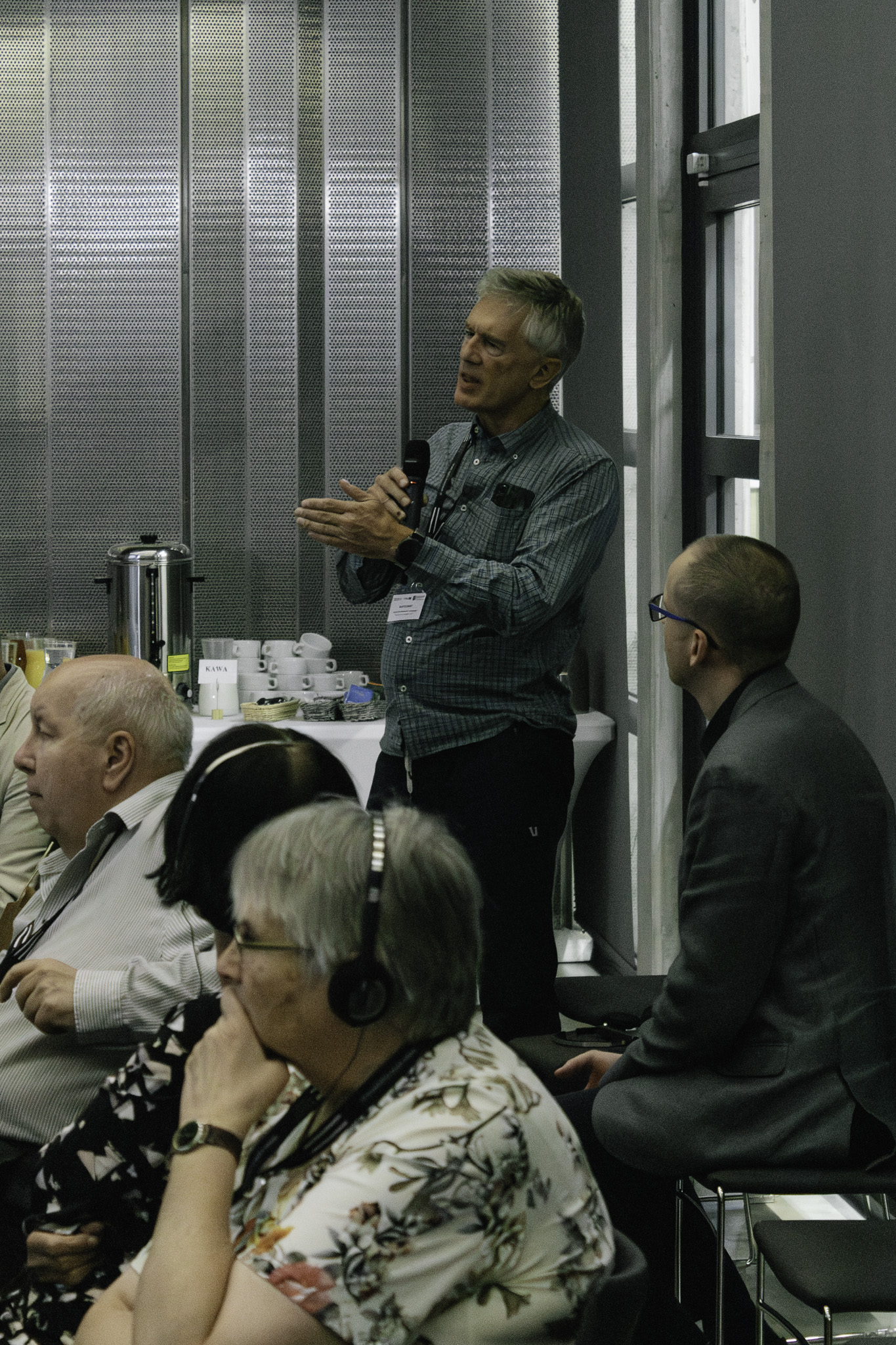
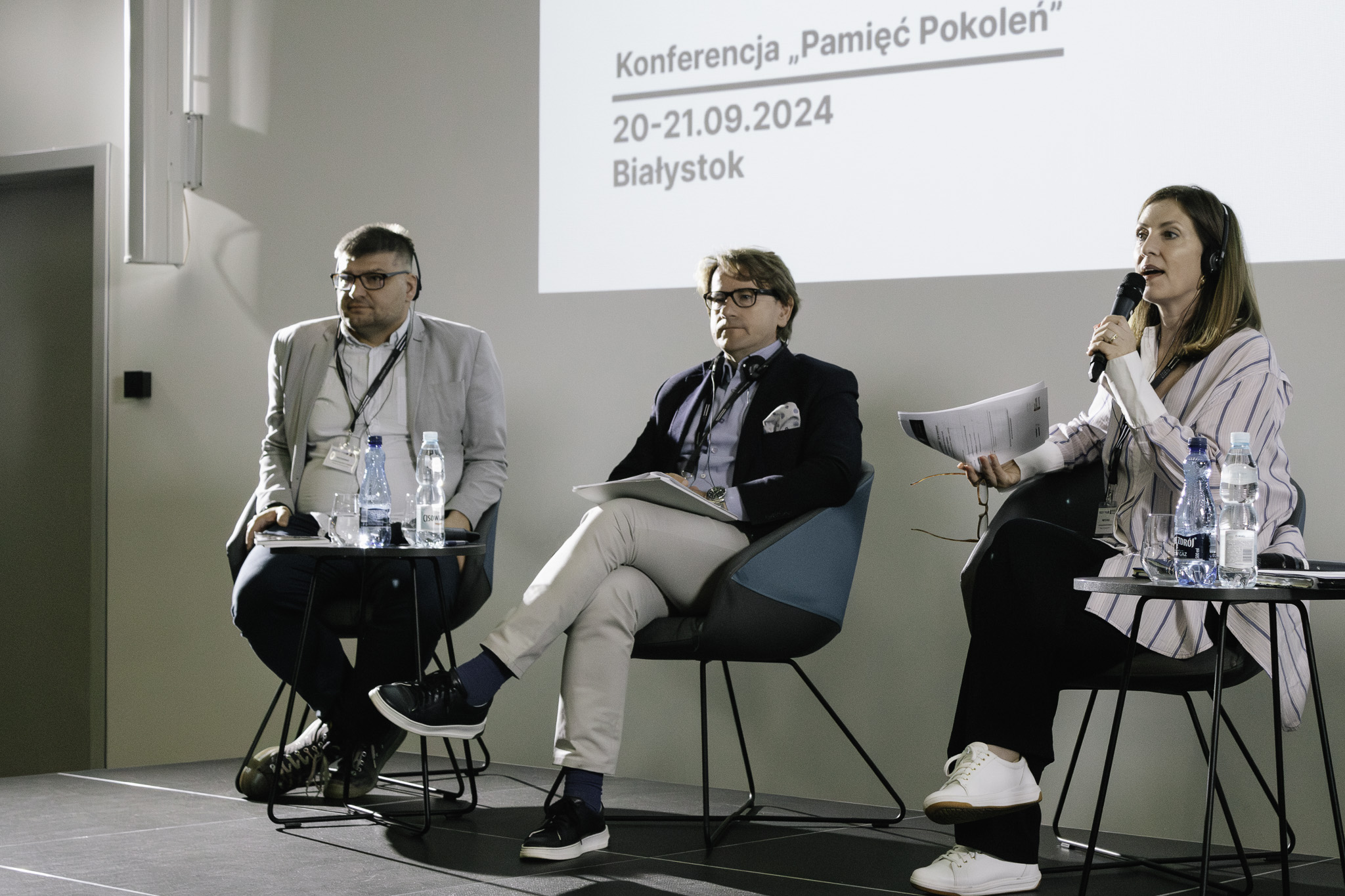
The fourth panel, titled “The International and Intergenerational Dimension of History: The Museum as a Leader in International Cooperation,” was led by Anna Pacewicz from the Kresy-Siberia Foundation, with the participation of Professor Wojciech Śleszyński, Director of the Sybir Memorial Museum, Dmitriy Panto, PhD from the Museum of the Second World War, and Stanley Urban from the Kresy-Siberia Foundation. It was a very engaging discussion with the opportunity for conference participants to ask questions and share their opinions. The discussion addressed the impact of museums as institutions in cultivating memory and passing history on to future generations, as well as the role of descendants of history witnesses, who should take care to commemorate their family members’ stories and pass on memories to the next generations. An important part of the meeting was the discussion about the place of the Siberian deportations in world history. Participants from various parts of the globe, including Australia, the UK, the USA, and Canada, expressed regret that this subject was, and continues to be, overlooked in the countries where they grew up.
“We must describe it properly and present it in such a way that the world wants to listen,” concluded Professor Wojciech Śleszyński, Director of the Sybir Memorial Museum.
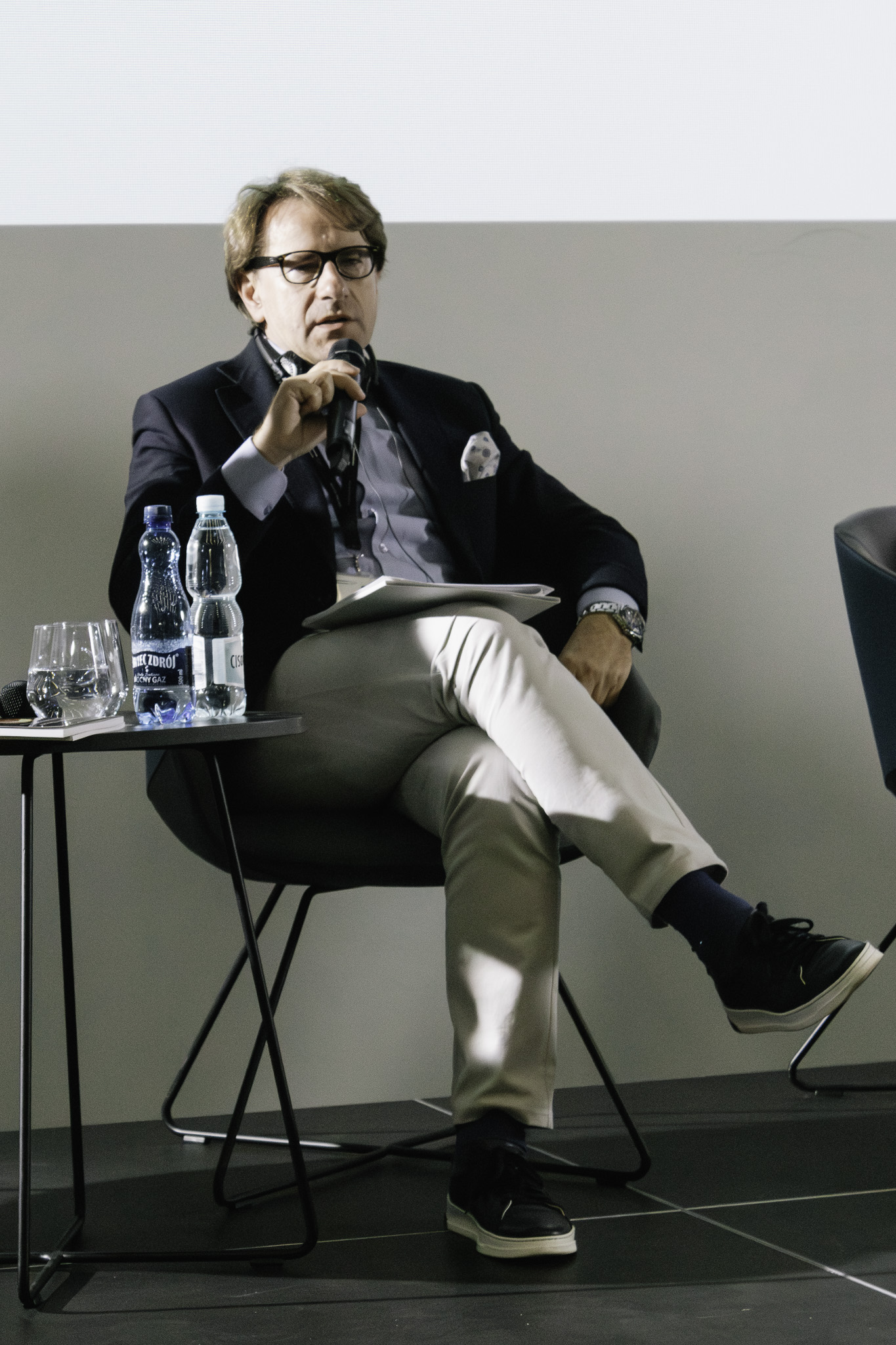
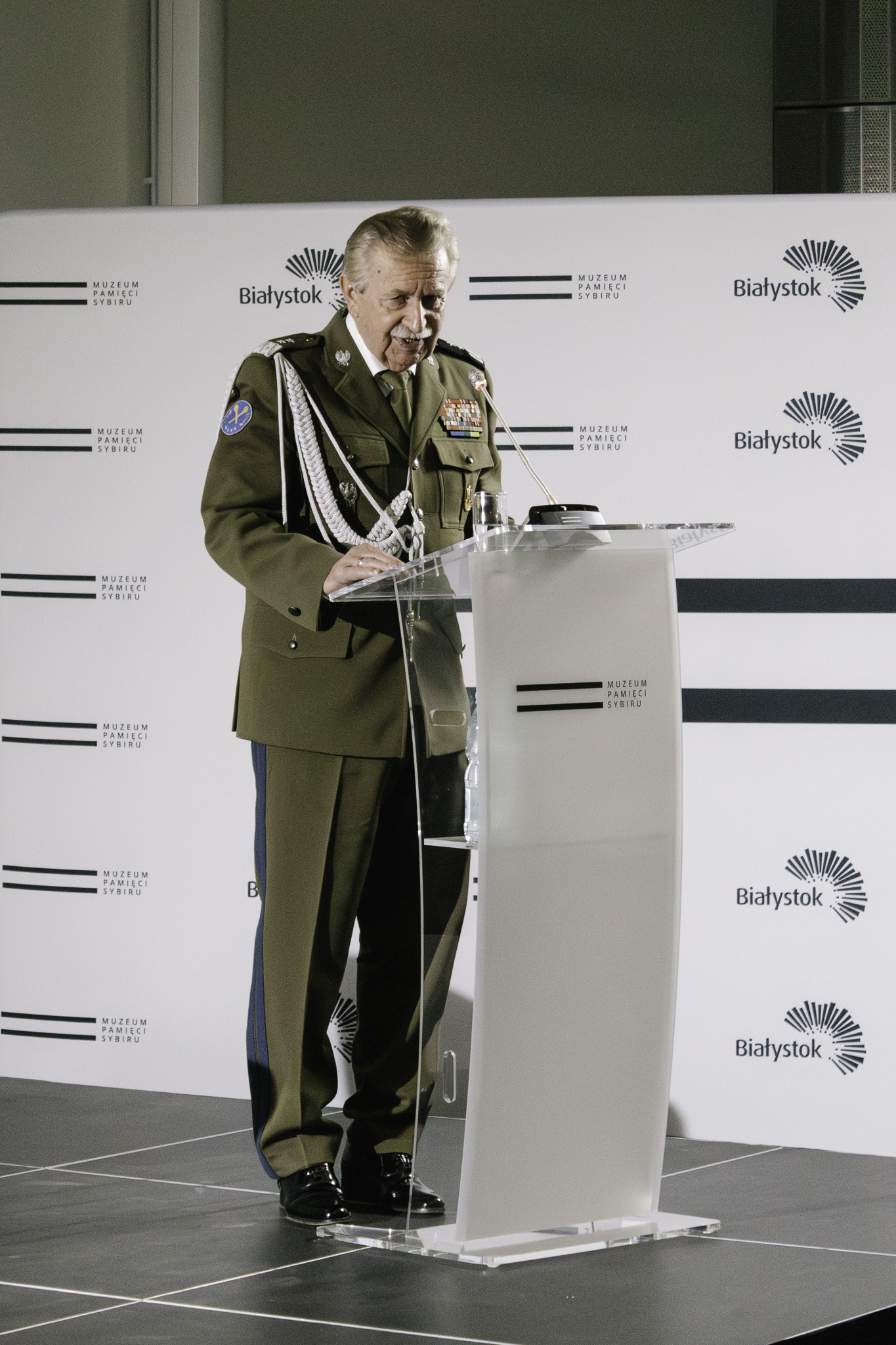
The next session was led by Gen. Leon Komornicki, former Deputy Chief of the General Staff of the Polish Armed Forces and Chairman of the Foundation for the Fallen and Murdered in the East. Gen. Komornicki shared the story of the Monument to the Fallen and Murdered in the East, which he co-founded.
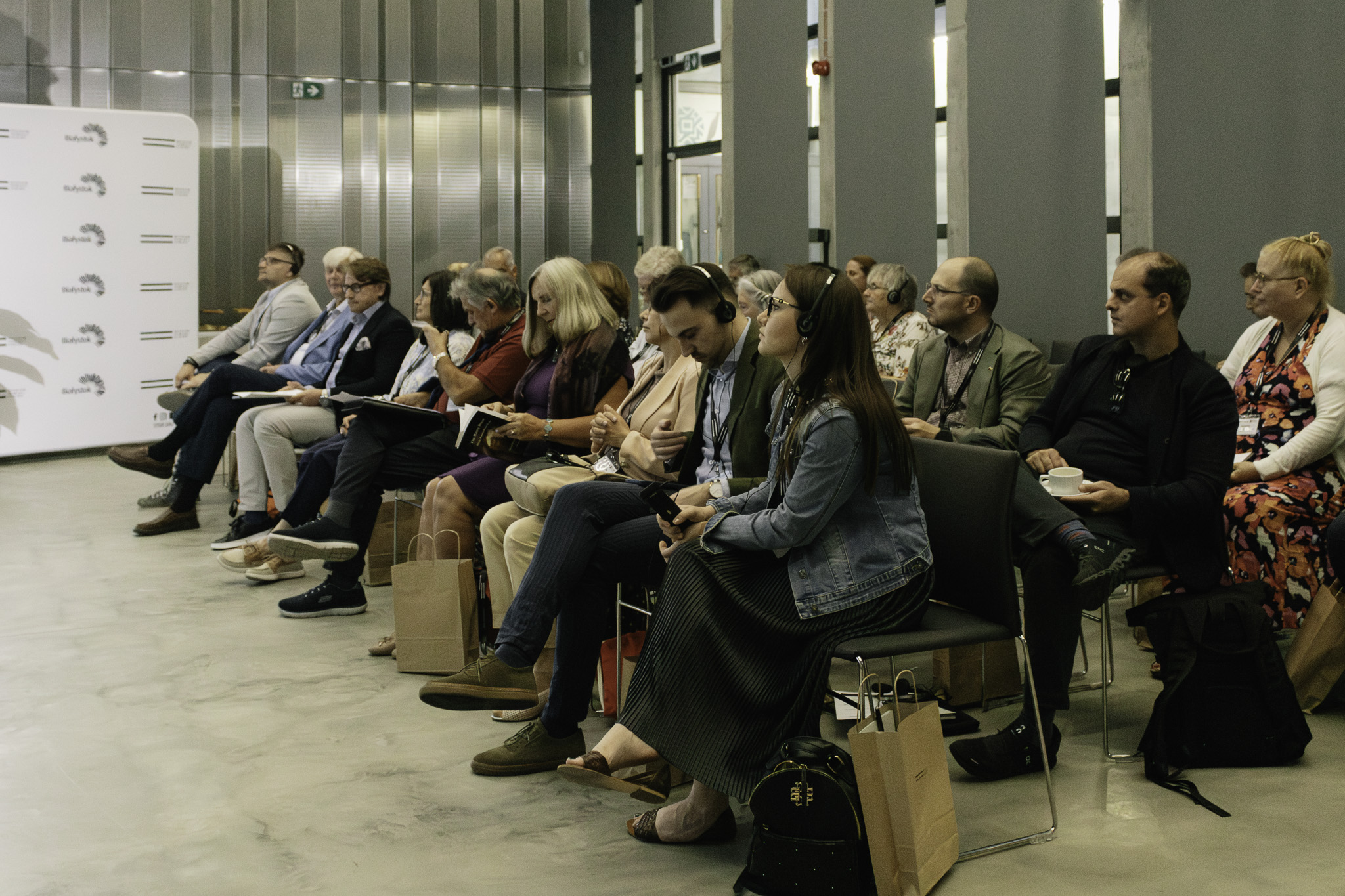
After a short coffee break, participants gathered to participate in the last two sessions. The first, titled ‘Return to the Borderlands (the village of Korsuń): A one-way trip to Arkhangelsk,’ was led by Stanley Urban from the Kresy-Siberia Foundation. The second and last session discussed the myths and lies surrounding repatriation. Thomas Kuba Kozłowski from the History Meeting House spoke about the eviction of Poles from the Eastern Borderlands between 1944 and 1946.
Today’s part of the conference was rich with presentations. Participants could listen to remarkable and moving stories shared by the descendants of our compatriots who endured the hardships of World War II. The conference, organized by the Kresy-Siberia Foundation in cooperation with the Sybir Memorial Museum, was a unique opportunity for people living in different parts of the world, but whose history began in Poland, to come together.
The second and final part of the conference will take place tomorrow. Four films on historical topics are planned, including documentaries and a thriller.