




On Thursday evening, at the Sybir Memorial Museum, we had the opportunity to listen to an extraordinary story about African journeys in the footsteps of Sybiraks. It was in Africa that tens of thousands of people, who left the USSR in 1942, found shelter.
“History related to deportations to Siberia also has its thread in Africa. In 1942, when Anders’ Army left the Soviet Union and headed to Iran, it was accompanied by over 37,000 civilians. For them, the army was the only chance to escape the inhuman land and start a new life. Among the tens of thousands of these people, around 20,000 found shelter in Africa, in countries such as Uganda, Kenya, and Tanganyika,” Professor Wojciech Śleszyński, Director of the Sybir Memorial Museum began the meeting.

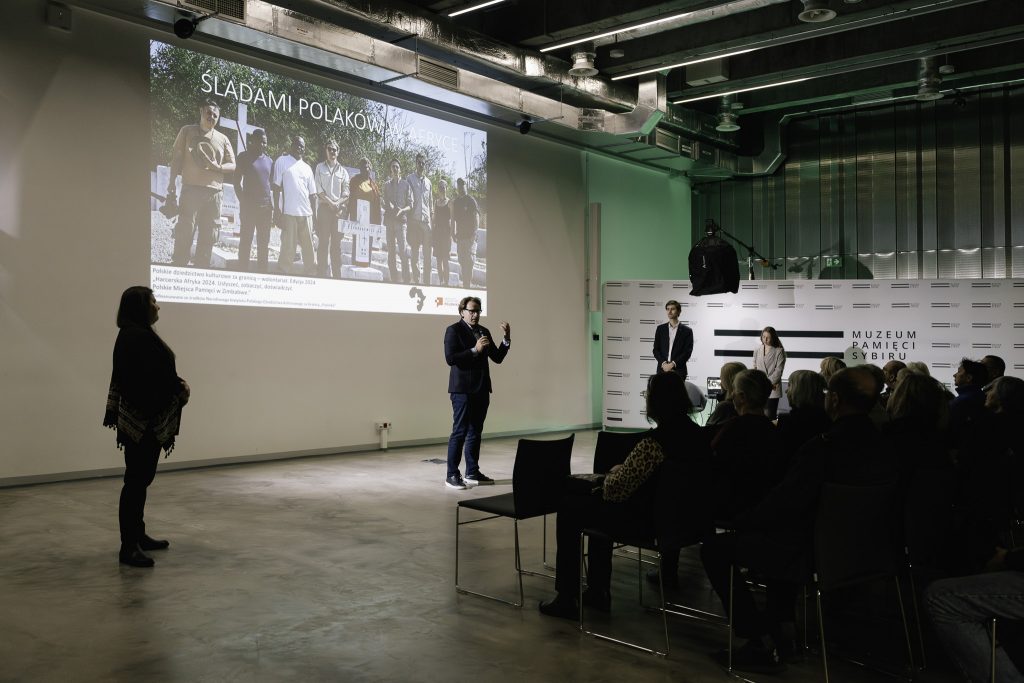
Our guests, Natalia Mika and Paweł Gniado, walked in Poles wake as part of the project “Scout Africa” to preserve and honor the history of Poles in Africa.
“It all began in 2017, when the idea was born to run such a project. One year later, the first trip to Africa took place. Our activities are focused mainly on preserving memorial sites – cemeteries, monuments, and other traces of Polish presence on this continent,” Natalia Mika explained.
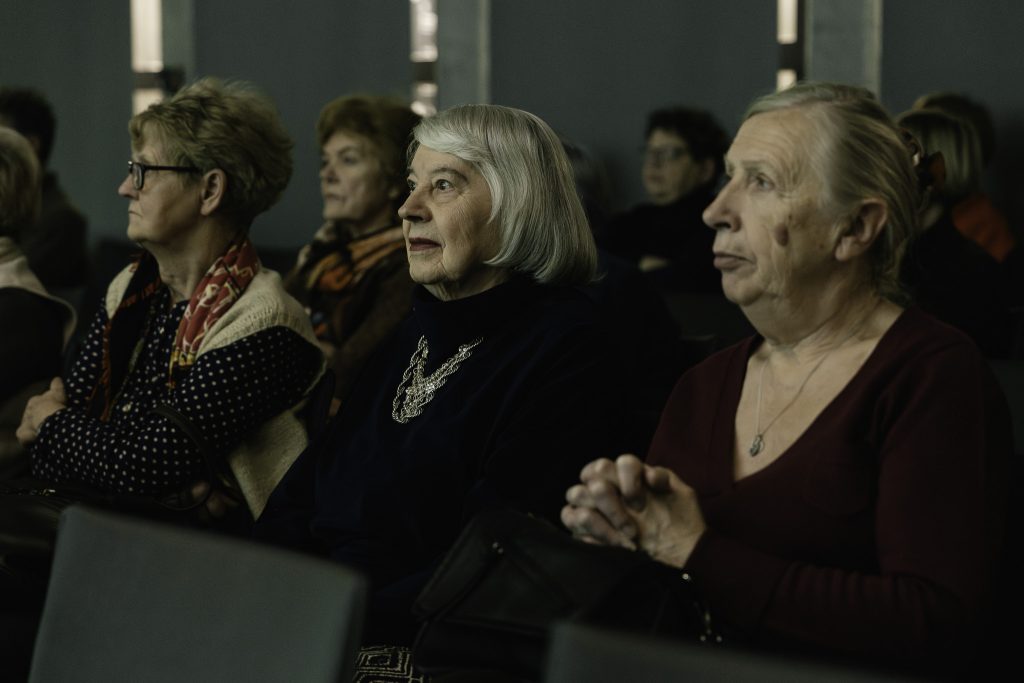


Paweł Gniado shared insights into the establishment of the first Polish settlements in Africa and what remained of them:
“Poles evacuated from the Soviet Union ended up in South and Southeastern Africa, where they were settled in specially built communities on the territories of former British colonies. For years, these places were bustling with life – there were Polish schools, libraries, theatres, and scouting teams. Everything begun to decline incrementally in the 1950s, when Poles began to return to their homeland. Today, in most of these places, there are mainly cemeteries and Polish tombs, and only in a few can you still see the remains of Polish houses. However, all these memorial sites and remnants after the presence of Poles are very important for us and we are glad that we can take care of them and save them from oblivion,” he emphasized.
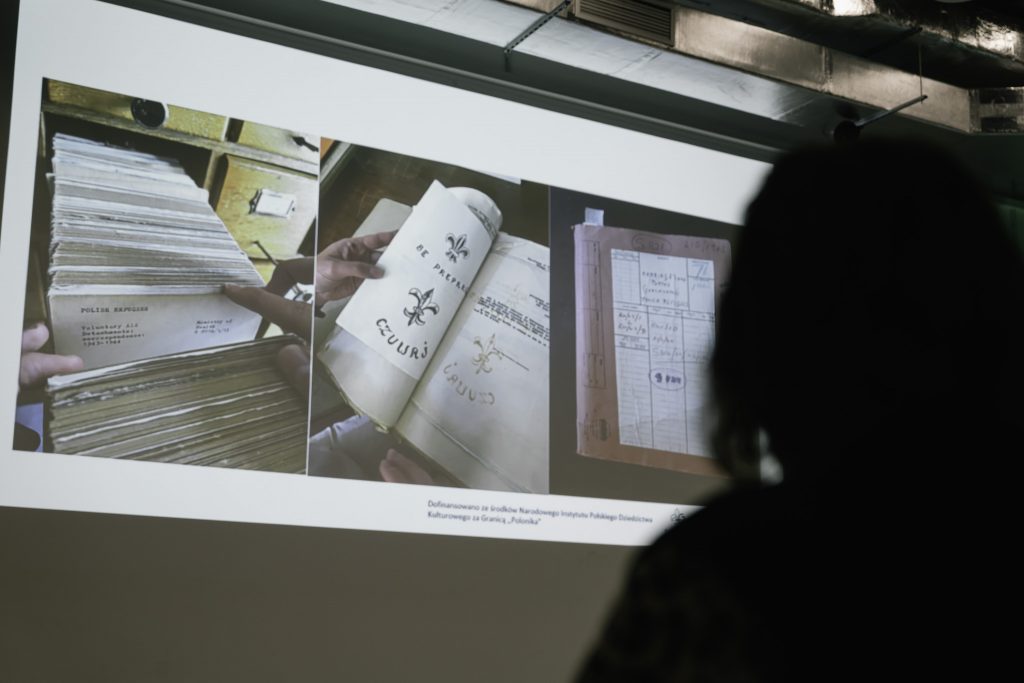
Apart from taking care of memorial sites, the project participants also document and digitize archives related to Poles in Africa. During their trip to Zimbabwe, they gained access to the National Archives in Harare.
“The archive allowed access to over a thousand documents that we managed to index. Among these materials were tickets, shopping lists, and diaries, including scouting diaries. This was an especially joyful discovery for us as we represent ”Scout Africa”. We smiled widely when we first saw the fleur-de-lis,” Natalia said.


The guests also revealed backstage details about preparations for their expeditions:
“In fact, each journey is the result of many weeks of preparation – from booking plane tickets to reach the destination, renting cars, and organizing accommodations, to calling meetings with individuals we want to meet and collaborate with. During such journeys, we also try to make contact with ambassadors and consuls, talk to them, tell them about our activities, and also make cooperation and make them interested in the fate of Sybiraks in Africa. Each journey involves thousands of kilometers traveled and hundreds of people met. We hope that our efforts will help to keep the memory of Poles and what happened there alive,” Paweł Gniado concluded.
The next meeting of the series will take place on January 16th, 2025, at 6:00 p.m. This time, our guest will be a traveler, writer, and survival instructor, Jacek Pałkiewicz. He will share stories from his numerous expeditions to Siberia.
Welcome!