


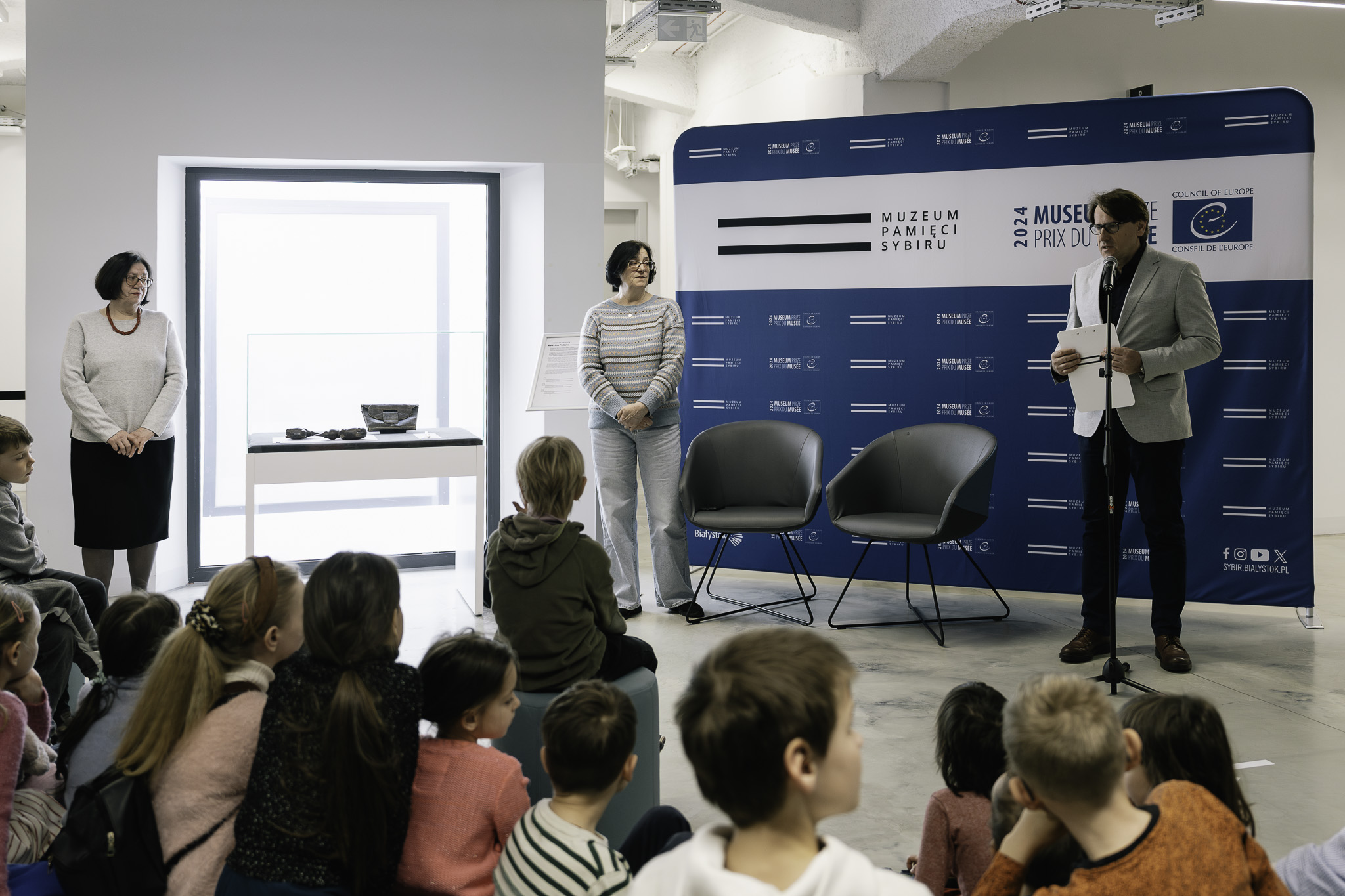
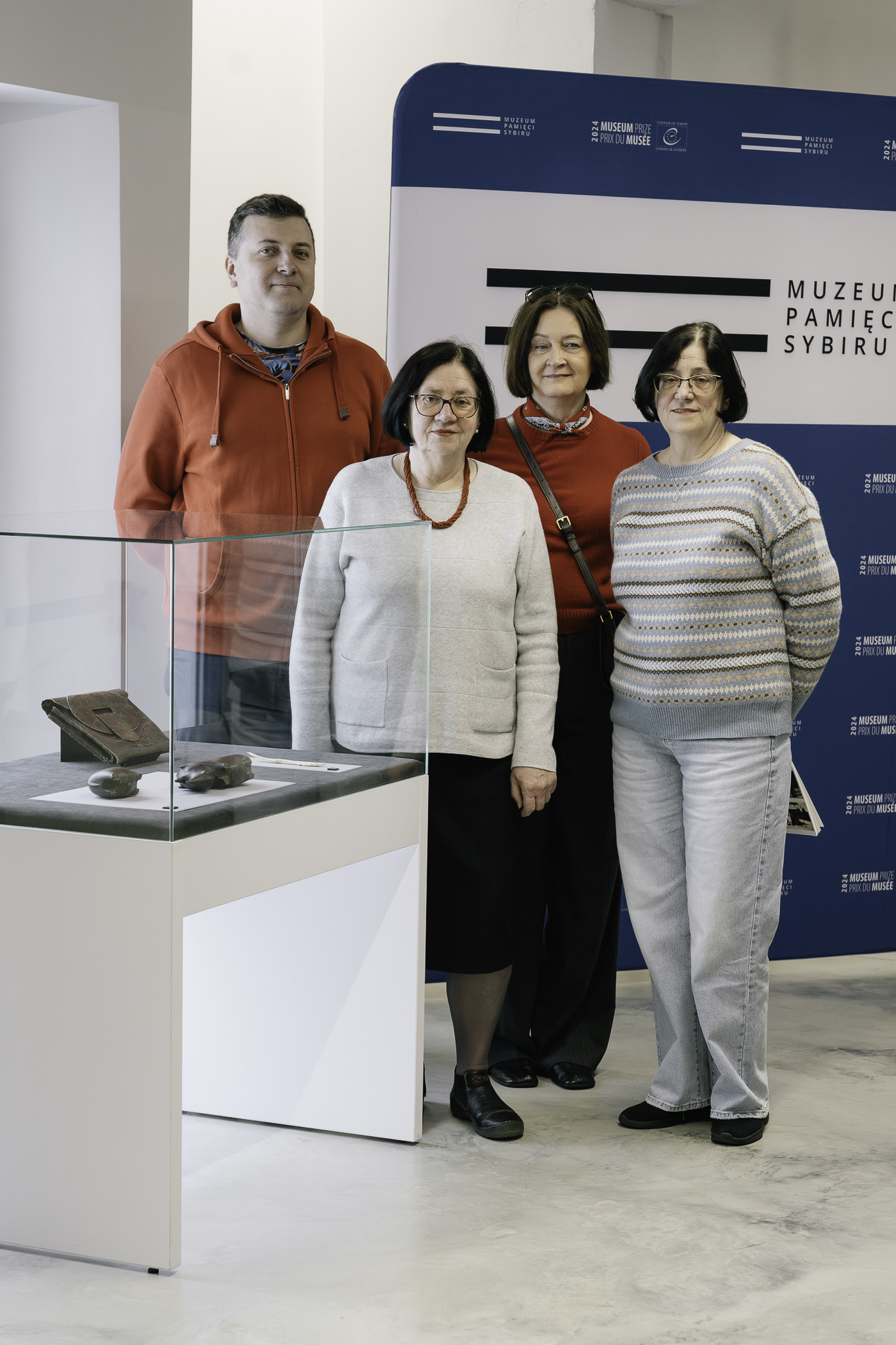
As part of the “Exhibit of the Month” series, we present selected items from the collection of the Sybir Memorial Museum – each month featuring different ones – giving a wide audience an opportunity to gain deeper insight into the lives of Sybiraks. In the current installment of the series, visitors can see memorabilia related to the Pałko family, who was deported to Siberia in April 1940.
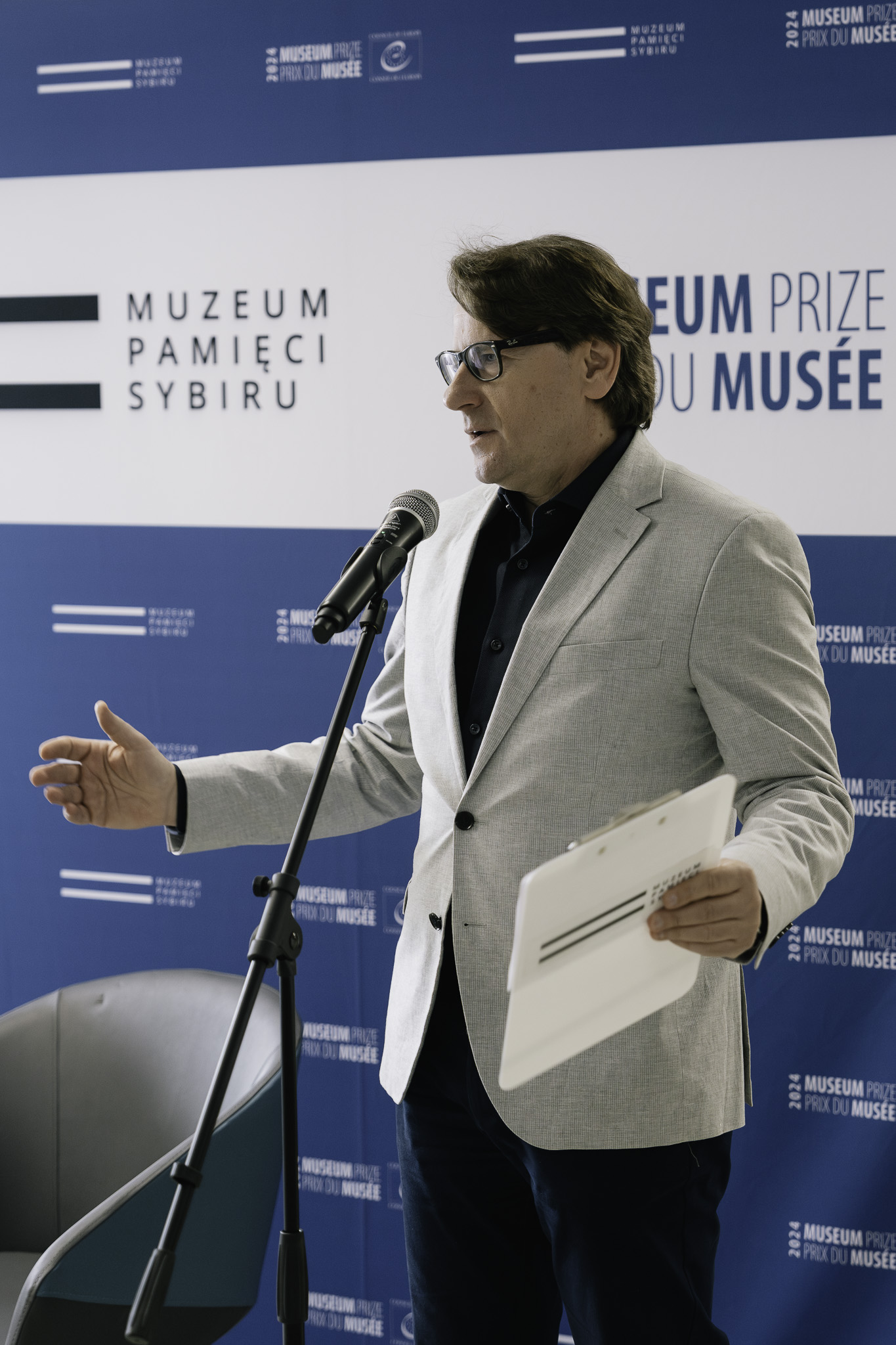
“The monthly meetings and the stories that accompany them are of great value to the Sybir Memorial Museum. Thanks to those who chose to donate their family mementos to us, we are able to preserve and share their history – passing it to future generations and thus building a bridge between the past and the present,” said Professor Wojciech Śleszyński, Director of the Sybir Memorial Museum, during the inauguration of the series.
In April 1940, 60,000 people fell victim to the Soviets. Most of them were women, children, and the elderly. The beginning of the deportations marked the start of an entirely new chapter in their lives—the one that often led them to places they would never have imagined.
Ignacy Pałka was a professional non-commissioned officer in the Polish Army between the wars. In 1923, he married Helena Wierzbowska. The couple had three children: Władysława Janina (born in 1924), Antonina Halina (born in 1925, died in 1926), and Zygmunt Jan (born in 1928). After the outbreak of World War II, Ignacy had to leave Stryi, where he lived with his family, and went to join a regiment in Przemyśl. Around September 21, 1939, he crossed the Polish-Hungarian border. Interned in Hungary, he stayed there until the end of the war. Meanwhile, in April 1940, the Soviets deported his wife, daughter, and son to Kazakhstan.
“In case of our family, life in exile was very different. My mother went to a kolkhoz for a while, but my grandmother and my little uncle did not. Grandma Helena was a seamstress. When it came to deportation, they happened to come across a “good” NKVD officer who let them take whatever they could with them. They were lucky that they were already packed, because they had been moved from apartment to apartment. Thanks to this, they managed to take a bit more stuff than in other cases, when people were woken up suddenly in the middle of the night and in all the confusion did not know what to take with them.
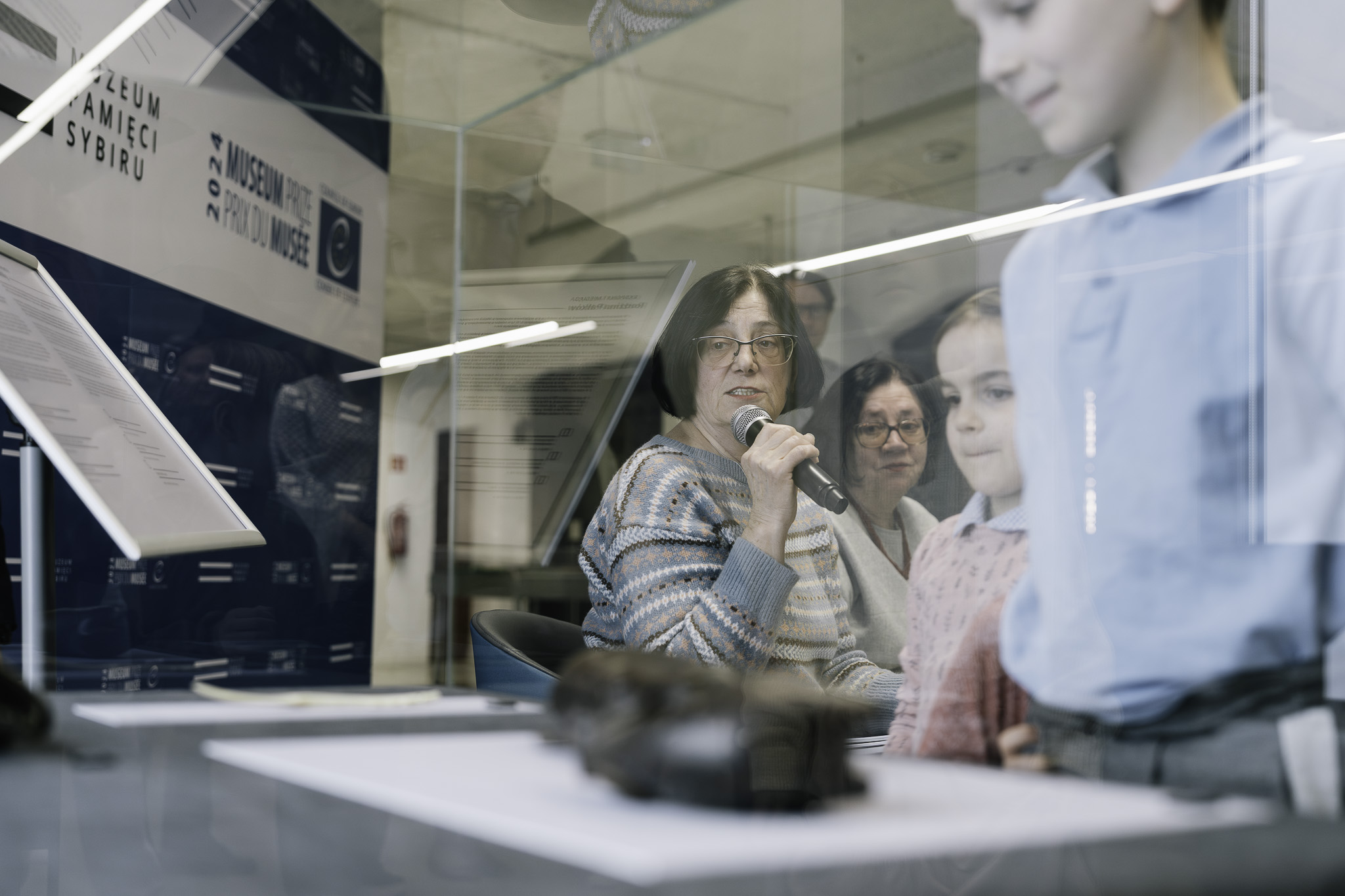
Grandmother had, for example, a prepared — though still unfinished — costume and other items, which she later altered or exchanged. Some of these items were valuable and could have been exchanged for food – a bit of flour to make lepeshka, sometimes a piece of butter – anything that helped them survive in those harsh conditions,” said Teresa Orlikowska, granddaughter of Helena Pałka and daughter of Władysława Janina Orlikowska.
In the fall of 1941, the family left the place of deportation and reached Džalal-Abad in June 1942. Eventually, they were able to evacuate to Iran.
In October 1942, the family was sent to the Settlement for Polish Refugees in Marandellas, Southern Rhodesia Africa (now Zimbabwe). Helena became the manager of the Women’s Tailoring Workshop there, and her children continued their education, interrupted by the war and deportation. In June 1945, Zygmunt Pałka died of tuberculosis. Two years later, Helena and Janina left for Poland, where they met Ignacy after years of separation.
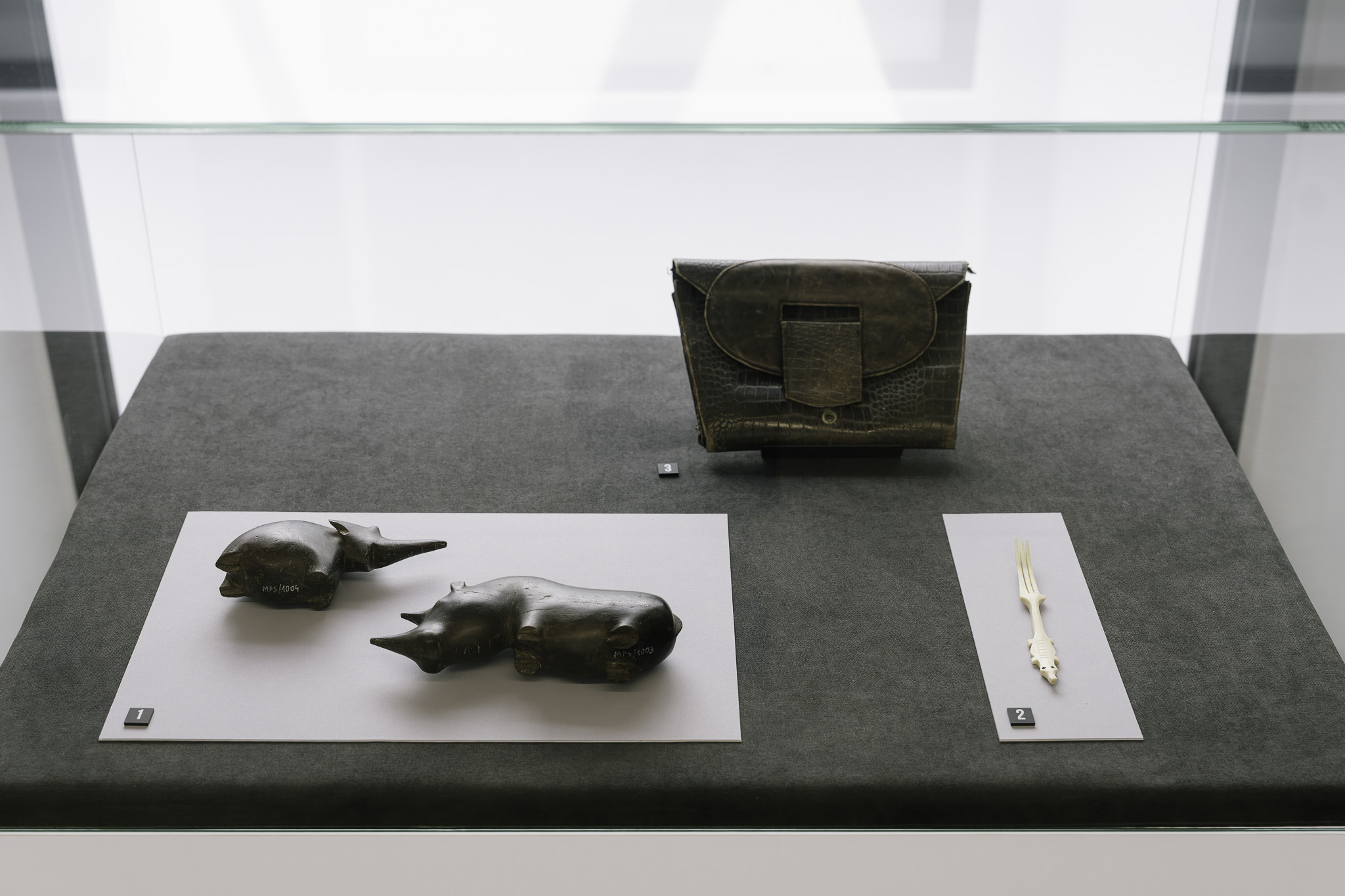
Exhibits that can be seen in the April edition of the series:
- Carved ivory fork, Africa, 1st half of the 20th century
- Helena Pałka’s purse, Africa, 1st half of the 20th century
- Ebony animal figurines, Africa, 1st half of the 20th century