



This year’s commemorations aim to highlight one of the lesser-known chapters of Soviet repression and to show how its history is documented, researched, and passed on to future generations.
The date of the meeting, April 28, is not accidental. On that day in 1936, the Council of People’s Commissars of the Soviet Union adopted secret Resolution No. 776–120, which became the legal basis for the deportations of Poles and Germans from the territories of the Ukrainian SSR to Kazakhstan.
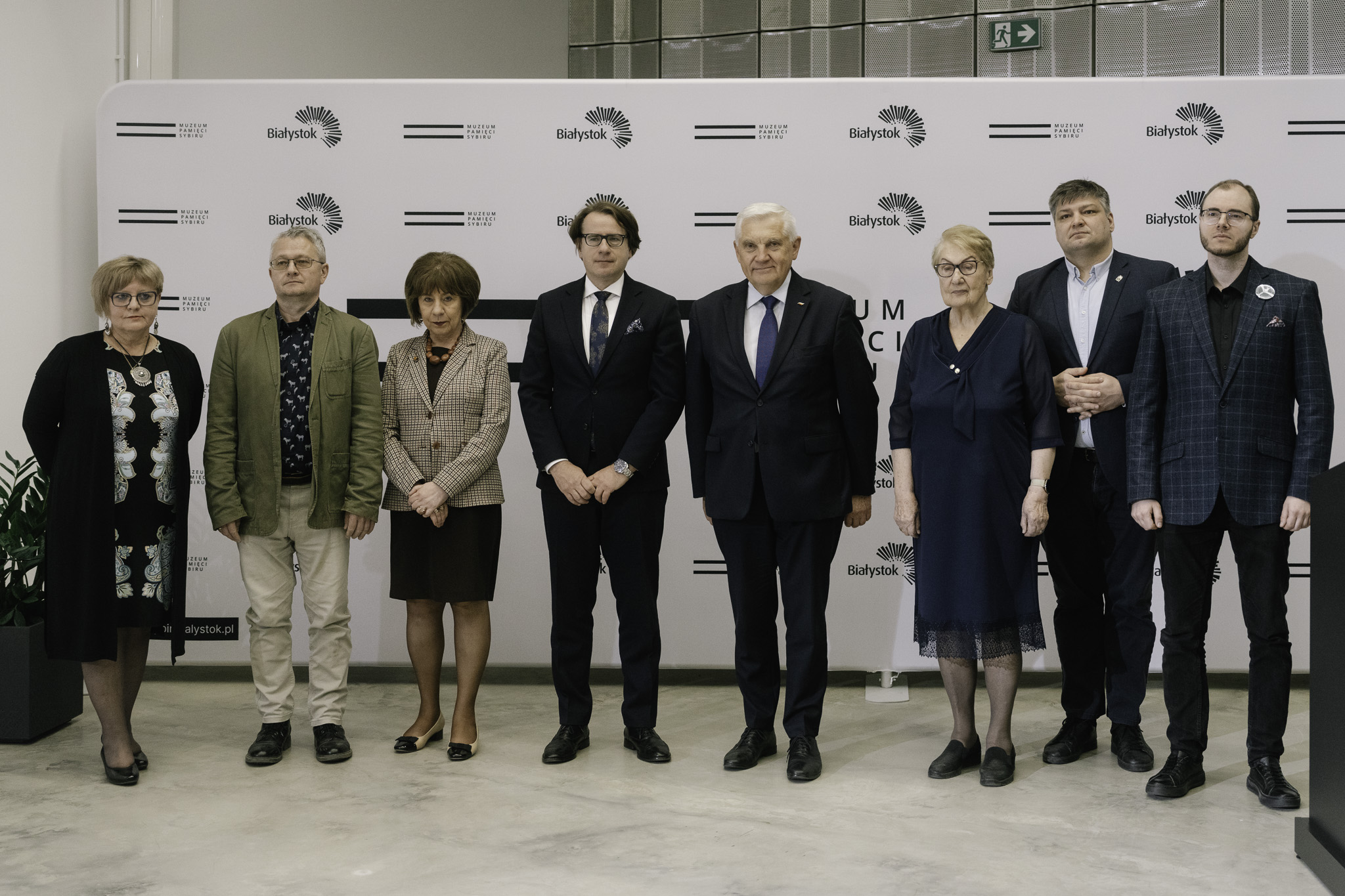
The conference was attended by the organisers and partners of the commemorations: Tadeusz Truskolaski, Mayor of Białystok; Prof. Wojciech Śleszyński, Director of the Sybir Memorial Museum; Dmitriy Panto, PhD, Curator at the Museum of the Second World War in Gdańsk; Prof. Julia Dziwoki of the Jan Długosz University in Częstochowa; Beata Urbanowicz, PhD, Professor at the same university; Jerzy Rohoziński, PhD, of the Witold Pilecki Institute of Solidarity and Courage; Jolanta Hryniewicka, Chair of the Białystok branch of the Association of Sybiraks; and Cezary Rutkowski, Chair of the Association of the Community of Grandchildren of Sybiraks.
A wide-ranging, international programme of events spanning several months was presented. The planned initiatives include academic conferences, seminars, exhibitions, book presentations, intergenerational meetings, and commemorative events. They will take place both in Poland and within Polish communities in Kazakhstan—including Astana, Karaganda, and Oziornoje. Highlights of the programme include events at the Sejm of the Republic of Poland, ceremonies in Kazakhstan (including the unveiling of a monument in Oziornoje), as well as international exhibitions and conferences.
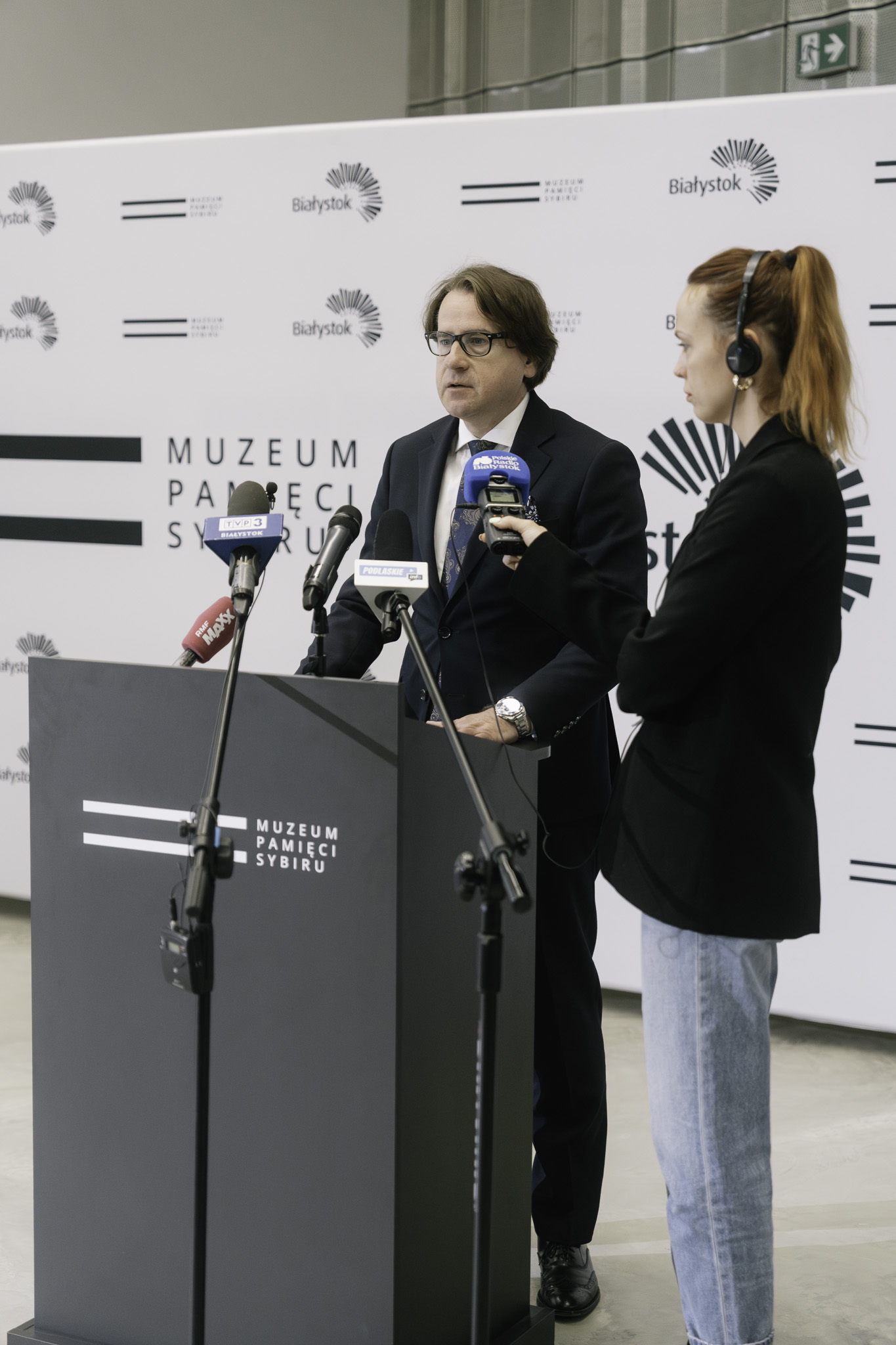
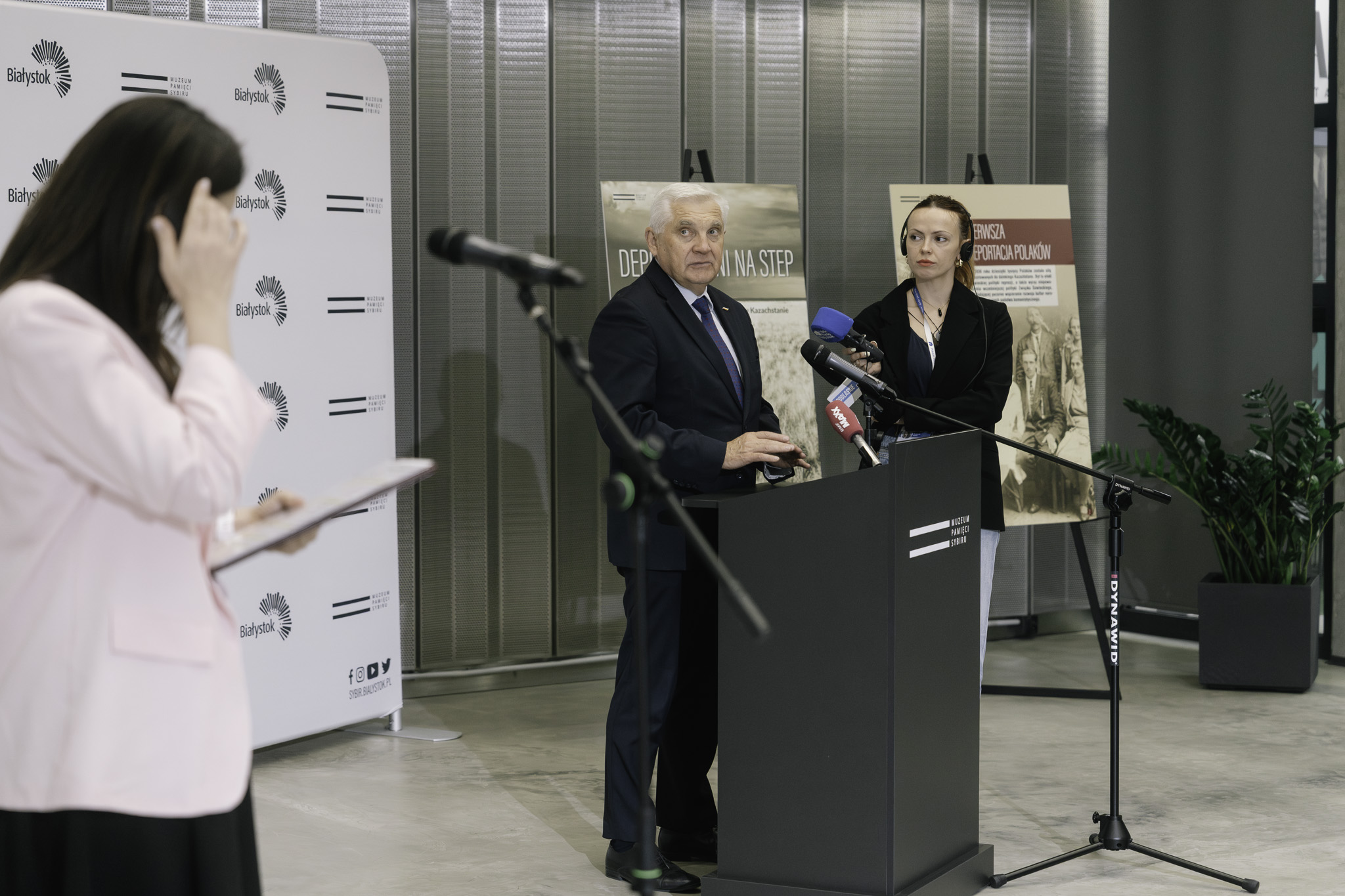
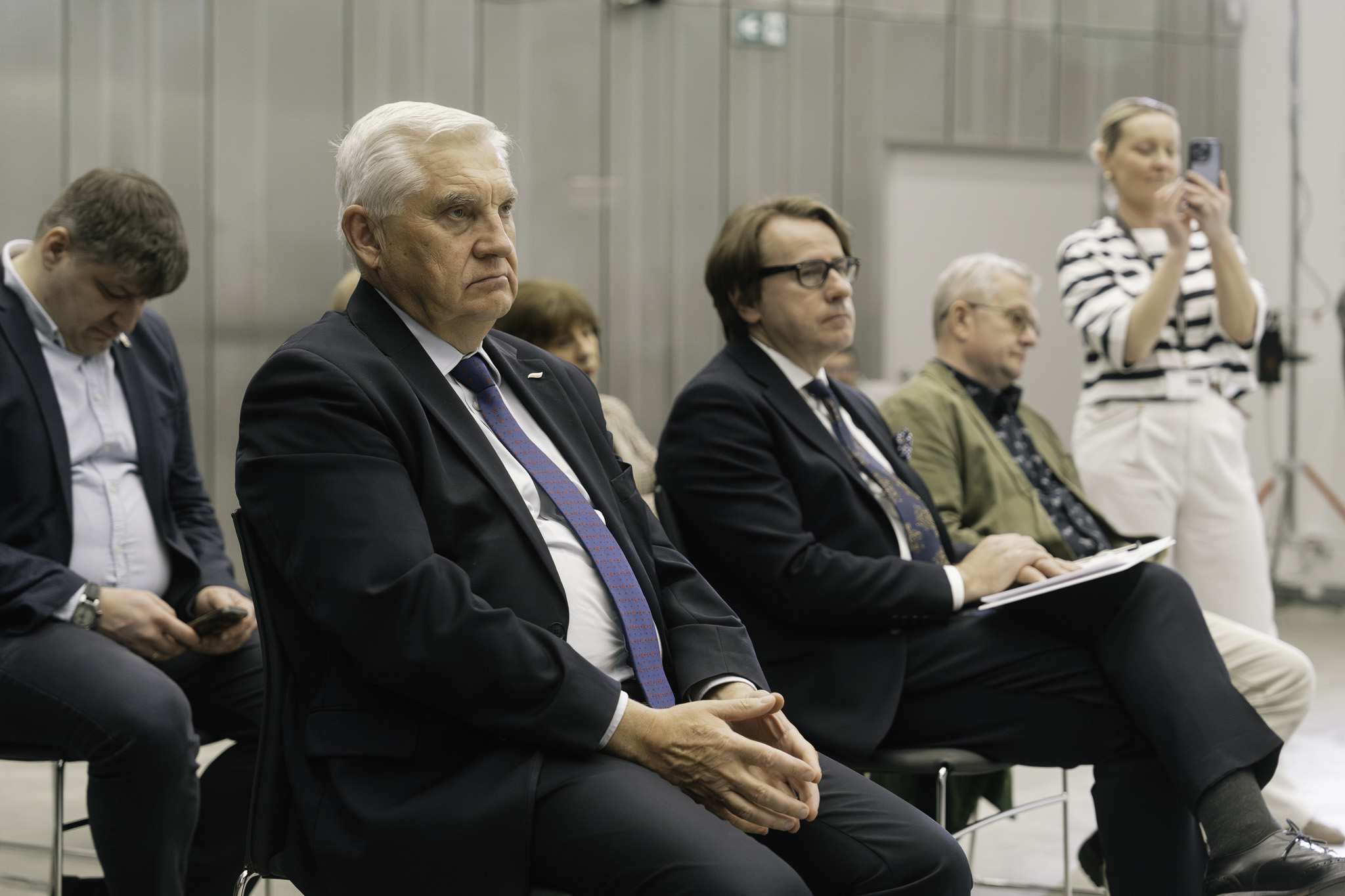
“Commemorating the anniversary of the deportations of Poles to Kazakhstan is of great importance to Białystok. This year’s events recall the community of Sybiraks and highlight its role in shaping the city’s identity,” said Mayor Tadeusz Truskolaski.
The Director of the Sybir Memorial Museum, Prof. Wojciech Śleszyński, outlined the programme:
“One of the key elements of the programme will be the opening of the exhibition Deported to the Steppe at the Sejm of the Republic of Poland, accompanying the adoption of a resolution commemorating the 90th anniversary of the deportations. The symbolic culmination of the celebrations will be a major exhibition at the National Museum in Astana at the end of the year.”
Dmitriy Panto, PhD, noted:
“These events will take place over many months, allowing us to present this tragedy to a wide audience in various locations across Poland and around the world.”
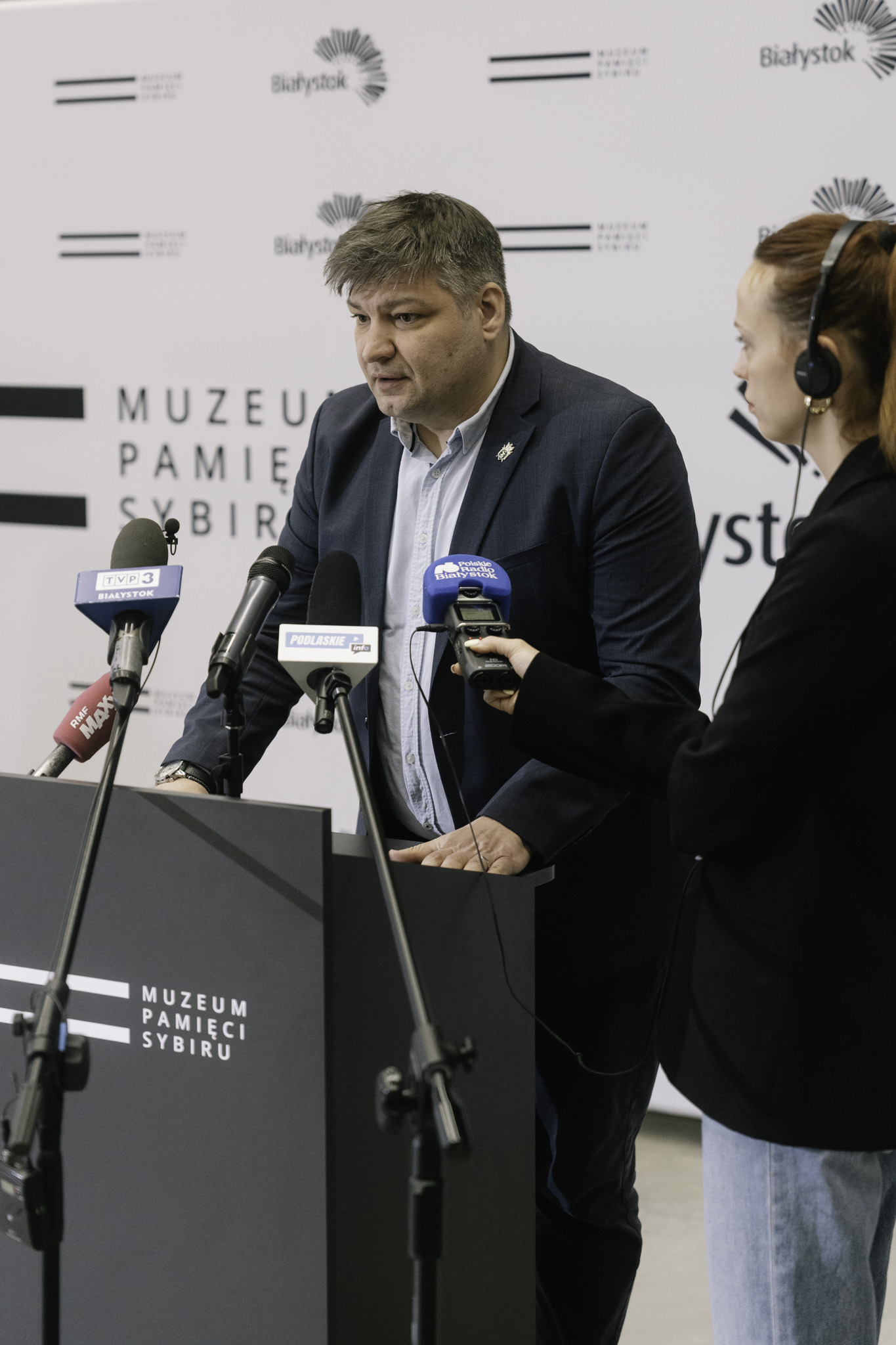
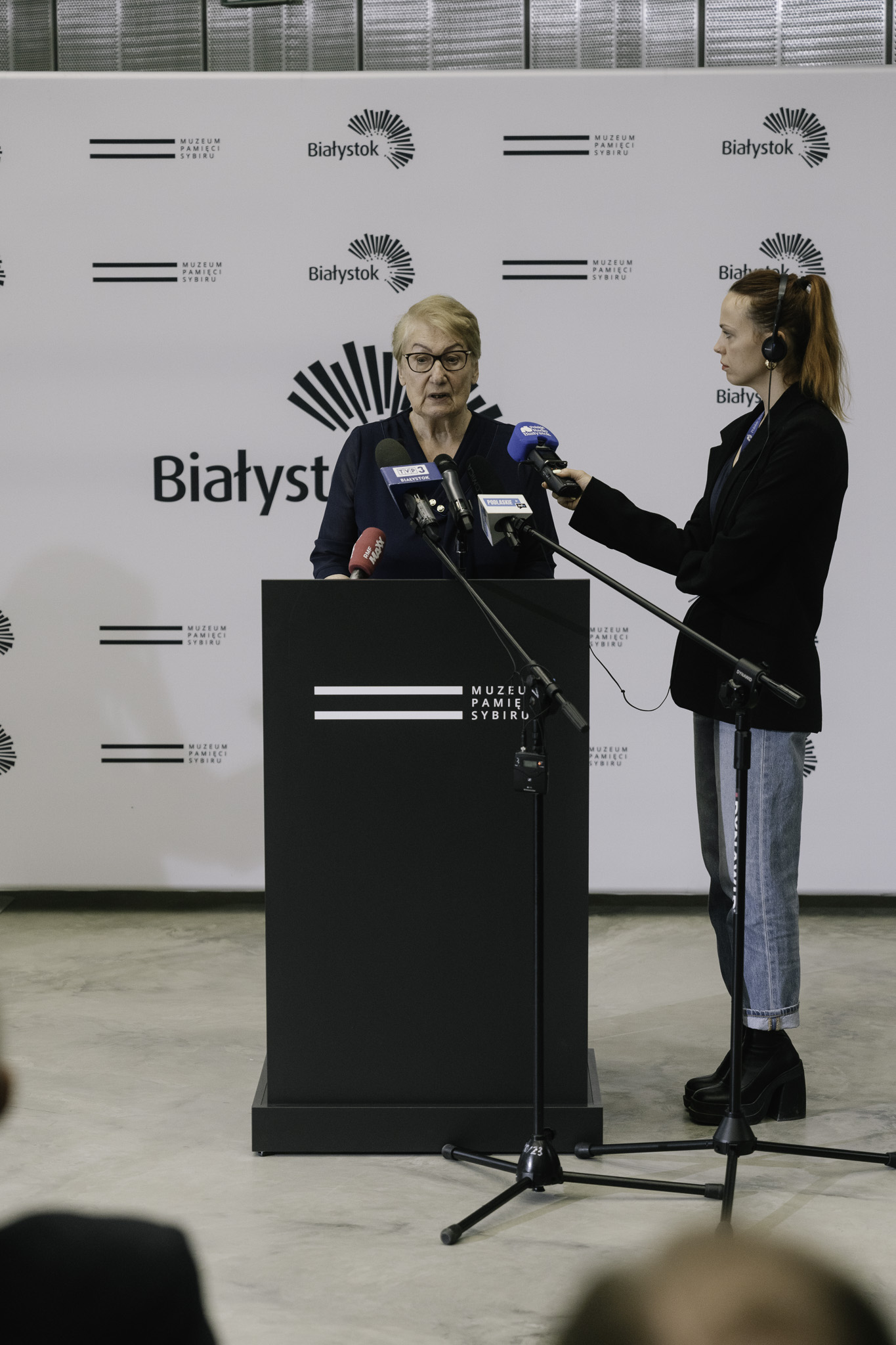
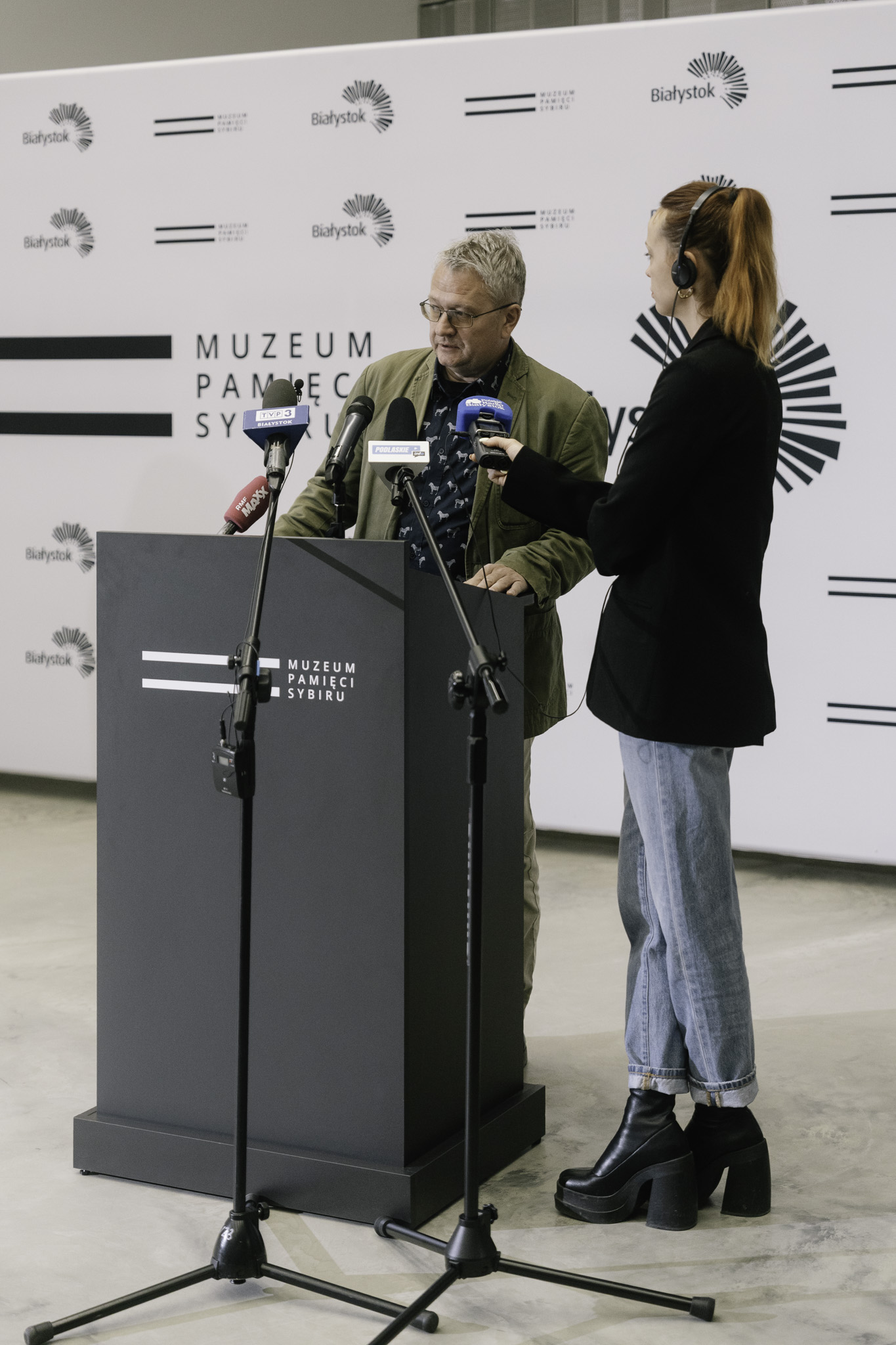
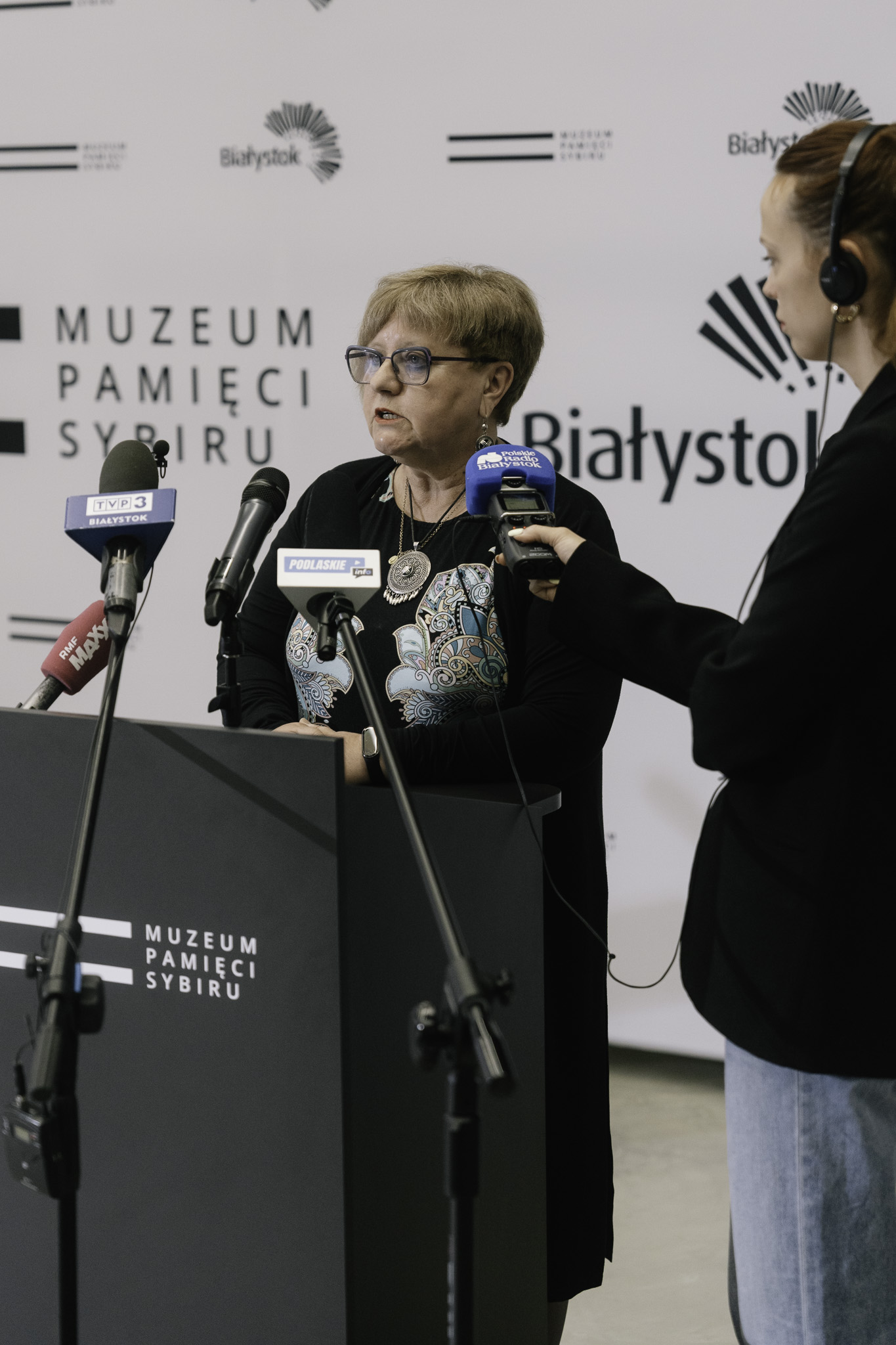
Today’s conference marked the first step in a months-long process of jointly commemorating one of the most tragic chapters in 20th-century Polish history. Cooperation among institutions, academic communities, and Polish diaspora organisations demonstrates the importance of preserving the memory of those deported and passing their stories on to future generations.