



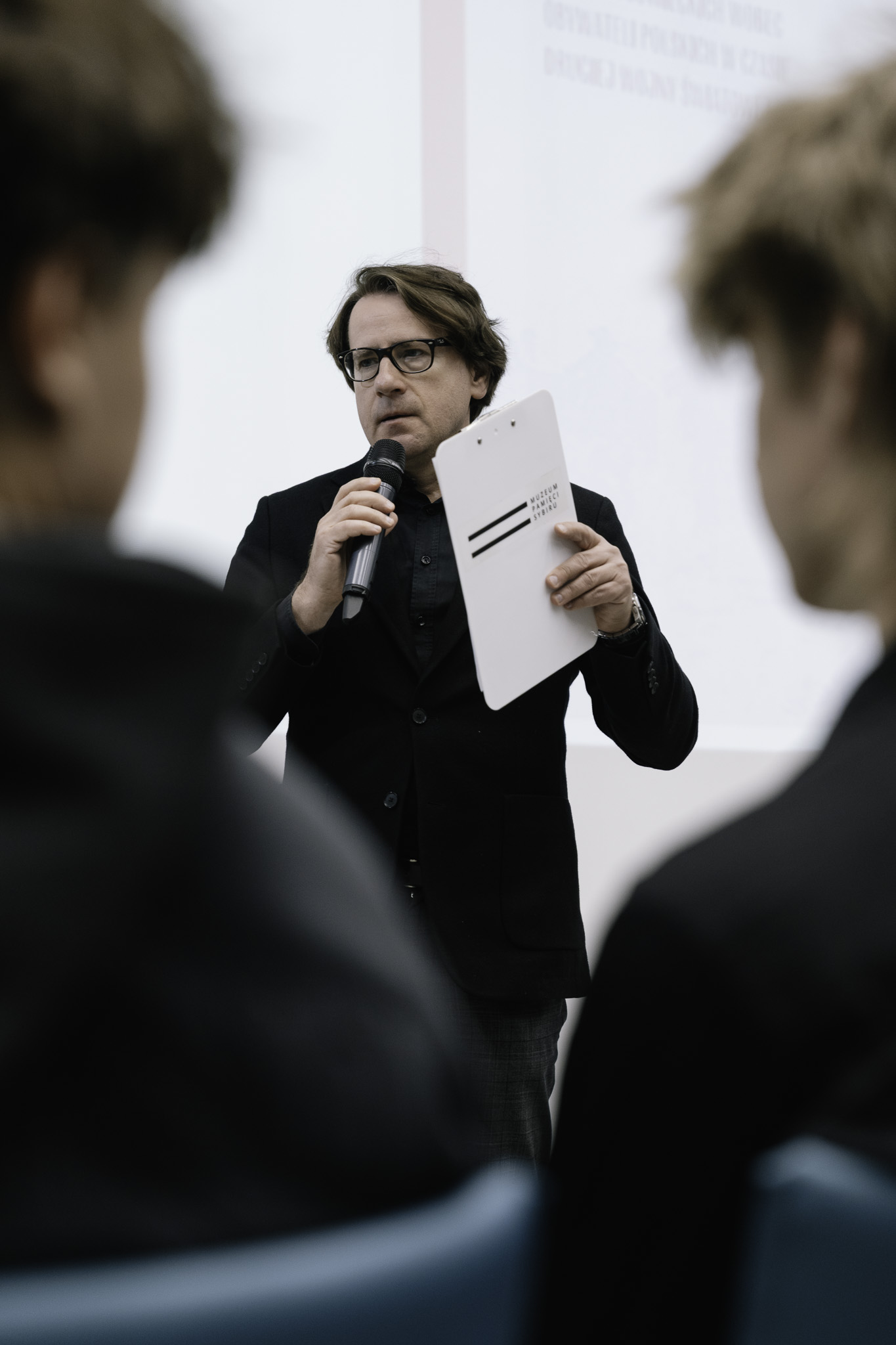
“But should this concern us at all?” Tomasz Danilecki, PhD, from the Research Department began provocatively during yesterday’s discussion.
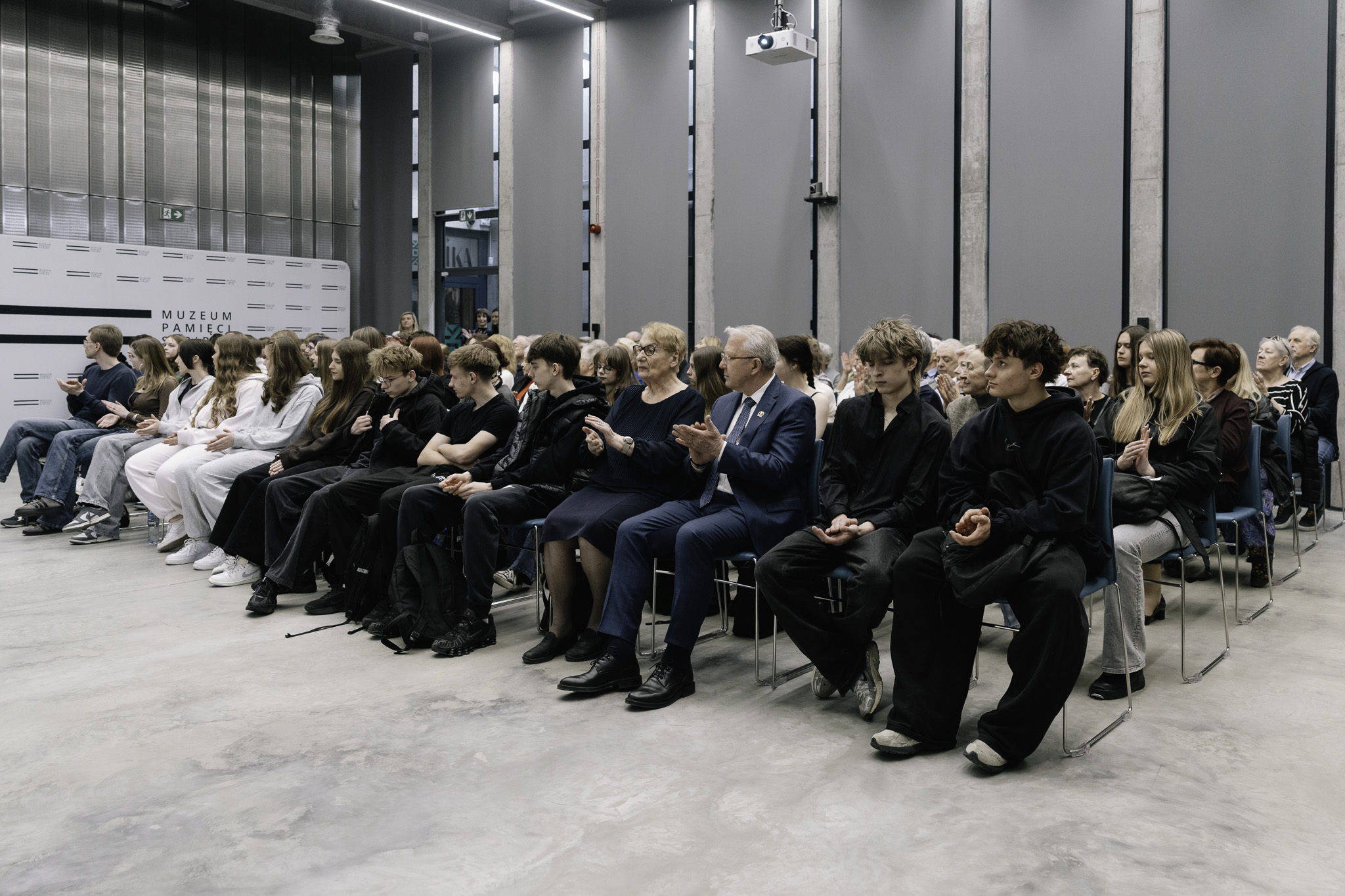
More than a hundred guests attended the event, including Sybiraks, students, participants of the University of the Third Age, and a large group of young people from the 10th High School named after Wisława Szymborska in Białystok.
“Today marks the anniversary of the Katyn massacre and the anniversary of the second deportation. These events, contrary to appearances, are very closely connected. But why should they concern us?” Danilecki, PhD, continued.

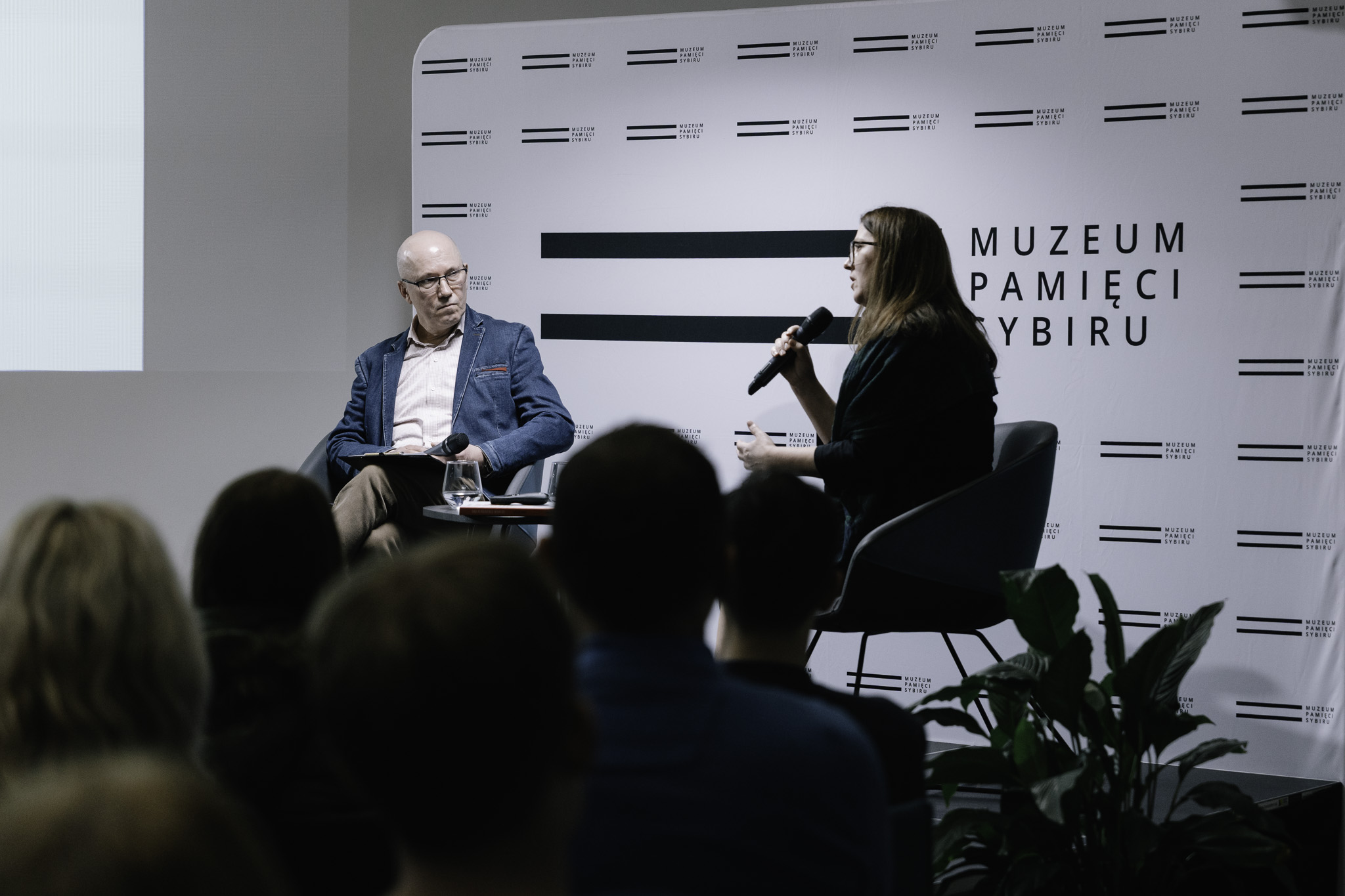
“History teaches us to draw conclusions, to listen, to meet people, and to talk. That is precisely why I decided to travel to Russia to conduct my research,” said Prof. Anna Zapalec, who approaches historical research in a unique way.
On the one hand, she conducted scholarly research in Russian archives; on the other, she combined the work of a historian with anthropological methods. She travelled across Russia and Siberia to speak with local people and reach places that have long remained abandoned. During the meeting, she presented photographs from her research trips to locations where Soviet labour camps once existed. It was also an opportunity to explain the difference between terms that are often confused or used interchangeably.
So what was a “labor camp,” and what was the GULag?
“The Soviet system of repression was an extremely complex structure, creating a network of camps, settlements, and various forms of persecution. It was managed by a central authority — the Main Administration of Camps and Special Settlements, known as the GULag. The individual forced labour camps, of which there were thousands, were called ‘lagiers.’ In addition to them, the GULag also administered special settlements. That is where deportees were sent — people not sentenced to labour camps but forcibly resettled,” explained Prof. Zapalec.
“Russia is the largest country in the world,” added Tomasz Danilecki, PhD. “When you fly from Moscow to Siberia, for several hours you see nothing but empty space — tundra, forests, sometimes a large river, and only very rarely a settlement. Thousands of kilometres of emptiness. That is where deportees were sent. Is it easy today to reach such a camp?” he asked.
“It is very difficult. They were located far from major railway lines and main cities. After travelling by plane, train, and car, to actually reach these places you need to know local people who will take you there and are willing to show them. These are areas far from civilisation, with no roads.”
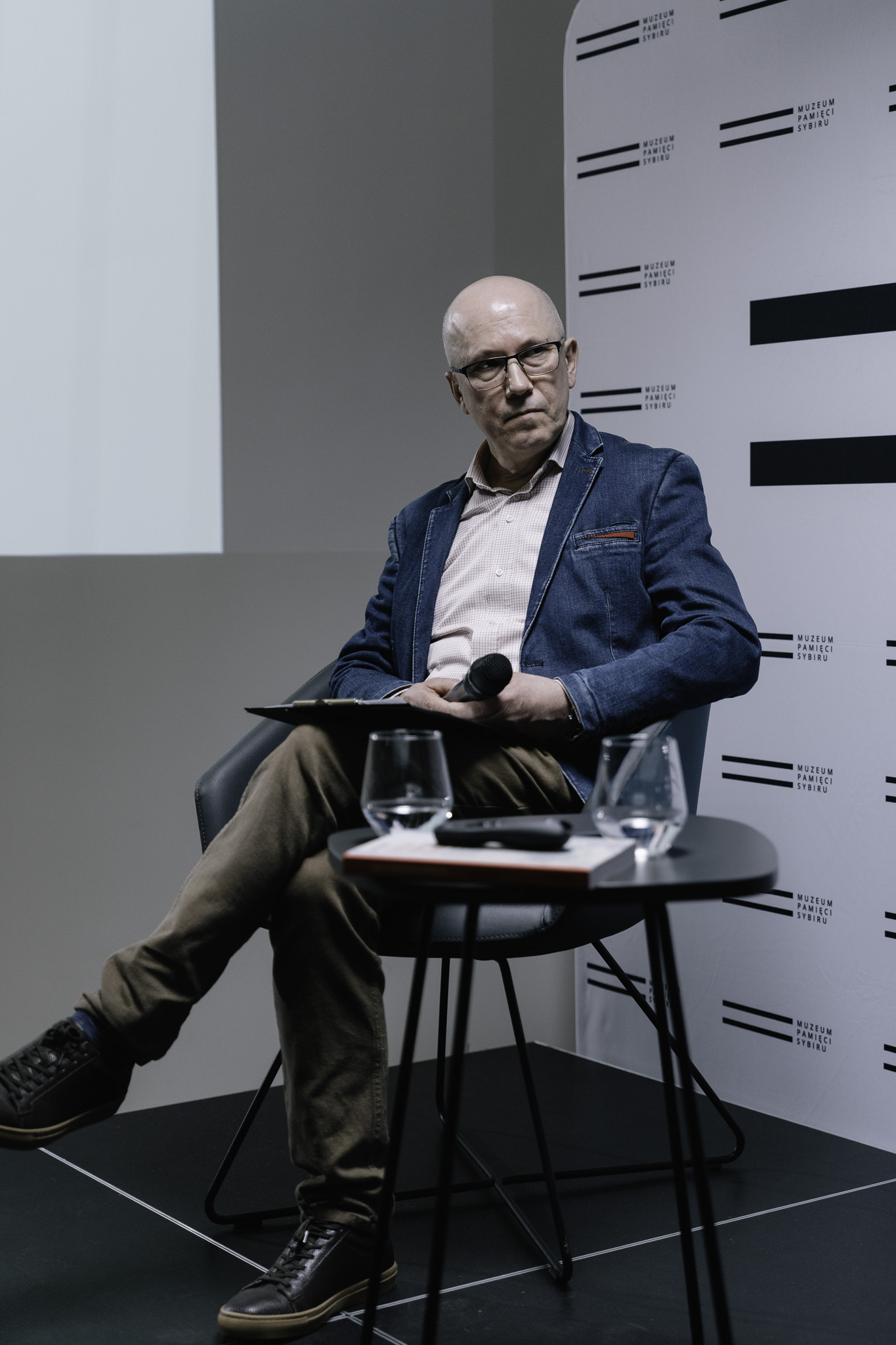
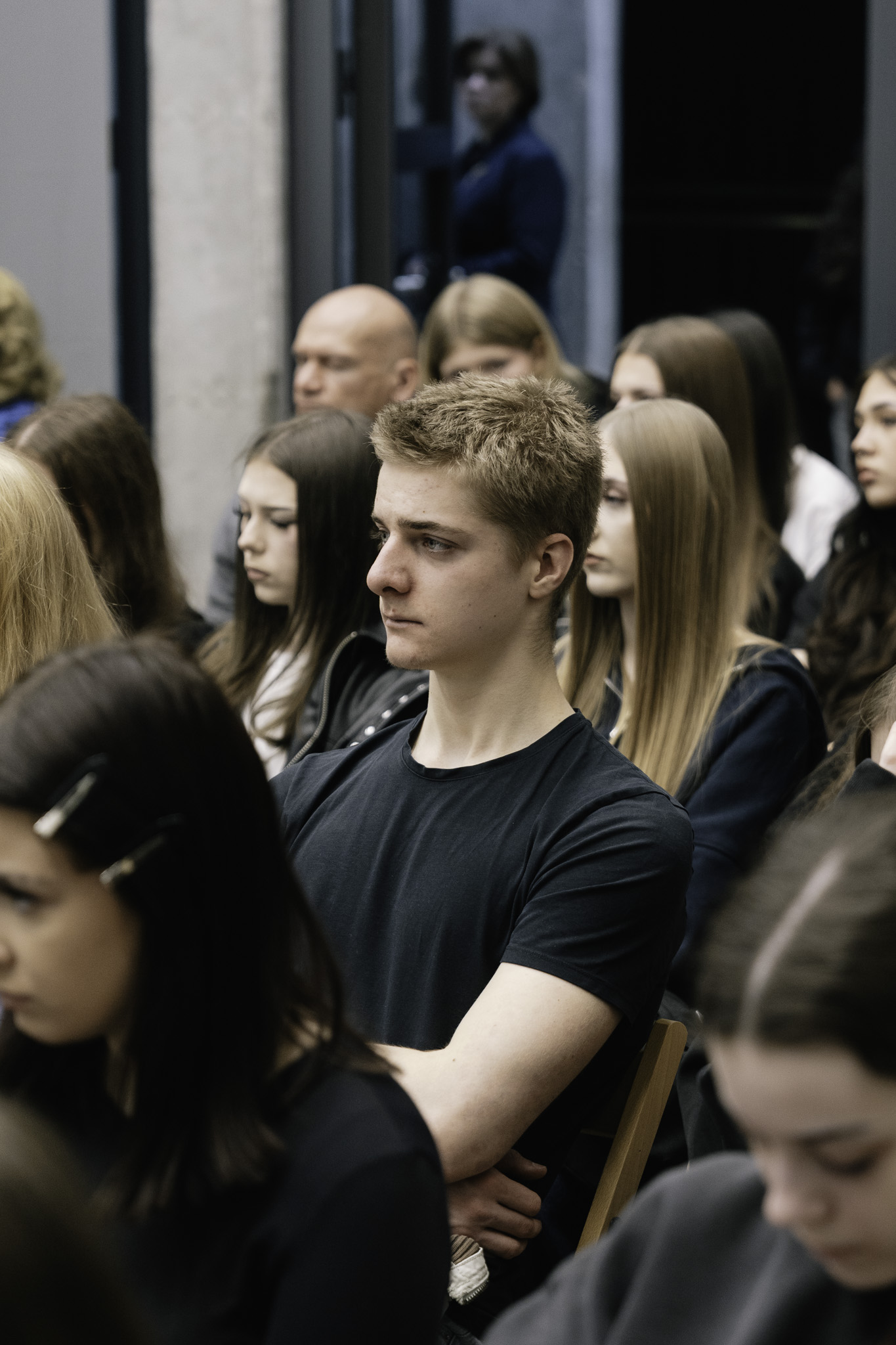
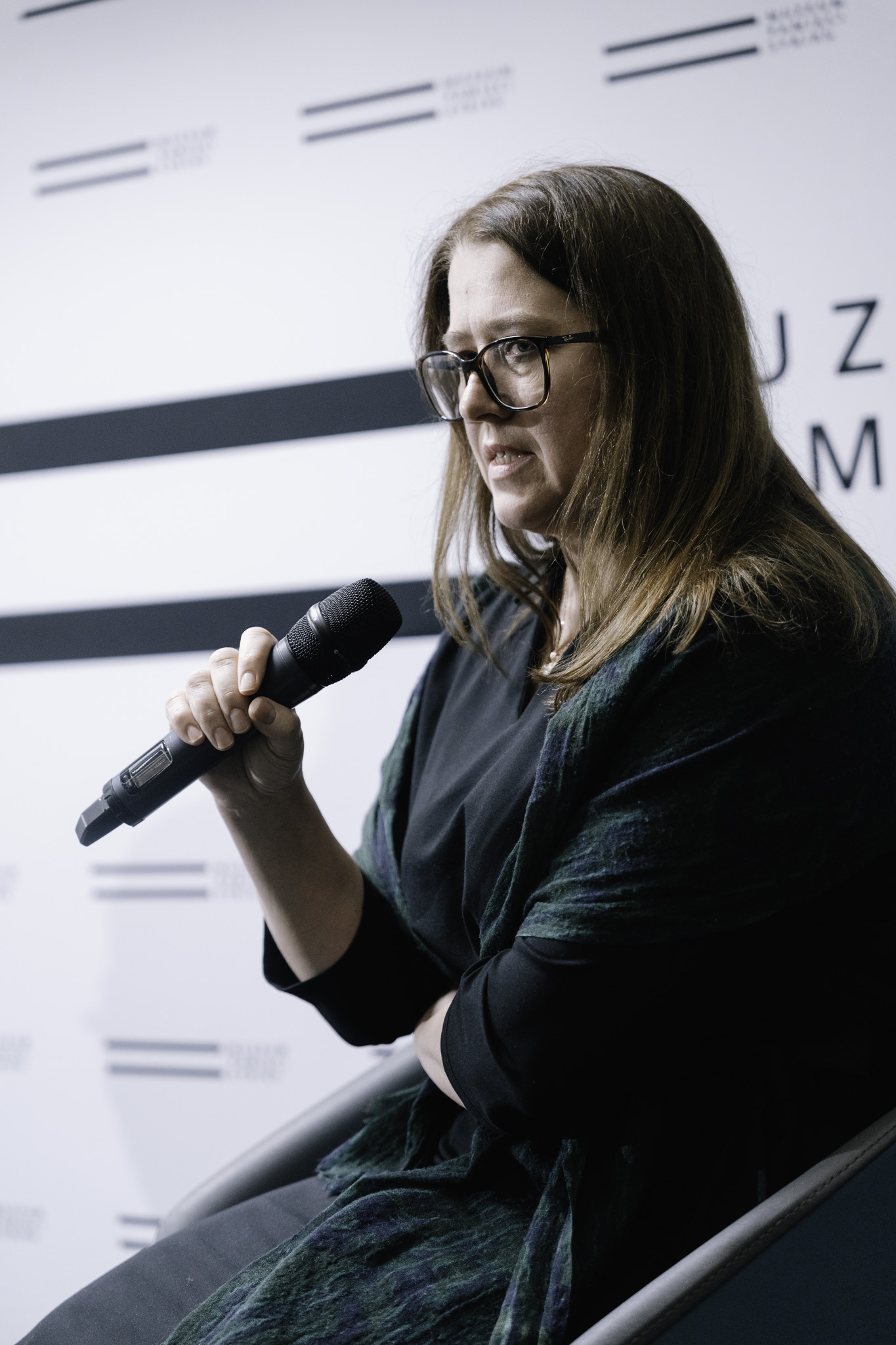

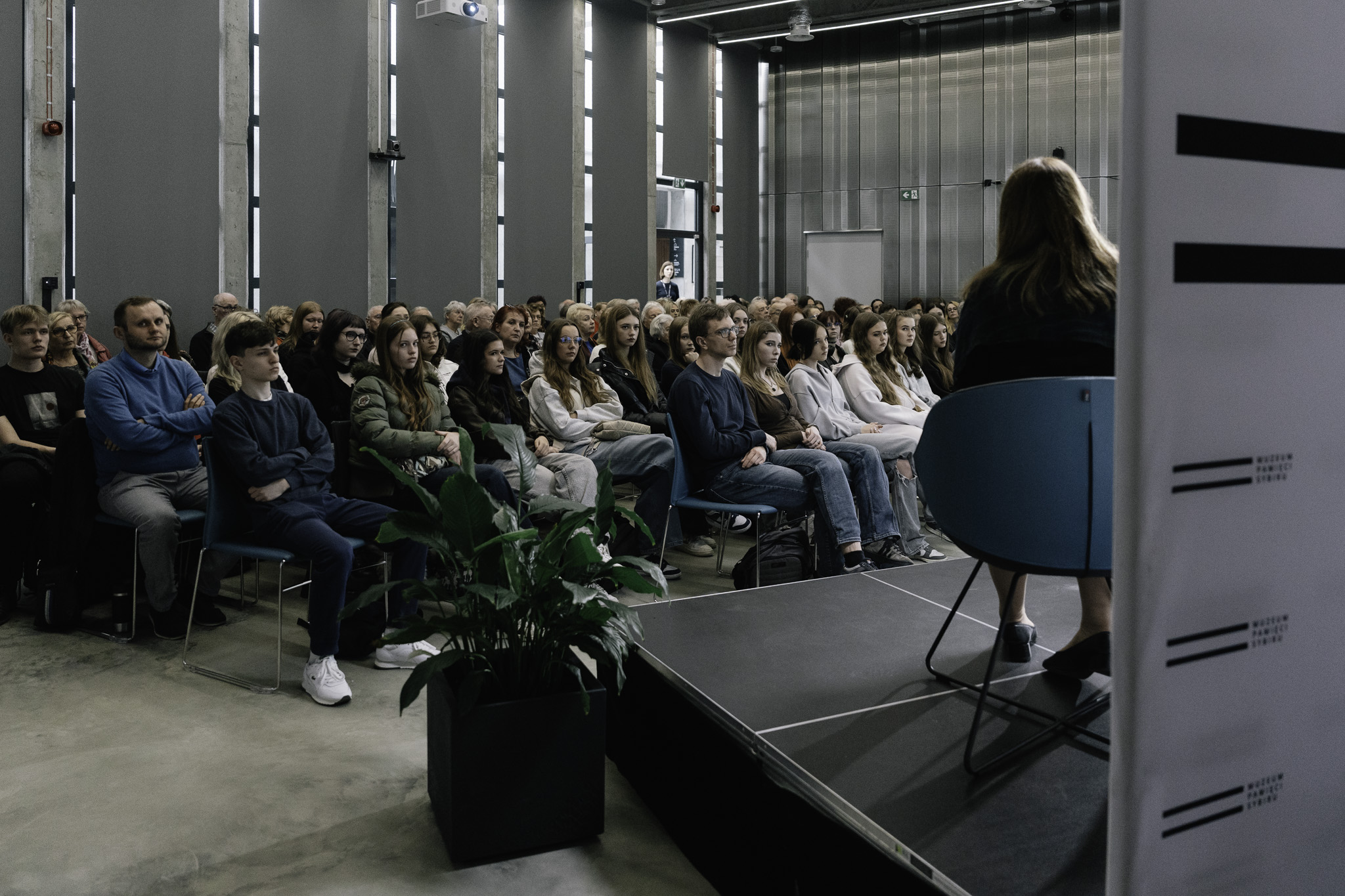
After the meeting, participants asked how such research expeditions are organised, whether trips to such places are still possible, and whether the chapter of forced labour camps can be considered closed in history. Young people showed strong interest in the topic and eagerly shared their impressions:
“I was very surprised by the scale of Soviet repression — how many of our compatriots died in the camps and during transport by trains,” said one of the students at the end of the meeting.