


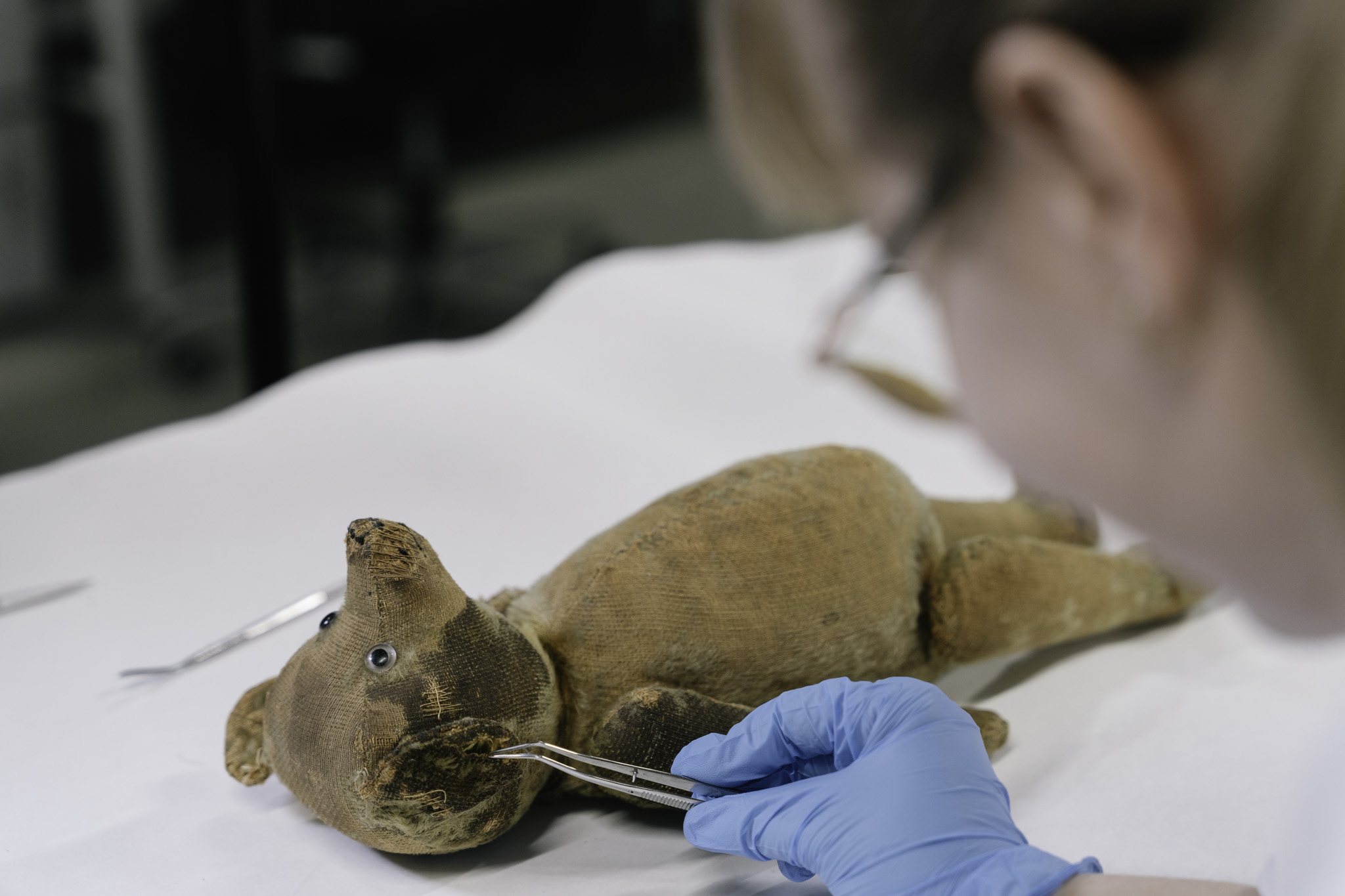
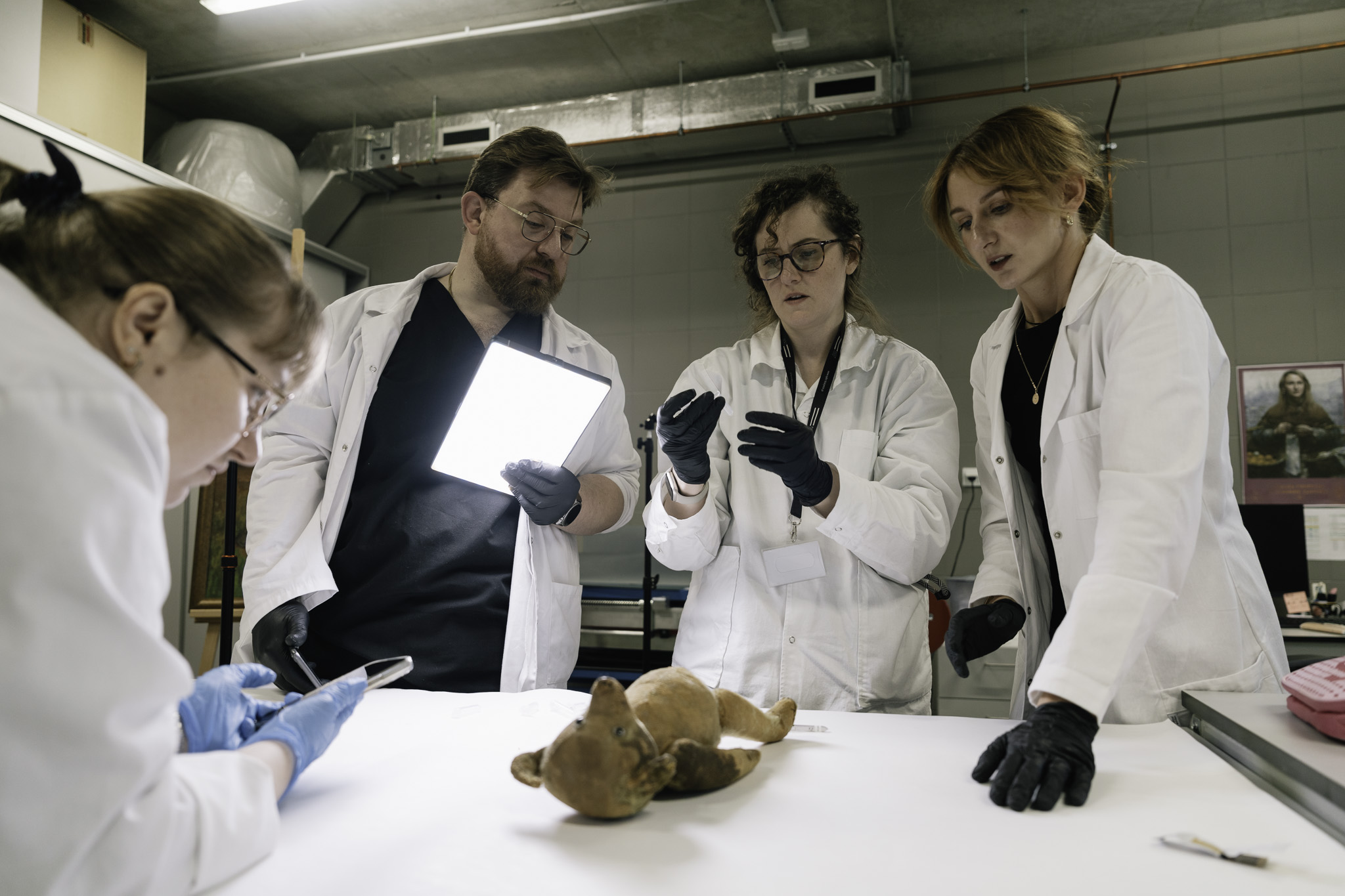
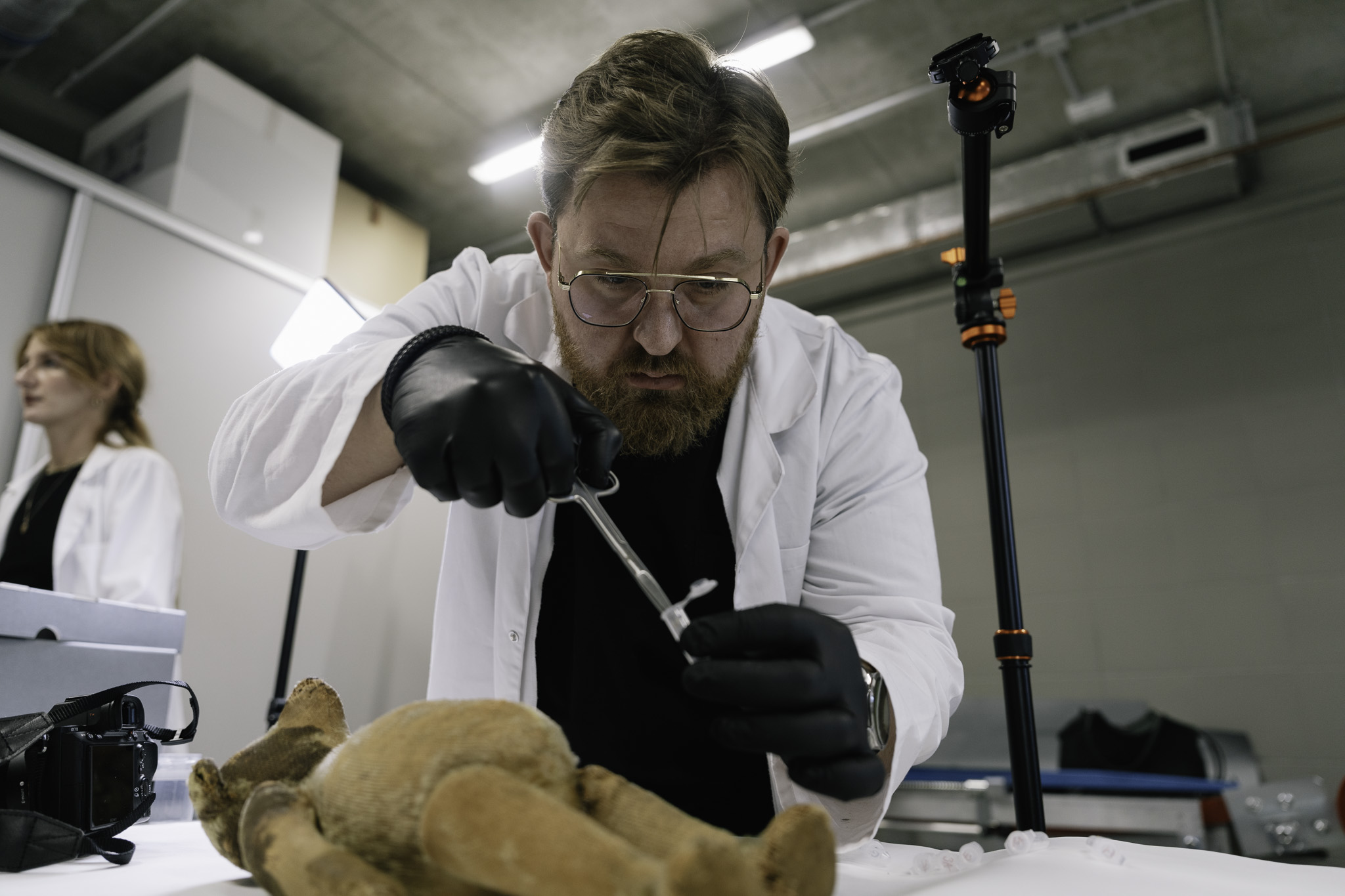
On Monday, a team of conservators visited the museum: Maciej Banasiak, Karolina Komsta-Sławińska, and microbiologist Krystyna Pałubicka from the Department of Conservation and Restoration of Paper and Leather at Nicolaus Copernicus University in Toruń. They were joined by the museum’s conservator, Eliza Naumiuk. Their task was to collect samples for detailed analysis of one of the most moving objects in our permanent exhibition—the teddy bear of Renia Jackowska.
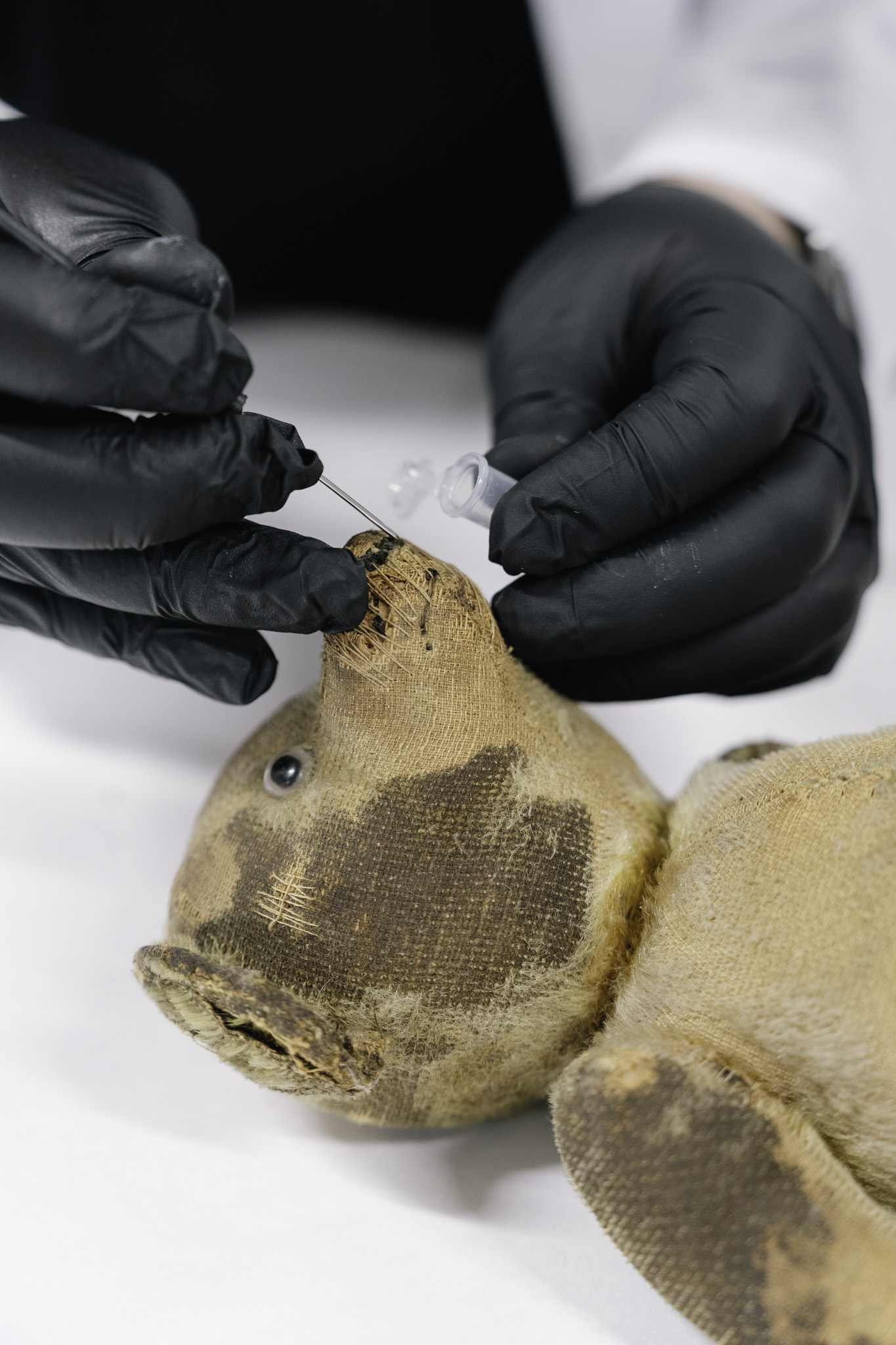
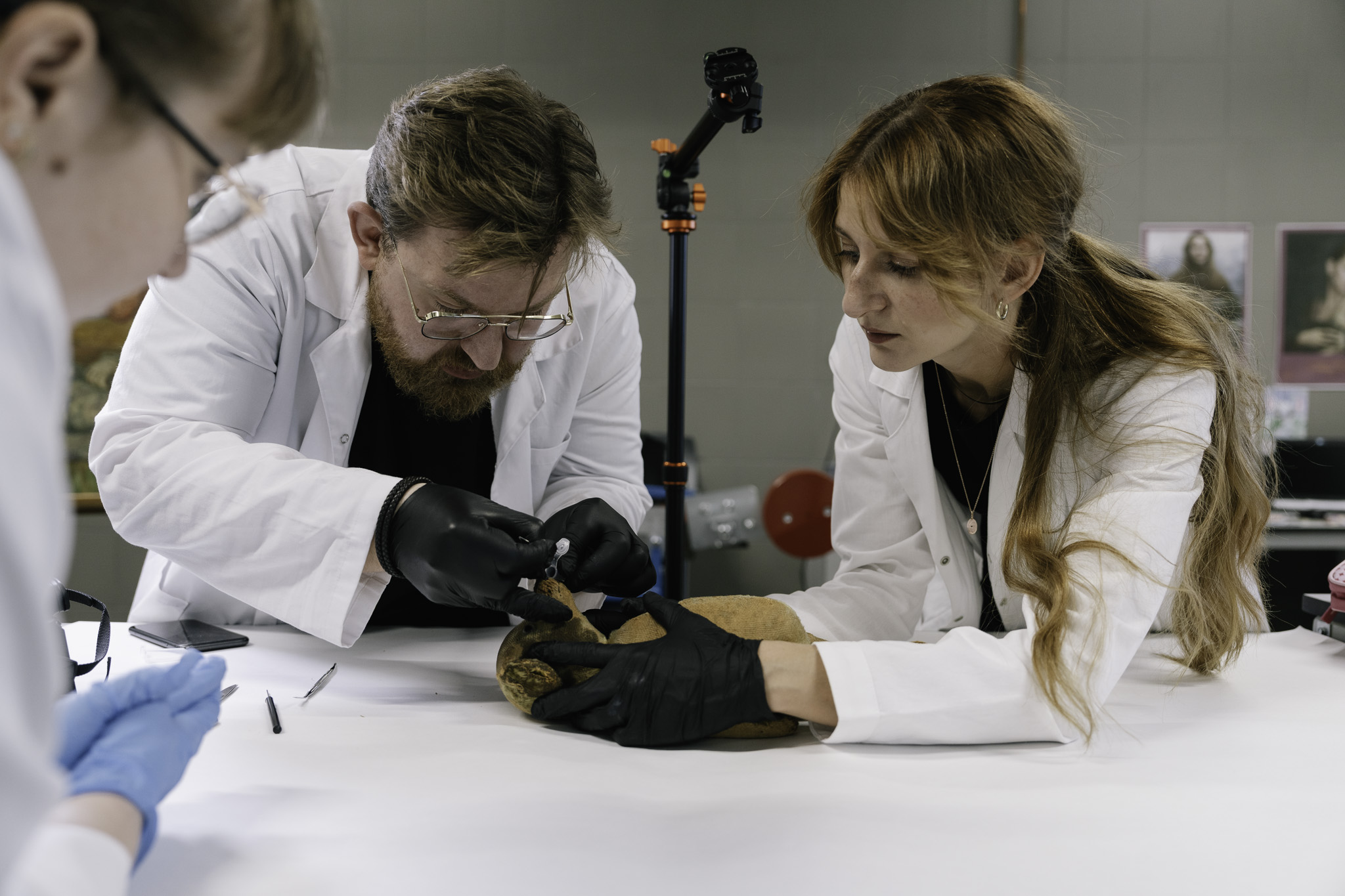
The bear belonged to seven-year-old Renia, who was deported with her mother from Lviv to the Irkutsk region in Siberia. After the “amnesty” in 1942, the girl and her mother left the Soviet Union and eventually reached Jerusalem. There, their lives became intertwined with those of the Świderski family, who lived in the same house. Little Basia Świderska grew attached to Renia’s teddy bear and could not bear to part with it. When Renia’s family received permission to leave for England, the girl decided to give the bear to Basia for good.
The first examinations, conducted on site at the museum, have already yielded fascinating insights. The bear was originally straw-yellow in colour and shows traces of numerous repairs made with threads of different colours. Particularly intriguing is the discovery of a large secondary seam located in the centre of its belly. Unfortunately, we must wait for further specialist analyses to learn what might be hidden inside the toy.
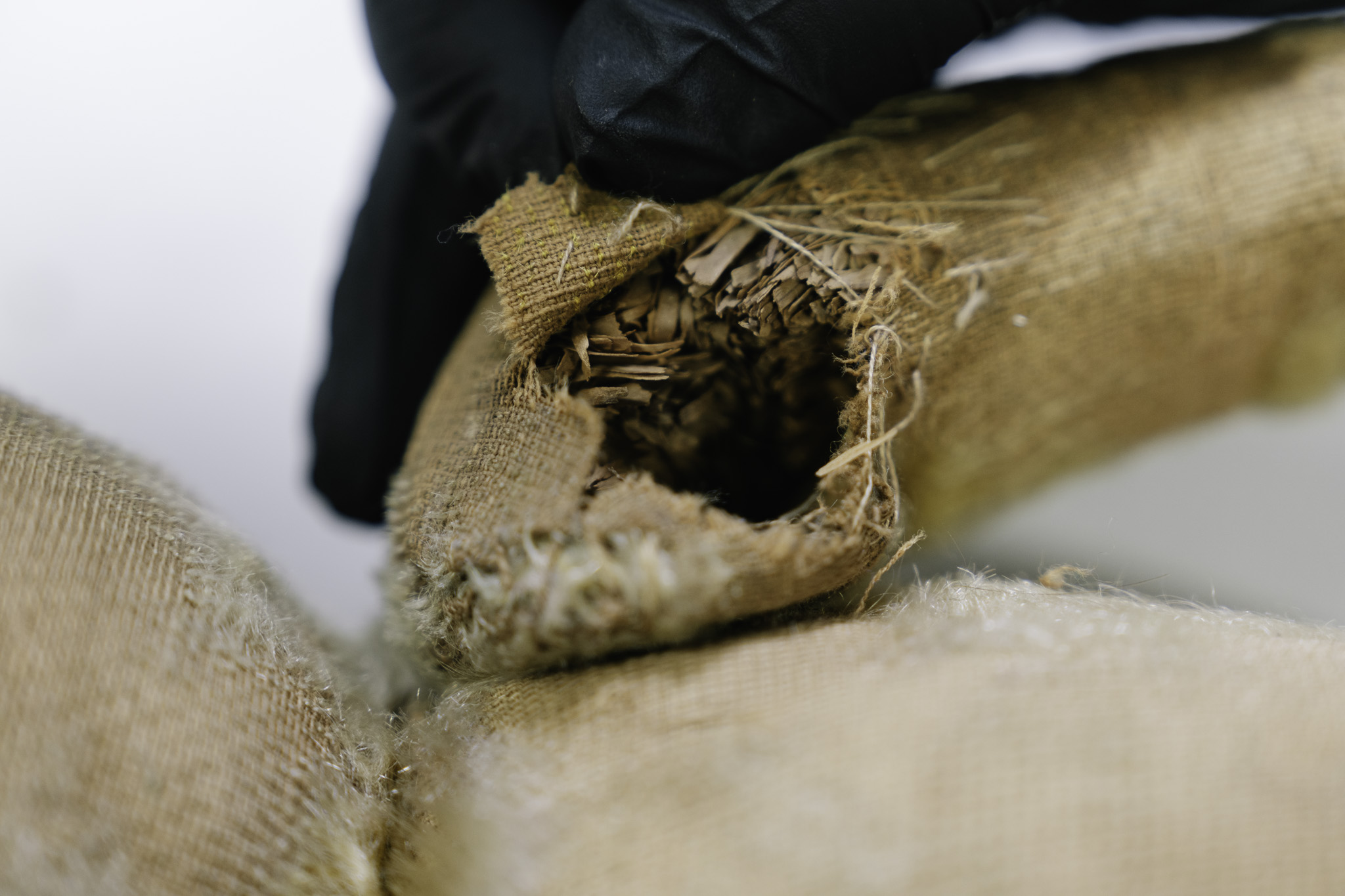
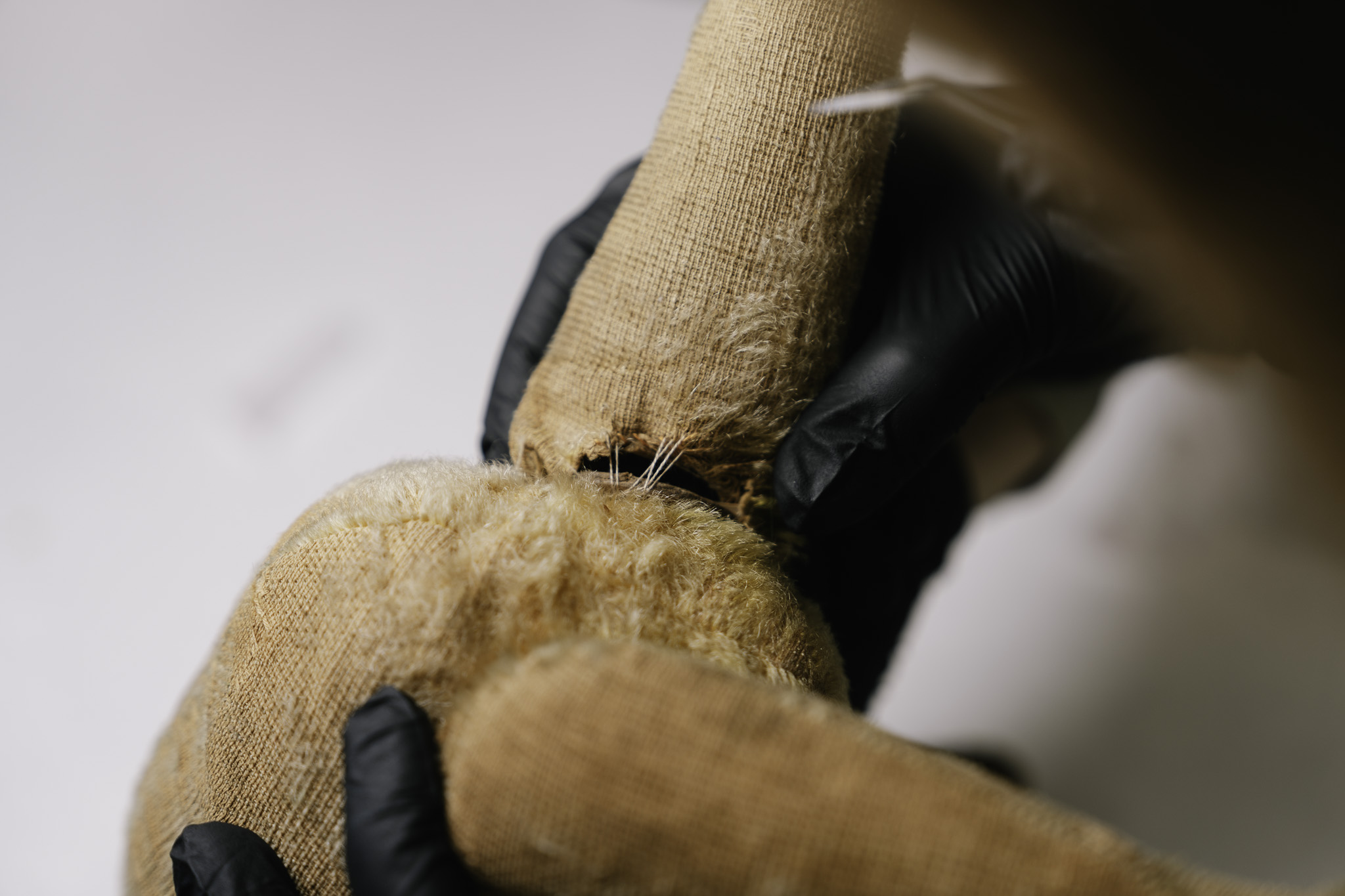
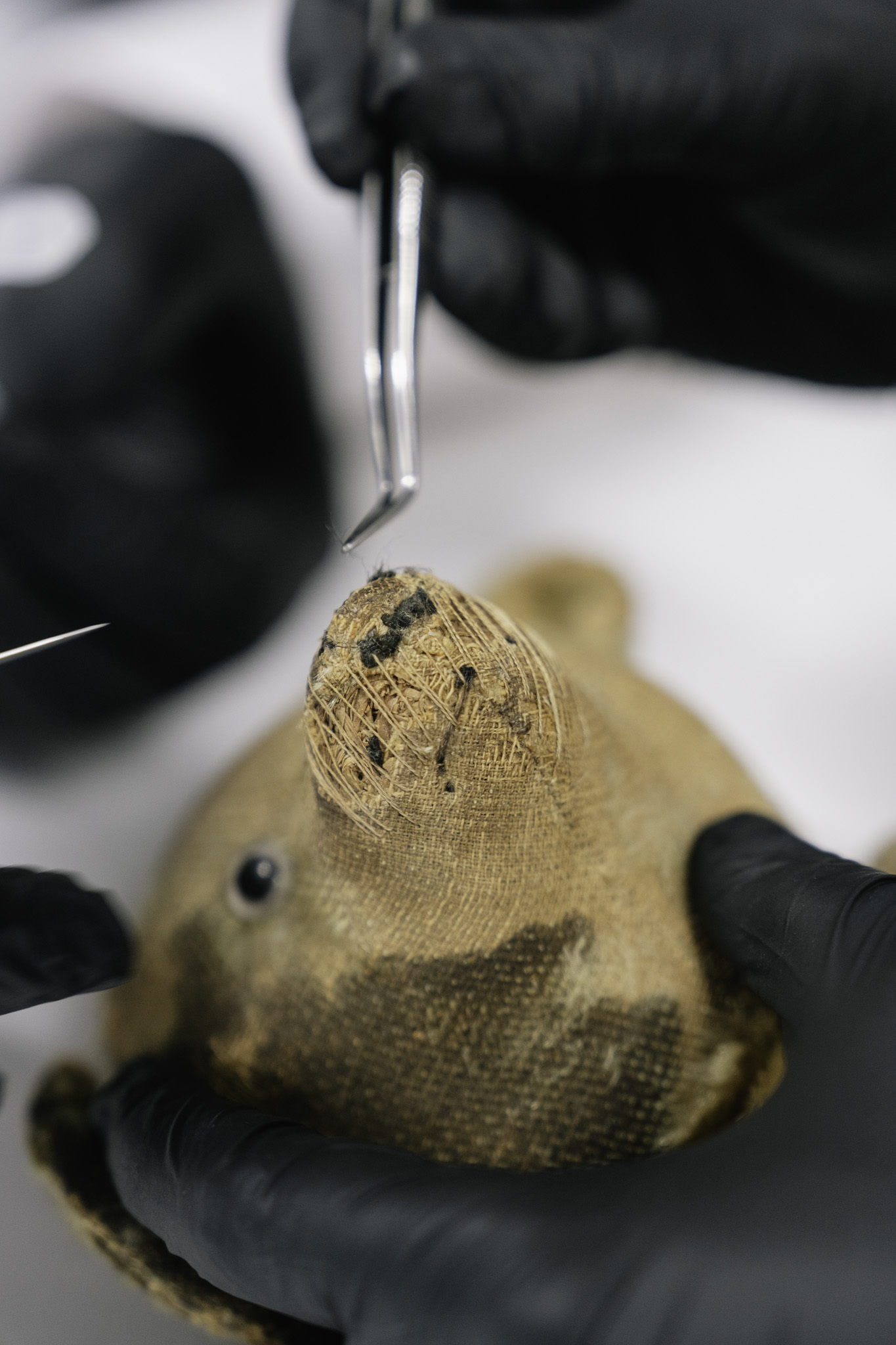
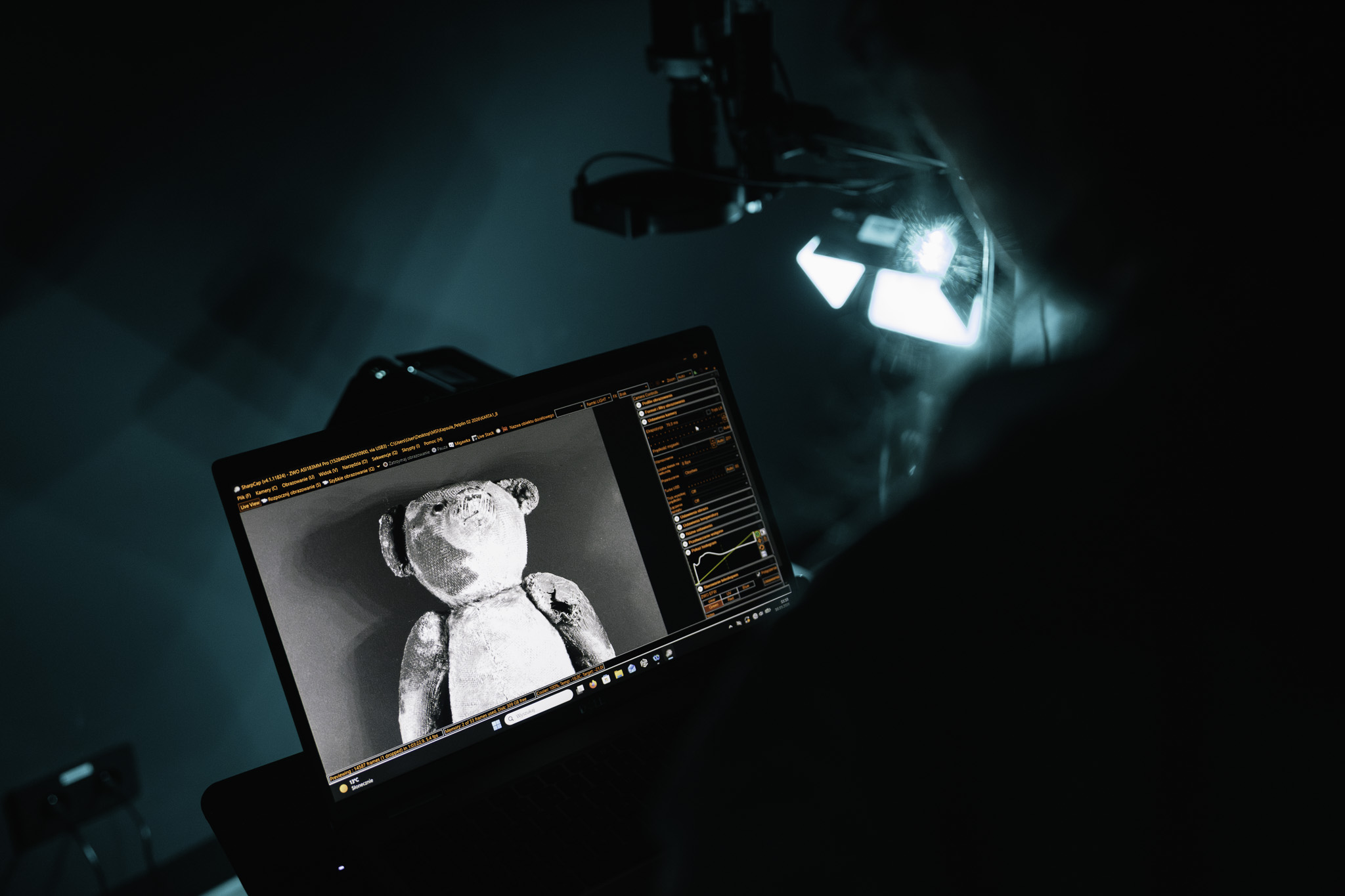
Detailed research will be carried out by the Centre for the Research and Conservation of Cultural Heritage, Faculty of Fine Arts, Nicolaus Copernicus University in Toruń, and the results will be presented at the 9th International Conservation Conference, “Textiles in Artifacts Research-Conservation-Innovation”.
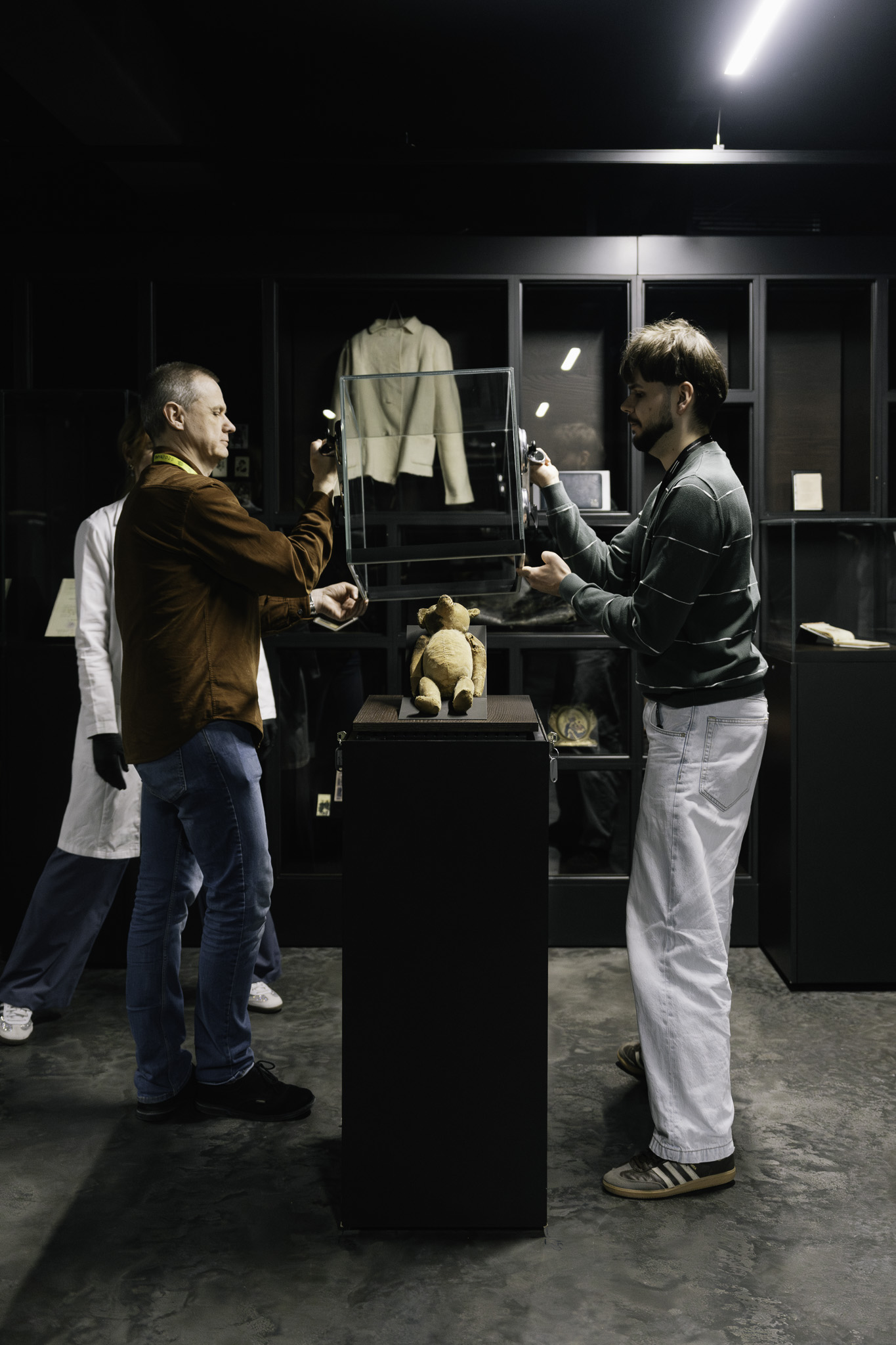
You can see the teddy bear every day in our permanent exhibition, where it continues to remind visitors of the power of kindness in times when it was so scarce.