



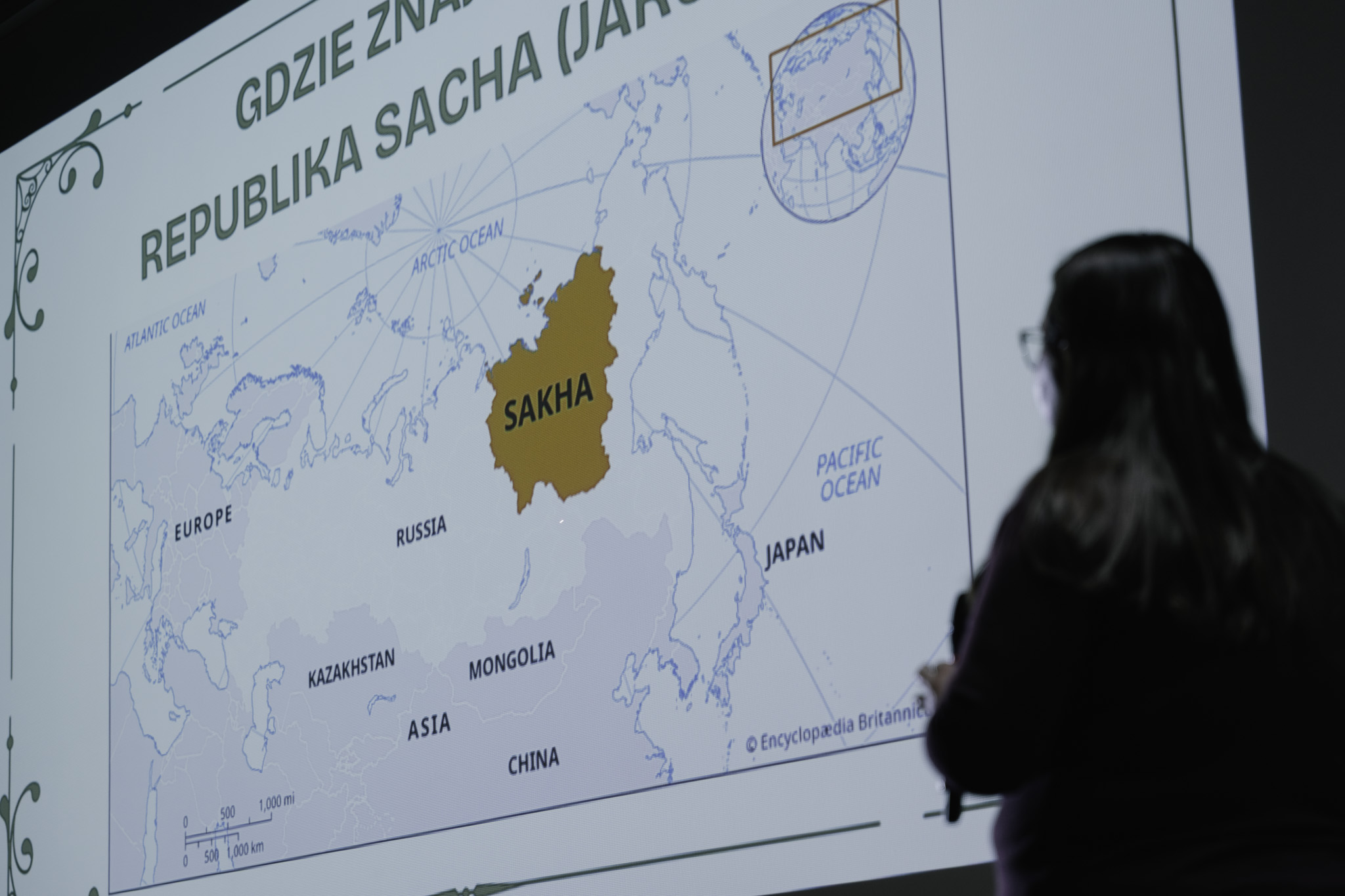
Osuochaj is the Yakuts’ national dance, kumys is a fermented horse-milk drink consumed mainly in summer, and Aal Luuk Mas is a sacred tree in Yakut mythology. These and many other insights into Yakutia were presented by Ewa Haarczaana Kowalska, who grew up in that distant part of Siberia.
“I am half Yakut and half Polish. My middle name is Haarczaana, which in Yakut means ‘snowflake.’ My sister’s first name means ‘little star.’ Our parents gave us these names so that we would always remember where we come from. We have one homeland in Poland and another in Yakutsk,” she emphasized.
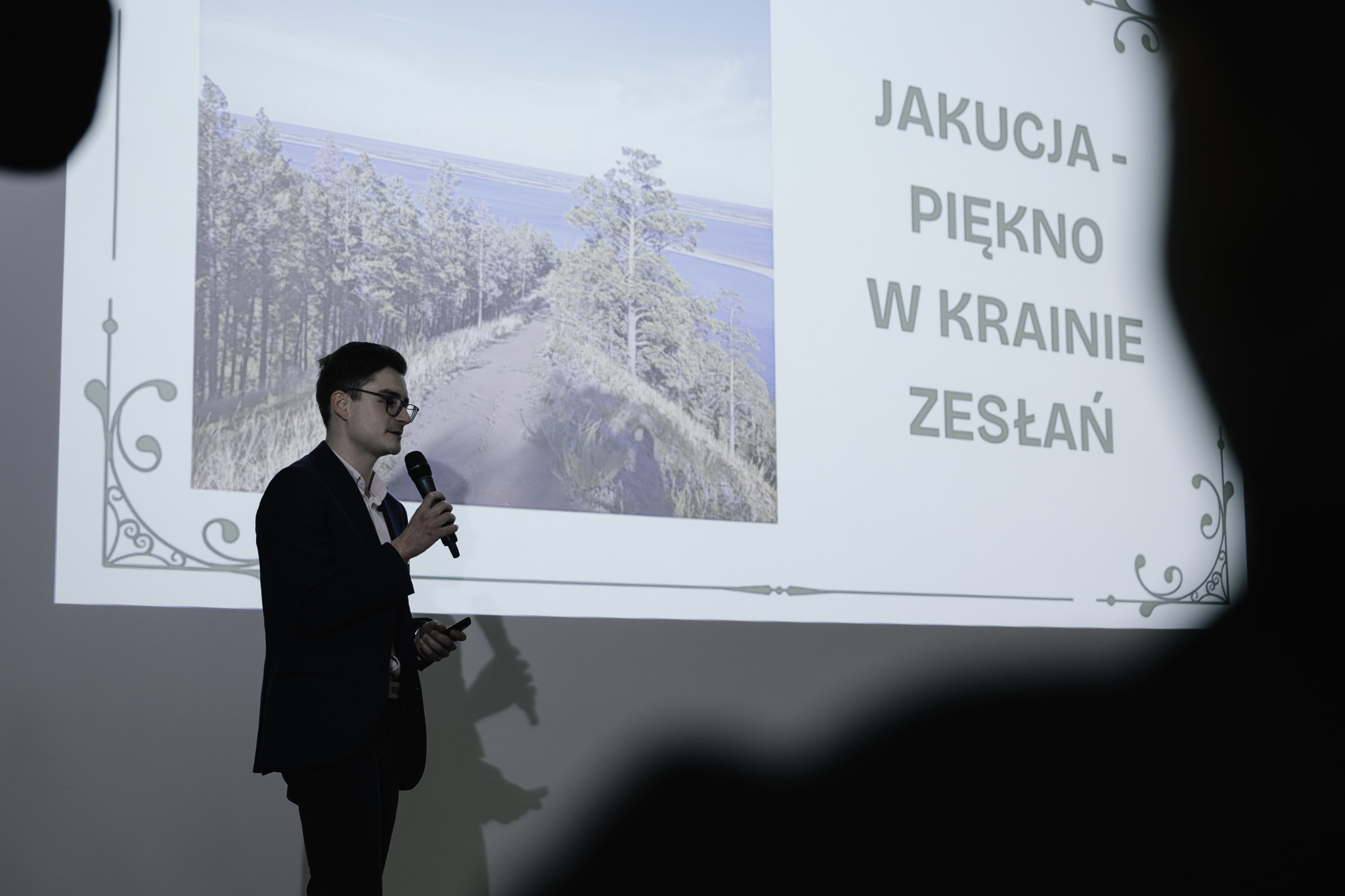
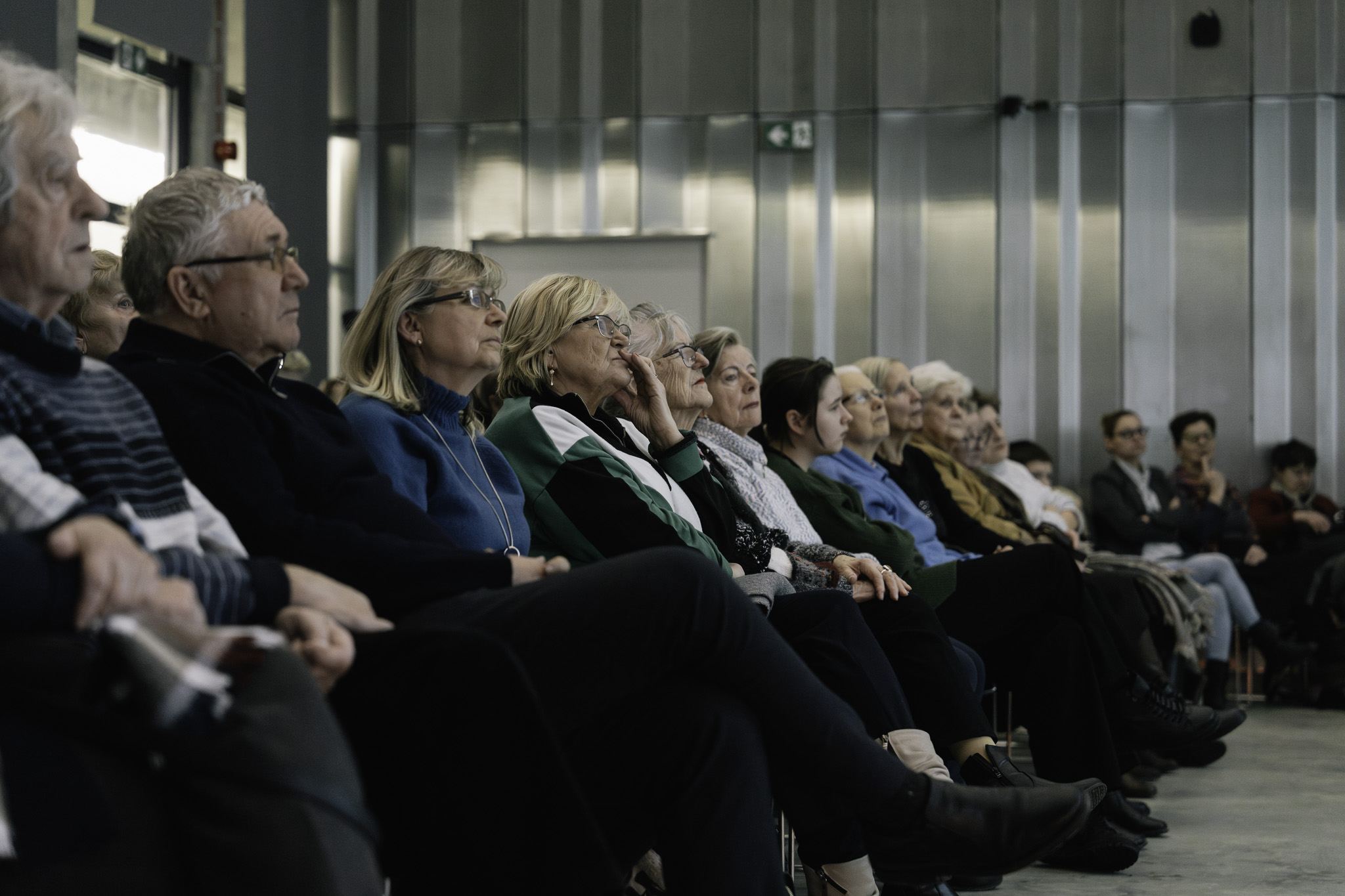
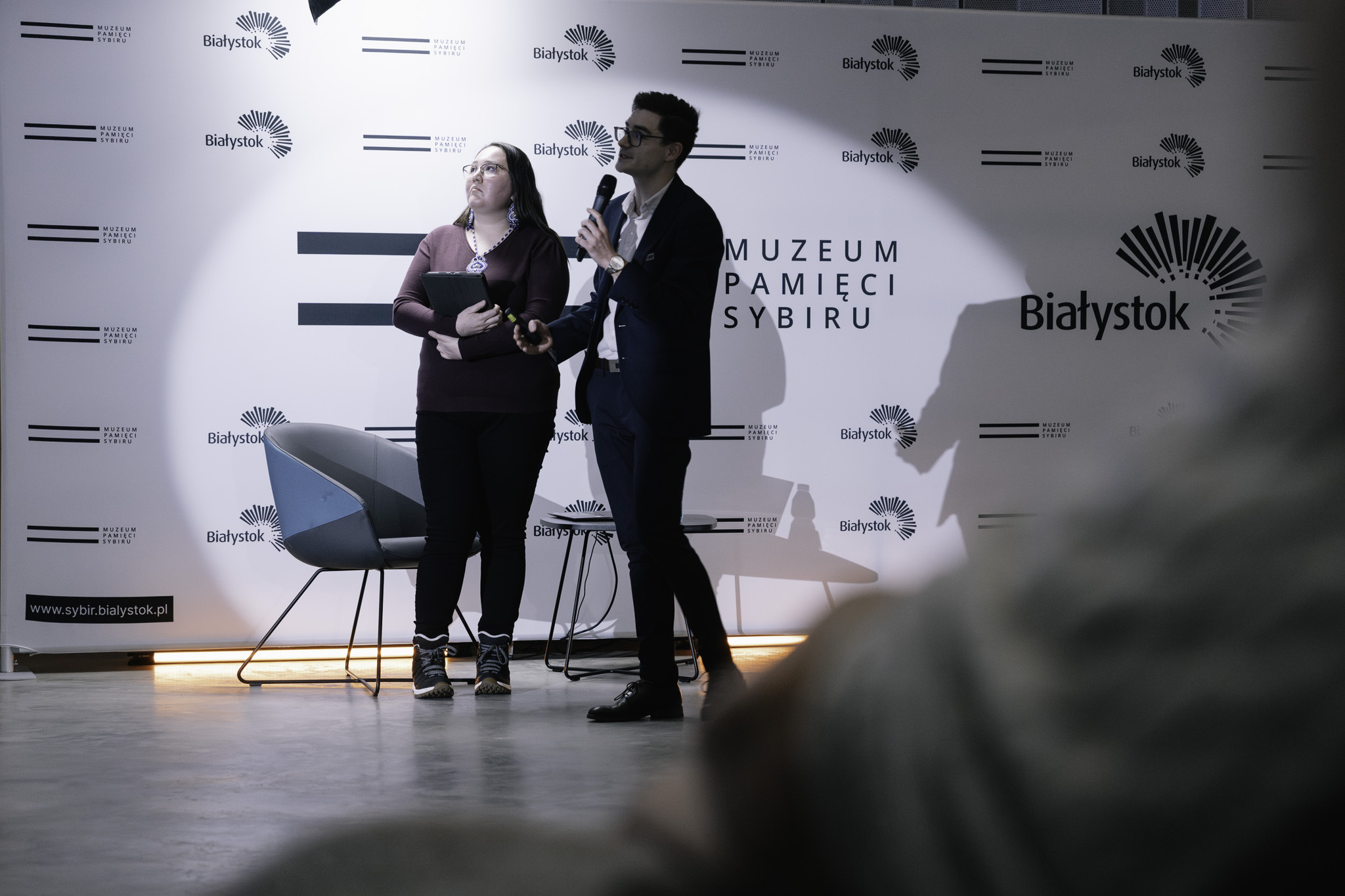
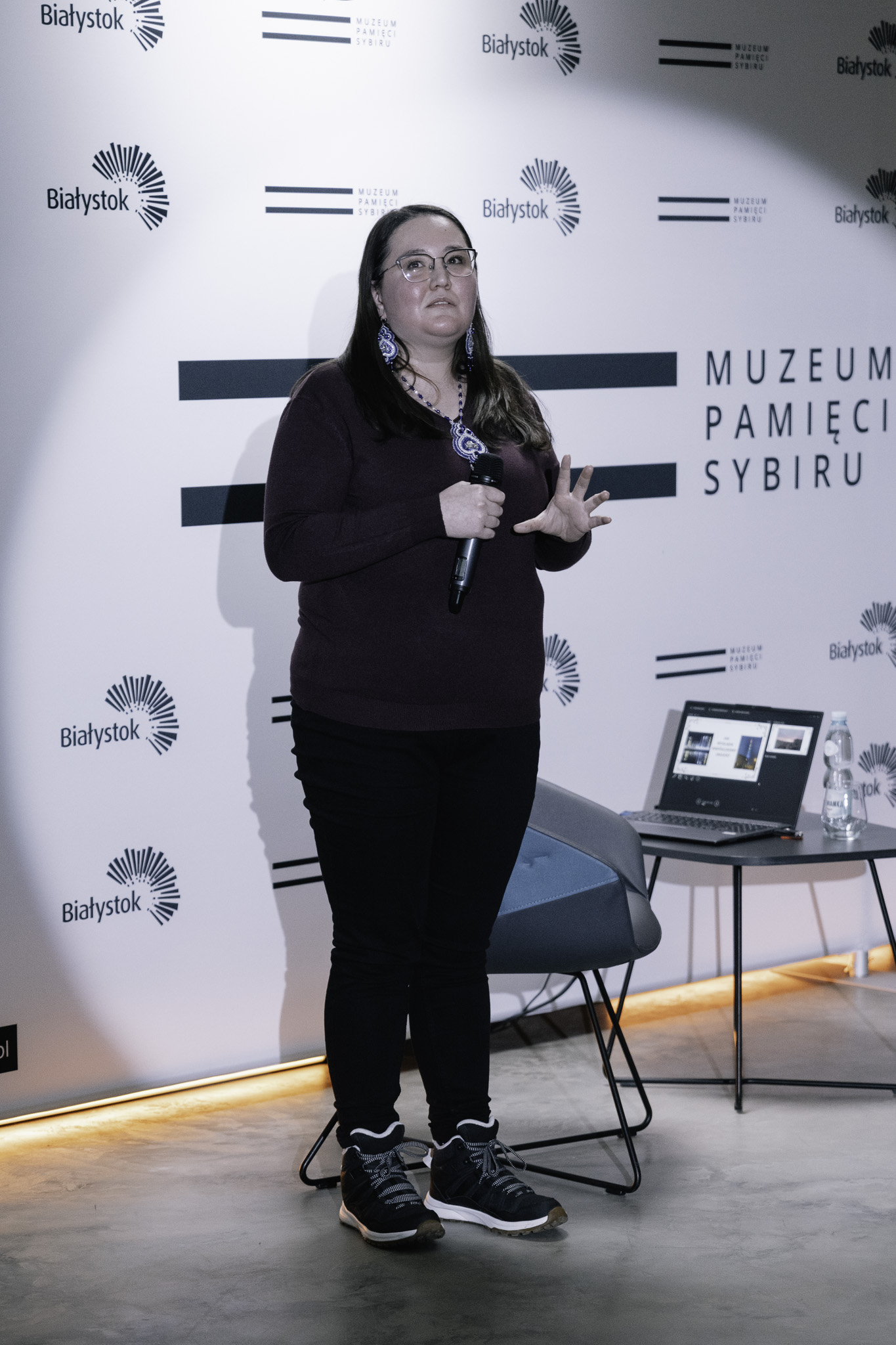
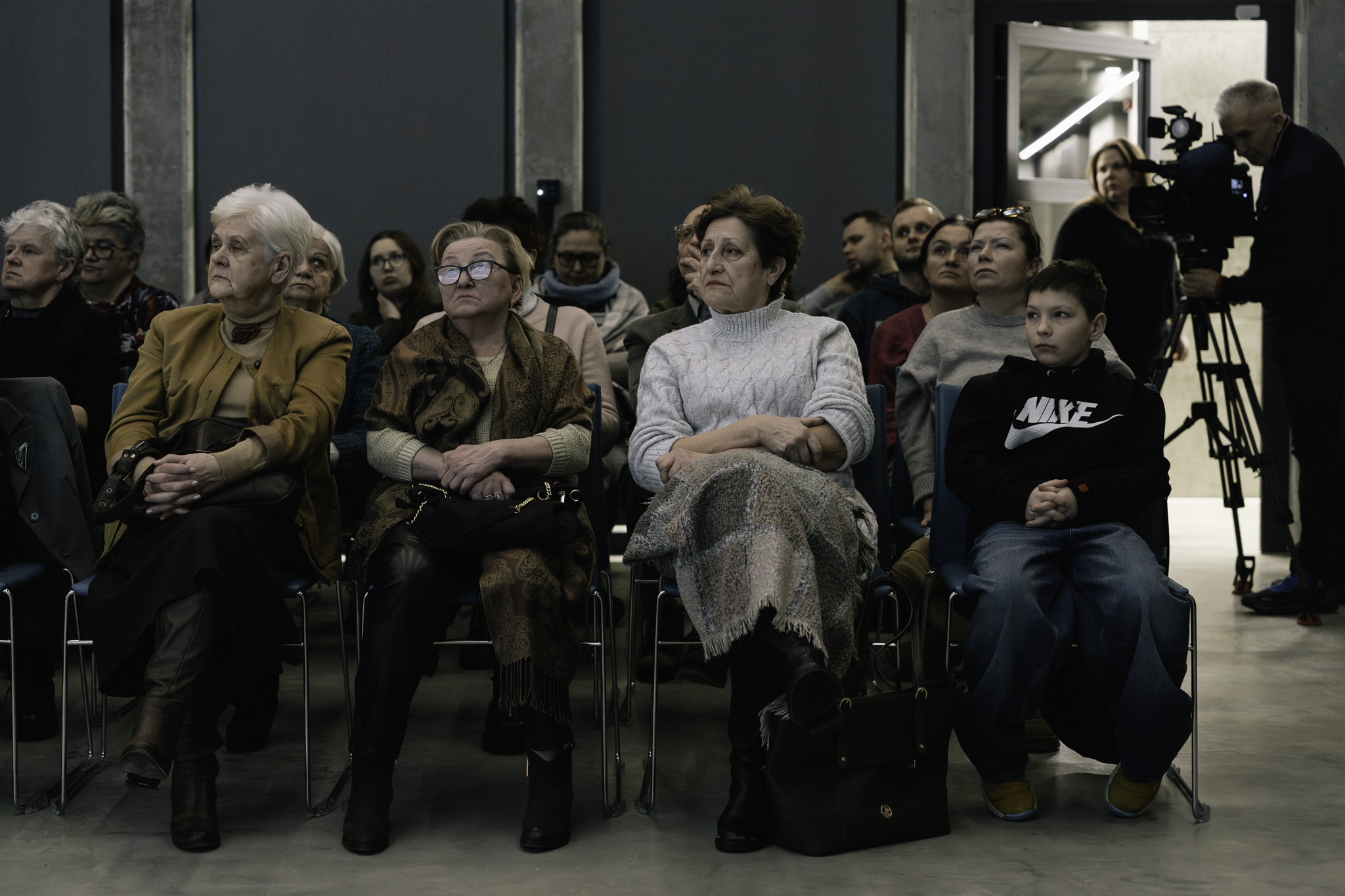
The event also offered an opportunity to learn about traditional clothing and jewelry, the renowned Yakut knife, and the celebration of Ysyach — the Yakuts’ most important holiday.
“The Yakuts are, in a sense, a Turkic people. The Yakut language is similar to Turkish and uses the Cyrillic script, yet Yakuts are not a Muslim nation. For Yakuts, the bond with nature is essential. It is perfectly normal for someone to visit an Orthodox church and then go into the forest to pray to the spirits of the forest. Ysyach, the Yakut New Year, is tied to the summer solstice (21–22 June). The largest celebrations take place in Us Chaatyn (‘three birches’) near Yakutsk, and many foreigners come to witness the event,” she explained.
Yakutia is one of the coldest inhabited regions on Earth. So when do its residents consider the weather “warm”?
“In spring it’s –20 °C — fantastic weather! Very warm. Yakutia has four seasons; winter does not last nine months without interruption. There is spring, summer, autumn, and winter — each with its own distinct colours. In summer the temperature can rise above +30 °C, while in autumn the first frosts appear in September. In Yakutia there is a town called Oymyakon, known as the ‘Pole of Cold,’ where the temperature fell to –71.2 °C in 1926. Once we compared the temperatures at which we were still expected to attend school — in Yakutsk it was –52 °C, and in her town as low as –60 °C,” said Ewa Haarczaana Kowalska.
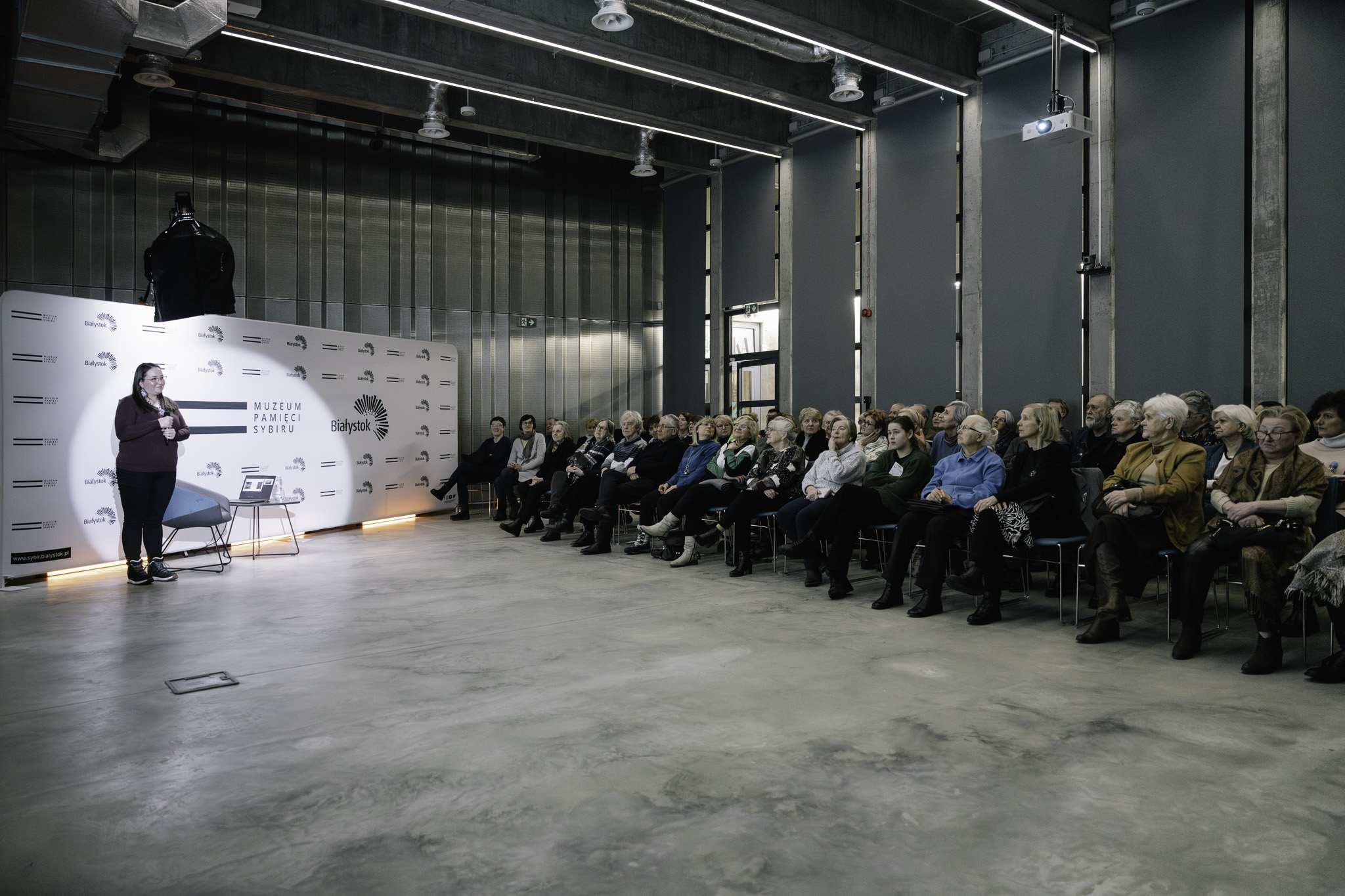
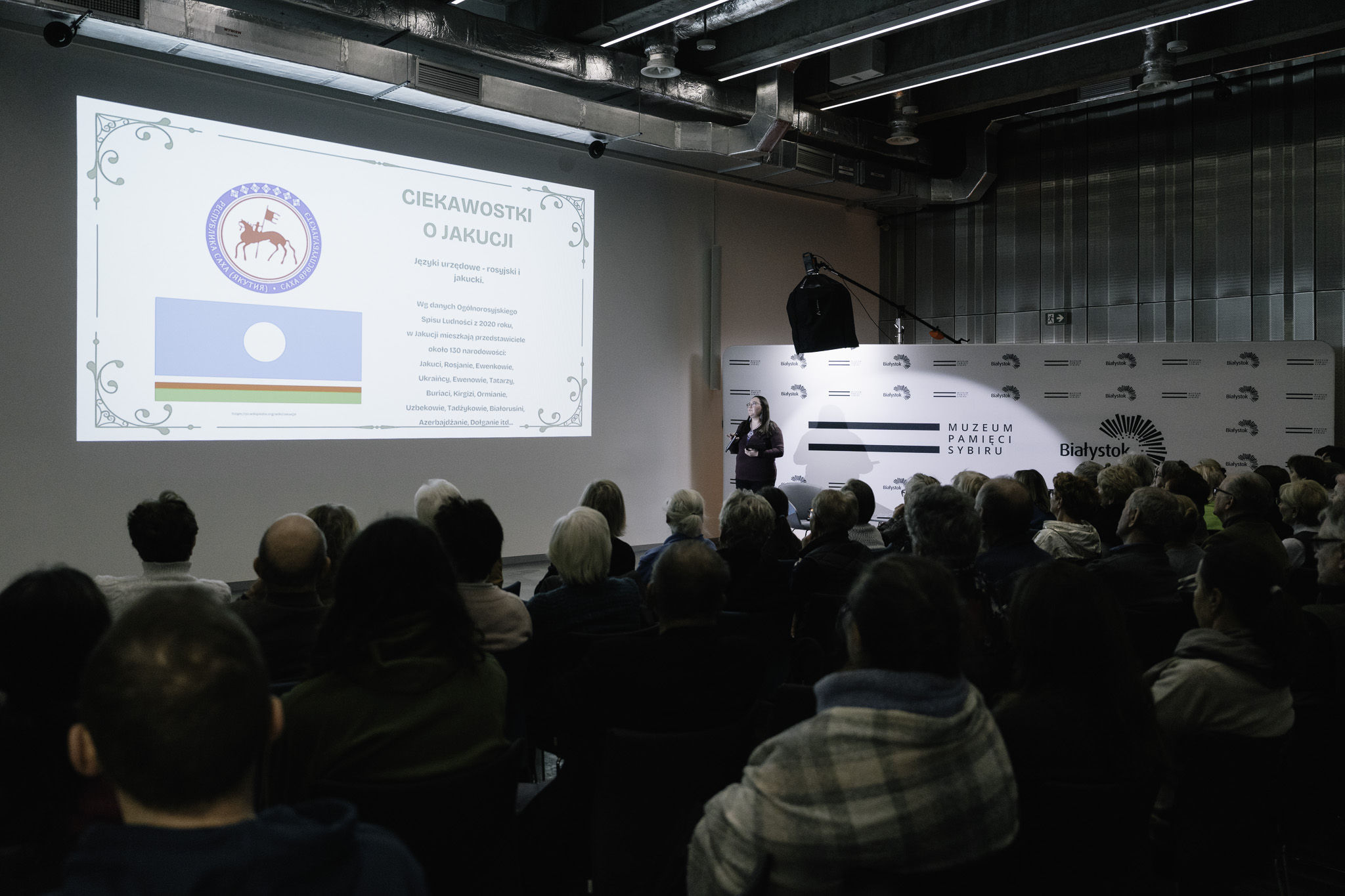
The event concluded with numerous questions from the audience. Participants inquired about the craft of Yakut knives, how Yakuts maintain their health in extreme cold, accommodation options, and the best ways to travel across Yakutia. The lively discussion demonstrated that the topic had by no means been exhausted — on the contrary, it sparked even greater interest in this remarkable land.