



Between 1942 and 1943, British colonies in Africa received the largest number of Polish civilian refugees who had previously been evacuated from the Soviet Union to Iran together with the Anders Army. The first group arrived at the port of Tanganyika on 27 August 1942. According to The East African Standard, by 1 July 1944 several thousand Poles were living in East and Central Africa, among them 6,250 in Tanganyika, more than 6,250 in Uganda, around 3,000 in Northern and Southern Rhodesia, 780 in Kenya and more than 500 in the Union of South Africa. Across the continent, 22 camps for Polish refugees were established, including general camps for entire communities, transit camps providing temporary accommodation on arrival or before onward travel, and specialised camps, such as children’s homes and boarding schools for girls.
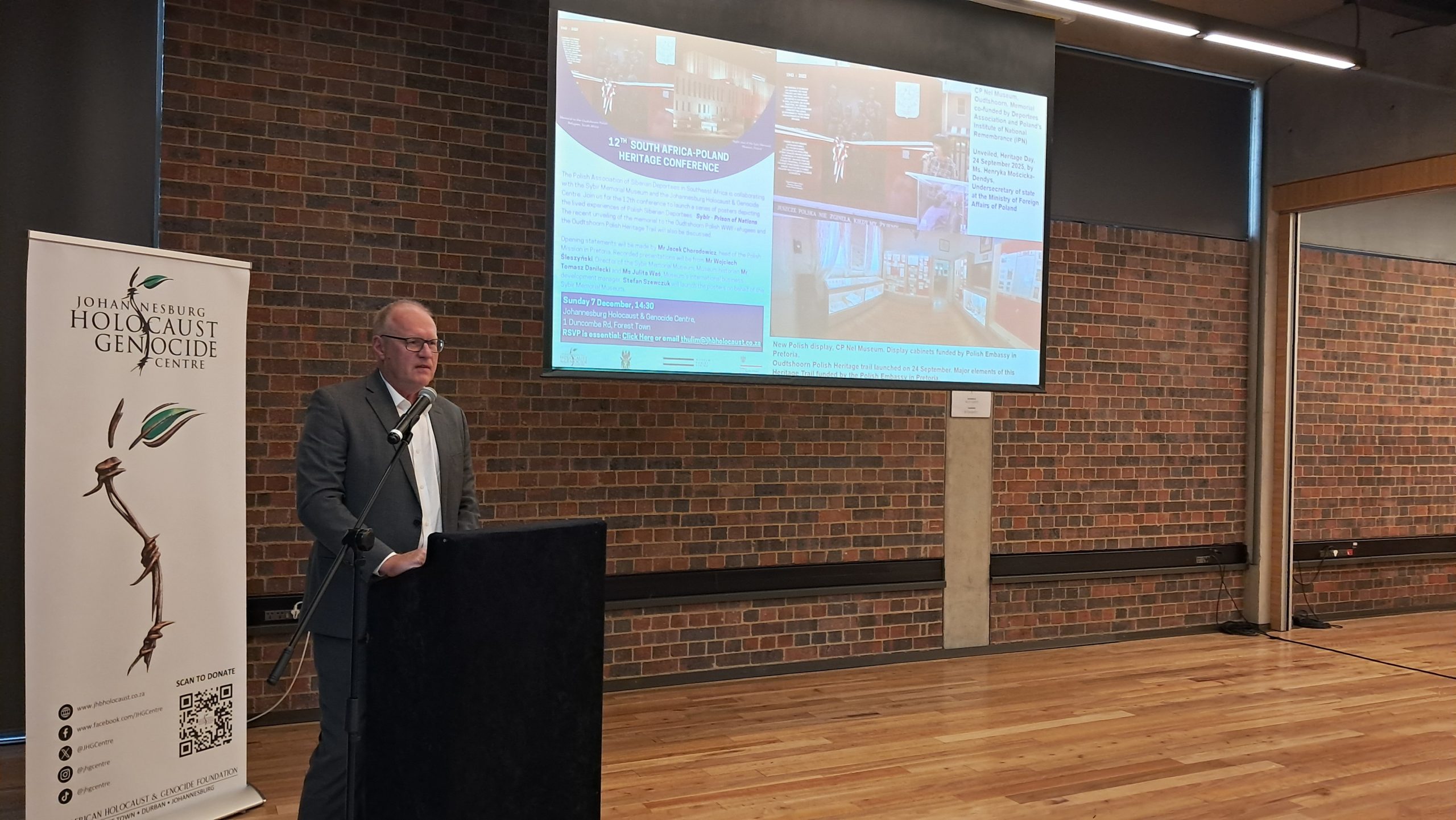
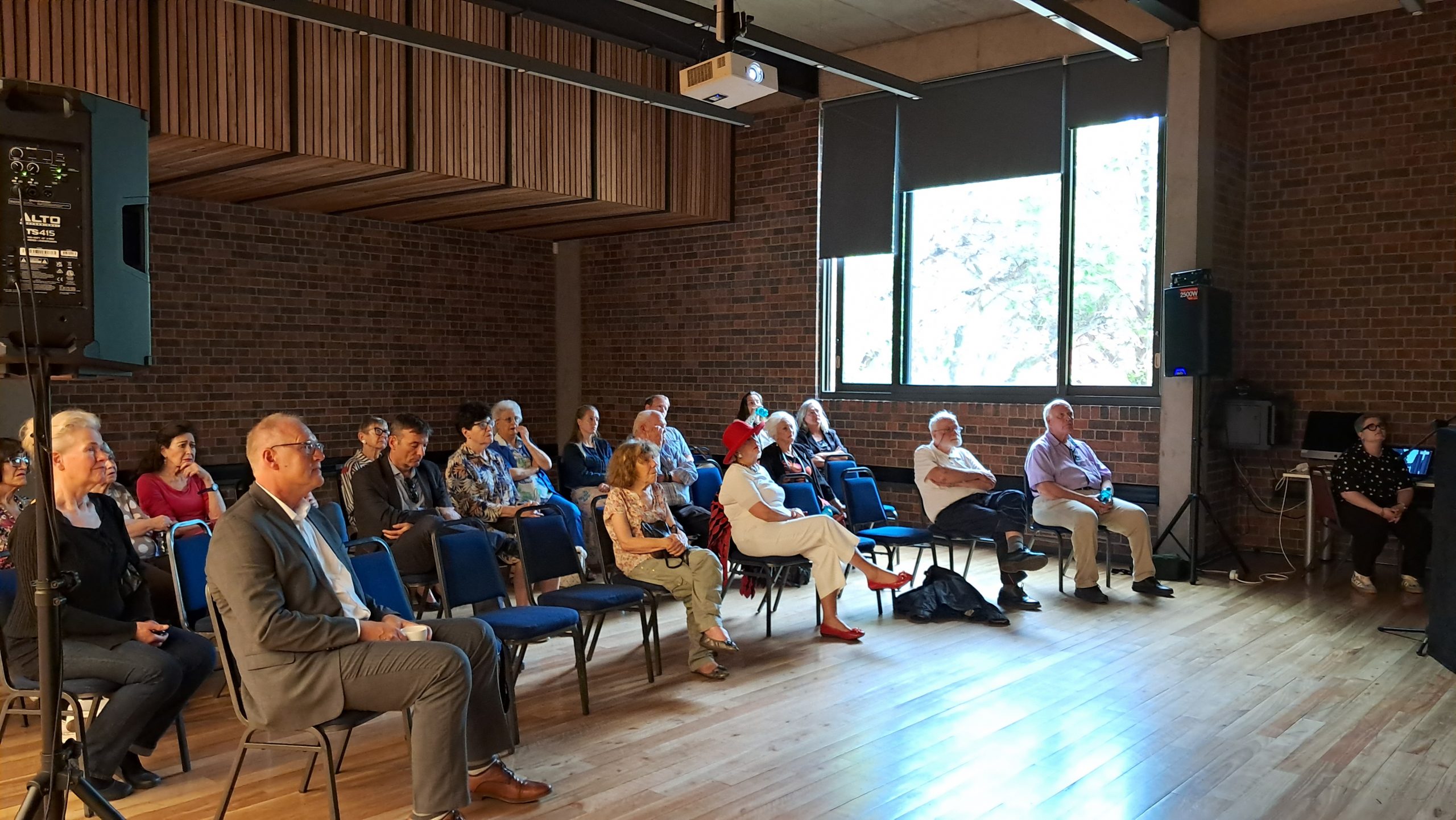
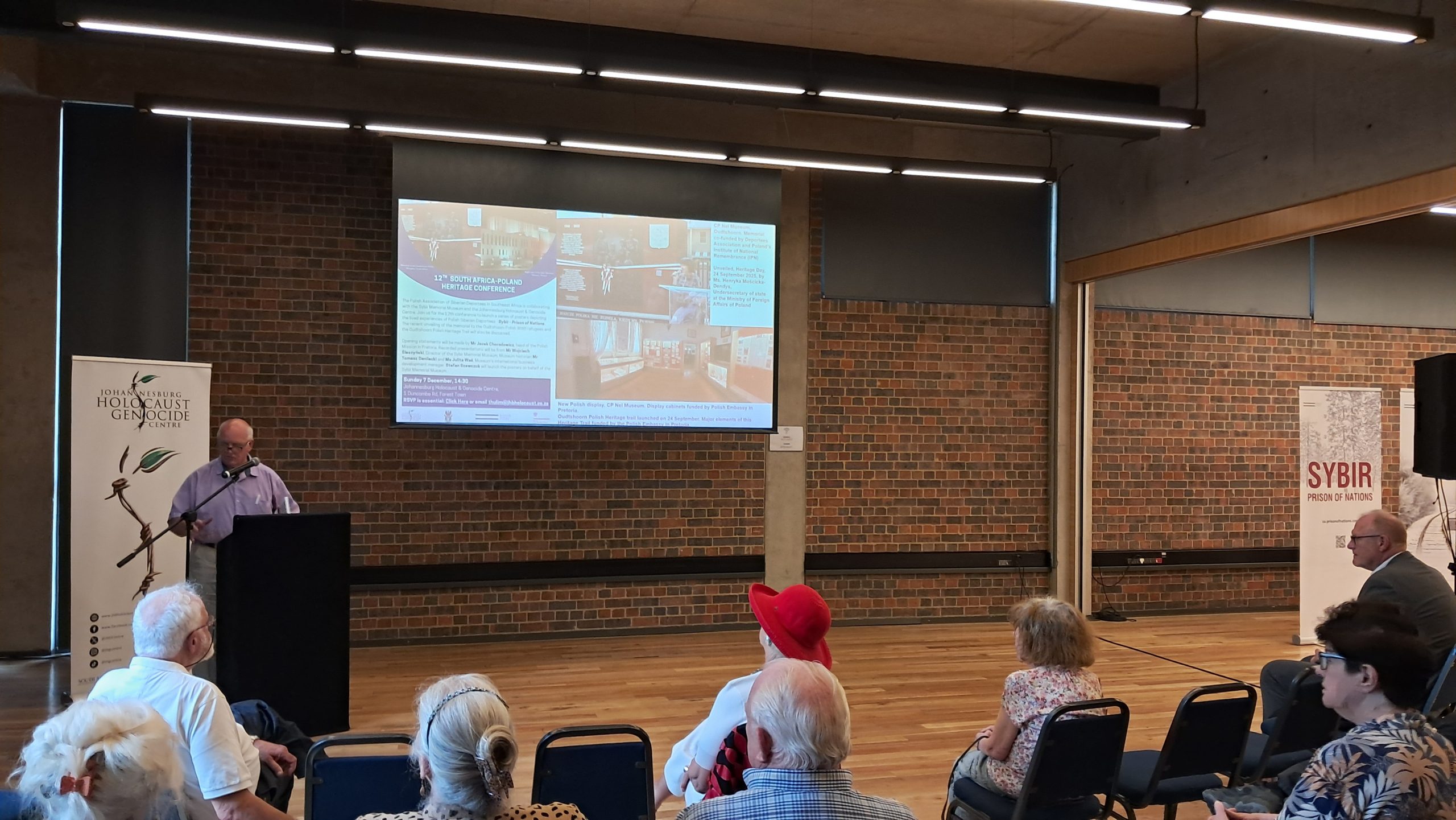
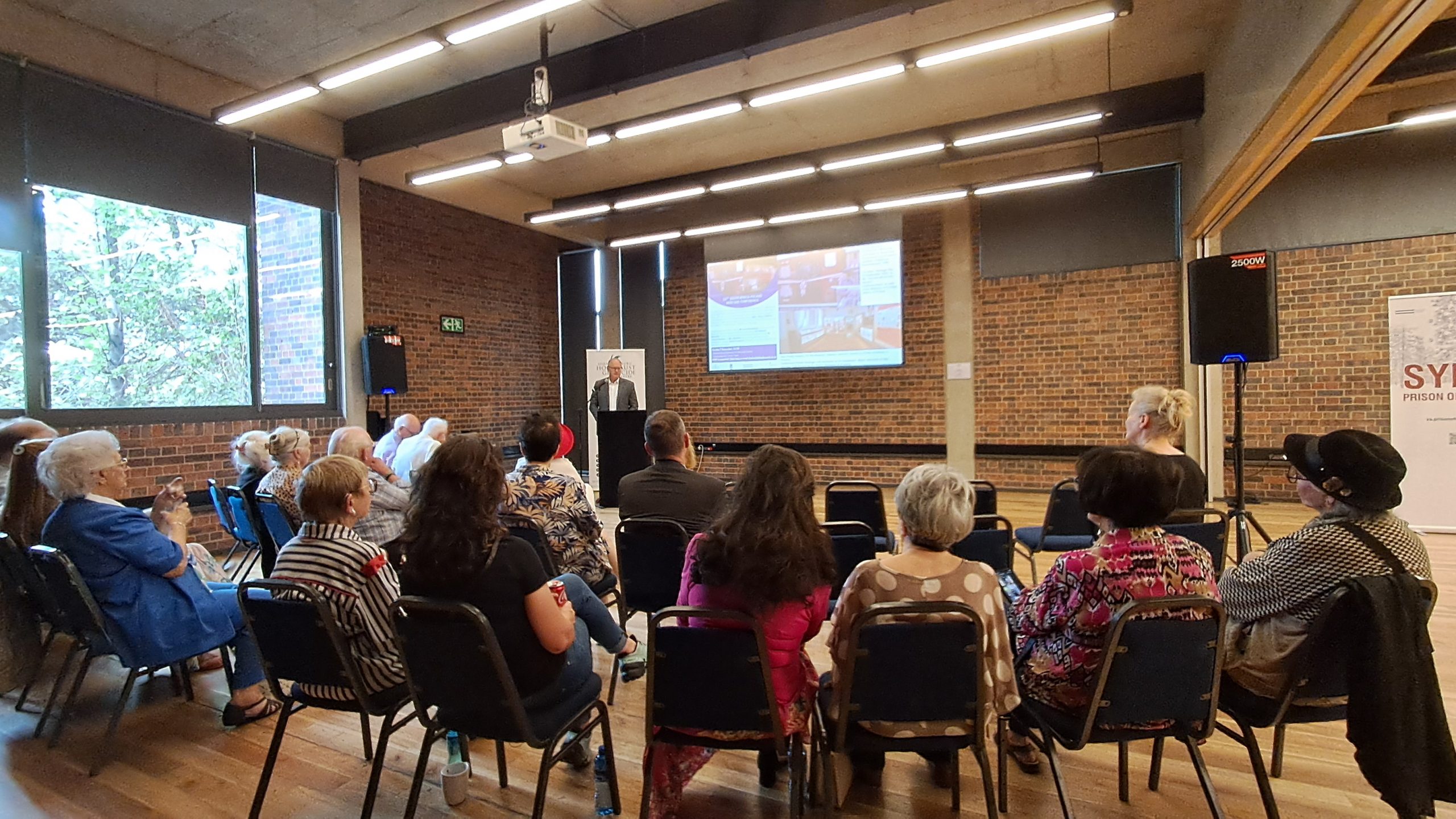
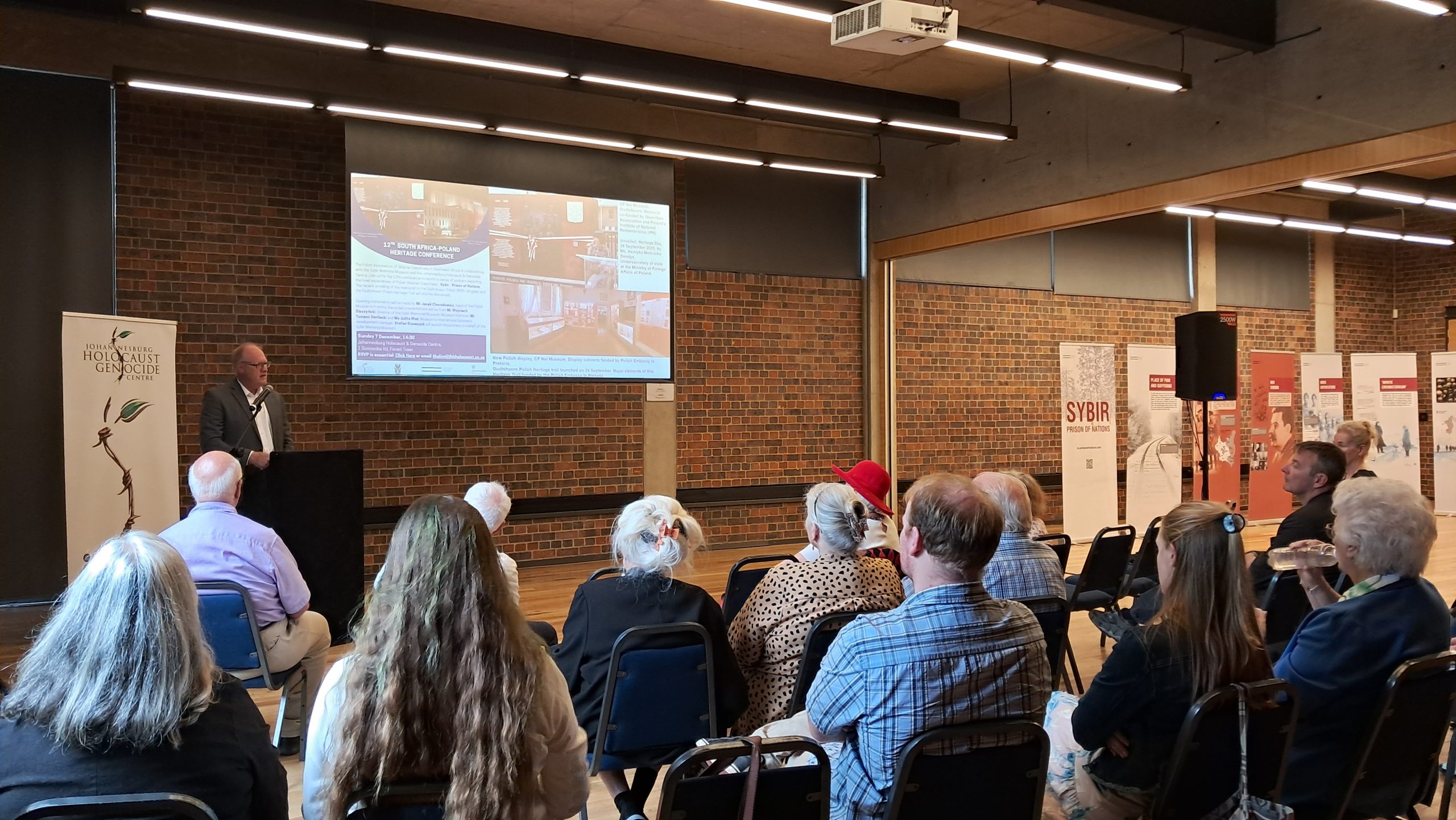
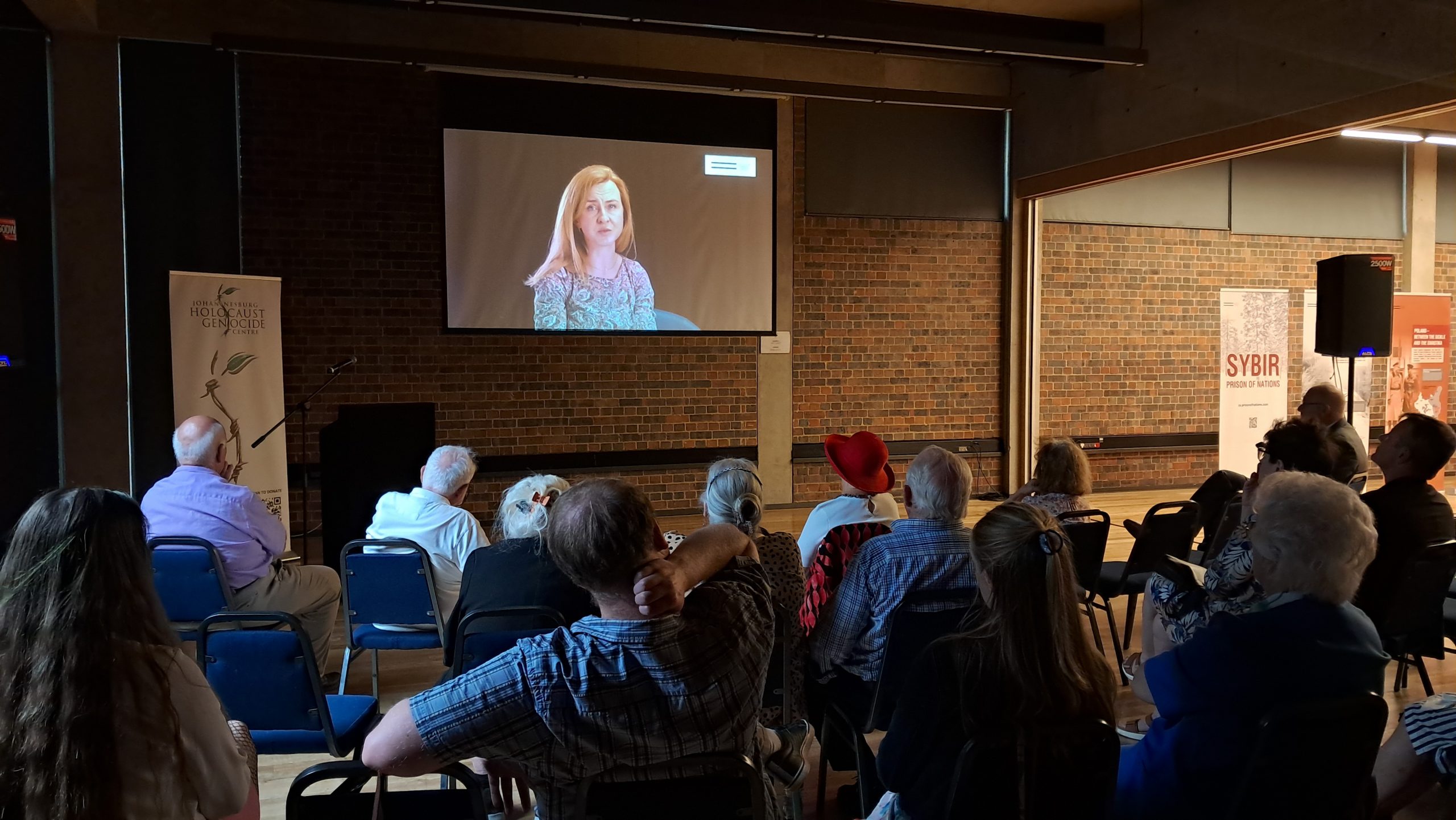
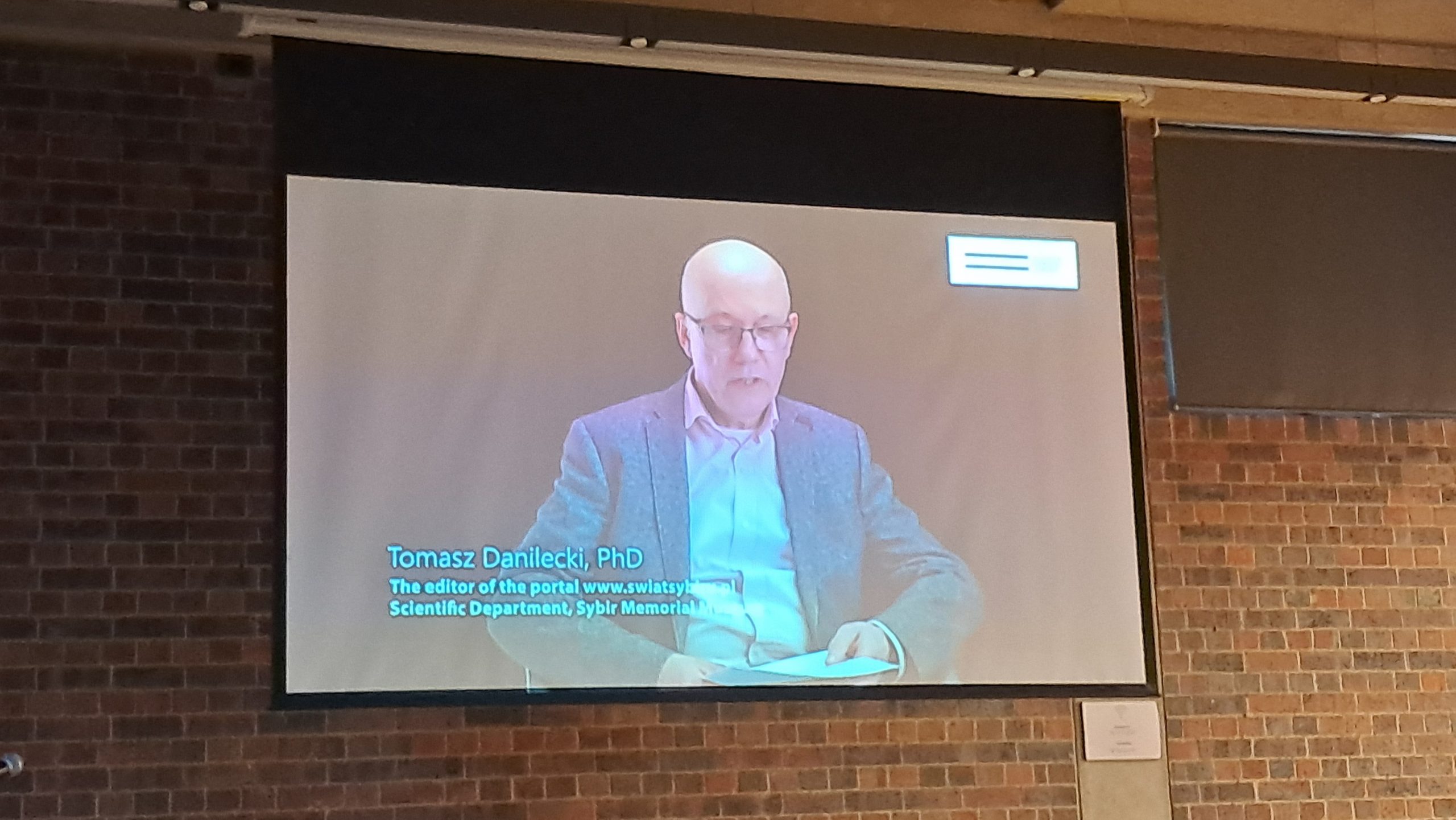
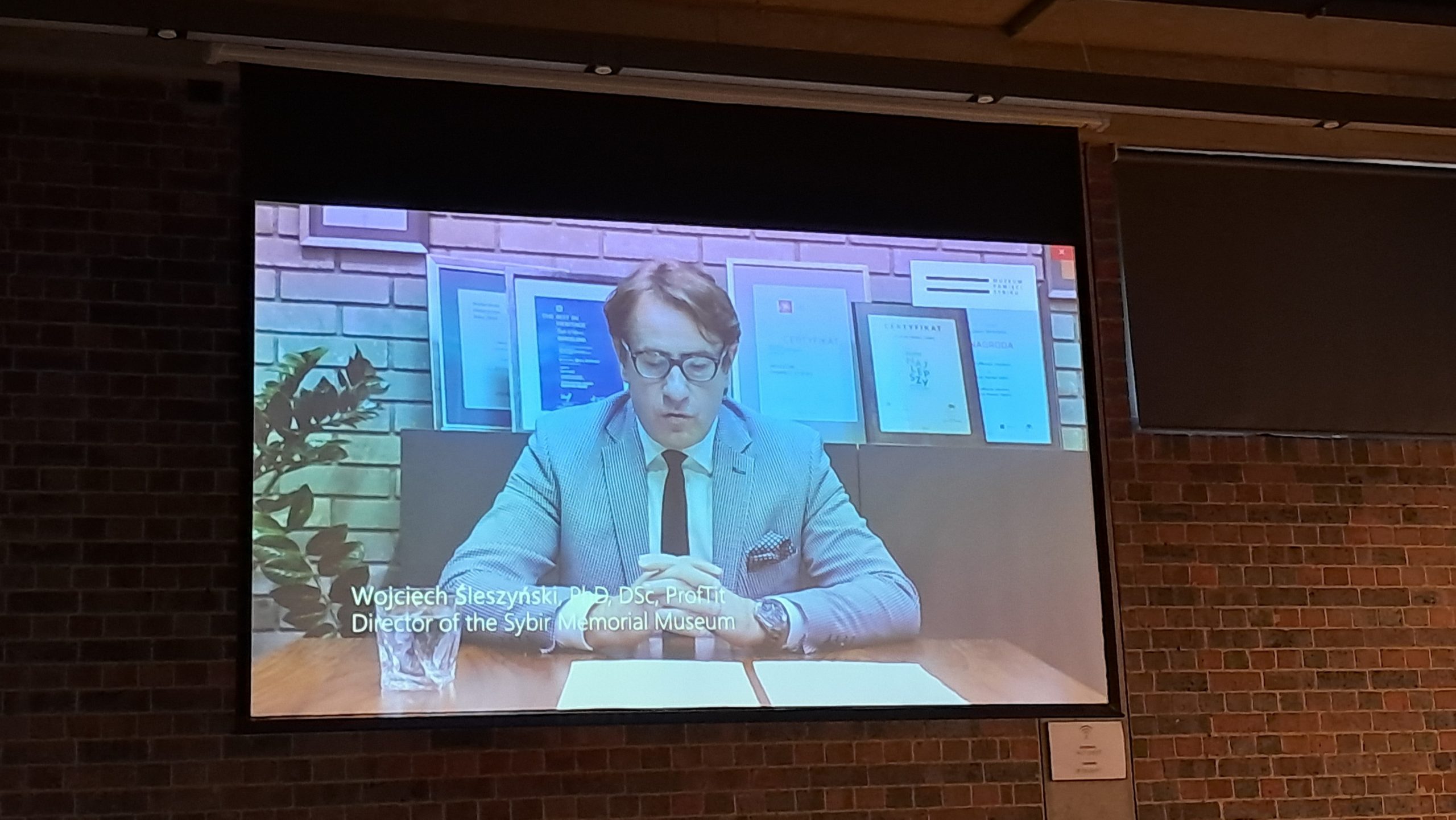
The 12th Conference on Polish Heritage in South Africa was organised by the Polish Association of Deportees to Siberia in South-Eastern Africa, with the support of the Embassy of the Republic of Poland in Pretoria and in cooperation with the Johannesburg Holocaust & Genocide Centre (JHGC). The programme included a video presentation by the Director of the Sybir Memorial Museum, Prof. Wojciech Śleszyński, who discussed the historical foundations of the Museum’s permanent exhibition and the institution’s efforts to promote remembrance of Soviet deportations of Poles and other nations. Dr Tomasz Danilecki compared the fates of two groups of Polish children deported to the Soviet Union who later arrived in South Africa and New Zealand. Julita Waś presented selected aspects of the Museum’s international cooperation and spoke about the concept behind the exhibition Sybir — Prison of Nations.
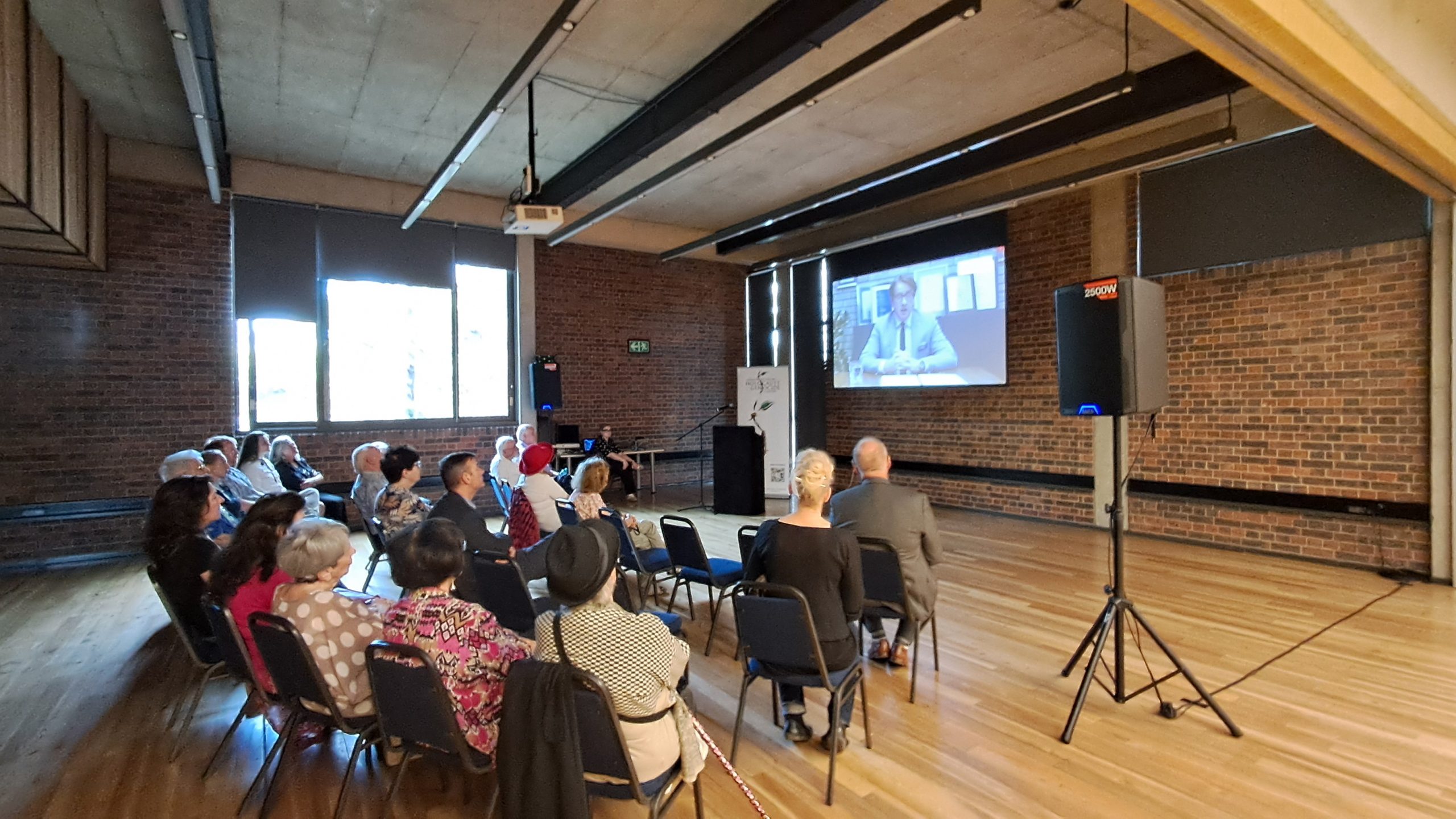
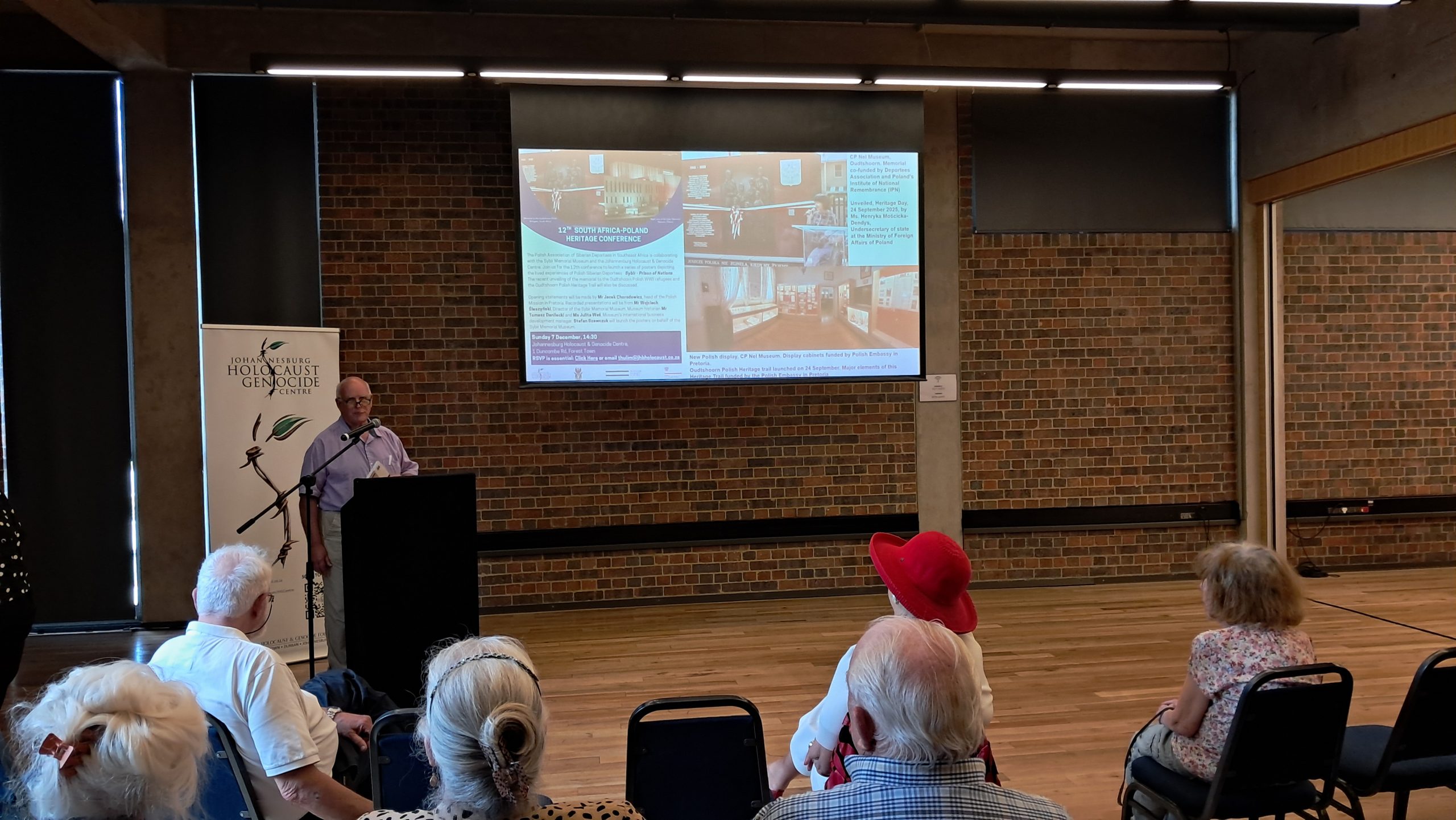
The conference gathered family members and friends of descendants of Polish refugees from Oudtshoorn, as well as members of Johannesburg’s Jewish community. The Polish Embassy was represented by Consul Robert Rusiecki, who, in his opening remarks, emphasised that the Embassy of the Republic of Poland supports initiatives that present the historical truth about the difficult chapters of Poland’s past.
In his address, Stefan Szewczuk, President of the Polish Association of Deportees to Siberia in South-Eastern Africa, discussed projects undertaken by the Association to commemorate the group of 500 Polish children and young people who arrived in Oudtshoorn on 10 April 1943. He also recalled the unveiling of a monument dedicated to Polish refugees, held on 24 September 2025 at the CP Nel Museum. The monument forms part of the Polish Heritage Route in Oudtshoorn.
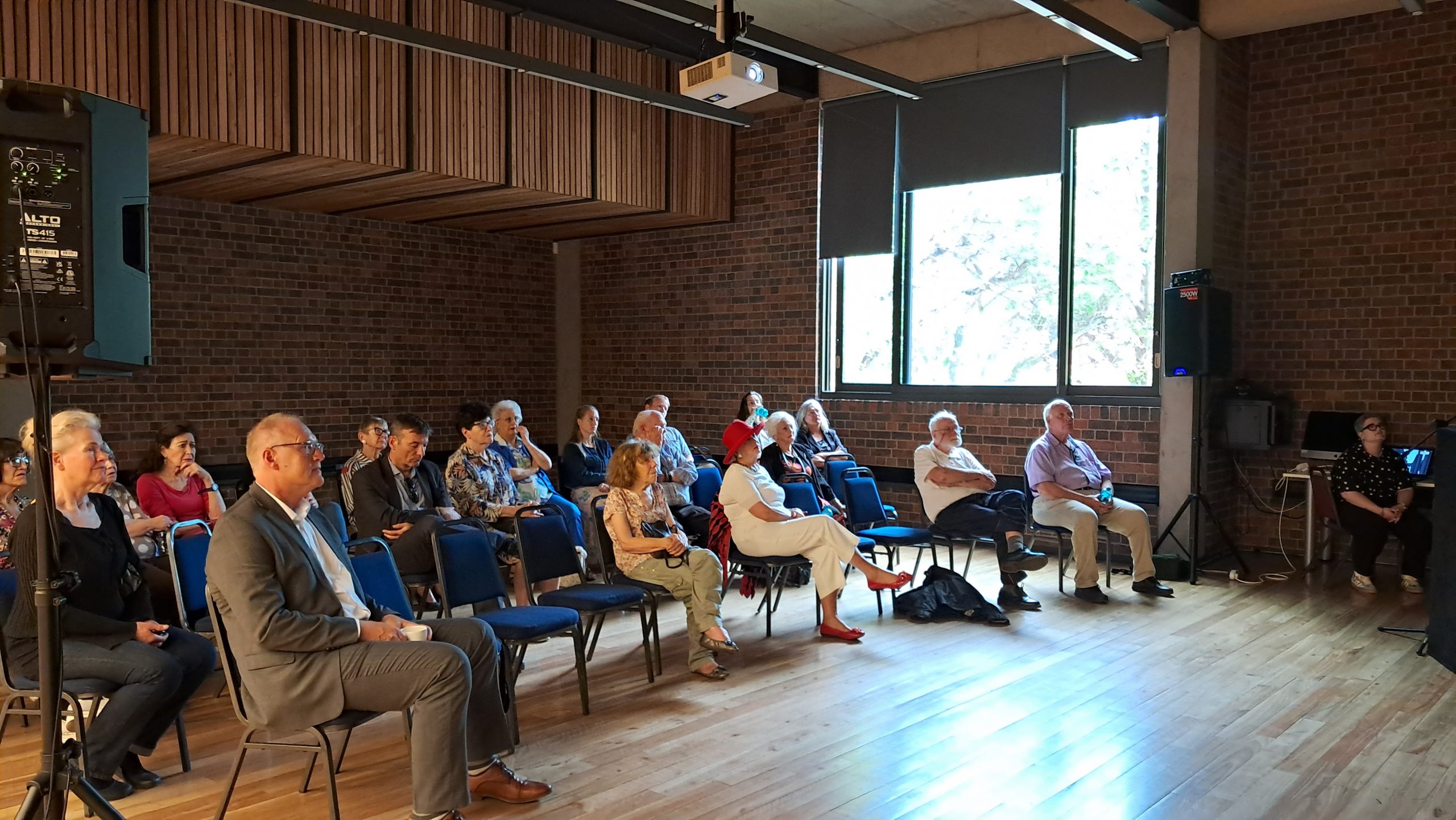
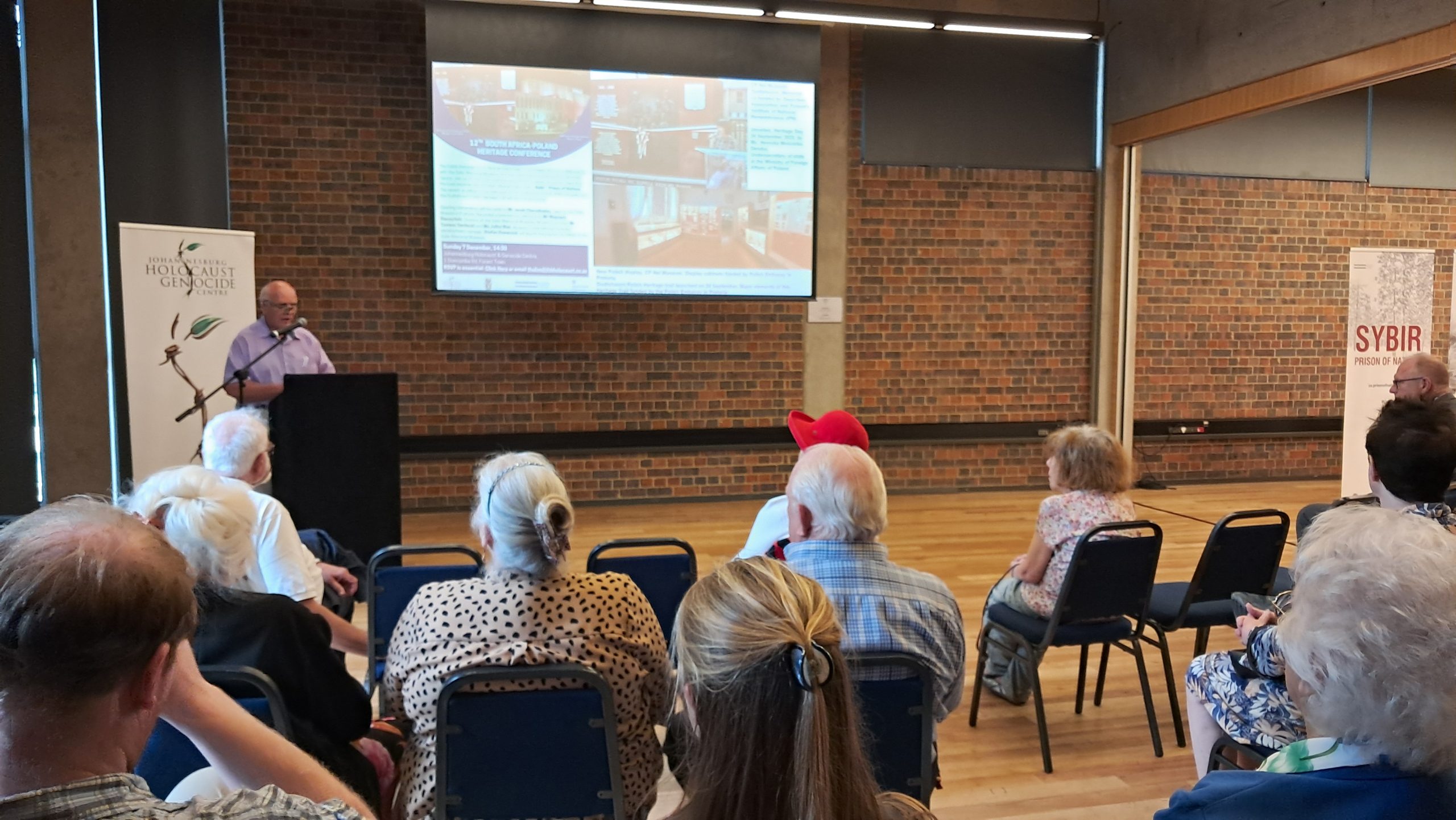
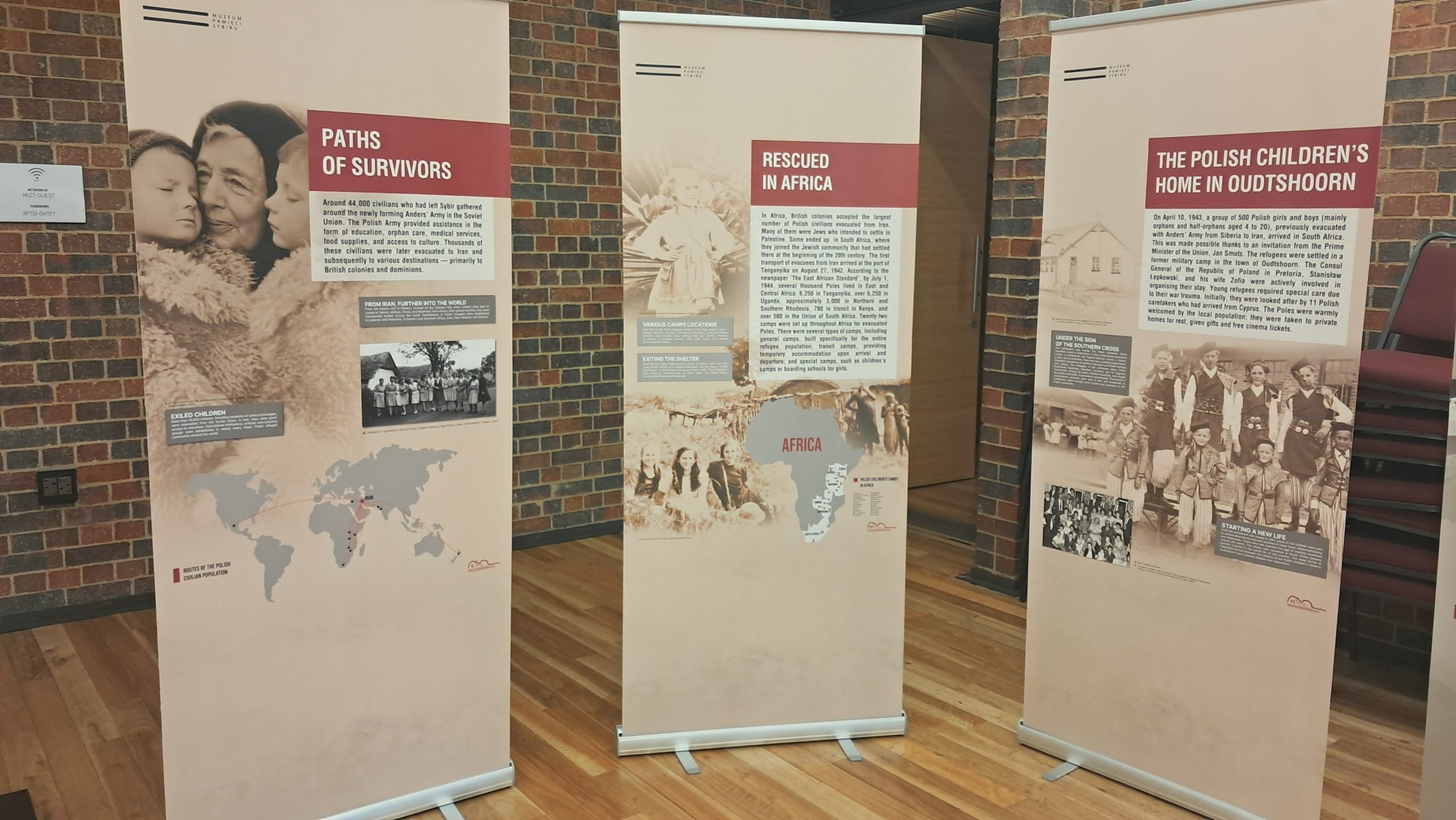
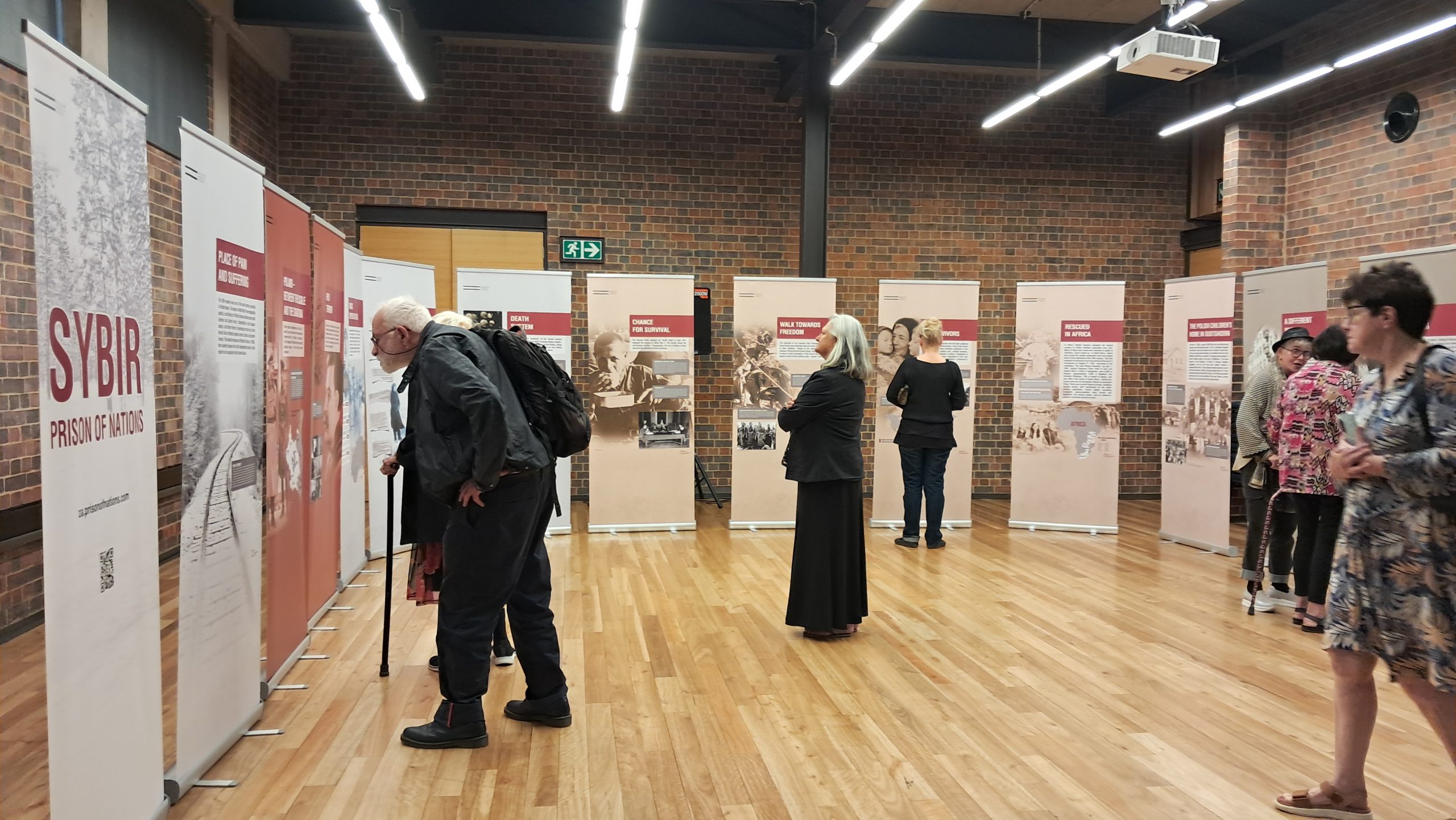
The activities of the Association and the Sybirak community in South Africa bring together witnesses of history, their families and friends, preserving the memory of their experiences and the history of Siberia. In 2026, the exhibition Sybir — Prison of Nations will be displayed in several museums across South Africa, and from September 2027 onwards it will become part of the Polish exhibition at the CP Nel Museum in Oudtshoorn.
Siberia is not solely a chapter of Polish history, but a shared experience of many societies and cultures. For this reason, the exhibition Sybir — Prison of Nations carries a universal message, presenting the dramatic experiences of the numerous nations affected by the repressive policies of the Soviet Union.