


Deportation to the East was inseparably linked with loss — of home, homeland, hope, and above all of loved ones. Born in 1910 in Niwkowo near Łomża, Maria Zawojska lost her husband, her home, her son and her daughter during the Second World War.
In February 1940 her husband, Józef Zawojski, was deported by the Soviets. After several years he joined the so-called Berling Army and was killed in battle. Maria and her children — Janusz and Celina — were also deported to Siberia, where her son soon died. Shortly afterwards, in 1942, following the evacuation to Iran with the so-called Anders Army, her daughter Celina also passed away.
Within a short time, Maria lost everything. Yet her fate is not only a story of loss brought by deportation to Siberia, but also of the bonds that formed among those who survived.
While working as a midwife at the hospital in Ahvaz, she met Ignacy Sołtysiak — himself deported and later a soldier of the so-called Anders Army. Their shared experiences brought them closer.
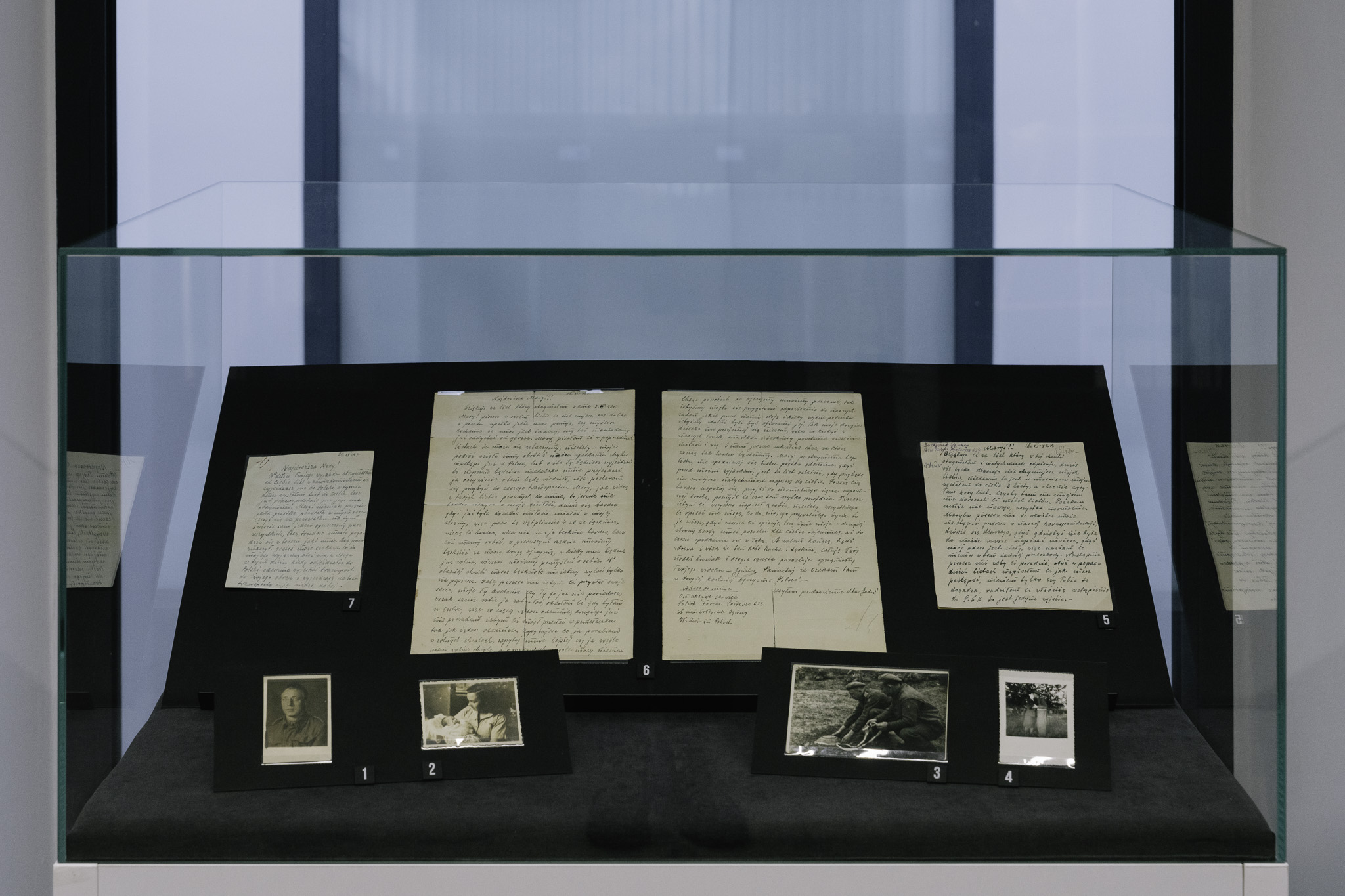
In early 1944 they were both sent to the Italian front, and after the war they were transferred to Great Britain. In 1947 Maria — at her own request — was released from service and returned to her home village. That same year Ignacy also requested discharge from the army. He returned to Poland and settled in the village of Kamyk in the Częstochowa region.
They never saw each another again.
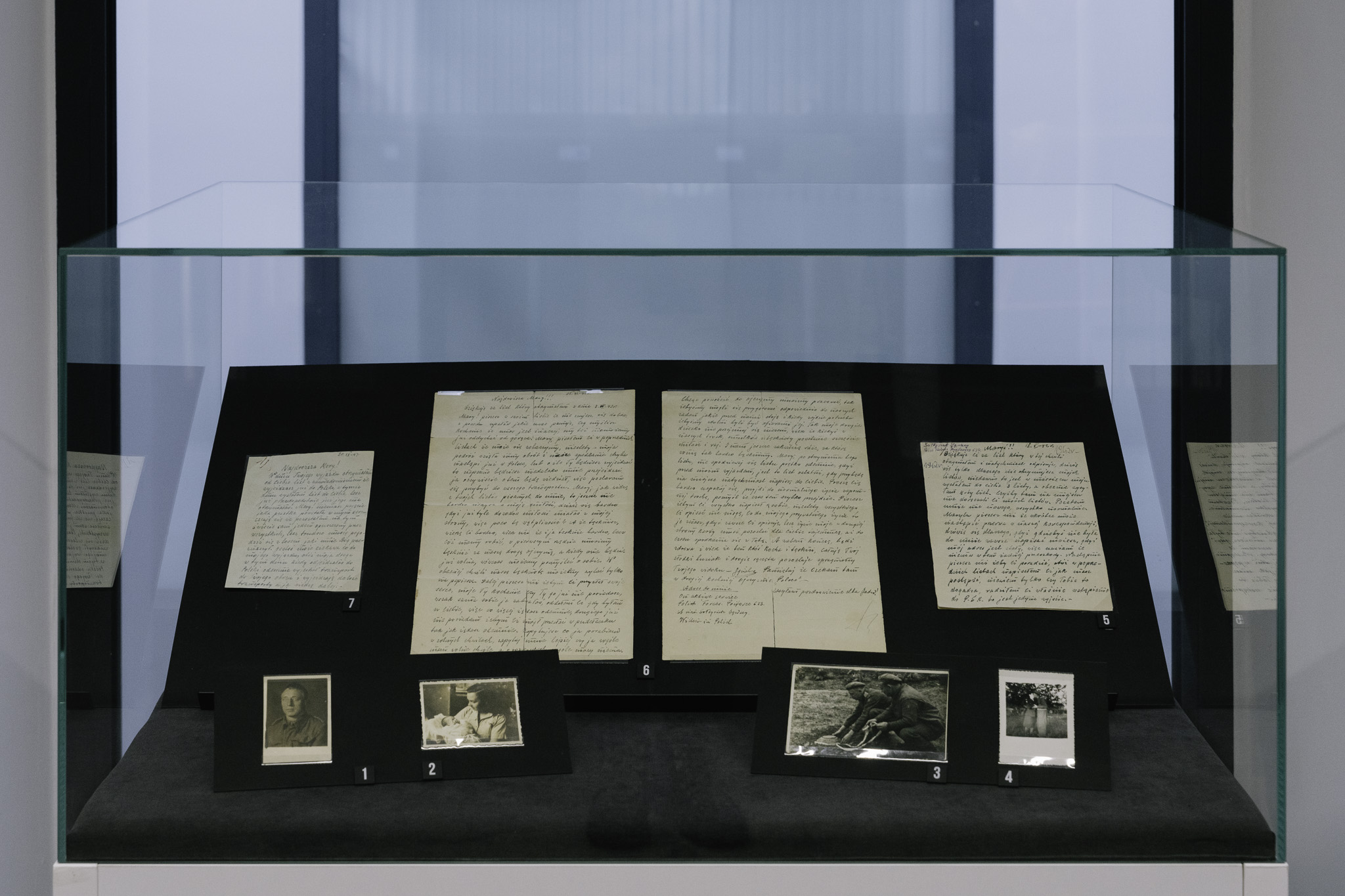
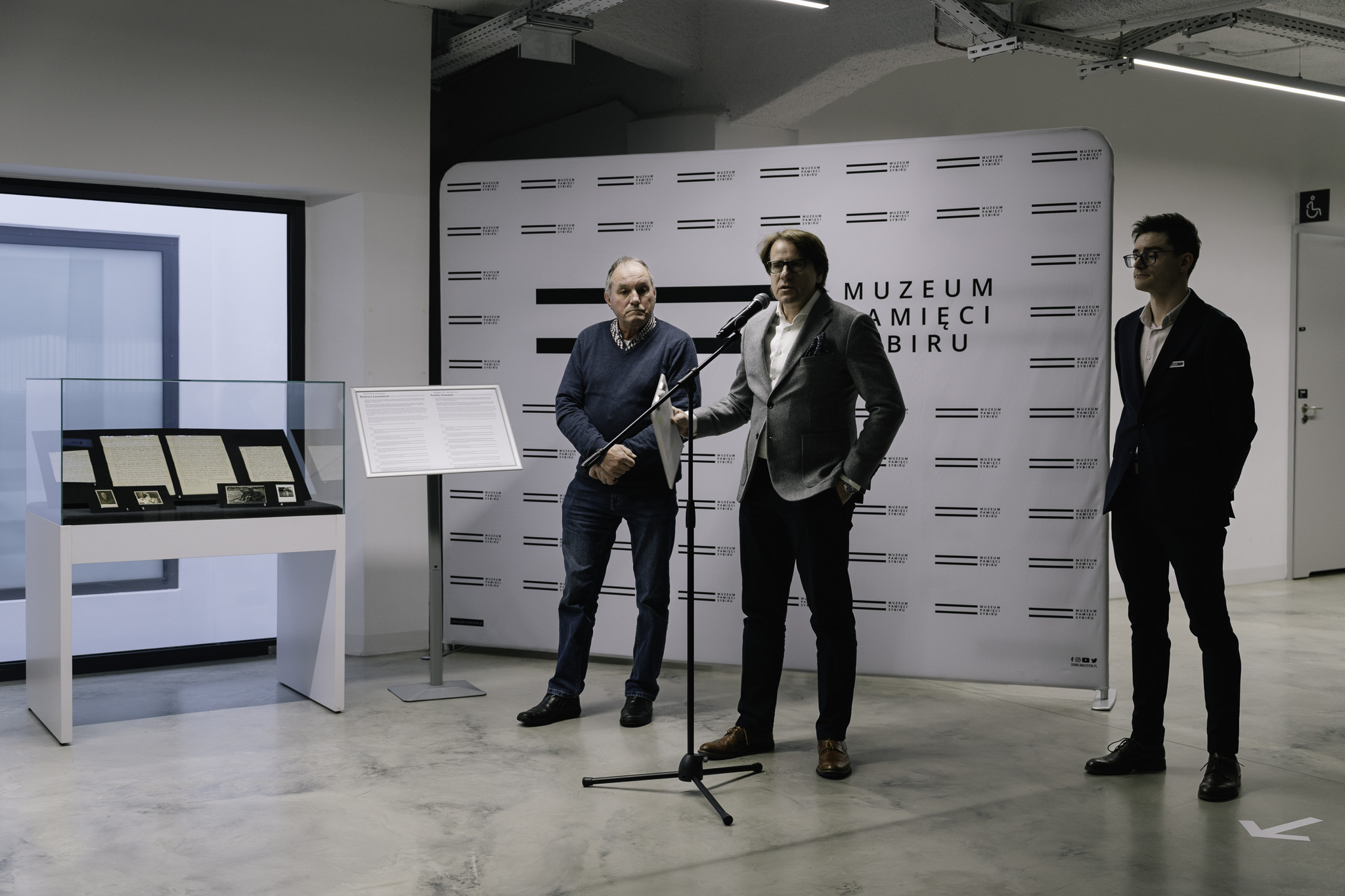
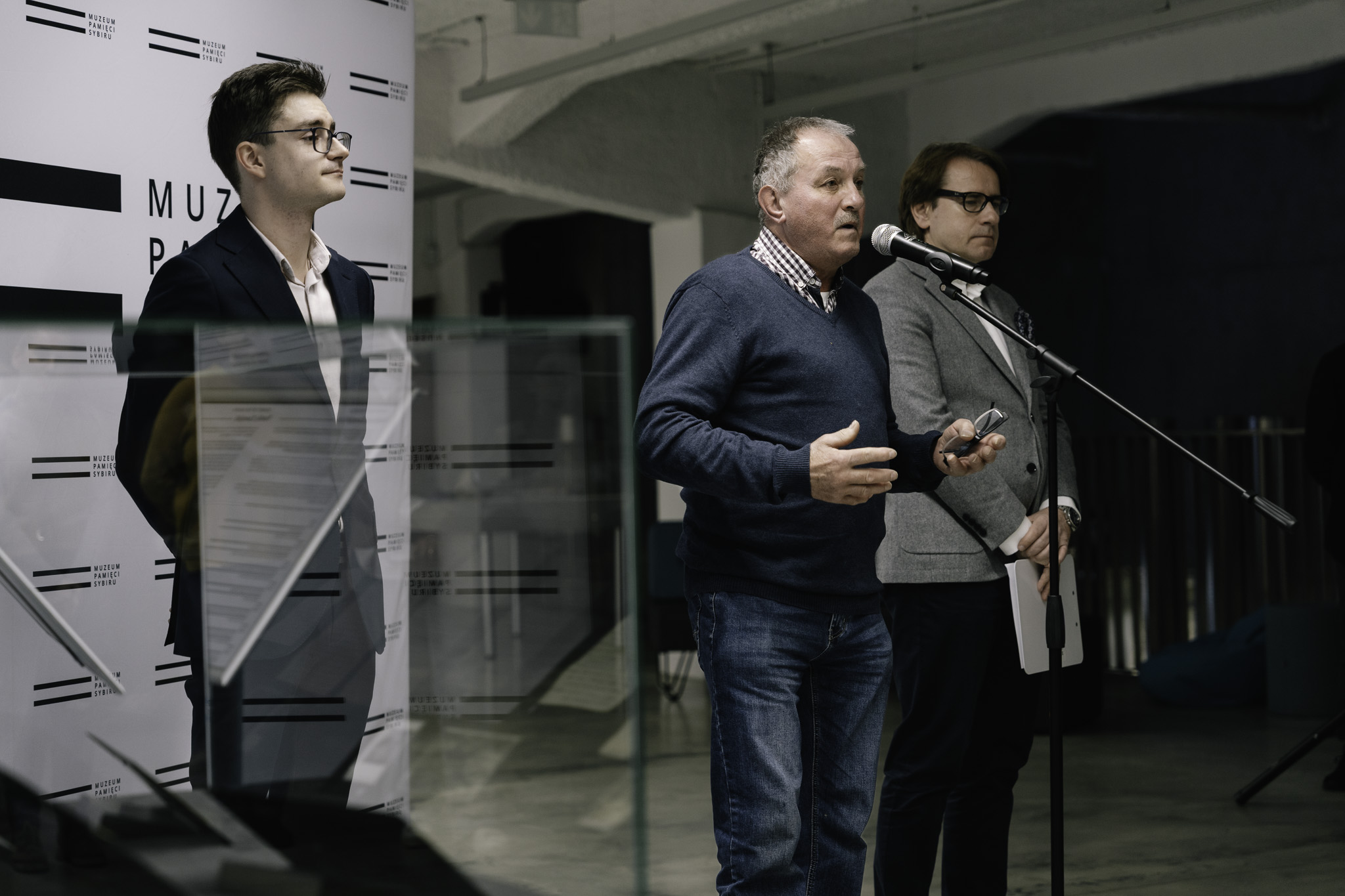
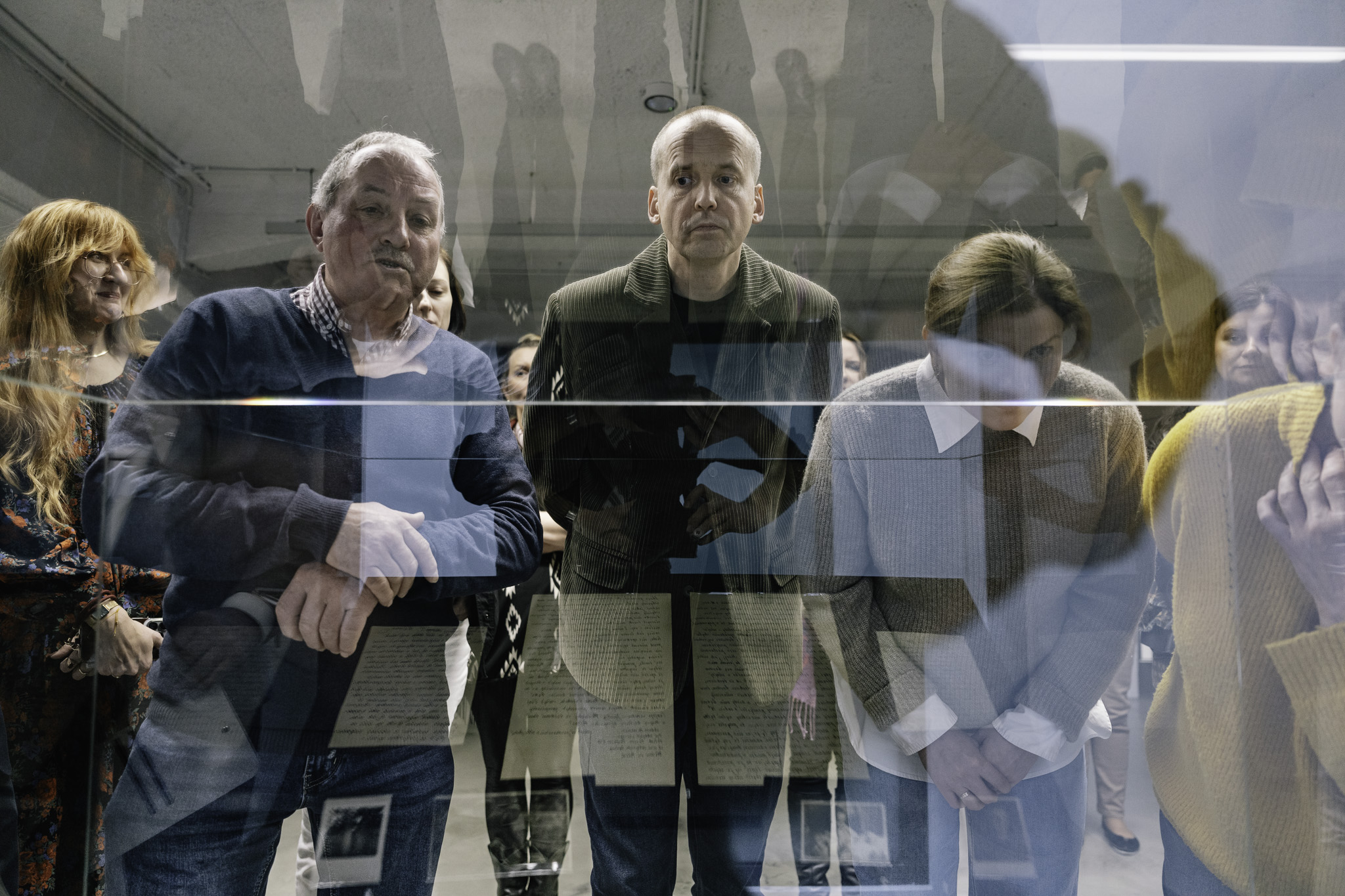
Maria died childless and never founded a family. The letters and photographs of Maria and Ignacy were donated to the Museum by her relative, Waldemar Matejkowski.
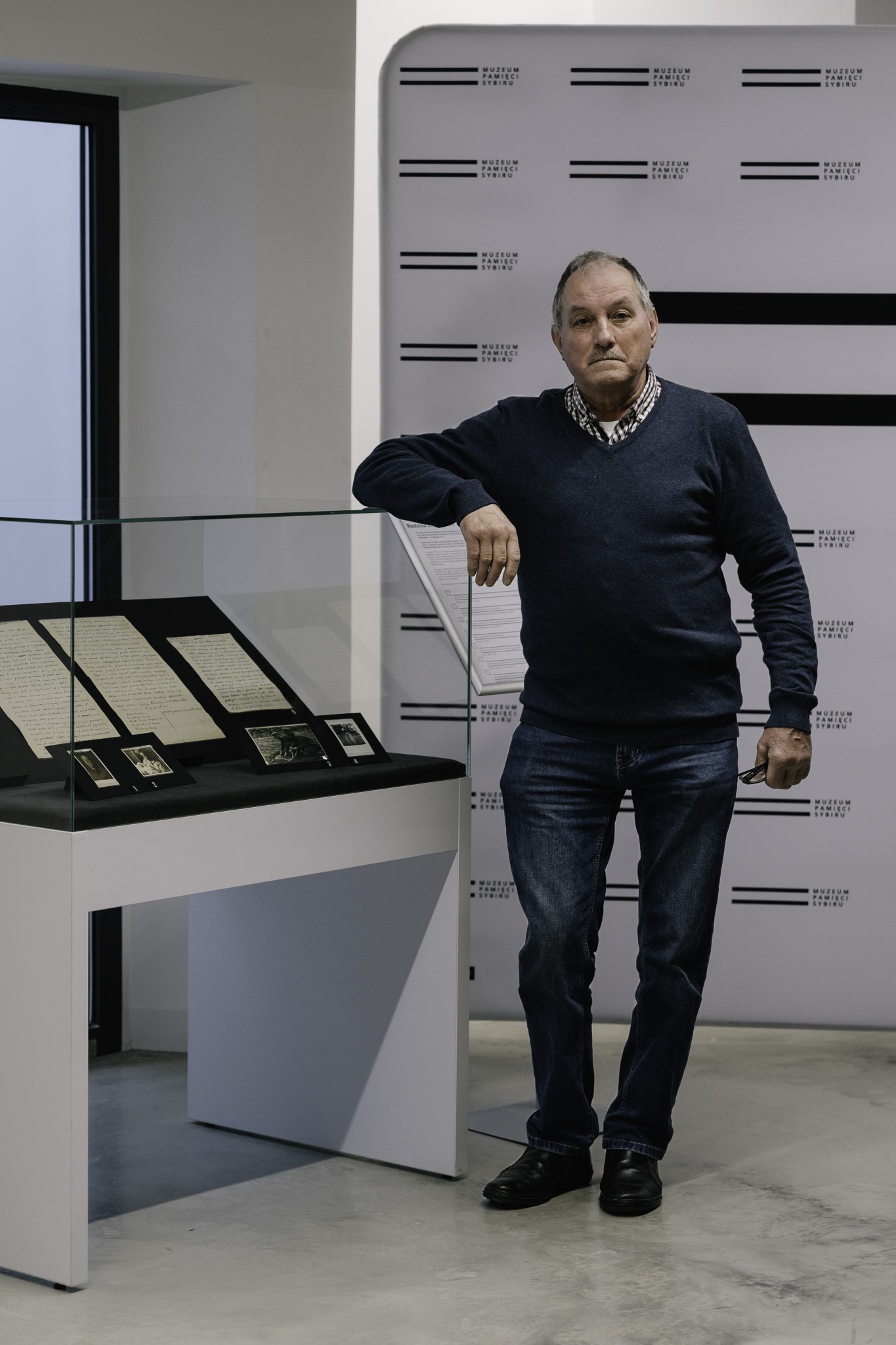
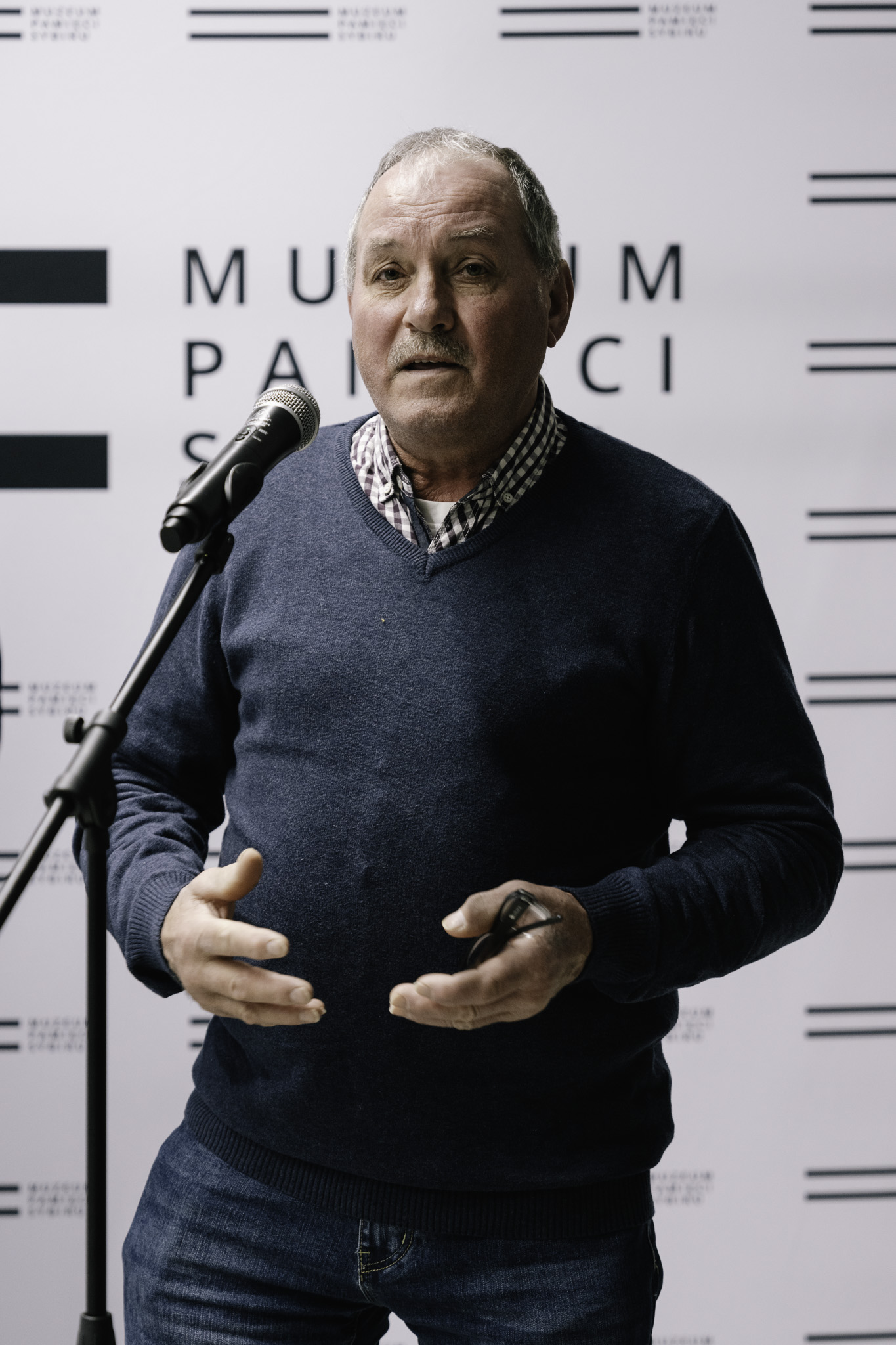
In his recollections, Waldemar described his aunt as a very reserved person, who almost never spoke about those years.
“Maria seemed muted by those events. She did not open up within the family. People deported from my village… it was as if there was no contact with them, they could not speak about what they had been through. They were simply such poor, wounded beings,” he said.