


The guests and participants were welcomed by the Director of the Sybir Memorial Museum in Białystok, Professor Wojciech Śleszyński. He emphasized that the International Memorial Peloton is one of the most important initiatives of the Museum, bringing together institutions and participants from across Central and Eastern Europe to jointly commemorate the victims of Soviet aggression and repression. He also stressed the significance of the event in the context of the ongoing war of aggression against Ukraine:
“Residents of this part of Europe must speak with one voice about their history under Soviet occupation in order to prevent its repetition. This is precisely the aim of the Memorial Peloton, which originated in Białystok, where the Sybir Memorial Museum is located. We shared the idea of organizing such an event with museums from other Central and Eastern European countries. Lithuania and Latvia joined us first, and for the past year Moldova has been with us as well.”
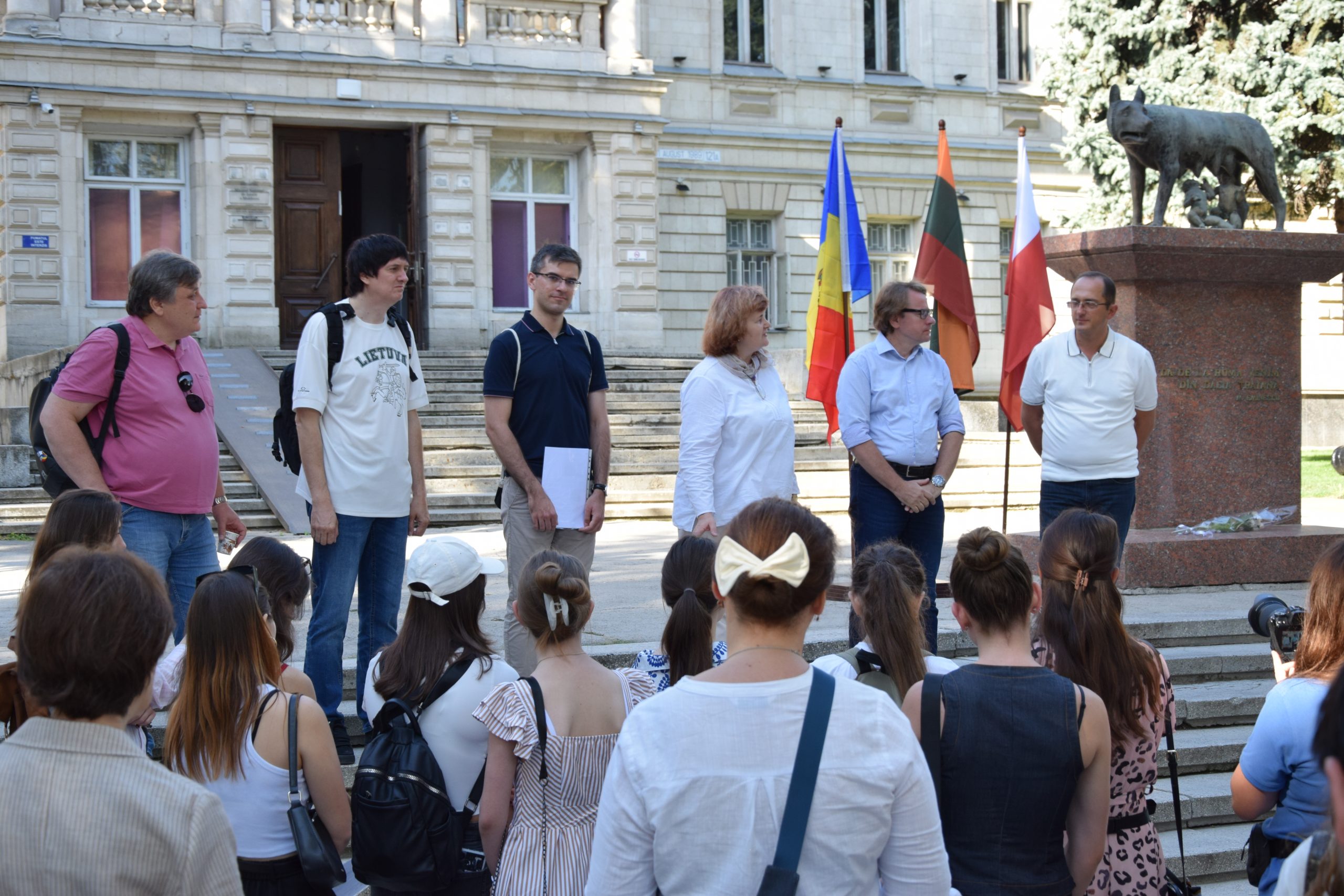
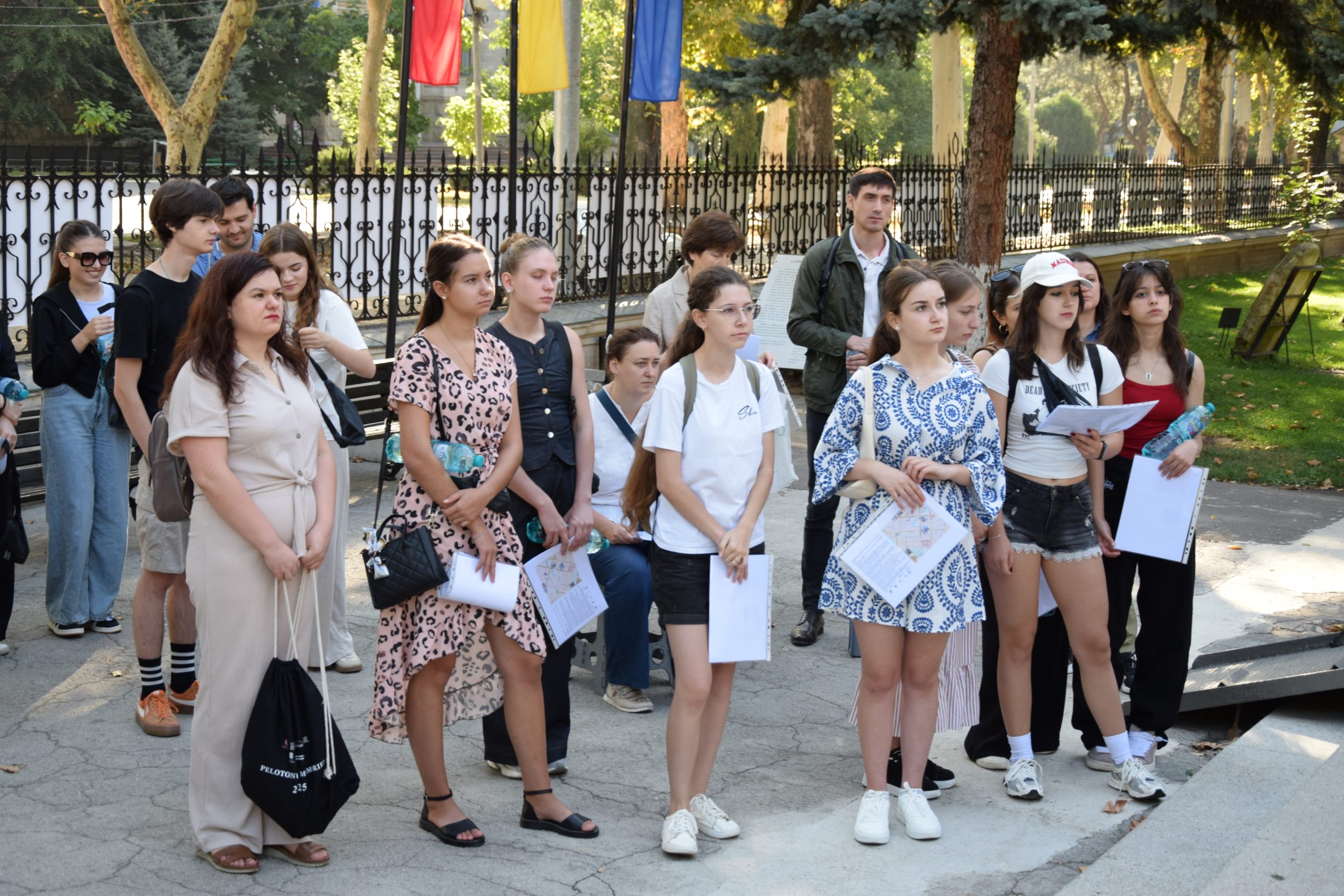
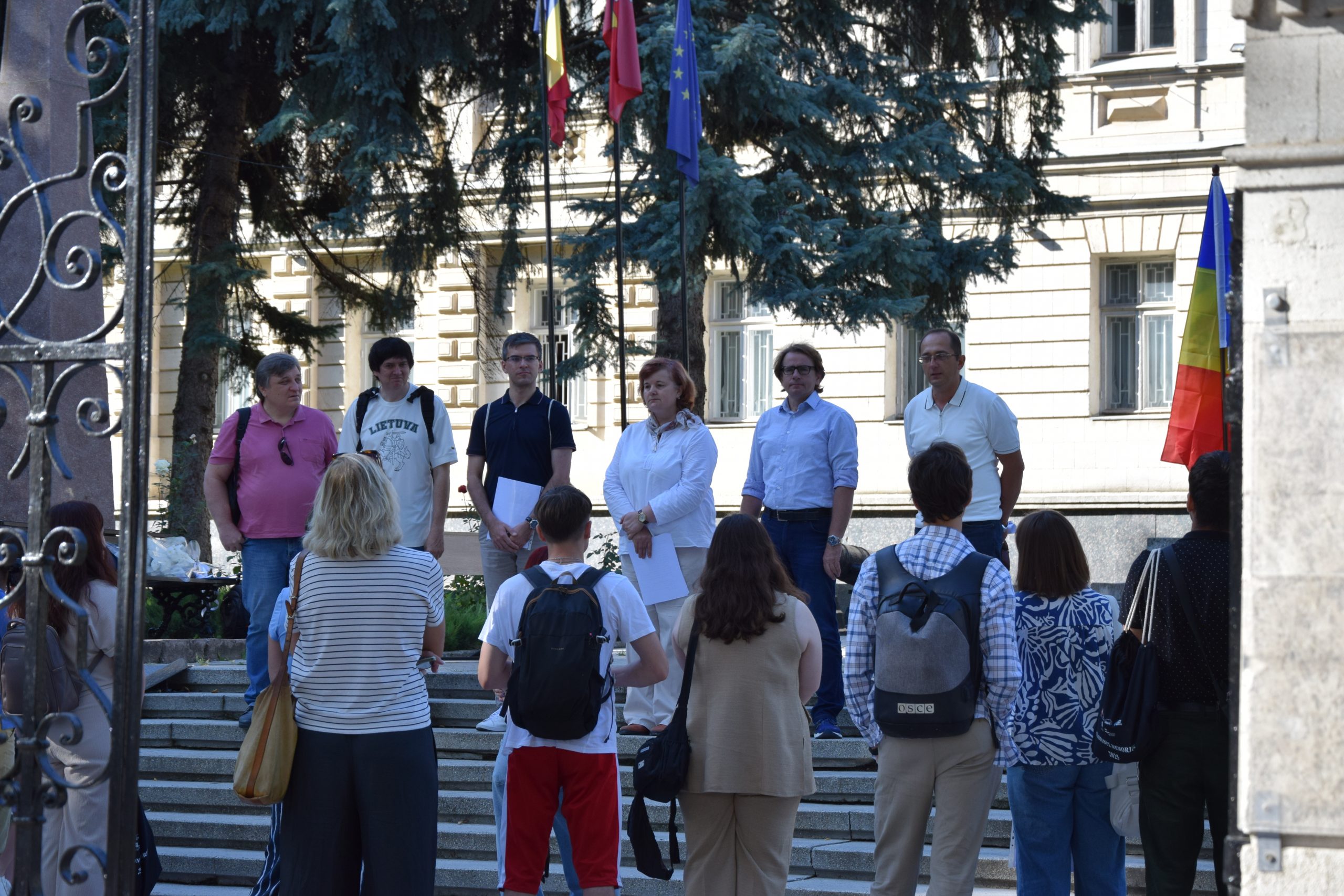
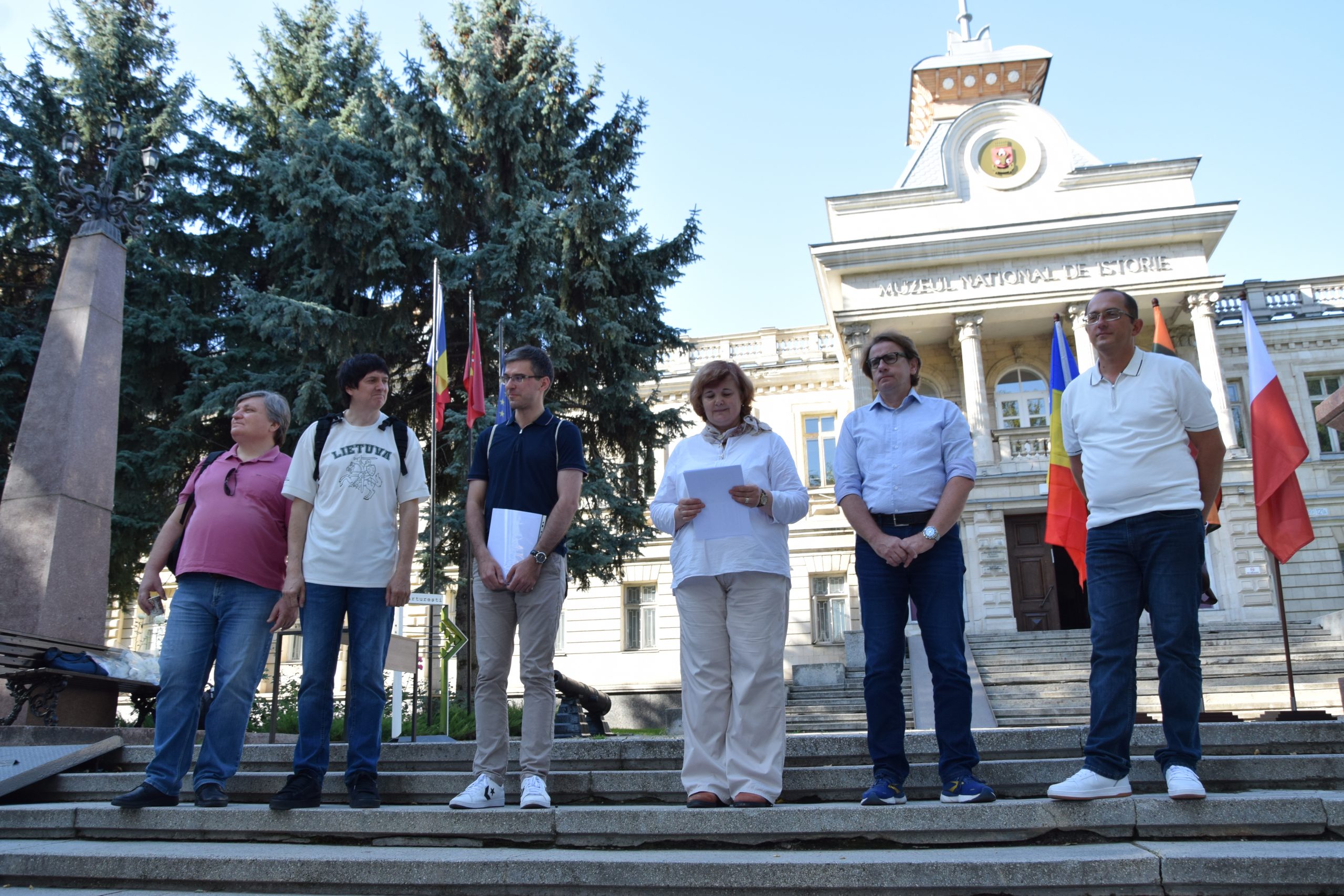
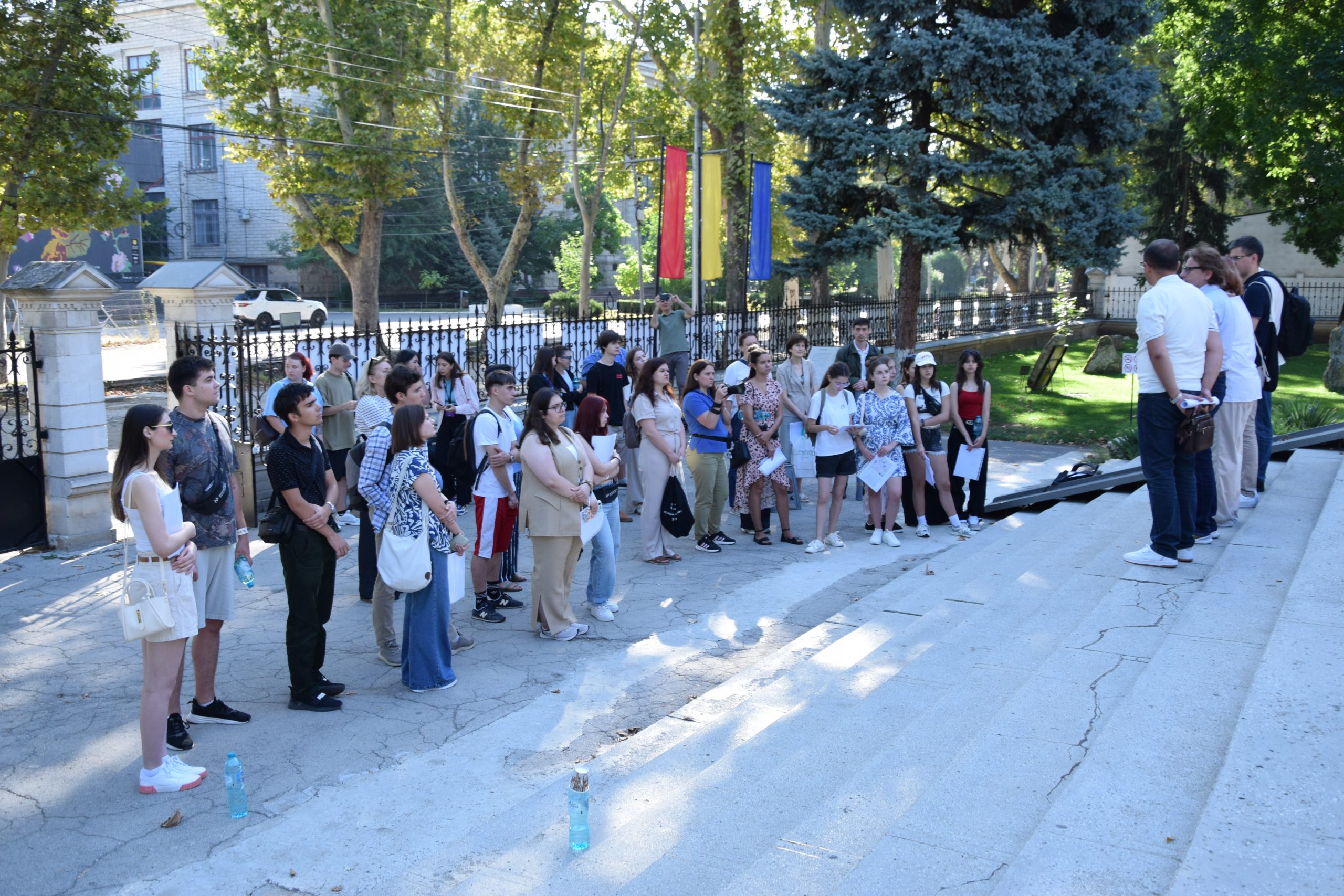
“I am very pleased that Lithuanian institutions can contribute to building a European culture of remembrance in the Republic of Moldova. I am especially happy to see so many young faces at this interactive event,” said Liudas Gintautas Dabkus, Attaché of the Embassy of the Republic of Lithuania in Chișinău.
Ludmila Cojocaru, PhD, Head of the Branch of the Museum of Victims of Deportation and Political Repression of the National Museum of the History of Moldova, explained that participants would visit five memorial sites in the historical centre of Chișinău, related to the events and tragedies that followed the signing of the Molotov–Ribbentrop Pact on 23 August 1939.
Virgiliu Bîrlădeanu, PhD, Head of the Department of Modern History at the Institute of History of the State University of Moldova, highlighted that the Moldovan edition of the Memorial Peloton was organised in conjunction with a summer school for students and high school pupils from both sides of the Dniester River.
“We sought to create a platform for dialogue that would strengthen democratic values and the European culture of remembrance,” he noted.
Alexandru Postica, President of the Association of Former Deportees and Political Prisoners of Moldova, also spoke, expressing his support for such initiatives, particularly those addressed to the younger generation.
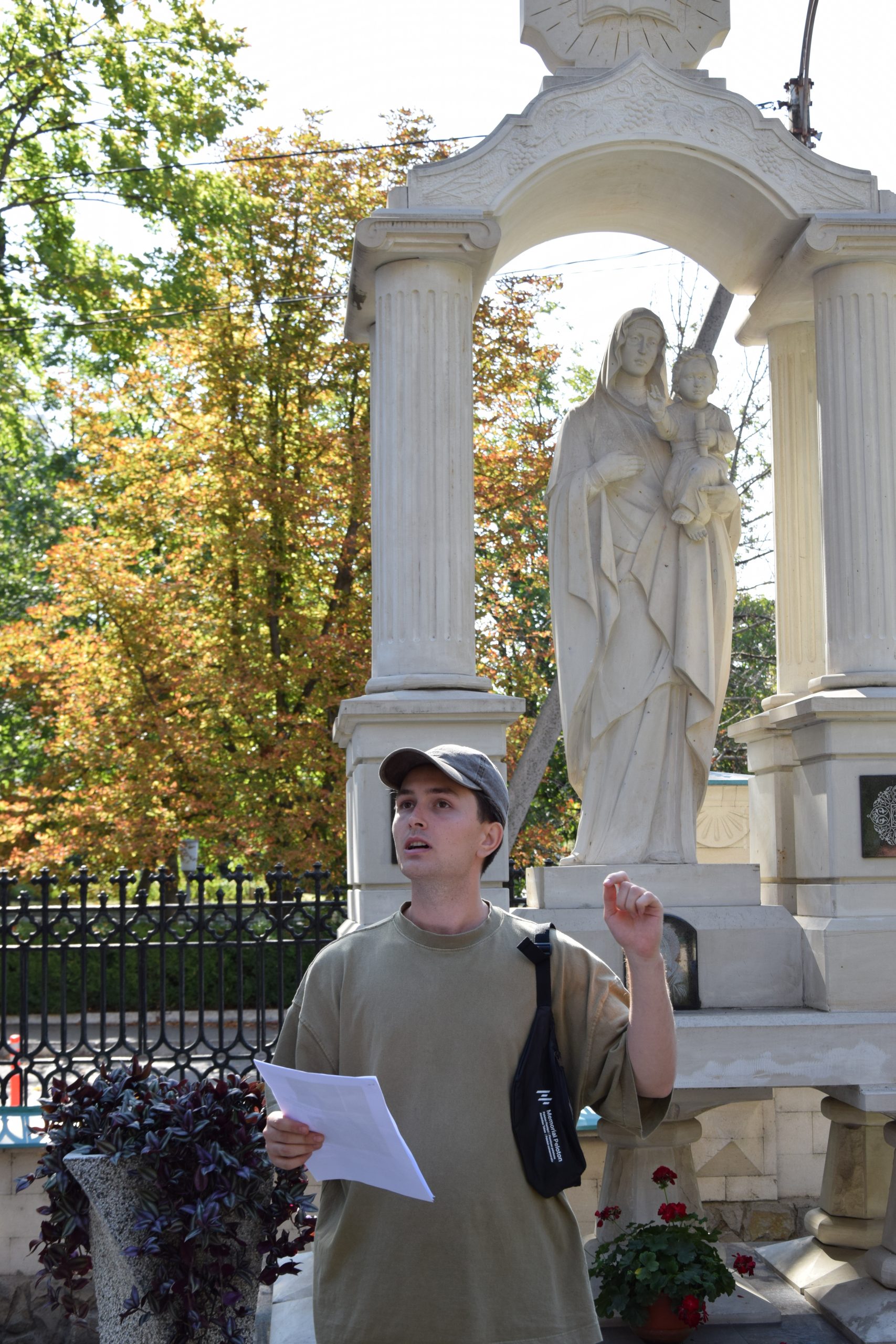
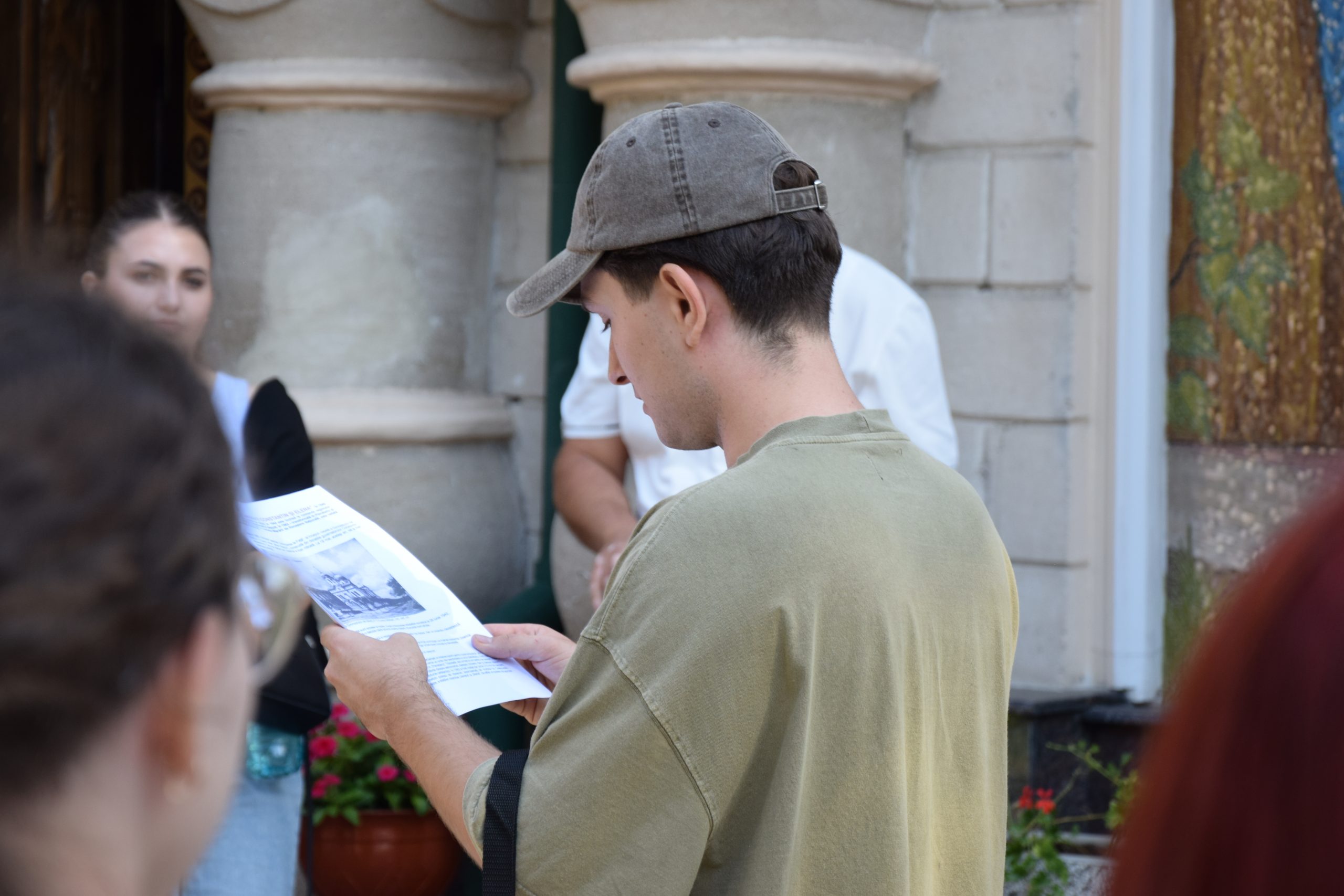
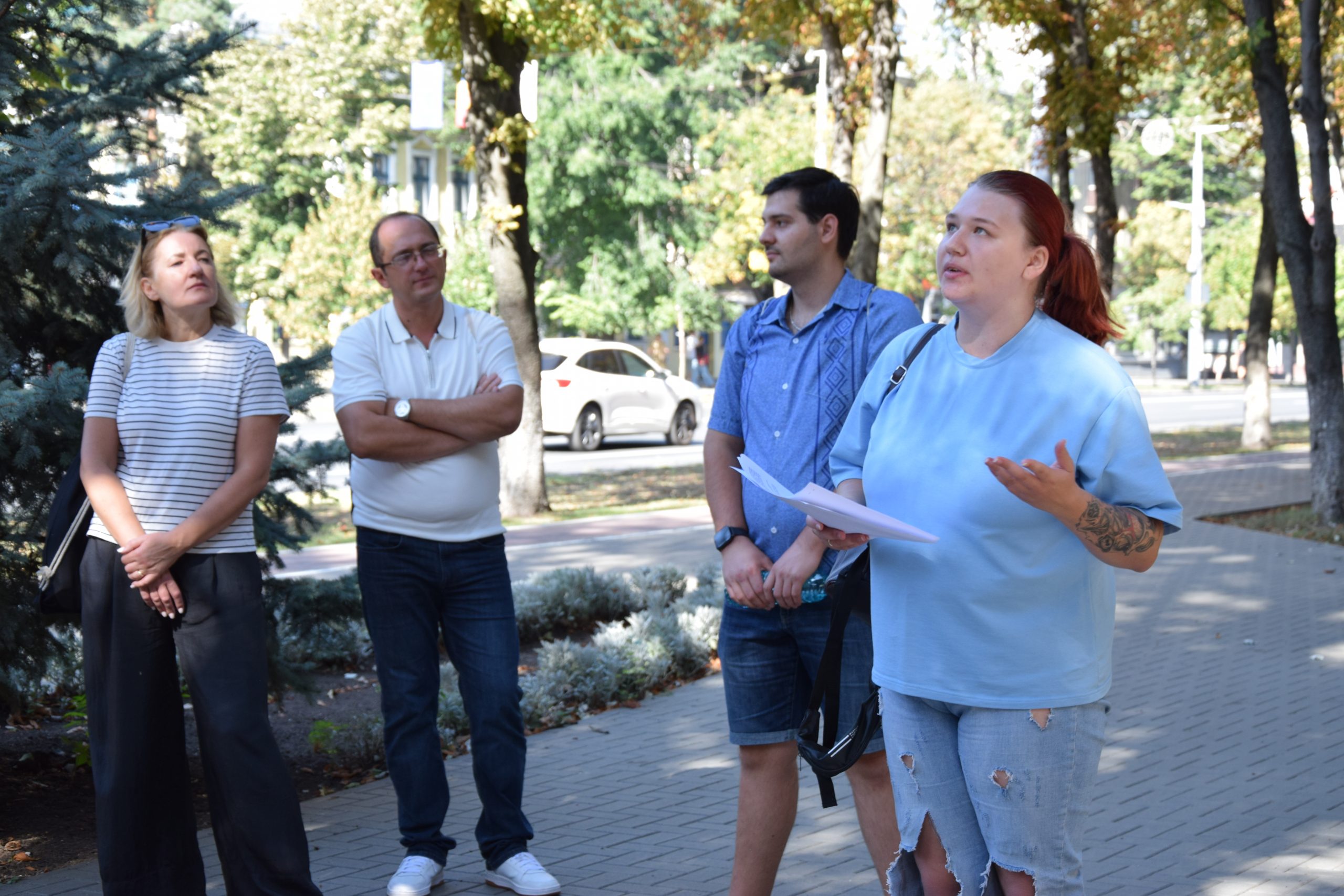
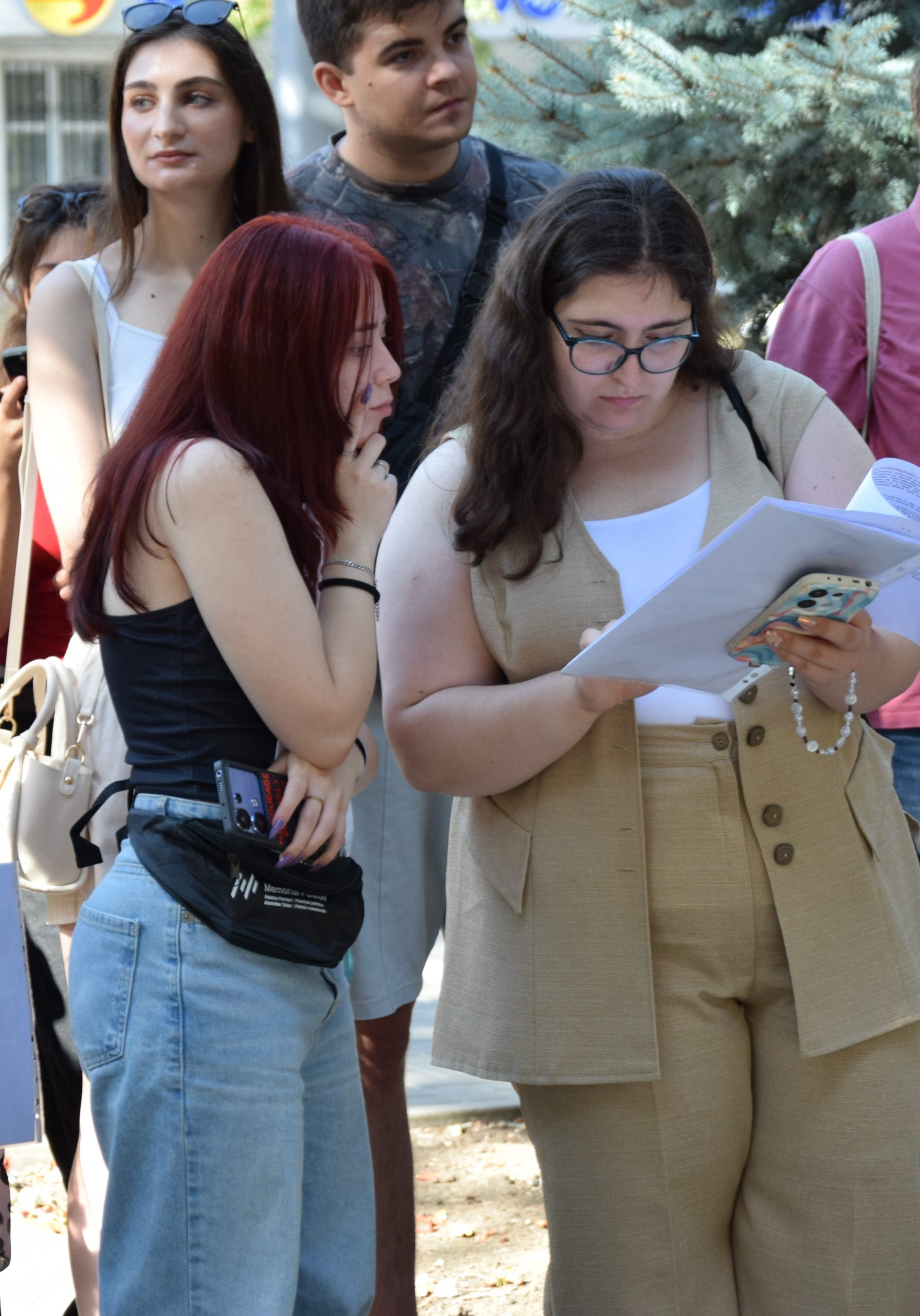
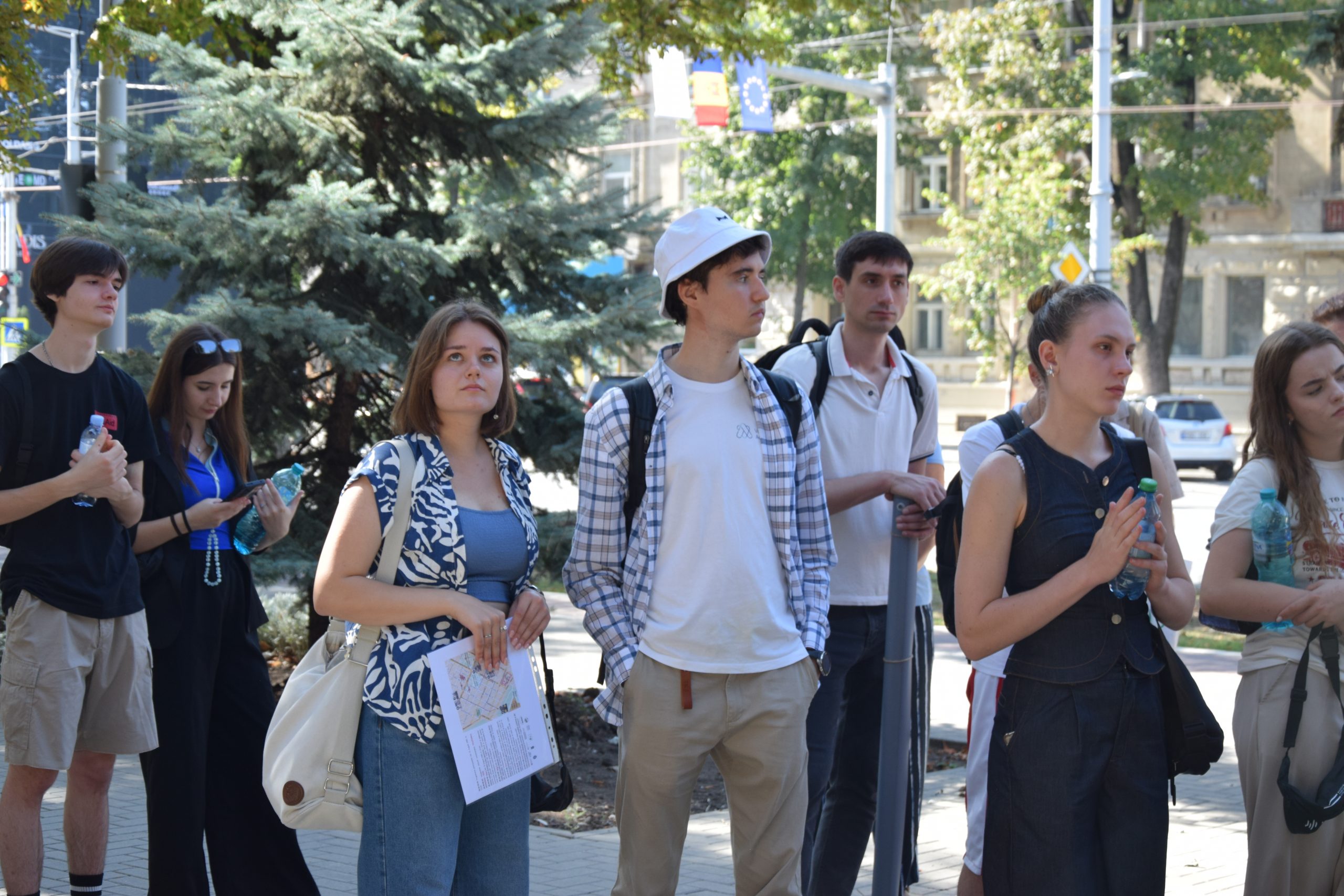
The historical walk began at the Monument of the Capitoline Wolf in front of the National Museum of the History of Moldova. The sculpture was originally gifted to Chișinău by the city of Rome in 1918, but in 1940 the Soviet authorities ordered it to be melted down, seeking to erase the Roman dimension of Moldovan identity. The monument was recreated in 1990 and placed in front of the Museum.
The next stop was Valea Morilor Park, where a memorial stone commemorates the victims of mass executions carried out by the NKVD in 1940–1941 under the walls of the former Italian Consulate in Chișinău. Subsequent sites included the Church of the Transfiguration, transformed by the Soviet authorities into a planetarium and Centre of Atheism, and the former Romanian Higher Military School in Chișinău, destroyed and rebuilt as the headquarters of the KGB.
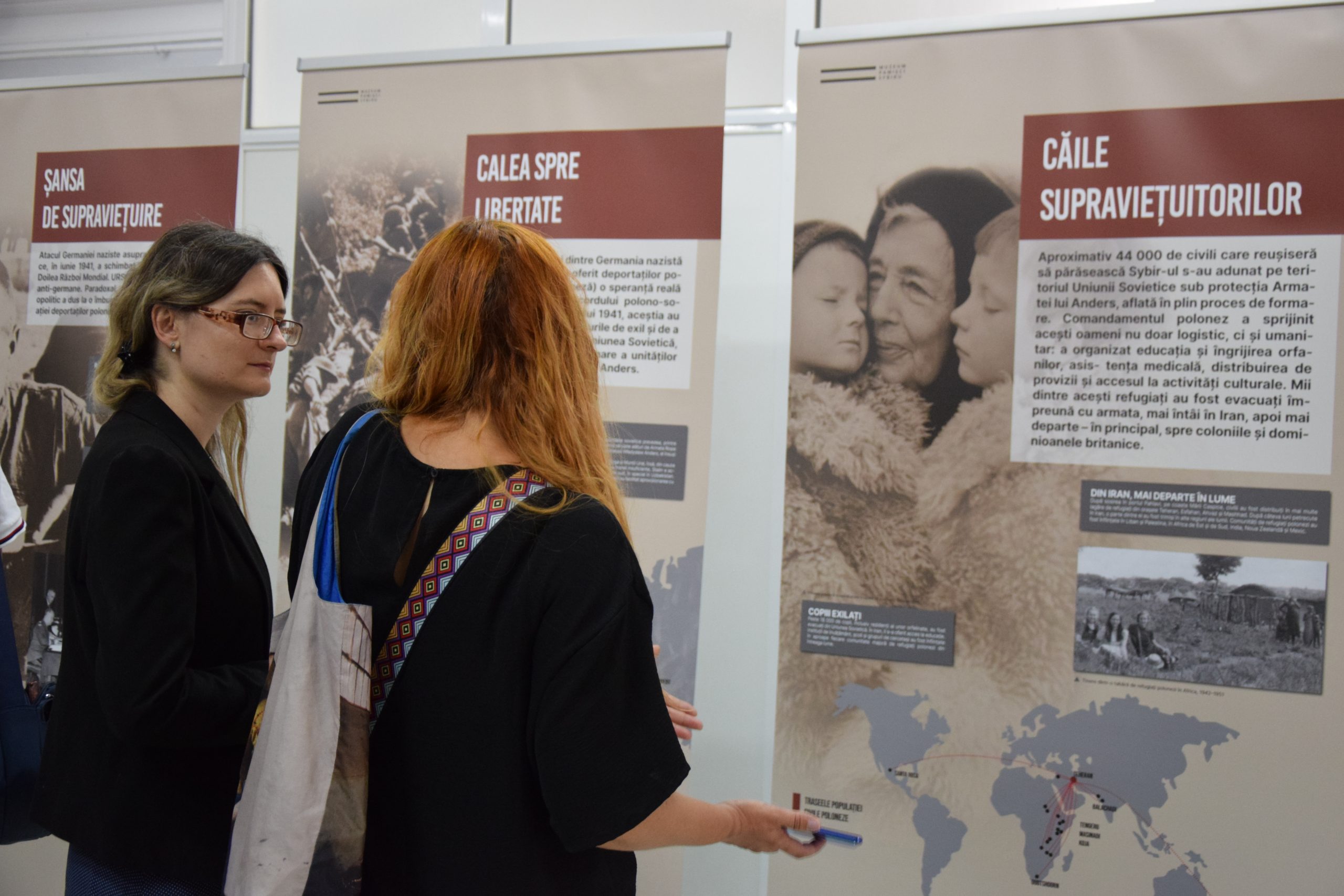
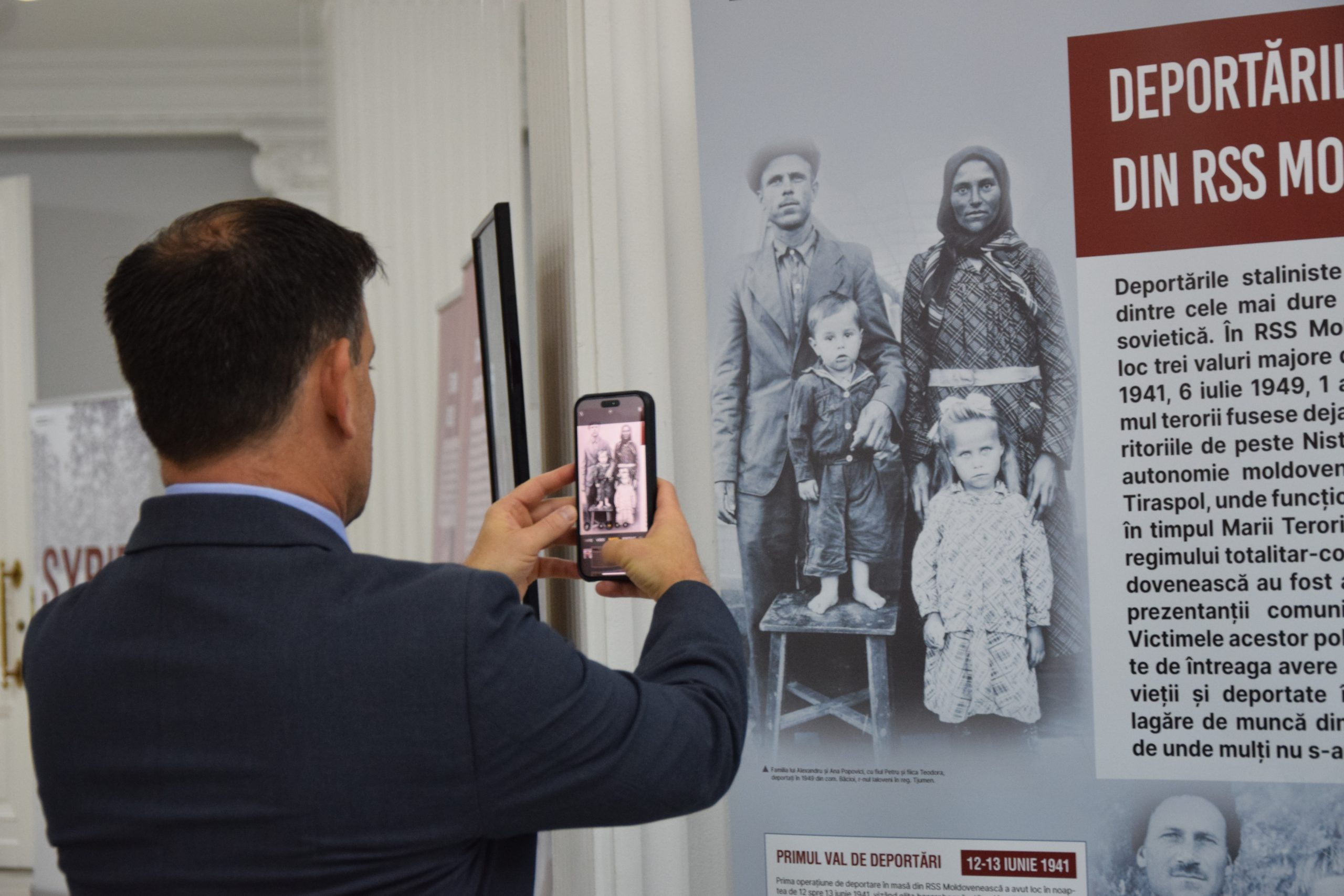
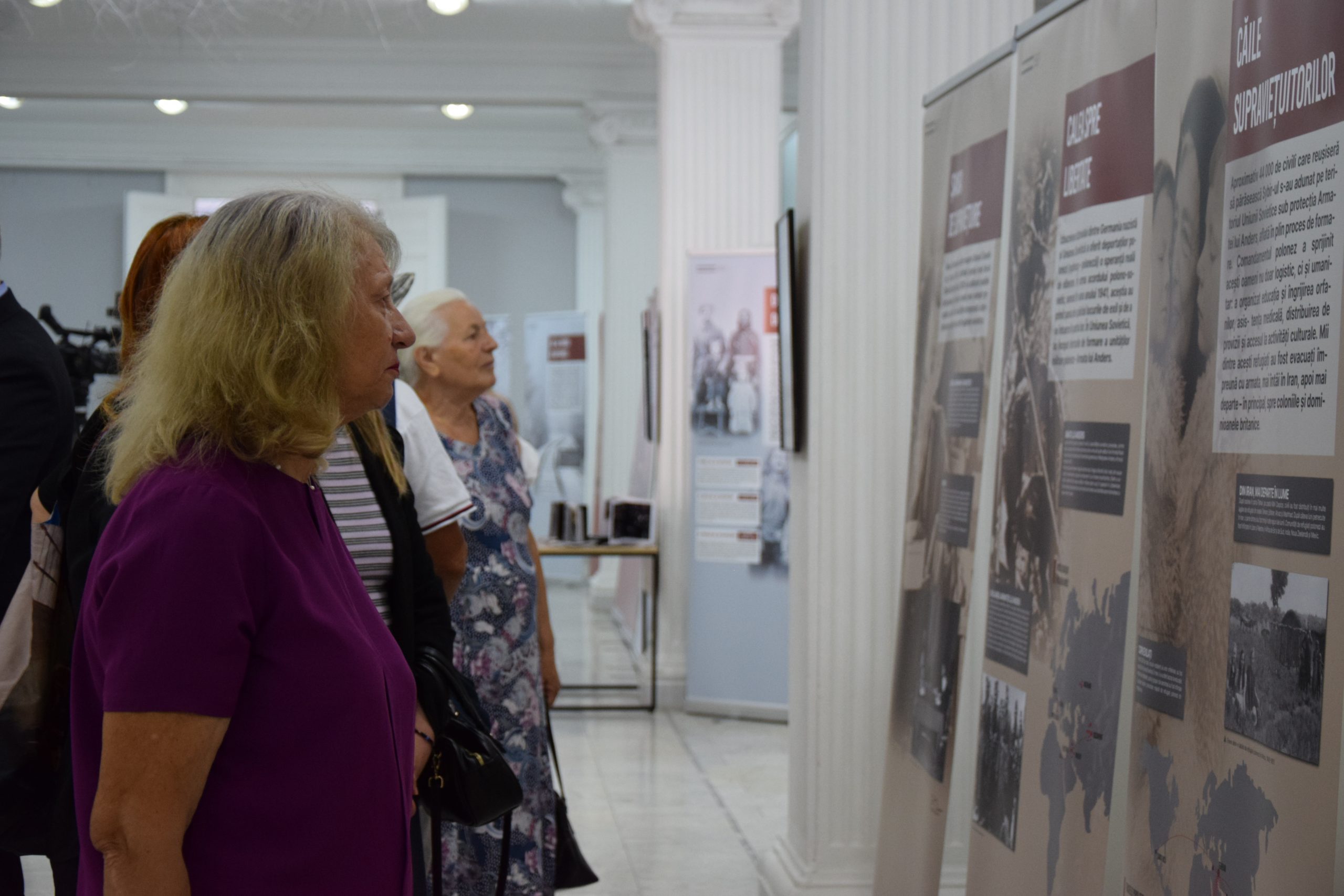
Additionally, on the eve of the Moldovan edition of the Peloton, an exhibition prepared by the team of the Sybir Memorial Museum was opened, presenting the fate of Poles and Moldovans under Soviet occupation. The exhibition, produced in Romanian, was created in cooperation with the National Museum of the History of Moldova and the Embassy of the Republic of Poland in Chișinău. The opening ceremony was attended by the Ambassador of the Republic of Poland to Moldova, Tomasz Kobzdej, PhD, the Director of the Sybir Memorial Museum, Professor Wojciech Śleszyński, and the Director of the National Museum of the History of Moldova, Professor Eugen Sava, together with Moldovan Sybiraks and their families and members of the national media. Participants of the Peloton and opening ceremony also attended a lecture by the Director of the Sybir Memorial Museum devoted to the experience of establishing and running our institution.
The Sybir Memorial Museum warmly thanks all partners, institutions, and participants in the Memorial Peloton in Chișinău for their cooperation, support, and presence. Special words of gratitude go to the Moldovan Sybiraks and their families, whose participation gave the event a special dimension.
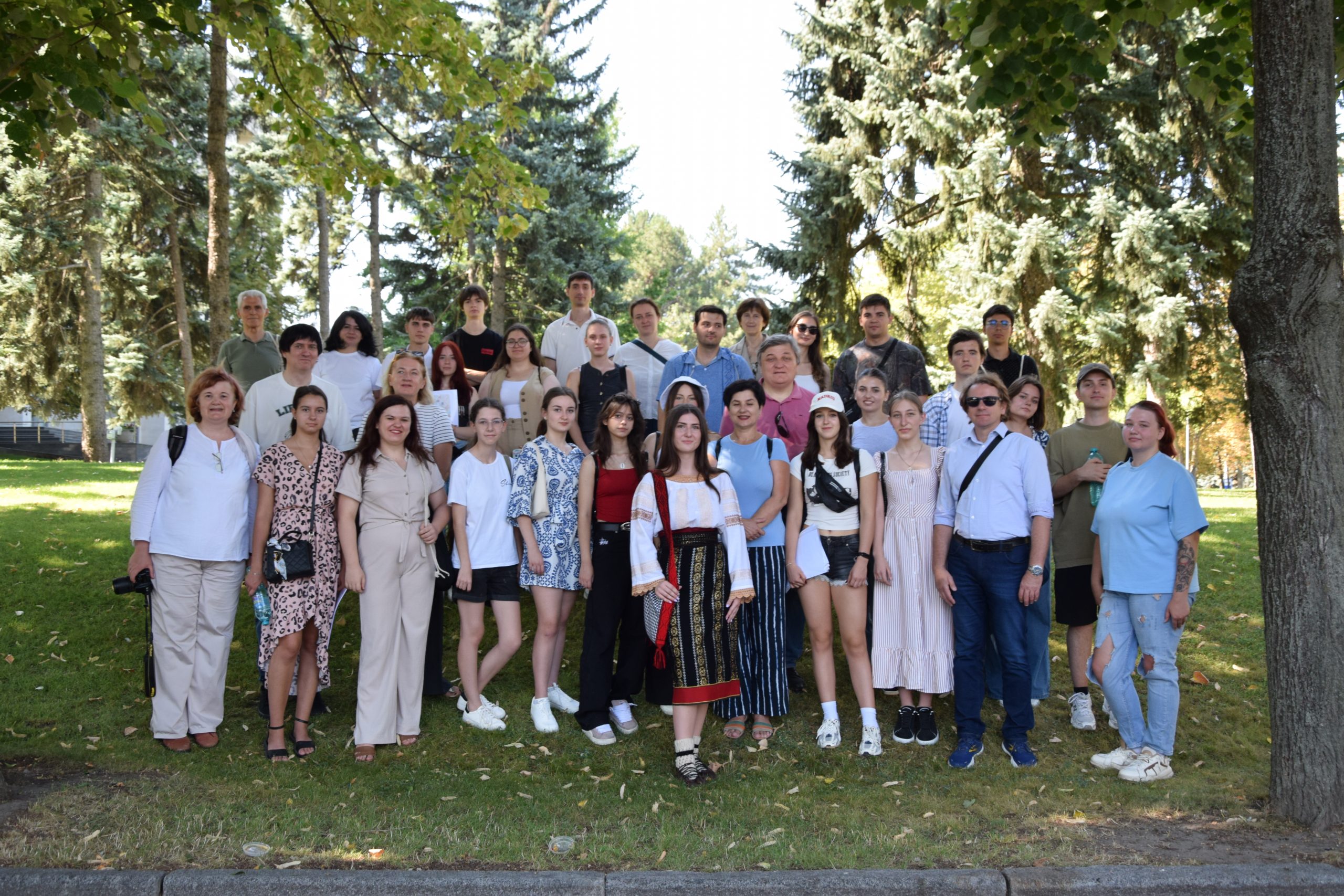
The event was organised by the Sybir Memorial Museum and the National Museum of the History of Moldova, in cooperation with the Genocide and Resistance Research Centre of Lithuania (Vilnius), the Museum of the Occupation of Latvia, the Institute of History of the Moldova State University, the public association Pro Memoria, and the Association of Former Deportees and Political Prisoners of Moldova.