



Date: 22 January 2026, 6:00 p.m.
Venue: The Sybir Memorial Museum
Tickets: reduced – PLN 10, regular – PLN 15
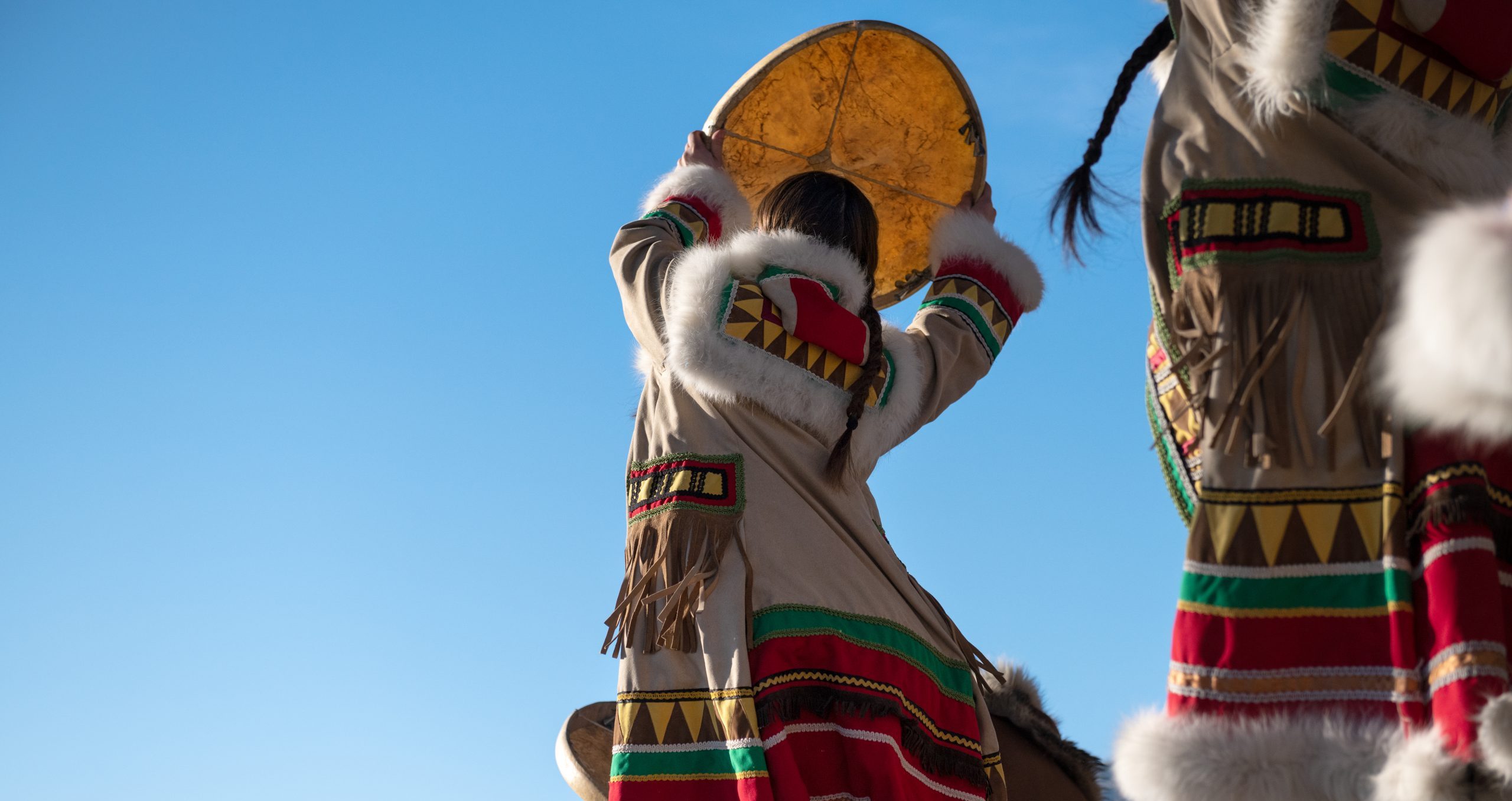
Yakutia is the world’s largest administrative division, covering an area of over 3 million km2, which makes it slightly smaller than India. It is also one of the coldest inhabited places on Earth, with temperatures often dropping below -50 °C and a record low of -72 °C.
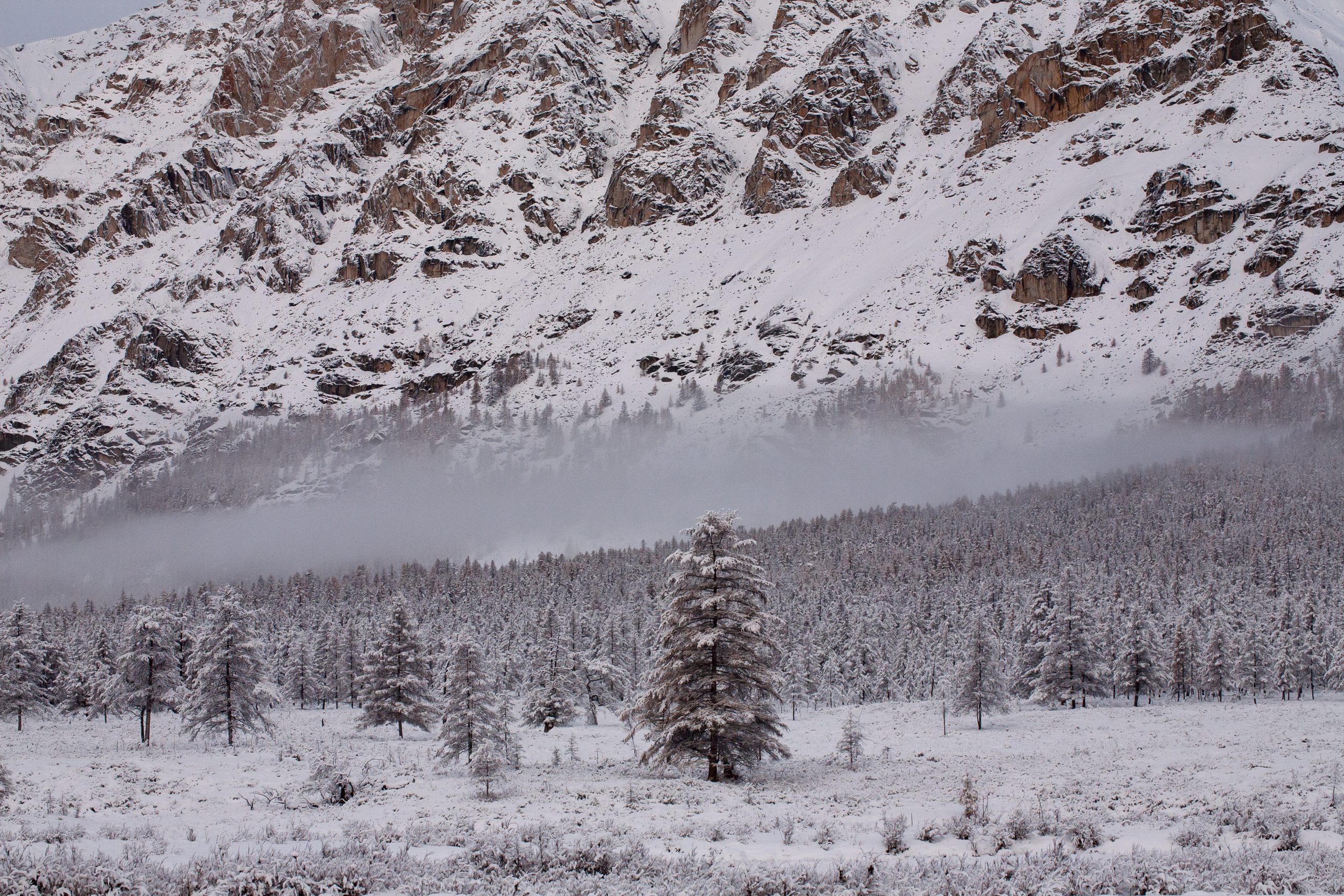
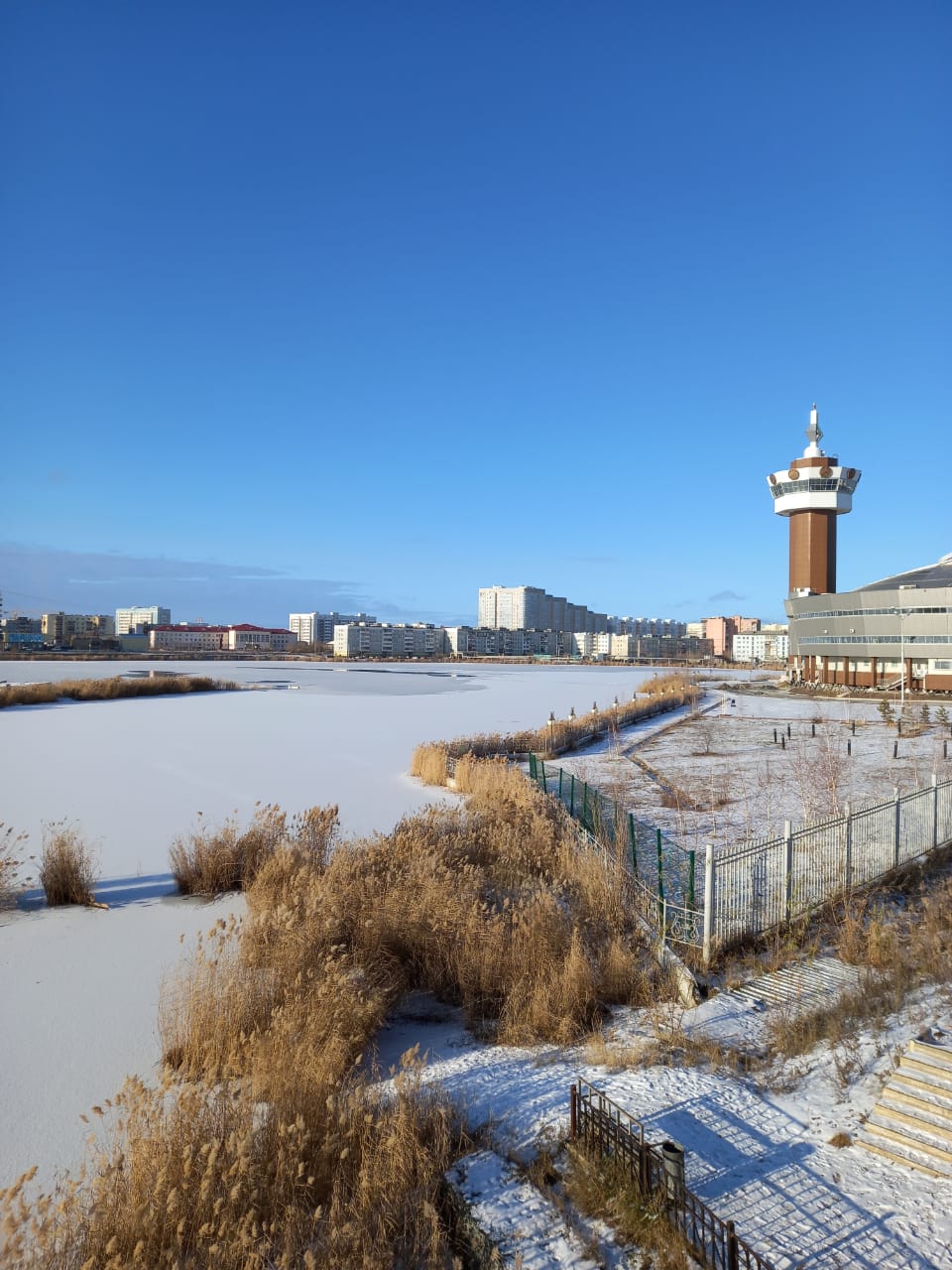
Yakutia is famous for its beautiful, harsh Siberian landscape, but it also has an infamous place in history and is associated with Soviet labour camps. In 1932, Sevvostlag (North-Eastern Corrective Labour Camps) complex was built there. Prisoners called this place Kolyma, after the name of the river that flows through it, which became a symbol of suffering and death. The Soviets deported their own citizens there and locked them up in the local camps, and after the outbreak of World War II, they also deported representatives of other countries, including occupied Poland.
The prisoners were mainly forced to work in mining, forestry and road construction. The main enemies of the prisoners were not only exhaustion, but also the natural conditions of the area. The prisoners’ work was only interrupted when the temperature reached or fell below -54°C. For these reasons, the mortality rate in the camps remained very high in the early years of their operation. It was there that the most famous survivors of the labour camps stayed, including Varlam Shalamov, Eugenia Ginzburg and a scout from Białystok, later a soldier in the so-called Anders’ Army and the last President of Poland-in-exile, Ryszard Kaczorowski.
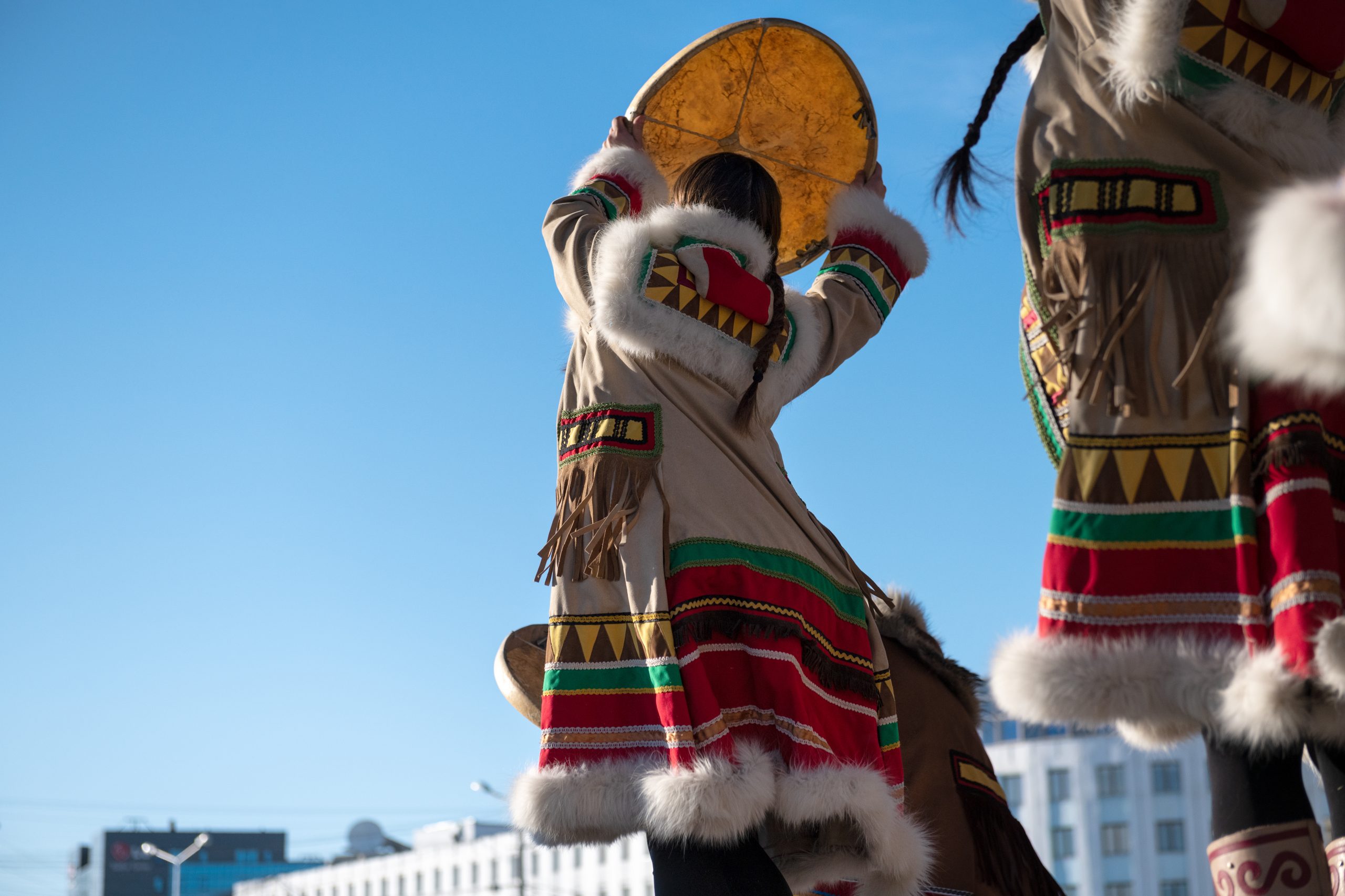
During the meeting, Ewa Haarczaana-Kowalska — a native Yakut with Polish roots — will discuss the history, culture and natural environment of Yakutia, as well as its contemporary inhabitants.