



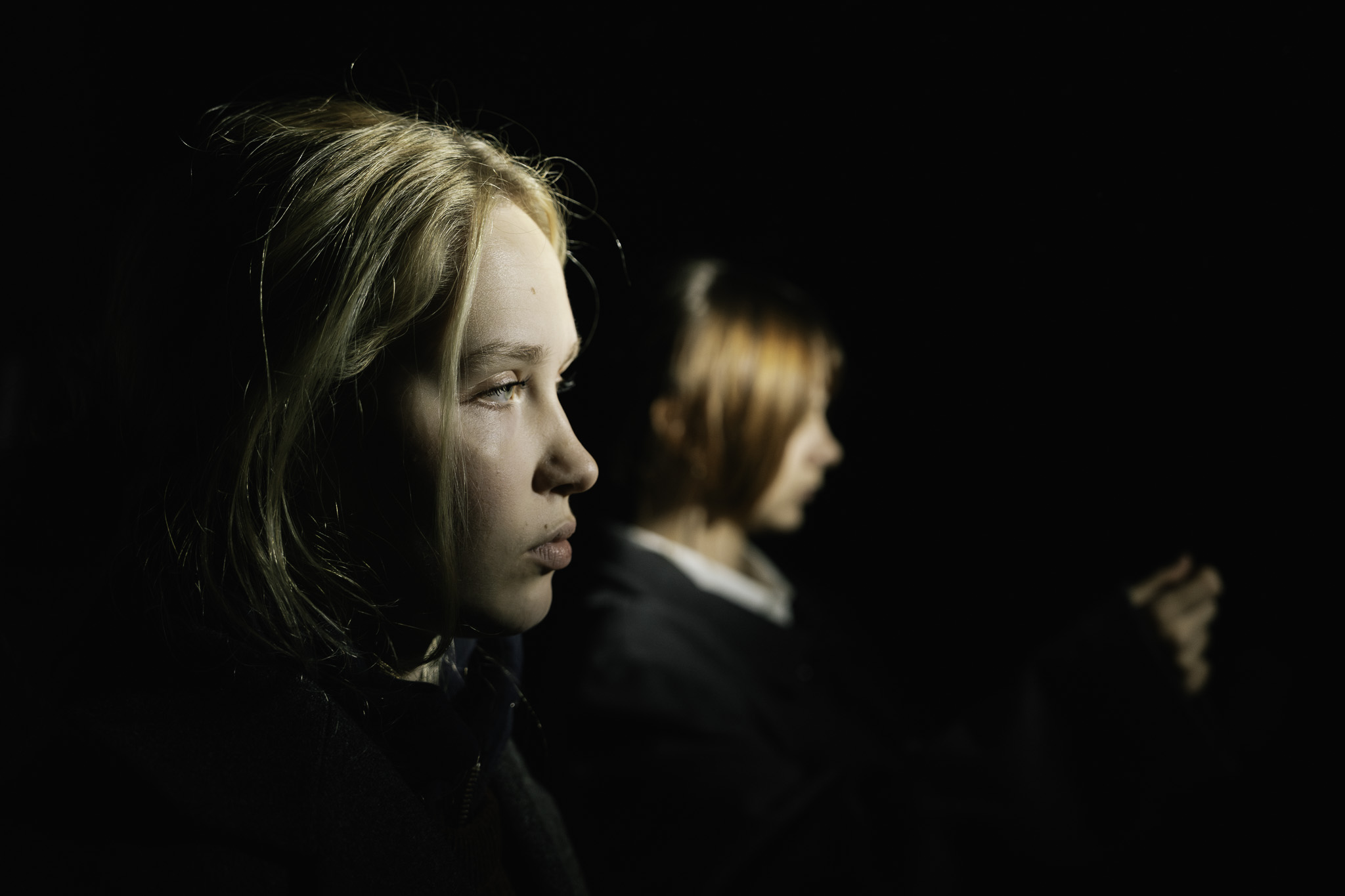
Today, an art and theatre workshop entitled ”Siberia – Space and People” was held as part of the international Art of Remembrance project. The special guest was Juhana Moisander, a Finnish artist who has just begun his second residency at the Sybir Memorial Museum. The workshop participants were students from the theatre class at Secondary School No. 7.
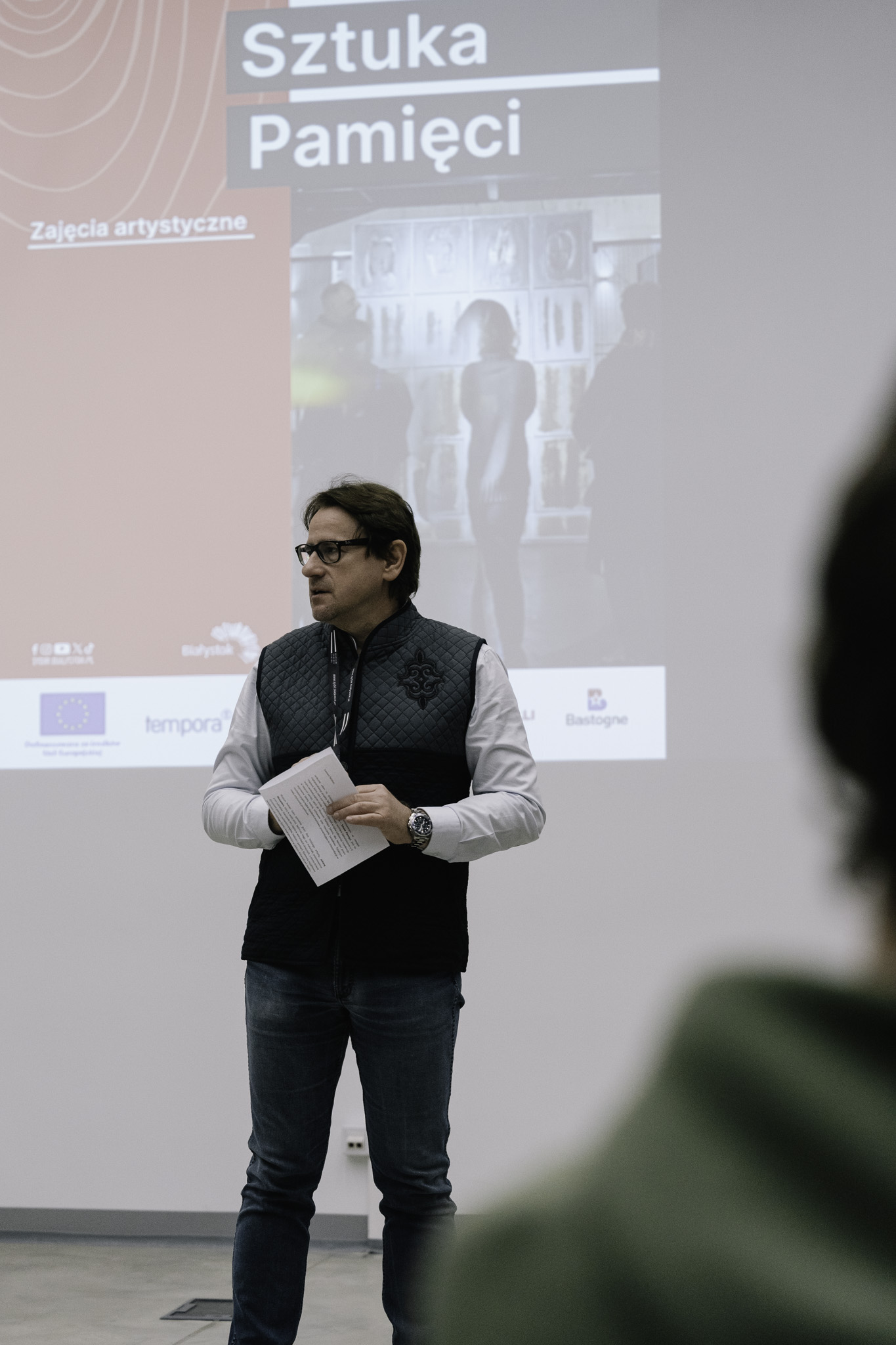
The meeting opened with a welcome from Prof. Wojciech Śleszyński, Director of the Sybir Memorial Museum:
“The Sybir Memorial Museum participates in a major European initiative called The Art of Remembrance. Through the work of leading European artists, we aim to show what happened to people deported to Siberia. Regardless of the language we speak, art is often the best tool to tell this story. Today, we welcome a Finnish artist who works with difficult emotions every day. I hope this time will be valuable — above all, a time for reflection,” — he summed up.
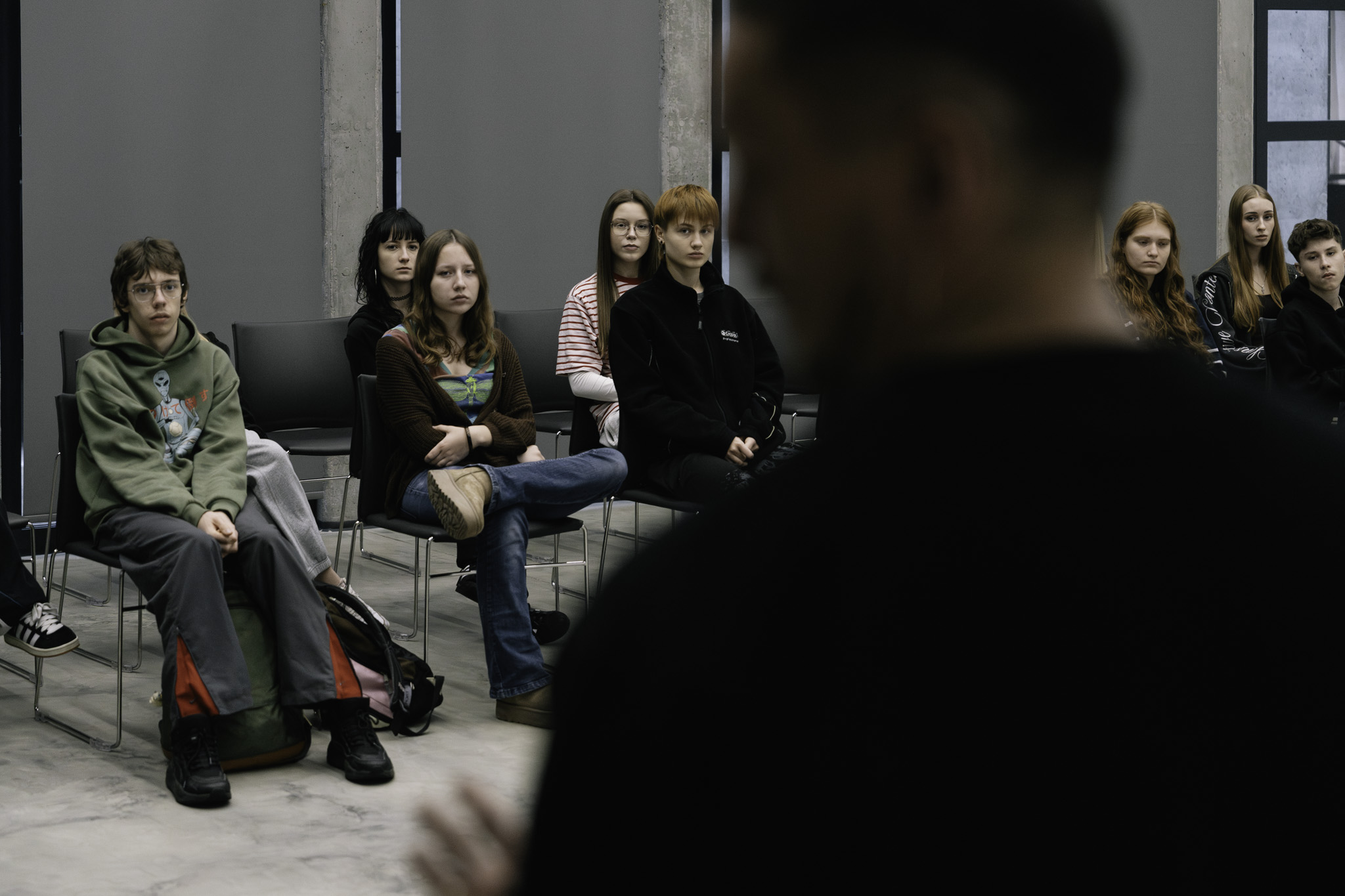
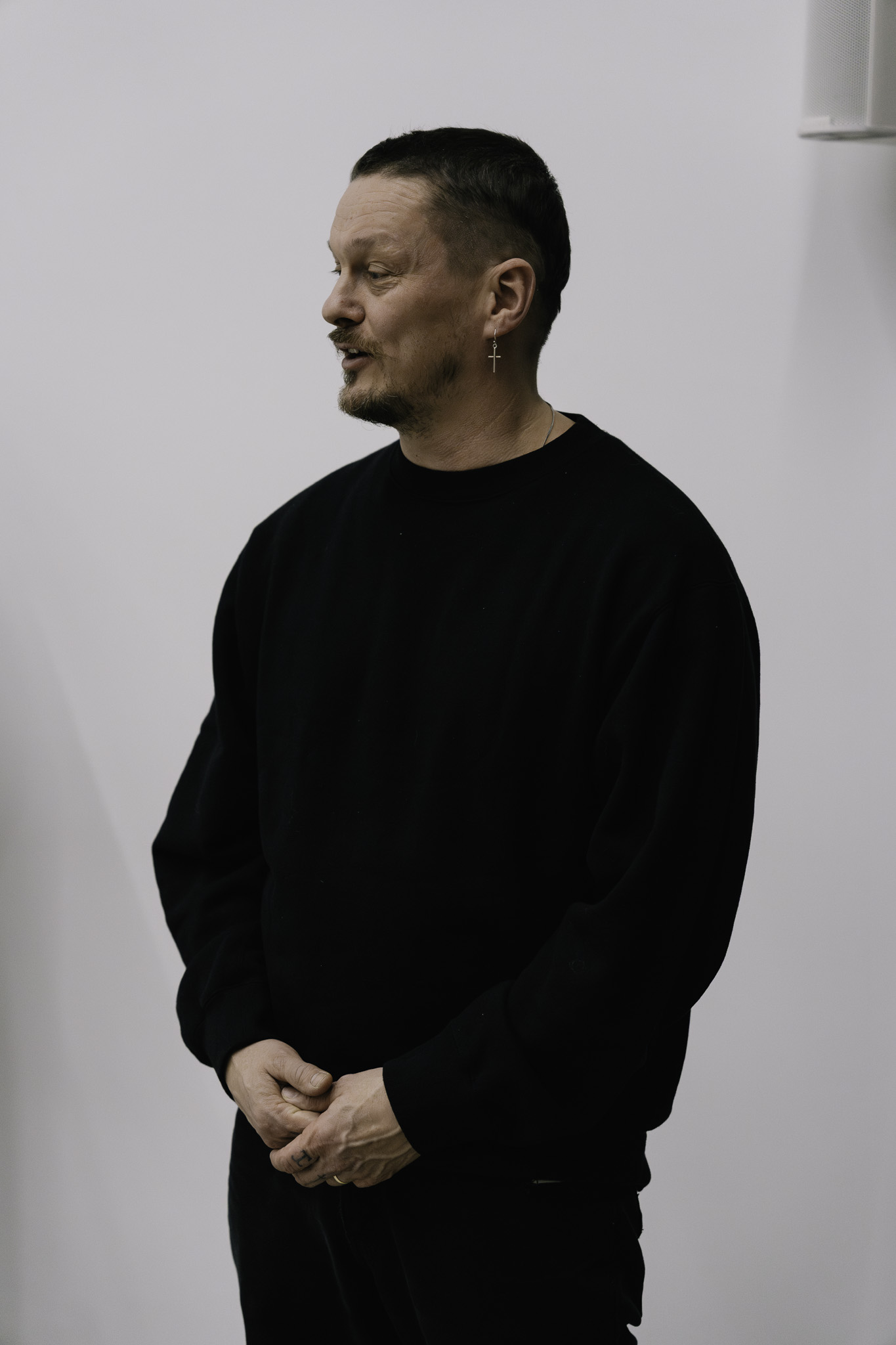
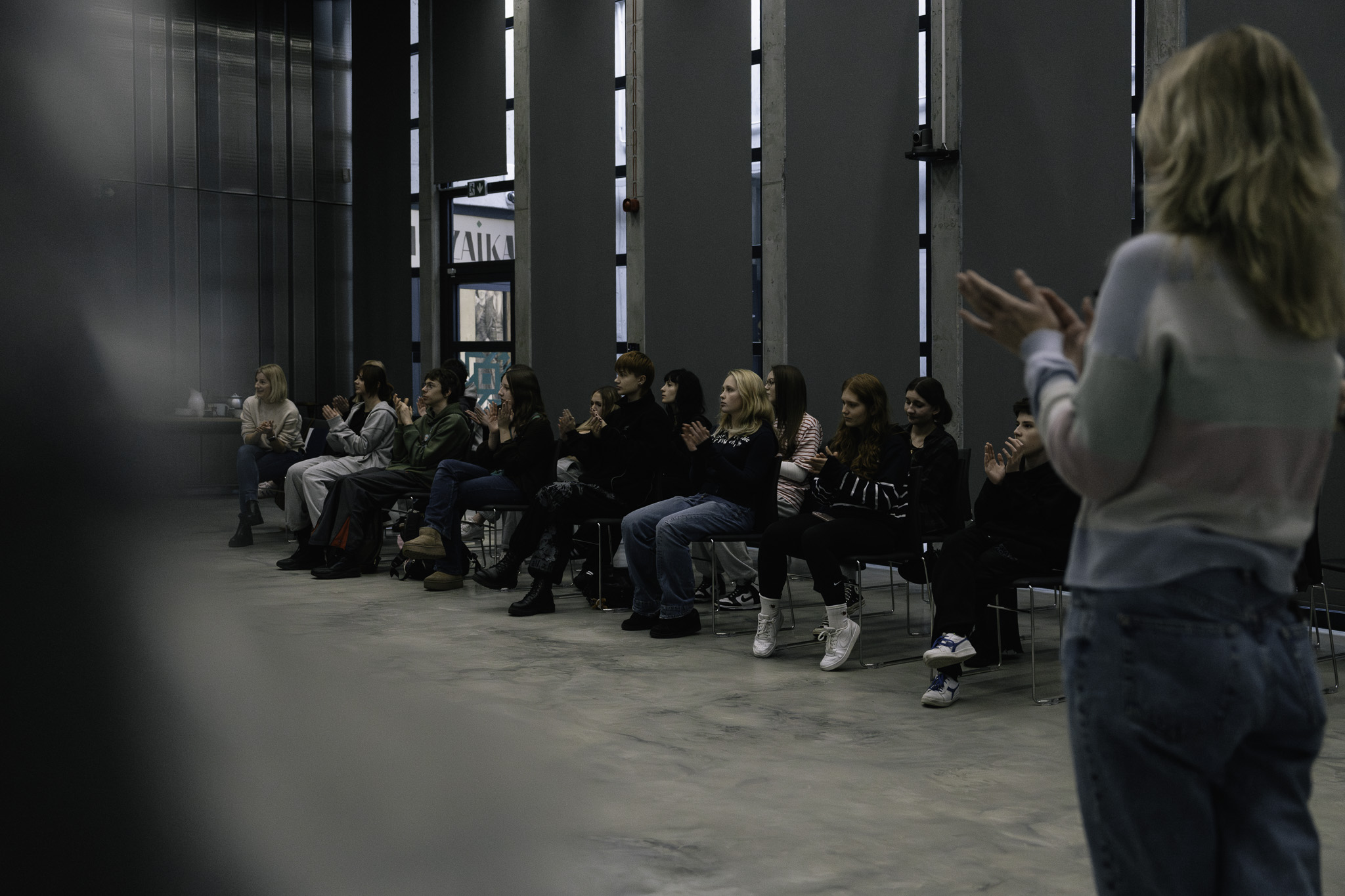
The workshop began with a presentation by Juhana Moisander, who introduced participants to his artistic practice. He discussed experimental contemporary art and site-specific projects, which interact closely with a place’s architecture, atmosphere and community. He also shared examples of some of his most compelling works.
Following the presentation, the students were divided into groups and tasked with creatively arranging a space and preparing a pantomime performance inspired by the testimony of a Sybirak. They could use various props, manipulate light, and work with movement and gesture. Moisander — whose artistic practice centres mainly on video installations — guided and supported them throughout the process.
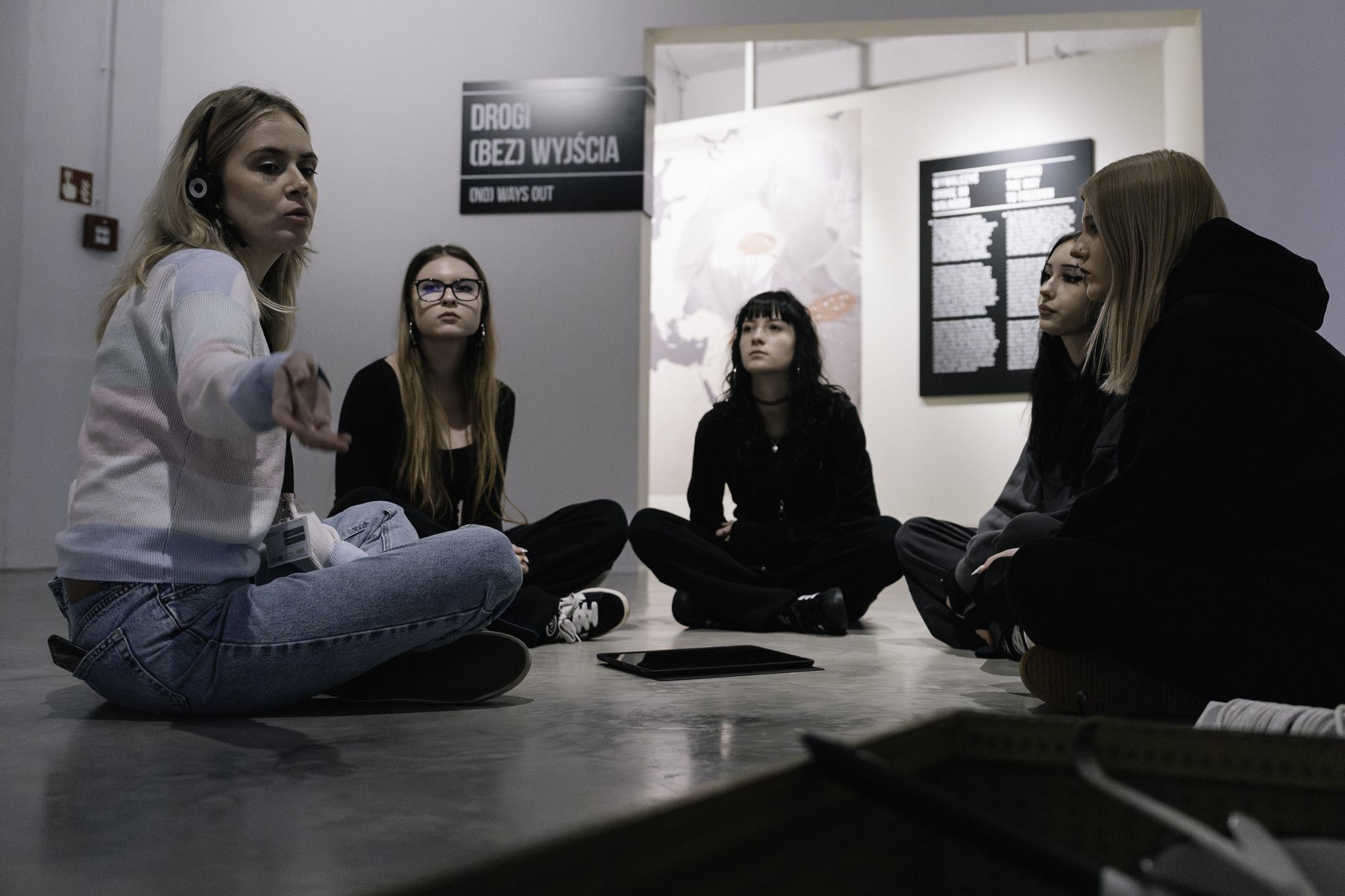
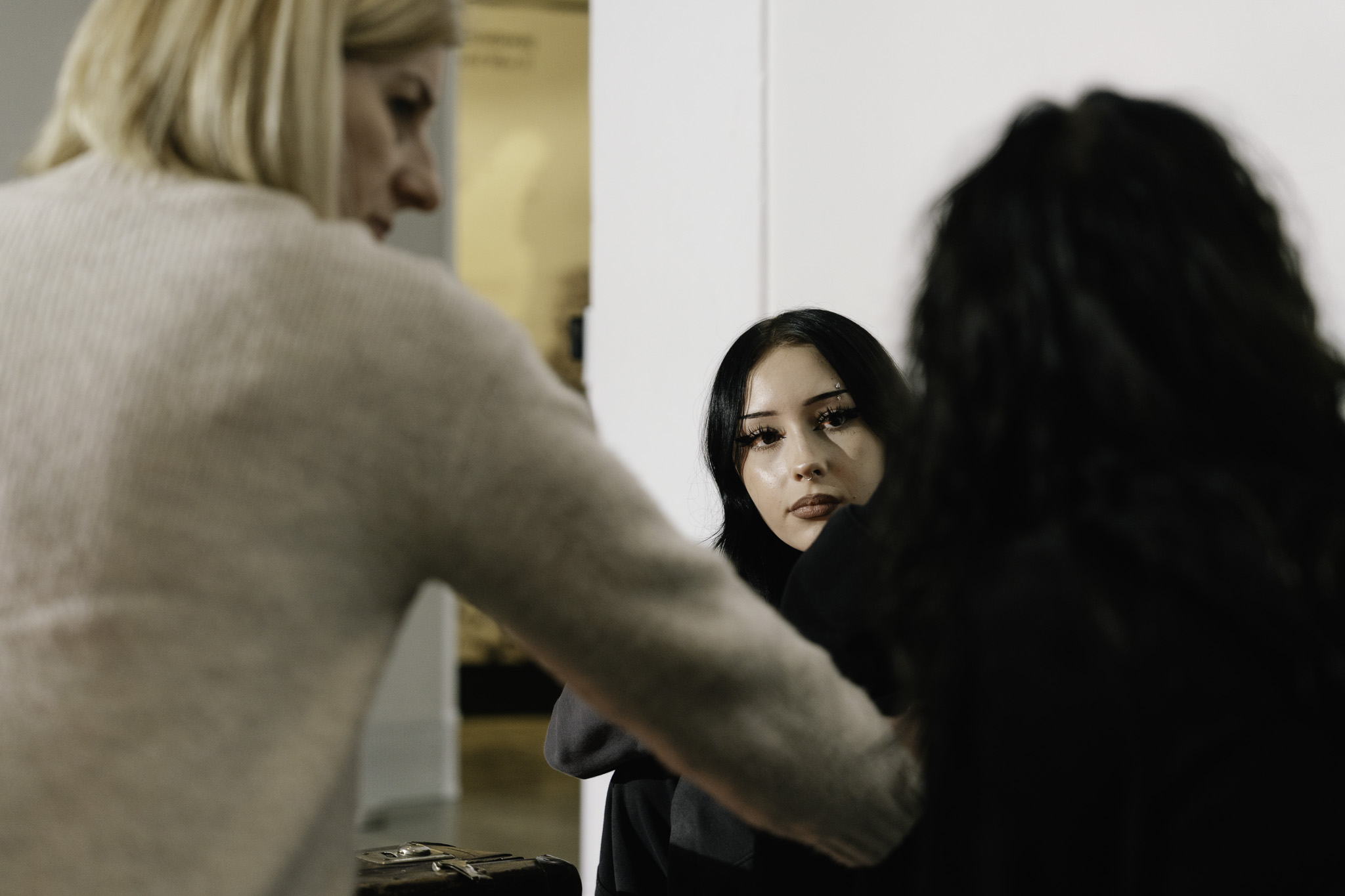
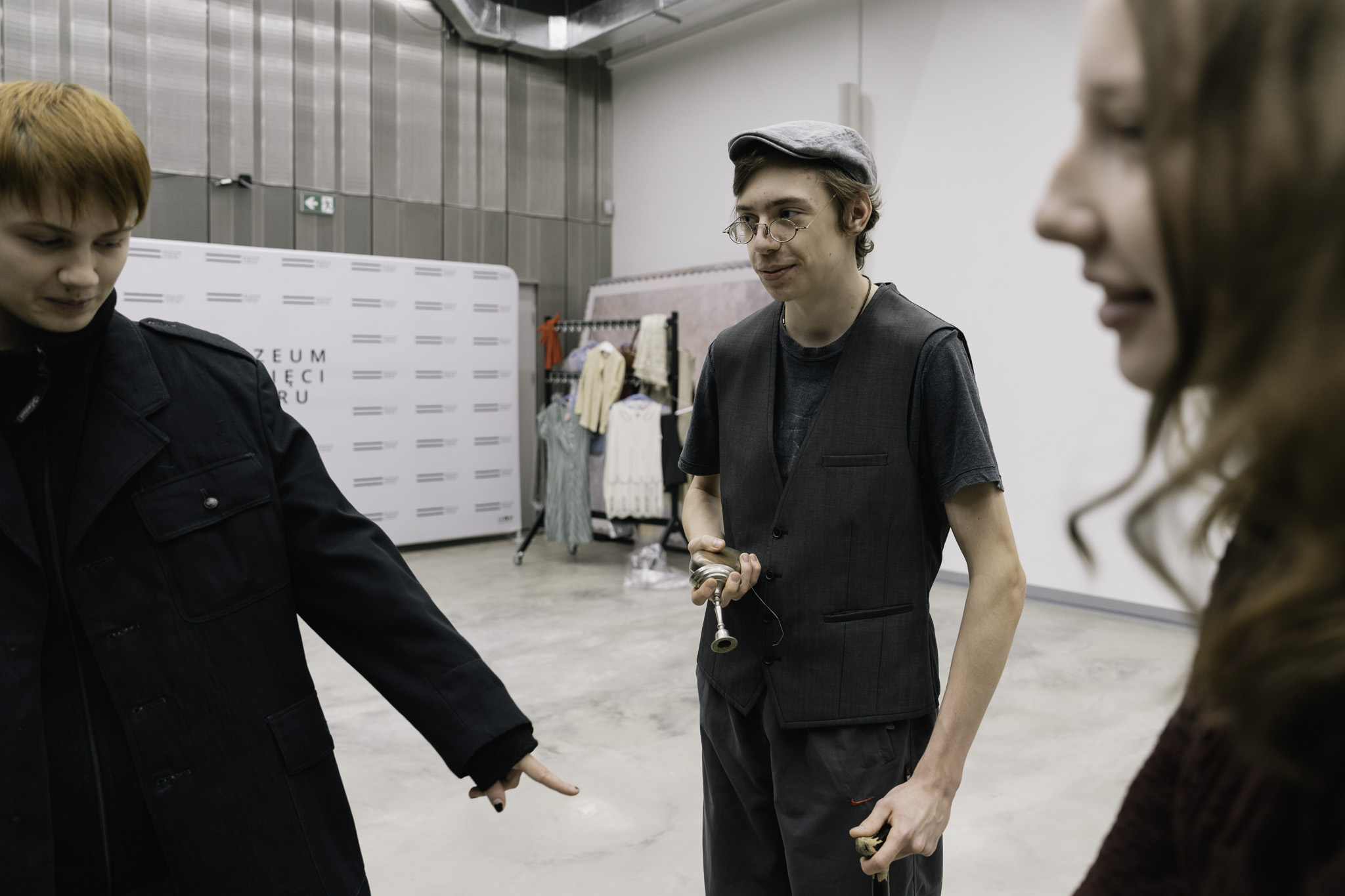
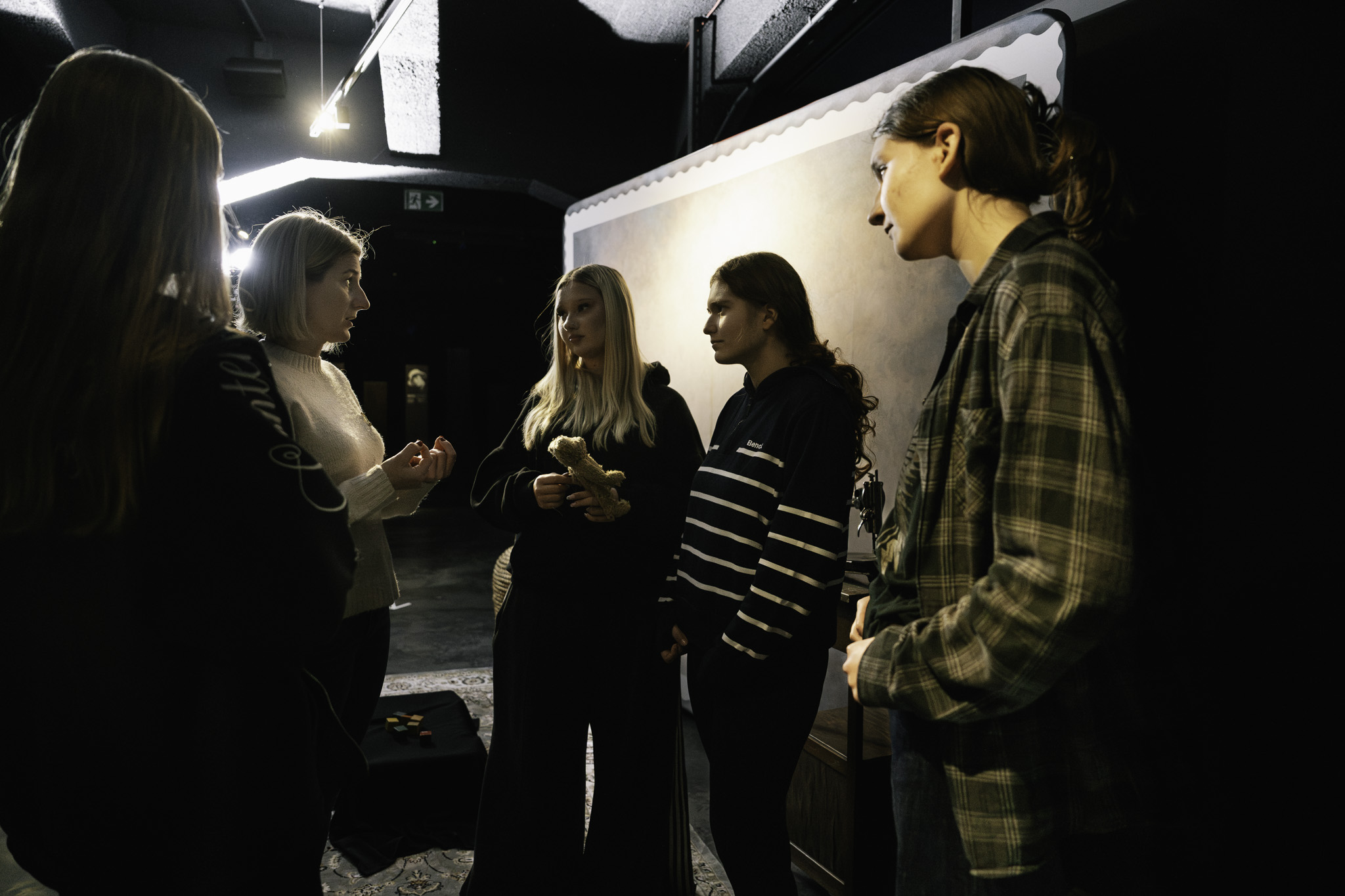
“I don’t understand the Sybiraks’ testimonies that are played in Polish, but the acting of these young people is so expressive that I never doubt which story they are portraying,” the artist said. “The idea of workshops based on real testimonies and actual objects — whether museum artefacts or not — is fantastic. It gives participants a very authentic experience. These young people are incredibly creative. They have only two hours, yet they manage to create a fully developed theatre scene. Watching them warms my heart. I am simply delighted,” — he added.
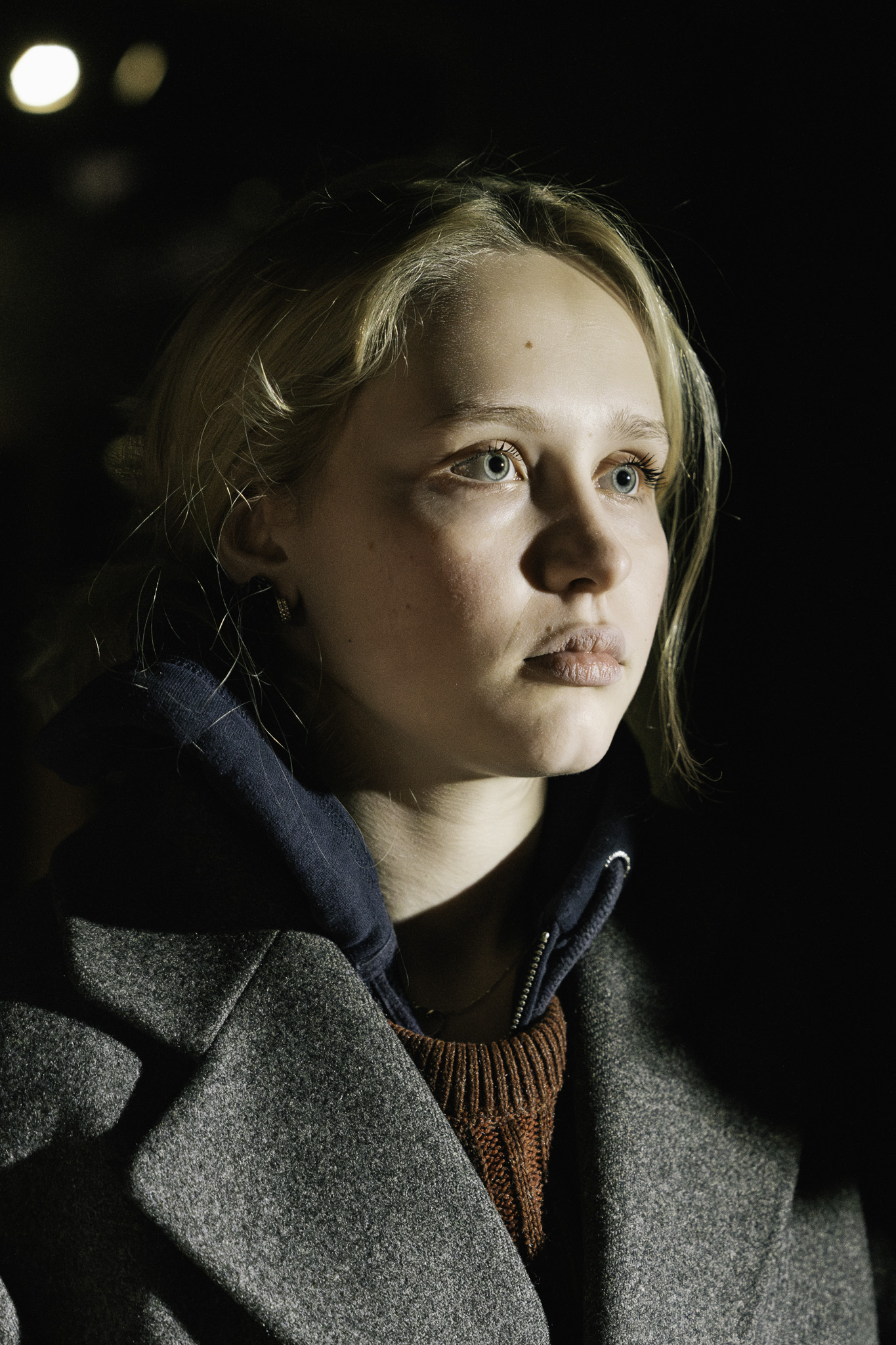
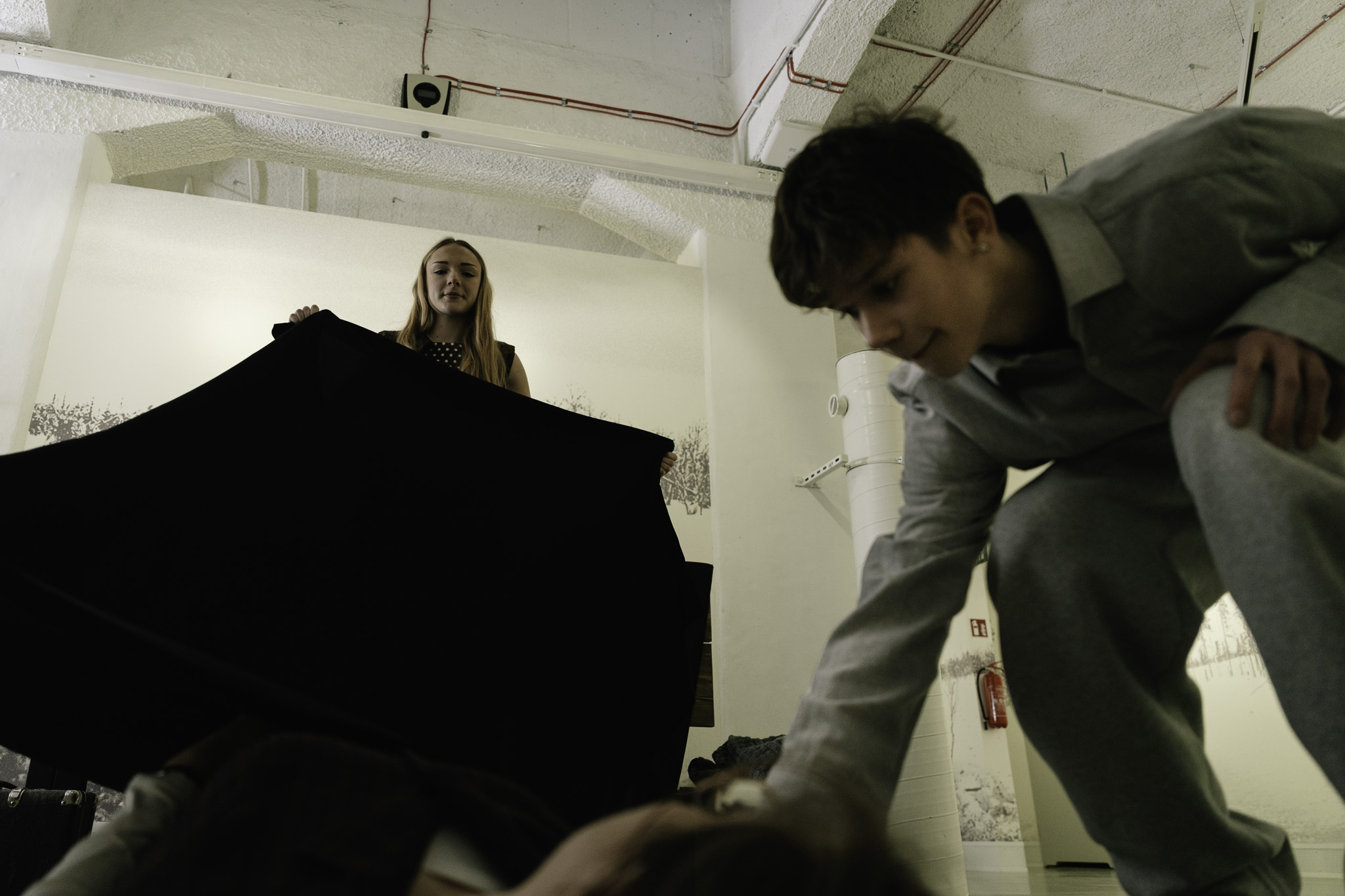
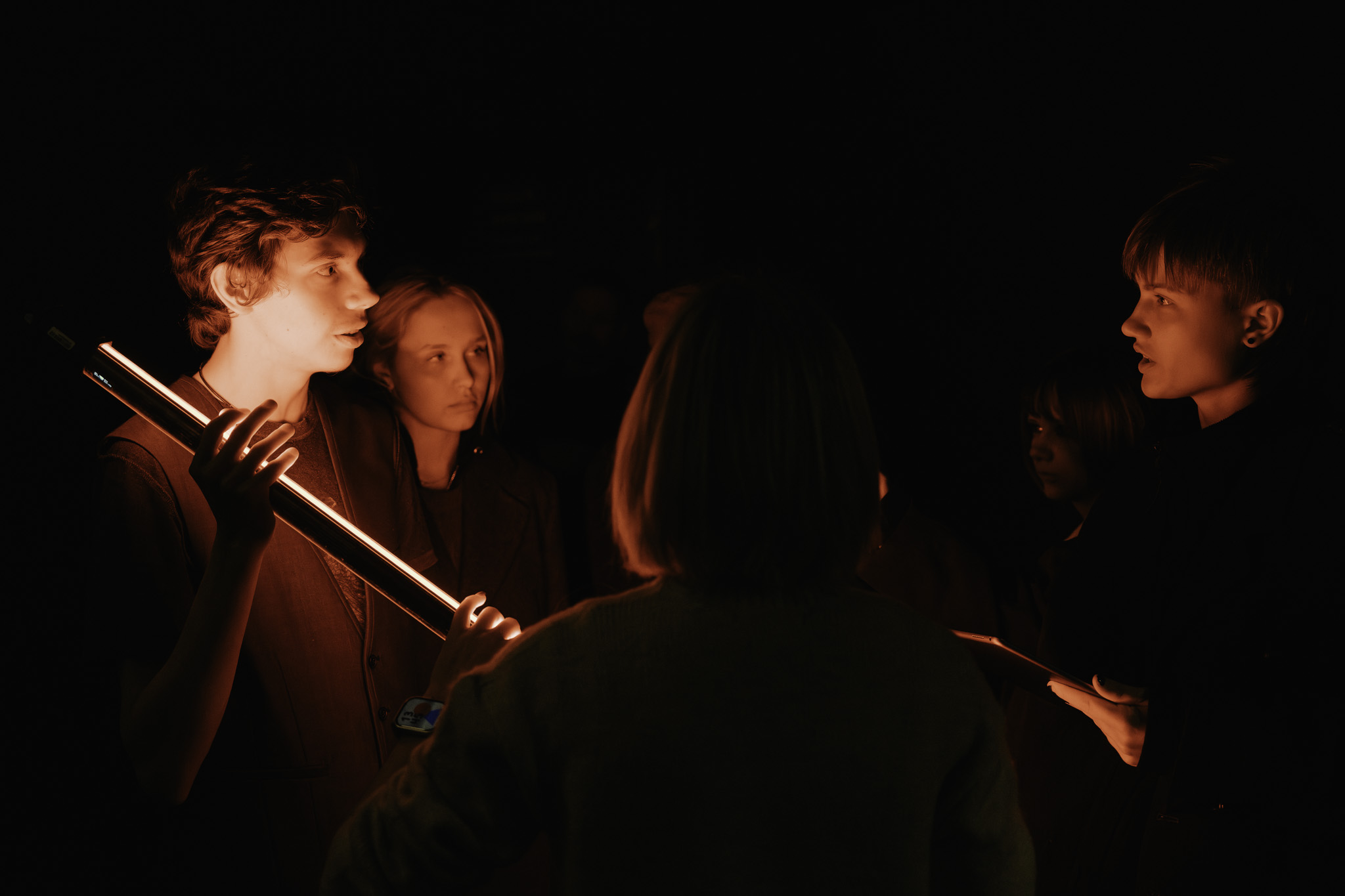
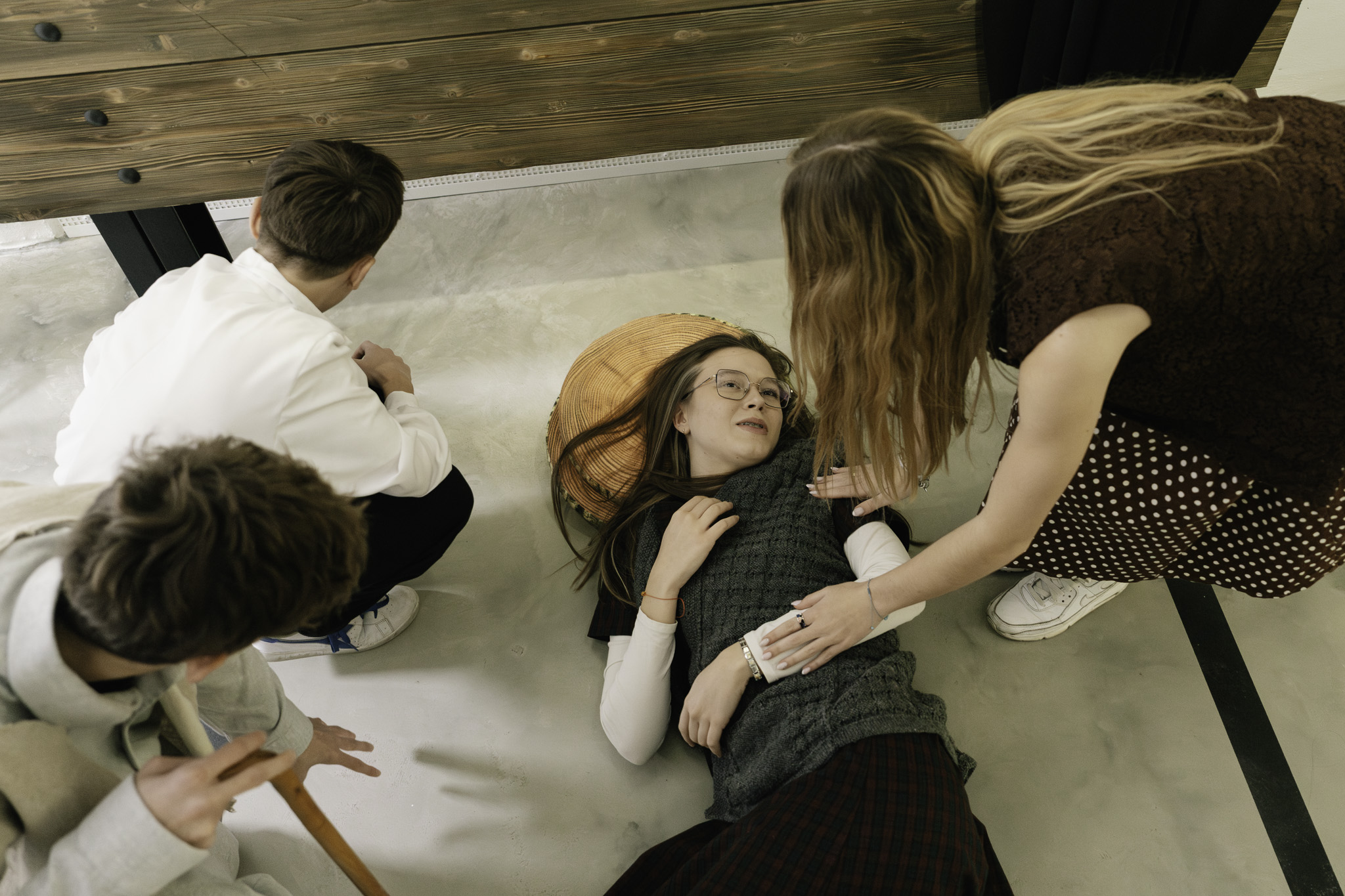
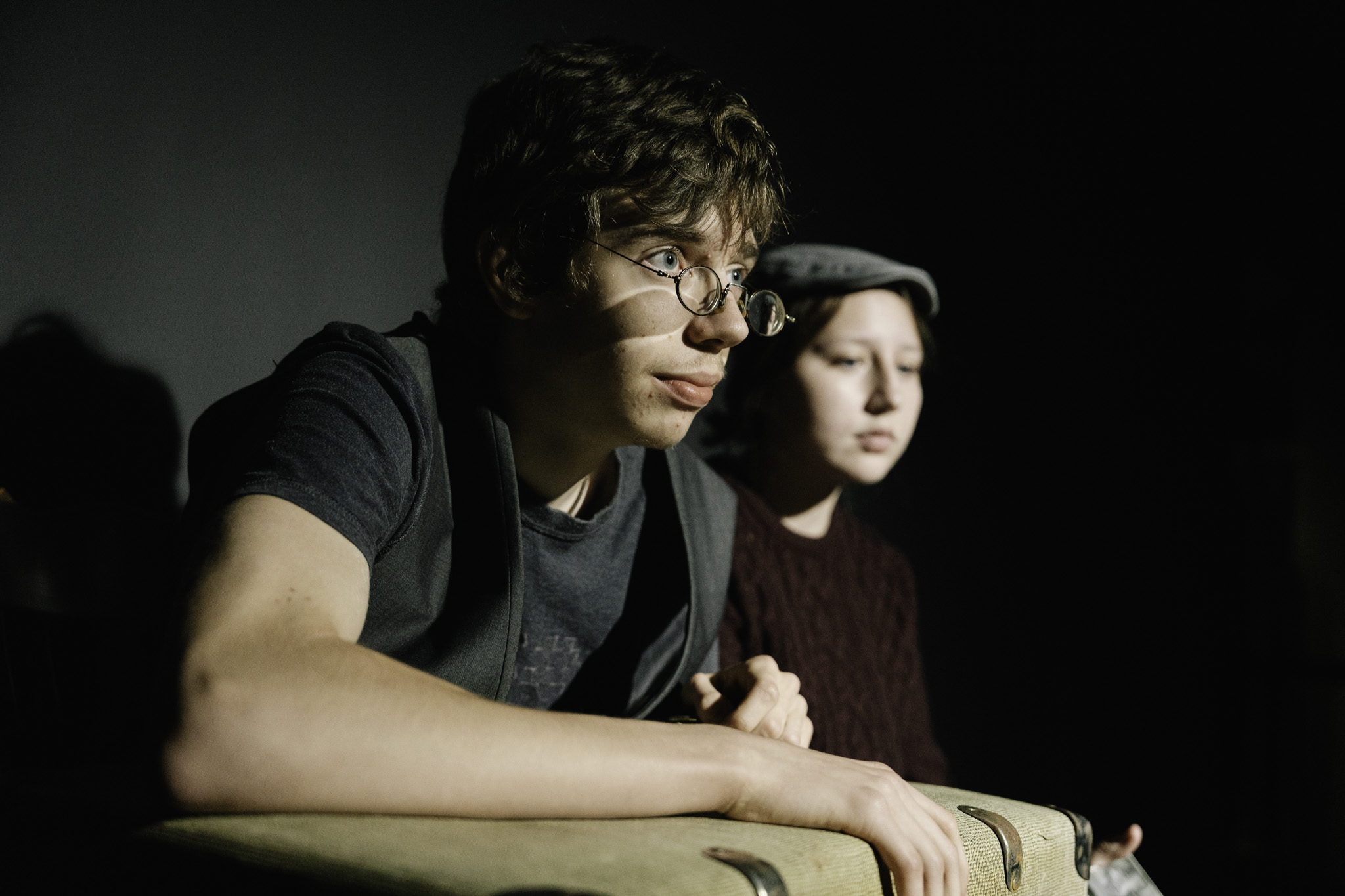
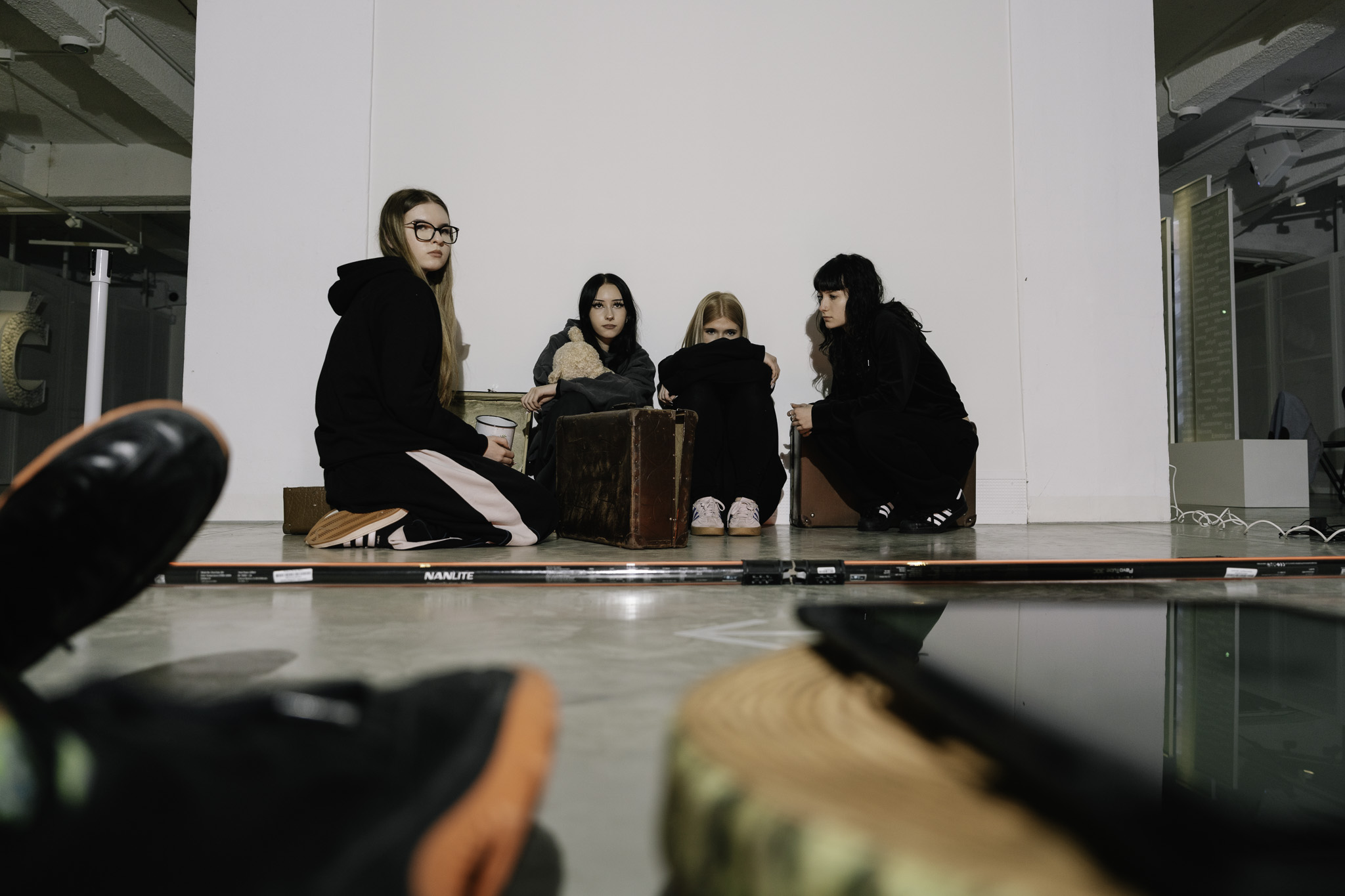
With remarkable sensitivity, maturity and understanding, the students engaged with stories of people who endured exile — separation, loss, fear, longing and uncertainty. Working in groups, they interpreted, directed and enacted the narratives they had heard. Their performances were recorded on video.
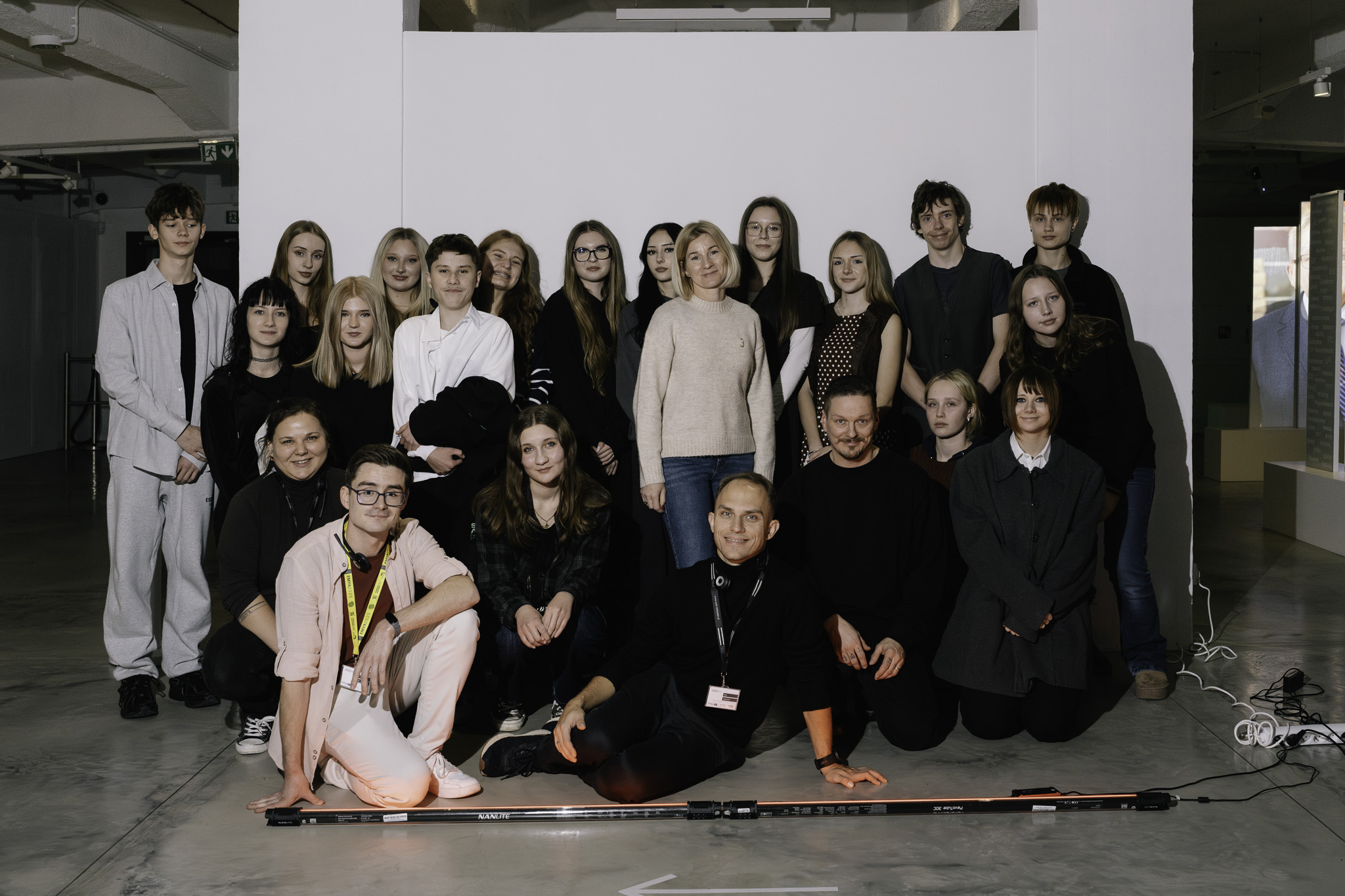
The Art of Remembrance project was co-financed by the European Union. More information can be found at: www.art-of-remembrance.eu.