



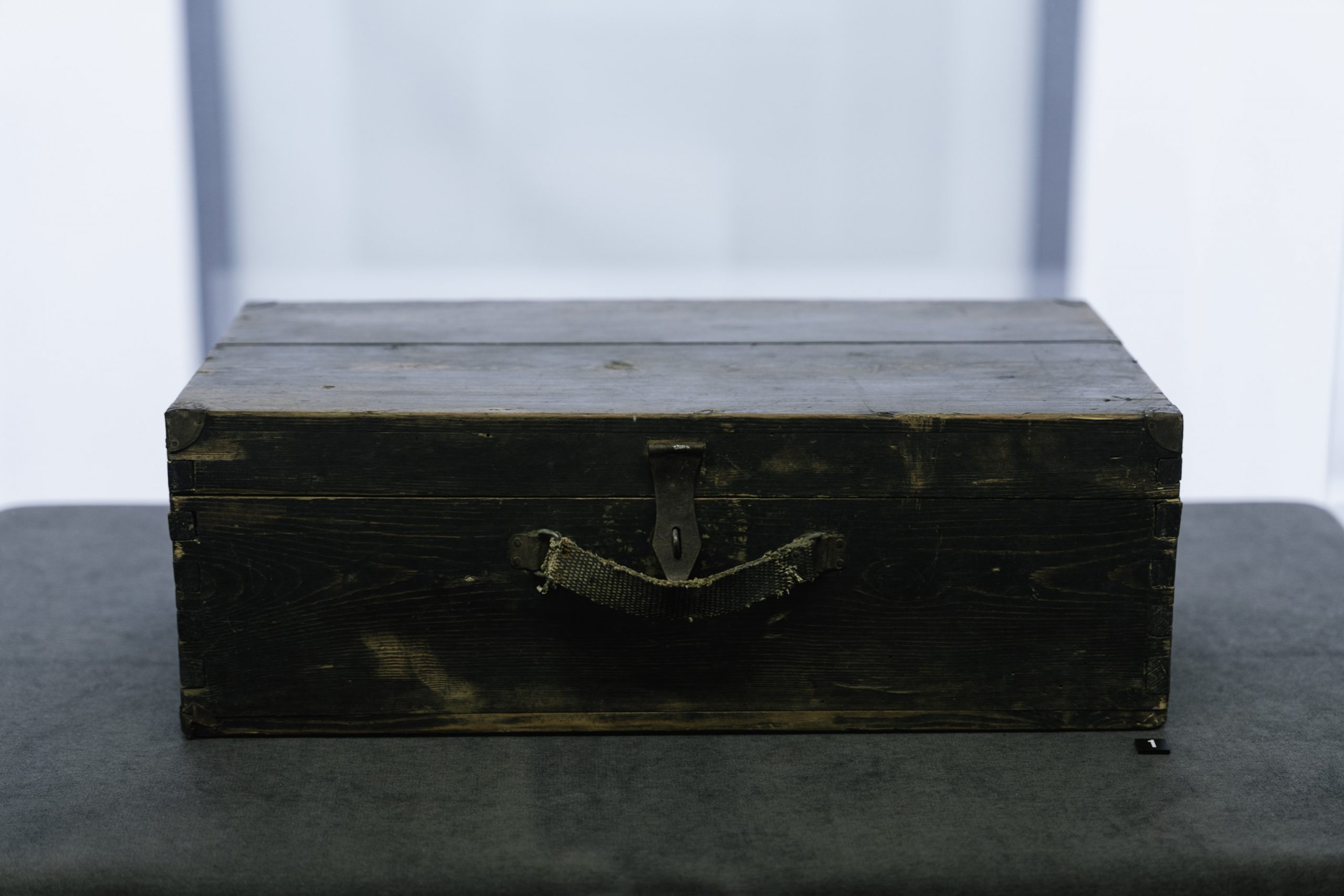
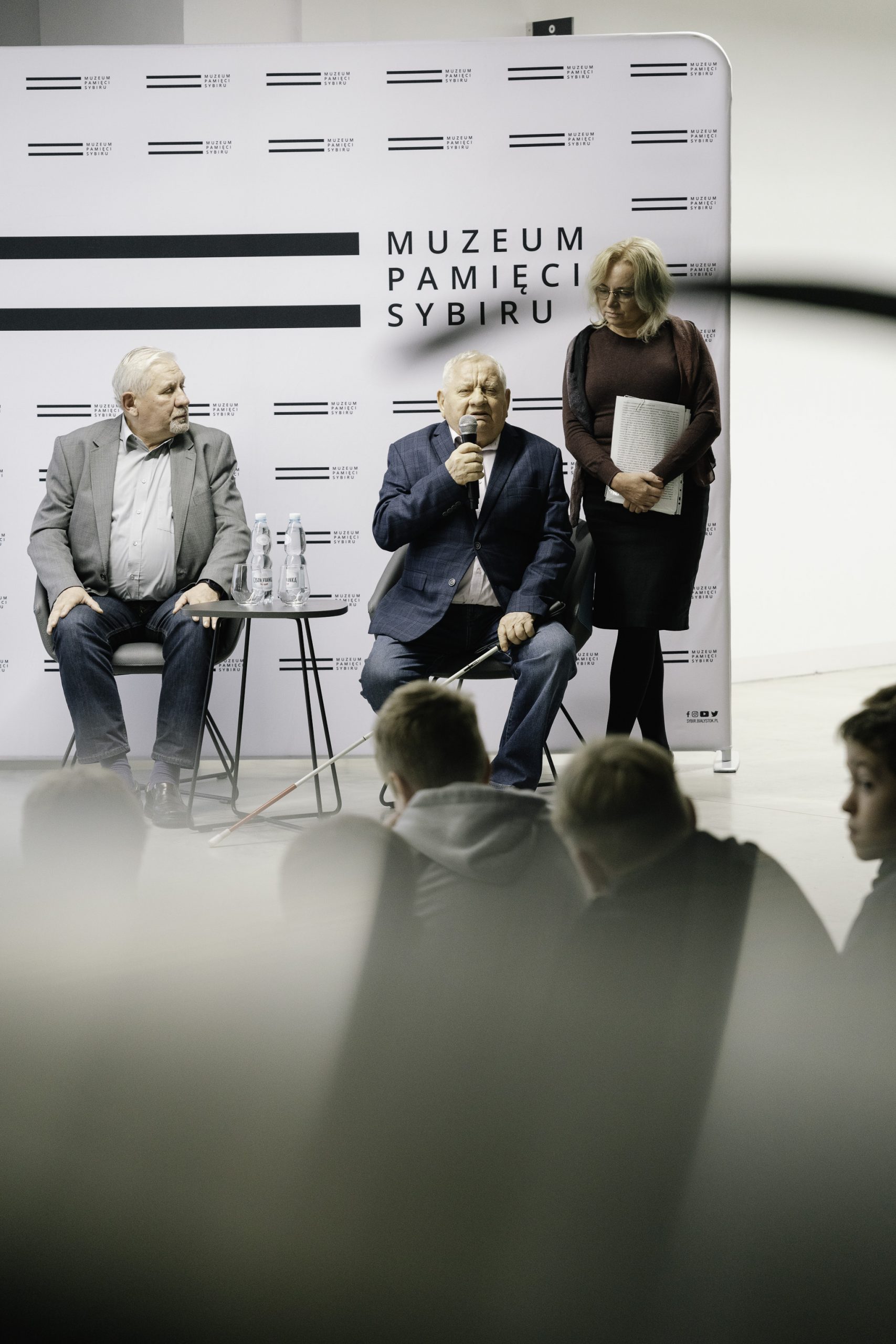
“I was five years old when she returned. When my mother came home, it was a late November evening, winter weather. The door opened and she walked in. I shouted, ‘Mama!’, but my three-year-old sister cried out, ‘Auntie!’ She was frightened and wouldn’t go near her,” recalled Wiesław Ojer, Florentyna’s son. In his moving account, he described the circumstances of his mother’s deportation to Siberia.
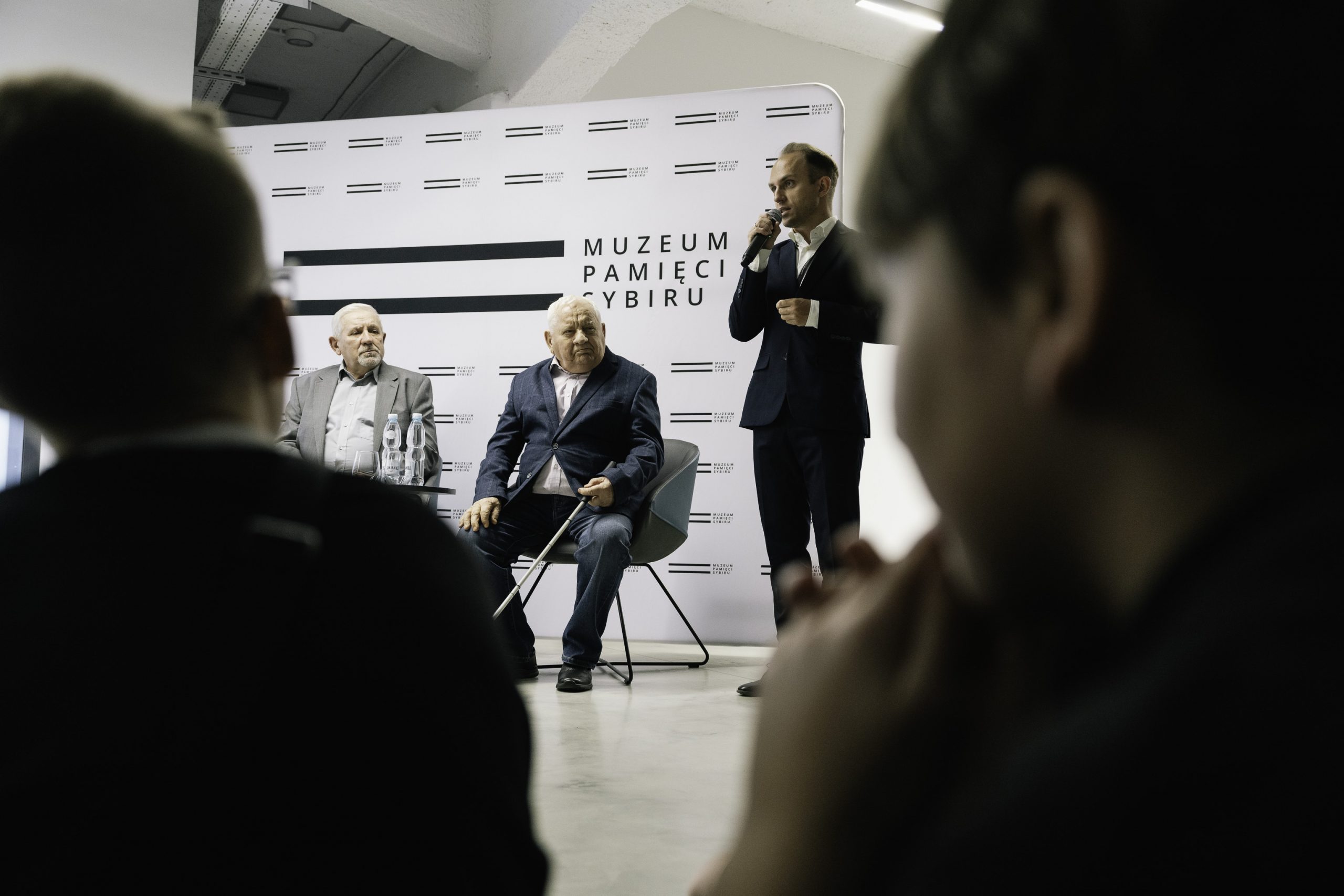
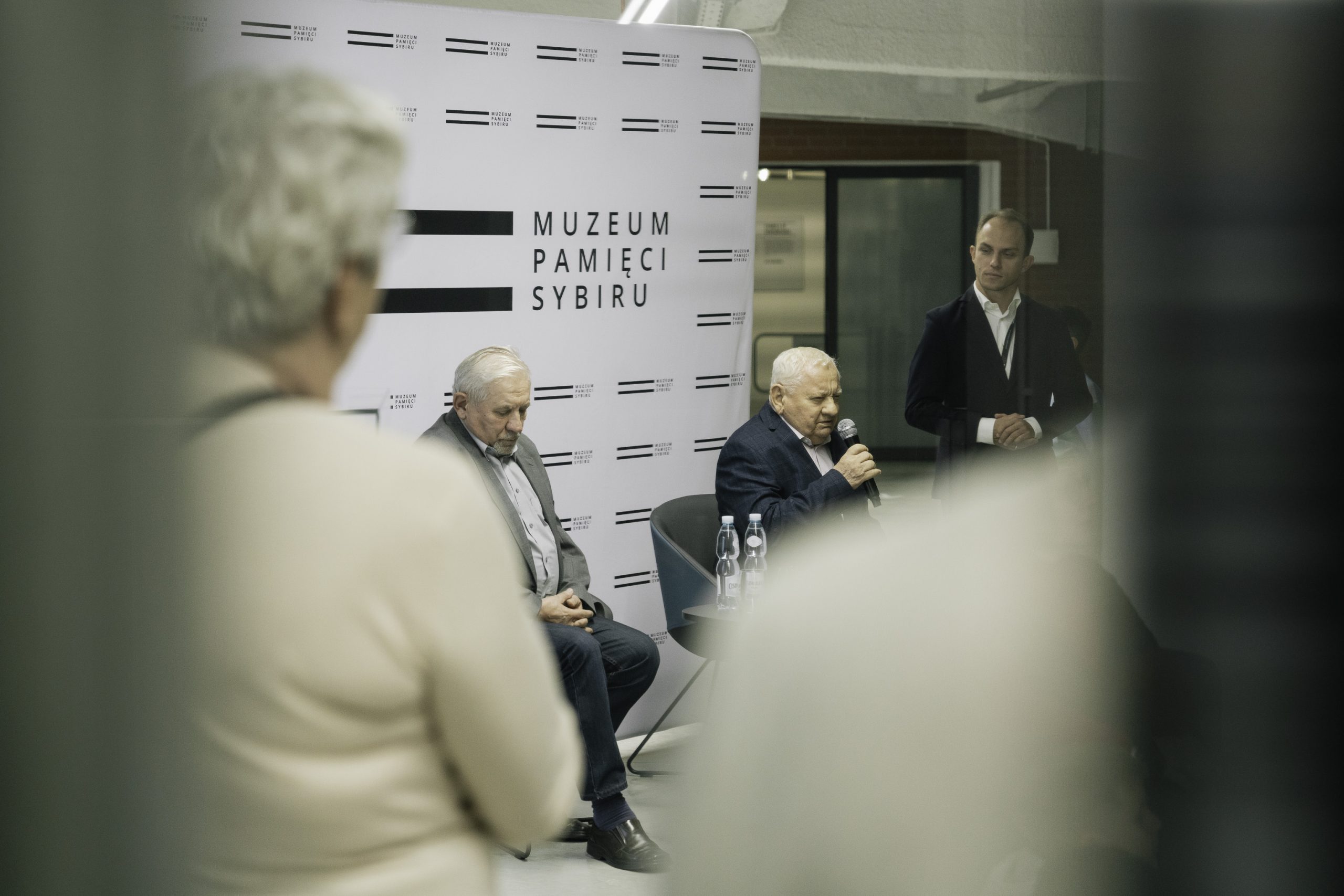
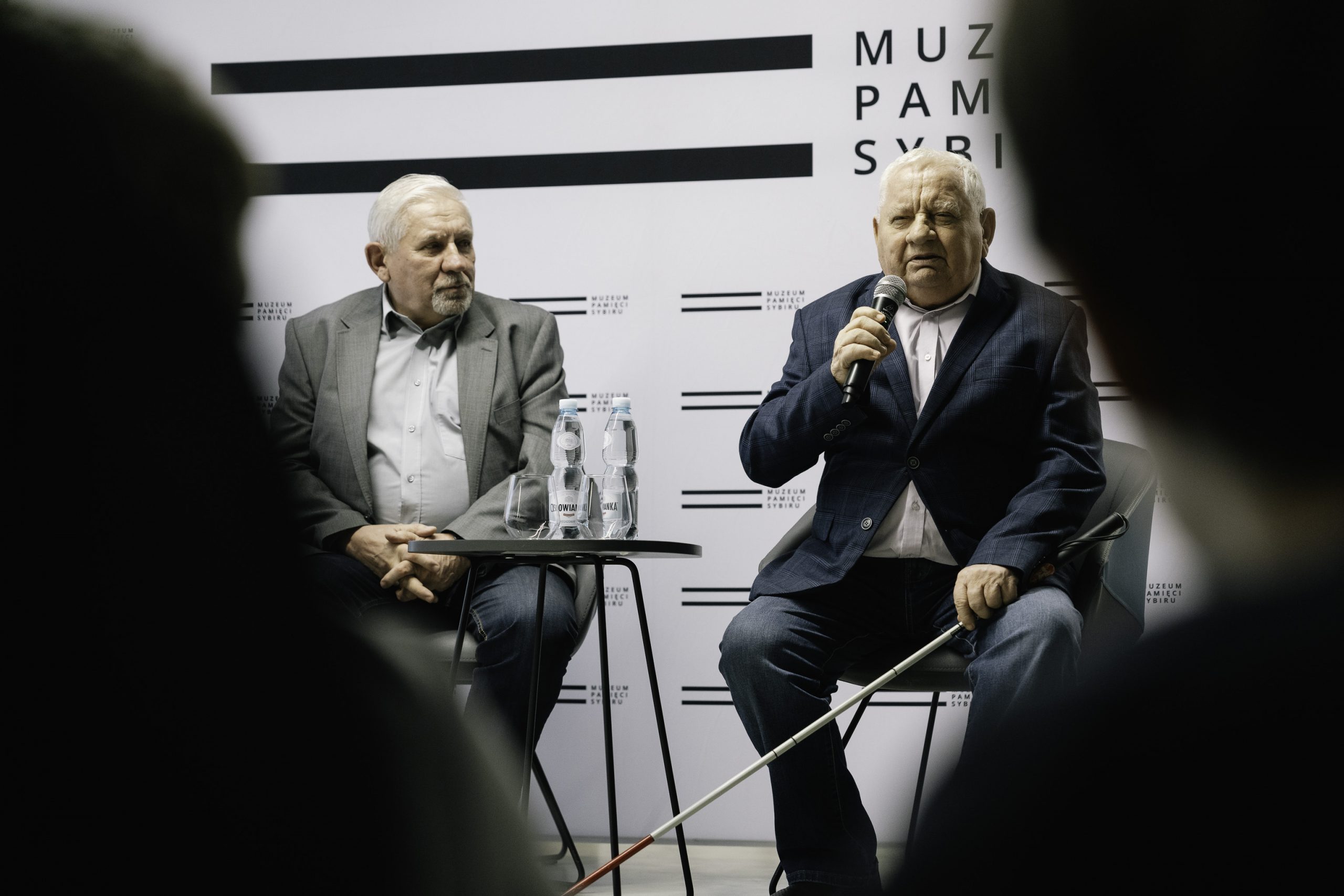
The Ojer family lived in an area that today lies within western Belarus. On 13 December 1944, in Mościce Górne (pre-war Brześć County, Polesie Voivodeship), the NKVD arrested Florentyna Ojer. Although the war was theoretically drawing to a close, Soviet repression did not cease. Taken from her home, she was forced to leave behind her husband and two young children.
Florentyna’s husband, Henryk, served in the Home Army partisan movement. Because the family lived right by the Bug River, he helped ferry fellow partisans to the opposite bank. “He was like a ferryman,” explained Wiesław Ojer. “My mother would walk to the Bug, and my father would come to the other side, and they always wanted to talk. When the Soviet troops reached the Bug, they established a border and controlled everything. Once or twice they issued warnings, and then, near the end of the year, they came and arrested her for questioning. First, they took her to Domaczewo, then to Brześć, where she waited for interrogation until the end of the year. In January they put my mother on a train. It was a freight wagon – no windows, no doors, no seats. The kind used for transporting animals or coal: side walls, a roof, and a big sliding door in the middle. There were only small slits, tiny window openings, and nothing else — no toilet and no stove. They travelled for two or three months, stopping only briefly at a camp where they could wash, warm up, and perhaps eat a little. During the journey, in a wagon with around forty people, they received one loaf of bread each morning — that was all their food. The water was not always drinkable. For relieving themselves, there was a single barrel. And that’s how they travelled for months, trying to keep warm with whatever they had — though they had very little,” he said.
Florentyna Ojer was first taken to the area near Vorkuta, where she worked on widening a riverbed. In the months that followed, she was transferred to other camps, including the Kniaź-Pogost labour camp. After two years in harsh conditions — enduring severe cold, exhausting labour, and constant interrogations — she was released at the end of September 1946. She returned to her home region, first reaching Brześć, by then within the borders of the Soviet Union, where a repatriation office was located. She received her exit documents in Baranowicze and finally reached Sławatycze, where she was reunited with her husband and children.
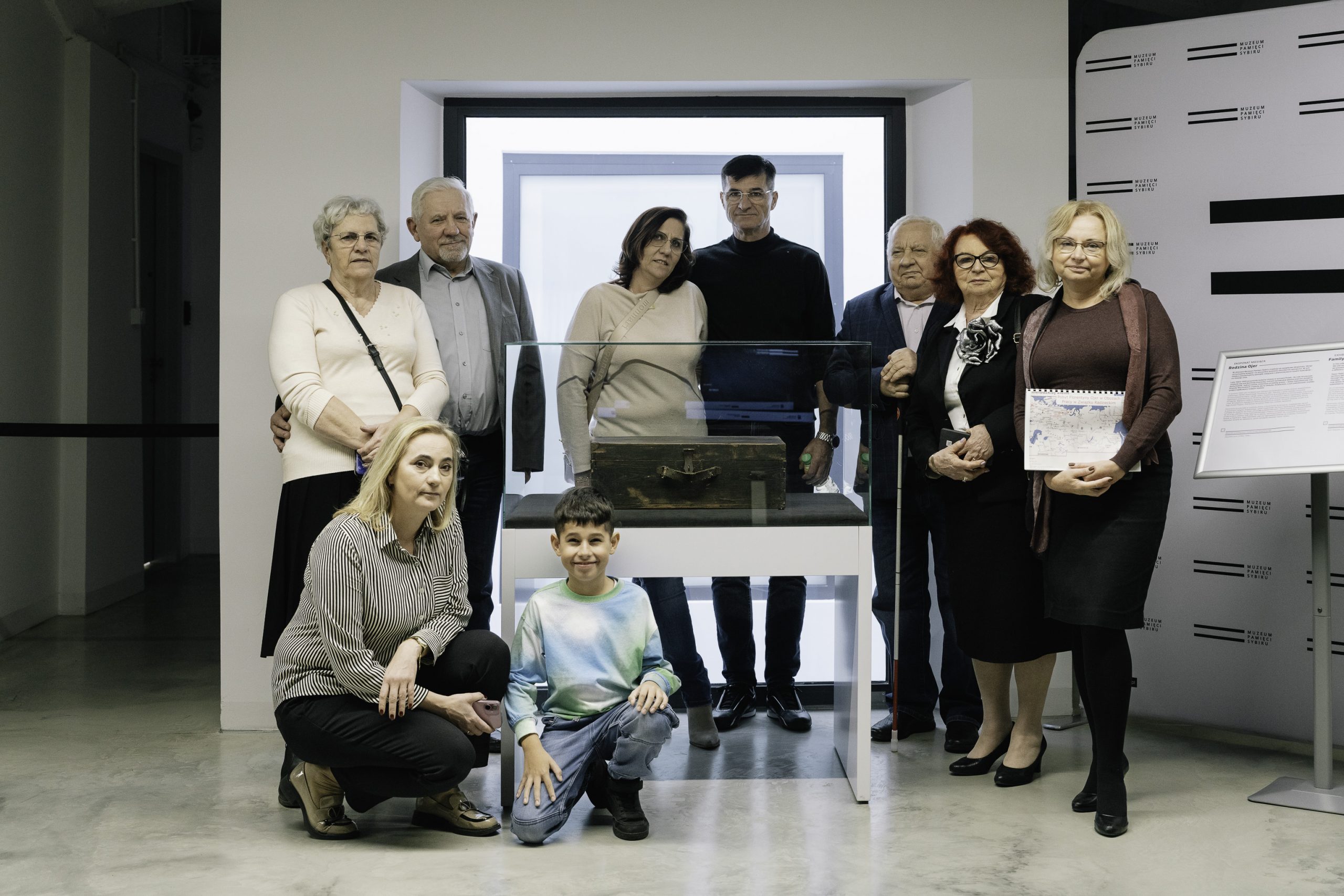
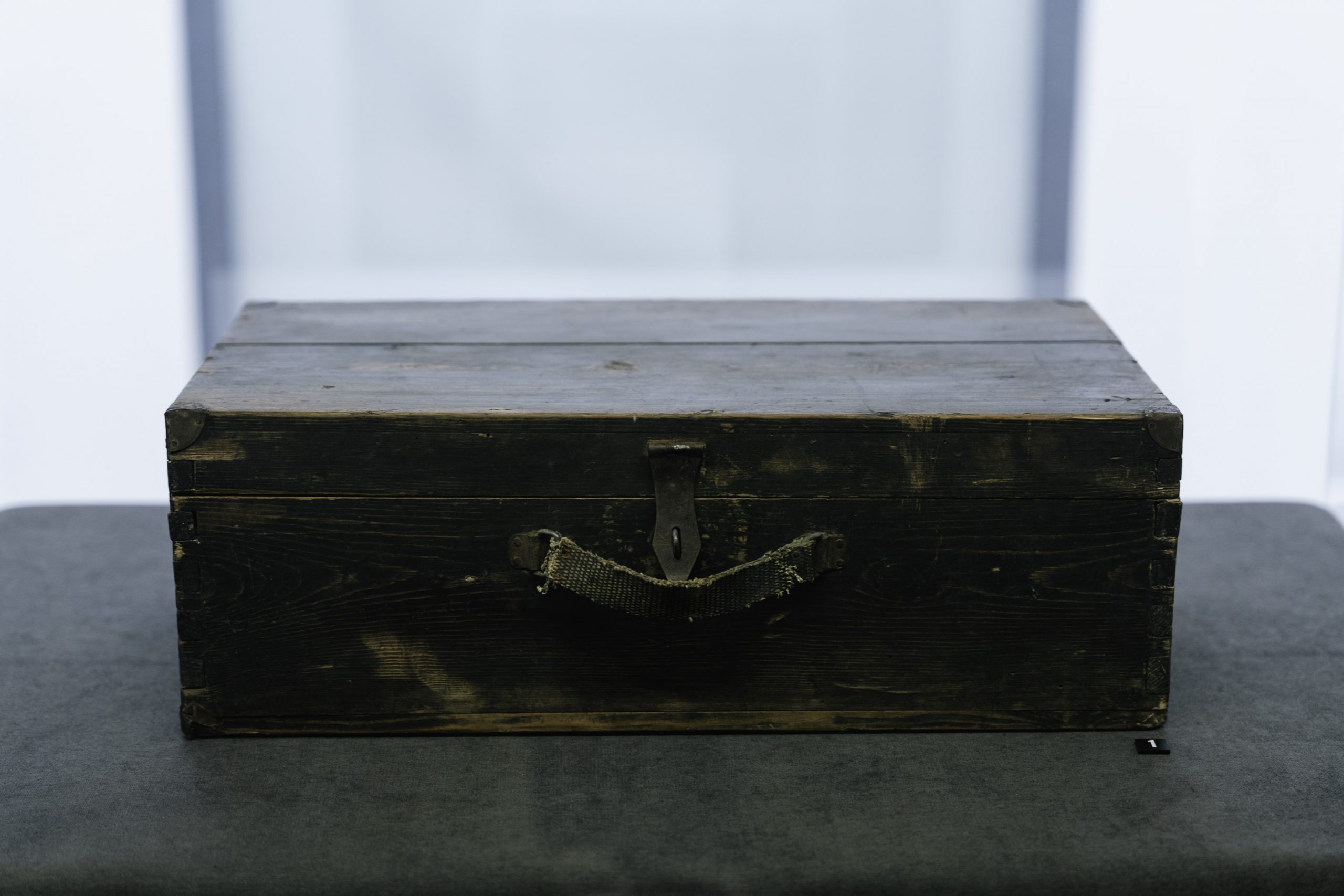
The trunk Florentyna Ojer brought back from Siberia was later donated by the family to the Sybir Memorial Museum. It is now on display as part of the November edition of our “Exhibit of the Month” series.