



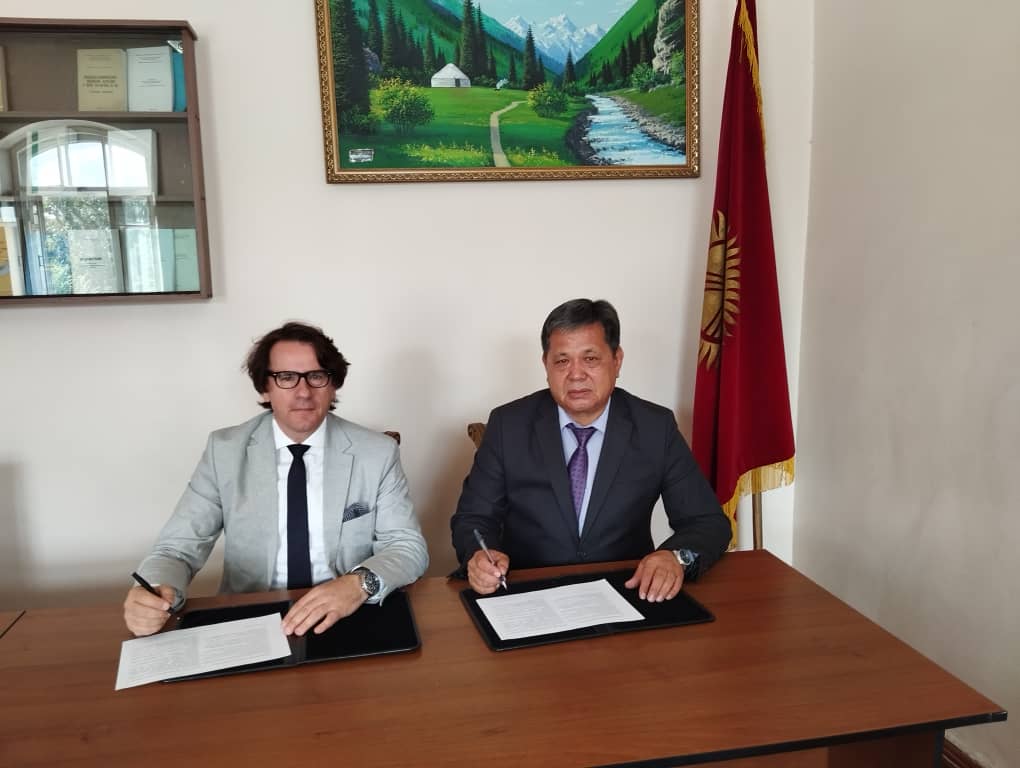
The creation of the Commission marks the third initiative of its kind, following the earlier establishment of the Polish–Kazakh and Polish–Uzbek Historical Commissions. It represents another important step in strengthening academic cooperation between Poland and the countries of Central Asia.
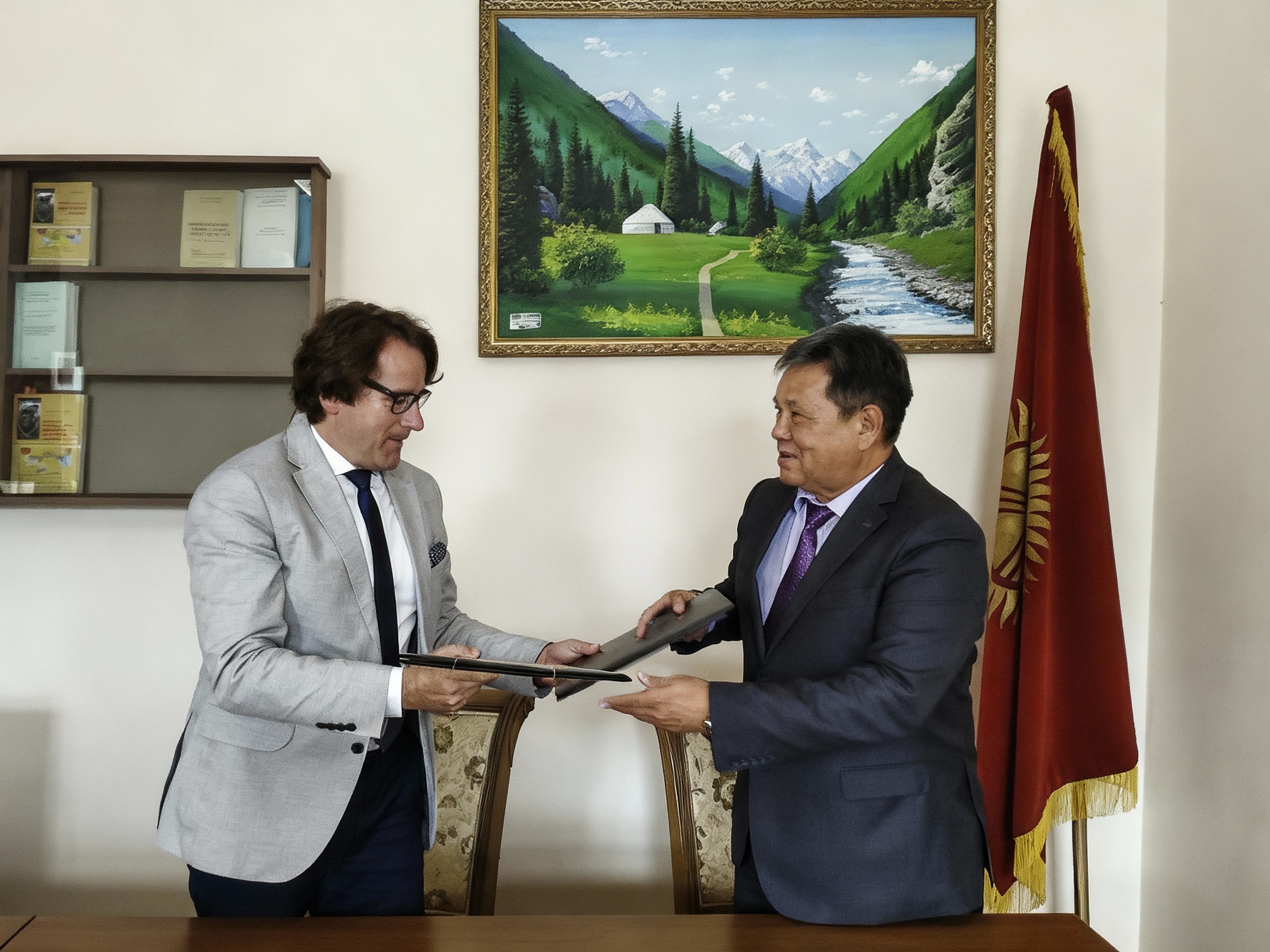
The Commission’s objectives include searching for and exchanging historical sources, conducting joint research projects, and promoting collaboration in education and knowledge dissemination. Through such initiatives, Polish researchers gain access to unique archives and documents that may shed new light on the history of Poles in Kyrgyzstan and across the wider region. Cooperation within the Commission will make it possible to identify, digitize, and analyze historical materials, contributing to a deeper understanding of the shared past of both nations.
The Kyrgyz members of the Commission include:
- Chairman – Prof. Alymbek Kushubekov, Director of the Institute of History and Regional Studies at the Kyrgyz National University,
- Secretary – Gulzat Khodoldoeva, Phd, Deputy Director of the Institute of History and Regional Studies at the Kyrgyz National University.
The Polish side of the Commission was represented by:
- Chairman – Prof. Wojciech Śleszyński, Director of the Sybir Memorial Museum,
- Secretary – Secretary – Dmitriy Panto, PhD, researcher at the Museum of the Second World War in Gdańsk
The inaugural meeting at the Yusuf Balasaghuni Kyrgyz National University was also attended by Asel Shaiyldaeva, PhD, Nazira Kasymova, PhD and Nazira Mamosheva, PhD.
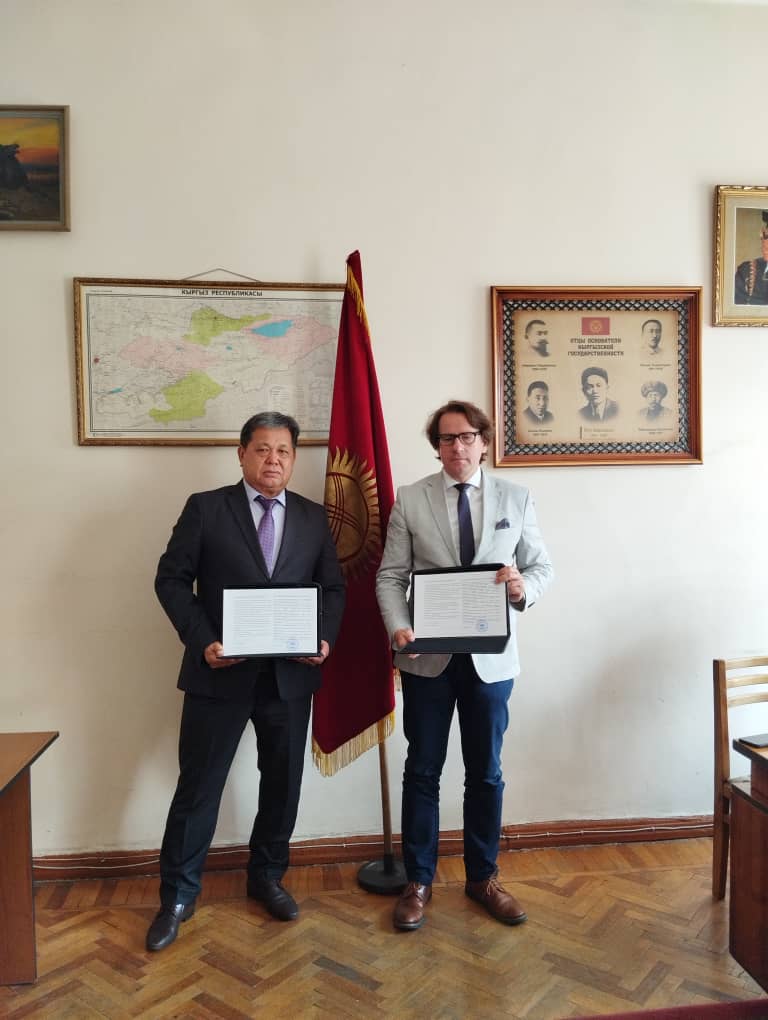
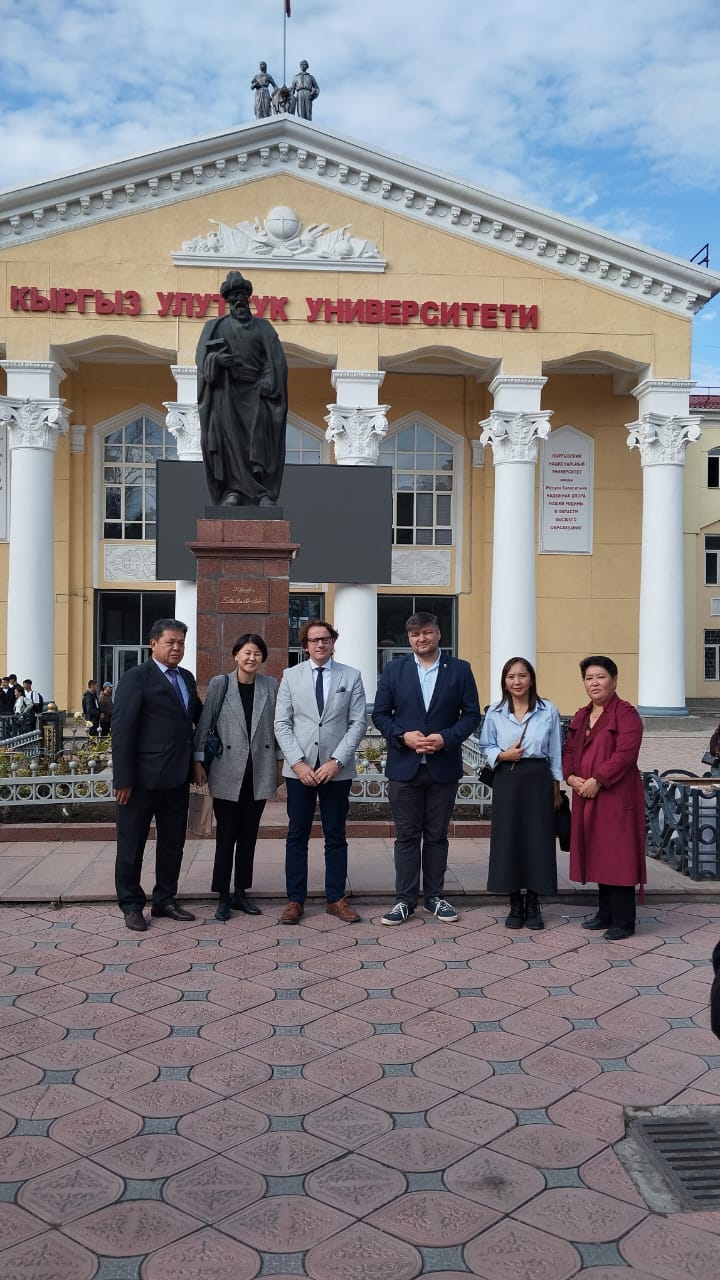
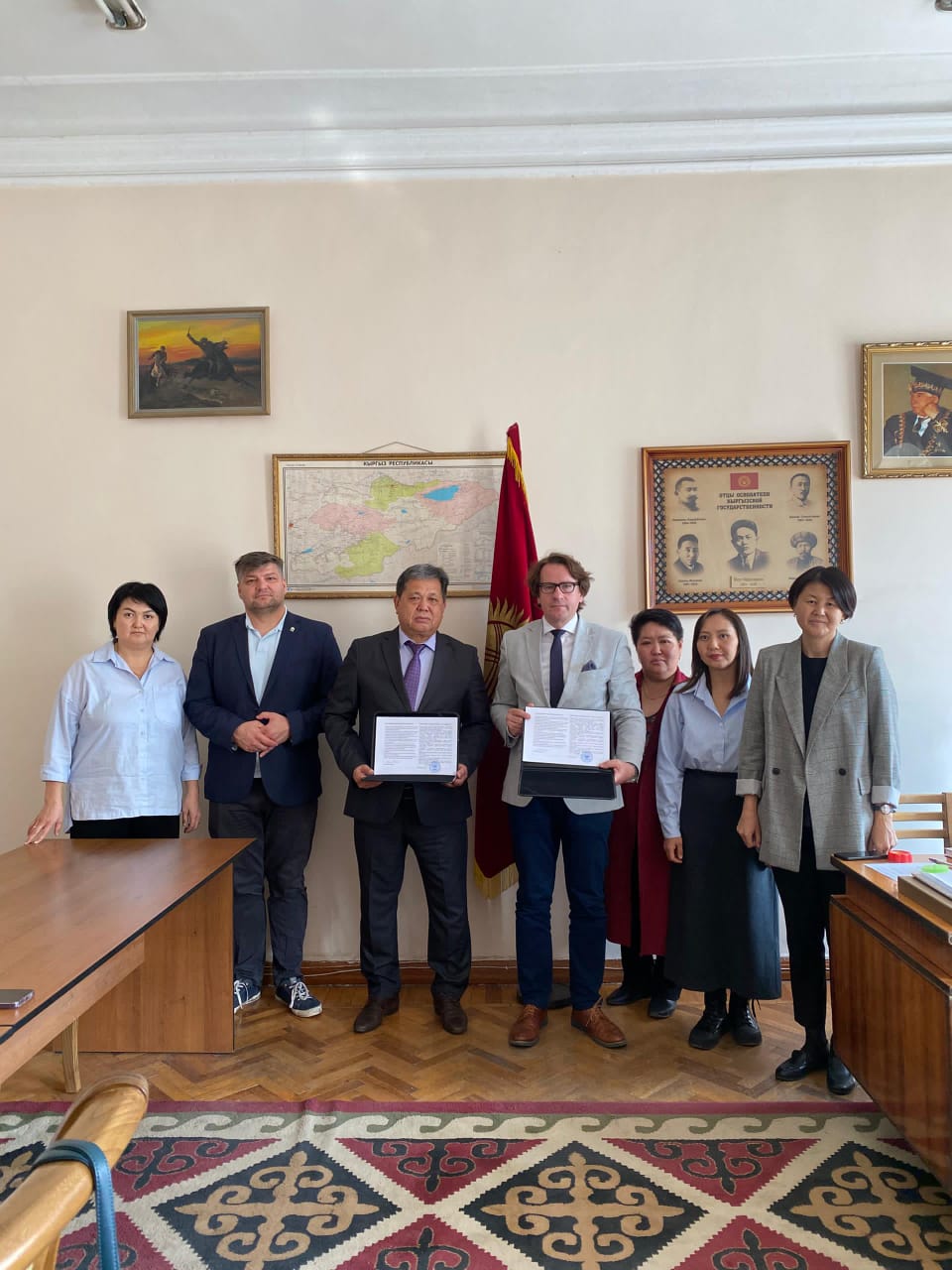
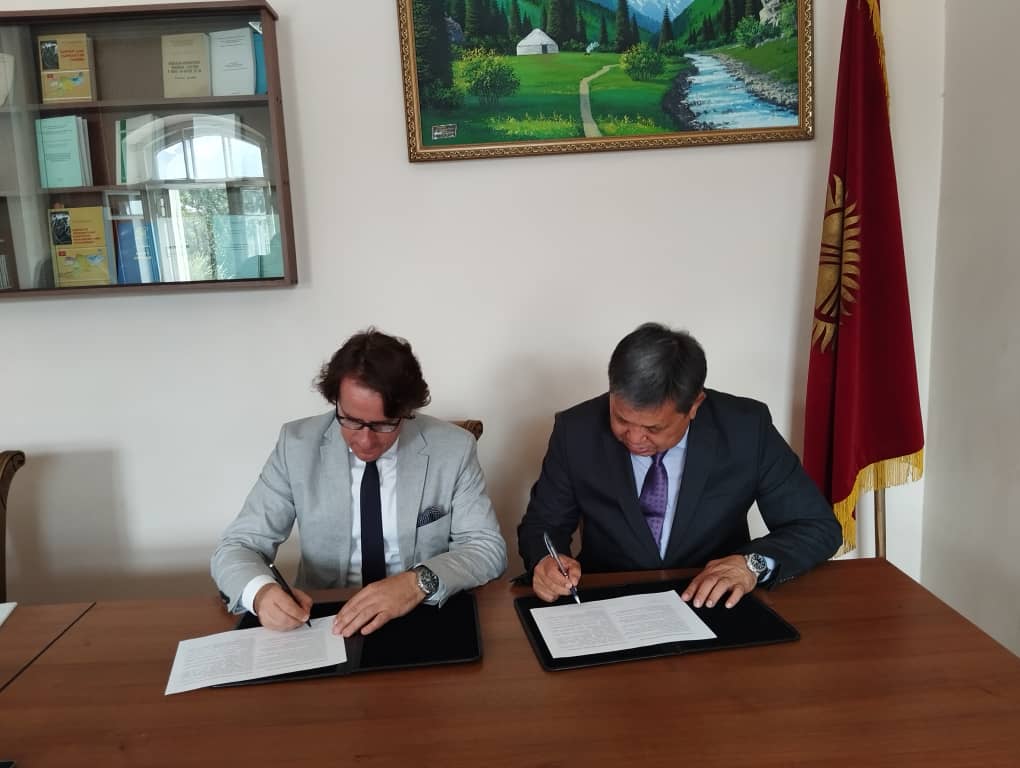
During the session, participants discussed key directions for future cooperation and identified priority research areas that will contribute to a deeper understanding of the historical ties and mutual relations between Poland and Kyrgyzstan.
The establishment of the Polish–Kyrgyz Historical Commission forms part of a broader initiative aimed at documenting and preserving the history of Poles in the East. This collaboration not only enriches historical knowledge, but also strengthens scientific, cultural, and social ties between the two nations. It stands as further proof that history can serve as a bridge connecting peoples and cultures.