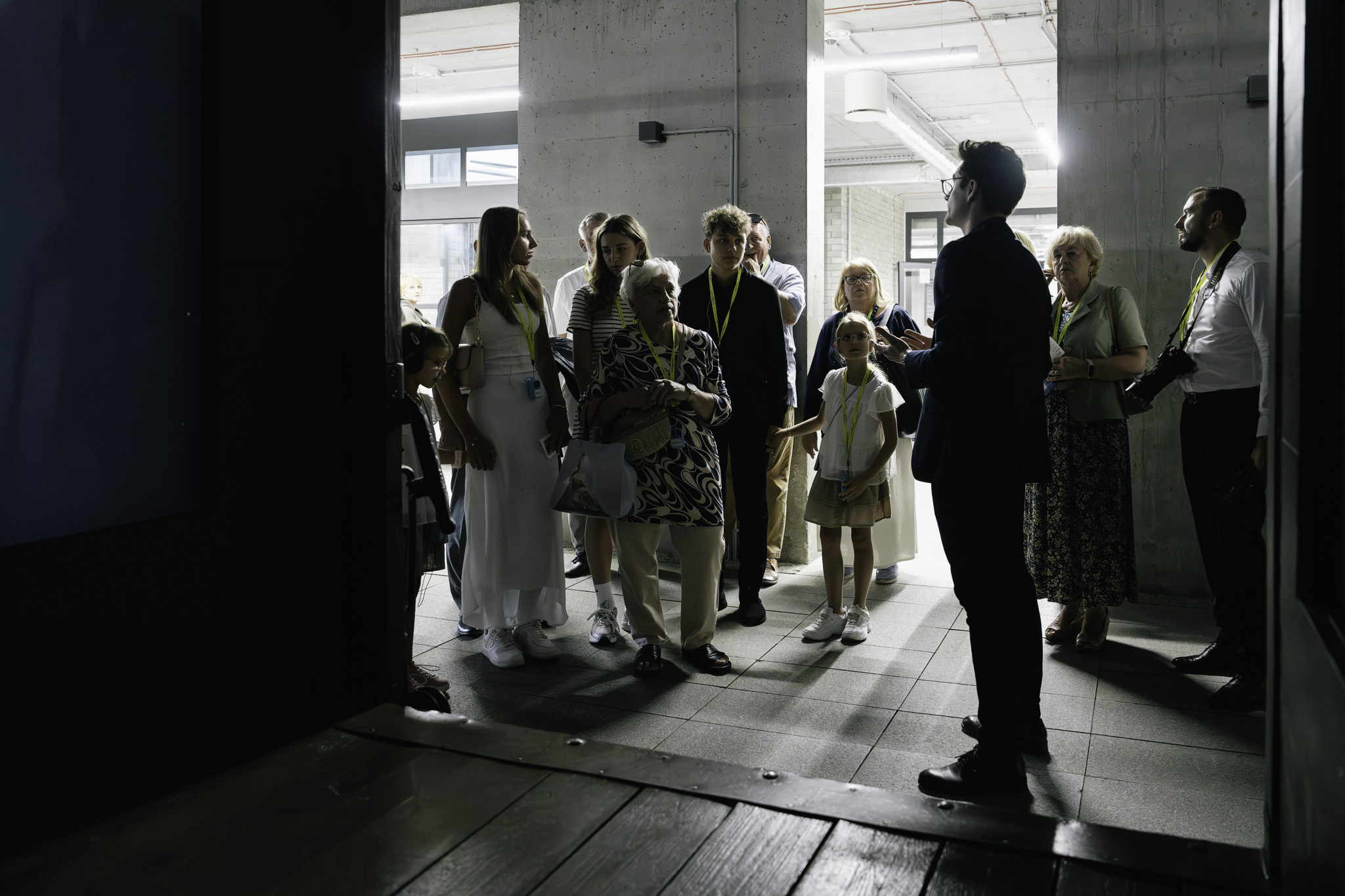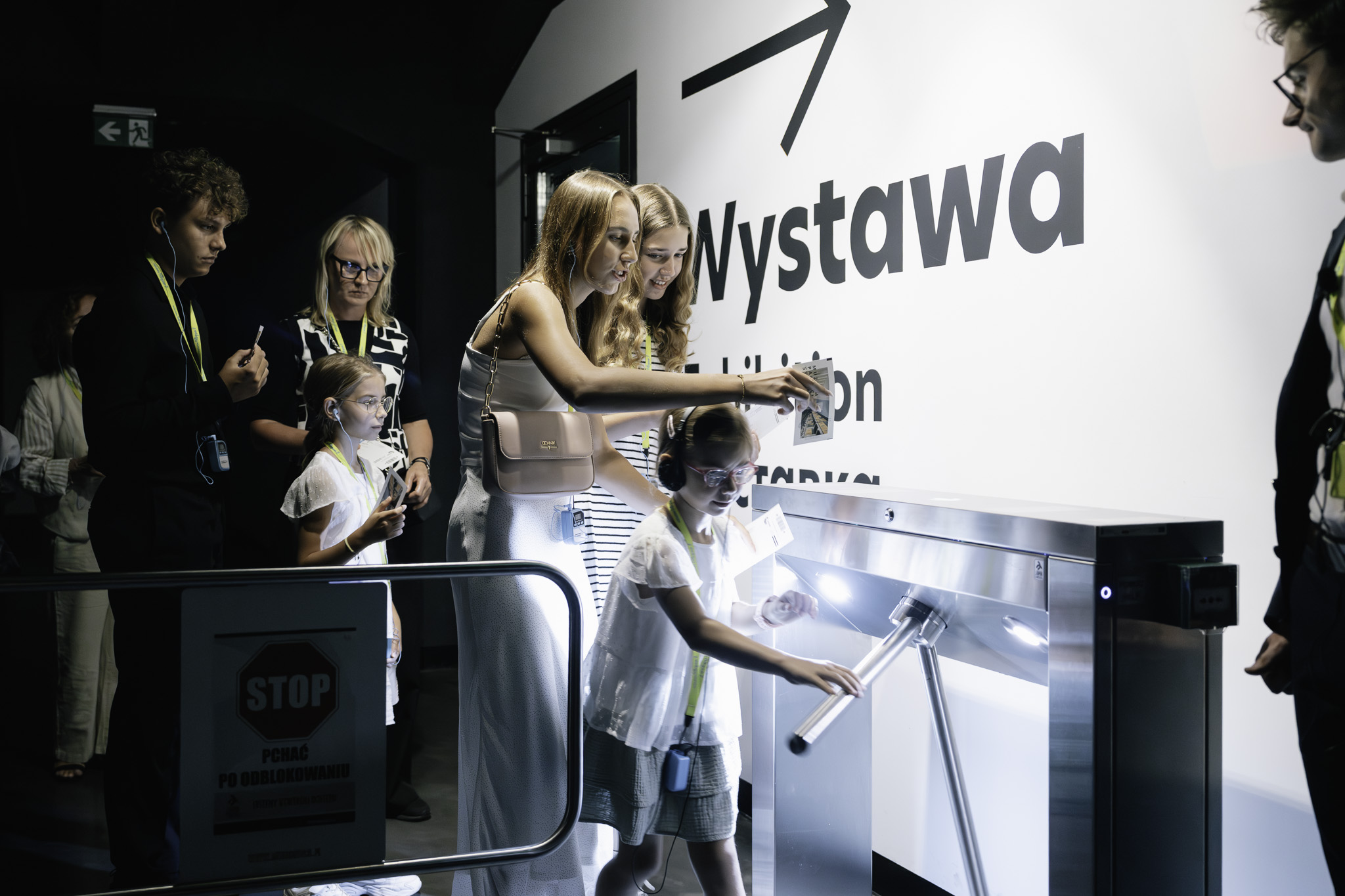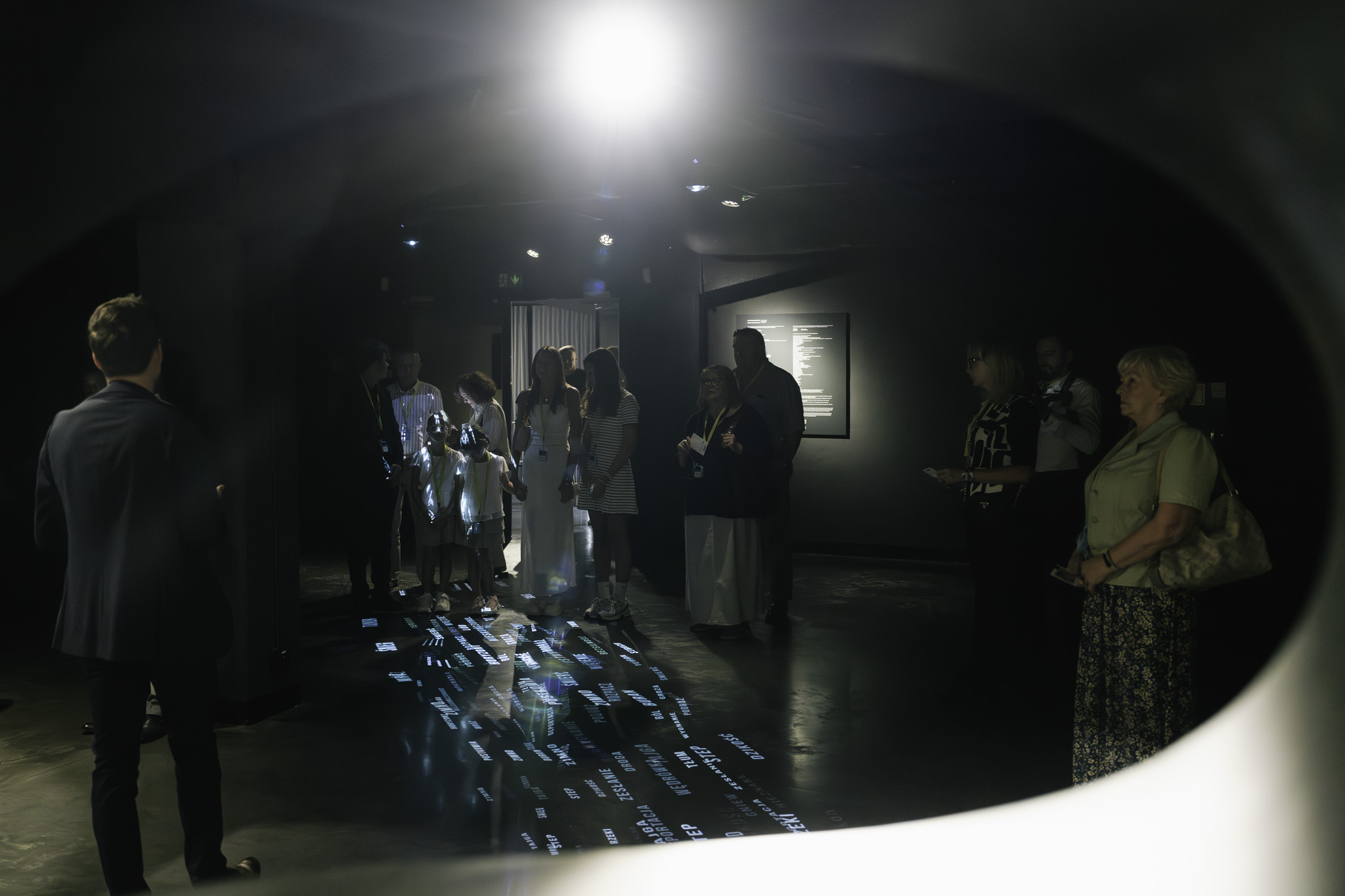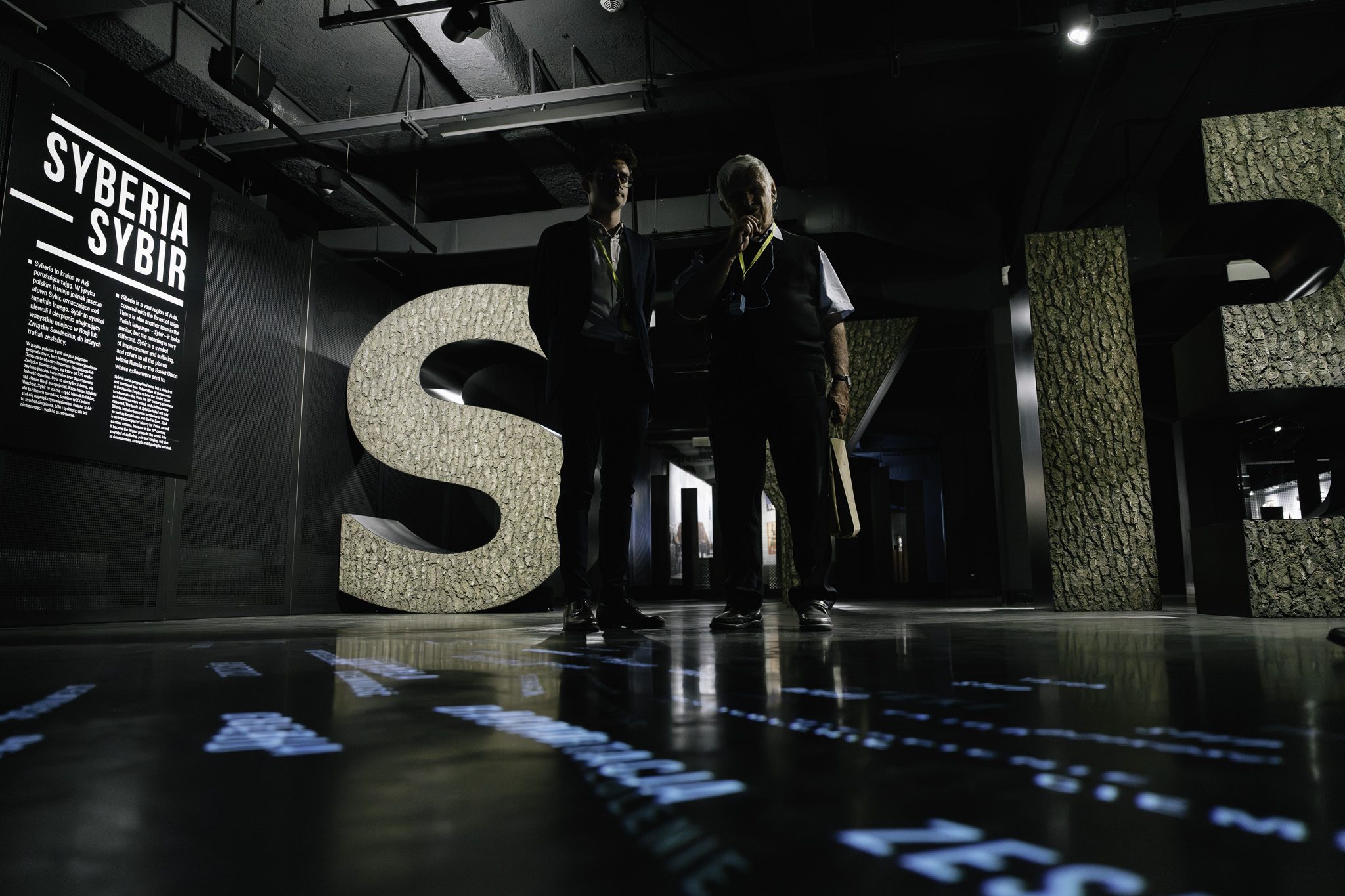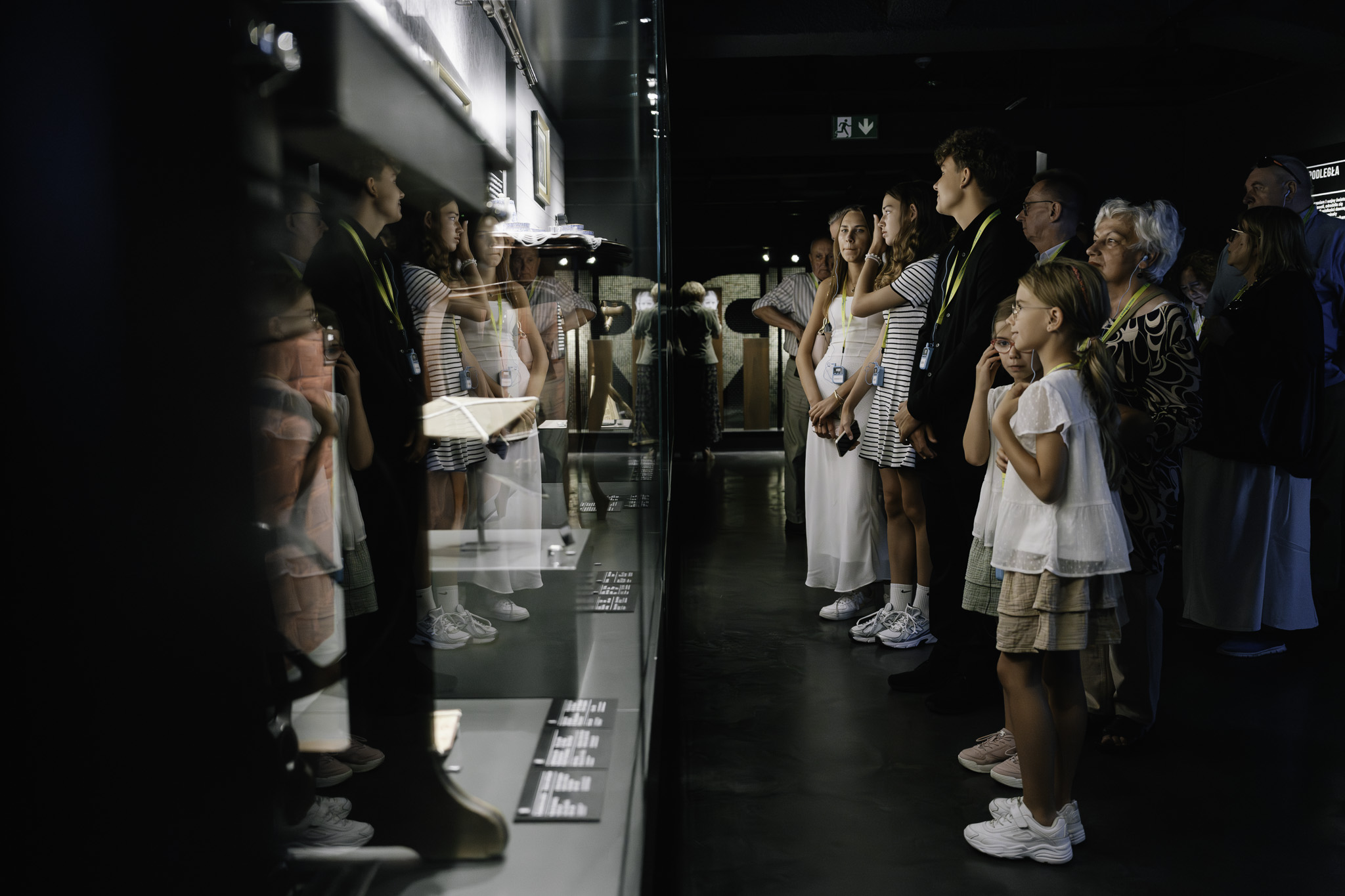



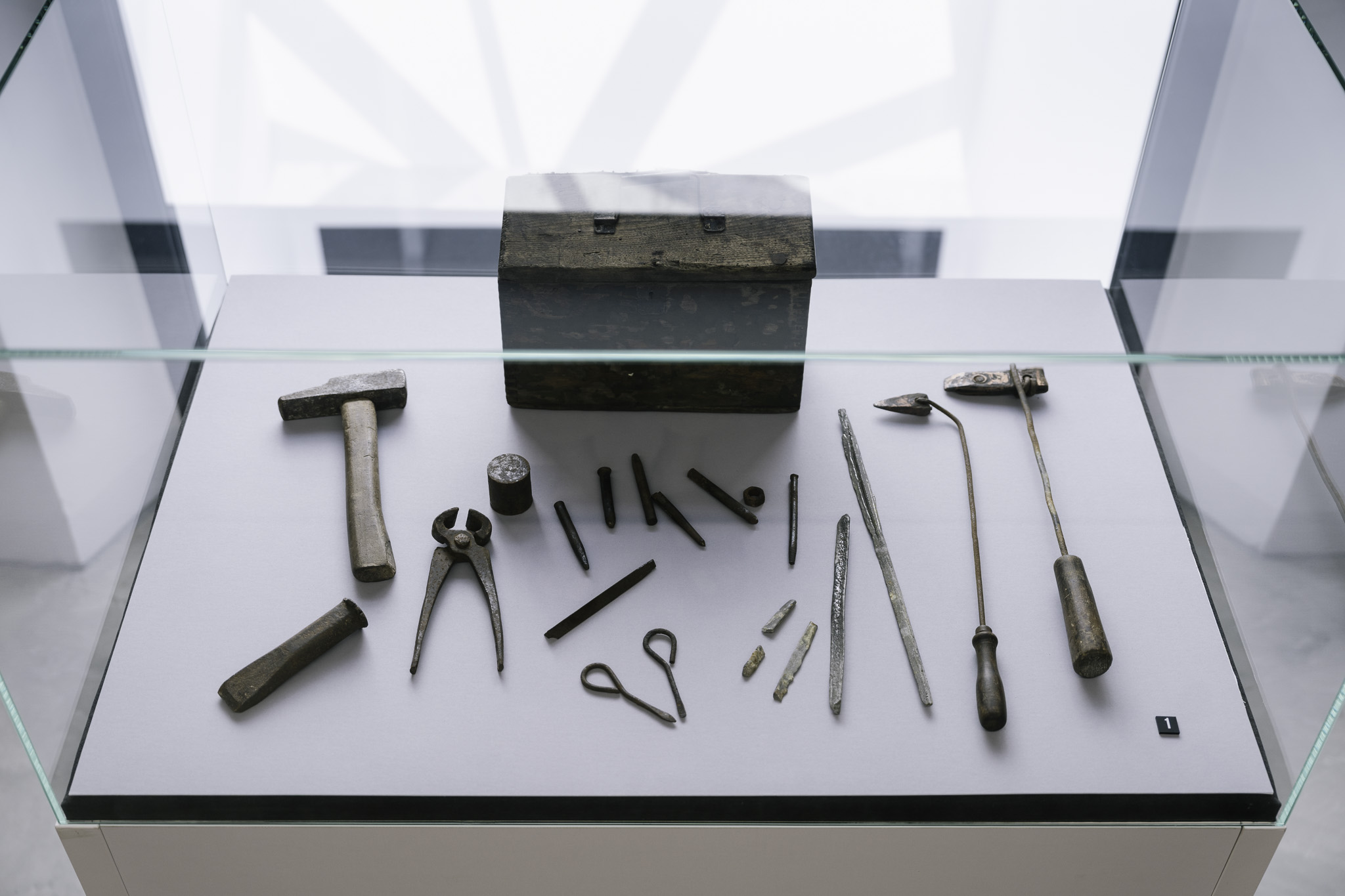
After a short break, we invite you to another installment of our Exhibit of the Month. This time we present the story of the Babiel family and a unique memento – a toolbox belonging to Feliks Babiel.
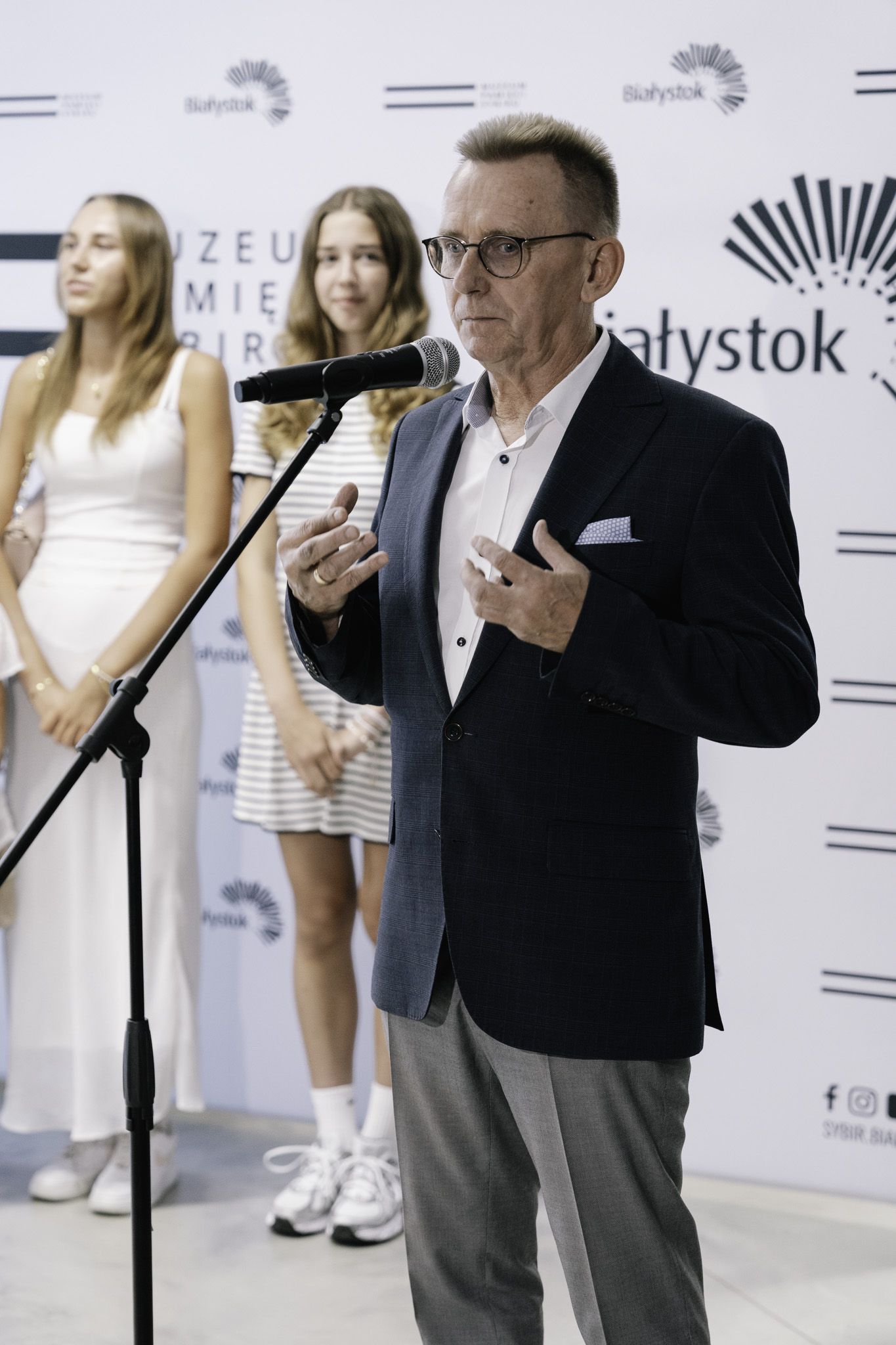
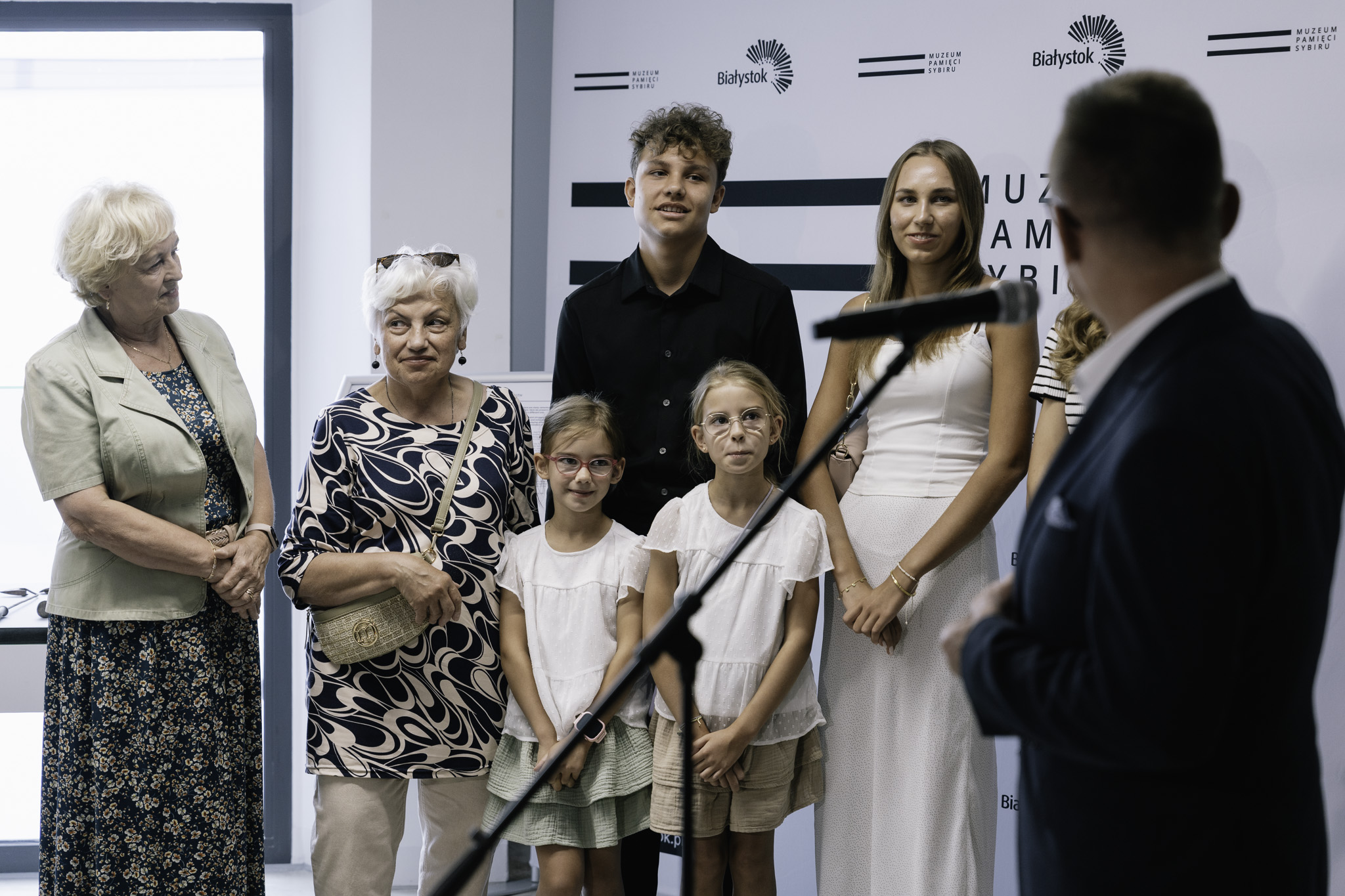
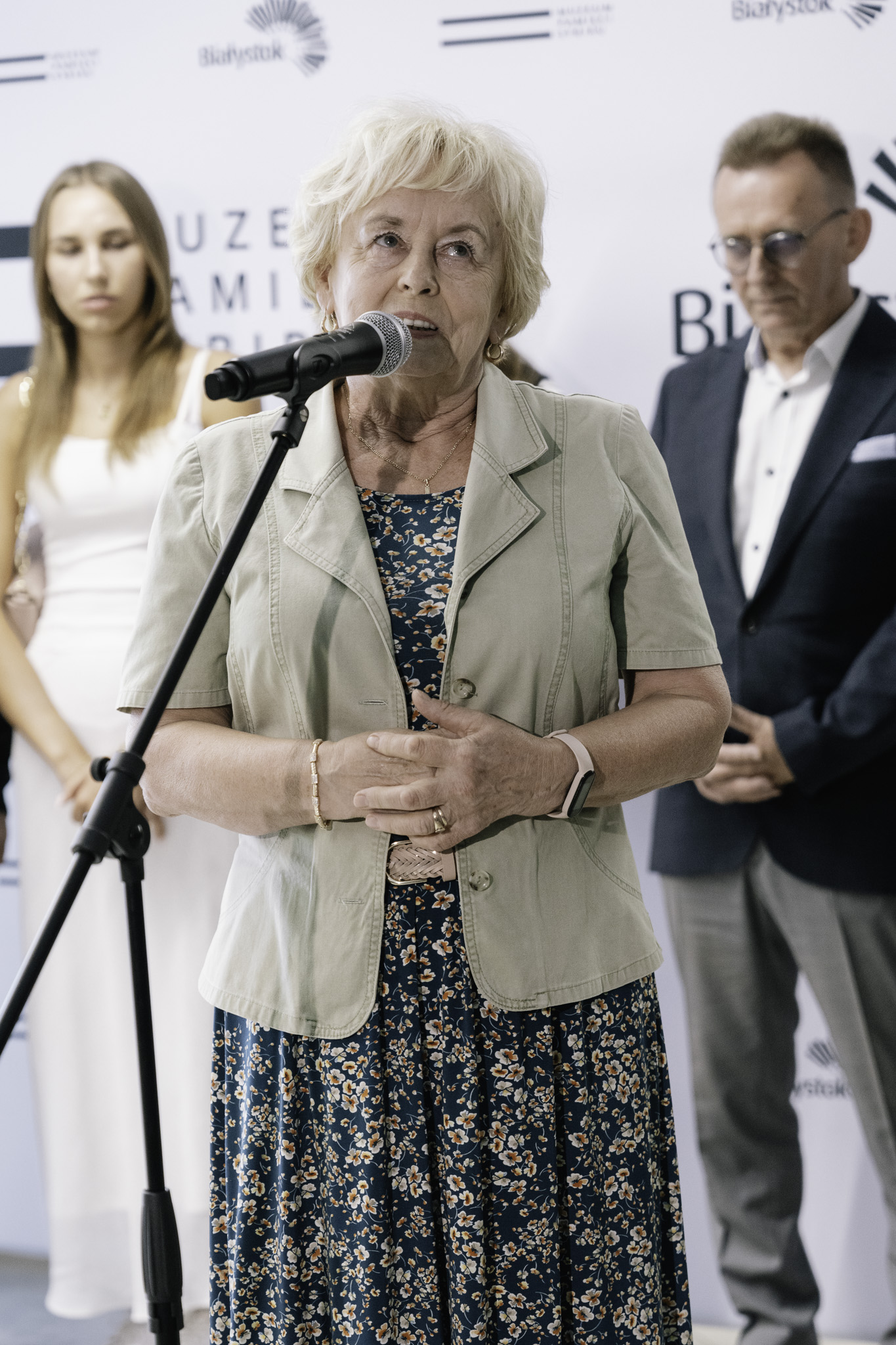
Feliks’s children – Józef, Tadeusz, and Bożena – spoke about the fate of their loved ones and the meaning of this object. The numerous family members in attendance – children, grandchildren, and great-grandchildren – were welcomed by Professor Wojciech Śleszyński, Director of the Museum of the Memory of Siberia:
“The Exhibit of the Month may be small in size, but it is extremely important because of the emotions it evokes. It tells the story of one person or an entire family. In this case, it is the toolbox of Feliks Babiel, which probably helped him survive in Kazakhstan. Thanks to this toolbox, he could exchange the fruits of his work for food. The family’s history is being passed on to future generations, and it is a great pleasure to host you all here today.”
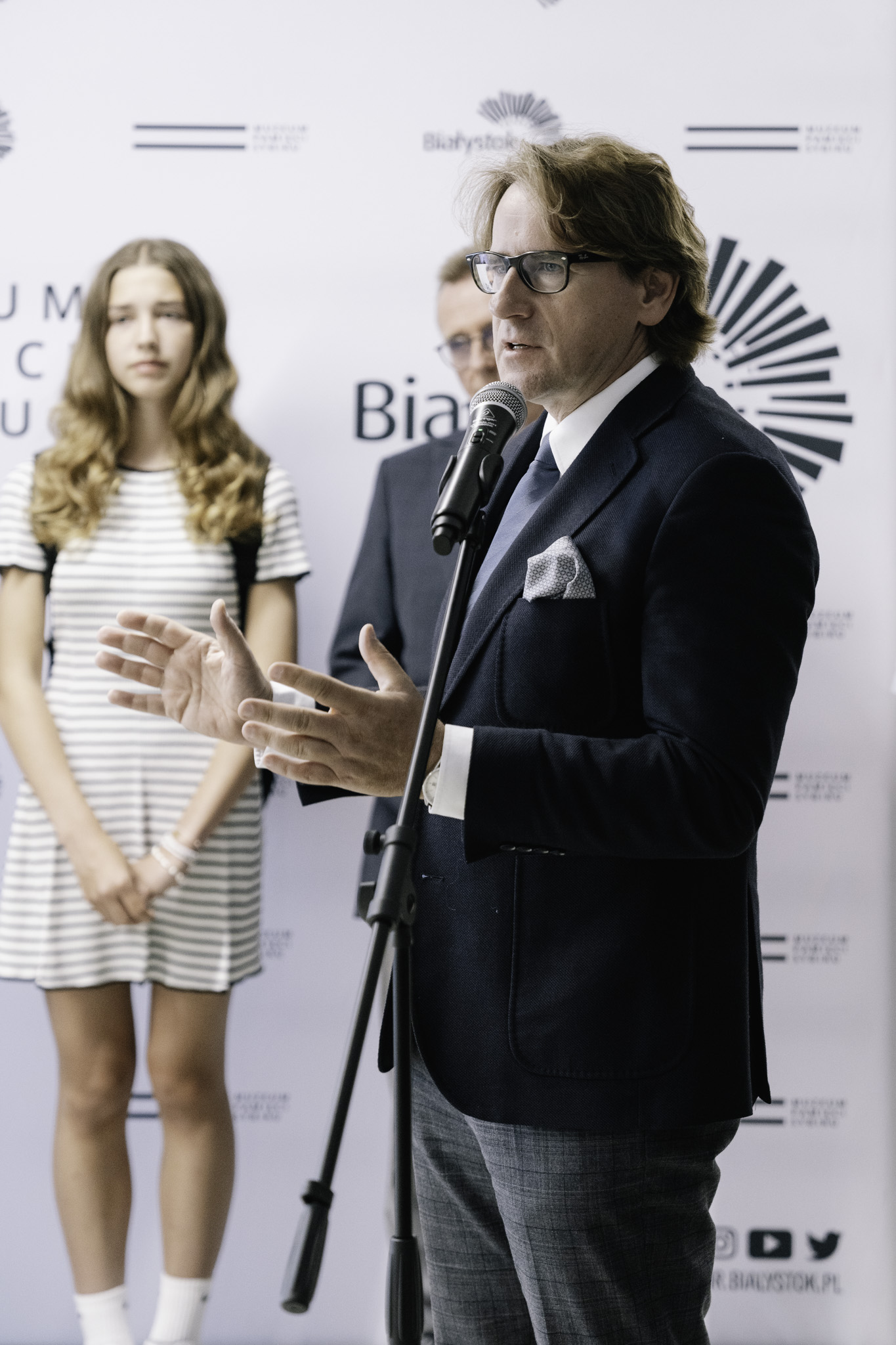
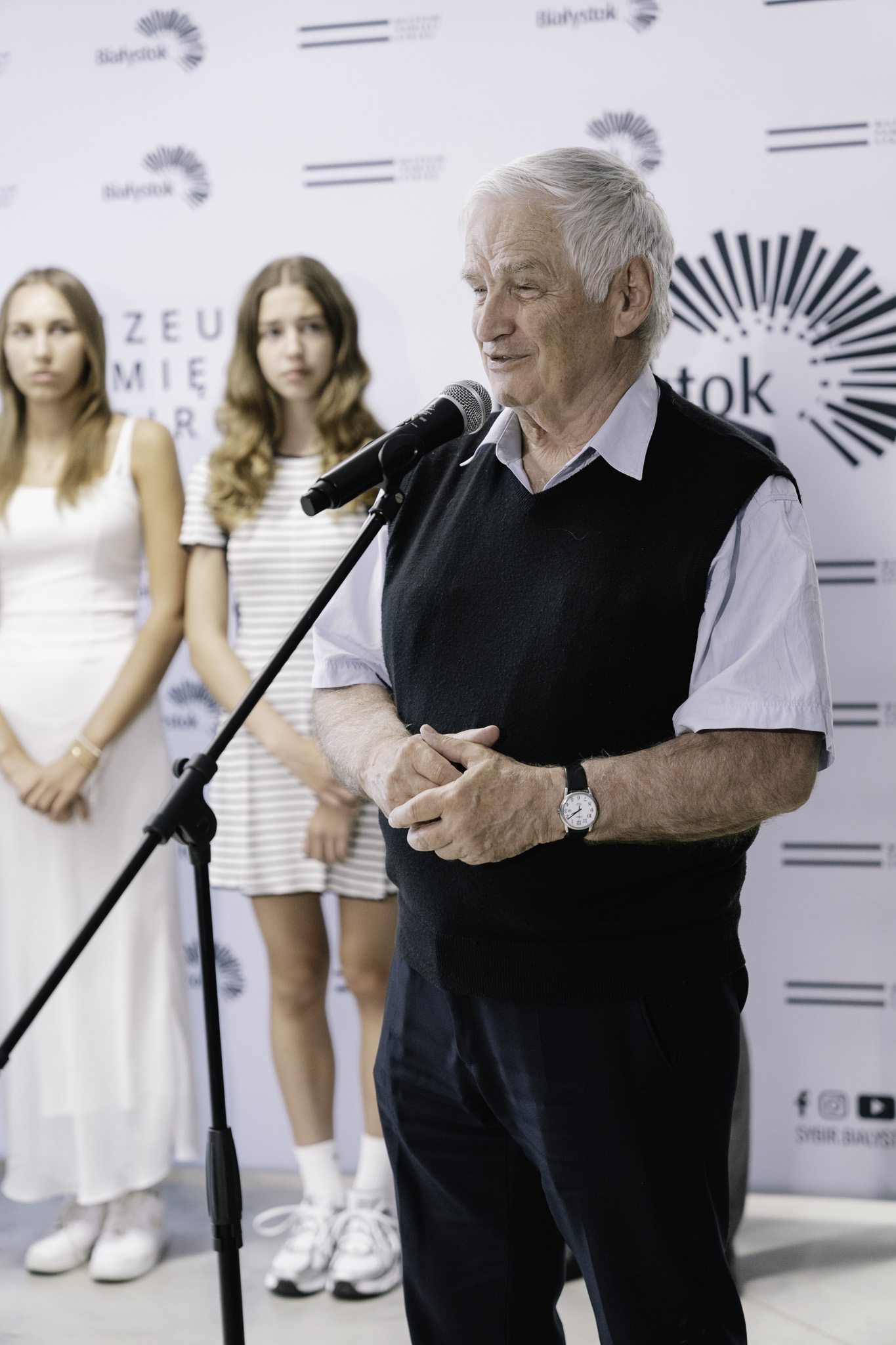
Józef, Feliks’s son, recalled the decision to donate the family’s mementos to the Museum of the Memory of Siberia:
“When I visited the museum and reached the section devoted to the deportations of 1941, I was astonished to find my name among many others. When I returned to Łomża, I told my father that something of ours should also be there. It was he who decided to donate the toolbox to the museum.”
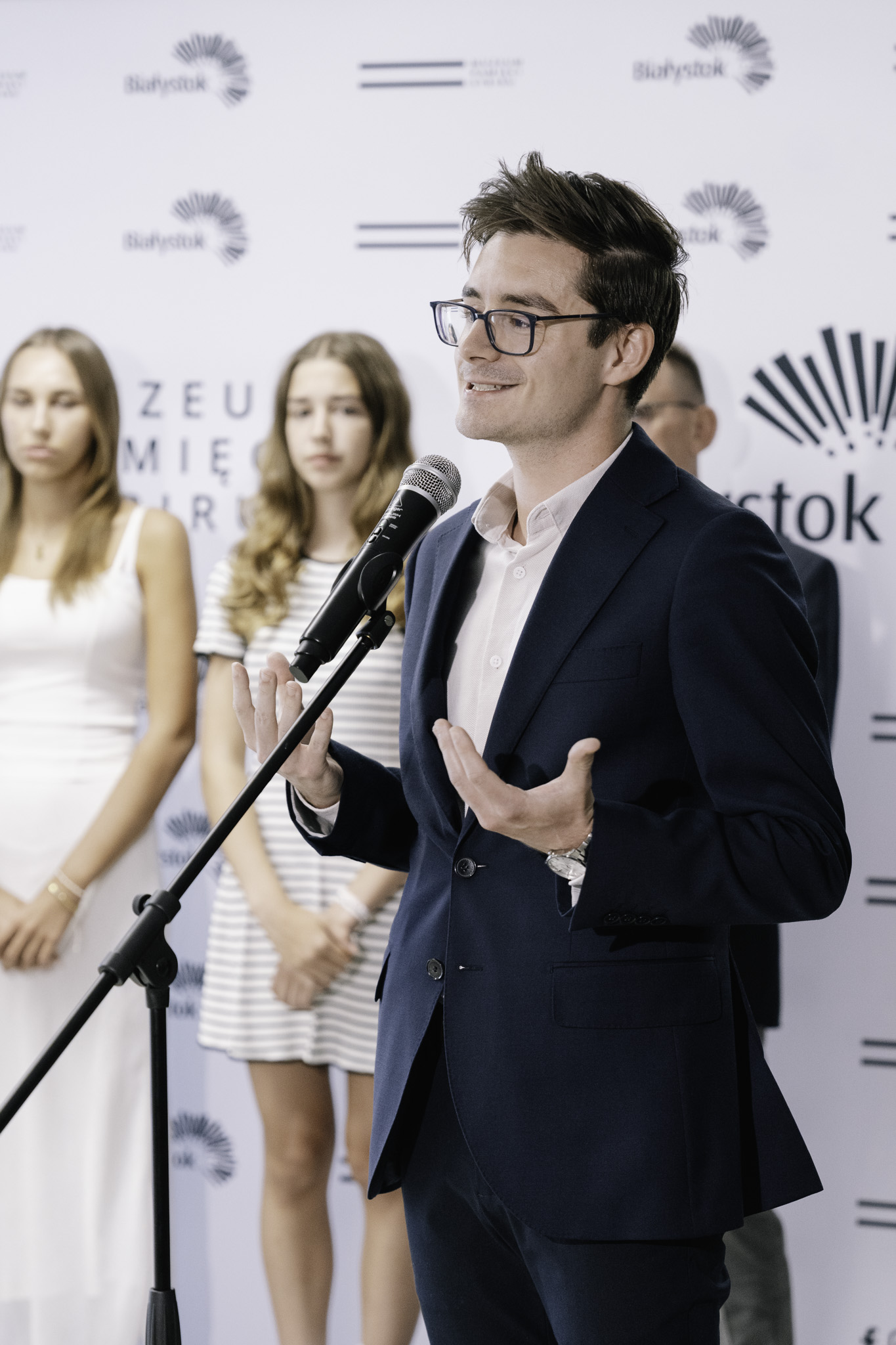
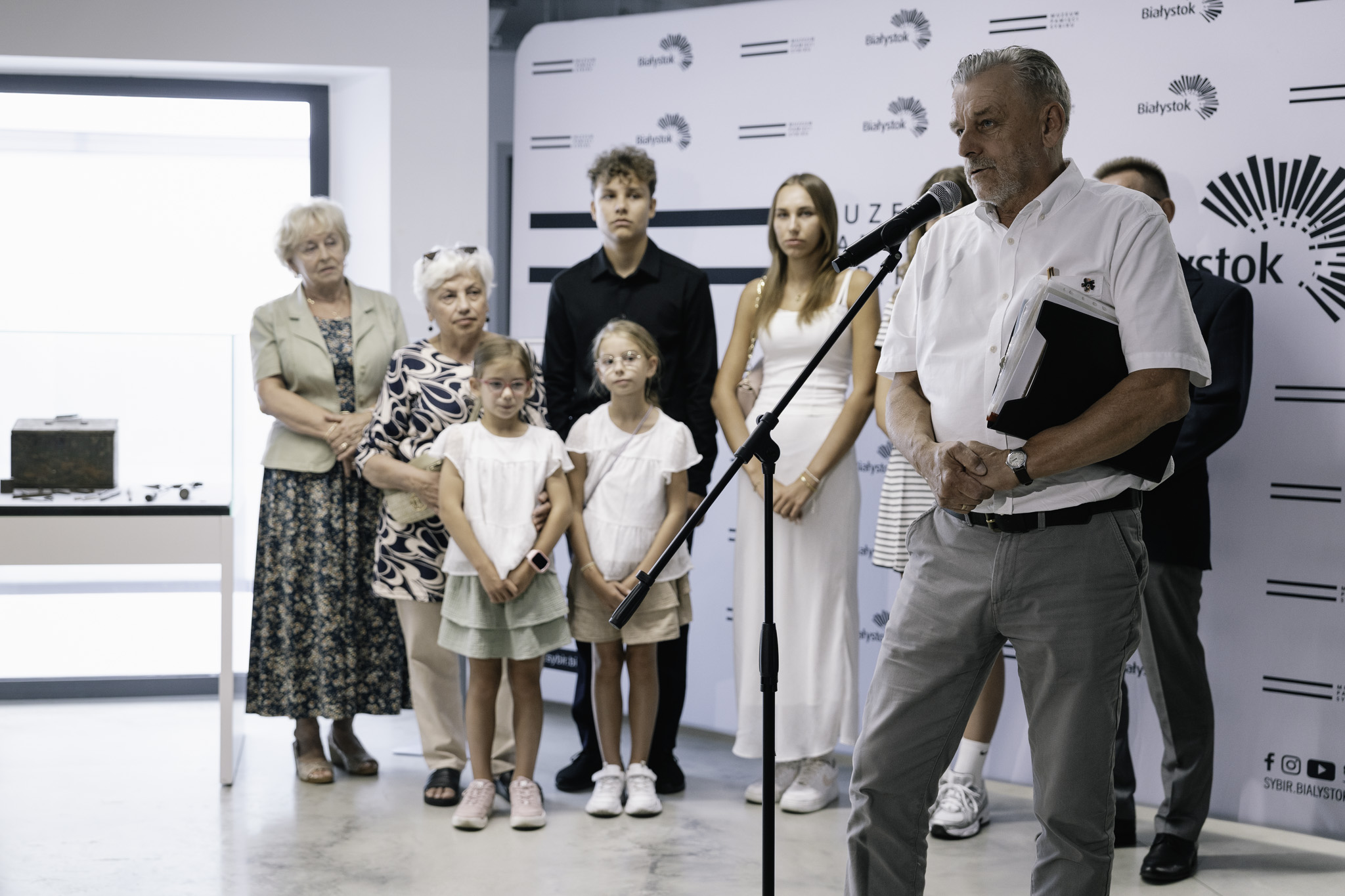
Another son, Tadeusz, emphasized the importance of the exhibit:
“It was an ammunition box that my father converted into a toolbox. He traveled with it around the villages near Martuk, repairing items in exchange for bread, flour, or other essentials needed to survive. I am very happy that my grandchildren are here with us today. When we suggested coming, they were simply excited. And that made me happy too – that they want to remember their great-grandfather. I am proud that this object has found a place in a museum that commemorates the difficult fates of people,” he said.

Their father was also remembered by his daughter Bożena, who spoke about how painful it was for him to recall those difficult times spent in faraway Siberia:
”Whenever there were leftover scraps of bread, Father always made sure nothing was wasted. He would say: ‘What wouldn’t I have given for such a piece of bread back then.”
Feliks Babiel was born on August 8, 1927, in Łomżyca near Łomża, the fourth of five children of Aleksander and Helena Babiel. He had two brothers – Henryk (b. 1919) and Władysław (b. 1924) – and two sisters: Jadwiga Łucja (b. 1921) and Danuta (b. 1927). In the interwar period, all the children attended school in Łomża, while their parents ran their own butcher’s shop.
In September 1939, Łomżyca came under Soviet occupation. In mid-1940, the Soviets shut down the family’s butcher’s shop. This, however, was only the beginning of the repression that awaited the Babiel family. In March 1941, the Soviets arrested Henryk, and three months later, in June, they deported Aleksander and Helena with their four remaining children to Kazakhstan. The family was sent to the settlement of Tonkores in the Aktyubinsk Oblast, where they worked in the fields and in cattle herding. After the so-called amnesty for Polish citizens in the Soviet Union, the Babiels moved to the town of Martuk. There, shoemaking became their main means of livelihood, undertaken primarily by Aleksander, but also by Władysław and Jadwiga, who additionally worked in a warehouse and at the railway station. Meanwhile, Helena earned extra money through sewing, using the sewing machine she had managed to take from home.
In 1942, at just 15 years old, Feliks began earning money by weaving baskets, and a year later he was employed at a metalworking and sheet-metal shop. In his free time, he visited nearby villages repairing metal utensils in exchange for food. During this period, he assembled the toolbox now displayed in the exhibition.
In 1943, his older brother Władysław joined the so-called Berling Army. His combat path began at the Battle of Lenino in October 1943, where he was wounded. After completing officer school, he was promoted to commander of a platoon and later of an artillery battery in the 7th Infantry Regiment.
In 1944, the family was relocated to the territory of present-day Ukraine, and at the end of 1945, they returned to Poland. The youngest, Danuta, rejoined them a year later.
The history of the Babiel family is a moving testimony to perseverance, resourcefulness, and deep attachment to the homeland. The toolbox is a symbol of the struggle for survival during the harsh years of exile.