



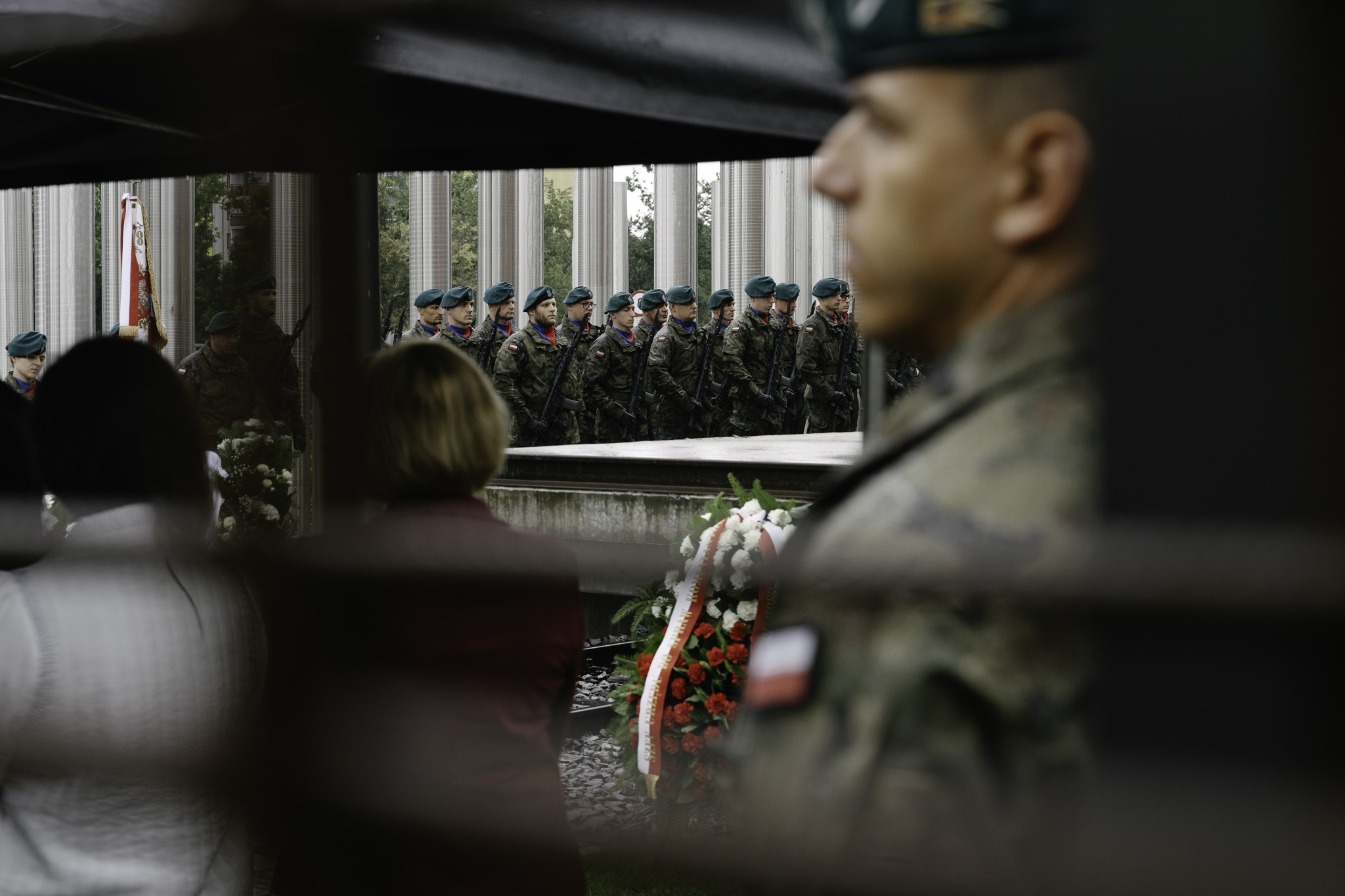
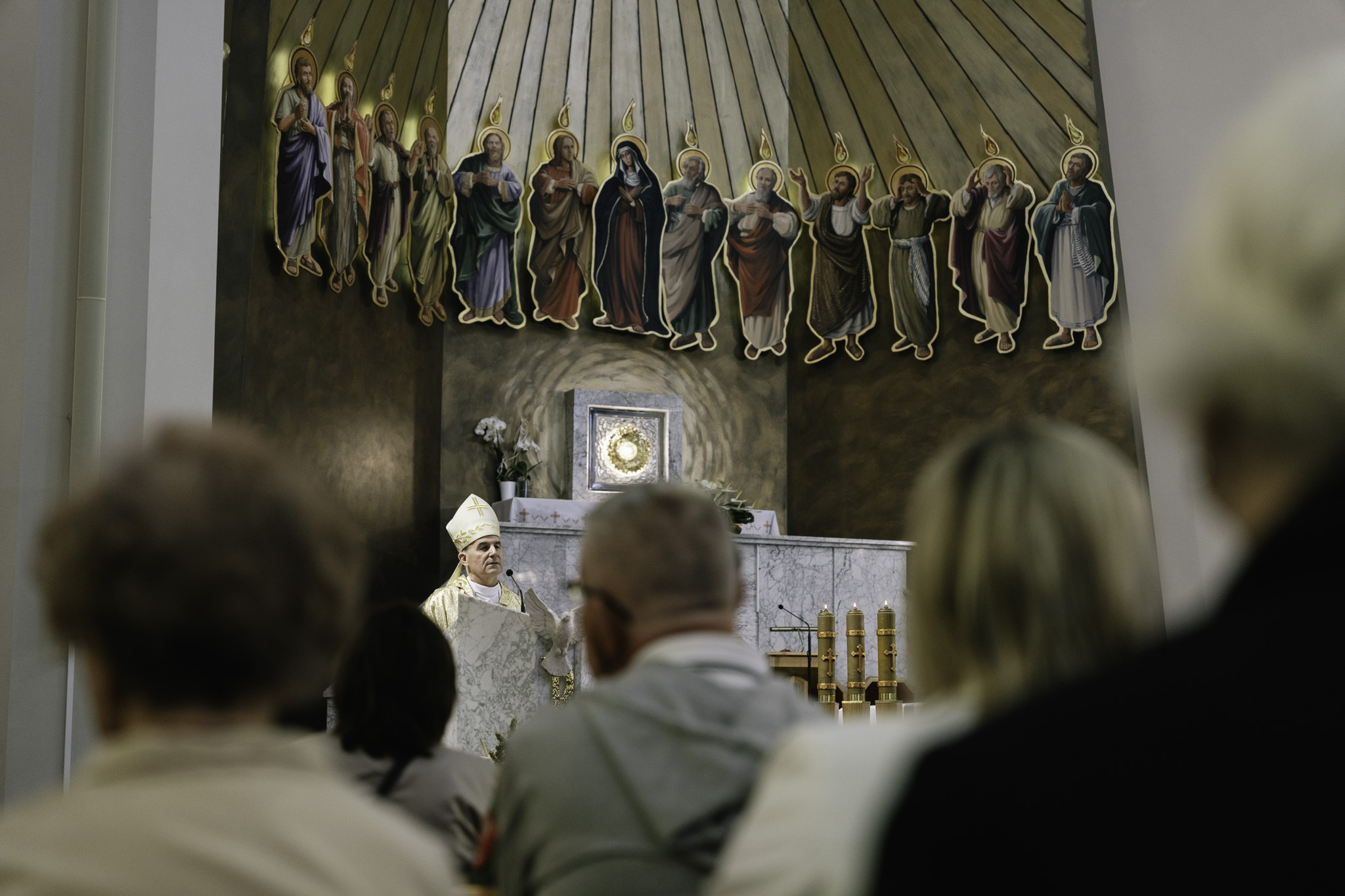
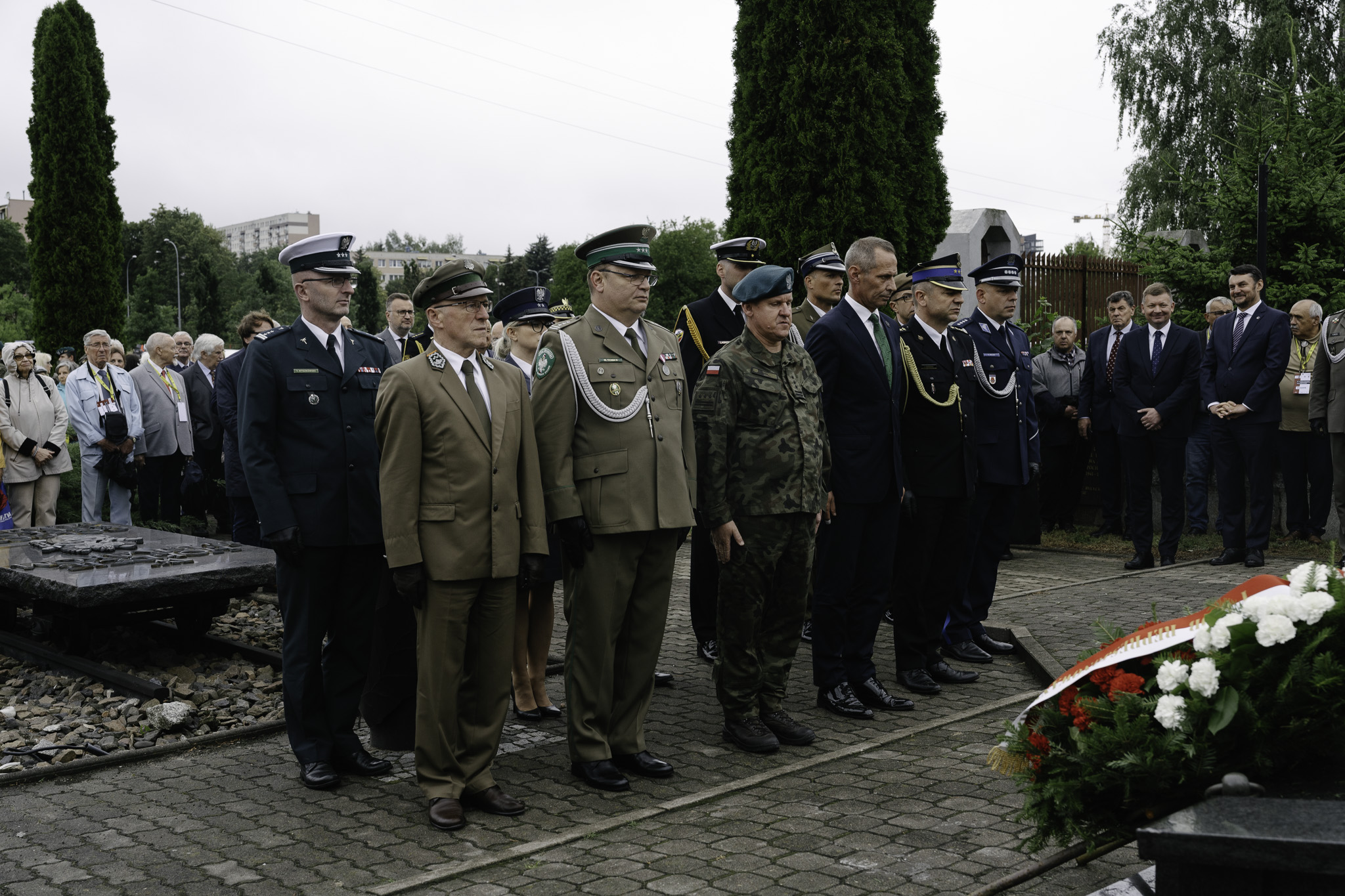
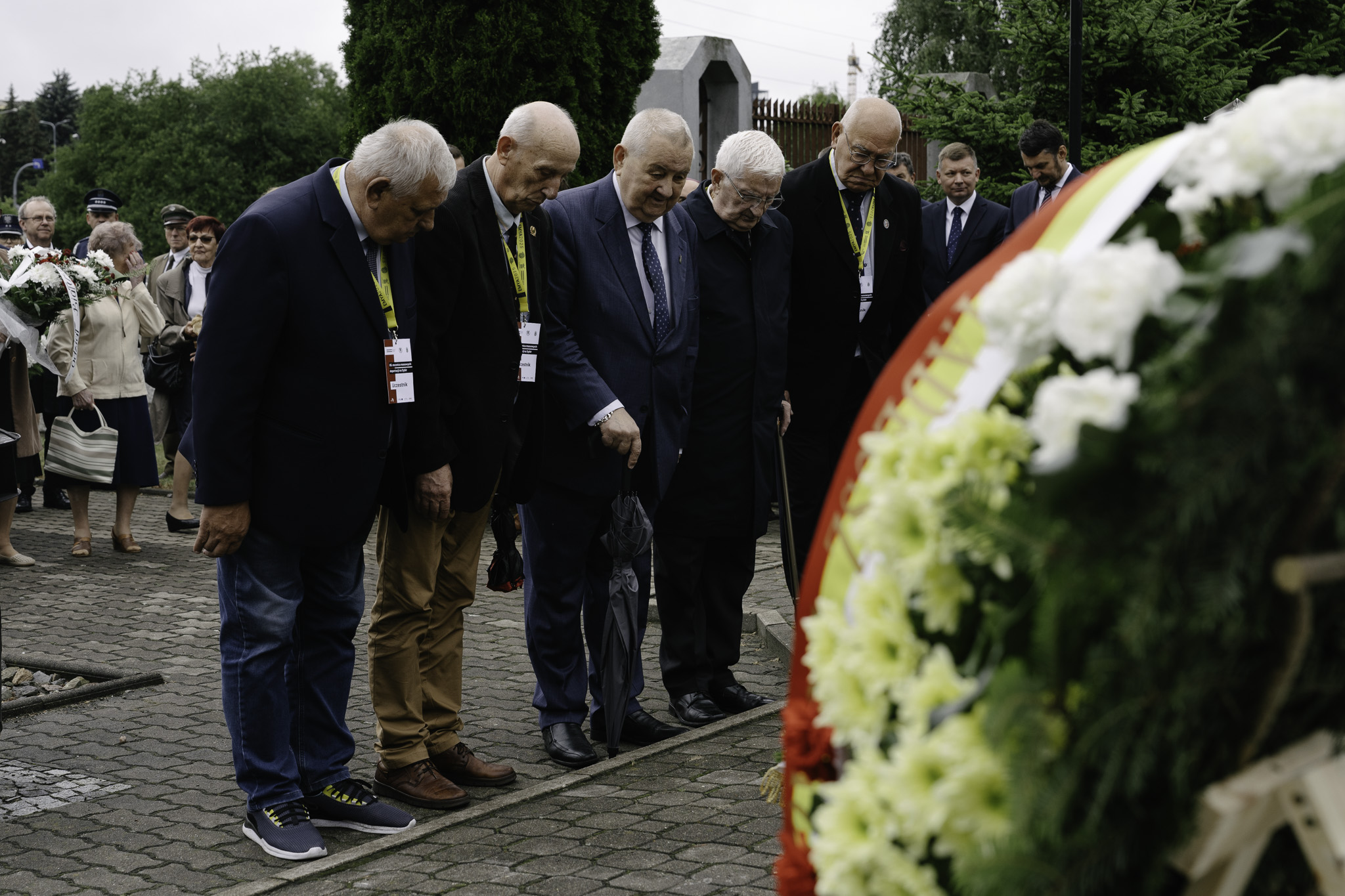
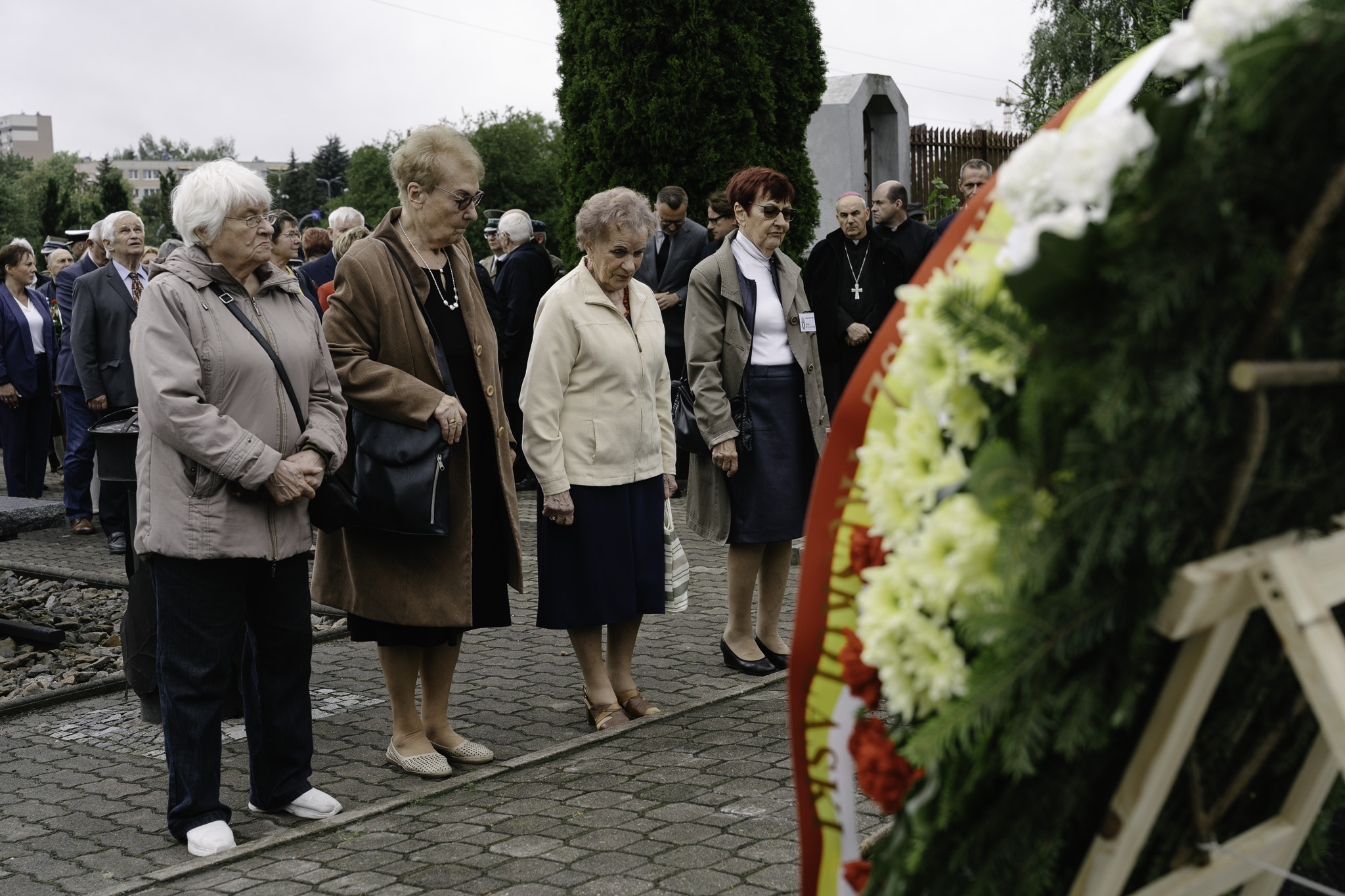
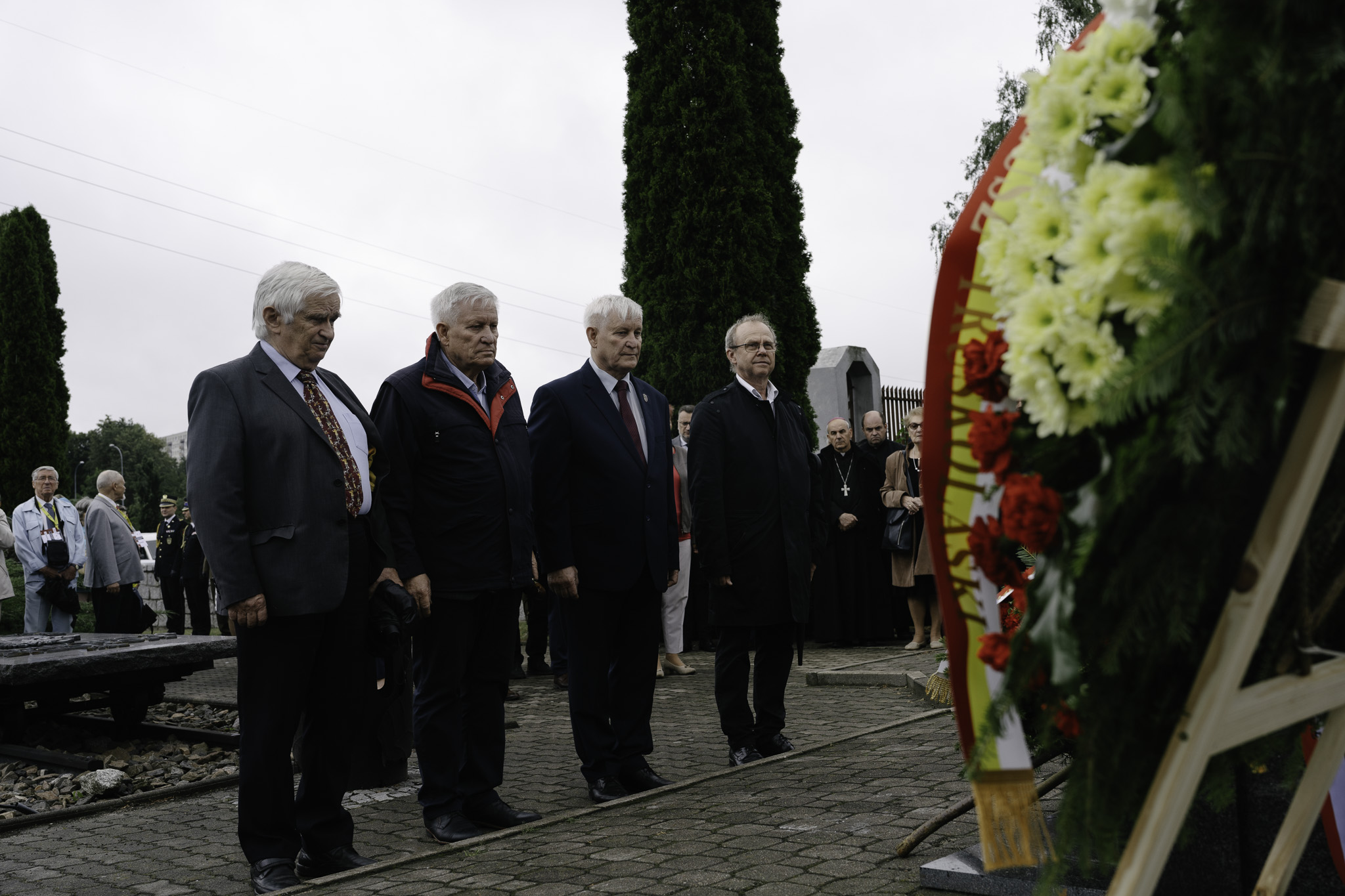
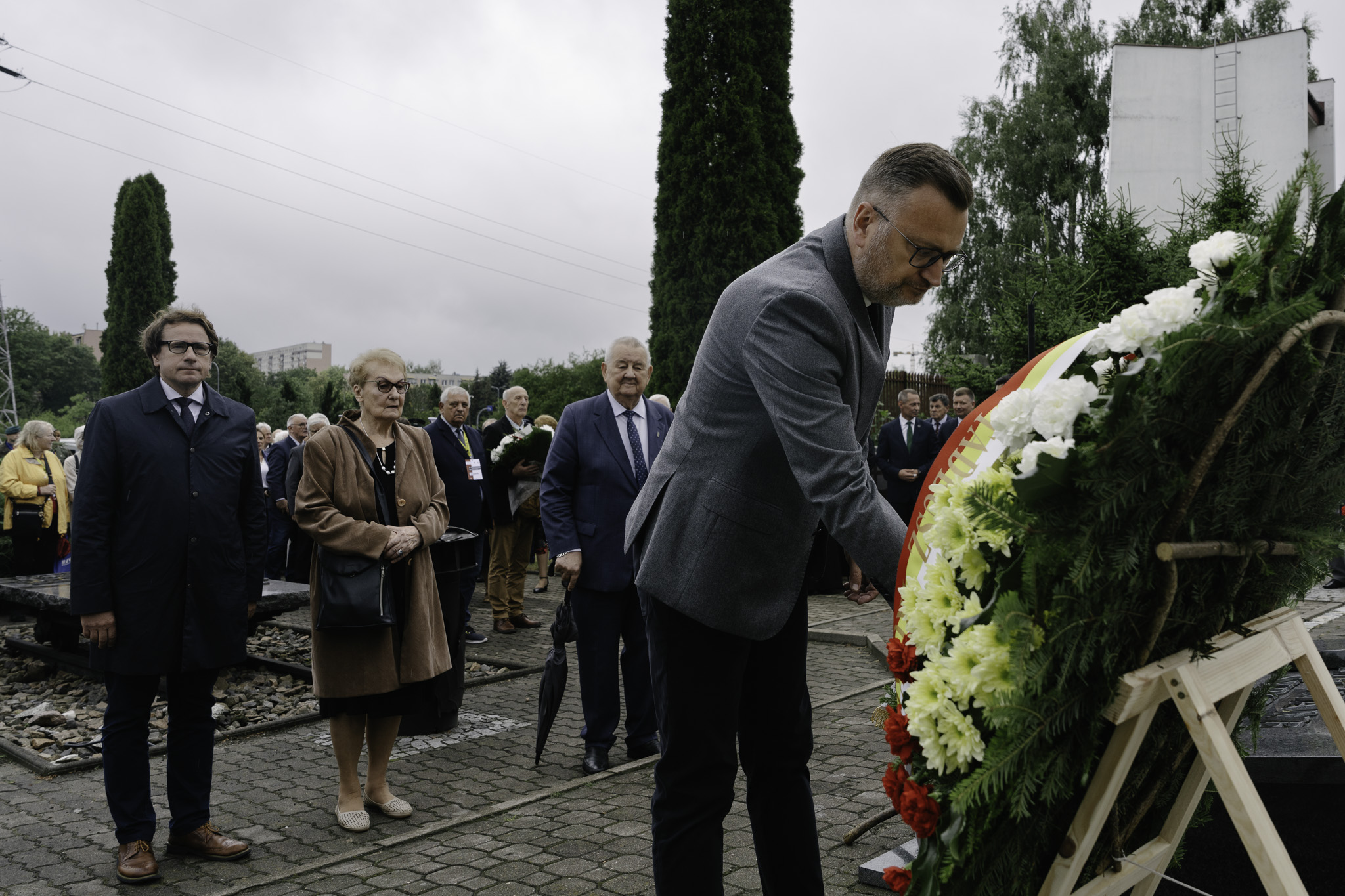
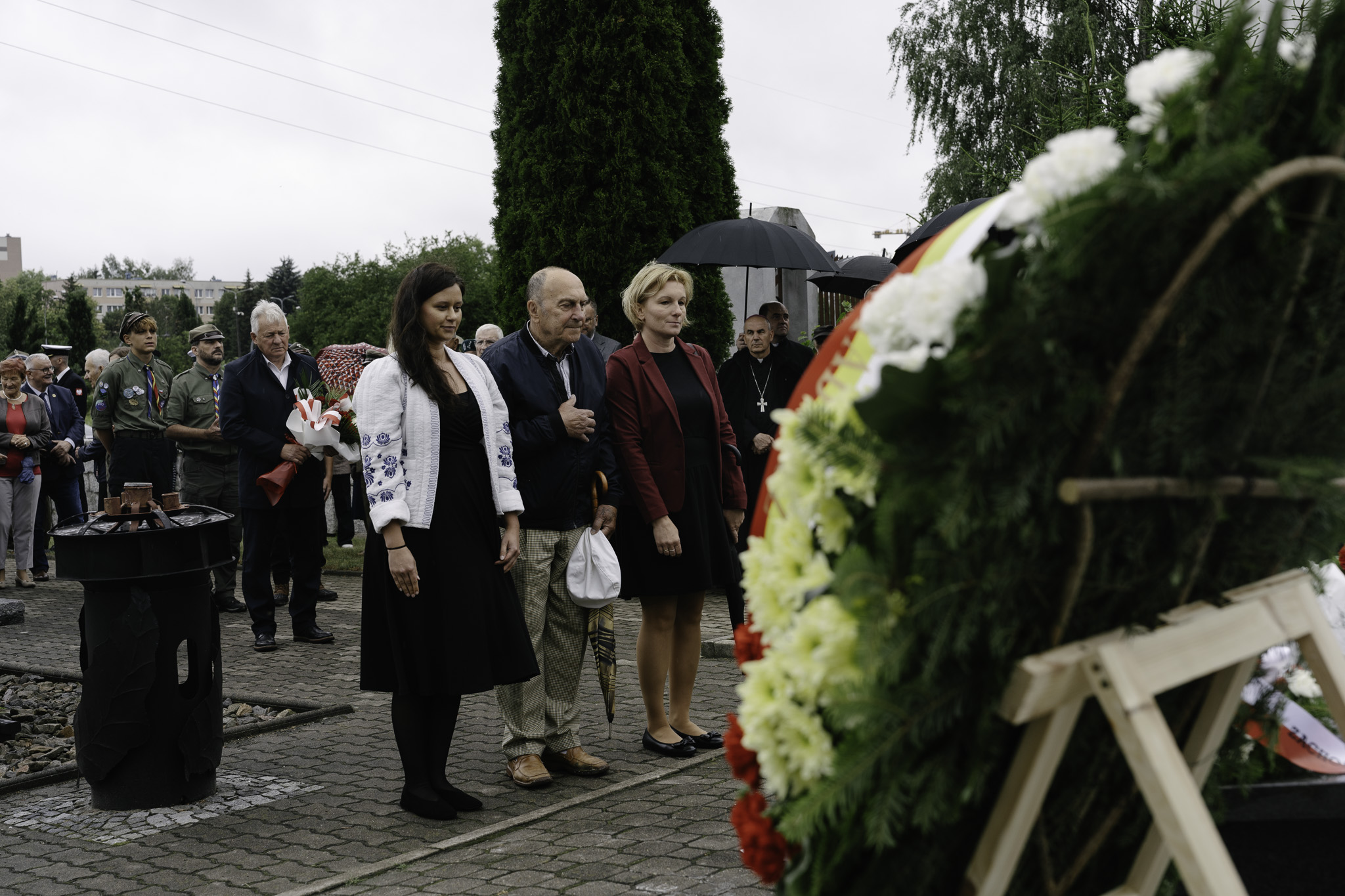
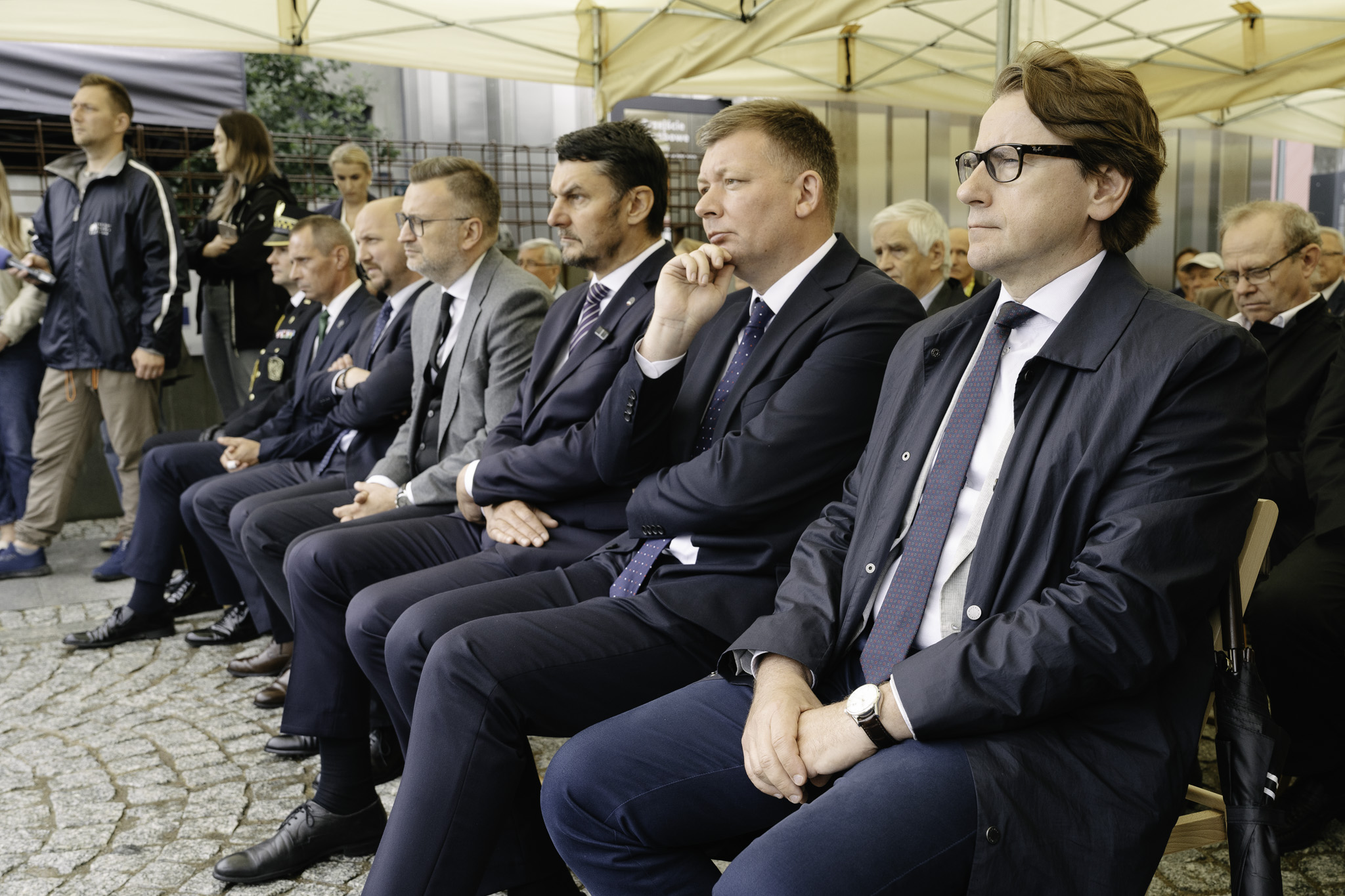
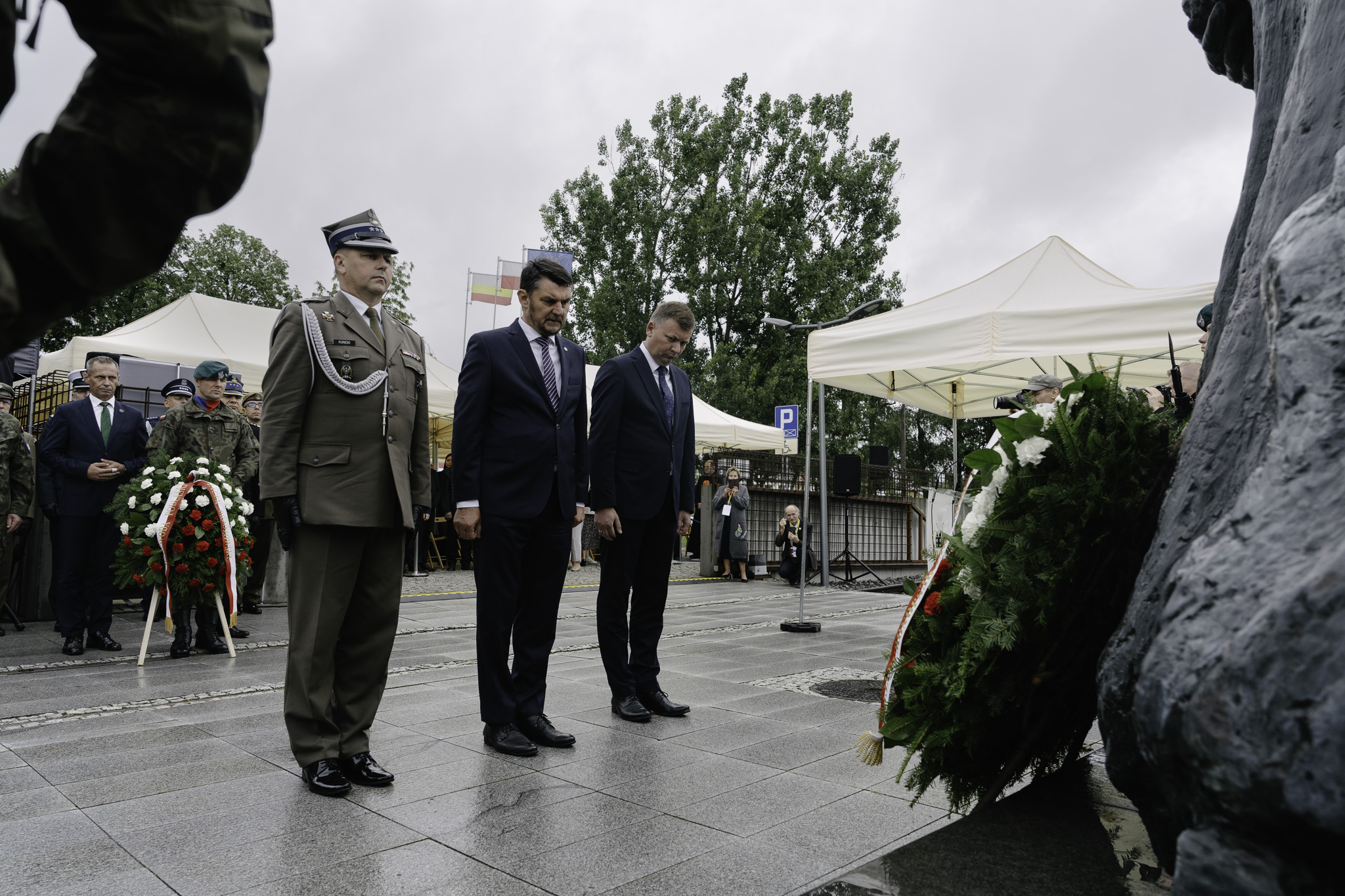
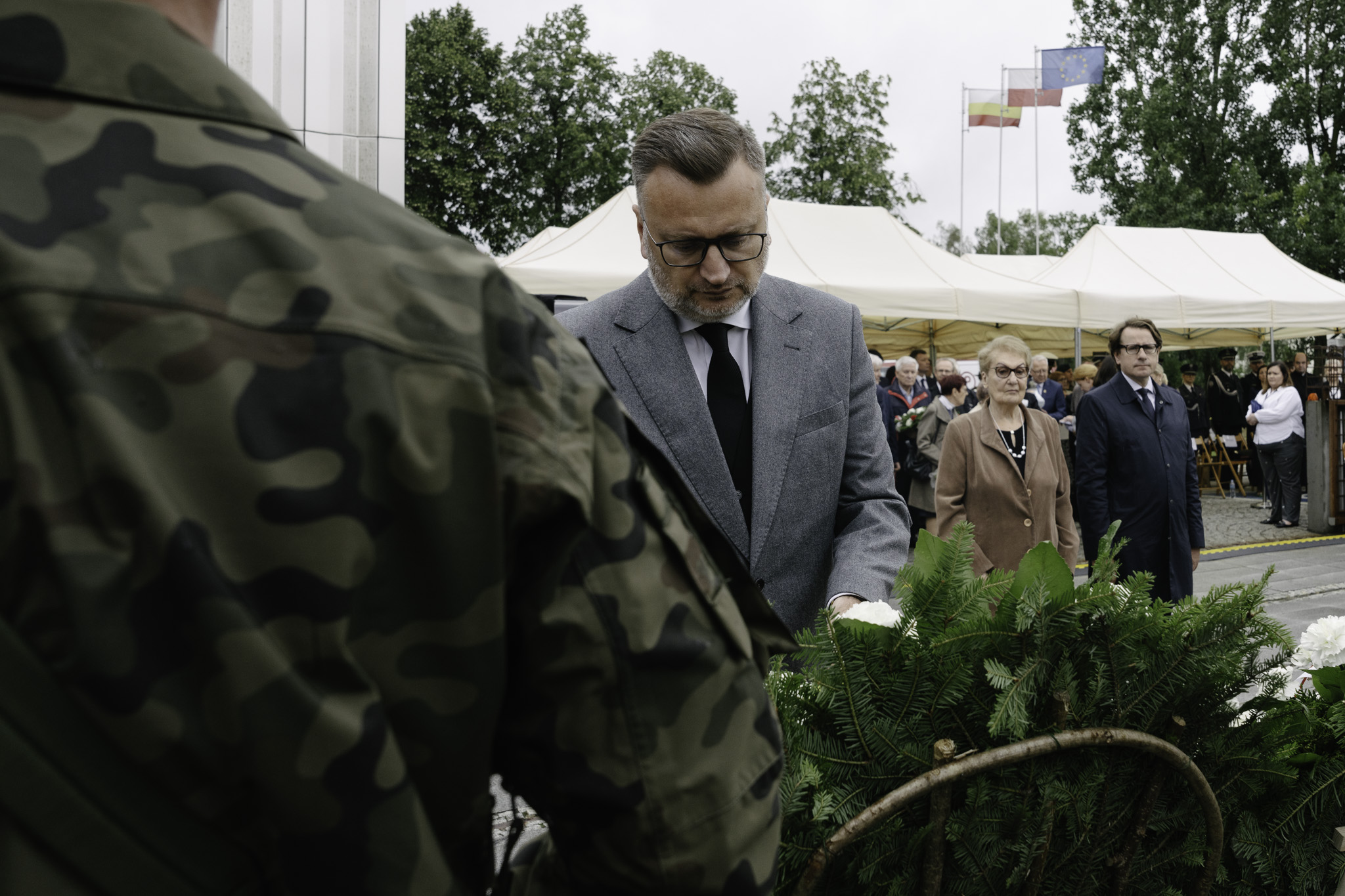
The main ceremony took place in front of the Sybir Memorial Museum. Among the guests were the Head of the Office for Veterans and Victims of Oppression, Minister Lech Parell, and his deputy, Minister Michał Syska. Also present were the Second Deputy Voivode of Podlaskie Michał Gąsowski, Marshal of the Podlaskie Voivodeship Łukasz Prokorym, Deputy Mayor of Białystok Rafał Rudnicki, Auxiliary Bishop of the Archdiocese of Białystok Henryk Ciereszko, President of the Main Board of the Sybirak Association Kordian Borejko, and Director of the Sybir Memorial Museum, Prof. Wojciech Śleszyński.
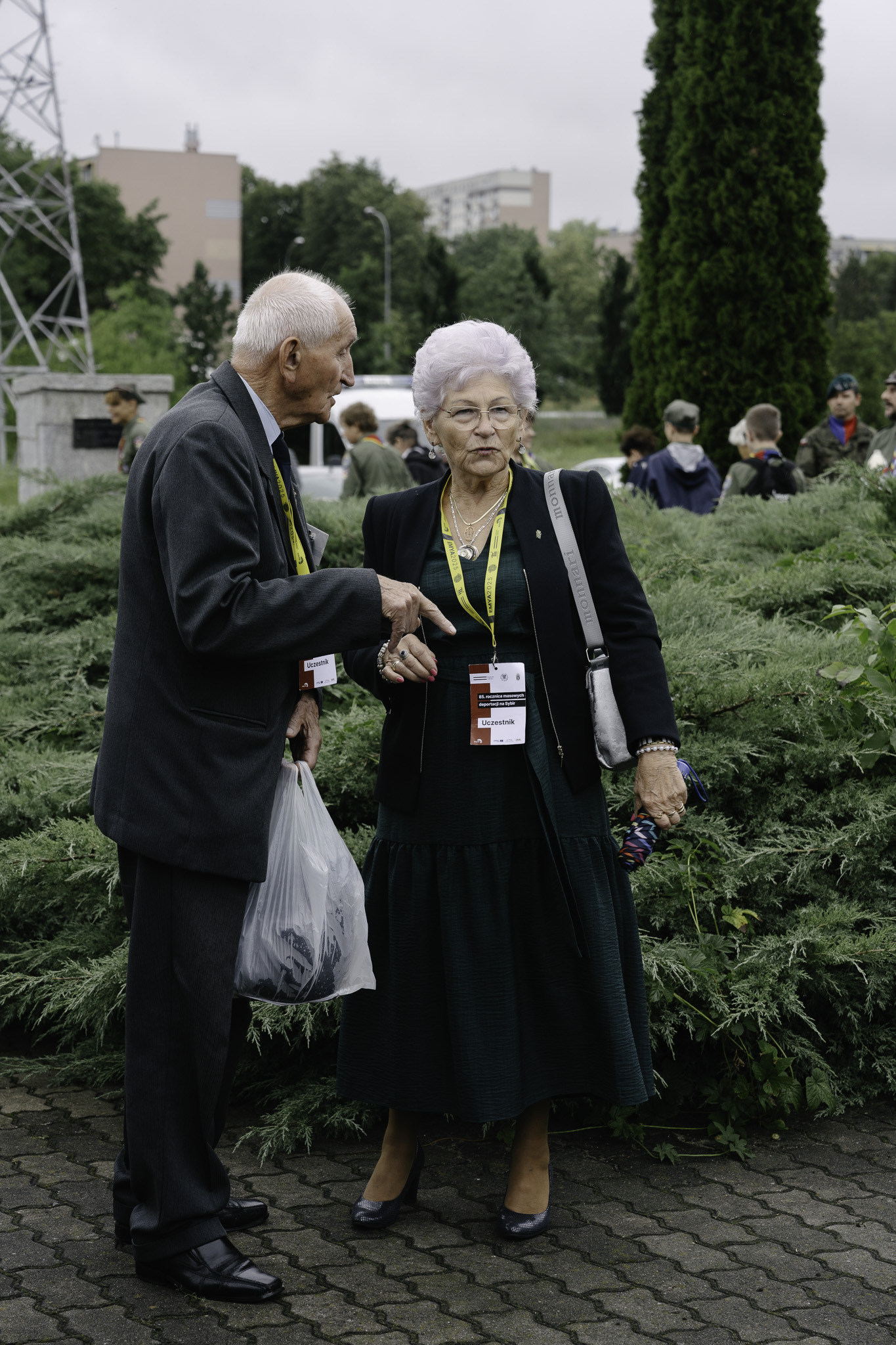
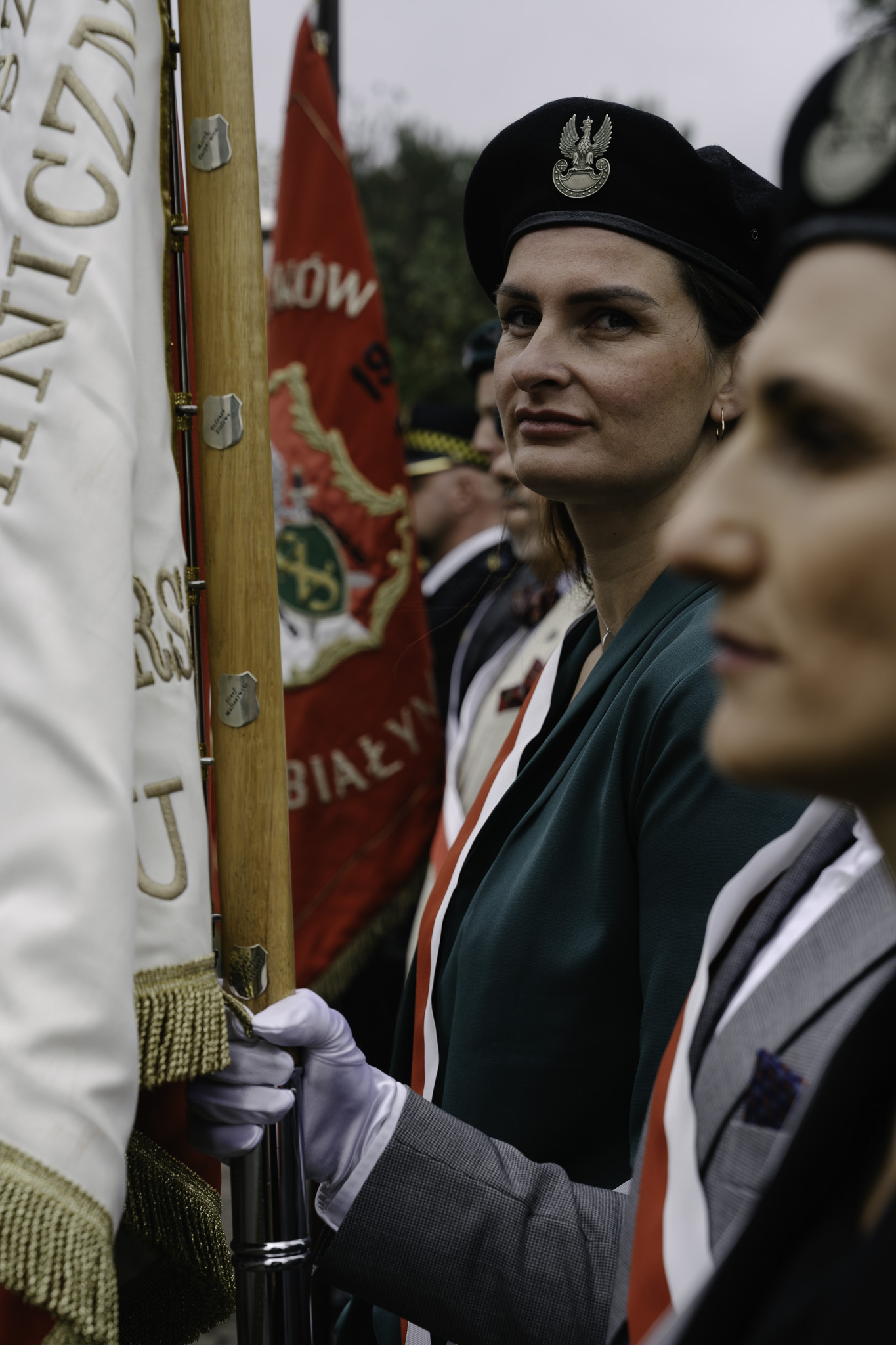
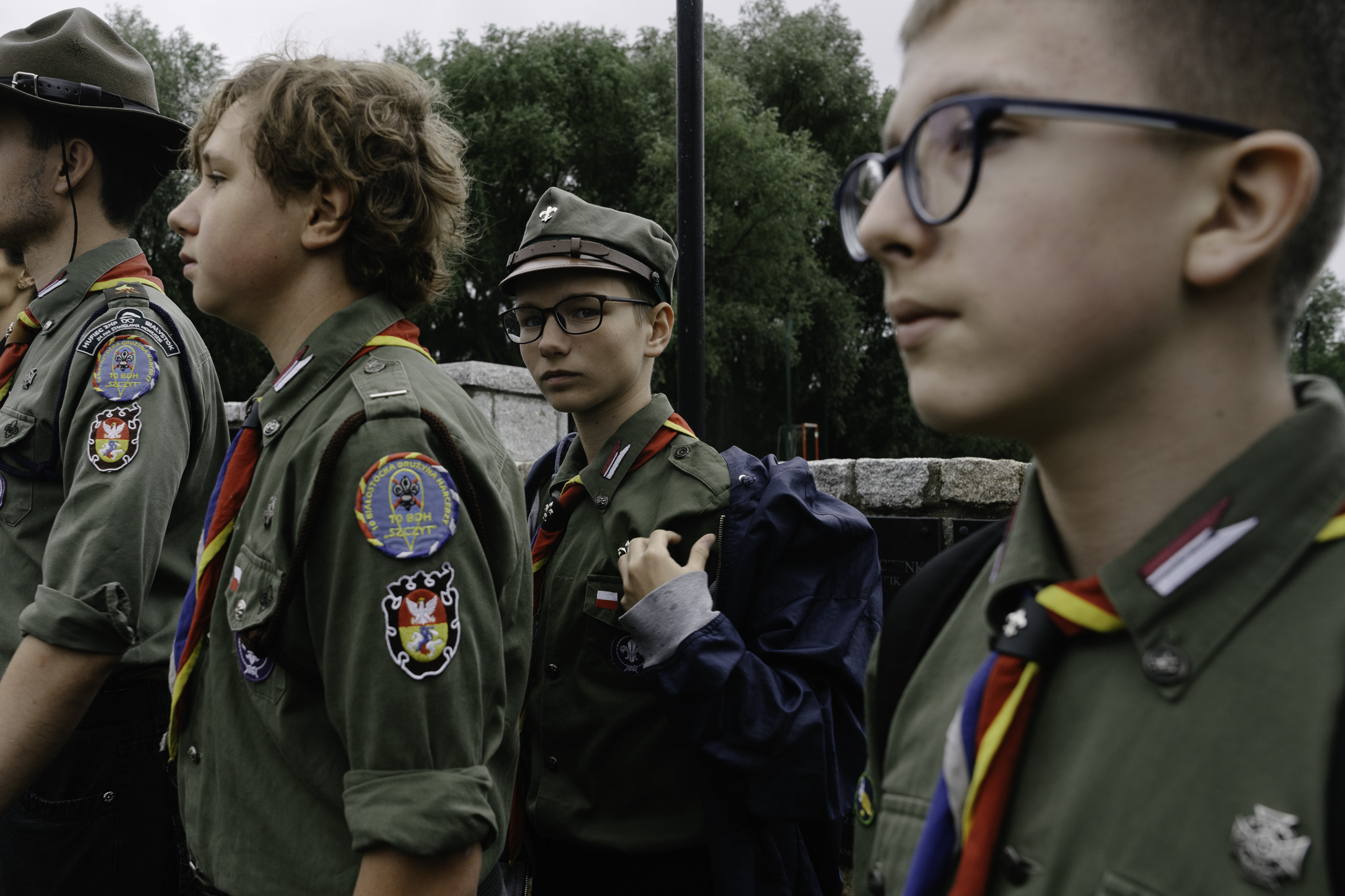
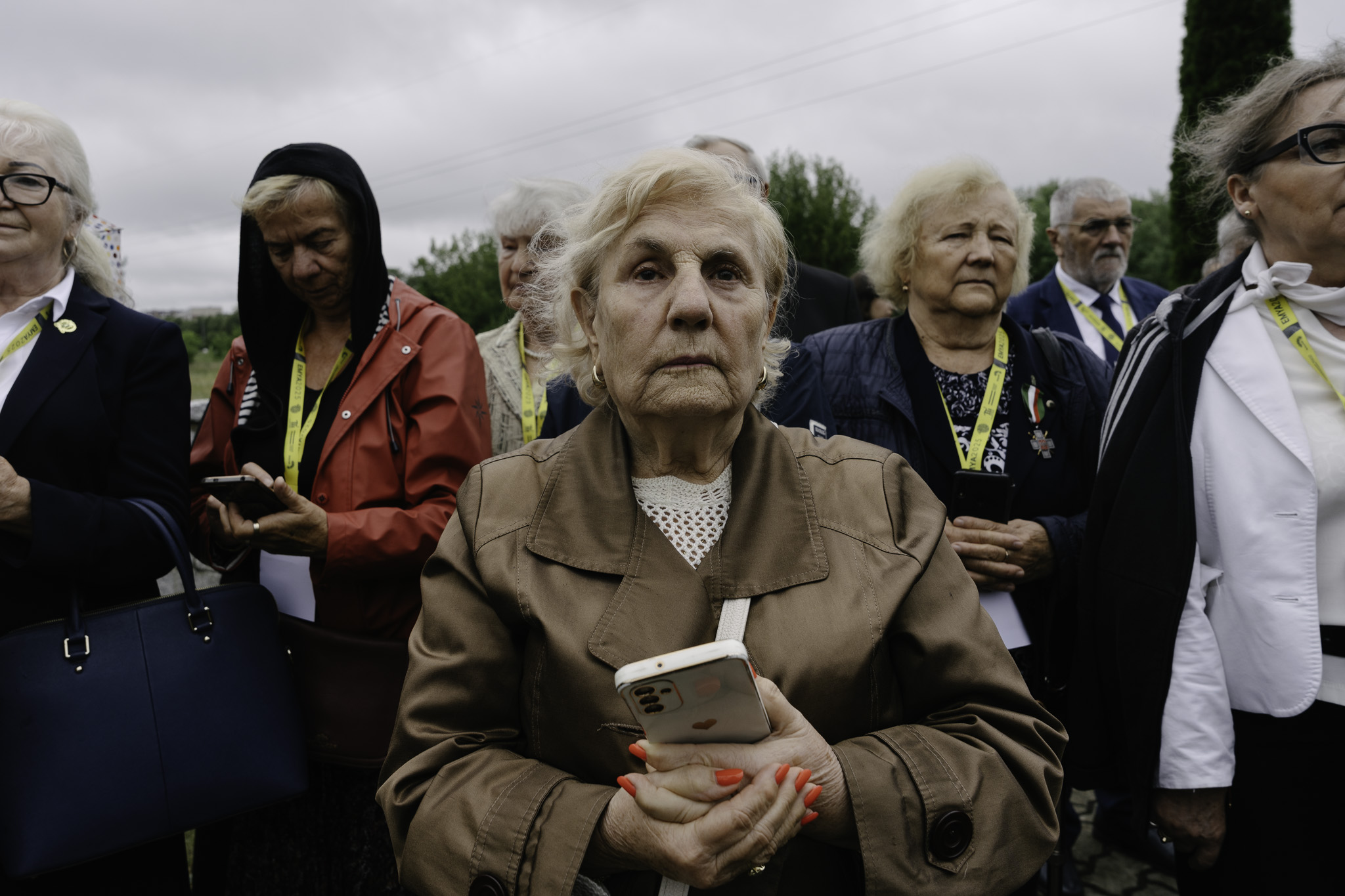
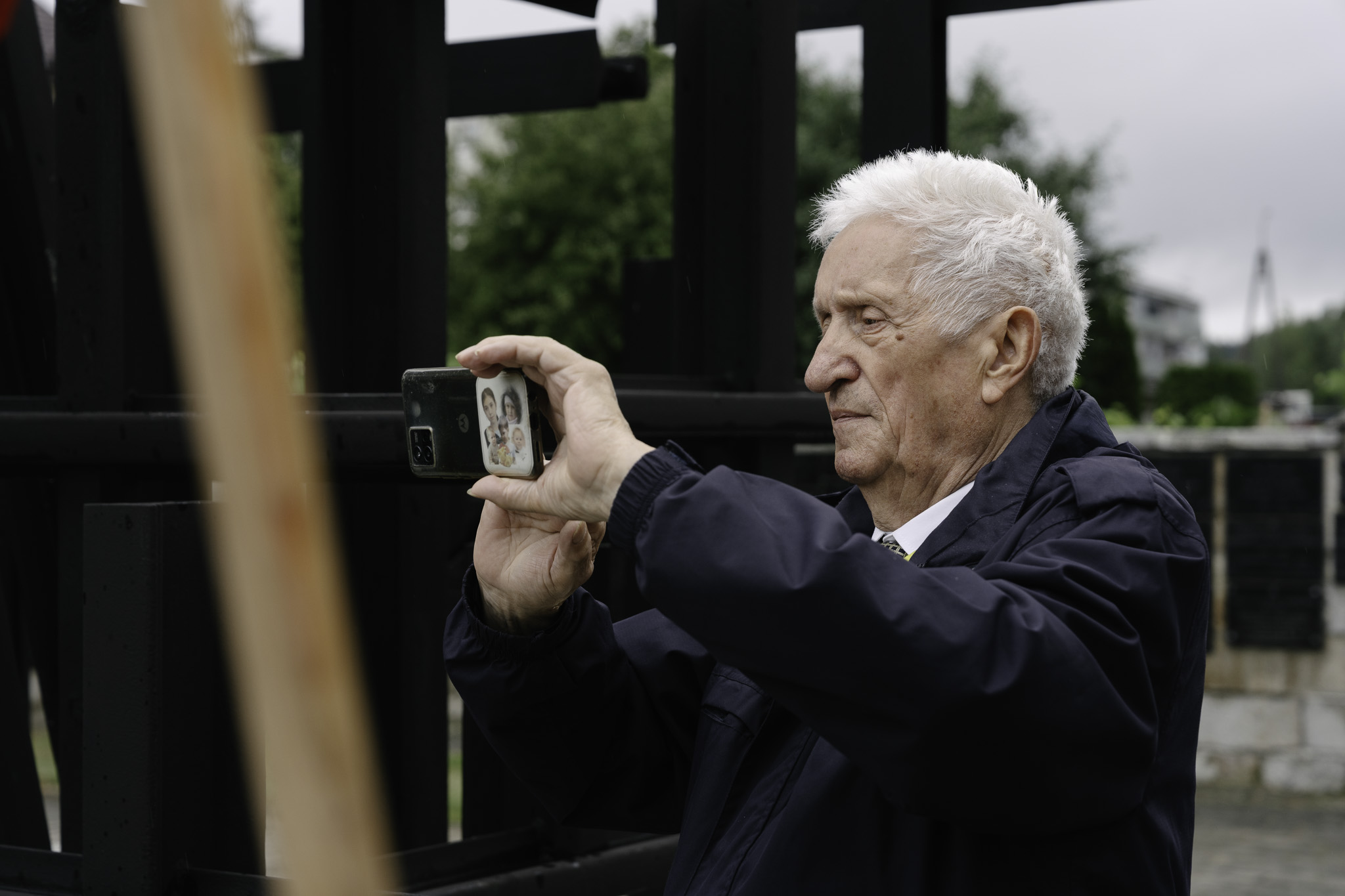
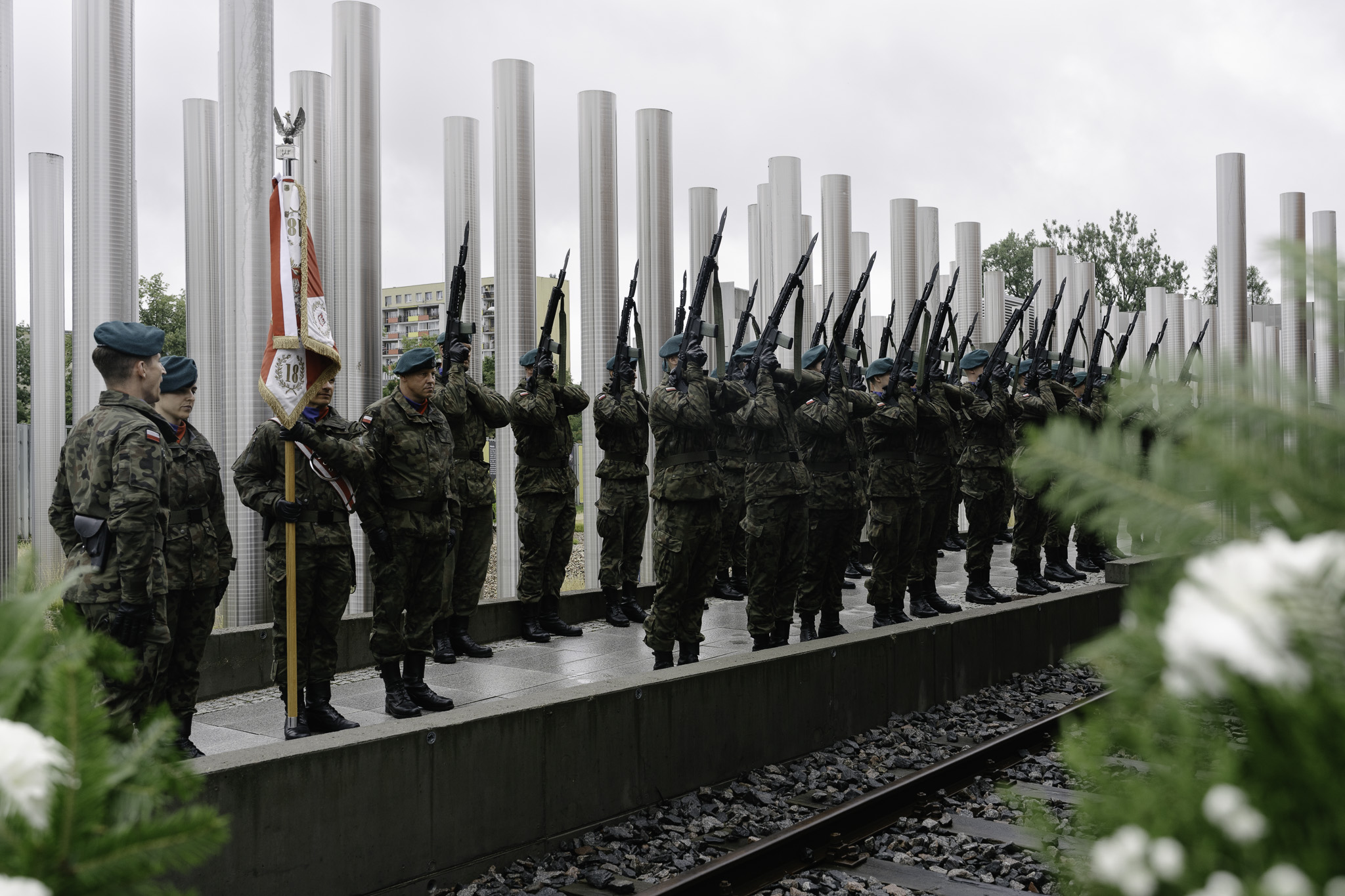
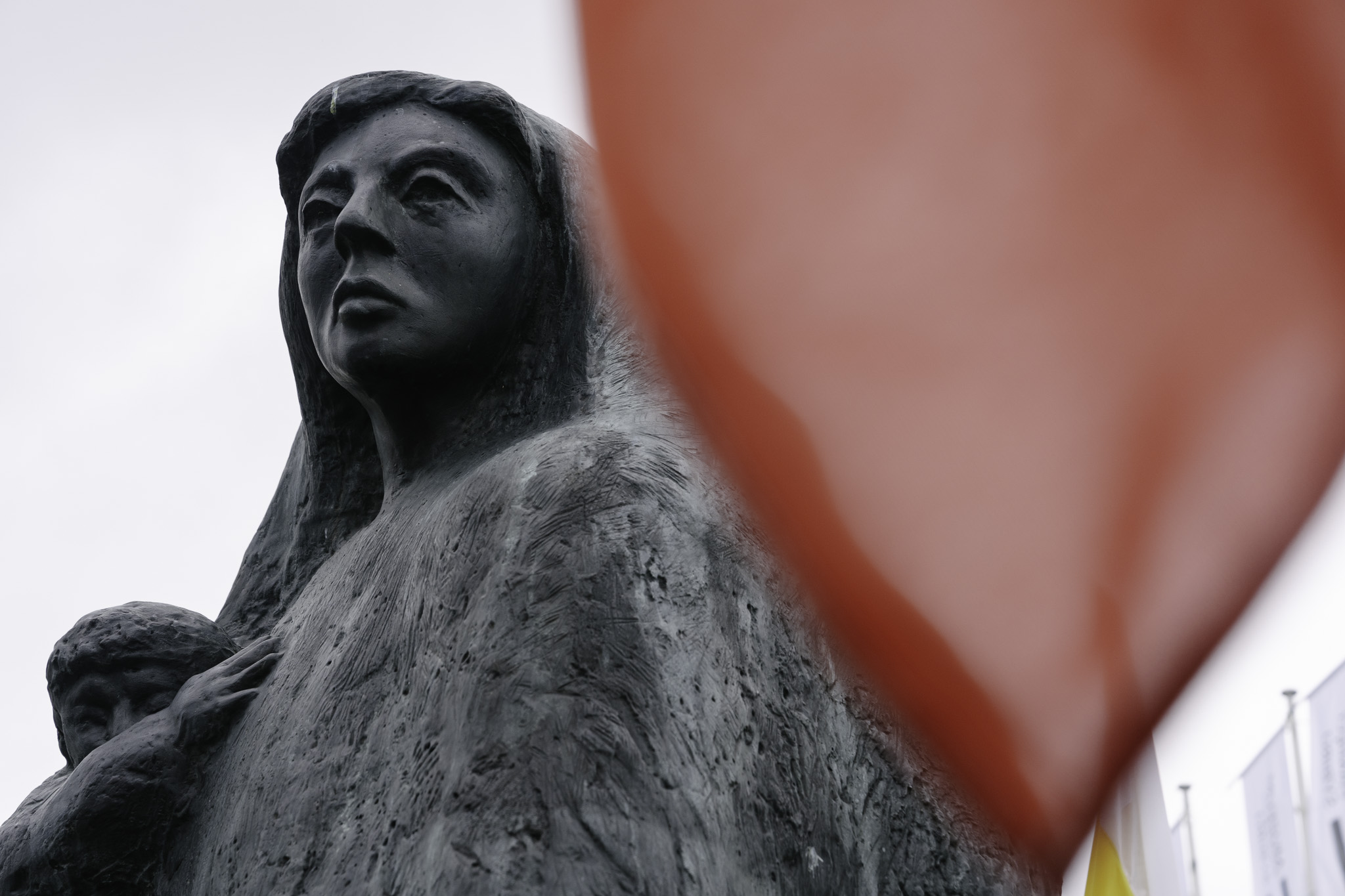
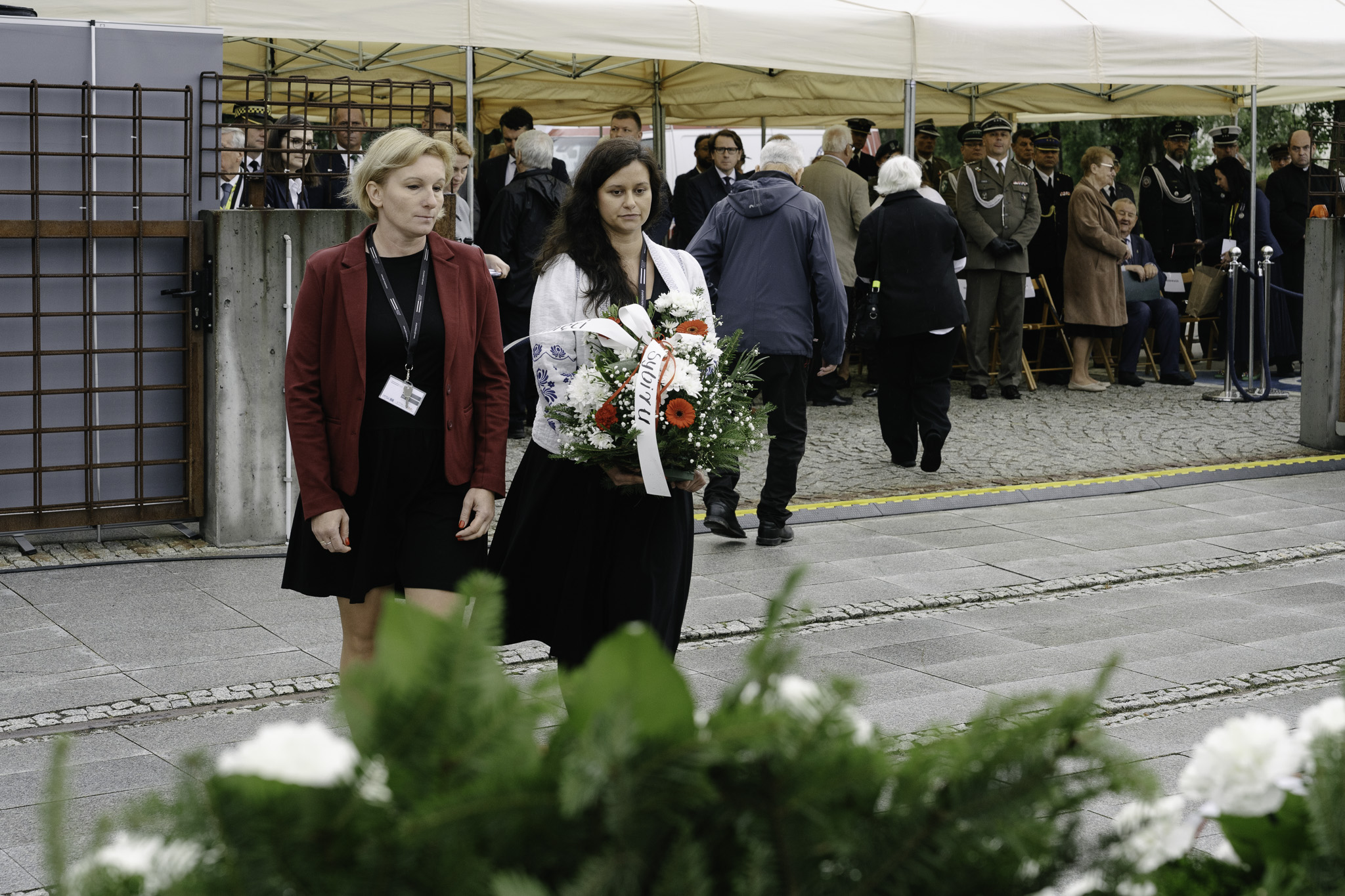
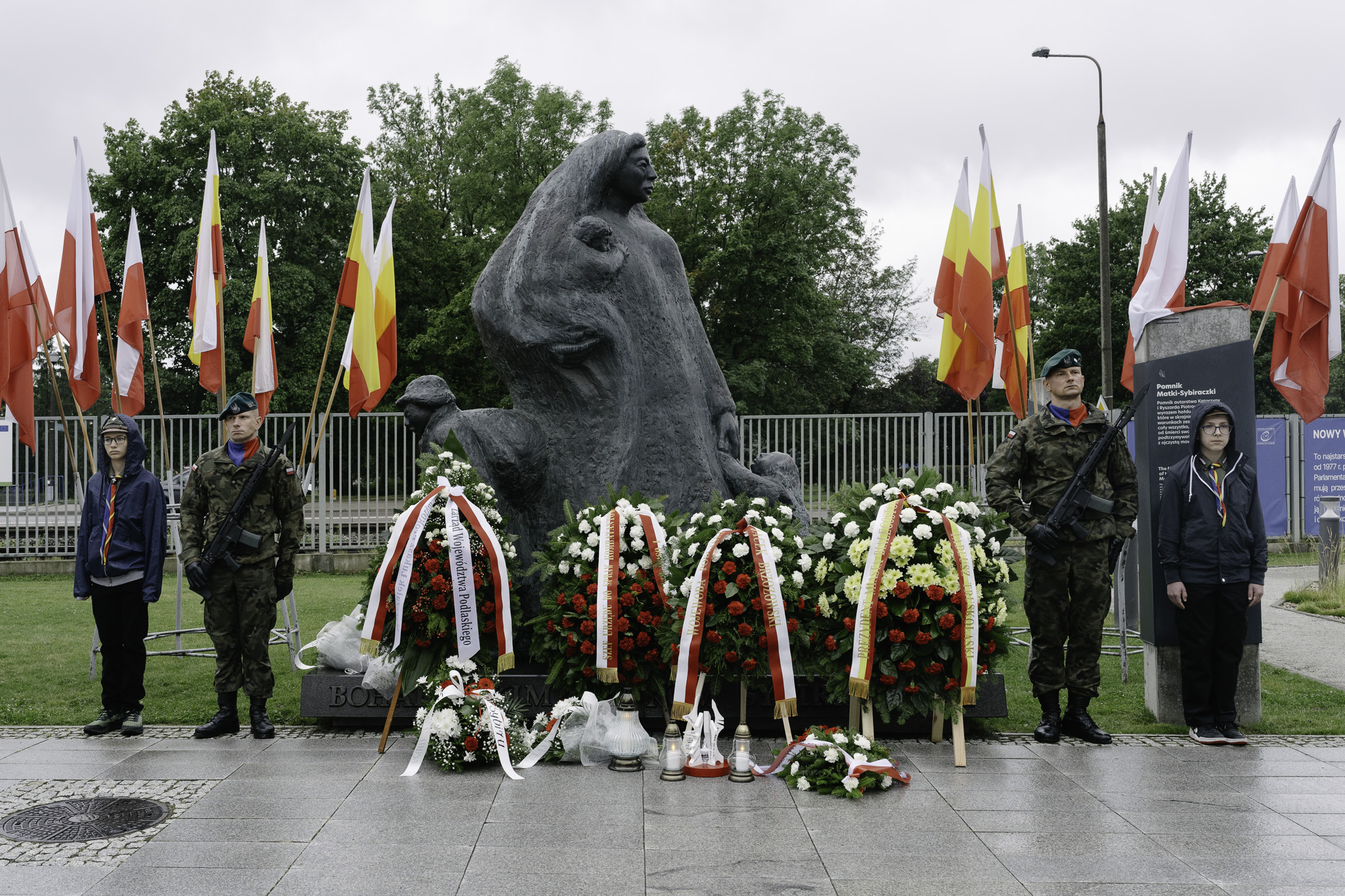
The ceremony at the Monument to the Heroic Mothers of Sybir was also attended by representatives of uniformed services, delegations from public offices and institutions, and — most importantly — veterans, former combatants, and Sybiraks.
“The place where we gather today is a lasting and evocative symbol of the fate of Polish citizens from the eastern territories of the Second Polish Republic. We are near the railway siding of the former Poleski Station. It was from here, between 1940 and 1941, that the Soviet occupiers deported residents of the Białystok region. As the Head of the Office for Veterans and Victims of Oppression, I pay tribute to the victims of these barbaric deportations. I express my deep admiration for our compatriots who, at that time, fought to preserve Polish identity and personal dignity,” said Minister Lech Parell.
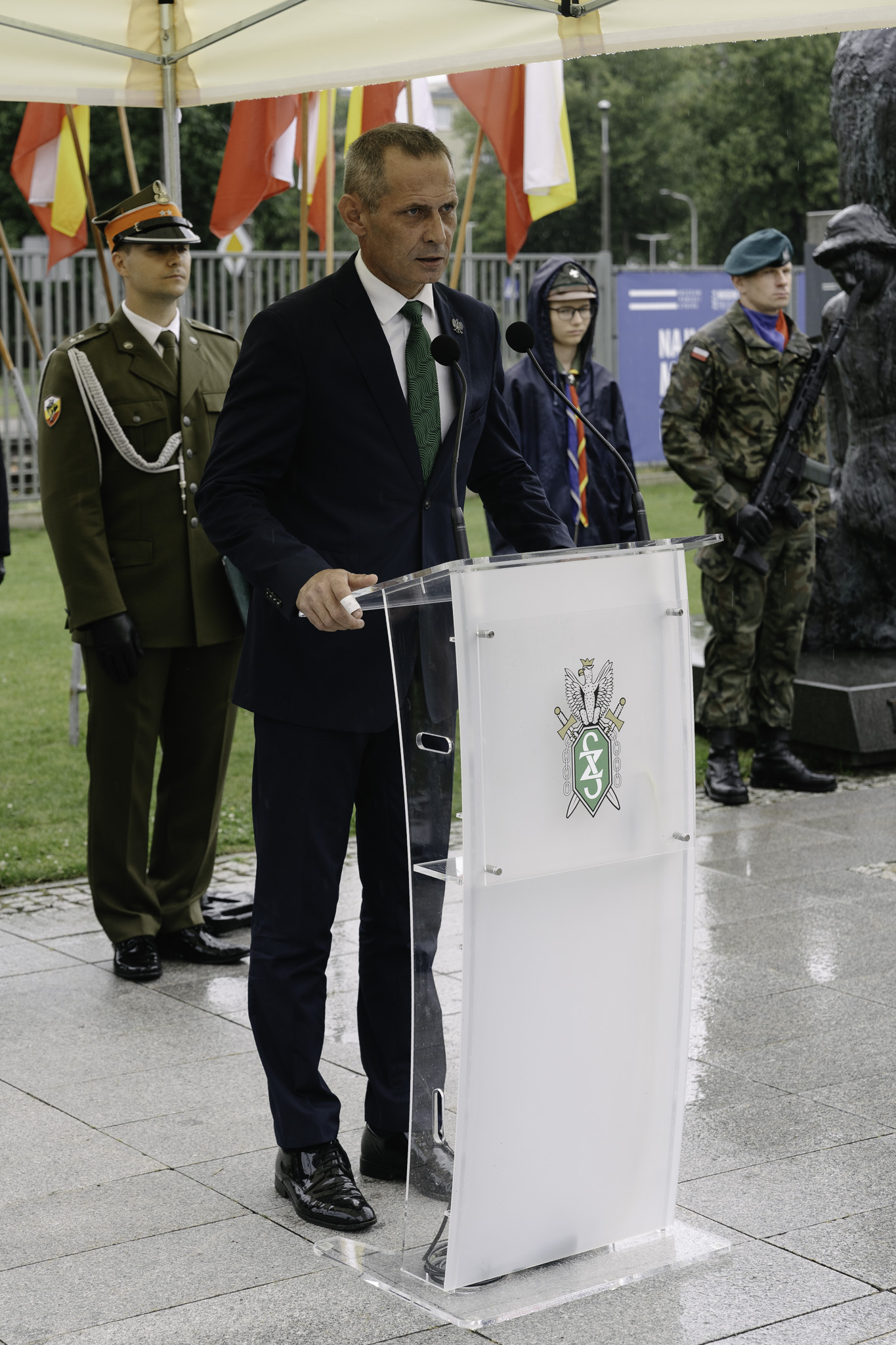
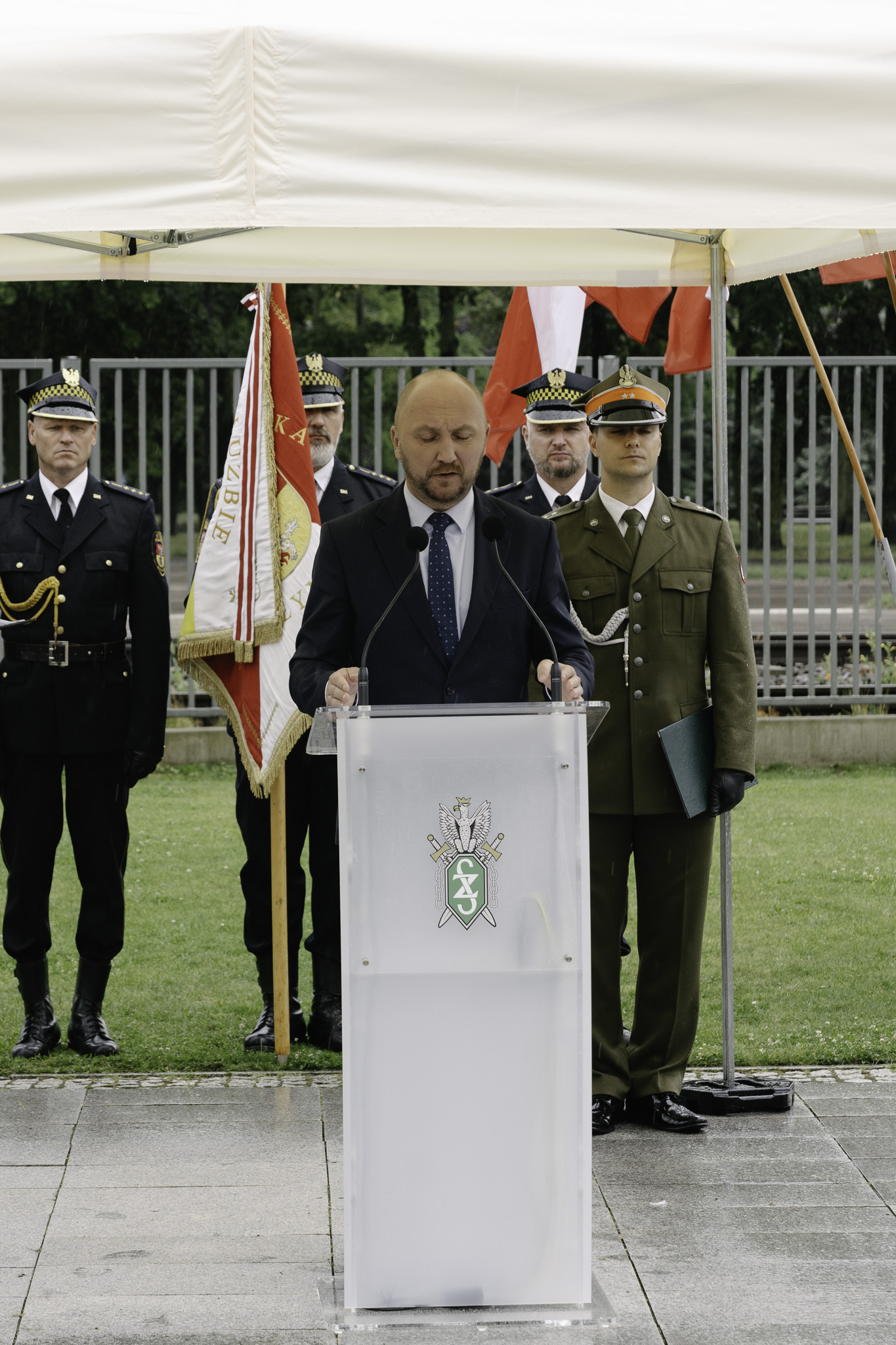
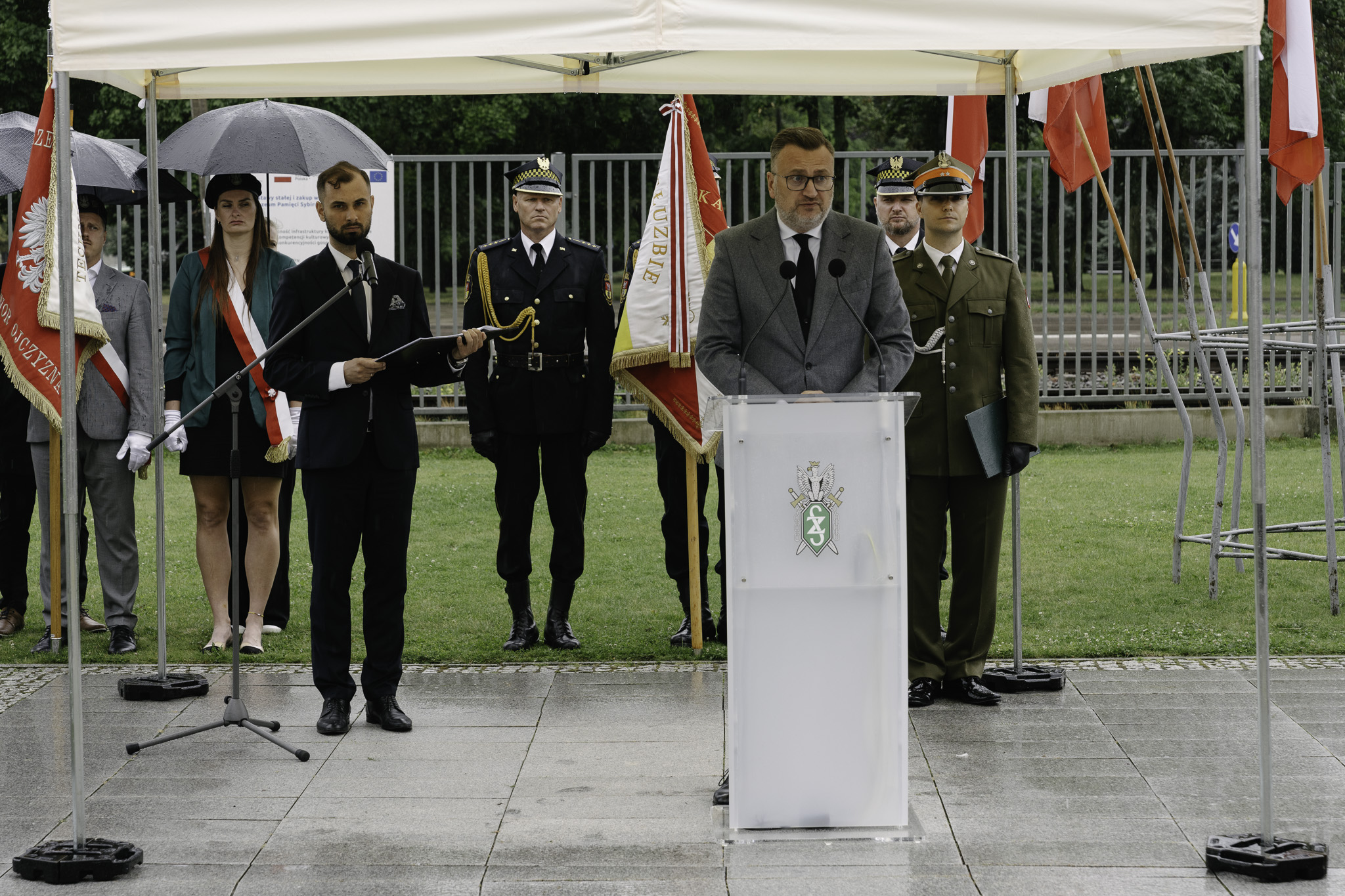
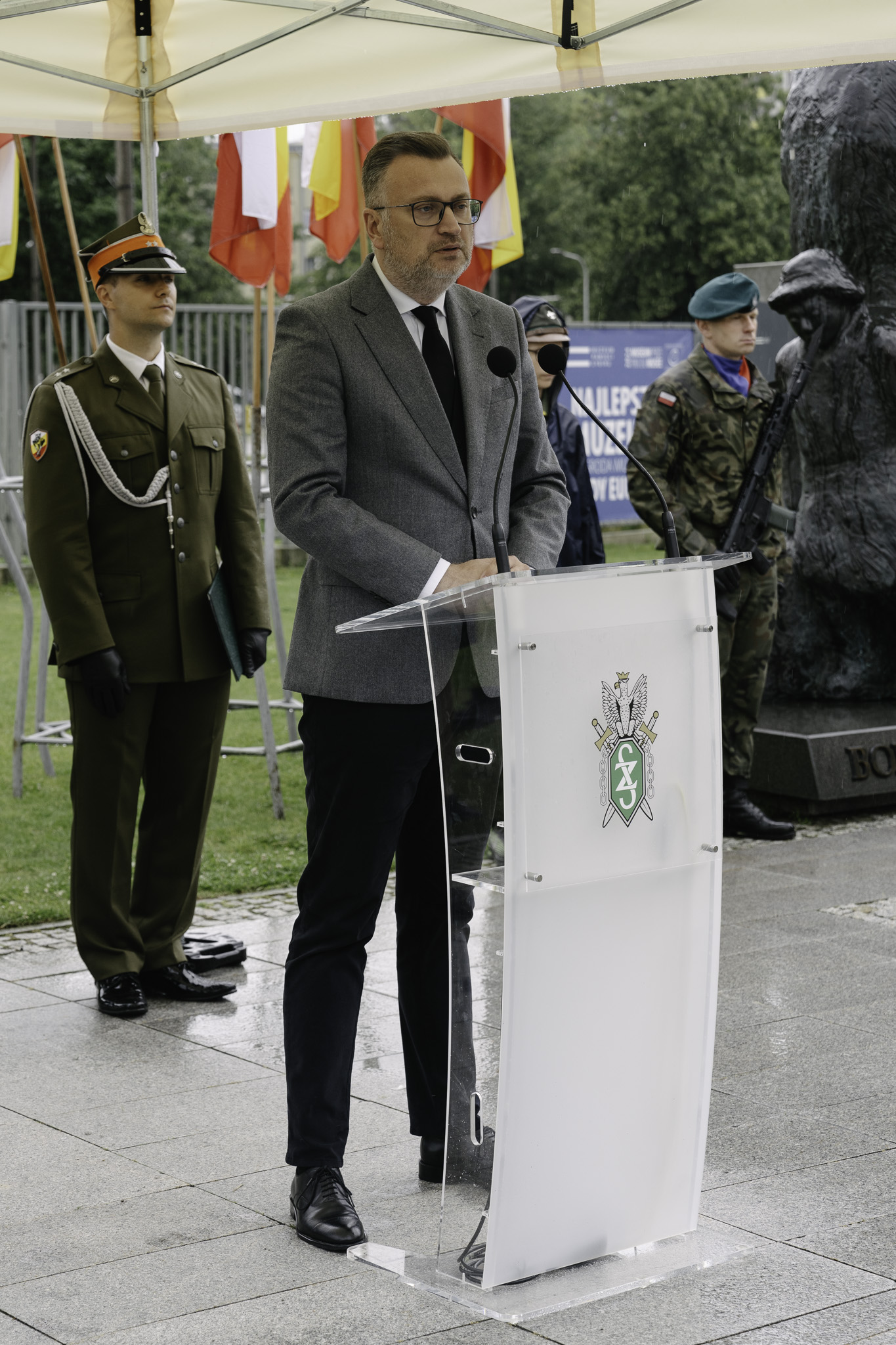
Łukasz Prokorym, Marshal of the Podlaskie Voivodeship, also addressed the audience, pledging continued support for the Siberian community:
“Today’s 85th anniversary of the tragic deportations to Siberia is a moment of deep reflection for all of us — especially here, at the Sybir Memorial Museum, where history speaks louder than words, and the suffering of thousands of our compatriots is deeply felt. Standing today by the Monument to the Heroic Mothers of Sybir, we commit to continuing our efforts to commemorate Poland’s struggle for independence and to support the Siberian community by passing on the truth about Siberia to future generations. The regional government will always support initiatives to preserve the memory of Sybir and its victims. Because Sybir is not just a place — it is a history of suffering, but also of unbreakable spirit. It is the foundation of our identity and moral strength. Dear Sybiraks, this is your legacy.”
Rafał Rudnicki, Deputy Mayor of Białystok, expressed his pride in the existence of the museum:
“Whenever I find myself here during commemorations and events, I feel pride and joy that for almost four years we’ve had the Sybir Memorial Museum in Białystok — a place that can truly be called the home of all Sybiraks. Thanks to your determination and commitment, a museum was created that we Białystok residents are proud of — and I am convinced, so are the people of the entire region, and even all of Poland.”
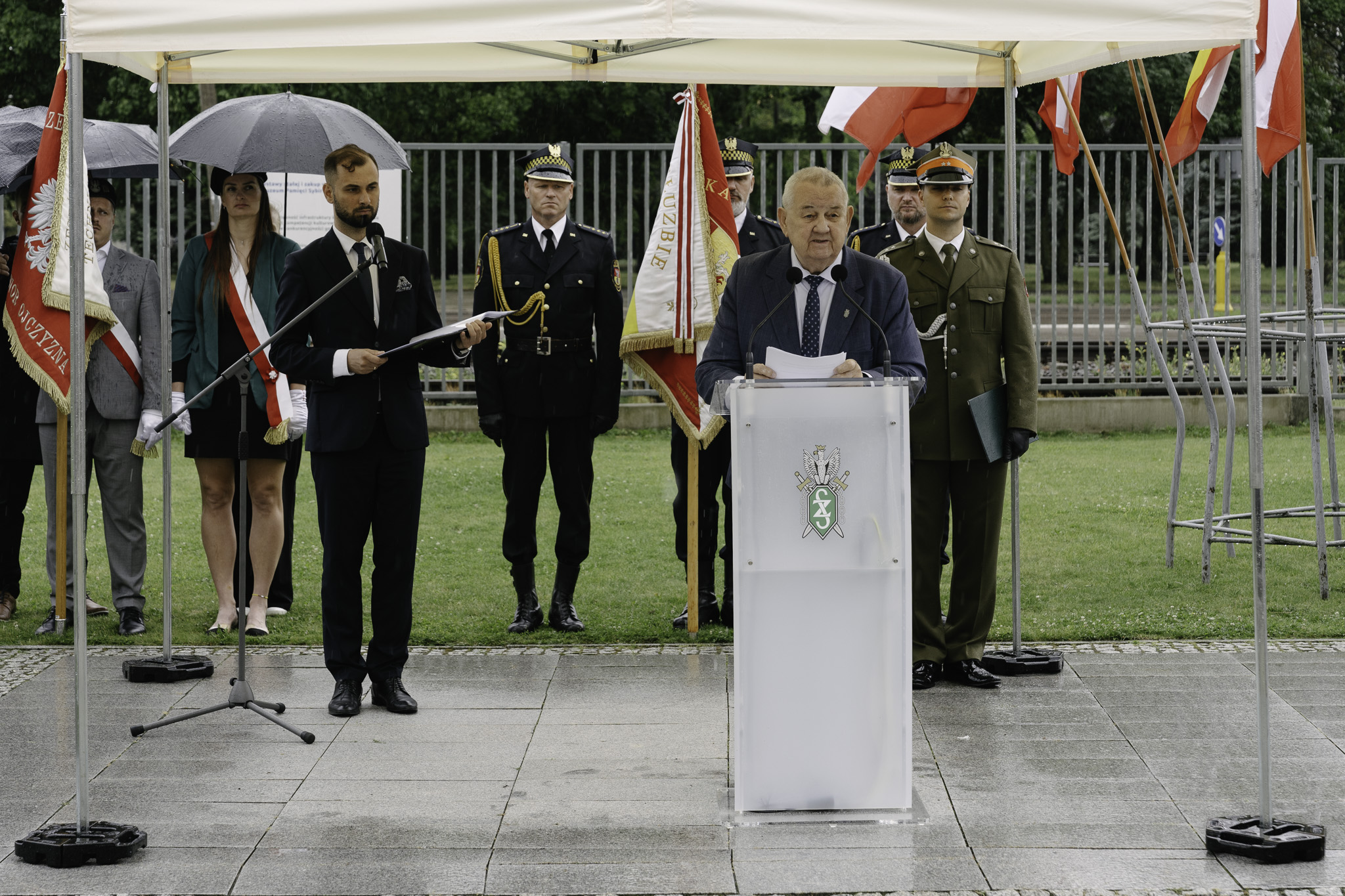
A historical testimony was particularly powerful in the words of the President of the Main Board of the Sybirak Association, Kordian Borejko, who, on behalf of the Sybiraks, called for the preservation of memory:
“Today, 85 years later, we — the last living witnesses of those events — have a sacred duty to pass this truth on to the younger generation. We cannot allow these sacrifices to be forgotten. Especially now, as a similar tragedy is unfolding before our eyes: Russian forces are deporting Ukrainian children deep into Russia, using the same methods we experienced 85 years ago.”
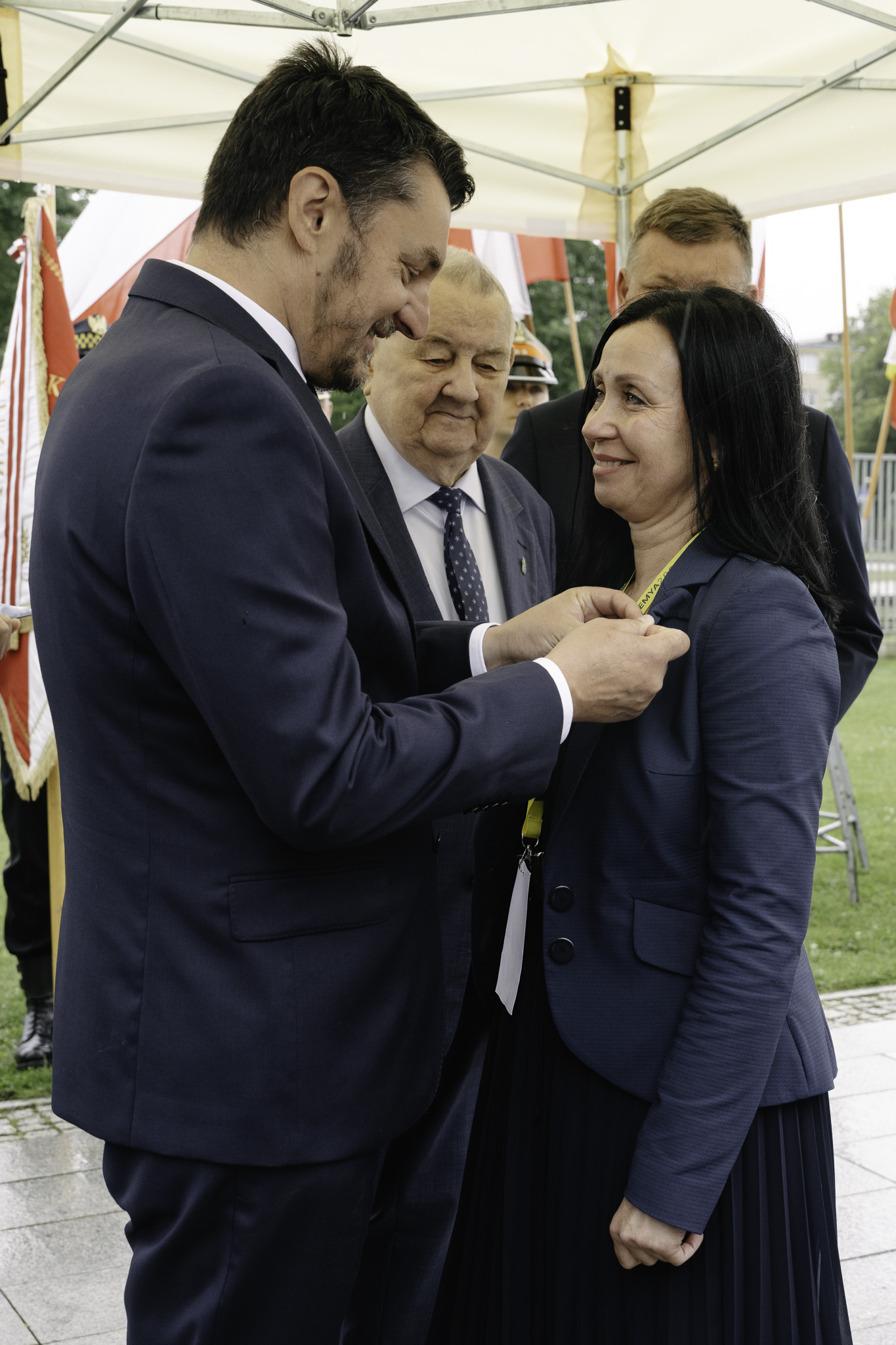
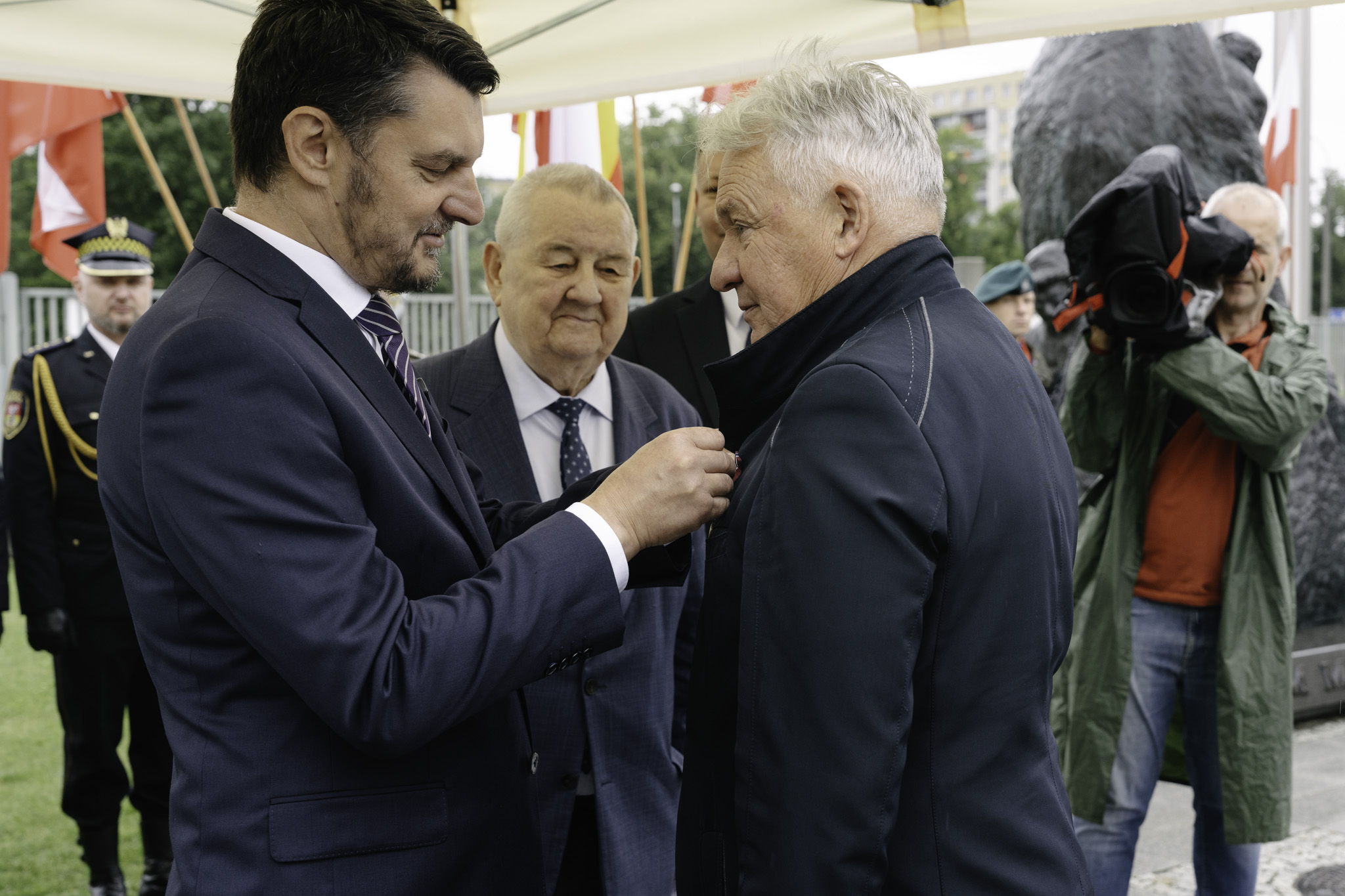
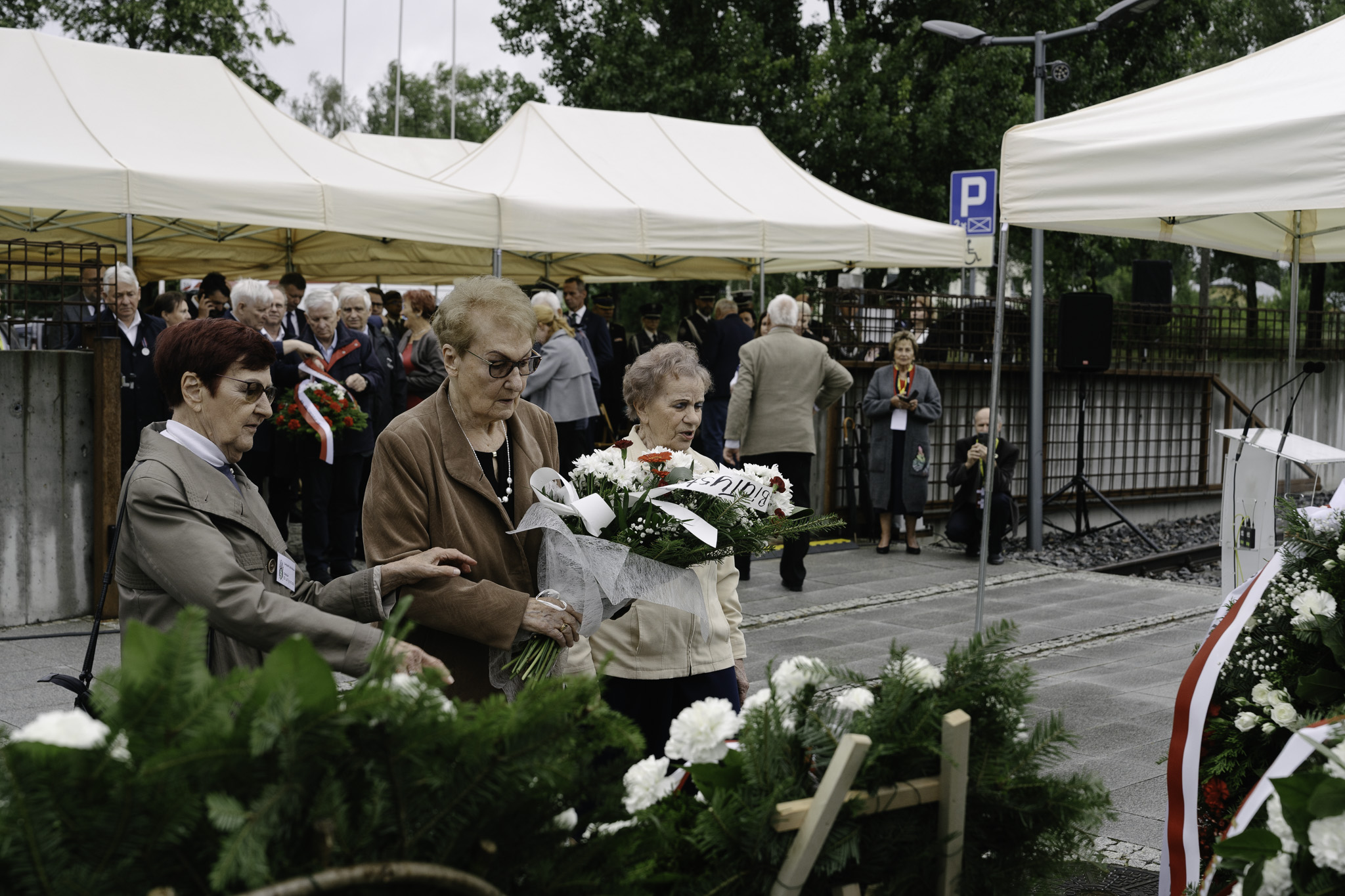
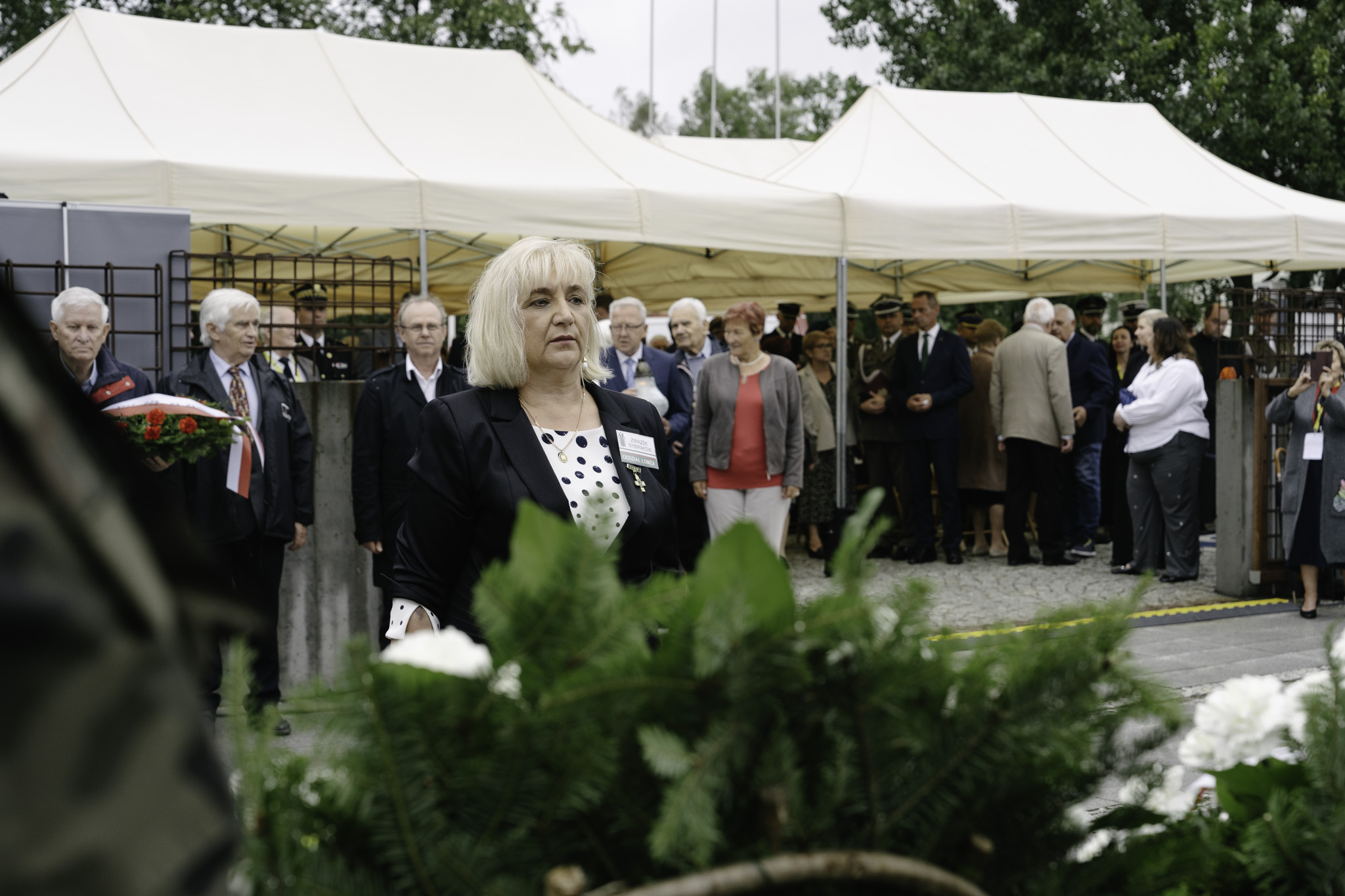
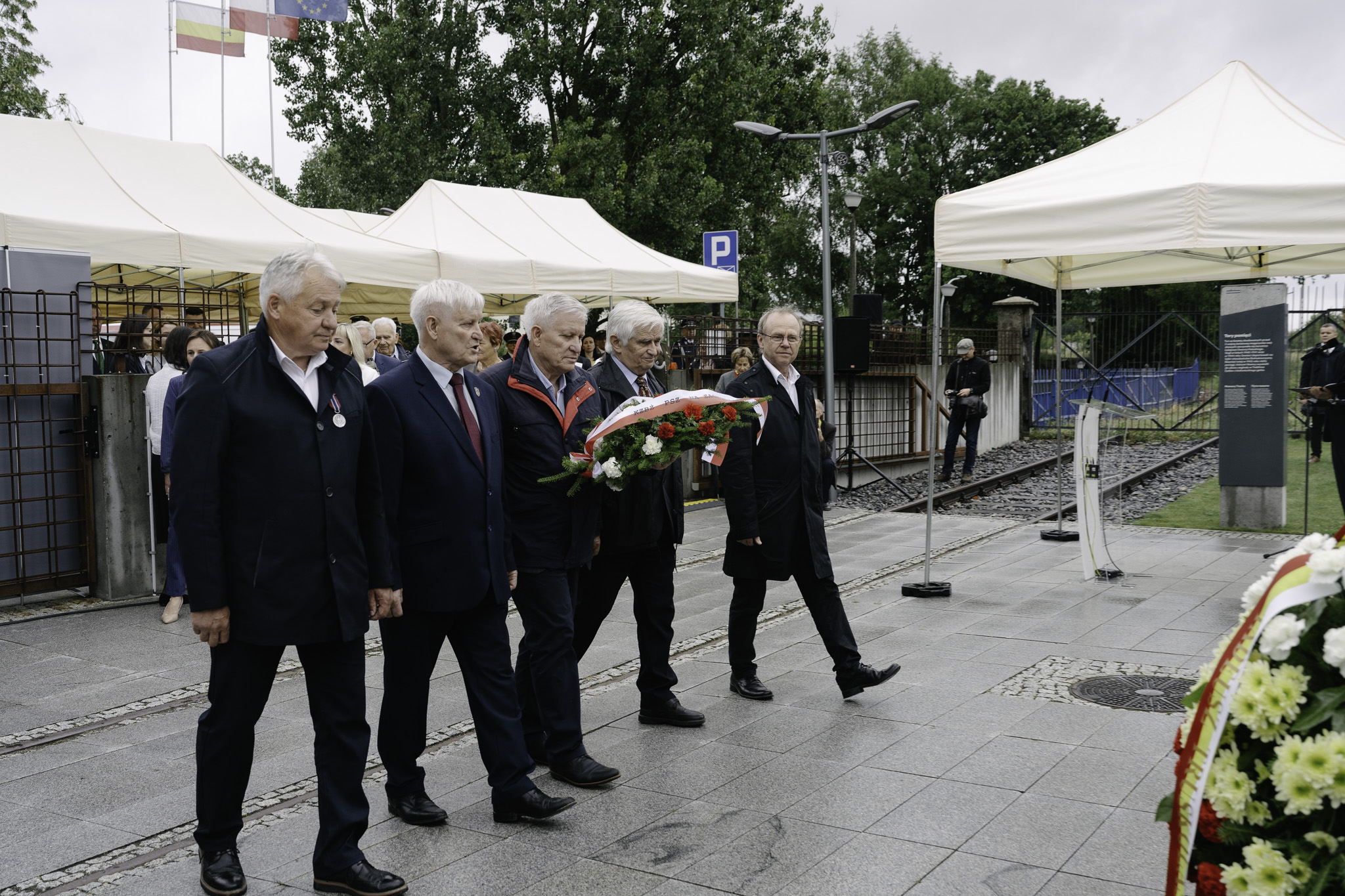
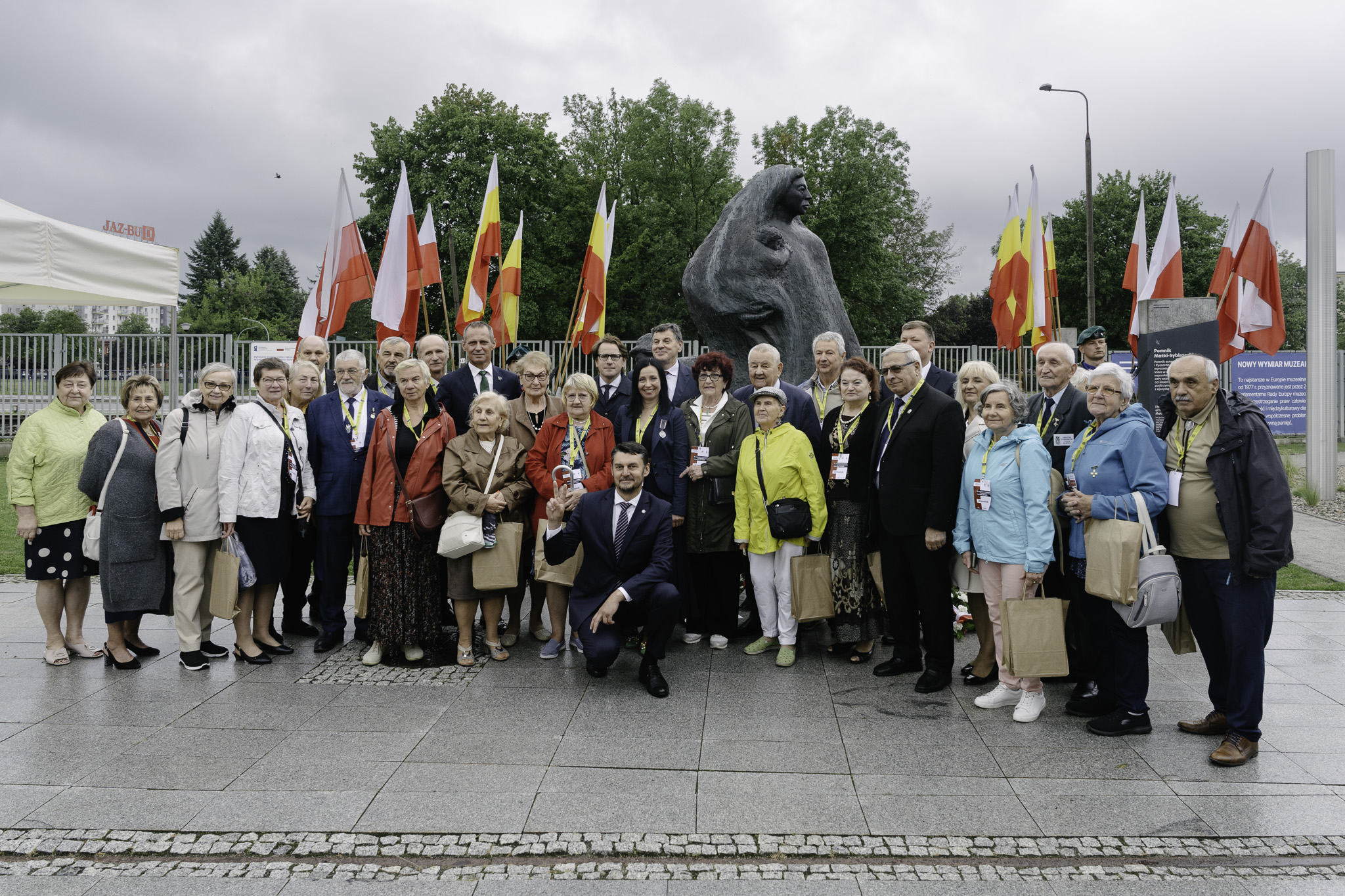
During the ceremony, state decorations were also awarded to individuals who have rendered distinguished service to the Siberian community.