



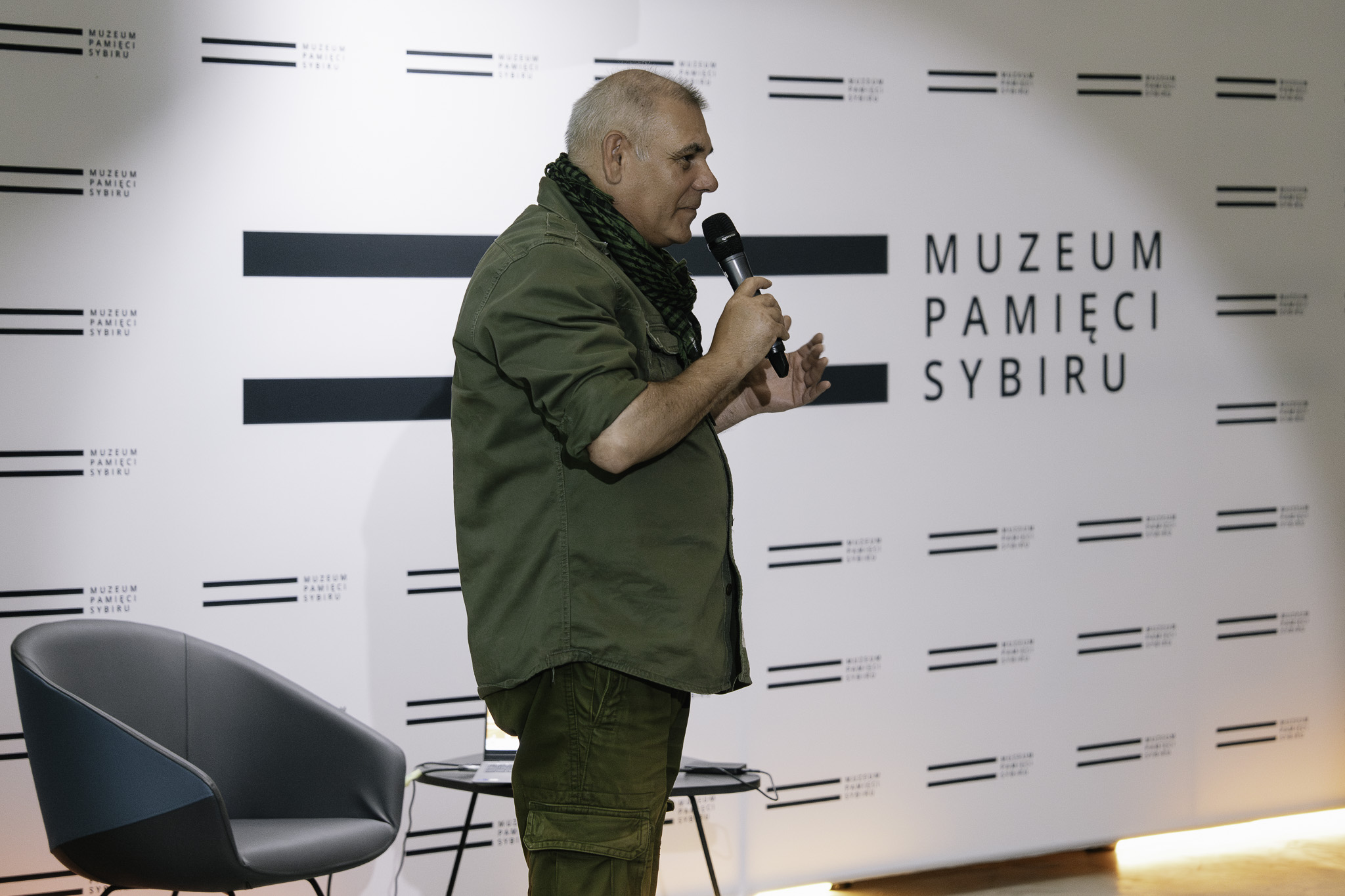
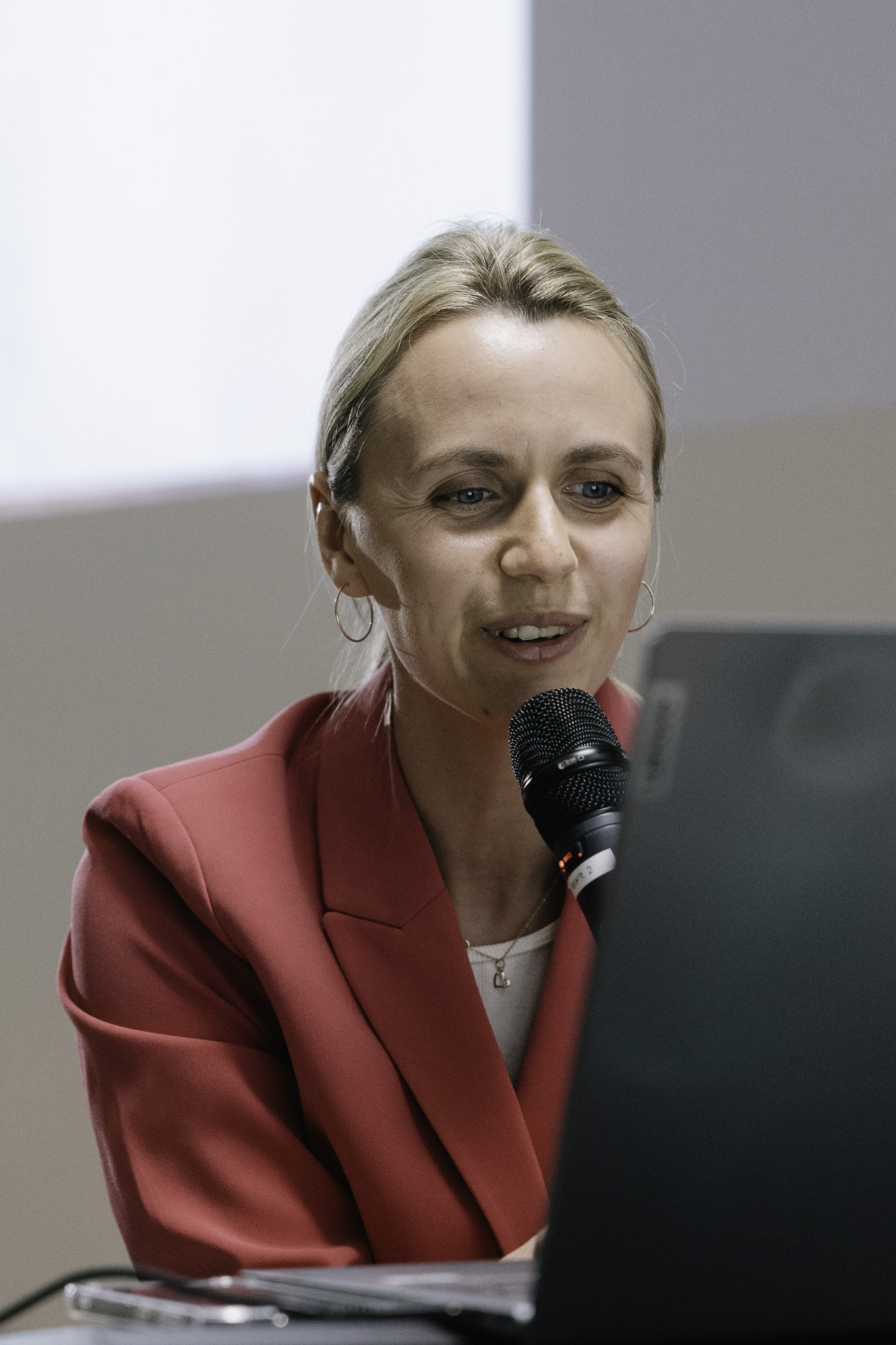
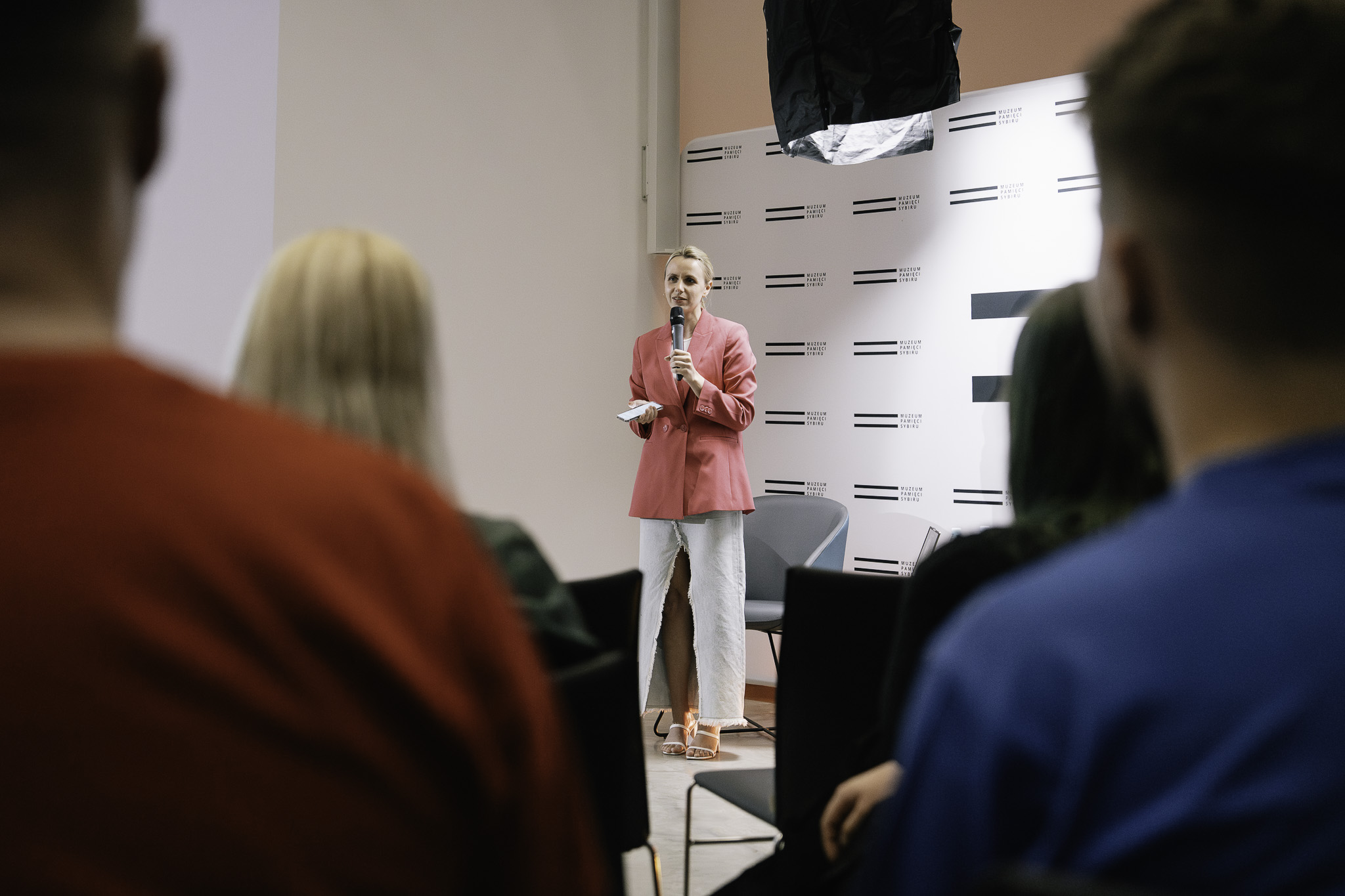
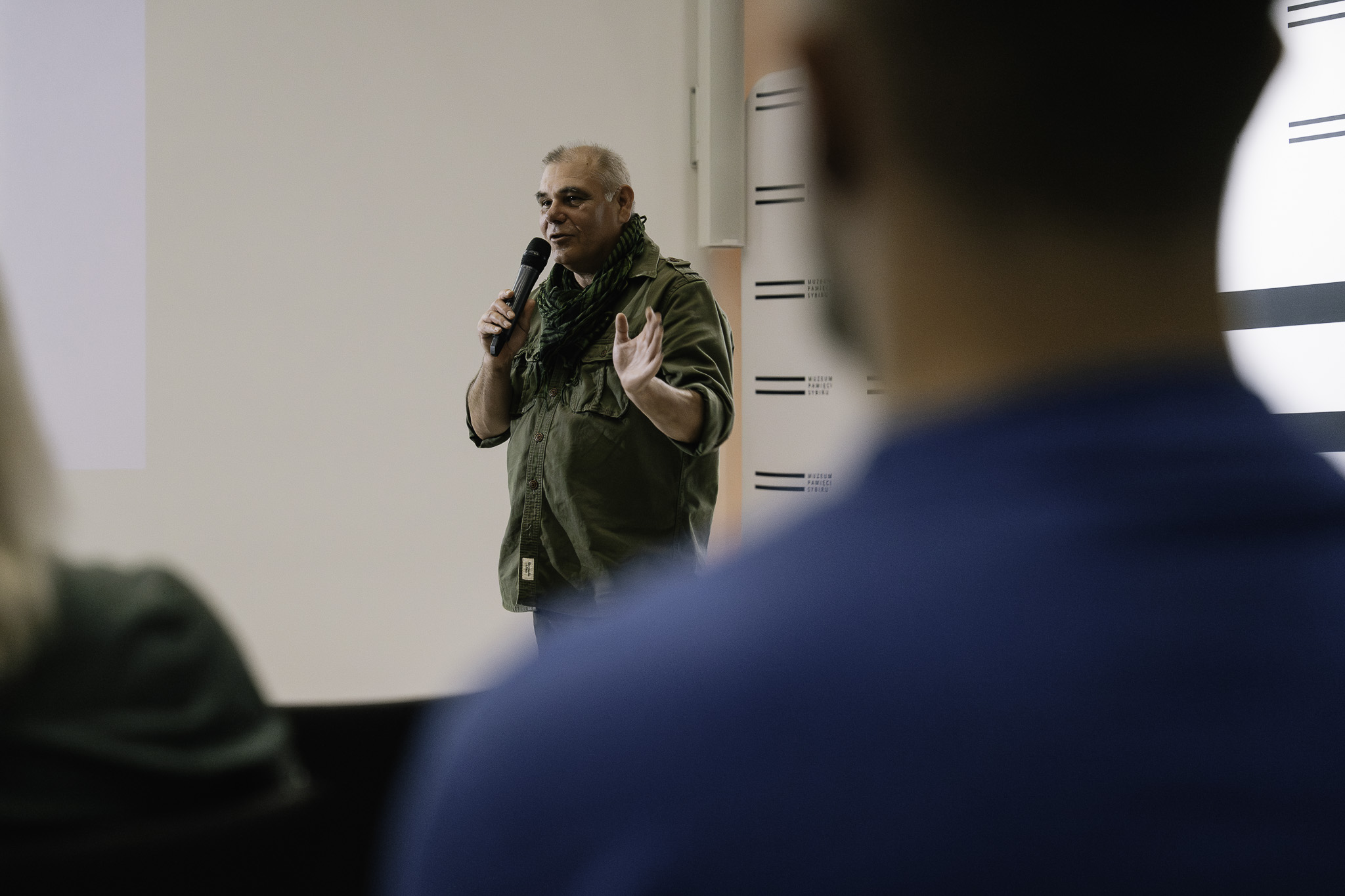
Jastrzębski, a veteran foreign correspondent for Polish Radio who has reported extensively from Russia, was joined by Wiżentas – a native of the Siberian village of Wierszyna and a PhD candidate at Nicolaus Copernicus University in Toruń.
The conversation focused on Wierszyna itself – a village in Siberia where Polish settlers established an enclave of national identity that has remained virtually untouched by time. For more than a century, the community has preserved its language, culture, and traditions, forming a resilient and close-knit society.
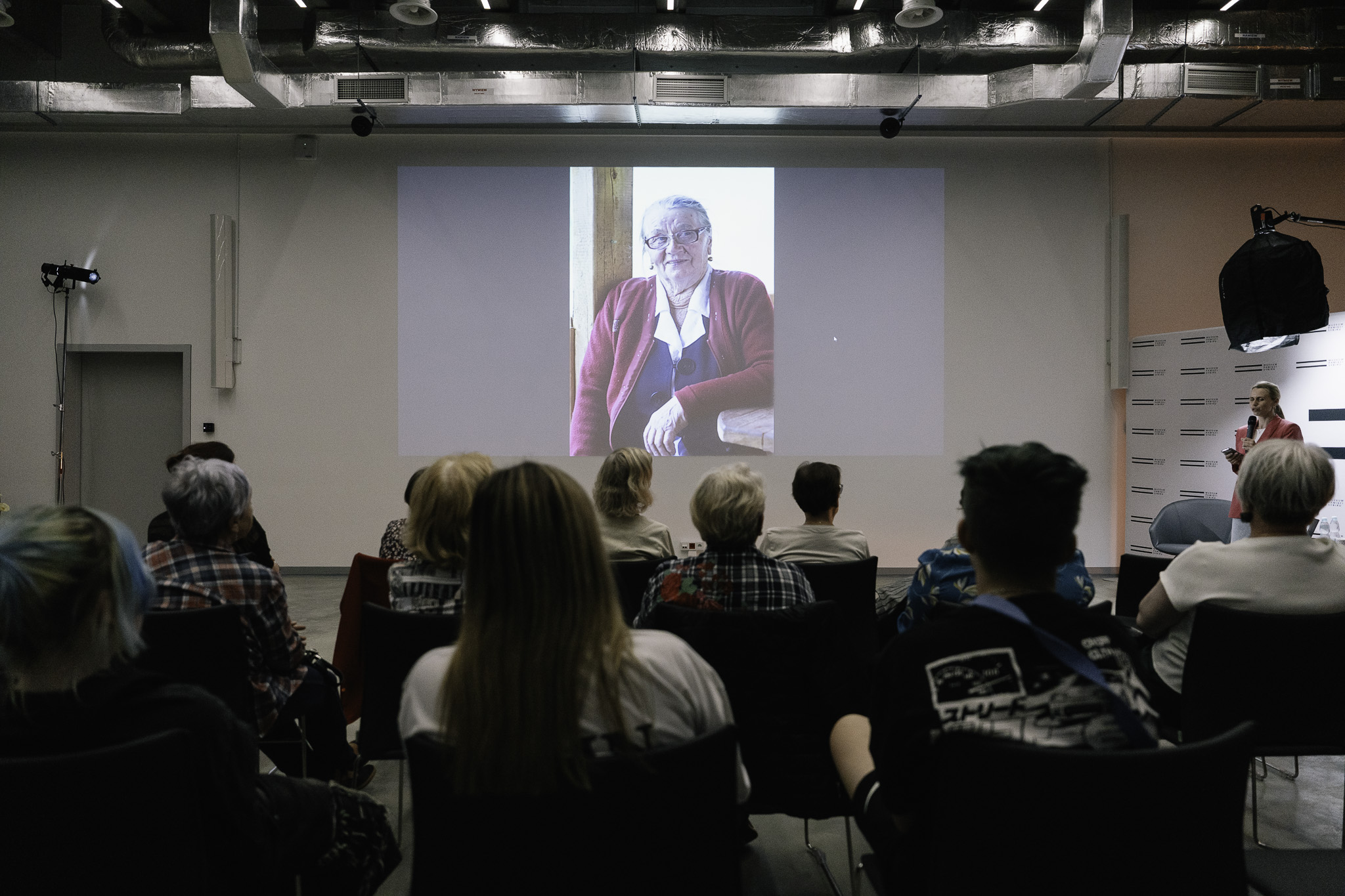
“I arrived in Wierszyna almost by accident, with no real idea of what to expect. I only knew it was something of a legend – a place people began speaking about more openly only in the early 1990s. Meeting Grandma Franciszka – the main subject of my reportage – opened my eyes to the extraordinary history of this village. Franciszka is Ewelina’s great-aunt, and Ewelina, who’s here with me today, also became one of the voices in my story,” said Maciej Jastrzębski.
Wierszyna was founded in 1910 by Polish settlers, most of whom came from the Dąbrowa Basin region, lured by the promise of a better life.
“Authorities promised them land and opportunity – even claiming that ‘bread grew on trees.’ These were often simple, uneducated people, not politically involved. Since they lived under Russian rule, they didn’t technically cross any border. They left Russia… for Russia, in search of a better future,” Jastrzębski explained.
The conditions they encountered were far more difficult than expected. Still, the Poles quickly gained a reputation for being hardworking and resilient, capable of adapting to the harsh Siberian climate. They supported one another and learned survival techniques from local communities – such as the Buryats – who taught them how to endure the winter and cultivate the land. Within just a few decades, Wierszyna’s residents began to rise in both social and economic status.
In the years that followed, even as life stabilized, some villagers dreamed of returning to Poland – but that possibility soon faded.
“First came the revolution, then collectivization and the seizure of property. Then the war – once again, no chance of returning. And after that, deep isolation. For decades, Poles in Siberia had no way to contact their homeland. The borders were closed and tightly guarded,” Jastrzębski noted.
Today, Wierszyna is home to more than 500 people. Remarkably, despite the passage of time, it remains a community where the Polish language is taught and Polish traditions are still practiced. The village has preserved its ethnic identity – mixed marriages are rare, and the culture, language, and customs have survived in near-original form.
For nearly 80 years, the community remained largely unknown to the outside world. Only in the 1990s – as Polish-Russian relations began to improve – did journalists begin visiting Wierszyna. The village became a symbol of the endurance of Polishness under extreme conditions.
Among those who continue to speak Polish and uphold local traditions is Ewelina Wiżentas’s great-aunt, Franciszka.
“Grandma Frania was born in 1932. She completed four years of school in Wierszyna and spent her life working hard – first in a kolkhoz, then in a shop, all while running a household. She still vividly remembers those times and shares her memories with great detail and emotion. When someone visits Wierszyna – whether a journalist, a tourist, or a guest from Poland – everyone says: ‘Go to Grandma Frania, she remembers everything.’ And it’s true – not only does she have an incredible memory, but she’s also wonderfully hospitable,” said Ewelina.
You can listen to Maciej Jastrzębski’s reportage HERE!
We warmly invite you to join us for the next author event at the Sybir Memorial Museum after the summer break.