


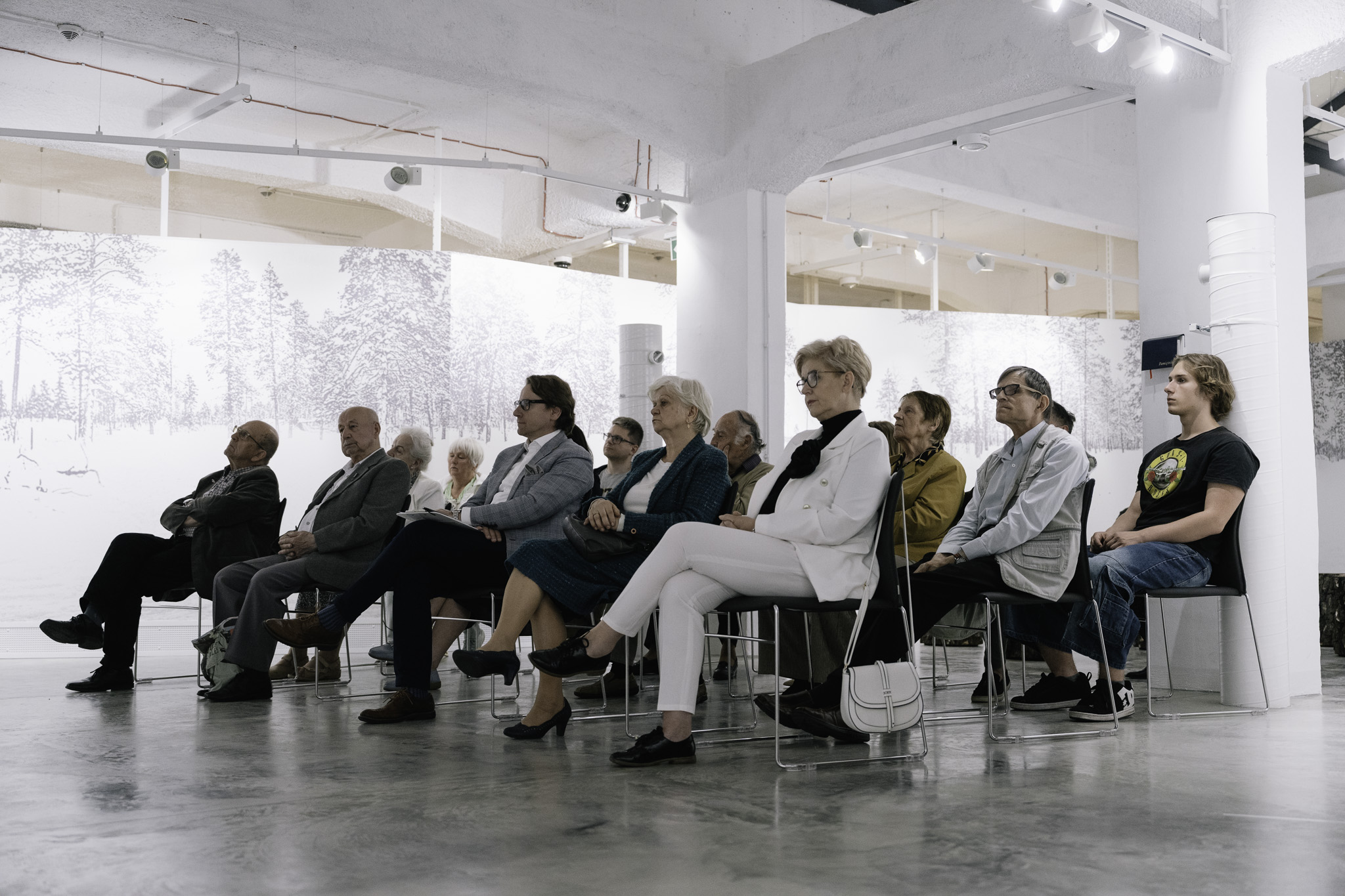
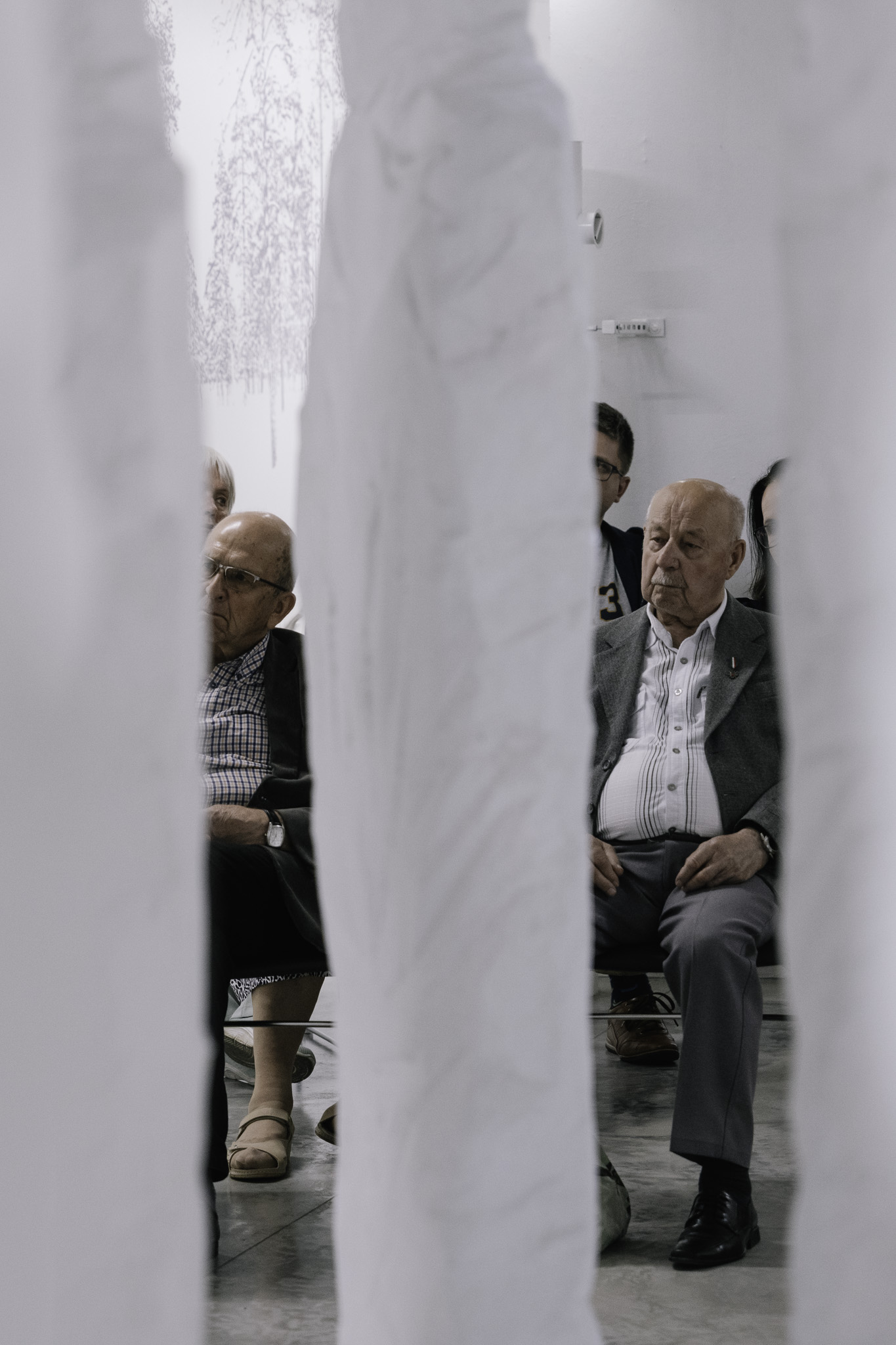
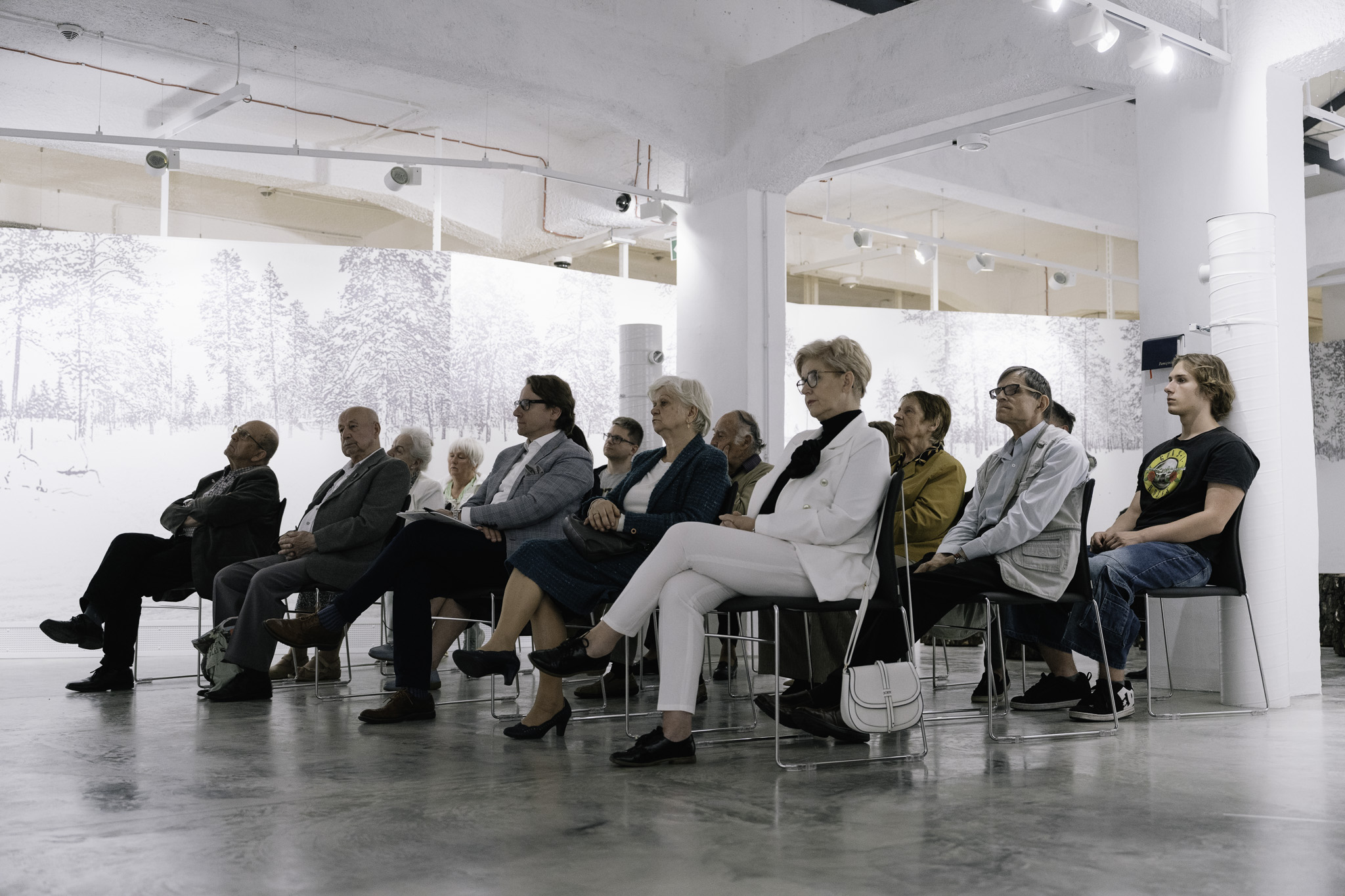
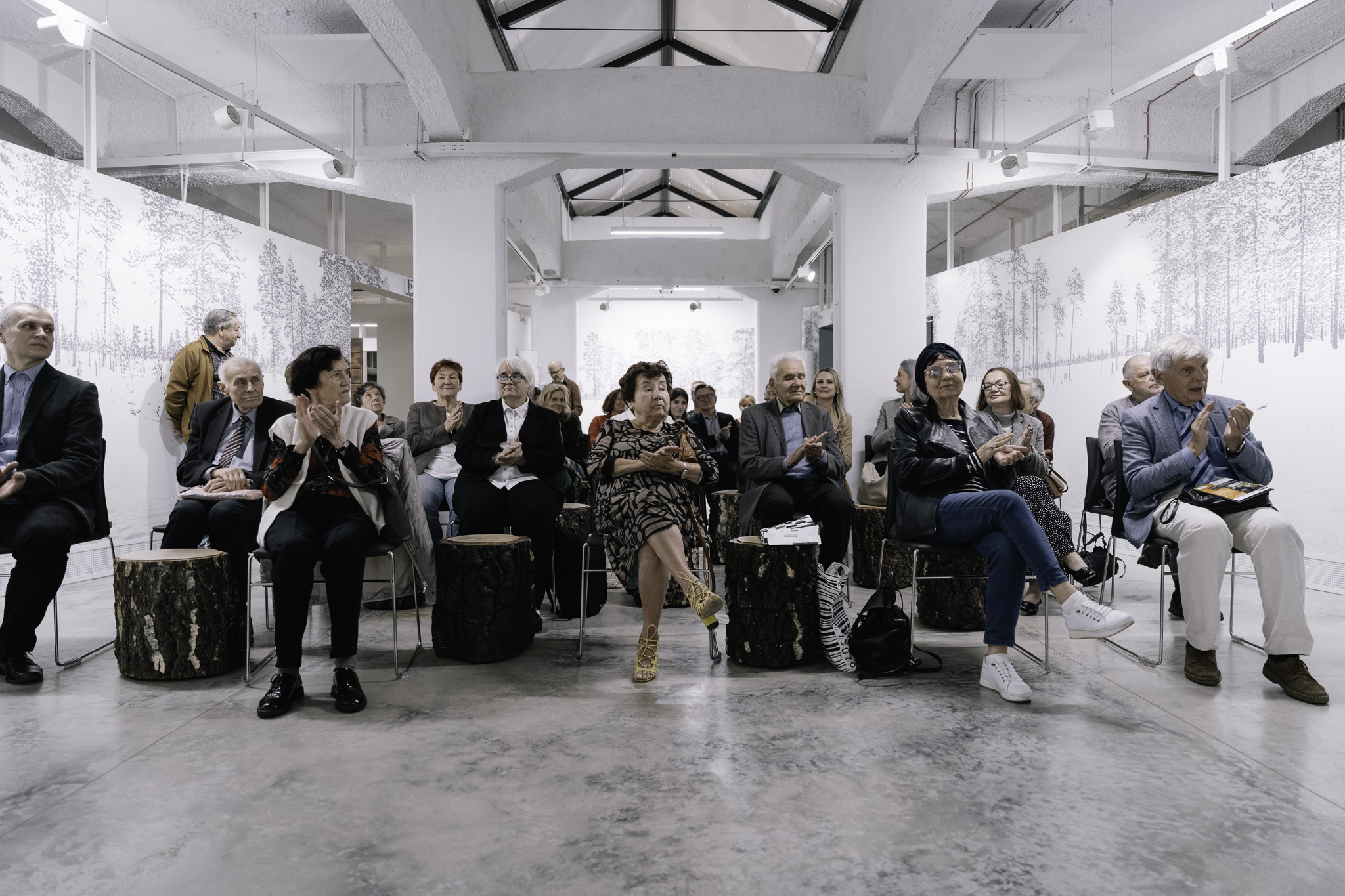
Described as touching, nostalgic, and beautiful, “Siberian Fate” premiered in a setting laden with symbolism. The audience gathered around one of the exhibition’s most evocative installations — white human silhouettes symbolizing those who were exiled.
Produced in collaboration with Polish Radio Białystok and the Sybir Memorial Museum, the broadcast tells the dramatic story of Zbigniew Popławski’s ancestors. Deported to Siberia as a child, Popławski eventually found refuge in New Zealand in 1944, where he lived for the remainder of his life. His family’s history had long been marked by exile — from the January Uprising, through return and re-deportation during World War II, to life in a foreign land.
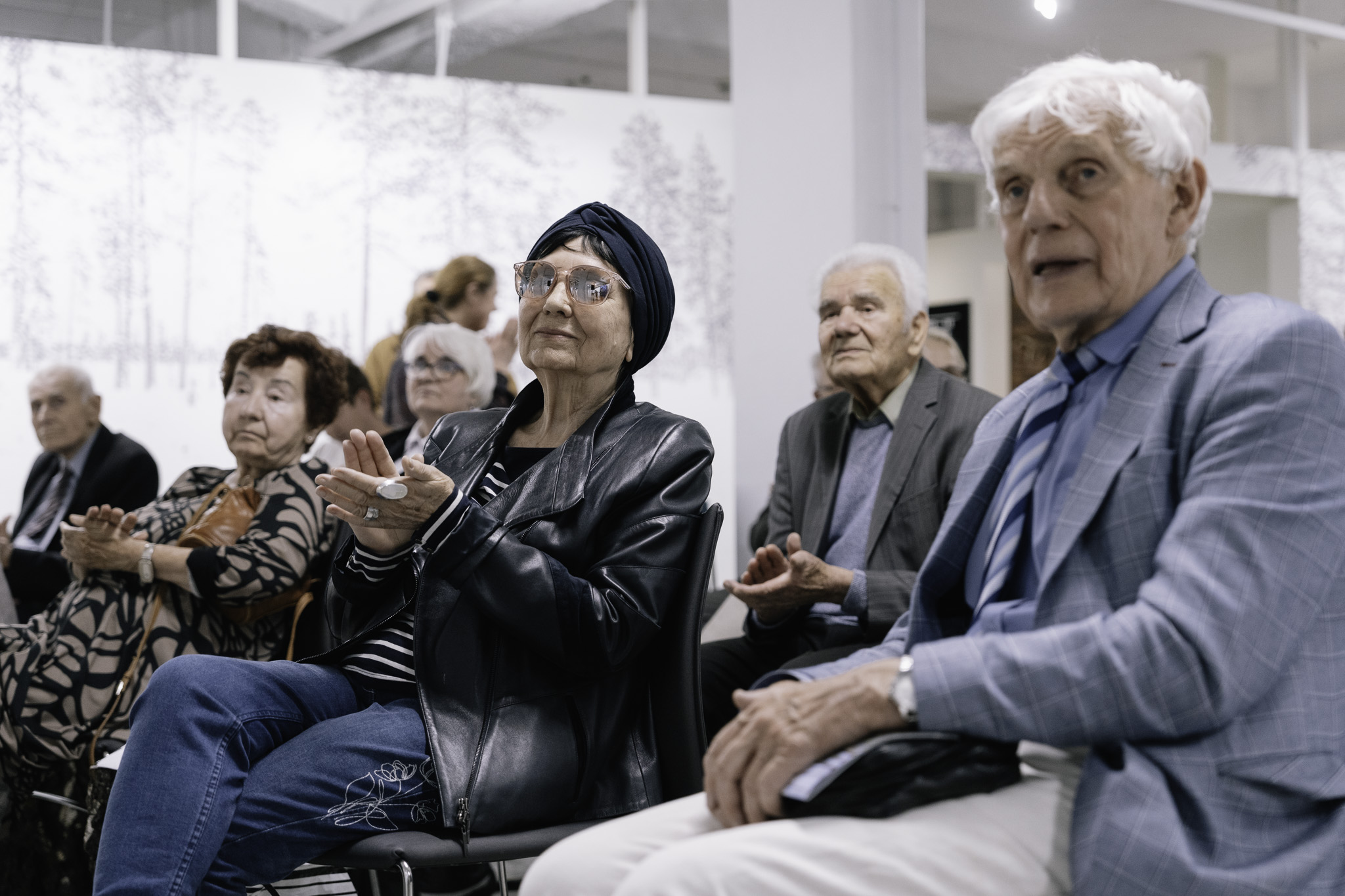
“A beautiful reportage. Someone clearly had a vision and found the right people. What we heard was truly impressive,” said one attendee.
“The sound design was incredible – the waves, for instance. The story was captivating from start to finish,” added another.

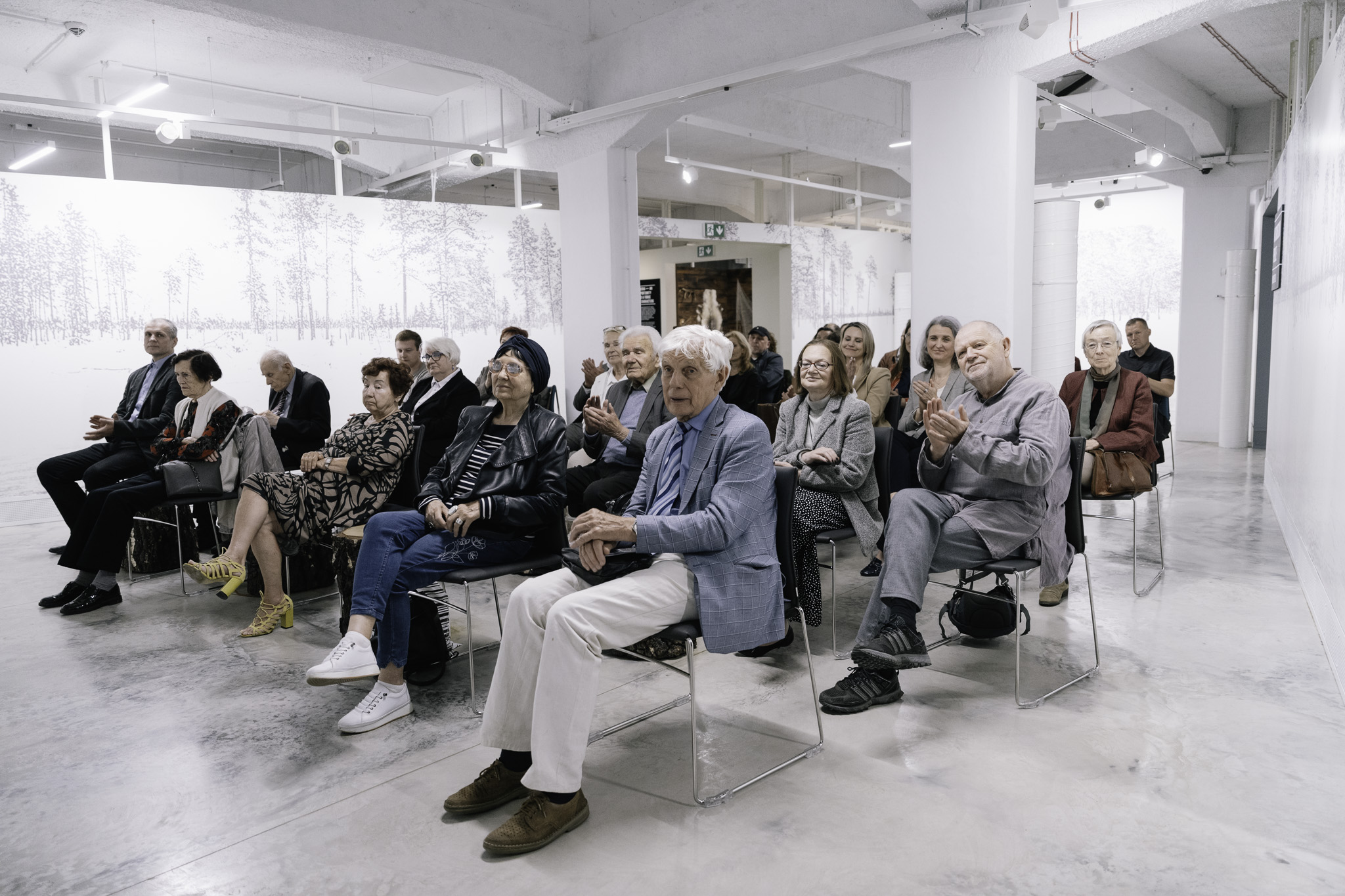
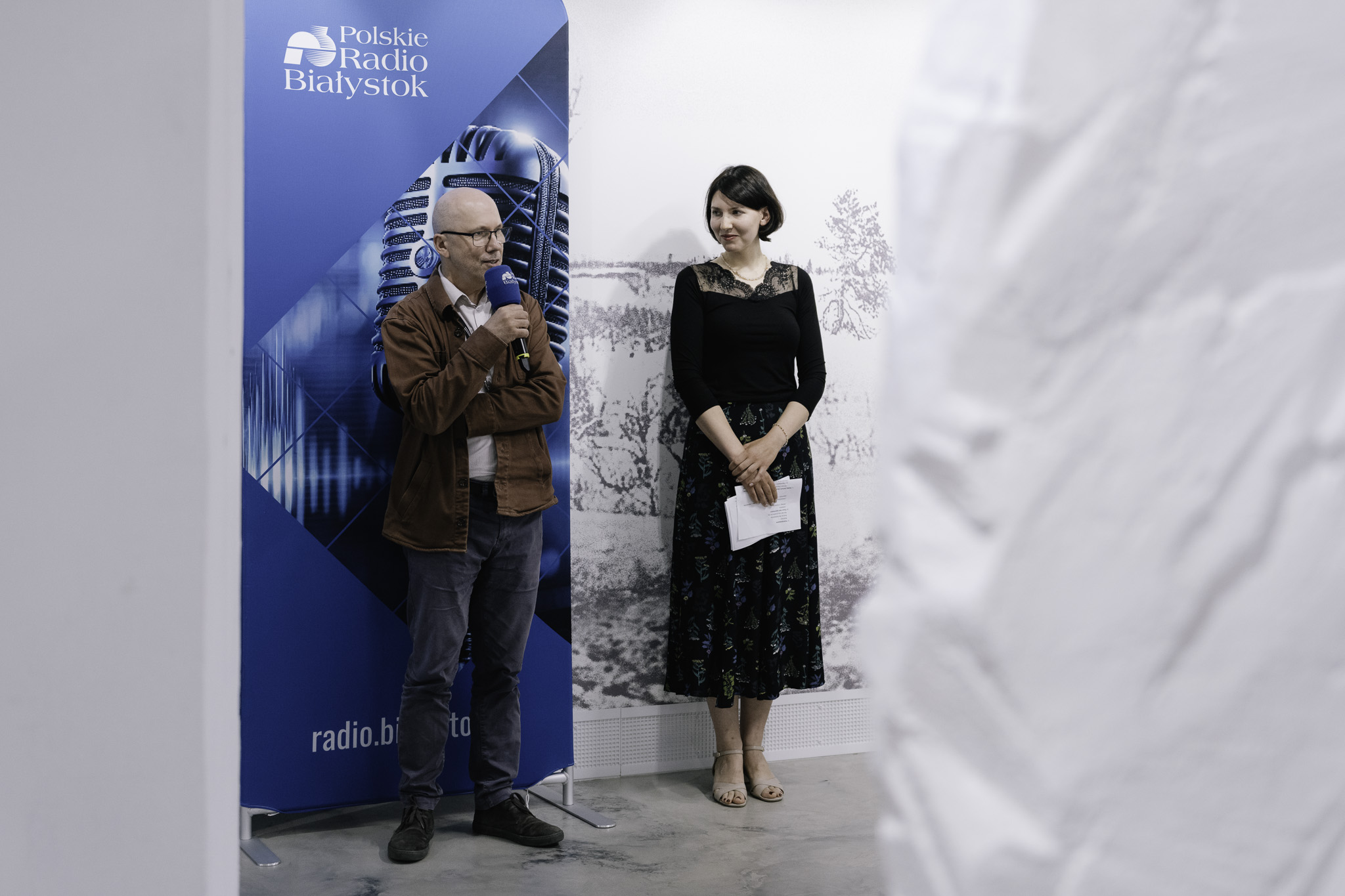
Welcoming the guests, Prof. Wojciech Śleszyński, Director of the Sybir Memorial Museum, remarked:
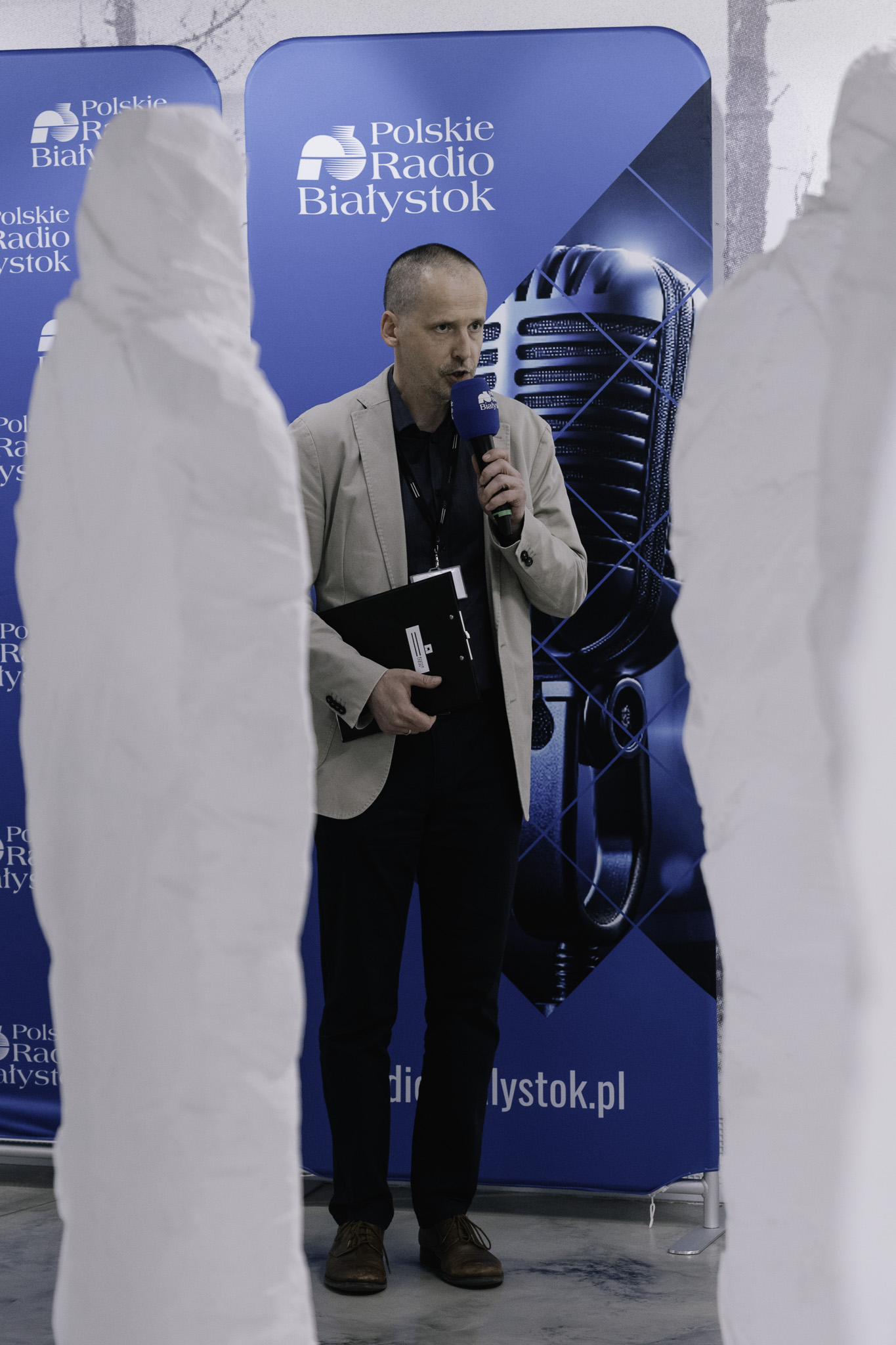
“For the first time, we’ve arranged this space together with Polish Radio Białystok to present a broadcast based on materials gathered as far away as New Zealand. One might ask: how can such a distant country be connected to the Sybir Memorial Museum? As it turns out, it can — because descendants of Siberian deportees live all over the world. During World War II, when Polish soldiers and civilians left the Soviet Union through Iran, the New Zealand government took in more than 700 Polish children.”
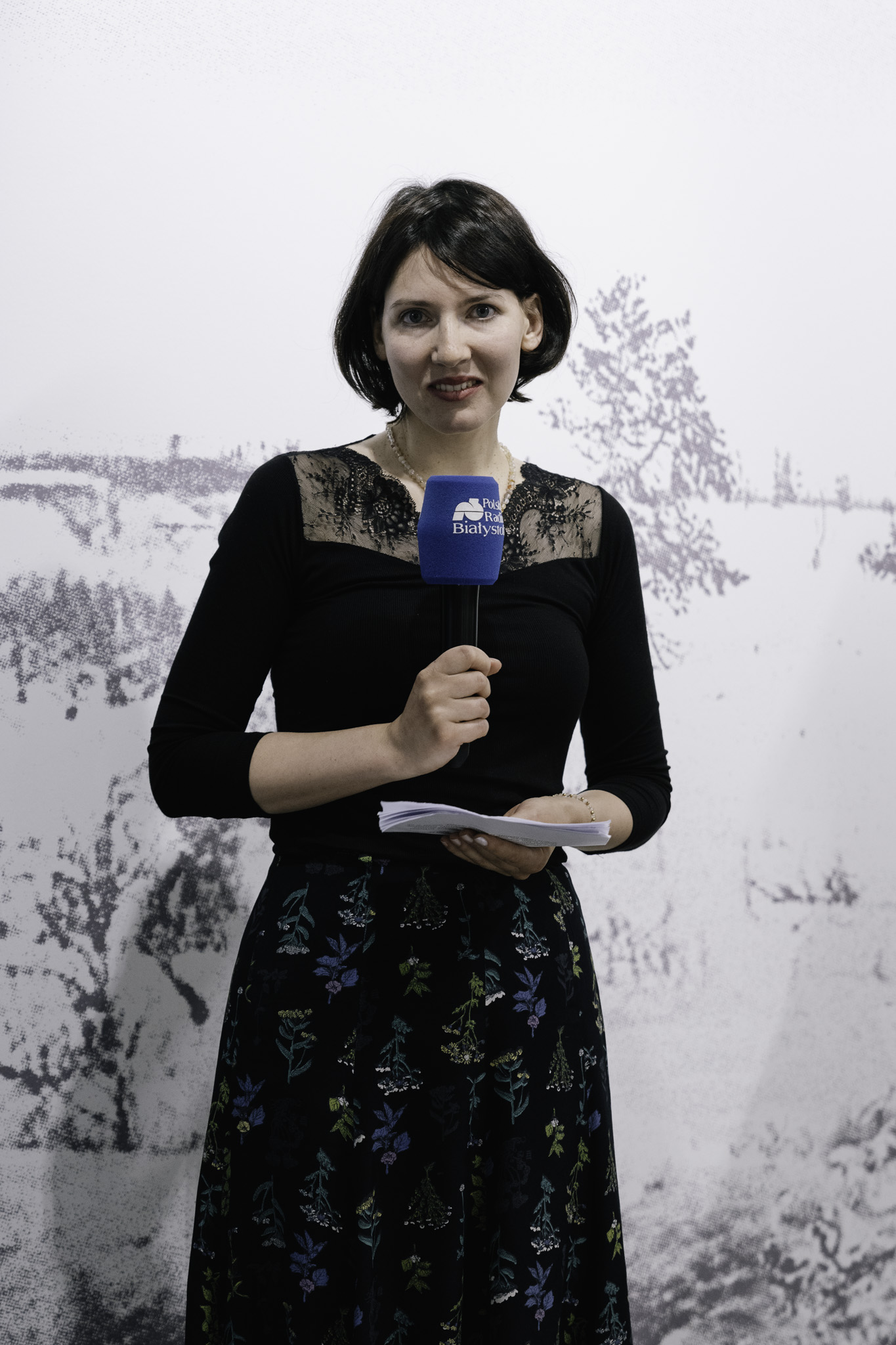
Agnieszka Czarkowska, Head of the Reportage and Documentary Studio at Polish Radio Białystok, emphasized the importance of the partnership:
“I’m very glad the Sybir Memorial Museum asked us to tell this story — it’s what we do best. I’m proud that we could carry out this project together. Siberian Fate is one of several reportages we’ve created as part of this collaboration, and I believe it’s a powerful way to tell history.”
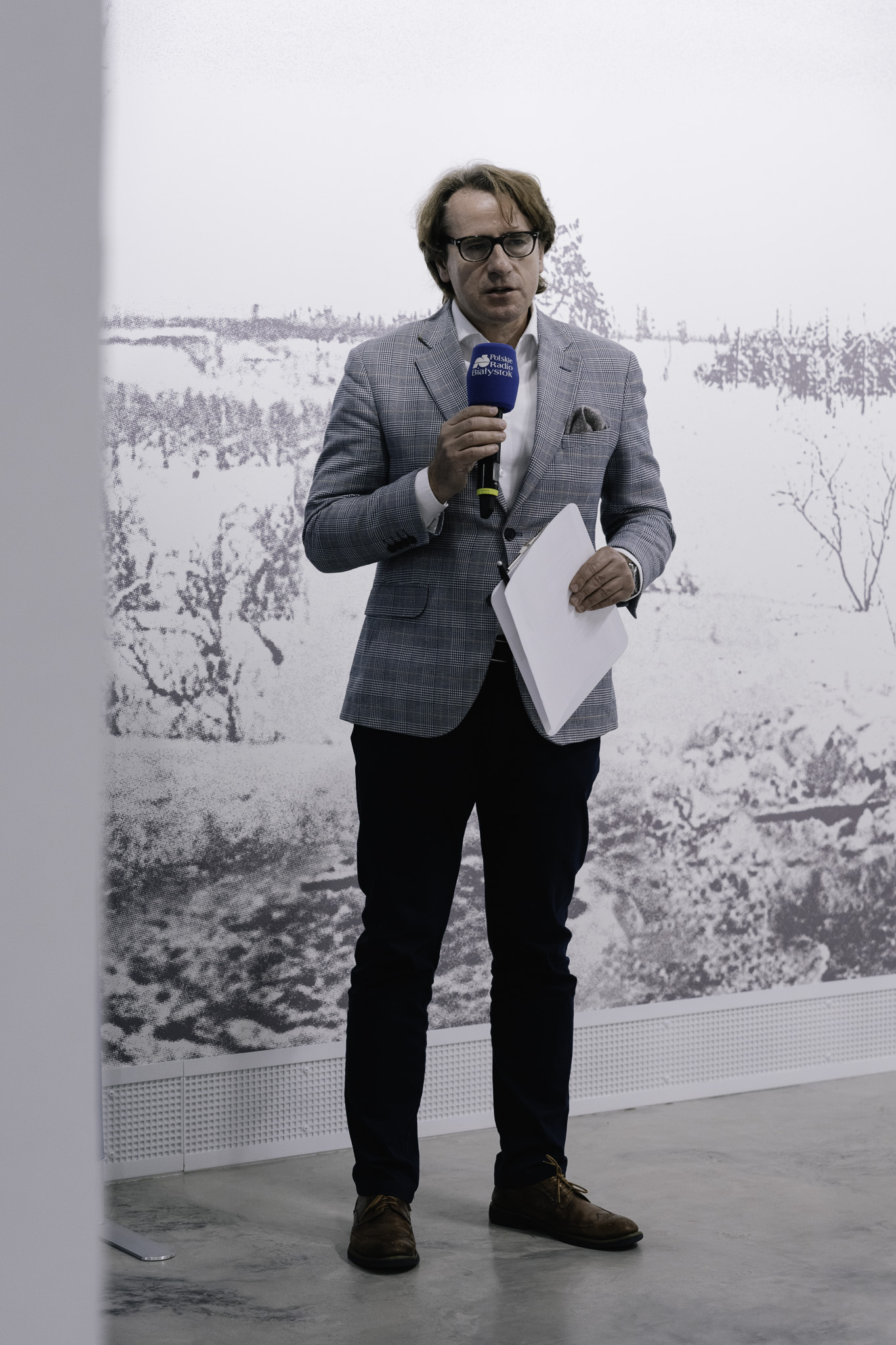
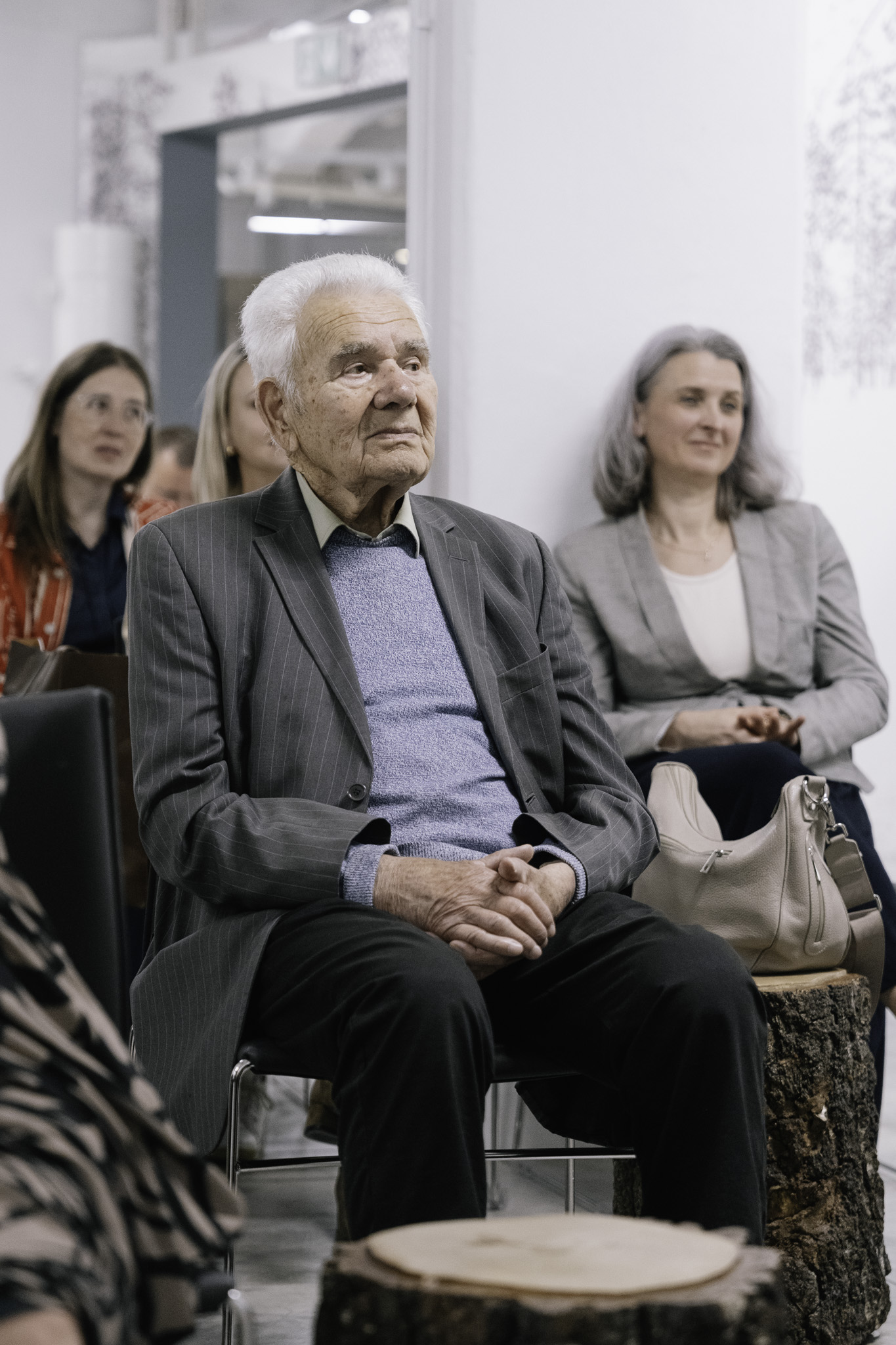
A highlight of the evening was a letter from H.E. Paul Ballantyne, Ambassador of New Zealand to Poland, read by the event’s host, Marcin Zwolski, PhD:
“The Pahiatua Children, as they came to be known, found shelter, kindness, care, and a chance for a safe future in my country. Some returned to Poland, but many — like Mr. Zbigniew, the subject of today’s broadcast — remained in New Zealand. Together with their children, grandchildren, and great-grandchildren, they have helped shape our society and form the heart of New Zealand’s Polish community. Both groups carry in their hearts the memory of two homelands. I am pleased that the story of the Pahiatua Children is becoming more widely known in Poland.”
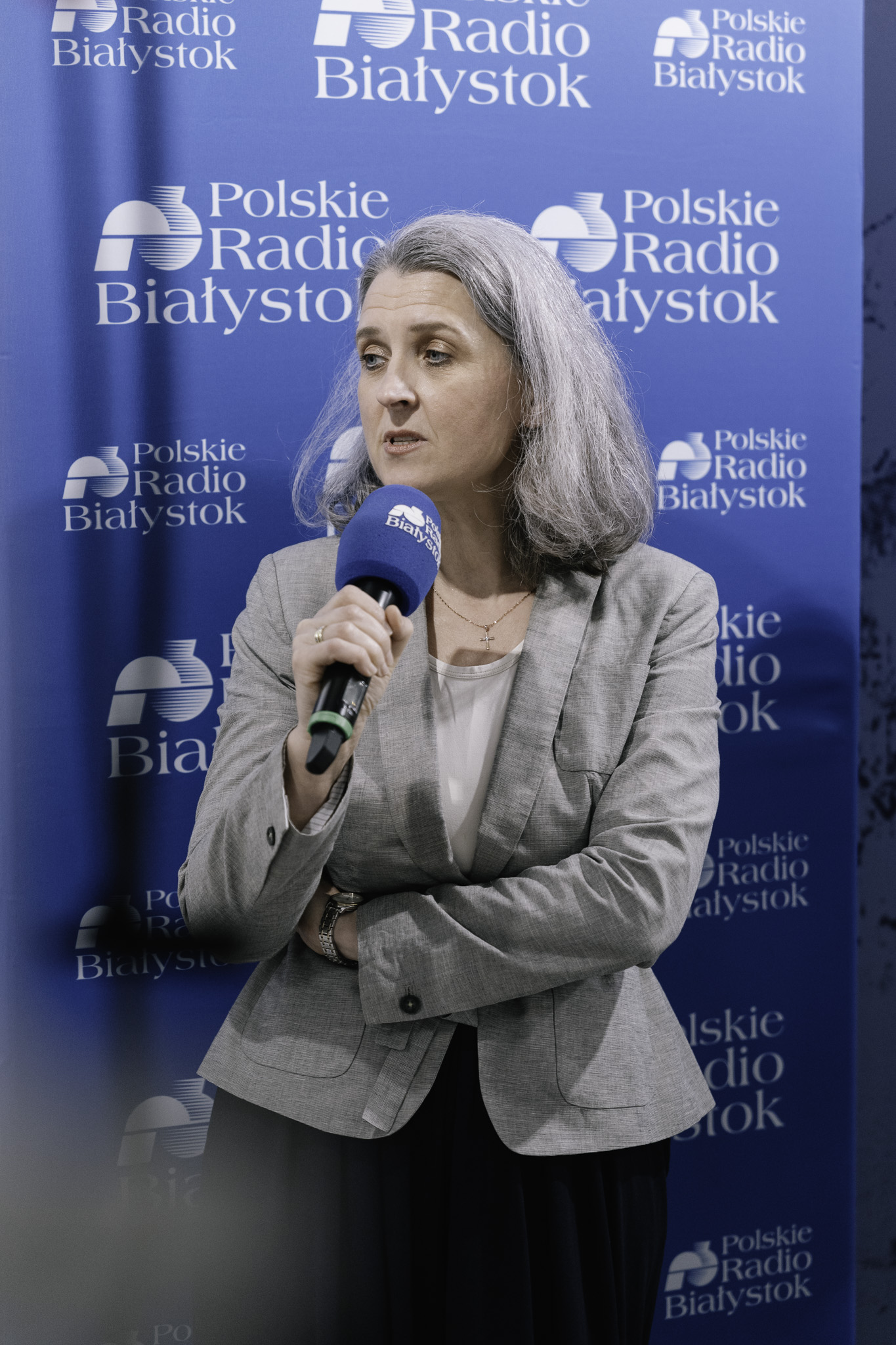
Aleksandra Sadokierska, the author of the piece, reflected on the process of creating it:
“This story wasn’t easy to tell. Two of my three protagonists have passed away, so I was looking for a key, a bridge between the present and the past. With an invaluable help came to me Tomasz Danilecki, PhD – in the reportage he’s not only a historian, but also a guide through the story. On his journey to New Zealand, he recorded authentic sounds, like the ocean waves heard at the end of the program. While working on the material, I had the opportunity to meet Zbigniew Popławski’s half-sister, who shared her personal, moving memories with me – they allowed me to truly enter the story of my protagonist.”
“It was a very difficult reportage. We traveled through eras and continents, moved between different languages. My hat’s off to Ola, who did tremendous, incredibly challenging work. The result is an authentic reportage. The voices and sounds – like ocean waves or footsteps – are recordings of real moments. I want to thank you for listening so attentively. A reportage lives only when it has an audience,” added Tomasz Danilecki, PhD from the Sybir Memorial Museum.
”Siberian Fate” is a moving journey through different eras and continents. In a single recording, the voices of family members living in various countries and speaking different languages are captured. What connects them is a shared history – beautifully told.
The premiere of the reportage will take place on June 15, 2025, at 6:05 p.m. on the radio Polish Radio Białystok. At the same time, the reportage will also be published on the websites: https://swiatsybiru.pl/en/ and www.radio.bialystok.pl