



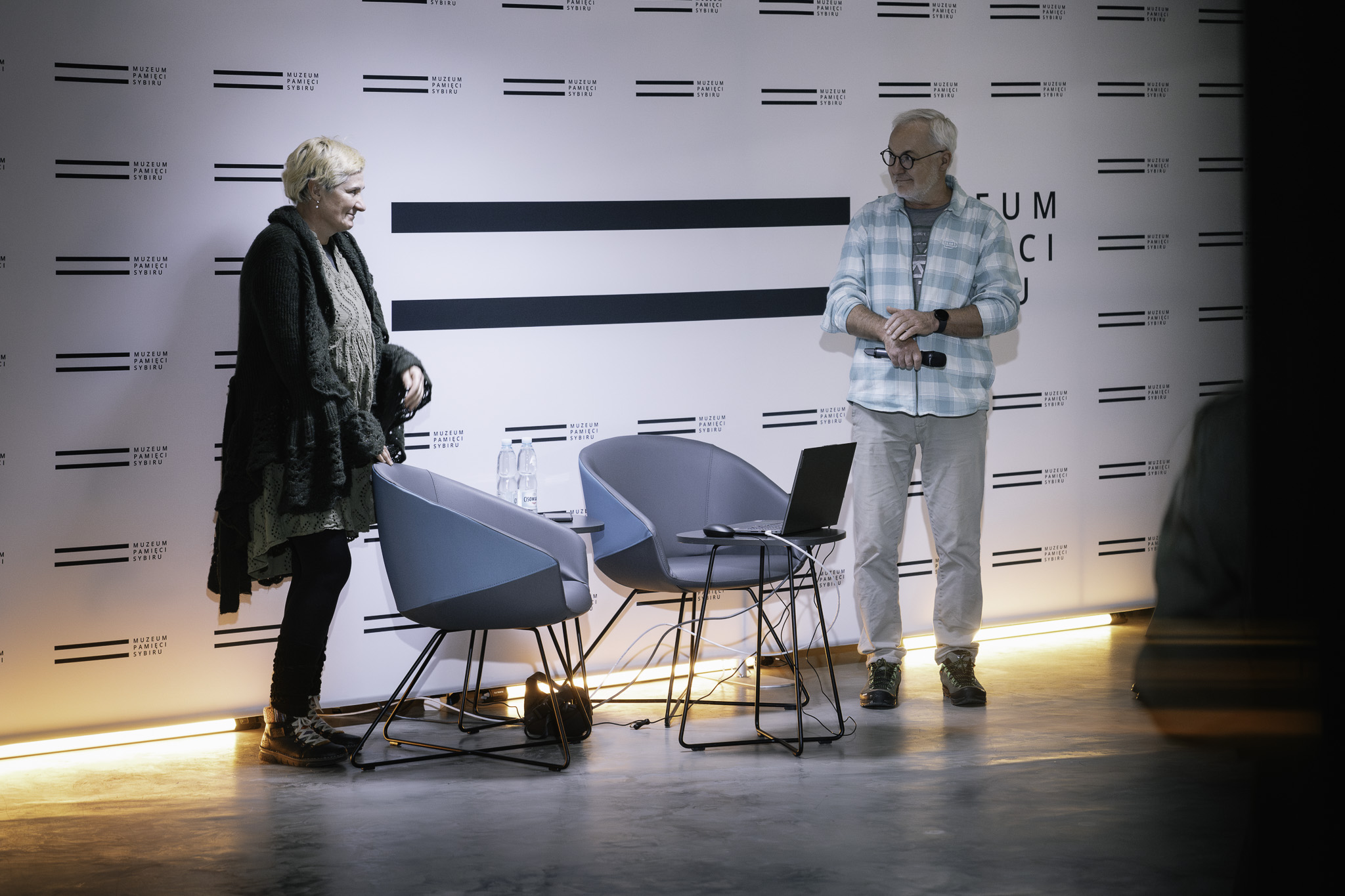
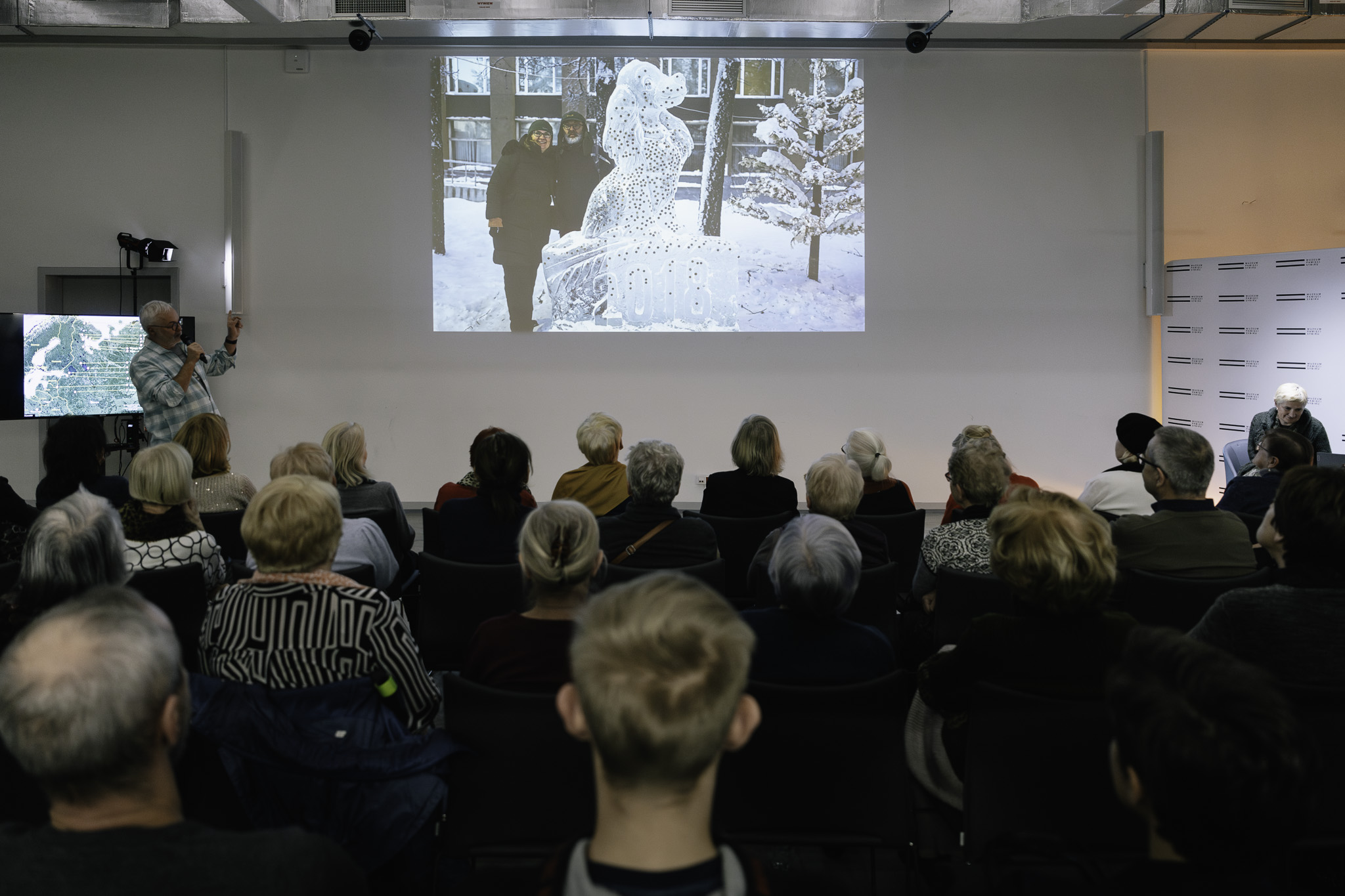
“By a pure accident, it turned out that our ancestors met in Ostashkov. We, of course, met a bit later, but it also brought us together,” Cezary Werpachowski said as he began recounting his shared journey with Agnieszka Pilecka.
Our guests, traversing Russia, covered several thousand kilometers together. They visited places such as Murmansk, Varzuga, Karelia, Teriberka, Kiem, and St. Petersburg. They also reached Ostashkov, but Cezary saved this part of the story for the end.
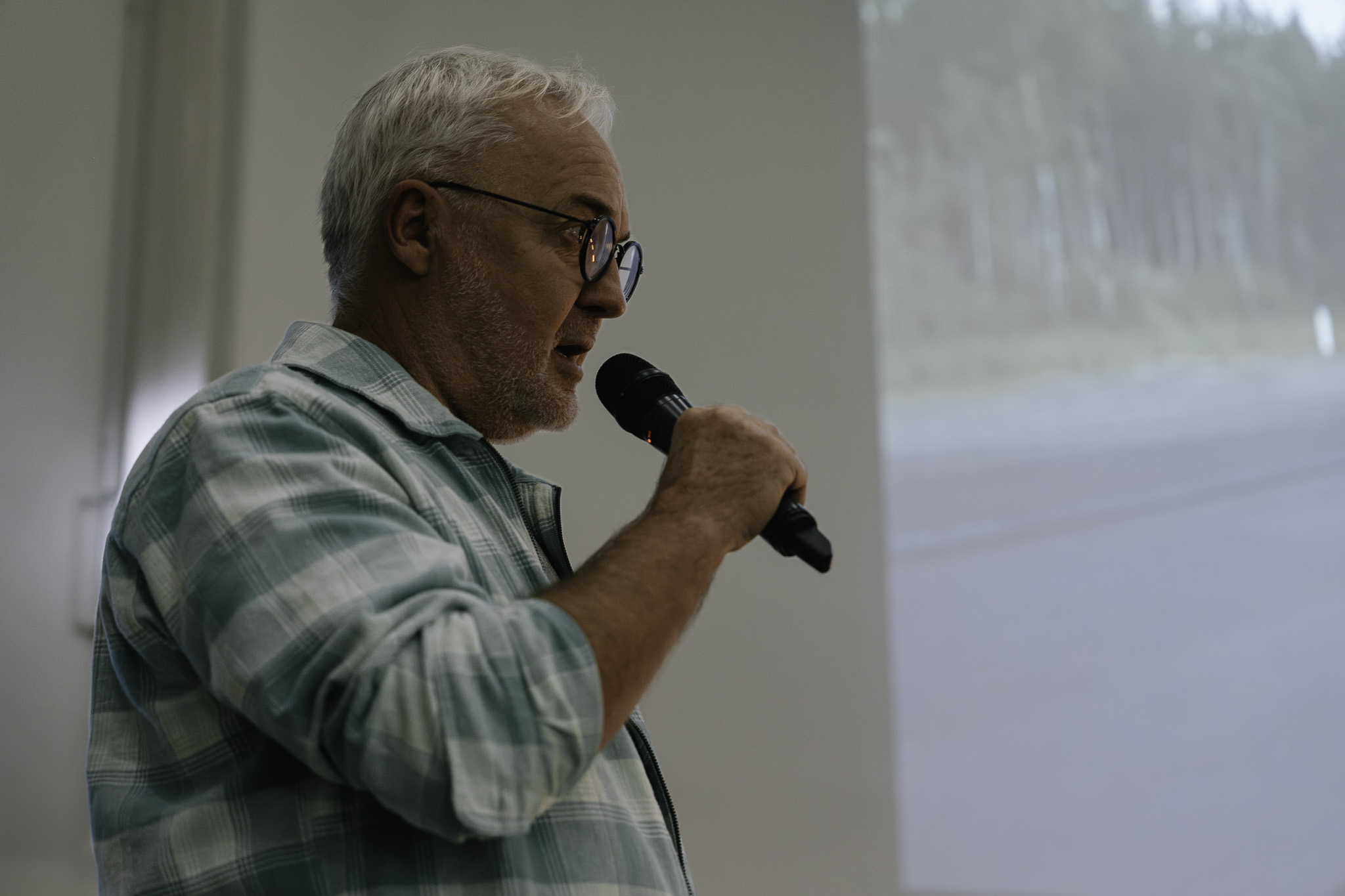
“Our journeys took place in 2017 and 2018. The first was in the summer, while the second happened a few months later. We were in the European part of Russia, traveling in a car specially modified for this type of expedition. It had appropriate suspension, a living area, fuel tanks with a capacity of 170 liters of diesel, and two winches. I must emphasize that the roads in this country are very diverse. Some sections can be traveled at relatively high speeds, although everyone says it’s better not to do so because a good road can suddenly end with a pothole as deep as a meter. We also had occasions where we had to drive across rivers, but we only used the winch a few times,” said Cezary.
During their journey, Cezary and Agnieszka had the opportunity to see beautiful and rare vegetation. They also visited places like Lake Onega, Lake Ladoga, and the White Sea.
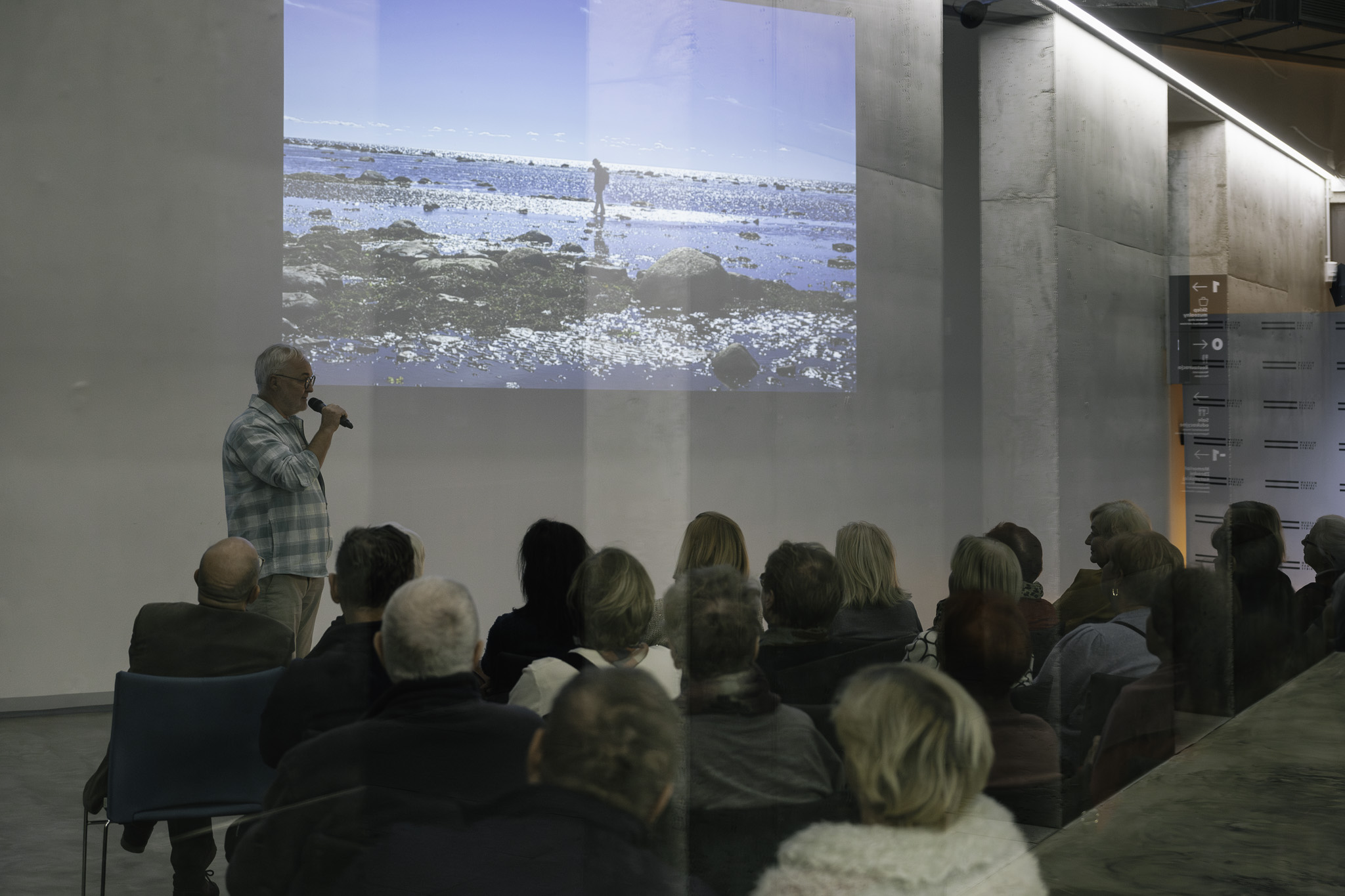
“When we were by the sea, we came across a picturesque fishing village – Pon’goma. It’s a village built with beautiful granites, schists, and gneisses, sometimes astonishingly colorful. Unfortunately, in terms of industry and the general state of the village, it’s very abandoned. Everything is in decline, and people live in oblivion. It is similar with the coastline. You can see numerous abandoned houses, schools, and churches, all standing empty and falling apart,” said Cezary.
Interestingly, during their trip, Cezary and Agnieszka were stopped and detained by the police twice.
“Once, we were stopped by a policewoman from the so-called migration militia. Hardly anyone knows that in Russia, there are still places where special legal regulations apply on entry and exit in a given locality due to the presence of large military bases. Even the residents need permits to move around. We didn’t know that and we were stopped. We were interrogated for about six hours. Agnieszka even gave them the names of our cats. We’d joke, but only for a time. It just came up with the conversation about democracy, and the woman interrogating us said, ‘Democracy in Poland? You have chaos!’ The policewoman was also very bothered by how well we spoke Russian, it seemed suspicious to her. Ultimately, it all ended up getting tickets.”
Agnieszka and Cezary sometimes traveled through Russia under favorable weather conditions but also faced heavy cold and heavy snowstorms, crossing snowdrifts in their vehicle.
“During winter, we drove from Murmansk to Teriberka along the so-called road of death. This road is dangerous because if you stop, within minutes, you could be stuck there for a long time. The wind blows so hard that it immediately erases all traces before and behind the car. It was a very stressful stretch of road. Several times, we wondered if this would be the end of our trip,” said Cezary.
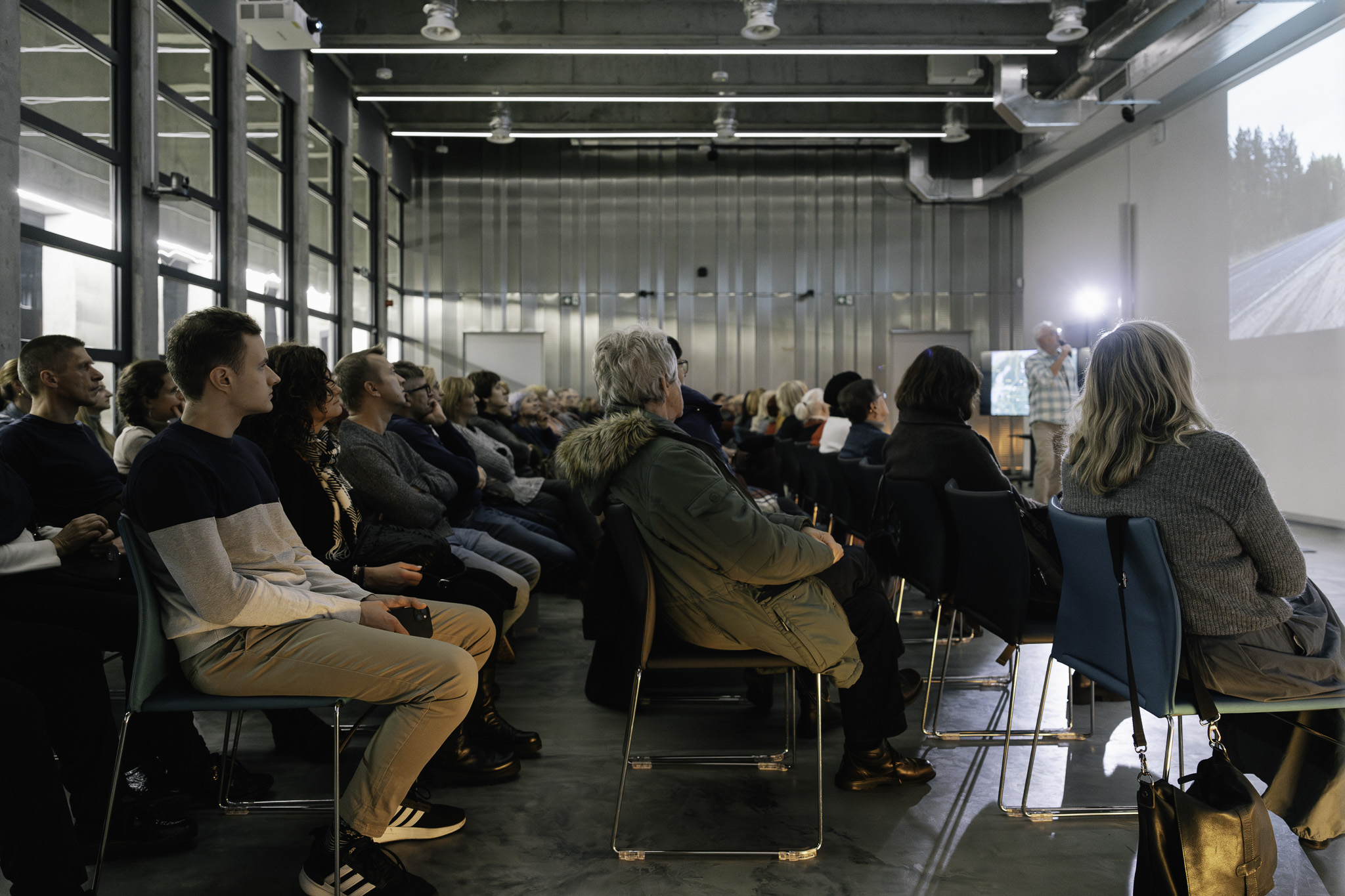
A very important stage of the couple’s journey was Ostashkov, where Cezary’s father and Agnieszka’s grandfather and their brothers ended up.
Cezary’s father was arrested in 1944. Upon arriving in Ostashkov, he was placed in the same barracks where, in 1939–1940, the NKVD had imprisoned interned soldiers of the Border Protection Corps, the Polish Army, the State Police, the Prison Service, the Military Gendarmerie, and municipal officials. These individuals were later executed in Tver on Stalin’s orders and buried in Mednoye.
“My father told me about Ostashkov almost every day. Some people who were in Soviet prisons and labor camps are very thrifty in sharing their experiences. My father was not one of them. He was arrested at 16 in Białystok and it took him two weeks to get to Ostashkov. He told me countless details about the place which I had not suspected. Of course, there were stories of hunger and disease, but he also spoke about plants growing on peatlands. My father had an extraordinary memory. He made maps and schemes of the camp, detailing the layout of the barracks, the appearance of the station, the wires, and more. His knowledge and memory were astonishing,” said Cezary.
Although in Ostashkov you can still find, for example, old railway tracks, there are practically no traces of the past events from 80 years ago.
“Everything has been plowed. There’s absolutely nothing left of the camp where my father was.”
The next meet the author session will take place on December 12th, 2024, at 6:00 p.m. Join us!