



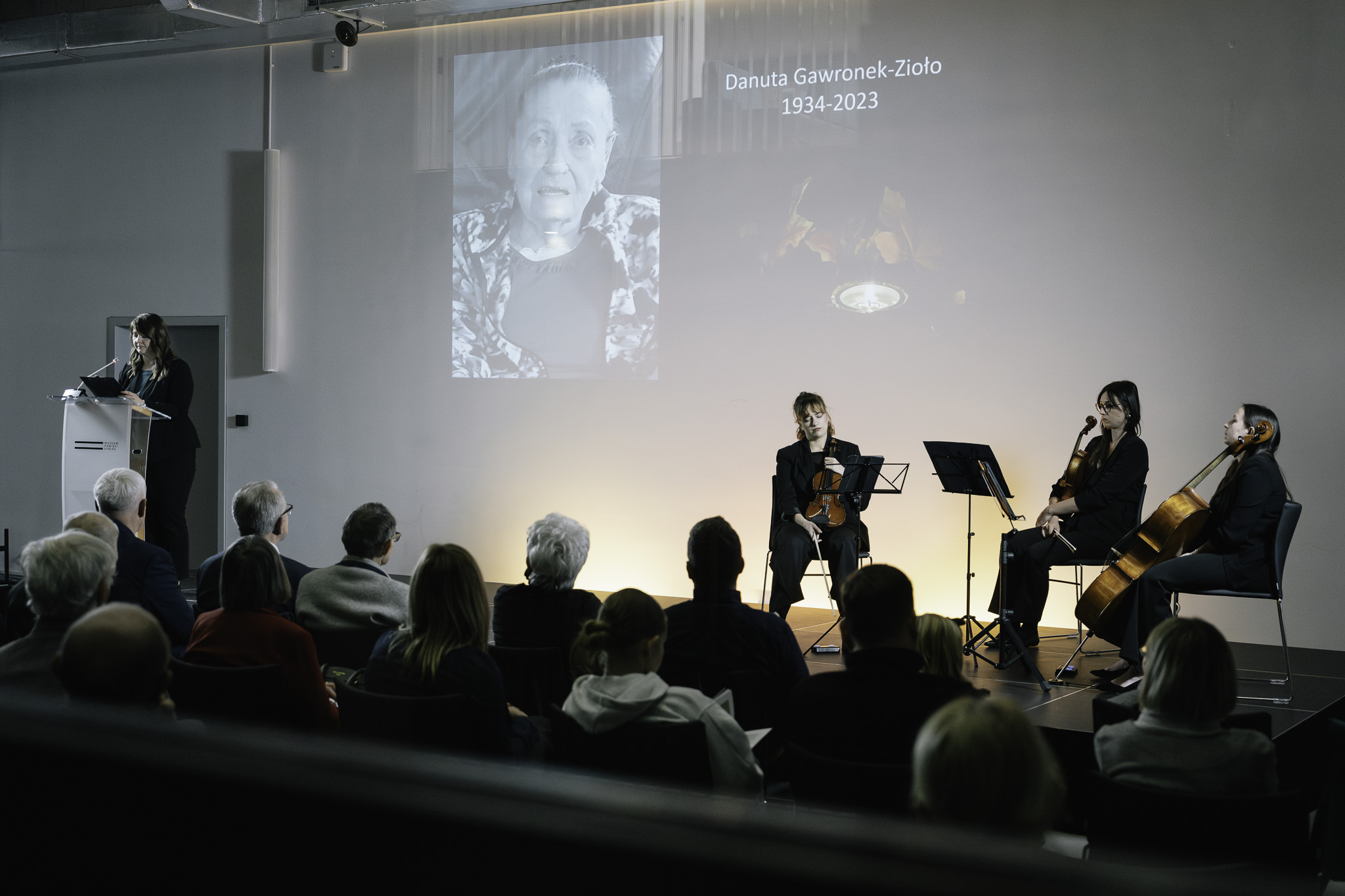
On a November evening, the museum held Siberian All Souls’ Day. The event was attended by the families and friends of the Siberian deportees who had passed away throughout the year. Representatives of the Association of Siberian Deportees in Białystok, led by the President of the Bialystk Branch, Jolanta Hryniewicka, were also present, along with Jerzy Bołtuć, Chairman of the Association for the Remembrance of Sybir Exiles.
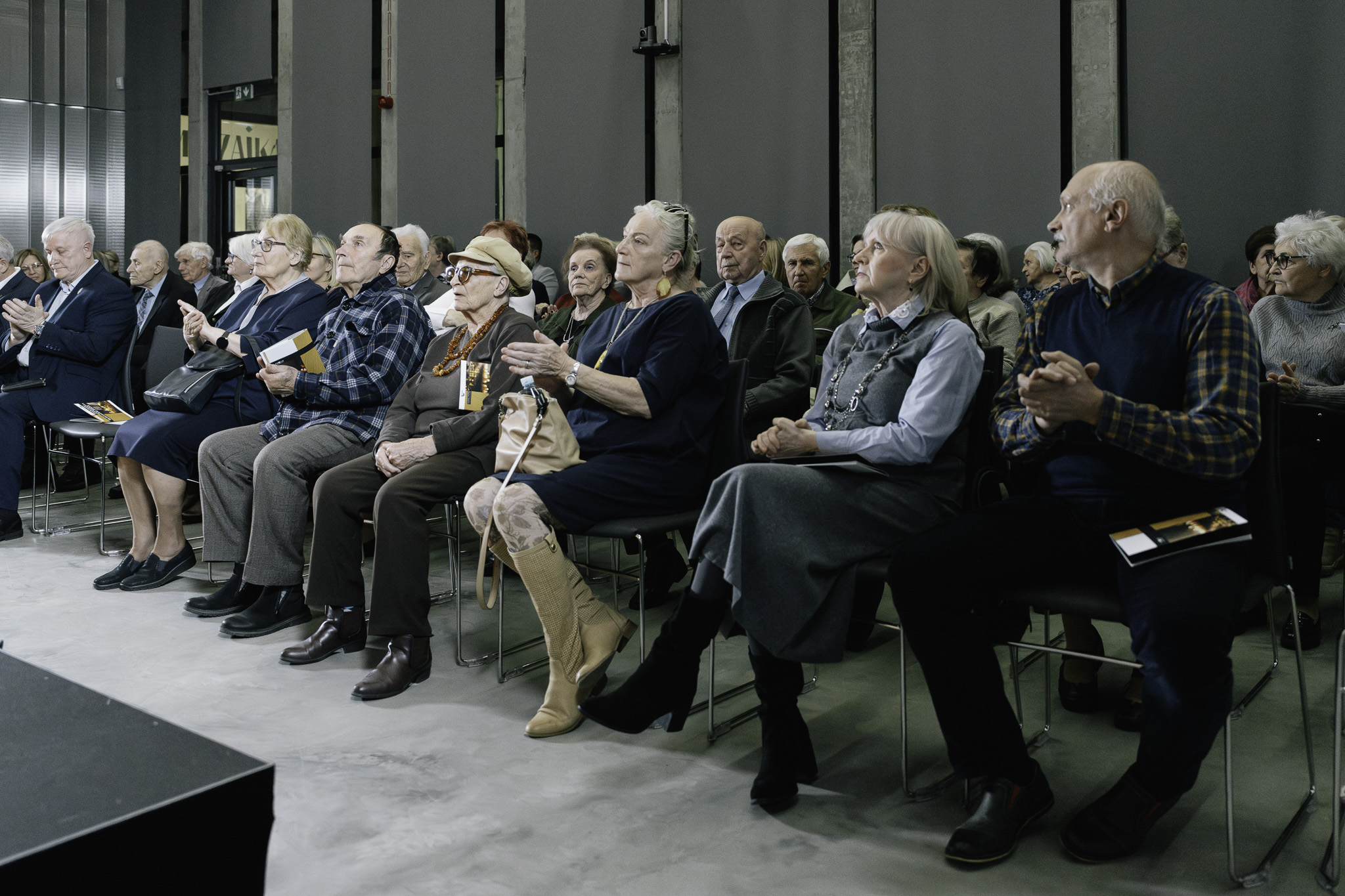
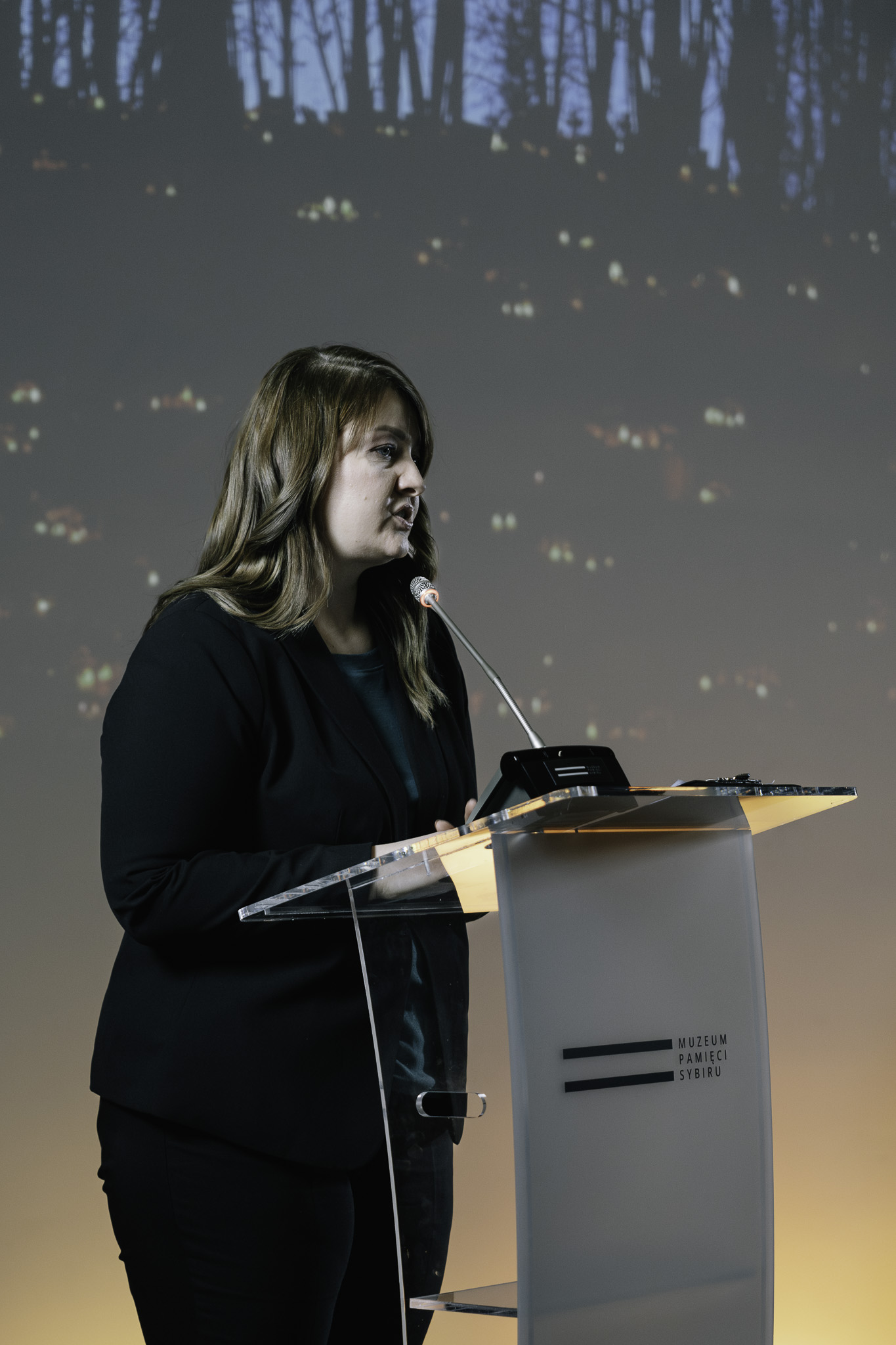
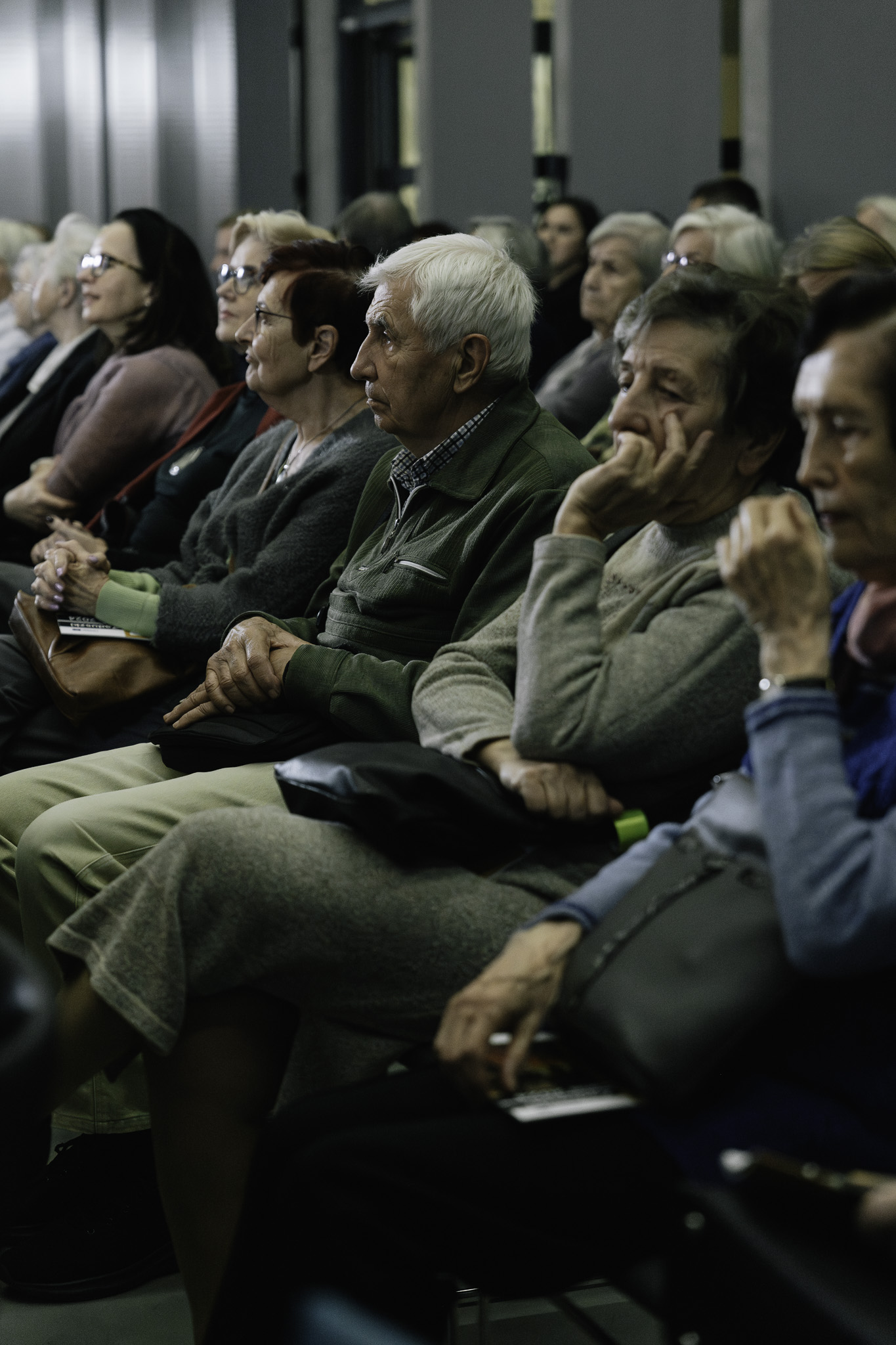
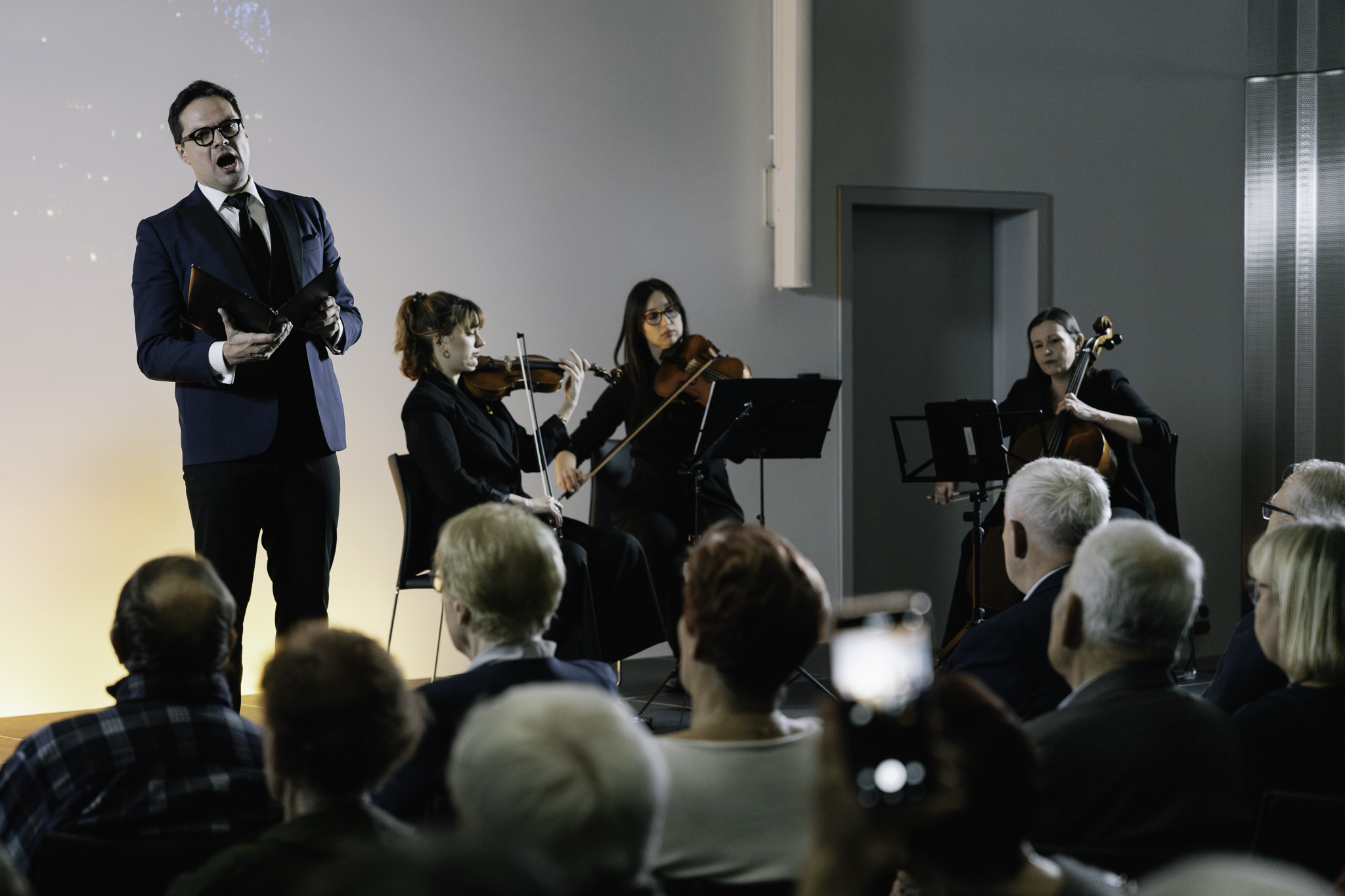
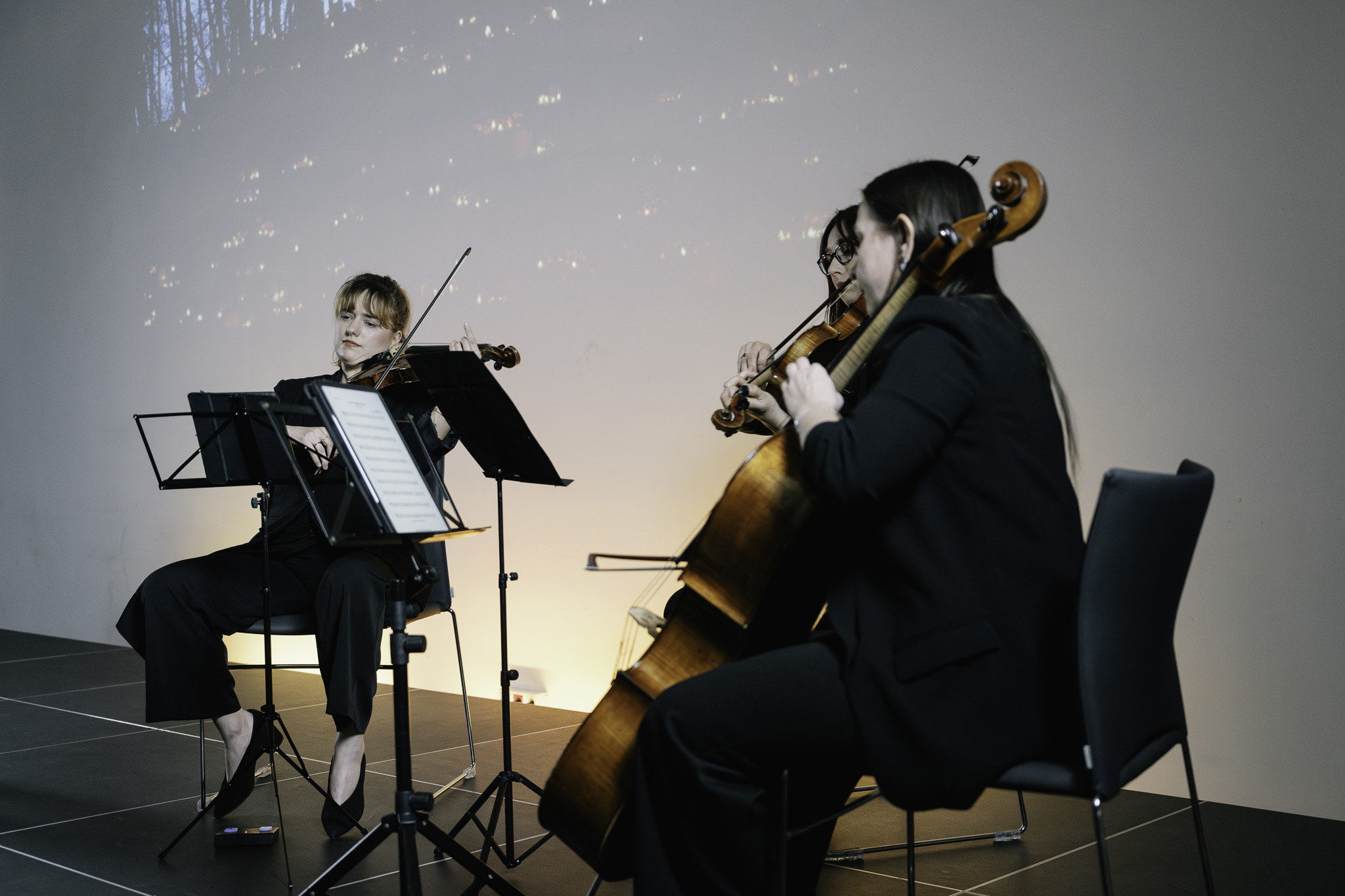
All Souls’ Day was an opportunity to reminisce and view photographs together. It was also a moment of reflection and reverie on the passing of time. Music was provided by a string quartet – Etnosomnia and baritone, Maciej Nerkowski, who is an artist from the Podlasie Opera and Philharmonic.
During the event, we remembered those who had passed away throughout the year. Among them were:
DANUTA GAJDECZKA
Danuta Gajdeczka (née Kozłowska) was born on May 15, 1945, in Dąbrowa, Zhaludok District, Grodno Region. Her parents ran a farm.
On April 18, 1952, at the age of 7, she was deported with her parents, grandmother Antonina, and three siblings – Henryk, Lucyna, and Helena – to Kazakhstan, to the Amangieldy kolkhoz in South Kazakhstan Region (now Turkistan Region). While in exile, in addition to her school duties, she had to work picking cotton. She returned to Poland in July 1956 along with their parents and siblings.
In Poland, she graduated from primary school and a secondary economic school, later working as an economist. She was actively involved in the workings of the Executive Board of the Branch No. 7 of the Association of Siberian Deportees (Białostoczek District) and took an active part in organising the March of Living Memory of Polish Siberia.
DANUTA GAWRONEK-ZIOŁO
Danuta Gawronek-Zioło was born in 1934 in Sulisławice, Kielce Voivodeship, to Jan Zioło and Marianna (née Horian). She had three siblings: Tadeusz, Alina, and Hanna, who died in Siberia. When she was four, her family moved to Czarnowice, Tarnopol Voivodeship.
On February 10, 1940, they were deported to Siberia. Danuta and Alina were in their brother, Tadeusz’s keeping, which brought the siblings closer together. For the sake of father’s often absence, who was working far from his family, the oldest son supported mother in the care for the siblings. In 1942, the Zioło family left the Soviet Union with Anders’ Army, and came to Iran where both parents died, and the children ended up in an orphanage. Subsequently, along with approximately 800 other Siberian children, the siblings were evacuated to New Zealand to the camp in Pahiatua. Danuta Gawronek-Zioło started her own family there and spent the rest of her life in this country.
ŁUCJA GĄSOWSKA
Łucja Gąsowska was born in 1931 in the village of Piłatowszczyzna in the district of Gmina Gródek, within Białystok County, Podlaskie Voivodeship. On February 10, 1940, along with her family she was deported to Siberia, to the poselok of Kwitok, and later to kolkhozes Udachnaya and Zalataja Gora in Irkutsk Oblast. Bacause of her mother’s illness, her father became the only breadwinner. Łucja mentioned that they’d suffered from cold and hunger. It was very important for her to cultivate her faith and religious practices as it gave her strength to fight for survival. The family arrived at the sovkhoz of Krasny Mayak without the mother, who died of typhoid in 1942. They returned to Poland in May 1946.
ALEKSANDRA KOWALSKA-SIRY
Aleksandra Kowalska-Siry was born in 1930 as a daughter of a forester and a teacher. She had four siblings. She spent her early years in the Białowieża Forest in the villages of Wroni Bór and Myrcha, Białystok Voivodeship. On February 10, 1940, the family was deported to Talmienka, Altai Krai. At just nine, she worked in the taiga extracting resin from trees and often helped her parents. She studied in a local Soviet school and learned Russian. In 1943, the possibility of returning to Poland appeared. This became possible thanks to her father, who joined the newly-established 1st Tadeusz Kościuszko Infantry Division under the command of Zygmunt Berling. Soviet authorities assured the families of Berling’s soldiers that they, too, would eventually be able to leave the Soviet Union. This promise was fulfilled after the war when Aleksandra, her mother, and her siblings returned to their homeland.
KAZIMIERZ MICHAŁOWSKI
Kazimierz Michałowski was born in 1922 in the village of Dobrowola in the Vilnius Region. He spent his childhood in Lentvaris, a small town near Vilnius. During the war, he became involved in underground activities, joining the 7th Vilnius Brigade of the Home Army, where his direct supervisor was Mcpl, WO Jerzy Dzierżyński, nickname “Szczęsny.” Under the nickname “Okularnik”, he participated in operations such as the attack on a German bunker near the village of Wielkie Pole. In 1943, he was sent by the Germans to a forced labor camp in Rudnik, after which he was imprisoned in Lukiškės Prison, Vilnius. One year later, together with other soldiers of the Home Army, he was set by the Soviets in a camp in Medininkai and later sent to a labor camp in Kaluga, from which he escaped in 1945. After regaining his freedom, he graduated from high school in Gorzów Wielkopolski and later started working there. He worked as an accountant for most of his life. Kazimierz Michałowski was awarded Partisan Cross and Medal of Victory and Freedom.
LEOKADIA NOWIK
Leokadia Nowik was born on September 13, 1925 in Pruzhany in Polesie. The Nowik family lived in the Zababie military settlement near Pruzhany, from where on February 10, 1940, the NKVD deported Józefa Nowik and her children to a labor camp in Kargovina in the Arkhangelsk region.
She returned to Poland in 1946 and worked as a teacher at a school in Tyniec.
She shared her memories from her exile by giving interviews and appearing in documentaries. She also wrote them in her books. She was honored with, among others, the award of the Minister of Education and Upbringing, the Golden Cross of Merit, the Cross of siberian Exiles, and the Eastern Borderlands Heritage Medal. She was a member of the Association of Siberian Deportees and the Association of the Military Colonists and the Civilian Eastern Borderlands.
STANISŁAWA WIATR-PARTYKA
Stanisława Wiatr-Partyka was born in 1930 in Nesvizh, Nowogródek Voivodeship. She was the only child of Olga (née Kuryłło) and Jan, a State Police officer. Her father was imprisoned first in Kozelsk and Ostashkov, and then murdered by the Soviets. On April 13, 1940, Stanisława and her mother were deported to Northern Kazakhstan, first to the settlement of Ilinka and later to Jawlenka. They spent six years in exile. Stanisława returned to Poland in 1946 and spend almost all her life being devoted to education and preserving the memory of Siberian exile and the Katyn Massacre. She was a long-standing member and President of the Tarnów Branches of the Association of Siberian Deportees and the Association of the Katyn Families. She commemorated the tragic past on the pages of numerous volumes of poetry. She has been awarded several honors for her activity, including: Gold Cross of Merit, Cross of the Exiles of Siberia and Honorary Citizenship of her hometown, Nesvizh.
ALICJA WOŁCZASKA
Alicja Wołczaska (née Tworkowska) was born in 1931 in Michałowo, in the Białystok Voivodeship. She was the younger child of Alfons and Felicja. She spent her early years in calm conditions of her family home, with patriotic traditions. On June 21, 1941, the family was deported to Siberia, where they were sent to the kolkhoz of Siekmieniowo, Omsk Oblast. Everyone had to struggle for survival—her parents worked in the kolkhoz, while the children took on various, often dangerous, tasks. Both adults and children took care of tree felling and getting water from the Irtysh River. In 1941, after the Sikorski-Mayski Agreement was signed, the family moved to Jewgaszczyna, and in 1945, the children were placed in an orphanage in Kirovsk. A year later, with the assistance of the Union of Polish Patriots and financial help from an aunt, the whole family returned to Poland. Alicja went on to graduate from the Main School of Planning and Statistics in Warsaw and later worked in Białystok. In 1941, after signing the Sikorski–Mayski agreement, the family moved to Jewgaszczyna. In 1945, the children were placed in an orphanage in Kirovsk. One year later, with the help of the Union of Polish Patriots and financial assistance from an aunt, the entire family returned to Poland. Alicja graduated from the Main School of Planning and Statistics (now the Warsaw School of Economics) and later worked in Białystok.