

The next stage of works within the Polish-Uzbekistan Historical Commission has begun at the Sybir Memorial Museum. On Tuesday (2024/10/15), a new web portal was presented — Polish cemeteries in Uzbekistan.
www.cmentarzewuzbekistanie.org.pl
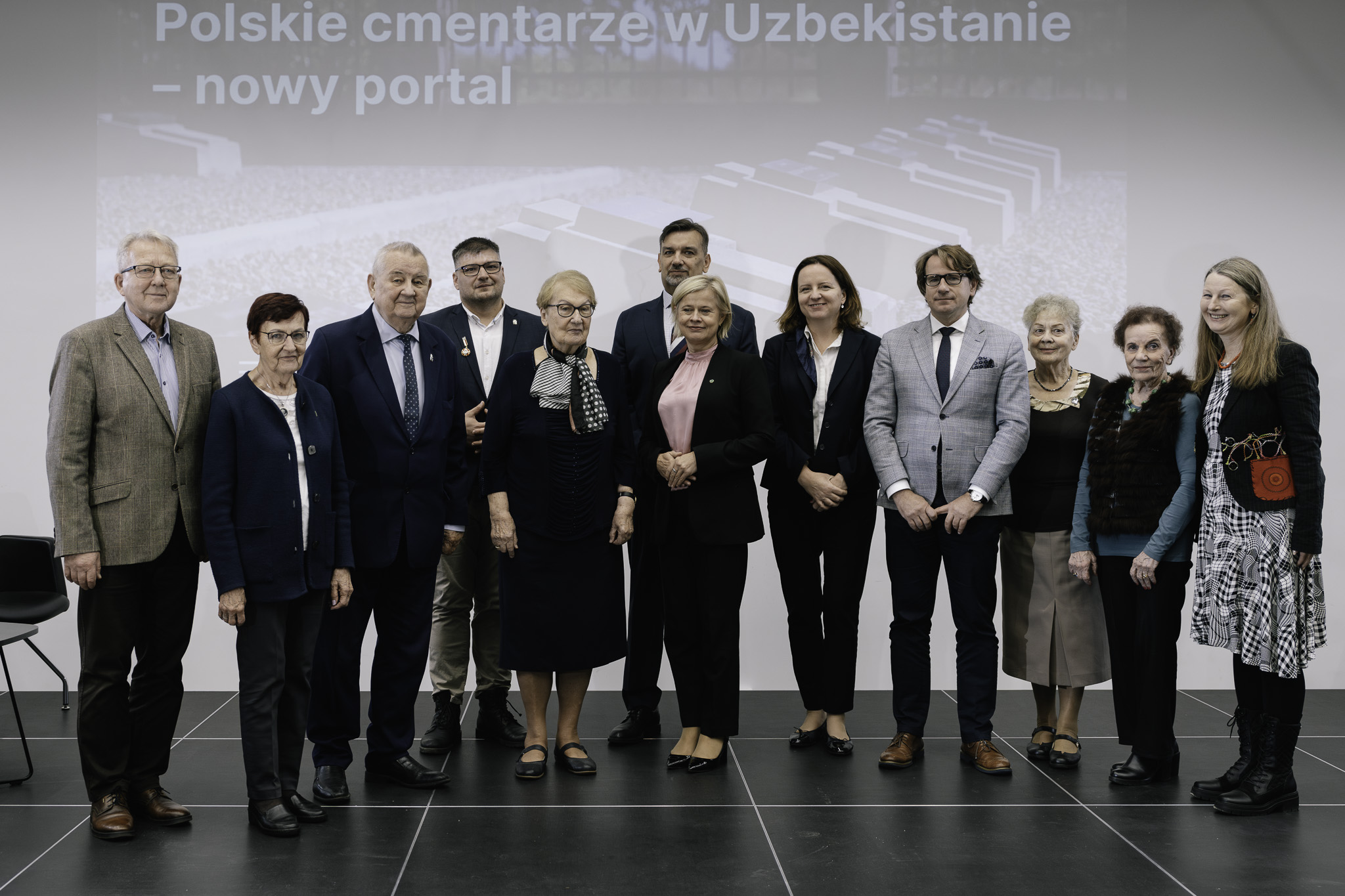
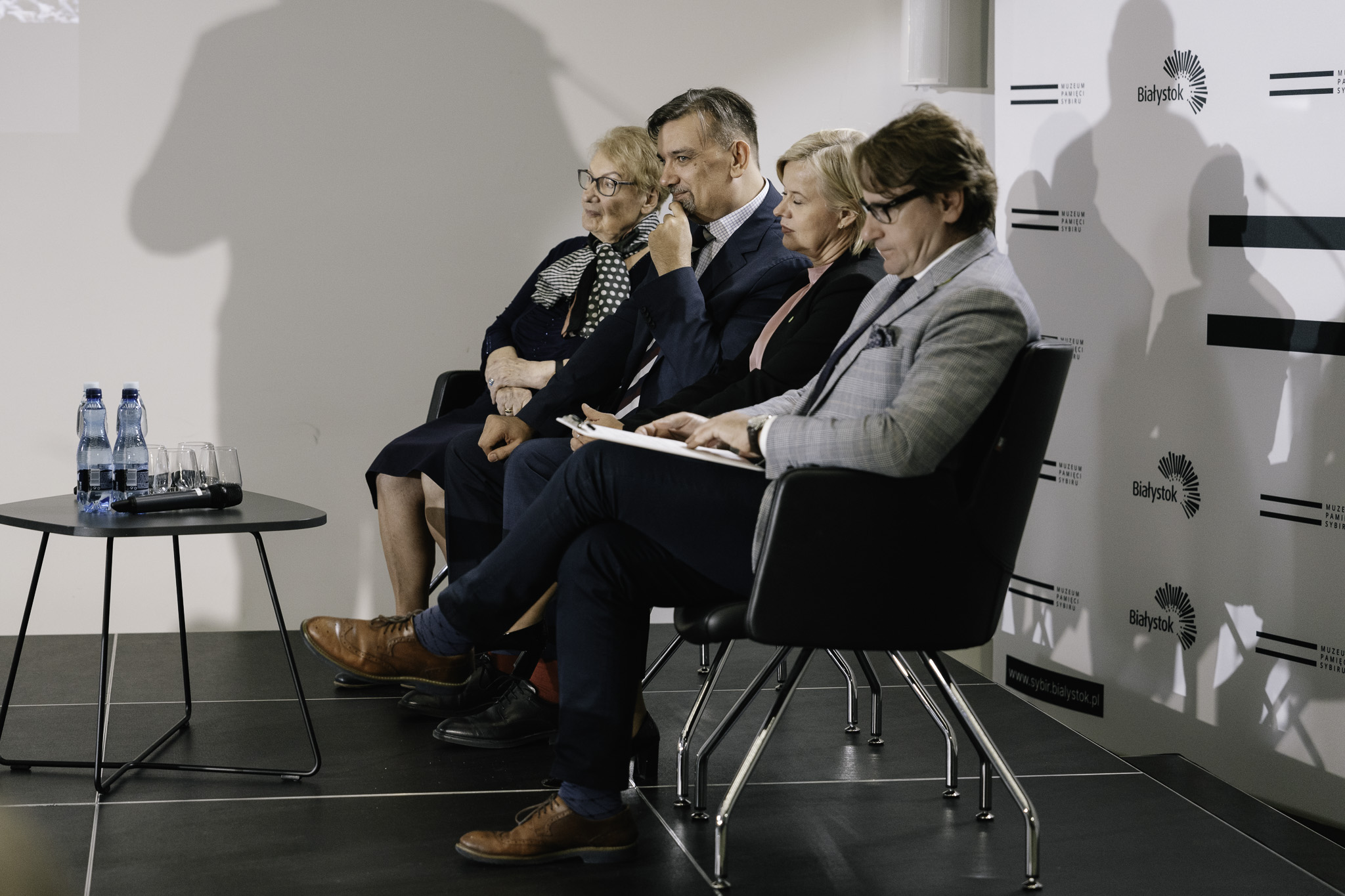
During the presentation of the portal, the following people were present: Bożena Żelazowska – Secretary of State at the Ministry of Culture and National Heritage, Anna Radwan-Röhrenschef – Undersecretary of State at the Ministry of Foreign Affairs, Radosław Gruk – Polish ambassador to Uzbekistan, Kordian Borejko – President of the Executive Board of the Association of Siberian Deportees, co-organizer of the meeting, Jolanta Hryniewicka – the President of the Białystok Branch of the Association of Siberian Deportees, Dmitriy Panto, PhD in History – employee of the Scientific and Educational Department of the Museum of the Second World War in Gdańsk and Professor Wojciech Śleszyński – Director of the Sybir Memorial Museum.
The project of digitizing Polish war cemeteries in Uzbekistan and creating a website dedicated to Polish memorial sites was initiated by Radosław Gruk, Ambassador of the Republic of Poland to Uzbekistan. The website is the result of cooperation between three entities: the Sybir Memorial Museum in Białystok, the Museum of the Second World War in Gdańsk and the Embassy of the Republic of Poland in Tashkent.
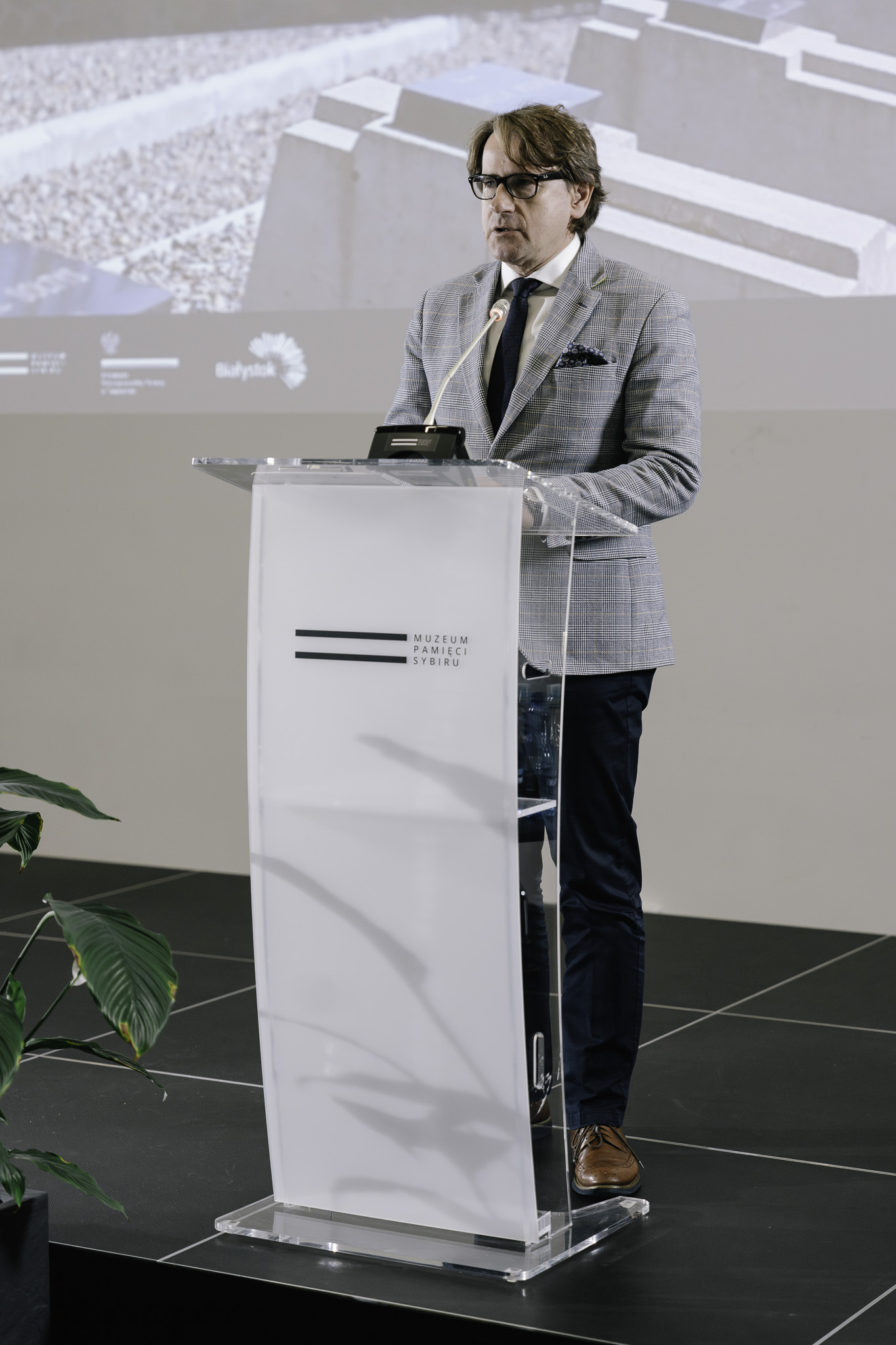
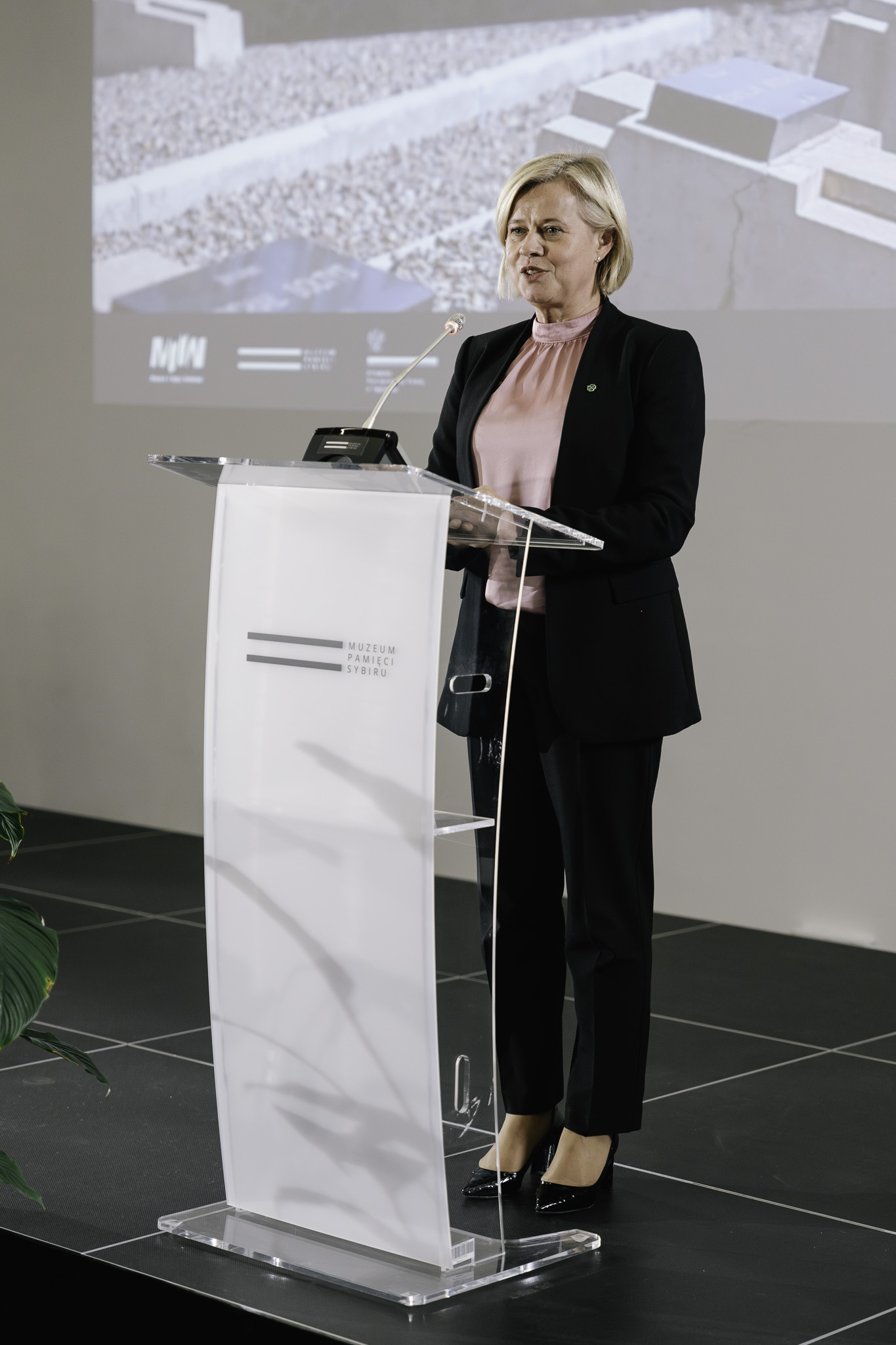
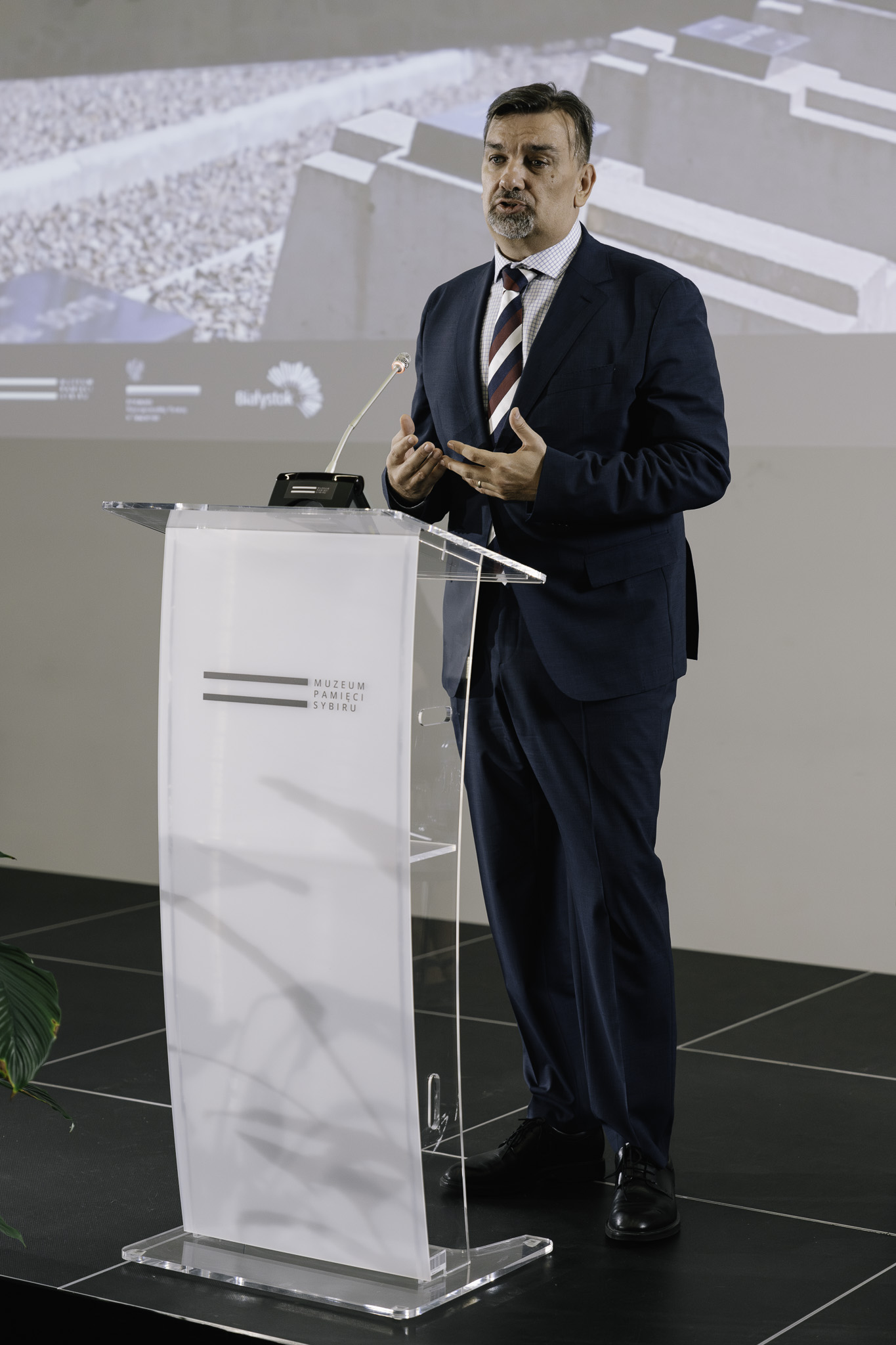
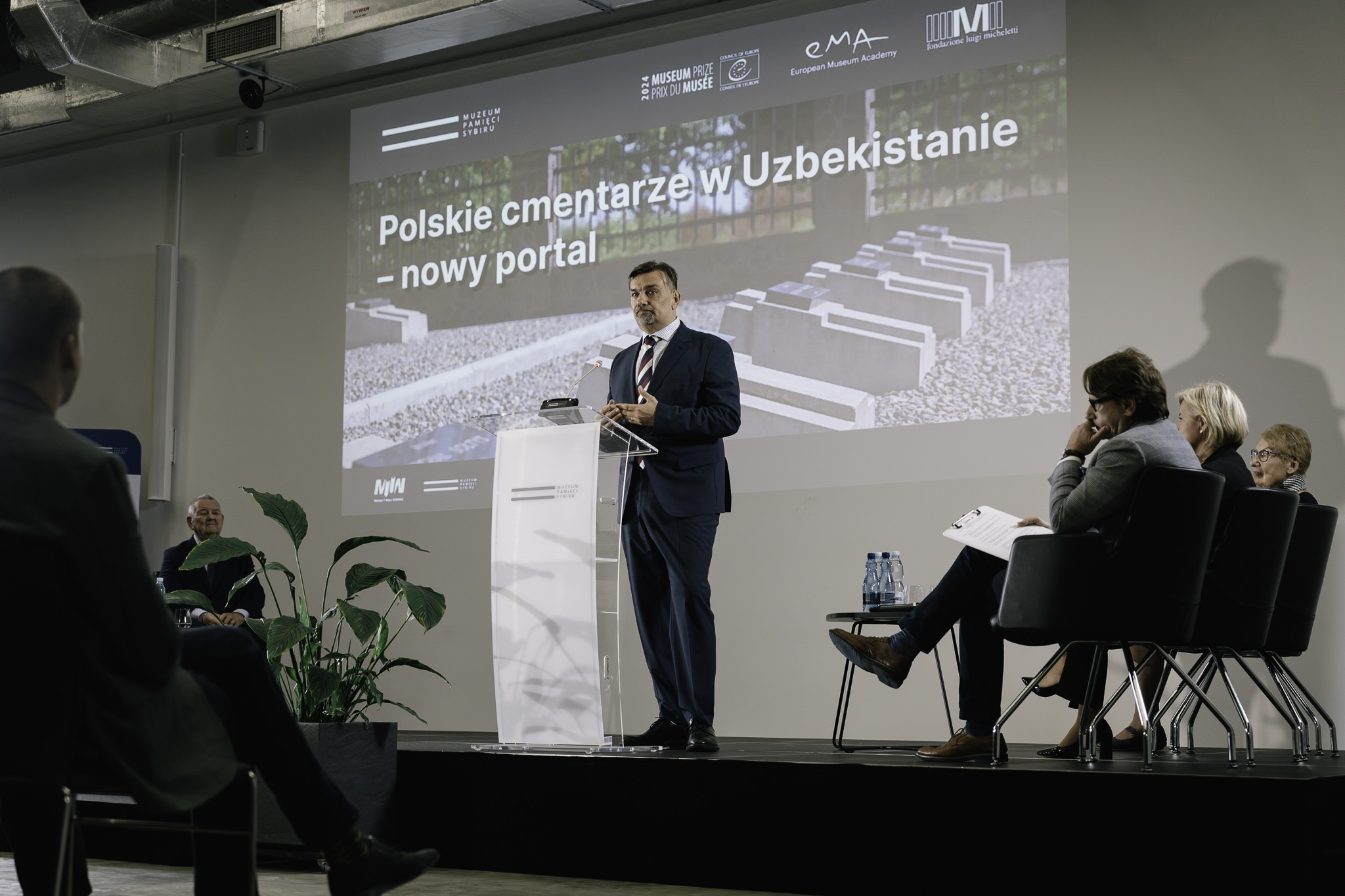
“When the criminal war in Ukraine broke out in February 2022, the possibility of working in both Russian and Belarusian archives ended for us, researchers. However, we did not give up and started to take actions. The Polish-Kazakh Historical Commission was established in June 2022, and also the Polish-Uzbekistan Historical Commission was established in May 2023. The result of the work of this commission is the website presented today – Polish cemeteries in Uzbekistan. I would like to thank all those who contributed to its creation,” said Professor Wojciech Śleszyński, Director of the Sybir Memorial Museum at the start of the meeting.
Bożena Żelazowska, Secretary of State at the Ministry of Culture and National Heritage also spoke. In her statement she emphasized that initiating such projects is of great importance for building historical awareness:
“Thank you, Mr. Director, for everything you do to commemorate and immortalize Polish history, which is extremely difficult. Today we are witnessing the presentation of a beautiful project. I admit that it is innovative. In my opinion, this project perfectly shows how wisely we can present our history also abroad.”
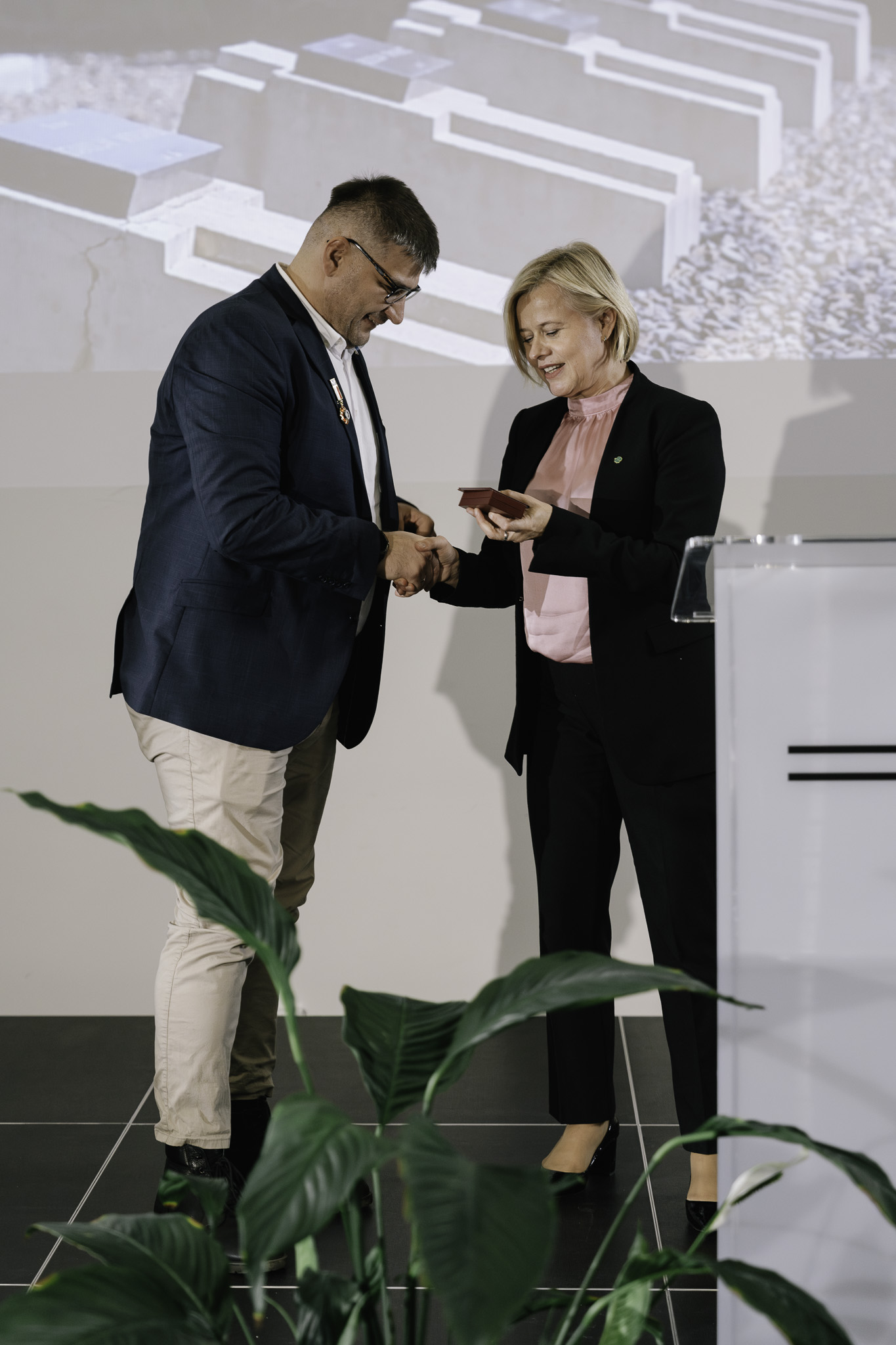
During her speech, Secretary of State Bożena Żelazowska awarded Dmitriy Panto, PhD with the Decoration of Honor Meritorious for Polish Culture.
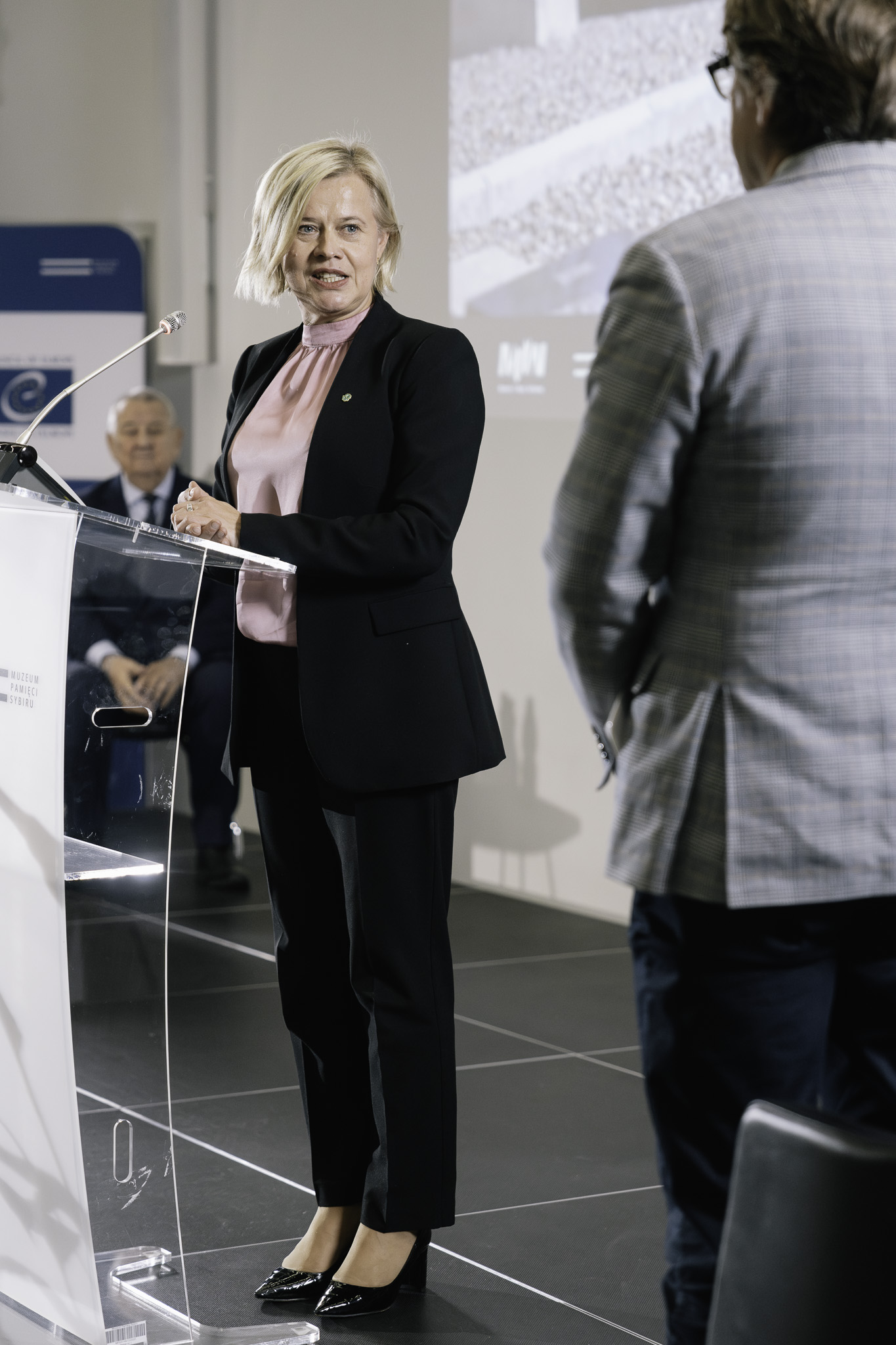
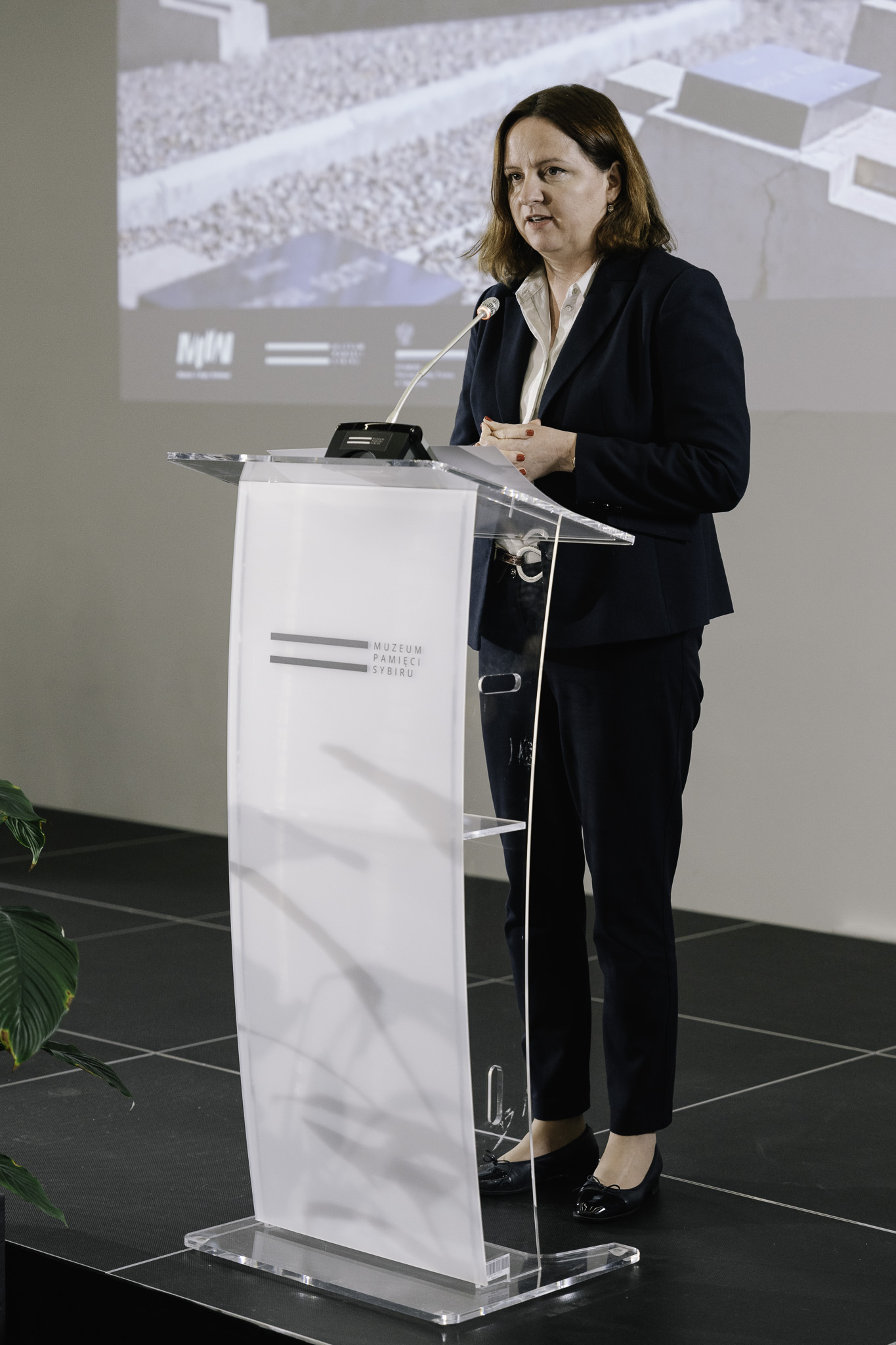
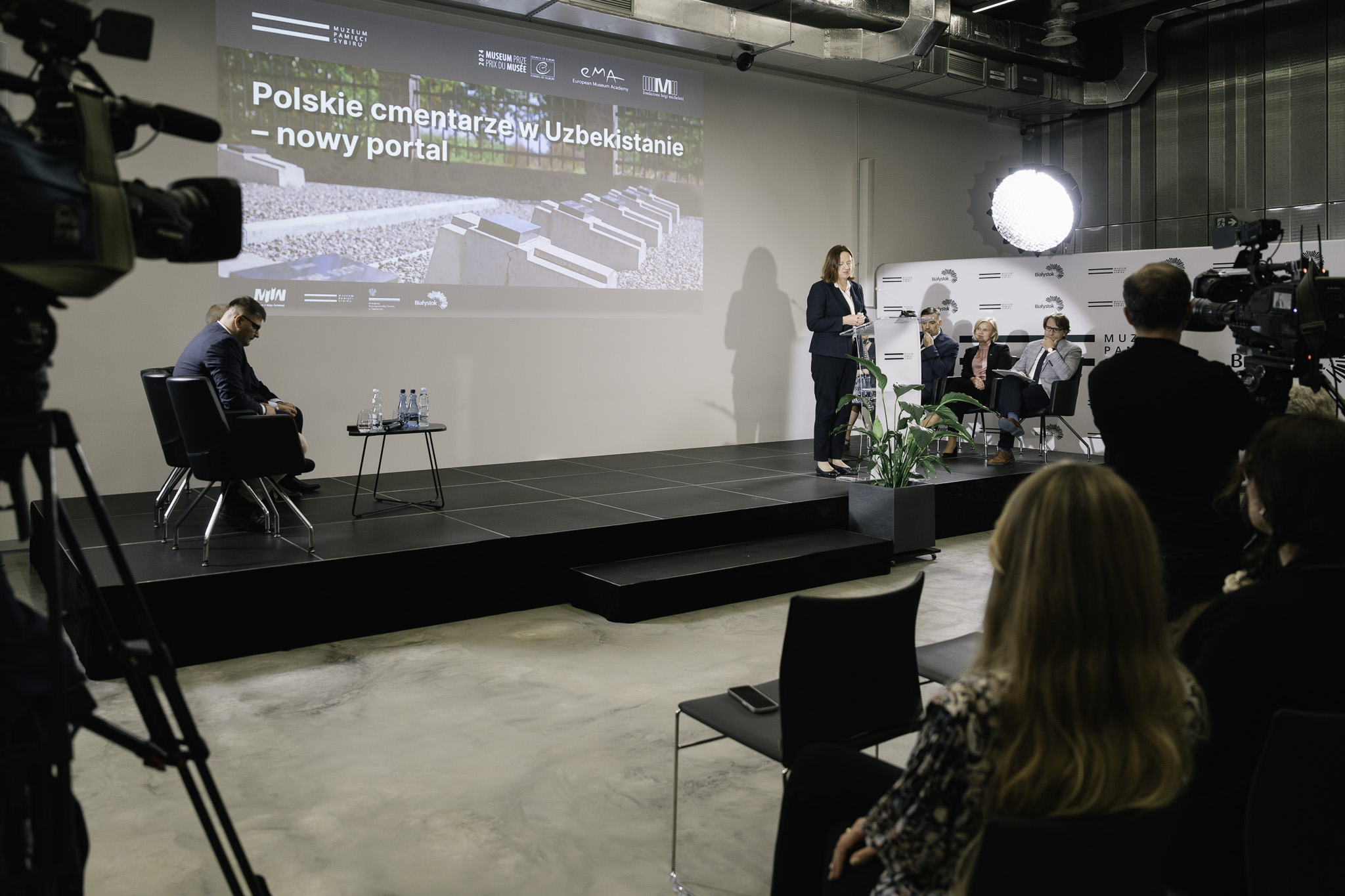
During the presentation of the new portal, Anna Radwan-Röhrenschef, Undersecretary of State in the Ministry of Foreign Affairs, also spoke:
“This portal is an example of a project that not only utilizes modern technology but also serves as an outstanding example and symbol of remembrance, respect, and our responsibility towards the past. By preserving the history of those who rest on the distant land, we strengthen the bonds that connect us with Uzbekistan and the international community. Thanks to this modern platform, access to information about Polish cemeteries in Uzbekistan has become global, ensuring that our history, often painful but significant, will not be forgotten,” she said.
Radosław Gruk, the Polish Ambassador to Uzbekistan, emphasized he believes it is very important that the portal is available in three languages:
“When creating this portal, our goal was to provide valuable information about the burial sites of ancestors for those who cannot afford to travel to Uzbekistan, over 5,000 kilometers away from Poland. This project is also, in my view, an opportunity to bring our historical narrative to the broadly defined East. Importantly, the portal has been translated into English, the international language, as well as Russian, which is especially significant for the people of Central Asia, who typically speak only this language,” he said.
The history of the presence of the Polish population in Uzbekistan is connected to the formation of an army, which the Soviet authorities allowed to be created after signing an agreement with Poland on July 30, 1941 (the Sikorski–Mayski agreement), restoring diplomatic relations between the two countries. The signing of the Polish-Soviet agreement was prompted by the new political situation caused by the outbreak of the German-Soviet war (June 22, 1941) and the losses suffered by the Red Army. The anti-German coalition, particularly the United Kingdom, took advantage of the new conflict to press for the need to normalize relations among the countries fighting against the Third Reich. Although the agreement raised many concerns among some of the Polish expatriate community, it ultimately gave hundreds of thousands of deportees a chance to leave their places of exile.
Soviet deportations are typically associated with the cold regions of Siberia and Kazakhstan. Indeed, Poles from the eastern territories of the Second Polish Republic, deported by the Soviet authorities in 1940–1941, ended up there. So how did so many Polish citizens find themselves in the territory of present-day Uzbekistan during World War II?
Why are there so many Polish cemeteries scattered across the land of this former Soviet republic? We encourage you to explore the project by the Sybir Memorial Museum in Białystok, the Museum of the Second World War in Gdańsk, and the Embassy of the Republic of Poland in Tashkent: Polish Cemeteries in Uzbekistan.