



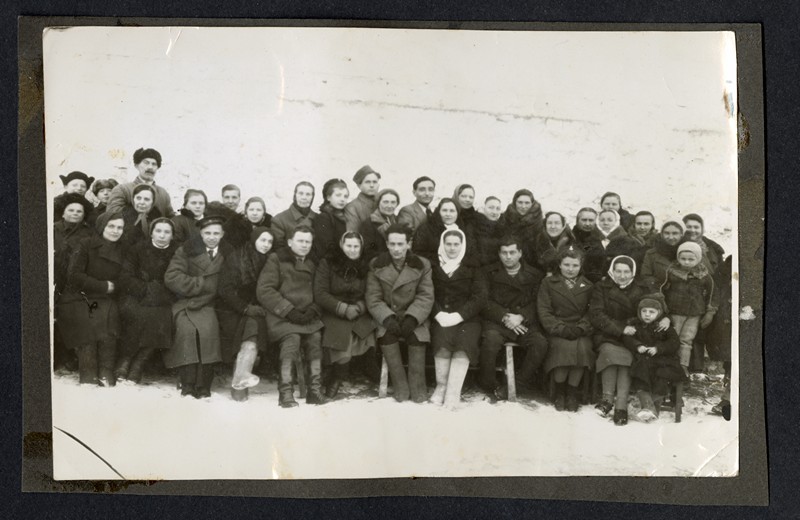
Many Polish pre-war pedagogues were exiled to Siberia. More than 130,000 Polish children were also sent to the inhuman land during the four mass deportations of 1940-1941. According to the Soviet conception, they were supposed to be covered by compulsory schooling and sent to schools with Russian as the language of instruction, but in practice, for a variety of reasons, children often did not take up education. The fear of denationalization, the necessity for children to work, or long distances between their place of residence and schools often left Polish children without any educational support. The situation somewhat improved after 1941, when Polish schools began to be established in the Soviet Union.
As part of the series “Treasures from the Storage”, we present the photographs of pre-war teachers who supported scholarship of Polish children in exile. Among them were: Franciszek Karpinski – professor of chemistry at Vilnius University, later Director of the Polish Orphanage in Bolshaya Yerba; Kazimiera Wróbel – teacher, living in Vilnius before the war, Head of the school in Semipalatinsk; Helena Błażewicz — who taught before the war at the school in Vishnevo, and in exile at the Polish Orphanage in Bolshaya Yerba; Eustachy Ciuman — pedagogue of the Second Polish Republic, organizer of an orphanage for Polish orphans in Aldan; Stanislava Onichowska – teacher in Budziatycze, educator at a kindergarten in the village of Glubokoye in the Arkhangelsk Oblast.
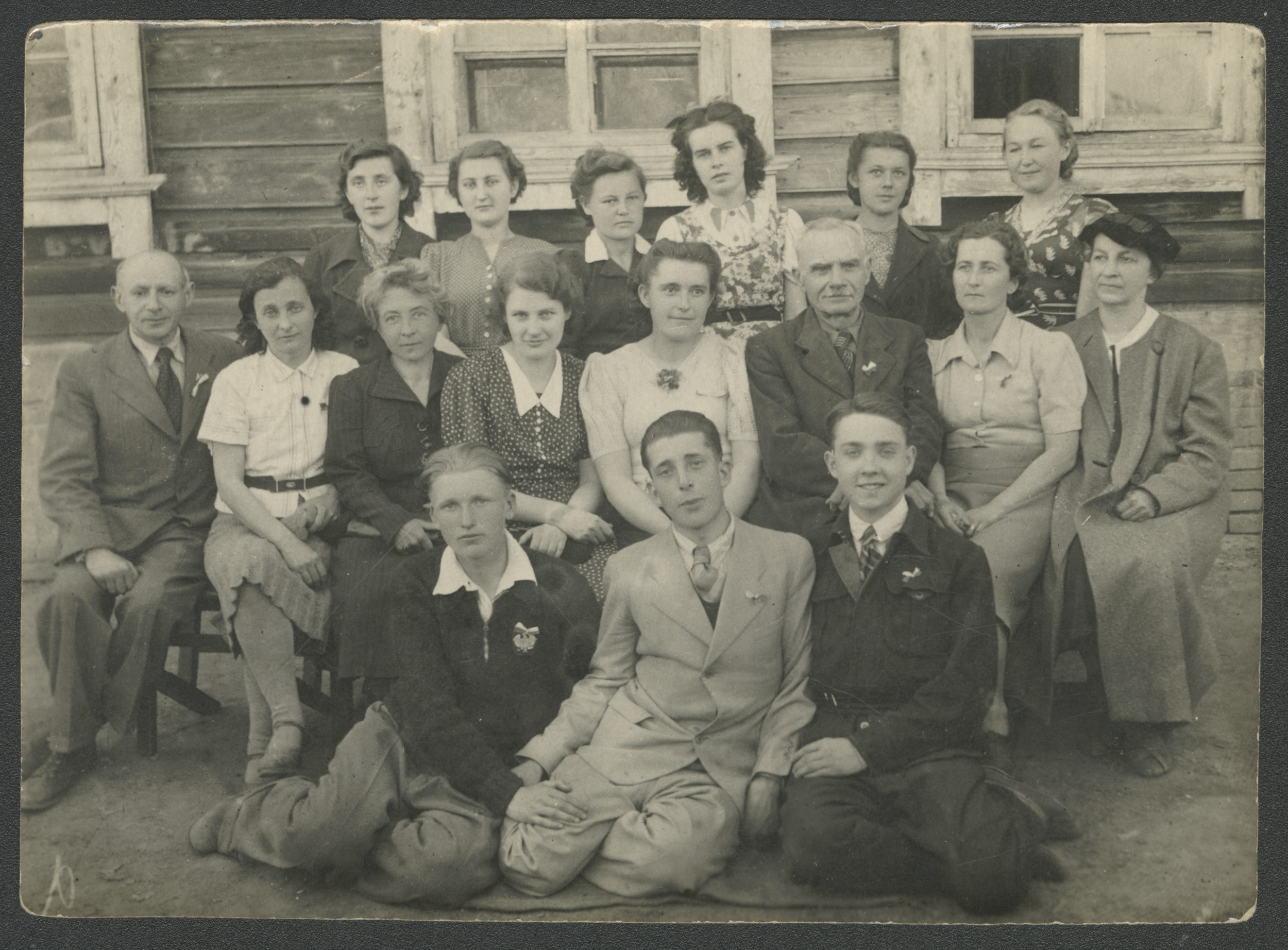
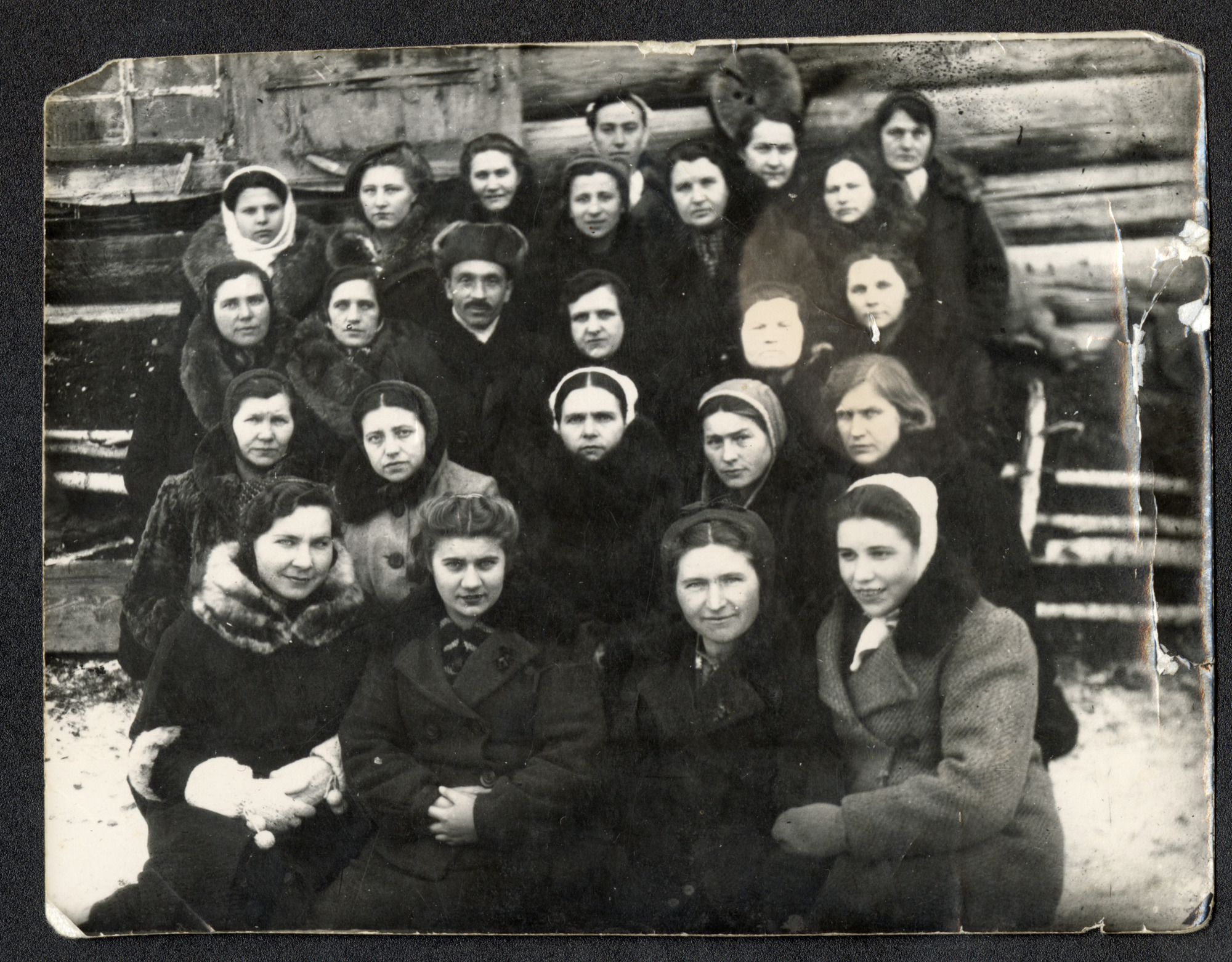
In addition to qualified teachers, there were also those who, having no teaching training or background, tried to help educate Polish children in Siberia. They were guided by one purpose — to save the Polish language from oblivion, teach patriotism and Polish history. As Sybiraks recalled years later – it is them who often risked their lives to pass on the highest values to the youngest and protect them from losing their identity.
Katarzyna Żdanowicz, a teacher at the Polish Orphanage in Bolshoy Yerba, recalled her work and school conditions as follows:
– The children were taught in a Polish school – there were two teachers[JN1] , Zosia Łyżnikówna and me. We had no textbooks, of course, and lacked notebooks, paper and necessary teaching aids, so we improvised as much as we could.
One of the orphanage’s former residents, Stanisława Urbanowicz (née Mroziewska), wrote about the teachers from this orphanage:
– Poles working at the Polish Orphanage [the Polish Orphanage in Bolshaya Yerba – editor’s note] were mostly educated people: foresters, teachers, state officials, skilled farmers. In short, the Polish intelligentsia, whom the Soviets wanted to freeze and starve in Siberia or the steppes of Kazakhstan. These people worked selflessly from morning till night, trying to instill in Polish orphans their native language, Polish traditions, and love for God and the Fatherland. They organized a four-grade Polish school, which I also attended. They taught the children to write and read in Polish, as well as Polish and world geography and history, the prayers ‘Our Father’ and ‘Hail Mary,’ and they also taught respectful behavior towards one another and adults.
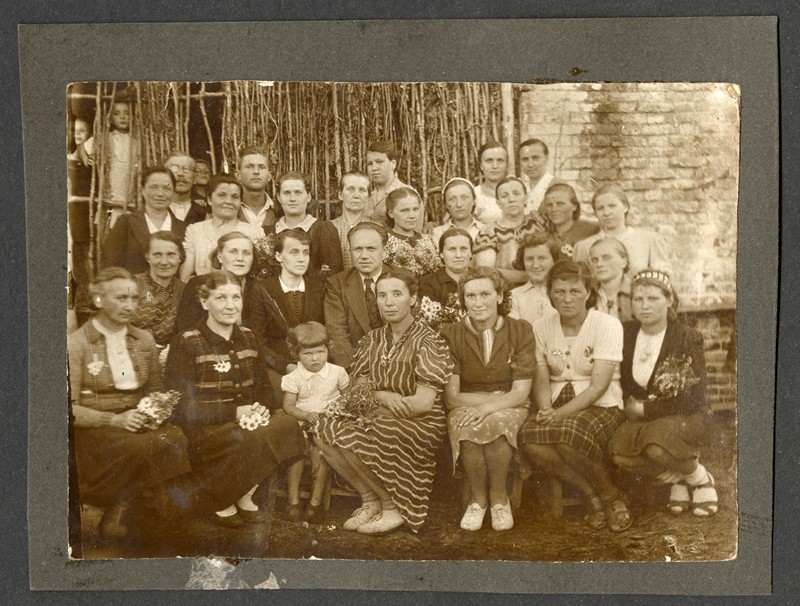
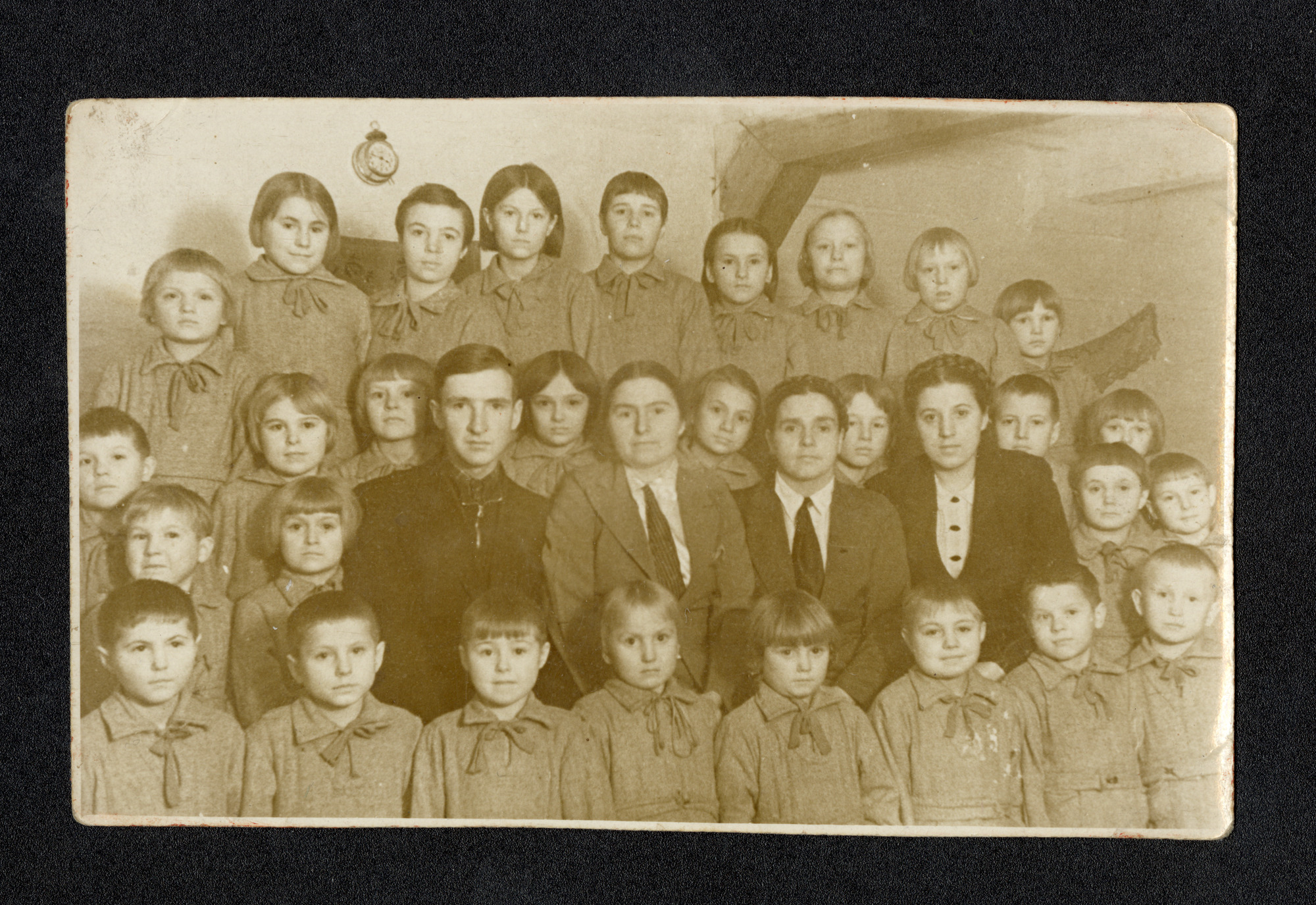
After the establishment of diplomatic relations between Poland and the USSR, there was hope of improving the fate of the youngest Polish citizens deported deep into the USSR. In 1942, an educational instruction was drafted at the embassy, according to which, where possible, school teams were to be formed at the level of grades II-VI. By July 1942, the Polish embassy had managed to organize 139 orphanages, 175 kindergartens and 43 schools.
The frayed relationship between Poland and the USSR, which escalated in the spring of 1943, led to the closure of Polish institutions or the replacement of their staff. In some places, the teaching of the Polish language was discontinued, and all signs of Polish identity were eliminated.
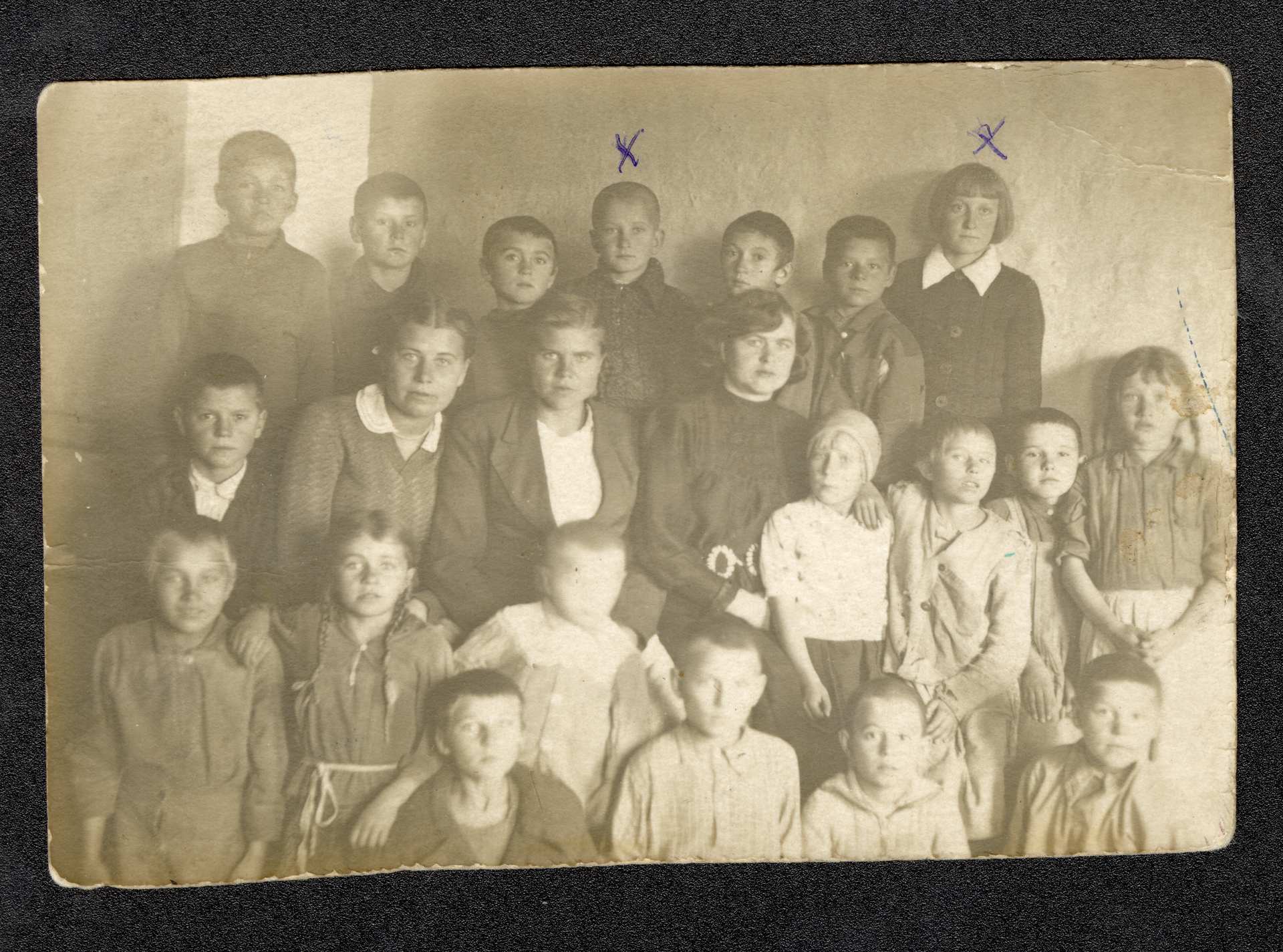
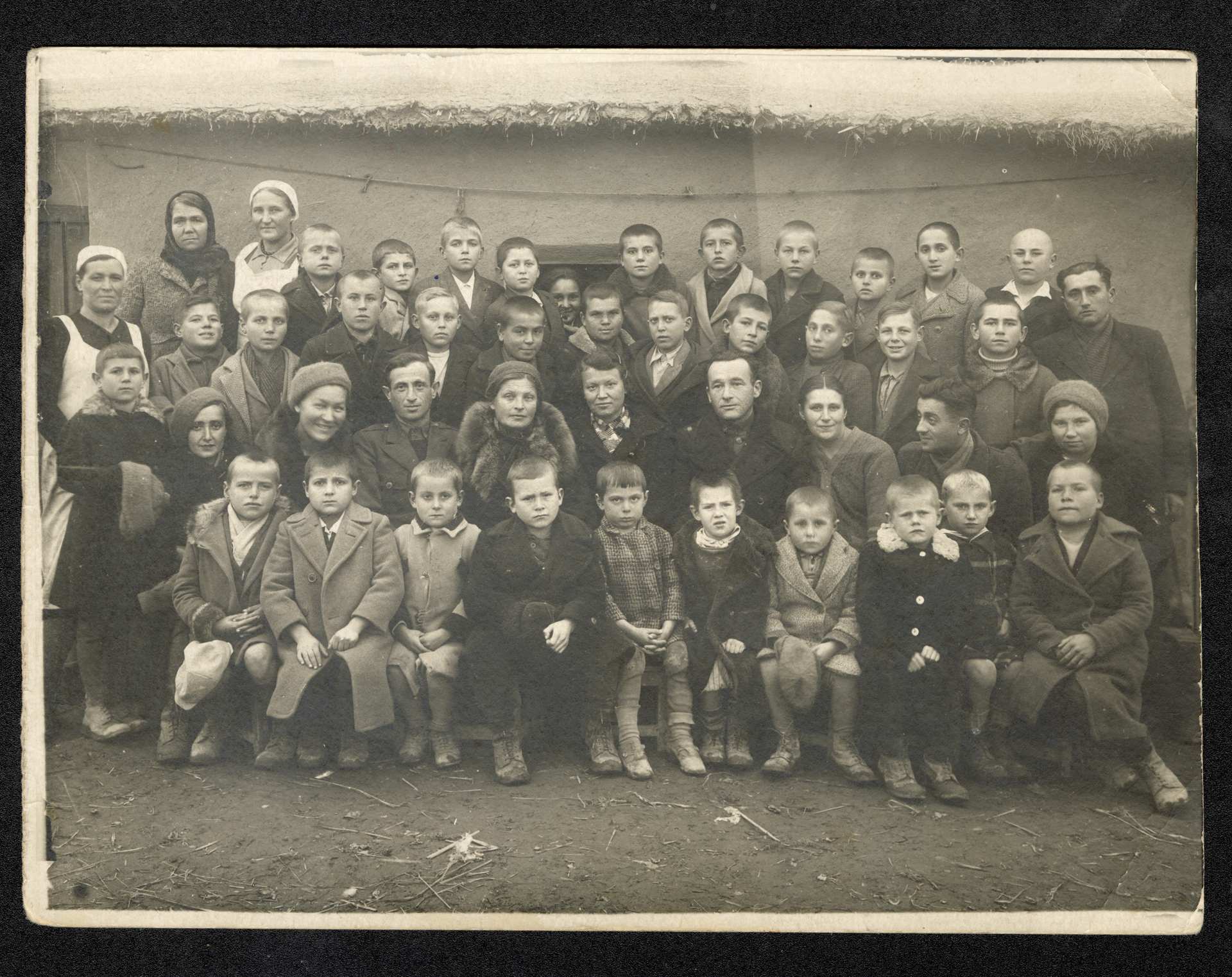
The situation improved in the second half of 1943, when the Union of Polish Patriots and the Polish-Soviet Committee for Polish Children (the so-called Kompoldiet) began to organize education for Polish children. Despite the Soviet action patterns of these institutions, if it hadn’t been for their help these children would have had no chance to survive and return to Poland.