


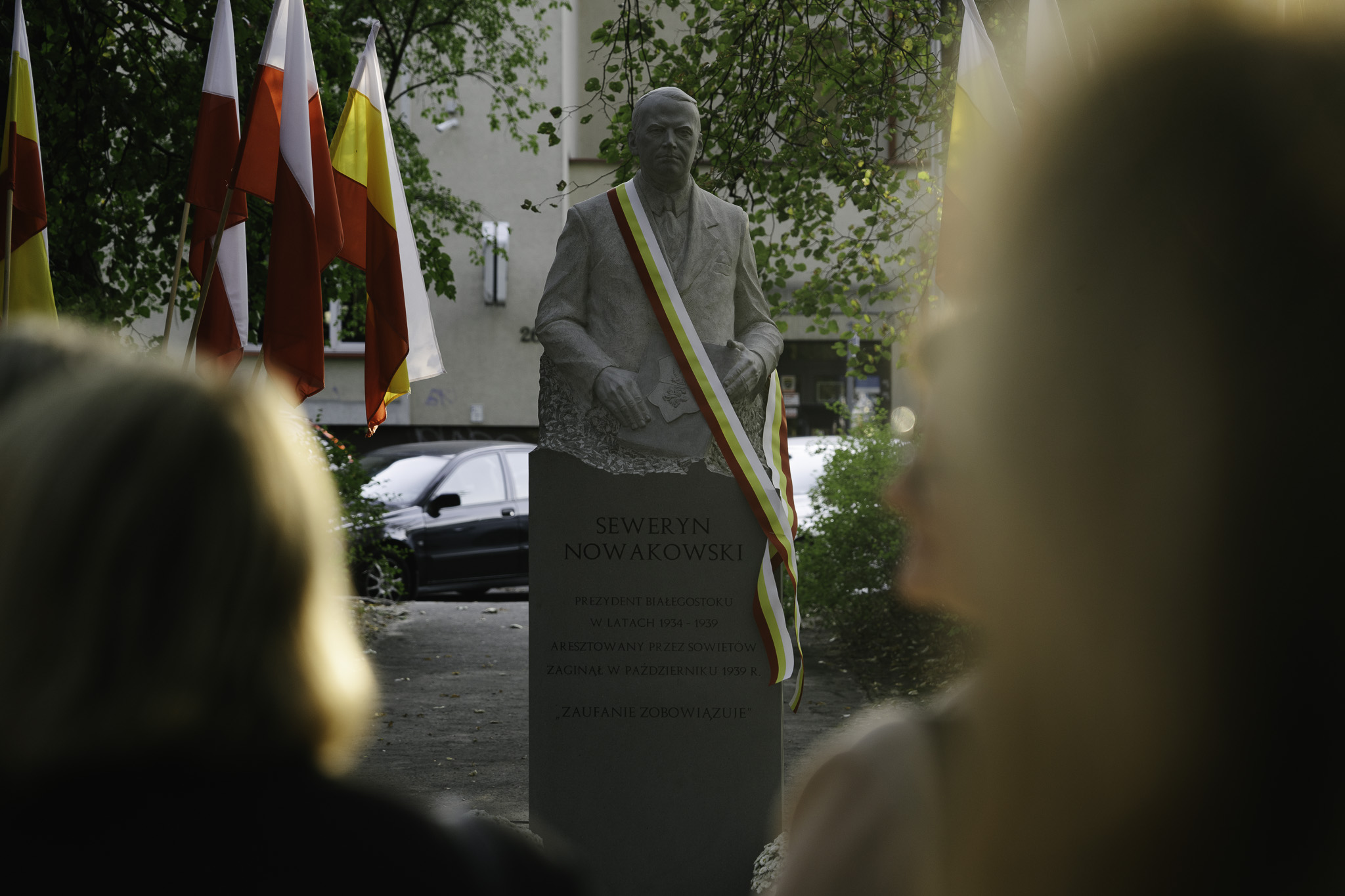
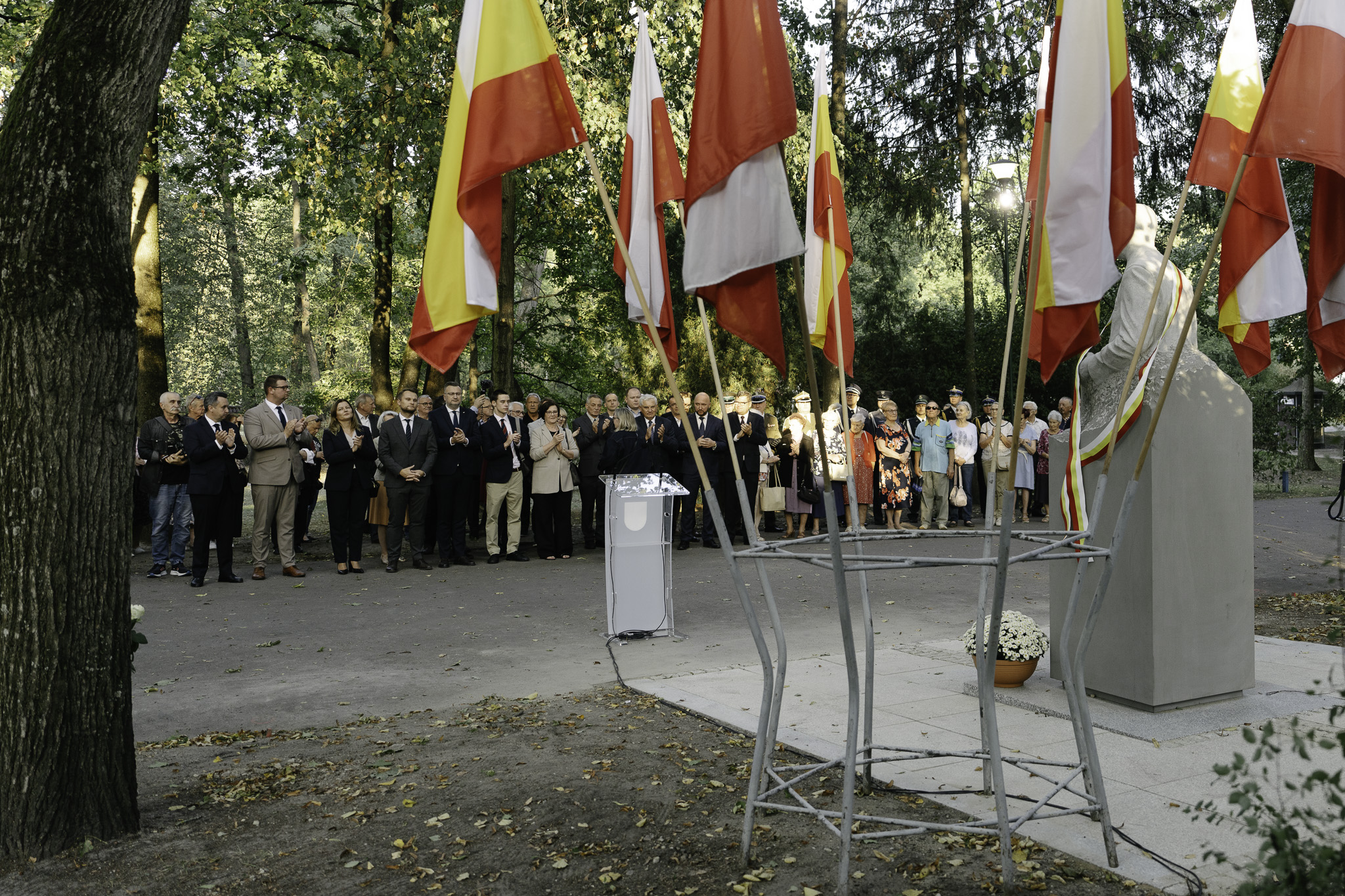
A monument of Seweryn Nowakowski, the pre-war mayor of Białystok and a Sybirak, was unveiled today. The project was carried out on the initiative of residents, with the support of funds from the Civic Budget. In the 2021 vote, 1.6 thousand Białystok residents expressed support for the construction of the monument. The project is in response to the need to commemorate Seweryn Nowakowski, as well as in recognition of his legacy and contributions. The monument is located in Planty Park on Kosciałkowski Boulevards, near the villa at 26 Akademicka Street in Białystok, where President Nowakowski lived.
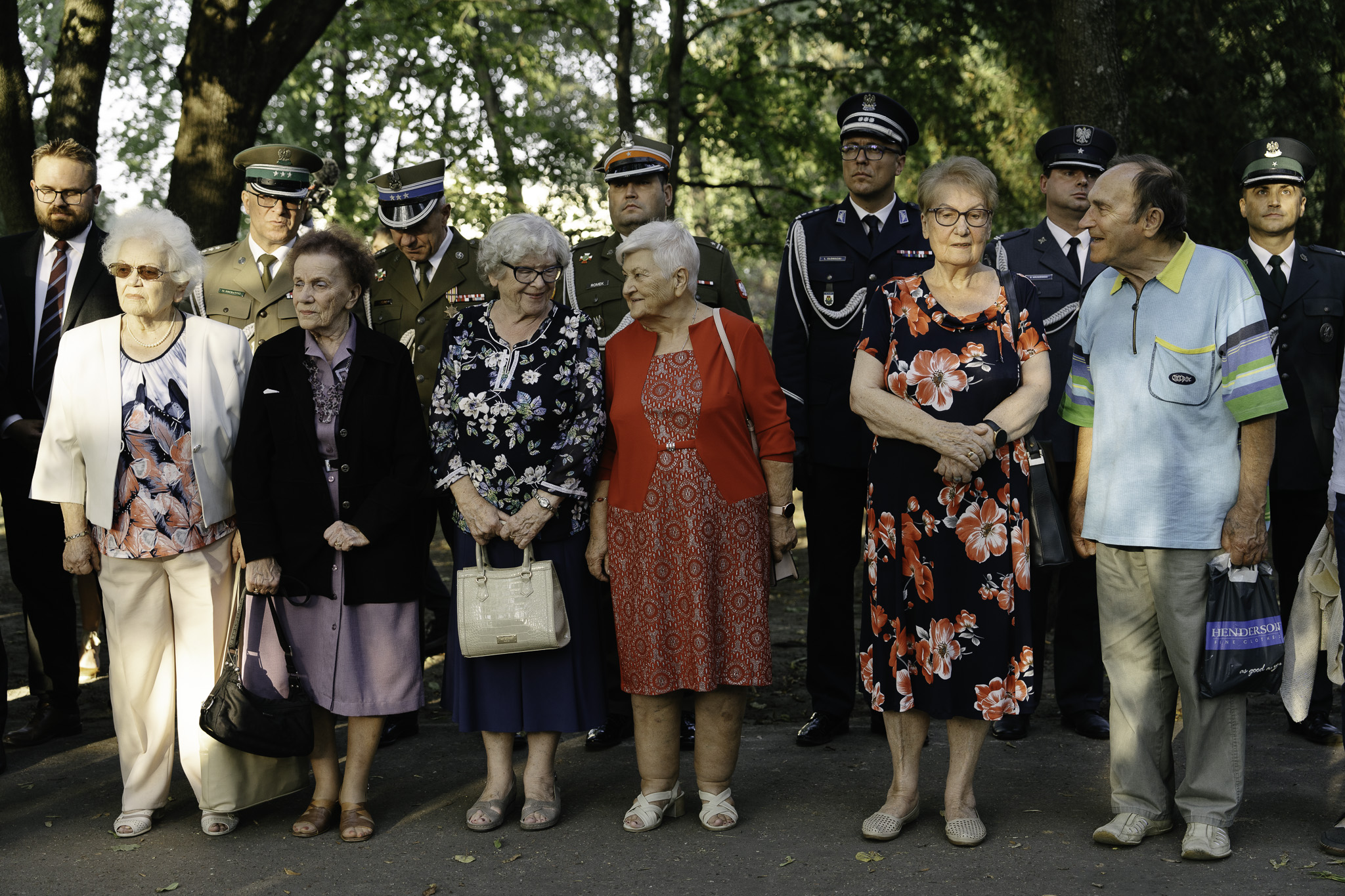
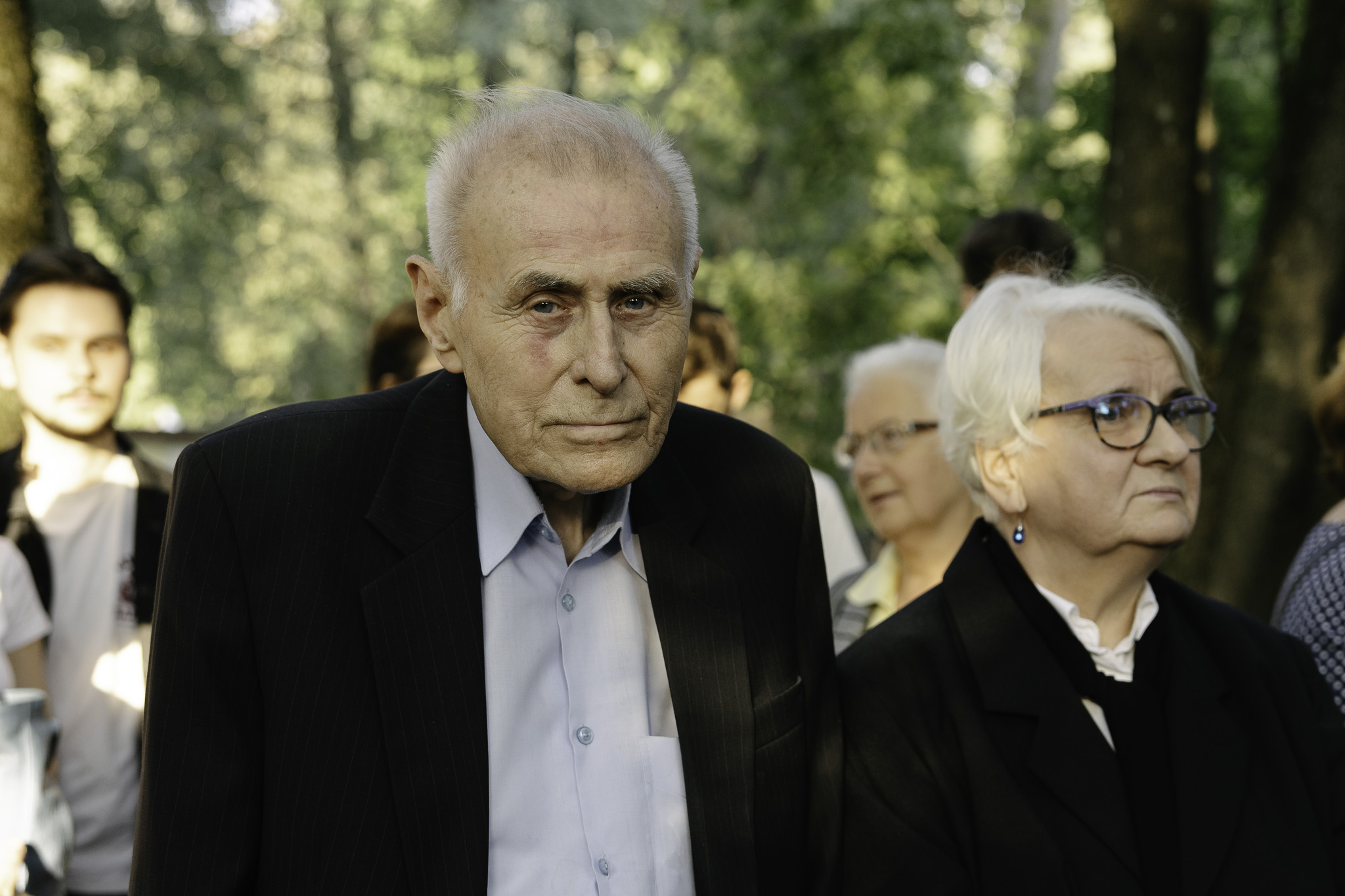
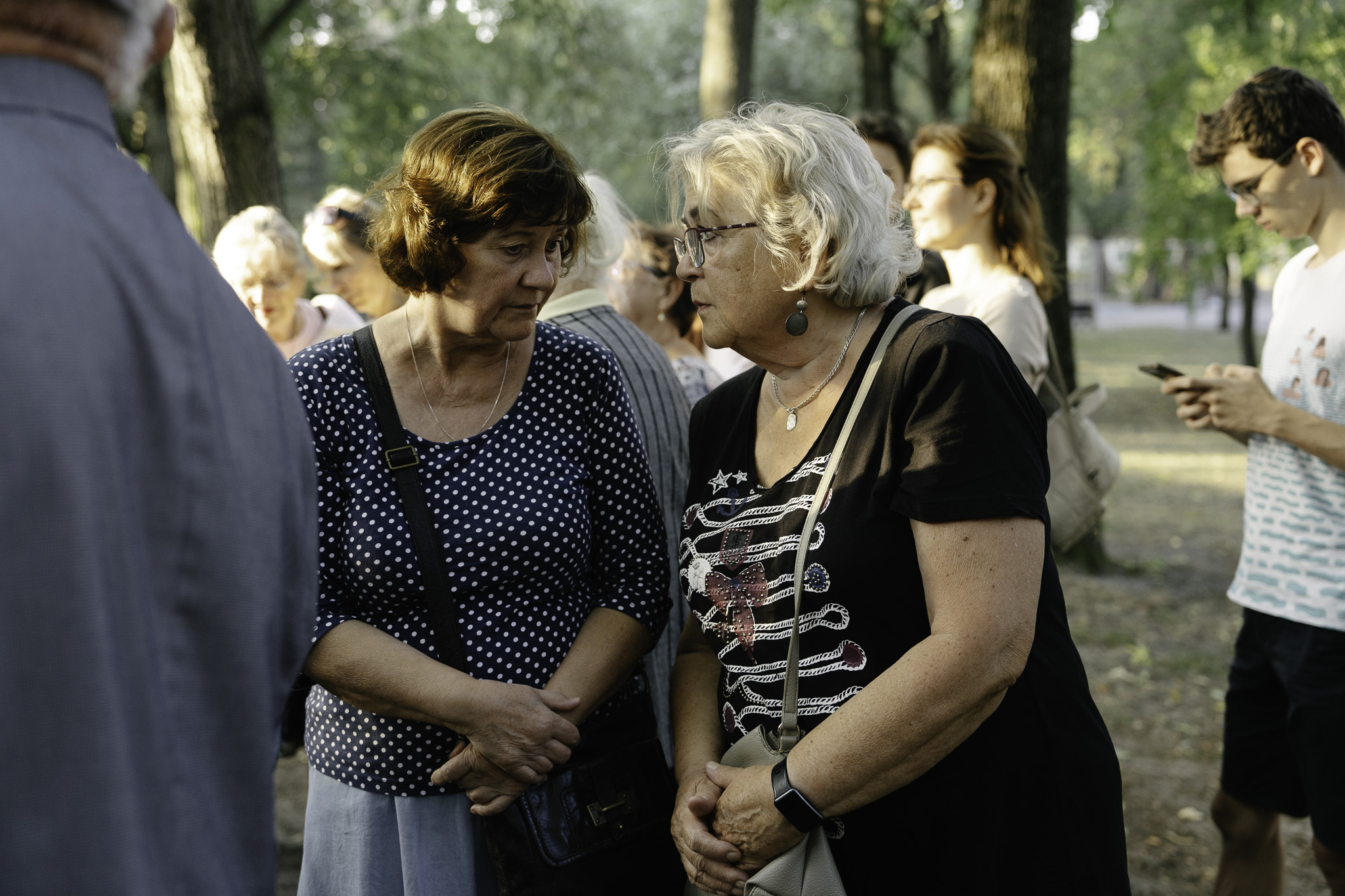
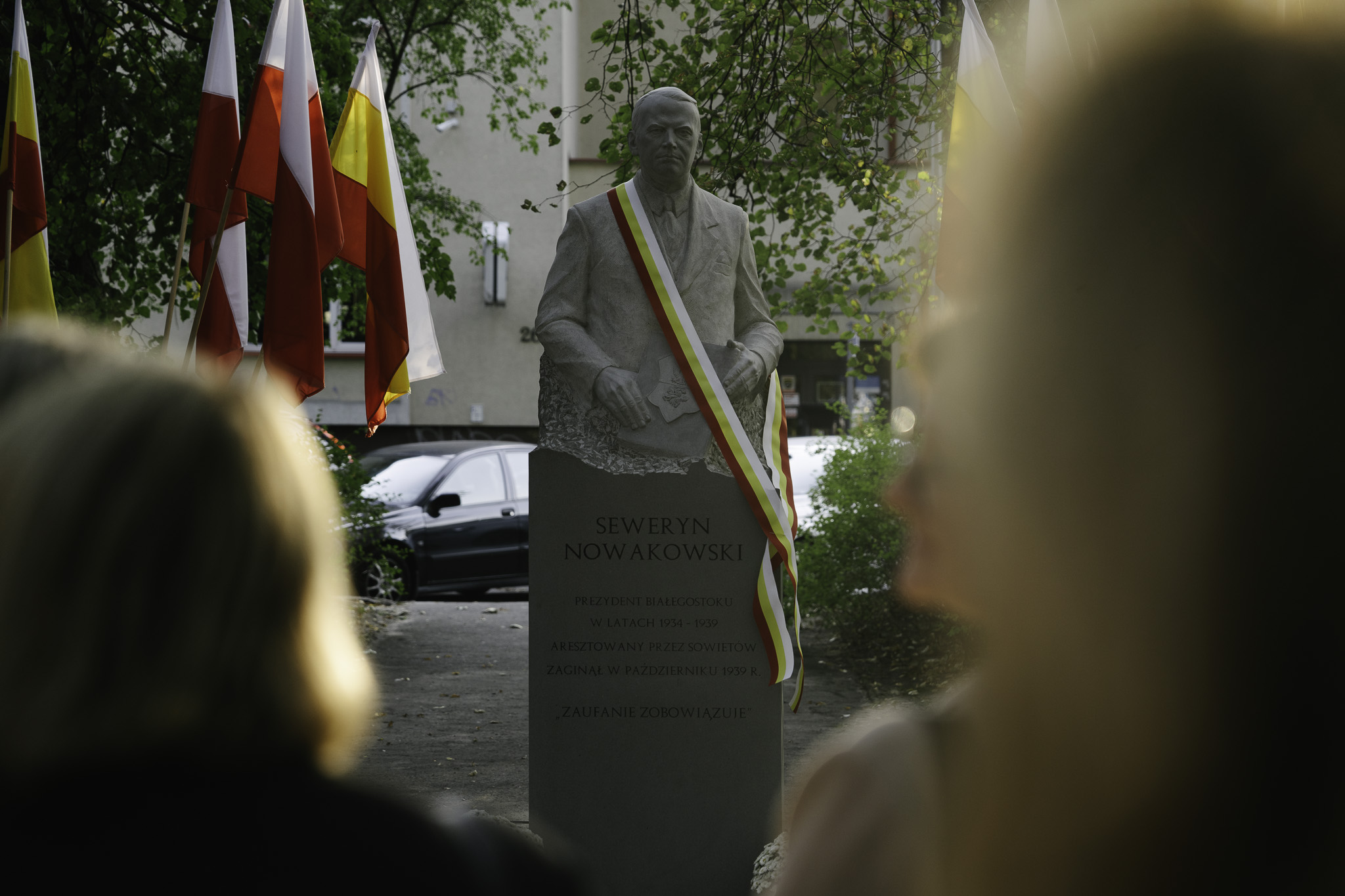
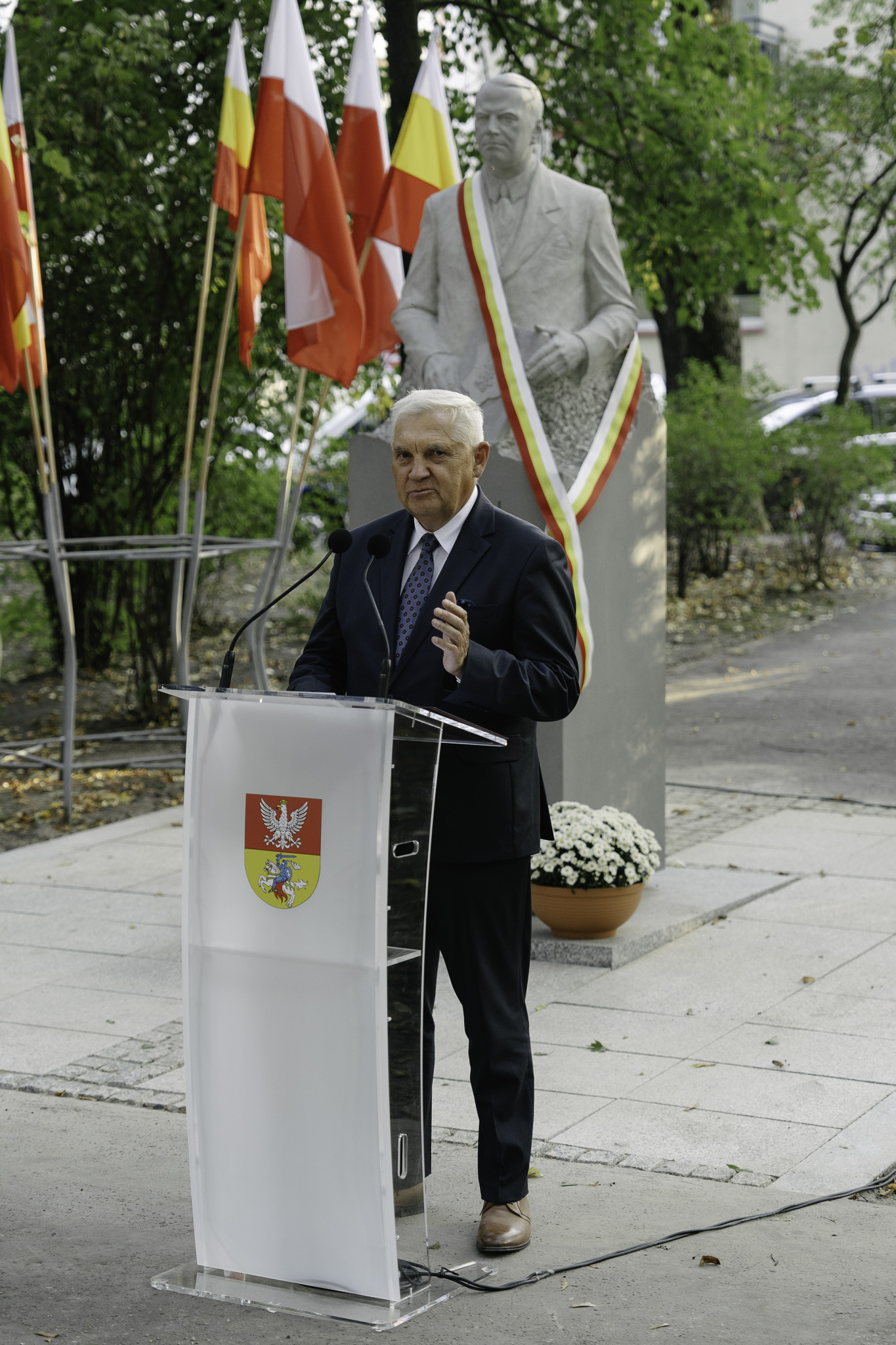
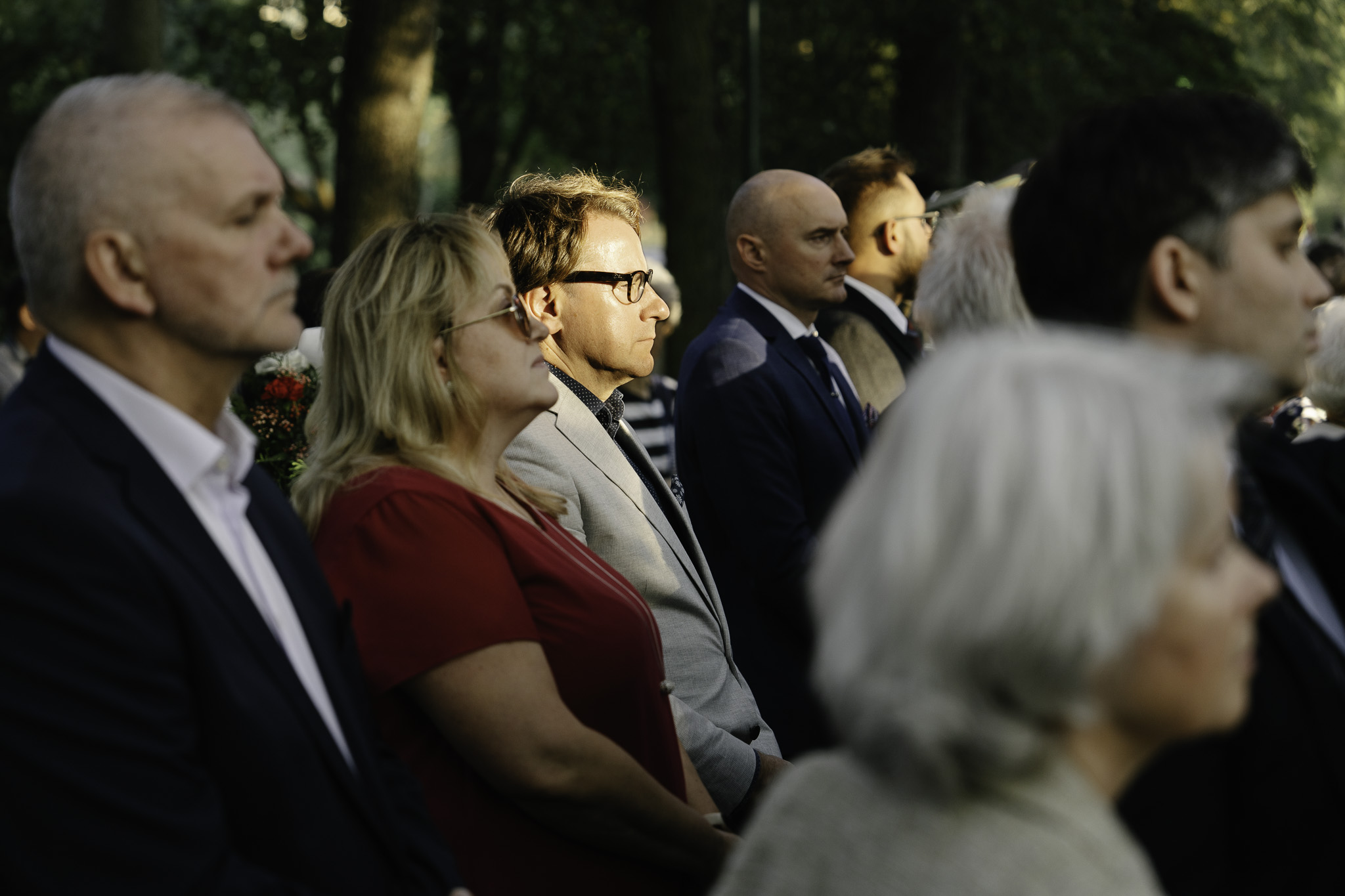
The ceremony was attended, among others, by the Mayor of the City of Białystok Tadeusz Truskolaski, Deputy Krzysztof Truskolaski, Marshal of the Province Łukasz Prokorym, Director of the Sybir Memorial Museum Prof. Wojciech Śleszyński and representatives of Sybirak circles. The event was also attended by the granddaughters of President Seweryn Nowakowski – Mrs. Katarzyna Pitman and Mrs. Joanna Nowakowska, who commemorated their grandfather, the President and a Sybirak.
“The cultural fabric of the city develops not only through investment or economic development, but also through the cultivation of traditions and pride in past achievements. I want Białystok to remember people of particular merit to the city and its heroes. That is why we are here today. Once again we recall the memory of one of my predecessors as mayor, Seweryn Nowakowski. A great host, an excellent organizer, an investor with a beautiful vision, a patriot – Seweryn Nowakowski certainly deserves a monument in Białystok,” said Mayor Tadeusz Truskolaski.
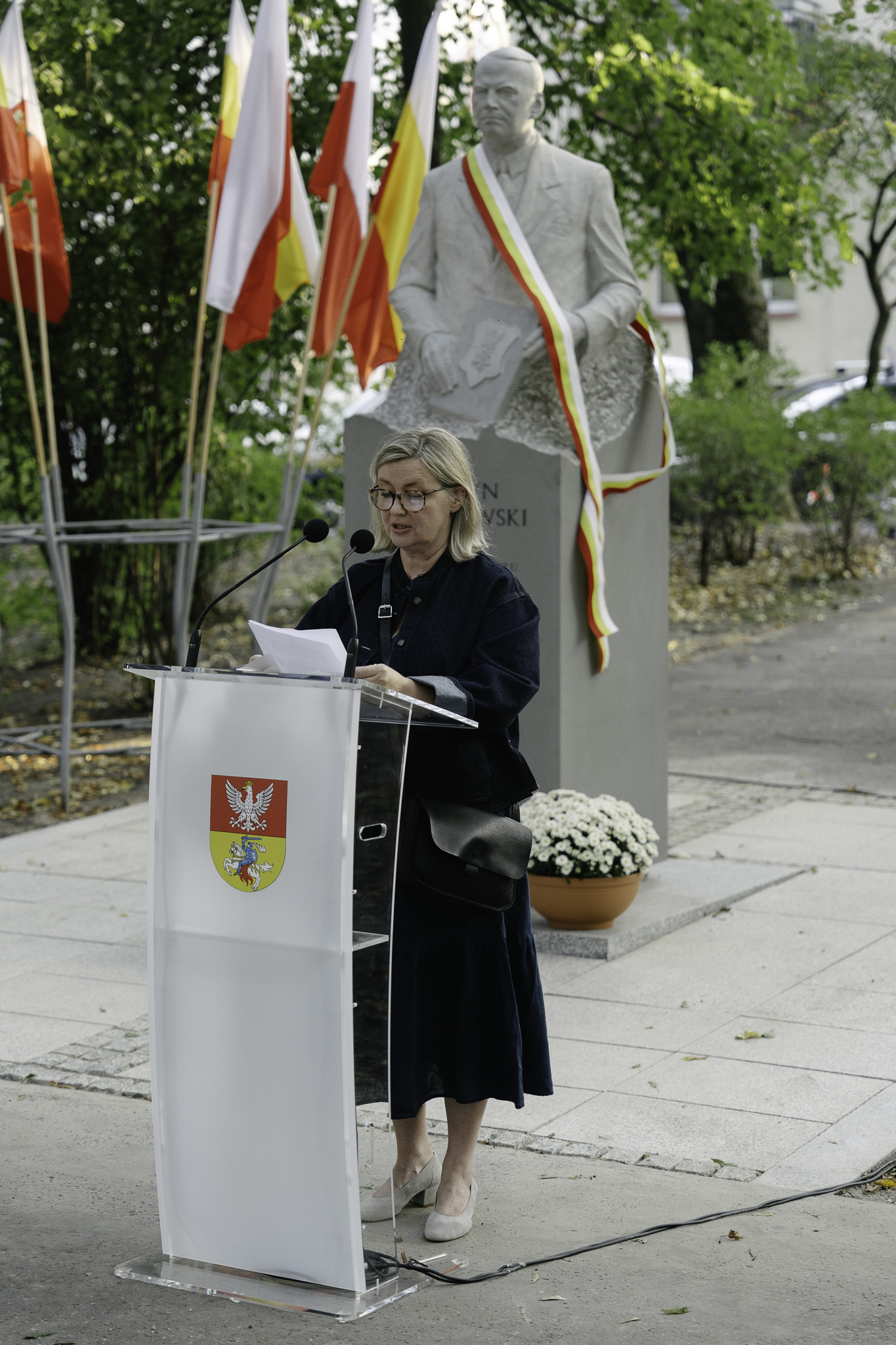
Those gathered also had the opportunity to hear a letter from Krystyna Nowakowska, Seweryn Nowakowski’s daughter-in-law, read by her daughter Katarzyna Pitman. In the letter, she expressed her thanks to the Białystok community for remembering Seweryn Nowakowski and appreciating his services to the city.
“Thank you on my behalf, on behalf of my two granddaughters, four great-grandchildren and four great-great-grandchildren, several of whom bear Seweryn’s name,” her daughter read.
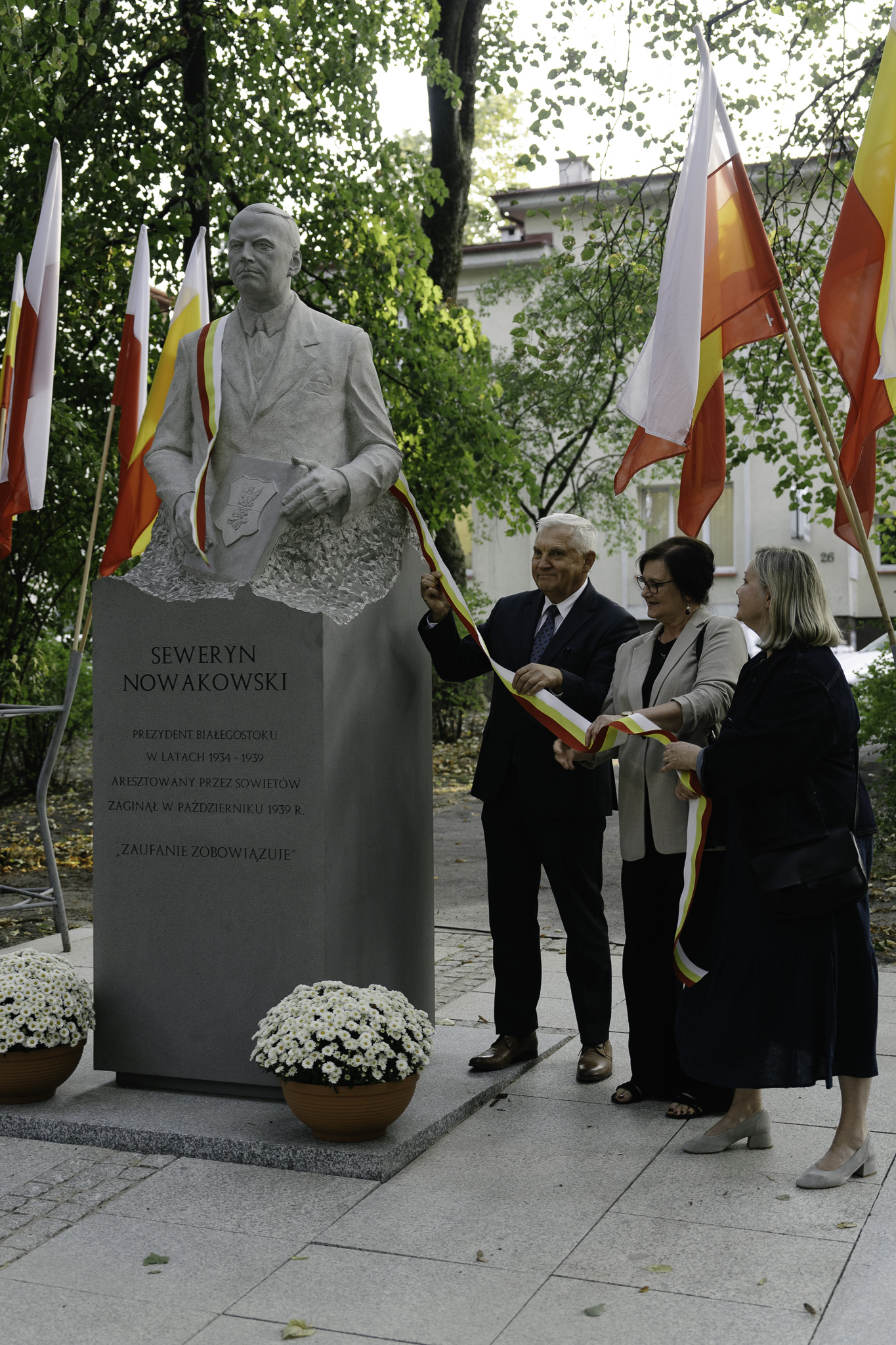
Seweryn Nowakowski was born in Piotrków Trybunalski on January 8, 1894. He was a prominent Polish politician, and tied his career to Białystok. In 1931 he was nominated as a government commissioner. In 1934 he was appointed interim mayor of the city, and in 1935 became president. The period of his rule brought dynamic development to the city after years of stagnation. In the 1930s, Białystok developed at an impressive pace.
“Among other things, electrification, paving streets, laying sidewalks, regulating the Biała River, and laying a sewer system in the city center were started on Seweryn Nowakowski’s initiative. A project for a city park was realized, and construction of a railroad viaduct linking two parts of the city began. Residents received a municipal bathing area in Dojlidy, and a modern theater was built in the center – the Marshal Józef Pilsudski Community House. Market halls appeared in Sienna Square and Bojary,” listed Marcin Zwolski PhD of the Scientific Department of the Sybir Memorial Museum.
Seweryn Nowakowski not only had an idea for the development of the city, but also knew how to raise funds and implement the planned investments. Although he was not a native of Białystok, he fell in love with the city and became so attached to it that in September 1939, when the Germans entered Białystok, Nowakowski stayed with its residents. He chose not to evacuate, even though he knew that the city had been handed over to the Soviets. In October 1939, he was arrested by the new occupier and imprisoned in the local prison, and then deported deep into the Soviet Union. His whereabouts are unknown. Unconfirmed references indicate that he may have been in one of the gulags near Syktyvkar. The symbolic grave of Seweryn Nowakowski is located in the Powązki Cemetery in Warsaw.
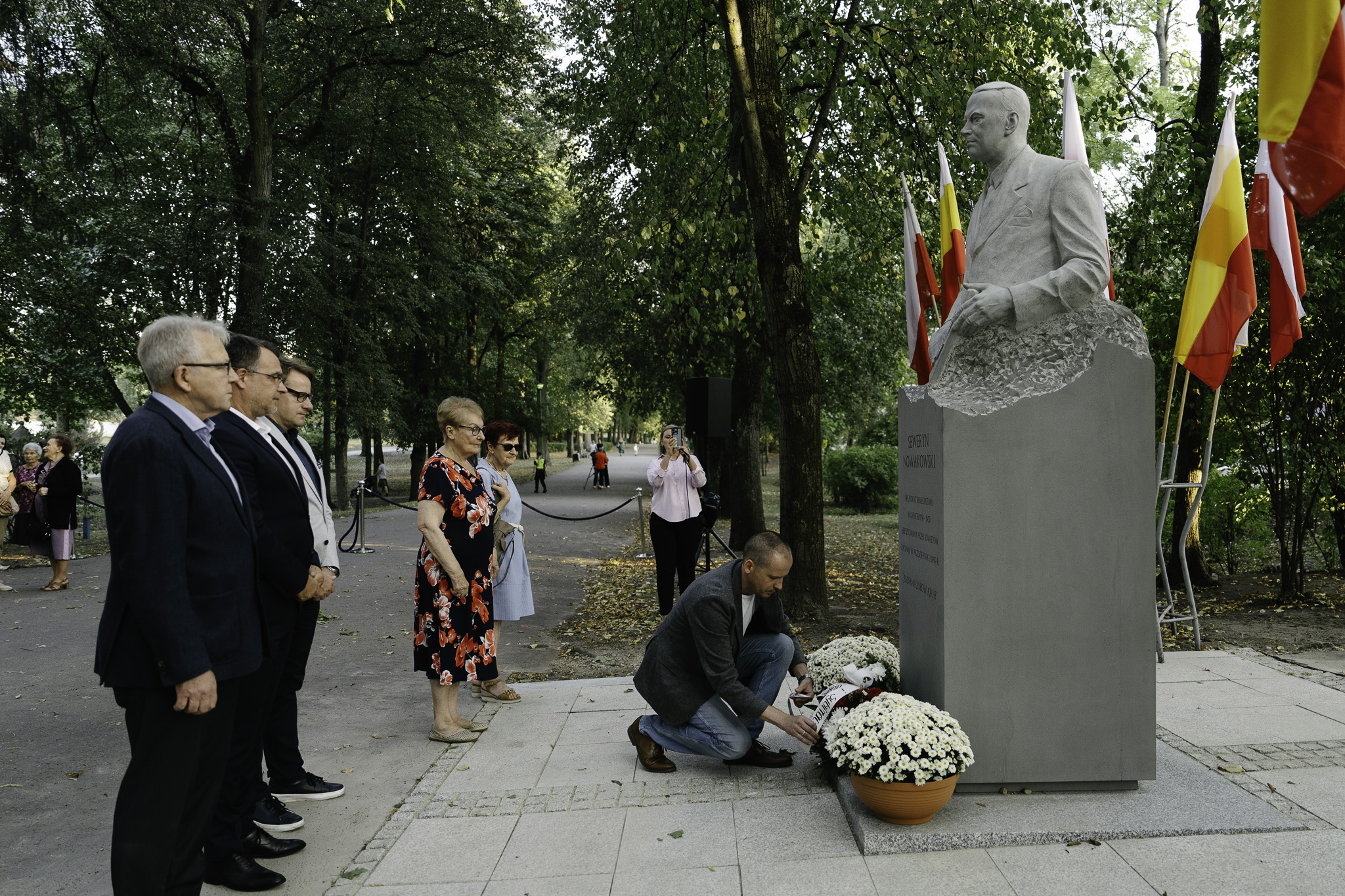
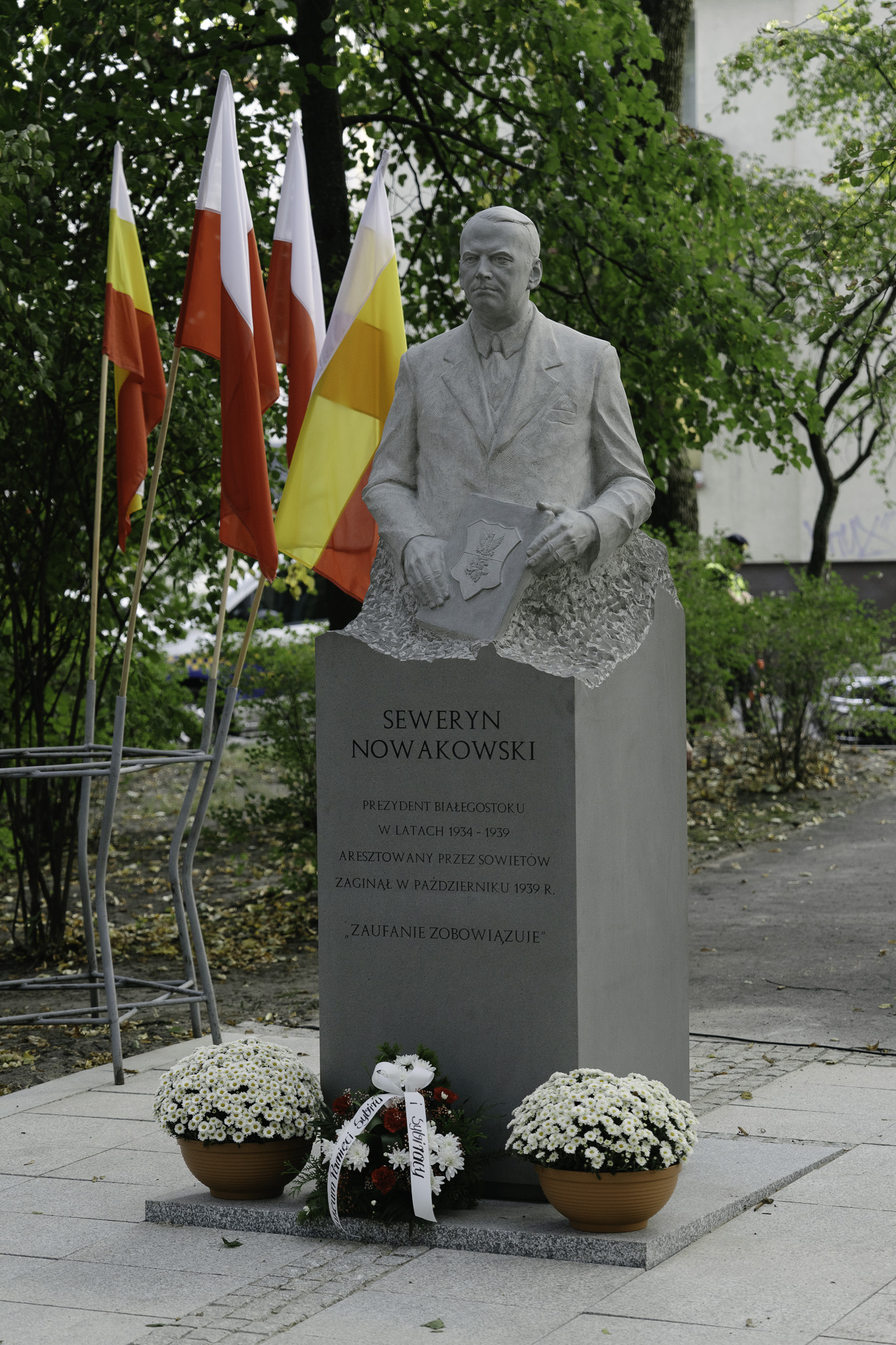
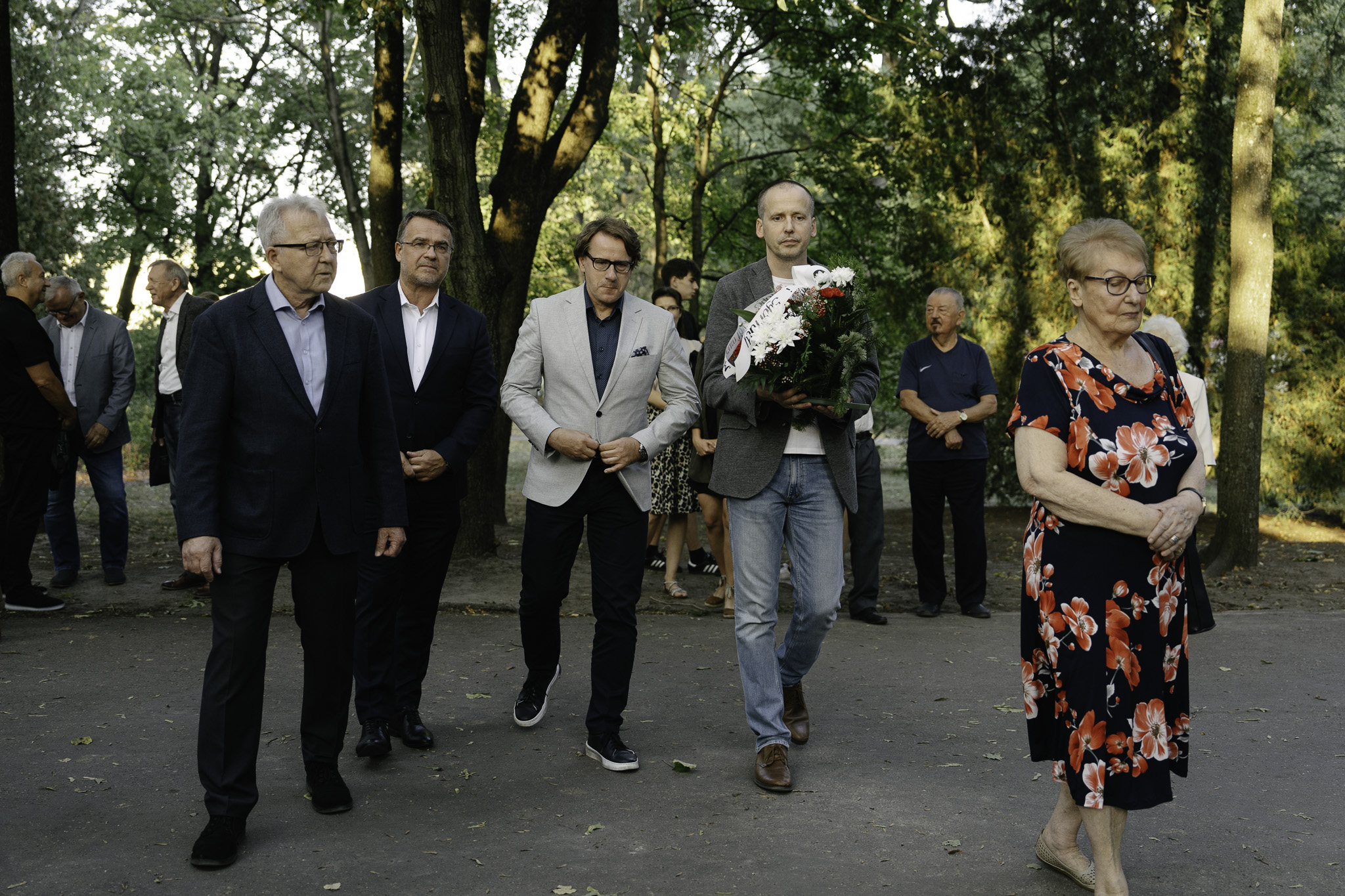
The ceremony ended with the laying of flowers by a delegation of Sybir Memorial Museum together with Prof. Wojciech Śleszyński and Sybiraks at the monument to Seweryn Nowakowski.
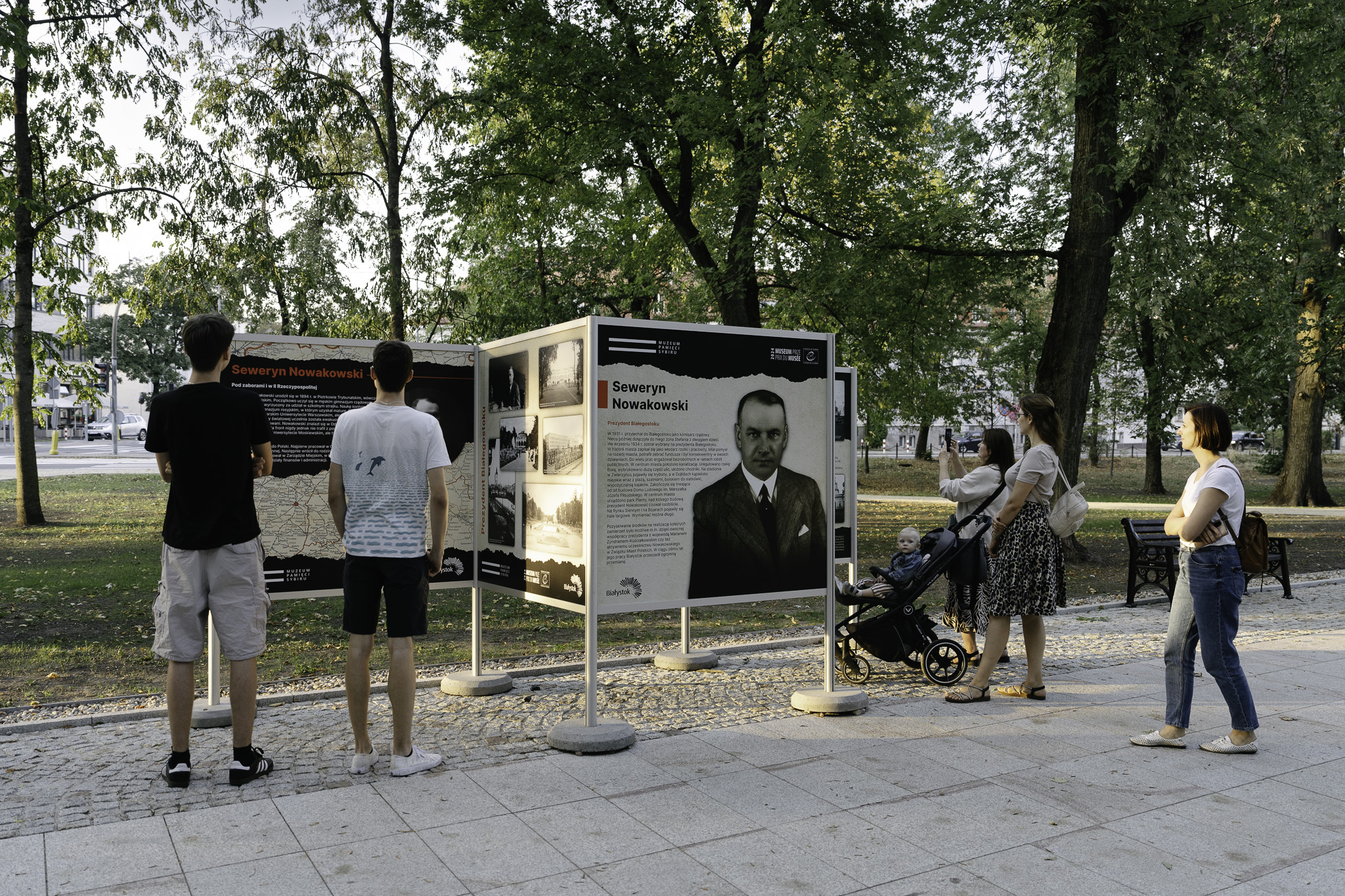
We cordially invite you to visit the monument to Seweryn Nowakowski and see the open-air exhibition on his life, prepared by the team of the Sybir Memorial Museum.